Tag: Japan

  • Bank Saint Petersburg to Start Accepting JCB Cards

    Bank Saint Petersburg to Start Accepting JCB Cards

    JCB International Co., Ltd. (JCBI), the international operations subsidiary of JCB Co., Ltd. announced that Bank Saint Petersburg (BSPB), the leading bank in North-West Russia, started accepting JCB cards at POS terminals and ATMs.

    The bank network includes 7,100 POS terminals and 700 ATMs located not only in Saint Petersburg but also throughout the Leningrad region, in Moscow and Kaliningrad. JCBI started card issuing business with local banks in Russia in 2015 and cardmember base has been expanding. The partnership with BSPB will make JCB cardmembers feel more comfortable to use their cards, and enhance JCB presence in the market and increase JCB brand awareness.

    Commenting on the announcement, Kimihisa Imada, Deputy President of JCBI, said: “With this launch, JCB expands card acceptance in one of the most popular and famous destinations in Russia. Saint Petersburg has been recognized as Europe’s Leading Destination for the second consecutive year by the World Travel Awards and we are proud that JCB cardmembers from all over the world will be able to use their cards while travelling and sightseeing in the area.”

    Pavel Filimonenok, Deputy Chairman of the management board of BSPB, added: “It is very important for us that our bank is among the top ten banks in Russia certified by one of the leading worldwide payment brands – JCB. We highly evaluate the potential of our collaboration with JCB as the payment brand is actively growing and the global volume of transactions made by JCB cards has nearly doubled over the past 3 years.”

  • Equinix completes second phase of TY5 data center in Tokyo

    Equinix completes second phase of TY5 data center in Tokyo

    Equinix has completed the second phase expansion of its 10th International Business Exchange (IBX) data center in Tokyo, the TY5.

    Phase two adds an additional 375 cabinets to the facility, bringing the total capacity of the data center to 725 cabinets. The second phase expansion follows the opening of TY5 in March of this year and brings the total investment in the facility to $43 million.

    This announcement highlights Equinix’s continued investment in Asia-Pacific, as well as demand from local and global companies wanting to benefit from leading interconnection services in Japan, particularly across the cloud and financial sectors.

    Equinix plays a critical role in supporting the interconnected era, underpinning digital economies and enabling businesses to accelerate their performance for continued success and growth. In 2016, it has opened four new IBX data centers in Dallas, São Paulo, Sydney and Tokyo, creating more capacity for global companies to connect with their partners, customers and employees.

    The expansion of TY5 follows Equinix’s acquisition of Bit-isle, a leading Japanese data center and managed service provider, which more than doubled the company’s footprint in Japan. The move means both domestic and international enterprise customers can now benefit from Equinix’s increased presence in the country, spanning 10 data centers in Tokyo and two in Osaka.

    The completion of the phase two expansion will support growing customer demand for carrier neutral data centers with direct connectivity to Equinix’s financial ecosystem in TY3. TY5 is in close proximity to the Japan Exchange and Tokyo Commodity Exchange, providing financial services companies with reliable, low-latency connectivity to key financial institutions and business partners.

    TY5 enables domestic and multinational companies to expand into the growing Japan market, providing them with access to over 1,400 domestic and international network providers within Platform Equinix.

    Platform Equinix now includes over 146 data centers in 40 markets around the world.

    TY5 was recently awarded the LEED Green Building Rating System Gold Certification for its high building standards.

    The award recognizes best-in-class building strategies and practices across seven categories: sustainable sites, water efficiency, energy and atmosphere, materials and resources, indoor environmental quality, innovation in design and regional priority.

  • Shiseido perfume ambition revealed

    Shiseido perfume ambition revealed

    Japanese cosmetics group Shiseido is aiming to become one of the world’s top five perfume makers in five years, up from its current seventh spot.

    New acquisitions will help Shiseido perfume market share grow – along with a step-up in marketing, especially online.

    Shiseido has beaten Spain’s Puig to win Procter & Gamble‘s Dolce & Gabbana perfume (D&G) licence, which generates 400 million euros ($445 million) in annual revenue. It aims to grow this to 1 billion euros in 10 years.
    Shiseido group chief executive for Europe, Middle East and Africa Louis Desazars, who was previously US head of Shiseido’s Nars make-up brand, says there is a new mindset and energy in the group.

    The D&G licence business will compensate for Shiseido’s loss this year of the Jean-Paul Gaultier perfume licence as part of an agreement with Puig when it bought the French brand in 2011.

    Shiseido says the D&G perfume business helped it more than double its market share instantly to 5.8 per cent from 2.2 per cent. It is aiming to reach 9 per cent in five years.

    On top of its own skincare lines, Shiseido makes perfume under licence for fashion brands Azzedine Alaia, Elie Saab, Issey Miyake and Narciso Rodriguez. The group has created a separate branch for niche brands it has acquired such as Serge Lutens last year, and the skincare and cosmetics brands Laura Mercier and ReVive in July.

    The global perfume market grew 2.9 per cent last year, while niche perfume brands saw their sales surge 15 per cent.

    Estee Lauder has also placed niche perfume brands it has bought, such as Editions de Parfums Frederic Malle and Le Labo, in a separate division.
    Including perfume, skincare and makeup, Shiseido ranks fifth globally behind L’Oreal, Coty, LVMH and Chanel, and is bigger than Clarins. In skincare alone, Shiseido says it aims to join the top three globally, up from its current fifth spot.

  • Discovery Japan Mall opens online

    Discovery Japan Mall opens online

    Tokyo-based craft products retailer DigitalStudio has launched Discovery Japan Mall, a cross-border eCommerce venture.

    Specialising in Japanese brands, the mall’s initial catalogue includes mainly toys, fishing gear, cosmetics, food, watches and fashion. About 100 Japanese companies have opened stores on the mall, offering about 15,000 items.

    Shipping is available to more than 120 countries and regions, and as part of the opening campaign free international shipping is offered for orders worth JPY 20,000 (US$190) or more until the end of this month.

    As well as credit cards, the mall supports payment by AliPay, PayPal, UnionPay and WeChat. The website is available in English, simplified and traditional Chinese, Indonesian, Korean and Thai. Purchases can be made by smartphone, and all orders include tracking and shipping insurance, plus delivery from Japan.

    Discovery Japan Mall representative Norio Itabashi says many hidden Japanese products do not reach the overseas market, and the mall is working with craftsmen and manufacturers to sell unique products.

    DigitalStudio was established in 2003 with the aim of “continuing to bring Japan to the world”.

  • Toyota with Daihatsu gets ready to enter small-car market

    Toyota with Daihatsu gets ready to enter small-car market

    The world’s largest carmaker, Toyota Motor, is finally getting ready to enter the Indian small-car market and challenge the dominance of Maruti Suzuki and Hyundai Motor in their bread-and-butter segment. The Japanese automaker and its unit specialising in small cars, Daihatsu Motor, are expected to drive in a new range of vehicles to India starting 2020-2021.

    A few days ago, Toyota and its fully owned Daihatsu unit announced plans to establish an internal company that will be responsible for compact vehicles for emerging markets, from product planning to production preparation. India is an integral part of this move. The structure of this new internal company is likely to be formed by January, 2017.

    The groundwork has already been done through various studies commissioned over the years, said people in the know of the plans. The Toyota-Daihatsu combine will target the A and B segments, where vehicles are typically priced below Rs 10 lakh. This segment, where Toyota currently has only a limited presence here with the Etios range, is the mainstay for Maruti and Hyundai Motor India.

    The branding for the products is yet to be defined. The new cars under the venture may be branded Toyota or Daihatsu, or it could be an all-new brand in line with how Toyota introduced a ‘Scion’ brand in North America in 2003 — the brand was discontinued this year.

    Through the proposed internal organisation, the objective is to develop and launch competitive compact vehicles in emerging markets based on Daihatsu’s approach to manufacturing affordable, high-quality products. While the small car champion will take the lead responsibility in this new initiative, in India, it will seek to gain from the parent’s understanding of the market.

    Vikram Kirloskar, vice chairman of Toyota Kirloskar, the Indian unit of Toyota, told ET that the initial target of the new company would be Asian countries and that joint decisions would be made to enable the effective use of both companies’ existing bases of operation.

    “We are happy to note that India is among the countries being considered as the responsibility of Daihatsu as the Indian market has strong need for compact vehicles in the B Segment and A Segment which is Daihatsu’s strong point. The priority would be to strengthen operations in each country by first enhancing the collective capabilities of the Toyota Group,” he said.

    More details on the initiative will be known by January of 2017, when the formal structure will be defined, Kirloskar said, while declining to comment on products or timelines.

    A person in the know of the plans said the vehicles would come around 2020 and conform to the BS-VI emission guidelines that would come into effect that year.

    It makes sense for Toyota to launch compact cars in India around 2020, by when the market would grow more than 70% from now and the buying power of the middle class would be much higher, said Gaurav Vangaal, senior analyst for forecasting at IHS Markit Automotive. “But then, countering the already strengthening Maruti and Hyundai won’t be an easy task, though the cars will be from Toyota,” he added.

    Daihatsu will be responsible for the development, procurement and production preparation for compact vehicles for emerging markets based on “DNGA”, a Daihatsu vehicle architecture now being defined, and Toyota will support these efforts by providing knowledge and resources. The business plans will be formulated jointly and, in India, the Toyota-Daihatsu combine is likely to use Toyota’s existing facility on the outskirts of Bengaluru. It factory has an annual capacity to produce 3.1 lakh vehicles and is being underutilised.

    Kirloskar said Toyota is learning about Daihatsu’s strengths, such as its work processes and approach to manufacturing at both its production and development workplaces. Daihatsu, on the other hand, is receiving various kinds of support related to the evolution of automobile manufacturing, such as information related to advanced technologies, starting with hybrids.

    “We are hopeful that by sharing and unifying strategies for the future, mutual synergies will be steadily achieved and result would be seen in India as well,” he added.

    Daihatsu has twice in the past attempted to enter the Indian market — first in late 2000 and then a few years later.

    According a person in the know of Toyota’s plans, the sourcing executives of Daihatsu have already met vendors to discuss a few projects.

    Another said future growth for the company would likely come from Asia. “The needs of these markets are different from the developed world; they can be catered only through Daihatsu’s small car,” he added.

    Daihatsu will launch a new generation Agya or Ayla — a small car sold in Indonesia — by 2019 and it is the same car which is being explored for the Indian market, said year another person. “The company has also studied the possibility of launching the B segment SUV for India.”

  • Japan to possibly take part in East Natuna gas exploitation

    Japan to possibly take part in East Natuna gas exploitation

    Indonesias state-owned energy company, PT Pertamina, has hailed a senior minister for proposing to invite Japan to participate in the East Natuna Block gas project in the province of Riau Islands.

    Pertamina, ExxonMobil and PTT Thailand have formed a consortium to develop the gas field in the border region.

    “This is a big investment. The consortium is still to discuss it. I think in view of the big investment needed, it will be good if a number of parties participated. Certainly, the issue will be discussed by the consortium,” Pertaminas President Director Dwi Soetjipto said at the office of the Coordinating Minister for Maritime Affairs here on Monday.

    Coordinating Minister for Maritime Affairs Luhut Binsar Pandjaitan has invited Japan to participate in the project to exploit the East Natuna block in the Sumatran province.

    Dwi pointed out that the profit sharing concept was the crucial point to discuss.

    “What is important now is the formula to share the profits so that the project’s economic value can be realized,” he added.

    The Director General of Oil and Gas of the Ministry of Energy and Mineral Resources, IGN Wiratmaja Puja, underlined that the consortium was still discussing the production sharing contract.

    He admitted that Japan and Malaysia (Petronas) have also been invited to develop the block.

    “Japan has been invited and also Malaysia, and we hope they will be interested,” he noted.

    Malaysias Petroleum Nasional Berhad (Petronas) had indeed been a member of the consortium but later withdrew.

    Petronas joined the East Natuna consortium when the Principle of Agreement for the exploration and exploitation of East Natuna was signed on August 19, 2011.

    At the meeting with Malaysias Deputy Prime Minister Ahmad Zahid Hamidi in Malaysia early in September, Minister Luhut had invited Petronas to participate in the oil and gas exploitation in East Natuna.

    The East Natuna Block plans to first produce oil while gas production will be undertaken after a study in view of the fact that its carbon dioxide (CO2) content can reach up to 72 percent.

    The production sharing contract of the East Natuna Block could be signed even though it was expected to happen in September last year since no agreement was reached regarding the profit sharing formula.

  • TravelersBox rolling out in Asia

    TravelersBox rolling out in Asia

    TravelersBox kiosks are being launched in Asian airports allowing travellers to deposit their leftover foreign coins into their preferred online accounts.

    More than 40 are expected to be service by the end of the year.

    TravelersBox is the first service allowing travellers to convert foreign currency into usable digital currency at airports. First rolled out at Manila airport in the Philippines, the latest kiosks have just come online in Narita International Airport in Japan.

    In parallel to the expansion, the company is also launching additional products and services in the kiosks tailored to the Asian market.

    Baidu wallet is the first offering, specifically aimed at the Chinese market, the largest travelling population in the world.

    “For the Asian market we’ve given specific attention to each traveller’s nationality,” says TravelersBox co-founder/CEO Tomer Zussman. “Services such as Nets FlashPlay Card for Singaporeans, Lazada for Southeast Asian travellers and more will soon be available in the TravelersBox around the world.”

    TravelersBox has more than 75 kiosks internationally where travellers can convert their leftover foreign change into digital money with options including iTunes, PayPal, Skype and gift cards such as Gap or Starbucks. There is also a donation button.

  • Laox opens new Osaka store

    Laox opens new Osaka store

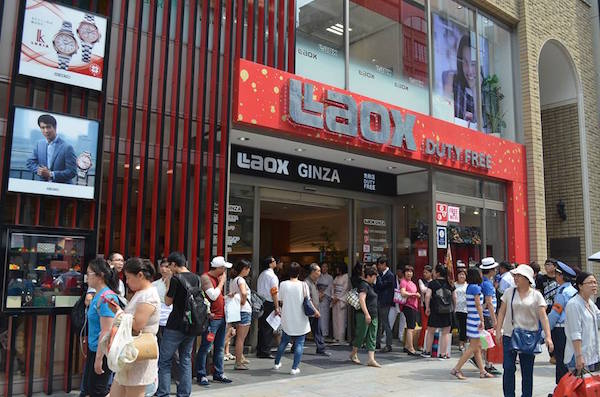
    Japanese duty-free retailer Laox has opened its eighth store in Dragon Gate Building, Osaka.

    Called “Laox Osaka Dotonbori Ebisubashi Store”, the exterior of the first floor and second floor is covered with glass, making this a street-level store with a characteristic design that attracts the attention of passersby.

    The store specialises in personal items such as cosmetics, hair and beauty products, and home electronics, as well as Japanese-made watches, highly popular outside Japan, and collectibles such as figurines.

    Aiming to appeal to a broad international customer base, the store is located on the popular ‘Dotonbori’ nightlife and retail precinct.

  • Indonesia offers Japan Jakarta-Surabaya rail project

    Indonesia offers Japan Jakarta-Surabaya rail project

    Indonesia has officially offered Japan the opportunity to take part in the semi high-speed rail construction project connecting Jakarta to Surabaya in East Java, a senior minister said.

    Coordinating Maritime Affairs Minister Luhut Binsar Pandjaitan delivered the official letter offering the project to the Japanese government during his working visit to Tokyo on Friday, according to a statement released by the ministry’s office.

    “Personally, I am sure Japanese technology is suitable for this project,” he said in the statement released on Friday. The semi high-speed railway would have trains running between 180 and 200 kilometers per hour and would shorten the travel time between Jakarta and Surabaya to 3.5 hours, Luhut added.

    The government planned a double track railway so that it could be utilized to support the transfer of containers in dry port between Jakarta, Semarang and Surabaya.

    Should Tokyo accept the offer to work on the project, Luhut further said he hoped that Japan would implement technology transfers with Indonesia and comply with the country’s regulations that prioritized the use of Indonesian-made products.

  • Fast Retailing rolling out GU shops overseas

    Fast Retailing rolling out GU shops overseas

    Japanese retail holding company Fast Retailing intends to have 1000 shops for its low-cost GU brand overseas in 10 years, up from about 10 foreign stores now.

    GU sells clothing often priced at about half that of stablemate Uniqlo.

    Fast Retailing will expand GU first in Asia, where Uniqlo has been successful, says chairman/president Tadashi Yanai.

    After increasing its GU outlets in Taiwan and China, Fast Retailing will turn its attention to South Korea, Hong Kong, Thailand and Singapore for growth in the next five years.

    GU’s first overseas store opened in 2013. In Japan, the brand’s low prices and sensitivity to fashion trends have helped store numbers grow to around 350.

    Meanwhile, Uniqlo now has more stores overseas than in Japan, with plans to set up around 100 shops a year in China.

    Other brands under Fast Retailing’s wing include Comptoir des Cotonniers, J Brand and Princesse Tam-Tam.

  • Osaka foothold for Asics Tiger Japan

    Osaka foothold for Asics Tiger Japan

    With marble shoe walls and shining white centre tables, Asics Tiger Japan has opened a store in the Shinsaibashi shopping district of Osaka.

    Street elements of the store design include mortar walls and guard rails, with a yellow accent line on the ceiling. A 6m-wide window lets passersby view the store interior in its entirety.

    Asics Tiger has also redesigned its logo, which features in the furniture and facade of the store. Designed by graphic designer Alan Peckolick, the logo adds the word “tiger” in Asics’ iconic typography.

    The store is on the first floor of Shinsaibashi Opa Kirei Kan.

  • Japan’s Murata aims to boost automotive revenue with Sony battery buy

    Japan’s Murata aims to boost automotive revenue with Sony battery buy

    Japanese electronics components supplier Murata Manufacturing Co Ltd wants its enlarged battery business to help double automotive-related revenue when the years of rapid expansion in the smartphone market have passed, its chief executive said.

    Murata is adding to its small battery operations after agreeing in July to buy most of Sony Corp’s battery division by the end of March 2017 for an undisclosed amount. In the business year through March 2016, that division generated sales of about 160 billion yen ($1.56 billion).

    “We want to enter the automotive battery business through the acquisition,” Tsuneo Murata said in an interview on Tuesday.

    Components makers have seen profits soar in recent years due to the rise of smartphones. Murata, which earns about 60 percent of revenue from smartphone parts, expects operating profit to have grown six times over the four years through March, helped by business from customers such as smartphone leaders Apple Inc and Samsung Electronics Co Ltd.

    The company is currently benefiting from a trend toward higher-performance smartphones that use more of its components, such as capacitors and frequency filters. But to guard against any future slump, it aims to boost other sources of income.

    “I believe batteries will be a powerful weapon,” said Murata, one of the sons of the founder of the Kyoto-based firm.

    The CEO said he wants batteries to help the automotive proportion of revenue to reach 20 to 30 percent in about 10 years, from 13 percent in the year ended March.

    In the Sony deal, Murata has bought the division responsible for selling the world’s first lithium-ion battery in 1991, but which Sony said in a July earnings briefing was losing money partly because it could not supply a major smartphone maker.

    Murata intends to apply Sony’s battery technology to automobiles, the CEO said.

    “South Korean battery makers may look dominant in the market right now,” Murata said. “But there are many purposes in the automotive industry alone and I think various battery makers will grow by focusing.”

  • Toyota, Daihatsu to set up joint emerging markets company

    Toyota, Daihatsu to set up joint emerging markets company

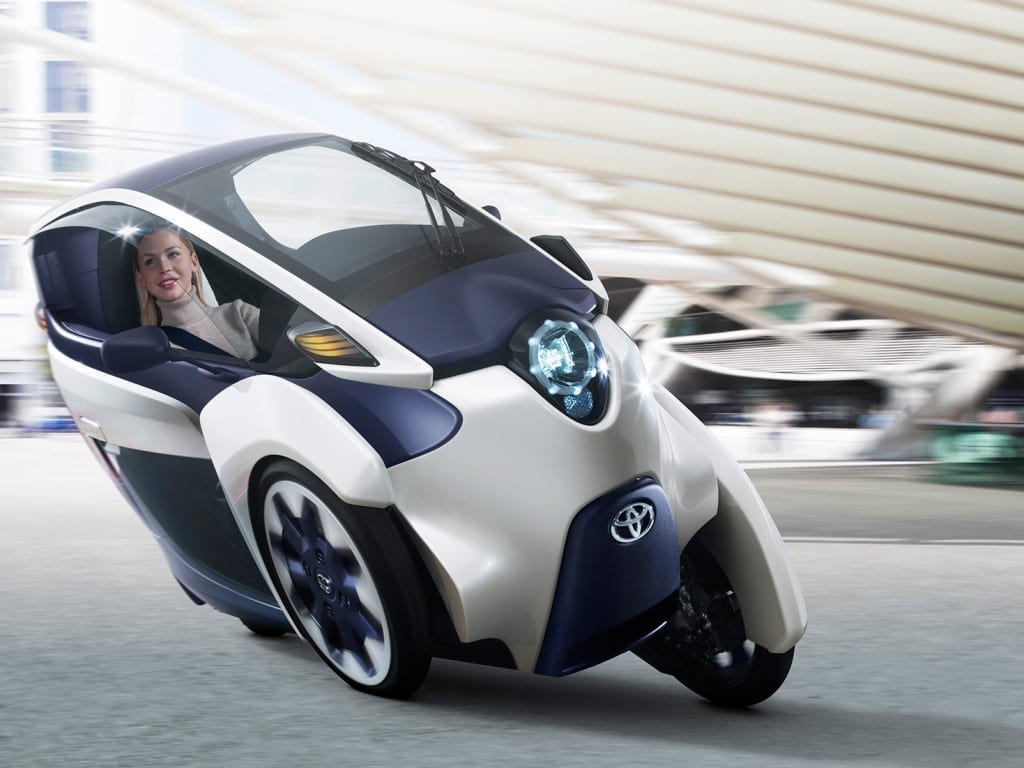
    Toyota Motor Corp on Tuesday said it will set up a joint internal company with subsidiary Daihatsu to develop and market compact vehicles in emerging markets, as Toyota aims to expand market share in other Asian markets.

    The Japanese automaker plans to establish the new unit in January, it said in a statement, adding that its operations would be led by compact carmaker Daihatsu, a Toyota group company which was absorbed by the automaker earlier this year.

    Daihatsu will be responsible for development, procurement and production preparations for compact cars while the two companies will use existing production sites to manufacture the compact vehicles.

    Toyota said the companies were considering possible markets including Vietnam, India and Pakistan.

    “With the establishment of the internal company, Toyota intends to learn the very fundamentals of Daihatsu’s competitiveness and change the way we work,” Toyota Executive Vice President Shigeki Terashi said in a statement.

    The companies intend to develop Daihatsu into a global brand as they focus on growing markets for entry-level compact cars, which are becoming smaller and energy efficient due to environmental and traffic concerns.

    Daihatsu holds around a 16 percent market share of the passenger car market in Indonesia, where it manufactures the Ayla and other vehicles in a joint venture with Astra International. In Malaysia, it operates a joint venture which has a market share of around 32.5 percent.

  • Uniqlo Canada takes it slowly

    Uniqlo Canada takes it slowly

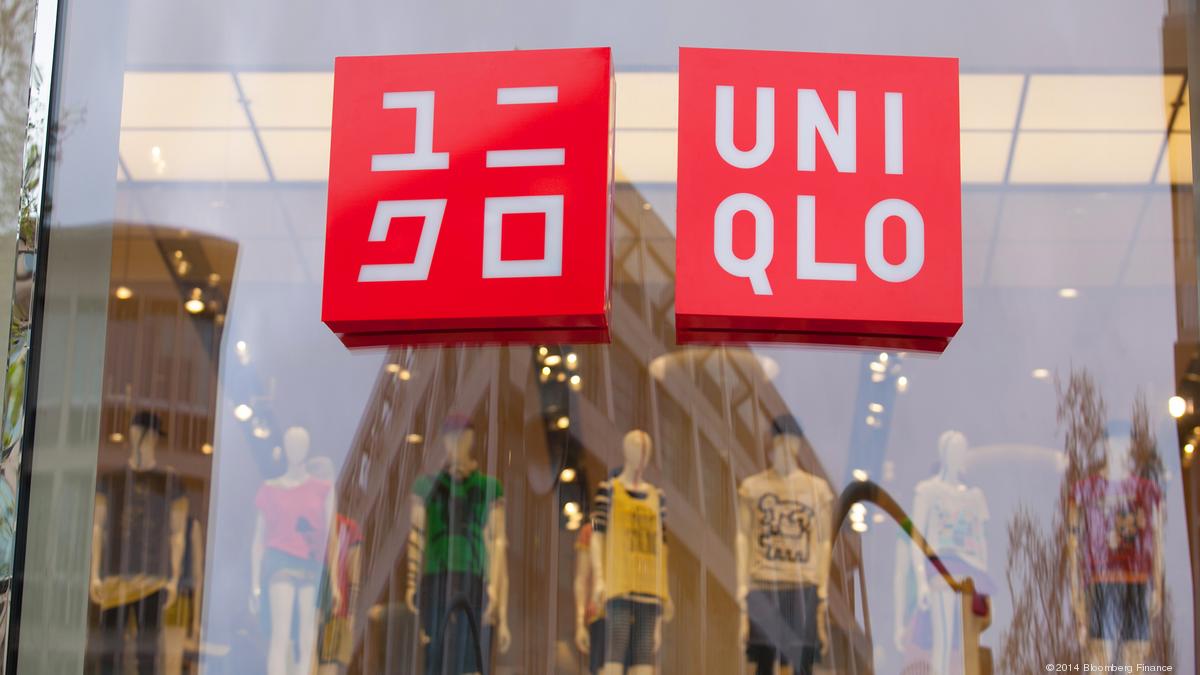
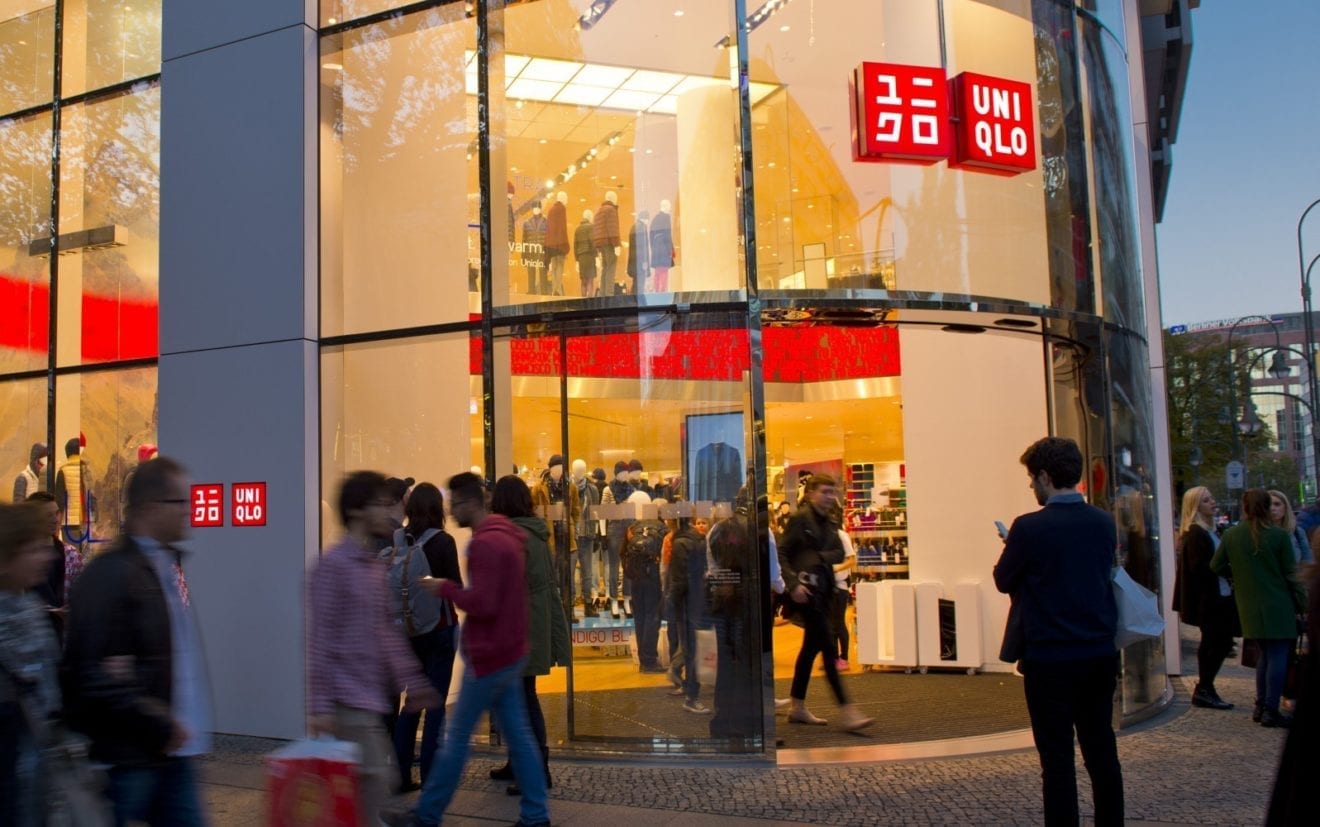
    After the Japanese apparel retailer decided to open its first shop in Canada, Uniqlo Canada COO Yasuhiro Hayashi visited Toronto every month for nearly a year.

    During each visit he would spend the week taking notes on what people were wearing.

    “I didn’t expect that everyone was so unique and multicultural,” says Hayashi, who previously helped launch Uniqlo in Singapore and Indonesia. “That was very surprising in a very positive way. We don’t have a specific target customer – that’s our uniqueness. We say we are made for all.”

    Finally, the company is opening its first store in Canada on Friday, a 28,000-sqft (27,989 sqm) space in the Toronto Eaton Centre, between fast-fashion rival H&M and the newly arrived luxury retailer Nordstrom. A second store opening is planned at Yorkdale Shopping Centre in north Toronto on October 20.

    Even with more than 1000 stores worldwide, Hayashi says Uniqlo may not have the same name recognition in Canada as some of its international rivals before they entered the country. It is a challenges that needs to be overcome if it wants to continue expanding in Canada, but Hayashi says there is no rush.

    “We want to be very cautious,” he says. “Of course, I don’t want to give a name, but some other brands have had ambitious plans that didn’t work out. We want to make sure we serve the customers well and fine-tune the merchandise mix as well.”

    US retailer Target last year abruptly announced it was shutting down all its 133 Canadian stores only two years after arriving. Since then, several international retailers such as Muji, Nordstrom and Saks Fifth Avenue have taken a slower approach to opening locations in Canada.

    Hayashi says Uniqlo’s Toronto stores will largely be the same as its other locations, with a few nuanced differences for Canadian shoppers. Customers can expect more than usual plaid and flannel shirts. Most sizing will be for a North American fit, but there will also be some smaller sizes to reflect Toronto’s multicultural population.

    Uniqlo will also sell house slippers, commonplace in its stores in Asia.

  • Korea’s Etude House refreshens image

    Korea’s Etude House refreshens image

    With a new brand positioning, Korea’s Etude House has been making inroads in the global cosmetics market this year.

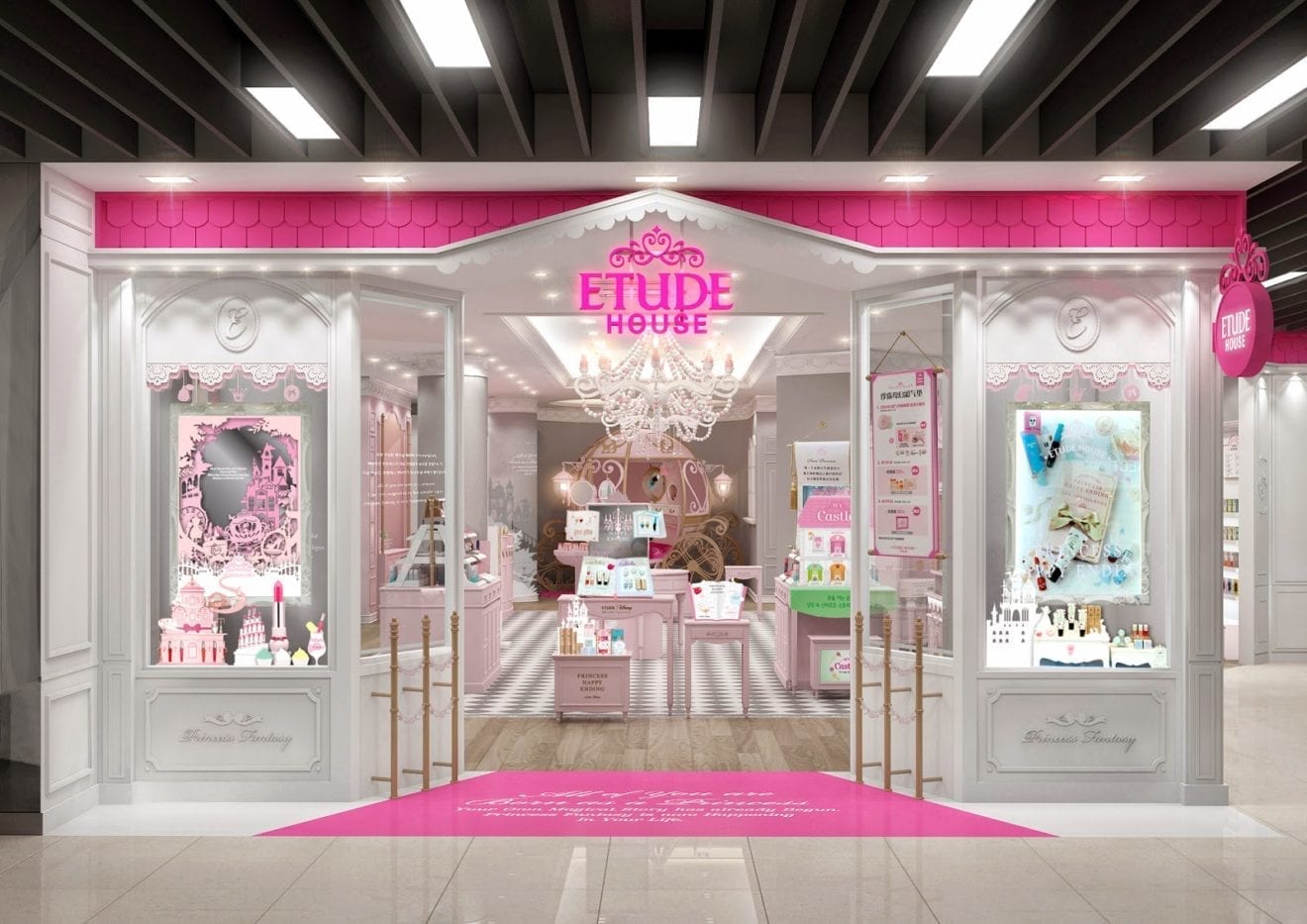
    Previously tagged Princess Fantasy, its new positioning line is Sweet Dream. Its makeover includes more sophisticated visuals in its advertisements and packaging designs, plus a new slogan, “Life is Sweet”. The aim is to symbolise the positive energy and values of people in their 20s as Etude House works toward its vision of becoming the “global No. 1 young makeup brand” through overseas expansion, digital content development, new services and innovative products.

    Etude House, owner by Amorepacific has about 230 stores in 12 Asian countries, and by 2020 aims to have increased its number of overseas stores by 50 per cent.

    From June, Etude House has been managing a multi-channel network, the Beautizens Club, to support the development of new beauty content creators. This has led to 25 content creators from Asia being chosen as “beautizens” to receive makeup tutorials.

    Etude House also has a new mobile app that lets customers administer their account. It also contains digital content that analyses purchasing patterns and draws on age-group general preferences to suggest colours.

    In co-operation with the Seoul Metropolitan Rapid Transit Corporation, the brand offers customers the option to pick up their online-ordered products at lockers inside subway stations.