Tag: Japan

  • BMW recalling 154,472 vehicles over fuel pumps

    BMW recalling 154,472 vehicles over fuel pumps

    BMW is recalling 154,472 vehicles registered in the United States and Canada for a fuel pump problem that could cause stalling, according to a filing with U.S. safety regulators and BMW.

    BMW told regulators that no injuries have been reported. Since 2014, the German-based company has conducted safety recall campaigns in China, Japan and South Korea for the same issue, according to a filing posted on Friday by the U.S. National Highway Traffic Safety Administration.

    Of the vehicles recalled in North America, 88 percent are registered in the United States.

    BMW is recalling certain vehicles in the United States and Canada for model years 2007-2012. Among them in the United States are the X5 3.0si, X5 4.8i, X5 M, X5 xDrive30i, X5 xDrive35i, X5 xDrive48i and X5 xDrive50i, 2008-2011 X6 x Drive35i, X6 xDrive50i and X6 M, 2010-2011 X6 ActiveHybrid, according to the filing.

    Also the 535i xDrive Gran Turismo, 535i Gran Turismo, 550i xDrive Gran Turismo and 550i Gran Turismo, 2011-2012 528i, 535i, 535i xDrive, 550i and 550i xDrive and 2012 535i ActiveHybrid, 640i Convertible, 650i Convertible, 650i xDrive Convertible, 650i Coupe and 650i Coupe xDrive vehicles.

    BMW will notify owners and dealers to replace a fuel pump module free of charge beginning in early December. BMW owners can call BMW customer service for details.
  • Toyota to recall 5.8 million cars in Japan, China, Europe over Takata airbags

    Toyota to recall 5.8 million cars in Japan, China, Europe over Takata airbags

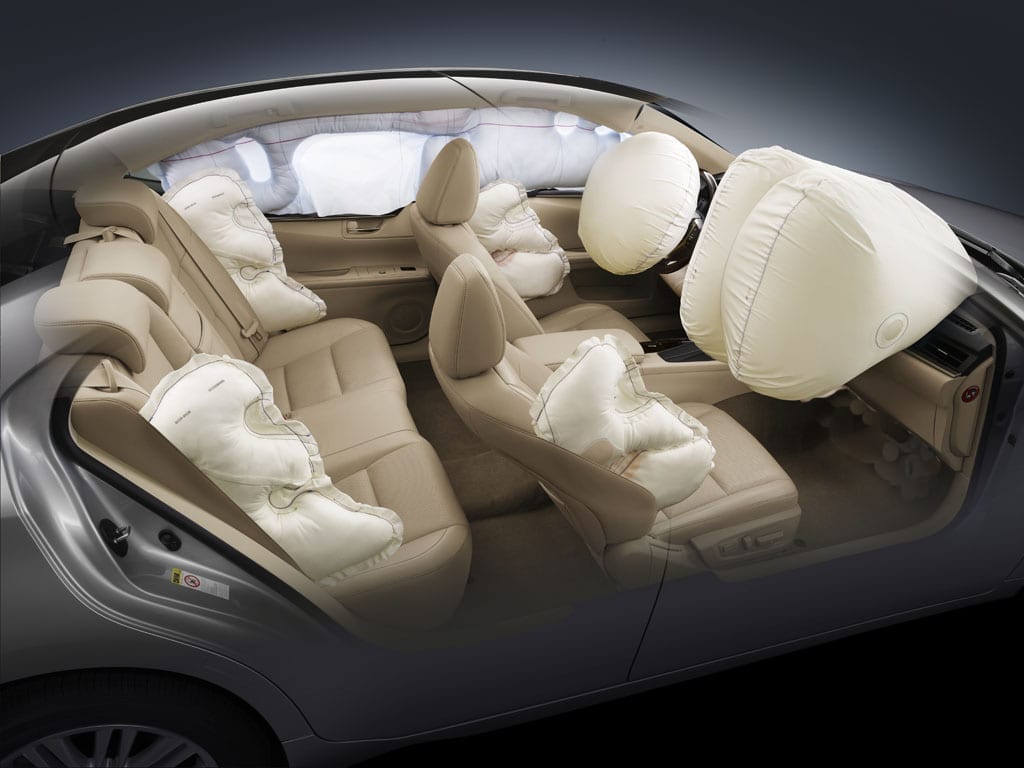
    Japan’s Toyota Motor Corp on Wednesday said it was recalling a total of about 5.8 million cars at home and abroad over potentially faulty air bag inflators made by Takata Corp.

    The recall, which includes the Corolla and the Vitz subcompact hatchback model which is marketed overseas as the Yaris, covers models produced between May 2000 and November 2001, and April 2006 and December 2014, the company said in an email.

    It affects about 1.16 million vehicles sold in Japan, and also includes about 820,000 cars sold in China and around 1.47 million cars in the European market.

  • QVC Japan taps Verint to enhance quality assurance, customer experience

    QVC Japan taps Verint to enhance quality assurance, customer experience

    TV shopping firm QVC Japan is leveraging Verint Workforce Optimization in its in-country contact centers to drive operational improvements, as well as enhance the quality of calls and productivity of its customer service agents.

    QVC is also using and benefitting from Verint Speech Analytics, which continues to play an important role in its focus on customer engagement.

    Having used the Verint Workforce Optimization and Customer Analytics solutions for three years, QVC Japan is capturing, analyzing and acting on feedback from its customers to help ensure consistency in its service approach and deliver positive experiences.

    “QVC Japan was the first operation in the QVC global network to implement Verint’s workforce optimization and analytics solutions, and based on our positive results, we have gained a lot of attention,” said Masukawa, customer experience manager at QVC Japan.

    In particular, the combination of quality management and speech analytics helps us determine how best to maximize customer and other business insights coming into our operations and then apply them to new measures.”

    The QVC quality team was the first to introduce workforce optimization and speech analytics to the organization. In doing so, the business has increased quality scores, while enhancing productivity across its teams. Upon experiencing these results, QVC Japan’s customer experience division implemented the Verint Speech Analytics solution.

    By leveraging the data and valuable insights from the voices of its customers, the company says it is better able serve them, meet their expectations, and develop and launch compelling marketing initiatives and campaigns.

  • Japan’s Nissan to sell parts maker Calsonic Kansei to KKR

    Japan’s Nissan to sell parts maker Calsonic Kansei to KKR

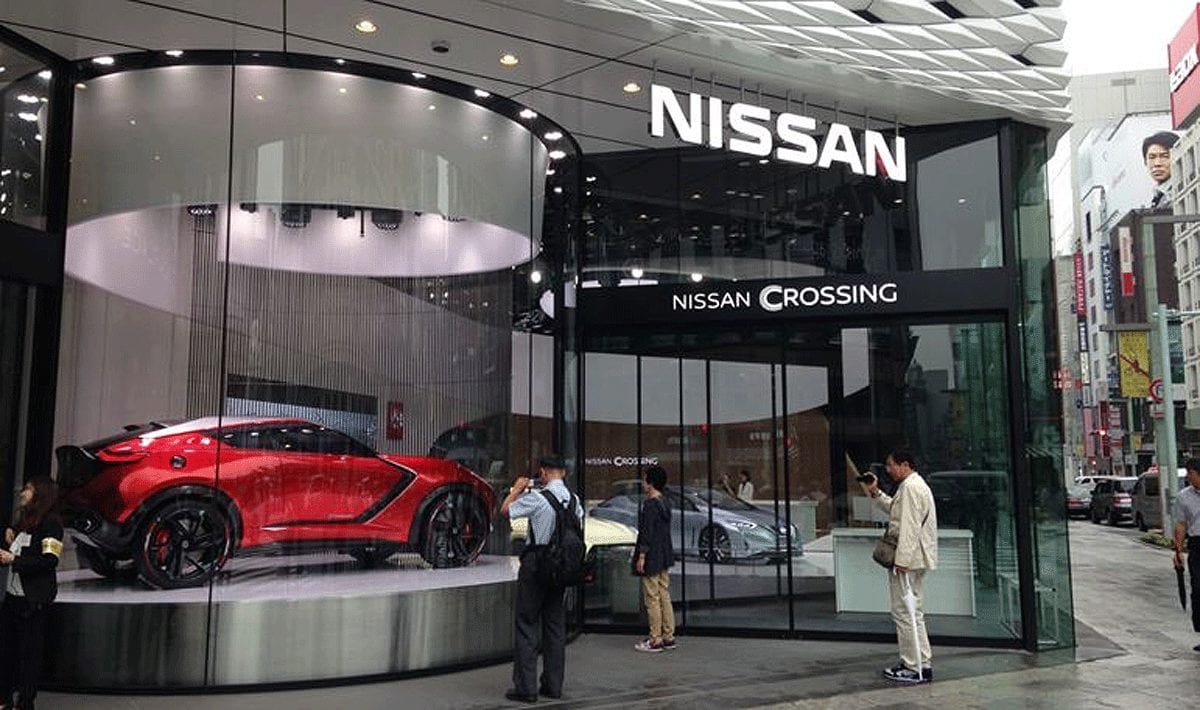
    Nissan Motor Co has decided to sell its entire stake in Japanese auto parts maker Calsonic Kansei Corp to U.S. private equity firm KKR &Co as part of a $3.8 billion takeover, the Nikkei daily reported, without citing its sources.

    KKR then will try to buy the remaining shares in Calsonic from other shareholders through a takeover bid, bringing the total deal to as large as 400 billion yen ($3.80 billion), the report said.

    Bain Capital and MBK Partners were also bidding to buy the auto parts maker, which has a market value of about 280 billion yen, Thomson Reuters LPC had reported earlier.

    Trading of Calsonic Kansei was suspended by the Tokyo Stock Exchange on Friday morning. A Calsonic Kansei spokesman said the company had not announced a sale to KKR.

  • Tokyu Hands opening third Singapore store

    Tokyu Hands opening third Singapore store

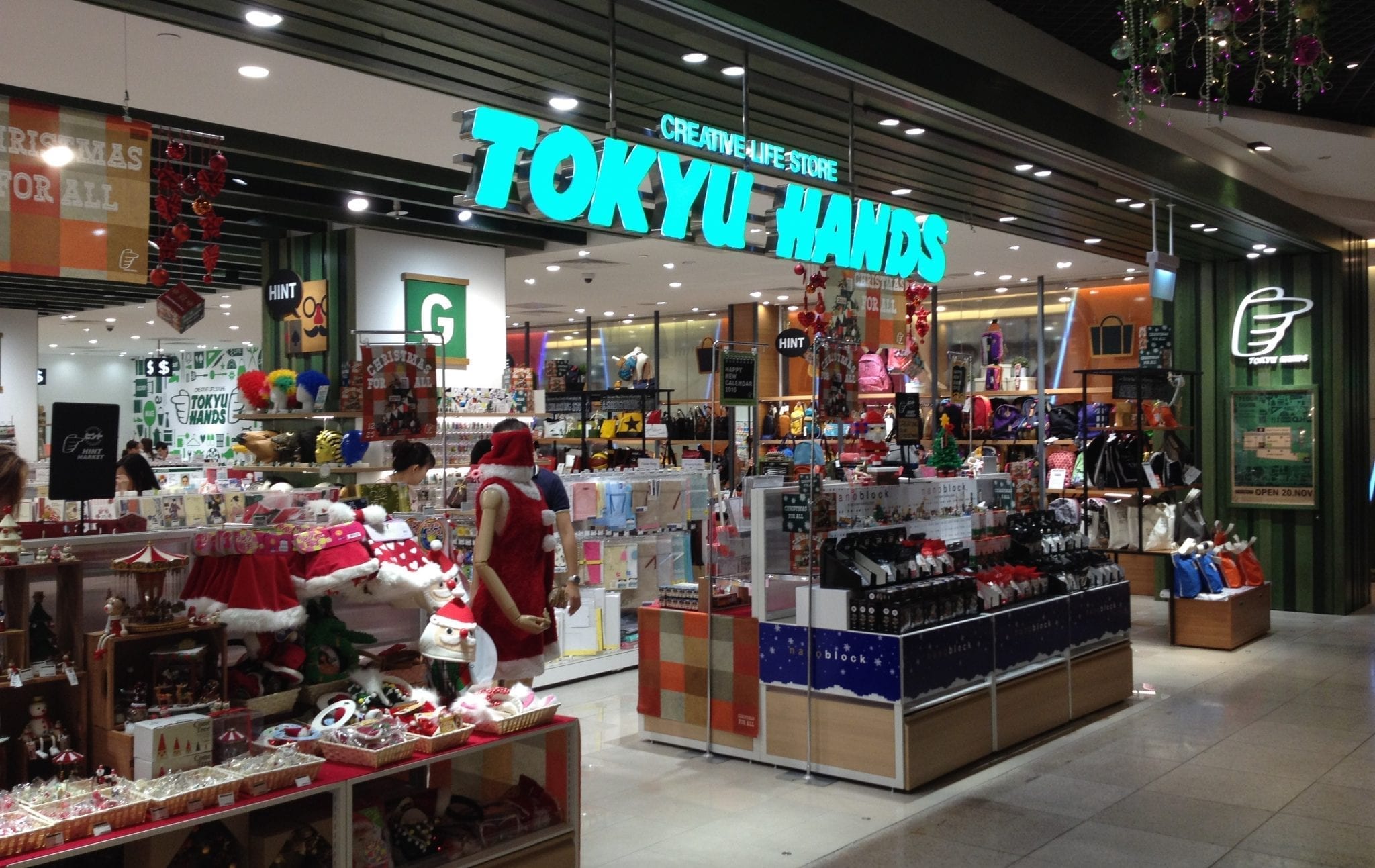
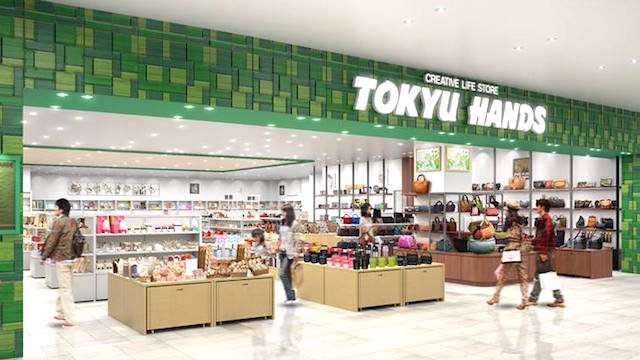
    Japanese department store Tokyu Hands plans to boost its overseas sales, which now contribute 1 per cent of overall sales.

    Overseas income for its latest year totalled about 800 million yen (US$7.69 million).

    A third store is opening next month in Singapore, where Tokyo Hands has had managed stores for two years, and next year the group plans to start trading in Malaysia.

    tokyu-hands-artist

    Tokyu Hands opened its first overseas branch in Taiwan in 2000 and now has 15 franchised stores on the island.

    Takenori Tsuji, who heads Tokyu Hands’ international business, says the Taiwan stores are mainly in Taipei with management entrusted to the franchisees, “but we consult on the selection of merchandise and store layout”.

    He says trends in Japan, such as aging consumers, have made it hard for the store to grow domestically.

    Tokyu Hands’ first directly managed store overseas opened in China in 2012, but closed it in January this year. Tsuji says this was a result of management difficulties.

    “It took more time and effort than expected to clear customs when we brought in products from Japan, making it hard for us to sell new products quickly.

    “Some sales people quit soon after being hired, and it was hard to train Japanese employees in the local area.”
    Six months after launching, the store had a temporary sharp drop in sales when relations between China and Japan worsened over the disputed Senkaku Islands. However, full-year sales were “reasonably good”.

  • Hokkaido Baked Cheese Tart heads to Australia

    Hokkaido Baked Cheese Tart heads to Australia

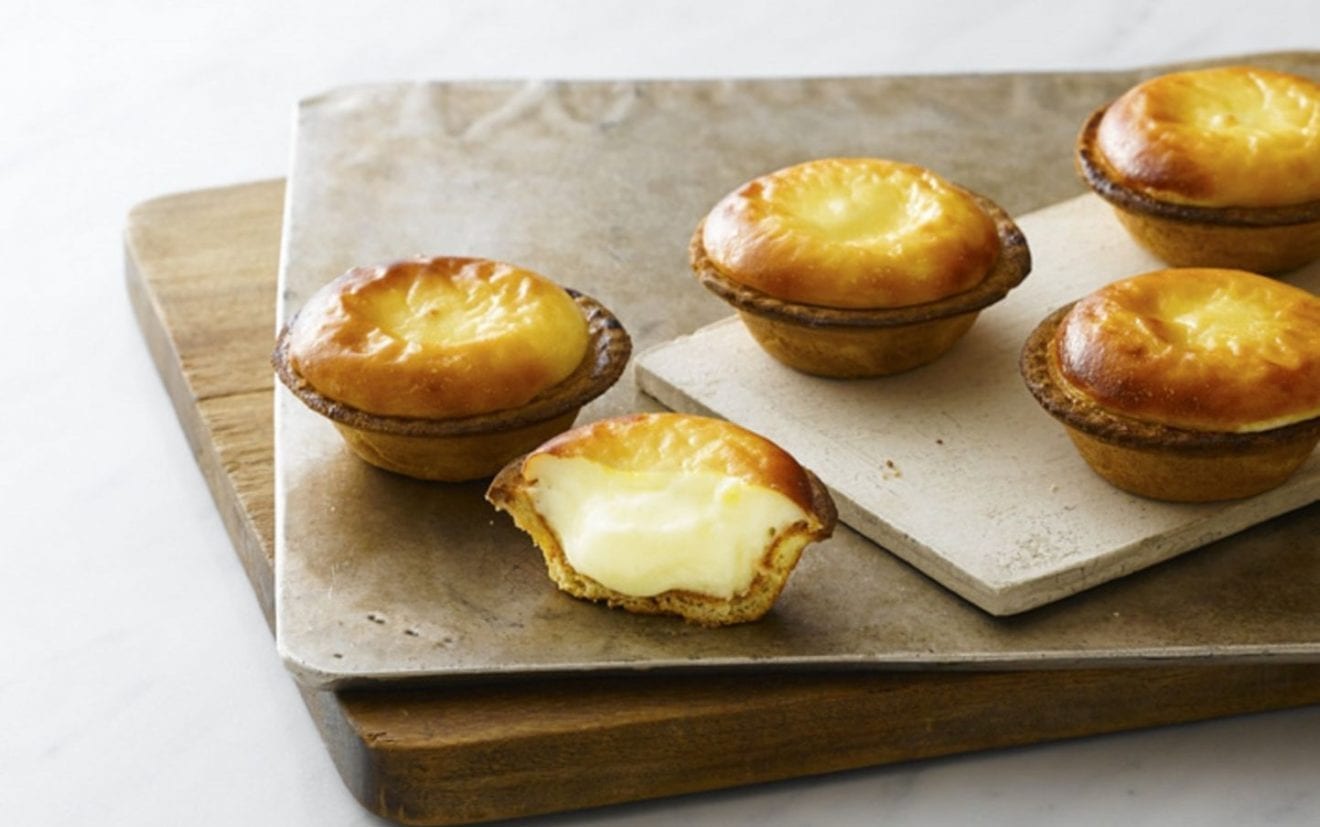
    Food enterprise ST Group has launched Japanese-style Hokkaido Baked Cheese Tart outlets in Australia.

    Using a traditional recipe involving three cheeses from Japan’s dairy heartland of Hokkaido, the tarts have already been introduced in Brunei, Indonesia, Malaysia, Shanghai and Singapore. Six outlets are planned for Australia, three in Melbourne to be followed by three in Sydney next year.

    The first Hokkaido Baked Cheese Tart stores launched in Malaysia this year, selling up to 20,000 units a day.

    Designed by Eat Architects, Hokkaido Baked Cheese Tart kiosks are compact with a luxury aesthetic, featuring marble benchtop displays and low-slung designer lighting. The tarts are displayed like precious gems.

    ST Group MD Tatt Ghee Saw says Australia’s multicultural society is continually evolving, along with its palate and cuisine preferences. “At ST Group we are passionate about sharing the foods we love in Southeast Asia. ”

    Tatt Ghee Saw

    He established the group in 2011, recognising the need for comforting cultural eateries, much like the hawker’s markets and corner laksa stores of his native Kuala Lumpur.

    His first venture was PappaRich in Melbourne, which attracted long queues. It is now a major franchise enterprise with 26 stores throughout Australia and New Zealand. The group’s other brands are NeNe Chicken, Gong Cha (New Zealand only) and iDarts Australia.

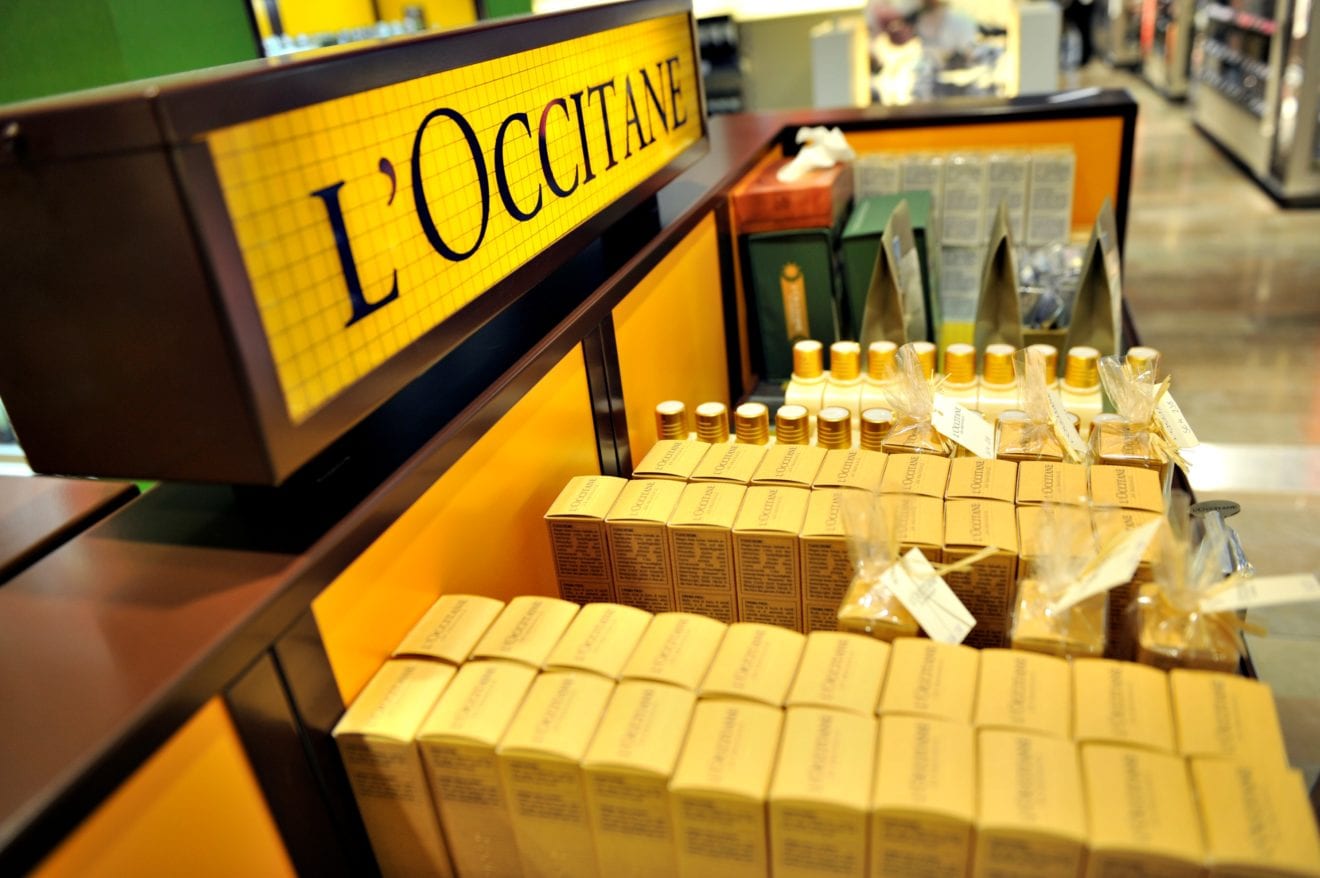
  • Sales edge up for L’Occitane International

    Sales edge up for L’Occitane International

    Group net sales grew by 1.3 per cent for cosmetics and wellbeing products retailer L’Occitane International for the six months ended September 30

    This figure was at constant exchange rates, being 0.9 per cent at reported rates – both an improvement from the first quarter. The company says this was mainly because of the contribution of stores opened last year and this year, marketplaces, wholesale and distribution.

    L’Occitane’s emerging brands also showed encouraging growth.

    Japan’s growth rate of 15.9 per cent was a result of the strengthening yen, while local currency growth in China accelerated slightly to 5.4 per cent despite severe weather creating a challenging retail environment.

    Overall growth was hindered by sluggish retail sales in some markets, including Hong Kong.

    The group’s net sales at reported rates were €551.7 million (US$600.7 million), up 0.9 per cent over the same period last year. At constant exchange rates, sales growth was 1.3 per cent. Both are an improvement from the first quarter.

    For the six months, sell-out sales accounted for 72.6 per cent of net sales, amounting to €400.5 million, growth of 0.6 per cent. This was mainly contributed by non-comparable stores and other sales, including new and renovated stores, marketplaces, and cafe and spa businesses.

    Altogether these posted 13.7 per cent growth at constant exchange rates.

    Compared to the same period last year, the group’s eCommerce channels grew by 6.8 per cent to reach 10.1 per cent of total retail sales. Same-store sales fell 2.5 per cent through uncertainties brought by the weak global economy, threats of terrorist attacks in France and other European countries, economic uncertainties in the UK, the depressed retail market in Hong Kong as well as severe weather in some markets.

    Sell-in sales of €151.1 million accounted for 27.4 per cent of the group’s total sales, an increase of 3.2 per cent over the same period last year. This was primarily driven by the dynamic growth in wholesale and distribution channels of emerging brands, in particular Au Bresil, Erborian and Melvita.

    China was among the countries with highest sales growth in local currencies – 5.4 per cent, despite severe weather in the second quarter. This was mainly because of new stores, marketplaces and B2B.

    With the stronger yen, sales growth in Japan was 15.9 per cent.

    During the six months, the group maintained its selective global retail expansion by adding 32 stores, compared with 57 in the same period last year.

  • Starbucks Reserve Roastery Japan for Tokyo

    Starbucks Reserve Roastery Japan for Tokyo

    A Starbucks Reserve Roastery Japan will open in Tokyo’s Nakameguro district in 2018.

    Starbucks Coffee Company says the 1200 sqm space will be in an upscale neighborhood known for its boutiques and art galleries. It will offer customers an immersive coffee environment unlike any other in the market.

    Starbucks Roastery Lower Bar

    Customers will be able to watch green coffee beans arrive, connect with coffee specialists and master roasters and choose from a curated range of handcrafted beverages.

    Starbucks Roastery Scoop Bar

    Artisan food and breads baked on site by Italian food purveyor Princi will also feature at the roastery.

    Starbucks Roastery Copper R

    Architect and Tokyo Olympics 2020 designer Kengo Kuma is leading the design of the roastery, which will blend art and nature with a Japanese design sense to pay tribute to coffee artistry and craft. His design for the Starbucks store in Fukuoka has won awards.

    Starbucks Roastery Upper Bar1

    Starbucks Roastery Upper Bar

    Japan is one of the largest markets in Asia Pacific for Starbucks and is regarded as a key driver of the company’s global growth.

    Starbucks Roastery


    Starbucks Roastery had its debut in Seattle in 2014, the most successful store opening in the company’s history. The company has announced new Roastery locations for Shanghai next year and New York in 2018.

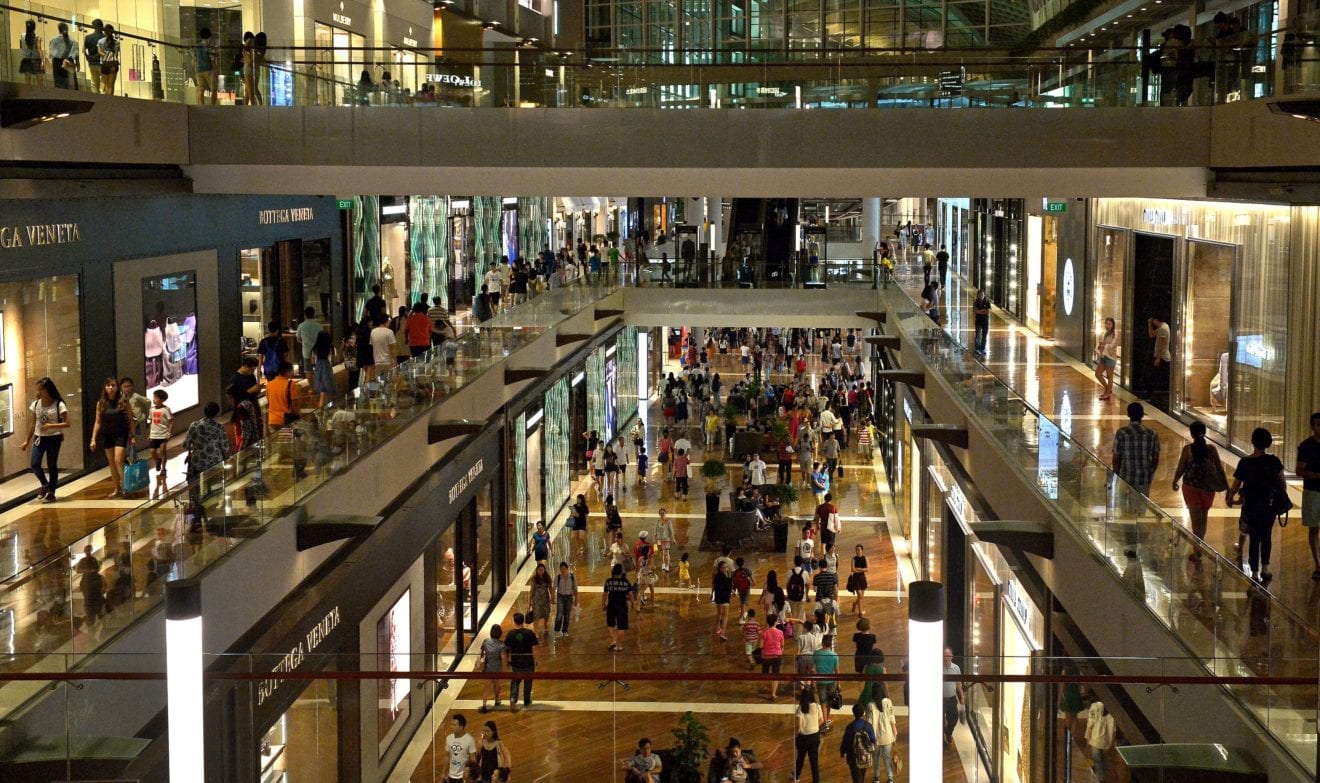
  • Singapore, Manila rise in retail rent rankings

    Singapore, Manila rise in retail rent rankings

    The data may be a little dated, but Asian cities are holding their own in the retail rent rankings.

    New York’s Fifth Avenue still tops the list with an average rent of US$3500 per sqft per year. Hong Kong’s Causeway Bay is cemented in second place at $2399 and the Champs Elysee in Paris a distant third at $1372.

    (It should be noted, the list ranks the single most most expensive shopping strip in each country, not overall.)

    Data released by Cushman Wakefield this month – albeit more than a year out of date – shows the Philippines making the biggest gain: retail rental rates in Manila’s Bonifacio Global City High St were a mere US$56.40 per sqft per annum, but that is enough to make Manila 51st on the top 65 list – up eight places.

    Singapore’s Orchard Rd ranked 14th – up two places – at $336.80 and Taipei’s ZhongXiao East Rd 20th, up three places, at $273.20.

    The Ginza in Tokyo,  Japan, ranks a modest eighth at $881.90 in a virtual tie with Myeongdong in Seoul, Korea at $881.80.  The Ginza has fallen from sixth in last year’s survey, while Myeongdong has dropped from eighth.

    Cushman & Wakefield stresses that the global rankings focus on high street locations. This excludes mall rental rates – and in cities like Manila, Bangkok and Kuala Lumpur, malls dominate the premium retail landscape, not high street strips.

    Vietnam’s Ho Chi Minh City CBD retail rents are more expensive than in Bangkok at $150.50 for 32nd place, and $125.40 for 35th respectively. Bukit Bintang in Kuala Lumpur, Malaysia, ranked 40th (up one place) at $111.

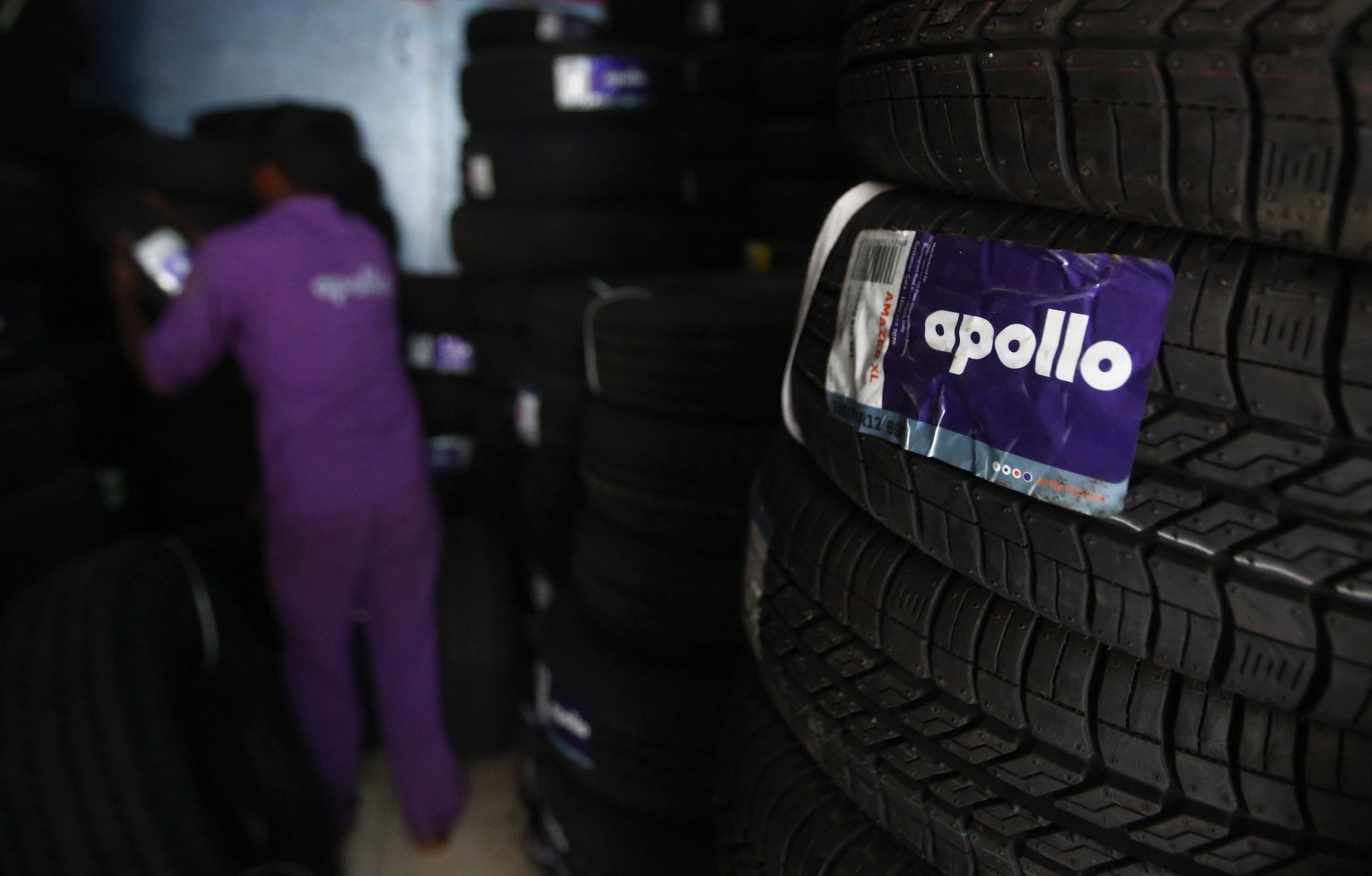
  • Apollo Tyres setting up around Rs 3,460 cr greenfield plant in Hungary

    Apollo Tyres setting up around Rs 3,460 cr greenfield plant in Hungary

    Apollo Tyres is setting up Europe’s largest greenfield plant in Hungary with an investment of 475 million euros to produce nearly 62 lakh tyres for passenger cars and heavy commercial vehicles per annum.

    The facility at Gyongyoshalasz, located less than 100 km from here, will start production early next year and it will produce tyres to cater to the entire European market.

    “Construction of Apollo Tyres’ first European greenfield plant at Gyongyoshalasz has started on April 10, 2015 and we will start production in early 2017. It will be Europe’s largest greenfield tyres plant,” Apollo Tyres (Hungary) KFT, Head – Project Controller, Amitabh Arya told .

    The Hungarian facility will be a state-of-the-art plant and once completed it will have a capacity to produce 5.5 million (55 lakh) passenger car and light truck (PCLT) tyres and 6,75,000 heavy commercial vehicle (HCV) tyres per annum.

    The total investment in the facility will be 475 million euro (about Rs 3,460 crore) and the Hungarian government was very excited about the investment from a leading Indian company.

    Hungarian Prime Minister Viktor Orban, at a joint press conference with visiting Indian Vice President Hamid Ansari last week, had specifically mentioned about the Apollo Tyres plant saying it was one of the largest foreign investments in Hungary.

    The Gyongyoshalasz facility will produce both Apollo and Vredestein branded tyres and will cater to the entire European market.

    Apollo Vredestein B.V. is part of Apollo Tyres Ltd and has its head office in Enschede, the Netherlands. It designs, manufactures and sells high-quality tyres under the Apollo and Vredestein brands in Europe and North America.

    Onkar S Kanwar headed Apollo Tyres Ltd, with its corporate headquarters in Gurgaon, is in the business of manufacture and sale of tyres since its inception in 1972.

    The company has grown manifold, establishing its footprint across the globe. It has manufacturing units in India and The Netherlands.

    The company markets its products under its two global brands – Apollo and Vredestein, and its products are available in over 100 countries through a vast network of branded, exclusive and multi-product outlets.

    At the end of its financial year on March 31, 2016, Apollo Tyres had clocked a turnover of USD 1.8 billion, backed by a global workforce of around 16,000 employees.

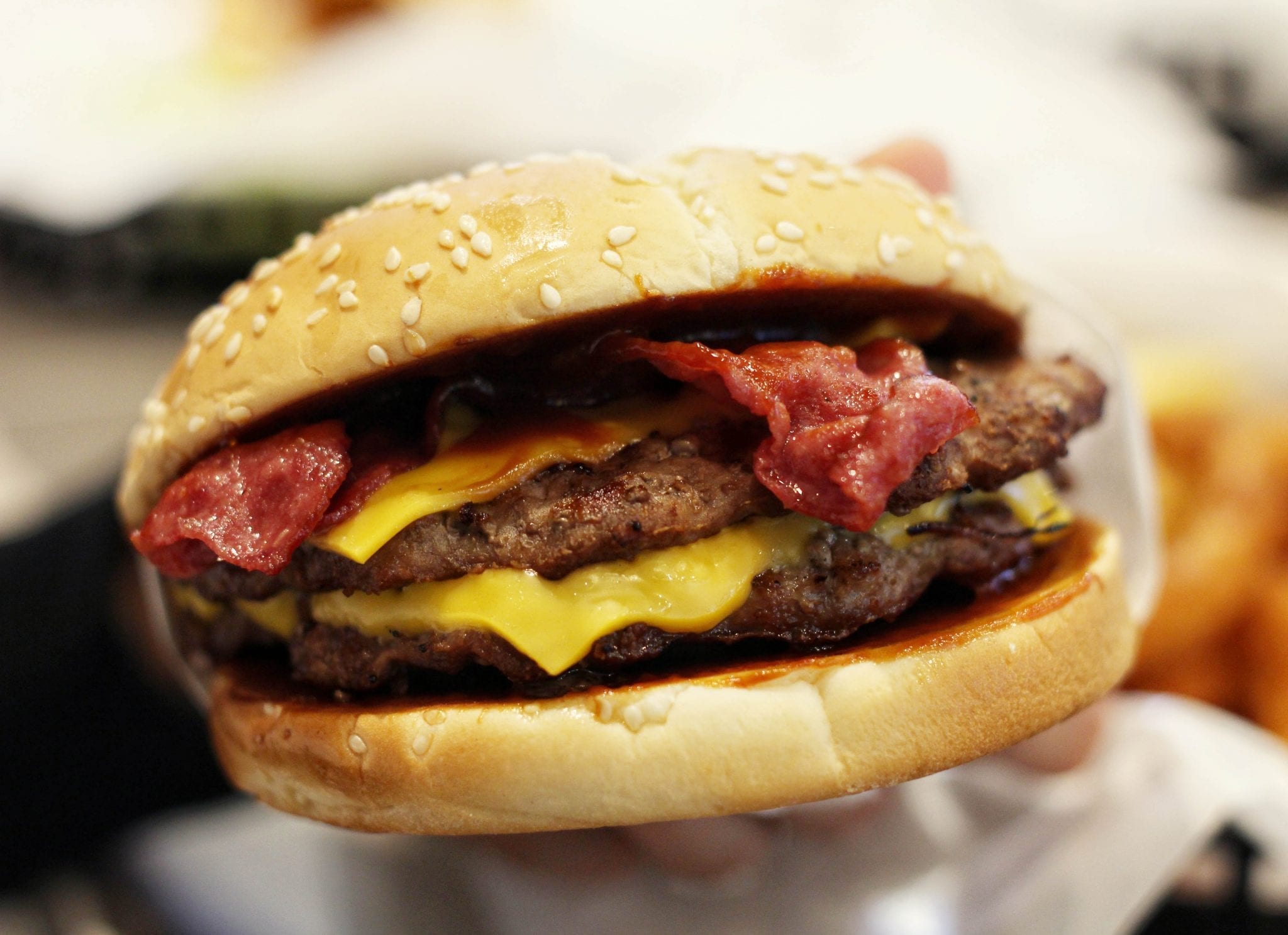
  • Carl’s Jr Cambodia opens first drive-through

    Carl’s Jr Cambodia opens first drive-through

    Cambodia has its first quick-service drive-through restaurant with the opening of a Carl’s Jr burger outlet in Phnom Penh, being run by TH F&B Co.

    Carl’s Jr Cambodia has been franchised by California-based CKE Restaurants Holdings, the parent company of Carl’s Jr and Hardee’s.

    “We’ve been experiencing phenomenal international growth this year,” says CKE international president Ned Lyerly. “In fact, Cambodia comes on the heels of successful openings in Australia, Japan and Kenya, and marks the 40th country CKE International has entered.

    “This is an important market for our overall expansion strategy, and we plan to open 15 restaurants in Cambodia.”

    Carl’s Jr Cambodia store

    As well as burgers, the Carl’s Jr brand offers chicken sandwiches, all made fresh to order. Its burgers feature chargrilled Australian beef. Also on the menus are ice-cream shakes.

    “We’re confident that Cambodia, with its large youthful population and increased awareness and desire for western brands, is going to love having this global burger chain,” says TH F&B MD Hav Norm.

    On the corner of Street 51 and Street 310 in Phnom Penh, the restaurant is open 12 hours daily, offering partial table service, an “all you can drink” beverage bar and complimentary Wi-Fi.

    Carl’s Jr Cambodia

    A privately held company headquartered in Carpinteria, California, CKE had its beginnings with Carl Karcher’s hot-dog cart in the 1940s. It now has 3729 franchised or company-run Carl’s Jr Restaurants and Hardee’s outlets in 44 states and 40 countries.

    Awarded with the master franchise and the exclusive rights to run Carl’s Jr in Cambodia, TH F&B Co has a portfolio including Cold Stone Creamery and Gyu-Kaku Japanese BBQ.

  • Gong Cha Korea to expand globally

    Gong Cha Korea to expand globally

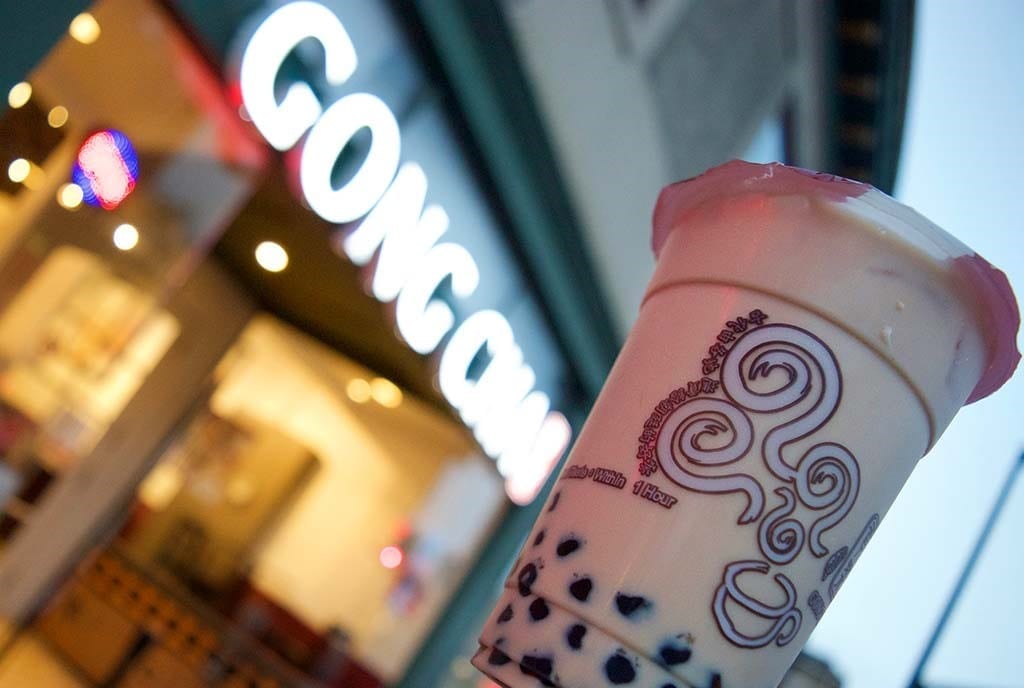
    Bubble tea brand Gong Cha Korea is planning international expansion.

    Aided by the global passion for Hallyu, or the so-called Korean Wave, Gong Cha plans to open stores in the Middle East and Europe. It will also buy more than 1380 stores in 18 countries, including the US, Canada, Australia, New Zealand, China, Japan, Singapore, the Philippines, and Hong Kong.

    Currently, Gong Cha Korea operates only about 360 stores in its home market, which last year brought in KRW8 billion (US$7 million) profit – representing 11 per cent growth year-on-year.

    As most of Gong Cha’s customers are aged from 10 to their 30s, the company expects entering new foreign markets will be easier through creating synergies with Hallyu.

    The expansion will be facilitated by a share transaction with its parent company Royal Tea Taiwan in which the Korean business will progressively boost its ownership from 35 per cent to 70 per cent by January 2017.

    Royal Tea Taiwan was launched in 2006, and introduced to Korea by franchisee Kim Yeo-jin in 2012. Two years later, Japanese private equity fund Unison Capital bought 70 per cent of the Korean business.

  • KDDI, Toyota develop app to reduce road accidents

    KDDI, Toyota develop app to reduce road accidents

    Toyota Motor, Komeda and KDDI in September have jointly developed a smartphone application called Driving Barista, aimed at reducing the number of traffic accidents in Aichi Prefecture caused by drivers using their smartphones while driving.

    This is the first traffic safety initiative in Japan involving a smartphone application, which is to be carried out and jointly promoted by an automobile company, a communication company, and a food and beverage company.

    For thirteen consecutive years, Aichi Prefecture has had the highest rate of traffic fatalities in Japan. Furthermore, there were also 50,101 arrests involving the use of smartphones while driving, and the increase in violations of this nature has also intensified the problem.

    Toyota, Komeda, and KDDI will promote traffic safety in Aichi Prefecture through an educational initiative where participation is accessible for all, and can lead to a reduction in traffic accidents.

    The Driving Barista application can only be used within Aichi Prefecture. By using the gyro sensor to sense the tilt of the smartphone body, and the GPS to determine the distance driven, this application measures the distance the driver has driven while leaving the smartphone face down. When the cumulative distance reaches 100 km, the driver can receive a coupon for a cup of blended or iced coffee at a Komeda Coffee Shop.

    According to one survey, approximately 60% of respondents said they use their smartphones while driving, with approximately half of these respondents keeping only one hand on the steering wheel. Therefore, the companies hope that the new application will raise drivers’ awareness about not using smartphones while driving.

    “We have already been carrying out educational activities to prevent the use of smartphones while driving, and we hope that this initiative between the three companies will help solve the problem facing Aichi prefecture,” said Akira Dobashi, director in charge of CSR and environment at KDDI.

    “We developed the Driving Barista smartphone application as a fun way to help prevent traffic accidents,” said Dobashi. “We hope to contribute to accident prevention by providing a new experience for drivers.”

  • Korea’s Mangosix arrives in Japan

    Korea’s Mangosix arrives in Japan

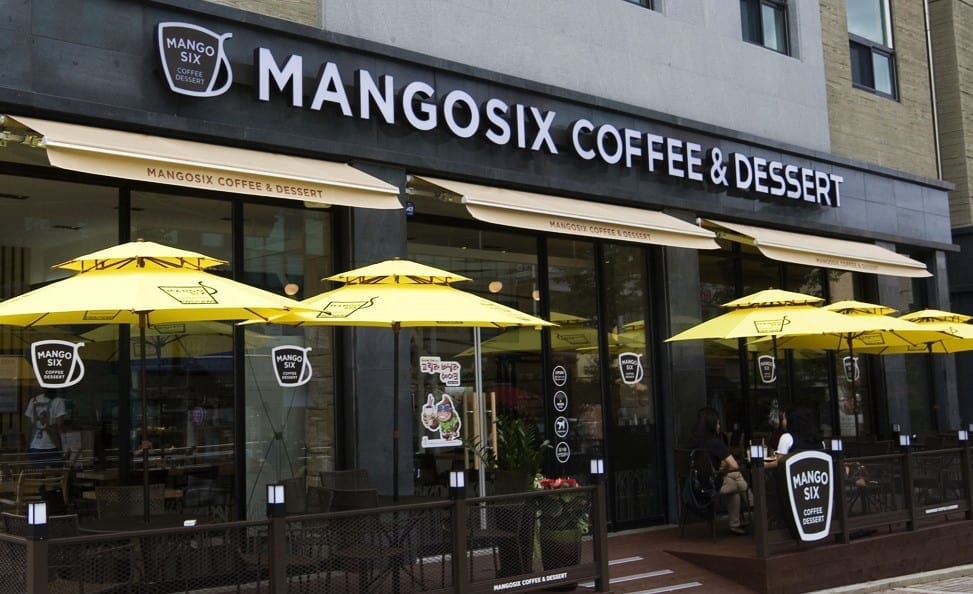
    Korean cafe chain Mangosix has opened its first branch in Japan, in Don Quijote Miyakojima store in Nishisato, Hirara, in Okinawa.

    With mango juice as its main product, Mangosix opened its first store in 2011 and now has about 230 outlets in Asia, Europe and the US.

    For the first time, Mangosix will also offer ice brewed coffee at its Japanese store. Milkissimo’s gelato from Hokkaido is used for sweets and coffee toppings. Miyako-jima island is known for its mangoes, which is why the company decided to open its first store there.

    Mangosix Japan president Akira Kito says the company aims to open 30 stores in Japan within the next three years.

  • Rakuten launches Raxy subscription service

    Rakuten launches Raxy subscription service

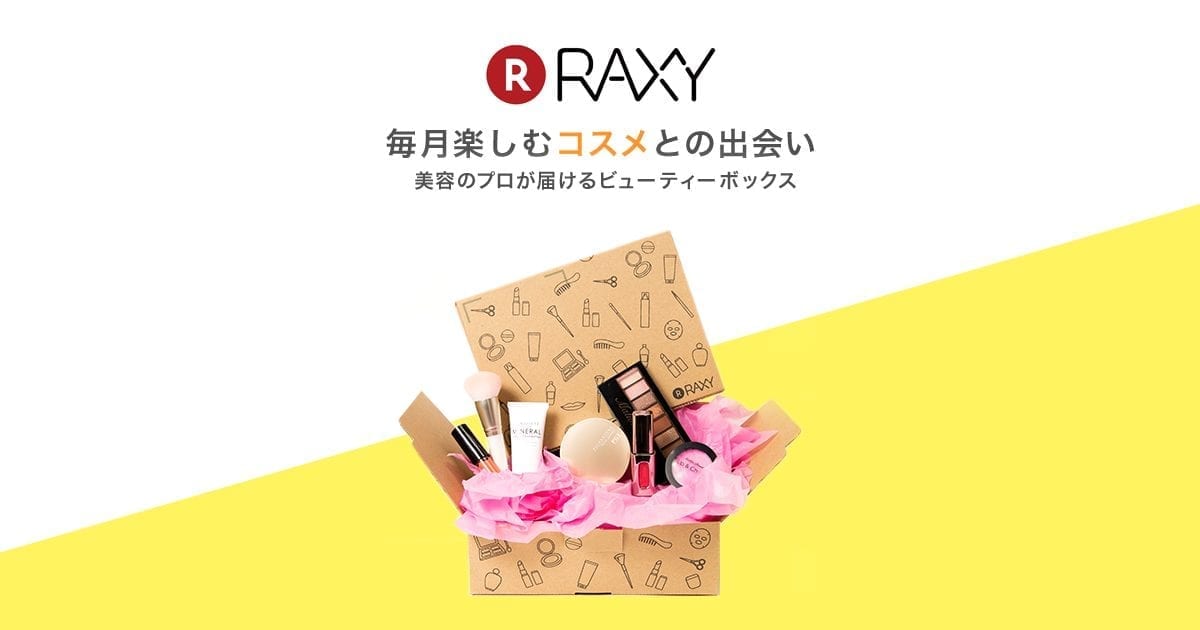
    Japanese eCommerce company Rakuten Inc has launched a beauty-subscription service, Raxy.

    Registrations are already being accepted for the service, which offers options for three, six or 12 months.

    Each month, subscribers will receive boxes of assorted cosmetics and beauty products. Through partnerships with such brands as Revlon and SK-II, these boxes will contain three to seven items of cosmetics, hair care products, make-up accessories and beauty supplements.

    Raxy’s website will offer a variety of content each month, including articles and videos by makeup artists and beauty experts, as well as YouTube users introducing products.

    As well as receiving Rakuten Super Points upon subscribing, users can also earn extra points when buying beauty products on Rakuten Ichiba. Also, the first 100 subscribers receive a limited-edition original cosmetics pouch from the official SK-II store on Rakuten Ichiba. Customers signing up for 12 months will also receive a special product.