Tag: Japan

  • Muji Hotel Beijing to be launched

    Muji Hotel Beijing to be launched

    Japanese retailer Muji is moving into hospitality in China, with the Muji Hotel Beijing to open in the second half of next year.

    Muji has signed a brand co-operation agreement with Tokyo-based architectural company UDS for the hotel project. It is a major global business move for Muji, and all products in the hotel’s 41 guest rooms and public areas will from the Muji brand.

    The first floor of the hotel will have a cafe, hotel store, bookstore and lounge, while the fourth floor has a restaurant and bar overlooking Tiananmen Square. There will be a Muji store in the basement.

    UDS, which has its Claska pioneer design hotel in Japan, plans, designs and manages hotels internationally.

  • Indonesian government to give preference to Japan for semi-high speed train

    Indonesian government to give preference to Japan for semi-high speed train

    The Indonesian government will give preference to Japan to build a Jakarta-Surabaya semi-high speed train project, Transportation Minister Budi Karya Sumadi said.

    “Japan will receive preference,” he said after a coordination meeting at the Coordinating Ministry for Maritime Affairs here Friday.

    Despite receiving preference, Japan must continue to meet the qualifications set by the Indonesian government, Sumadi, one-time president director of state airport operator Angkasa Pura II, said.

    He made it clear that at the coordination meeting with Coordinating Minister for Maritime Affairs Luhut Binsar Panjaitan, National Development Planning Minister/National Development Planning Agency (Bappenas) Head Bambang Brodjonegoro and Finance Minister Sri Mulyani the government decided to expedite the construction of the semi-high speed train project.

    The government will soon complete a plan for the construction of semi-high speed train line and will discuss it with Japan in the next few months, he said.

    Meanwhile, Bambang said at the meeting the government still had to assess the semi-high speed train project.

    “We are still discussing and whether the project will use an ordinary loan scheme, government project, or private sector participation scheme,” he said.

  • Dyson plans to enter India

    Dyson plans to enter India

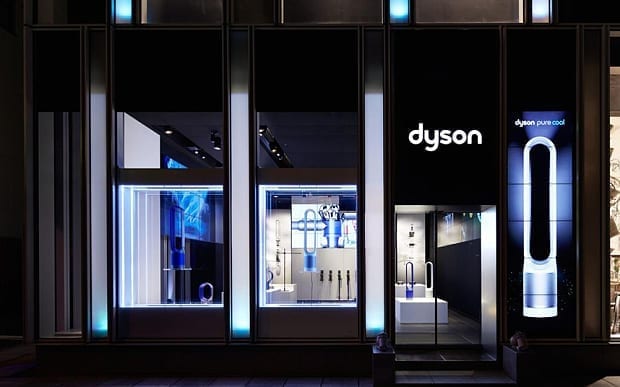
    UK company Dyson, known for its innovative vacuum cleaners and air purifiers, plans to open its own retail stores in India by the middle of next year.

    It has already sought permission from the Department of Industrial Policy and Promotion (DIPP) to import and sell products in India.

    “If we get the permit, we’ll set up middle of next year,” says founder James Dyson, in New Delhi for the India-UK Tech Summit.

    “Over the first five years, we’ll invest about £154 million [US$190.8 million] in India. Our investment will be in building infrastructure (retail), taxes (to the government), marketing and promotions.”

    India will be the 76th market for Dyson, which in its last overseas foray entered China three years ago.

    “India is an interesting market, but it may take time to develop – unlike China, which has emerged as the third-largest market for Dyson after the US and Japan,” says Dyson.

    Online portals

    The company’s plan is to set up a retail store in each of the top 20 cities in India, as well as selling through other retailers and online shopping portals.

    “Online helps our business,” Dyson says. “We sell through Amazon in some countries and may sell through Amazon in India as well.”

    The company will import products from Malaysia, Singapore and Philippines for the Indian market. Depending on volume, Dyson may look at making products in India after a few years.
    As well as vacuum cleaners, the company will also look at the beauty and hygiene market with hair dryers and hand dryers, as well as LED lighting products.

    Dyson is a family-owned technology company that employs more than 7000 people globally—a third of whom are engineers and scientists.

    “India produces 1.3 million engineers every year – that’s very exciting. We’ll look at working with Indian universities soon,” Dyson says. The company spends £5 million a week in research, design and development, and has more than 200 live technology projects and 50 active research programs with 40 universities around the world.

    Dyson’s revenue rose 26 per cent to £1.7 billion last year while profit increased 19 per cent to £448 million.

  • Jollibee Japan opening confirmed

    Jollibee Japan opening confirmed

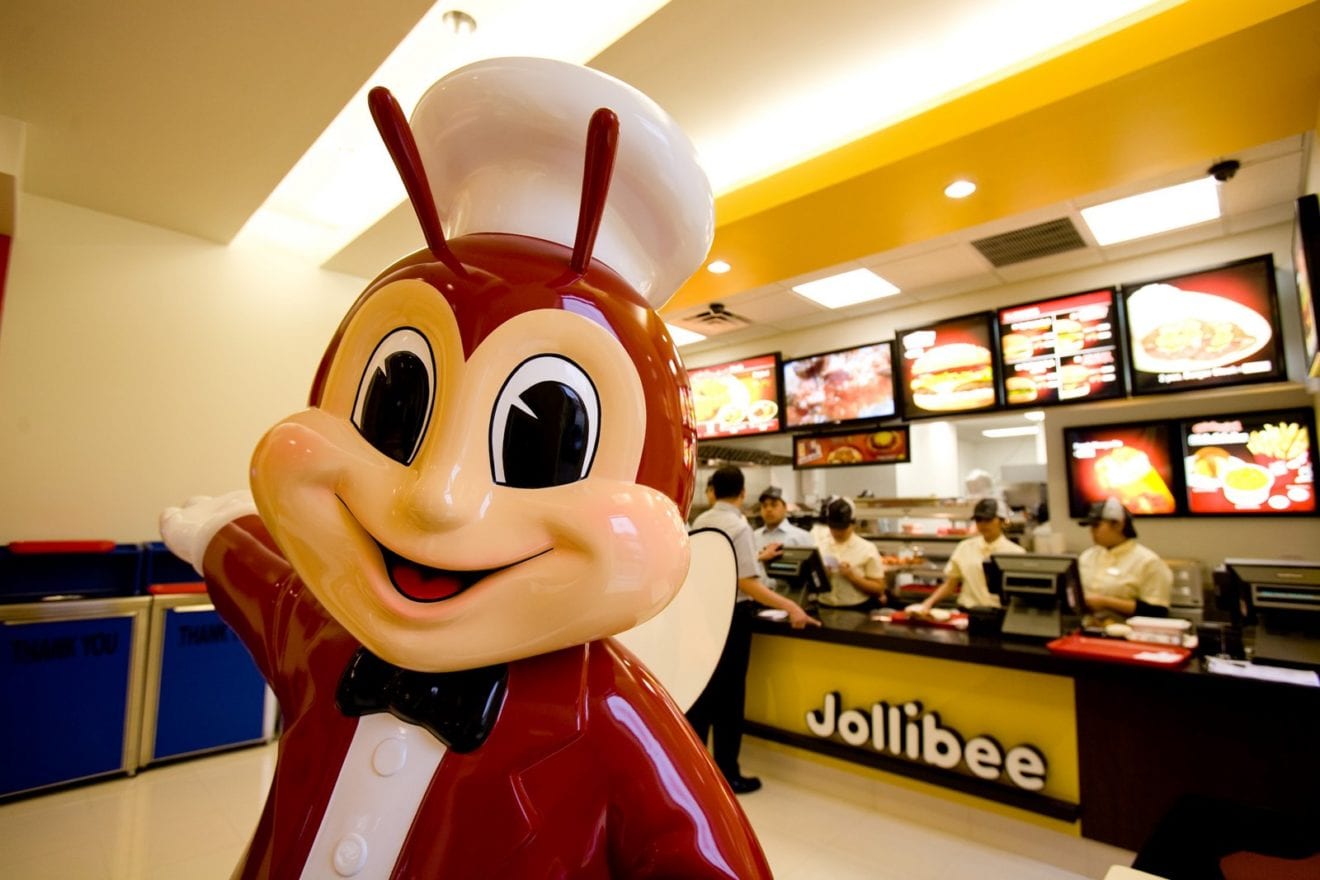
    Following a signing ceremony in Japan last month, founder Tony Tan Caktiong of Filipino fast-food franchise Jollibee says the group may open stores in Japan in 2018.

    Attending the Jollibee Japan ceremony were the leaders of Jollibee Foods and egg producer Ise Foods, as well as President Rodrigo Roa Duterte.

    Caktiong says he plans to open the franchise to cater to Filipinos either living or visiting Japan, as well as introduce the meals to the Japanese community. He has partnered with Ise Foods in Japan to ensure the food meets local expectations.

    Included in the Jollibee Japan partnership is the setting up of poultry farms in Manila, with the eggs to be used for the hamburger and breakfast meals Jollibee will be serving.

  • Japan auto parts firm Usui settles U.S. price-fixing allegations

    Japan auto parts firm Usui settles U.S. price-fixing allegations

    Japanese auto parts maker Usui Kokusai Sangyo Kaisha Ltd will plead guilty and pay a $7.2 million fine for fixing the prices of steel tubes sold to car makers, the U.S. Justice Department said on Tuesday.

    Usui worked with other manufacturers to set prices and allocate customers for their steel tubes, which are used in fuel distribution, braking and other automotive systems, the Justice Department said.

    The department said a total of 47 companies and 65 people have pleaded guilty or been charged with price fixing of auto parts during its long-running probe of the industry.

    Attempts to reach Usui Kokusai Sangyo Kaisha were unsuccessful.

  • DoCoMo to phase out i-mode handset shipments

    DoCoMo to phase out i-mode handset shipments

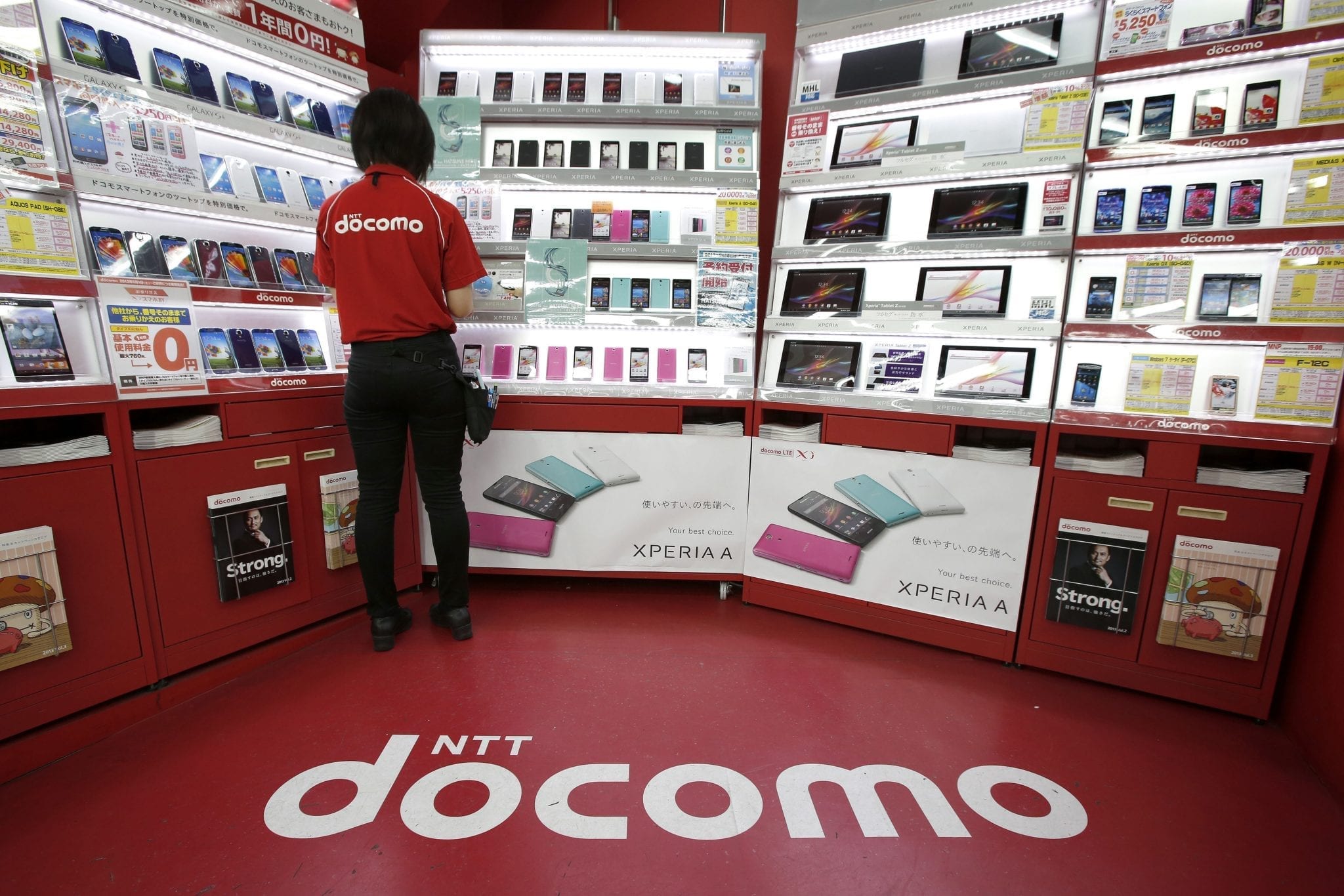
    Japan’s NTT DoCoMo will end shipments of most feature phones compatible with its home-grown i-mode mobile internet standard by the end of the year.

    With the exception of some models such as devices for elderly users, production of phones with access to the i-mode service will cease this year.

    Of the six i-mode models currently available for general consumers DoCoMo plans to end shipments of five and stop selling the models as soon as existing stock runs dry.

    But DoCoMo plans to continue operating its i-mode email service for existing users.

    Production of i-mode handsets has been becoming more and more difficult due to supply chain issues – the parts and raw materials are becoming harder to find as the industry has almost entirely turned its focus to smartphones, the report notes.

    DoCoMo introduced the i-mode service in 1999, and the standard was partly responsible for the strong growth of Japan’s mobile market.

    At its peak nearly 50 million subscribers were using phones compatible with the service. This has fallen to 17.4 million this year – but this still accounts for around 30% of the operator’s subscriber base.

    Unlike true mobile broadband, i-mode can only deliver services that have been converted to use the technology over gateways, placing it at a significant disadvantage compared to smartphones using web browsers.

  • Isetan The Japan Store causing stir

    Isetan The Japan Store causing stir

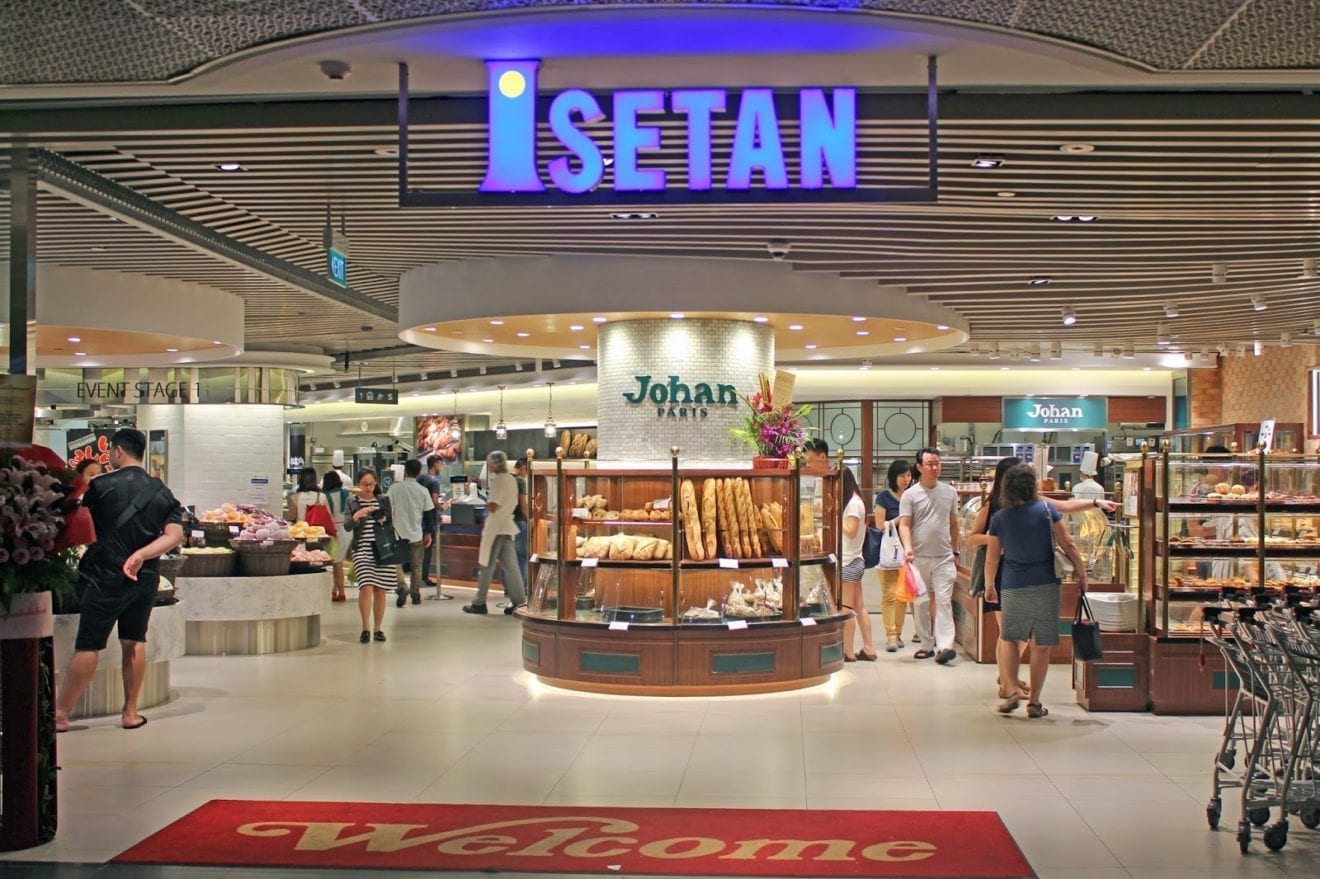
    Already causing a stir on social media, Isetan The Japan Store Kuala Lumpur has opened over five floors, replacing the former Isetan department store.

    Another floor featuring six restaurants is scheduled to be added in January.

    The Isetan Mitsukoshi Group’s specialty store offers 11,000 sqm space of Japanese brands and products.

    On the lower ground floor is The Market with its snacks and perishables, as well as a food court area.

    The main entrance is on the next level, which features The Museum, a blend of fashion, technology and artisanal creations. As well as designer fashion labels like Sacai and Yohji Yamamoto, there are shoes that light up with every step.

    On the first floor, The Studio has street-fashion brands like Onitsuka Tiger, anime and manga merchandise, and a section called Little Harajuku. There is also the Time Out Tokyo cafe.

    Japanese living (and stationery) is showcased in The Room on the second floor, while on the third-floor The Cube is about art and culture. It offers event spaces, pop-up classes and books.

    The venture, announced at the end of August, has the support of the government-financed Cool Japan Fund.

  • Aeon revenues rise

    Aeon revenues rise

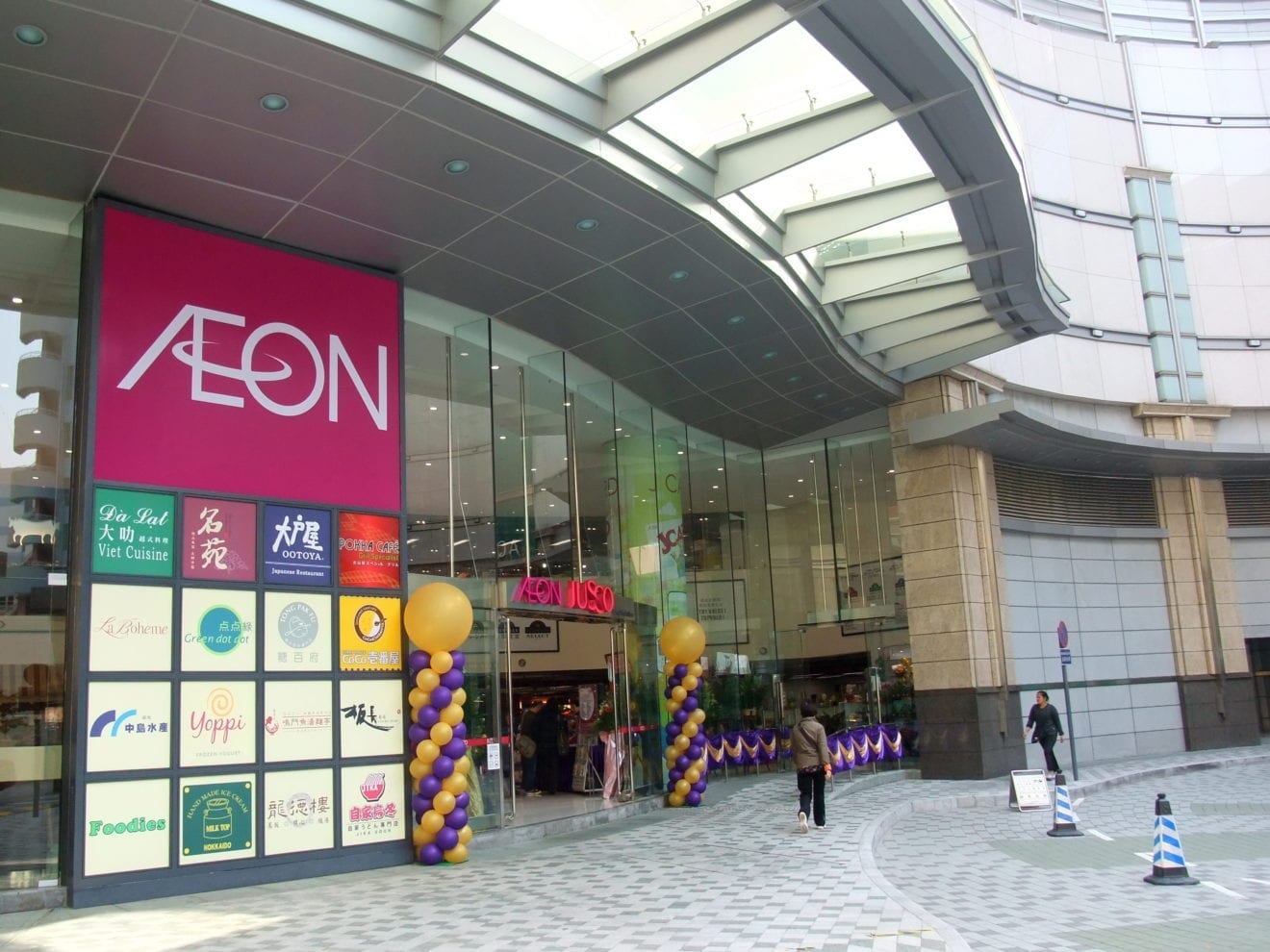
    Japanese retailer Aeon has seen its revenue edged up 0.9 per cent in the latest half year,  but its results vary greatly between formats.

    Total sales reached JPY 4,112 billion (US$39.2 billion), for the six months to August 31, while operating profit improved by a meagre 0.1 per cent to JPY72.4 billion (US$0.69 billion).

    In an analysis of the company’s performance, retail research house IGD observed stronger performances by Aeon’s convenience store business and its pharmacy interests than in its general merchandise and supermarket businesses.

    Aeon’s convenience store business reported a 6.1 per cent increase in operating revenues of JPY190.6 billion (US$1.8 billion), up 7 per cent year-on-year for the first half.

    “The group’s Ministop and My Basket operations performed strong thanks to the enhanced merchandise selection and improved services,” says IGD.

    The drugstore and pharmacy business grew revenues by 5.8 per cent, with the Welcia banner increasing its number of 24-hour stores to enhance customer convenience, driving steady growth in same-store sales.

    Conversely, the supermarket and discount store business posted a 7 per cent decline in revenue to JPY1,448.5 billion (US$13.8 billion). This was mainly due to the impact of the transfer of Daiei’s stores.

    And its general merchandise store business suffered a significant loss, amid weak consumer spending in Japan.

    Outside Japan, Aeon reported operating revenue of JPY205.3 billion (US$1.96 billion), down 5.4 per cent year-on-year. Aeon China and Hong Kong achieved an improvement after the group completed refurbishment of its flagship stores, which helped strengthen the business foundation in China and bolster earrings. In the reporting period, the group also expanded further in Asean markets, opening a new stores in Malaysia and Vietnam.

  • Japanese manufacturers pitch new products at Indonesia motorcycle show

    Japanese manufacturers pitch new products at Indonesia motorcycle show

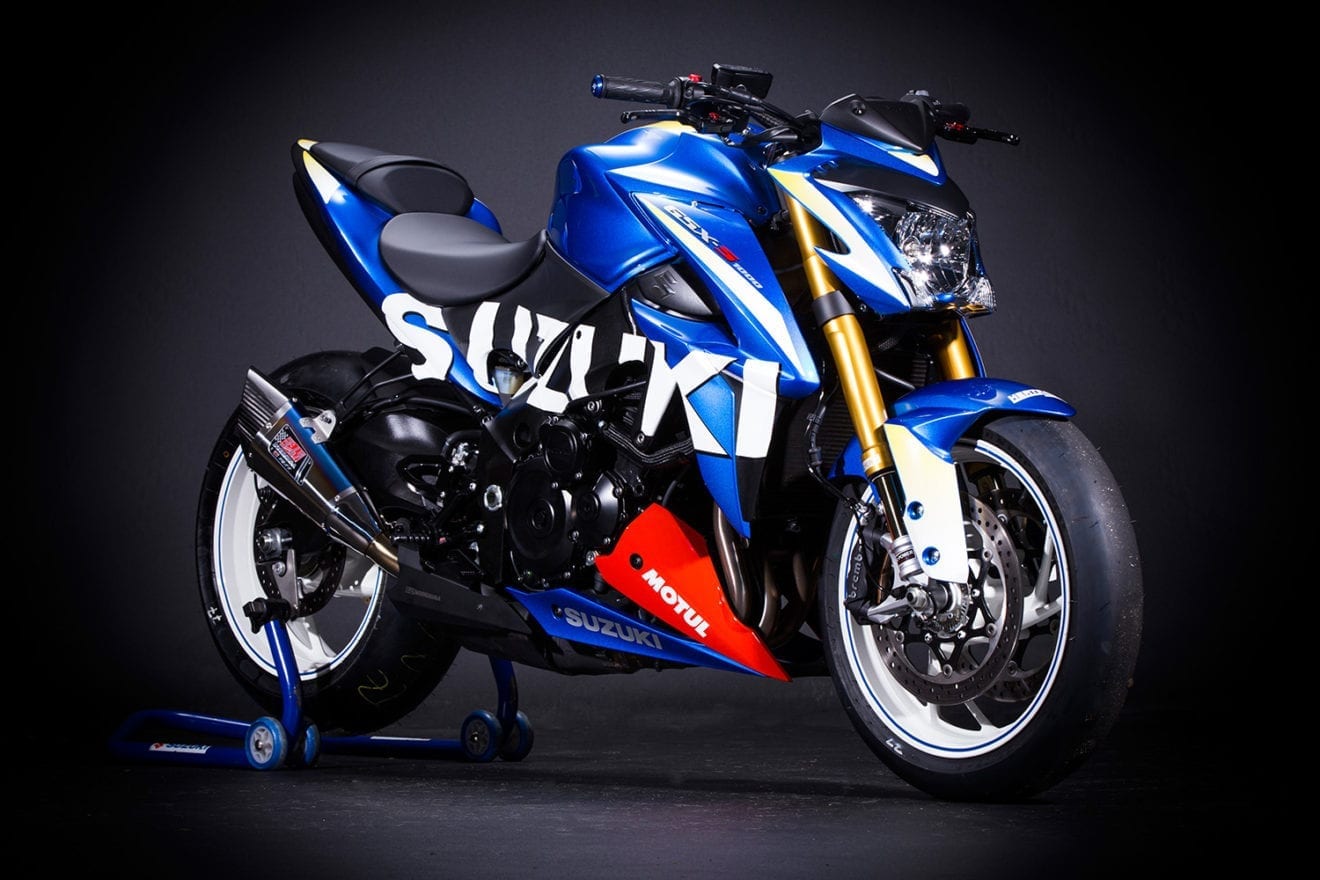
    Japanese motorcycle manufacturers are promoting their products at the Indonesian Motorcycle Show 2016 in Jakarta, with Suzuki Motor Corp. using the biennial event to unveil its latest models.

    Suzuki took the wraps off the GSX-R 150 and GSX-S 150 sport motorcycle models at the five-day show, which runs until Sunday, giving the Indonesian public an opportunity to see its latest products before their official launch in the first half of 2017.

    “We are very proud to introduce the GSX-R 150 and GSX-S 150 for the first time in the world,” Kazumasa Watanabe, manager of Suzuki’s motorcycle marketing group for the Association of Southeast Asian Nations, said at the show Wednesday.

    He described the Suzuki GSX-RR technology, on which the new models are based, as the company’s “highest achievement” in the GSX series that helped Suzuki win the 12th round of MotoGP, the world’s most prestigious motorcycle race, in Britain on Sept. 4.

    Kawasaki Heavy Industries Ltd. also unveiled its Kawasaki Ninja 650, while Honda Motor Co. released the prices of its All New Honda CBR250RR, introduced last July, which are $4,900 for the standard model and $5,300 for the model equipped with an anti-lock braking system.

    In the scooter category, Yamaha Motor Co. introduced the three-wheeled Tricity 155 in Indonesia after it was launched globally five months ago.

    Indonesia’s three-wheeler market is still very new, but Mohammad Masykur, assistant general manager for marketing at PT Yamaha Indonesia Motor Manufacturing, was optimistic about its future.

    “The presence of Tricity in Indonesia will give a new color to the Indonesian automotive world,” he said, adding that the company’s “Leaning-Multi Wheel technology will make a difference on the Indonesia road.”

  • Asia drives All Saints growth

    Asia drives All Saints growth

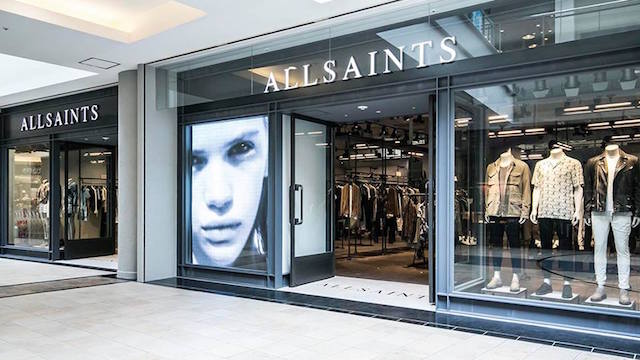
    Asia has proven the major driver of All Saints growth in the last year’s reported sales.

    A stellar set of results was led by international sales growth of 12 per cent to £108.2 million, as it opened 23 new stores internationally in countries including Japan, South Korea, Taiwan and the US.

    The retailer has big ambitions for its international arm, as it aims for international sales to account for nearly two-thirds of the business by 2020 (currently 43 per cent), with Asia and the Middle East being the prime focus. All Saints has also performed well in its home market, with UK sales up 7.4 per cent to £144.3 million, while online sales grew 33 per cent to reach £47.3 million – 19 per cent of total sales.

    All Saints’ continued success is evidence of how having a distinct design signature, desirable brand image and a loyal shopper base is imperative in a tough trading environment, as it keeps the brand front of mind for shoppers. The retailer has remained true to its edgy design aesthetic, and translated it effectively into range extensions such as its Capital collection of women’s handbags. It is also capitalising upon its relatively unique position of being equally desirable for both men and women (sales are split almost equally) by launching a men’s bags and accessories ranges, following the success of the Capital collection. All Saints continues to keep shoppers engaged via regular product drops, a broad but well-edited collection and a distinct instore customer experience.

    All Saints

    All Saints has maintained tight control over its brand image, and chosen to enter new markets directly through own stores and partnerships with department stores, rather than through wholesale and licensing – a strategic move that has helped make its mark in new territories without diluting the brand.

    It has also managed to control online costs effectively as it owns its distribution centres and does its website coding in-house; while its diversified market presence and direct sourcing model has helped it achieve a natural hedging position, broadly protecting it from currency fluctuations.

    All Saints’ focus on controlling costs and protecting brand image as it expands, will continue to stand it in good stead, and help achieve sales growth in 2016/17.

    –Nivindya Sharma

  • Pop-up cafe inspired by PPAP

    Pop-up cafe inspired by PPAP

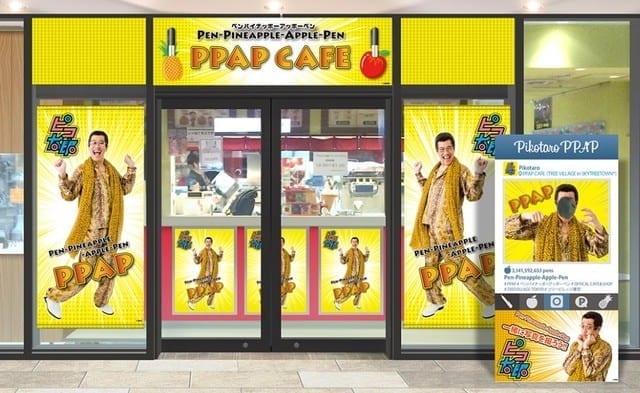
    With a bright exterior and unusual menu, the world’s first official PPAP cafe opens in Tokyo tomorrow.

    PPAP? That stands for Pen Pineapple Apple Pen, a music video by Japanese comedian Kosaka Daimaou’s stage character Piko Taro. It made its debut on YouTube on August 25, receiving more than 7.9 million views and 4000 comments within its first month.

    ppap

    There are even spin-off products including Pen Pineapple Apple Bread from a Japanese bakery in Kanagawa. Now the comedian’s management company has teamed up with the Tree Village store area at the foot of Tokyo Skytree for an official cafe.

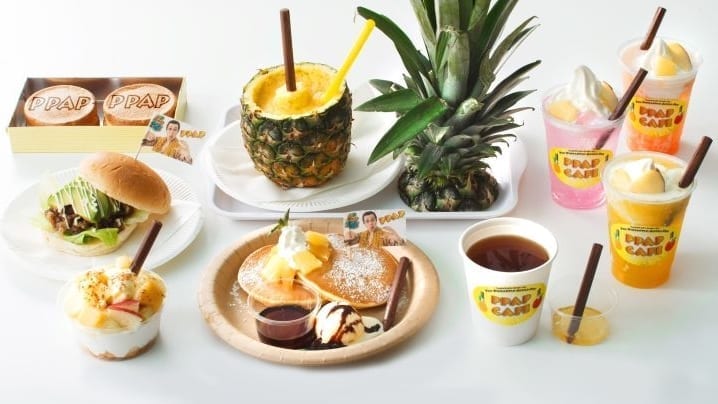
    The pop-up cafe, open until November 20, features Piko Taro surrounded by the colours of a golden pineapple, while the store sign includes images of a pen pineapple and an apple pen. The menu features items branded with the PPAP logo, including parfaits, pancakes, soft drinks, a burger, and fresh pineapple juice served inside a whole fruit. Prices range from 420 yen (US$3.99) for the tea up to 878 yen for the pineapple juice.

    Most of the items include a chocolate “pen” and slices of fruit so diners can act out the song while eating. Customers can also take home a souvenir coaster with each order. There will also be branded merchandise to buy

    Daimaou has meanwhile been awarded a Guinness World Record for the shortest song to appear on the US Billboard Hot 100 charts, where PPAP made its debut at number 77.

    Dragon Ball

    Also cashing in on Japan’s taste for the bizarre, three cafes are opening to pay tribute to anime hit Dragon Ball, which burst on to TV in Japan 30 years ago.

    In a collaboration with Tower Records, three Dragon Ball cafes will be opened in Japan, serving food and drinks inspired by creator Akira Toriyama.

    The cafe interiors will be decorated with art from the martial arts series, with the outlets in Tokyo’s Shibuya and Osaka’s Umeda neighbourhoods offering Vegeta Salad, Yamcha Spaghetti, and Bulma’s “I’ll Give You Romantic” Cake, all featuring character artwork. The drink menu includes beverages based on Goku’s Flying Nimbus cloud and the mystic Dragon Balls themselves, plus latte art coffee featuring Master Roshi’s insignia and the series logo.

    Tokyo’s second Dragon Ball Cafe, on the swanky Omotesando avenue in Harajuku, has a different food offering such as Goku’s Finishing Technique Kaio-ken Red Curry, Majin Buu’s Turn You Into Candy Sweets Plate, Flying Nimbus Pancake and Piccolo’s Ma Junior Soda.

    Customers will also receive special coasters while supplies last, plus there will be limited-edition merchandise.

  • DoCoMo 1H profit grows 27.8%

    DoCoMo 1H profit grows 27.8%

    Japan’s NTT DoCoMo grew its net profit for the six months ending in September by 27.8% to 405.41 billion yen ($3.87 billion), on the back of a 3.3% increase in revenue to 2.29 trillion yen.

    DoCoMo attributed the revenue growth in part to recovery of telecoms services revenue as a result of the growth in mobile data consumption of segments of its postpaid subscribe base.

    Expanding demand for smartphones and tablets and the growth in the number of DoCoMo Hikari fiber customers, as well as the operator’s smart life and other non-core businesses, also contributed to the gains.

    Total telecoms revenue grew 2.7% to 1.86 trillion yen. DoCoMo’s mobile subscriber base grew 6.5% to 72.9 million, with LTE customers up 19.6% to 41.28 million, while total docomo Hilari subscriptions grew to 2.53 million.

    ARPU increased 6.8% to 4.380 yen, driven by a 7.5% growth in data ARPU to 3,140 yen. But voice ARPU also grew by 5.1% to 1,240 yen, and MOU was up 3.8% to 136.

    Capex meanwhile reached 246.1 billion yen, up 12% from a year earlier, as DoCoMo invested in expanding the reach of its “premium 4G” service.

    Looking ahead to the full financial year, DoCoMo said the competitive environment has changed significantly, with competition intensifying due to the government’s pro-competition policy, the market entry by MVNOs and other factors. Technological developments have also brought about active competition and collaboration with players from other industries.

    But the company has raised its projected net income for the full year to 655 billion yen. This would compare to a net income of 548.4 million in the prior financial year. Revenue is meanwhile expected to grow to 4.61 trillion yen, from 4.57 trillion yen a year earlier.

  • Probe of millennial consumers’ shopping preferences

    Probe of millennial consumers’ shopping preferences

    While Asia Pacific millennial consumers shop online, only physical stores and particularly shopping centres give them the experiences and social elements they want, says a new report.

    Millennials shop online an average of 4.7 days a month, but visit shopping centres an average of three days a month for other reasons apart from buying, such as dining out, banking and visiting exhibitions.

    However, slower economic growth and a desire to save money for buying a home may inhibit spending on leisure activities, suggests research by commercial property adviser CBRE Research. Its inaugural Asia Pacific Millennials: Shaping the Future of Real Estate report says this emerging “superclass” demographic actually has similar long-term lifestyle priorities with other generations despite being more likely to spend their time and money on leisure activities and experiences like travel, entertainment and dining than previous generations.

    “In order to leverage on millennials’ spending habits, retailers are recommended to increase the experience-based element of their offering and focus on providing an environment for visitors to socialise and relax,” says CBRE Asia Pacific head of research Dr Henry Chin.

    As well as increasing F&B, cinema and entertainment elements in their shopping malls, retail landlords should consider organising more live events to attract millennials, he says, warning that they should also carefully manage their tenant mix to ensure they still cater to other generations.

    The millennials report is based on a global survey by CBRE Research last December. It covered 13,000 people between 22 and 29 years old to examine how they live, work and play, and what this means for real estate.

    For the Asia Pacific region, the report involved 5000 respondents evenly representing Australia, China, Hong Kong, India and Japan. The survey also explored differences between millennials of different gender, employment status, marital status, education and income.

    Inaccurate perceptions

    It found that perceptions of millennials as preferring informal employment, changing jobs regularly and avoiding financial responsibility are inaccurate in the region. Consistent with previous generations, most millennials were found to be spending prudently in order to save money to buy a home.

    While this demographic aspires to carve out a stable career, the report finds that it does take into account factors such as office design when choosing an employer, with 71 per cent of respondents willing to give up other benefits for a better office environment.

    Millennials are also increasingly demanding the freedom to work anywhere, anytime—more than 60 per cent in Asia Pacific want flexibility and mobility for their career.

    Job loyalty is also stronger than perceived, with two-thirds expecting to work for the same company, or for a small number of companies, throughout their career.

    Almost two-thirds of the region’s millennials still live with their family because of both cultural practices and financial factors. In most major markets surveyed, the high cost of residential property is providing challenges for millennials.

    While 65 per cent of respondents said they plan to buy property in the future, 63 per cent said they are forced into renting as they are unable to buy.

    “The millennial demographic in Asia Pacific is a game-changer for businesses across the board. Their life, work and play priorities and habits will shape economics, redefine opinions on workplace design and functionality, and drive new attitudes toward consumption and experience for the foreseeable future, ” says CBRE Asia Pacific CEO Steve Swerdlow.

  • Kering sales soar – even in China

    Kering sales soar – even in China

    Luxury goods and apparel giant Kering has reported a 10.5 per cent global rise in revenues in the latest quarter, with luxury sales up 11.3 per cent and sports and lifestyle brands up 9.3 per cent.

    Most significantly, at a time its peers are battling falling sales in Hong Kong, Macau and some brands even in Mainland China, Kering seems to have experienced respectable results in those core markets.

    Paris-based Kering’s brands range from luxury labels Gucci, Bottega Veneta and Yves Saint Laurent through to lifestyle brand Puma. The company says sales in directly operated luxury stores enjoyed double-digit growth across all geographic regions excluding Japan, with strong growth of 24 per cent in Asia-Pacific, a very steady 17 per cent increase in North America and an “extremely good performance” in Western Europe, which expanded by 12 per cent.

    “In a complex environment, we stepped up the pace of revenue growth and continued to gain market share,” said Francois-Henri Pinault, chairman and CEO. “Thanks to the creativity of our brands and the outstanding customer experience they offer, we achieved double-digit increases across all geographic regions excluding Japan.

    “We have laid the foundations for steady, sustainable growth, and are highly confident about the full year.”

    Kering’s headline brand Gucci achieved a sales increase of 17 per cent, while Yves Saint Laurent sales soared 33.9 per cent, both gaining market share from rivals. Sales were up sharply across all product categories and regions, excluding Japan, where market conditions were lacklustre for the sector as a whole. Gucci sales in directly operated stores rose by 19 per cent. Sales from Gucci’s e-commerce website increased by more than 50 per cent during the quarter.

    Overall, Kering’s luxury activities generated €2.115 billion in revenue during the period, the 11.3 per cent same-store growth its fastest quarterly figure in three years.

    But at Bottega Veneta, third-quarter sales were again impacted by slower tourism, particularly in the mature markets of Western Europe and Japan. Revenue was down 10.9 per cent on a comparable basis.

    Here, Hong Kong’s luxury retail decline impacted on the brand, the company said, without divulging figures: “While sales in directly operated stores were lower in the quarter, they delivered a slight improvement compared to the second-quarter trend thanks to resilient sales to local customers in Europe and growth across all main markets in Asia Pacific, with the exception of Hong Kong.”

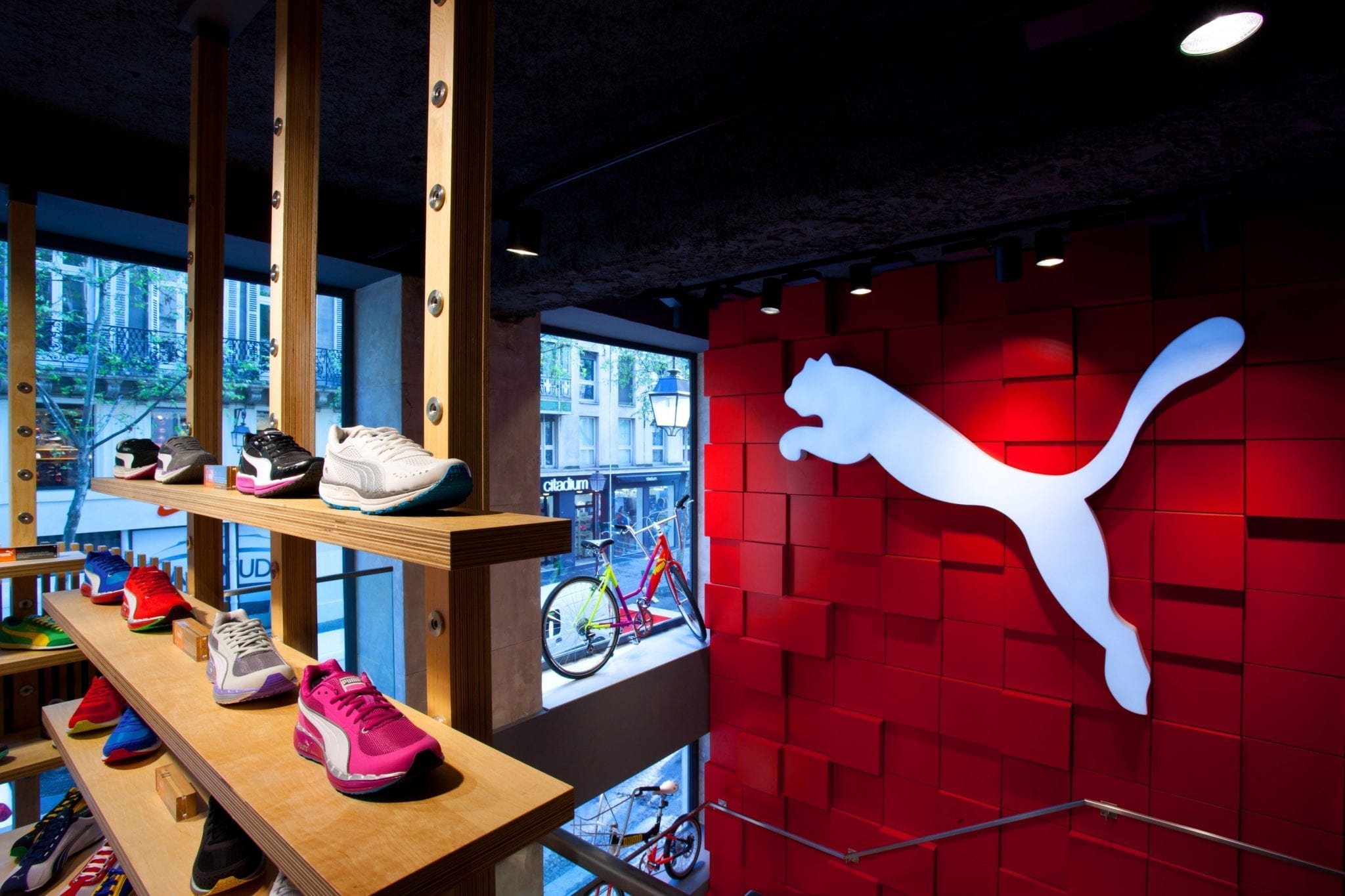
    Puma’s leap

    Puma’s 10.8 per cent same-store sales leap was the result of the brand building on innovative products and renewed appeal, Kering said. Shoes performed particularly well, posting 17 per cent growth, fuelled by the success of new models such as Ignite, Fierce and Fenty. Revenue from apparel was up a solid 10 per cent.

    “With the exception of Japan, Puma achieved double-digit growth across all geographic regions, enjoying strong performances in Europe and the Americas, and sustained expansion in Mainland China.”

    Kering has an ensemble of luxury fashion, leather goods, jewellery and watch brands: Gucci, Bottega Veneta, Saint Laurent, Alexander McQueen, Balenciaga, Brioni, Christopher Kane, McQ, Stella McCartney, Tomas Maier, Boucheron, Dodo, Girard-Perregaux, Pomellato, Qeelin and Ulysse Nardin.

    Kering also has the sports & lifestyle brands Puma, Volcom and Cobra. The group generated revenues of more than €11.5 billion in 2015 and had more than 38,000 employees at year end.

  • Apple will open another R&D center in Japan

    Apple will open another R&D center in Japan

    Apple is on a research & development spree! The company has announced a bunch of new R&D centers over the past few months, and R&D spendings have skyrocketed. This time, Apple CEO Tim Cook announced that the company plans to open a new center in Japan during a visit in Tokyo.

    This isn’t the first time we’re hearing about a new R&D center in Japan. Previous reports have indicated that Apple was building a new R&D center for 2016 or 2017.

    Cook met with Japan’s prime minister Shinzo Abe to discuss all things Apple and Japan. Later at a press conference, Chief Cabinet Secretary Yoshihide Suga reported that Apple would complete its R&D center in December.

    So what is this R&D center anyway? Located in Yokohama, the building used to be a Panasonic factory. Apple has taken over the building and transformed it into an R&D center.

    This way, Apple can more easily hire talented Japanese engineers. It’s unclear what the Japanese team is going to work on.

    Overall, in addition to existing R&D centers, Apple will soon have R&D centers in Shenzhen, Israel, the U.K., France, Japan and Sweden. Maybe it’s time to rethink Apple’s tagline on all of its products — “designed by Apple in Cupertino and many other countries.”