Tag: Japan

  • Yogibo bean bags to launch in Korea

    Yogibo bean bags to launch in Korea

    Yogibo bean bags, which started in a Nashua, USA, basement in 2009, is about to launch in Korea.

    The brand has proven a hit in Japan, where 20 of its 50 global stores are located, and now the company has opened a pop-up store in Seoul after appointing a local partner. Yogibo has some 26 stores in the US and others in Jordan and Canada.

    Eyal Levy, founder and CEO of Yogibo, described the response to the pop-up, which opened on November 1, as “incredible”.

    “We are so excited to get into this market and to partner with the founders of Yogibo Korea,” he said.

    Yogibo Korea co-founder David Park is a close friend of Levy. “I knew David prior to this opportunity, and I couldn’t be happier to do this with him. It’s always fun and awesome to create partnerships with people that you know, like, and trust,” said Park.

    The first permanent South Korean store will open at the beginning of 2017. Yogibo is confident South Korea will be a perfect fit due to its overwhelming success in Japan.

    Yogibo stores are known for their bright colors, fun decor, and friendly staff. The stores feature multiple seating areas featuring the company’s line of bean bag chairs and pillows, as well as a variety of the company’s large bean bag furniture, home decor product, and accessories. Each store uses Yogibo’s flagship product, the Yogibo Max, which is a portable, versatile piece of furniture that can be used as a chair, recliner, bed or couch.

    “The word ‘Yogibo’ has meaning in Korean, something we didn’t know when we started the company. It means ‘Look here.’ We think it’ll be a great fit,” said Levy.

    Yogibo opened its first concept store in the Natick Mall in Natick, Massachusetts, in 2010.
  • L’Occitane International profit jumps

    L’Occitane International profit jumps

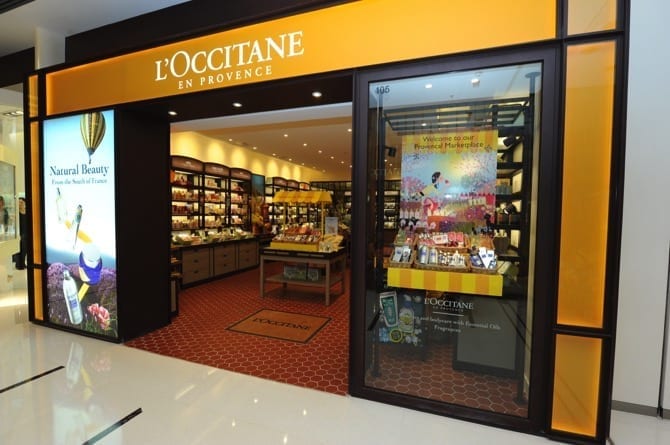
    French skincare brand L’Occitane International’s interim net profit has jumped 33.9 per cent for its latest six months.

    Earnings for the period to September 30 climbed to €25.99 million (US$27.5 million) from €19.41 million year-on-year, while net sales edged up by 1.3 per cent to €551.7 million.

    Emerging economies Brazil, China and Russia were singled out as the top performing markets for the Provence-based company.

    “We are seeing accelerating store traffic in China and a tremendous growth in our sales on the Tmall market platform,” says L’Occitane Asia-Pacific president Andre Hoffmann.

    The mainland has become the company’s second-largest market after the US in terms of the number of outlets. Eight locations were launched in China in the first nine months of the year – the largest number across the brand’s nine major markets.

    Total sales from the mainland gained 5.4 per cent to €50.8 million from a year ago, accounting for 9.2 per cent of L’Occitane’s net revenue.

    More shops were opened in Japan and South Korea, but in Hong Kong sales plunged by as much as 11.2 per cent.

    Same-store sales overall fell 2.5 per cent, which the company blames on global economic political uncertainties. However, more positive signs included a strong performance on Tmall, as well as in the Black Friday sale, says CFO Thomas Levilion.

    L’Occitane eCommerce business grew by 6.8 per cent during the first half, making up 10 per cent of global retail sales.

  • Japanese retail sales barely changed in October

    Japanese retail sales barely changed in October

    Japanese retail sales fell 0.1 per cent year-on-year in October, according to the Ministry of Economy, Trade and Industry.

    But while sales were down, the figures were much better than the 1.6 per cent fall analysts expected, after September’s 1.7 per cent decline.

    Seasonally adjusted monthly sales rose 2.5 per cent – also exceeding analysts’ forecasts of 1.1 per cent and representing a big leap on September’s 0.3 per cent rise.

    Larger retailers, such as hypermarkets and department stores, recorded a 1 per cent year-on-year decline, following September’s 3.2 per cent decline.

  • Tiffany progress more technical than strategic

    Tiffany progress more technical than strategic

    Following on from a very weak second quarter, it is pleasing to see Tiffany nudge back into growth on a total sales basis.

    The 1 per cent uplift is modest, but it is far better than the string of poor numbers the company has been posting for well over a year. That said, the figures do not show that all the problems at Tiffany have been resolved. Indeed, part of the increase is attributable to the very easy comparatives from the prior year; and part is down to the strength of the yen against the dollar, which aided performance in Japan. These are rather technical gains, and are not growth produced by a sound underlying strategy.

    That Tiffany still has issues is demonstrated by the Americas figures, where sales declined by 2 per cent on both a total and comparable basis. This comes off the back of a 7 per cent and 9 per cent decline in total and same store sales in the prior year.

    Notably, the impact of the strong dollar on sales to tourists at Tiffany’s flagship stores now seems to have dissipated and annualised out; if anything, the company noted that tourist sales were relatively strong over the quarter.

    This dynamic means the blame for the dip comes, primarily, from domestic demand. Here, Conlumino’s data shows that Tiffany continues to suffer from a decline in both the number of American consumers who consider it for jewellery purchases as well as the proportion who end up buying from it. In a category like jewellery, where purchases are relatively infrequent, not being firmly on the consumer radar is an issue as it gives Tiffany little opportunity to recapture ‘lost’ spending.

    There is an argument to be made that as US department stores see customer traffic weaken, Tiffany should be picking up some trade – at least for mid to higher end purchases. However, this does not seem to be happening. Instead, consumers are migrating to more contemporary premium brands, as well as to custom and direct-to market-players like Blue Nile – which was recently acquired by Bain Capital.

    These represent the new growth spots of consumer demand in jewellery – spots to which Tiffany, with its ‘old world’ image do not have immediate and ready access.

    Thankfully for Tiffany, its weak performance in the US was not replicated elsewhere this quarter. Sales in Asia-Pacific rose by 4 per cent, after a better performance in China. However, comparable sales in the region are still in decline, not helped by continued slides in Hong Kong and Australia. Japan also saw some strong uplifts, with a 13 per cent increase in total sales. However, these were a function of the strong yen and once this impact is removed sales dipped by 4 per cent on a constant currency basis.

    While sales in Japan benefitted from a favorable exchange rate, Europe had no such tailwind. The depreciation of sterling and the euro saw sales decline by 10 per cent on a total basis and by 14 per cent on a same-store basis. Even so, underlying demand in the region – like in the US – remains soft.

    Tiffany has a lot more work to do before it gets into sustainable growth.

  • Japan home to seventh NikeLab flagship

    Japan home to seventh NikeLab flagship

    Japan is to be home to the seventh NikeLab flagship, a premium sub-branch of the sports-shoe brand launched in 2014.

    The other flagship locations are in New York, London, Paris, Milan, Shanghai and Hong Kong.

    Opening this week, Tokyo’s NikeLab MA5 offers a retail experience with a thematic focus on uniting nature and technology, as well as exploring sustainable materials. The store aims to engage the senses with directional sound systems both inside and outside, plus an exclusive scent and soft track-flooring material made using Nike Grind, a palette of recycled and regenerated materials.

    The entrance of NIKELAB MA5 featuring the Holiday 2016 ACG collection, which has advanced weather protection, seamless integration with past and future ACG apparel and adaptable elements like interior strap systems and adjustable collars.

    The entrance of NIKELAB MA5 featuring the Holiday 2016 ACG collection, which has advanced weather protection, seamless integration with past and future ACG apparel and adaptable elements like interior strap systems and adjustable collars.

    Display benches made with Nike Grind, a palette of premium recycled and regenerated materials.

    Display benches made with Nike Grind, a palette of premium recycled and regenerated materials.

    Digitally-powered fitting rooms featuring tatami mat floors and locally sourced wood walls.

    Digitally-powered fitting rooms featuring tatami mat floors and locally sourced wood walls.

    Display cubes made with locally sourced wood for the NikeLab Gyakusou LunarEpic Flyknit.

    Display cubes made with locally sourced wood for the NikeLab Gyakusou LunarEpic Flyknit.

    Also, Nike designers have been working with long-term engineering partner Arthur Huang, the founder of design firm Miniwiz, to incorporate Japanese culture and traditions into the store. Tatami-mat floors pair with walls of locally sourced wood in the digitally powered fitting rooms. The same timber is used on modular display cubes alongside Nike Grind display benches.

  • Taiwan’s SheenHo finds partner for Myanmar

    Taiwan’s SheenHo finds partner for Myanmar

    Taiwanese restaurant chain SheenHo has awarded a master franchise to Myanmar company Creation Strength to open outlets in the frontier market.

    About K1.3 billion (US$995,000) will be invested in opening up to 20 branches over five years, starting in Yangon.

    Chefs from Myanmar will be flown to Taiwan to learn how to prepare the restaurant’s cuisine.
    Meanwhile, Singapore Myanmar Investco (SMI) has partnered with Japanese ramen chain Ippudo to open a branch in Myanmar. SMI has also signed an agreement with Singapore’s Crystal Jade Group to open Chinese restaurants in Myanmar.

  • New York milestones for Japanese jeweller Tasaki

    New York milestones for Japanese jeweller Tasaki

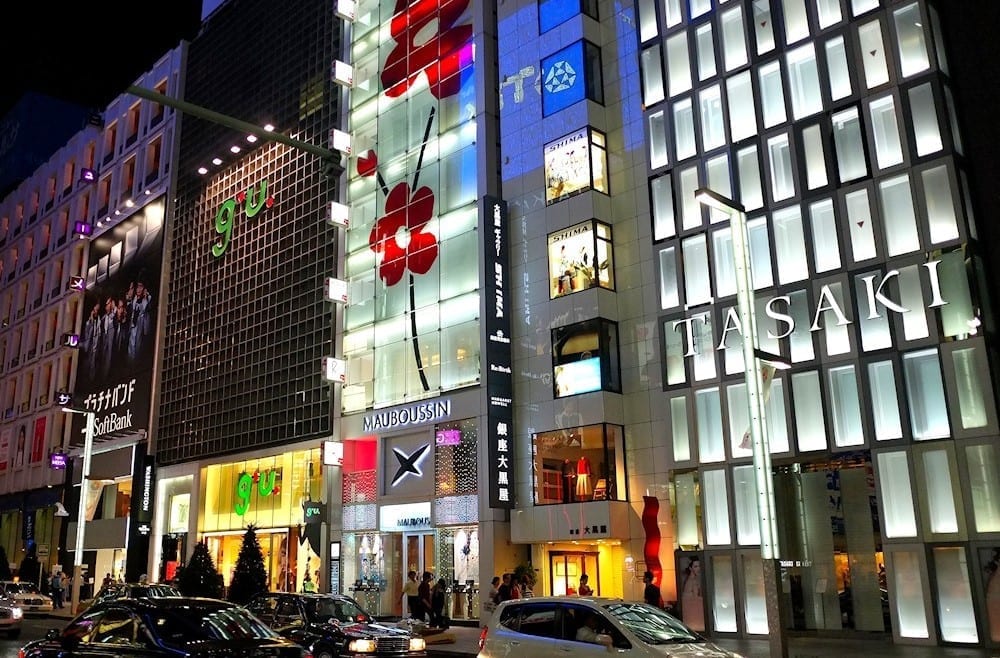
    Japanese luxury jewellery Tasaki plans to open its first US standalone store in New York City next year.

    It will also be the retailer’s first directly run store in the US.

    tasaki

    Tasaki also has a directly run store in London, plus an outlet at Hong Kong’s Lee Garden. The brand is already available at Barneys New York and Dover Street Market in New York City, Ikram in Chicago, The Webster in Miami and Capitol in North Carolina.

    Founded in 1954, Tasaki began producing and selling pearls domestically before opening a design office in 1962 to create other jewellery designs. In 2009, the company hired New York City-based designer Thakoon Panichgul as creative director.

    Tasaki jewellery is available in nine countries including China, Japan, Korea, Malaysia and Taiwan.

  • Jumbo Seafood grows profit 17.9pc

    Jumbo Seafood grows profit 17.9pc

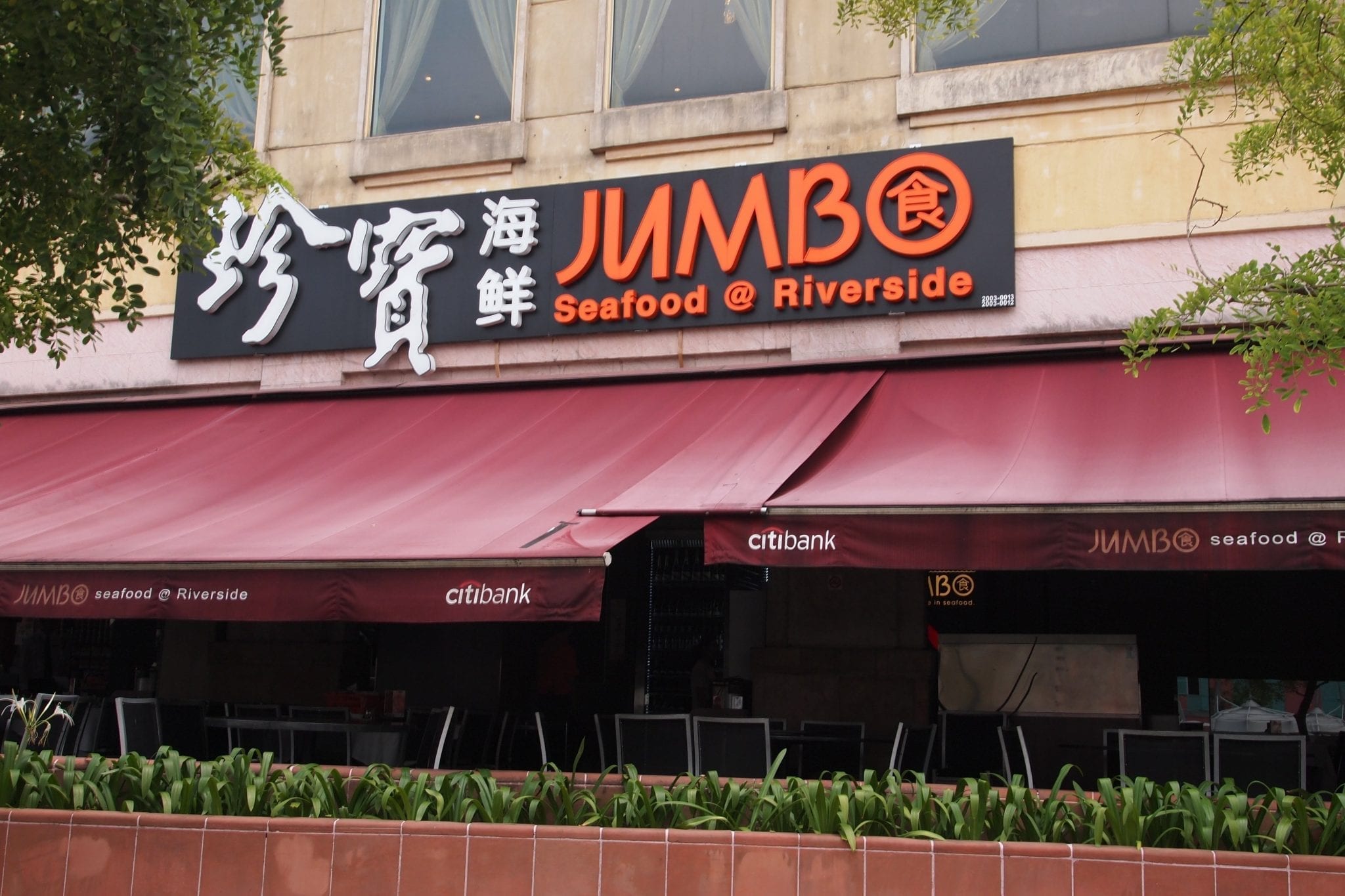
    Restaurant group Jumbo Seafood has reported a full-year net profit of S$15.7 million (US$11 million) – up 17.9 per cent from the previous year.

    Overall group revenue grew 11.4 per cent to S$136.8 million, attributed mainly to revenue contributions from its new seafood outlets in Shanghai as well as an overall increase in revenue from its other restaurants.

    Jumbo Seafood executive chairperson/CEO Ang Kiam Meng says the group managed to increase yields despite the ongoing challenges of the industry.

    “We look forward to further improving our financial performance by streamlining our operations to raise productivity and efficiency while lowering operating costs.”

    In October, Jumbo opened its fifth Ng Ah Sio Bak Kut Teh (pork ribs soup) outlet in Singapore.

    Jumbo is a multi-concept dining and F&B group with a network spanning Singapore, China and Japan. It also provides catering services, and in Singapore sells packaged sauces and spice mixes.

  • Jaeger-LeCoultre Japan opens flagship

    Jaeger-LeCoultre Japan opens flagship

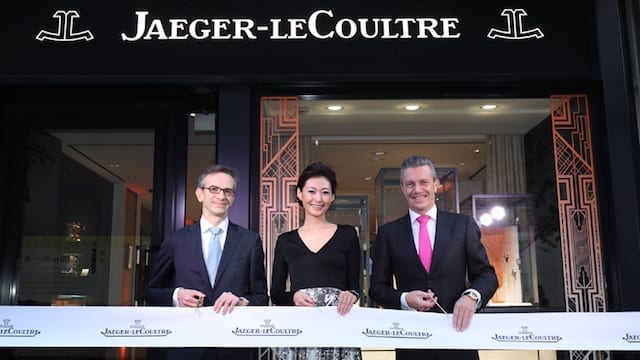
    Luxury watch brand Jaeger-LeCoultre Japan has staged a grand opening for its first flagship boutique, in Tokyo.

    Jaeger-LeCoultre CEO Daniel Riedo and brand manager for Japan Stefano Bossi welcomed 150 guests for the official launch of the store, on Ginza Namiki Street. Actress/model Maki Tamaru was a special guest, wearing a Reverso by Christian Louboutin from the Atelier Reverso.

    jaeger-lecoultre

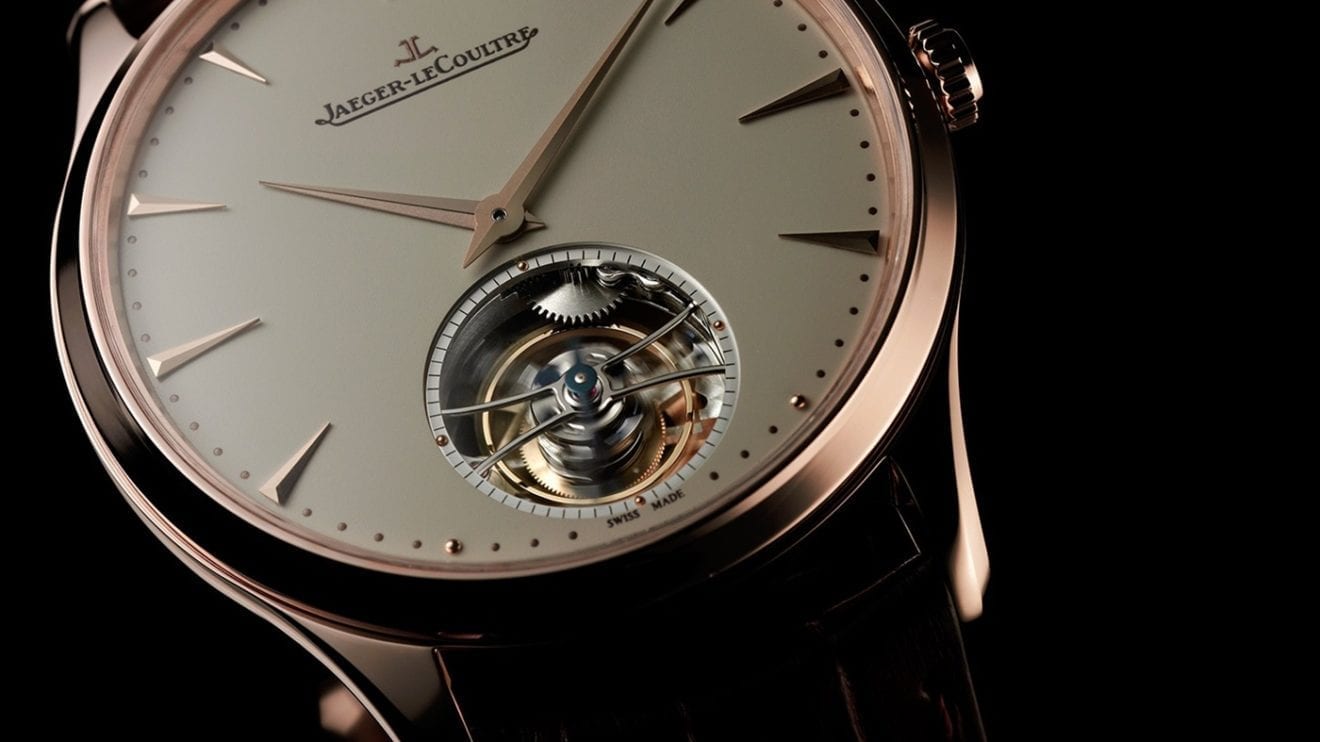
    Exclusive watches were on display including a 101 Joaillerie with the smallest calibre in the world, invented by Jaeger-LeCoultre. Also featured are Atmos clocks.

    Covering 100 sqm, the store spotlights Jaeger-LeCoultre artistry and craftsmanship, two themes that have been at the heart of the brand since 1833. Grand complications and high jewellery pieces are showcased, epitomising the crafts mastered by the manufacturer – gem setting, enamelling, engraving and horological complications.

    A special area is reserved for a watchmaker who handles maintenance and repairs.

  • Rakuten drone delivery system launched

    Rakuten drone delivery system launched

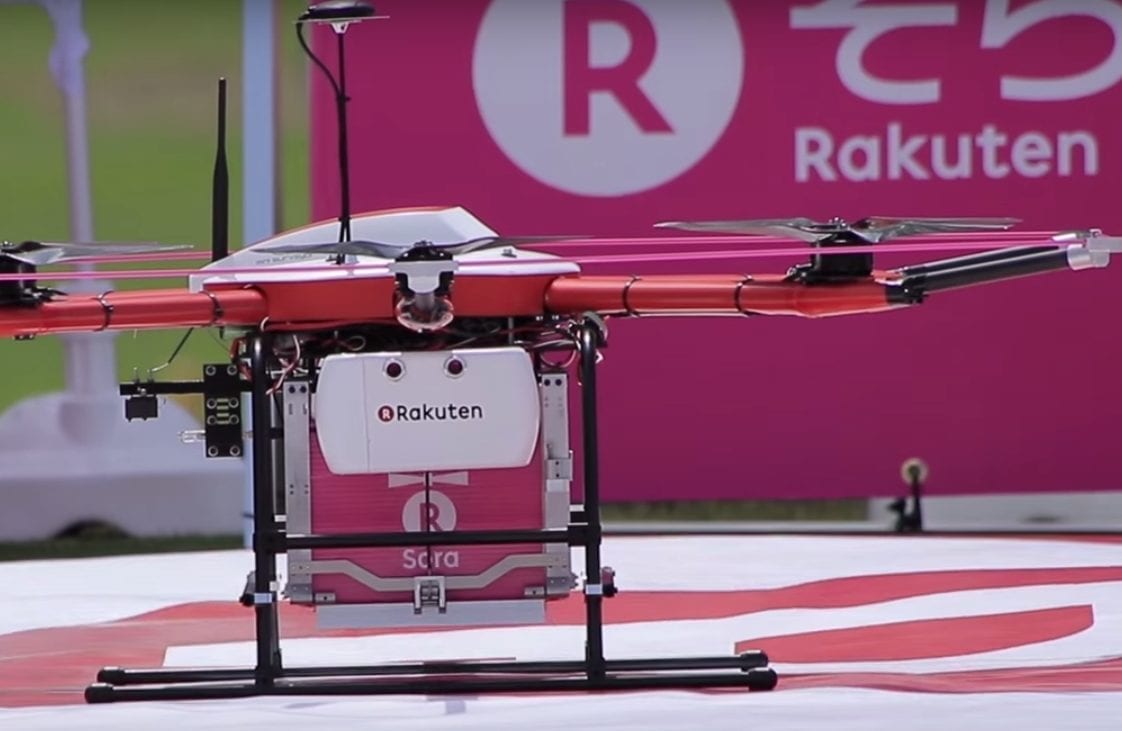
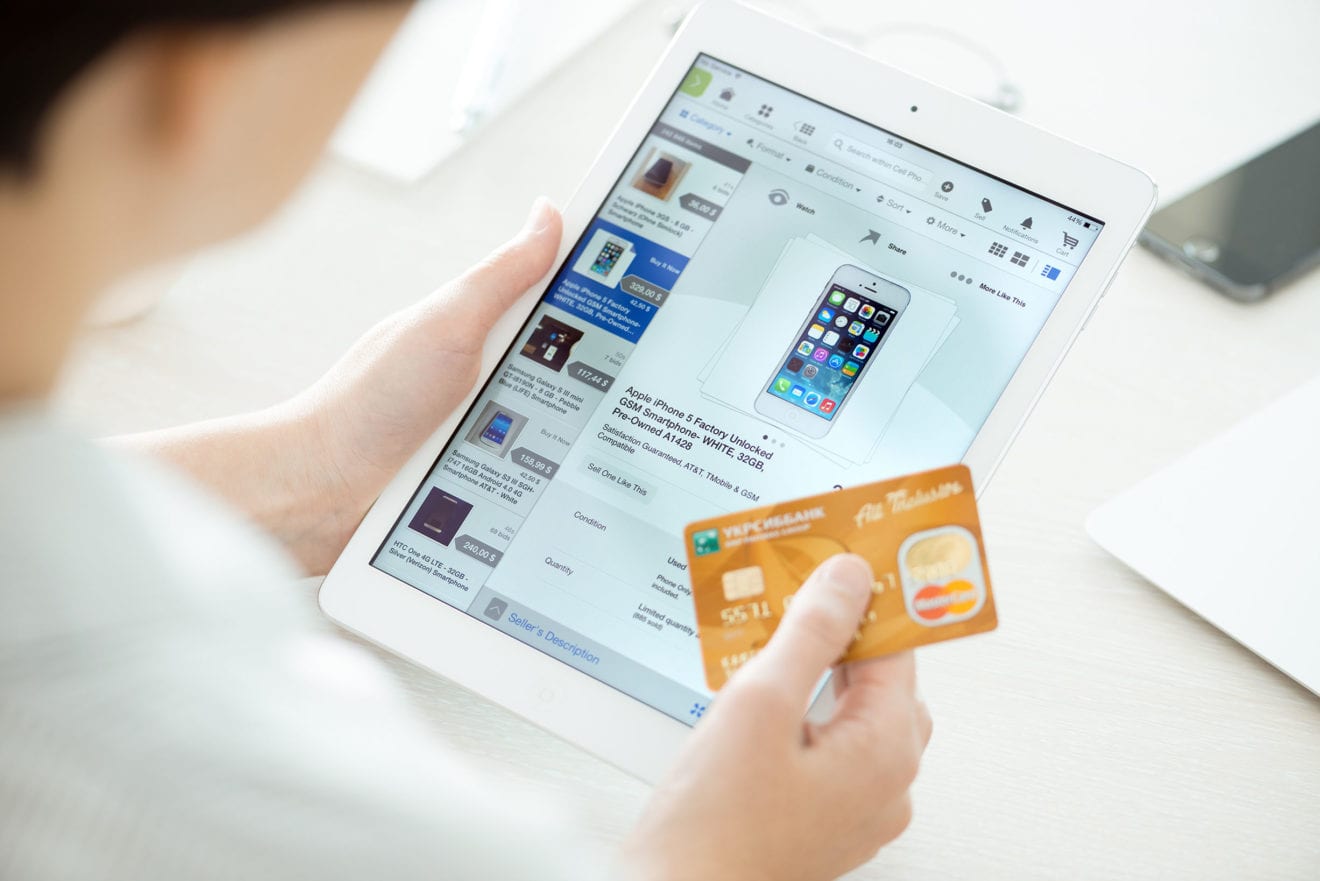
    Japanese eCommerce giant Rakuten and its two partners – Docomo and Autonomous Control Laboratory – have trialled a drone-based delivery system.

    The Rakuten drone delivery system uses Docomo’s LTE mobile network when a customer places an order via a smartphone.

    The last experiment in the National Strategic Special Zone of Chiba city saw the cargo carried from the Inage Seaside Park to the adjacent seaside area.

    The new version is upgraded with an ordering app for users and the drone dashboard for drone controlling.

    Rakuten says the new “Tenku” delivery drone features a number of performance enhancements such as water-resistant. Tenku’s base is an airframe called “PF1”, developed by Autonomous Control Laboratory. The airframe helps the drone go long-distance and over the sea as well as over populated areas. A parachute is also equipped to slow the speed in case of emergency fall.

    With its technologies, the operator also maps out flight routes with stable communication, and also monitors the connectivity of airborne cell phones with the mobile network at the ground level.

    The new Rakuten drone-based delivery system is set to be used in urban areas after talks with the Chiba City Drone Delivery Subcommittee.

  • Manolo Blahnik Malaysia debuts in KL

    Manolo Blahnik Malaysia debuts in KL

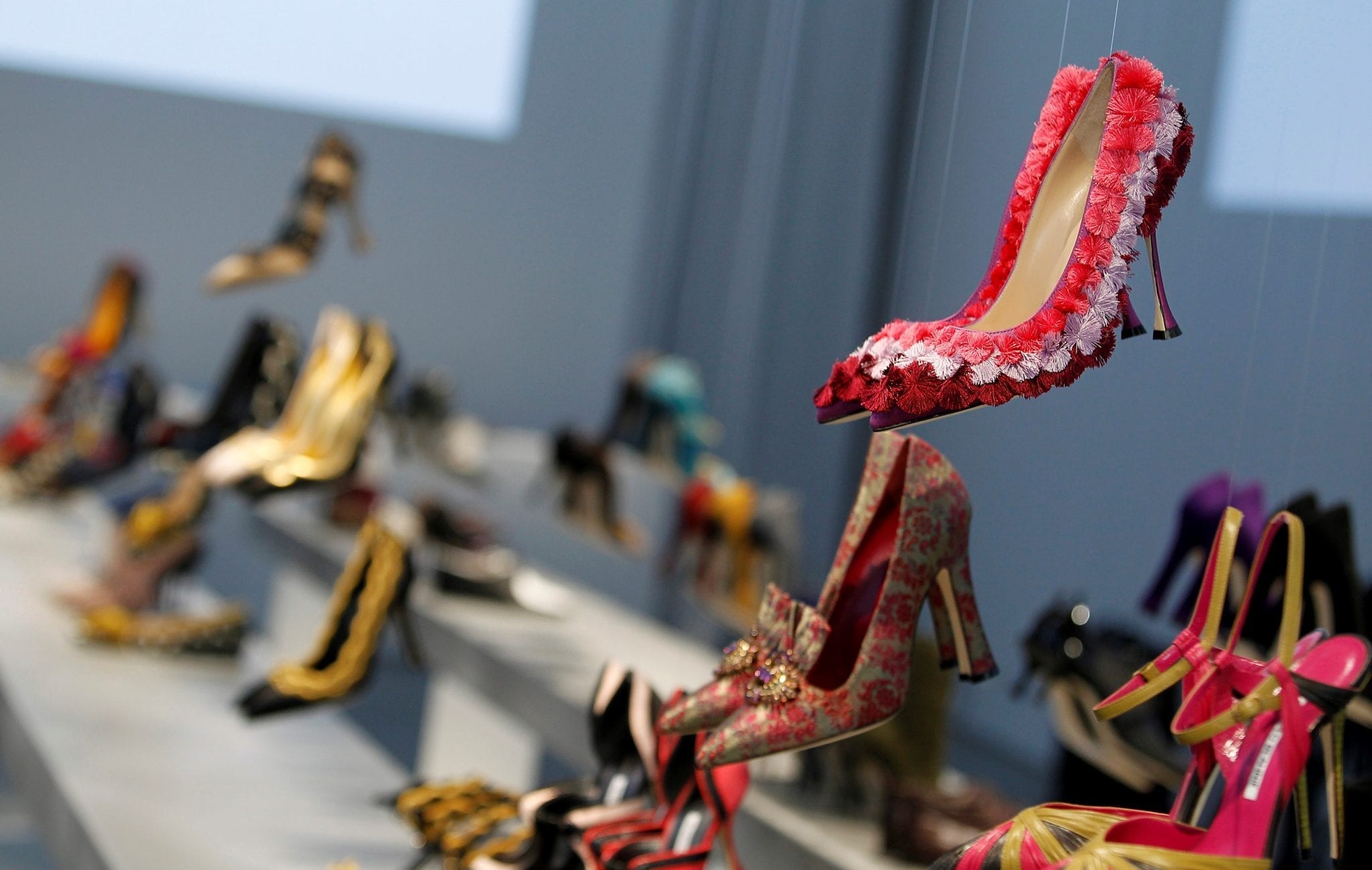
    Women’s shoe retailer Manolo Blahnik Malaysia has launched its first store, in Pavilion KL.

    The 95 sqm store is part of an Asia expansion plan that includes the refurbishment of its Singapore store at Takashimaya, as well as the launch of a flagship store in Tokyo next year. The brand is partnering with retailer Bluebell Group on the projects.

    Founder Manolo Blahnik, who opened his first shop in Chelsea in London in 1973, was born in the Canary Islands to a Spanish mother and Czech father. He studied languages and art in Geneva before moving to Paris in 1965, where he became a set designer.

    On a visit to New York in 1970, he showed his theatre designs to Diana Vreeland, then editor-in-chief of American Vogue, who encouraged him to concentrate on his shoe designs.

    Blahnik learnt the art of making shoes by visiting factories, and by 1971 was in London making shoes.

  • DHL eCommerce unveils new distribution center in Japan

    DHL eCommerce unveils new distribution center in Japan

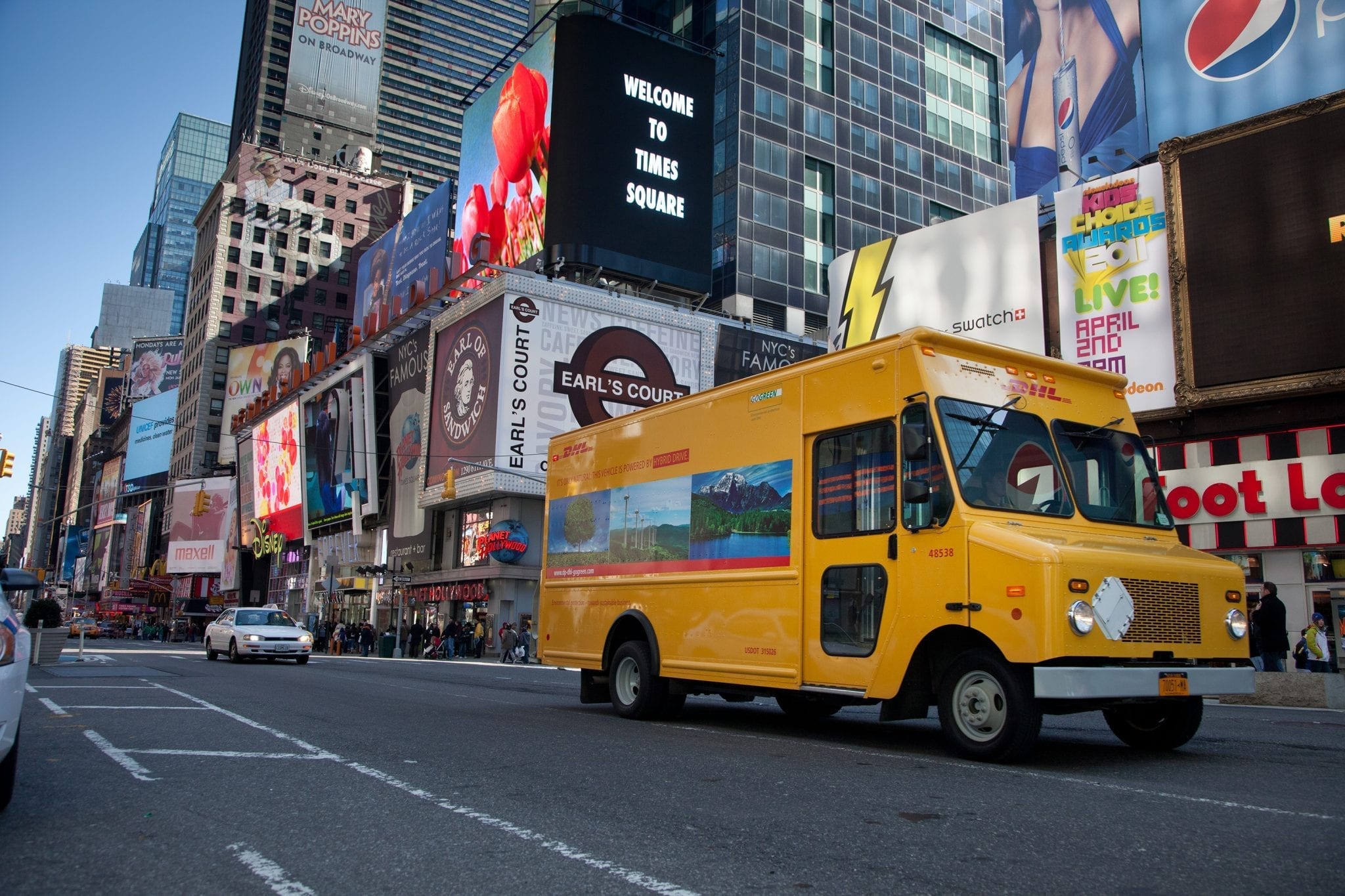
    DHL eCommerce, a division of Deutsche Post DHL Group, unveiled its plans to establish an outbound cross-border eCommerce distribution center in Narita, Japan by April 2017.

    The distribution center will be co-located with the Japan Global Distribution Center, created by one of DHL’s divisions. The cross-border shipping product DHL Parcel International Direct will provide affordable deliveries from Japan to the United States and the United Kingdom, guaranteeing transit times of four to six business days, DHL eCommerce said. DHL GlobalMail Packet Plus, another cross-border shipping product, will provide the best rates for Japan-Europe deliveries, offering transit times of five to 10 business days and a high degree of visibility into the status of shipments.

    The expansion plans in Japan are part of DHL eCommerce’s larger strategy in the Asia Pacific. The company recently unveiled its 70 million euro (U.S. $74.3 million) investment in India to boost the capabilities of the air hubs in Delhi and Mumbai to enhance B2C e-commerce delivery in India.

    In June 2016, DHL eCommerce announced its plans to grow its overall footprint in China by 50 percent. In January 2016, the company launched domestic delivery operations in Thailand and announced plans to double its fleet and number of depots by 2017.

  • Toyota recalls 838,000 Sienna minivans to fix sliding door issue

    Toyota recalls 838,000 Sienna minivans to fix sliding door issue

    Toyota Motor Corp said it was recalling about 838,000 Sienna minivans to fix an issue that may arise while operating sliding doors of the vehicles.

    The recall affects about 744,000 vehicles in the United States and nearly 4,000 vehicles in South Korea and Taiwan, a Toyota spokesman said on Tuesday.

    “Toyota would like to refrain from commenting whether there were any injuries or crashes as a result of the safety flaw,” the spokesman said.

  • Isetan Mitsukoshi launching online store

    Isetan Mitsukoshi launching online store

    As part of its aim to have digital strategy as the core of its business, Japanese department store company Isetan Mitsukoshi Holdings is preparing to launch an online store.

    It has started tests leading up to its launch this month of its first online store on Alibaba Group Holding’s Tmall Global.

    In the first half of this year, Isetan Mitsukoshi saw sales of duty-free items rise about 3.7 times compared with the same period in 2013. It says Chinese customers account for about 70 per cent of duty-free sales, and are interested in Japanese products that are popular in Japan. This has led to it seeking to develop a following in China through its strategic partnership with Tmall Global.

    It will offer safe, high-quality products, mainly Japanese, on Tmall Global; form an alliance between its Chinese and Japanese stores; and accumulate know-how on marketing in China.

    Isetan Mitsukoshi will initially offer hundreds of types of products on the platform ranging from fashion and cosmetics to foodstuffs and daily necessities, with plans to subsequently expand the scope of ifs offering.

    It will focus on its own brands and seasonal products, and gradually add other Japanese brands. From next year it will stage special campaigns in collaboration with designers.

    There will also be after-sale services, including repairs, as well as pop-up stores through its network in China.

    Alibaba Group, which runs Tmall – China’s largest B2C online shopping mall – and other eCommerce portals, had 434 million active users on China’s retail market as of June.

    Isetan Mitsukoshi was formed in 2008 by merging Mitsukoshi and Isetan, originally inaugurated in 1673 and 1886 respectively as kimono shops. It runs Japan’s largest department store network with 27 outlets in Japan and 31 overseas.

  • Rakuten Books expands store pickups

    Rakuten Books expands store pickups

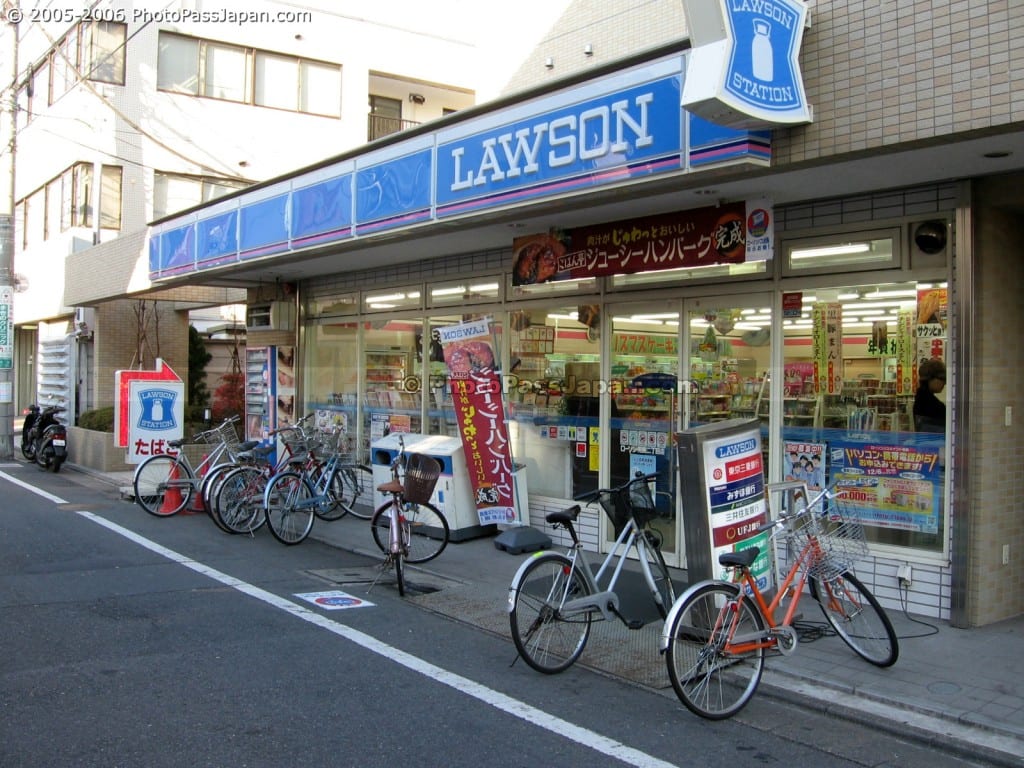
    Customers of Rakuten Books can now pick up their online purchases at Lawson convenience stores across Japan.

    This follows the forming of a collaboration between Rakuten and the Lawson chain, which has 11,922 stores around Japan, plus 100 Lawson Store outlets.

    Customers who buy products from Rakuten Books can pick up their purchases from the Lawson convenience store of their choice. The stores are open 24 hours a day, 365 days a year. Shipping is free, and customers opt to pay for their goods at the store counter.

    Rakuten Books’ pickup service launched in 2008, with next-day delivery service for certain products and regions added in 2013, broadened last year. Its latest move takes the service nationwide exclusively for Lawson stores. Goods will no longer be available for pickup at Circle K and Sunkus.

    Books, CDs and DVDs bought at Rakuten Books can be picked up from a Lawon store on the evening of the second day after the order is placed (one day longer than express home delivery), and the goods will be held in-store for one week.