Tag: Japan

  • Element Fresh plans Asian franchise roll-out

    Element Fresh plans Asian franchise roll-out

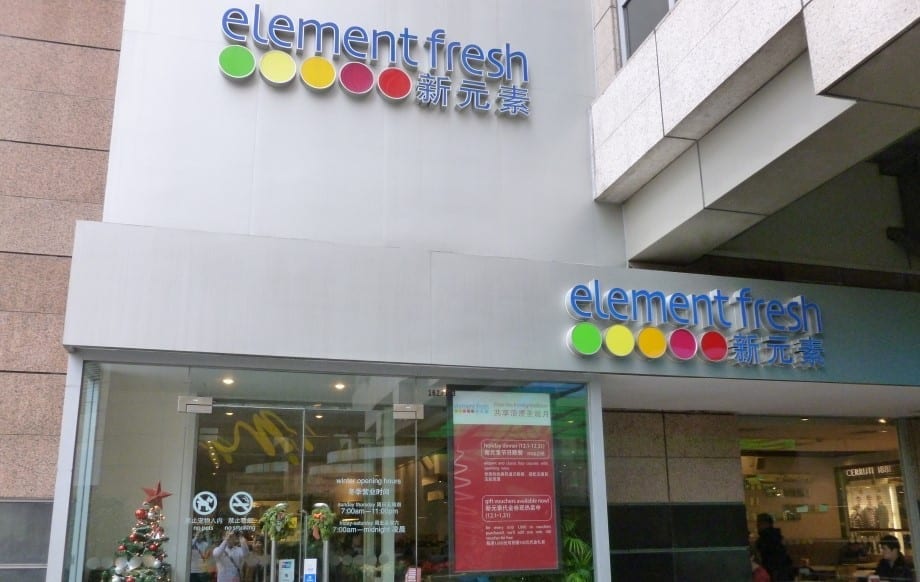
    Chinese international restaurant brand Element Fresh plans to grant development rights to franchisees across Asia, with an initial focus on Hong Kong, Japan, Thailand and Singapore.

    Founded in 2002, the group has nearly 40 restaurants in China, mainly in Beijing and Shanghai.

    It forecasts 80 outlets across China by 2020 while it moves to franchise in key countries across Asia.

    “We seek retail-focussed companies that view our cosmopolitan brand as complementing their existing portfolio and aligned with their business strategy,” says Element Fresh international franchising director Paul Barbone. “Our systems and operations have been fine-tuned and engineered to ease the start-up process through to multi-unit management.”

    Most of the brand’s dishes incorporate superfoods, with the seasonal menu innovation cycle giving diners the chance to try innovative ingredients.

    “We are passionate about fresh food, great taste and quality ingredients, making ‘eating right’ easy for our guests,” says CEO Frank Rasche. “People from dozens of countries come to us every day for our diverse menu and seasonal touches.”

    Recent examples include Salmon & Warm Buckwheat Salad, plus the Spicy BBQ Chicken Cobb salad that includes avocado chunks and chimichurri ranch dressing.

    Element Fresh has also just launched www.elementfresh.org, which details the advantages and benefits for franchise partners while showcasing its latest restaurant prototype.

    Barbone says the website offers information and videos for potential franchise partners. He plans to visit key markets in the coming months to meet with qualified groups, with the goal of having outlets open in select key cities by the second half of next year.

    Founded in Shanghai in 2002, Element Fresh is known for its gourmet salads and made-to-order fruit juices and smoothies, its diverse international menu including American-style breakfasts, and its casual dining ambience and service.

  • Nestle Japan strikes a musical note

    Nestle Japan strikes a musical note

    Nestle Japan has extended its offering from coffee to music as part of a promotional event for its Nescafe Gold Blend Barista instant coffee.

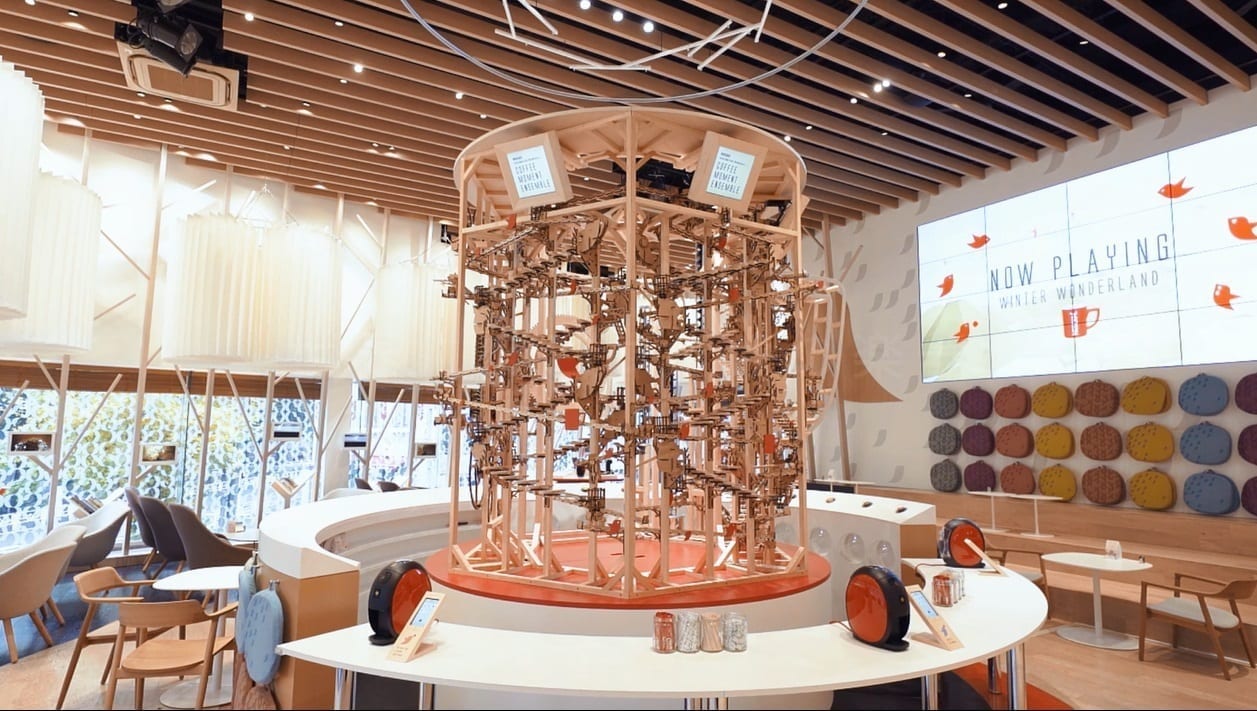
    It has launched a wooden musical instrument, the “Pythagorean”, which plays Christmas melodies. It is the only Rube Goldberg machine in the world to be installed in a coffee shop.


    nestle-japan-strikes-a-musical-note-1

    nestle-japan-strikes-a-musical-note-2

    nestle-japan-strikes-a-musical-note

    Designed like a coffee mug and about 3.5m high and 3m wide, the Pythagorean involves a wooden ball being released into a staircase-shaped maze. Christmas carols play as the ball rolls downward, striking tuned xylophone steps. The contraption comprises 180 xylophone keys and 1450 individual parts. It took about five months to build, using laser machining and other cutting-edge technologies.

    nestle-japan-strikes-a-musical-note-3

    nestle-japan-strikes-a-musical-note-4

    nestle-japan-strikes-a-musical-note-5

    By using an app, customers at the Nescafe Harajuku outlet can choose an emoticon that befits their mood. A bird character then appears on the screen, and while their coffee is being made, the ball is released to play one of three Christmas tunes.

  • Sunway Velocity Mall opens doors

    Sunway Velocity Mall opens doors

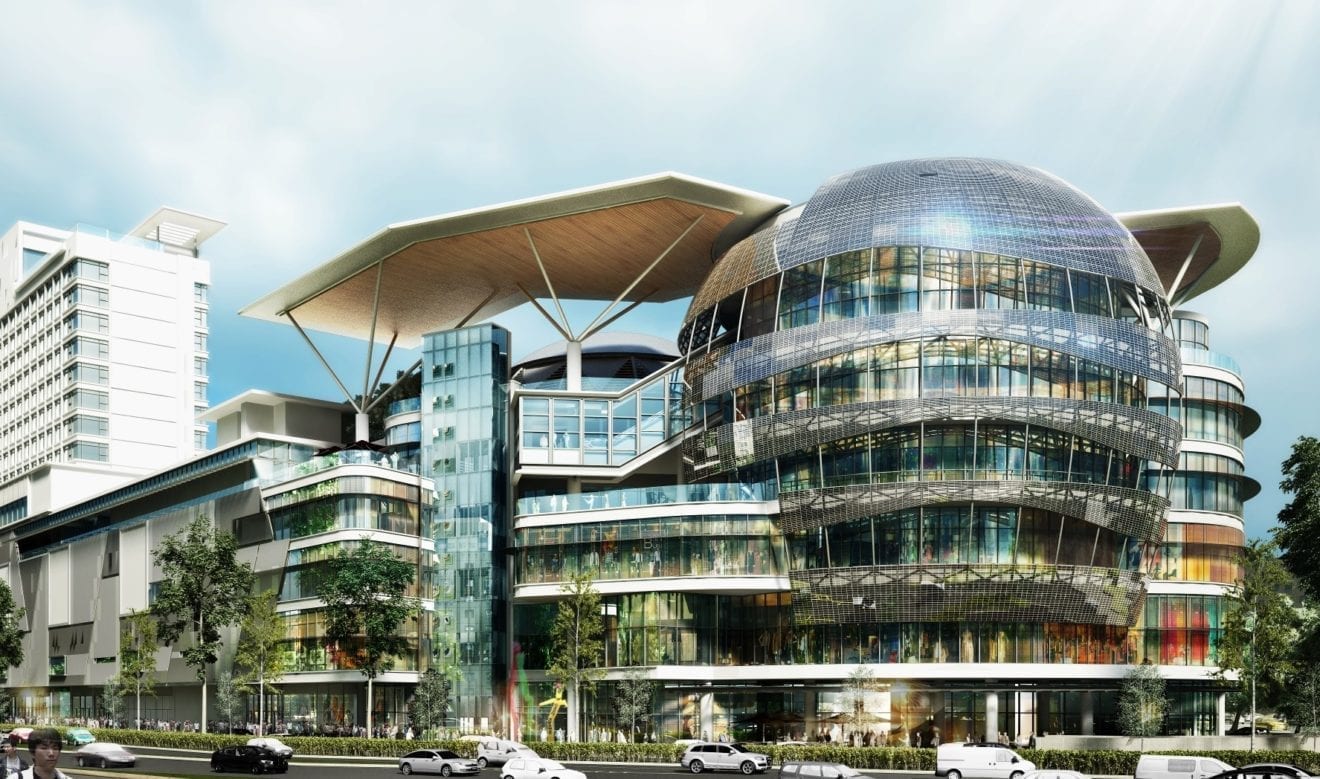
    Sunway Velocity Mall has opened in Cheras, with a catchment of 1.72 million residents including the nearby areas of Ampang and Kuala Lumpur.

    With a neo-futuristic appearance, the sphere-shaped shopping centre, known as the “KL Orb”, is set to be a landmark on the city’s skyline, especially with its LED light display.

    Its opening is also a milestone for the Sunway Group’s retail division. The group’s fifth mall, it integrates shopping, entertainment and gastronomy in an integrated development.

    “Sunway Velocity Mall was built and designed with one key purpose – to enrich the life experiences of its surrounding community,” says Sunway Shopping Malls & Theme Parks CEO HC Chan.

    The centre has four precincts: Vanity Hall, Marketplace, Food Street, and Commune @ Sunway Velocity. The seven-storey mall offers the first-ever Aeon MaxValu Prime in Malaysia – the third such outlet in the world following Japan and Hong Kong.

    The other two main anchors are Parkson and TGV Cinemas, which has the largest Imax screen in Malaysia. Other tenants include Chi Fitness, Grand Imperial, Harvey Norman, JD Sports, Padini Concept Store, Popular Bookstore, Toys‘R’Us and Uniqlo.

    Chan says the mall is part of the “golden triangle of retail spaces” comprising the new Ikea Cheras, Aeon Maluri Shopping Centre, MyTown Shopping Centre and the Tun Razak Exchange (TRX) Lifestyle Quarter development.

    Sunway Velocity Mall has been “dressed” for the festive season with decorations including a 30ft (9m) Christmas tree surrounded by giant presents in the main atrium. There is also a Christmas spend-and-win campaign, Santa City, which runs until February 12. Prizes include a Volvo V40 car, a Celistar diamond ring by SK Jewellery, a Hero bed frame, and a Nature’s Finest Himalaya mattress from Harvey Norman.

    There are also free weekend Christmas workshops for children.

  • OneWeb secures $1.2b from Softbank-led investment

    OneWeb secures $1.2b from Softbank-led investment

    OneWeb has raised $1.2 billion in a new funding round led by Japan’s Softbank, bringing in fresh capital for the US satellite startup to compete with Elon Musk’s SpaceX.

    Softbank is investing $1 billion of the total $1.2 billion and has become a strategic partner, with one of its directors, Ronald Fisher, joining OneWeb’s board of directors.

    The remaining $200 million will be funded by its current investors, which include Airbus Group, Bharti Enterprises, Intelsat-owned Hughes Network Systems, Qualcomm, and Virgin Group. The transaction is expected to close in the first quarter of 2017.

    OneWeb said the money will be used to build a high-volume satellite production plant in Florida, which is expected to create almost 3,000 new engineering, manufacturing and supporting jobs in US over the next four years.

    “With this new round of funding and based on our rapid technical progress over the past year, we also announce a much larger goal: to fully bridge the digital divide by 2027, making internet access available and affordable for everyone,” said OneWeb founder Greg Wyler.

    The new facility, which will begin production in 2018, aims to produce 15 satellites each week “at a fraction of the cost of what any satellite manufacturing facility in the world can produce today,” the company said.

    For Softbank, the $1 billion investment in OneWeb is the first tranche of a $50 billion US investment the Japanese conglomerate’s founder and CEO Masayoshi Son pledged to President-elect Donald Trump.

    “Earlier this month I met with President-Elect Trump and shared my commitment to investing and creating jobs in US,” Son said in a media release. “This is the first step in that commitment.”

    It is also Softbank’s latest attempts to strengthen the company’s foothold in the burgeoning IoT sector. In July, Softbank, which also owns US mobile carrier Sprint, acquired UK chipmaker Arm for a whopping $31 billion to pursue business opportunities in the emerging IoT sector.

    “SoftBank has a long history of investing in disruptive, foundational technologies that promise to help us realize the future sooner. OneWeb is a tremendously exciting company poised to transform internet access around the world from their manufacturing facility in Florida,” Son noted.

    Founded in 2012, OneWeb aims to build a communication network with a constellation starting with 720 low earth orbit (LEO) satellites to deliver affordable, high-speed, low latency internet access to rural areas across the United States and emerging markets.

  • Dsptch Japan opens store in Tokyo

    Dsptch Japan opens store in Tokyo

    US label Dsptch Japan has opened a store in Tokyo, at Crest Omotesando in Shibuya-ku.

    Dsptch is a San Francisco design company that specialises in backpacks, tech cases and camera straps. It focuses on combining practicality with sleek, stylish design. Each piece is fabricated in the US.

    The new store will carry the brand’s full line, as well as complementary clothing and footwear by Descent Allterrain, Isaora and Reigning Champ.

  • Fujitsu partners with DHL to target wearable technology, IoT

    Fujitsu partners with DHL to target wearable technology, IoT

    The two companies plan to jointly develop IoT solutions designed to improve safety for emergency services. Japanese ICT firm Fujitsu announced a strategic partnership with DHL Supply Chain U.K. to develop new services based on wearable technology and the “internet of things.”

    Under terms of the partnership, Fujitsu will share its expertise to jointly develop solutions designed to improve safety for emergency services. Fujitsu and DHL also plan to use the partnership to drive the creation of new markets in other sectors, such as airline logistics.

    The use of wearable and IoT technology such as Fujitsu Ubiquitousware is said to enable emergency services to track the health of individuals in the field through a dashboard showing their status and location. This technology is also said to provide real-time tracking for the location of protective equipment.

    “As the global logistics leader, we constantly seek out innovations that improve our customers’ lives,” said Paul Richardson, MD for specialist services as DHL Supply Chain U.K. “Wearable technology is going to transform the way we work, helping us understand the dynamics of what’s happening around us and providing real-time insight on our environment as never before.”

    In a separate project, Fujitsu is working with DHL to support the deployment of GlobeRanger IoT scanning and sensor technologies for airline duty free logistics. Following a successful proof of concept, the project is forecast to deliver annual labor savings of more than $564,000 (530,000 euros) and a 59% return on investment for the organization.

  • SoftBank launches cloud videoconferencing service

    SoftBank launches cloud videoconferencing service

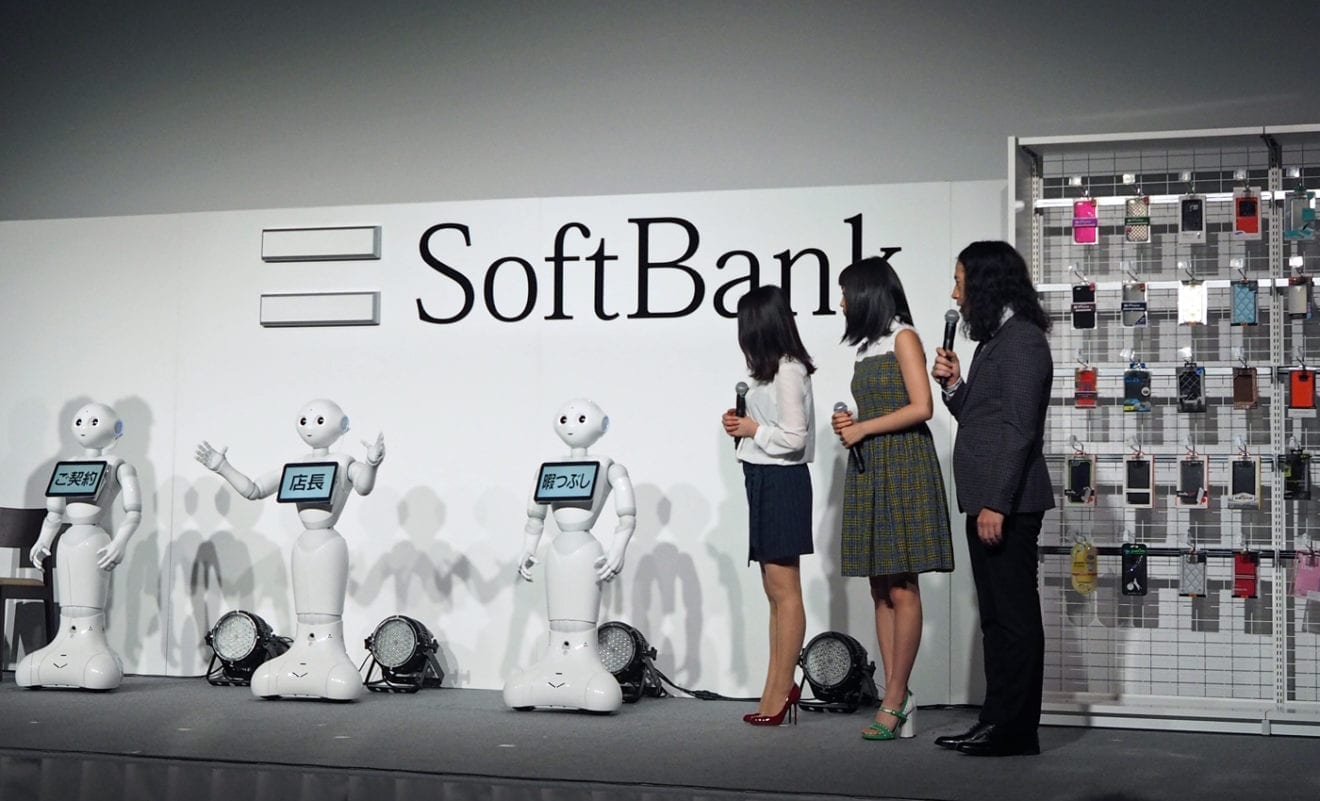
    Japan’s SoftBank  has launched a new cloud-based videoconferencing service using PolyCom’s RealPresence Clariti infrastructure software.

    SoftBank’s new PrimeMeeting service will strengthen the company’s offerings to customers looking for a flexible video collaboration solution that is simple to purchase and implement.

    The service is built on RealPresence Clarity as well as SoftBank’s White Cloud ASPIRE Infrastructure-as-a-Service (IaaS) platform.

    As well as enabling collaboration from anywhere on any device, the service will support integration with Microsoft’s Skype for Business and traditional video conferencing systems.

    “We are happy to announce the launch of our cloud videoconferencing service, PrimeMeeting, provided in collaboration with Polycom. Customers who previously could not use a video conferencing service due to cost, location, or device issues will now be able to easily adopt this service,” SoftBank ICT innovation division director Sadahiro Sato said.

    “By combining Polycom’s strong market share and brand value in the video conferencing market together with our new cloud service, we can enable more flexible and richer communication options to more of our customers.”

  • DoCoMo joins CAICT’s 5G Promotion Group

    DoCoMo joins CAICT’s 5G Promotion Group

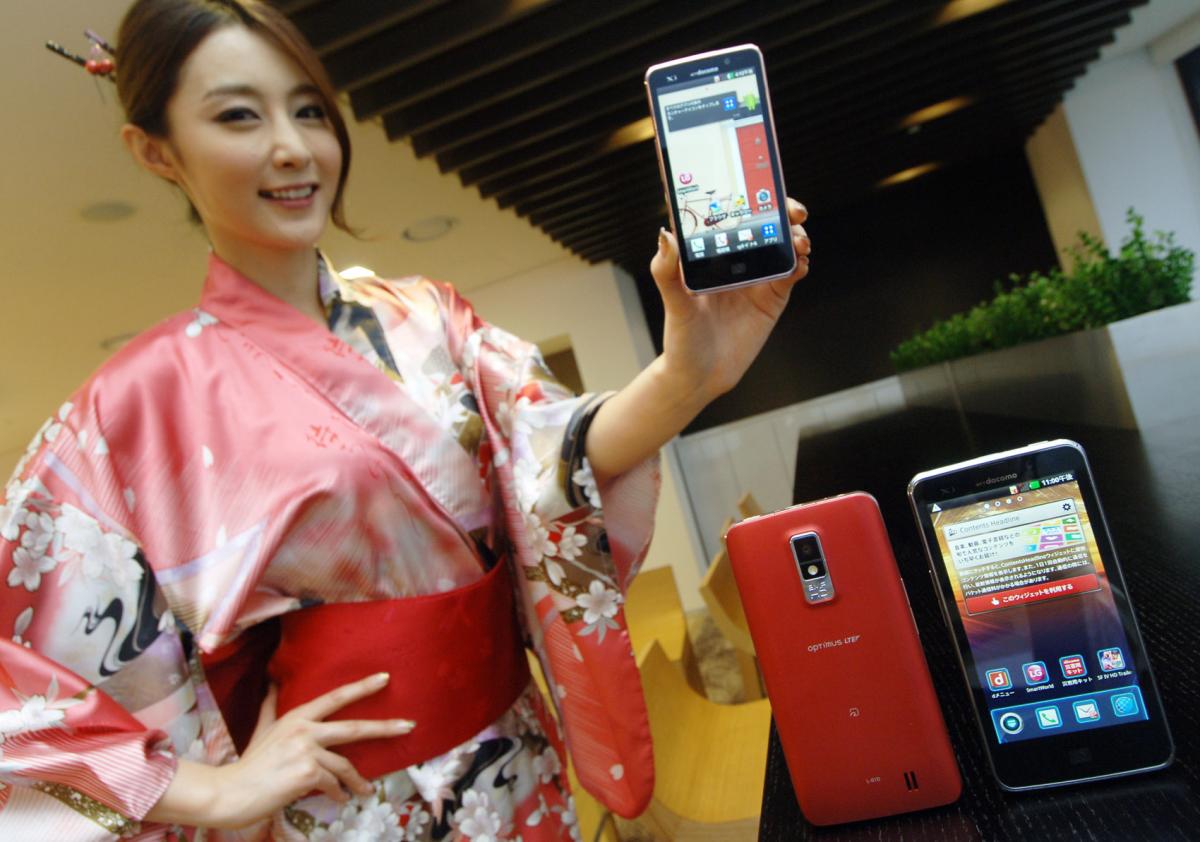
    Japan’s NTT DoCoMo has teamed up with the China Academy of Information and Communication Technology (CAICT) on research and development into potential 5G standards.

    As part of the collaboration, DoCoMo will join the CAICT-initiated IMT-2020 Promotion Group 5G trial. DoCoMo and CAICT will also evaluate possible frequency bands for future 5G networks.

    DoCoMo joined the IMT-2020 promotion group in August to co-operate with major mobile operators and vendors on 5G R&D and standardization.

    The operator has also been conducting joint 5G R&D with vendors including Ericsson, Huawei and others.

    The IMT-2020 Promotion Group was jointly established by three Chinese ministries in early 2013, based on the original IMT-Advanced Promotion Group. It is the major platform to promote research into 5G in China.

    The group is divided into dedicated units covering areas including technology, spectrum, intellectual property and network asrchitectures.

  • Japanese denim brand EVISU Buys Back the Retailing Rights in China for US$40 Million

    Japanese denim brand EVISU Buys Back the Retailing Rights in China for US$40 Million

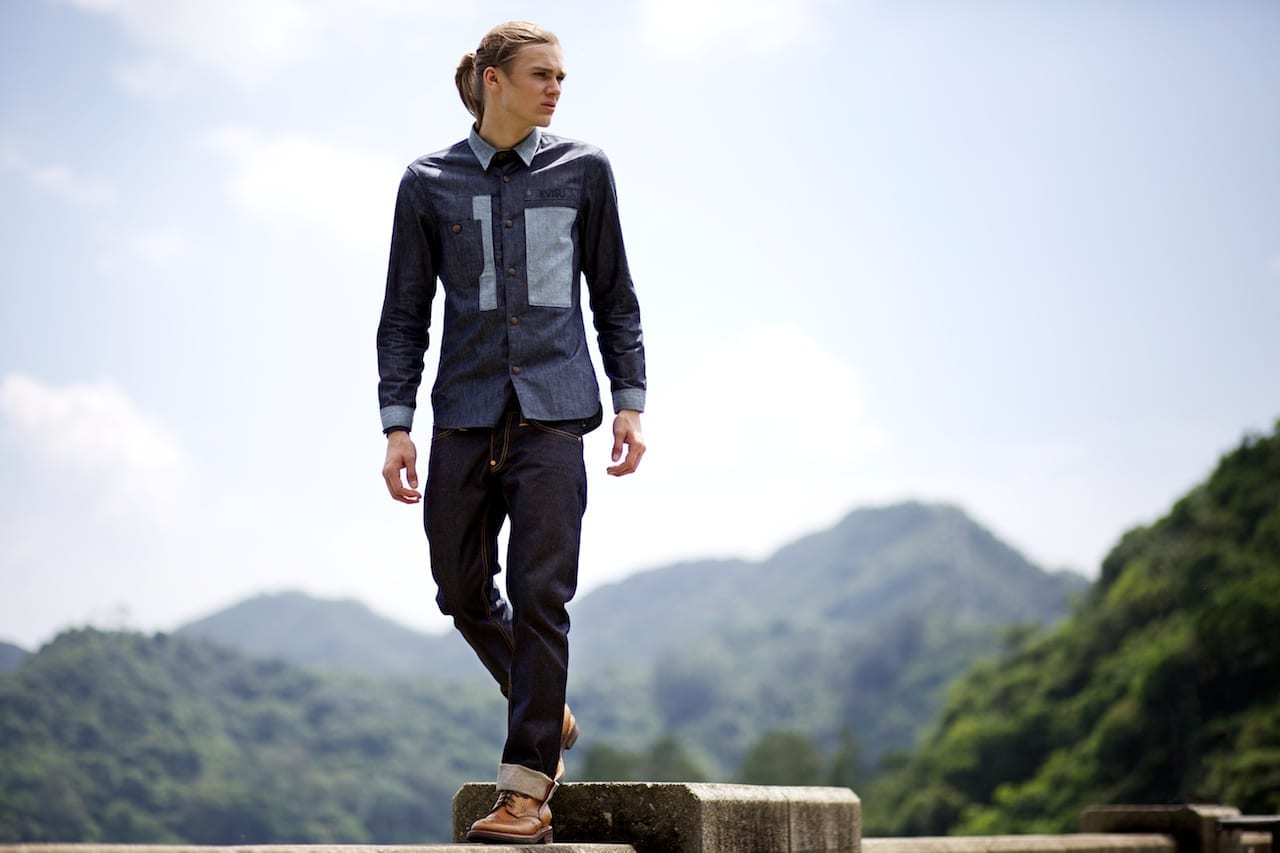
    Japanese premium denim brand EVISU Group Limited announced the buy-back of the retailing and franchising rights for the China market.

    EVISU Group Limited, the parent company, has reinvested alongside Cassia Investments, a consumer-focused private equity fund, to buy back the interest from New Elegant Trading (Shanghai) Co. Ltd, the joint venture partner in China financially supported by IDG Capital. Acquisition consideration is US$40 Million. David Pun, Chairman and CEO of EVISU Group Limited, will remain the majority shareholder.

    David Pun expressed his excitement about this latest development, “The company made concerted efforts with its China joint venture partner over the past few years to establish brand awareness and secure a footing in China. We think this is an ideal time for the company to integrate its regional China business with headquarters to pursuit the brand’s global objectives in the coming years.”

    In the meantime, EVISU is seeking business expansion globally by forging distribution partnerships for the U.S. and Europe markets. The brand will step up product extensions like EVISUKURO, the latest athleisure collection, and maintain product exclusivity through focused management of wholesale distributors.

  • Muji next expansion plan

    Muji next expansion plan

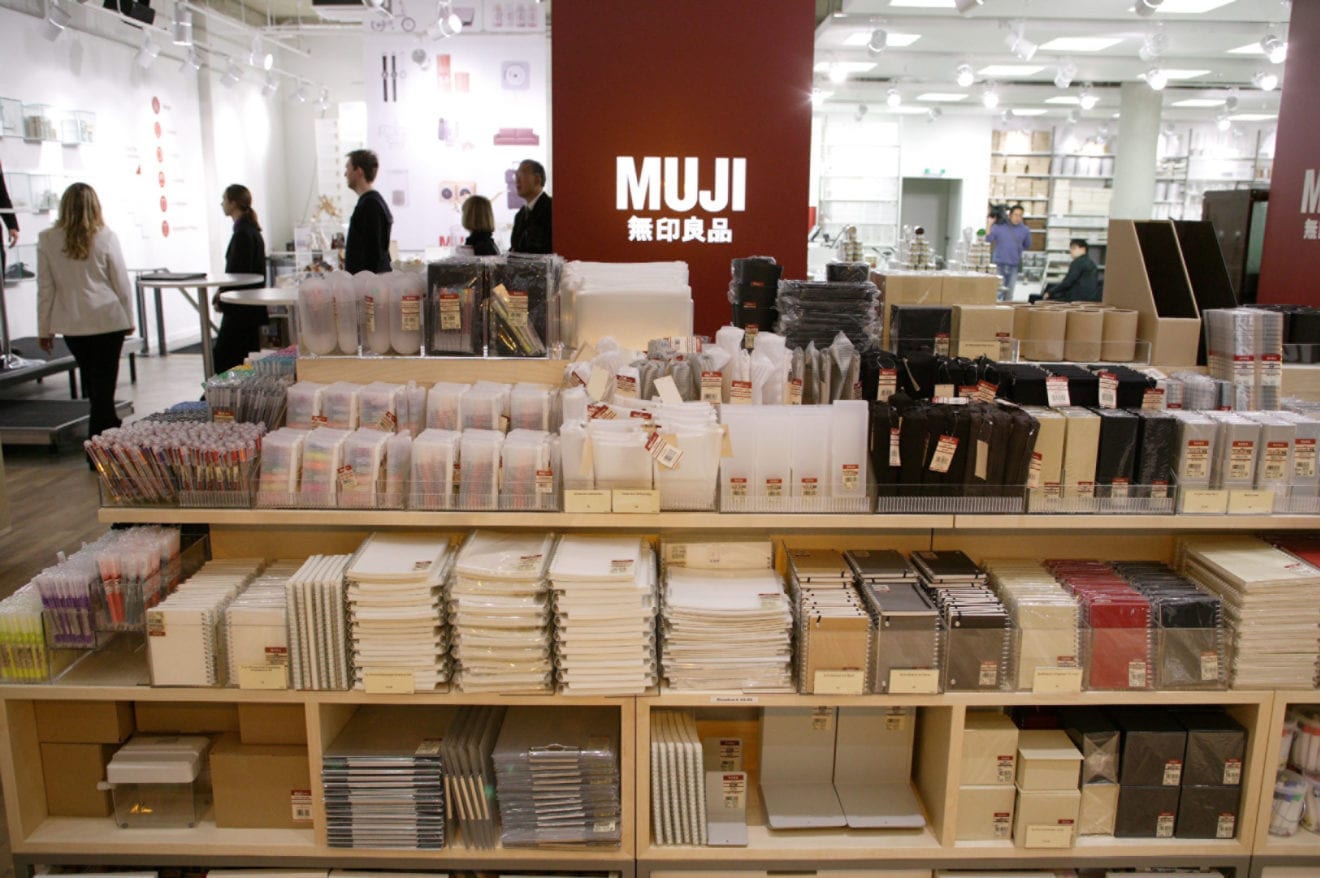
    Japanese lifestyle clothing and accessories brand Muji Canada is expected to expand to Vancouver next year.

    Known for its minimalist approach, Muji already has three stores in Toronto. It has about 300 stores outside Japan.

    Vancouver’s retail sector continues to outperform other Canadian markets with annual sales-per-square-foot at more than C$1000 (US$762). Toronto is second at about C$860.

    “Vancouver is a very young retail market and many brands have not yet opened street stores,” says real-estate group CBRE executive VP for retail in Vancouver Mario Negris. “We anticipate a vast number of new entrants into the downtown retail landscape.”

    Most brands entering Canada have their first outlets at Toronto’s Yorkdale Shopping Centre and Eaton Centre, says the Vancouver Sun. This is because of Vancouver’s relative lack of space.

    Brands such as Forever 21 and Victoria’s Secret actually made their Canadian debut in Alberta, while Vancouver is the preferred entry point for luxury brands such as Berluti, Jaeger-LeCoultre, Rolex and St Laurent.

    Other brands reportedly lining up to open in Vancouver next year include coffee boutique Nespresso and H&M’s Cos brand.

  • Apple Korea targets 15pc market share

    Apple Korea targets 15pc market share

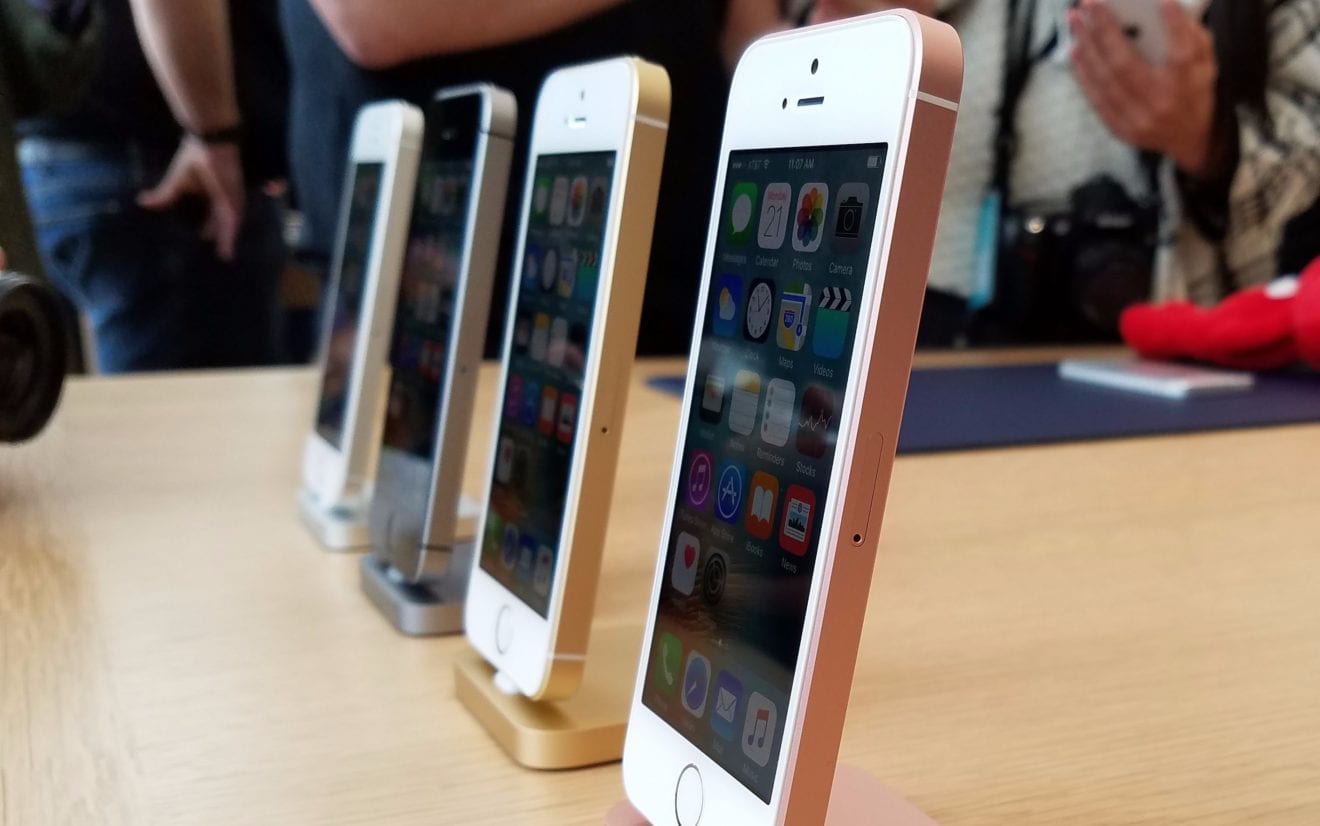
    Apple Korea is going head on to Samsung on its home turf, on target to sell 2.9 million iPhones in South Korea this year, giving it a market share of about 15 per cent.

    At the end of last month it had sold 2.6 million iPhones, and is forecasting improved results for the year. Its operating profit has reached more than KRW800 billion (US$684 million) on revenue of KRW3 trillion, according to Yonhap News Agency.

    Sales of iPhones account for more than 75 per cent of Apple’s revenue in Korea, sources say. It launched the iPhone 7 in October with the opportunity to take share from market leader Samsung after its Galaxy Note 7 debacle.

    On top of that, the Cupertino-based tech company is building its first flagship retail store in Seoul, expected to be completed next November, right across the street from Samsung’s headquarters.

    Apple’s market share in Korea peaked at 33 per cent in the fourth quarter of 2014 following the launch of the iPhone 6, according to Counterpoint. Samsung and LG now have a combined market share of more than 80 per cent. LG had a 19 per cent market share in the second quarter of this year.

    South Korea and Japan, where the iPhone had more than a 50 per share for the three-month period ending October 30, are rare growth markets in Asia for Apple. Its iPhone shipments in China plunged 31 per cent to 7.5 million units in the third quarter, with market share falling to 6.2 from 10.3 per cent, according to Strategy Analytics.

    Apple reportedly reduced orders from component suppliers for its iPhone 7 models early this month because of demand being weaker than expected in many markets, including China.

  • Dover Street Market Singapore to open in 2017

    Dover Street Market Singapore to open in 2017

    Dover Street Market Singapore will debut at Tanglin Village early next year, marking the fashion brand’s fourth global site.

    To be known as DSM Singapore, the hip Japanese concept will sell a curated range of labels.

    Founded by 74-year-old Japanese fashion designer Rei Kawakubo, who also founded Comme des Garcons, the outlet follows stores in London, New York and Tokyo.

    In the upmarket Dempsey area, DSM Singapore is expected to be a highlight of the Tanglin Village renovation project Como Dempsey, which takes over the space vacated by Chang Korean BBQ Restaurant and antique store Shang Antique. The complex will also house a concept restaurant and bar by French restaurateur Jean-Georges Vongerichten.

  • Charles & Keith Japan stores close

    Charles & Keith Japan stores close

    Singapore-headquartered footwear brand Charles & Keith says it will close all its Japanese locations.

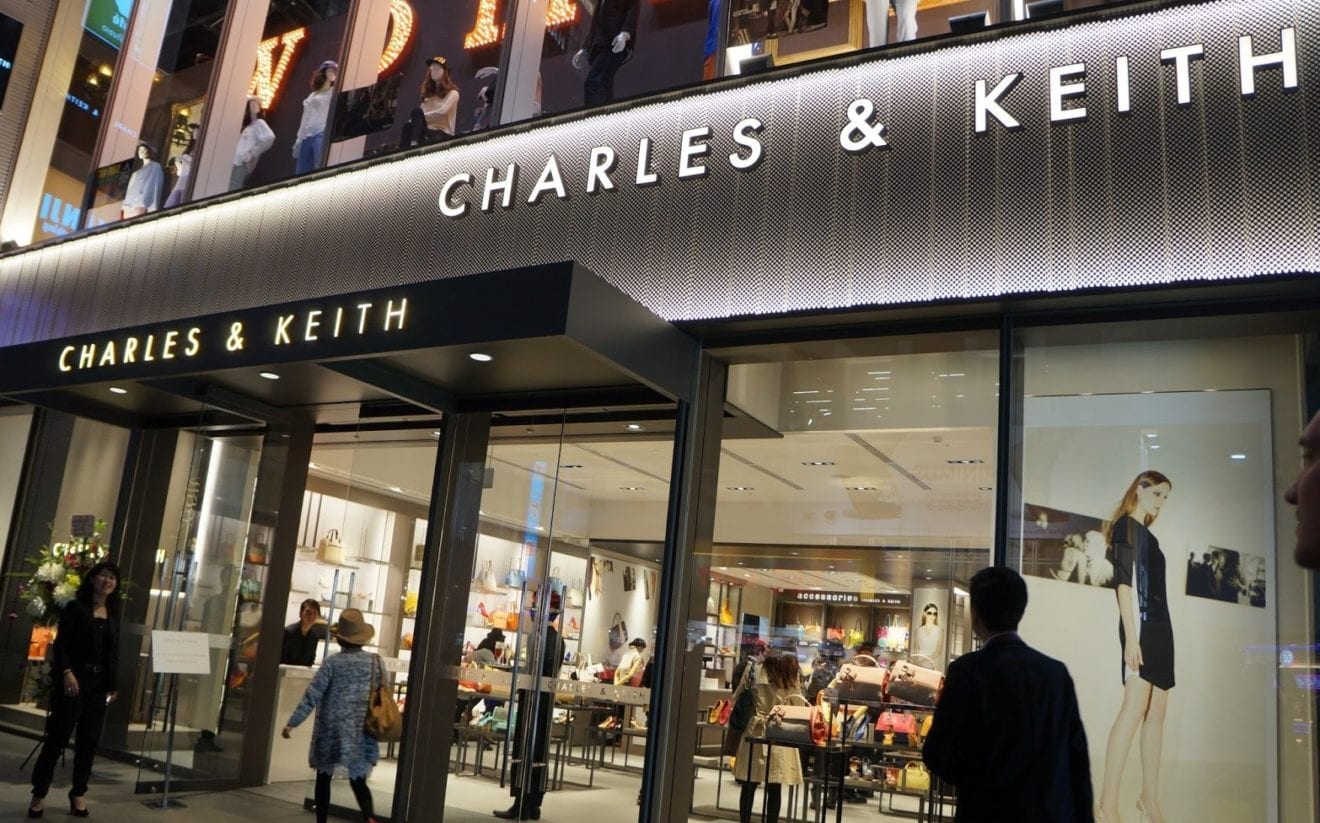
    According to a report published by Fashion Network, Charles & Keith Japan has already closed 13 stores in Tokyo, Osaka, Nagoya, and Hakata, with the flagship in Harajuku (pictured) scheduled to close on December 31.

    The company reportedly wants to focus on its eCommerce offer and other Asian markets closer to home.

    The Charles & Keith website is close for an overhaul on December 26 before being relaunched in Spring.

    The brainchild of brothers Keith and Charles Wong, the 20-year old brand specialises in quality footwear at affordable pricing. It currently sells in Asia, Africa and Europe.

  • DHL invests in new e-commerce distribution centre at Narita, Japan

    DHL invests in new e-commerce distribution centre at Narita, Japan

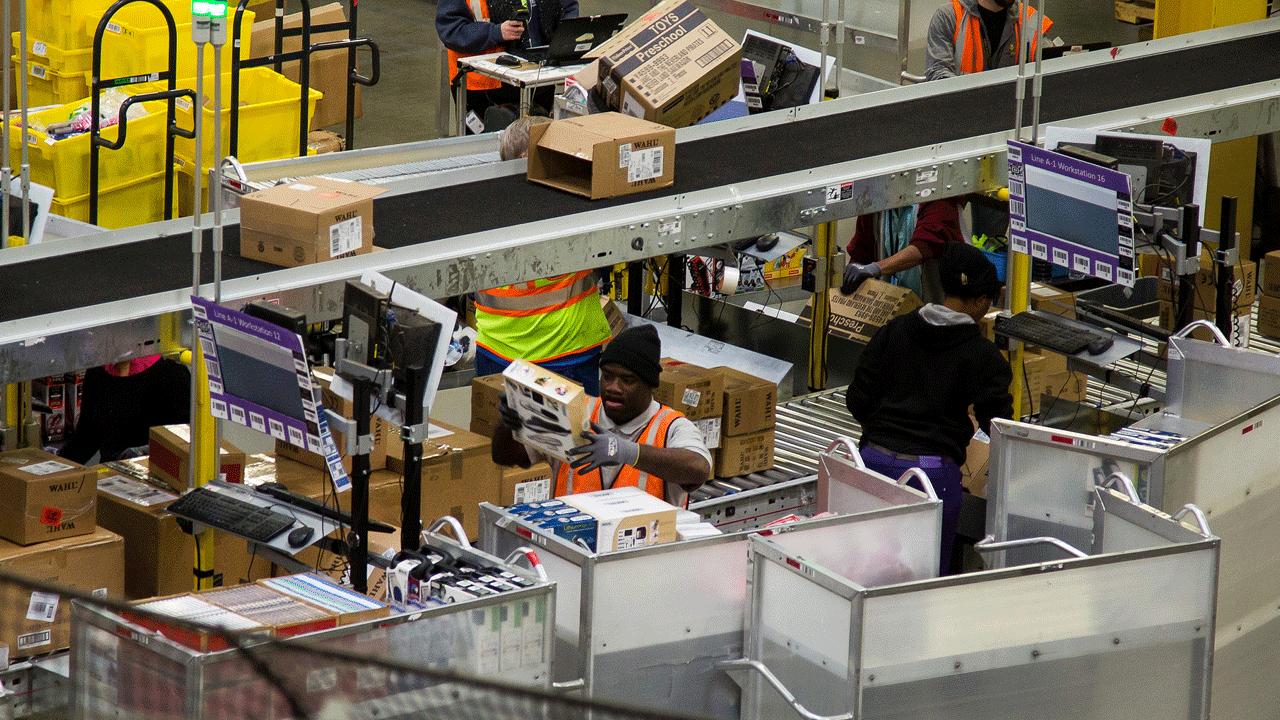
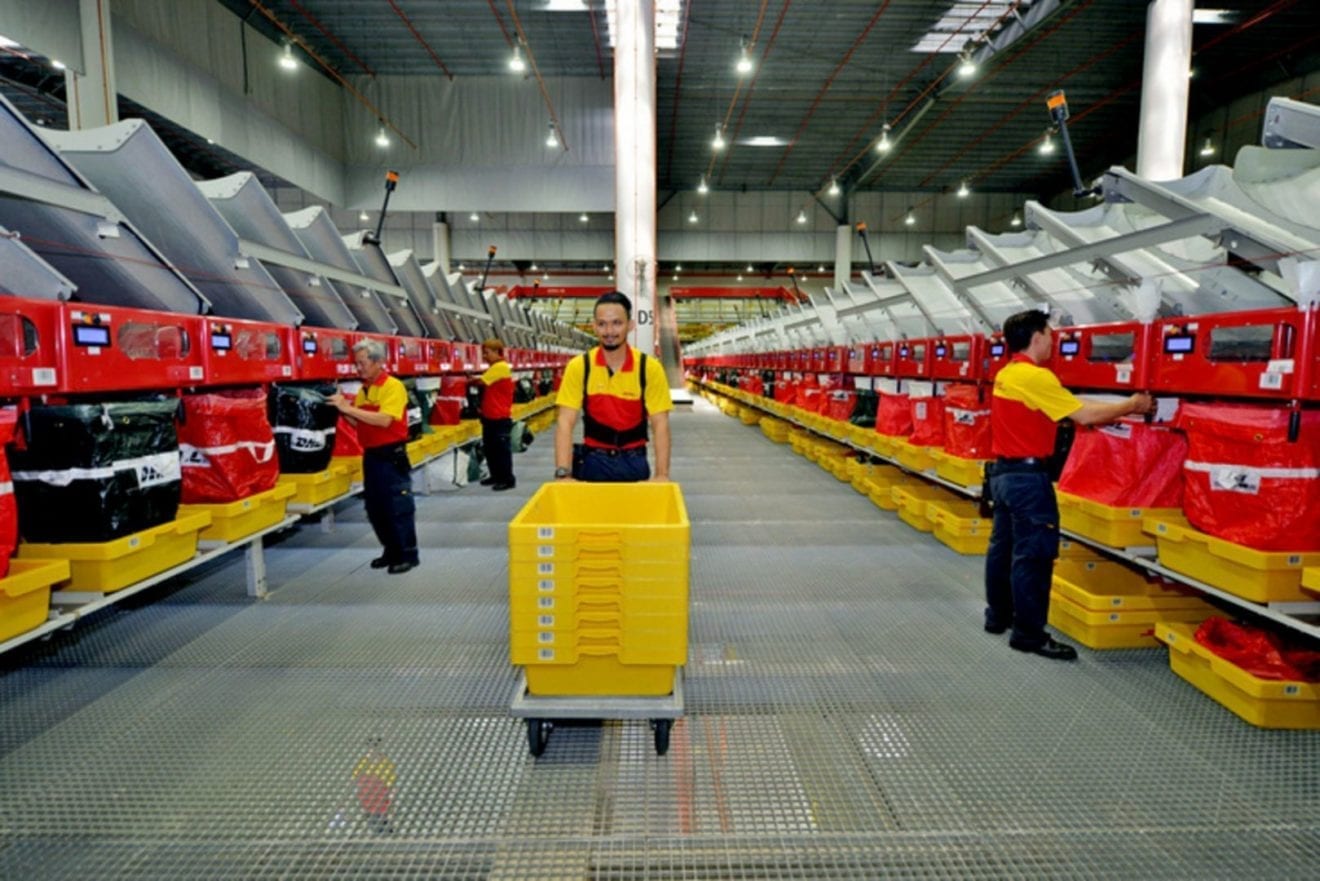
    DHL eCommerce has announced plans to build an Outbound Cross-Border eCommerce Distribution Center in Narita, Japan. The facility, expected to be completed by by April 2017, will broaden the range of e-commerce logistics services available to e-tailers and marketplaces operating in the country.

    New shipping products specifically designed for e-tailers will offer greater choices to reach consumers in Europe, the US and the UK, DHL said. Focused on reliability and value-for-money, the services are tailored according to the unique needs of e-tailers and marketplaces in the Japanese market. This latest development by DHL eCommerce will help drive Japan’s booming cross-border e-commerce market, which is growing at a CAGR of 16 per cent and estimated to hit over €1.1 billion in 2018.

    DHL Parcel International Direct, a cross-border shipping product, will offer affordable deliveries from Japan to the US and the UK, DHL said, adding that this product promises transit times of 4-6 business days, a game changer in the current Japanese logistics landscape. Another cross-border shipping product, DHL GlobalMail Packet Plus will offer the best rates for Japan – Europedeliveries, with transit times of 5 to 10 business days and a high degree of visibility into the status of packages.

    These products will help Japanese e-tailers handle the increasing pressure when it comes to servicing more overseas customers, making timely deliveries, and keeping operating costs low. Major marketplaces will also be better equipped to handle rising volumes of e-commerce deliveries and offer Japanese e-tailers a global reach and value-added services.

    With an estimated cross-border e-commerce value of €38.5 billion, the US is one the top export destinations for Japan’s e-commerce products. Roughly 25 per cent of digital shoppers in the country have made a cross-border purchase in the past 12 months. Europe also presents a tremendous opportunity for Japanese e-tailers. There are currently 303.1 million digital buyers in the region and total e-commerce sales volume has hit €349.4 billion.

    “We are seeing incredible growth in the Japanese cross-border e-commerce market and look forward to helping local players surmount their challenges. Our solutions offer easy one-stop gateway services for e-tailers, enabling them to deliver greater customer experiences while remaining in control of their costs. In addition, we will help them connect with overseas markets by partnering with popular marketplaces to deliver reliable services with a global reach,” said Yoshihiko Sasaki , managing director, DHL eCommerce Japan.

    The distribution centre will be co-located with the Japan Global Distribution Center in Narita established by one of DHL’s divisions. Leveraging a cross-divisional approach, this will help bring Japanese e-tailers to more customers overseas, and enable them to also tap into comprehensive supply chain solutions. This means that customers who utilise the new DHL eCommerce offerings will get access to more in-depth supply chain expertise and an extensive logistics network that serves over 220 countries and territories globally.

    “The power of e-commerce lies in its ability to break physical barriers. E-commerce companies are not limited by geographical borders and have the flexibility to offer services and products to customers in other countries. By combining the deep understanding of the Japanese market which DHL eCommerce has, with the warehousing and transport management capabilities of our sister division, we will be able to explore operations such as fulfilment as part of a global partnership for our customers,” added Sasaki.

    The expansion plans in Japan are part of a larger Asia Pacific strategy by DHL eCommerce. The company also recently revealed its €70 million investment in India to boost the capabilities of the Delhi and Mumbai air hubs to enhance B2C e-commerce delivery in India .

    In June 2016 , DHL eCommerce announced that it will grow its overall presence in China by 50 per cent, with the expansion of the distribution centres in Shenzhen, Shanghai and Hong Kong. Along with the huge growth of e-commerce in China , the distribution centres will enable maximum volumes of over 130 million shipments a year combined.

    Earlier in January 2016 , DHL eCommerce launched domestic delivery operations in Thailand and announced plans to double its fleet and number of depots by 2017. Thailand, with its tremendous growth potential, fast e-commerce adoption, and high smartphone penetration rates, was identified as the first Southeast Asian country to launch the DHL eCommerce domestic delivery service – in line with the Group’s Strategy 2020.
  • China expansion plan for Nitori Holdings

    China expansion plan for Nitori Holdings

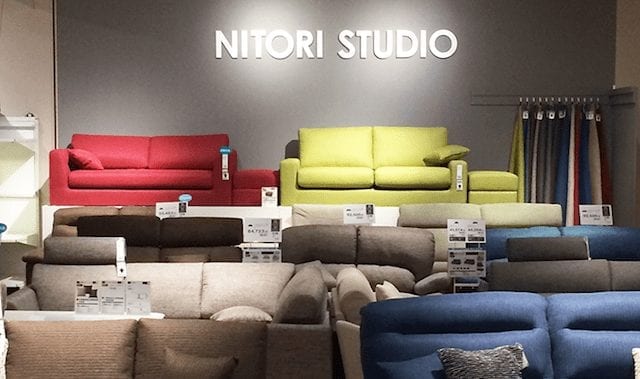
    Japanese furniture and home-accessory retailer Nitori Holdings is ramping up its presence in China to kick-start its global expansion.

    It plans to open add more than eight outlets in 2018 to its present 10.

    Nitori aims to have 2000 stores overseas as well as 1000 at home by 2032. It now has 41 stores abroad and 420 in Japan. Nitori opened its first overseas outlet in Taiwan in 2007, where it now has 26 stores. It also has five stores in the US.

    China is the main focus of its international expansion strategy, with plans for 1000 to 1500 outlets. It intends to initially concentrate in the cities of Shanghai and Wuhan to quickly boost its brand profile and establish dominance.

    Other options are also being explored in China, including online retailing and package offerings of home furniture.

    nitori-studio-1

    Monthly sales in China, where its first store was opened in Wuhan in 2014, have continued to exceed year-earlier levels by about 20 per cent for past several months. The Chinese outlets have prices similar to those in its Japanese stores as the company does not add tariffs to price tags and economises on logistics.

    In Taiwan its stores took six years to achieve profitability, while its business in the US is still in the red.

    Meanwhile, a new outlet in Tokyo’s Takashimaya Times Square commercial complex in Shinjuku is targeting overseas tourists, serving as “a starting point of our brand recognition” among overseas customers, says Nitori Holdings senior MD Fumihiro Sudo.