Tag: Japan

  • Final Wii U models discontinued in Japan

    Final Wii U models discontinued in Japan

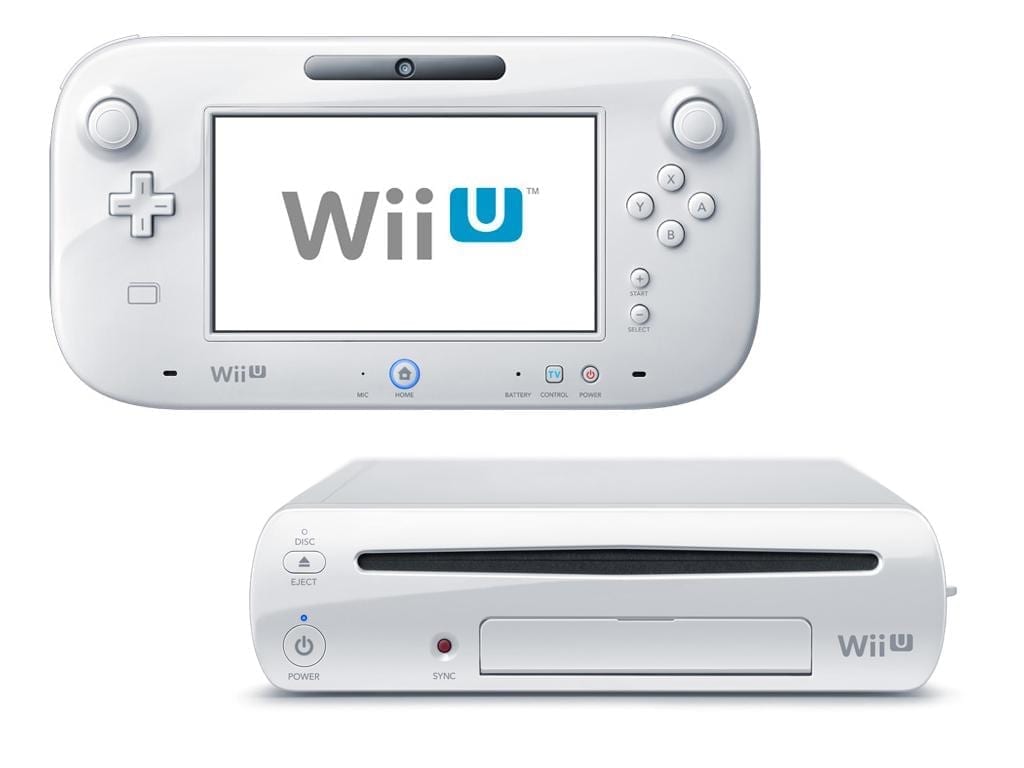
    Production on new Wii U sets has ended, according to Nintendo’s Japanese website. A pagedetailing the models of the console that are currently in production indicates that the final two sets have been discontinued, officially marking the end of the system’s lifespan.

    Following the release of its third quarter earnings financial report this morning, the company’s website updated to show that the remaining Wii U models have been discontinued in Japan. These include the 32 GB Splatoon bundle and the standard 32 GB Deluxe model.

    Nintendo announced last November that it planned to cease production on the console by the end of the year. Rumors flew that Nintendo would stop making new Wii U units ahead of the Nintendo Switch’s full reveal, which came in October. The Wii U’s follow-up does away with many of its predecessor’s features, including the tablet controller’s second screenand the Miiverse social community.

    The Wii U, which launched in 2012, suffered at retail throughout its lifespan. The console’s performance was a letdown to fans and Nintendo alike, as reflected by diminishing sales returns and game releases over the years.

    The Switch will hit stores on March 3, giving retailers just enough time to clear out Wii U stock and make room on their shelves for Nintendo’s latest console.

  • Waiting for Japanese department store to wake up

    Waiting for Japanese department store to wake up

    Japanese department-store sales dropped 2.4 per cent in November from a year earlier on a same-store basis, down for the ninth consecutive month.

    Overall sales at 234 outlets run by 81 companies stood at ¥525.7 billion (US$4.6 billion), the Japan Department Stores Association says, noting the size of the decrease had shrunk for the third straight month.
    Association officials say department stores are hopeful for a turnaround in December through the year-end shopping spree.

    Sales dropped for almost all categories in November, with exceptions including cosmetics. Sales fell 2.4 per cent for clothing and 0.6 per cent for food. Same-store declines were smaller than October’s 6.5 per cent and 2.1 per cent, respectively.

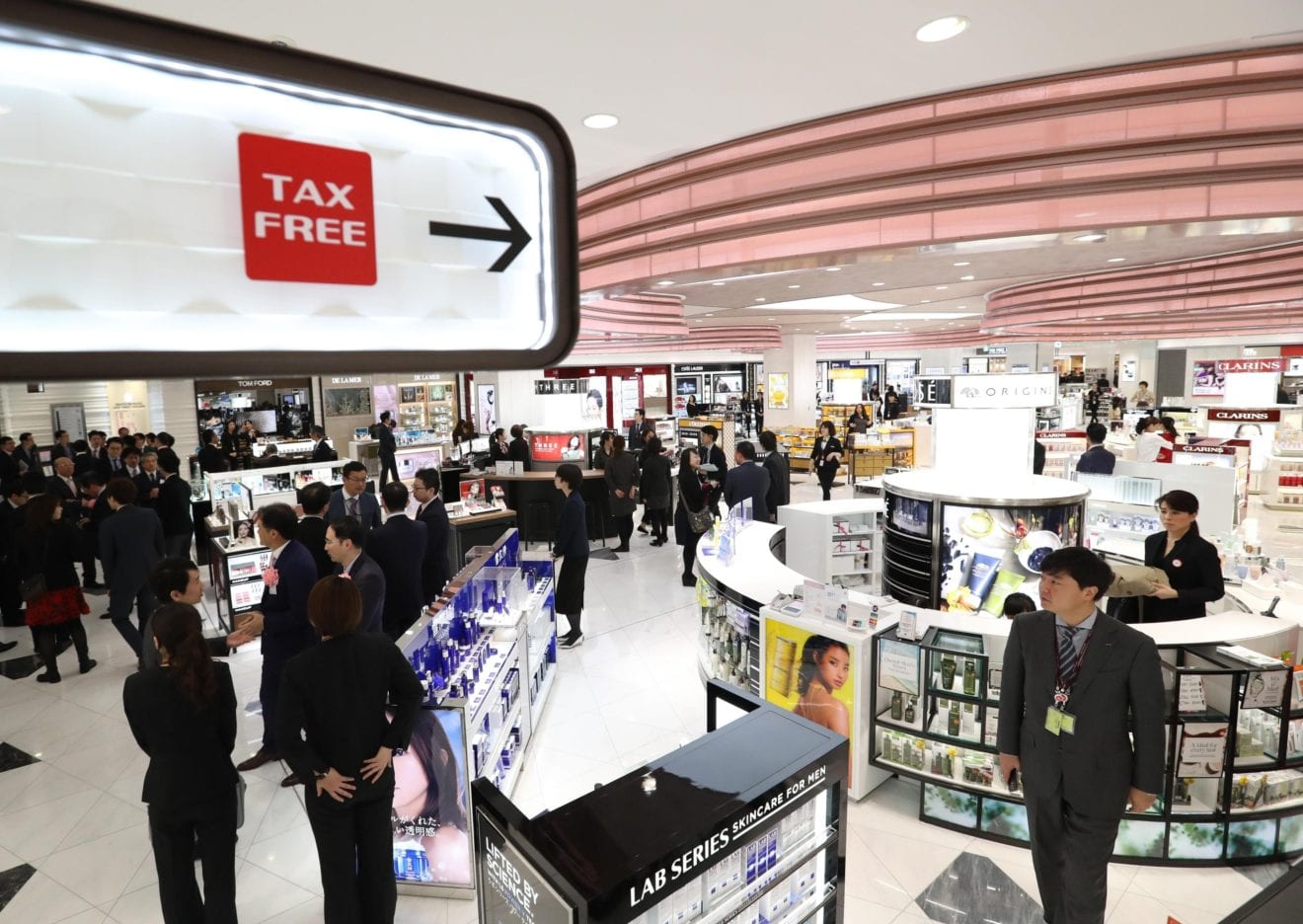
    Sales of tax-free goods to overseas visitors dropped 7.1 per cent to about ¥14.5 billion – the first contraction of less than 10 per cent in seven months.

    Meanwhile, the Japan Franchise Association has reported an 0.5 per cent increase in convenience store sales in November, reaching ¥773.4 billion on a same-store basis, up for the second straight month.
    It says the increase reflects brisk sales of prepared meals such as fried foods as well as the winter dish oden.

  • Seven & I plans to triple China network

    Seven & I plans to triple China network

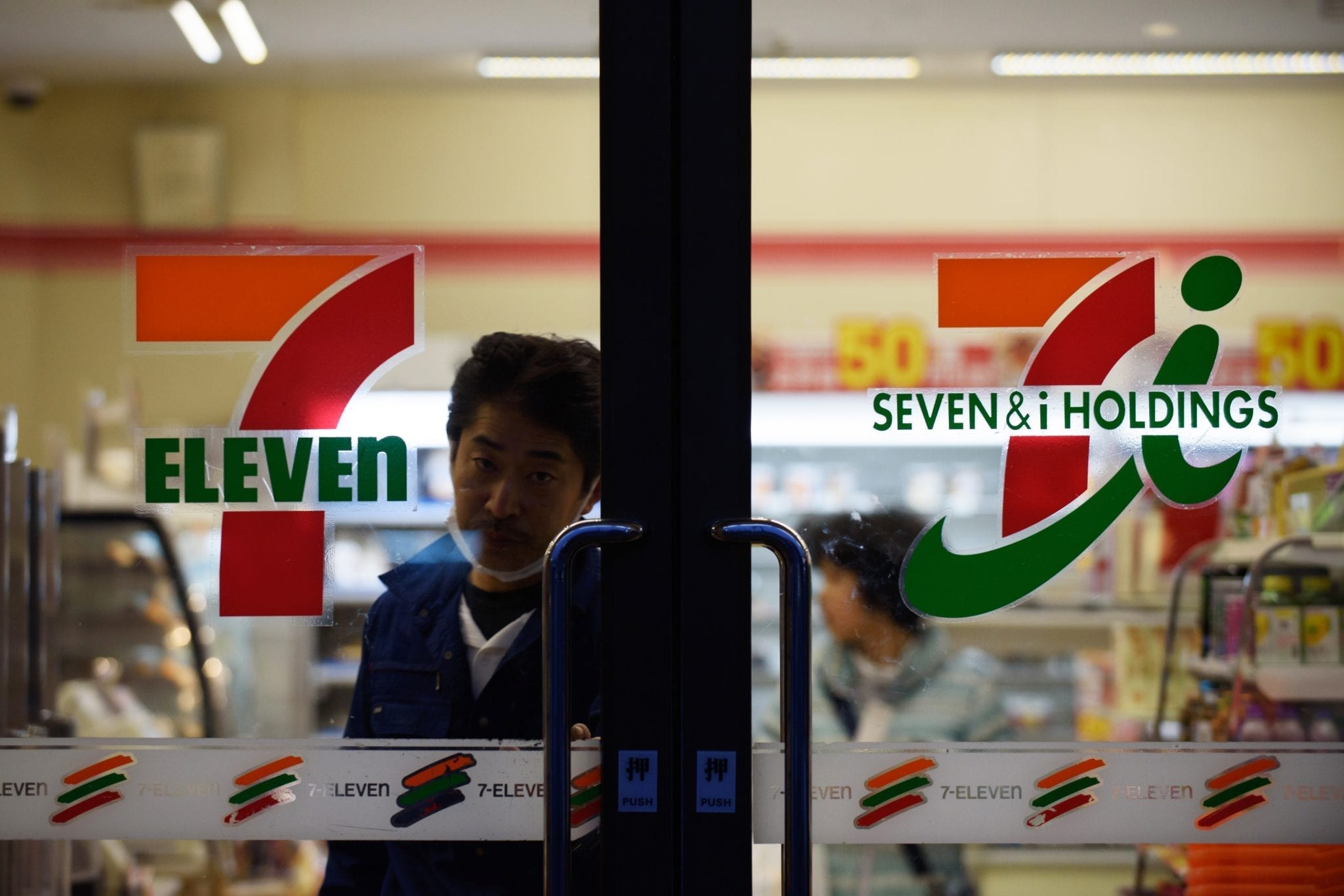
    While Japanese retailer Seven & I, which owns the 7-Eleven brand, has seen sales sliding, it plans to triple its network of supermarkets and department stores in China.

    The company aims to capitalise on the high growth in Sichuan province to grow its general merchandise store network there to 20 outlets by 2020.

    Its local subsidiary will increase its Ito Yokado-branded stores to 10 in the region, while one Ito Yokado supermarket will open in southern Chengdu next year with plans to launch as many as 10 locations in the city by 2020, says Ito Yokado head of Chinese operations Tomohiro Saegusa.

    Ito Yokado will also set up a company to sell Japanese products online, aiming for sales of ¥10 billion (US$85.7 million) by 2020. The company may use the free trade zone planned by Sichuan province.

    Meanwhile, group total sales continued to slide for a second consecutive quarter for Seven & I, which owns the 7-Eleven brand. Its third-quarter sales fell by 1.4 per cent to ¥7909 billion. However, its operating profit improved by 5 per cent for the quarter ended November 30.

    With more than 19,000 stores, 7-Eleven Japan has achieved continued growth. Total sales grew by 5.5 per cent to ¥3422 billion and operating profit reached ¥187.1 billion for its latest nine months, up 4 per cent year-on-year.

    Seven & I says 7-Eleven’s product strategy has largely driven its success. The retailer captured expanding demand for ready-made take-home meals, spurred by a rise in dual-income and elderly households. Private-label products rake in more than ¥10 billion in sales a year, showing the benefits of scale.

  • SSI partners with Muji operator to bring Japan brand to Philippines

    SSI partners with Muji operator to bring Japan brand to Philippines

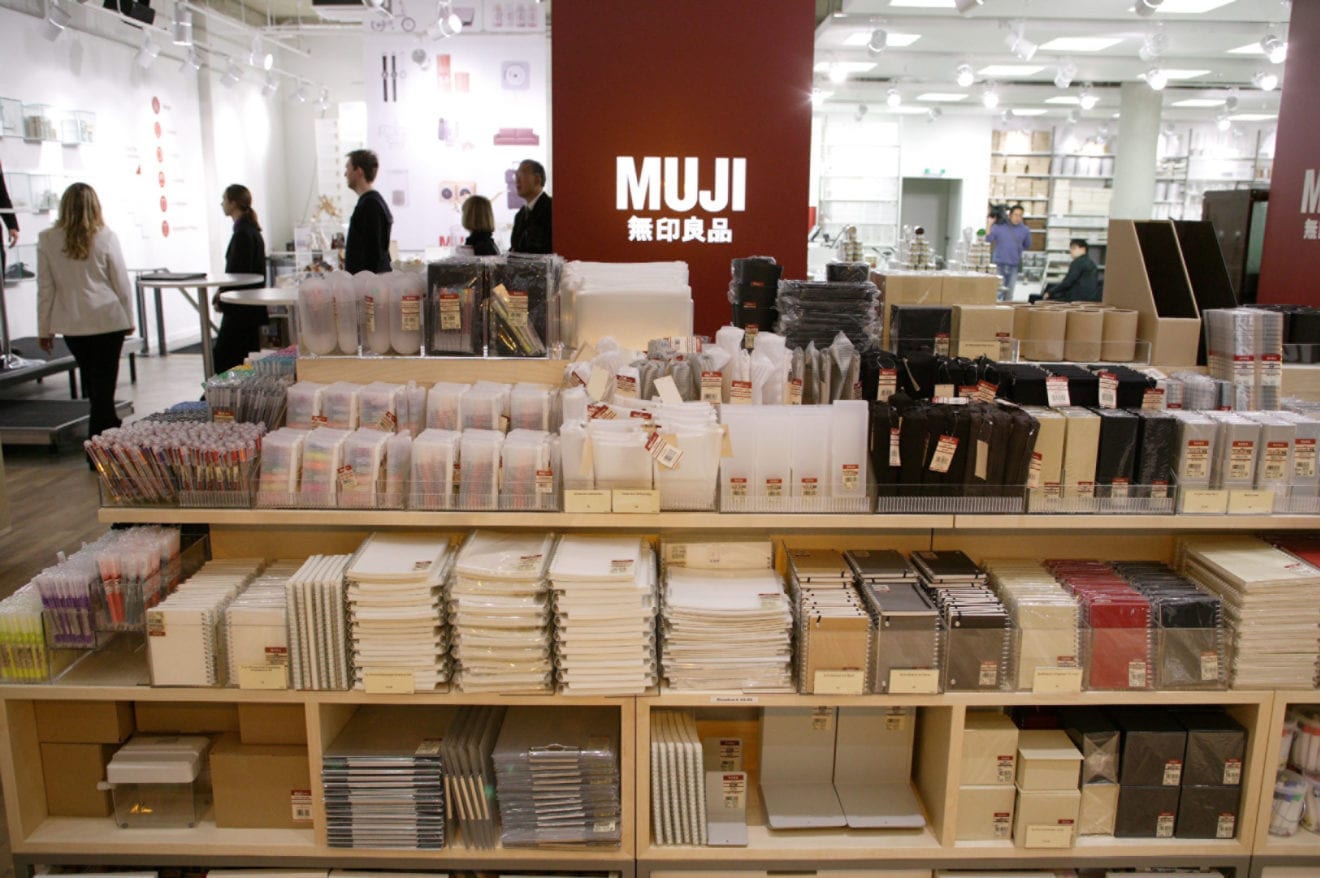
    Speciality stores operator SSI Group has signed a joint venture deal with a Japanese company to bring the Muji retail brand to the Philippines. SSI Group, through its wholly owned subsidiary Stores Specialists Inc. (SSI), entered an agreement with Japan’s Ryohin Keikaku Co. Ltd. (RKJ) to form a joint venture company called Muji Philippines, which will own and operate Muji stores in the Philippines.

    “The joint venture with RKJ is expected to strengthen the Muji brand in the Philippines and enable cost efficiencies,” SSI said in a disclosure to the Philippine Stock Exchange.

    Muji is a Japanese retailer which operates some 420 stores in Japan and 390 stores internationally as of October 2016.

    SSI will have a 51-percent stake in the joint venture while RKJ will hold the balance of 49 percent. SSI will infuse P89.25 million in Muji Philippines while RKJ will invest P85.75 million.

    Muji Philippines is expected to commence operations on April 1.

    “Any profits from the joint venture company shall be distributed pro-rata to the ownership in the company of each of SSI and RKJ,” SSI said.

    “SSI shall provide the joint venture company with operational knowledge and apparel and retail sales expertise specific to the Philippines, while RKJ shall provide the brand management expertise and retail experience specific to the Muji brand,” it added.

    One of the conditions needed for the closing of the transaction is for RJK to obtain a certificate of pre-qualification as a foreign retailer from the Board of Investments, the statement said.

    Specialty retailer SSI Group also has a presence in the convenience store segment through its joint venture with Ayala Land Inc. (ALI) and Japan’s Itochu Corp. to bring the FamilyMart convenience store chain into the country.

    In March last year, SSI and its joint-venture partner ALI sold Wellworth department stores at Fairview Terraces Mall and UP Town Center Mall to Gaisano-led Metro Retail Stores Group Inc. (MRSGI) for P499 million to minimize operating losses.

  • JV aims to boost Muji brand in Philippines

    JV aims to boost Muji brand in Philippines

    Specialty retailer SSI Group has signed a JV agreement with Japan’s Ryohin Keikaku in a bid to boost the Muji household supplies brand in the Philippines.

    SSI Group’s board of directors has approved the JV between its wholly owned subsidiary Stores Specialists and RKJ, dubbed Muji Philippines. It is expected to launch on April 1 with the mandate to own and run Muji stores in the Philippines.

    SSI Group says the move will enable cost efficiencies.

    Stores Specialists owns and runs specialty retailing boutiques for a range of international brands covering luxury, casualwear, fast fashion, footwear, luggage and accessories as well as personal-care brands. RKJ is engaged in the planning, development, procurement, logistics and processing of goods under the brand name Muji, as well as running Muji retail stores and wholesaling Muji goods.

    The deal is pegged at P175 million (US$3.5 million), with Store Specialists holding a 51 per cent stake. Store Specialists is investing more than P89.2 million, while RKJ is injecting up to P85.7 million.

  • Pie Face expansion plan in Japan and Korea

    Pie Face expansion plan in Japan and Korea

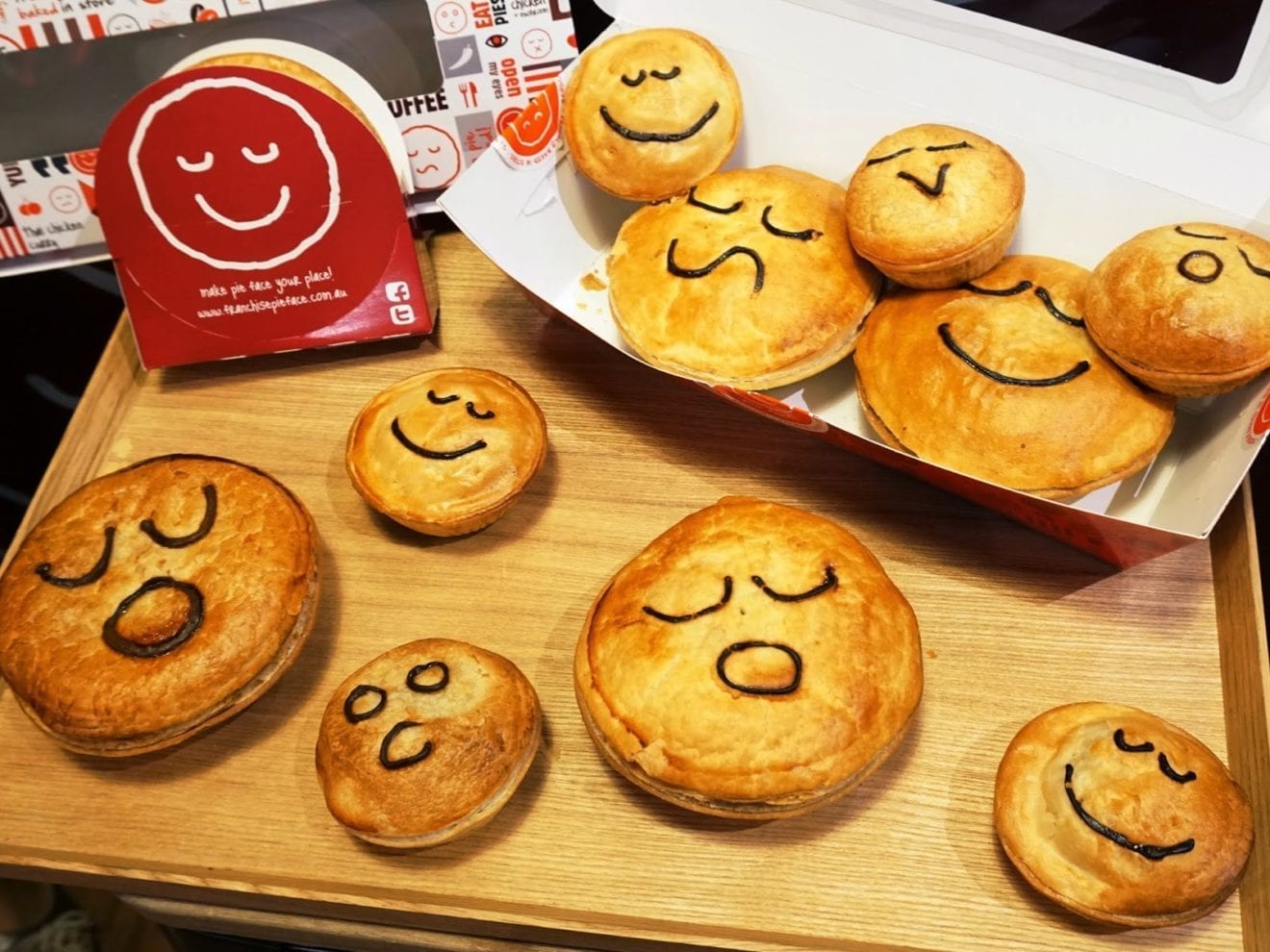
    As it turns around and heads toward profitability again, Australian fast-food chain Pie Face has plans to expand into Japan and South Korea.

    Its receiver flags the hot-pie business will be sold soon, but it has left behind a trail of destruction: secured debt is AU$4 million (US$3 million) and unsecured debt is estimated to be nearly AU$5 million, with employees alone owed more than AU$1 million.

    Also, listed Retail Food Group has made an application to the Queensland Supreme Court to wind up Pie Face Australia over an unpaid debt. But many creditors are unlikely to receive payment out of the receivership, says Pie Face trading entities joint receiver Liam Bailey, a partner at insolvency firm O’Brien Palmer.

    “I can’t speak to what the liquidator may be able to recover and pay them as a dividend, but it’s unlikely a surplus will be generated on the sale of the business, allowing funds to flow to unsecured creditors.”

    The Pie Face company runs a commercial kitchen and wholesaling business, Pie Face Holdings, which owns the intellectual property as well as Pie Face Franchising, which oversees its franchised business in Australia.

    US market

    Bailey became involved after Pie Face went into receivership for the second time in two years late last year. Founded in 2003 by couple Wayne Homschek and Betty Fong, after spreading through Australia the company moved into the US market and planned to open stores in the Middle East, Japan, Korea and the Philippines.

    Investors including retail entrepreneur Brett Blundy, Fat Prophets founder Angus Geddes and Rothschild Australia chairman Trevor Rowe had poured more than $35 million into Pie Face since 2009 with hopes of a sharemarket listing, reports The Age.

    In 2014, Pie Face collapsed owing tens of millions of dollars, sparking store closures, job losses, lawsuits and board changes. Pie Face then struck a deal with financier TCA Global, which took over loans to major lender Macquarie bank.

    Under a deed-of-company arrangement, unsecured creditors such as food suppliers agreed to receive between 14¢ and 19¢ in the dollar over several years, and Pie Face changed its focus to wholesale and direct retail sales.

    When this turnaround bid came unstuck, TCA Global appointed O’Brien Palmer in late October. The business was then restructured for sale. A new CEO and CFO were appointed, 11 unprofitable stores were closed and three franchised stores were opened. Nearly 100 staff members lost their jobs.

    Pie Face now has 30 franchised stores, about 10 people in its head office and 60 to 70 kitchen workers – and plans to expand overseas, particularly in Japan and South Korea.

    Bailey says seven or eight companies are now conducting due diligence, with binding offers due in at the start of next month.

    “We were very much taken aback by the level of interest in the business notwithstanding the bad press it has received over the years,” he says. “There’s a lot of recognition of the growth potential, if properly managed.”

  • Japan’s bakugai phenomenon fading fast

    Japan’s bakugai phenomenon fading fast

    The drastic slowdown of the Chinese duty-free shopping phenomenon known as bakugai (“buying explosion”) continues to hit Japanese tax- and duty-free retailers, with several companies having sharp revenue falls in recent months.

    As a result of the slowing market, South Korean travel retailer Lotte Duty Free and its partners Bic Camera and New Kansai International Airport Company have pulled out of a planned downtown duty-free shop proposed for Osaka.

    The “bakugai” trend began in Japan in 2015 as travelling shoppers from China poured into Japan in waves, says The Moodie Davitt Report. This led to a proliferation of government-backed tax- and duty-free stores, and like all bubbles this one appears to have burst. Read more.

  • E-commerce firms face rivals from Japan, Thailand, China, South Korea

    E-commerce firms face rivals from Japan, Thailand, China, South Korea

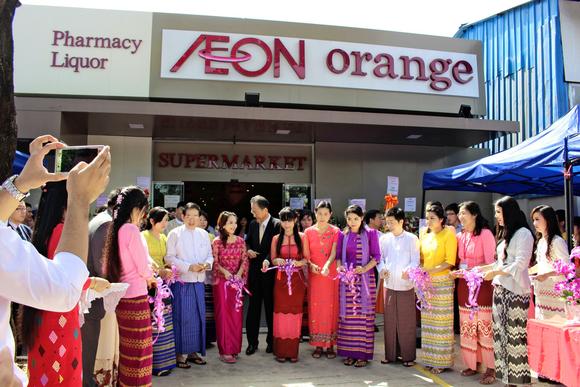
    Aeon, a Japanese e-commerce group, has launched aeoneshop. The website began its operation on January 1, 2017, mostly distributing the products from Japan and the ones bearing Topvalu, an Aeon’s private band. In Vietnam, nearly 1,000 products bear the brand.

    Of the products it distributes, Aeon hopes ‘Me va Be’ (mother and babies) products will be popular with Vietnamese mothers who like Japanese goods.

    Initially, Aeon will only delivery goods in HCMC. Like other e-commerce websites, Aeon will provide free deliveries to orders worth at least VND300,000.

    Analysts said that Aeon’s policies on goods purchases, payments and exchanges are nearly the same as other e-commerce firms.

    With Aeon in Vietnam, the market now has the most powerful rivals in the region. Two months ago, South Korean Lotte launched the Lotte.vn website, hoping for an ambitious plan to hold 20 percent of market share and become a top player in the market.

    Meanwhile, Jack Ma of China, a billionaire who owns Alibaba, has taken over Lazada in Vietnam, while Thailand’s Central Group bought Zalora Vietnam through Nguyen Kim, of which it holds a large capital stake.

    The Vietnamese e-commerce market is known as a ‘money burning machine’, meaning that investors pay big money even though profits are unpredictable.Competing against the four big players from Japan, South Korea, Thailand and China are three Vietnamese groups – Adayroi (Vingroup), Tiki (VNG) and Vuivui (The Gioi Di Dong).

    Lingo, Beyeu and Deca all have left the market because they ‘did not have enough money to burn’. Tiki has reported a loss of VND160 billion in the last eight months since it received investment from VNG.

    Analysts believe that those who have more powerful financial capability will win the battle, leaving the field to foreign companies.

    Commenting about the competitiveness of aeoneshop.com and Lotte.vn, Nhip Cau Dau Tu said they had the advantage of confidence. Lotte.vn focuses on cosmetics and fashion products because ‘South Korean cosmetics’  are popular in Vietnam.

    Aeon focuses on electronics and children’s products because products from Japan have a good reputation among Vietnamese.

    The second advantage is the large store network. Aeon, for example, besides the four shopping malls in HCMC and Hanoi, also has 18 Fivimart shops in Hanoi and 66 Ministop shops in HCMC after acquiring 30 percent of Fivimart and 49 percent of Citimart stakes.

  • Vinatex and Itochu sign strategic co-operation agreement

    Vinatex and Itochu sign strategic co-operation agreement

    Viet Nam Textile and Garment Group (Vinatex) on Monday signed a strategic co-operation agreement with Japanese firm Itochu, witnessed by PM Nguyen Xuan Phuc and his Japanese counterpart Shinzo Abe in Ha Noi.

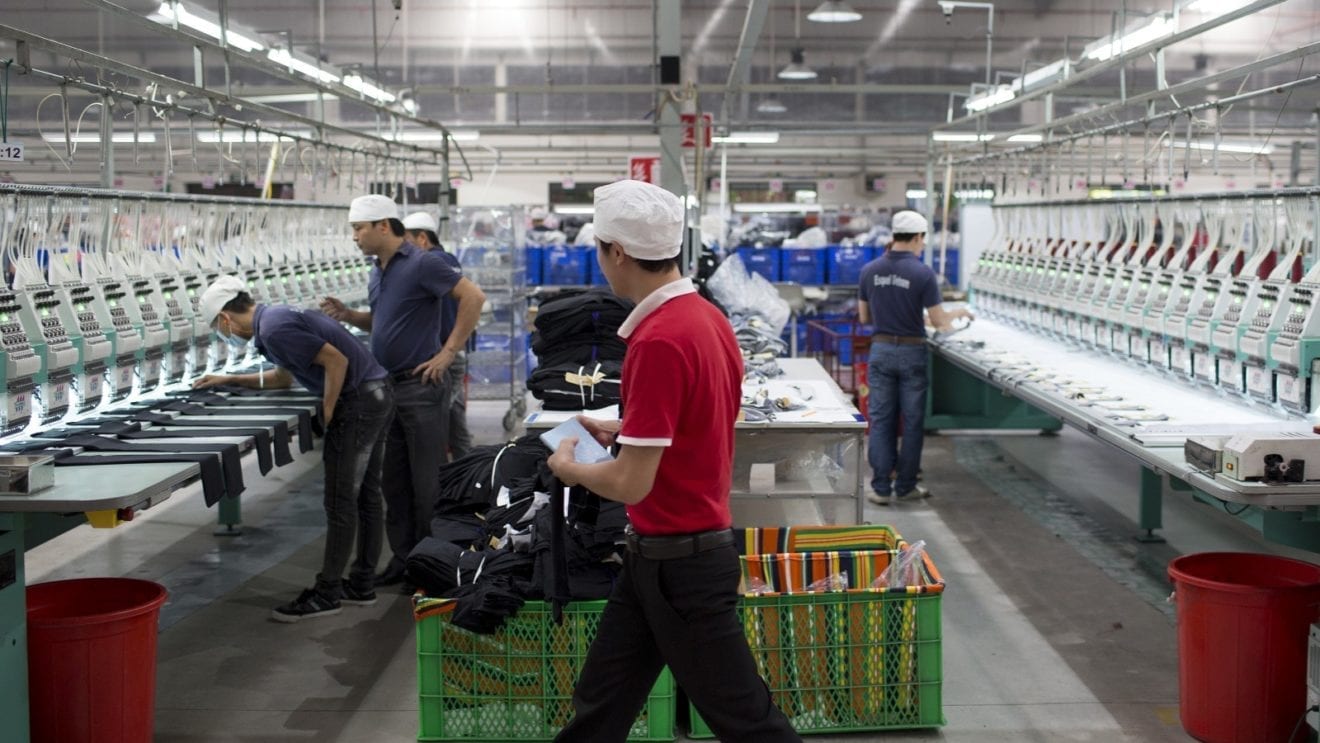
    Itochu is expected to help Vinatex make a change in textiles and garment production and business method from Cut—Make—Trim to Free on Board, developing a sustainable retail distribution network to enjoy long-term benefits.

    Under the agreement, trading firm Itochu will assume the role of a consulting partner for Vinatex and its member companies in developing the textiles and garment supply chain from fibre to thread, fabric and sewing, retail distribution, co-operation and introducing domestic and foreign partners.

    Shuichi Koseki, senior managing executive officer, manager of CP·CITIC Strategy Office, president of Textile Company and representative director, said Viet Nam’s textiles and garment were an important part of Itochu, therefore it wanted to develop this area with Viet Nam, so that Vinatex could become its number one partner.

    In the near future, he said Itochu would boost co-operation between the two sides to develop textiles and garment products and supply them globally.

    Speaking at the signing ceremony, Le Tien Truong, general director of Vinatex, said the two sides would discuss in detail the co-operation plan and implement actions immediately to make a change in Vinatex’s textiles and garment production and business method from Cut—Make—Trim to Free on Board, developing a sustainable retail distribution network to enjoy long-term benefits.

    Itochu signed a framework agreement to support several projects in dyeing and materials production in Viet Nam, training in the country’s dyeing sector and utilising the capacity of Vinatex’s dyeing factories in the central region in 2015.

    At that time, Itochu owned five per cent stake in Vinatex through a subsidiary company.

    Itochu, one of the leading economic groups in Japan operating in various areas, including textiles and garment, has co-operated with some 100 textiles and garment companies of Viet Nam.

  • McDonald’s Japan stake for sale

    McDonald’s Japan stake for sale

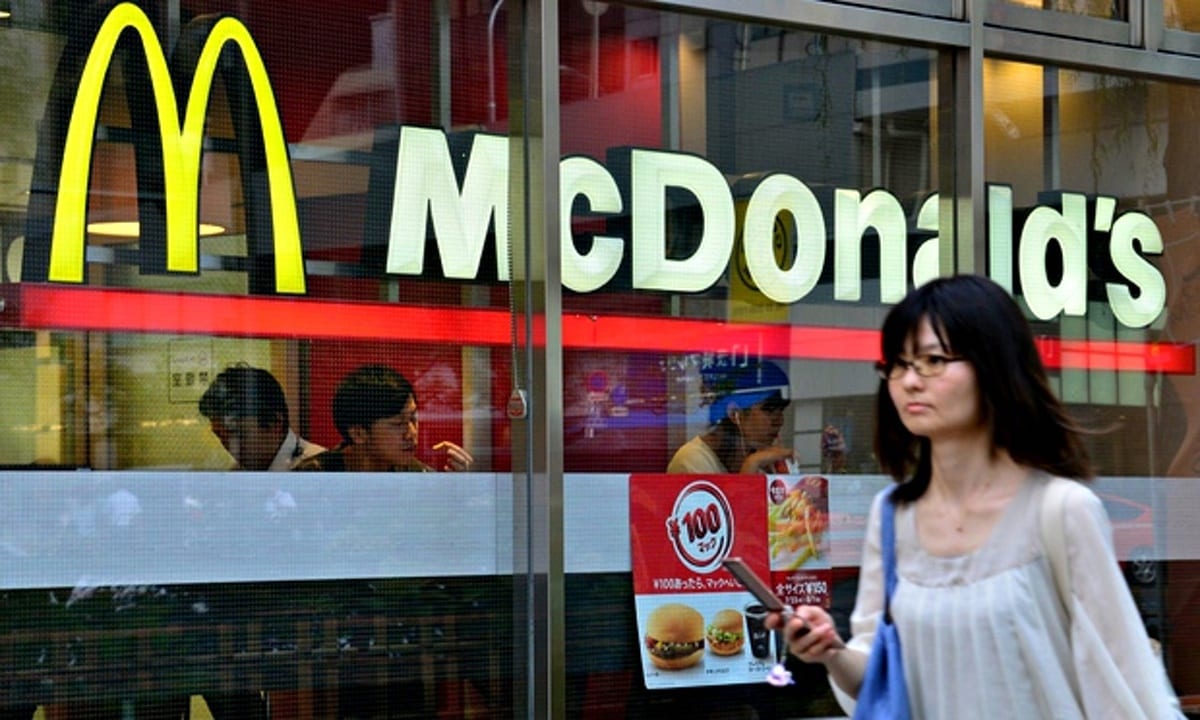
    McDonald’s has reportedly invited bids for a “significant stake”  in its McDonald’s Japan unit.

    The Wall Street Journal has quoted “people familiar with the matter” saying the company is looking for buyers for up to 33 per cent of the shares, from its nearly 50 per cent stake in the listed Japanese company.

    The report said initial bids were due to be lodged this week and that a number of private-equity firms are considering the opportunity.

    Last week McDonald’s released terms of its sale of 80 per cent of its China and Hong Kong business, giving 20-year rights to the brand to state-backed Citic Ltd and private equity company Carlyle Group.

    The beleaguered Japanese business last February reported its first increase in customer numbers in nearly three years after a tumultuous period in which sales plummeted and the store network was heavily rationalised.

    Internal company figures showed footfall at stores open for more than one year rose by more than 10 per cent Japan-wide. Better yet, same-store sales rose by as much as 30 per cent, according to a report by Reuters.

    McDonald’s Holdings Co (Japan) has projected a net profit of about 1 billion yen (US$8.47 million) for the year to December 2016 – which would mark its first time out of the red in three years since a food safety scandal relating to expired chicken hit the brand in 2014. In January 2015 sales plunged 38.6 per cent, customer ranks depleted by 28.5 per cent.

    In April 2015 the company unveiled a plan to cull its restaurant network and revamp remaining stores after a US$319 million loss.

    It also revised its menu, adding salads which has clearly drawn customers back to restaurants.

  • SuperGroup thrives after downsizing logos

    SuperGroup thrives after downsizing logos

    SuperGroup was a clear winner last Christmas as it benefitted from the weak pound and the opening of net nine new stores in the 10-week Christmas period helping to boost revenue to £162.1 million.

    SuperGroup’s conventional approach to discounting, with a series of online category specific promotions before Christmas and a clearance sale after, drove full price sales throughout most of the trading period.

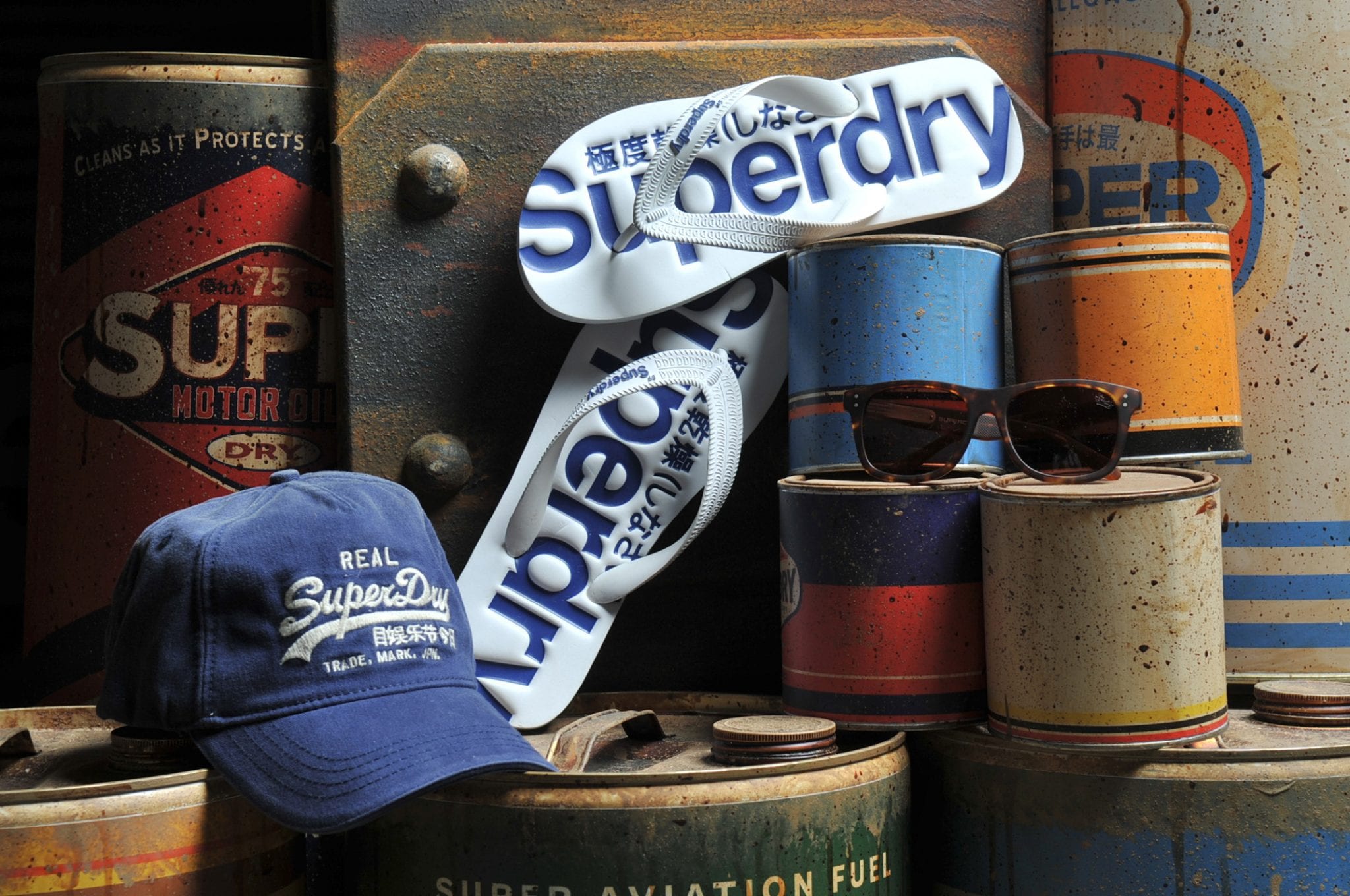
    SuperGroup’s deliberate move away from the heavy logoed product of the past and investment in its womenswear ranges and premium menswear collection means Superdry has become a more fashion focused brand that has greater mass appeal – albeit its distinctive design flair still helps differentiate its offer from rivals.

    Communication of its updated ranges to new consumers is now imperative to its success. For females its investment in making stores more gender neutral will help shift views that it is a male brand, but with almost 50 per cent of women shopping menswear, it should consider assigning prime floorspace to womenswear to make it more appealing to browse collections when instore.

    In menswear it continues to outperform the sector boosted by its sportswear range and the prolonged athleisure trend. Despite its strong performance it still needs to shift perceptions that it is solely a casualwear retailer. The Idris Elba premium collection presents clothing that aligns it with new competitors such as Ted Baker, Whistles and Reiss; however winning the attention of these shoppers will remain difficult as merchandising, even in newer formats, still primarily focuses on casualwear.

    Dedicated window displays of the premium collection is one way Superdry can tempt new shoppers who have more tailored tastes in store and away from established smarter casualwear menswear retailers.

  • Takata to pay $1 billion to settle U.S. air bag probe

    Takata to pay $1 billion to settle U.S. air bag probe

    Japan’s Takata is expected to plead guilty to criminal wrongdoing as early as Friday as part of a $1 billion settlement with the U.S. Justice Department over its handling of air bag ruptures linked to 16 deaths worldwide, sources said.

    The settlement includes a $25 million criminal fine, $125 million in victim compensation and $850 million to compensate automakers who have suffered losses from massive recalls, the sources said.

    The settlement also calls for an independent monitor of the Japanese auto parts manufacturer. It could help Takata win financial backing from an investor to potentially restructure and pay for massive liabilities from the world’s biggest auto safety recall.

    The company is poised to plead guilty to wire fraud, or providing false test data to U.S. regulators, according to the sources, who were not authorized to discuss the settlement publicly.

    In 2015, Takata admitted in a separate $70 million settlement with U.S. auto safety regulators that it was aware of a defect in its air bag inflators but did not issue a timely recall.

    It admitted it provided the regulator, the National Highway Traffic Safety Administration (NHTSA), with “selective, incomplete or inaccurate data” dating back at least six years and also provided automakers with selective, incomplete or inaccurate data.

    The wire fraud charge is expected to be filed in U.S. District Court in Detroit. The Justice Department is considering naming Ken Feinberg, a longtime compensation adviser, to oversee the Takata settlement funds. He declined to comment on Thursday.

    The settlement is expected to include restitution to some victims and automakers, who have been forced to recall vehicles with the defective inflators. Honda Motor Co (7267.T) and Takata have settled nearly all lawsuits filed in connection with fatal crashes. The recall impacts 19 automakers including Ford Motor Co (F.N), General Motors Co (GM.N), Toyota Motor Corp (7203.T), Volkswagen AG (VOWG_p.DE) Fiat Chrysler Automobiles NV (FCHA.MI).

    Takata spokesman Jared Levy declined to comment.

    Deaths linked to the company’s air bag inflators include 11 in the United States – nearly all in Honda vehicles. Regulators have said recalls would eventually affect about 42 million U.S. vehicles with nearly 70 million Takata air bag inflators, making this the largest safety recall in U.S. history.

    Takata is expected to agree to come up with the $1 billion within a year or when it secures a financial backer.

    Senators Richard Blumenthal of Connecticut and Edward Markey of Massachusetts backed a Takata deal but said in a joint statement they were “deeply concerned that the DOJ settlement appears to only target Takata Corporation and no executives.” The senators also said that if the company “files for bankruptcy, its new creditors, and not Takata, would be responsible for paying criminal fines on the company’s behalf.”

    Reuters reported in November Takata was considering a bankruptcy filing for its U.S. unit as the air bag maker looks for a sponsor to help pay for liabilities related to its faulty air bag inflators.

    The inflators can explode with excessive force, launching metal shrapnel at passengers in cars and trucks. Many of those killed were involved in low-speed crashes that they otherwise may have survived, including a 17-year-old high school senior in Texas killed last year. At least 184 people have been injured in the United States as well.

    In November 2015, Takata agreed to pay a $70 million fine for safety violations with U.S. auto safety regulators and could face deferred penalties of up to $130 million under a NHTSA settlement.

    The agency named a former U.S. Justice Department official to oversee the Takata recalls and the company’s compliance with the safety settlement.

    Last month, NHTSA said it would press the auto industry to accelerate the pace of replacements for defective Takata inflators and signaled a likely widening of the safety recall. Only about one third of the inflators recalled have been replaced, leaving more than 30 million to be fixed.

    In June, NHTSA warned that Takata air bag inflators on more than 300,000 unrepaired recalled Honda vehicles showed a substantial risk of rupturing, and urged owners to stop driving the “unsafe” cars pending a fix.

  • Fast retailing bright faith

    Fast retailing bright faith

    Both consolidated revenue and profit rose for apparel retailer Fast Retailing Group in the first quarter of its latest fiscal year – the three months to November 30.

    Consolidated revenue rose 1.6 per cent year-on-year to reach ¥528.8 billion (U$4.6 billion), while profit soared 16.7 per cent to reach ¥88.5 billion.

    The gross profit margin held steady as the company continued its group-wide cost-cutting drive initiated in fiscal 2016.

    With the group recording a foreign exchange gain of ¥15.6 billion, the consolidated profit rose considerably in the quarter, with profit before taxes increasing by 34.2 per cent to ¥104.2 billion, and profit attributable to the owners of the parent expanding by 45.1 per cent to ¥69.6 billion.

    Breaking down the first-quarter performance into the three individual business segments, Uniqlo Japan increased both revenue and profit, Uniqlo International had a fall in revenue but a rise in profit, and Global Brands had a rise in revenue but a fall in profit.

    With its medium-term vision to become the world’s No. 1 apparel digital retailer, the group is focussing its efforts on expanding Uniqlo International and its low-priced GU casual-fashion brand.

    It is continuing to grow Uniqlo store numbers in each country where it has a presence, opening global flagship stores and large-format stores in major cities. It is also expanding GU, which has grown into a second-pillar brand for the group. It has opened more GU stores within Japan and has been accelerating the brand’s development and store numbers in overseas markets.

    “Another medium-term goal is to revolutionise our entire supply chain, spanning all procedures from planning to design, raw materials procurement, manufacturing and retail into a new supply chain system that can fully satisfy the needs of today’s digital era.

    “The customer-centric, information-driven supply chain is designed to support a comprehensive new digital retailing business model for the Fast Retailing Group.”

    Next month, the group will move all Uniqlo product-related and commercial activities to its central Ariake headquarters.

    Uniqlo Japan

    For the quarter, Uniqlo Japan increased revenue 3.4 per cent to ¥238.8 billion, and profit by 1.8 per cent to ¥45.6 billion. Same-store and online sales grew 2.5 per cent.

    During the period, the number of stores was reduced by six to 800 (excluding 41 franchise stores) at the end of November. Three stores shifted from being directly run to become employee franchise stores.

    Same-store sales declined in September and October because of unseasonal warm weather affecting demand for fall/winter items. Once temperatures dropped in November, same-store sales picked up.

    Uniqlo International

    Revenue eased 0.2 per cent to ¥196.5 billion for Uniqlo International, but there was a 44.6 per cent rise in profit. The fall in revenue was mainly because of the effect of the stronger yen, which pushed down yen-based sales by an average 16 per cent. However, in terms of local currencies, sales rose overall.
    Profit contributions from Uniqlo Greater China and Uniqlo Southeast Asia and Oceania were especially strong.

    Fifteen years after the first Uniqlo store outside Japan opened, the international network surpassed 1000 outlets, settling at 1009 stores at the end of November, an increase of 145.

    Global Brands

    For Global Brands, revenue rose 1.1 per cent to ¥92.7 billion while profit dropped by 22.7 per cent to ¥9.5 billion. The GU casual fashion brand grew revenue but had a profit fall after unseasonal warm weather. GU same-store sales expanded only marginally over the quarter as a whole.

    The group’s Princesse Tam.tam label in France and its J Brand premium denim label in the US continued to lose money, while fashion brands Comptoir des Cotonniers and Theory had steady profits. 

    Humanitarian aid

    In October, Fast Retailing Group decided to donate US$1 million to humanitarian aid efforts in south Sudan.

    In its “All-Product Recycling” initiative, the group delivers clothing collected at Uniqlo and GU stores to refugees and displaced persons, and in November head-office employees visited Myanmar to donate about 60,000 items of clothing. The beneficiaries were internally displaced persons in the Kachin and Rakhine states.
  • Indonesia expects more investment from Japan

    Indonesia expects more investment from Japan

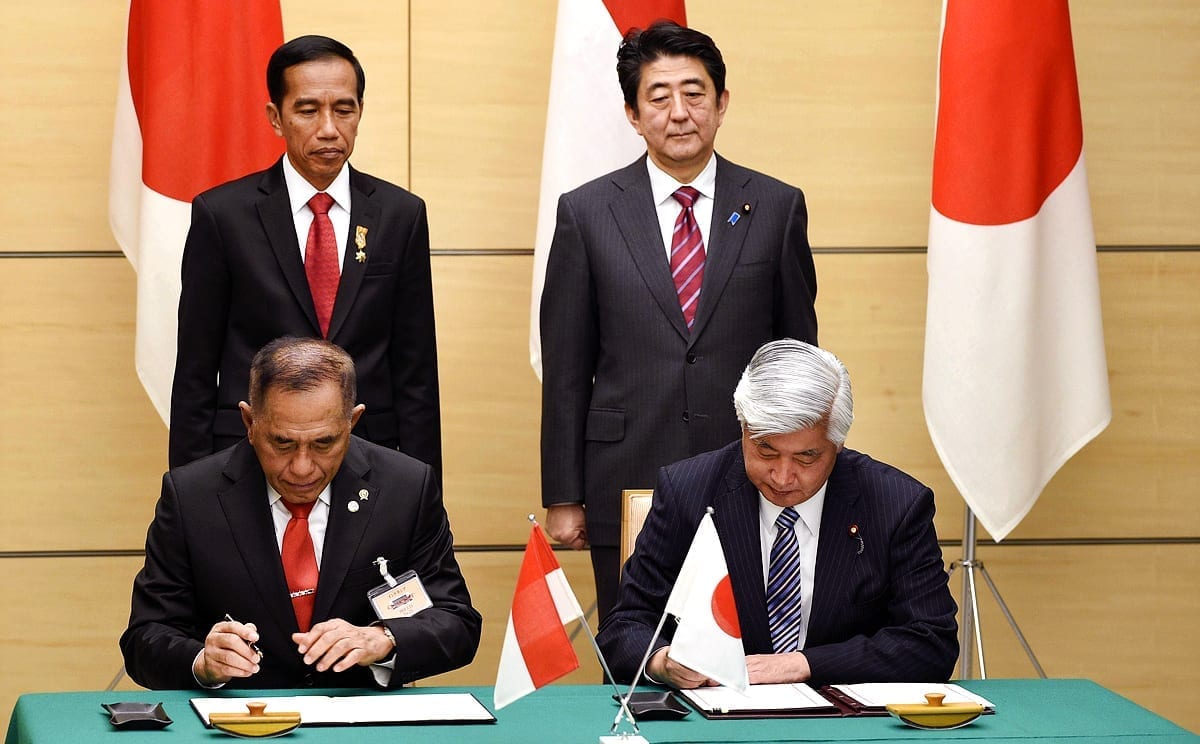
    Indonesia is hoping for more investment from Japan after the scheduled meeting between President Joko Widodo and Japans Prime Minister Shinzo Abe.

    This was said by Thomas Lembong, the chief of the Indonesian Investment Coordinating Board (BKPM), here on Friday.

    Shinzo Abe is scheduled to arrive in Indonesia for a two-day state visit on Sunday and Monday.

    The BKPM chief said Japan has so far been the countrys second biggest investor, focusing mainly on the infrastructure sector.

    “Projects such as power plants and Jakartas mass rapid transport system are funded by Japanese investment. In terms of investment, Japan is indeed one of our important clients,” he said in a press statement.

    Thomas Lembong said investment relations between the two countries have so far been going very well.

    “I think the Japanese premiers visit will be good for us. I also visited Japan five weeks ago and met with Japanese representatives from their chamber of commerce as well as many investors. Both countries have close relations. Japan has been an investor in Indonesia for decades now, and has been the second or the third biggest investor in the country,” he added.

    He stressed that Japanese investors have been involved in many infrastructure projects in 2016, such as power plants and the Surabaya-Sorong sea toll road project, both operational now.

    In 2017, Japanese investors plan to also invest in the real estate and property sectors.

    “Discussions have been also on about starting a medium-express train service from Jakarta to Surabaya in East Java and Japan seems interested in it. A Patimban port development project located towards the east of Jakarta and close to the automotive industrial cluster is also on the anvil. All Japanese automotive industries are there. If a big port is available there, it will make our automotive exports more efficient. The Patimban project will also be funded by the Japanese investment,” he revealed.

    Saribua Siahaan, the BKPM Japan investment promotion official, explained that a Japanese company operating in the property sector is cooperating with a local partner to realize its plan to develop housing projects across Indonesia.

    The low-cost residential development program will cater to low-income people and will match the governments one-million houses development program.

    He pointed out that Japanese investors entering the real estate and property sectors will have different market targets.

    “Some plan to carry out property development particularly catering to expatriates and middle-class and higher strata, while others target workers in industrial zones. Right now, we are still coordinating with the BKPM office in Jakarta to facilitate a big Japanese group that has signed an agreement with a housing company in Indonesia,” he informed.

    Besides discussing investment in the manufacturing sector, Japanese Prime Minister Abe would also discuss investment in the Indonesian governments other prioritized sectors.

    PM Abe plans to bring along a number of executives from companies wishing to invest in Indonesia.

    Based on BKPM data, Japan had invested US$1.6 billion in 425 projects until the third quarter in 2016 to make it the second biggest investor in Indonesia.

    This was a significant increase from US$917.27 million in 399 projects in the same period in 2015.

    Cumulatively, from January to September 2016, Japans total investment realization had reached US$4.4 billion.

  • Forever 21 expand on activewear

    Forever 21 expand on activewear

    US fast-fashion retailer Forever 21 has launched its activewear collection globally at its stores and on its website.

    The Forever 21 Activewear Collection provides low-, medium- and high-impact pieces in an array of soft and neon hues.

    forever-21-activewear-collection-2

    The Fit and Run assortment is designed for high-impact activity and features bold prints, sweat resistance, matching sets and lightweight jackets.

    The Booty Sculpt assortment is designed for medium-impact activity and aims to highlight and define curves. It features black and charcoal hues, with high-waisted shorts, capris and leggings with power mesh inserts.

    forever-21-activewear-collection-1

    For low-impact activity, the Dance and Yoga assortment features soft tones and delicate styles such as loose-fitting joggers and wrap-around tops designed for layering.

    With its headquarters in Los Angeles, Forever 21 was founded in 1984 and has more than 730 stores in 48 countries including Australia, China, Hong Kong, India, Japan, Korea and the Philippines.