Tag: Japan

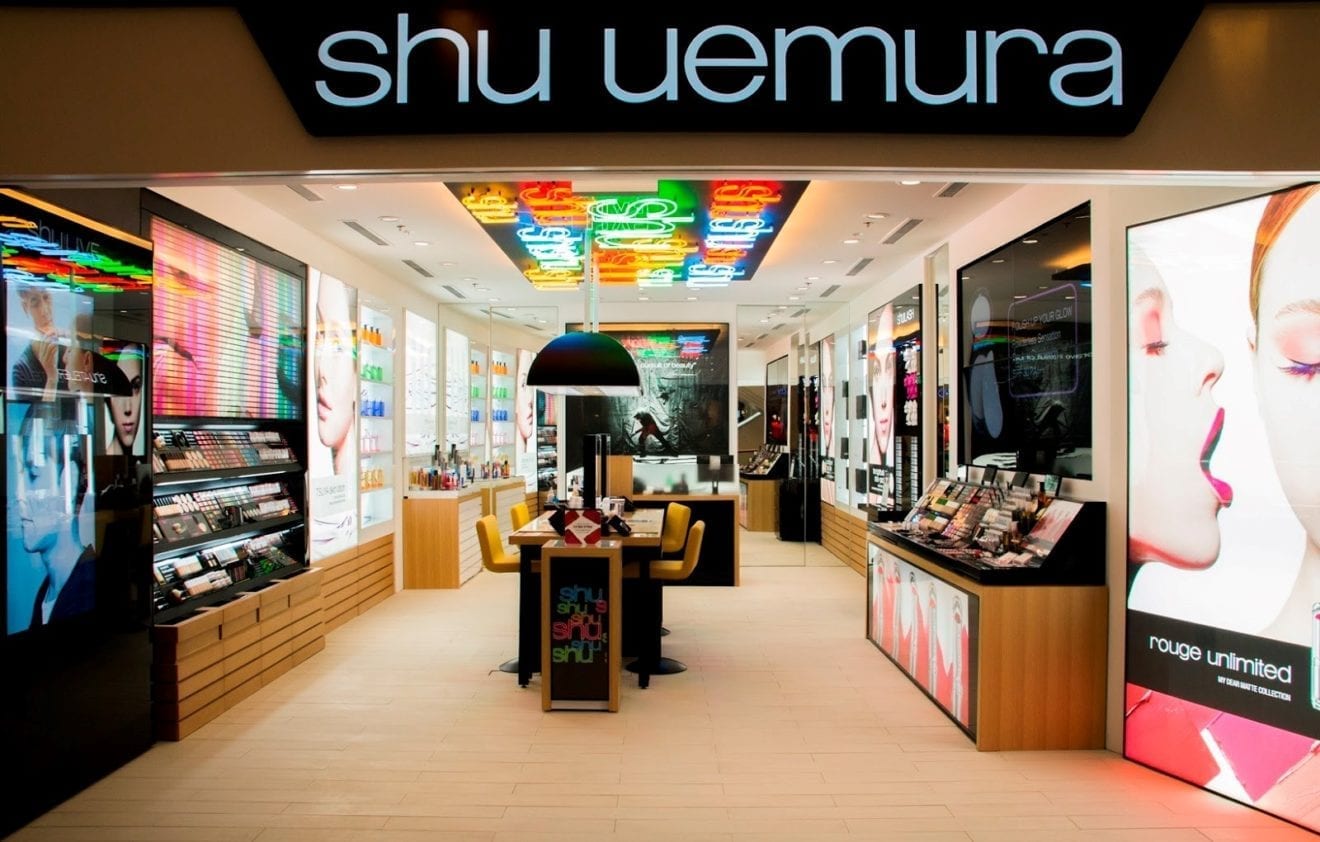
  • Shu Uemura withdrawing from Philippines

    Shu Uemura withdrawing from Philippines

    Japanese cosmetic brand Shu Uemura is withdrawing from the Philippines.

    L’Oreal Philippines has confirmed that all branches and counters of the make-up line will be shut down by the end of April.

    While officially distributed by L’Oreal Philippines, the brand believes the closing of its Philippines outlets will be beneficial in the long term.

    Shu Uemura is known for its quirky collaborations and neon-filled palettes. One of its most famous collaborations was with iconic designer Karl Lagerfeld.

    Brand founder Shu Uemura went to Hollywood in the 1950s and started working as a makeup artist, becoming in demand after working on the Paramount movie My Geisha in 1962 with actress Shirley MacLaine.

  • S4M sets new target in travel retail

    S4M sets new target in travel retail

    Mobile advertising tech company S4M has launched a service to target more than 30 million airport travellers each week.

    Using enriched geo-localised user behavioural and contextual data, the company wants to help brands boost their presence in 30 global airports.

    “Airports are more than just transit areas – they present a huge opportunity for brands to engage with consumers,” says S4M VP of APAC sales Gavin Buxton.

    “The smartphone is an extension of the individual, so it is a must-have touchpoint when creating fully integrated brand experiences. Advertisers should be combining the omnipresence of the mobile medium with real-time geolocation at airports to deliver seamless customer journeys.”

    S4M’s “geofencing” technology helps advertisers analyse and understand mobile user profiles at airports. The company combines anonymous mobile device identifiers with GPS co-ordinates, device language settings and online periods. This mix provides advertisers with more insights into consumer behaviours and offers a new opportunity to engage with travellers at airports.

    “Consumers break away from their daily behaviours when travelling, and the only constant is their smartphones,” says S4M CEO Christophe Collet. “Our goal is to reach people in transit, whether tourists or business travellers, when they are away from their everyday routines. Brands that can deliver tailored messages to their customers, even when they are hundreds of kilometres from home, are truly transforming mobile advertising into a valuable service”.

    About 1 million people a day travel through the Skytrax-rated top five airports in Asia: Singapore Changi, Incheon, Tokyo Haneda, Hong Kong and Beijing.

    More than two-thirds of air travellers are from middle- to high-income groups, according to figures from the World Bank.

    Demographics such as luxury-brand shoppers, digital high-tech users, high-end car buyers and business travellers can be reached in a duty-free setting via mobile. Luxury brands such as L’Oreal have already used S4M’s technology for cross-country campaigns.

    S4M (Success for Mobile) is an innovative advertising technology company that transforms mobile ads into personalised content for individual users. Founded in 2011 by mobile marketing pioneers, it now services more than 350 advertisers internationally. S4M has its headquarters in Paris with more than 95 employees and five offices covering Asia Pacific, Europe, Latin America and the US.

  • Japan tightens inspections on shrimp shipments from Vietnam

    Japan tightens inspections on shrimp shipments from Vietnam

    The island nation now screens every last shrimp export for a banned antibiotic. Japan now screens every shipment of Vietnamese shrimp for a banned antibiotic, according to NAFIQAD Vietnam’s seafood quality control.

    Vietnam does not consider the substance fit for use as a direct food additive in foods for human consumption, according to the Vietnam Association of Seafood Exporters and Producers (VASEP) which reported that Japan raised its shrimp sampling from 30 to 100 percent of imports on December 12.

    Local shrimp exporters have been warned to keep antibiotic sulfadiazine residues below 0.01 parts per million, said Le Hong Phong, deputy head of NAFIQAD.

    By September, the E.U. had rejected 2.2 times more shrimp than the entire preceeding year, according to NAFIQAD, which called for special scrutiny of seafood coming out of the four central provinces affected by Taiwan Formosa Plastics Group’s discharge of toxic waste in April.

    The following month, the European Union reported having rejected 11 shipments of shrimp in the past nine months due to high levels of heavy metals. The European Commission Rapid Alert System for Food and Feed found the shipments contaminated with mercury and cadmium.

    Vietnamese trade commissions in the EU, Japan, and the United States have received roughly 180 warnings about seafood contaminated with dangerous levels of antibiotic and chemical residues so far this year.

    Australia, which remained Vietnam’s largest shrimp importer for the past five years, now requires every seafood shipment from Vietnam to be scrutinized for biological toxins and bacteria.

    During the first eleven months of the year, Vietnam’s seafood exports had edged up 6.9 percent from 2015 to nearly $6.4 billion, customs statistics showed.

    At the start of the year, Vietnam announced plans to export $8 billion worth of seafood this year after reporting $6.6 billion in seafood exports in 2015.

  • Ippudo restaurant owner applies for listing

    Ippudo restaurant owner applies for listing

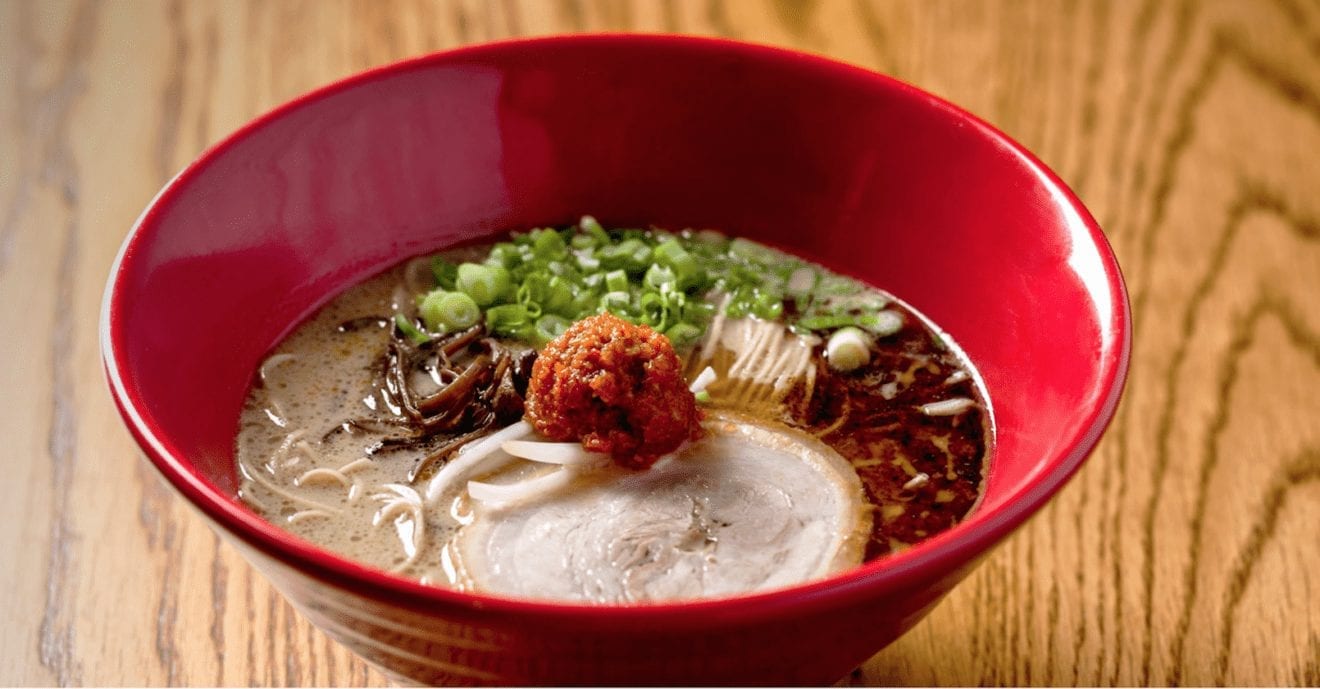
    Ramen restaurant chain Ippudo’s owner is expected to list shares on the Tokyo Stock Exchange as early as March.

    The total market value of the initial offering is projected to be around 30 billion yen (US$259 million).

    Chikaranomoto Holdings has about 60 Ippudo restaurants as well as other brands outside of Japan. It filed an initial listing application in December, which means approval could come next month. The listing is expected to let the group accelerate expansion in domestic and overseas markets.

    Company founder and chairman Shigemi Kawahara opened his first ramen shop in 1985 in Fukuoka Prefecture in southwestern Japan. The company posted group sales of 20.8 billion yen for the year through to March 2016, up 17 per cent from the previous year.

    Ippudo began expanding into foreign markets in 2008, establishing itself first in New York. The chain now has shops in China, France and other countries, and will open its first outlet in Myanmar soon.

    Inspired by New York’s cocktail bars, Chikaranomoto Holdings opened standing-style ramen shops in Tokyo and nearby areas last year, and it plans to open more in Kyushu soon.

    Ippudo also has five branches in the Philippines.

  • Prada Japan opens airport store

    Prada Japan opens airport store

    Italian fashion brand Prada Japan has opened a store in Narita International Airport’s Terminal, Tokyo.

    Covering about 200 sqm, the outlet offers women’s and men’s leather goods and accessories.

    Its facade on three sides is clad in black Marquinia marble, framing the light boxes. On the two opposite sides there are two large entrances.

    The three areas in the interior are defined by the signature black-and-white marble checkered flooring as well as a deep-green watercolour-painted canvas wall covering into which green marble shelves and glass display cabinets are set.

    A sitting area offers green velvet sofas and polished-steel and glass display counters.

  • Beijing flagship for Delvaux China

    Beijing flagship for Delvaux China

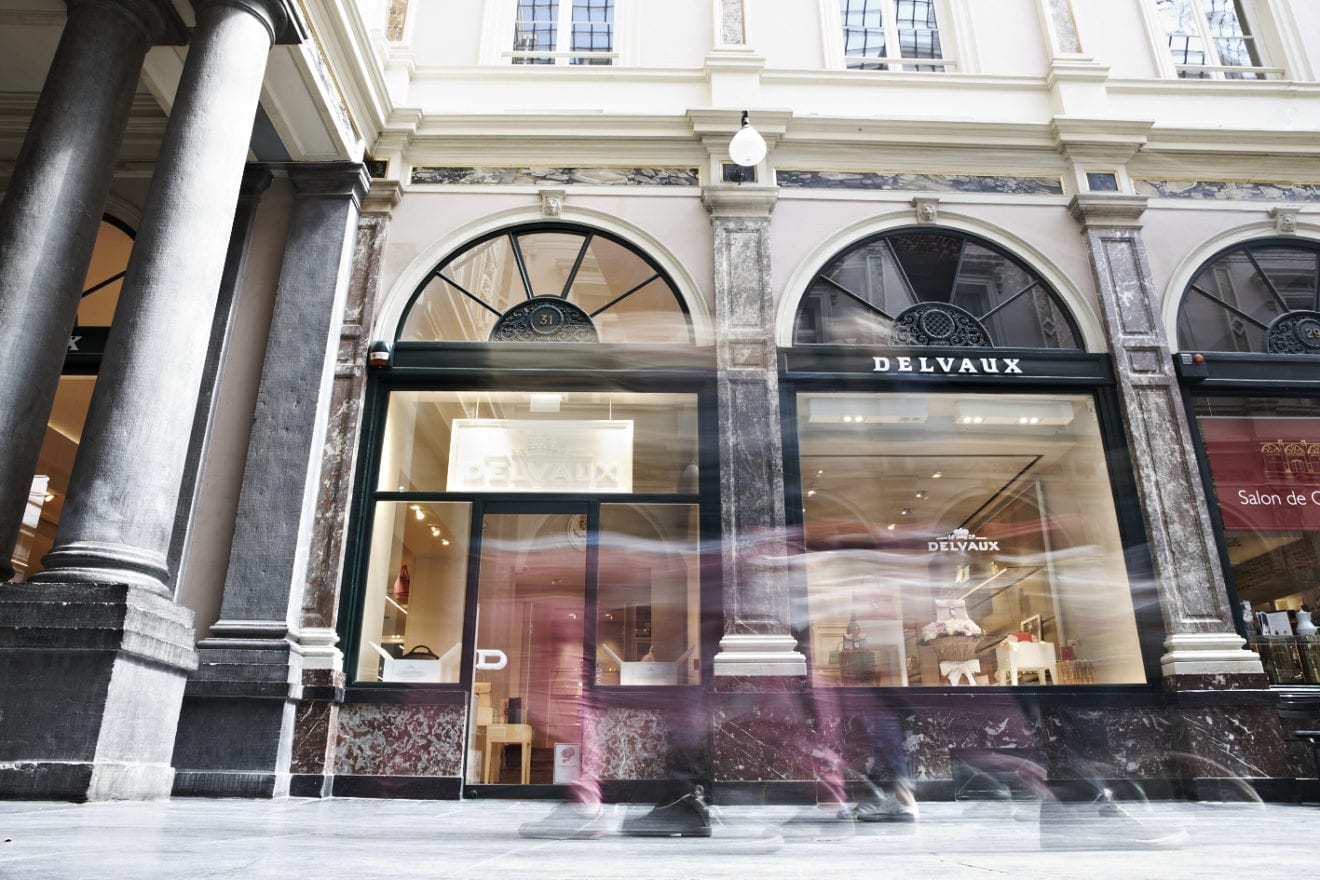
    Belgian handbag brand Delvaux China has opened a flagship store, in Taikoo Li shopping centre in Beijing’s Sanlitun district.

    Delvaux also has boutiques in Galeries Lafayette and the Yintai Center in the Chinese capital.

    Founded in 1829, the brand opened its first boutique in Hong Kong in 2014 after being acquired by Hong Kong investment group Fung Brands in 2011. It opened its first boutique in Hong Kong in 2014, followed the same year by its first Shanghai store, and a year later in Hangzhou and Beijing.

    delvaux-sanlitun-beijing-1

    When it broke into the China market, Delvaux CEO Marco Probst did not expect younger women to buy the bags.

    “Our Chinese clients were a big learning curve for us in the beginning,” he says. “We learned pretty quickly that you can have a 20-year-old girl buying a bag for $20,000, so the customer profile pretty much changed, putting the average age down to 25 to 30. Chinese clients are completely open and they learn so quickly.”

    delvaux-sanlitun-beijing-2

    Two floors

    Covering two floors, the boutique features an upstairs showroom with white walls and shelving plus white couches. For the launch, the showroom features red-leather bags to celebrate Chinese New Year.

    Probst says Delvaux hardly uses advertising campaigns, but gained a boost in interest when Korean actress Gianna Jun of the TV soap My Love from The Star was photographed carrying one of Delvaux’s Tempete bags.

    delvaux-sanlitun-beijing-3

    He says building up brand awareness in China has been achieved through “a slow, organic process” that relies mainly on word of mouth plus service that gives a feeling of exclusivity.

    Delvaux may close its Galeries Lafayette store and open one more in Shanghai and Chengdu for a total of six locations, then “that’s it”, says Probst, who is being careful about over-distributing the brand.

    Meanwhile, the new flagship features mainly classic pieces, as well as the new mostly gold end-of-year Poussiere d’Etoiles collection. Also available is a new sporty style bag, a nod to the athleisure trend in China.

  • Kura Sushi going suburban in Taiwan

    Kura Sushi going suburban in Taiwan

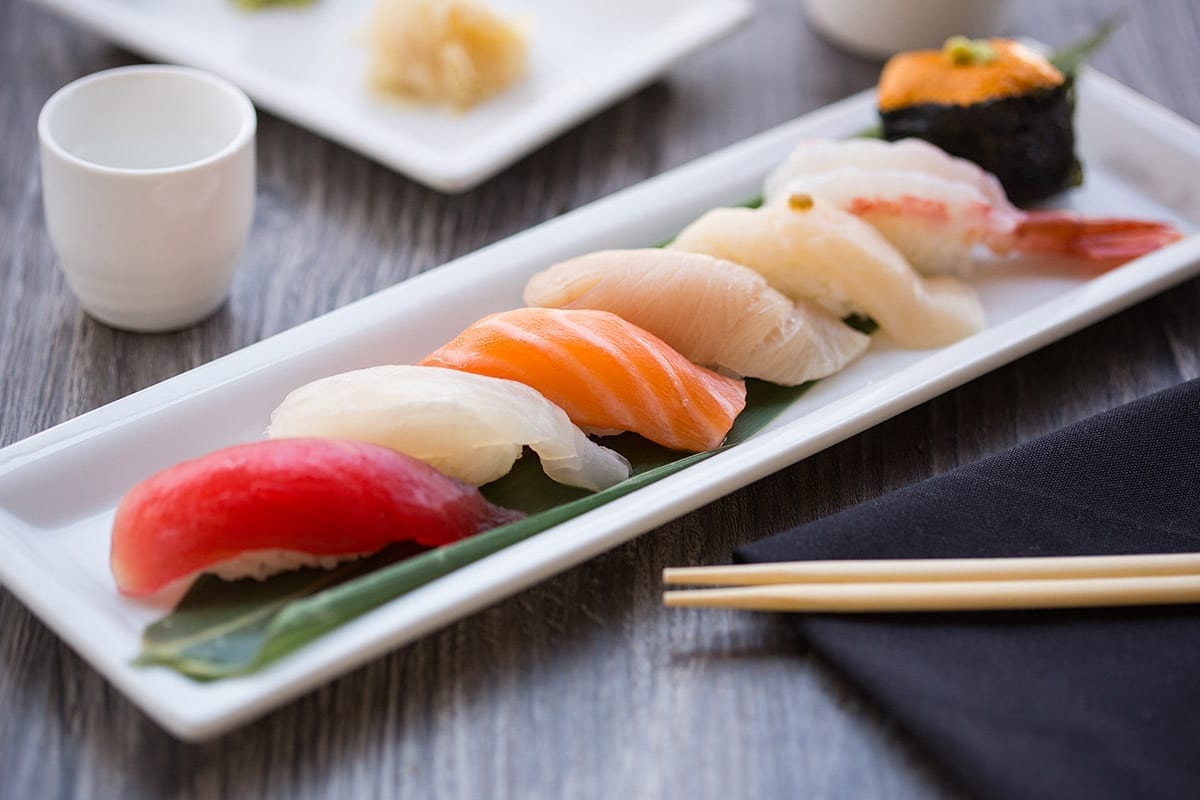
    Japan’s Kura Corporation plans to octuple the number of its Kura Sushi conveyor-belt restaurants in Taiwan to 40 by 2024.

    Its present five sushi-train restaurants are mainly in urban areas, but it plans to move to the suburbs with outlets along busy streets. It plans to open five restaurants this year.

    Kura opened its first restaurant outside Japan in Taiwan in 2014. The five outlets in Taiwan are smaller than their Japanese counterparts, with up to 30 per cent fewer seats. Kura shops in Japan can seat an average of 200 diners. However, on a per-restaurant basis, the group’s Taiwan revenue almost matches that of the outlets in Japan.

    kura-sushi-taiwan

    Reservations can be made online up to two weeks in advance, with the Taiwan restaurants usually fully booked for lunch and dinner.

    With rents rising almost every year in Taiwan as land prices surge, Kura has decided to switch its expansion focus to the suburbs where long-term contracts are still possible. Kura Taiwan president Kentaro Nishikawa also says there are “many more benefits out there”.

    While the Taiwan division only broke even in its last fiscal year, it expects to turn a profit this year.

    Nishikawa says it is hard to manage restaurants that sell alcoholic beverages in Taiwan because Taiwanese usually spend little on dining out and do not drink much. He says many customers come in groups and stay for conversation long after finishing their meals.

    He says Kura will add curry rice using vinegared rice, plus other dishes to its menus in Taiwan. It will also differentiate the Taiwan restaurants from the Japan chain by offering fresh fish bought from local markets and cut in front of the customer.

    Kura also has restaurants in the US and is looking to spread to other countries.

  • Bake Kyoto outlet features Lego counter

    Bake Kyoto outlet features Lego counter

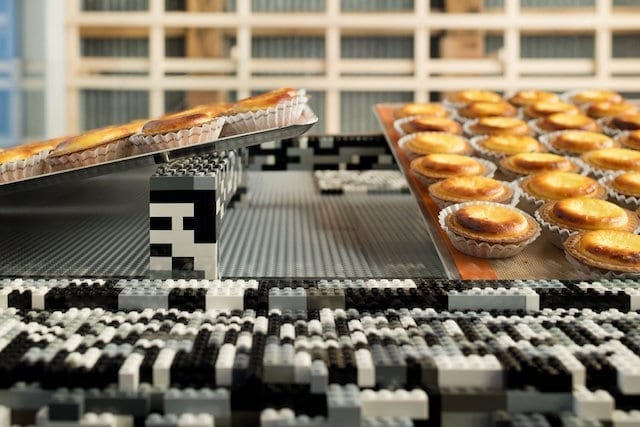
    A counter made from monotone Lego toy building bricks is a feature of Japanese cheese-tart shop Bake  Kyoto’s new outlet.

    Tokyo-based designer Yusuke Seki uses the counter as a centrepiece of the new store to display its products. It joins other new Bake stores that feature a sunset-hued acrylic counter and bespoke aluminium tiles.

    bake-kyoto-outlet-features-lego-counter-1

    Seki says he chose to use Lego pieces as his main material “because it connects to visitors”.

    “This architectural fabric serves as the shared language of communication between those whose spoken language may differ,” he says. “Its appeal is universal, intuitive, and its attraction felt by nearly every generation. It evokes a sense of intimacy, creating a moment that connects people to this space.”

    bake-kyoto-outlet-features-lego-counter-3

    A second, complementary feature of the store is a lattice framework lining the walls on either side of the counter, reports DeZeen.com. The latticework uses a bamboo technique known as shitajimado, which is traditionally used on the windows of Japanese teahouses. Seki has put a contemporary spin on the classic technique, using a pale wood overlaid on partially exposed walls.

    bake-kyoto-outlet-features-lego-counter-8

    bake-kyoto-outlet-features-lego-counter-6

    bake-kyoto-outlet-features-lego-counter-7

    “Left partially exposed, these walls allow customers to interact with a new iteration of tradition, while simultaneously encouraging an interaction with the older exterior wall cladding,” says the designer. “The store is thereby given a firm sense of place, reverberating with a reverence for the region.”

    bake-kyoto-outlet-features-lego-counter-4

    An open kitchen in the back, where the cheese tarts are baked, is another feature. A shelf on one side of the room holds stacks of Bake’s bright yellow takeaway boxes.

    Seki founded his studio in 2008, and his shop interiors are minimalist, often featuring cement and pale wood. His shops include a hand-forged knife specialist and a kimono store.

    Photos: Takumi Ota.

  • Aeon Vietnam launches online store

    Aeon Vietnam launches online store

    Aeon Vietnam has launched an online store, AeonEshop.com, offering discounted Japanese goods and local brands.

    The Japanese-headquartered retailer says its AeonEshop.com B2C platform in Vietnam will stock a majority of Japanese and imported products, along with Aeon’s own brand Topvalu which has been available at its physical stores nationwide.

    Products span various categories, including fashion, cosmetics, furniture, electronics, household items, food and office stationery.

    Similar to Aeon’s other eCommerce sites in the region, AeonEshop will provide discounts up to 50 per cent for specific product types.

    Ho Chi Minh City is the first market for AeonEshop with other Vietnamese cities to follow in the near future. The company plans to develop an English-language version and mobile app by mid-2017.

    Male hands using touch screen device for online shopping

    Vietnam is the third market where Aeon has established online retail, after Japan and Malaysia.

    At the end of 2016, Korean retail giant Lotte also launched its online store Lotte.vn, targeting a share of the US$4 billion local online retail market.

    Fabrice Carrasco, MD of market research house Kantar World, predicts the figure will grow five-fold by 2020 thanks to the development of smartphone usage and consumer convenience.

  • Sompo Insurance eyes retail customers

    Sompo Insurance eyes retail customers

    Sompo Insurance (Thailand) is embracing innovation and digital channels as key strategies to build brand awareness among individual Thais, who are a new customer base for the Japan-based firm, which aims to be in the top 10 in Thailand’s |insurance market by 2020.

    Sompo Insurance eyes retail customers

    Sompo Insurance, formerly known as Sompo Japan Nipponkoa Insurance (Thailand), is focusing more on retail customers after securing a strong corporate base, mainly Japanese firms operating in Thailand.

    The company has been in Thailand for 19 years, tapping only corporate clients before starting to expand |its customer base to |individuals three years ago with motor insurance by partnering with Japanese auto companies.

    Chief executive officer Isorasak Thesratanavong said yesterday that motor insurance was the largest |segment for the insurance business in Thailand, so if his firm wants to expand its retail base, it needs to offer such policies.

    Another strategy is travel |insurance. This year Sompo’s retail customers are expected to generate 30 per cent of total premium income of Bt3 billion, but if the company wants to promote its brand |awareness to Thai customers, |travel insurance should help, because Japan is the No 1 destination of Thai tourists.

    The company yesterday |introduced a travel-insurance policy called Sompo Go Japan. Customers can buy the policy at traveljoy.sompo.co.th, after which the company will send an SMS link to |their mobile device. The |customers will then receive the |policy in a PDF file on their mobile.

    The company has added |threefeatures to its travel insurance. Sompo Assist helps policyholders contact hospitals in Japan and make appointments with them. Thai policyholders are not required to pay medical expenses to the hospital when they use its services, Isorasak said.

    Recognising the growing digital trend in Thailand and as a new player in the retail market, Sompo believes that innovation and digital channels will help it rise into the top 10 and sustain annual premium-income growth of 15 per cent. Its corporate-customer base might not grow much as before, and the company estimates that premium income from corporate clients will grow by no more than 5 per cent as Thailand has been spared any major disasters, reducing premiums of industrial all risks (IAR) by 20 per cent in 2017.

    Cyber insurance considered

    The company is discussing with its headquarters in Japan the possibility of offering cyber insurance to |corporates in Thailand as the risk of cyber-attacks rises from the growing use of digital technology, Isorasak said.

    Premium income from retail customers is expected to grow by 15-18 per cent a year, and if Sompo can retain this growth, its retail base will be contributing half of its premium income by 2020, he said.

    Sompo Group in Japan sees Thailand as a hub for its business in Cambodia, Laos, Myanmar and Vietnam, so it is ready to inject |investment capital to use this country as a springboard for investment in those countries, he added.

    Sompo Thailand has been assigned by its headquarters in Japan to cover Japanese investors in Laos.

  • Retail sales in Japan rise by 1.7 percent

    As per industrial data released on Wednesday, Japan has witnessed economical growth after months of stagnation. The country’s industrial output increased 1.5 percent on month, and inventories fell 1.5 percent on month and 4.8 percent on-year.

    Japan’s retail sales also rose by 1.7 percent on-year in November, however, sales of large retailers were down by 0.3 percent on year. The manufacturing industry is meanwhile expected to grow 2 percent in December and 2.2 percent in January.

    The country released revised figures earlier this month, showcasing that its gross domestic product (GDP) for the July-to-September quarter grew 1.3 percent on-year.

    Izumi Devalier, Head of Japan economics at Bank of America-Merrill Lynch said, “We’re now down to levels we saw pretty much at the time of the VAT value-added tax hike. So, inventories are very lean, which means that we should some pretty strong production numbers in the months ahead.”

    “While domestic demand still lacks strength, a pick-up in exports is driving up production. Output will likely continue recovering moderately ahead,” said Takeshi Minami, Chief Economist at Norinchukin Research Institute.

    Growth in exports and factory outputs is offering the country’s economy a boost, while also encouraging policymakers to pull the country’s economy from stagnation.

    Further, the data released showed that Japan’s core consumer price index including oil products dropped 0.4 percent on-year.

    Such a drop has been recorded for the ninth straight month in November.

  • Balenciaga opens Osaka pop-up

    Balenciaga opens Osaka pop-up

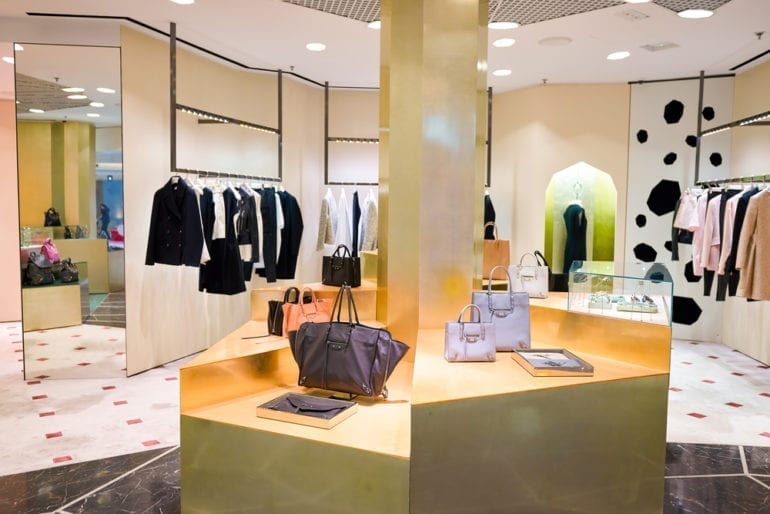
    French fashion maison Balenciaga has opened a new pop-up store in Osaka, adding to the five standalone boutiques already retailing in the Japanese city.

    The Parisian label has its sights set on pushing its newest ‘it’ handbag – the Bazar Shopping Bag – onto the Japanese clientele.

    The new Osaka pop-up shop will house the original Bazar Shopping from the latest collection, as well as holiday and resort versions. Also for sale are pouch and wallet versions of the bag.

    The colourful tote bag, designed by Demna Gsvalia, featured in Balenciaga’s Autumn/Winter 2016 collection. The Bazar Shopping Bag — already a hit with fashionistas such as Pernille Teisbaek, the co-founder and creative director at Social Zoo Direct — is part of Gvsalia’s first accessory line since taking the helm of Balenciaga this year.

    Despite being compared to a heavy-duty laundrette carryall, the Balenciaga accessory retails for a whopping £975 per unit and has been hailed a best-seller on major fashion e-platforms Net-a-Porter and MatchesFashion.com.

    Balenciaga is known for ‘it’ bags, since the Arena handbag, designed by Nicholas Ghesquire over ten years ago.

    The pop-up shop is located within a portion of the Hankyu department store in Osaka. It is open from now until the end of December.

  • Toyota recalls 18,757 Lexus cars

    Toyota recalls 18,757 Lexus cars

    Russian standards agency Rosstandart said on Monday it had been informed about a voluntary recall by Toyota of 18,757 Lexus NX 200, NX 200t and NX 300h cars which had a fault in their braking systems.

    The recall affected cars sold after Sept. 11 2014, the agency said in a statement.

  • First step in Taiwan for Ramen Iroha

    First step in Taiwan for Ramen Iroha

    Japanese restaurant chain Ramen Iroha has opened its first outlet in Taiwan.

    The Ramen Iroha Taiwan restaurant is a joint venture with local partner I-Mei Food which is sourcing ramen ingredients free from additives and chemical residues, and so appeal to health-conscious diners.

    Ramen Iroha, ranked number one in sales for three consecutive years in 2009, 2010 and 2011 at Tokyo Ramen Show, is gradually building a network of restaurants globally, with local partners. It recently opened in Hong Kong’s Causeway Bay.

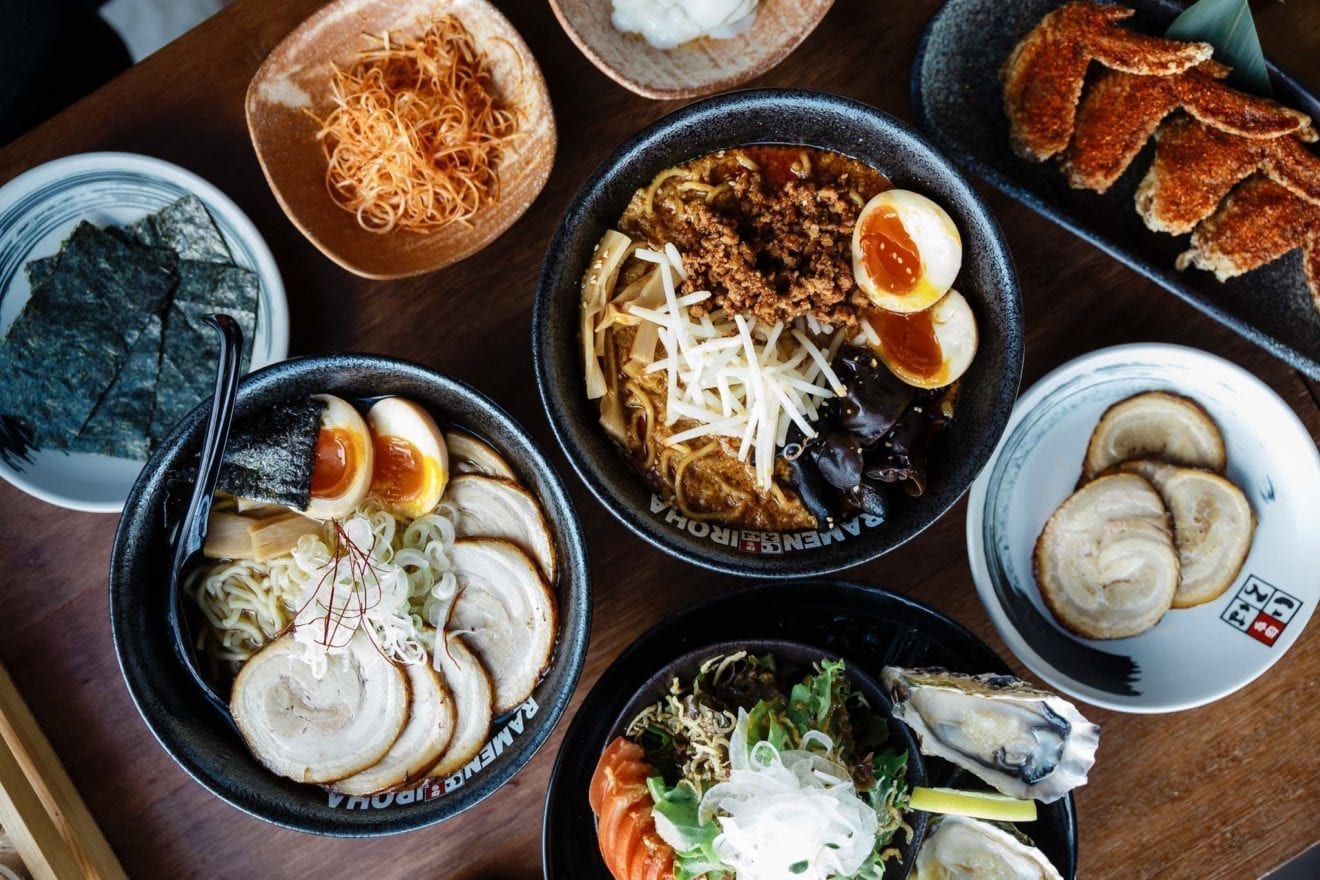
    Signature dishes include ramen in black soy sauce and ramen with scallion and partially cooked eggs. One of the special features of its noodles is that the ramen is prepared in comparatively mild-flavour.

    The new Taiwan store is located on a street corner near Hsinchu Science Park at No 103 in Ziqiang South Road, Zhubei City, Hsinchu County.

  • Japanese department store facing downturn

    Japanese department store facing downturn

    Japanese department store sales fell 2.4 per cent in November, year-on-year, the ninth consecutive monthly decline.

    The Japan Department Stores Association reported total sales at 234 outlets run by 81 companies were ¥525.7 billion, (US$4.47 billion). It said it expected an improvement in December’s sales data as consumers enjoyed an end-of-year shopping spree.

    November was the third consecutive month when the rate of decline had narrowed. October’s same-store sales fell 6.5 per cent.

    The JDSA says most categories posted sales declines – with the notable exception of cosmetics.

    Meanwhile, the Japan Franchise Association says convenience store sales in November increased 0.5 per cent year on year to ¥773.4 billion (US$6.58 billion), the second consecutive monthly improvement.