Tag: Japan

  • Japanese denim brand EVISU Buys Back the Retailing Rights in China for US$40 Million

    Japanese denim brand EVISU Buys Back the Retailing Rights in China for US$40 Million

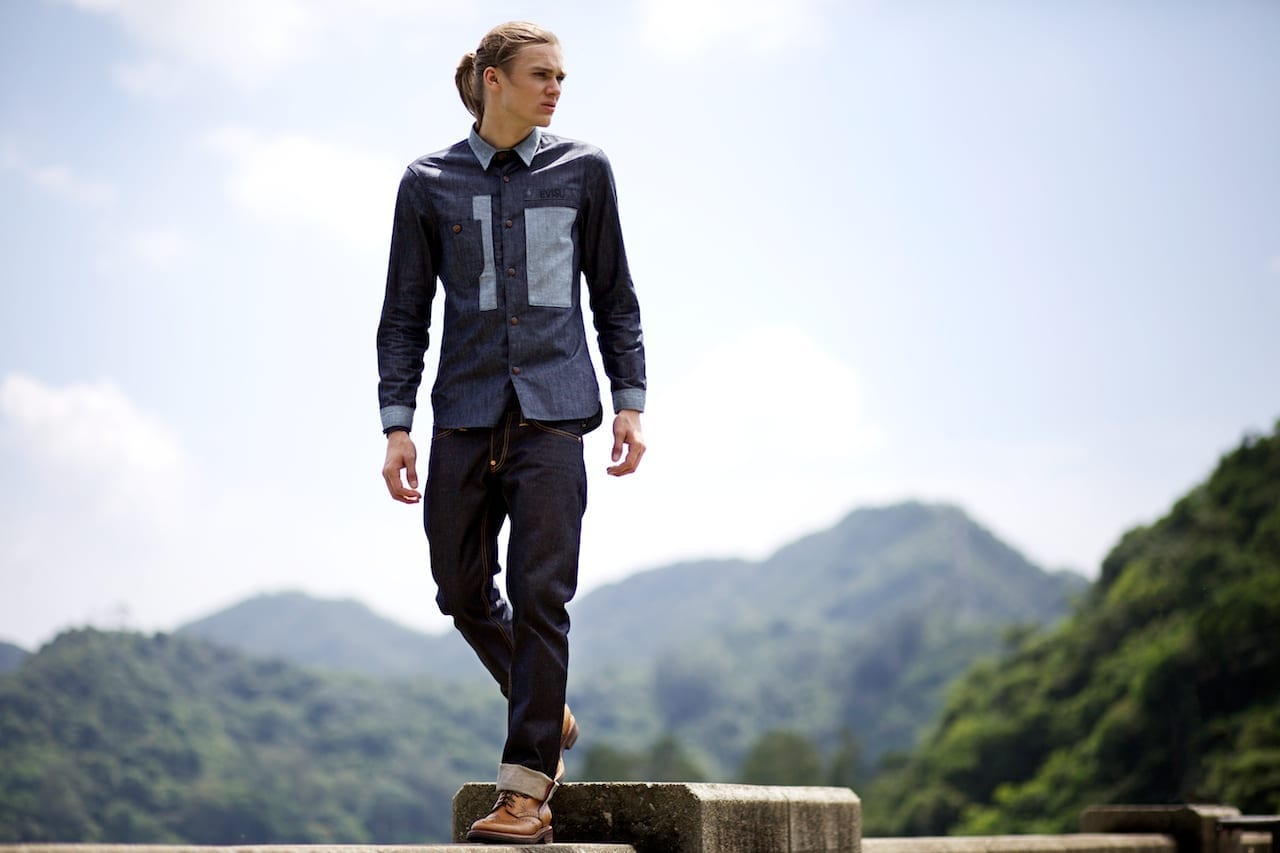
    Japanese premium denim brand EVISU Group Limited announced the buy-back of the retailing and franchising rights for the China market.

    EVISU Group Limited, the parent company, has reinvested alongside Cassia Investments, a consumer-focused private equity fund, to buy back the interest from New Elegant Trading (Shanghai) Co. Ltd, the joint venture partner in China financially supported by IDG Capital. Acquisition consideration is US$40 Million. David Pun, Chairman and CEO of EVISU Group Limited, will remain the majority shareholder.

    David Pun expressed his excitement about this latest development, “The company made concerted efforts with its China joint venture partner over the past few years to establish brand awareness and secure a footing in China. We think this is an ideal time for the company to integrate its regional China business with headquarters to pursuit the brand’s global objectives in the coming years.”

    In the meantime, EVISU is seeking business expansion globally by forging distribution partnerships for the U.S. and Europe markets. The brand will step up product extensions like EVISUKURO, the latest athleisure collection, and maintain product exclusivity through focused management of wholesale distributors.

  • Muji next expansion plan

    Muji next expansion plan

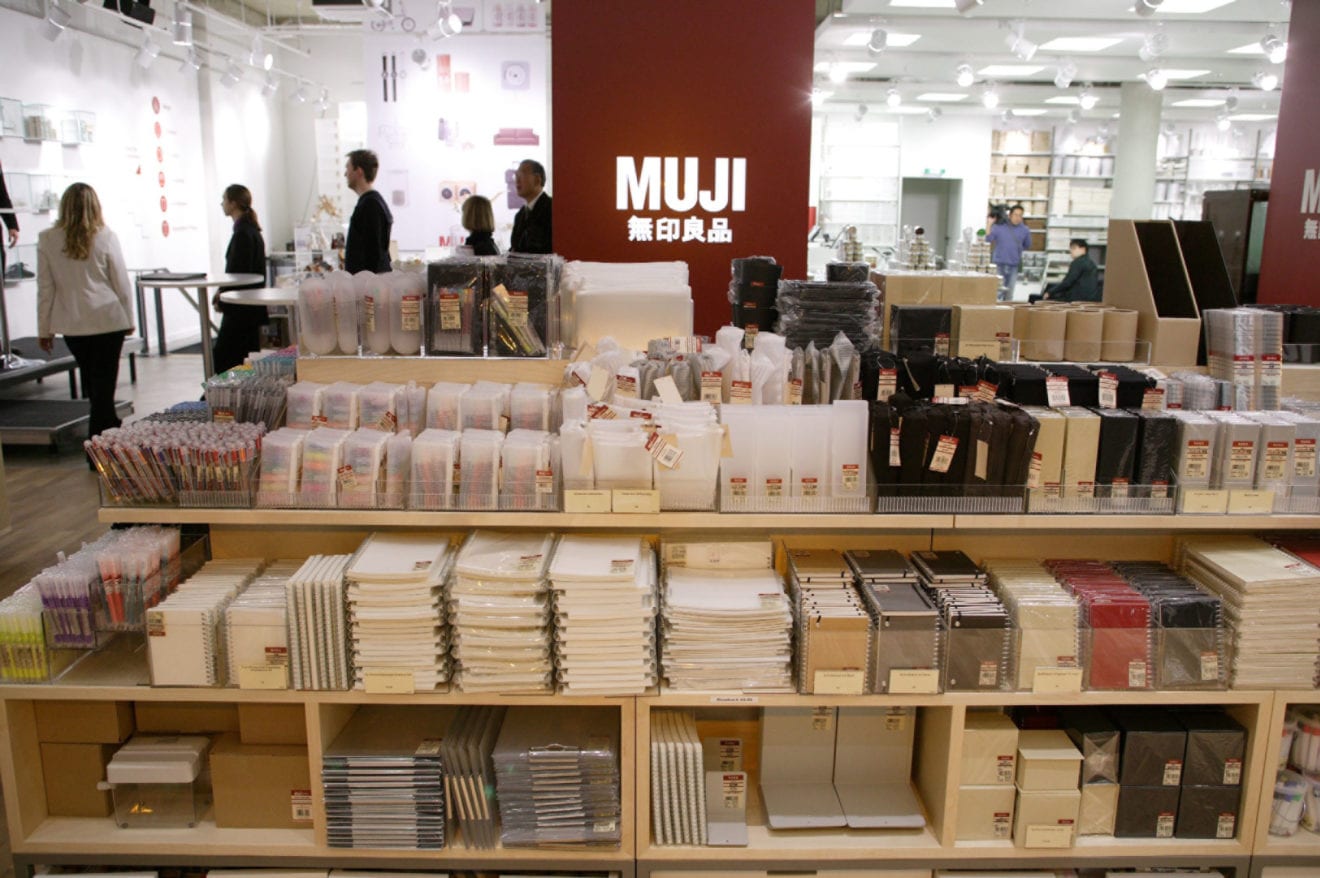
    Japanese lifestyle clothing and accessories brand Muji Canada is expected to expand to Vancouver next year.

    Known for its minimalist approach, Muji already has three stores in Toronto. It has about 300 stores outside Japan.

    Vancouver’s retail sector continues to outperform other Canadian markets with annual sales-per-square-foot at more than C$1000 (US$762). Toronto is second at about C$860.

    “Vancouver is a very young retail market and many brands have not yet opened street stores,” says real-estate group CBRE executive VP for retail in Vancouver Mario Negris. “We anticipate a vast number of new entrants into the downtown retail landscape.”

    Most brands entering Canada have their first outlets at Toronto’s Yorkdale Shopping Centre and Eaton Centre, says the Vancouver Sun. This is because of Vancouver’s relative lack of space.

    Brands such as Forever 21 and Victoria’s Secret actually made their Canadian debut in Alberta, while Vancouver is the preferred entry point for luxury brands such as Berluti, Jaeger-LeCoultre, Rolex and St Laurent.

    Other brands reportedly lining up to open in Vancouver next year include coffee boutique Nespresso and H&M’s Cos brand.

  • Apple Korea targets 15pc market share

    Apple Korea targets 15pc market share

    Apple Korea is going head on to Samsung on its home turf, on target to sell 2.9 million iPhones in South Korea this year, giving it a market share of about 15 per cent.

    At the end of last month it had sold 2.6 million iPhones, and is forecasting improved results for the year. Its operating profit has reached more than KRW800 billion (US$684 million) on revenue of KRW3 trillion, according to Yonhap News Agency.

    Sales of iPhones account for more than 75 per cent of Apple’s revenue in Korea, sources say. It launched the iPhone 7 in October with the opportunity to take share from market leader Samsung after its Galaxy Note 7 debacle.

    On top of that, the Cupertino-based tech company is building its first flagship retail store in Seoul, expected to be completed next November, right across the street from Samsung’s headquarters.

    Apple’s market share in Korea peaked at 33 per cent in the fourth quarter of 2014 following the launch of the iPhone 6, according to Counterpoint. Samsung and LG now have a combined market share of more than 80 per cent. LG had a 19 per cent market share in the second quarter of this year.

    South Korea and Japan, where the iPhone had more than a 50 per share for the three-month period ending October 30, are rare growth markets in Asia for Apple. Its iPhone shipments in China plunged 31 per cent to 7.5 million units in the third quarter, with market share falling to 6.2 from 10.3 per cent, according to Strategy Analytics.

    Apple reportedly reduced orders from component suppliers for its iPhone 7 models early this month because of demand being weaker than expected in many markets, including China.

  • Dover Street Market Singapore to open in 2017

    Dover Street Market Singapore to open in 2017

    Dover Street Market Singapore will debut at Tanglin Village early next year, marking the fashion brand’s fourth global site.

    To be known as DSM Singapore, the hip Japanese concept will sell a curated range of labels.

    Founded by 74-year-old Japanese fashion designer Rei Kawakubo, who also founded Comme des Garcons, the outlet follows stores in London, New York and Tokyo.

    In the upmarket Dempsey area, DSM Singapore is expected to be a highlight of the Tanglin Village renovation project Como Dempsey, which takes over the space vacated by Chang Korean BBQ Restaurant and antique store Shang Antique. The complex will also house a concept restaurant and bar by French restaurateur Jean-Georges Vongerichten.

  • Charles & Keith Japan stores close

    Charles & Keith Japan stores close

    Singapore-headquartered footwear brand Charles & Keith says it will close all its Japanese locations.

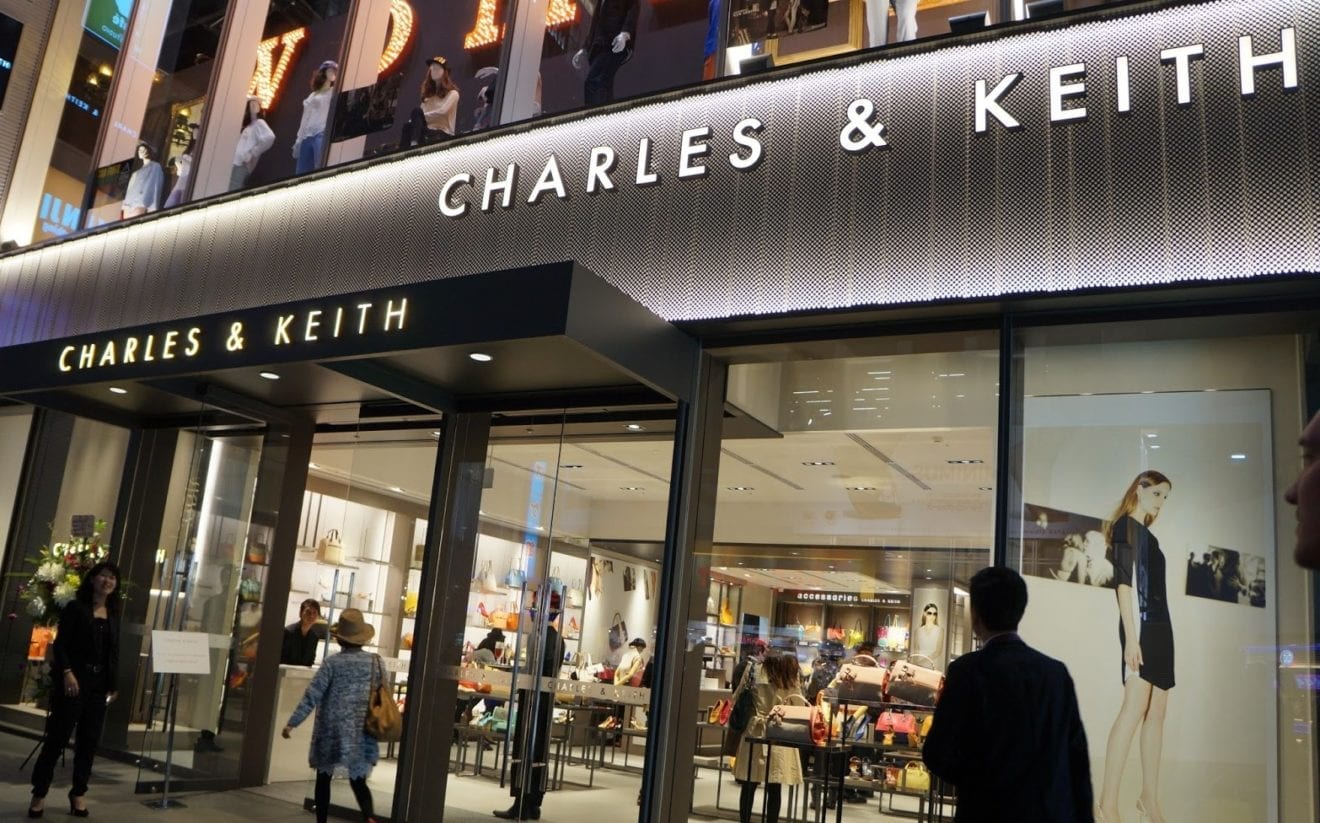
    According to a report published by Fashion Network, Charles & Keith Japan has already closed 13 stores in Tokyo, Osaka, Nagoya, and Hakata, with the flagship in Harajuku (pictured) scheduled to close on December 31.

    The company reportedly wants to focus on its eCommerce offer and other Asian markets closer to home.

    The Charles & Keith website is close for an overhaul on December 26 before being relaunched in Spring.

    The brainchild of brothers Keith and Charles Wong, the 20-year old brand specialises in quality footwear at affordable pricing. It currently sells in Asia, Africa and Europe.

  • DHL invests in new e-commerce distribution centre at Narita, Japan

    DHL invests in new e-commerce distribution centre at Narita, Japan

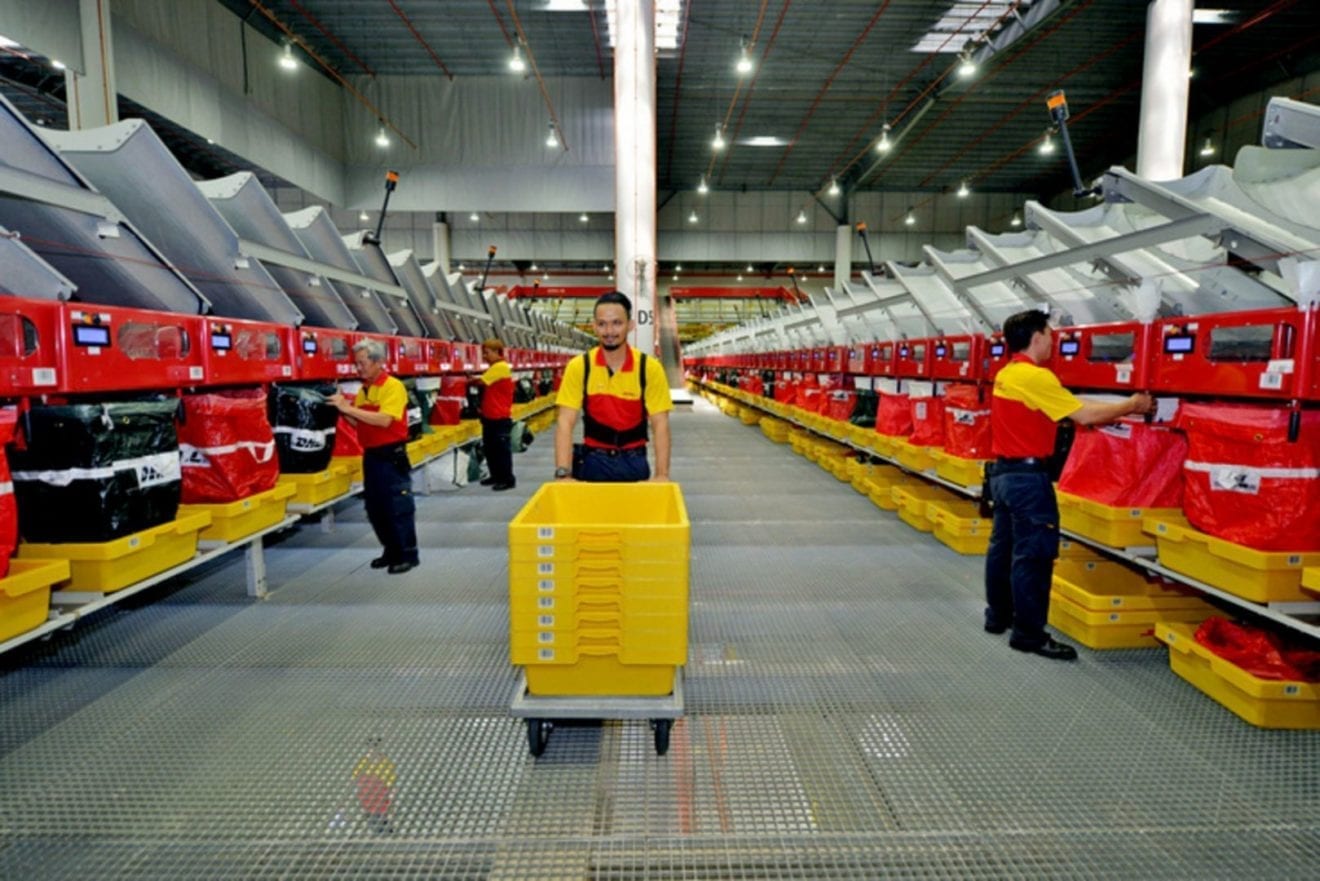
    DHL eCommerce has announced plans to build an Outbound Cross-Border eCommerce Distribution Center in Narita, Japan. The facility, expected to be completed by by April 2017, will broaden the range of e-commerce logistics services available to e-tailers and marketplaces operating in the country.

    New shipping products specifically designed for e-tailers will offer greater choices to reach consumers in Europe, the US and the UK, DHL said. Focused on reliability and value-for-money, the services are tailored according to the unique needs of e-tailers and marketplaces in the Japanese market. This latest development by DHL eCommerce will help drive Japan’s booming cross-border e-commerce market, which is growing at a CAGR of 16 per cent and estimated to hit over €1.1 billion in 2018.

    DHL Parcel International Direct, a cross-border shipping product, will offer affordable deliveries from Japan to the US and the UK, DHL said, adding that this product promises transit times of 4-6 business days, a game changer in the current Japanese logistics landscape. Another cross-border shipping product, DHL GlobalMail Packet Plus will offer the best rates for Japan – Europedeliveries, with transit times of 5 to 10 business days and a high degree of visibility into the status of packages.

    These products will help Japanese e-tailers handle the increasing pressure when it comes to servicing more overseas customers, making timely deliveries, and keeping operating costs low. Major marketplaces will also be better equipped to handle rising volumes of e-commerce deliveries and offer Japanese e-tailers a global reach and value-added services.

    With an estimated cross-border e-commerce value of €38.5 billion, the US is one the top export destinations for Japan’s e-commerce products. Roughly 25 per cent of digital shoppers in the country have made a cross-border purchase in the past 12 months. Europe also presents a tremendous opportunity for Japanese e-tailers. There are currently 303.1 million digital buyers in the region and total e-commerce sales volume has hit €349.4 billion.

    “We are seeing incredible growth in the Japanese cross-border e-commerce market and look forward to helping local players surmount their challenges. Our solutions offer easy one-stop gateway services for e-tailers, enabling them to deliver greater customer experiences while remaining in control of their costs. In addition, we will help them connect with overseas markets by partnering with popular marketplaces to deliver reliable services with a global reach,” said Yoshihiko Sasaki , managing director, DHL eCommerce Japan.

    The distribution centre will be co-located with the Japan Global Distribution Center in Narita established by one of DHL’s divisions. Leveraging a cross-divisional approach, this will help bring Japanese e-tailers to more customers overseas, and enable them to also tap into comprehensive supply chain solutions. This means that customers who utilise the new DHL eCommerce offerings will get access to more in-depth supply chain expertise and an extensive logistics network that serves over 220 countries and territories globally.

    “The power of e-commerce lies in its ability to break physical barriers. E-commerce companies are not limited by geographical borders and have the flexibility to offer services and products to customers in other countries. By combining the deep understanding of the Japanese market which DHL eCommerce has, with the warehousing and transport management capabilities of our sister division, we will be able to explore operations such as fulfilment as part of a global partnership for our customers,” added Sasaki.

    The expansion plans in Japan are part of a larger Asia Pacific strategy by DHL eCommerce. The company also recently revealed its €70 million investment in India to boost the capabilities of the Delhi and Mumbai air hubs to enhance B2C e-commerce delivery in India .

    In June 2016 , DHL eCommerce announced that it will grow its overall presence in China by 50 per cent, with the expansion of the distribution centres in Shenzhen, Shanghai and Hong Kong. Along with the huge growth of e-commerce in China , the distribution centres will enable maximum volumes of over 130 million shipments a year combined.

    Earlier in January 2016 , DHL eCommerce launched domestic delivery operations in Thailand and announced plans to double its fleet and number of depots by 2017. Thailand, with its tremendous growth potential, fast e-commerce adoption, and high smartphone penetration rates, was identified as the first Southeast Asian country to launch the DHL eCommerce domestic delivery service – in line with the Group’s Strategy 2020.

  • China expansion plan for Nitori Holdings

    China expansion plan for Nitori Holdings

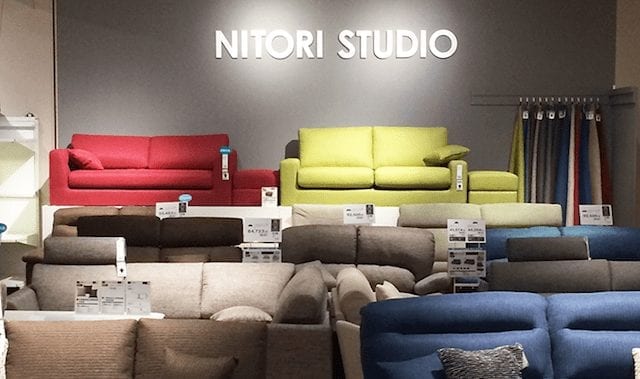
    Japanese furniture and home-accessory retailer Nitori Holdings is ramping up its presence in China to kick-start its global expansion.

    It plans to open add more than eight outlets in 2018 to its present 10.

    Nitori aims to have 2000 stores overseas as well as 1000 at home by 2032. It now has 41 stores abroad and 420 in Japan. Nitori opened its first overseas outlet in Taiwan in 2007, where it now has 26 stores. It also has five stores in the US.

    China is the main focus of its international expansion strategy, with plans for 1000 to 1500 outlets. It intends to initially concentrate in the cities of Shanghai and Wuhan to quickly boost its brand profile and establish dominance.

    Other options are also being explored in China, including online retailing and package offerings of home furniture.

    nitori-studio-1

    Monthly sales in China, where its first store was opened in Wuhan in 2014, have continued to exceed year-earlier levels by about 20 per cent for past several months. The Chinese outlets have prices similar to those in its Japanese stores as the company does not add tariffs to price tags and economises on logistics.

    In Taiwan its stores took six years to achieve profitability, while its business in the US is still in the red.

    Meanwhile, a new outlet in Tokyo’s Takashimaya Times Square commercial complex in Shinjuku is targeting overseas tourists, serving as “a starting point of our brand recognition” among overseas customers, says Nitori Holdings senior MD Fumihiro Sudo.

  • Gucci Roppongi designed by Gucci

    Gucci Roppongi designed by Gucci

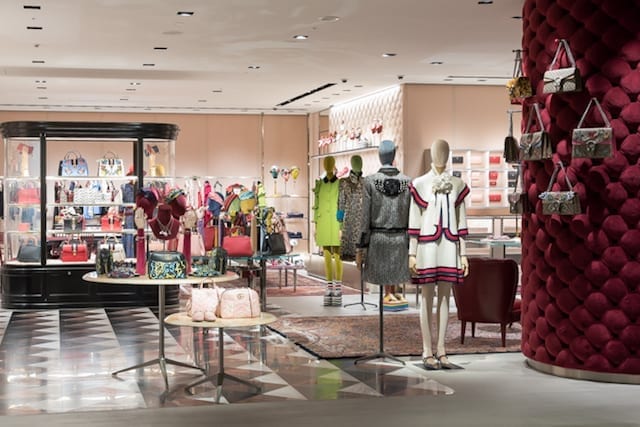
    Just opened, Gucci Roppongi in Tokyo is the first-ever Japanese flagship store designed by Alessandro Michele, the Italian fashion brand’s creative director.

    gucci-new-flagship-store-tokyo-at-roppongi-hills-3

    Covering 228 sqm, the store is in Westwalk Roppongi, Minato-ku.

    gucci-new-flagship-store-tokyo-at-roppongi-hills-2

    It features both women’s and men’s collections including ready-to-wear, footwear, handbags, luggage, accessories and jewellery.

    There are also special items such as exotic clutches and rare Gucci handbags exclusive to the boutique.

  • Asahi Shuzo sake collaborating with chef

    Asahi Shuzo sake collaborating with chef

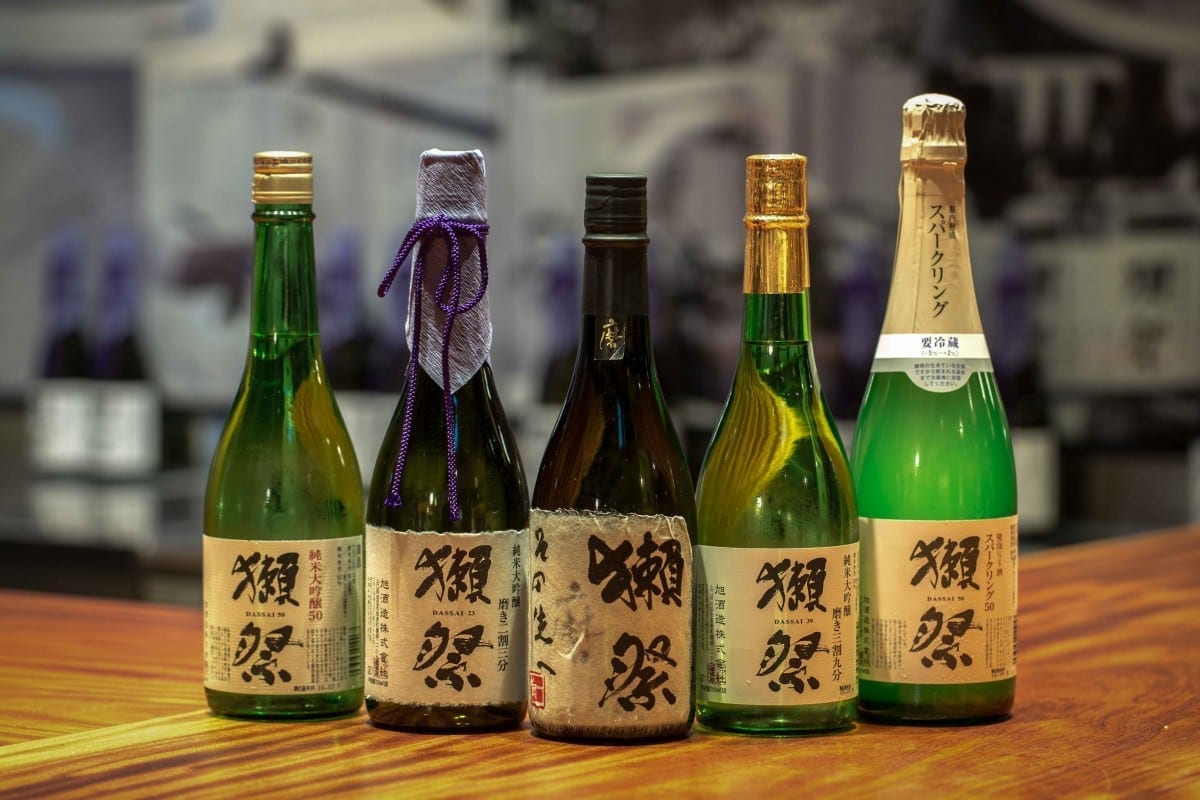
    Japanese sake maker Asahi Shuzo plans to open a shop in Paris next year in collaboration with French chef Joel Robuchon.

    It will have a bar featuring Dassai sake, with Robuchon overseeing a restaurant that will pair the rice wine with French cuisine.

    It is rare for a domestic sake brewery to open a shop overseas.
    Visiting Tokyo, Robuchon said that Dassai – made in Iwakuni, Yamaguchi prefecture – goes well with his dishes.

    “We want to attract people who do not have any particular interest in Japan,” says Asahi Shuzo president Kazuhiro Sakurai about the restaurant venture. ‘We hope to expand the scope of Japanese food and blend it with local culture.”

    Asahi Shuzo and Robuchon will jointly manage the Paris restaurant. The sake maker originally planned to open an outlet in the French capital two years ago.

  • Japan tech firms start Lao PDR data center project

    Japan tech firms start Lao PDR data center project

    Toyota Tsusho, Internet Initiative Japan, and Mitsubishi UFJ Morgan Stanley Securities announced the start of a joint demonstration project in the Lao PDR.

    The firms said the project is aimed at evaluating the effectiveness of greenhouse gas emission reduction effect and energy efficiency using advanced container-type data center technology.

    Lao PDR’s first government-operated eco data center was completed in Vientiane on November.

    With integrated cloud infrastructure and security solutions, the new data center will serve as a cornerstone of Lao PDR’s IT foundation and contribute to the development of e-government applications for their people.

    Additionally, the data center will be utilized for training future generations of IT engineers, industrial development and for a broad range of other initiatives. By operating the data center, the Lao PDR government also aims to strengthen its IT governance.

    This data center is also expected to serve as a springboard for the maturation of the local IT industry, encouraging Japanese-related companies to expand their IT business in the country.

    The highly energy efficient data center leverages IIJ’s IT/cooling all-in-one packaged design “co-IZmo/I.”

    This design approach made it possible to complete the data center in just 7 months after construction began in May 2016 (about one-third the time typically required for conventional building-type data centers).

    This project is conducted on the basis of the commission by the New Energy and Industrial Technology Development Organization (NEDO), as part of its Global Warming Mitigation Technology Promotion Project selected in July 2015.

    The governments of Japan and Lao PDR have signed the bilateral document concerning the Joint Crediting Mechanism.

  • Sagawa to buy Vietnamese delivery service

    Sagawa to buy Vietnamese delivery service

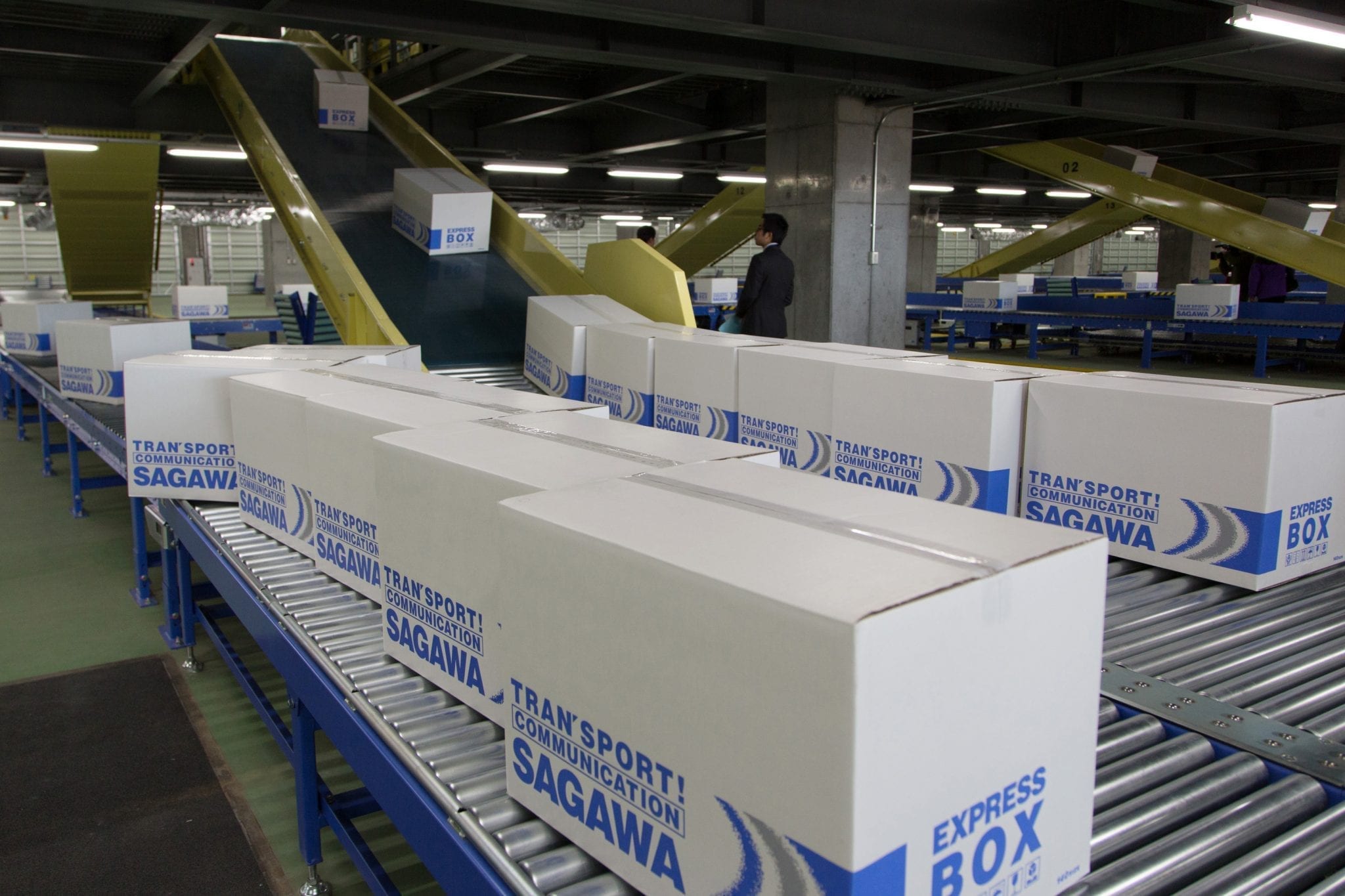
    The Sagawa group will acquire Phat Loc Express, Vietnam’s fifth-largest delivery service, gaining a foothold to expand operations nationwide as online shopping continues to grow.

    Japan’s SG Holdings, the parent of Sagawa Express, will buy all of Phat Loc’s shares from management. The Vietnamese company was established in 2001 and has about 1,200 employees. Its roughly 60 branches cover deliveries in the entire country. Phat Loc logged sales of over $9 million in 2015, and the purchase price likely will be a similar amount. With a market share of just a few percent, the company is dwarfed by Vietnam’s two major delivery services.

    SG Holdings began deliveries in Vietnam via a local subsidiary in 2012. The company handles its own deliveries in Ho Chi Minh City and Hanoi but contracts local businesses for other regions. The purchase of Phat Loc will let SG Holdings expand service nationwide.

    Vietnam’s service quality remains rather low, and packages sometimes arrive late or damaged. The Sagawa group will tap its Japanese know-how to try to boost the quality of Phat Loc’s service in order to challenge Vietnam’s delivery leaders.

    SG Holdings teamed with major Vietnamese real estate and retail company Vingroup in November. The Japanese business will deliver products for the group’s supermarkets and convenience stores. The delivery company is accelerating its Southeast Asian expansion, partnering this year with companies in Indonesia and the Philippines.

  • Japanese food products flood Vietnam market

    Japanese food products flood Vietnam market

    Takimoto Koji, chief representative of the Japan External Trade Organization (Jetro) in HCMC, said Vietnam is a market with rapid growth, where consumers easily accept new products.

    According to Jetro, Japanese food exports were bringing $7.5 billion a year, while the Japanese government strives for an annual 30 percent growth rate by 2019.

    In November 2016, Jetro, joining forces with Ministop, FamilyMart and Aeon, the retail chain with 200 shops, will begin selling food products in a program called Japan Fair.

    After Japan Fair runs in Vietnam, it will be organized in Singapore, slated for April 2017.

    The representative of Jetro said Vietnamese people think Japanese products are expensive. However, there are products that fit Vietnamese pockets, though the selling prices in Vietnam are estimated as twice as much the prices in Japan because of additional expenses.

    Jetro has also decided to introduce products in high demand and short supply which have never been sold in Vietnam.

    Of the 78 items to be displayed at Japan Fair, the lowest price will be VND10,000, for candy, and the highest VND359,000, for a package of cookies.

    According to Yamanouchi Hirohisa from Family Mart Vietnam, soft pies (VND53,000-60,000 per box) and ice cream have been selling well.

    Meanwhile, Akihiko Maeda from Ministop Vietnam, said at his retail chain, 30 percent of Japan Fair’s products have been selling well. Ice cream is the best seller despite the high price of VND33,000-47,000, which is three times higher than the average price in Vietnam.

    In HCMC, many shops specialize in distributing Japanese products, such as Daso, Hachi Hachi and Tokyo Mart. Tokyo Mart sells the rice imported from Japan at the price of VND140,000 per kilo, 10 times higher than the average price in Vietnam and 5 times higher than high quality Vietnamese rice.

    Nguyen Van Ngai from the HCMC Agriculture & Forestry University said that many types of food and farm produce can be made or grown in Vietnam, but Vietnamese consumers believe Japanese products are safer. Vietnamese consumers, with improved living standards, are willing to pay higher prices to get safe products.

    Zing News quoted analysts as reporting that Japanese products have for many years been preparing the infrastructure and learning the market thoroughly.

    Not all Japanese products will be brought to Vietnam immediately, but will penetrate the market gradually. Food, cosmetics and fashion products will come to Vietnam first through retail channels, especially convenience stores.

  • World’s First Japan Rail Cafe Now In Singapore

    World’s First Japan Rail Cafe Now In Singapore

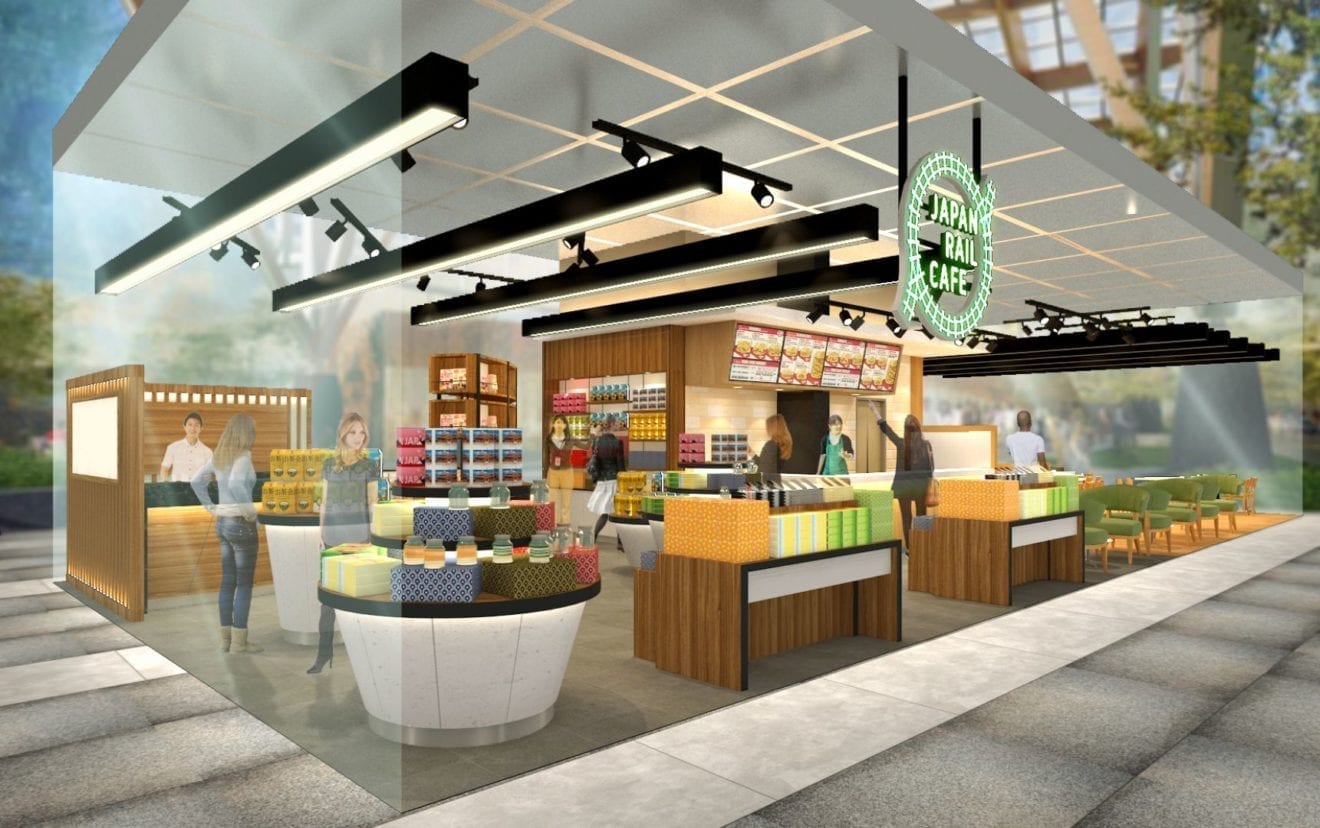
    After encountering a slew of character cafes this year, it was particularly refreshing to discover the travel-themed Japan Rail Cafe. The first of its kind in the world, the cafe is East Japan Railway Company (JR East)’s first overseas venture.

    For the uninitiated, JR East primarily serves the Kanto and Tohoku regions in Japan. Those who’ve been to the Land of the Rising Sun should be pretty familiar with it!

    With its overarching aim to promote Japan travel in Singapore, the cafe is primed to be a one-stop-shop for travelers and hungry cafe hoppers alike.

    The spacious cafe is decked out in warm shades of wood and bright pops of teal. Rail tracks also run all around the cafe, from the walls to the ceilings — a quirky nod to its theme.

    Buy your rail passes here

    Upon entering, a Japan Rail Pass Counter greets you with its huge sign. Here, customers can purchase exchange orders for JR passes before their trips at the instore rail pass ticketing counter operated by JTB Pte Ltd.

    Best of all, the range of rail passes covers not only JR East but all other passes issued by the five other Japan Railway companies, namely JR Kyushu, JR West, JR Shikoku, JR Central and JR Hokkaido. This covers almost all regions in Japan!

    The menu comes in the form of a well-designed newsletter, which currently highlights the Tohoku region of Japan.

    Foodies will be delighted to know that a special menu will be launched each month, where representative dishes of a region will be featured, alongside regular items.kaisen-avocado-don

    Regional delights

    The dishes, though simple, are fuss-free, well-thought out and delicious. In fact, the variety is reminiscent of the quick-service eateries so often found near the rail stations in Japan.

    Their signature Ultimate ABC Burger ($19) is a treat for the palette.

    ABC stands for the key ingredients that make up the burger — avocado, bacon and cheddar cheese, which complements the juicy wagyu beef patty within. The slightly sweet and soft buns make the perfect vessel for these hearty fillings.

    In light of the Tohoku region showcase, diners will also be able to savour the Kaisen Avocado Don.

    The donburi (rice bowl) bursts with the freshness of ingredients like sashimi, ikura (fish roe) and aomori scallops. Topped with mentaiko, sesame and seaweed, the dish is equal parts hearty and healthy.

    watashino-curry-riceIf you’re a fan of Japanese curry, be sure to try the Watashino Curry Rice ($18).

    The satisfying combination of the black pepper-based curry and 10 grain rice is elevated by the fact that you can customise the dish with various mains. Pick from the likes of crispy chicken cutlet, fried oyster and crab cream korokke.

    Retail and workshops

    After you’ve eaten your fill, check out the retail corner at the cafe, lovingly curated by Oishii Japan. Each month, the retail corner will feature various food items from the featured region.

    Plus, there’ll be a range of products from JR East’s retail stores and shopping malls inside JR East train stations — a manifestation of Japan’s new lifestyle phenomenon “Eki Naka”, which means “in-station shopping”.

    And if you’re planning a trip to Japan, the monthly seminars and workshops held at the cafe will be exceptionally useful to attend.

    The cafe looks set to collaborate with partners including Japan National Tourism Organization (JNTO), Japanese local governments and Japanese corporations.

    Looks like the Japan Rail Cafe isn’t just for train otakus!
  • Mercedes Benz Japan sells noodles

    Mercedes Benz Japan sells noodles

    German luxury car dealer Mercedes Benz Japan has opened a restaurant in its Tokyo showroom.

    But diners can forget caviar – bowls of noodles are the order of the day with a choice of two varieties of ramen, largely considered cheap, fortifying comfort food in Japan.

    All lit up for Christmas, the restaurant is in the showroom of Mercedes Connection Tokyo in the swanky Roppongi neighbourhood.

    mercedes-benz-japan-sells-noodles

    In its usual offhand style, Rocketnews sent its intrepid reporters to test drive the restaurant…

    “While our paychecks put us in less expensive transportation than what is parked in the showroom, we could afford to try both varieties of Mercedes-Benz ramen, which are identically priced at 1200 yen (US$10.60).

    mercedes-benz-japan-sells-noodles-1

    “We started with the Umi (‘ocean’). True to its name, it has a seafood-based broth, made in the Frenchfumet de poisson style, and the nautical theme continues with a pair of scallops being the star toppings. The thin noodles tasted great with the broth, which had notes of grilled fish in its flavour profile.

    “With grilled fish and rice being such a common meal in Japan, we couldn’t resist putting our grilled rice ball, which comes with the Umi ramen, into our leftover broth, providing an excellent finish to the first act.

    mercedes-benz-japan-sells-noodles-3

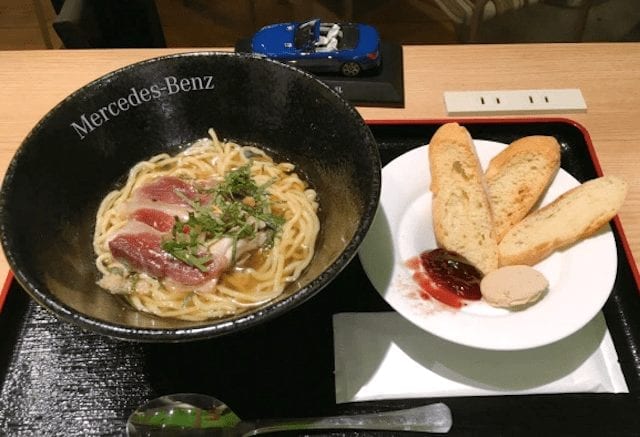
    “Moving on, the Riku (‘land’) was the polar opposite to the Umi. Even the colour schemes of the bowls are reversed. The noodles are much thicker, and the broth is made from duck ham. It is flavourful and delicious, with no hint of gaminess.


    mercedes-benz-japan-sells-noodles-4

    “Instead of a grilled rice ball, the Riku is accompanied by baguette slices, along with foie gras butter and blackcurrant compote as a dip. If you’re looking for one more way to indulge, you can mix the condiments with the ramen broth, then use their combined form to flavour the bread.

    “Both types of Mercedes-Benz ramen left us fully satisfied.”

    The showroom restaurant is serving ramen until December 25.

  • On-Yasai hotpot chain launches in Vietnam

    On-Yasai hotpot chain launches in Vietnam

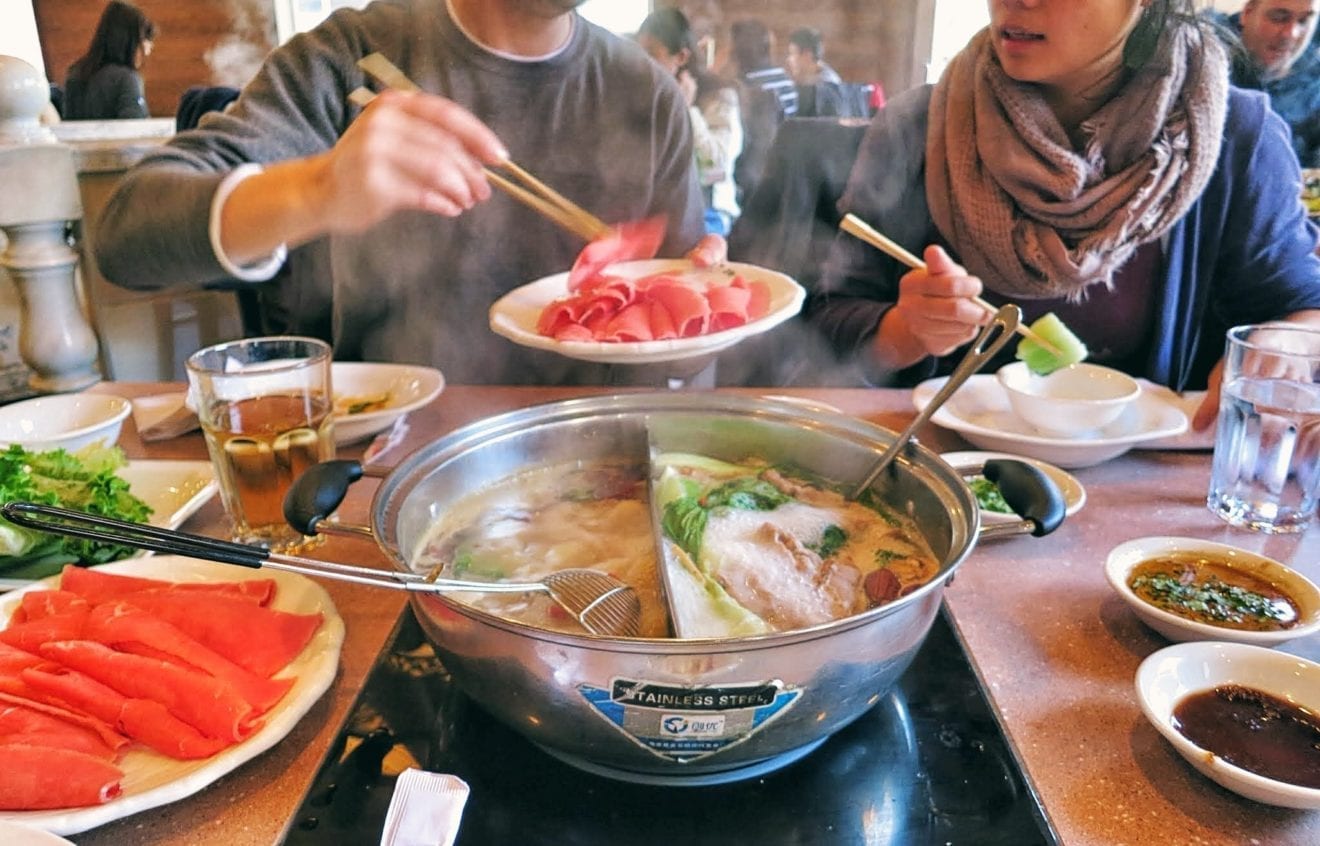
    Japanese restaurant group Colowide is introducing its shabu-shabu hot-pot chain to Vietnam via a franchise network.

    Its first On-Yasai hot pot location opens at Vincom Mega Mall in Hanoi this month, being run by affiliate Colowide Vietnam.

    The 260 sqm outlet seats 128 diners, and the monthly sales target is about US$80,000.

    Colowide already runs Gyu-Kaku yakiniku (grilled meat) restaurants and Japanese-style pubs in Vietnam. Through franchising, it hopes to open 30 On-Yasai locations in Vietnam over the next five years.

    Colowide is also set to acquire Japanese hamburger chain Freshness, and plans to take control of Gyu-Kaku’s North American network this month.