Tag: Japan

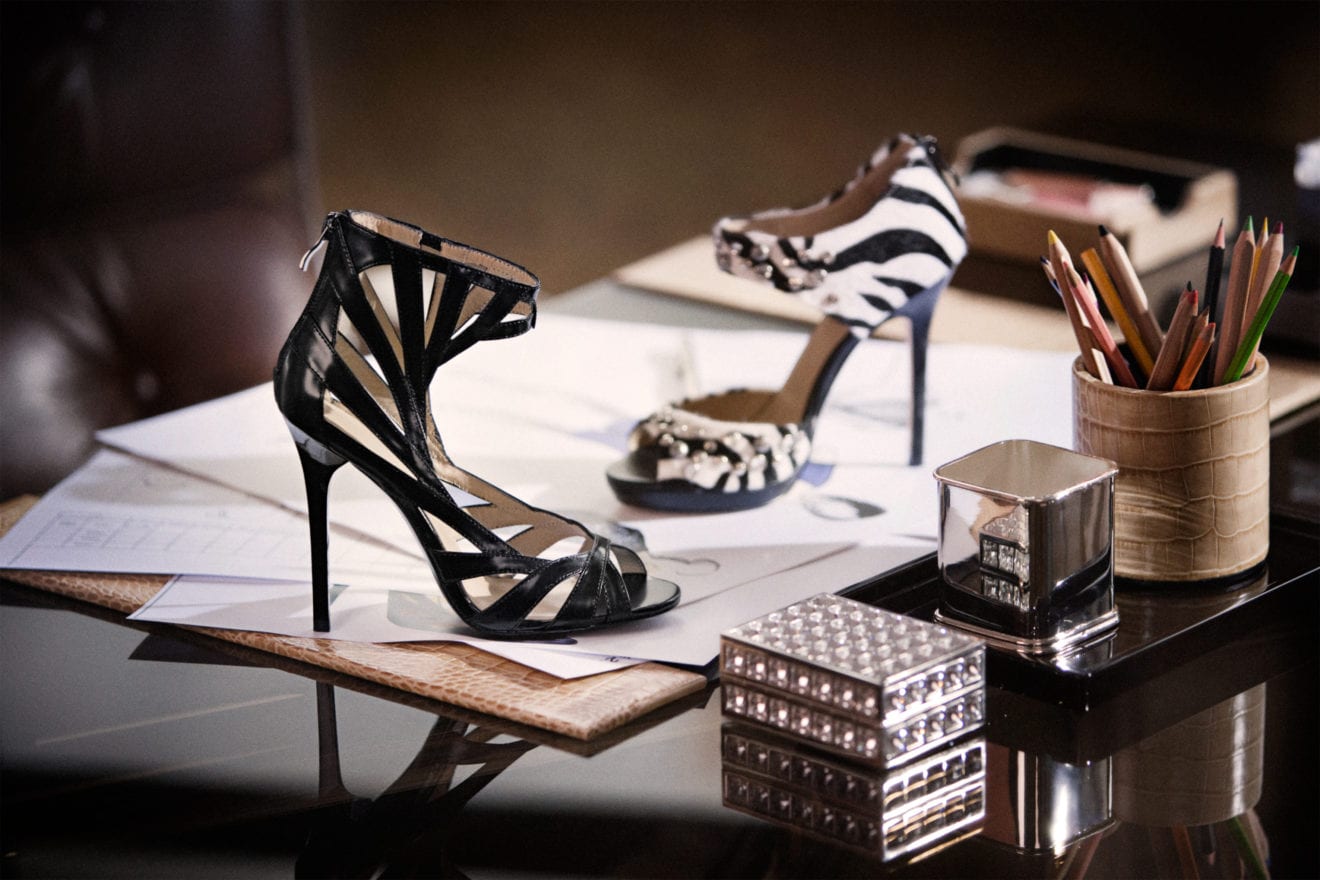
  • Jimmy Choo Asia sales rises

    Jimmy Choo Asia sales rises

    Jimmy Choo Asia sales are soaring, despite the downturn in the luxury market.

    While the company does not break down its Asian sales figures by market, analysts are reporting “record growth” in Hong Kong and China, in part aided by the opening of a new store in Macau.

    Total revenues from Asia (excluding Japan) rose 22.1 per cent on a reported currency basis in the six months to June 30, reaching £27.1 million. Jimmy Choo opened two new stores of its own in Asia during the six months and six franchised stores.

    Next year the company plans new flagships in Tokyo, Shanghai and Beijing.

    Sales in Japan increased by 18.2 per cent on reported currency basis with men’s footwear sales and the strong yen driving growth.

    The company plans 200 stores Asia-wide to take advantage of the region’s “untapped growth potential”.

    The UK-based company recently marked 20 years since it was founded by Malaysian cobbler of the same name, who was later forced out of the business in controversial circumstances and now runs his own exclusive, unrelated Jimmy Choo Couture boutique in London.

    One of the reasons for the brand’s success in Asia is its unconventional marketing activities.

    Last September, brides in the Philippines were able to order customised shoes from its stores, selecting texture, style and colour and adding a personal monogram. This year, the concept was expanded to include handbags.

    In Malaysia, customers can customise the color, texture and finishes of their heels and add names, initials or even dates to their handbags.

  • Panda Express heading for Japan

    Panda Express heading for Japan

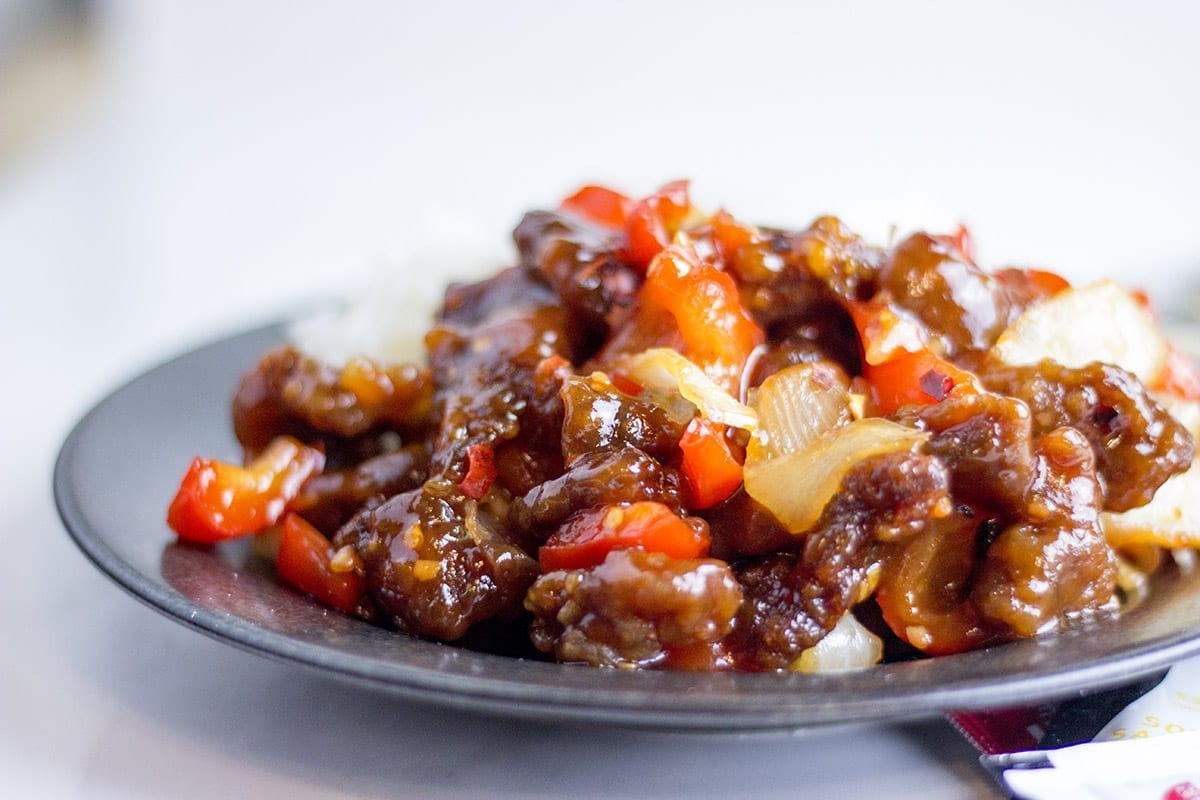
    US Chinese fast-food chain Panda Express, a staple of mall food courts in California, is about to launch in Japan.

    It will be in the hands of I&P Runway Japan, a joint entity set up last year between Panda Express owner Panda Restaurant Group and Chikara no Moto, the restaurant management group behind the tonkotsu ramen chain Ippudo. Originally formed to help Ippudo gain a foothold in the US, the JV is now aiming to open the first Japanese Panda Express before the end of the year.

    Other American fast-food chains such as KFC, Krispy Kreme and McDonald’s have had success in Japan, tweaking their menus to suit local tastes.

  • Japan’s Mitsubishi Motors to resume sales after latest cheating scandal

    Japan’s Mitsubishi Motors to resume sales after latest cheating scandal

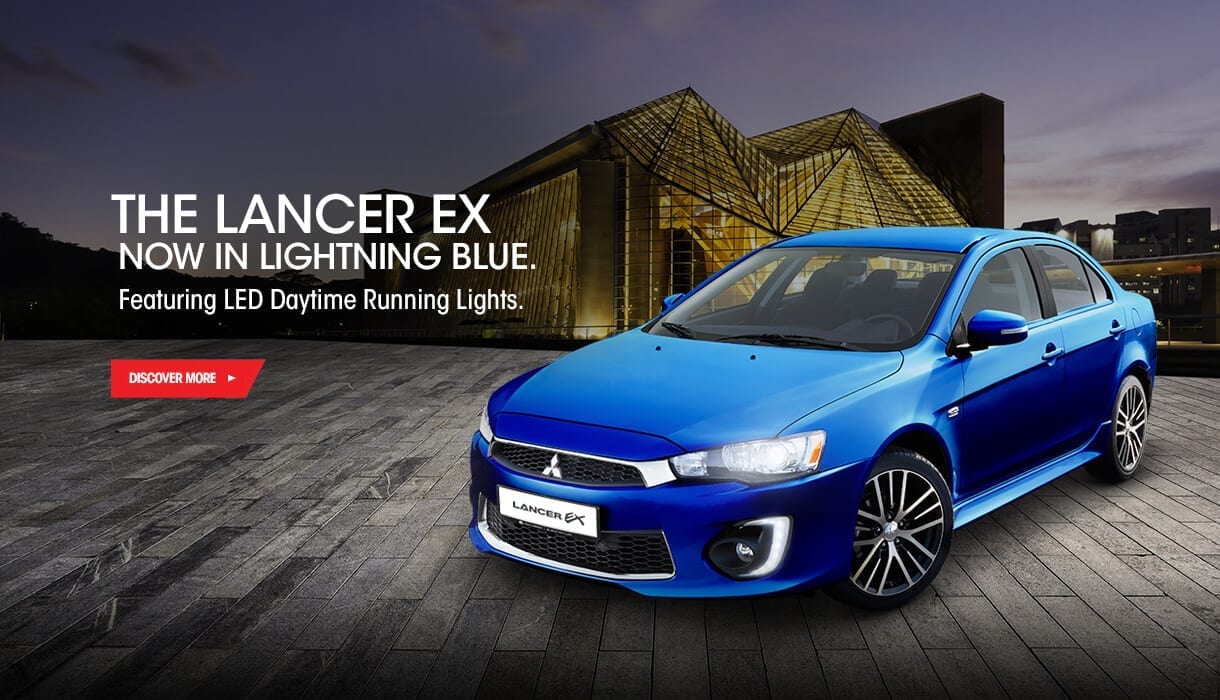
    Japanese automaker Mitsubishi Motors Corp (7211.T) will resume domestic sales of eight vehicle models on Oct. 1, the company said on Friday, after correcting overstated mileage readings in its second cheating scandal this year.

    Japan’s sixth largest automaker has admitted it falsified the mileage on 12 models, including the Pajero and Outlander SUV, taking a blow to its reputation.

    The latest suspension came after a two-month suspension in sales of four minivehicle models this year, including two produced for Nissan Motor Co. (7201.T), following the initial admission of incorrect fuel economy readings.

    The market value of the company has tumbled since that scandal broke, prompting it to seek financial assistance from Nissan, which agreed to buy a controlling one-third stake for $2.2 billion.

    Japan is Mitsubishi’s fifth-largest market, following markets including Asia ex-Japan, Europe and other regions. Its home country comprised roughly 10 percent of its vehicle sales during 2015/16.

  • Maison Margiela Japan opens in Ikebukuro

    Maison Margiela Japan opens in Ikebukuro

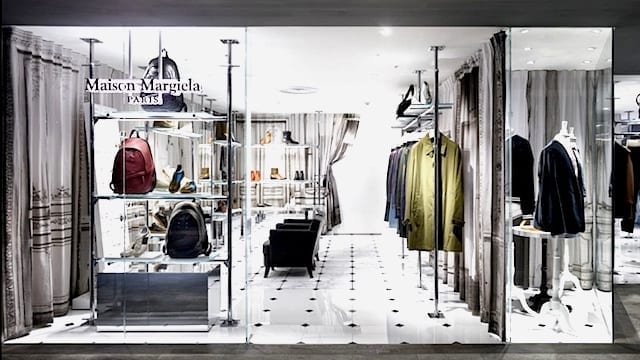
    Maison Margiela Japan has opened a new boutique in the Seibu Department Store in Ikebukuro, Tokyo.

    Customers of the fifth-floor store are greeted with marble flooring and walls adorned with lush cotton drapery.

    In between merchandise displays are silver chrome and clear glass furniture.

    Margiela says its latest Tokyo store combines “Ottoman architectural influences with modernist, industrial furnishing”.

    maison-tokyo

    The French luxury fashion house, headquartered in Paris, was founded in 1988 by Belgian designer Martin Margiela. It is known for its luxury Italian-made avant garde and deconstructed ready-to-wear and leather accessories.

    It has stores in 11 major cities of Japan, along with Hong Kong and Mainland China, South Korea, Thailand and Taiwan.

  • New retailers to open at Marina Bay Sands

    New retailers to open at Marina Bay Sands

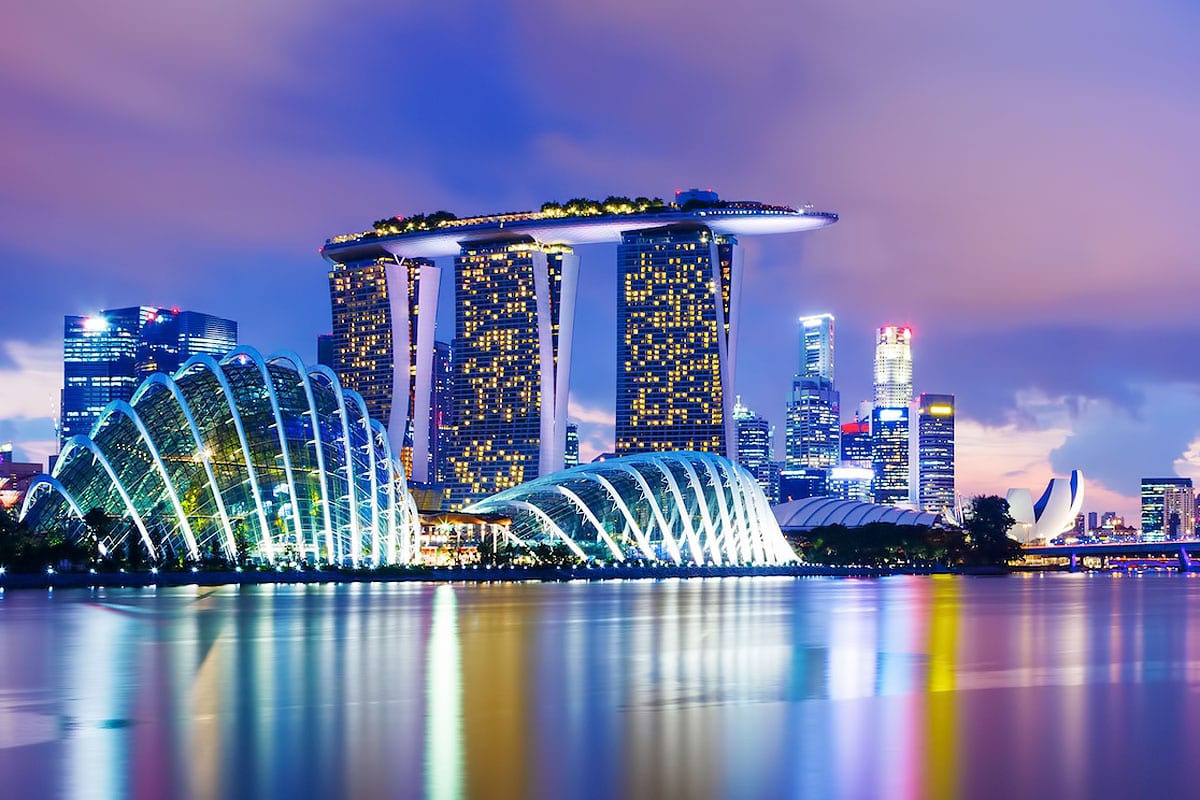
    More luxury brands and new-to-market retail concepts are debuting at The Shoppes at Marina Bay Sands – along with an expanded collection of premium children’s brands at the North Promenade.

    Gucci Kids, Kenzo Kids, Paul Smith Kids and Stella McCartney Kids will open in the first half of next year – the first standalone stores in Singapore for all four brands. They join Baby Dior, Dolce Gabbana Junior and Fendi Kids, all of which are the first and only outlets for the brands in Southeast Asia.

    Hugo Boss Nico Rosberg Event_A

    Marina Bay Sands VP of retail John Postle says the brand expansion helps The Shoppes continue to sharpen its edge as a leading shopping destination.

    Lewis Hamilton at The Shoppes

    Lewis Hamilton at The Shoppes


    Culinary options at the mall are also being extended. Just opened is Seafood Paradise, the homegrown brand’s flagship restaurant in Singapore.

    Baked Pork Belly Ribs with Honey Pepper Sauce

    The Paradise Group will also be opening its Canton Paradise this year to showcase classic Hong Kong cuisine such as roasts, noodles and wok-fried dishes.

    Signature Creamy Butter Crab topped with Coconut Crumbs

    Steamed Star Garoupa in Teochew Style

    Also launching soon is the first standalone Venchi Chocolate and Gelato kiosk in Singapore, featuring South American chocolate. Japanese chain Ippudo Ramen is also in the pipeline, as well as the new-concept Starbucks Reserve, which introduces rare coffees and special brewing methods.

    New-to-market brands

    As well as luxury lingerie store Agent Provocateur, other new-to-market brands set to join the mall this year include Homme Plisse by Issey Miyake, a men’s range of sporty separates. The collection will be featured in the same boutique space featuring Pleats Please Issey Miyake and Bao Bao Issey Miyake.

    Front Row Boulevard_C_A personal shopping journey with Anita Kapoor at The Shoppes

    French fashion house Chloe will return to Singapore in the first quarter of next year with its first standalone boutique as part of a significant expansion across the mall’s luxury boutiques. Key enhancements will include Tiffany & Co doubling its store size and the Chanel duplex also expanding to nearly 11,000 sqft (1021 sqm). It will have a new design concept by architect Peter Marino.

    Front Row Boulevard_located between Chanel and Gucci

    Shoes, bags and accessories designer Jimmy Choo will also double its shop size. Other outlets also enlarging their stores include Breguet, Omega, Paul & Shark and Rimowa.

    Meanwhile, The Shoppes at Marina Bay Sands is midway through its fashion promotion Front Row at The Shoppes. The event features the world’s fashion capitals each week through the eyes of trendsetters, highlighting craftsmen and offering personal styling sessions.

    Front Row 2016 - FENTY PUMA show_C

    Front Row 2016_Repetto Event with Yoyo Cao_B (2)

    Front Row 2016 – Repetto Event with Yoyo Cao


    Front Row at The Shoppes_Runway D

    A highlight was a regional party hosted by Burberry and attended by more than 200 guests. The evening introduced the brand’s new “Personalised for You” in-store experience for Southeast Asia, showcasing its most iconic designs and revealing the craftsmanship behind each piece.

    Front Row 2016 - Burberry Regional Party_D

    Front Row 2016 - Burberry Regional Party_C

    Front Row 2016 - Burberry Regional Party

    British singer/songwriter Georgie also marked her debut in Asia with a performance at the in-store party.

    Front Row 2016 - Burberry Regional Party_British singer Georgie_B

  • Are low spending Chinese shoppers a new normal?

    Are low spending Chinese shoppers a new normal?


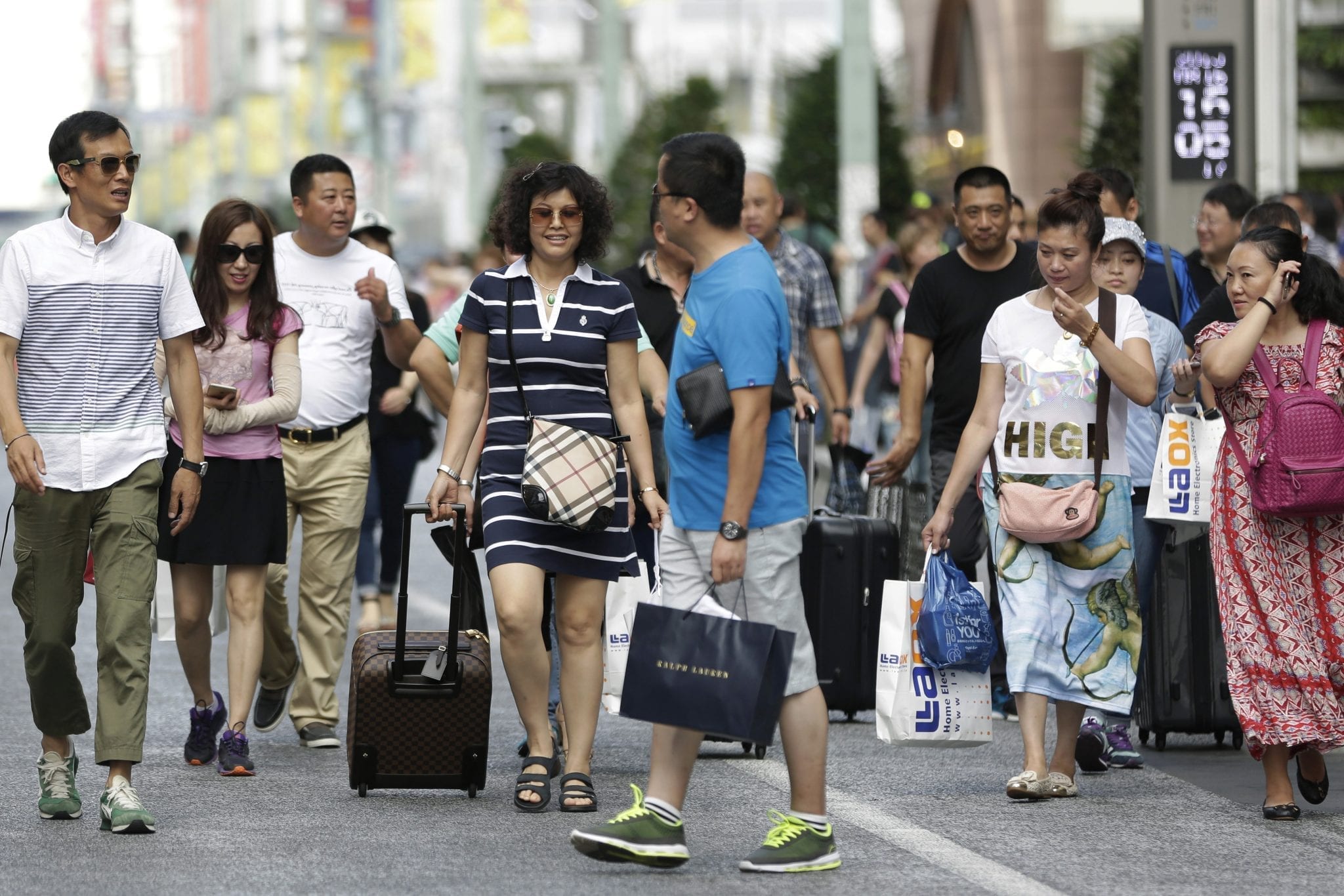
    August shopping data from tax refund specialist, Global Blue, indicates a downward trend in tax-free in-store sales of -13% (year-on-year) – the worst decline since the start of the year and a big fall compared with July’s 0% change.

    global-blue-august-asia-3-markets
    There are stark differences in August tax-free sales, largely because of the beneficial ‘MERS effect’ in Korea.

    While transactions rose significantly in August by +25%, the decline of average spend at -30% clearly shows that individual travellers are spending less and this is probably due to a combination of factors ranging from China’s customs clampdown, a different passenger profile, and currency influences.

    Global Blue says: “The rise of less affluent middle class Chinese travellers continues to bring down the average spend of tax-free shopping globally, with a sizeable impact in Asia. Across the region more ‘value seekers’ from second-tier and third-tier cities are growing their transactions, but with less affluent spending patterns.”

    Duty free and travel retailers can take comfort from the rising number of travellers in Asia, which correlates with higher numbers of transactions in South Korea, Japan and Singapore. But, says Global Blue, the overall sales performance in the region is significantly limited by the headwinds of a stronger yen in Japan and Chinese spending in the region increasingly being driven by value-seeking shoppers who spend less.

    COMMON THEME IS LOWER SPEND POTENTIAL

    The travel boost is not compensating for the spending fall in key duty free and travel retail locations such as Singapore and Japan – while Hong Kong (downtown) does not even have the benefit of rising traveller numbers.

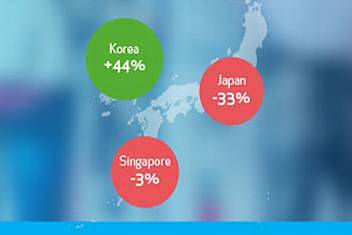
    All Global Blue’s Asia tax-free shopping destinations rely on increased arrivals and traffic, yet the common theme is lower spend potential. With -33% sales in August, Japan has been affected by the strong currency, which has negatively impacted the number of transactions.

    Global Blue August Asia

    Transactions are strongly up but average spending is even more strongly down.

    Global Blue estimates that 23% of Japan’s negative sales performance this month is driven by the softer yen and the other 10% is due to increased numbers of less affluent Chinese shoppers arriving in Japan (+20 to +30% more in the first half of the year at Narita airport) from second-tier and third-tier cities.

    South Korea’s sales performance of +44% this month (versus an impressive triple-digit growth of +215% for July) is on the back of highly beneficial comparisons to last year when the MERS virus took a big toll on traffic.

    ASIA YEAR-TO-DATE DOWN -21%

    Transaction numbers are significantly up across all globe shopper nationalities in Asia, except for Hong Kong (-10%), reflecting the increase in air arrivals across Japan and South Korea. Taiwanese globe shoppers (+43%) showed the highest transactions growth in the region in August, followed by Chinese (+28%), with Thais and Indonesians up too. However, the decline in average spend per transaction is a long-term trend.

    Global Blue estimates that the new Chinese value seekers are having a negative impact of between -6% and -10% across Asia as their demand for regional travel increases, driven by the Chinese government’s strategy of strengthening the economy by localising discretionary spending.

    Year to date tax-free sales performance across the region is flat and average sales are down -21%. A less favourable economic situation in mainland China is also not helping travel spending: for example Japan’s current picture YTD is a +26% increase in transactions and a decline of -25% in average sales.

  • Shiseido Playlist launches online only

    Shiseido Playlist launches online only

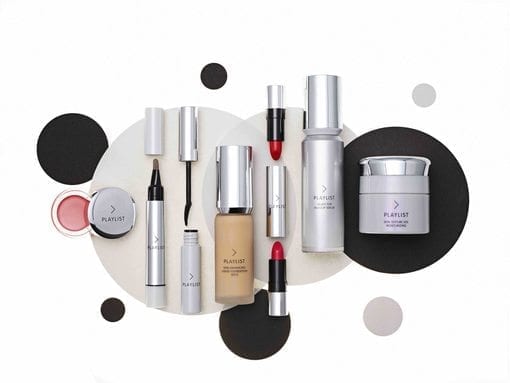
    The new Shiseido Playlist make-up and skincare brand has been launched for exclusive online sale, with the exception of the cosmetic brand’s Tokyo Ginza store.

    Playlist is available via Watashi+, the group’s own website and other e-stores.

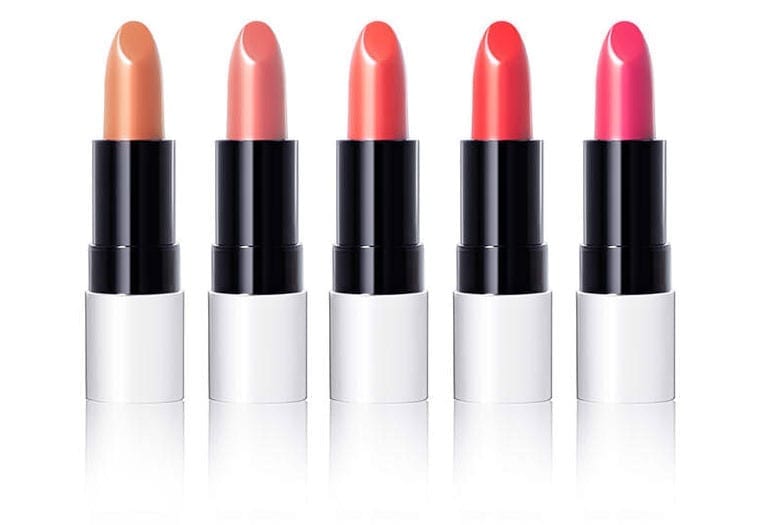
    Distinctive for its minimalist design, Playlist targets women between 25 and 39 years, the demographic that favours online shopping. Developed by Shiseido’s professional makeup and hair care teams, the range focusses on compact lipsticks, foundations and eye makeup. The brand debuts with 31 looks, with others expected to be launched in November.playlist-2

    Playlist also features an online personal advice service, and the brand ambassador will be Belgian-Japanese model Yumi Lambert.

    Playlist has initially been launched in Japan, coinciding with Shiseido replacing Maybelline as make-up partner to Amazon Tokyo Fashion Week.

  • Owndays Europe marks first foray outside Asia-Pacific

    Owndays Europe marks first foray outside Asia-Pacific

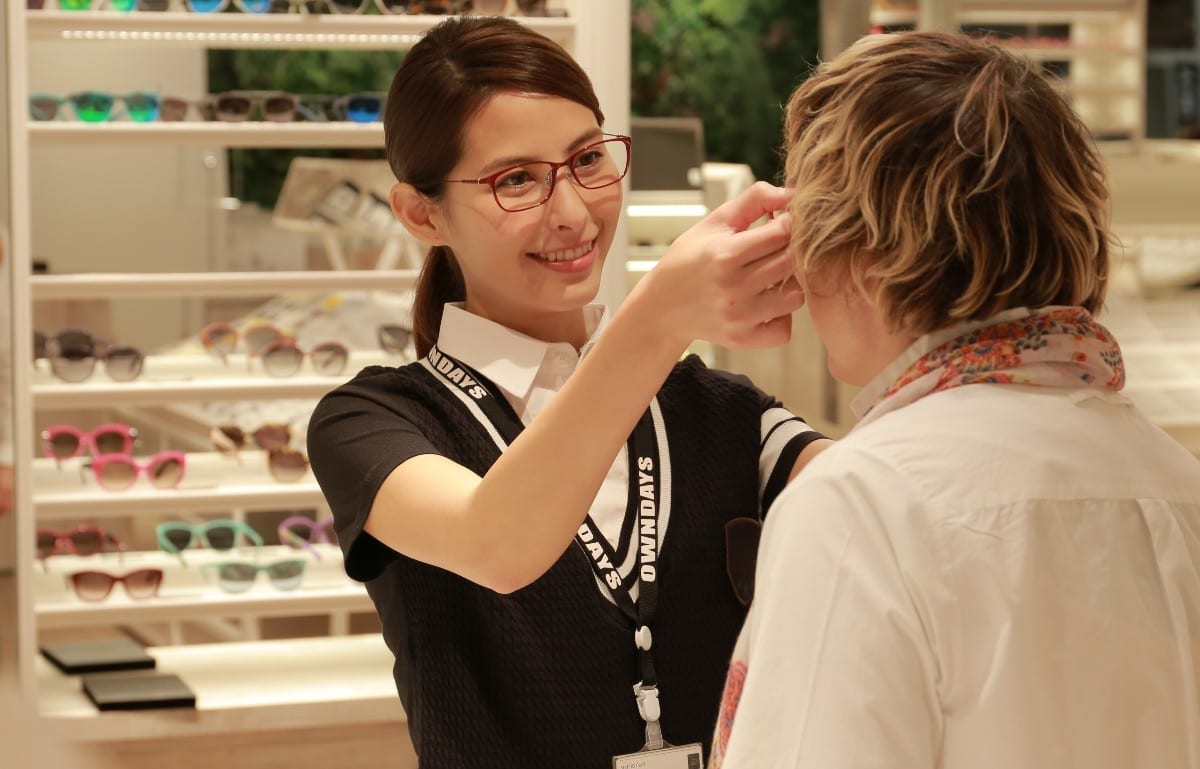
    After rapidly building a network of stores across Asia, Japanese eyewear retailer Owndays has made its European debut.

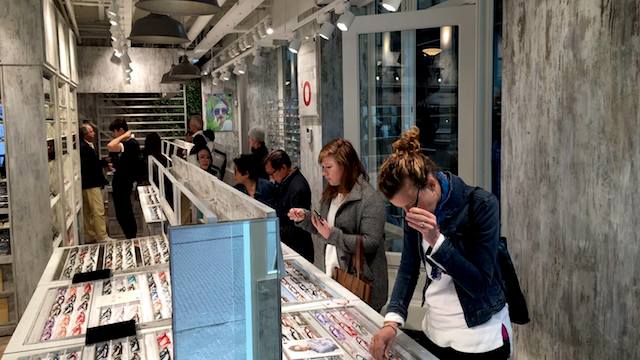
    Owndays Europe has opened its first store in the Netherlands, the design largely true to its Asian format and its simple pricing model seamlessly converted into local currency with frames and lenses paired at between 98 euros and 198 euros.  A 20-minute “quick processing” promise is also included in its in-store marketing, two two promises being the eyewear chain’s unique selling points.

    Owndays Netherlands 1


    The 80 sqm Dutch store opened last week in a traditional street-front location, rather than a shopping mall, where most of its stores are located in Asia; at Passage in The Hague, a trendy area bustling with retail and food & beverages establishments.

    Owndays Europe plans to open 30 stores in the Netherlands in the next three years.

    The brand began its international expansion just three years ago and is already trading in Singapore, the Philippines, Australia, Vietnam, Taiwan, Thailand, Cambodia and Malaysia, making the Netherlands its 10th market.

    owndays-netherlands

    Owndays Europe stores carry more than 1500 designs of frames ranging from basic and functional to stylish and fashion-forward so customers can pick the right pairs of glasses to suit their lifestyles or to match occasions and functions. With a team of in-house designers based in Japan, the brand regularly adds new designs to its existing collections so customers always see something new each time they visit the shop.

    Owndays already has more than 170 shops in Asia-Pacific and sells more than 1.5 million pairs of glasses a year. It is one of the few optical retailers internationally which has adopted an entirely private label system, managing the entire process from design and manufacturing to inventory management and retail.

  • Tokyo Tsuta ramen eatery to open in Singapore

    Tokyo Tsuta ramen eatery to open in Singapore

    The world’s only Michelin-starred ramen restaurant Tsuta is to open in Singapore in October.

    The Japanese eatery has been signed up by Pacific Plaza on Scotts Rd and will mark the restaurant’s first location outside its home market.

    Earning a coveted Michelin star this year has boosted the already-popular Tokyo establishment into something approaching cult status. The restaurant, located in the suburb of Sugamo, has just nine seats and limits its servings of ramen to 150 bowls each day. That has prompted customers to queue from as early as 6am so as not to risk missing out and tickets for a day’s dining usually sell out by 8am.

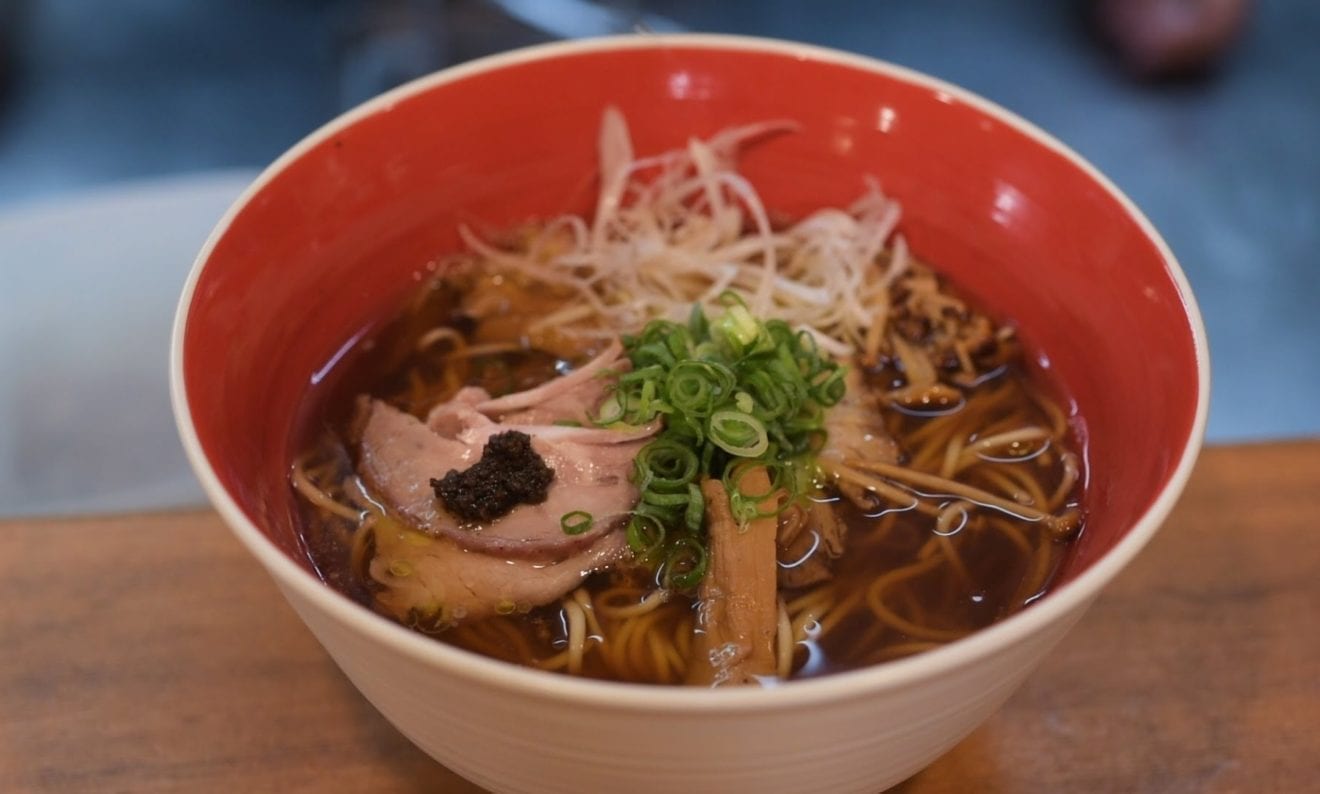
    The Pacific Plaza restaurant will be twice the size, with 18 seats and offer three soup bases – miso, Shoyu soba and shio soba. Chefs will be carefully trained to ensure the quality of the dishes served match those sold in Tokyo – and that the ramen sold is “the best in Singapore”.

    Tsuta ramen seats

    Founder Onishi says there are many pork-bone ramen shops in Asia, but he was determined to be different.

    “My aim is to create a ramen shop that can leave an impact with its unique dashi and umami flavours, and become as popular as tonkotsu ramen. For me, shoyu ramen is what usually comes to mind when one thinks of Japanese ramen.”

    Images courtesy of Mitsueki, Singapore food and travel blogger. Read more about Tsuta and view more photos here.

  • Fifth Tokyo outlet for Dolce & Gabbana Japan

    Fifth Tokyo outlet for Dolce & Gabbana Japan

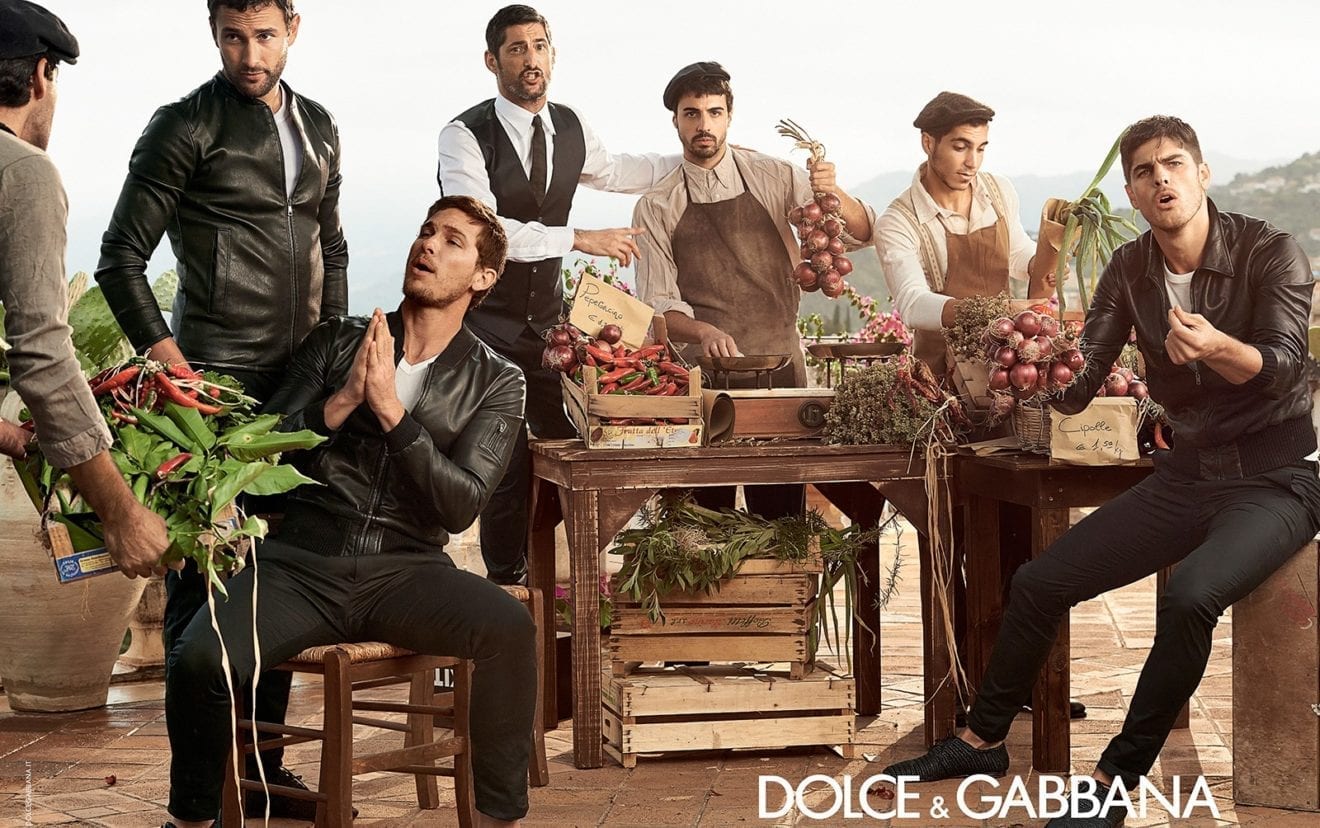
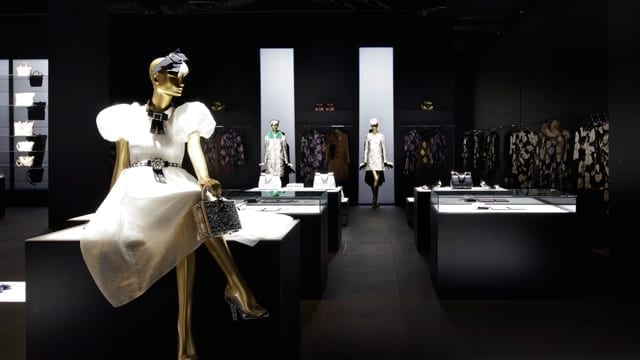
    Special lighting helps create atmosphere in the new store opened in the upmarket Aoyama neighbourhood of Tokyo by Italian fashion brand Dolce & Gabbana Japan.

    Dolce-Gabbana-new-store-Aoyama-Tokyo-4

    Gwenael Nicolas of Curiosity came up with the retail design concept with the brief being to transport the brand’s creative soul and its Sicilian roots. Both the architectural design and decor of the 550 sqm store express Sicily’s distinctive and vibrant luminosity through chiaroscuro effects, contrasts and perspectives.

    Dolce-Gabbana-new-store-Aoyama-Tokyo-1

    The boutique space resembles a compact black volume with the displayed collections illuminated in sequence. The 400 spotlights on the ceiling move around and switch on and off, making the products immersed in shadow burst with colour at regular intervals.

    Featured are women’s and men’s ready-to-wear, shoes, handbags, eyewear, accessories and fine jewellery.

    Dolce-Gabbana-new-store-Aoyama-Tokyo-2

    Dolce-Gabbana-new-store-Aoyama-Tokyo-3

    Outside, the store is coated in Arabescato marble, which also backgrounds the display windows and display cases. A majestic panel at the entrance with the Dolce & Gabbana sign is in black Carnico marble.

    dolce-gabbana-new-store-aoyama-tokyo-5

    It is the brand’s fifth outlet in Tokyo.

    Photos: CPP Luxury

  • BMW recalls 110,000 cars in Japan over Takata airbags

    BMW recalls 110,000 cars in Japan over Takata airbags

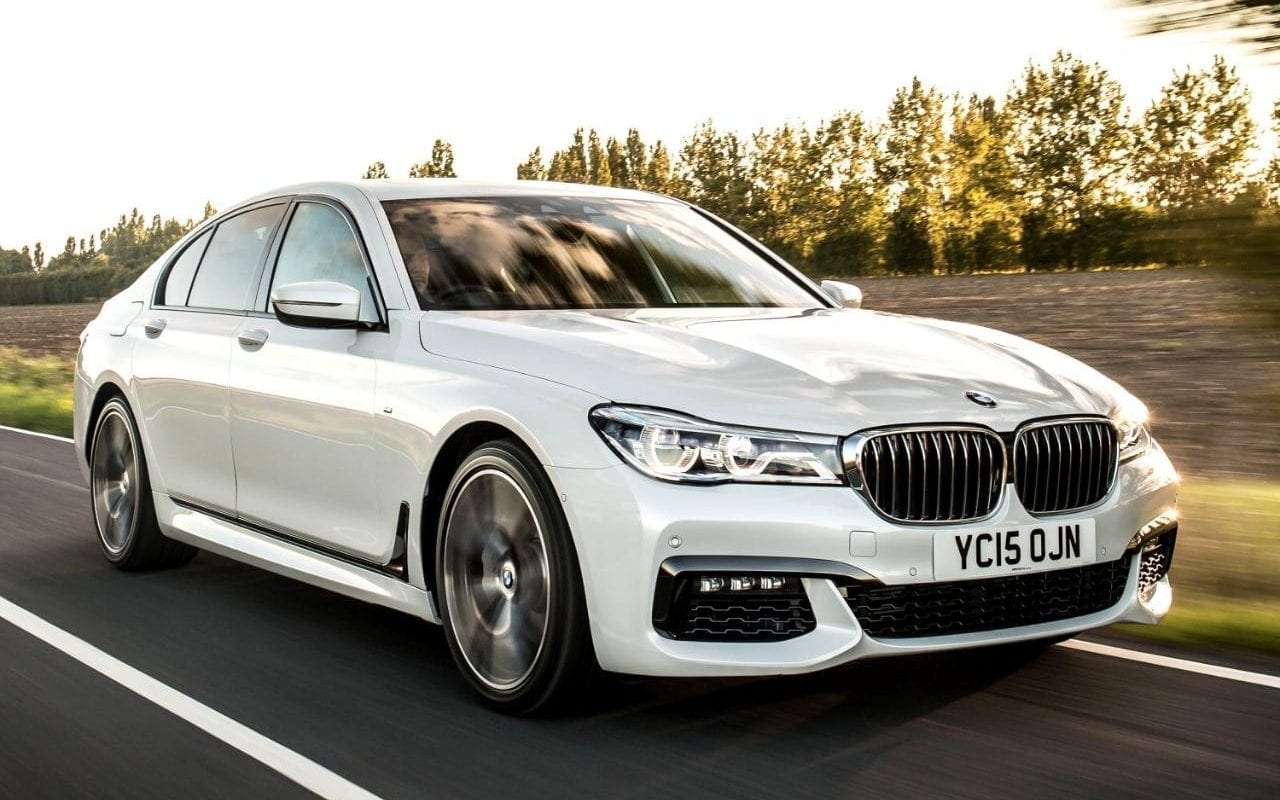
    BMW Group said today it is recalling about 110,000 cars in Japan over potentially faulty airbag inflators made by Takata Corp., as part of the auto industry’s largest ever global call back.

    The automaker recalled 44 models including its 1-series 116i and 118i hatchbacks and the 3-series 320i sedan to replace passenger-side airbags made by the supplier, according to a filing to Japan’s transport ministry.

    Affected vehicles were produced between 2004 and 2012.

    Defective Takata airbags have been linked to at least 14 deaths and 150 injuries worldwide as the ammonium nitrate-based propellant used in its inflators has a tendency to explode following prolonged exposure to hot, humid conditions, spraying metal shrapnel at the car’s occupants.

    Today’s recall comes after Japan’s transport ministry in May ordered automakers to recall an additional 7 million vehicles in Japan equipped with Takata airbag inflators which do not contain a drying agent, in phases by 2019, following an expanded recall by U.S. authorities.

    Battered by the recalls, Takata is looking for a financial backer to help overhaul its business and carry ballooning costs as its stock price has crumbled almost 90 percent since early 2014 and it faces potentially billions of dollars of liabilities.

  • Nissan returns to Japan’s most exclusive address

    Nissan returns to Japan’s most exclusive address

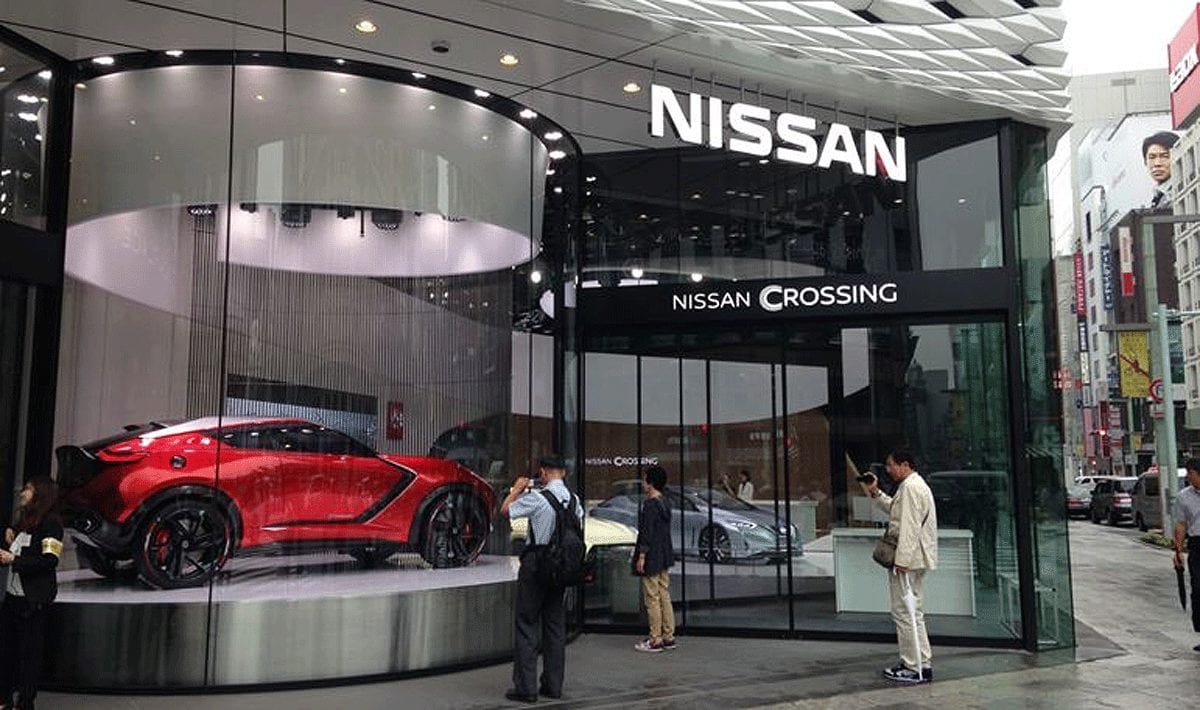
    Nissan Motor Co.’s flagship showroom has returned to Japan’s most exclusive, priciest address — Tokyo’s glitzy Ginza district, flush with department stores and geisha clubs.

    A sleek new two-story showroom sits at the shopping district’s main neon-soaked intersection, with the brand’s signature models such as the GT-R sports car and Leaf electric vehicle looking down on the well-heeled throngs through floor-to-ceiling glass walls.

    Nissan is back at the landmark locale after a two-year hiatus.

    Japan’s No. 2 automaker had had a showroom at the intersection since 1963, when models of a different kind — women in swimsuits — helped christen the gallery and show off the Fairlady 1500 convertible then on display. Nissan later moved across the street to another building owned by Sapporo Beer, which still manages the property.

    The showroom was shuttered in 2014 to renovate the entire building. Nissan offered a sneak peek of the new digs to journalists Friday, ahead of its public opening this weekend.

    Reborn as “Nissan Crossing,” the revamped gallery boasts two floors of displays featuring concept cars such as the IDS Concept and more pedestrian fare such as the Serena family van.

    The goal is to showcase how Nissan is repositioning of itself as a global leader in next-generation mobility, from EVs to self-driving cars. The Serena, for example, is the first vehicle featuring Nissan’s new ProPilot semiautonomous driving technology.

    To make sure passersby don’t miss the cars, the picture-window facade embedded with LED lights grabs their attention with colorful light shows. Once inside, Nissan invites them to stay awhile at a trendy cafe, where visitors can indulge in custom latte art that features cocoa-powder images of their own face dusted on top of their foamed milk.

  • Bangkok tops Global Destinations Cities Index

    Bangkok tops Global Destinations Cities Index

    Bangkok is the top-ranked destination city by international overnight visitor arrivals, according to the annual Mastercard Global Destinations Cities Index.

    Ranking 132 cities, the index projects visitor volume and spend estimates while delivering insights into how people travel and spend around the world.

    As cross-border travel and spending continue to grow at a faster pace than the world GDP, the world’s cities continue to be engines of broader economic growth, says Mastercard.

    According to the study, Bangkok is projected to receive 21.47 million international overnight visitors this year, just ahead of London (19.88 million visitors).

    Also in the top 10 cities are:

    • Kuala Lumpur, 12.02 million visitors

    • Paris, 18.03 million visitors

    • Istanbul, 11.95 million visitors

    • Dubai, 15.27 million visitors

    • Tokyo, 11.70 million visitors

    • New York, 12.75 million visitors

    • Seoul, 10.20 million visitors

    • Singapore, 12.11 million visitors

    Hong Kong was 11th.

    “The way people travel and spend across borders indicates just how interconnected and important the world’s cities are,” says Mastercard president of international markets Ann Cairns.

    As well as the top 10 cities, Mastercard names the top 10 fastest-growing destinations, which indicates the increasingly importance of Asia Pacific to the global economic landscape.

    Osaka new star

    Osaka has shown the strongest growth in international visitors (24.15 per cent) over the past seven years. Other cities that make the fastest-growing list:

    • Chengdu, 20.14 per cent

    • Taipei, 14.53 per cent

    • Abu Dhabi, 19.81 per cent

    • Xi’an, 14.2 per cent

    • Colombo, 19.57 per cent

    • Tehran, 12.98 per cent

    • Tokyo, 18.48 per cent

    • Xiamen, 12.93 per cent

    • Riyadh, 16.45 per cent

    For the first time, the index explores whether visitors travel for business or leisure, giving broader insights into spending on dining, lodging and shopping. The index shows that more people are travelling to the top 20 cities for leisure with Shanghai being the sole exception.

    Visitors to the top 20 cities overwhelmingly spent more on shopping, as opposed to dining, says the index.

    Asia Pacific dominates both the global top 10 (five cities) and top 10 fastest-growing destination cities (seven cities).

    Public data is used in deriving the international overnight visitor arrivals and their cross-border spending in each of the 132 destination cities for the index. Mastercard volumes or transactional data is not considered.

    The full report can be downloaded here.

  • McDonald’s Follows Yum Brands, Prepares China Exit

    McDonald’s Follows Yum Brands, Prepares China Exit

    McDonald’s is finalizing a sale of the right to operate its China and Hong Kong restaurants. Prompted by stagnating market share and an increasingly challenging operating environment, the move allows McDonald’s to keep a presence in China without the burden of ownership.

    The world’s biggest fast-food chain is considering final offers from three leading groups, believed to be U.S. private equity firm Carlyle Group and Chinese investment firm CITIC Group, U.S. private equity firm TPG Capital and Chinese retailer Wumart Stores, and a group led by Beijing Tourism Group and Chinese retail giant Sanpower Group, according to Reuters.

    With the sale, McDonald’s Corp. joins fast-food rival Yum Brands Inc. in making the decision to sell its China business. Yum, which owns China’s biggest food chain KFC, and McDonald’s are currently the No. 1 and No. 2 fast-food chains in China. Both arrived on the scene in the 1980s—KFC opened its first outlet in Beijing’s Tiananmen Square in 1987, and McDonald’s opened its first store a few years later in the southern city of Shenzhen.

    Their decision to abandon one of the world’s biggest fast-food markets marks a dramatic about-face for the two fast-food giants, once hailed as prime examples of how American companies can succeed in the communist country.

    But the companies diverge in their methods of exiting China.

    Yum chose to spin off Yum China as a separately listed company on the New York Stock Exchange. Yum China recently secured prominent Chinese investors Primavera Capital and Ant Financial Services Group as anchor investors ahead of the listing in November. Primavera was founded by the former head of Goldman Sachs Group Inc.’s Greater China business, and Ant is a subsidiary of internet giant Alibaba Group. Well-known anchor investors are common in Chinese IPOs, and their presence can help drum up interest from retail investors ahead of the listing.

    McDonald’s, meanwhile, chose a different path. Instead of selling the business altogether, McDonald’s is converting its corporate-owned outlets to the franchise model by selling a 20-year franchise operating agreement to run all of the stores to potential bidders. This ensures that McDonald’s will hold branding and product development rights over existing and new restaurants, similar to its relationship with franchisees in the United States.

    The 20-year operating license for McDonald’s Chinese outlets could fetch as much as $3 billion, analysts predict.

    Declining Market Share

    Both McDonald’s and Yum have lost their early luster and are facing declining market share in China.

    MDC_market

    China market share of McDonald’s and KFC. Data source: Euromonitor. (Epoch Times)

    Since 2010, Yum’s share of China’s fast-food market has declined from 39 percent to 23.9 percent in 2015. During the same period, McDonald’s market share dropped form 15.1 percent to 13.8 percent, according to market research firm Euromonitor.

    Yum has about 8,000 outlets in China, mostly consisting of KFCs and Pizza Huts, contributing to half of its global revenues and profit. McDonald’s has 2,200 locations in China. While both companies opened new locations last year, their market shares have dropped.

    Unfriendly Operating Environment

    Employees work at a McDonald's in in Beijing in 2007.  (FREDERIC J. BROWN/AFP/Getty Images)

    Employees work at a McDonald’s in Beijing in 2007.

    McDonald’s and Yum are two of the world’s most successful fast-food chains and have around 30 years of experience in China. So what’s causing the market share decline in recent years?

    The main challenge is shifting consumer taste. During McDonald’s and Yum’s early years in China, Western cuisine was scarce, and unlike in the United States where fast food is cheap and low-quality, McDonald’s hamburgers and KFC fried chicken were considered gourmet fare. Chinese consumers visited these restaurants during special occasions, and their prices were comparatively high.

    In recent years as median Chinese income has risen, consumers have also developed more selective tastes and are increasingly moving upmarket in their restaurant preferences. American fast-food brands now operate in the price segment of the casual-dining restaurants. On the lower end of the market, however, the fast-food segment is increasingly being occupied by a new wave of local competitors selling Chinese food, Japanese food, and fried chicken at lower prices than American fast food.

    Another significant hurdle facing McDonald’s is the Chinese Communist Party’s economic and competition policy, which in recent years has favored domestic businesses while marginalizing foreign competitors.

    In 2014, an undercover reporter for state mouthpiece CCTV reported that meat supplier Shanghai Husi Foods allegedly sold expired meats to several American restaurant brands, including McDonald’s, KFC, Papa John’s, and Burger King.

    Restaurants owned directly by foreign companies also face challenges in finding suitable real estate for new stores. Negotiations are often done face-to-face with local powerbrokers, and U.S. listed companies operating under the Foreign Corrupt Practices Act often cannot compete with local competitors.

    For McDonald’s and other foreign companies, outsourcing the operational aspect of running the business resolves most of these issues inherent in China. The same factors are also major drivers behind Wal-Mart’s sale of its Chinese e-commerce business Yihaodian to JD.com, and Hewlett-Packard’s sale of a majority stake of its Chinese networking business to local state-owned H3C Technologies.

    Given this backdrop, McDonald’s is wise to cede ownership of its Chinese stores to local partners. The move could bring stable income from royalties, higher growth potential, and better treatment than it would otherwise be able to manage on its own, while the company still enjoys prominent brand presence.
  • “20 -30% growth year on year in China”

    “20 -30% growth year on year in China”

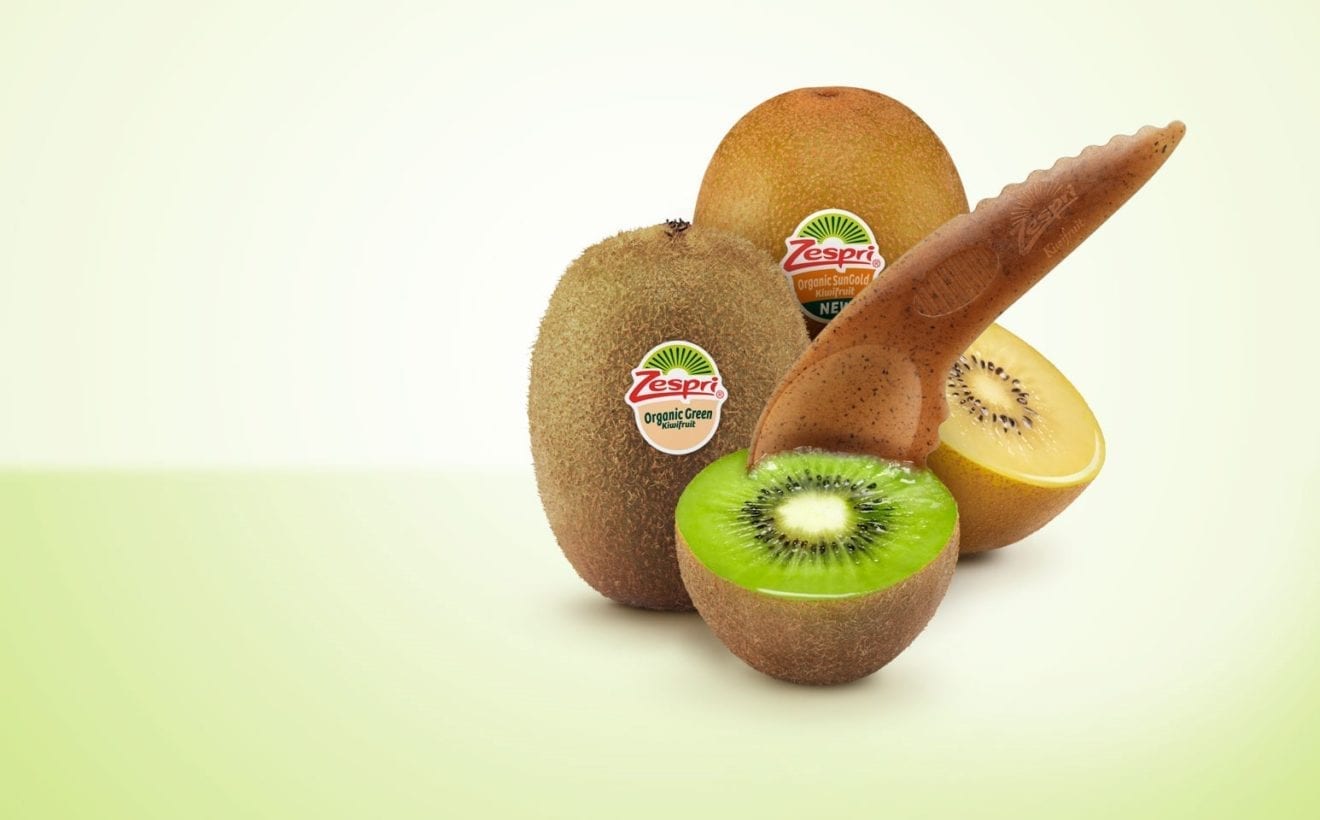
    As many companies are looking to Asia for the first time, some have been in these markets for a while and are strengthening ties within the region. Zespri is one of these companies and have made big in roads into Asia in recent years and are continuing to expand in current markets while exploring new ones.

    “We continue to see significant growth in China, with increases in volume of 20 to 30% year on year for several years now, there a good rise in the volumes of SunGold being sent there as well. But Japan, the cornerstone for New Zealand for many years, is showing growth as well which we expect to continue for the coming years,” explains Mr Simon Limmer, COO of Zespri.

    Besides Japan and China, which are similar in terms of volume, Limmer says that prospects are positive overall in SE Asia, “There are exciting opportunities in a handful of different markets such as South Korea, where we have recorded an amazing season this year. We are starting to see the benefit of the free trade agreement now that the playing field has been levelled with other countries such as Chile, who have had zero tariffs for a few years. Taiwan has also shown great growth.”

    Zespri are making further in roads into China with new relationships with Chinese importers, this week they announced a collaboration with Fruitday who will now become a direct retail customer, giving them the position of being the Zespri’s largest direct retail customer in China.

    Zespri is still a while away from actually growing any kiwifruit in China.

    “We are still involved in the preparation process,” acknowledges Limmer. “We are working with partners in China trying to raise the standard of domestic kiwifruit. This is also allowing us to build relationships from a scientific perspective in trying to understand the growing environment and finding the most suitable varieties. In short, not only do we need to be convinced that the quality is sufficient for the brand, but we also need to make sure that Chinese consumers who are already buying the imported product will be open to a ‘Made in China’ fruit.”

    Zespri has long been aware of the growing volumes and quality of domestic kiwifruit; “The branding is also becoming more sophisticated and for us this is both an opportunity and a threat,” explains Limmer. “We have the benefit of the counter seasonality of fruit out of New Zealand and we are no stranger to competition throughout the year where ever we are in the world.”

    Although red kiwis have been in trials for a few years, Zespri has not produced commercial volumes as yet. “We need to make sure we have all the attributes and characteristics right before we launch a new kiwi on the market – agronomically, yield, size, storage and cost of production for example. Reds are particularly susceptible to Psa and also have storage issues, but we clearly acknowledge and understand the opportunity for a red in the market.”
    Another challenge in the Chinese market has been protection of the intellectual property, as the image and reputation of the brand is strongly linked to the product’s quality. “There have been some developments in this regard in China and certainly willingness and motivation to shift, but it’s taking time,” admits Limmer. “Most importantly, the consumer needs to be educated on what’s genuine, giving them comfort with the knowledge that what they are buying has all the guarantees regarding quality or safety, something in which social media can play a decisive role.”