Tag: jd.com

  • Hard Liquor Helps E-Commerce Titans Take China’s Consumer Pulse

    Hard Liquor Helps E-Commerce Titans Take China’s Consumer Pulse

    Predicting the changing tastes of China’s consumers is becoming easier thanks to the country’s e-commerce giants, who monitor sales that can exceed US$17 billion in a single day.

    The country’s second-biggest web-based retail platform, JD.com Inc, already has dozens of new indexes tracking sales of products from liquor to appliances. Larger rival Alibaba Group Holding Ltd plans to publish its own spending gauges in coming months.

    Their data is vital to large global companies like Starbucks Corp and Wal-Mart Stores Inc that are looking for insights into what’s hot among China’s billion-plus consumers. Online shopping indexes reflect millions of transactions daily, whereas traditional consumer surveys can only test a tiny sample.

    “The ability to analyse and understand trends in online consumption has never been more important or more valuable,” said James Huang, big-data analytics director for the finance unit of Beijing-based JD.

  • Hard half-year for Luk Fook Holdings

    Hard half-year for Luk Fook Holdings

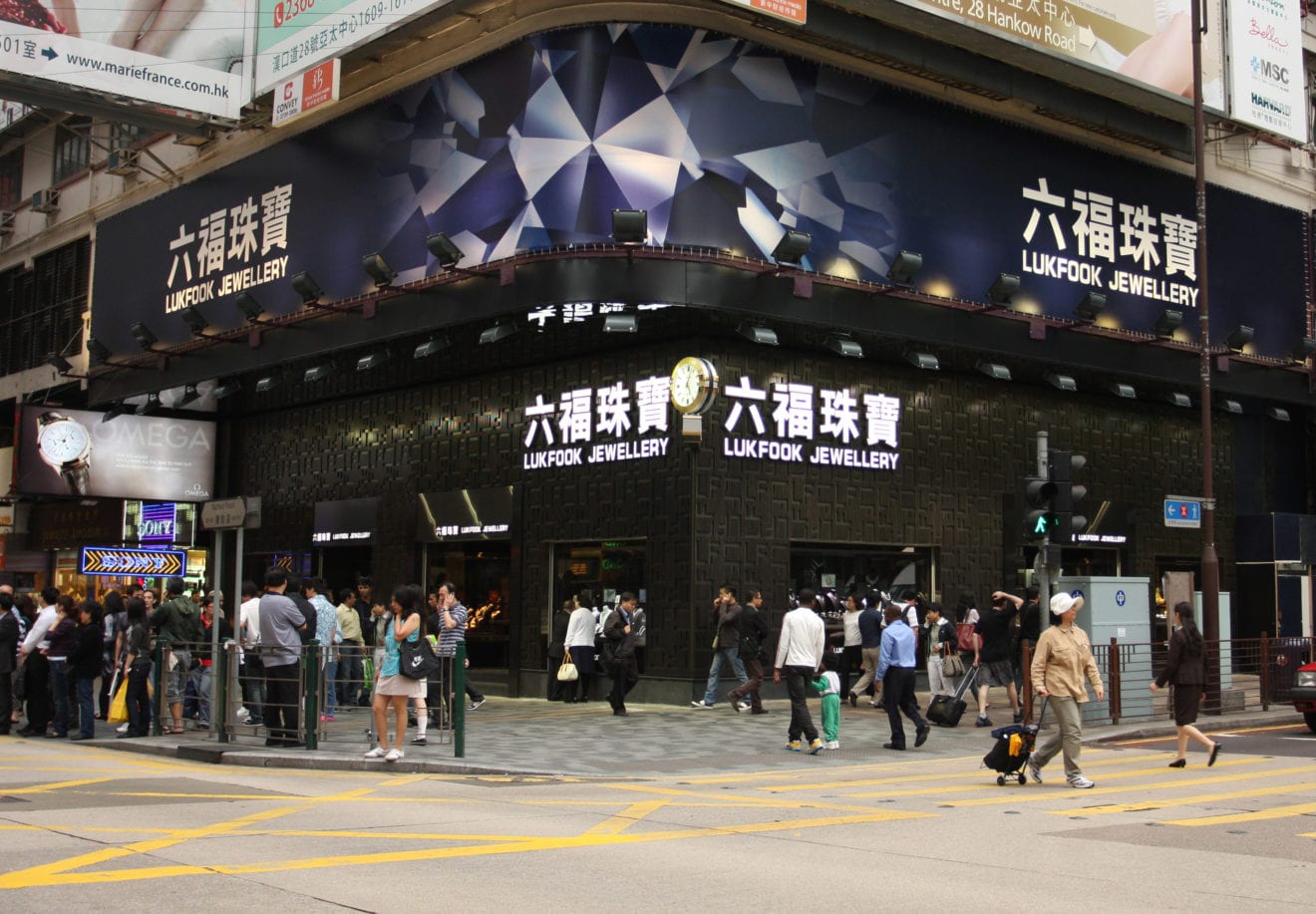
    Revenue plunged by 21.5 per cent for jeweller Luk Fook Holdings (International) to reach HK$5.5 billion (US$709 million) for the six months to September 30.

    Its interim results also show a drop of 31.5 per cent in overall same-store sales for the period.

    However, its overall gross margin improved by 5.3 points to 28 per cent as a result of a relatively high gold price and higher gemset jewellery sales mix. Because of this, the gross profit decreased by only 3 per cent to HK$1.5 billion.

    Mainland China accounted for 54.6 per cent of total profits, an increase of 12.8 points.
    With a lacklustre market, retail revenue in Hong Kong plunged by 33.4 per cent to $2.642 billion, while the wholesale business shot up by 51.1 per cent to $361.6 million because of an increase in scrap gold sales as well as wholesale rough diamonds.

    Luk Fook says a relatively high gold price saw gold sales fall more than expected.

    During the six months, the group added 27 Lukfook shops worldwide, including 24 in China (nine of them licensed shops), a self-run shop in both Macau’s casino district and New York,and  a licensed shop in Seoul. This brought its total to 1455 Lukfook shops (up from 1412 at the same time last year), spanning Australia, Canada, China, Hong Kong, Korea, Macau, Singapore and the US, as well as nine 3D-Gold shops (up from four) on the mainland.

    The group says it has been striving to diversify its product mix, and since 2010 has been trying to expand its mid- to high-end watch business. At the end of September is was the authorised dealer of 34 watch brands including Audemars Piguet, Bulova, Burberry, Bulgari, Emporio Armani, Eterna, Frederique Constant, Longines, Omega, Oris, Rado, Tag Heuer, and Victorinox Swiss Army.

    For the six months, the watch business contributed revenue of HK$104.49 million down from HK$119.39 million for the same period last year, representing 1.9 per cent of the group’s total revenue, a 12.5 per cent decrease.

    Looking ahead, the group aims to continue to develop its eCommerce business and to further strengthen cooperation with eCommerce platforms in China. At the end of September, the group had 15 online sales platforms in China, including JD.com, Suning.com, Tmall.com and VIP.com.

  • Walmart Invests $50M In JD.Com’s O2O Logistics Services App New Dada

    Walmart Invests $50M In JD.Com’s O2O Logistics Services App New Dada

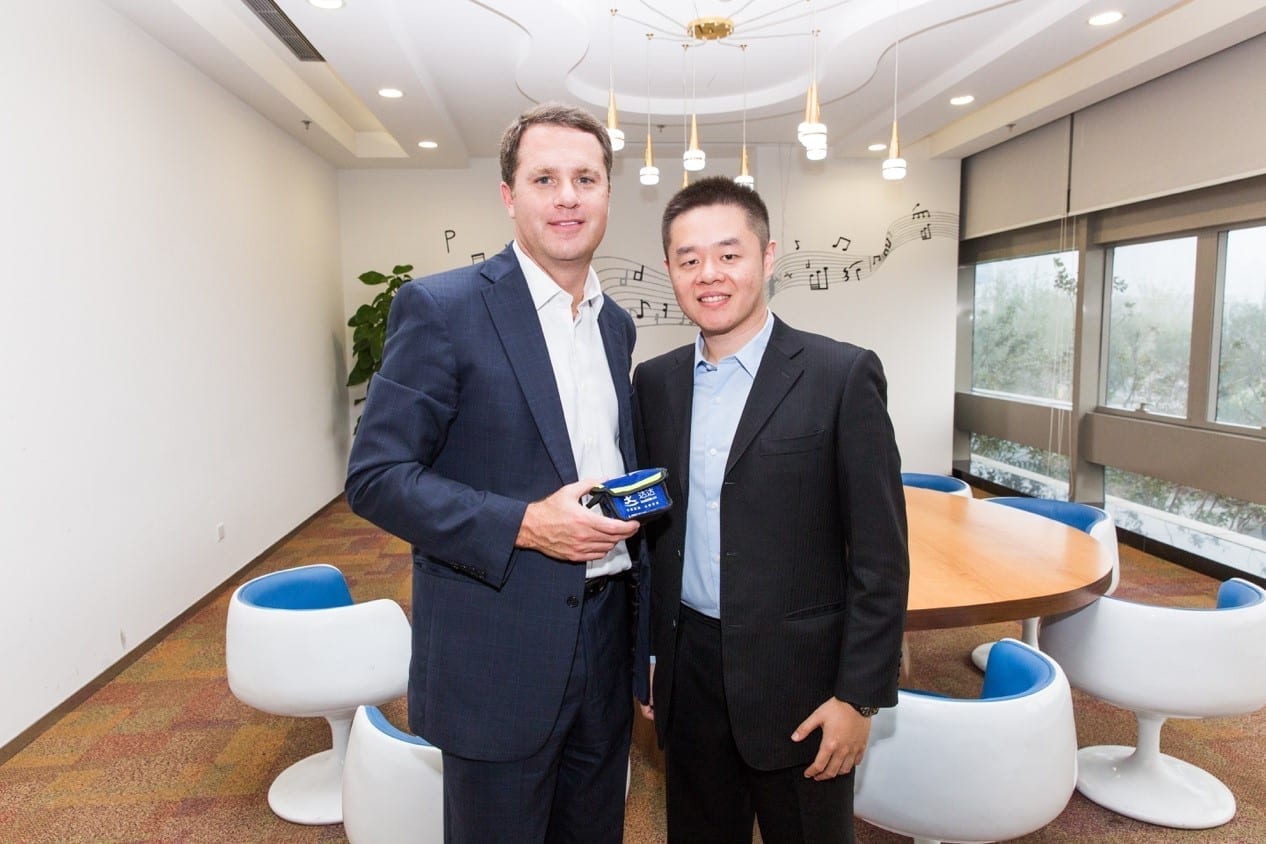
    Walmart has made a US$50 million strategic investment in New Dada, formerly known as Dada and controlled by JD.com Inc., in another step deepening an existing partnership between the global retail giant and China’s second largest e-commerce firm.

    New Dada was created in April from a merger between JD.com’s O2O (online-to-offline) unit and Dada Nexus Ltd., a venture-backed Uber-like mobile app that focuses on providing last mile logistics services.

    “Our alliance with JD and cooperation with New Dada will enable seamless shopping to millions of customers across China,” says Walmart CEO, Doug McMillon.

    The O2O logistics services provider New Dada currently has more than 25 million registered users, and provides local on-demand delivery capabilities with 2.5 million crowd-sourced deliverers across more than 300 cities in China.

    New Dada currently offers customers two-hour delivery on groceries ordered from Walmart stores to customers within a 3-kilometer radius of more than 20 Walmart stores in China. The number of Walmart stores offering two-hour delivery is expected to double by the end of the year.

    Officially launched in 2014, Dada operates through Imdada.cn and last completed a US$300 million series D round of financing from DST Global, Sequoia Capital and others in January.

    It previously raised three rounds of venture funding from DST Global, Sequoia Capital, Greenwoods Investment Management and other undisclosed investors.

    In April, JD.com paid US$200 million in cash and injected JD Daojia assets into Dada in exchange for a 47.4% stake in the newly merged Dada.

  • US$1 billion in first five minutes of 11.11

    US$1 billion in first five minutes of 11.11

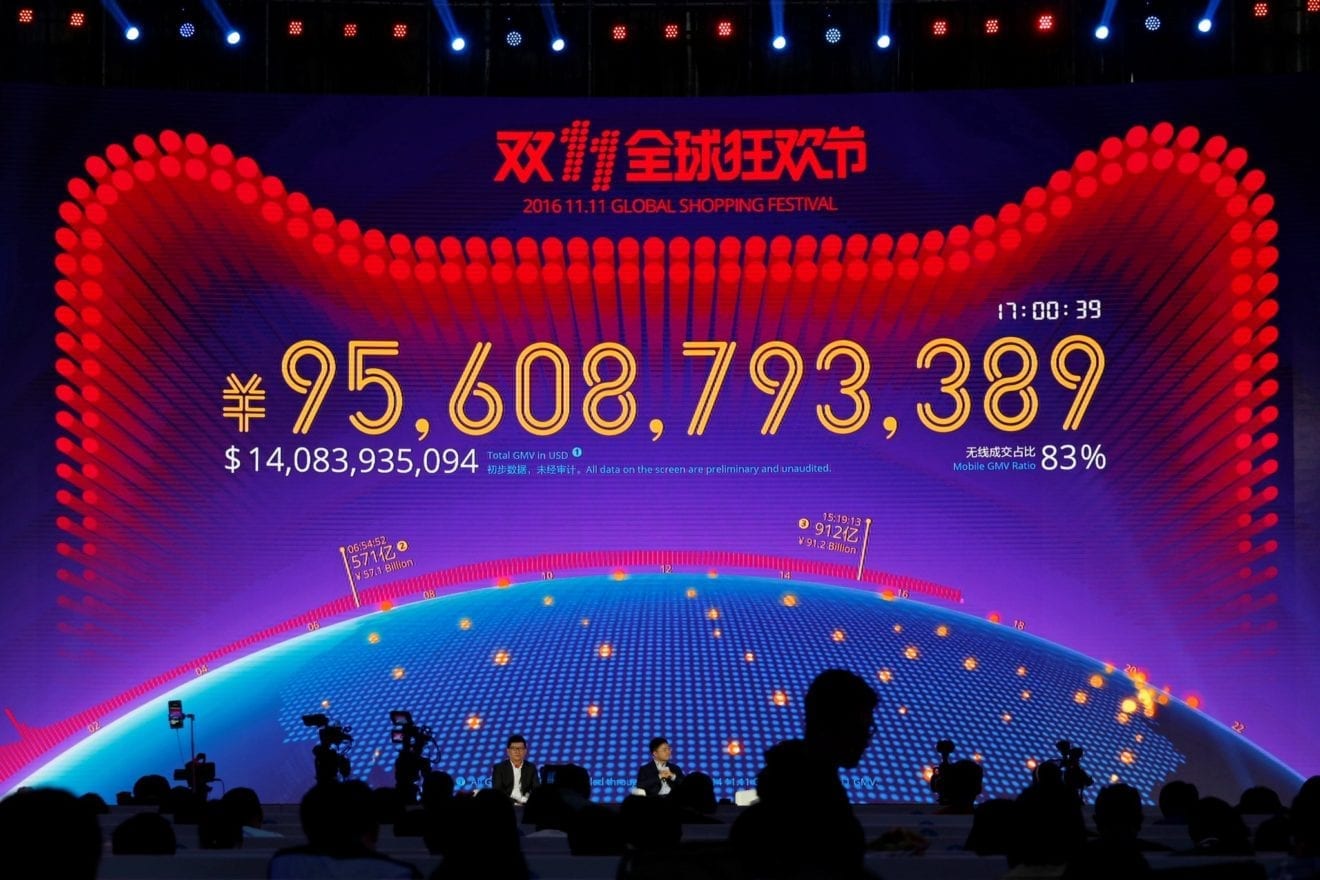
    Alibaba Group says more than US$7 billion (RMB 47.5 billion) of gross merchandise volume (GMV) was settled through Alipay on Alibaba’s China and international retail marketplaces within the first two hours of the 2016 11.11 Global Shopping Festival.

    And more than $1 billion was transacted in the first five minutes – from 12 midnight.

    “Chinese consumers purchased more in the first hour of 11.11 this year than the entire 24 hours in 2013, reflecting the incredible evolution of our global shopping festival,” said Daniel Zhang, Alibaba Group CEO. “This unprecedented level of engagement demonstrates both the consumption power of Chinese consumers and their embrace of online shopping as a lifestyle.”

    In the hours leading up to the official midnight start of November 11, millions of viewers watched the Alibaba Group 11.11 Global Shopping Festival Countdown Gala live online and on mobile devices via Youku Tudou, and the Tmall and Taobao apps. The gala was televised live across China through Zhejiang Satellite TV, as well as in Hong Kong and Macau for the first time.

    “This year, we innovated new ways for consumers watching the live broadcast of our countdown gala. Viewers were able to influence the production of the show in real-time through their mobile phones,” said Chris Tung, chief marketing officer, Alibaba Group. “Consumers in front of their televisions were shaking, tapping, scanning, chatting, browsing and buying with their mobile devices, creating a seamless and truly immersive entertainment experience.”

    VR drives surge

    International think tank Fung Global Retail & Technology predicts sales of $20 billion during the full 24 hours, up an extraordinary 40 per cent over last year’s total of $14.3 billion, thanks in part to the introduction of Buy+, the world’s first-ever end-to-end virtual reality (VR) shopping experience.

    “Buy+ will enable global retailers (even those without a physical presence in China) to offer an engaging, virtual in-store experience to Chinese consumers,” writes Fung Global Retail & Technology MD Deborah Weinswig in Singles’ Day Online Shopping Festival Could Also Benefit Retailers’ Physical Stores, a new report.

    The platform features eight virtual stores: Macy’s, Target, Costco, P&G, Chemist Warehouse, Freedom Foods, Tokyo Otaku Mode and Matsumoto Kiyoshi. Using cardboard VR headsets distributed in October, consumers can virtually walk around Macy’s Herald Square flagship in New York City to find products and, with just a nod of the head, confirm payment to purchase an item they see.

    “One of Alibaba’s strategies for Singles’ Day is to merge gamification with online shopping. The company will leverage its media and entertainment assets to drive increased online consumption,” says Weinswig.

    These include a televised countdown gala event and fashion show that was held last evening. In addition, the company is promoting products on TV screens, allowing viewers to scan QR codes for a real-time purchase.

    The concept has expanded beyond Alibaba, with chief rival JD.com, Gome and Suning also creating promotions. International retailers will target Chinese shoppers, and Chinese retailers target international shoppers. In 2015, Newegg, OTTE New York and Nasty Gal, all launched Singles’ Day promotions.

    “A year ago, Alibaba promised that Singles’ Day will be a true omni-channel event, and this year the company seems dedicated to continue delivering on the promise, armed with more technological innovations that bridge the gap between the virtual and physical worlds,” Weinswig writes.

  • Football Club Barcelona to Launch Exclusive Store on JD.com

    Football Club Barcelona to Launch Exclusive Store on JD.com

    JD.com (Nasdaq:JD), China’s largest e-commerce company by revenue, and FC Barcelona, one of the world’s most popular football clubs, today announced the launch of the FC Barcelona Flagship Store on JD.com’s cross-border e-commerce platform, JD Worldwide. The exclusive store, FC Barcelona’s first store on a Chinese e-commerce platform, will offer a wide selection of authentic merchandise to the millions of FC Barcelona fans around China.

    FC Barcelona Flagship Store on JD.com
    FC Barcelona Flagship Store on JD.com

    FC Barcelona’s store on JD.com will feature a selection of official and authentic FC Barcelona merchandise from the world-famous club, including football kits, training gear, accessories and others. It will also feature special branded shirts from some of the club’s players, including Lionel Messi, Luis Suarez, Neymar, Andrés Iniesta and Gerard Piqué.

    “Fans of FC Barcelona from across China are getting an early Singles Day present with the launch of this store,” said Ting Qi, General Manager of JD Worldwide. “FC Barcelona is one of the best-known brands in global sports and we look forward to working with them to grow that position in China.”

    The FC Barcelona store on JD.com builds on the success of the club’s retail partnership with the Hong Kong-headquartered EZshopnet International Limited, which specializes in football e-commerce.

  • Can This British Retailer Conquer China?

    Can This British Retailer Conquer China?

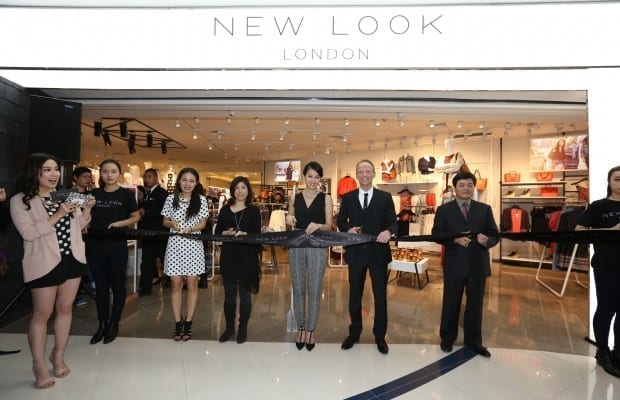
    New Look, a fast-fashion retailer bearing a striking similarity to Forever 21, is aiming to boldly go where many chains have gone before but few have succeeded.

    The British retailer’s chief executive officer, Anders Kristiansen, has made no secret of his intentions in China, announcing plans in June to open 50 more stores there by March, which would bring its total number of locations in the Asian nation to 150. That’s 10 times the number of stores it had in China in 2015. But a Reuters report last Thursday revealed that New Look’s owner, South African billionaire Christo Wiese, has a more ambitious expansion in mind—500 stores within three years.

    New Look currently has more than 850 stores around the world, two-thirds of which are in the U.K. Despite a challenging first quarter that saw revenues fall 4.2% to 354.2 million pounds ($431.9 million), Kristiansen insisted the retailer would stay the course in China, where there had been a “strong local reaction to our affordable, fast-fashion offer.”

    According to Reuters, Wiese plans to conquer the Chinese market using a local-for-local manufacturing model, meaning most of the clothing it will sell in China will be made there to ensure locally relevant products are delivered to stores quickly. It’s a sourcing strategy that Zara owner Inditex has down to a tee and many other companies, including Under Armour, are trying to replicate around the world.

    “South Korea and Japan drive a lot of the trends that the Chinese customer seeks, so our ability to be able to identify those trends, source them locally and get them into our stores quickly is key,” Sven Gaede, managing director of New Look’s international business, told Reuters, adding that 85 percent of what the retailer already sells in China is made there.

    Local sourcing aside, some experts are skeptical about the retailer’s bullish growth plans. Franklin Yao, managing partner at strategy consultants Smith Street, described them as “virtually impossible,” noting that New Look is unlikely to find 500 empty retail stores, given the fact that H&M and Uniqlo also want to open hundreds more locations in China in the coming years.

    That being said, Chinese consumers are notoriously fickle and several big-name brands have failed to gain a foothold there, including Gap, Marks & Spencer and Walmart. In an effort to test the waters before committing to a brick-and-mortar presence, most international retailers first launch on the likes of JD.com or Alibaba’s Tmall and Taobao.

    But New Look appears to be covering all its bases in China: After opening its first locations in Shanghai and Beijing in February 2014, it launched an online store on Tmall seven months later and debuted on JD.com earlier this year.

  • This Retail Tycoon Wants to Open 500 Stores in China in Three Years

    This Retail Tycoon Wants to Open 500 Stores in China in Three Years

    As Europe’s fashion giants brace for what could be the toughest leg of their expansion in China, a South African retail tycoon has launched a bold assault on the world’s most populous nation.

    Christo Wiese is promising to open 500 of his New Look stores in just three years, catapulting the British brand into the same league in China as the world’s top fashion chains – Spain’s Inditex and Sweden’s H&M.

    His plan is to make most of the clothes in China to ensure they cater to local tastes and can get to stores quickly – a strategy similar to the one successfully pursued in Europe by Zara-owner Inditex.

    The arrival of New Look – and its local sourcing strategy – poses a new risk for the likes of H&M and Inditex, already suffering from slower growth in China, fierce competition for real estate and the cost of investing in ecommerce.

    H&M is opening more stores in China this year than anywhere else in the world and the country is already the second biggest market for Inditex outside Spain.

    China is a big draw for retailers who hope to tap the aspirations of a fast-growing middle class, with mid-range names benefiting as consumers trade down from luxury brands since Beijing’s clampdown on corruption and conspicuous spending.

    But recent history offers plenty of examples of failure. Western brands that have struggled in China include Gap Inc , Abercrombie & Fitch and Marks and Spencer , which decided last year to close five stores in smaller cities to focus on flagship stores in large cities and online.

    “Most of the Western fashion labels that are mid-range fail in China. A large part of it is that the styles and the fit are so completely different,” said Shaun Rein, founder of market intelligence firm China Market Research.

    LOCAL TASTES, LOCAL SOURCING

    New Look, a chain founded in 1969 and bought last year by Wiese’s investment vehicle Brait SE, does not want to make the same mistake. It now runs 94 stores in China, out of a global total of 852, and hopes to have up to 150 by next March.

    “I will definitely give it a try if it is a foreign brand and as long as I like it,” said Chen Jie, a 32-year-old businessman from Shenzhen who was carrying an H&M bag in a shopping district in Hong Kong. “Price is not an issue but the design and quality must be good.”

    While New Look is cashing in on the popularity in China of British style – it is adding the “London” tag to its logo for its Chinese stores and website – it is also catering for local tastes.

    Sven Gaede, managing director of New Look’s international business, says the firm has an advantage over many European rivals as 85% of what it sells in China is sourced locally and more than a third is designed exclusively for China.

    That has allowed New Look to tap into the current popularity in Asia of culottes – flared, three-quarter length trousers. Gaede said they account for 12% of the firm’s sales in China, though they are not popular in its European markets.

    “South Korea and Japan drive a lot of the trends that the Chinese customer seeks, so our ability to be able to identify those trends, source them locally and get them into our stores quickly is key,” said Gaede.

    That helps explain the success of the Uniqlo chain of Japan’s Fast Retailing in China, which already has almost 500 stores in the country and is aiming for 1,000 stores in about five years – more than in Japan.

    “It’s pretty hard for the foreign fast brands to do the localisation that Uniqlo does in China as it was born with the Asian gene,” said Violet Shen, a marketing executive in Shanghai.

    The “fast fashion” model was pioneered by Inditex, which can bring new styles from the catwalk to stores in Europe within days from factories mostly in Spain and North Africa. However, Inditex does not have the same advantage in China.

    Inditex plans to add 60 stores in the next few years to the 582 it already runs in China, but it serves them from its logistics centres in Spain.

    “As their proportion of sales increases in the East, it challenges this model. You can’t hub out of Spain,” said Dominic Jephcott, chief executive of supply chain experts Vendigital.

    New Look is not the first Western retailer to try to bring the Inditex model to China.

    Denmark’s Bestseller, which runs brands like Vero Moda and Jack & Jones, says over 90% of its products sold in China are also produced in China and most of the designs for the Chinese market are adjusted to local tastes.

    That has helped the family-owned firm to become the clear leader in China, with more than 6,800 stores in over 300 cities, to give it a 2% share of the fragmented market, according to market research firm Euromonitor.

    Anders Kristiansen ran the China business of Bestseller before taking over as New Look chief executive in 2013. Gaede said Kristiansen’s experience in Asia is one of the reasons behind the group’s aggressive expansion strategy.

    H&M also buys many of its garments in China – the country accounts for about a quarter of its global sourcing.

    But the Swedish firm does not make a big point of adjusting its ranges for China, where it has opened 47 stores in the last nine months, taking its total to 400.

    “We see that fashion becomes more and more global and that China doesn’t differ much from the rest of the world regarding trends and fashion,” said investor relations head Nils Vinge.

    “There are of course local differences but that is true for every market. H&M has a business model that can adapt to this,” Vinge said, declining to elaborate.

    Rein of China Market Research says Western brands must strike a delicate balance.

    “You have to keep your global brand image and you can’t be that creatively different in China than other markets. The Chinese travel around the world,” he said. “It is good to localise. But it hard to localise an aspiration.”

    STORES VS ECOMMERCE

    A bigger challenge for New Look may be to secure the right locations, especially as rivals also seek to add hundreds of stores in the coming years.

    “To find 500 stores of real estate and roll that out in the right way … I think it is virtually impossible,” said Franklin Yao, managing partner at strategy consultants Smith Street.

    But the more established New Look’s brand becomes in China, Gaede said, the better the locations and terms it will be offered, adding that the firm was now pushing into smaller cities.

    “We are less wedded to the number each year and we are more wedded to getting quality locations,” he said.

    Meeting soaring Chinese demand for buying clothes online is also tough.

    Most international brands initially launch on Chinese ecommerce sites like JD.com and Alibaba’s Tmall and Taobao, but are keen to build up their own online operations to protect margins and integrate ecommerce and store services.

    New Look is currently available on Tmall and JD.com, but plans its own transactional site in the next 12 to 18 months.

    Partnering with Chinese sites and local payment and delivery service providers is essential to reach consumers across such a vast country, said Vendigital’s Jephcott.

    “It is a hard physical push and a very hard digital push, all premised on a strong relationship with the logistics partner like Taobao,” Jephcott said, noting that Taobao has established a delivery network of micro-stores even in small towns.
  • Wal-Mart Boosts Stake in JD.com, Expands Further in China

    Wal-Mart Boosts Stake in JD.com, Expands Further in China

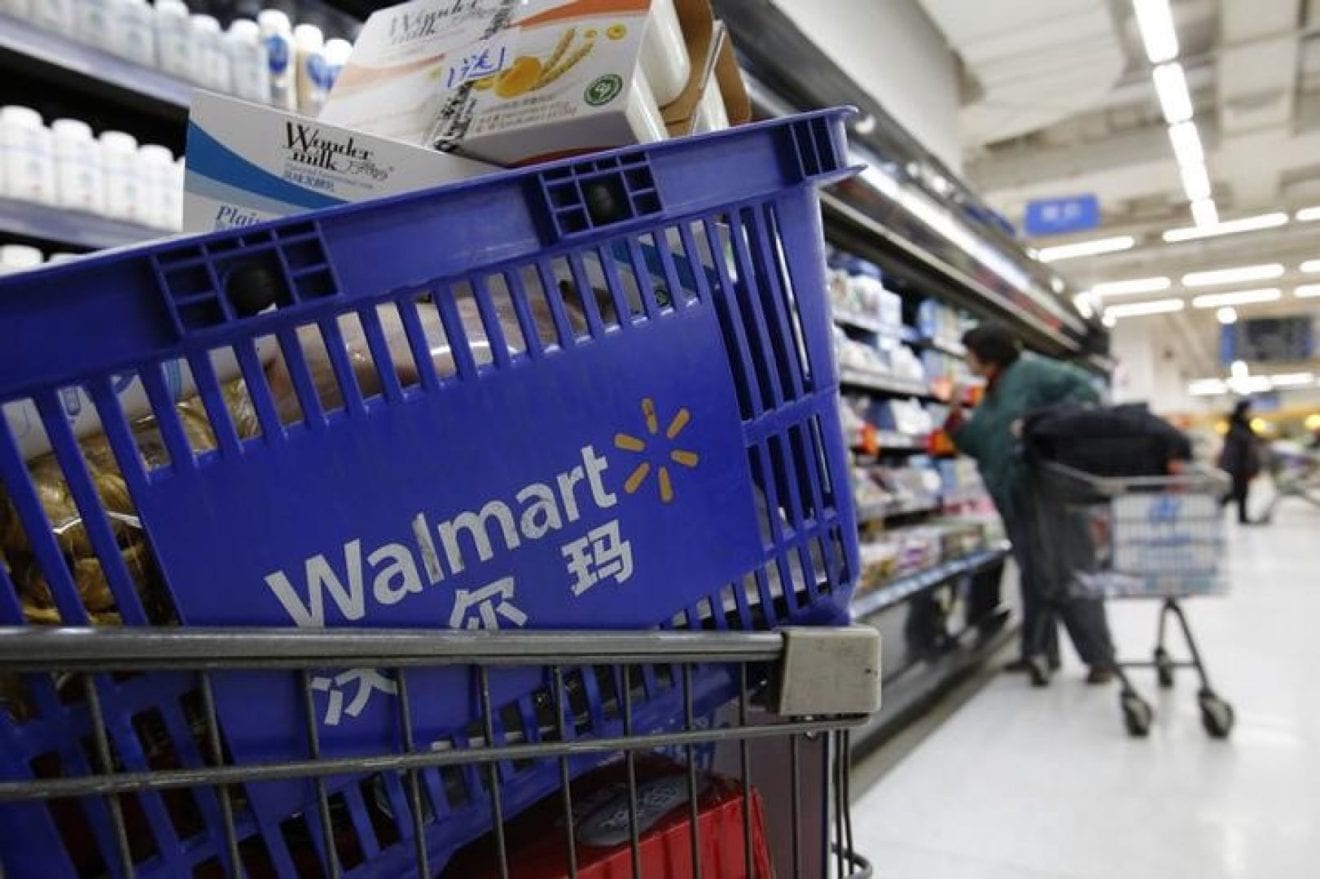
    Wal-Mart Stores Inc. has reportedly increased its stake in Chinese eCommerce website, JD.com Inc., to 10.8% from 5.9%, aiming to grab more market share in the world’s largest online market. Shares of JD.com jumped 7.5% in after-hours trading following the news.

    The move comes nearly four months after Wal-Mart inked a deal with JD.com. to sell its Chinese eCommerce business, Yihaodian to JD.com in exchange for a 5% equity stake in the company.

    JD.com is the second-largest online retailer in China after Alibaba Group Holding Ltd. in terms of market cap. The expanded deal with JD.com is expected to offer Wal-Mart a better chance of competing in the cut-throat retail industry in China and expand its reach in the country. Evidently, it expects to generate 25% of global retail growth from the region over the next five years. Further, this will benefit Wal-Mart with JD.com’s huge customer base and its same-day delivery network.

    WAL-MART STORES Price and Consensus

    We note that Wal-Mart has been struggling of late to expand its reach in China. The retailer opened its first store in the country in 1996, but only has about 430 stores there at present. The company has stated various reasons for the sluggish business operations in the region.

    In China, the company has long been dealing with food safety scandals despite trying to maintain high food safety standards. Wal-Mart China too has been facing significant pressure from government austerity measures and deflation. Further, the company faces problems in understanding discerning Chinese consumers as their buying decisions aren’t always price driven.

    Apart from expansion in China, this Bentonville, AR-based company is leaving no stone unturned to acquire a stake in the online business. In this regard, it continues to make huge investments in eCommerce initiatives, including acquisitions. Recently, Wal-Mart completed the acquisition of eCommerce company, Jet.com, Inc., which marked a huge step forward in its quest to dominate ecommerce king, Amazon.com, Inc. Wal-Mart is also in talks to acquire a stake in India’s largest eCommerce firm, Flipkart Online Services Pvt., in order to expand in the fast-growing online retail market.

  • Alibaba And JD Face Chinese Online Clothing Market Deceleration

    Alibaba And JD Face Chinese Online Clothing Market Deceleration

    China’s burgeoning online clothing market experienced a sharp slowdown in the second quarter. Yearly growth rates tumbled from over 70% just six months ago to a two-year low of less than 45%. If the sharp slowdown continues in the second half this year, it will have a substantial impact on the revenues and profits of China’s top online retailers Alibaba, JD.com and Vipshop.

    According to the latest quarterly report by Analysys, China’s B2C apparel trade fetched a record of 208.9 billion yuan in the second quarter this year, an increase of 44.7% over a year ago. It was also higher than the 186.77 billion yuan registered in the first quarter.

    Sales figures for each company’s second quarter are higher than that of first quarter because of two factors. First, most people buy winter clothes in the fourth quarter, in part preparing for the Chinese New Year. Secondly, the second quarter is the time to buy spring and summer clothing. To further stimulate this seasonal demands, different e-retailers have organized in recent years three promotions, namely on April 19, May 20 and June 18. These three days have become national “festivals” and are successful in driving the overall growth of online apparel market.

    Online Clothing Sales Growth Rates Drop Nearly 30 Percentage Points

    However, Chinese online clothing sales now experience a sharp deceleration. The yearly transaction growth rate tumbled from an all-time-high of 72.2% at the fourth quarter last year, to only 44.7 % in the second quarter this year. It was also the lowest growth rate registered in the last two years.

  • ‘Modest’ growth for Dairy Farm International

    ‘Modest’ growth for Dairy Farm International

    Pan-Asia retailer Dairy Farm International Holdings reports “modest” sales growth for the six months ended June 30.

    Underlying profit was slightly ahead as higher contributions from food, home furnishings, restaurants and China hypermarket Yonghui offset a lower contribution from the group’s health and beauty division. The group is seeing the benefits from investments made last year.

    Sales for the period, excluding associates and joint ventures, were down 1 per cent but up 2 per cent at constant exchange rates. Sales were impacted by the closure of underperforming stores in Indonesia and Singapore.

    The operating profit was stable at US$197 million, compared with $201 million in the first half of last year.

    Under pressure

    In the food division, sales within supermarkets and hypermarkets were up 2 per cent despite deflationary pressures.

    In Hong Kong, sales increased modestly but profits were impacted by higher rental and labour costs. In Indonesia and Singapore, profitability improved despite reduced sales following store closures. Sales were flat but profits lower in Malaysia, while the Philippines had good sales growth and improved profitability.

    Convenience stores in Hong Kong and Macau performed satisfactorily in a difficult trading environment, while overall sales in Singapore were flat because of the cutback in stores yet sales were positive and profits higher.

    Store expansion continued in mainland China, and there was good sales and profits growth.

    In the health and beauty division, sales improved in Hong Kong but Macau and Malaysia were behind with lower profitability.

    Like-for-like sales were positive in China, and in Indonesia “encouraging” improvements were made in sales and profits following a store rationalisation program.

    In the Philippines, good progress continues to be made on the integration of Rose Pharmacy.

    In home furnishings, Ikea performed well, producing growth in both sales and profits in its three markets. Store expansion opportunities are being pursued.

    Still expanding

    In the restaurant division, Maxim’s maintained its impressive track record with higher sales and profits in China and Hong Kong. The group is growing its presence on the mainland and continues to expand its Starbucks network in Cambodia and Vietnam.

    Yonghui reported 18 per cent revenue growth in the first half.

    In February, PT Hero agreed to sell its remaining Starmart stores in Indonesia. The transfer of the stores is expected to be completed in the fourth quarter.

    In March, the group refinanced short-term borrowings of $900 million, to be used in part to invest a further $191 million in Yonghui. This will maintain the group’s 19.99 per cent interest following the placement by Yonghui of a 10 per cent shareholding to JD.com.

    In April, Maxim’s acquired the Cova patisserie and restaurant franchise in Hong Kong, which has 10 outlets. Maxim’s also opened its first The Cheesecake Factory in Shanghai Disney Town.

    At the end of June, Dairy Farm, including Yonghui, had about 6500 outlets across all formats and employed 180,000-plus people.

    “While sales and profit performance in the first half have been encouraging in a challenging
    trading environment, the outlook remains uncertain with consumer confidence fragile in most
    Markets,” says chairman Ben Keswick.

    Incorporated in Bermuda, Dairy Farm International Holdings has its primary listing on the London Stock Exchange with secondary listings in Bermuda and Singapore. The group’s businesses are managed from Hong Kong by Dairy Farm Management Services through its regional offices. Dairy Farm is a member of the Jardine Matheson Group.

  • China’s Growing E-Commerce Addiction

    China’s Growing E-Commerce Addiction

    I am admittedly an Amazon shopping addict, so it was interesting to have a long conversation recently with Chinese colleagues in Nanning about their own growing addictions to online shopping. They are big fans of Taobao, although they also use other e-commerce sites likeJD.com and Suning.com. My colleagues are representative of a larger trend of Chinese consumers shifting partly from brick-and-mortar shopping to online shopping, and expanding online shopping in its own right. E-commerce now represents a high-growth sector.

    Though relatively new to online shopping, Chinese consumers already make up for almost half of global online retail sales, and are only growing in numbers. Online retail sales amounted to $581.61 billion in 2015, surging 33.3% from the previous year. The volume of online sales in China now exceeds that in the US, and online sales are expected to grow 20% annually by 2020. Furthermore, online shoppers represent the vanguard of China’s growth story, since they tend to be young, urban, and highly educated. They have a different attitude toward shopping than older generations, which were shaped as savers by more challenging political and economic circumstances. Younger shoppers are more willing to spend.

    Compared to brick-and-mortar retailing in China, e-commerce sales often experience fewer licensing requirements and quicker customs clearance. As a result, e-commerce is to some extent replacing shopping in physical marketplaces, and will comprise 42% of growth in private consumption by 2020 according to Boston Consulting and AliResearch. For this reason and others, hypermarkets such as Carrefour and Walmart have shut down a number of stores. Online shopping also allows consumers to access products that are not available in stores, including organic foods and some luxury products from overseas.

    As consumers in Tier 1 and Tier 2 cities (think Beijing, Shanghai, but also Chongqing and Chengdu) become increasingly savvy online shoppers, there continues to be large potential for online sales particularly in Tier 3 and 4 cities. E-commerce penetration amounts to 89% in Tier 1 and 2 cities, but only amounts to 62% in Tier 3 and 4 cities, as per the McKinsey iConsumer China 2016 Survey. The online shopper base in Tier 3 and 4 cities is 257 million, a population number that is larger than that of almost all countries in the world (except India, China as a whole, and the United States). That is serious market potential.

    To keep up with increasing demand from smaller urban and rural areas, online retailers are seeking to expand logistics infrastructure and services. For example, Alibaba ’s logistics arm, Cainiao, now owns 180,000 express delivery stations for the shipment of products and has recently expanded its fresh food distribution centers across China. The firm recently completed its first external funding round and is expected to spend $16 billion over the next five to eight years to expand its network. Growth in China’s underdeveloped logistics sector can certainly be expected to accompany the expansion of e-commerce.

    *originally posted by Forbes

  • China’s large retailers report slower growth in 2015

    China’s large retailers report slower growth in 2015

    China’s large retailers registered slower growth last year, with brick-and-mortar stores under continuous pressure due to booming e-commerce, a report showed Thursday.

    The sales volume of the country’s top 100 retailers topped 4.13 trillion yuan ($613.6 billion) in 2015, up 22.4 percent year on year, down by 3.8 percentage points compared with 2014, according to a report released by China General Chamber of Commerce, a retail industrial guild and retail market data provider.

    Among them, brick-and-mortar stores posted a continuous slowdown in growth, with sales only rising 3.2 percent year on year.

    Chinese Internet giant Alibaba’s T-mall e-commerce platform was the top seller last year, followed by JD.com and Suning.com.

    The report pointed out that foreign retailers saw their market share in China decrease further last year, with fewer foreign players making it into the top 100, and slower sales growth.

  • Brexit to bring cheaper British goods into China, JD director

    Brexit to bring cheaper British goods into China, JD director

    Chinese e-commerce giant JD.com said on Friday British goods will come into Chinese market at cheaper prices after the country voted to leave the European Union (EU).

    “British products will be more competitive,” Tony Qiu, director of JD Worldwide, made the remarks in Paris at a news conference after discussing with French companies about coming out on top in the Chinese market.

    Since British people voted to leave the EU last Friday, the pound has dropped almost 8 percent against the dollar, accompanied with plunges in global stock markets.

    He said it’s not clear yet whether the Brexit will impact the company’s business.

    JD does have the ambition to sell goods to the European people in the long run, he added.

    JD.com, China’s second largest e-commerce platform, has already partnered with French brands, such as L’Oreal and Evian, to direct sell French cosmetics and drinks through its on-line channel.

    JD.com together with Alibaba Group, the biggest player in the field of e-commerce, account for about 80 percent of online retail sales in China.

    In late June, Wal-Mart sold its online retail site Yihaodian to JD.com. The deal will see Wal-Mart become a retailer inside Yihaodian rather than have a separate online store entirely. The partnership with JD.com is seen as a way for the US giant to gain a stronger foothold in the highly competitive Chinese e-commerce market.

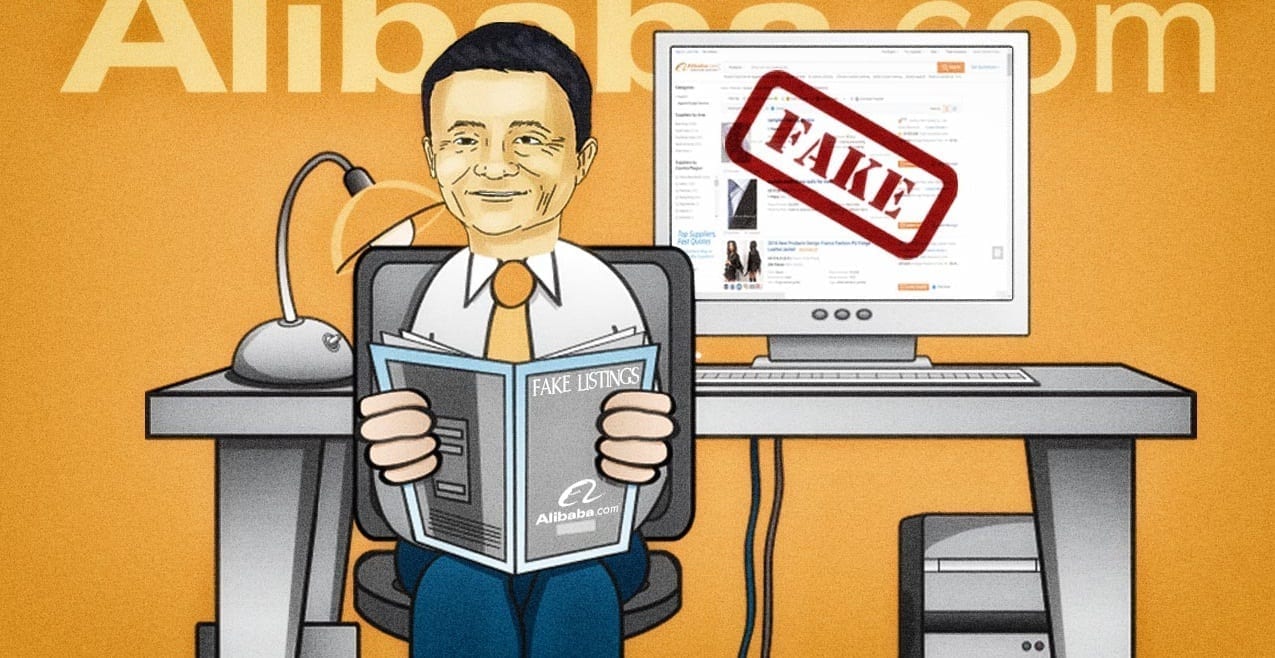
  • Alibaba Group Holding Ltd Should Stop Fooling Stakeholders on Counterfeits

    Alibaba Group Holding Ltd Should Stop Fooling Stakeholders on Counterfeits

    On Tuesday, founder and chairman of Alibaba Group Holding Ltd, Jack Ma wrote to its investors, customers, and traders highlighting that his recent words about counterfeited goods was taken out of context and his company has no tolerance for fake goods trading on its e-commerce portal.

    Mr. Ma said in his article: “When Alibaba went public in 2014, I told our customers, employees and investors that what we had earned was trust—in myself, my team, and our company’s mission, vision and values.” Mr. Ma further highlighted that with trust come great responsibility and Alibaba’s responsibility is to protect all of its stakeholders.”

    Last week, Mr. Ma released a statement saying that “counterfeited goods are better than original products,” after which Alibaba came under fire and many foreign brands owners challenged the company’s credibility and its efforts to fight against fakes traded on its e-commerce platform.

    He stated: “The problem is the fake products today are of better quality and better price than the real names. They are exactly the [same] factories; exactly the same raw materials but they do not use the names.”

    Yesterday, Mr. Ma indicated that whatever he said was an observation and has nothing to with the reality. He further added that “Failing to protect original designs, trademarks, and technology is akin to thievery, and it is detrimental not only to innovation but also to the integrity of the marketplace,” and Alibaba will never forgive any act of stealing.

    Last year, several leading foreign brands filed lawsuits against the Chinese e-commerce giant, accusing it of deliberately promoting the counterfeited goods traded on its websites.

    Kering SA, a French luxury goods holding company filed a lawsuit against the Chinese e-commerce giant last year, claiming that Alibaba is directly involved in the promotion of counterfeited goods. However, the company denied all such accusations and later, the case was resolved on mutual consent. Like Kering, many other foreign brands have alleged Alibaba of doing little to stop the trading of fake goods on its leading platforms including Taobao and Tmall.com. Likewise, many of them have even shifted to other e-commerce stores including those of JD.com Inc.

    Last year, Alibaba also narrowly escaped the US black list for notorious goods; however, it received official warning from the US trade officials to quickly resolve the issue and prevent sale of counterfeited goods on its leading online platforms such as Taobao. Mr. Ma saw this escape a huge victory and assured the trade officials that his e-commerce firm is 100% committed to lead the fight against global counterfeiting, both online and offline.

    The Chinese e-commerce giant has invested heavily and devoted significant efforts to develop an unparalleled level of technology to put a stop to this counterfeiting work. The Chinese e-commerce giant takes out full-bodied data processing and analytics to enable real time scanning of nearly 10 million new products a day by looking at key features such as pricing, trademarks, and buyer and seller identity. Despite such aggressive measures the world’s second largest retail network is yet to satisfy customer, trade officials, and most importantly brand owners.

    In his write up, Mr. Ma emphasized on the fact that a cooperation spread globally is needed to fight the counterfeited goods issue. It’s a “long term crusade,” he said, a battle against human greed for which there are no short term fixes and easy way out.

    Mr. Ma’s statement was not welcomed with gratitude by investors, brand owners, and trade officials. According to some analysts by terming the case a long term crusade, Mr. Ma has indicated that the counterfeited goods is likely to continue to trade on Alibaba’s online platform. He said he expected Alibaba to become the “fifth largest global economy” after Japan by 2020. This is likely to happen because China’s middle class consumption has increased massively, and the country’s middle class holds about $4.6 trillion in savings.

    Recently, Security and Exchange Commission (SEC) have inquired Alibaba to present complete details of the company’s accounting policies and for one of its delivery affiliate, after the company was accused of using inappropriate financial measures and not disclosing complete transactions of its delivery affiliate.

    In May, the Chinese e-commerce giant was handed a suspension from International Anti-counterfeiting Coalition (IACC), a supervisory body for retail industry after several leading members threatened to step down against Alibaba’s inclusion. Those members included Tiffany, Gucci America, and Michael Kors.

    Role of Chinese Government

    Though the Chinese e-commerce giant faces tremendous international criticism and pressure from trade officials, the government has done little to tackle the counterfeited goods issue i.e. no more than a few warnings. Even Mr. Ma himself proclaimed that the Chinese government can’t even ban his company for two hours due to its significant economic importance. We believe that there are solid reasons as to why the Chinese government can do very little to take action against Alibaba.

    The following revenue table clearly depicts that Alibaba’s retail business generates significant profits, which is a vital catalyst for growth in China’s deteriorating economy. The country’s GDP growth is at its slowest in the past 25 years, and with crude oil continuously remaining on a lower side, the Chinese government is shifting to services and retail sector to inject growth in the Chinese economy, and Alibaba is the big connection to it.

    It is indicated that Alibaba’s China retail business amounted to nearly 78% of total revenue generated in the quarter, while international retail also surged 15% year-over-year (YoY).

    Its international retail segment growth also highlights the company’s eagerness to expand its footing in the international market. We depicts Alibaba’s international retail revenue for the past six years.

    Though the growth is imminent but many analysts opine that is far below the expectations. As a result of counterfeited goods scandal, the company’s international retail revenue growth has plummeted 41% on average in the past five years.

    At the recent investor’s day conference, the Chinese e-commerce giant also released its annual revenue forecast estimating a 48% YoY surge, mainly driven by the acquisitions of Youku Tudou and Lazada the Asian e-commerce giant. It said: “The Company expects to record 6 trillion yuan ($912 billion) in gross merchandise volume (GMV) in fiscal 2020, nearly double 3.09 trillion yuan in fiscal 2016.”

    Despite achieving significant success, the Chinese e-commerce giant is surrounded by controversies since the past few years. Earlier on Wednesday, it also won the dismissal of a US lawsuit accusing the company of defrauding its stakeholders by “concealing a regulator’s warning about its ability to suppress counterfeiting on its websites.”

    Overall, analysts have been keeping a mix view on whether Alibaba is right or wrong; however, Mr. Ma indicates that his company works hard each day to ensure that its stake holders are protected and its consumers are not fooled by shoddy fake products. However, he asserted that to completely eliminate the issue from the root cause, a time period is required and global assistance is necessary.

    We believe that it is high time now that Alibaba should stop fooling customers and brand owners and should work with sincerity, rather than consoling and giving false hopes. Authenticity of the product is of key importance and Alibaba should return its stakeholders a favorable response or get ready to lose customers. We also believe that the Chinese government should embrace the rule of law. The government should stop promoting double standards and treat both foreign and domestic firms at permissible level. Has it been Amazon Inc or any other foreign e-commerce retail network, the consequences and treatment would have been different.

  • Wal-Mart’s deal with China’s JD.com may be copied by others

    Wal-Mart’s deal with China’s JD.com may be copied by others

    When the world’s largest retailer makes a move, other retailers pay attention. Wal-Mart Stores Inc.’s decision to enter into a strategic alliance with the second largest Chinese e-commerce retailer, JD.com Inc., may inspire others to seek out local partnerships to make inroads in this major market.

    “For some in the industry, this will be a ‘Good Housekeeping’ seal of approval,” said Christian Magoon, chief executive officer of Amplify Investments, which recently launched the Amplify Online Retail ETF IBUY, -0.52% .

    “If Wal-Mart is comfortable and, with their scale, couldn’t crack the Chinese market on their own, it will be a case study for others. It could be a bellwether moment to see if this strategic partnership is the best model.”

    Wal-Mart announced Monday that it will sell its Yihaodian website to JD.com and receive about 5% of the company’s total shares outstanding. Wal-Mart WMT, +0.51% will open a flagship Sam’s Club China store on JD.com JD, +0.33%  and leverage the online retailer’s supply chain assets.

    Wal-Mart has had problems growing in the Chinese market, amid food regulatory and food safety controversies.

    “Wal-Mart was trying to go on its own and I think this is kind of a throwing in the towel,” Magoon said. At the same time, it is an acknowledgment that Wal-Mart needs to grow in China to be in a good position for the future. “If Wal-Mart is going to compete, they’re going to have to go big,” Magoon said.

    To compete in China, retailers have to go online, said Charlie O’Shea, Moody’s lead retail analyst.

    “JD.com has a solid platform online in China, and we know China’s online business is expanding rapidly because they’re not at the level of brick-and-mortar like the U.S.,” said O’Shea.

    JD.com also has a proprietary system that allows them to control the “last mile” with customers, or the final leg of the delivery process that gets merchandise into the buyer’s hands. O’Shea describes the last mile as “critical.”

    Analysts at UBS view the deal as a “good move on many levels,” though Wal-Mart’s share price may not reflect that.

    “While this deal isn’t a needle mover for Wal-Mart shares, it shows the retailer can be shrewd when the opportunity presents itself,” the bank wrote in a Monday note.

    UBS believes there are more opportunities like this one in the retailer’s portfolio, which currently spans 28 countries.

    “Wal-Mart has identified China as its highest potential international growth market,” they wrote. “We believe it remains fully committed to this geography, despite the sale.”

    UBS rates Wal-Mart stock at neutral with a price target of $67.

    Wal-Mart shares were up 0.4% in Tuesday trading, and up 16.5% for the year so far. JD.com shares are down 0.4% in Tuesday trading, and down 35% for the year so far. The S&P 500 is up 2.1% for the year to date.