Retail News CRM

Tag: jd.com

  • China’s JD.com expands operations to Silicon Valley

    China’s JD.com expands operations to Silicon Valley

    JD.com, China’s second-largest e-commerce services provider by sales, has expanded its operations in the United States, with the opening on Monday of a research and development facility in Santa Clara, California — right in the centre of Silicon Valley.

    “Given the scope and strength of American brands, products and capabilities, the US was the obvious choice as we sought a location for our first office outside of Asia,” said Richard Liu Qiangdong, the founder and chief executive of JD.

    The move followed JD’s unveiling last month of a new office in Hong Kong that was set up to help the Beijing-based company better engage with major brands and retailers across Asia.

    Dennis Weng, the chief technical advisor for JD Mall, has been tasked to initially oversee the new US facility, which will focus on areas such as cloud computing, mobile applications and big-data infrastructure to improve the online retail experience for its customers in mainland China and boost the company’s US-sourced offerings.

    JD’s research and development operation is also expected to provide both rotational job possibilities for engineers in China and opportunities for certain skilled technical workers in Silicon Valley.

    “Our nearly 120 million active customers stay loyal because they know we work continuously to improve their shopping and fulfillment experience by implementing the most advanced technologies and processes,” said Rain Long, JD’s chief human resources officer and general counsel.

    Nasdaq-listed JD launched a “US Mall” marketplace on its website, dedicated exclusively to meeting the demand on the mainland for authentic imported American products.

    “As we build out and staff our new facility in the coming months we look forward to forging new partnerships and attracting new talent that will help JD.com achieve its goals of delivering an unparalleled level of service and quality,” Long said.

    JD, which posted second-quarter revenue of 45.9 billion yuan (US$7.2 billion), claims it has the largest fulfilment infrastructure of any e-commerce company in mainland China.

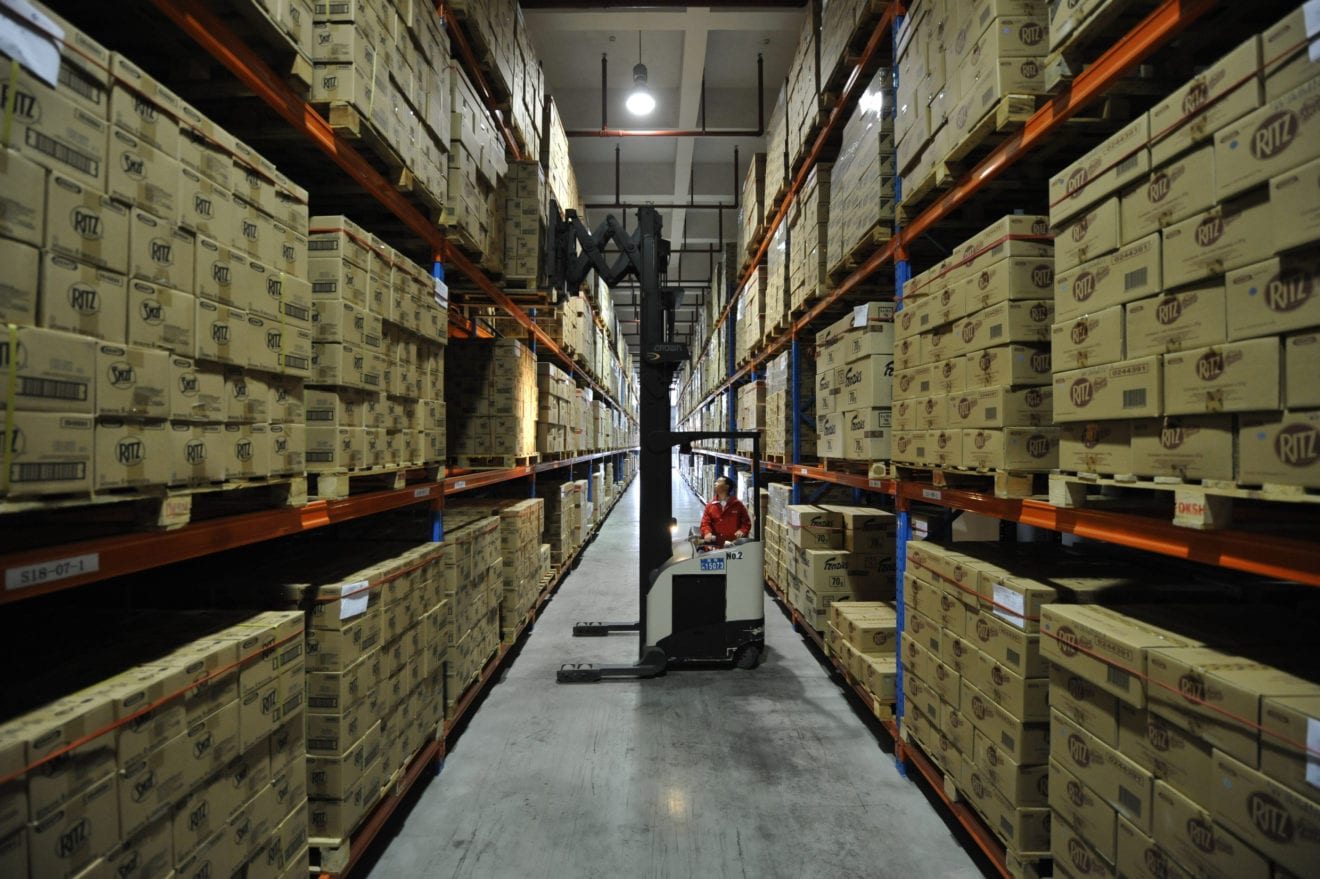
    It operates seven so-called fulfilment centres and a total of 166 warehouses in 44 cities. In addition, its own staff runs 4,142 delivery stations and pick-up stations in 2,043 counties and districts across the country.

    Efforts to widen JD’s international sourcing capabilities are in line with the company’s announcement in August of expanding into 100,000 villages across mainland China by the end of this year. This marks the company’s most aggressive domestic market expansion since 2013, when it started its foray into lower-tier cities..

    “Management expects to see more than 50 per cent order contribution from lower-tier cities in the near term,” Jefferies equity analyst Cynthia Meng said in a report.

    Meng said the fastest-growing product categories on business-to-consumer e-commerce platform JD Mall included apparel and shoes, home furnishing, watches, food and beverage, cosmetics and baby products.

    JD’s rural expansion would heat up competition with domestic market leader Tmall.com, e-commerce giant Alibaba Group’s business-to-consumer operation, in that fast-growing market segment.

    The number of online shoppers in rural mainland China increased 40.6 per cent year-on-year to 77.14 million at the end of December, according to data from the China Internet Network Information Centre.


  • JD.com launches Italian Fashion Mall

    JD.com launches Italian Fashion Mall

    The best of Italian fashion will soon feature on a new fashion mall being created by JD.com.

    JD.com, China’s largest online direct sales company, says the Italian Fashion Mall is dedicated to introducing Italian fashion brands and products to consumers in China. JD.com and Europe Design Center also jointly announced the participation of three renowned Chinese fashion designers – Lin Gu, Ali Tan and Xiaoyan Xu – in Milan Fashion Week. The three designers were selected through a competitive program run by JD.com and Europe Design Center, and their participation marks the first time Chinese designers will participate in Milan Fashion Week.

    The announcement was made at an event during the Milan Fashion Week.

    President of JD Mall’s Apparel and Home Furnishing Business Unit, Lijun Xin said the online mall will offer China’s “increasingly sophisticated and fashion-conscious consumers a fantastic range of choices,” while offering Italian brands and designers a powerful sales platform in China.

    “Fashion has been an important part of JD.com’s development into a comprehensive eCommerce platform, and we look forward to bringing products from the world’s most exciting designers to our 118 million customers.”

    JD.com’s JD Apparel platform features top international brands such as Lacoste and GAP and introduces the latest fashion trends to consumers through JD fashion shows held twice annually in China. Currently there are over 40,000 merchants featured on the JD Apparel platform.

    As part of the JD Apparel platform, JD.com recently launched its “JD Wardrobe” app for mobile devices. The app allows consumers to mix-and-match fashion items in a virtual wardrobe, share selected items with friends and receive fashion advice from virtual fashion experts.

    The Europe Design Center is created by the Director of Design Institute of Politecnico di Milano Arturo Dell’Acqua Bellavitis, and Alan Zhong, director of Future Master project of Italian design cultivation plan, also with the support of Honarary President of Italian National Fashion Association Mario Boselli, and in collaboration with experts from fashion and design sectors, to strengthen the talents and commercial exchange between Italy and China in field of fashion, industrial design, high tech and architecture.

  • Tag Heuer teams with JD.com

    Tag Heuer teams with JD.com

    Tag Heuer, the Swiss luxury watchmaker, has chosen to partner with JD.com to open its first online store in China.

    The exclusive partnership will see Tag Heuer open an online flagship on JD.com’s Marketplace platform.

    The store will offer product lines specially selected for China’s increasingly sophisticated online consumers, featuring cutting-edge designs across multiple price points. The store will also feature a 360-degree “virtual” product display where consumers can experience products prior to purchasing.

    JD.com says its support in brand marketing, logistics, payment and after-sales service will help ensure customers enjoy a first-rate online shopping experience.

    “JD.com’s reputation for product authenticity and unparalleled customer experience make it the ideal eCommerce partner in China for Tag Heuer, one of Switzerland’s most iconic and trusted brands,” said Tag Heuer’s GM of Greater China, Leo Poon.

    “The coming of age of China’s young consumers, combined with the explosive development of e-commerce, present an enormously exciting opportunity for innovation and growth. By deepening our access to our key target customer market in China through JD.com’s huge upwardly mobile user base, I am confident that this partnership will ignite unprecedented consumer interest in Tag Heuer’s premier luxury timepieces.”

    To mark the opening, Tag Heuer will launch sales of its “Tag Heuer Formula One Women GEM special edition” wristwatch in the Chinese market for a limited time exclusively on the JD.com platform.

  • Beauty e-tailer JD.com plows ahead with strengthening its Asia reach

    Beauty e-tailer JD.com plows ahead with strengthening its Asia reach

    The Hong Kong office is intended to help JD.com expand its local market presence and warehousing capabilities, enabling it to better engage with brands and retailers across Singapore and major Southeast Asian markets, who are looking to tap the online retailer’s 118 million active users in Mainland China.

    The company plans to employ a team there to focus on targeting and attracting new retail partners from around the region.

    We have seen rapid growth in demand from our customers for Asian brands and products, and from leading brands and retailers across the region who want to reach our huge base of upwardly mobile customers,” says JD.com’s chief human resources officer, Rain Long. 

    “This new office will expand our ability to attract and service brands from around the region, and ultimately to ensure that we continue to bring our customers the most exciting and diverse selection of international products.”

    To help with warehousing, customs clearance and shipping services from Hong Kong to Mainland China, JD.com has teamed up with logistics provider, Cosco Logistics.

    “This partnership gives our customers easy access to more of the best Asian and international products, and allows more regional and global retailers to target our unrivaled base of Chinese consumers directly from Hong Kong,” said Carol Fung, Vice President of JD.com.

    Sa Sa also jumps on board..

    As part of its efforts in Hong Kong, JD.com also announced that Asian cosmetics retailer Sa Sa will launch a flagship store on its platform offering a range of international cosmetics brands and products available online in China.

    It will be synchronized with the company’s global ecommerce portal, Sasa.com, to ensure that JD.com’s customers have easy and immediate access to the full range of products available on Sa Sa’s global site.

    “We’re excited to partner with JD.com and to give Chinese consumers more extensive access than ever before to Sa Sa’s huge selection of globally renowned cosmetics brands. JD.com has an unmatched reputation for guaranteeing quality, convenience, and service, and we’re looking forward to working with them to deliver a premium online shopping experience to consumers throughout China,” said Sa Sa Chief Financial Officer, Dr. Guy Look.

  • Lotte Signs Five-year Exclusive O2O Deal In China

    Lotte Signs Five-year Exclusive O2O Deal In China

    Chinese B2C e-commerce website JD.com and South Korean retail giant Lotte.com have signed a strategic cooperation agreement and an exclusive agreement under which JD.com will become the sole strategic partner of Lotte.com in the Chinese mainland for five years.

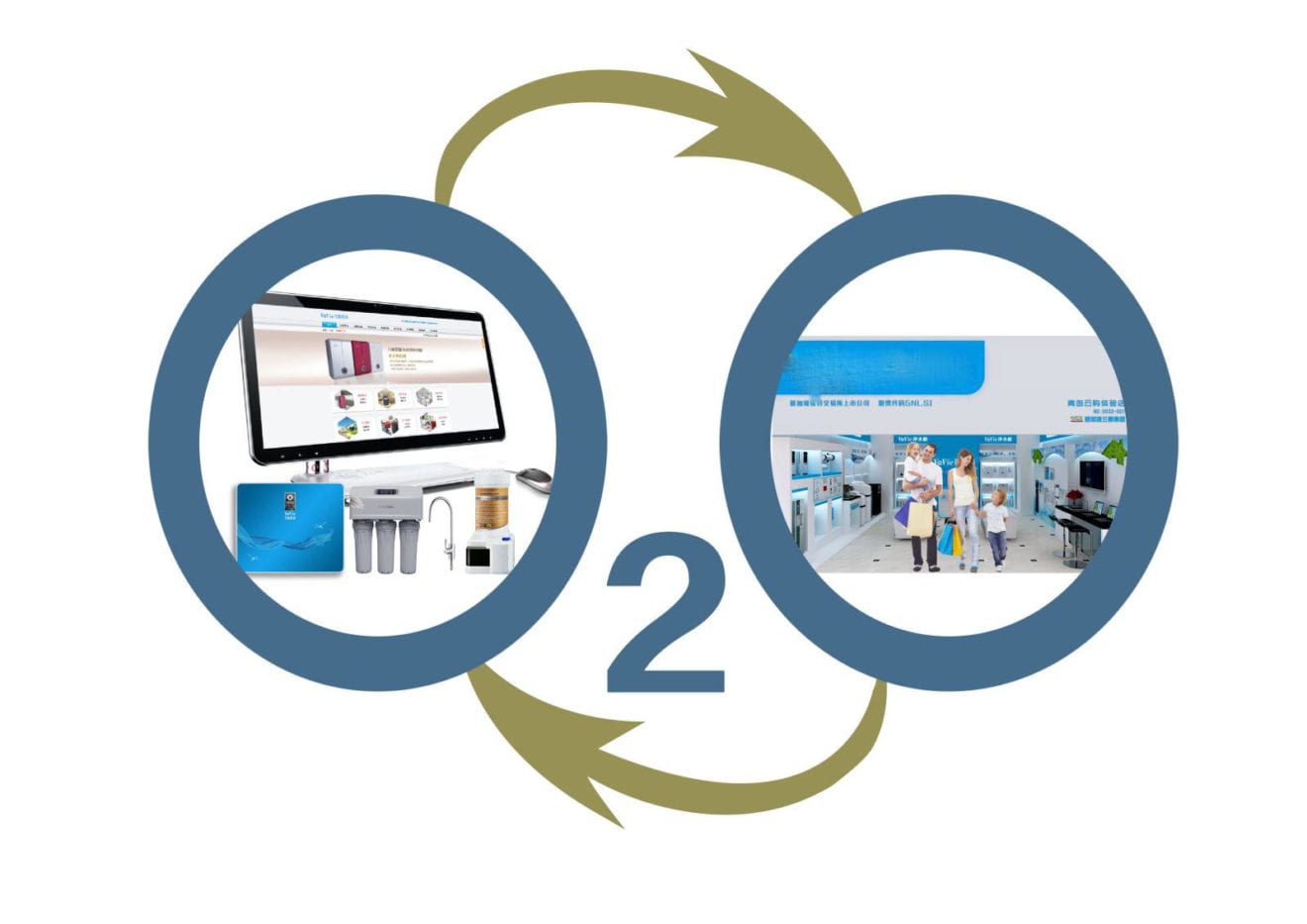
    JD said that with the strategic cooperation agreement, Lotte Group’s products and services will enter the Chinese market via JD’s global shopping platform. In the future, the two parties will implement cooperation in tourism and service O2O.

    Global strategy is currently an important reason for Chinese e-commerce providers to team with international retailers. Lotte.com is responsible for the online sales of products and services of all subsidiaries of Lotte Group. Lotte.com will integrate Lotte Group’s branches to establish a “Lotte hall” on JD.com, covering Lotte Department Store, Lotte Mart, Hi-Mart, Lotte Duty Free, Lotte Hotel, and Lotte World.

    The “Lotte hall” will not only sell infant products, cosmetics, and fashion products, but also will offer household products and home appliances. Over the next three years, the two parties aim to expand their cooperation range to about 200,000 kinds of products.

  • China online shopping sales soar

    China online shopping sales grew a staggering 48.7 per cent during the first six months of this year, according to data from the China e-Business Research Center (CECRC).

    Online retail sales hit 1.6 trillion yuan (US$250 billion) and accounted for 11.4 per cent of total retail sales in China in the period.

    The number of online shoppers rose 19.1 per cent to 417 million, said the Hangzhou-based eCommerce trend tracker.

    Cross-border eCommerce has become a new driver of retail sales as online retailers connect domestic consumers with an increasing number of overseas brands, according to CECRC analyst Mo Daiqing

    Alibaba’s online marketplace Tmall continues to dominate China’s online business-to-consumer market, with 57.7 per cent of the market. Its rival JD.com comes in second, at 25.1 per cent, followed by a distant third by Suning.com, at 3.4 per cent.

    CECRC also said that more transactions are being made on mobile Internet as online retailers move to encourage consumers to shop with their mobile apps on smartphones and tablets.

    Robust online sales also boosted the revenue of China’s courier services by 33.2 per cent during the same period, to 120 billion yuan. CECRC estimates revenue will top 290 billion yuan for the whole year.

    China’s rural areas, Mo said, have emerged as the next source of growth for retail sales and online retailers are seeking deeper integration with offline retailers, reported Chinese press agency Xinhua.

  • China August Retail Sales: E-Commerce Remains Robust

    China August Retail Sales: E-Commerce Remains Robust

    China reported August retail sales that grew 10.8%, which beat the consensus 10.6%. Most encouraging was that online retail sales remain robust, underscoring my bullish view on Alibaba. As for offline retail, jewelry grew off a lower base so we view this of a lower quality while it appears that offline electronic retailers are taking share from online retailers, which is a negative to JD.com. We see China retail numbers to be a good read-through to companies such as BABA and JD as well as North American companies with exposure to China such as Tiffany. We reiterate my bullish view on BABA and Nike and our cautious view on JD and TIF.

    Online retail numbers remain robust for the first eight months of the year, and this is a positive indicator to Alibaba. For the first eight months, online retail sales grew 36% and accounted for 9.8% of total retail sales vs. 8% a year ago. Worth reminding investors is that China leads the world in e-commerce penetration and we expect penetration to continue to grow, driven by mobile device penetration in second and third-tier cities as well as the lack of proper retail infrastructure in those cities. We can easily envision China’s online retail penetration to reach 20% in the next 10 years driven by those two factors as well as higher mobile consumption driven by online-to-offline services that are heavily invested in by BABA, Baidu and Tencent. Looking at the individual segments, online sales of services was up a whopping 41%, as were discretionary items such as food. Apparel grew 27% and other discretionary items grew 39%. All these figures imply that August online sales alone grew 27% y/y, still solid given the near-term weakness of the Chinese economy.

    As for offline retail, jewelry grew 17% y/y vs 14% in July but it was largely due to a lower base from last year. As such, we would not be quick to jump into TIF stock until we see material improvement from the demand side. Interestingly, home appliances and electronics accelerated in the month, up 14% vs. 8% in the prior month. This could potentially be a negative to JD.com given this could imply that BABA and Suning JV may be taking share from JD in the online segment.

    In conclusion, we remain bullish on BABA while cautious on JD and TIF.

  • JD.com partners with Korean shopping site Lotte.com

    JD.com partners with Korean shopping site Lotte.com

    China’s online direct sales company JD.com has partnered with South Korea’s online shopping site Lotte.com.

    Under the deal, JD.com customers will be able to purchase products from Lotte through JD Worldwide, the company’s cross-border platform.

    Products will cover categories including baby and maternity, cosmetics, fashion, everyday household products, home appliances, food and Lotte-branded products.

    “The demand for products through Korean Mall has been strong and partnering with Lotte will help us meet the growing needs of our users,” said JD Mall CEO Haoyu Shen.

    The announcement follows the successful launch in late March of Korean Mall, which sells authentic imported Korean products on JD Worldwide. Since its launch, dozens of Korean brands started to sell their products to Chinese consumers through Korean Mall. The best-selling product categories include personal care products and cosmetics.

    Lotte.com CEO Hyeong Jun Kim said JD.com’s users are the ideal audience for the company as they look to develop their business in China.

  • Blackmores, Sanger to open stores on JD.com

    Blackmores, Sanger to open stores on JD.com

    JD.com says it has secured partnerships with Australian brands Blackmores, a leading Australian natural health company, and Sanger Australia, the Australian meat sales and marketing business of the Bindaree Beef Group.

    Both brands will open stores on JD.com’s direct sales channel and will use the company’s same-day delivery services. Sanger Australia will also leverage JD.com’s cold chain logistics network to ensure that its meat products are delivered fresh to Chinese customers from Australia.

    The announcements follow the successful launch in late June of a dedicated Australian Mall for authentic imported Australian products on JD.com’s cross-border platform, JD Worldwide. Since its launch, dozens of Australian brands have successfully sold their products to Chinese consumers through Australian Mall. The most popular product categories in the first two months of the program include health  care, baby care products and fresh food.

    “We’re pleased to be working with leading Australian brands to build winning eCommerce strategies for this market and help them take advantage of our large and growing base of upwardly mobile Chinese consumers,” said Carol Fung, VP of JD.comand president of JD.com’s FMCG Business Unit.

    “Blackmores is a long-time partner, and we are very excited to be expanding the range of their outstanding healthcare products available to our rapidly growing user base. With demand for Australian fresh produce growing exponentially, the addition of Sanger Australia’s world-class beef to our platform is an outstanding development for our customers.”

    Blackmores Asia MD Peter Osborne said his company has been working with JD.com since 2013.

    “Our increased engagement is testament to our strong relationship and commitment to growing our China business. Working with JD.com not only ensures we get our products to consumers quickly, but will also enable us to initiate targeted and specialised marketing campaigns leveraging JD’s data analytics capabilities.”

  • Hong Kong mobile operator SmarTone prepares retailers to join the mobile e-commerce bandwagon

    Hong Kong mobile operator SmarTone prepares retailers to join the mobile e-commerce bandwagon

    Mobile network operator SmarTone Telecommunications hopes to roll out its new service called “Kiss” this December as the first batch of retailers in the city have signed up for the ambitious offline-to-online marketing and payments platform.

    “We’ve already started signing up stores, including [those run by] medium-sized retailers. Some bigger retailers are looking at it, too,” Douglas Li, the outgoing chief executive at SmarTone told the South China Morning Post.

    Li, who drove the platform’s two-year development, said SmarTone “should run Kiss for five to seven years to fully realise the value of how uniquely focused the platform is to help retailers”.

    He said there could be an opportunity to license the platform’s technology to telecommunications network operators outside Hong Kong.

    “It’s an internet business so the actual cost of implementation is not huge. The only question is how quickly it can scale up,” Li said. “If it does well in a foreign country, the sky’s the limit.”

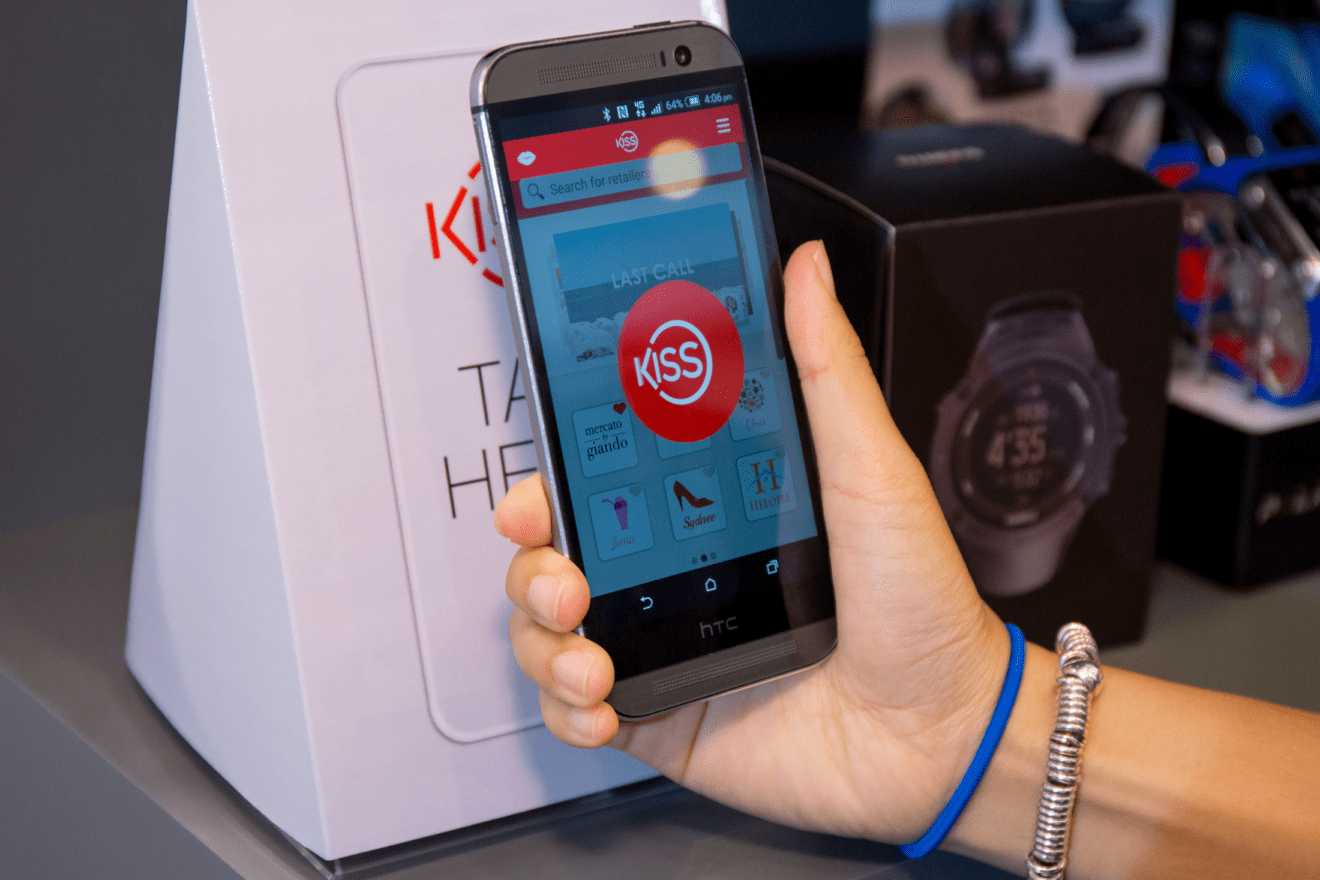
    Launched last month, Kiss enables retailers to connect with consumers through a platform that links digital marketing and loyalty programmes with data analytics and mobile payment.

    Merchants are charged a monthly fee and provided with tools to create their mobile storefronts on the platform, directly message customers and launch targeted campaigns.

    “Retailers need to adapt to new thinking because the world has changed,” Li said. “You need only look across the border to see how online and mobile [e-commerce] are impacting the traditional bricks-and-mortar retailers. We’re offering retailers in Hong Kong a way to get into this [kind of operation].”

    Alibaba Group, JD.com Ctrip.com and Qunar have become China’s leading business-to-consumer e-commerce platform operators by providing convenience, choice and low prices to entice people to buy goods and services online through smartphones and tablets.

    Research firm eMarketer has forecast mobile e-commerce sales to make up 10.9 per cent of total retail sales in China next year and 55.5 per cent of all online retail shopping as the sector grows 51 per cent to US$506 billion, up from an estimated US$334 billion this year.

    “We hope to build a critical mass of connected retailers in Hong Kong so that Kiss will have a strong appeal for consumers,” said SmarTone chief technology officer and recently named interim chief executive Stephen Chau Kam-kun.

    Chau said SmarTone was signing up a mix of merchants with “high-value, low-frequency buyers” and “low priced, high-frequency buyers”.

    Kiss, operated by SmarTone subsidiary Kissco Marketing Services, also includes in its package a single-purpose Android tablet as tap-only mobile payment terminal, capabilities for customer data analytics and a Bluetooth beacon for the store, configured to push greetings and promotions to nearby consumers with the free Kiss app.

    Consumers use the Kiss Wallet feature to store credit card details, retailer cash credits and promotional Kiss Dollars. Kiss Pay is the digital token used for purchases and redeeming rewards.

    UnionPay International is the launch credit card partner for Kiss, although efforts are underway to add Visa and MasterCard.

    Li, , who resigned in April, said he left “a roadmap” to be implemented over the next two years to further develop the Kiss platform.

  • Global Brands in talks with Alibaba, JD.com

    Global Brands in talks with Alibaba, JD.com

    Global Brands Group is discussing a possible “strategic alliance” with Chinese eCommerce companies Alibaba and JD.com.

    The two e-tailers are declining to comment on the matter, but based on comments by Global Brands CEO Bruce Rockowitz, Bloomberg reports the alliance “could involve online sales of brand-name children’s wear, among other products, through Alibaba’s Tmall and JD.com, and co-operation offline”.

    Rockowitz said a formal announcement is likely later this year.

    “We are working with JD and Alibaba on a strategic alliance, joint venture,” he said. “It’s a relationship or joint venture together that can create a solution online, offline and mobile that none of us can do by ourselves.

    “Both of them want to do something. They don’t have the content, just platforms, but they want to go to the next level.”

    The comments came in the wake of Global Brands’ first full year results announcement earlier this week when it reported stronger margins as it continues to shed non-performing brands in favour of higher end products.

    Last December, Global Brands announced a joint venture with David Beckham and his business partner Simon Fuller. The joint venture, Seven Global, focuses on the continued development of the brand around David Beckham as well as on creating large scale brands in partnership with a select number of high‐profile sports and entertainment icons. The venture will cover all major consumer product categories.

  • Ffan: Wanda’s online store goes live

    Ffan: Wanda’s online store goes live

    Nearly a year after three giant Chinese companies teamed up to take on Alibaba, the newly-mintedeCommerce store finally and quietly launched this week.

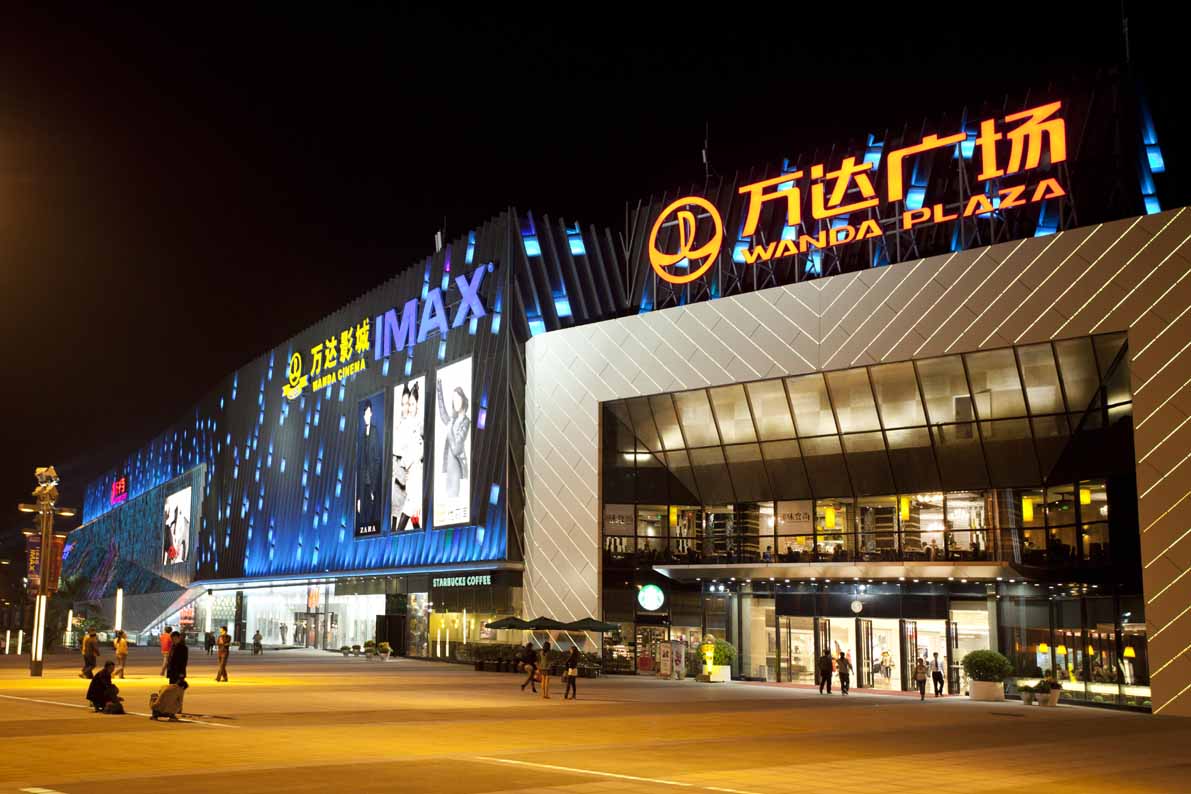
    The site, Ffan, is the result of a billion-dollar joint venture between Tencent, Baidu, and Wanda Group, a conglomerate best known for its chain of movie theatres and malls.

    The joint venture started with US$814 million in its pocket in August 2014, with Wanda holding a 70 per cent stake, and Tencent and Baidu splitting the remainder evenly. In January, it secured venture capital funding to the tune of US$161 million.

    Local commerce

    The new estore is designed to take on Alibaba’s eCommerce dominance, with a focus on helping people buy local products and services. That’s why visitors to Ffan can choose their city to see local deals.

    Baidu declined to comment on today’s launch and Tencent has yet to reply to Tech in Asia’s inquiry.

    At first glance, Ffan looks odd and rather bare. The only two product categories on the top navigation bar are “food” and “movie tickets.” Browsing through the city-specific food section reveals that most of the products are from retailers at Wanda’s shopping malls across the country. Indeed, users can browse through the Ffan site or accompanying mobile app according to their nearest mall.

    Wanda – a private company which boasted assets of RMB 534.1 billion yuan (US$85.6 billion) in 2014 – has reportedly been plotting a leap from offline retail to ecommerce for several years, but today’s launch doesn’t reveal much that should worry Alibaba or arch-rival JD right now. It’s not a general ecommerce store like Alibaba’s Tmall or JD, and the offerings are slim.

    Sill, Wanda has the reach – across malls, cinemas, hotels, resorts, theme parks, and several other areas – to challenge Alibaba in terms of the fast-growing interest on the web for local, on-demand products and services.

  • Lotte China loses a trillion

    Lotte China loses a trillion

    Reports from Korea suggest Lotte Group has lost more than 1 trillion won (US$853 million) in China in just three years.

    Data assembled by CEO Score shows Lotte China made heavy losses between 2011 and 2014 as South Korea’s fifth largest company struggled to understand the Chinese consumer and build market share.

    Last month, Lotte said it would close four loss-making stores in its Mainland China network – all in in East China’s Shandong Province.

    Lotte is said to be losing market share in Mainland China unable to differentiate itself in the middle ground between local retail chains and the growing power of online retailers such as Alibaba and JD.com.

    CEO Score’s data shows the losses are growing, not narrowing. It started with 92.7 billion won in 2011, reached 250.8 billion won in 2012 and a massive 580.8 billion won in 2014.

    Lotte Mart has 120 stores in China, 116 in Korea, 39 in Indonesia and 10 in Vietnam.

    The company is family owned with the leadership locked in a bitter power struggle and two brothers compete to take control from their 93 year old father.

  • UK retailers to launch online d-store in China

    UK retailers to launch online d-store in China

    A group of former executives of high profile British retail brands are planning to launch a department store online in China, via JD.com.

    The creators of the virtual department store to be called The Jack Russell Emporium are ex Marks & Spencer, Burberry and Jonathan Saunders. The new store will go live in September.

    It will stock goods from brands such as Hackett, Reiss and Jigsaw, targeting the rising ranks of China’s middle class who aren’t yet quite cashed up enough to splurge on Louis Vuitton.

    “That emerging market has disposable income for the first time; they are cultured and may have travelled to the UK once or twice so they don’t want domestic product, but they cannot afford luxury brands like Burberry and Louis Vuitton,” co-founder Jamie Powell, told Drapers.

    The Jack Russell Emporium will launch with 10 brands initially and expand to 25 by Christmas, before adding a further 75 brands next year.

  • Global Logistics Properties sets up US$7 billion China-focused fund

    Global Logistics Properties sets up US$7 billion China-focused fund

    Singapore-listed GLP has secured US$3.7 billion in equity commitments from seven unnamed investors, six of them national pension or sovereign wealth funds, for the CLF II fund. The largest China-focused logistics infrastructure fund so far, it will have an investment capacity of US$7 billion after adding leverage.

    “We continue to see strong demand from China,” GLP chief executive Ming Z. Mei said. “Despite the recent headlines about the GDP growth slowdown, 7 per cent is by definition a healthy rate anywhere in the world. Retail consumption, which is more relevant to logistics demand, maintains a double-digit growth rate.”

    Retail consumption, which is more relevant to logistics demand, maintains a double-digit growth rate

    Ming Z. Mei, GLP chief executive

    CLF II is an add-on to the US$3 billion CLF I, whose capital was fully allocated more than two years ahead of the planned investment horizon. GLP, created from a spin-off of US industrial property developer Prologis, dominates industrial property markets in China, Japan and Brazil. It is 36 per cent controlled by Singapore’s sovereign wealth fund GIC.

    The US$7 billion in funds will be channelled to develop 13 million square metres of warehouses in four years. GLP, the fund manager, holds a 56 per cent stake.

    China’s burgeoning industrial property market has lured investors from around the world – most recently Carlyle Group, Glodman Sachs and RRJ Capital – who believe a shifting economic pattern has created vast demand for modern warehouses, where courier firms, e-commerce outlets and third-party logistics service providers store, distribute and process goods.

    “Over the last few years, many people make noises about raising capital. Actually raising capital is not the hard part. Executing on the ground is,” Mei said. “As the market gets heated up, it requires deeper knowledge of logistics patterns.”

    As capital flocked in, oversupply had started to surface in certain locations, he said.

    “The market is no longer the way it used to be five, six years ago,” Mei said. “Supply and demand is more balanced now, with some markets oversupplied in the short term.”

    CLSA senior analyst Yew Kiang Wong said: “The big question mark here is demand. These investments are in anticipation of future demand. Third-party logistics companies represent large demand potential and are GLP’s bread and butter. But there’s also some cannibalisation from e-commerce companies which are now trying to develop their own warehouses, such as Alibaba. So there’s some risk in that respect.”

    GLP’s top tenants in China include e-commerce powerhouses JD.com and Amazon, and logistics firms Sinortans and Best Logistics.

    Mei said it was getting harder to source new land. Due to lower tax and employment contributions, local governments are less willing to release land for logistics use.

    In order to gain better access to land reserves and customers, GLP last year sold a 34 per cent stake in its China portfolio for US$2.5 billion to a consortium of state-owned investors including China Life Insurance, China Development Bank and Bank of China.