Tag: Korea

  • Here’s why Samsung wants to act like a startup

    Here’s why Samsung wants to act like a startup

    Samsung Electronics, the world’s largest maker of phones, memory chips and television sets, plans to revamp its authoritarian, top-down corporate culture to become more like a lean startup as it copes with sluggish demand and growing competition.

    The company said Thursday its executives and workers pledged to reduce hierarchical practices, unnecessary meetings and excessive working hours in a “Startup Samsung” ceremony held Thursday at its headquarters in Suwon, South Korea.

    The first step in this new culture of flexibility? Requiring all its executives to sign a statement promising to scrap the company’s traditional authoritarian ways.

    Samsung is searching for new business strategies as a father-to-son leadership transition looms. Lee Jae-yong, 48, is expected to succeed his ailing father, Lee Kun-hee, at a time when Samsung’s mainstay semiconductor and phone businesses face intensifying competition from Chinese rivals. Samsung has its eye on expanding into health care and pharmaceuticals, but has responded slowly to hot Silicon Valley trends such as autonomous driving and artificial intelligence.

    The company says it will announce in June how it plans to reorganize its workers and eliminate red tape. It said new vacation systems would allow employees to spend more time with their families and take breaks for self-improvement.

    “By starting to reform the corporate culture, it means we will execute quickly, seek open communication culture and continue to innovate as a startup company,” Samsung said in a statement.

    Samsung says it has been trying to reform its very Korean corporate culture to suit its identity as a global company and to answer criticisms that it stifles creativity and grassroots input from workers. Like most Korean companies, its management tends to mirror the authoritarian ways of South Korea’s past, when a military dictator ruled the country.

    But analysts said Samsung faces a huge challenge in leveling a seniority-based corporate that is decades old. Some suggested the campaign also might be aimed at identifying underperforming workers and trimming the company’s managerial ranks to cut costs.

    Samsung’s regimented, authoritarian ways may have helped it quickly catch up with Sony and other Japanese manufacturers, but they also have hindered recruitment of top talent. That has been a liability as the company competes with Silicon Valley firms that allow workers more independence and flexibility.

    Last year, 26,000 Samsung employees participated in online debates, pitching in ideas. Some have been allowed to build products or launch services outside their original job descriptions at internal Samsung “startups.” The company also introduced flexible working hours last year though current employees said work hours are still too long.
  • Services give Korean online retailers the edge

    Services give Korean online retailers the edge

    Online shopping operators are turning to personalised services as they try to differentiate themselves in a burgeoning industry.

    eCommerce sites are no longer just selling and quick-shipping products: they are taking care of small tasks like shoe polishing through to more extensive services that include interior remodelling, industry watchers say.

    Further blurring the online-offline boundary, these operators are taking broader steps by putting together an array of services instead of specialising in a single category like food delivery and cab hailing. Prices range from 6000 won (US$5) for a shoe shine to 40,000 won for a car wash.

    11st Street started running “Life Plus” on its mobile application last week, offering visiting services for car washing, house cleaning, laundry pickup, custom shoes and shirts, and home interior. Customers can place their orders online and receive the services when and where they want. They are entitled to the same discounts, coupons and payment tools as people shopping for goods.

    Some of the services are not yet available nationwide, but 11st Street plans to fix that soon and add more choices.

    “We put out Life Plus first as an O2O (online-to-offline) service category, and we intend to turn it into an O2O service portal,” a company spokesman said.

    Industry competitor Gmarket started a home cleaning service this month, covering home appliances, kitchens and bathrooms. The service offers detailed cleaning, such as for mattresses, kitchen hoods and washing machines to bidets.

    “We will be expanding what we have to overall home management – moving, insect control, home organising and such,” said Sohn Hyung-sool, head of the life and kitchen team at Gmarket.

    Lotte.com renewed its rental services last month, more than doubling the number of service providers that now have added car tires, bidets and massage chairs. The online market can also send people to take care of the elderly. The company said it lets customers pre-consult before ordering so that they can consider available options without pressure.

    “Our website for offered services was more about advertising,” a company official said. “It will be changing soon to show the specific price for each service and to give customers easier access to consulting and purchasing.”

  • DJI Korea opens Hongdae flagship

    DJI Korea opens Hongdae flagship

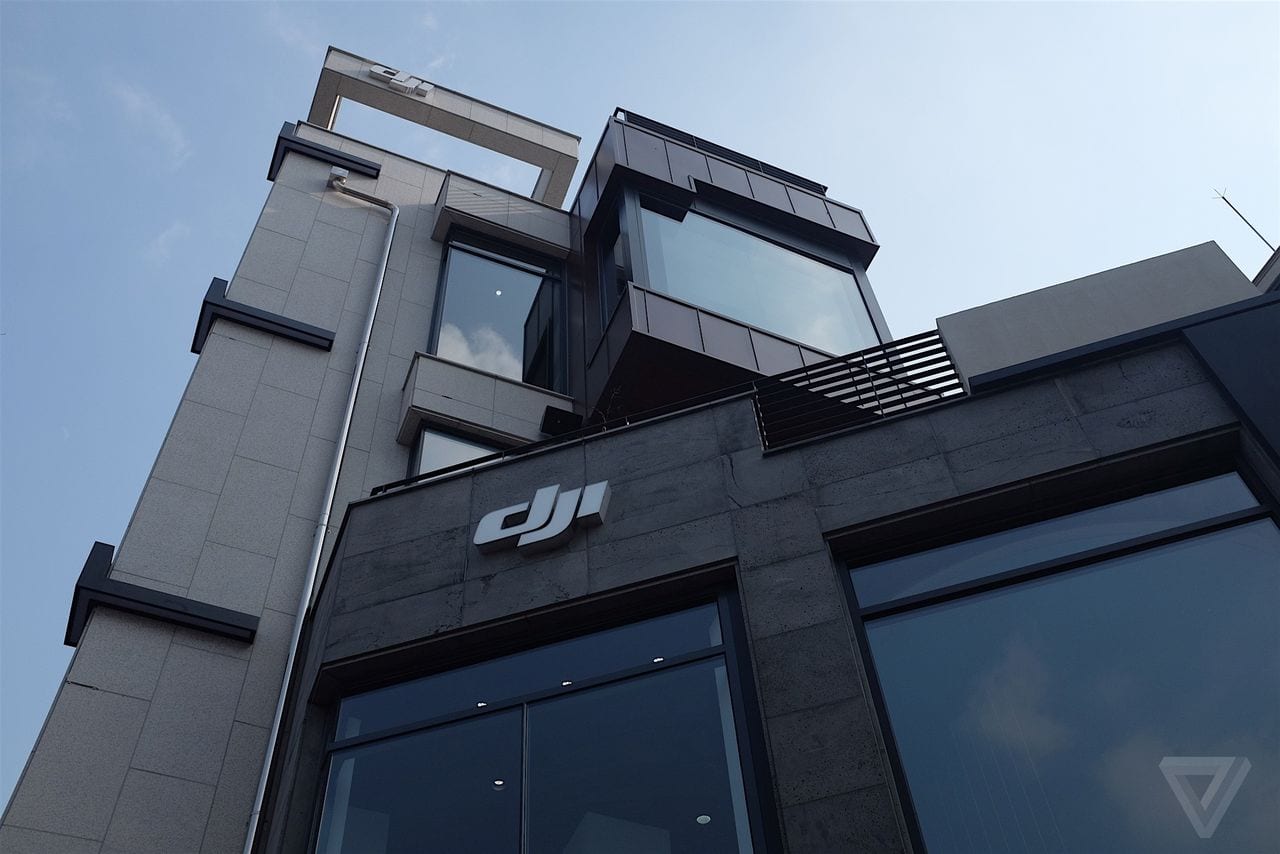
    DJI, the world leader in unmanned aerial vehicle technology, opened its first South Korean retail store at the weekend.

    The DJI Korea flagship has opened in the city of Hongdae in greater Seoul.

    The flagship store features the Phantom 4, the newest and most-intelligent consumer quadcopter camera (or “drone”) introduced by DJI just last week. Visitors will have the opportunity to see the Phantom 4 in action for the very first time in Korea and can test fly other models in special cages.

    DJI flagship store Hongdae Korea 4

    “With more and more people consuming video content on their mobile devices and the growing community of photographers and content creators, DJI sees Korea as a market with strong potential,” said DJI country manager Taehyun Moon.

    DJI flagship store Hongdae Korea 5

    DJI flagship store Hongdae Korea 7


    “The DJI Korea flagship experience is an important touchpoint to connect people with our cutting-edge technology and get a sneak peek into the future. We want to provide a truly unique experience for anyone who walks into our new store.”

    DJI flagship store Hongdae Korea 12

    Highlights of the flagship store include:

    • Hall of Inspire:  An immersive visual experience where visitors can sit back, relax and enjoy aerial footage and content from creators around the world.

    DJI flagship store Hongdae Korea 8

    DJI flagship store Hongdae Korea 9

    • Customer Experience Zone: DJI pilots will perform demos throughout the day and visitors can learn about the unique features of different products.

    DJI flagship store Hongdae Korea 3

    • Product Showcase: Various display areas that will feature a full range of DJI products, from the newest Phantom 4 to handheld gimbals to aerial platforms for developers and business applications.

    DJI flagship store Hongdae Korea 11

    DJI flagship store Hongdae Korea 10

    • After-Sales Support: A dedicated team of customer-support staff will provide technical assistance, help with firmware updates and make reservations for drop-off repair.

    DJI flagship store Hongdae Korea 13

    The store’s exterior and interior were custom-designed to fit with both DJI’s and the Hongdae district’s vibe.  The five-story, 870 sqm store will showcase a full range of DJI’s aerial technologies and camera products.

    DJI flagship store Hongdae Korea

    The Seoul store is DJI’s second foray into retail after the December opening of its OCT Harbour shop near the company’s headquarters in Shenzhen, China.

    The DJI Korea flagship store is located at Eoulmadang-ro, 140 Mapo-gu, Seoul, Hongdae District, South Korea. Opening hours are Mon – Sun, 10am – 10pm.

    DJI flagship store Hongdae Korea 1

  • DHL, UPS Bid for South Korea’s Logen Logistics

    DHL, UPS Bid for South Korea’s Logen Logistics

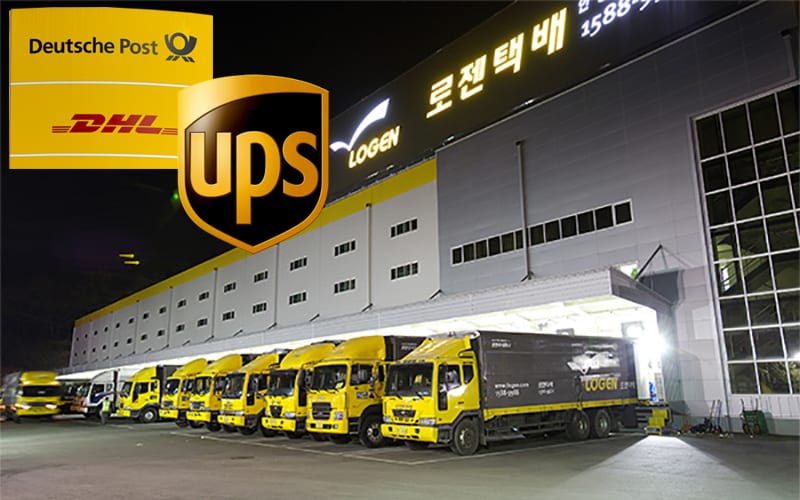
    Deutsche Post DHL Group and UPS are reportedly among the companies which have submitted preliminary offers for South Korean package delivery firm Logen Logistics.

    According to a report today, Affinity Equity Partners, CVC Capital Partners and STIC Investment were also among the bidders.

    Logen is currently wholly owned by Hong Kong-based Baring Private Equity Asia, which bought the delivery specialist from Mirae Asset Private Equity in 2013.

    Logen is reported to be the fourth largest courier services company in South Korea – behind CJ Korea Express, Hyundai Logistics and Hanjin Transportation.

    Global logistics companies UPS and DHL are eying Logen amid burgeoning e-commerce and online shopping in Korea and as part of expansion to the Asian market.

    Private equity firms also believe the logistics business is lucrative investment.

    Moreover, Logen is a solid company with a loyal client base and growing earnings.

    Unlike other parcel delivery service companies, Logen is based on the customer to customer (C2C) business that connects deals between merchants and consumers.

    Logen last year bought a 70 percent stake in KGB Logis Co. for 25.0 billion won, making it the industry’s fourth with a combined market share of over 10 percent.

    Logen recorded 20.7 billion won in operating profit on sales of 263.5 billion won last year.

    The combined earnings before interest, taxes, and amortization of the Logen and KGB Logis are estimated at 40 billion won for this year, up from last year’s around 30 billion won.

  • Korea to legalise customised cosmetics formulation

    Korea to legalise customised cosmetics formulation

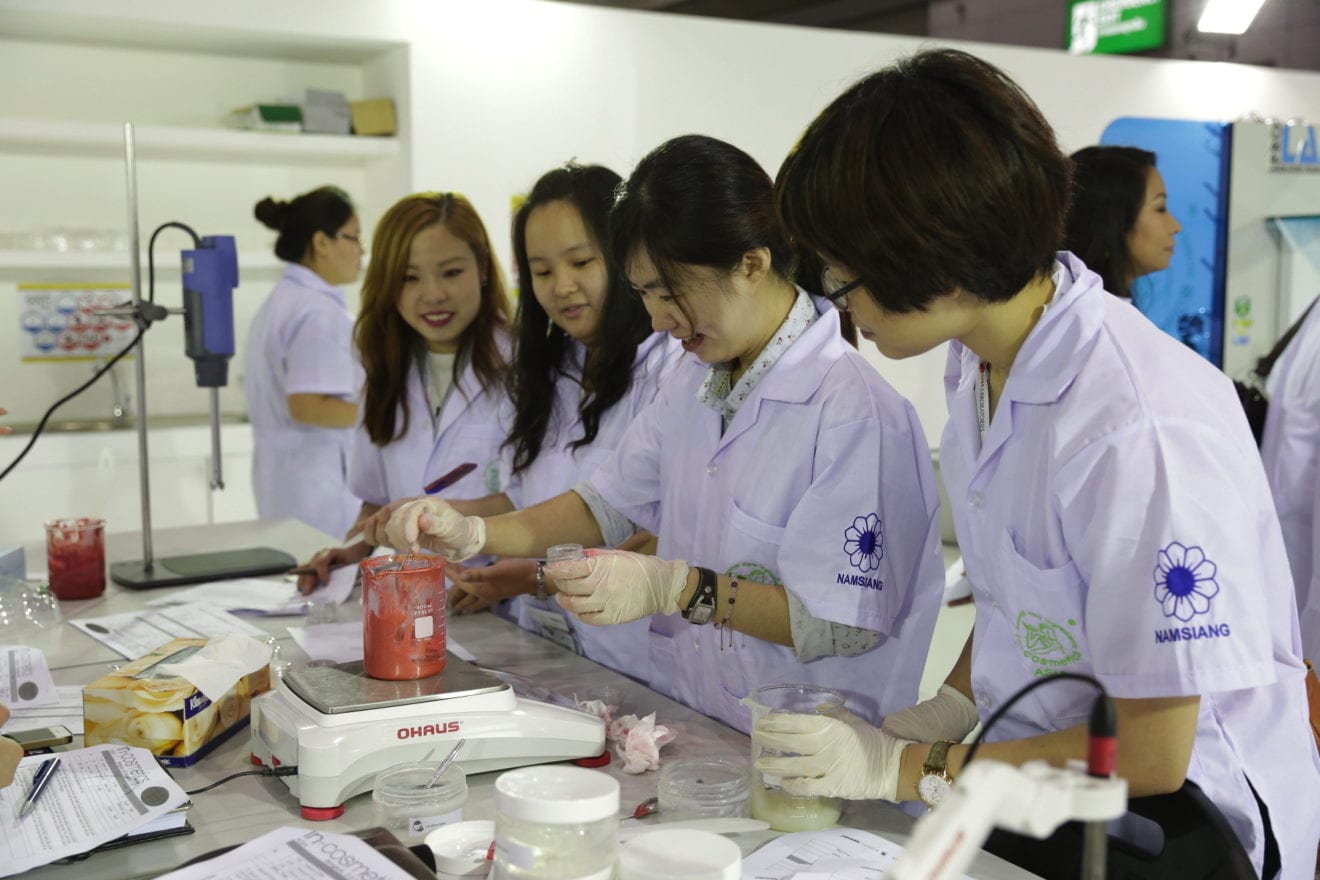
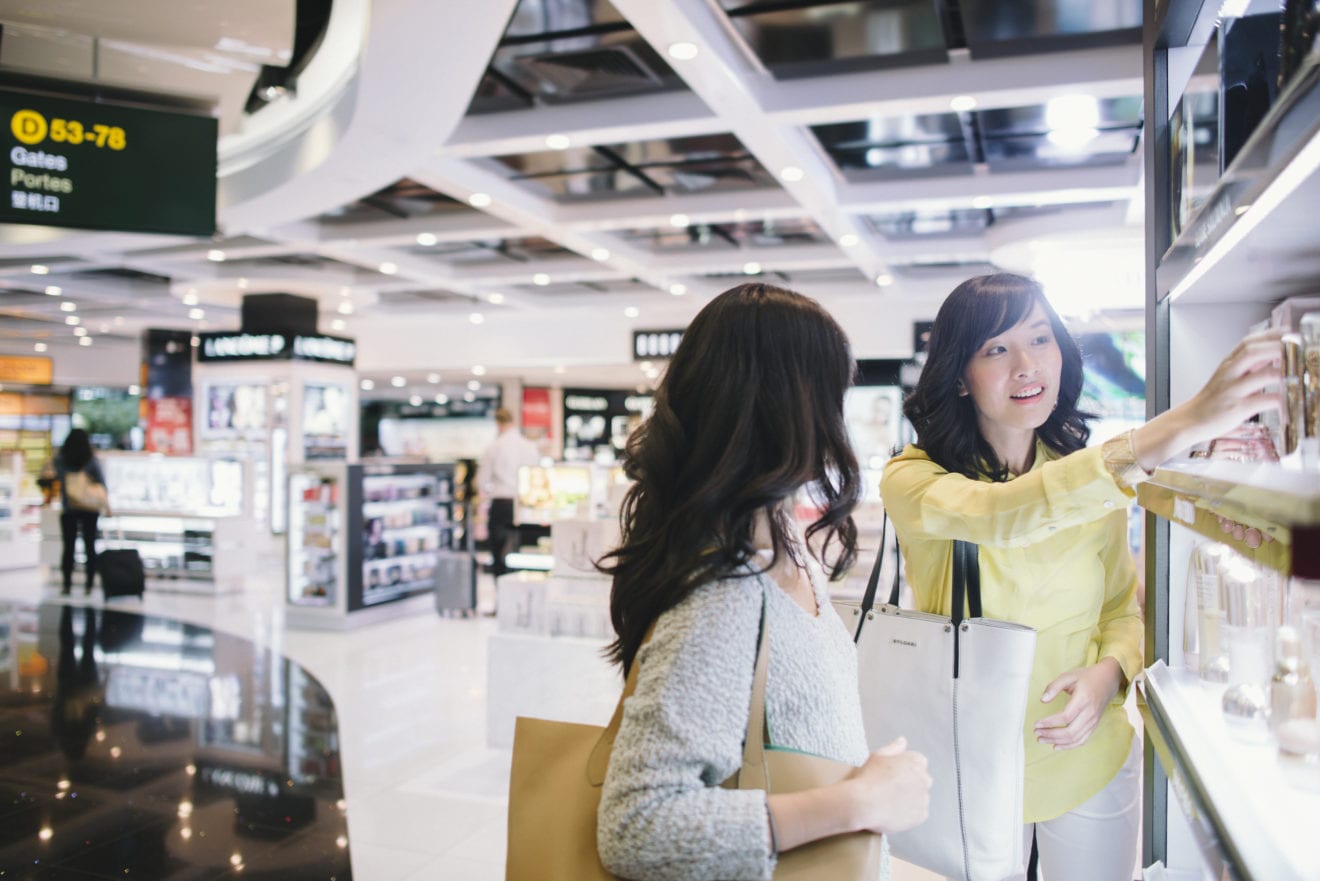
    Increasingly, retailers have begun to offer the on-the-spot bespoke mixing of cosmetics from base ingredients (including colours and scents) as a service for consumers eager for personalised beauty.

    In the past few years, Korea has established itself as a global market leader when it comes to cosmetics, particularly within the field of innovation. Until now, however, retailers in Korea have been unable to embrace the growing trend of personalised product formulation, due to the ban imposed as a result of safety concerns.

    The relaxation of the ban will allow Korean beauty players to start pushing the trend within the country, a move that, we reported, “is projected to further diversify and expand the country’s vibrant cosmetics industry.”

    The young demand personalisation

    Younger consumers increasingly expect a level of bespoke personalisation and interactivity in their beauty products and services, with on-the-spot formulation one of the key elements of this.

    In a recent new report, ‘The Impact of Millennials’ Consumer Behaviour on Global Markets ’, market research firm Euromonitor International states that a personalised, immersive shopping experience is key for the demographic, which is swayed by innovations like try-on technology, skin analysis and mirror apps.

    “Personalisation and interactivity is important in beauty care for millennials, with a rash of digital solutions emerging to appeal to their need for individual solutions,” the report explained.

    The legal selection

    Korea is currently trialing the bespoke production of cosmetics at select stores, including duty free, across several specific product categories. These are reportedly: four types of fragrance, 10 types of skin care products, and eight types of colour cosmetics, including lipsticks.

    Following the trial, the government will assess the safety of the service, with a view to potentially implementing general legalisation across the country.

  • Singapore debut for Korean jeweller Stonehenge

    Singapore debut for Korean jeweller Stonehenge

    South Korean jeweller Stonehenge has opened its first overseas store – on Level 1 of Singapore’s Takashimaya Shopping Centre.

    Stonehenge is showcasing its full range of earrings, necklaces, bracelets, rings and timepieces, which come in silver, rose gold, white gold and yellow gold.

    To mark the opening, customers visiting the new store will receive nail stickers, while those spending S$350 (US$254) or more will receive a portable battery charger as a gift.

    Processed with VSCO

    Also, Stonehenge will be choosing 20 customers to meet its brand ambassador, Korean actress Shin Min Ah, at a special event in June. To be eligible for selection, customers who have made a purchase at Stonehenge need to post a photo on Instagram.

    Launched in 2008, Stonehenge has 62 retail stores and 16 duty-free counters in South Korea. It is part of the Woorim FMG (Fashion Marketing Group), founded 20 years ago and with interests in the entertainment and F&B sectors.

  • It’s Skin signs with Dabur India

    It’s Skin signs with Dabur India

    South Korea’s fourth-largest cosmetic maker, It’s Skin, has made a move to extend its international reach through a partnership with retail giant Dabur India.

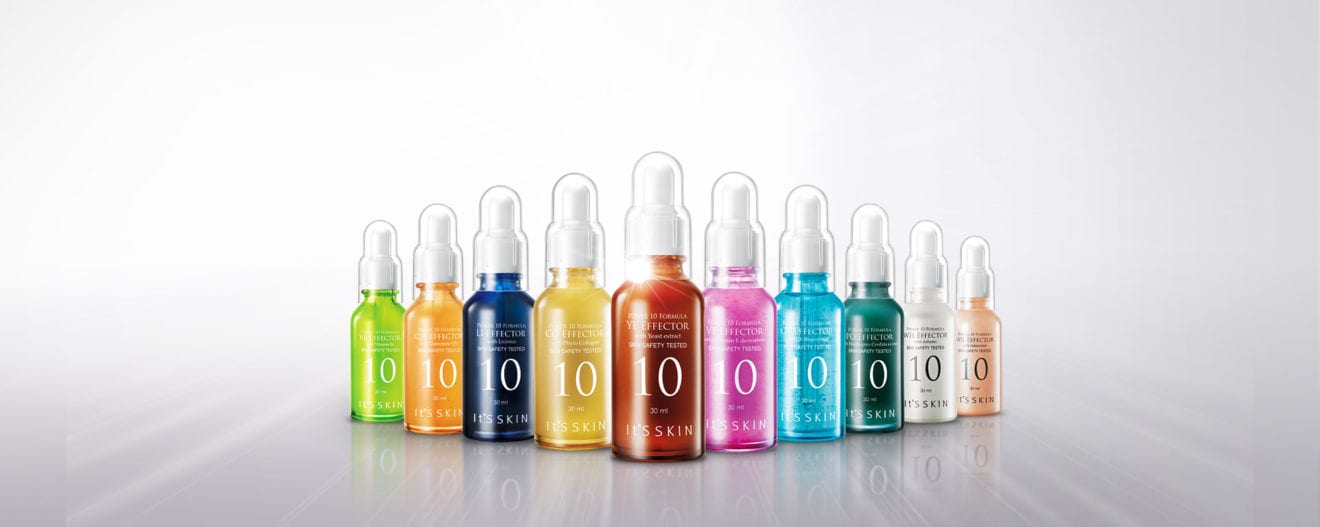
    It’s Skin has signed a memorandum of understanding with Dabur to sell 120 kinds of cosmetics in itsNew U beauty retail chain, stepping up its overseas bid beyond China, Japan and Southeast Asian markets.

    Starting with 10 shops in New Delhi, the company plans to open 20 in the capital and the surrounding area this year.

    It’s Skin is best known for its snail cream, Prestige Cream d’escargot, which went on the market in 2009. The company posted  won 309.6 billion (US$255 million) in sales last year, up 28 per cent from the previous year. It started listing on the Seoul bourse in December.

    Founded in 1884, Dabur India is India’s fourth-largest retailer, logging 78.1 billion rupees (US$1.2 billion) in sales last year. Its beauty chain New U has 70 outlets in 28 cities.

  • Binggrae opens Yellow Cafe flagship

    Binggrae opens Yellow Cafe flagship

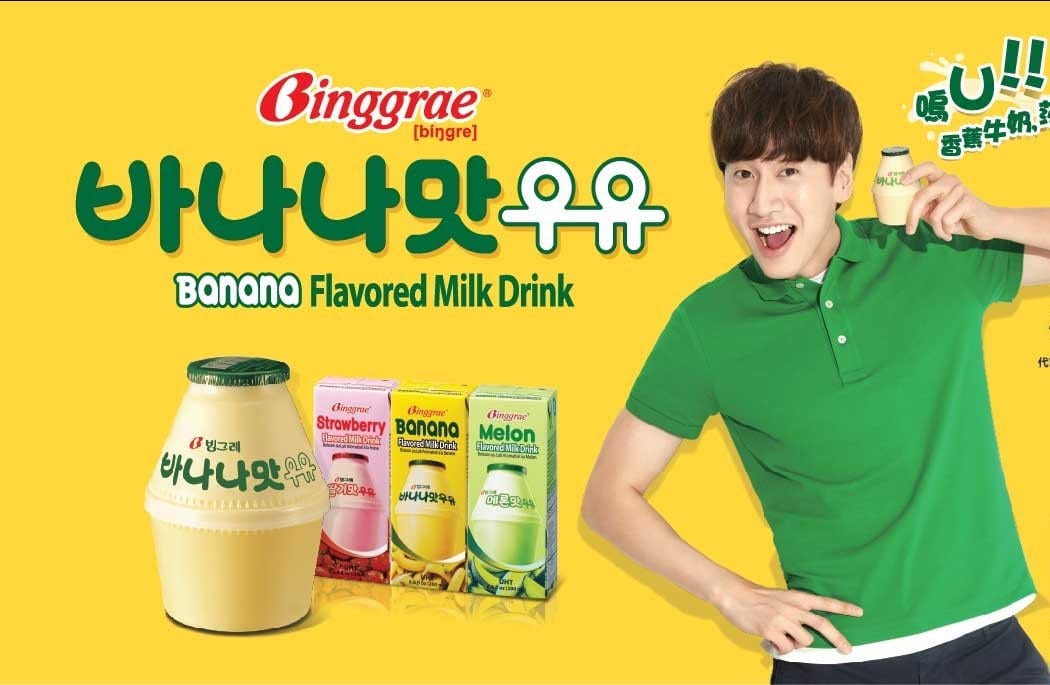
    Korea’s Binggrae, famous for its signature banana-flavored milk, will open a banana-flavored milk themed Yellow Cafe.

    The new concept store will be located in the Dongdaemun branch of Hyundai Outlet Store.

    It marks Binggrae’s first foray into the cafe market. Beverages such as lattes and milkshakes, and desserts such as ice cream, pudding, and tarts made with banana-flavored milk will be sold alongside accessories and souvenirs inspired by the beloved product that started it all, Binggrae’s iconic banana-flavored milk.

    The interior design of the store is also inspired by the product, as well as the tableware used to serve food and beverages at the store.

    Binggrae’s move to open a flagship store in the Dongdaemun area is perceived by retail analysts as a bid to get ahead in a commercial area that’s on the rise.

    Yellow Cafe stoee

    Dongdaemun is an area popular among tourists, with its numerous fashion shopping malls, cultural assets and Dongdaemun Design Plaza (DDP). The area holds potential to grow even more with Doosan’s duty free store expected to open soon.

    Binggrae hopes to promote its products by introducing them to more domestic and foreign consumers.

    “Based on the resources the area holds, Yellow Cafe will provide a space that can provide opportunities to consumers so that they can experience our products,” a company spokesman said.

    Since its launch in 1974, banana-flavored milk has stood at the top of the domestic market for processed milk, a reign of more than 40 years. The friendly color of the product and unique bottle shape are loved by consumers of all ages.

  • Hyundai Ioniq Recalled in South Korea over Rolling Backwards Problem

    Hyundai Ioniq Recalled in South Korea over Rolling Backwards Problem

    The South Korean manufacturer launched the Ioniq in its home market two months or so ago, yet Hyundai had to recall the electric drive hatchback after a video was published on YouTube. That particular video can be found at the end of this story. Just skip to the 4-minute, 4-second mark and observe what happens.

    Let’s put into words what occurred there. The driver took the Ioniq on an uphill parking exit. He brings the car to a stop while still on the exit ramp. After that, the driver takes his foot off the brake pedal, expecting the hill start assist system to keep things under control. But it doesn’t. He then pumps the throttle pedal repeatedly, only to find out that the Hyundai Ioniq doesn’t do a hill start.

    After the car had started rolling backwards, a firm press of the brake put an end to this dangerous incident. The South Korean motoring media took notice of the incident and Hyundai paid attention, prompting an internal investigation. And as expected, the company decided to recall all Ioniq vehicles made until March 14 for a software update. The Ioniq Hybrid, Plug-in, and Electric made after March 14 have been given the updated software, so they’re not included in this campaign.

    Slated to debut in the United States of America later this week at the New York Auto Show, the Hyundai Ioniq arrives just in time for the 2017 model year. The Ioniq Hybrid will be the first model to hit dealerships nationwide, followed by the Ioniq Electric and the Ioniq Plug-in variants by the end of the calendar year.

    Pricing information for the U.S. market isn’t available at the time of writing, yet don’t expect Hyundai to sell the Ioniq Hybrid for more money than Toyota is selling the fourth-generation Prius. More specifically, the 2017 Hyundai Ioniq Hybrid could hold a suggested retail price of under $25,000 sans destination.

  • DFS partners with Jeju Tourism Organisation

    DFS partners with Jeju Tourism Organisation

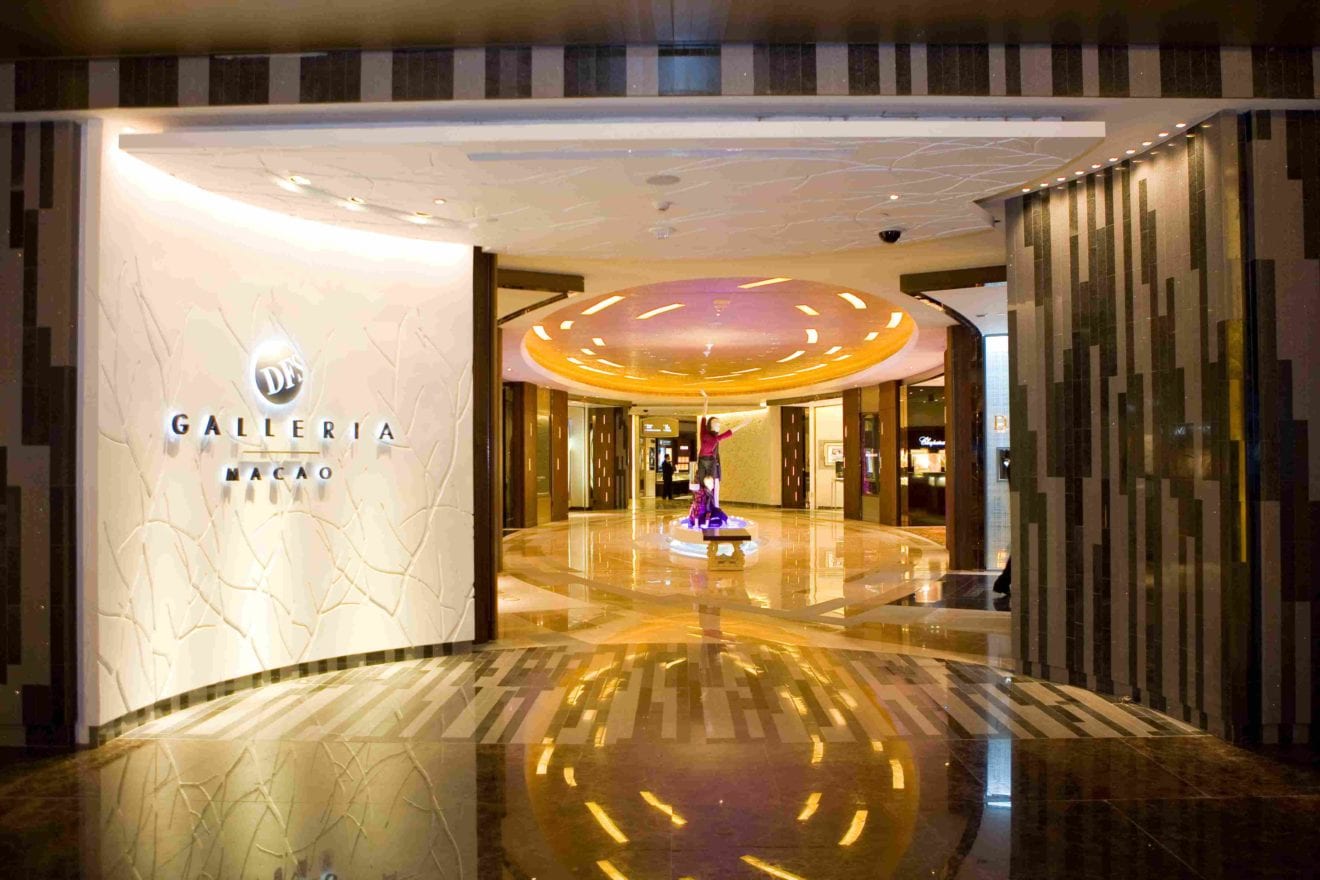
    Top DFS and JTODFS Group has signed a new supply partnership with the Jeju Tourism Organization (JTO) ‘to raise awareness and attract international tourism to Jeju Island, South Korea, as well as to provide an elevated retail experience for international tourists’.
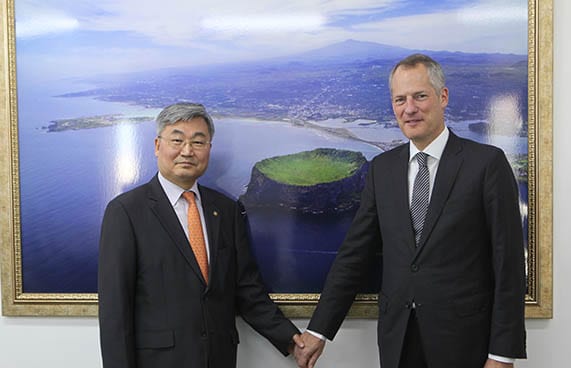
    This new partnership has been forged after many months of discussions between the two parties, with DFS agreeing to use its global network and marketing reach to encourage tourism to Jeju. In return, it has also reached agreement to supply international luxury merchandise to JTO’s new duty free store, which is due to open in Jungmun in Southern Jeju later this year.

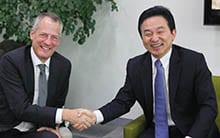
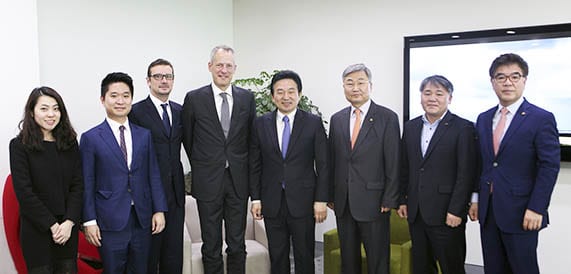
    Kab-Yeol Choi, President of JTO with Philippe Schaus, DFS

    Kab-Yeol Choi, President of JTO and Philippe Schaus, DFS CEO.

    [DFS says The Jeju Duty Free will open in its second phase by May 2016, with all brands and product offerings in place by the fourth quarter-Ed].

    According to DFS: “The store, called The Jeju Duty Free, will be located in one of the largest 5-star beachfront and gaming resorts in Jungmun and will carry global brands, as well as local offerings. There is scope for the partnership to extend to other channels in future.”

    It adds that its ‘long history’ of working with partners in Okinawa, Bali and Hainan ’is well-suited for this shared vision’.

    Kab-Yeol Choi and Philippe Schaus sign the agreement

    Kab-Yeol Choi and Philippe Schaus sign the agreement.

    Adding his comments, Hee-ryong Won, the Governor of Jeju said: “As a provincial government entity of Jeju Special Self-Governing Province, we must elevate Jeju’s value as a tourism destination by bringing high-quality duty free shopping services. We look forward to positively contributing to the development of Korea’s duty free industry.”

    Kab-Yeol Choi, President of JTO added: “We highly respect DFS’ dedication to JTO’s vision in developing Jeju as a preferred destination for tourism. The strategic partnership between JTO and DFS will allow Jungmun to offer the best duty free shopping experience and be of great assistance in attracting more international tourists to Jeju.”

    1 DFS and Jeju


    Last, but not least, Philippe Schaus, Chairman and CEO of DFS said the retailer greatly admires JTO’s creativity and foresight in developing Jungmun and the surrounding area as an international tourist destination.

    He added that the company is pleased to be able to contribute to these efforts by providing travellers with a tailored selection of high quality, luxury products.

    As announced by Korean Customs earlier this year Jeju outlets and all other specialist shops (including diplomatic) generated $481.1m in 2015.

    Seongsan-Ilchulbong-Peak

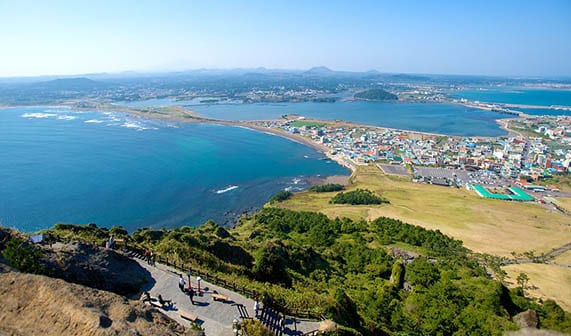
    Seongsan Ilchulbong, or Sunrise Peak on Jeju Island – sometimes referred to as ‘the Hawaii of South Korea’.

    GOOD POTENTIAL FOR CHINESE VISITORS

    As DFS notes, Jeju Island is a self-governed province and Korea’s largest island, located south-west of the Korean Peninsula. A leading tourism destination in North Asia, it has been referred to as ‘the Hawaii of South Korea’, renowned for its dramatic natural beauty and boasting three UNESCO World Heritage Sites, as well as offering a wide range of leisure and cultural pursuits.

    Jungmun, in the south of the island, attracts visitors with its beaches, golf courses, high-end resorts and casinos, and an international convention centre.

    Jeju Island is forecast to attract four million visitors in 2016 and has recorded an average 44% growth in foreign travellers per year since 2010.

    DFS says that to further support the growth of international tourism, the Jeju Provincial Government, through the efforts of JTO, has begun a programme of strategic development in Jungmun to further attract ‘discerning overseas travellers’ seeking a combination of adventure and excitement but who also value luxury and convenience.

    DFS added: “In addition to several new large-scale integrated resorts and casinos, a cruise port is planned for completion in 2017 with an estimated handling capacity of one million passengers annually, enabling large cruise liners to dock near Jungmun and alleviating the limited capacity at the current port in Jeju City.”

  • Korean downtown duty free licence system under review

    Korean downtown duty free licence system under review


    In news that rocked the Korean travel-retail and duty-free world last November, Lotte Duty Free and Walkerhill Duty Free lost major downtown licenses to Shinsegae Duty Free and Doosan Group respectively, following a ground-breaking decision by the Korea Customs Service (KCS). But could they be granted a reprieve following a public hearing this week which discussed ways of easing regulations?

    The KCS’ decision to float key licenses—Lotte flagship and Lotte Tower stores, Walkerhill Duty Free’s downtown Seoul shop and Shinsegae’s Duty Free Busan operation—was in line with new regulations introduced in 2013. This meant contracts would expire after five years instead of the previous 10 and competition for licences would be encouraged at national level.

    The new regulations and KCS’ decision to rob Lotte of its invaluable World Tower Licence and SK Networks (Walkerhill Duty Free) of its flagship downtown duty-free operation it had operated for more than 25 years — DFNIonline understands both stores continue to trade until their futures are resolved once and for all— prompted strong criticism in Korea. It was widely believed such developments would hinder long-term investment and perhaps undermine global competitiveness of the country’s duty-free industry.

    During Wednesday’s hearing, The Korea Herald revealed officials proposed the issue of more licenses for duty-free shops in Seoul and return of 10-year expiration terms – previous terms were for five years. According to the publication, under the new proposals, the government could grant more duty-free licensees if the portion of foreigners and money spent at local duty-free shops exceeded 50% over the previous year. It could also do so if foreign visitors increased more than 300,000 in each municipality.

    While the Korean government believes the proposed new measures would make the local duty-free market more attractive compared to competition elsewhere and promote the tourist industry, the new operators do not share the same view. They believe they would only succeed in instigating “excessive rivalry” in a currently saturated market and re-invigorate Lotte and Shilla, which would not do them any favours. DFNIonline understands and appreciates both perspectives but the reality is that changes must be made for the sake of the industry.

    Quoting data released by the Seoul City government, indicating visitor numbers in the capital dropped 10.6 million last year from 11.4 million the year before, the Korean Herald report said: “The number of foreigners entering Korea via Incheon International airport and Gimpo airport also tumbled 5.9% and 11% respectively.

    ”The Korea Herald suggests the likes of Doosan Group, the heavy industry conglomerate, which confirmed to DFNIonline it is due to open its first store at the Doosan Tower in Dongdaemun in May and Shinsegae Duty Free, which already opened its new downtown store in March, believe the government has been “misled” by exaggerated tourism numbers.

    It also quoted an industry insider who commented: “New duty-free operators are set to invest K1.07trn ($896m) and hire 14,200 workers. But if we are going to have more operators even before setting the businesses, this would kill the entire duty-free market.”

    Lotte and Walkerhill Duty Free, however, refuted these claims, indicating the winners had previously urged the government to introduce more operators in the market, only to change their position once securing the licenses.

    Speaking to DFNIonline in December 2015 Lotte Duty Free marketing division managing director Bo Joon Kim said: “The reason why the duty-free market in Korea can be the world’s best is the constant investment and tremendous effort to attract foreign tourists to Korea.

    “However, if the operator changes every five years, the instability of the investment will not only hinder long-term investment, but create increased competition, which will eventually curtail service.”

    Kim also said a repeated change of operators would harm the global competitiveness of tourism in Korea and the duty-free market – Lotte Duty Free directly attracted 1.55 million foreign tourists to Korea in 2014 equating to 10.9% of the total number, he said.

    If local media reports are to be believed, the Finance Ministry will finalise the plan on duty-free operations this month. Do Lotte and Walkerhill really believe they will be granted new duty-free licences and is there a realistic chance these proposals will be implemented? Time will tell, but one thing is certain. Something has to be done.


  • Retail regulations failing to make a big impact

    Retail regulations failing to make a big impact

    Since June 6, 2012, a local government regulation has required large discount supermarkets like Lotte Mart and E-Mart to be closed every second and fourth Sunday of the month in a bid to boost merchants at traditional markets who have seen dwindling customers.

    But more than three years since the regulation was put into place, its effects have been tepid. In interviews with merchants at traditional markets, most said they could not sense a big difference after the regulation, but they did not want the regulation to stop, either.

    Many said they hope for more practical measures to stop the decrease in their annual customer numbers. Some complained most traditional markets do not offer parking.

    In fact, parking facilities was one of the biggest reasons why customers said they preferred big supermarkets over traditional markets. Customers also cited the wide variety of items they can buy at a supermarket under one roof as another advantage.

    On top of that, according to market research firm TNS, big supermarkets typically contain 50,000 stock keeping units, while traditional markets only have 2,000, limiting their supply.

    In a TNS survey, when asked what they usually do when big supermarkets are closed, three out of 10 customers said they would postpone shopping until the supermarkets are open again. Seven out of 10 said that they would shop elsewhere, such as at convenience stores or online shopping sites; only 20 percent of those people said they would go to traditional markets instead.

    “The regulation on big supermarkets goes against the retail market’s modernization and hinders its gradual development,” said Ahn Seung-ho, a business professor at Soongsil University, during hearings on the regulation in September 2015.

    “The cause of small retailers going downhill is not the big supermarkets but the competition and competitiveness problems between similar local business conditions. The policy should be written to elevate the competitiveness of local commerce.”

    The regulation has effects not only on big supermarkets but also goods suppliers and supermarket workers. With the stores closed two days a month, goods suppliers suffer a direct economic loss, while supermarket employees, because most of them are non-regular workers, suffer employment instability.

    Supporters of small traditional markets, though, insist the regulation is necessary.

    “From 2013, the monthly business profits of micro-enterprises have decreased 25.5 percent compared to 2010,” said the head of the survey study department at the Nohwabong Micro-enterprise Promotion Foundation. “This is evidence that the regulation was appropriate.”

    Local government and micro-enterprise organizations say the regulation is preventing polarization. They argue that if big market regulations disappear, chances are high that large retailers will monopolize the market, and customers might suffer loss due to price increases.


  • South Korea Market May Remain Stuck In Neutral

    South Korea Market May Remain Stuck In Neutral

    The South Korea stock market gave up just a pair of points on Tuesday – but that was enough to snap the four-day winning streak in which it had advanced more than 25 points or 1.2 percent. The KOSPI settled just shy of the 1,970-point plateau, and the market is looking at another narrow trading range on Wednesday.

    The global forecast for the Asian markets remains roughly flat with a touch of weakness ahead of the Federal Reserve interest rate decision later today. The European markets were down and the U.S. bourses were mixed but little changed – and the Asian markets figure to split the difference.

    The KOSPI finished slightly lower on Tuesday as losses from the technology stocks were mitigated by support from the industrials.

    For the day, the index slipped 2.30 points or 0.12 percent to finish at 1,969.96 after trading between 1,966.44 and 1,979.46 on volume of 3.8 trillion won.

    Among the actives, Hyundai Development spiked 4.77 percent, while POSCO added 0.48 percent, Samsung Electronics shed 0.16 percent, Hyundai Motor fell 1.01 percent and AmorePacific spiked 2.45 percent.

    The lead from Wall Street is slightly negative as stocks were mostly lower Tuesday as falling crude oil prices remained a key driver of the markets – skidding 2.3 percent.

    The Dow added 22.40 points or 0.13 percent to 17,251.53, while the NASDAQ slipped 21.61 points or 0.45 percent to 4,728.67 and the S&P 500 eased 3.71 points or 0.18 percent to 2,015.93.

    The listless trading came as traders looked ahead to today’s monetary policy decision from the Federal Reserve. The Fed is widely expected to leave interest rates unchanged, but traders will pay close attention to the wording of the accompanying statement.

    Traders reacted to several key economic reports, including a Commerce Department report showing a modest drop in retail sales in February. A separate report from the Labor Department showed a modest decline in producer prices in February.


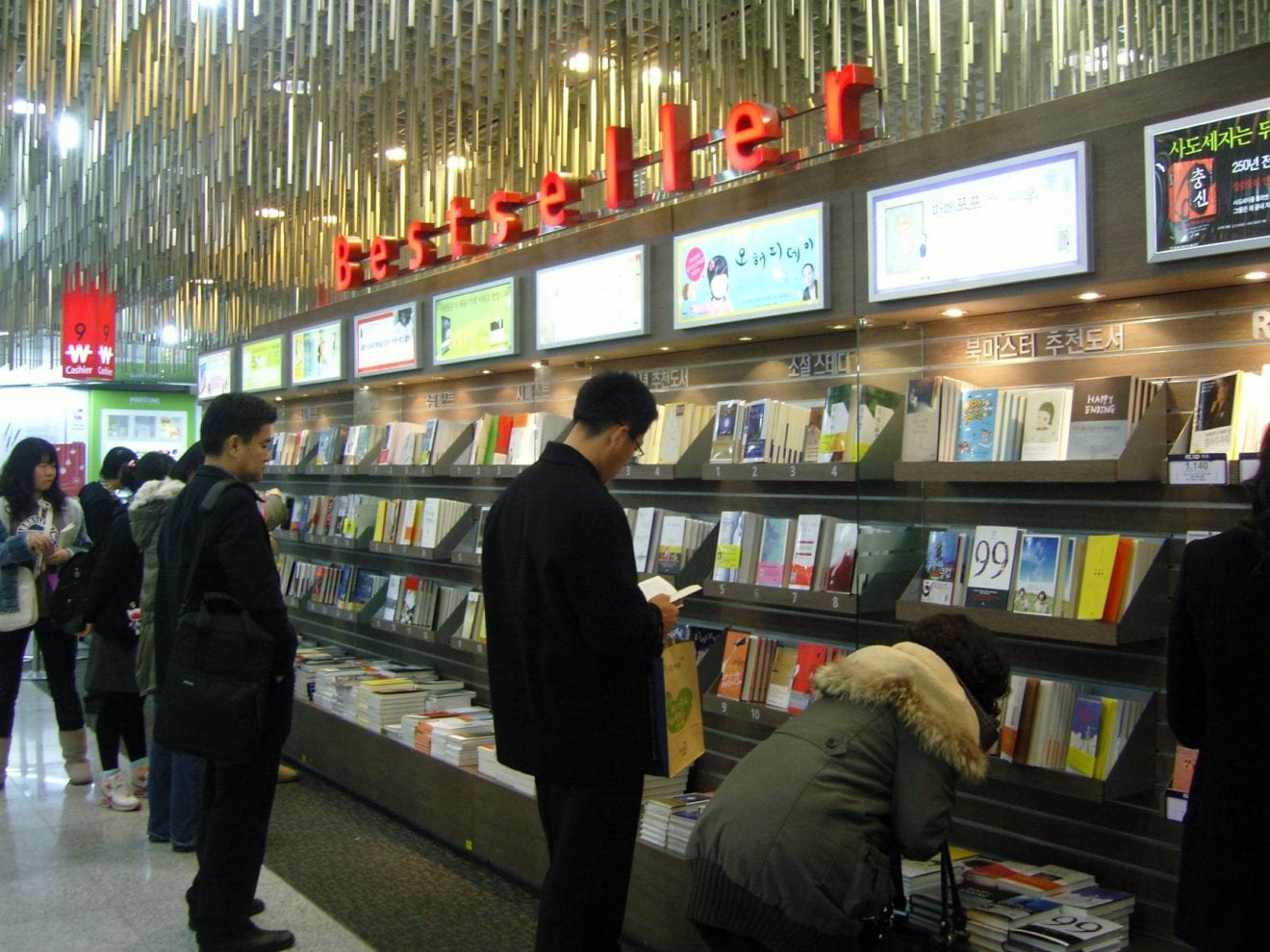
  • Korean online bookstores in delivery war

    Korean online bookstores in delivery war

    Korean online bookstores are pushing back their deadlines for same-day delivery, and jumping into the current delivery war that started when Coupang launched its ‘Rocket Delivery’ service.

    But while the bookstores’ new service is expected to attract more customers, concerns are rising over driver safety.

    Yes 24, the largest online bookstore in Korea, announced  it will extend the deadline for same-day delivery service by one hour. Customers will be able to receive purchased products on the same day for orders placed before 2pm, with those in Seoul benefiting from an extra hour and a 3pm deadline.

    Yes 24’s changes follow a move by competing online bookstore Aladdin, which has already pushed back it’s same-day delivery deadline by an hour.

    Coupang started the wave of delivery wars in Korea with the launch of an ultra-fast delivery service called ‘Rocket Delivery’ in March 2014, and the establishment of its own logistics system.

    Henry Ro, Coupang VP, said the Rocket Delivery service offers the greatest customer experience. “Rocket Delivery is an integrated ‘end-to-end’ service that has never been attempted in other countries.”

    However, despite consumer satisfaction, Coupang is expected to log over 400 billion won (US$326.9 million) in operating losses when it files its 2015 audit report in mid-April, due to rising costs in building new logistics centers and hiring new staff, according to industry sources.

    Other negative side effects are also pervasive. While Korean consumers are accustomed to ‘super quick’ deliveries provided by almost every type of business, the number of delivery people injured on the job is skyrocketing.

    According to data from the Korea Occupational Safety and Health Agency, 4460 delivery people were injured on the job between 2012 and 2014. News reports of delivery people involved in fatal accidents are also becoming common.

    Popular 30-minute delivery services are an example. Pizzerias used to compete to deliver pizza within 30 minutes, promising free pizza if the delivery is late. However, 30-minute delivery is now banned, as it was identified as the cause of numerous accidents.

    In the meantime, other online bookstores are looking into joining the delivery war with Yes 24 and Aladdin.

    Interpark plans to extend its deadline for same-day deliveries as well, and Kyobo Books is also looking into providing the service.

    Bookworms are thrilled that they can get the books they ordered right away. One customer commented on the convenience of the service, noting, “we no longer have to make the long trip to the bookstore every time we want to buy a book”.

    However, some point out that bookstores should be focused on providing other services instead of fast deliveries. “The books are so expensive. I would rather have additional benefits such as discounts or book points that can be used at the bookstores,” one customer said.

  • South Korea’s Cosmax beauty products granted halal certification

    South Korea’s Cosmax beauty products granted halal certification

    South Korea’s original development manufacturing (ODM) cosmetics company Cosmax Inc. said its Indonesian subsidiary PT Cosmax Indonesia was granted halal certification, a move that is expected to help pave the way for the company to make forays into the global halal beauty product market.

    The company said on Tuesday that PT Cosmax Indonesia received the halal certification from Majelis Ulama Indonesia (MUI) to sell its cosmetics. MUI is one of the top three halal certification authorities in the world along with Jabatan Kemajuan Islam Malaysia (JAKIM) and Majlis Ugama Islam Singapura (MUIS), and it is acknowledged across about 40 different countries.

    The Korean beauty products maker PT Cosmax Indonesia succeeded in meeting the strict guides of halal certification by producing cosmetics in hygienic conditions and containing zero harmful ingredients, and it became the first halal certified ODM cosmetics company among all Korean ODM beauty brands. The company expects to secure Islamic female consumers who have difficulties using general beauty products as its stable customer base.

    “PT Cosmax Indonesia, with its international halal certification, will do its best as an export base for the company making inroads into global halal market to meet consumer demands on halal products in the world including South East Asia and Middle East,” said Lee Kun-il, head of PT Cosmax Indonesia.

    Halal, an Arabic word meaning “lawful or permissible” in Islam, refers to products that Muslims are allowed to eat and use, and it is applied to various sectors ranging from food, medications and household goods to cosmetics. The halal cosmetics market is estimated at 100 trillion won ($84.2 billion), and it is expected to grow even bigger as more consumers are looking for products conforming to Islamic laws regardless of cost, said an unnamed official at Cosmax.