Tag: Korea

  • K-beauty spreads worldwide

    K-beauty spreads worldwide

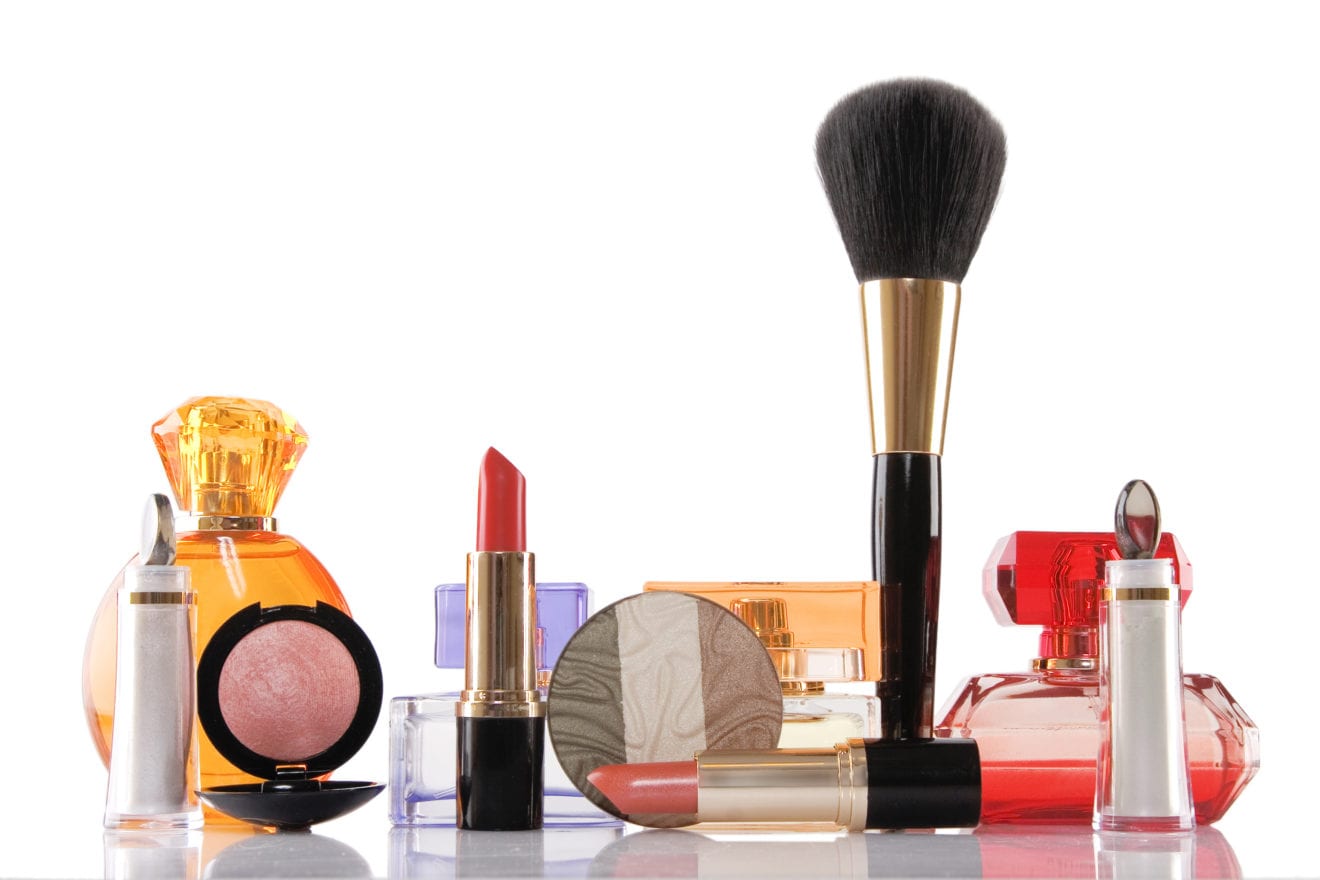
    The ‘K-beauty’ market is expanding its sphere of influence beyond Asia, and reaching out to other global markets.

    According to Aju News, a Korean newspaper, Korean cosmetics brands are exploring new markets worldwide. As the global interest in K-pop and K-dramas is rising, women all over the world are now looking at K-cosmetics.

    Amore Pacific has been eyeing the international market since the 1990s. After establishing factories in France and China, the company continued to expand its influence worldwide, with products now being sold in the U.S., Malaysia, Indonesia, Vietnam, Canada, Thailand, the Philippines, Singapore, Myanmar, and Japan, generating global sales of 1.26 trillion won.

    Able C&C’s cosmetics brand Missha is following the lead, spreading K-beauty all over the world. Missha stores can now be found in Brazil, Germany, Mexico, Venezuela, Turkey and Spain. The Brazilian market in particular is expected to generate strong sales growth, as reports show that the local cosmetics market is the fourth largest in the world.

    LG Household & Health Care’s The Face Shop is focusing on the Middle Eastern market, opening 55 stores in five countries – Jordan, Saudi Arabia, UAE, Oman and Armenia.

    Cosmetics brands are using a number of different marketing strategies to aggressively target overseas markets.

    In areas where natural ingredients and safety are important, such as Europe and the US, businesses are attracting customers with their ‘natural’ brands. Some brands promote elements of Korean tradition to attract western consumers. Many are ‘blending in’ with the locals through collaboration with local businesses.

    To boost overseas expansion, the Korea Trade Promotion Corporation (Kotra) is taking steps to boost sales of Korean cosmetics through American and Chinese online shopping sites.

    Kotra will host a ‘K-beauty summit’ to help Korean cosmetics brands export their products. The agency’s ‘online export incubating program’ will be introduced, and is expected to help businesses sell their products through Amazon.

    Kotra is also seeking to secure new trading opportunities in China in collaboration with the online shopping site TaoBao, operated by Chinese eCommerce behemoth Alibaba. The two parties plan to host a K-beauty expo in China during the first half of the year.

    Innisfree store in Shanghi

    The cooperation with TaoBao is only the start, as Kotra is also planning to work with other online shopping portals such as JD.com.

    Officials at Kotra emphasise the importance of making inroads in the American and Chinese markets to prolong the popularity of the K-beauty trend. They expect to draw the attention of young consumers who are sensitive to fashion and style trends and familiar with online shopping.

  • South Korea’s online shopping keeps double-digit growth

    South Korea’s online shopping keeps double-digit growth

    Online shopping in South Korea maintained a double-digit monthly growth as consumers increasingly prefer purchases online rather offline amid widespread penetration of smartphones, a government report showed Monday.

    Combined retail sales, including those online and offline, reached 29.18 trillion won (25.46 billion U.S. dollars) in February, up 2.9 percent from a year earlier, according to Statistics Korea.

    Online shopping jumped 22.7 percent from a year earlier to 4.69 trillion won in February, while mobile shopping through smartphones surged 54.0 percent to 2.39 trillion won.

    The figures showed consumers preferring purchases in cyberspace to visiting offline stores in one of the world’s most Internet-connected country.

    In 2015 when the Middle East Respiratory Syndrome (MERS) outbreak weighed down on South Korea’s private consumption, online shopping posted a double-digit monthly growth. Mobile shopping through smartphones surged more than 40 percent every month last year.

    In February, online sales of bags, cosmetics, furniture and leisure items recorded a double-digit increase compared with a year earlier.

    Main items purchased through mobile phones in February were baby products, shoes, clothing and cosmetics, which accounted for about two thirds of total mobile shopping in February.

  • Coupang Faces off against Retail Giant Shinsegae

    Coupang Faces off against Retail Giant Shinsegae

    “We should catch up to Coupang, accepting the risk of financial loss,” said Chung Yong-Jin, vice chairman of Shinsegae Group. “Coupang is taking away our customers in their 20s and 30s. Why are we just sitting on our hands and leisurely watching the exodus?”

    The JoongAng-Ilbo has recently reported that vice chairman Chung Yong-Jin of Shinsegae Group had harshly criticized Shinsegae executives for making a lukewarm response to Coupang eating into its customer base.

    Chung was quoted as saying: “Even if we have to incur a deficit, the entire distribution channel should come up with strategic online product offerings and sell them at rock bottom prices to lure in 20-30 something consumers who use smartphones to make purchases. To that end, we should give priority to taking E-mart’s online mall to new heights.”

    He made such a comment because E-mart, the discount store unit of Shinsegae, has lost business to social commerce operators, especially Coupang, over the past year.

    After all, Shinsegae Group waged a price war against e-commerce leader Coupang last month: it announced that it would sell baby formula, feminine hygiene products and instant coffee at the lowest possible prices. E-mart, the country’s largest discount store chain logging 13 trillion won in sales and 500 billion won in operating profit, started to fight back, accepting the risk of incurring a deficit.

    Coupang, established in 2010, has emerged as a threat to Shinsegae Group, the country’s largest retail juggernaut. Coupang’s sales grew sharply from 348.5 billion won in 2014 to 1.5 trillion won in 2015, greatly unnerving Shinsegae Group. If the growth of Coupang continued at such high speeds, Shinsegae Group fears, it could be overtaken by Coupang in 2-3 years.

    Computer-based and mobile traffic to E-mart’s online mall is languishing in the one million visitor range. Sales from its online mall account for about 5 percent (or 700 billion won) of its total sales (13 trillion won). In contrast, the number of visitors to Coupang reached over 7 million, dwarfing traffic to E-mart’s online mall.

    Coupang’s mobile app came out on top in traffic for 41 consecutive months from July 2012 to November 2015.

    Though E-mart with deep pockets is trying to take sales away from Coupang by offering products at sharply discounted prices, the majority view is that Coupang still gets the upper hand on E-mart when it comes to mobile shopping. A Coupang official said: “We are unscathed by E-mart going on the offensive. Actually, things are looking up as the mobile shopping market is on the upswing. It has become obvious that so many consumers have faith in Coupang.”

    According to Coupang, consumers, who have enjoyed convenient mobile shopping experiences since the launch of Coupang, will not easily drift away from Coupang.

    There is no doubt that Coupang is enjoying a “first-mover” advantage as sales from its mobile shopping platform surpassed 80 percent of its total sales. According to Statistics Korea, mobile shopping sales hit 2.66 trillion won in January 2016, exceeding computer-based e-commerce sales (2.54 trillion won) for the first time.

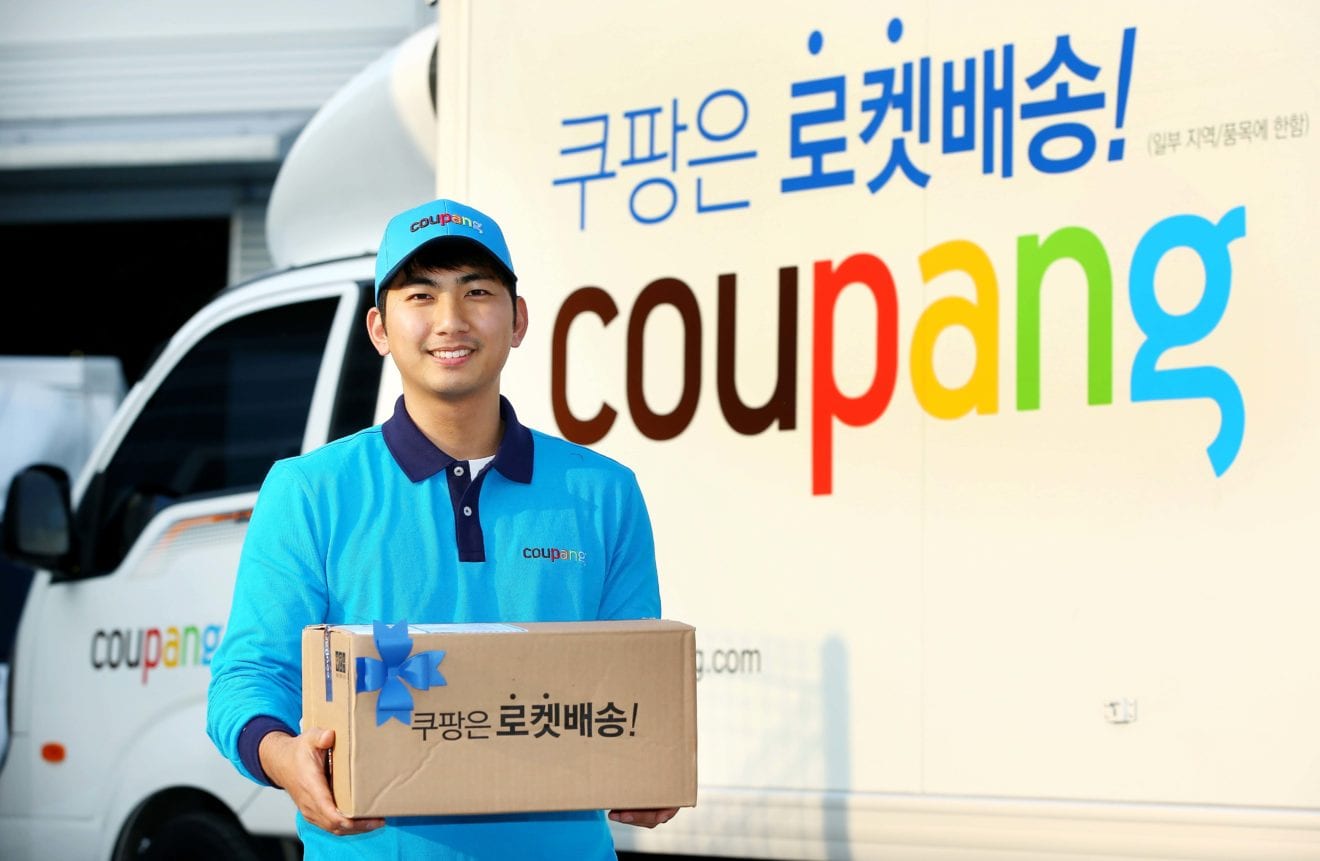
    Coupang is expanding its business realm on the back of its signature “Rocket Delivery” program, its delivery staff dubbed “Coupang men,” and its ‘direct commerce’ business model, in which Coupang takes care of all the stages of e-commerce from selling to delivery.

    Coupang plans to invest 1.5 trillion to increase the number of Coupang men to 15,000 and the number of logistics centers from 14 to 21 by 2017.

  • eCommerce won’t dent Asian retail real estate demand

    eCommerce won’t dent Asian retail real estate demand

    Growing online sales will not undermine demand for Asian retail real estate, according to the last CBRE study of major international brands.

    For the seventh edition of How Active Are Retailers Globally?, the real-estate company looked at more than 150 major international brands based in Americas, Asia Pacific and EMEA (Europe, the Middle East and Africa) countries.

    China is the top target market in the Asia Pacific (APAC) and fourth-ranked globally, with 27 per cent of retailers looking to expand there. Hong Kong follows in sixth position (24 per cent), Japan in seventh (22 per cent) and Singapore in ninth (21 per cent). The top three globally were Germany (35 per cent), France (33 per cent) and the UK (29 per cent).

    China and Hong Kong maintained their placings, while Japan, Singapore and Australia (11th) all rose higher in the ranking, up from 13th, 18th and 15th positions respectively.

    “Hong Kong will remain a desirable market for retailers, particularly as it continues to serve as a popular shopping destination for mainland Chinese tourists,” says CBRE Hong Kong executive director for retail services Joe Lin.

    “The main difference is a shift from luxury to mid-range brands. This is forcing luxury retailers to consolidate their footprint, leading to a drop in rental cost in prime locations and therefore opportunities for non-luxury retail brands.”

    Most APAC markets saw increased interest for this year, with the exception of China and South Korea. Malaysia (10 per cent), Indonesia (9 per cent), Thailand, Vietnam and The Philippines (all 8 per cent) received more than double the interest they saw last year, when all markets secured between 1 and 3 per cent.

    Asked about the risk factors for the coming year, brands indicated that real-estate cost escalation (56 per cent) and unclear economic prospects (42 per cent) continue to be at the forefront of their minds.

    “We’re seeing more of a challenging economic environment, and concerns such as high operating costs and a lack of quality space means retailers are somewhat more wary this year,” says CBRE head of Asia Pacific research Dr Henry Chin. “However, even as markets such as China and Hong Kong are experiencing a slowdown, we see increasing numbers of opportunistic retailers looking to enter markets like Hong Kong, supported by strong underlying consumer demand.

    “Japan and Australia remain attractive, while Southeast Asia showed strong growth because of opportunities for retailers around an expanding middle class and stronger economic growth.” CBRE senior director and head of retailer representation for Asia Joel Stephen says there are still opportunities for retailers to grow their business in Asia, underscored by the region having four of the 10 most popular destinations. “The goal now for all brick-and-mortar retailers is to build an engaging offer that encourages people to stay longer and spend more.”

    The survey shows that 83 per cent of brands suggest their physical store expansion plans for this year will not be affected by the growth of eCommerce. From a retailer perspective, only 22 per cent of the brands see stiff competition from online retailing as a threat to their business.

    At the same time, retailers are cautiously optimistic on physical expansion. Of those canvassed, 17 per cent have large-scale ambitions, many of them looking to open more than 40 stores this year (up from 9 per cent last year), while 67 per cent plan to open up to 20 stores.

    “A physical store presence in key locations is still critical to the strength of a brand’s image,” says Stephen. “Customers still feel a need to go into stores, to physically touch a product and enjoy the feel-good factor associated with a particular brand experience. The store is integral to the shopping journey and can be used in different ways, such as to click and collect, research of the product or brand, or to test the product. It isn’t solely about the transactional side.”

    A new trend is brands looking to expand into travel hubs, such as airports and train stations, giving them access to high footfall in busy locations. But for APAC retailers, shopping malls are still the preferred destination by far, at close to 90 per cent.

    While globally the key concern for brands in negotiations for premises is lease length, APAC retailers are most concerned with turnover rent clauses (GP). They are also particularly concerned about changing consumer behaviour (40 per cent), which is higher than the global average (31 per cent).

  • South Korea Has Reached Peak Coffee Shop

    South Korea Has Reached Peak Coffee Shop

    In fashionable retail and commercial districts of southern Seoul, nearly one in every two buildings boasts a coffee shop – evidence of a boom that has delivered dizzying growth for the likes of Starbucks and local chains.

    But now the market is getting even more crowded, as convenience stores such as 7-Eleven offer 1,000 won (87 cents) cups, and smaller players are feeling the heat.

    “We declared an emergency situation, gathered all employees eight times to debate strategies,” Moon Chang-ki, CEO of mid-priced coffee chain Ediya, the country’s largest operator by location with about 1,800 stores, told reporters recently. “If we sell at that price, our store owners won’t earn any margins.”

    To compete, Ediya says it has instead focused on improving the quality of its coffee, and actually raised prices last year. Other chains have responded to growing competition by cutting back on store numbers and staff, or expanding overseas.

    The number of chain and stand-alone coffee shops in South Korea more than tripled to about 49,600 in 2015 from 12,400 in 2011, according to Korea Contents Media – far faster than overall consumption of coffee, which Koreans have been drinking for decades.

    PEAK COFFEE

    South Korea’s per capita coffee consumption has nearly doubled since 1990 to 2.3 kg (5 lb) per person, according to the International Coffee Organization – still roughly half the 4.5 kg that Americans consume.

    Revenue growth at coffee chains in the country slowed to about 8 percent in 2014, however, from more than 20 percent annually between 2008 and 2012, analysts say. While the number of new coffee shops in Seoul increased, so did closures, according to city data.

    Brewed coffee sales at 7-Eleven, run by Lotte Shopping’s Korea Seven Co Ltd, jumped 88 percent in 2015 after it introduced drip coffee early last year costing about a dollar, almost one-fifth the cost of an average Starbucks cup.

    McDonald’s Corp stores cut coffee prices to 1,500 won from 2,100 won early last year, and have seen sales of the beverage almost triple, the company told Reuters.

    By contrast, local chain Cafe Droptop, with about 225 shops, cut about 20 percent of its workforce at the end of 2015. Another chain, Coffine Gurunaru, with about 100 shops, incurred combined operating losses of 2.5 billion won ($2.2 million) in 2013 and 2014 after being profitable in the previous two years, filings show.

    “Even fried chicken restaurants and pubs are adding coffee, trying to be a cafe, while espresso machines are spreading in offices,” said Lee Kyung-hee, who heads the Korea Business Strategy Institute, a consultancy. “The coffee industry is fighting a war without borders.”

    GOING ABROAD

    Starbucks entered the market in 1999, and is widely credited with starting the country’s habit for splurging on higher-quality coffee and creating a cafe industry SK Securities said was worth about 2.5 trillion won ($2.2 billion) in 2014.

    Starbucks Coffee Korea, a 50-50 joint venture between the world’s biggest coffee chain and South Korean hypermarket operator E-Mart, now has 860 stores, putting the country behind only China and Japan as the company’s biggest markets in Asia, with sales more than doubling between 2011 and 2014.

    It posted a 20 percent increase in net profit to 30.77 billion won in 2014, the most recent year for which results are available, on revenue of 617 billion won, up 28 percent.

    But with industry growth slowing, some chains have been pushing abroad.

    Caffe Bene, which reached 932 domestic stores in 2014 before trimming back to 850 at the end of March, posted a 3.3 billion won net loss in the first three quarters of 2015, according to the latest public data.

    Last month, a joint venture between Singapore’s Food Empire and Indonesia’s Salim Group acquired a 38 percent stake in Caffe Bene, becoming the second biggest shareholder after South Korean private equity fund K3 Equity Partners.

    The chain said it was looking to expand in Southeast Asia to drive growth.

    Zoo Coffee, with 65 domestic shops, has opened about 200 franchise stores in China since entering the country in 2013 and in December announced a tie-up with China’s giant Dalian Wanda Group to open 50 stores per year there.

    Cafe Droptop in November opened its first overseas outlet in Shanghai.

  • McDonald’s to set up 1500 new restaurants in China, Hong Kong and Korea

    McDonald’s to set up 1500 new restaurants in China, Hong Kong and Korea

    McDonald’s Corporation, the world’s largest hamburger chain, said on Thursday that it was adding more than 1,500 new restaurants in China, Hong Kong and South Korea over the next five years and was on the lookout for suitable investment partners.

    The US company said the new outlets are in addition to the more than 2,800 restaurant locations it has in these markets, most of which are company-owned.

    “We’re committed to Hong Kong for the long term and intend to combine our global brand with local insights and expertise. This gives us the ability to enable faster decision-making, achieve restaurant growth and deliver a great restaurant experience for our customers in Hong Kong,” said Steve Easterbrook, President and Chief Executive of McDonald’s.

    The company has 230 McDonald’s restaurants in Hong Kong and employs more than 15,000 people. On average, it serves about 1 million customers every day.

    McDonald’s Hong Kong said: “We have continued our great success in the past 40 years and we know that we would require continued capital expenditure in the future – to open new locations, rebrand our restaurants, accelerate McCafe penetration, and invest in the digital experience so as to take advantage of the opportunities in Hong Kong.”

    “We have not approached any potential strategic partner(s) at this point in time and we are still exploring what the right ownership structure will be for the new McDonald’s outlets in Hong Kong,” it said.

    Jeannette Chan, regional director of retail department at JLL said McDonald’s ambitious expansion plan showed its confidence on market prospects in Asia.

    “Most of the fast food retailers are contemplating expansion or relocation after seeing a sharp fall in Hong Kong retail rentals for street level shops,” she said.

    However, some industry experts said the expansion would be largely focused on the mainland, where there is still huge growth potential. “The Hong Kong market is already saturated” sources said.

    It would be better for McDonald’s to team up with local partners who have well established retail networks for its expansion in the mainland,” they said.

  • Is this the city of the future?

    Is this the city of the future?

    Today, more than half of our planet’s population live in urban areas, with millions of people migrating from the countryside to towns and cities in search of prosperity to a point where the world’s urban population has rocketed from 746 million in 1950 to 3.9 billion in 2014, according to the United Nations.

    As urban populations balloon, the strain on cities – many of them hundreds of years old – increases, with everything from transport to living space, healthcare and security put under pressure.

    In South Korea, the Songdo International Business District (Songdo IBD) is offering one vision of how cities might look in the future. A $35 billion project, Songdo has been developed across more than 1,000 acres of reclaimed land.

    “The original concept of Songdo was as a gateway city to the Korean mainland from Incheon International Airport, where basically all the uses – be they residential, retail, work, educational or cultural – would… all be within a 15 minute walking time of one another,” Jonathan Thorpe, senior EVP and chief investment officer at Gale International, part of the public-private partnership behind Songdo, told CNBC’s Sustainable Energy.

    As well as being technologically advanced, there is a heavy emphasis placed on sustainability. Forty percent of the city has been designated as “green public space” while the city is also home to 20 million square feet of LEED – Leadership in Energy and Environmental Design – certified space.

    “The residents can… control their lighting, their heating, ventilation, air conditioning usage, all within a single panel,” Thorpe said.

    “Moreover, they can track the actual consumption of energy that they individually are consuming, compare that to the use of their neighbours and this helps, really, greatly increase efficiency,” he added.

    The importance of technology is crucial, according to renowned British architect Norman Foster.

    “In many ways technology has been a constant throughout civilization,” Foster told Sustainable Energy.

    “It’s always been maximizing the materials to transform the climate and create a more comfortable environment in an age before cheap energy,” he said.

    “We have to relearn those traditional lessons and apply that with the technology of our time. You have to look at all the elements within the building – the materials, the way in which it responds to climate – to reduce the amount of energy and ideally move to buildings which harvest energy.”

  • Lotte seeks calm waters after family turbulence

    Lotte seeks calm waters after family turbulence

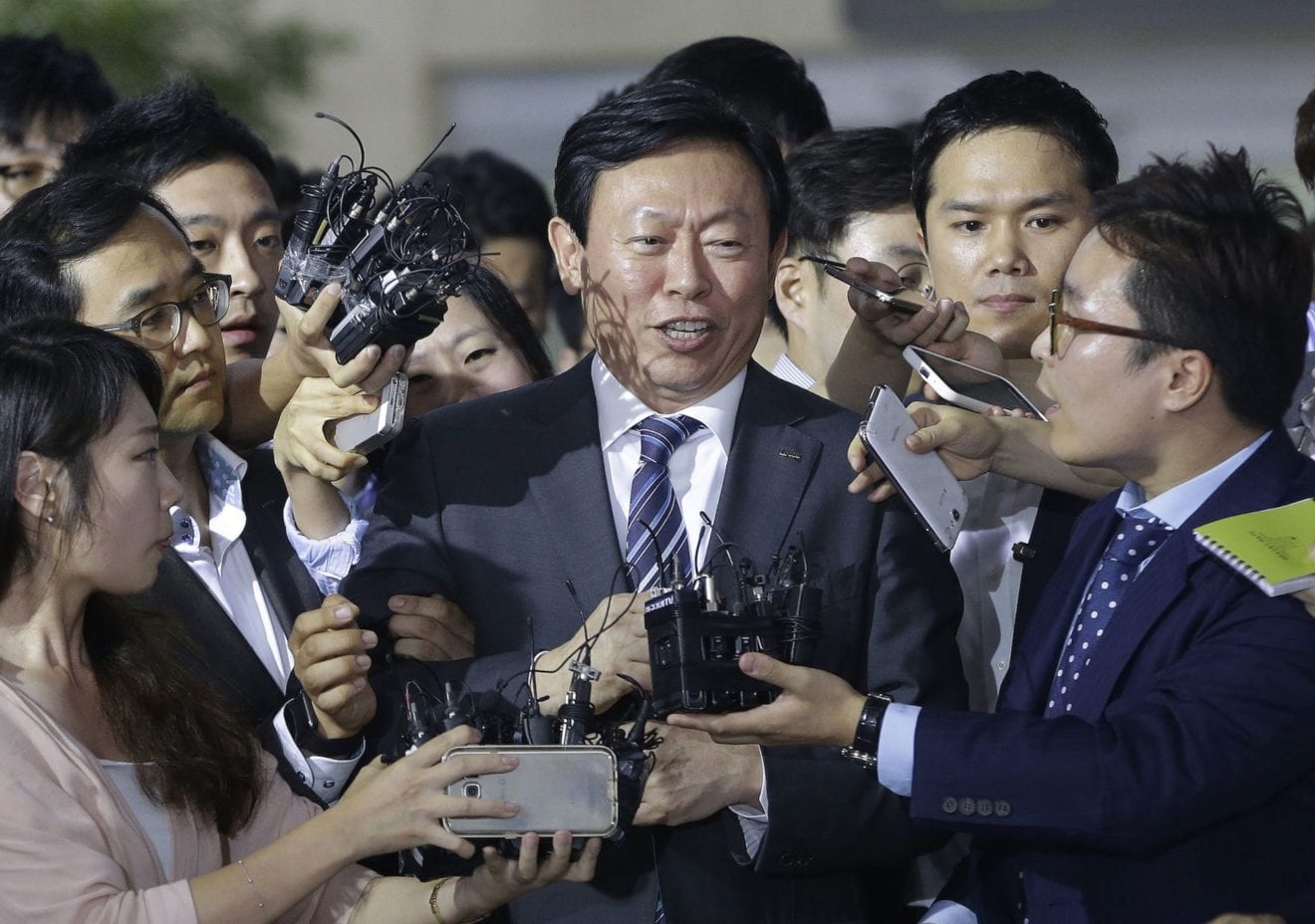
    The fate of Lotte Group hung in the balance several months ago, as the fraternal battle over control of the retail giant reached its peak.

    However, a year into the family battle, Chairman Shin Dong-bin managed to settle the dispute and strengthened his grip over the country’s fifth-largest conglomerate, which has operations in Korea and Japan.

    Most shareholders of Lotte Holdings in Japan voted in support of the younger son, who heads both the Japanese and Korean operations, despite efforts by his older brother, Shin Dong-joo, to oust the chairman as CEO of the Japan-based unit.

    In the second shareholders meeting on March 6, Shin Dong-joo even suggested that he would give 2.7 billion won ($2.3 million) worth of shares to members of the association of Lotte Holdings workers – the second-largest shareholder after Kojyunsya, with a 27.8 percent stake – should he win the vote. But the agenda failed to win a majority of shareholders’ votes, and the meeting finished only in about 30 minutes.

    “We figured that the meeting’s result shows firm support for the chairman, and the succession battle has actually ended,” a Lotte Group spokesperson said.

    Shin Dong-joo may have used up most of his maneuvers to nullify the leadership of Shin Dong-bin, though the result of a lawsuit to determine the legitimacy of Shin Dong-bin’s reign at Lotte Holdings has yet to come.

    As the highly publicized feud appears to be coming to an end, Chairman Shin Dong-bin is seeking to revamp the group through three key initiatives: corporate restructuring, global expansion through mergers and acquisitions, and empowering female executives.

    Cleaning up the corporate structure

    Of all things, the chairman placed the improvement of Lotte’s corporate structure high on the agenda since the fraternal battle exposed an opaque governance structure and the founding family’s strong hold over the group.

    Founded in 1948 in Japan, Lotte has gone from a small chewing-gum maker to a major business unit with interests encompassing retail, chemical and car rental services. Today, Lotte Group has a total of 86 affiliates with annual sales hitting 81 trillion won. Still, only eight affiliates, or 9.9 percent, are listed on the Kospi market, making credible information on the unlisted units hard to come by. This type of backward system is linked with founder Shin Kyuk-ho’s business principle that keeps most of the businesses unlisted.

    The feud and ensuing investigation revealed that a handful of unlisted units based in Japan – with obscure functions and business areas – are at the top of the corporate governance structure.

    Chairman Shin Dong-bin is trying to fix the system through the listing of key Lotte affiliates.

    The first target is Hotel Lotte, the de facto holding company of Korean Lotte affiliates. Lotte Group said last year that it will take the hospitality operator public in the first half of this year. The hotel unit passed a preliminary screening for its planned initial public offering (IPO) in January, according to the Korea Exchange.

    After the group’s core affiliate goes public, more affiliates, including some of the Japan-based Lotte units, as well as Lotte Data Communication Company, Korea Seven and Lotteria, are expected to go public, according to the Korea Exchange.

    Alongside the IPO efforts, the business tycoon has sought to ease the group’s complex cross-shareholding system by purchasing shares of key Lotte units at the center of the cross-holding web.

    Last year, the chairman acquired a 1.3 percent share in Lotte Confectionery, which was held by Lotte Construction & Engineering.

    The move cut Lotte’s cross-shareholding links by 34 percent from 416 to 276, and the number has since been further reduced to 67, according to Lotte Group and a report from the Fair Trade Commission.

    To speed up structural governance reforms promised by the chairman, the group launched a task force last year that will be entirely focused on a structural overhaul. Lee Bong-chul, head of the group’s support department, leads the team.

    Another area of focus by the chairman is business expansion through different mergers and acquisitions. When he took the helm at Lotte Group, Shin Dong-bin clinched a number of big deals to acquire different units, including electronics store chain Hi-Mart, car rental service operator KT Rental and a liquor unit of Doosan Group.Global expansion

    Most recently, he has set his sights on the global market beyond the Asian continent.

    Last May, Hotel Lotte bought the New York Palace Hotel in Manhattan for $805 million from real estate management firm Northwood Investors.

    But the purchase of the landmark hotel was only part of Hotel Lotte’s broader efforts to extend its properties.

    Song Yong-dok, CEO of Hotel Lotte, said last year that the hospitality chain will acquire 33 more hotels outside of Korea by 2020, a move to become an international hotel chain.

    The CEO specifically cited hotels in Los Angeles, Chicago, London, Paris and Frankfurt as potential bases for new hotels in the coming years.

    The CEO’s interest reflects the hotel operator’s intention to further move into European and U.S. markets, since the unit’s global operations currently center on Asian countries such as Vietnam and Uzbekistan and other regions such as Russia and Guam.

    Five months after the hotel purchase, Lotte announced the largest acquisition deal to date in the conglomerate’s history.

    Lotte Group agreed to buy a sizable stake in Samsung’s petrochemical units for around 3 trillion won, extending its business beyond retail and hotels.

    Under the deal, Lotte Chemical will absorb the businesses of the new units.

    “Lotte Chemical, which specializes in basic petrochemical materials and synthetic fibers, has been on the lookout to include future-oriented chemical businesses and products to create synergies with existing products,” the group said.

    When the deal is completed in the first half of this year, the Lotte affiliate is expected to boost its competitiveness in plastic materials such as polycarbonate, acrylonitrile butadiene styrene and polystyrene, where Samsung’s chemical units are strong.

    Lotte expected the deal to raise Lotte Chemical’s total annual sales to 20 trillion won from 14.9 trillion won in 2014.

    The group also looks to bolster its presence, with the surging population in high-growth markets in Southeast Asia, including Vietnam and Indonesia.

    Earlier this month, Lotte Group submitted a bid to buy retail chain Big C in Vietnam from French retailer Groupe Casino.

    Big C is the second-largest supermarket chain in Vietnam, and also operates in Thailand and Laos with 600 stores. The extensive retail network of the discount chain will help Lotte cement its position in the Southeast Asian market.

    Groupe Casino’s sale of its Vietnam units attracted multiple bids in Asia, including offers from Thai tycoon Charoen Sirivadhanabhakdi and Japan’s Aeon as well as Lotte.

    The value of the deal is estimated to be over $ 1 billion.

    Also joining the bid are Central Group, Thailand’s biggest retailer, and Vietnamese companies Co.opmart and Masan Group, according to reports in the Wall Street Journal.

    Another region that draws Lotte’s interests is Russia, with its enormous potential in untapped natural resources and land.

    The group recently established farming and logistics networks along the Black Sea and Maritime Province.

    The move is expected to create synergies with the existing Lotte Confectionery plant in Kazakhstan.

    “The chairman pays attention to the region because the current economic slowdown in Russia could translate into benefits for those interested in investment in the region,” said a source at Lotte Group who declined to be named.

    Empowering female leaders

    Chairman Shin Dong-bin has reiterated that increasing the number of female workers and executives is one of his priorities.

    The group openly said that its affiliates should hire more women to enhance gender diversity.

    Now, the proportion of new female workers accounts for 35 percent, and the company plans to increase the ratio to 40 percent.

    The chairman also acknowledged that generally perceived characteristics of women, such as sensitivity, fit Lotte’s major business areas centered on shopping and retail segments.

    “We have many customers who are women,” Chairman Shin Dong-bin said during a meeting with female executives at Lotte affiliates last year. “And I am sure that women know best what women really want, so hiring more women workers and putting them in executive posts is one of the most important tasks for Lotte.”

    Empowering women workers has emerged as a major social issue, as few women are found at the senior level of big companies.

    In Korea, women represent a miniscule 1.9 percent of board directors, according to a GMI Ratings survey.

    The ratio puts South Korea at the bottom of the ranking out of 45 countries surveyed.

    The chairman has set the target of filling 30 percent of its executive posts with women.

    “Following the direction of Chairman Shin Dong-bin, we have been focused on hiring women since 2006,” a representative of Lotte Group said. “Now, 11 percent of senior workers, whose rank is above senior manager, consist of women. But we will expand the proportion to 30 percent by 2020.”

    Lotte’s efforts are reflected in major personnel changes that saw more women promoted to the executive level.

    At the end of last year, Lotte announced the promotion of two women to executive positions.

    At the time, the company appointed its first female executive to have risen through the ranks from an entry-level employee and also the first non-Korean female executive.

    “We don’t want to just say that we want more women,” the representative said. “Our efforts will be shown in numbers by hiring and promoting more women.”

    Chairman Shin Dong-bin, left, describes the 123-story Lotte World Tower to Hugh Trenchard, a member of the British Parliament, last July ;The Lotte World Tower, built by Lotte Group, is the tallest building in Korea. [LOTTE GROUP,JOINT PRESS CORPS]President Park Geun-hye, center, and Lotte Chairman Shin Dong-bin, left, tour the Busan Center for Creative Economy and Innovation run by the group in March;CEO Song Yong-dok of Hotel Lotte, second from right, poses outside the New York Palace Hotel in Manhattan after Lotte acquired the American hotel last May.

  • Cosmetics retailers will like the look of China’s online import tax rules

    Cosmetics retailers will like the look of China’s online import tax rules

    China is changing tax rules for imported goods that are sold online in a move that will make beauty products such as eye creams and moisturizing gels from L’Oreal SA’s Lancome and Korea’s Amorepacific Corp. become cheaper for Chinese consumers.

    The government will remove a special tax, or so-called parcel tax, previously levied on imports sold online. Instead, it will charge value-added and consumption duties that are currently imposed on most products sold in China but with a 30% discount, according to a Thursday statement posted on the website of the Ministry of Finance.

    The move came after China in January broadened a pilot program in which a port district in the eastern city of Hangzhou was allowed to trade imported goods at lower taxes. As the world’s second-largest economy pushes its online retail industry and promotes cross-border e-commerce, the country has expanded the program to 13 cities. China’s State Council approved the latest changes which will come into effect on April 8, according to the Thursday statement.

    “Cosmetics will be the biggest beneficiary after the tax adjustment,” said Catherine Tsang, a Hong Kong-based tax partner at PricewaterhouseCoopers LLP. As beauty and personal care is one of the most popular category among imports bought by China’s Internet shoppers, any price cuts will further boost the market, Tsang said in an interview.

    Riding on a wave of popularity from South Korea’s TV dramas and music, Amorepacific’s Etude House and other brands from the country are in demand among Chinese customers. For Korean products, cross border e-commerce has become a more direct and cheaper way to expand in China compared with setting up store networks, Tsang said.

    Online sales of imported goods have grown at a compounded rate of 63% in the five years to 2015, reaching 638 billion yuan ($98 billion) and accounting for 17% of China’s total online retail sales, according to data from Mintel Group Ltd.

    The most popular categories of products being purchased online in China are consumer electronics, clothing and shoes, appliances, food and beverage, and beauty products, according to research firm Euromonitor International.

    Previous changes to promote cross-border e-commerce include:

    • China started pilot program with a zone in Hangzhou in March 2015
    • Trial expanded Jan. 2016 to Tianjin, Shanghai, Chongqing, Hefei, Zhengzhou, Guangzhou, Chengdu, Dalian, Ningbo, Qingdao, Shenzhen, Suzhou
    • Parcel tax in zones set at 10% (food, infant items), 20% (electronics, apparel), 30% (high-end watches), 50% (cosmetics, alcohol)
    • Tariffs waived for items that incur taxes below 50 yuan

    While food and baby items such as diapers may cost more after the April adjustments because of their current lower tax rates, those imports may remain attractive as China’s growing middle-class are becoming more concerned about health and are willing to pay more for quality, daily necessities, PwC’s Tsang said.

    “That’s why the demand for imported goods is increasing so fast,” she said. ”China’s consumer now are less price-sensitive especially to products they eat or use on their skins.”

  • Samsung won’t like it, but Xiaomi is coming to South Korea

    Samsung won’t like it, but Xiaomi is coming to South Korea

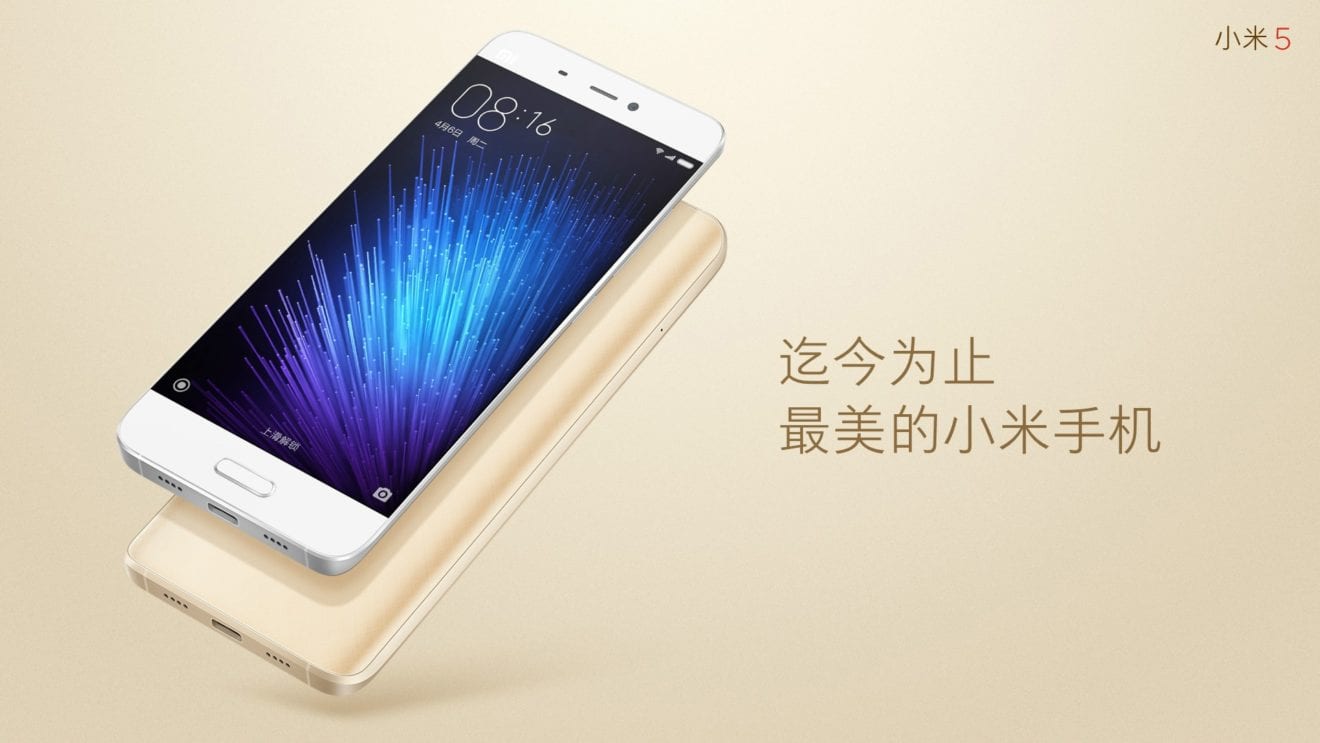
    China’s Xiaomi is now expanding in a country where the competition is particularly tough: South Korea.

    The land of Samsung and LG isn’t an easy proposition, but Xiaomi isn’t doing it alone. The company has this month inked a number of deals with Korean suppliers and distributors to ensure that it will have a presence on the ground in the country.

    Xiaomi has reached an agreement with Youmi and Koma Trade, making the two Korean companies the only official dealers of Xiaomi products in the country.

    The two partners will sell a variety of Xiaomi products, including battery packs, headphones, the Mi Band fitness tracker, and the Ninebot “hoverboard.” Neither company will sell Xiaomi phones, but they will be able to repair the devices and provide support.

    The land of Samsung and LG isn’t an easy proposition, but Xiaomi isn’t doing it alone.

    The paper says the partners are “small companies whose core business has become providing services for Xiaomi. Xiaomi selected the two companies since they can devote all their energy to the Chinese tech giant.”

    In addition to building up its network in the land of Samsung, Xiaomi has also been working on ecommerce and online payments.

    On March 8, news broke that Xiaomi’s smart TVs would be sold in Korea by ecommerce giants Gmarket and Auction.

    Xiaomi has also inked agreements with a number of other Korean ecommerce marketplaces, including E-Mart, ZMI, and 11st. This isn’t exactly a surprise – Xiaomi has always emphasized ecommerce sales beyond its own website, with deals on Alibaba’s Tmall and Taobao in China. But in South Korea, where the ecommerce market is a bit more fractured, the company is spreading its resources around.

    The smartphone conundrum

    None of those stores, however, are selling Xiaomi phones – yet. Aside from the occasional short-lived sale online, it’s rare to see Xiaomi’s smartphones for sale in the country, other than second-hand or from random Chinese importers. Ecommerce market KT briefly sold Xiaomi phones in January, but had to close the sale after just two days citing “legal issues.” It’s not clear if Xiaomi officially backed those sales.

    But those “issues” haven’t scared Xiaomi away from the Korean market. Just today, the Korea Herald reported that Xiaomi has filed for a patent in South Korea for its Mi Pay epayments service – a phone-based service that can’t exactly be used with its battery packs or TVs.

    Xiaomi certainly has smartphone sales in Korea on its roadmap.

    The Mi Pay patent shows that Xiaomi certainly has smartphone sales in Korea on its roadmap. The Herald speculates what many have long expected – that Samsung and LG have put pressure on Korean retail companies and mobile carriers to keep Xiaomi out.

    But their embargo doesn’t look like it will last forever. Xiaomi has managed to find enough local partners to gain a solid foothold in the country, and it looks like it will only expand from here. Samsung and LG might not like it, but it looks like their Chinese competition will be hawking smartphones in their backyards any day now.

  • Sushi for W390 in Korea

    Sushi for W390 in Korea

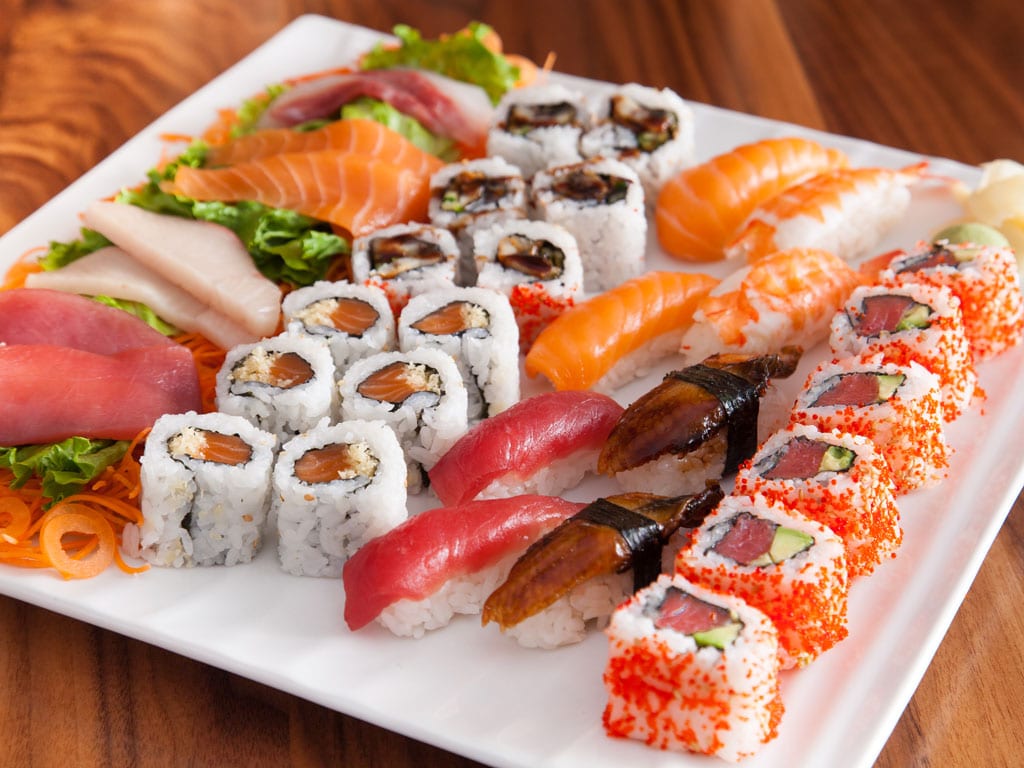
    Korea’s retail giant Homeplus launched an expanded line of sushi, which will sell for 390 won (30 cents) each until April 6.

    Homeplus announced Wednesday that it built on their existing sushi line “Chef Sushi,” which was originally limited to 16 types, to 34 variations. These bite-sized delicacies include localized specialties such as tuna-mayonnaise and beef bulgogi sushi, which will cater to the tastes of children and customers who seek something other than seafood on their sushi rice.

    Homeplus’ Convenient Cooking Team manager Heo Na-young said, “We have seen a rise in demand for sushi at our branches due to the overall improvements in retail sushi qualities and the effects of recession.”

    Heo said Homeplus will continue to expand the selection of sushi provided by the retail shop to meet customers’ needs and wants. Chef Sushi will maintain an affordable price range after the promotional period ends.

    Homeplus also sells 8,900 won ($7.7) fried chickens.

  • Oh!K expands into Indonesia

    Oh!K expands into Indonesia

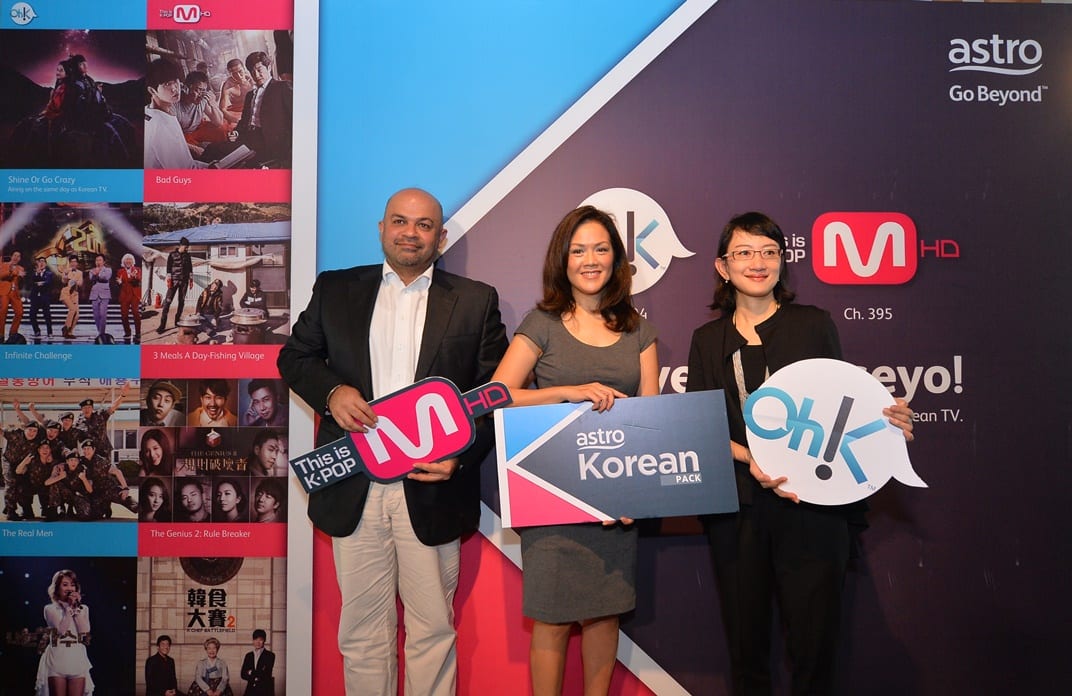
    K-entertainment fans in Indonesia will now be able to catch the latest and best Korean content within hours of its world premiere with the launch of Oh!K on Tribe.

    This new OTT service from XL, a telecommunications operator, offers its subscribers via the Tribe app exclusive access to fresh, first-run, localized and high-quality video, via mobile devices and online.

    Oh!K currently boasts a slew of popular series including Monster, which will premiere later this month, and Marriage Contract, which is currently running on the channel. These express titles air within 24 and 48 hours of Korean telecast, respectively.

    “Since Turner launched Oh!K in October 2014, the channel’s reach and popularity has grown significantly,” said Phil Nelson, Turner’s managing director for Southeast Asia. “In just 18 months, partners in Singapore, Malaysia, Hong Kong and now in Indonesia with Tribe, have responded to the growing appetite for quality Korean content.”

    Other express titles on Oh!K include Just Married and Korea’s No. 1 variety show Infinite Challenge – starring celebrity hosts Yoo Jae Suk, Park Myung Soo, Jung Joon Ha, Jung Hyung Don, Hwang Kwang Hee and Haha.

    Oh!K’s programming is also supplemented by special live simulcasts from Korea, such as the MBC Drama and Entertainment Awards and Gayo Daejun (Korean Music Festival) available on the channel.

  • Mix of innovation, soft power drives ‘K-beauty boom’ in China

    Mix of innovation, soft power drives ‘K-beauty boom’ in China

    Eating exotic and wild species is nothing new in China, just like a saying well known in Guangzhou: “Chinese will eat everything with four legs except tables and eat everything that swims except a submarine.”

    Their openness to new ingredients and recipes strikes a similar note, as South Korean cosmetics companies embrace such quirky ingredients as snail slime, horse oil and pig skin collagen as long as they are considered good for the skin.

    With ingredients ranging from an extract from cocoons, goat milk and volcano clay, Korean beauty items come in all imaginable forms. They range from hair mousse styling foam and fruit flavored yogurt to mask sheet packs for the feet and breasts.

    The relentless experimentation may be one of the most decisive factors behind Korean cosmetics’ success in China, which helped spread the “K-beauty boom” beyond Asia to reach Western customers over the past few years.

    South Korea’s cosmetics exports to China doubled on-year to US$1.08 billion in 2015, which accounts for nearly 40 percent of its total global sales, according to the Korea International Trade Association. South Korea is the second-largest cosmetics exporter to China following France.

    Chen Ming, a 30-year-old makeup artist from Guangzhou, says she has tried several basic skin care products and massage packs by Korean brands, which emphasize naturally flawless skin. For the “nude makeup look,” she is willing to try highly functional cosmetics with bizarre ingredients.

    “Let’s say horse oil is known as good for moisturizing and healing for skin, but you don’t want to use it until it is turned into some kind of dermatological formula to apply onto the skin,” the resident of China’s third-largest city on the southern coast said. “Unlike major Western cosmetics, many Korean cosmetics put key ingredients before labels to give a sense of what it is made of. I think it’s an effective way to sell a product.”

    While major cosmetics companies, including No. 1 AmorePacific Co. and its smaller rival LG Household & Healthcare Ltd., have a wide range of luxury and lower-end lines, independent brands put more focus on targeting safety-conscious Chinese consumers who also care about price tags. Most lower-end brands have lineups ranging from $10 to $50 per item, with advanced formulas below $100.

    “In China, cheap products are considered not reliable because they could contain harmful chemicals, while expensive products are just too expensive for ordinary consumers,” Lou Wei, a 46-year-old music teacher in Guangzhou, said. “Korean products are known as cost-effective compared to Western brands. Plus, the skin types are similar between Koreans and Chinese.”

    The unwavering popularity of Korean dramas and entertainment shows has also elevated their brand power to the next level.

    According to a survey by the Korea International Trade Association last year, 70 percent of 1,400 middle-class consumers in major Chinese cities said they have seen Korean dramas and shows. Eight of them evaluated that such experiences positively affected their perception towards Korean products.

    Most recently, “Descendants of the Sun,” a mega hit KBS drama currently on air both in Korea and China, showed how companies can benefit from consumers who want to mimic styles of celebrities.

    Laneige, AmorePacific’s mass brand, saw skyrocketing sales of items used by actress Song Hye-gyo, who starred as a doctor in the drama, which was viewed a combined 1 billion times on iQiyi, its official streaming site in China.

    At 11st Street, a Korean online retailer that runs a Chinese language site, sales of Laneige’s blemish balm pact jumped 10-fold from March 14 to March 20, while a new lipstick sold out three days after its release.

    “As Korean dramas were usually aired in China at least several months later, sales of related products were reflected with time lag,” said Yoo Sang-woo, a sales director at 11st Street’s Chinese shopping page. “As ‘Descendants of the Sun’ is simultaneously aired in Korea and China, the customer reaction is almost instant.”

    While major players have built production lines in China to get ahead in the fast-growing market, smaller brands have raised considerable sales at duty-free shops and through Chinese vendors who buy in bulk in Korea and resell with a margin both online and offline.

    Experts say the biggest hurdle for those who have yet to establish a direct sales network in the mainland is how to tackle the rising number Chinese knock-offs, stressing the need to expand official distribution channels.

    “In the case of best-selling items, consumers are reluctant to buy them at local shops or through private vendors over concerns of fake products. Some of them buy cosmetics in Hong Kong shops or ask a favor of friends visiting Korea,” said a Guangzhou-based trade official. “Chinese prefer products made in Korea because they have safety concerns over food and anything related to the body.”

    In light of such growing calls, the Korea Trade-Investment Promotion Agency (KOTRA) has pledged to provide support to emerging cosmetics companies via overseas marketing efforts jointly with international retail giants.

    On Wednesday, KOTRA held a “K-beauty Summit” with officials from 40 small and medium-sized cosmetics companies and U.S. retail behemoth Amazon. It also agreed with Taobao, the online market place by Chinese e-commerce giant Alibaba, to hold a beauty trade fair in the first half of this year to expand their sales network.

    Experts say online marketing efforts have become ever more important for further expansion to reach out to the growing number of smartphone users in smaller Chinese cities.

    “Despite recent economic slowdown, the Chinese consumer goods market still offers a great deal of opportunities to Korean cosmetics and clothing companies,” Park Hyun-jin, a researcher at the Seoul-based Dongbu Securities, said.

    “The e-commerce market will continue to grow thanks to the popularity of mobile shopping. As the number of smartphone users has sharply risen in smaller cities and urban areas, brand marketing via mobile and online will help boost sales in China.”

  • Takashimaya Tokyo going duty free

    Takashimaya Tokyo going duty free

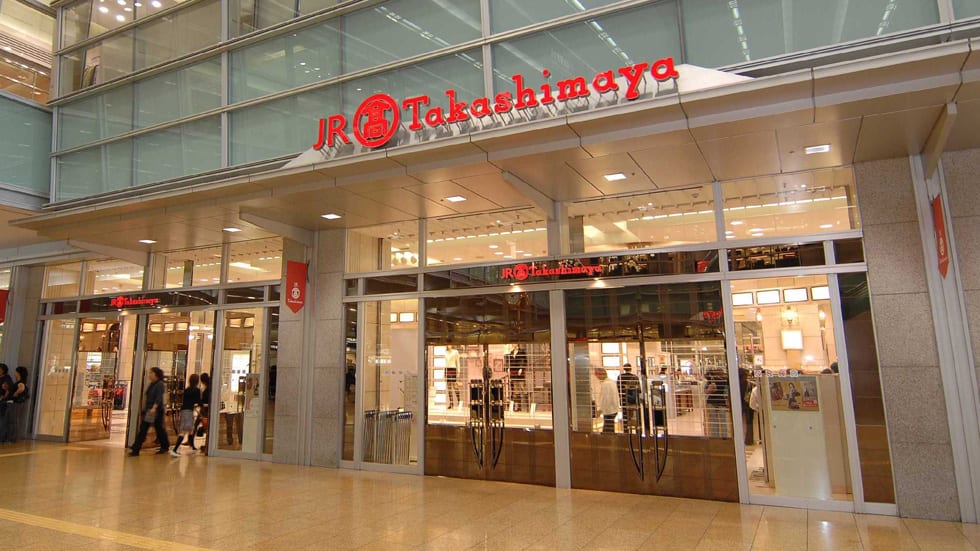
    Eyeing the growing tourist market, Japanese department store Takashimaya is going duty free with an airport-style store in Tokyo.

    Not only sales tax, but also alcohol and tobacco duties will be waived under the venture, in which the Takashimaya Tokyo store is partnering with ANA Holdings and South Korea’s Samsung Group.

    Takashimaya will contribute more than half of the capital for the outlet, establishing an oversight company with All Nippon Airways Trading and Hotel Shilla of the Samsung Group. Scheduled to open next spring, the store will probably be on an upper floor of Takashimaya’s Shinjuku branch. Depending on its performance, the partners may roll out further stores.

    Shoppers will be able to buy items in-store to pick up later at Haneda or Narita airport after completing departure procedures.

    Hotel Shilla, which runs hotels and duty-free stores, generated sales of 3.25 trillion won (US$2.73 billion) last year. The company is second only to the Lotte Group for duty-free stores in South Korea, and its international presence includes Singapore’s Changi Airport.

    ANA Trading runs airport souvenir shops.

    Visitors to Japan increased 47 per cent last year to 19.73 million, according to the Japan National Tourism Organization. More people are travelling there multiple times a year and visiting localities outside greater Tokyo via train and bus. A major bus terminal is slated for completion in Shinjuku this spring.

    Takashimaya rival Isetan Mitsukoshi Holdings opened a similar duty-free store in Tokyo’s Ginza area in late January.

  • Samsung’s Galaxy S7 Series Popular in Israel

    Samsung’s Galaxy S7 Series Popular in Israel

    South Korean tech giant Samsung Electronics Co. said Tuesday its latest flagship smartphones, the Galaxy S7 series, posted robust sales in Israel just a week after their launch.

    The Galaxy S7 series officially hit the shelves on March 14, coming out in major markets including South Korea, the United States and Europe.

    Samsung sold over 10,000 units in the first week in Israel as its advanced waterproof function and visual display received positive feedback, according to company officials.

    “Although only 3,000 units were pre-ordered, sales after the official launch jumped over 42 percent compared to that of the previous phone Galaxy S6,” Goh Kwang-hak, the chief of Israel branch, said.

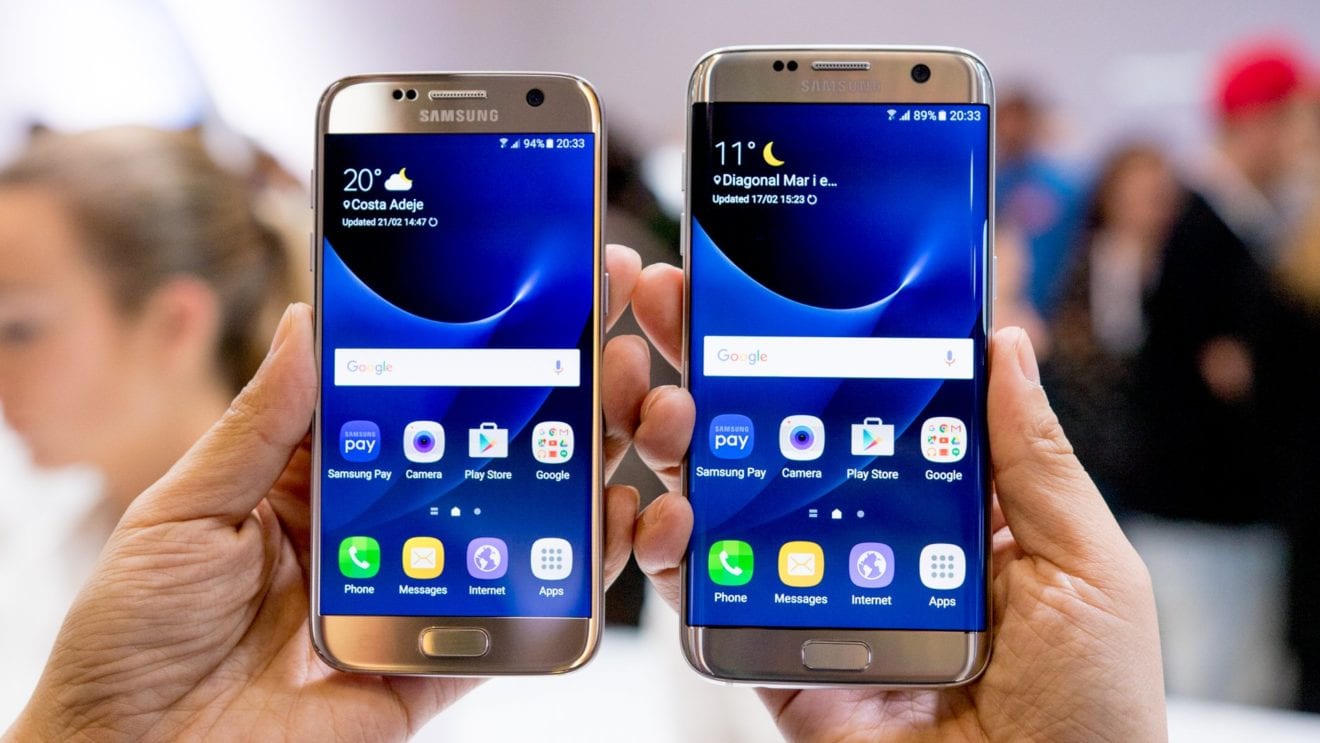
    Samsung Electronics’ latest smartphone line, the Galaxy S7, hit the shelves of major markets on March 14, 2016. (Photo courtesy of Samsung Electronics)

    Samsung’s smartphones account for 45 percent of the market in Israel, which has a population of 7.8 million and a brisk secondhand phone market. It far surpasses U.S. rival Apple’s 30 percent share.

    The retail prices of the Galaxy S7 and Galaxy S7 edge in Israel are US$907 and $1,011, respectively. The edge version comes with a display that curves at both edges.