Tag: Korea

  • Lotte pulls out of Big C Vietnam race

    Lotte pulls out of Big C Vietnam race

    South Korean retail heavyweight Lotte has reportedly withdrawn from the bidding battle for Big C Vietnam.

    Reuters, quoting unnamed sources familiar with the matter, said the company was not keen to bid aggressively for the supermarket network. Lotte already has its own network of hypermarkets in Vietnam and will no doubt have costed a bid for Big C based on the value of the market share and assets it would acquire versus the cost of continuing its own organic store network growth.

    France’s Groupe Casino is auctioning off the Vietnam business having earlier sold its stake in Big C Thailand to Thai import and export firm Berli Jucker for about US$6.2 billion.

    Lotte Group, which controls Lotte Shopping, declined to comment on the report.

    Big C opened its first Vietnam store in 1998 and has 30 stores in cities across the country.

    At the time it put the business on the market, Groupe Casino said it hoped to be paid about US$813 million, which would be spent paying down debt.

    However based on current bids for the business, sources are now estimating the sale could net closer to $1 billion.

    Thailand’s Central Group, which is has been approached by Berli Jucker to buy its minority stake in Big C Thailand and has a growing portfolio of retail businesses in Vietnam, is thought to remain in the hunt, along with Berli Jucker which through an affiliated company bought Metro Vietnam from Germany’s Metro AG last year and is building a convenience store network in the country under the banner B’Smart.

    Reuters reports at least 10 offers were initially received for the business, with the final round of tender due this week.
  • Ikea Korea falls foul of regulator

    Ikea Korea falls foul of regulator

    South Korea’s antitrust watchdog has told global furniture giant Ikea Korea to revise its terms regarding refunds for cancelled deliveries.

    Ikea, which opened its first store in southern Seoul in 2014, is running a delivery service for South Korean customers who are familiar with free packaging and door-to-door delivery.

    The service costs between 19,000 won (US$16) and 159,000 won ($137) depending on the distance from its store in Gwangmyeong to the destination.

    Ikea Korea has never refunded the delivery fees for any cancelled items even if the item is cancelled before the delivery truck departs, according to Korea’s Fair Trade Commission (FTC).

    The FTC said the furniture company has to change its refund guidelines to enable customers to get a refund after omitting packaging and other costs upon the FTC’s recommendation.

    Ikea Korea also revised its assembly terms to pay back the money when the customer cancels the service, added the watchdog.

    “We’ve received many complaints about Ikea’s refund policies on its delivery and assembly services,” said Min Hye-young, director of the unfair contract examination division at the FTC.

    “We took action, as all customers have the right to get a refund for their cancelled purchases.”

  • Affinity buys Burger King Korea

    Affinity buys Burger King Korea

    Burger King Korea has been snapped up by private equity investors.

    Affinity Equity Partners has completed the buyout of the Korean business of the US fast food brand for 210 billion won (US$183.3 million), after agreeing to terms in February. The vendor was VIG Partners.

    Affinity is already planning to open new outlets as a first step in increasing sales.

    Meanwhile, Korean news media report rival fast food chain McDonald’s is seeking a strategic partner to run the local operation and speed up its network expansion.

    “We’re committed to Korea for the long-term and intend to combine our global brand with local insights and expertise,” said Steve Easterbrook, McDonald’s CEO and president.

    “This gives us the ability to enable faster decision-making, achieve restaurant growth and deliver a great restaurant experience for our customers in Korea.”

  • GIC inks US$197m deal with top Korean retailer to develop mall in Incheon

    GIC inks US$197m deal with top Korean retailer to develop mall in Incheon

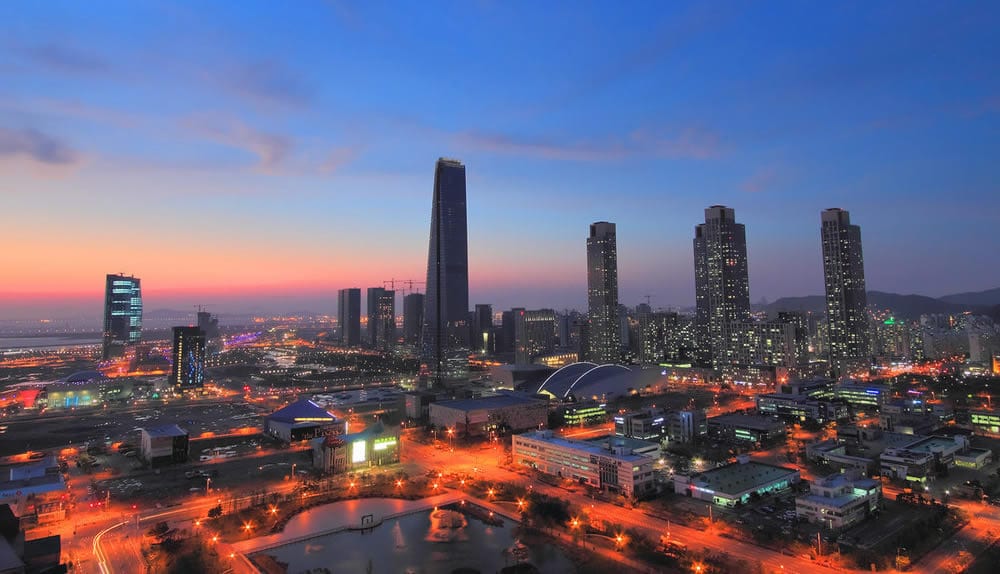
    Singapore’s sovereign wealth fund GIC and Korean department store Shinsegae are partnering to develop a prime retail mall in the Incheon Free Economic Zone (IFEZ).

    Working through affiliates, the companies have signed a US$197 million sale-and-purchase agreement for 59,730 sqm of land for the Incheon mall in the international business district of Songdo, close to a subway station, bus terminal and expressways. Scheduled for completion by 2020, the mall will include entertainment as well as leisure attractions.

    Songdo is a new city part of IFEZ, 65km southwest of Seoul, where Shinsegae has its headquarters. The name of Shinsegae literally means “New World”.

    Set up in 1981 to preserve and enhance Singapore’s foreign reserves, GIC is one of the world’s largest global investors with more than US$100 billion of assets in more than 40 countries.

    GIC and Shinsegae are already working together on developing a prime retail mall in Dongdaegu Station, scheduled for completion in the second half of this year.

    GIC last year partnered with the Canada Pension Plan Investment Board (CPPIB) to acquire the Seoul-based D-cube retail mall, rebranding it as the Hyundai Department Store.

  • Price war scratches Korean espresso chains

    Price war scratches Korean espresso chains

    Major franchised Korean coffee chains saw their revenue fall in 2015 in the face of tougher competition with cheap take-out coffee amid economic slowdown, heading to another tough year, data shows.

    Homegrown coffee brands have sprung up in Asia’s fourth-largest economy over the past decade to capitalise on the growing population of coffee drinkers, but their growth has slowed recently in the saturated domestic market.

    Adding to their woes, low-cost coffees at convenience stores and mini take-out stalls have enjoyed growing popularity among price-conscious consumers, posing a threat to franchise coffee shops standing on every corner of major streets.

    Coffee Bean & Tea Leaf, an American franchise chain owned by Seoul-based Mirae Asset Private Equity Fund, posted 138.9 billion won (US$121.3 million)  in sales last year, down 5.1 per cent from a year ago, its regulatory filing showed. Its operating profit tumbled 68.5 per cent to 3.9 billion won, although the number of its shops increased by just nine to 234 during the period.

    Paul Basset, a specialty coffee house operated by Maeil Dairies Co, said it logged 48.4 billion won (US$42.3 million) in sales, but its net swung to a loss of 180 million won due to rising marketing costs and aggressive store expansion.

    Sales at Caffe Bene sank 14.9 per cent on-year to 121 billion won, expanding operating loss nearly four times to 11.4 billion won due to slumping businesses of other food franchise subsidiaries.

    While mid-end franchise stores had a sluggish year, brands at both ends of the price spectrum were largely unscathed by the latest consumption trend.

    Ediya, a low-end coffee shop with the largest number of outlets – over 1500 nationwide – raised 135.5 billion won in sales, up 16.5 per cent from a year ago. It plans to expand its network to 2000 this year.

    And sales at US coffee giant Starbucks also rose 25.4 per cent on-year to 773.9 billion won (US$675.7 million) in 2015 on the back of high-end specialty coffee service and bakery items.

    Another tough year is awaiting the major coffee brands as convenience stores have been aggressively expanding in-store coffee services nationwide. Their coffee is considered drinkable at a price as cheap as 1000 won, about a quarter of Starbucks’ tall Americano sold at 4100 won in South Korea.

  • GM Korea Posts Worst-ever Net Loss of 986.8 Billion Won in 2015

    GM Korea Posts Worst-ever Net Loss of 986.8 Billion Won in 2015

    According to industry sources on April 10, GM Korea reported 594.4 billion won (US$515.30 million) in operating losses and 986.8 billion won (US$855.48 million) in net losses last year. It is the worst-ever performance since its establishment in 2002.

    Industry watchers think that it is largely due to 186.9 billion won (US$162.03 million) of the equity method loss caused by its decision to shut its local factory following the withdrawal of the Chevrolet brand from Russia. GM Korea halted sales of the Chevrolet products in Russia last year.

    Last year’s poor performance is also attributed to the fact that the automaker had sold its mid-size sedan Cruze with a 1.8-liter engine for exaggerated fuel economy claims in the domestic market for five years. As GM Korea decided to pay Cruze owners up to 430,000 won (US$373) per person to cover the difference between the stated fuel economy and the actual one, the total amount of compensation reached as high as 37 billion won (US$32.08 million) last year.

    Moreover, higher labor costs despite the decrease in car sales also added to its worst-ever performance. The automaker shipped a total of 621,872 units at home and abroad last year, down 1.4 percent from the previous year. However, its labor union has strongly protested the company’s decision to continue importing all units of its full-size sedan Impala from the United States for sales in Korea despite strong sales at home.

    GM Korea is looking for various ways to improve its financial state. The automaker has decided to organize a special task force team with staffs across the company, including labor union and management, in a bid to prepare measures to revitalize sales in the local market. Starting in January, it has introduced a direct sales system that guides individual dealerships to sign direct contracts with the automaker unlike in the past when they were in touch with regional dealers. This change has simplified the overall retail structure of GM Korea and is expected to cut tens of billions of won of annual costs.

  • China, Indonesia, South Korea, Thailand bid for 2023 AFC Asian Cup

    China, Indonesia, South Korea, Thailand bid for 2023 AFC Asian Cup

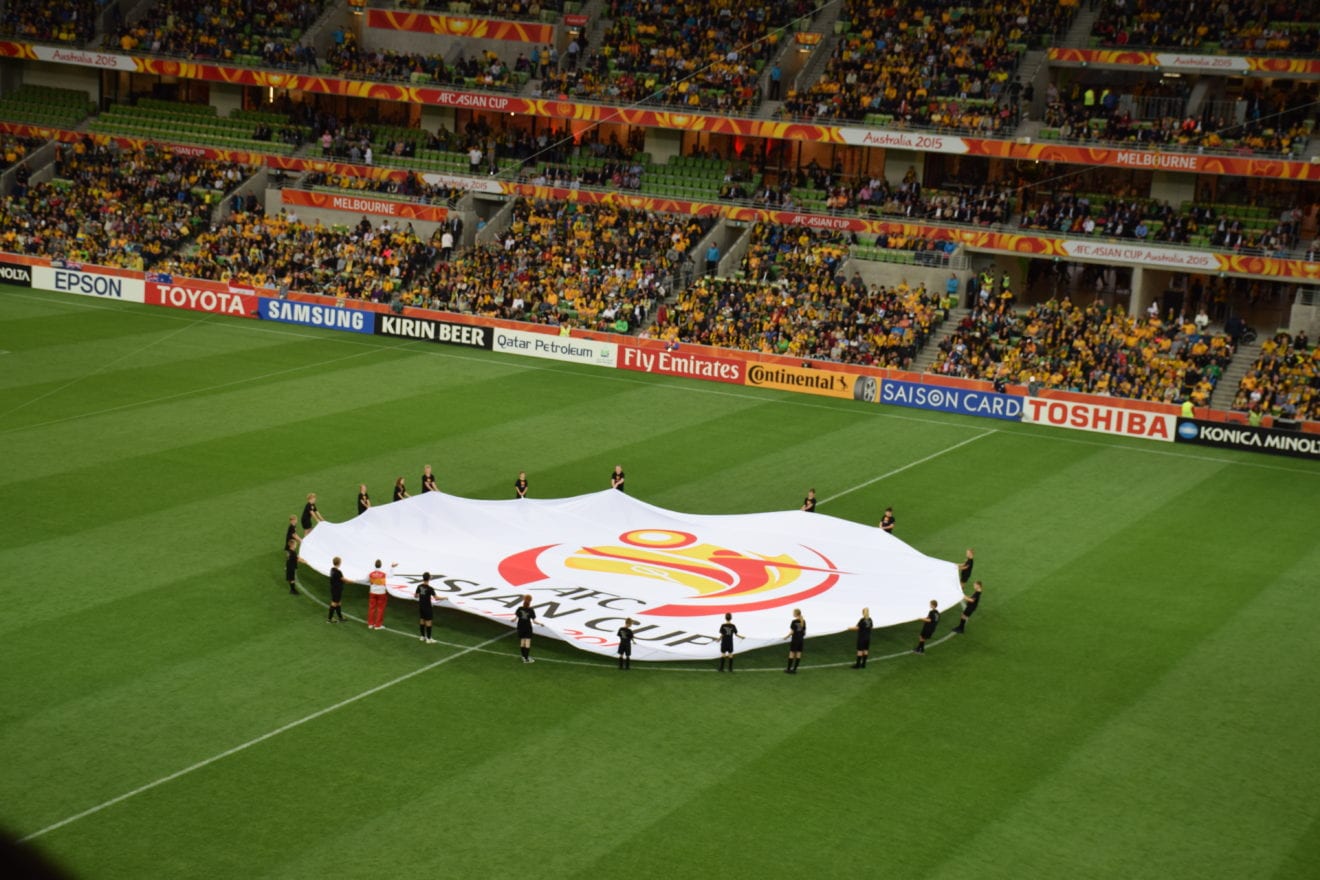
    China, Indonesia, South Korea and Thailand have expressed interest in bidding for hosting the football Asian Cup to be held in 2023, the Asian Football Confederation (AFC) said here on Tuesday.During the meeting held in the Malaysian capital, the AFC Competitions Committee announced that the AFC had received expressions of interest from China, Indonesia, South Korea and Thailand by the deadline of March 31, 2016 to host the AFC Asian Cup in 2023, reports Xinhua.

    “The AFC will now send out the Bidding Agreement and the Host Candidate Questionnaire and seek government guarantees and legal opinion on the bids,” it said. China entered the final when the country hosted the Asian Cup in 2004, but lost to Japan 3-1.

  • McDonald’s China in massive expansion plan

    McDonald’s China in massive expansion plan

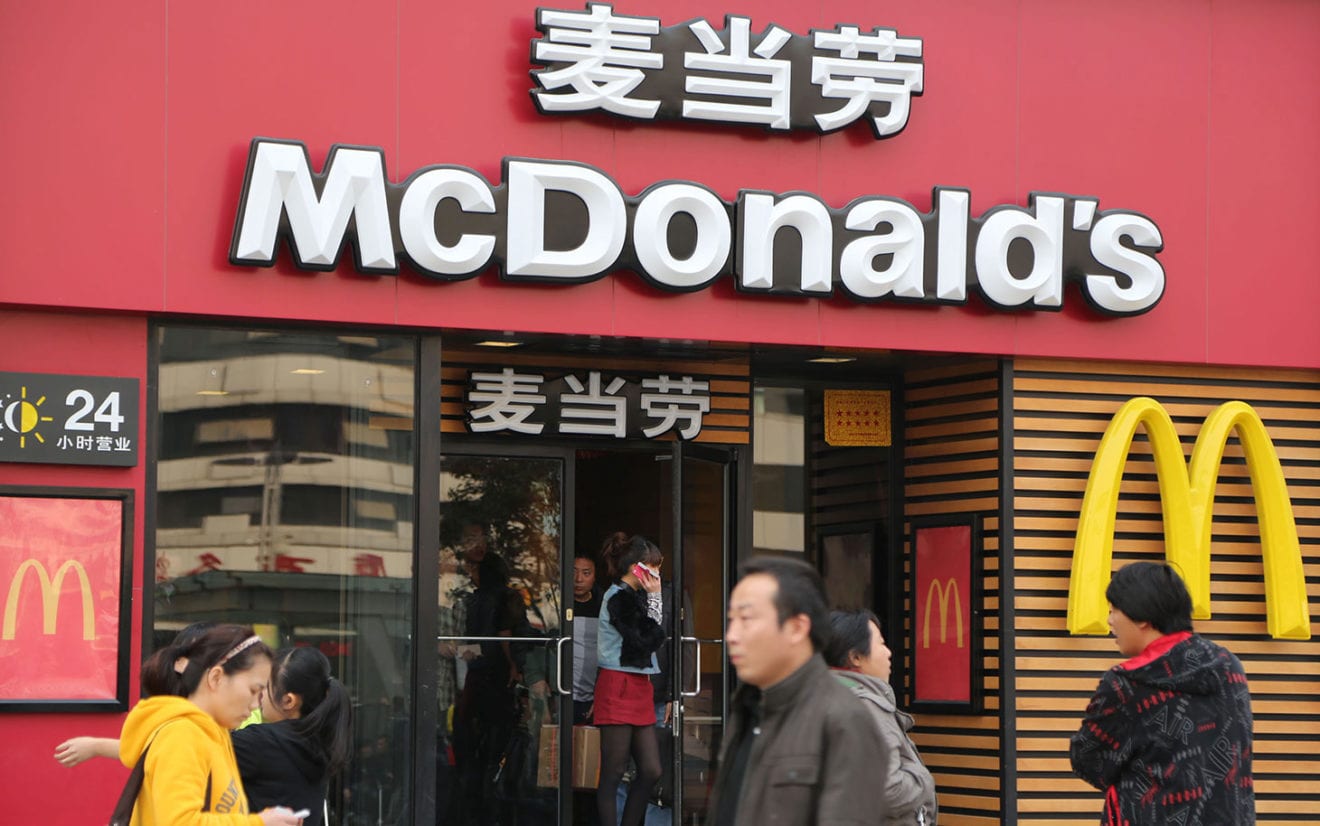
    McDonald’s China is set to be supersized as the US fast food giant pursues growth offshore.

    The company’s Chicago-based CEO Steve Easterbrook has revealed more than 1500 new stores will be opened across China, Hong Kong and Korea over the next five years. About 1300 of those will be in Mainland China.

    McDonald’s already operates some 2200 restaurants – its new target is 3500.

    In a clear strategic shift the company says it is seeking “strategic partners who will add value and unlock growth potential in key markets” in Asia.

    “This will allow McDonald’s to accelerate our growth and scale faster across diverse markets placing us closer to our customers and the communities we serve,” Easterbrook said in a statement.

    “We’re in the midst of transforming our business and taking a strategic and thoughtful approach to enhance our ability to grow around the world. These actions build on our turnaround efforts and will advance local ownership, enable faster decision-making and achieve restaurant growth.”

    Once the target is reached, China will become McDonald’s second largest global market after the US.

    It is not clear how many new stores will open in Hong Kong, where the company already has 230 outlets, but in an email to the South China Morning Post, Easterbrook indicated opening more McCafes will be a priority in the territory.

    The company is also actively seeking partners in Taiwan, and in Japan where it is midway through a major overhaul and repositioning of the brand after incurring massive losses.

  • Anbang to buy Allianz’s South Korean operations

    Anbang to buy Allianz’s South Korean operations

    China’s Anbang Insurance Group Co. reached a deal to buy the South Korean operations of Germany’s Allianz SE, just days after it walked away from a $14 billion bid for Starwood Hotels & Resorts Worldwide Inc.

    Anbang has exploded onto the international scene in recent years by spending billions to acquire insurers and hotels throughout the world. In February 2015, it laid out nearly $2 billion to buy New York’s Waldorf Astoria, the highest price ever paid for a single U.S. hotel. It is also a big player at home, with stakes in listed Chinese developers and banks, while also investing in a traditional Chinese medicine maker and a wind-turbine manufacturer.

    Anbang made a bid in March for Starwood Hotels after the U.S. luxury hotel owner had struck a deal to sell itself to Marriott International Inc. That sparked a bidding war for Starwood that culminated in a $14 billion offer from Anbang, which dropped the bid last week citing “various market considerations.”

    The deal with Germany’s Allianz marks the Chinese insurance group’s second acquisition in South Korea. Beijing-based Anbang bought a controlling stake in South Korean life insurer Tong Yang Life Insurance Co. for $1 billion a year ago from South Korea-focused private-equity firm Vogo Investment Group and other investors.

    Allianz agreed to sell Allianz Life Insurance Korea and Allianz Global Investors Korea to Anbang for an undisclosed amount, the two companies said in a statement Wednesday. The Allianz purchase is subject to local regulatory approvals and the parties expect to complete the deal in the second half of the year.

  • China ripe for AmorePacific

    China ripe for AmorePacific

    AmorePacific, South Korea’s largest cosmetic company, has reaffirmed its commitment to China, seeing further room for growth in the rising middle-class consumers there, the firm said Thursday.

    AmorePacific has shown stellar performance in China with a range of luxury and low-end brands, thanks to the rising popularity of Korean drama and pop. It logged 5.66 trillion won (US$4.93 billion) in sales last year, up 20.1 per cent year-on-year.

    The Korean multinational owns the cosmetics and retail brands Etude House, Laneige, innisfree, and sulwhasoo, among others.

    “By 2020, the middle class population is expected to reach 500 million, and its size and influence will greatly expand in the next decade,” AmorePacific CEO Suh Kyung-bae said during a monthly meeting with senior officials earlier this month.

    While Beijing has applied non-tariff barriers, such as those on ingredients and the approval of foreign brands, Suh expects the focus of regulations will move to distribution to curb counterfeit items and the grey market.

    “However, the tightened retail regulations will have a limited impact on companies that have already established distribution channels in the Chinese market,” Suh said.

    While fledgling cosmetics producers have bloomed over the past years, Suh expects it will take time for them to match the level of its technology and brand power.

    “We will have to keep an eye on the growth of emerging local companies, but brand power is not something they can get in a short period of time,” he said.

  • Seoul insect restaurant opens

    Seoul insect restaurant opens

    Papillon’s Kitchen, a new Seoul insect restaurant has been packed since its opening – and is fully booked for the next few months.

    Although insects are known to be a great source of protein, and often mentioned as the ‘food of the future’, many consumers avoid them due to their appearance. However, the number of individuals who enjoy edible insects as a meal is continuously increasing as awareness builds of their health value.

    ‘Papillon’s Kitchen’, the first insect restaurant in Korea, serves food made from insects such as grasshoppers and crickets.

    During a recent mealtime watched by Korea Bizwire staff, guests sat around a large table and enjoyed pasta, soup, and croquettes made from insects. They seemed to be enjoying their meal, as everyone appeared to be content.

    “There’s no problem with food cooked with insects when I can’t see them,” said one female customer, raising her thumb in approval.

    With food scarcity becoming an increasing concern due to the rapid growth of the global population, insects could be a great substitute for traditional sources of protein. The academic world and food industry predict that in the not-so-distant future, insects will rise as one of the main sources of nourishment for humans.

    Insect resturant 1

    While 100 grams of beef contains 21 grams of protein, the same mass of dried grasshoppers contains 70 grams of protein. Insects are also less fattening, as they contain half the calories of rice and beans.

    Insects are also considered to be an eco-friendly food source. According to the Food and Agriculture Organization (FAO), the food resources used to breed cows for beef could contribute to the production of 12 times as many crickets. Even more significant, the amount of greenhouse gas produced when raising crickets is one hundredth the amount produced when raising cows.

    Insect resturant

    Due to new perspectives on insects as food, the Korean government and related industries are taking fast action. Currently, the government has certified mealworms and crickets as ‘general food ingredients’. Food industry giant CJ also started research on edible insects in collaboration with the Korean Edible Insect Laboratory Knowledge Coop (KEIL).

    Experts comment that people hold prejudice on insects simply because of their unattractive appearance. They expect  edible insects will soon be commercialised due to their many benefits.

  • US buyer for Korea’s Kim’s Club

    US buyer for Korea’s Kim’s Club

    A US private equity giant is the successful bidder for South Korean hypermarket chain Kim’s Club, part of the fashion and retail conglomerate E-Land Group.

    Named the preferred bidder for Kim’s Club, Kohlberg Kravis Roberts (KKR) will now discuss with E-Land the acquisition of the right to run the 37 hypermarkets as well as the group’s logistics centres, according to Business Korea.

    KKR focuses on online-to-offline (O2O) retail business investment, and with its bid for Kim’s Club seeks to create synergy with its previous investment in the retail industry, both online and offline, says an E-Land spokesman.

    As Kim’s Club is located in E-Land Retail’s department stores and outlets as a food market, the two companies are expected to maintain the partnership. Moreover, KKR is continuing talks for a possible sale of the Gangnam branch of the New Core Department Store.

    E-Land and KKR plan to conduct due diligence and set the selling price before signing a final contract in early May. The sell-off of Kim’s Club is expected to be complete within the first half of the year.

    E-Land is seeking between 700 billion to one trillion won (US$598-$854 million) for the rights to the hypermarket chain, according to wire service Yonhap.

  • TransferWise partners with Pay Gate to bring money transfer services to Korea

    TransferWise partners with Pay Gate to bring money transfer services to Korea

    TransferWise, the P2P international money transfer platform, has opened up transfers to South Korea.

    Until recently, banks and brokers were the only option for consumers needing to send money to the country. But now, thanks to recent changes in regulation, TransferWise has partnered with local firm, PayGate, to bring better, fairer international money transfer to South Korea.Instead of sending the money in Korean Won, banks and brokers send customers’ money in GBP or USD for example, and the receiving bank makes the conversion. This leaves consumers paying two rounds of fees and maybe even two rounds of conversion – and usually they haven’t even been told they’re being charged in this way. But TransferWise sends the money in Korean Won, which means no receiving bank mark-up. The process is also completely transparent. TransferWise charges 1.5% for transfers with a delivery time of the same or next day.

    Taavet Hinrikus, CEO and co-founder of TransferWise, said:
    “Until recently, there was no alternative to banks and brokers when people wanted to send money to South Korea. We’ve heard from consumers that the process was slow and outrageously expensive so we’re hugely excited to launch the route on TransferWise. It’s going to make a huge difference to the seven million Koreans living, working and studying overseas.

    “The steps that the government in South Korea is taking to open up the financial services sector is good news for consumers. There will be more choice and better, fairer services to choose from.”

    So Yeong Park, CEO and co-founder of PayGate, said:
    “It is so glad that we now can serve customers with our 18 years of diverse experience as a Payment Service Provider, for them to make much cheaper, faster, and safer international money transfers to Korea.

    “For the last few years PayGate has been working hard to grow the Korean Fintech Industry and our recent partnership with TransferWise is the result of these efforts. Customers in Korea will see how this alternative finance can positively affect their daily lives.”

    People use TransferWise to transfer more than £500 million globally every month, saving themselves more than £22 million a month in unfair fees and charges.

  • Samsung Pay China goes live

    Samsung Pay China goes live

    Samsung Pay China is live after being launched by the South Korean smartphone giant this week.

    Samsung Electronics said Tuesday the introduction of the Samsung Pay China mobile payment service will speed its efforts to expand the scope of its flagship mobile payment platform globally.

    The South Korean tech company said Chinese users of high-end Galaxy smartphones can now use Samsung Pay in cooperation with China-based bank card giant UnionPay.

    The mobile platform supports magnetic secure transmission technology that works on traditional credit card machines. Like rivals Apple Pay and Android Pay, it also supports near field communication technology that requires a separate transaction device.

    Users of UnionPay debit and credit cards can now use Samsung Pay-equipped smartphones to make purchases, including the Galaxy S7 and Galaxy S7 Edge just released earlier this month.

    Samsung Pay joined forces with nine major Chinese banks, while six more partners will be added in the near future, Samsung added.

    Samsung said it will also make efforts to roll out more devices that support its mobile payment platform.

    Samsung Pay, first released in South Korea and the US last year, currently boasts around 5 million users. Samsung said last month it is also preparing to launch in Australia, Brazil, Spain and a handful of other countries.

  • Lotte El Cube – Korea’s new compact mall

    Lotte El Cube – Korea’s new compact mall

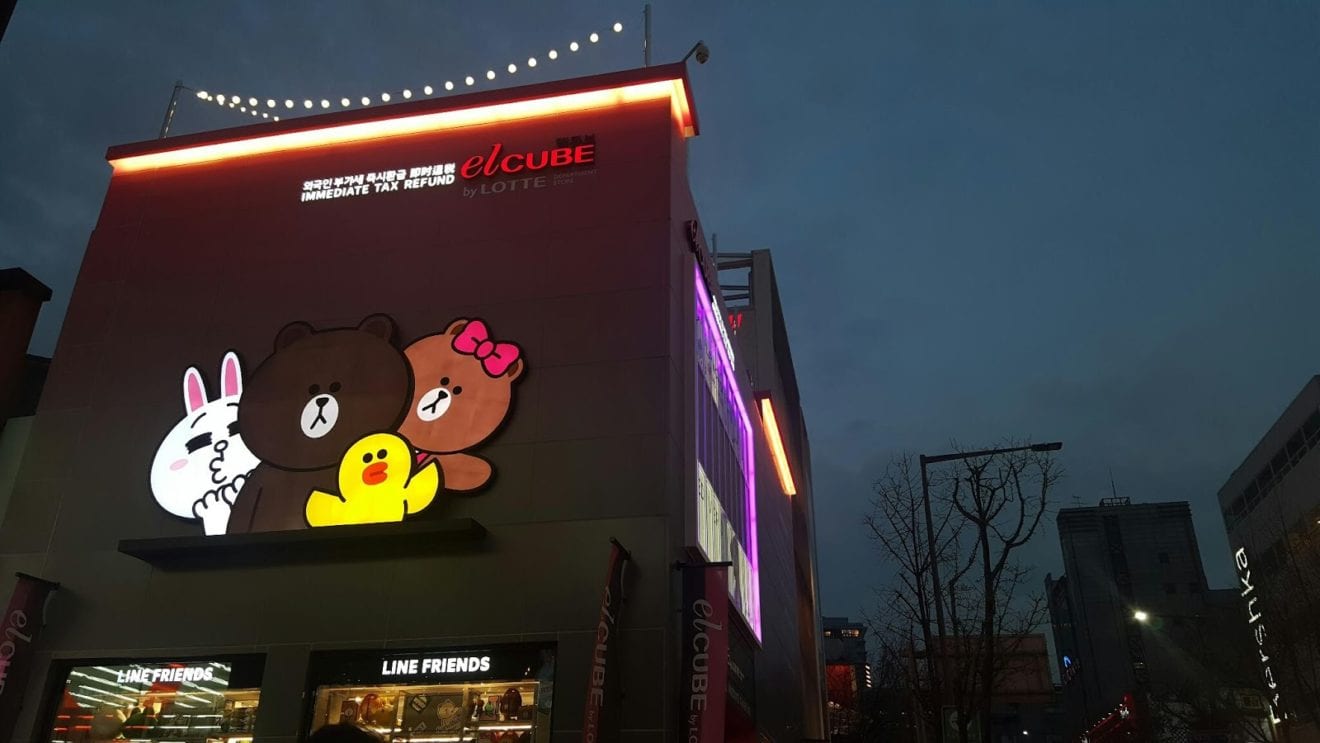
    In a bid to overturn the sluggish growth of traditional brick-and-mortar retail, Lotte Department Store is launching a new type of shopping mall in Seoul, the Lotte El Cube.

    In a trendy university neighborhood, the relatively small store focuses specifically on young, fashion-conscious shoppers – a departure from the retailer’s usual strategy of offering something for everyone at its department stores.

    Lotte El Cube 4

    Covering 630 sqm in a three-storey building, the Lotte El Cube houses 20 clothing brands, mostly casual in style. Featured labels include Pigment, PlayNoMore and Tomotom’s.

    “El Cube can adopt different concepts and focuses, such as beauty and lifestyle, depending on the location and needs of consumers,” says Lotte, which plans a second such outlet also in Seoul within a year.

    Lotte says it took its cue from Japan’s Isetan Department Store, which has several branches with different offerings. Isetan Mirror is dedicated to cosmetics and beauty products, while its Alta mall targets shoppers in their 20s.

    Lotte El Cube 5

    Known for its urban art and indie music culture, the neighbourhood where El Cube has set up is also attracting start-ups. The average number of daily users of nearby Hongik University Station grew from 72,000 in 2014 to 78,000 last year, and the neighborhood is also expanding in size.

    Lotte El Cube 1

    Annual combined sales at South Korea’s department stores – Hyundai and Shinsegae as well as Lotte – have had negative growth since 2014. Lotte is confident El Cube will attract new customers and become a fresh source of revenue amid unfavorable market conditions.

    “The key is to find new consumers as department stores are expected to face headwinds and low growth,” says Lotte merchandise strategy division head Woo Gil-jo.

    To match other stores in the area, El Cube will have extended shopping hours, from midday to 10pm.