Tag: Korea

  • South Korea says Nissan manipulated emissions, plans fine and recall

    South Korea says Nissan manipulated emissions, plans fine and recall

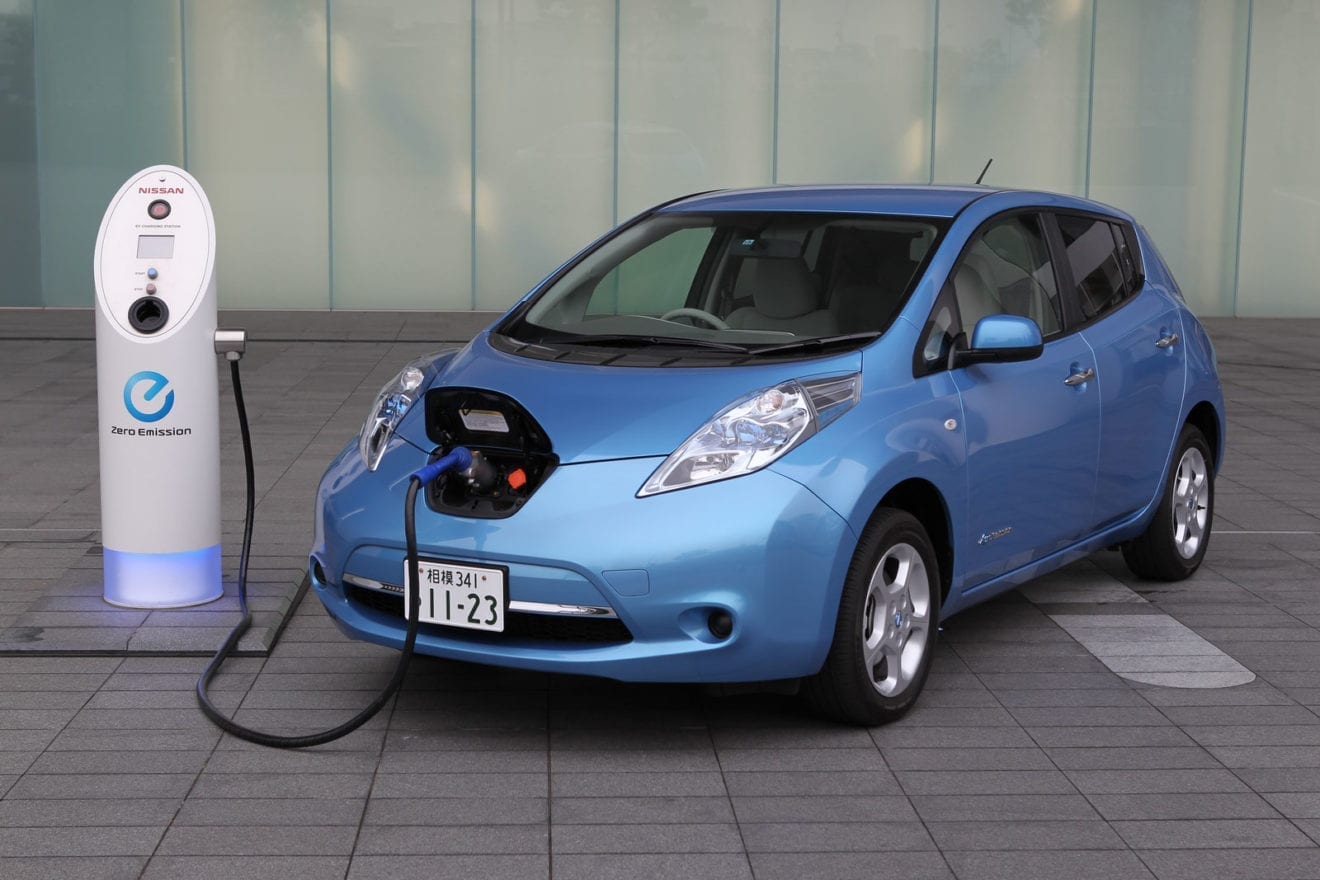
    outh Korea said that Nissan Motor had manipulated emissions on a diesel sport utility vehicle and that it planned to fine the automaker as well as sue the head of its Korean operations.

    The government said the Japanese automaker had used a so-called defeat device that helps a vehicle’s emissions management system turn off during regular driving conditions.

    Nissan denied any wrongdoing.

    “Nissan Motor has never illegally manipulated any vehicles we have produced so far and used defeat devices in those cars,” the automaker’s Korea unit said in a statement.

    The South Korean environment ministry said it planned to fine Nissan 330 million won ($279,920) for manipulating emissions on its Qashqai SUV. It will also order a recall of the 814 Qashqai vehicles sold in the country so far.

    South Korea conducted tests on 20 diesel vehicles, after finding in November that Germany’s Volkswagen AG had falsified emissions tests.

  • Coex Mall Seoul management goes to tender

    Coex Mall Seoul management goes to tender

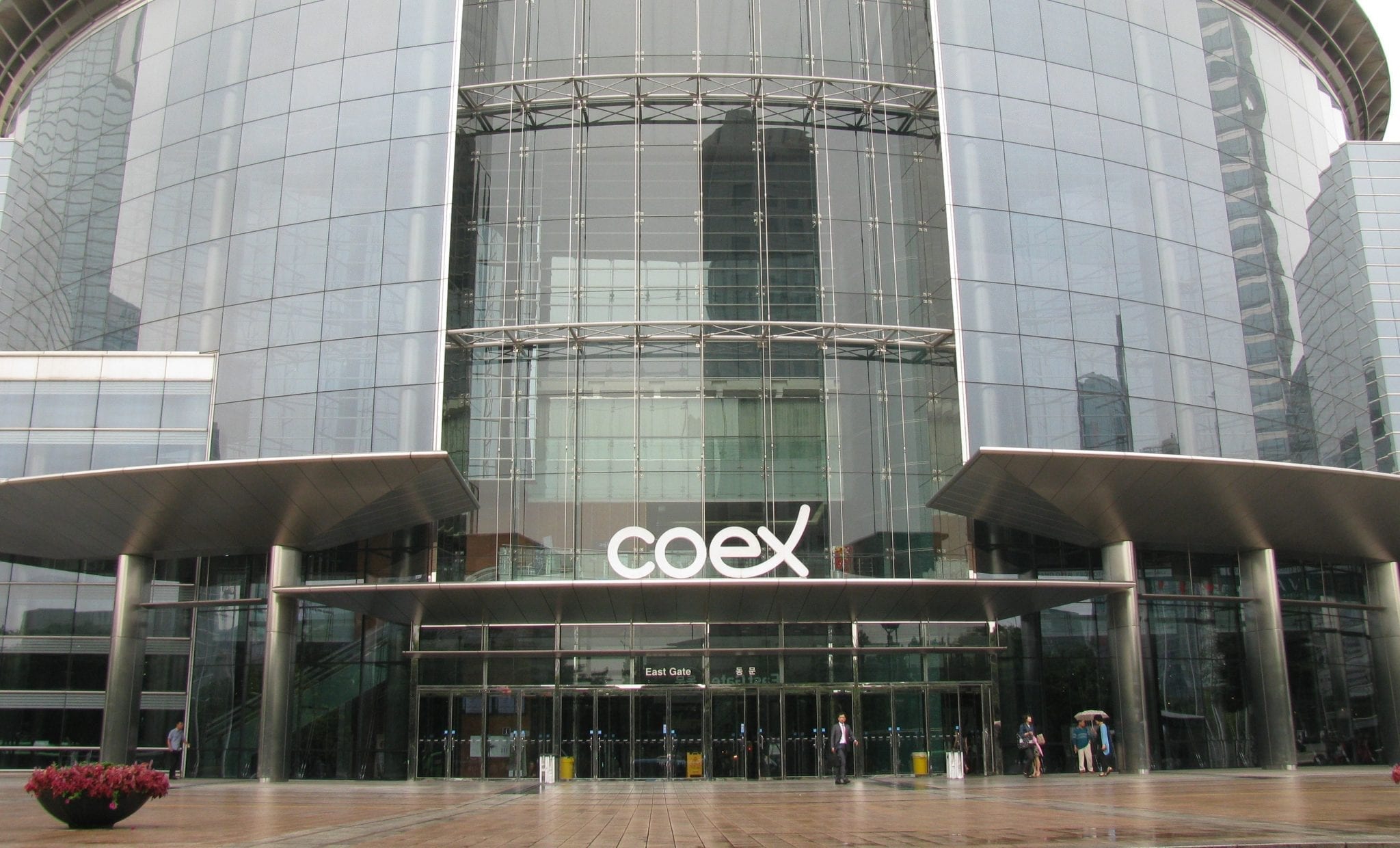
    Outside management will be introduced for Coex Mall Seoul, which has been struggling to attract shoppers since reopening a year ago after renovation.

    Korea International Trade Association (KITA) chairman Kim In-ho says an entity to manage the mall will be named by the end of the year.

    This is being entrusted to an outsider so it can be more effectively managed, says Kim.

    “We will select the management firm in a fair and transparent manner in accordance with the law.”

    A wholly owned KITA subsidiary has been managing the mall, which has been hit by a prolonged consumption slump and intensifying competition, including eCommerce.

    “We have to ask ourselves this question: can we compete with Lotte, Hyundai and Shinsegae? I seriously doubt it,” says Kim. “I believe Coex Mall will be more efficiently managed by professionals, and generate larger profits and create more jobs.

    “KITA needs to make money from the mall to finance its work, promoting the country’s trade.”
    Meanwhile, KITA has started preparing to bid for a convention centre to be built in Jamsil Sports Complex, a few kilometers away from its Coex Convention Center.

  • Hermes Korea buck luxury downturn

    Hermes Korea buck luxury downturn

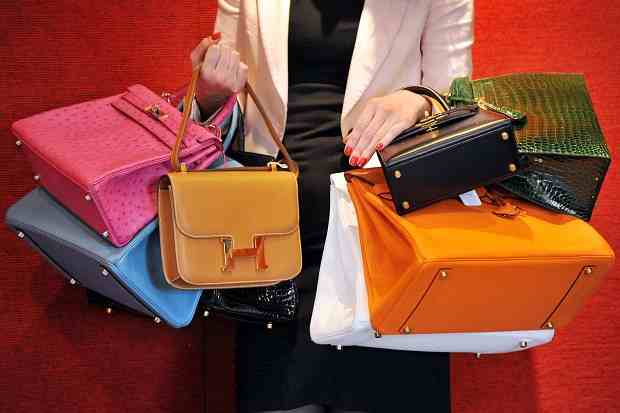
    Hermes, the French high fashion brand, has proven to be an exception to the downturn in South Korea’s luxury market, industry officials said last Tuesday.

    Compared to other luxury brands that had one to three per cent sales increases over the past three or four years, Hermes Korea has shown growth of 20 to 30 per cent, according to global consulting firm Bain & Company. The company’s sales rose 25.7 per cent in 2012, 31.1 per cent in 2013, 32.7 per cent in 2014, and then 27.9 per cent in 2015.

    Department store officials say much of Hermes’ popularity comes from its handbags – in particular, its Birkin bag. Retail sources report 1000 people in South Korea are currently on the waiting list for one of the bags, but three to four years ago, unable to meet the impossibly high demand, the stores stopped taking reservations.

    “We are hard-pressed to be able to deliver on reservations made years ago,” an official at a Hermes store in Seoul said. “So we stopped taking reservations altogether.”

    A Birkin bag is locally priced at 13 million won (US$10,975), with crocodile-skin models selling for as much as 70 million won.

  • BMW cafe says Hello to Korea

    BMW cafe says Hello to Korea

    A BMW cafe in Korea has opened inside a Lotte department store in Incheon.

    Lotte Department Store’s Premium Outlet allows visitors to enjoy the BMW motorcycles and related accessories such as clothing and helmets. The cafe open today, May 27.

    Free consultations about motorbikes and other products are also offered to customers.

    BMW Cafe Korea 1


    “We tried to make a store that targets men who are interested in motorcycles,” said a Lotte spokesman.

    “We’ll try to expand our shopping spaces that cater to male customers.”

    The number of Korean motorcycle fans has increased in recent years, doubling the number of imported high-capacity motorbikes from 10,300 in 2012 to 20,800 in 2015.

  • Anti-hangover ice cream hits stores in South Korea

    Anti-hangover ice cream hits stores in South Korea

    South Korean retail chain Withme FS has started selling ice cream, which it claims can cure your worst hangover.

    The new product is called Gyeondyo, which can be translated as “Tough it out” or “Hang on”. Company officials explained that the message is addressed to Korean office workers who often have to endure a long day at work after a night of heavy drinking.

    In South Korea, it is hard for an employee to excuse himself from drinking in the evening with colleagues, especially superiors. Regular staff parties are a part of the country’s business culture. Workers often feel pressured to drink even if they don’t like alcohol so as not to be frowned upon. The ice cream is supposed to help such workers cope with the consequences of their attempts to fit in.

    A clerk arranges ice cream bars named Gyeondyo-bar, which translates to "hang in there" at a convenience store in Seoul, South Korea, May 20, 2016. REUTERS/Kim Hong-Ji

    The grapefruit ice-cream contains oriental raisin tree fruit juice — a popular anti-hangover treatment in South Korea, Reuters reported.

    South Korea tops the Asia-Pacific rating of countries regarding the consumption of alcohol. According to a 2014 World Health Organization report, individual South Koreans drink 12.3 liters of alcohol per year. The total annual sales of anti-hangover medicine in the country is nearly $126 million.

    Alcohol creates a huge industry of other products in South Korea, including special beauty care products for women, aimed at softening skin that gets dry because of drinking.

    On another note, ice cream seems to be getting a lot of attention all over East Asia. In April, a Japanese firm, Akagi Nyugyo Co. Ltd, released a video in which staff apologized for raising prices of the company’s ice cream for the first time since 1991.

    https://www.youtube.com/watch?v=J_2a_N4WVqg

    The video went viral, collecting millions of views. Akagi Nyugyo produced ice cream has unusual tastes, such as potato, spaghetti or soup.

  • Shinhan Bank officially launches its Indonesian operations

    Shinhan Bank officially launches its Indonesian operations

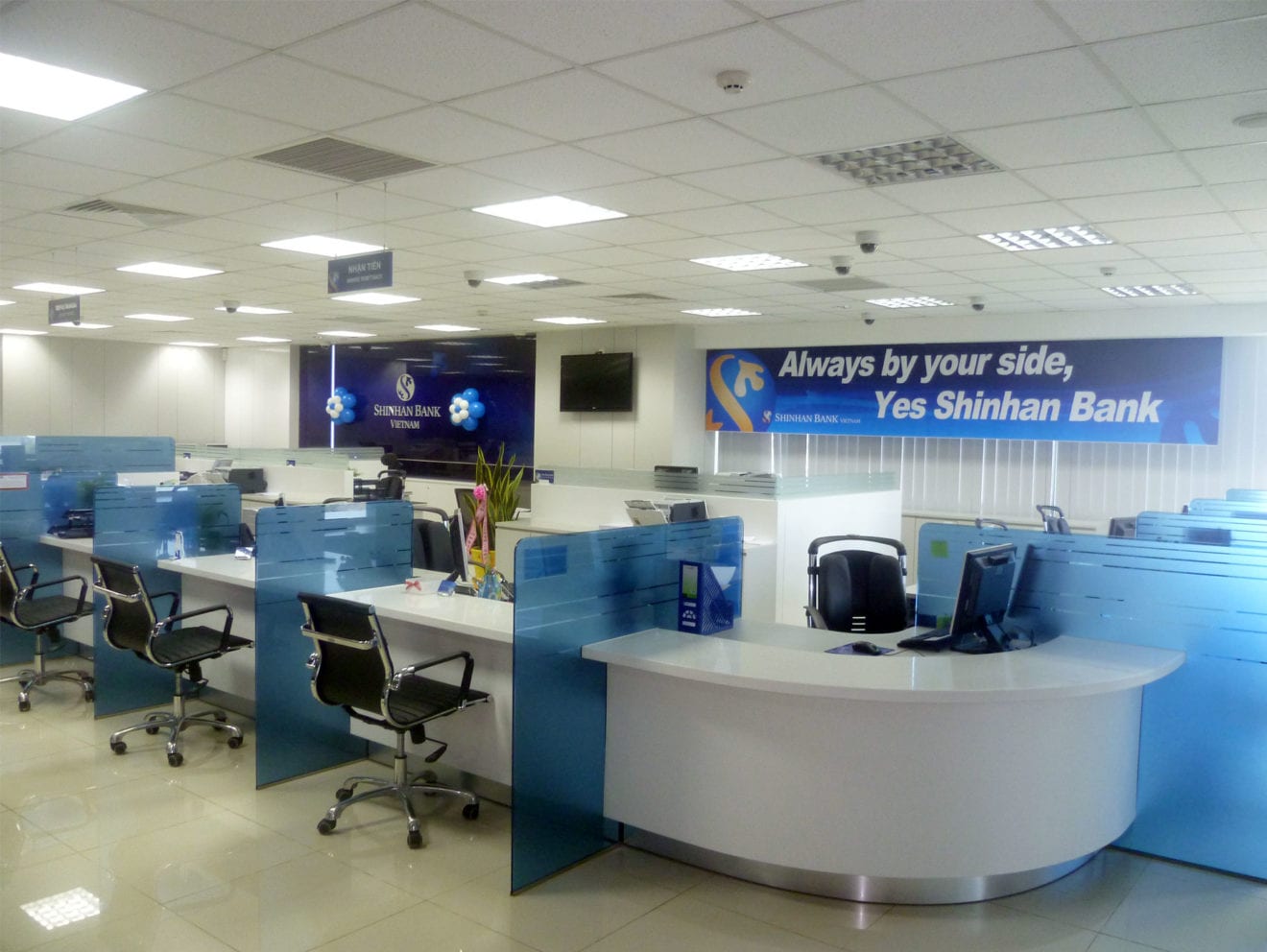
    South Korea’s Shinhan Bank has embarked on operations in Indonesia via Shinhan Bank Indonesia, a move that is expected to help the Korean bank expand its presence not only in the Southeast Asian country but also across Asia.

    Shinhan Bank said on Tuesday it officially launched Shinhan Bank Indonesia, which was renamed from Bank Metro Express (BME), a Jakarta-based bank with 19 branches that was acquired by the Korean bank last year. Shinhan Bank Indonesia is newly headquartered in the International Financial Center Tower 2 in Jakarta, the capital city of Indonesia.

    The kickoff of Shinhan Bank Indonesia’s operations follows a series of launches of the Korean bank’s overseas operations in other Asian countries such as Japan, China and Vietnam in recent years. The latest overseas operation is expected to help Shinhan Bank achieve its ambitious goal to build an extensive financial network across Asia.

    The Korean bank also aims to merge Shinhan Bank Indonesia with Centratama Nasional Bank (CNB), another Indonesian bank that it took over last December, later this year. The Indonesian bank has 41 branches across Surabaya, the second biggest city in Indonesia, and other cities in Java Island.

    Once the merger is complete, the Korean bank would have 60 networks across Indonesia, the world’s fourth most populous country. It currently has 141 overseas networks across 19 countries. It would also be the first in the Korean banking industry to purchase two offshore banks and merge them.

    Cho Yong-byung, the president of Shinhan Bank said at the launching ceremony on Tuesday that he expects the merger of the two Indonesian banks would set a new milestone in Indonesia.

  • Shinsegae opens new duty-free shop in central Seoul with 600 brands

    Shinsegae opens new duty-free shop in central Seoul with 600 brands

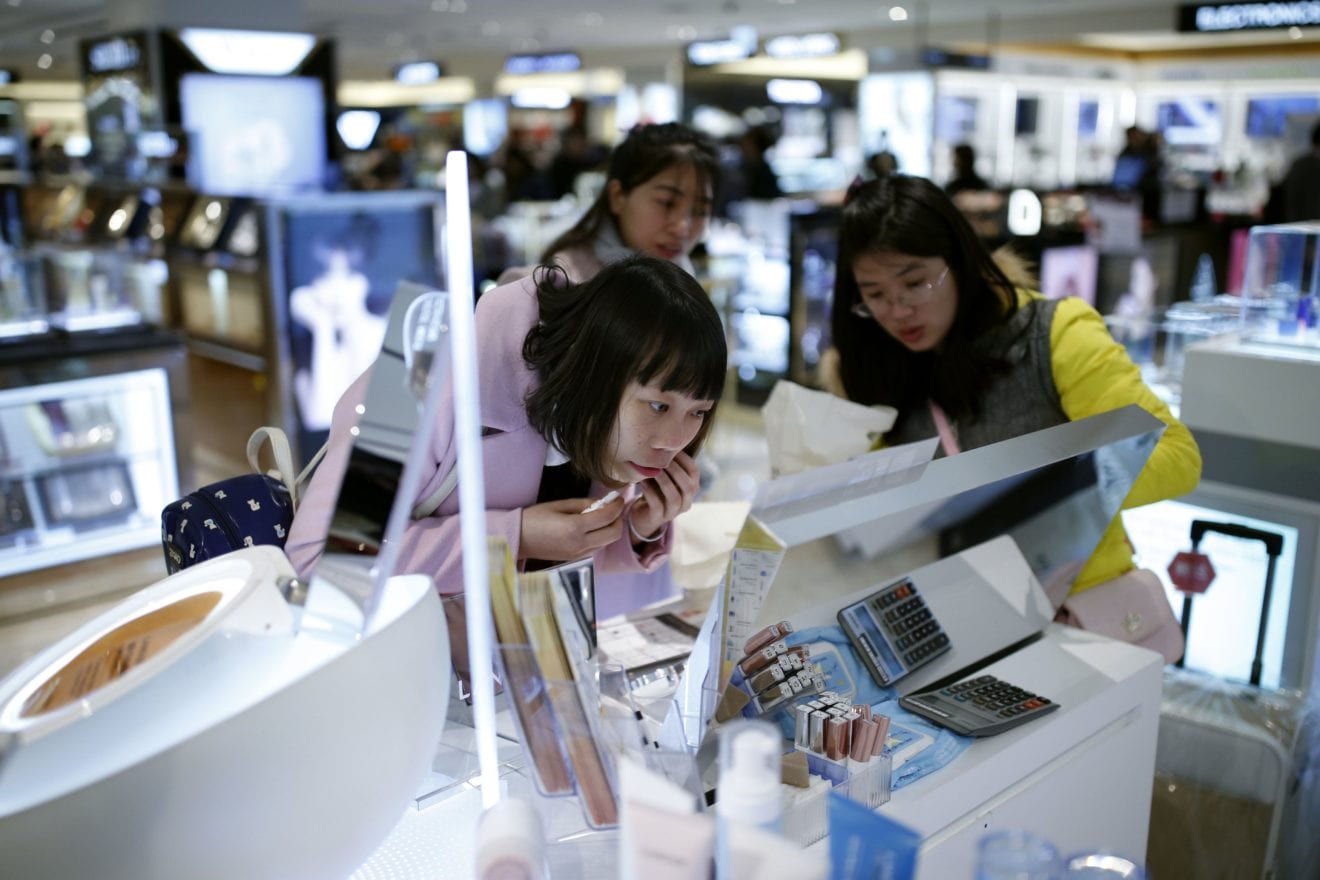
    South Korea’s retail giant Shinsegae Group opened its duty free outlet on Wednesday in downtown Seoul, about six months upon successfully winning a license on a duty -free retail business after repeated failed attempts over the last two decades. Shinsegae Duty Free shop is located in Shinsegae Group’s flagship department store in Myeong-dong, one of the most bustling shopping and tourist streets in central Seoul.

    According to Shinsegae, its duty-free stores occupy floors 8-12 at Shinsegae Department Store with a sales area of 13,884 square meters. Shinsegae pledged to turn the downtown area as world-class tourist attractions by making its duty-free outlet a Korea’s touristic landmark. The company said Shinsegae Duty Free at Myeong-dong is offering special areas dedicated for Korean pop culture and worldly renowned artworks as well as top international brands.

    Shoppers will find about 600 brands from all over the world, including Gucci, Saint Laurent and Bottega Veneta, at Shinsegae’s tax-exempt outlet. Also, about 70 luxury wrist watch labels such as Audemars Piguet, Vacheron Constantin, Jaeger-LeCoultre and Omega opened their shops at the store, while four other high-end jewelry brands Cartier, Bulgari, Tiffany & Co. and Van Cleef & Arpels are to join the others in the second half of this year.

    A series of luxury brands also plan to make their first debut in the Korean duty free market – Moncler, J.Lindeberg, Emporio Armani and MCM’s sunglass collection. The famous fashion labels Chanel, Hermes and Louis Vuitton are in discussion with the duty free retailer to open corners at the new duty-free shop, aiming for the fall/winter 2016 season. In addition, more than 200 cosmetic brands joined the tax-free outlet, according to the company.

    To ensure foreign customers’ return, it reserved a special venue for foreign tourists at the new duty free store. There are separate zones for Korean cosmetic brands, as well as movie and animation character shops. Korea’s traditional craftworks by artisans will also be available to lure foreign visitors.

    In November last year when the group was granted a license to operate duty free shop, Shinsegae said it aimed to rake in 1.5 trillion won ($1.26 billion) in sales from its duty-free shop operations within the first year of opening and 10 trillion won in five years by 2020.ths upon successfully …

  • Hotel Lotte IPO expected to become S. Korea’s biggest offering

    Hotel Lotte IPO expected to become S. Korea’s biggest offering

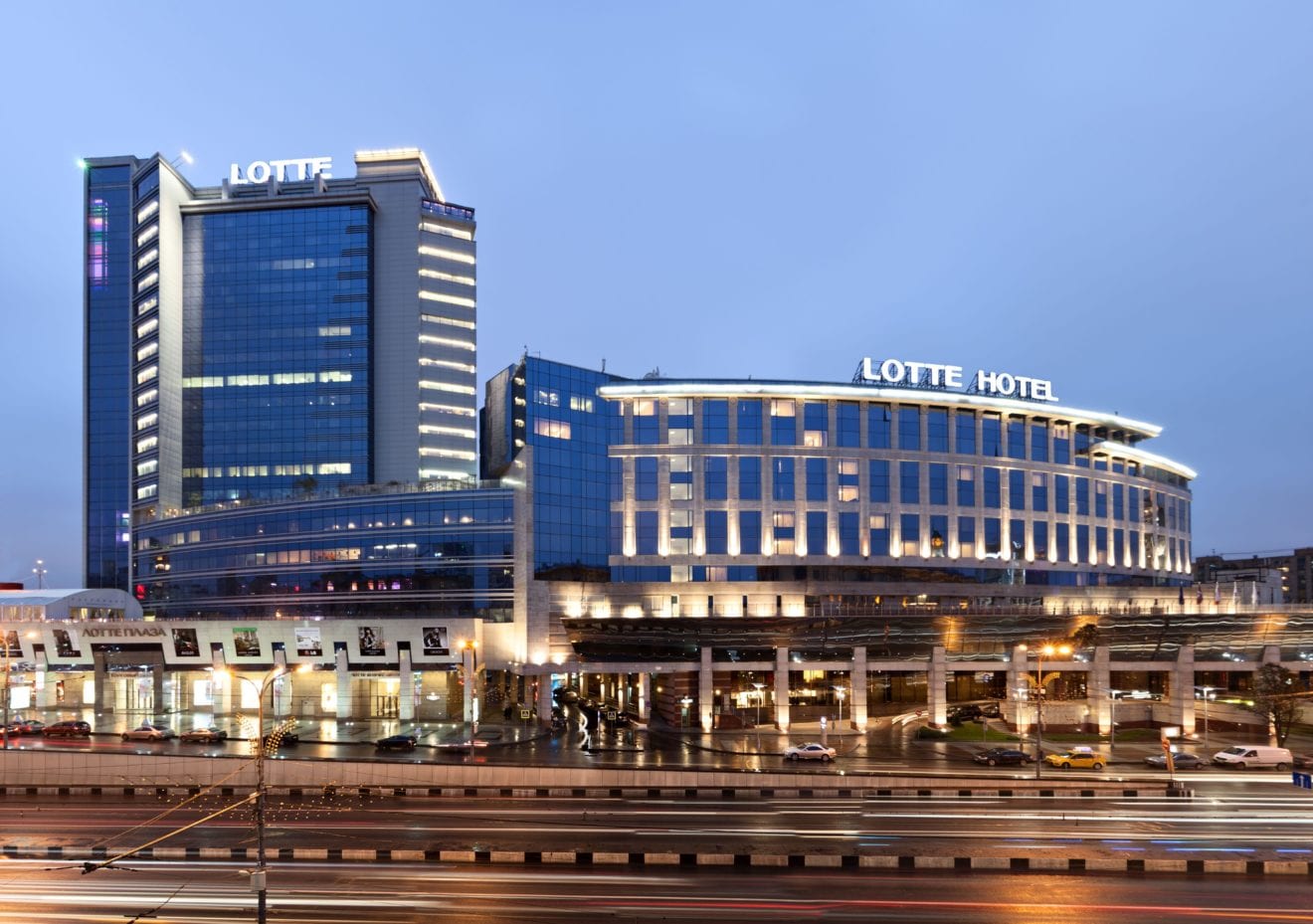
    South Korean retail giant Lotte Group’s hotel unit said Thursday it will go public on the KOSPI market on June 29, which is expected to fetch over 5 trillion won (US$4.19 billion) to mark as the nation’s largest-ever initial public offering (IPO).

    Hotel Lotte Co. said in a regulatory filing that it will offer 47.85 million shares at a range between 97,000 won to 120,000 won per share.

    The offering is estimated to be around 4.6 trillion to 5.7 trillion won, and its medium range of price would surpass the record amount of 4.9 trillion sale by Samsung Life Insurance Co. in 2010. 

    Hotel Lotte, the world’s No. 3 duty-free operator, said it will use the fund to step up its duty-free business, hotel chain and theme park to offer comprehensive options to travelers.

    “Hotel Lotte will use the IPO fund to invest in expansion of duty-free stores at home and abroad to become the world’s largest duty-free operator,” the company said in a statement.

    The duty-free business is the company’s key source of income, accounting for 86 percent of its total sales.

    Starting from next month, Hotel Lotte plans to hold a series of deal roadshows in major cities, including New York, London, Singapore and Hong Kong, according to company officials.

    The listing of Hotel Lotte is one of the reform pledges that Lotte Group Chairman Shin Dong-bin has made as part of efforts to improve corporate image after a bitter family feud for control of the retail-focused conglomerate, which has sprawling businesses both in South Korea and Japan.

    The prolonged family feud has virtually come to an end as the founder’s second son and incumbent chief won shareholder support in March to tighten his grip on the nation’s fifth-largest conglomerate.

    On Thursday, Lotte founder Shin Kyuk-ho, who was undergoing a mental competence evaluation to prevent a legal guardian appointment, abruptly rejected the procedure and left Seoul National University in just three days of hospitalization.

    In December, the 94-year-old founder’s younger sister requested a Seoul court to name her as his legal guardian, claiming her aging brother was no longer capable of making consistent decisions.

    As a result, the aged tycoon was unseated from board seats at major affiliates during a shareholders’ meeting in March.

    Experts say Shin’s early discharge from the hospital has raised the likelihood of his sister becoming his legal guardian.

    “The case of dementia requires at least two weeks of hospitalization for examination. His discharge from hospital in just three days means that officials could not proceed with normal procedure,” Lee Hyun-kon, the lawyer for Shin’s younger sister, said. “The possibility of (the court’s) appointment of a legal guardian for Shin has risen as he could not prove that there’s no problem with his mental health.”

    Dong-joo has claimed he is his father’s hand-picked successor, but Dong-bin argued that his father is unable to make reasonable judgments due to mental health problems.
  • A $5 Billion South Korean Startup Is Beating Amazon At Its Own Game

    A $5 Billion South Korean Startup Is Beating Amazon At Its Own Game

     Jeff Bezos has no interest in bringing Amazon to the 51 million people in South Korea, and Bon Kim is the reason for that. Kim is the CEO of Coupang, the fastest growing e-commerce site of all time in South Korea. The startup, founded in 2010, grossed nearly $300 million in 2014 and is expected to show it quadrupled that amount in 2015, when those numbers are available. Last summer, Coupang raised $1.3 billion in funding. Kim has a 19% stake in the company, which gives him a net worth of $950 million.

    Kim and Coupang have mastered something Jeff Bezos and Amazon are still trying to figure out. Coupang offers on-demand e-commerce with same-day delivery. Amazon is trying to offer this to its bajillion customers, but so far, hasn’t been able to make the margins work. It is either too expensive for the consumer or for Amazon and often for both. Remember, Coupang was founded in 2010, the company has managed to do this in remarkably less time in business than Amazon.

    Bon Kim didn’t set out to become the e-commerce king of South Korea. He was born in Seoul and from the age of seven, he spent much of his life abroad. At 13, he went to boarding school in Massachusetts. He was a varsity athlete in track and wrestling. When it came time for college, Kim stayed local and went to Harvard, where he started a student magazine called the Current. Newsweek took the magazine over in 2001, a year after Kim graduated. He also interned at the New Republic.

    DENIS CHARLET/AFP/Getty Images

    Kim enrolled in Harvard Business School in 2010, but dropped out a year later. He had been bitten by the e-commerce bug and wanted to start a business in Seoul. At the time, Groupon was a hot commodity and Kim set his sights on the daily deal model. Coupang became the 30th Groupon clone in South Korea. Kim registered as a limited liability corporation in the U.S. to make it easier to raise money from American investors. He spent nearly a million on advertising. However, he soon learned that daily deals are a lousy business model. Customer retention is nearly nil.

    By the summer of 2013, Kim had transformed Coupang into an e-Bay style site while experimenting with true e-commerce. Two years later, Coupang had $400 million in capital from Silicon Valley behemoths Sequoia Capital and BlackRock and had made a big commitment to its own inventory. Kim made a more than billion dollar investment in logistics infrastructure.

    Remember, Kim spent many years in the U.S. and Coupang’s structure reflects that. The company’s head of marketing is a former Zappos employee whom Kim convinced to move to Seoul with his family last year. Kim wanted Coupang to have a Western perspective to e-commerce. Coupang has more than 200 non-Koreans on its staff, including former Amazon executives, consultants, and engineers fresh from Silicon Valley. Kim hired a battalion of translators to act as translators for its American employees and as mediators for its Korean employees.

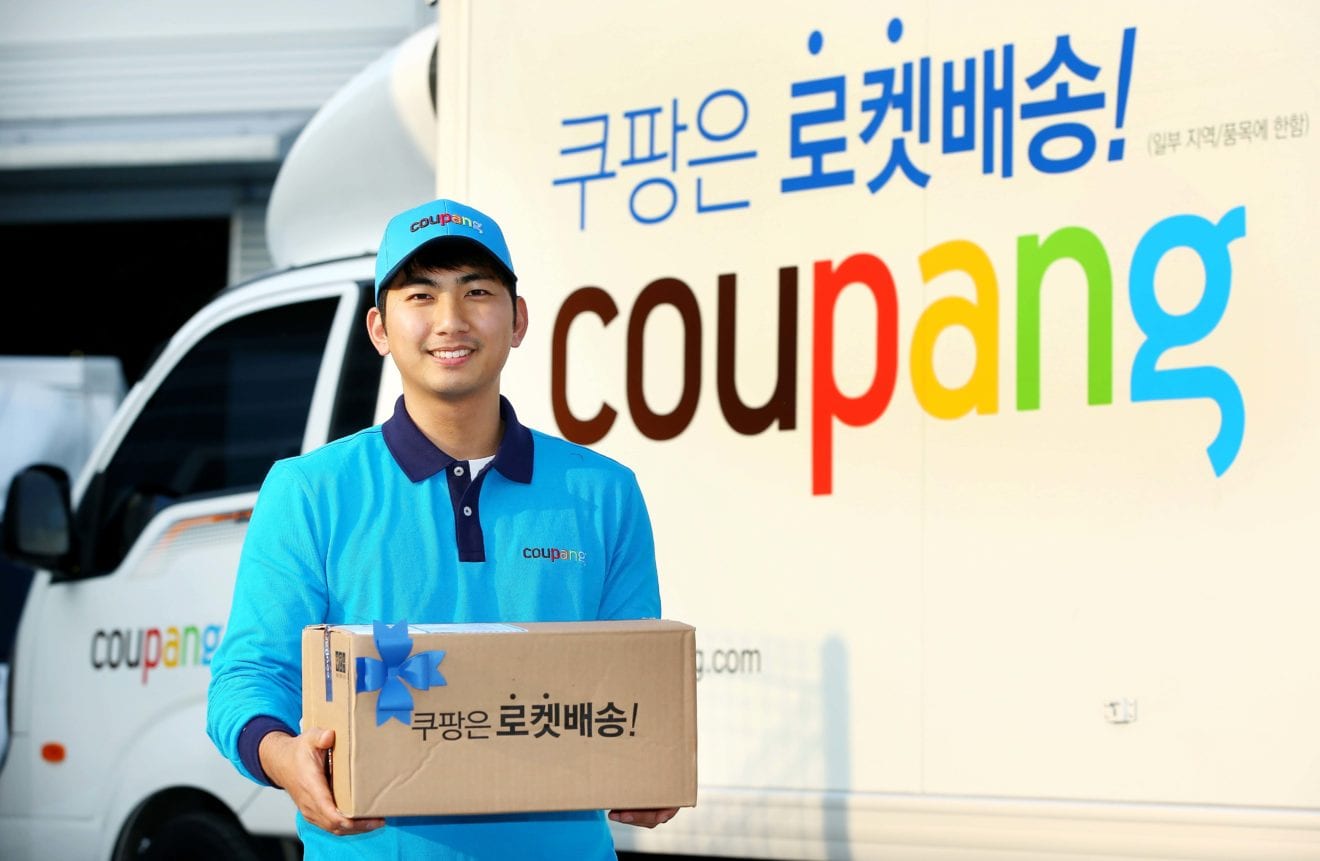
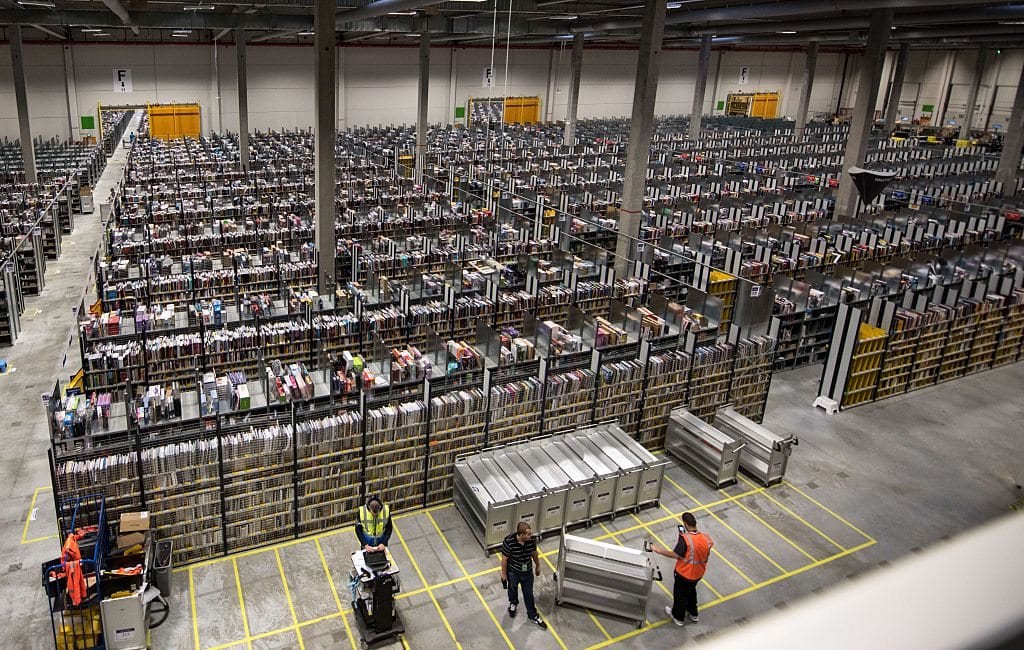
    In just the past two years, Coupang has built a network of customized delivery truck, warehouses controlled by an algorithm that allows it to be the fastest delivery in Korea. The company’s algorithms allow it to inform employees on which stock to move where, so that the most frequently purchased items are closest to the people buying them. Deliveries are made by 3,600 “Coupangmen,” who hand out balloons and candy to kids and text customers pictures of their boxes when delivered, if they are not home to receive them. The average Coupang driver delivers 120 packages each during a 10-hour shift. In South Korea, other retail establishments take two to three days to deliver their goods. Coupang is blowing the competition completely out of the water by delivering in a day or less. Customers can even cancel a shipment already on its way. Oh, and by the way, they don’t charge for delivery.

    South Korea has the second largest GDP in Asia. Almost everyone is on a smartphone and a high-speed network. Half of the country’s population lives in and around Seoul, making it easier for Coupang to deliver on their impressive promise of same day delivery. In South Korea, 15 cents of every retail dollar is spent online. In the U.S. that figure is nine cents.

    Bon Kim has become the e-commerce king of Korea and beaten Jeff Bezos at his own game. Amazon currently operates in 13 countries. Alibaba dominates China and Rakuten is the leader in Japan. Kim is content to keep his business running in Korea alone. At least for now.

  • Jokowi holds business meetings with Lotte & Posco during South Korea visit

    President Joko “Jokowi” Widodo held closed-door meetings with two major South Korean firms on Monday as part of the government’s efforts to explore new business opportunities.

    President Jokowi held the separate meetings with South Korean conglomerate Lotte Group and giant steel producer Posco on the second day of his visit to South Korea.

    In the first meeting with Lotte Jokowi was accompanied by Coordinating Economic Minister Darmin Nasution, Trade Minister Thomas Lembong, Foreign Minister Retno LP Marsudi, Creative Economy Agency ( Bekraf ) chairman Triawan Munaf, Investment Coordination Board ( BKPM ) chairman Franky Sibarani, National Economy and Industry Committee ( KEIN ) chairman Sutrisno Bachir and Presidential chief of staff Teten Masduki.

    Lotte was represented by the Lotte Group chairman Shin Dong-bin, Lotte Group president Hwang Kag-gyu, Lotte Group executive managing director Lim Byung-yun, Lotte Chemical president and chief executive officer Huh Soo Young, Lotte Mart president and CEO Kim Jong-in and Lotte Engineering president and CEO Kim Chee-hyun.

    Lotte runs a number of businesses in Indonesia, including some in the retail and petrochemical sectors.

    Jokowi then held a meeting with Posco where he met CEO Kwon Oh-joon, Posco president Kim Jin-il, executive vice president Kwak Jeong-shik, Posco senior vice president Lim Seung-kyu and Posco Indonesia Inti president Kim Jhi-yong.

    Steelmaker Posco has previously collaborated with Indonesia’s steel maker PT Krakatau Steel, with the two firms establishing a joint venture company, PT Krakatau Posco, in 2010.

    No details of the meetings have emerged yet.

    Jokowi is also scheduled to meet South Korean President Park Geun-hye on Monday to discuss billateral issues including trade and investment.

    South Korea is the fifth-largest foreign investor in Indonesia, Southeast Asia’s largest economy, according to data from BKPM having realized US$1.21 billion worth of investment projects in 2015.

  • Lotte L Pay takes on Apple and Samsung

    Lotte L Pay takes on Apple and Samsung

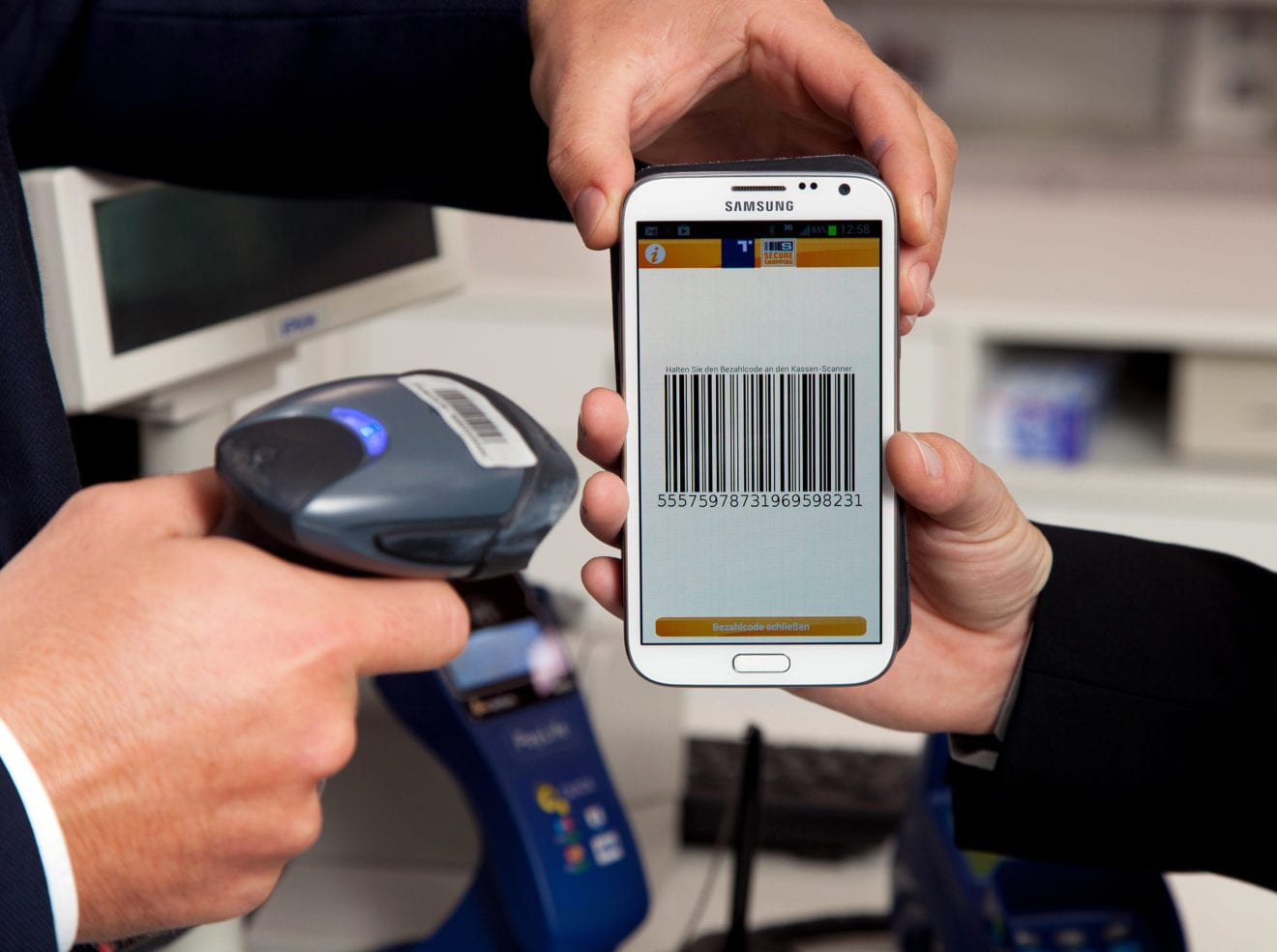
    South Korea’s retail conglomerate Lotte Group is ratcheting up efforts to promote its own mobile payment platform, L Pay, industry watchers said Wednesday, as such services gained popularity over previous months amid the rising number of smartphone users.

    Lotte Group chairman Shin Dong-bin was recently quoted as saying by corporate officials that L Pay is an “important asset” for the business group, adding that Lotte should expand the scope and quality of the services provided by the L Pay platform.

    1201_epay_pcShin also highlighted the importance of expanding business partnerships to garner a larger slice of users in the market.
    The business group has been making efforts to establish “omnichannel” solutions, which refer to bringing together online and offline shopping platforms.

    L Pay is significant as it allows users to manage their mileage at shops and restaurants operated by Lotte Group, including Lotte Cinema, 7-Eleven and Lotte Department Store.

    The service has been forging ties with eight South Korean credit card firms and is also in talks with Samsung Electronics Co. to have L Pay applied to Samsung Pay.

  • Foreign retailers in Vietnam under attack

    Foreign retailers in Vietnam under attack

    Complaints by Ho Chi Minh City businesses about foreign retailers in Vietnam have sparked the prime minister to order an investigation.

    Members of the Ho Chi Minh City Union of Business Associations (HUBA) say the growing number of foreign retailers in Vietnam have a loose rein to expand at a pace that will eventually hurt local companies.

    HUBA has sent at least two letters to the government raising questions about the legality of some business activities by foreign retailers, reports Thanh Nien News.

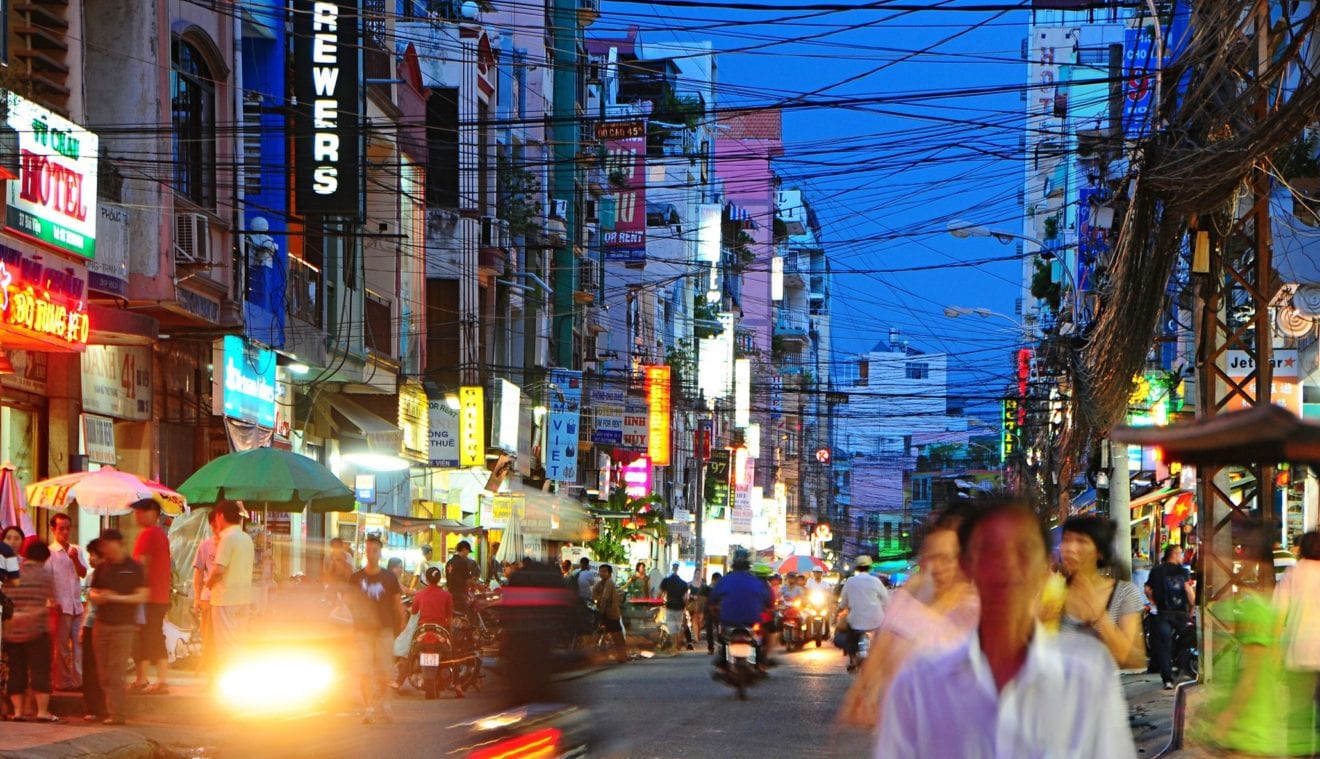
    Vietnam laws forbid foreign businesses to distribute products such as rice, cane sugar and cigarettes, but these items are still available at the supermarkets and convenience stores of most foreign retailers, including South Korea’s Lotte and Big C, Tuoi Tre reports.

    Following the complaints, Prime Minister Nguyen Xuan Phuc has ordered relevant agencies to check into foreign retailers, including mergers and acquisitions.

    Media reports say Mega Market Vietnam, which owns Metro wholesale stores, is expected to be first to face the scrutiny. The stores were originally run by Germany’s Metro before being acquired by Thailand consumer group TCC this year.

    Statistics show that Vietnam is home to more than 700 supermarkets and 132 shopping malls, mostly in the main centres of Hanoi and Ho Chi Minh City.

    Meanwhile, Hanoi Association of Supermarkets chairman Vu Vinh Phu says a supermarket in the northern city of Hai Phong had its revenue fall 30 per cent six months after a foreign superstore opened.

    Foreign companies now control more than half of Vietnam’s retail market, says the association, and many producers complain they are struggling to have their products in foreign supermarkets mainly because the retailers ask for high discounts, says HUBA vice-chairman Pham Ngoc Hung.
    Meanwhile, products from countries such as Japan, Malaysia, South Korea and Thailand are becoming more and more popular.

    Vietnam’s retail sales rose 10.6 per cent from 2014 to VND2469 trillion (US$109.4 billion) last year, official figures show.

  • Mr Pizza follows K-pop into Thailand

    Mr Pizza follows K-pop into Thailand

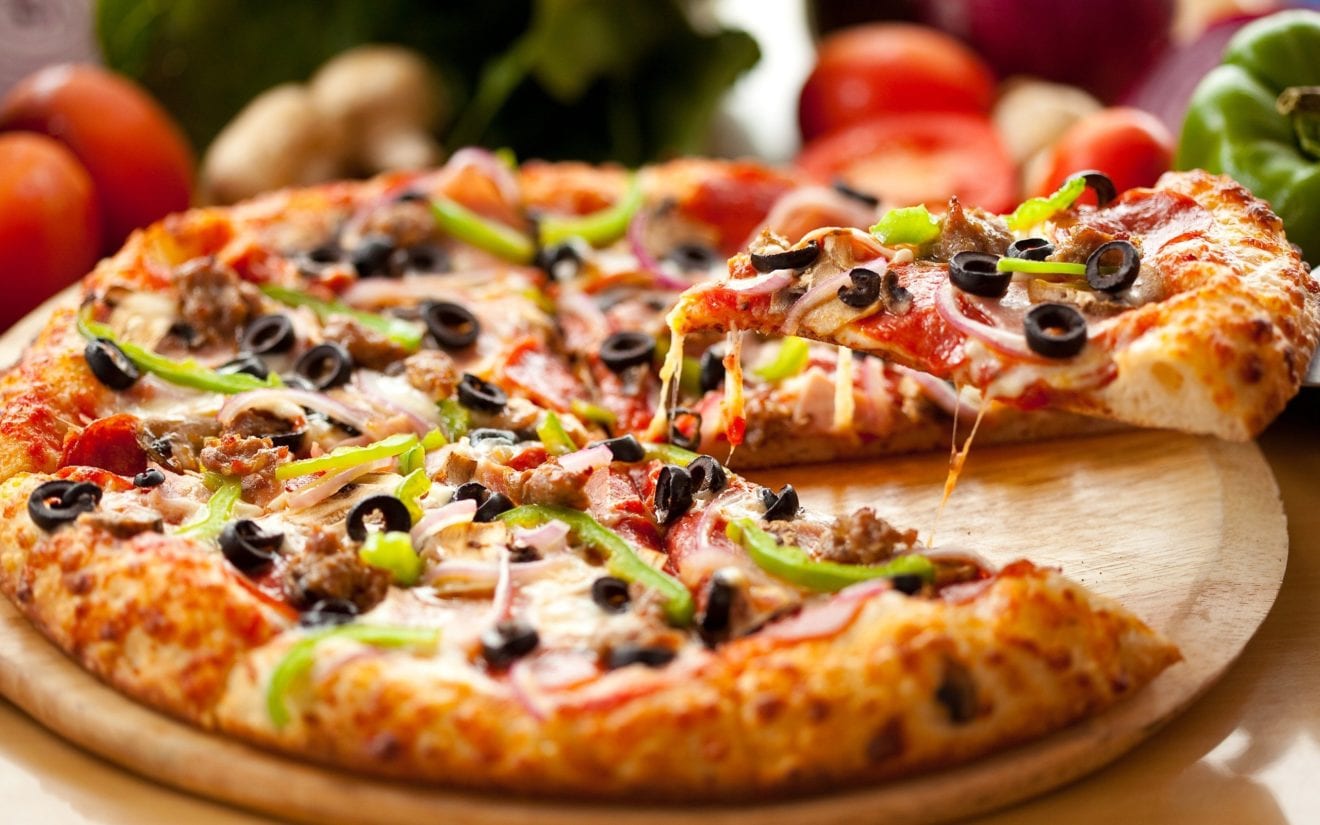
    South Korean pizza brand Mr Pizza has opened its first store in Thailand, with plans to add four more outlets this year.

    Its debut store is in the commercial and entertainment district of Ratchada Rd in Bangkok, in the first basement floor of the seven-storey The Street mall.

    Mr Pizza owner MPK Group says this is the first foray out of Korea for the franchise, and a second store will open in The Promenade mall in Kannayao, Bangkok, in July.

    “Thailand is one of the biggest markets in Southeast Asia, and food and beverage accounts for 40 per cent of the country’s $7 billion franchise industry,” says Son Dong-hee from MPK. “With the popularity of Korean pop culture, I am sure we will be successful in Thailand.”

    To prepare for the Thailand franchise business, the Korean food company established a joint venture with Thailand food retailer Foodland Supermarket last year. Foodland Supermarket runs 18 retail stores and about 50 restaurants, including dim sum restaurant Tim Ho Wan and fusion-food restaurant Long Table.

  • South Korea’s Overseas Direct Investment Topped US$10 Billion in Q1

    South Korea’s Overseas Direct Investment Topped US$10 Billion in Q1

    The Ministry of Strategy & Finance announced on May 12 that South Korean enterprises’ and individuals’ overseas direct investment increased by 29.5% from a year ago to US$10.3 billion in the first quarter of this year, breaking the US$10 billion mark for the first time in four years.

    The amount has continued to increase since early last year. It rose by 32.8% from US$34.44 billion to US$45.74 billion between 2010 and 2011 and then fell 13.3% to US$39.65 billion and 10.1% to US$35.64 billion in 2012 and 2013, respectively. However, it rebounzded to US$40.23 billion last year after edging down by 1.8% to US$35 billion in 2014.

    The overseas direct investment by the banking and insurance sector increased by 96.3% year on year to US$4.02 billion in the first quarter of this year. During the same period, that by the manufacturing sector totaled US$2.76 billion with a year-on-year growth rate of 33.6%. Meanwhile, that by the mining sector fell 13.8% and that by wholesale and retail dropped by 42.3%.

    The amount of the investment in Asia soared by 64.3% to US$2.95 billion to take up 28.6% of the total. That in Latin America jumped by 75.4% to US$2.35 billion. In contrast, that in North America declined by 10.9% to US$2.73 billion while that in Oceania dropped by 30%. By country, those in China and Vietnam increased by 93% and 36.3%, respectively. On the contrary, those in the United States and Canada fell 8.2% and 60.9%.


  • Food drives Korean department stores

    Food drives Korean department stores

    Cooking is big in Korea. There are currently more than a dozen cooking shows on Korean television, featuring variety of cuisines, restaurants, and famous chefs, and Korean department stores are benefiting from this food-frenzy phenomenon.

    Major department stores like Shinsegae are hosting well-known restaurant franchises at their outlets, attracting consumers who seek ‘good food’ to their doorsteps.

    Shinsegae’s Yeongdeungpo branch opened a variety of new restaurants from April 25 to May 5, and saw its number of customers increase by 20,000 compared to the same period last year. Samsong Bakery from Daegu, Hop Chou Cream from Osaka and Itaewon’s Bistecca were among the newly opened establishments.

    Shinsegae saw a total increase in sales of food products of 6 per cent, while the Yeongdeungpo branch showed an increase of 26 per cent. With more customer visits, the department store’s total sales also increased by 12.1 per cent, an impressive figure compared to Shinsegae’s total increase of 7 per cent.

    Customers in their 20s and 30s made up the majority of visitors contributing to the store’s growth.

    “The new restaurants helped attract more customers to our store. We’ll be hosting more restaurants and dessert cafes this coming June,” said Nak-hyeon Kim, chief manager of Shinsegae Yeongdeungpo.