Tag: Korea

  • The Bank of Korea Just Delivered a Surprise

    The Bank of Korea Just Delivered a Surprise

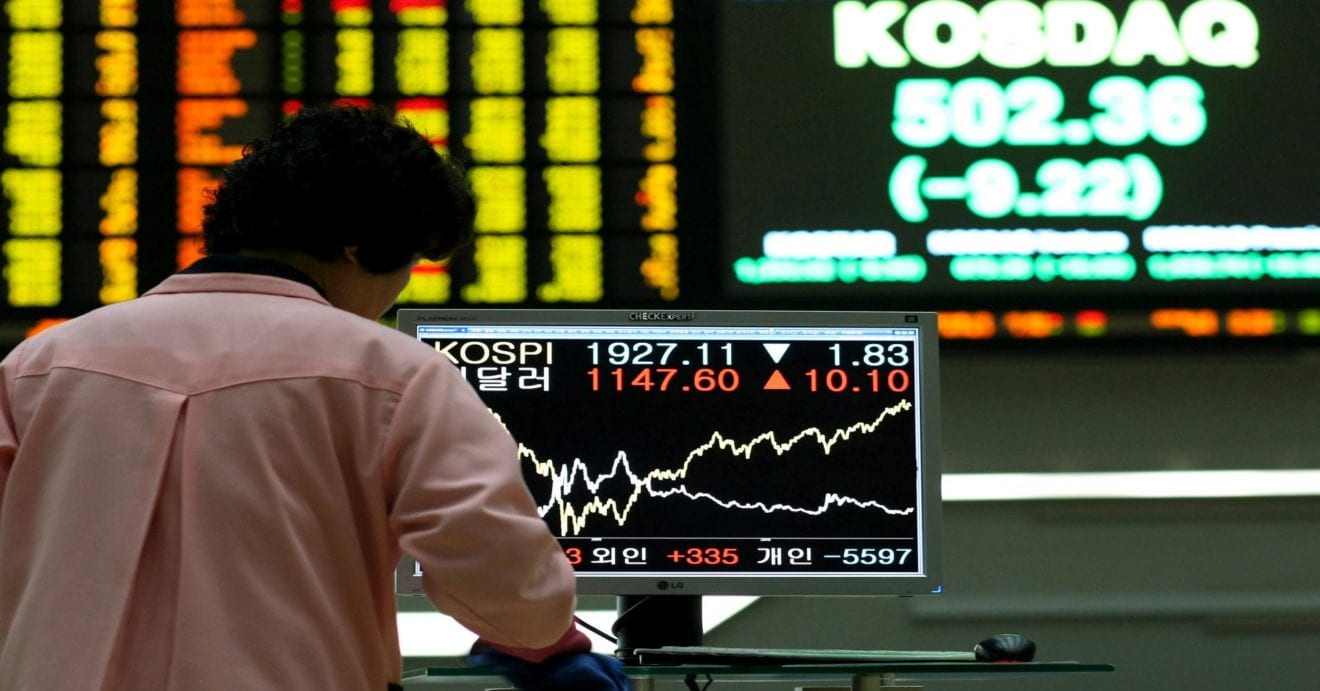
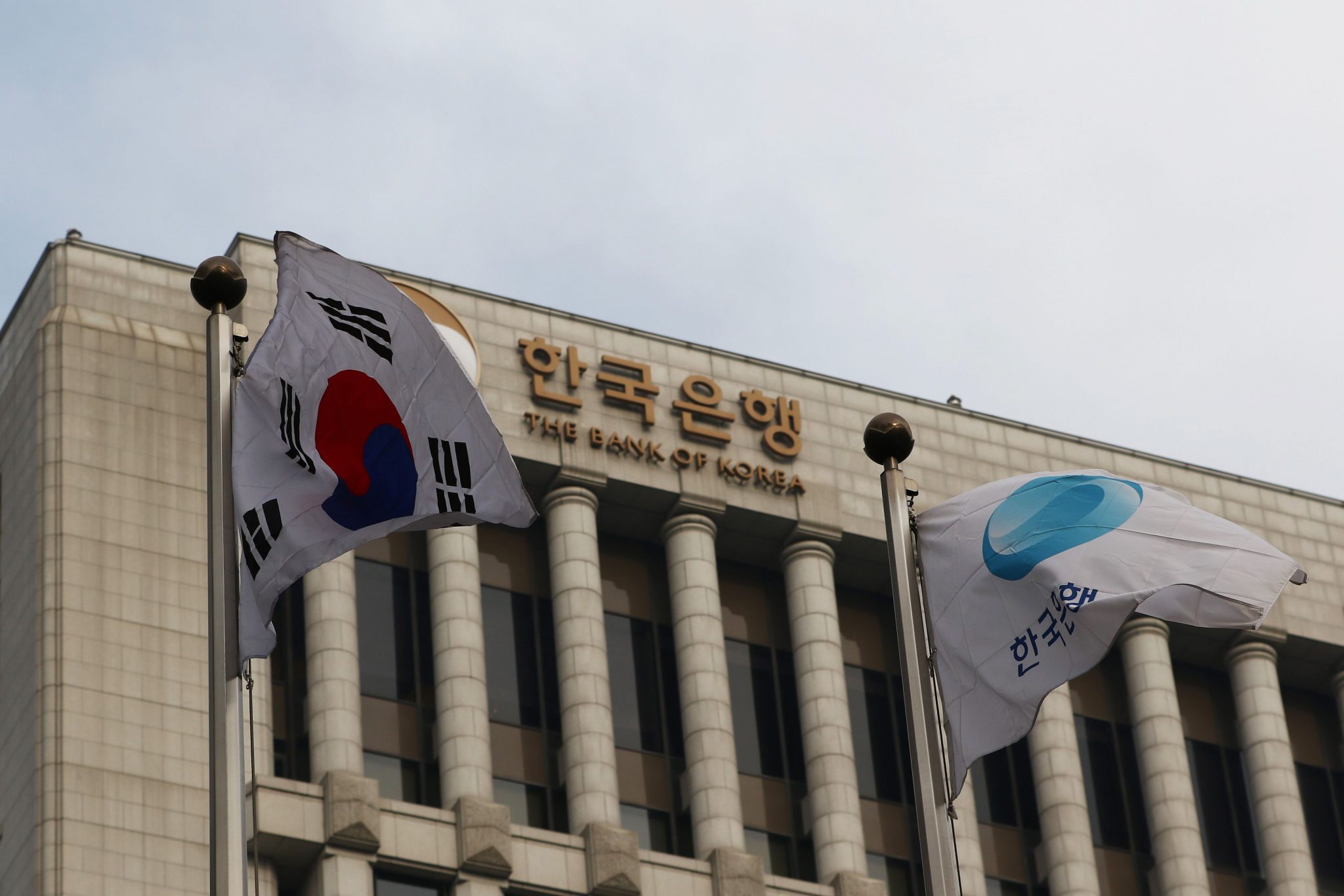
    South Korea’s iShares MSCI South Korea Capped ETF (EWY) slid on June 9 after the Bank of Korea cut interest rates by 25 basis points to 1.25%. This is a record low for the Korean policy rate, which is aiming to support the government’s plan for massive debt restructuring for highly indebted firms.

    Growing risks to the economy due to slow trade recovery worldwide also drove the dovish move. EWY had risen by more than 6.5% since the beginning of the month, leading to some profit booking by traders.

    The Bank of Korea Just Delivered a Surprise

    Chinese inflation falls

    Meanwhile, consumer price inflation across China rose by 2.0% in May on an annual basis against expectations of a 2.3% rise. Prices contracted by 0.5% in May, as compared to expectations of a 0.2% decline. Chinese ETFs (FXI) (MCHI) and (ASHR) were declining on June 9, prior to closing on account of the local holiday.

    Japanese indexes continue to correct

    The Japanese Nikkei 225 corrected by nearly 1% on June 9, 2016, after machinery orders added further disappointment to the Japanese economy. Machinery orders fell by 8.2% on a year-over-year basis in April, as compared to forecasts a 2% decline.

    Relatedly, the unemployment rate in the Philippines rose in the second quarter to 6.1%, despite the 5.8% rate last quarter. Thai (THD) consumer confidence in May came in marginally lower at 72.6, while retail sales in Indonesia came in slightly below estimates of 11.1% at 10.4%.

  • Xiaomi Korea opens first offline store in Seoul

    Xiaomi Korea opens first offline store in Seoul

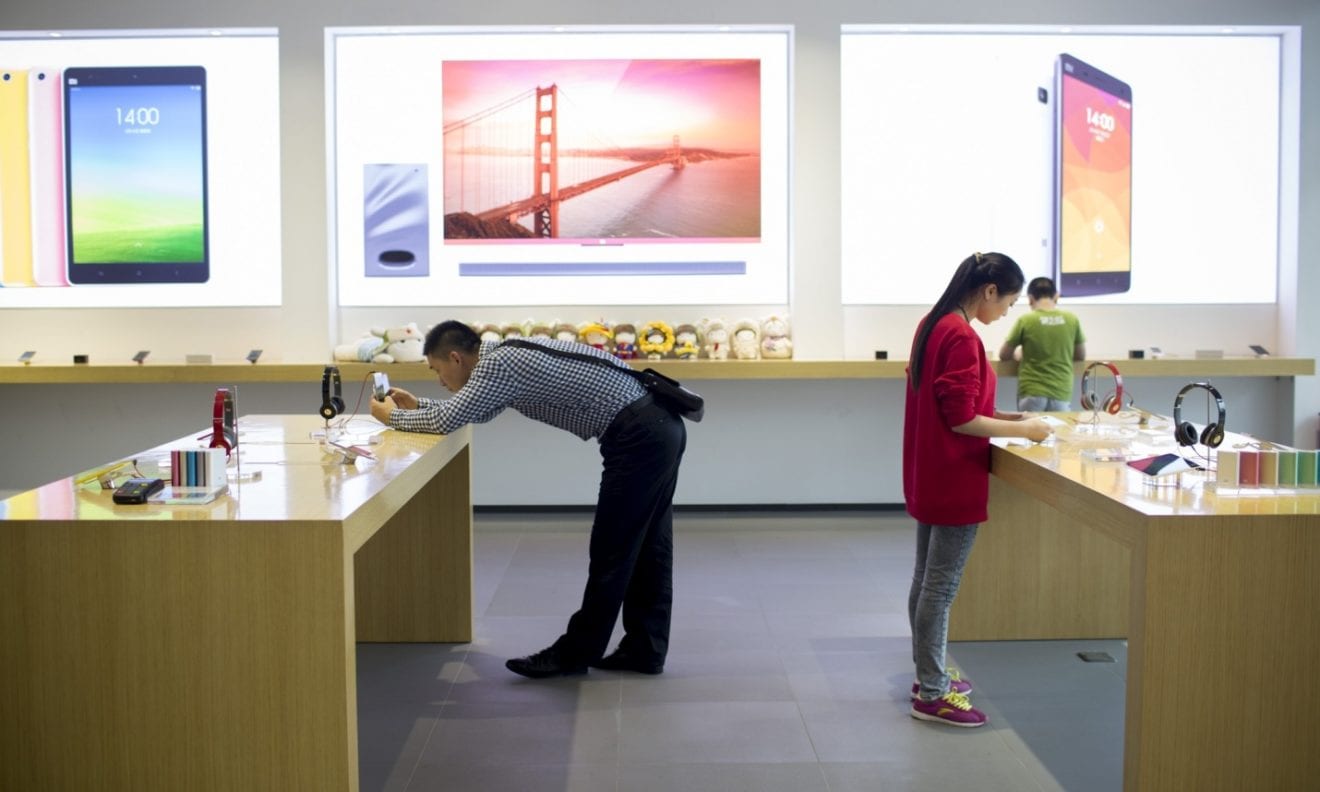
    Tech giant Xiaomi Korea took another step forward in its Korean operations by opening its first offline store in Seoul.

    The Chinese-headquartered smartphone and electronics brand has opened the store inside the Yongsan Electronics Market, one of the largest retail areas in Korea that houses some 5000 electronics stores.

    To celebrate its grand opening, Xiaomi has organised various events for visiting customers, which will last until June 12.

    Xiaomi Korea 1

    *Photo Credit: Yongsan Electronics Market.

  • Korea to Develop Quick-time Consumption Index

    Korea to Develop Quick-time Consumption Index

    Statistics Korea revealed Tuesday that it’s developing what it calls a ‘quick-time consumption index’ based on civilian credit card approval information provided by the Credit Finance Association (CFA).

    The new index will use big data related to credit card approval information from eight domestic credit card companies, and is expected to launch in October.

    The CFA-provided information consists of approved credit card transactions categorized by date, 17 cities and provinces, and 178 business categories. To further broaden the index, Statistics Korea will also use additional credit card approval information from more specific types of businesses such as department stores and supermarkets.

    Statistics Korea expects the new index to allow for quicker observation of the ‘production index for the service industry’ and ‘retail sales index’, with an improvement of approximately three weeks, which in turn will permit quicker responses to economic changes.

    “The total approved credit card transactions take up 76 percent of all consumption and sales, which will make this new index quite reliable,” said an official from Statistics Korea.

  • Shake Shack Korea is coming closer

    Shake Shack Korea is coming closer

    New York burger chain Shake Shack is set to make its Korean debut as early as July.

    The Shake Shack Korea licence was secured by Korean food and confectionary giant SPC Group last year and the first outlet is currently under construction in the Gangnam district of Seoul.Shake Shack meal

    The company says the grand opening of the debut store is planned for some time in July or August.


    Shake Shack, an American fast casual restaurant. is best known for its burger and milkshake combo.

    SPC says construction of the first store is well under way. “Gangnam is one of the most vibrant and energetic areas of Seoul,” said a spokesman. “It’s the perfect place to reenact the dynamic atmosphere of Shake Shack’s flagship restaurant in Madison Square Park.”

    CH7_9911b-540x360.0.0

    Last year Shake Shack signed a licensing agreement with Japanese company Sazaby League, local operator of Starbucks. The two companies plan to open 10 Shake Shacks in Japan by 2020, with the first, in Tokyo, scheduled to open in 2016.

  • Naver uses VisualOn platform to power Line TV application

    Naver uses VisualOn platform to power Line TV application

    VisualOn’s OnStream MediaPlayer+ is now integrated into Korea’s Naver Player for Line TV service for iOS and Android devices.

    The aim is to enable scalable cross-platform media playback for global streaming media brands for a high-quality video playback experience,

    Naver Player enables Naver’s various live broadcasts and VOD videos to be viewed on iOS and Android devices with higher stability, quality, and scalability than the built-in device video player. Additionally, the platform features a one-touch notification function and an audio-only mode.

    Ranked one of the top 100 companies that matter most in online video by Streaming Media Magazine, VisualOn was chosen by Naver for the partnership for its market-proven multimedia software. Naver’s customers can now access high-quality, live TV streams and recorded shows on all the connected iOS and Android devices anywhere and at any time.

    “The Korean market is a crucial region for Naver and VisualOn due to its high volume of mobile consumers that expect a high-quality viewing experience no matter where they are,” said Andy Lin, CEO, VisualOn.

  • Korea clamps down on Chinese tour operators

    Korea clamps down on Chinese tour operators

    An influx of dodgy Chinese tour operators has prompted the South Korean government to mount a clampdown.

    Authorities say they will tighten regulations on tour operators that lure Chinese travellers with cheap, low-quality packages to screen out substandard agencies and improve the tourism industry’s competitiveness.

    A key problem is the practice of forcing travellers to shop at particular retailers in return for brokerage fees.

    The Ministry of Culture, Sports and Tourism said Tuesday it will form a task force with related organisations to crack down on tour operators that offer low-quality programs.

    “As the inbound travel market is the key industry directly linked to the national image and interests, the government and industry should make concerted efforts to correct the market order and improve the quality of the overall market,” vice culture Minister Kim Chong said in a briefing.

    In March, the ministry revoked the licenses of 68 tour operators, about 40 per cent of the agencies specialising in Chinese travellers, for offering unreasonably cheap prices and employing unqualified tour guides.

    Tour agencies targeting the Chinese have sprung up in recent years as the popularity of K-pop and Korean dramas have attracted more visitors from the Asian neighbour. But cutthroat competition has prompted some agencies to offer cheap package programs that include filthy rooms and expensive options, and often force tourists to drop by several souvenir shops to reap commissions.

    A recent tourism survey revealed that overall satisfaction among Chinese travelers fell 0.7 percentage point to 94.1 per cent in 2015. In particular, group travellers were less content with dining experiences than individual tourists.

    The ministry will also step up monitoring on unqualified tour guides near shopping centres and offer customised tour guide training programs in the medical, heritage and sports sectors.

    To address growing complaints, top tourism officials of South Korea, China and Japan will have a trilateral meeting in August to discuss ways to enhance the quality of the tourism industry in the respective countries and screen out substandard operators.

    The number of Chinese tourists visiting South Korea had sharply risen since 2010, but it fell 2.3 per cent on-year to 5.98 million in 2015, hurt by the Middle East Respiratory Syndrome outbreak.

    South Korea aims to attract 8 million Chinese tourists this year by offering various specialised tour packages in fashion, beauty, culture and leisure; adopting eased visa regulations; and expanding air routes between the two nations.

  • South Korea’s Lotte Chemical makes $3.1bn counter bid for Axiall

    South Korea’s Lotte Chemical makes $3.1bn counter bid for Axiall

    The two companies last year formed a joint venture to build an ethylene cracker plant together in the US, which is due to start production in 2018.

    Lotte declined to reveal the exact terms of its offer, but analysts said the bid would top Westlake’s $3.1bn approach. The counter offer could prompt Westlake to raise its bid after Axiall, a maker of polyethylene products, rejected the approach in April, the analysts added.

    “Lotte Chemical will be seen as a white knight for Axiall,” Park Young-hoon, an analyst at LIG Investment & Securities, told Reuters.

    If successful, Lotte Chemical would use the acquisition of Atlanta-based Axiall to diversify its product portfolio and secure a foothold in the US.

    Axiall said it has been in talks with several potential buyers after its rejection of the first approach prompted Westlake to launch a proxy fight to oust Axiall’s board.

    However, investors were unimpressed by Tuesday’s counter-offer, driving Lotte Chemical shares down 3.5 per cent to Won260,500 — their lowest in more than four months — while the Kospi benchmark index closed up 1.3 per cent.

    “The deal could be positive for Lotte in terms of securing a stepping stone in the US, but its shares were weighed down by concerns that the acquisition price could be much higher than expected,” said Lee Ji-Yeon, analyst at IBK Securities.

    The deal would be Lotte Chemical’s largest overseas acquisition. The company, formerly named Honam Petrochemical, took over Malaysia’s Titan Chemicals for Won1.5tn in 2010.

    South Korean chemicals makers are trying build scale to compete better with lower-cost Chinese rivals, with Lotte Chemical buying Samsung Group’s chemicals business for $2.5bn last year.

    South Korean petrochemical companies posted record profits last year as lower oil prices drove down material costs. Lotte Chemical reported a Won990.7bn net profit in 2015 on sales of Won11.7tn. The company said it could afford the cross-border deal, with its annual cash flow reaching $2bn.

    Almost devoid of hydrocarbon deposits, South Korea relies on oil imports but is also a big exporter of petroleum and petrochemical products. More than half of its processed output goes to markets including China, Japan and the US.

    Separately, South Korea’s Hanwha Chemical said on Tuesday its Hanwha Advanced Materials unit had submitted a letter of intent to buy US automotive materials supplier Continental Structural Plastics. The group declined to give the details of the offer but the Maeil Business Newspaper said the deal could fetch $600m.

    Axiall’s New York-traded shares, which have lost one-third of their value over the past year, were down 2.5 per cent on Monday at $23.30, before news of Lotte’s approach was made public.


  • Alibaba makes unconventional strides in Korea

    Alibaba makes unconventional strides in Korea

    Alibaba Group is raising its profile here in a slow, yet unconventional way, as its business strategy is far from that of other companies whose primary goal is to maximize profit.

    China’s largest e-commerce company was not well known to Korean customers before it surprised the world in 2014 with its record-breaking initial public offering at the New York Stock Exchange.

    In the same year, the company made its first noteworthy appearance here, with Chairman Jack Ma visiting Seoul to meet President Park Geun-hye to discuss business collaboration with Korean companies.

    Alibaba and its key affiliates have since formed partnerships with local companies in what critics say is a move to diversify its revenue streams, as other overseas information and communication technology (ICT) giants have done.

    But revenue generation has not been the core of its business and partnerships, given its two-year operations here. The company, instead, has focused on building an environment in which small Korean companies can sell things abroad.

    This is in line with its corporate vision: Making transactions easier anywhere. The Alibaba founder identified the need to build such an environment in China when he established the firm in 1999. He said he wants to apply the same philosophy to other countries, including Korea.

    “Alibaba does not have any plans to directly open an online shopping platform in Korea, as our ultimate goal is to become a company helping other firms to benefit from e-commerce,” he said last year when celebrating the launch of the Korea Pavilion on its business-to-customer (B2C) retail site, Tmall.

    The Korea Pavilion was Alibaba’s first official country pavilion on its website, selling genuine Korean products to Chinese customers.

    He then dispelled concerns that the company may become a potential threat to local e-commerce operators. The Alibaba chief made it clear that Alibaba hopes to become a “facilitator” to help Korea’s e-commerce grow, allowing small companies to sell their products to Chinese customers.

    All of its partnerships in Korea have so far come under this corporate motto.

    Major collaborations include the Korea Exemplary Food Exhibition project, for which the nation’s Ministry of Agriculture, Food and Rural Affairs and 1688.com, Alibaba’s business-to-business (B2B) online trading site in China, joined hands. This was in October 2014, in the e-commerce giant’s bid to introduce Korean food to the Chinese B2B market.

    In May, its cloud-computing affiliate, Alibaba Cloud, partnered with two Korean firms ― SK C&C and Bankware Global. During the announcement, Alibaba allowed its two local partners to announce their visions through the collaboration.

    This symbiotic corporate management policy is part of Alibaba’s efforts to make the company last for more than 100 years, which will cross three centuries, according to the Alibaba chief.
  • Sales of Educational Products Popular among Korean Workers

    Sales of Educational Products Popular among Korean Workers

    Korea’s unyielding economic slump and more frequent corporate restructuring are driving employees to quickly prepare for a hazy future. These employees are referred to as saladents – a portmanteau of the words salaryman and student.

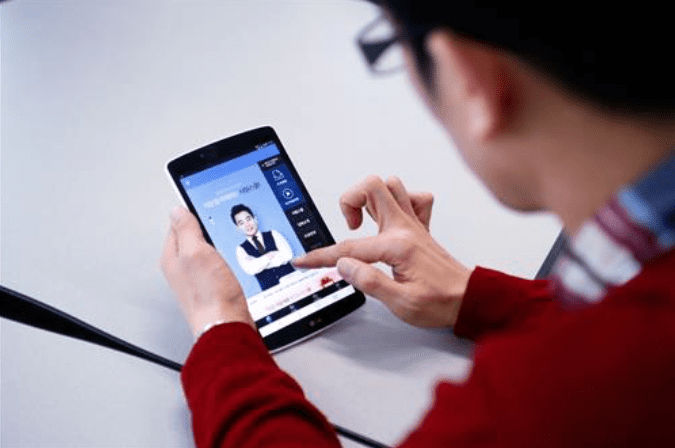
    According to a retail industry watcher, Hyundai Home Shopping generated 30 billion won in revenue from sales of the Siwon-school Tab, an English-learning device. The device was first introduced on its channel in January, and has been aired 31 times in the past five months.

    The device is based on LG’s G-pad 8.0 with an internal SD card, and offers its users a variety of English lectures without having to connect to any networks.

    However, the more intriguing part of its popularity is that 59.8 percent of the purchasers were men. In Korea, there are usually twice as many female home shoppers as male customers, with a male-to-female ratio of 22:78.

    Furthermore, 50 percent of all customers were in their 40s.

    Hyundai Home Shopping explained that there is a greater number of male customers who are studying prior to retirement, or with hopes of getting a promotion. And they tend to prefer such devices that offer more convenient and unrestricted means of study in contrast to visiting private academies before or after work hours.

    “In the past, parents would purchase learning devices for their children,” said Lee Sung-gu, senior merchandiser (MD) for Hyundai Home Shopping. “But more recently, it’s the saladents who want to improve their competitive advantage in society.”

  • Shopping by phone keeps rising

    Shopping by phone keeps rising

    More Koreans are shopping online via smartphones and tablets than on their laptop or desktop computers.

    According to Statistics Korea Thursday, online shopping transactions rose 11.3 percent in April compared to a year ago, hitting 4.76 trillion won ($4.0 billion). Mobile shopping via mobile devices surged 31 percent during the same period, and accounted for 50.7 percent of total online shopping, or 2.41 trillion won.

    “Mobile payment services have been introduced to allow customers to purchase goods via mobile devices more easily than before, and retailers are improving their mobile apps to attract more customers,” said Sohn Eun-rak, a director at Statistics Korea. “Moreover, customers like to purchase goods via smartphone because retailers offer more promotions and discounts in their mobile apps.”

    Mobile shoppers accounted for only 29 percent of all online shoppers in April 2014. The figure exceeded the 40 percent-level early last year and finally surpassed 50 percent in December.

    Even though transactions rose from a year ago, they dropped from the previous month. Online shopping transactions dropped 8 percent in April compared to March and mobile shopping fell 9.2 percent. In March, overall online shopping transaction recorded 51.7 trillion won, but then fell back to the 40 trillion won-level.

    By sector, people purchased more cosmetics online, while the figure for travel and reservation services fell.

    People spent 32.5 percent more buying cosmetics in April compared to the previous year, while they spent 2.1 percent less for travel and reservation services.

    “The number of Chinese tourists visiting Korea rose 12.1 percent year-on-year in April, and they were interested in buying cosmetics at both brick-and-mortar stores and online retail shops,” said Sohn. He added that reservation service dropped because fewer people went to the movies.

    “In April 2015, there were more people visiting theatres due to hit movies such as ‘Avengers: Age of Ultron’ and ‘Furious 7,’” Sohn said. “Moviegoers in general fell by 2.72 million in April from a year ago, and I think this might have affected the reservation services sector.”

    About 60 percent of online shoppers bought goods such as clothes, shoes, cosmetics and baby supplies via their mobile devices, according to the data.

    Shoppers buying goods at online-only retailers rose 4.2 percent year-on-year in April, while it rose 23.3 percent for retailers that have both online and brick-and-mortar stores.

    Statistics Korea surveyed a total of 991 online retailers.


  • South Korea Now Fourth Biggest Foreign Investor in US Real Estate

    South Korea Now Fourth Biggest Foreign Investor in US Real Estate

    Over the past few years South Korea has invested billions of dollars in the real estate market in the United States. The country has always been a major investor but just recently the diversity and stability of the US market has made it increasingly attractive.

    Last year South Korea became the fourth largest foreign investor in office space in the United States but its interest isn’t confined to one particular type of property. Although commercial buildings are of major interest, investors are also putting money into data centres, retail and logistics.

    According to Commercial Property Executive, Koreans have been actively investing in foreign real estate since around the turn-of-the-century. Even though South Korea isn’t a small market, there is still a lot of interest in investing globally with investors looking to diversify their portfolio in order to get a better yield. Over the past year South Korean funds have made high-profile investments in the US market, attracted by the fact that the market in this country is very developed, offering more opportunities and more deals.

    night-1085845_1280

    Most of the interest from South Korean investors is from global brands such as Samsung SRA and from pension funds, and is mainly centered in gateway cities. These cities include Los Angeles, San Francisco, Washington DC and Chicago, but there is also increasing interest in secondary cities that include Seattle and Denver. While there is considerable interest in commercial properties, this isn’t to the exclusion of residential properties, provided they are of the right type. This doesn’t always mean they have to have a huge price tag, although this is often the case. For asset management companies, prices can go up to $400 million and may start at $150 million.

    In spite of the interest from South Korean investors, there are various challenges that have to be resolved during transactions. These are mainly due to the difference in cultures as transactions in Korea are conducted in the way that is very different from the US. Even with these differences, there is expected to be continued growth in the amount of South Korean funds being invested in the US as there just isn’t as much opportunity in Korea as in foreign countries. Although this growth may be set to continue there are signs the Koreans are becoming more selective in terms of asset types and yield requirements as they are becoming more cautious.

  • Korean showcase for Luk Fook Holdings

    Korean showcase for Luk Fook Holdings

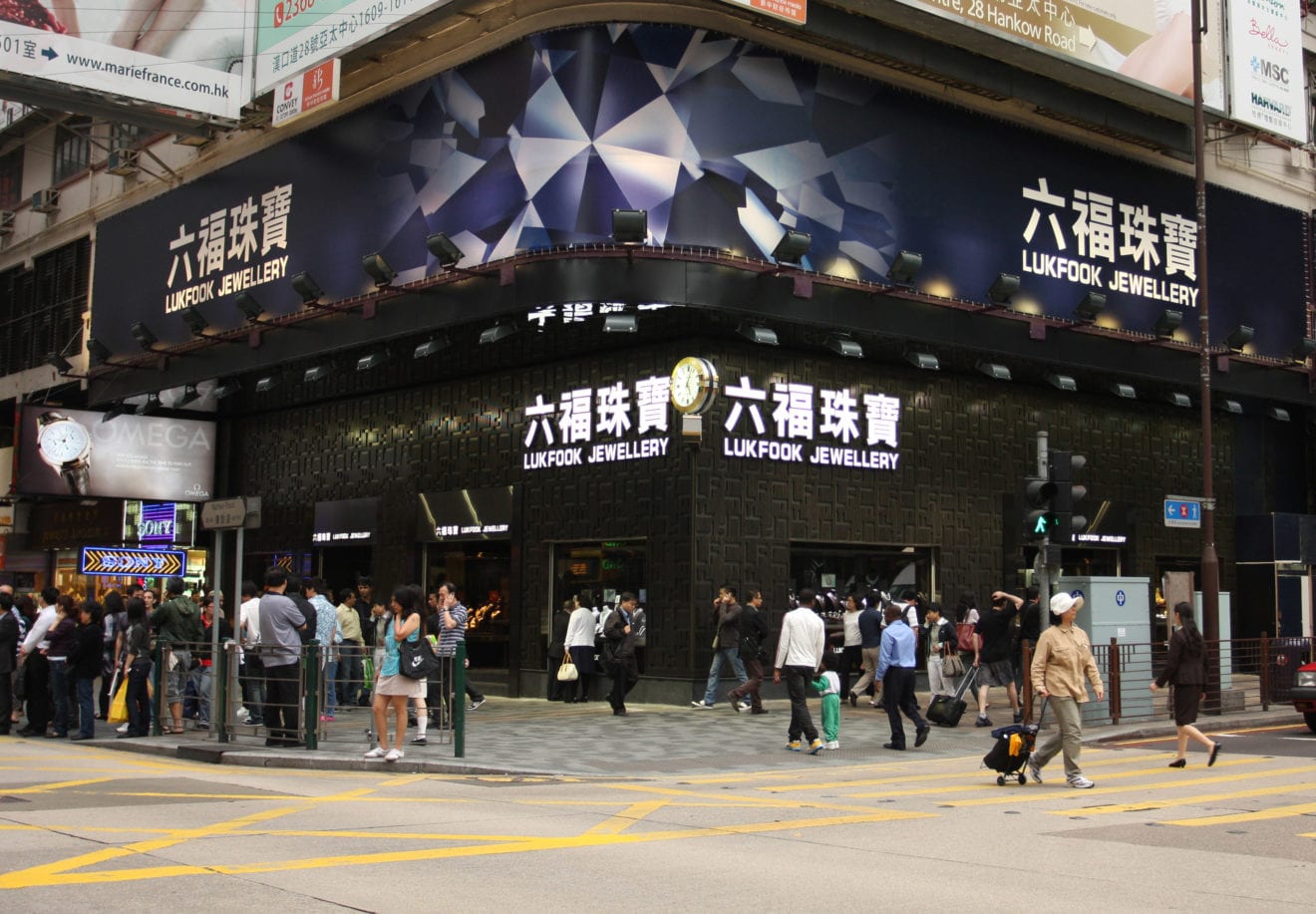
    Hong Kong jewellery group Luk Fook Holdings International has opened a retail outlet at the Shinsegae Main Store in Seoul.

    Korea’s first department store, Shinsegae opened in 1930 and has become a tourist attraction.

    Luk Fook chairman/chief executive Wong Wai Sheung says it is hoped the group’s outlet in the store will help develop overseas markets and further improve its brand recognition globally.

    Luk Fook has more than 1420 shops, in Australia, Canada, China, Hong Kong, Korea, Macau, Singapore and the US.

  • Lotte tests ‘Virtual Fitting Service’

    Lotte tests ‘Virtual Fitting Service’

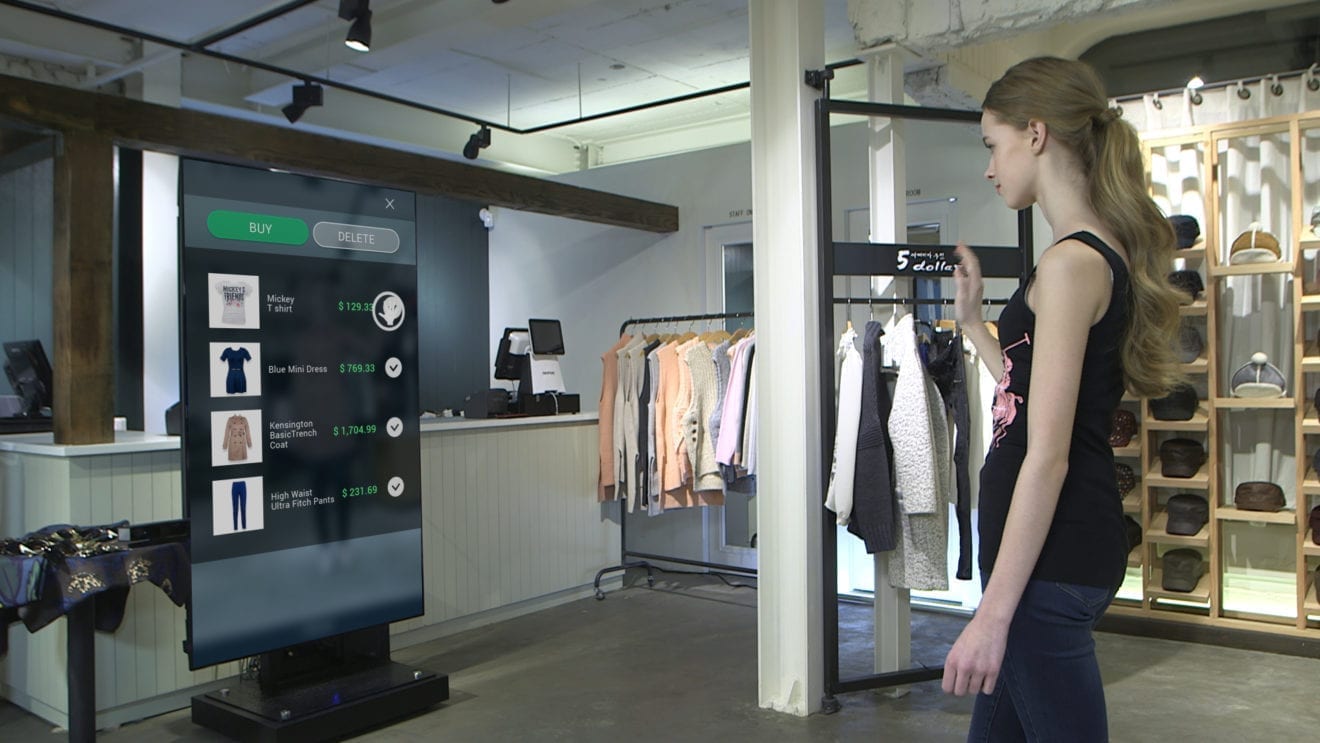
    Lotte Department Store is to implement a ‘Virtual Fitting Service’ for customers to try on clothes, without actually putting them on.

    The service uses a special mirror that provides a virtual reflection of the customer wearing the clothing by applying a 3D image of the product to the customers’ body. It will also help customers to save both time and the nuisance of having to try on different clothes. The service is expected to launch in the latter half of 2016.

    Lotte will also install 3D foot measuring devices in the third quarter, at shoe stores located in its flagship store, and Jamsil and Yeongdeungpo branches. The devices can measure a customer’s  foot in just two seconds, and recommend products based on a client’s foot size and shape.

    “We’re trying to create a more convenient environment for our customers by making use of the latest advanced technologies,” said Lee Wan-shin, chief of marketing at Lotte Department Store.

    “We’ll continue our efforts to make store visits a more pleasant shopping experience.”

  • Fashionology: blending fashion and technology

    Fashionology: blending fashion and technology

    An increasing number of clothing products are combining fashion and technology, part of a new trend called ‘fashionology’, using materials such as cooling fibers used in spacesuits, or those emitting far-infrared radiation.

    T-shirts that use such new materials are becoming popular, especially for outdoor brands.

    Cool 360, developed by K2, uses a perforation technique to make way for airflow on its mesh-fabric back. It also features a phase-change material used in spacesuits for an enhanced cooling effect. Phase-change materials absorb heat when temperatures rise, and emit heat when temperatures fall, help maintaining a consistent temperature.

    K2

    Cool 360, developed by K2, uses a perforation technique to make way for airflow on its mesh-fabric back. It also features a phase-change material used in spacesuits for an enhanced cooling effect.

    “We applied heat to one mannequin wearing the phase-change material and another wearing normal clothing at 15-minute intervals,” said a K2 official. “We discovered that the temperature of the mannequin wearing the phase-change material was three to four degrees Celsius lower.”

    Millet, another outdoor brand, also released a t-shirt that uses a cooling fiber, Cold Edge. When the wearer of the t-shirt starts sweating, the functional fiber embedded in the fabric expands and reacts with the sweat, ultimately creating a cooling effect.

    Smart fabrics that ward off contamination and facilitate laundering are also making their entrance into the market.

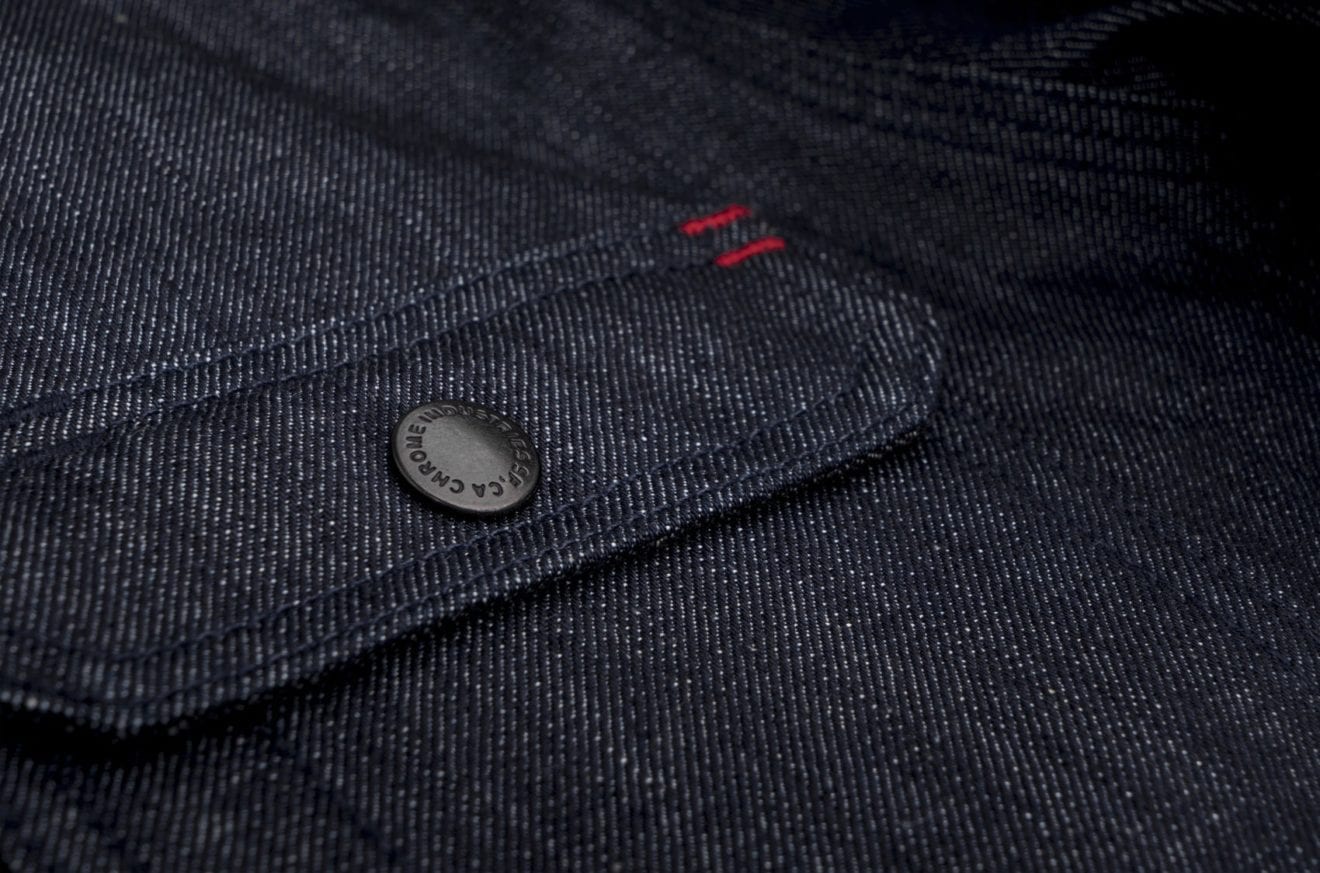
    Fashion brand Bean Pole recently presented new pants and shirts that are less susceptible to daily contamination. The company’s nanotechnology helps micro-particles to attach to the surface of the fibers, and create a coating around the threads. The coating, therefore, allows one to easily wipe off liquid and food, or even mud on a rainy day.

    Fashion brand Bean Pole recently presented new pants and shirts that are less susceptible to daily contamination.

    Fashion brand Bean Pole recently presented new pants and shirts that are less susceptible to daily contamination.

    M Corset, an underwear company, presented Venex, a new product line that can even help to relieve stress. According to the company, the small amount of far-infrared radiation emitted from its products stimulates the nerve cells, which can reduce stress levels.

    “The clothing industry has lately been focusing on ‘smart materials’ to target consumers,” said a K2 official. “With the approaching summer, there will be more intense competition between products that use cooling materials.”

  • BeautyFresh has bold Asian ambitions

    BeautyFresh has bold Asian ambitions

    Singapore cosmetics startup BeautyFresh is eyeing the eCommerce potential in its home market and broader Asia.

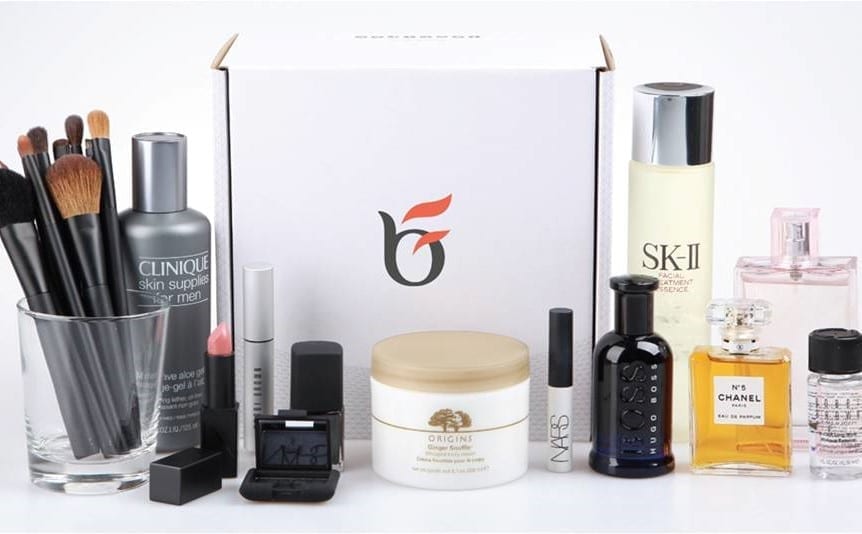
    Stocking more than 70 international brands including Chanel, Dior, Jo Malone and Nars, the company ensures authenticity of its products by scanning them with ultraviolet light to check for defects. Employees also check to ensure products are not near expiry dates.

    Director Jack Wong has a background in online security, so is using his expertise to ensure that client data is secure. The web developments and encryption of the BeautyFresh site are similar to those of online banking (signified by a green lock in the URL).

    Meanwhile, market research firm Mintel says that a growing number of Chinese consumers are going online to buy international beauty products.

    Jo Malone_BeautyFresh.com (1)

    Its research shows that 58 per cent of Chinese consumers bought foreign products online from a domestic shopping website in the six months to the end of November last year. The top three countries buying beauty products were South Korea (47 per cent), Japan (29 per cent) and France (27 per cent).

    According to the report, cross­-border eCommerce grew more than digital retail generally last year, a trend that is expected to continue.

    While cross-border eCommerce is increasingly competitive and provides great sales opportunities, the report warns that brands need to be increasingly responsive to consumer demand.

    Quality of products (63 per cent) and prices (38 per cent) are the top concerns for Chinese online buyers.

    BeautyFresh offers free delivery on orders worth US$40 or more, and offers a 30-day money back guarantee.