Tag: Korea

  • Lotte Department Store to Introduce 3D Foot-Measuring Device

    Lotte Department Store to Introduce 3D Foot-Measuring Device

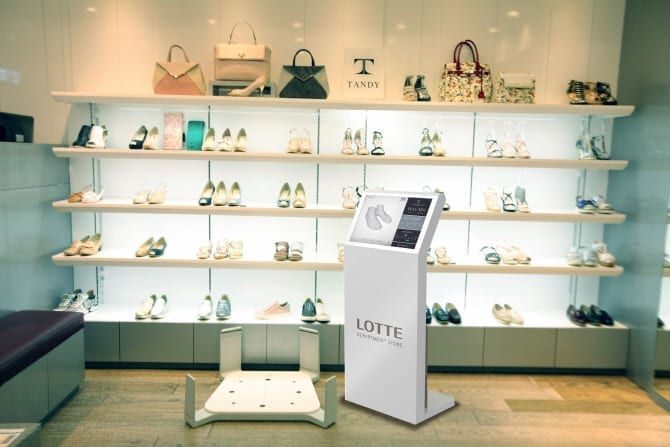
    Korean retail giant Lotte Department Store revealed Thursday that it will implement a new 3D foot-measuring device at its stores starting Friday, to provide quick and accurate measurements for custom shoe orders.

    By placing his or her foot on the device, a customer will able to obtain not only their foot’s length, but its overall shape, including width and height, to gather more accurate sizing information.

    The conventional foot-measuring process can make customers feel uncomfortable, and usually takes two to three minutes. But the new device will shorten the process to two seconds using 3D scanning technology, according to a Lotte official.

    After having their feet measured, customers will select the shoe design of their choice, and a final pair of handmade shoes will be delivered to their doorstep in about two weeks. Upon request, customers can even have their foot size information mailed to them or saved in the store’s computer system, so they can place more orders in the future without having to re-measure their feet.

    The 3D device was developed in collaboration with Swedish start-up Volumental, and will first make its debut at the Tandy shoe store in Lotte’s flagship department store in Myeongdong. The service will expand to other shoe brands in department stores across the country starting July 29.

    Lotte Department Store also plans to launch a 3D virtual fitting service in the latter half of the year. The service uses a special mirror that provides a virtual reflection of the customer wearing clothing by applying a 3D image of the product to the customers’ body.

  • Yogorino Korea lauched, thanks to a Rapper

    Yogorino Korea lauched, thanks to a Rapper

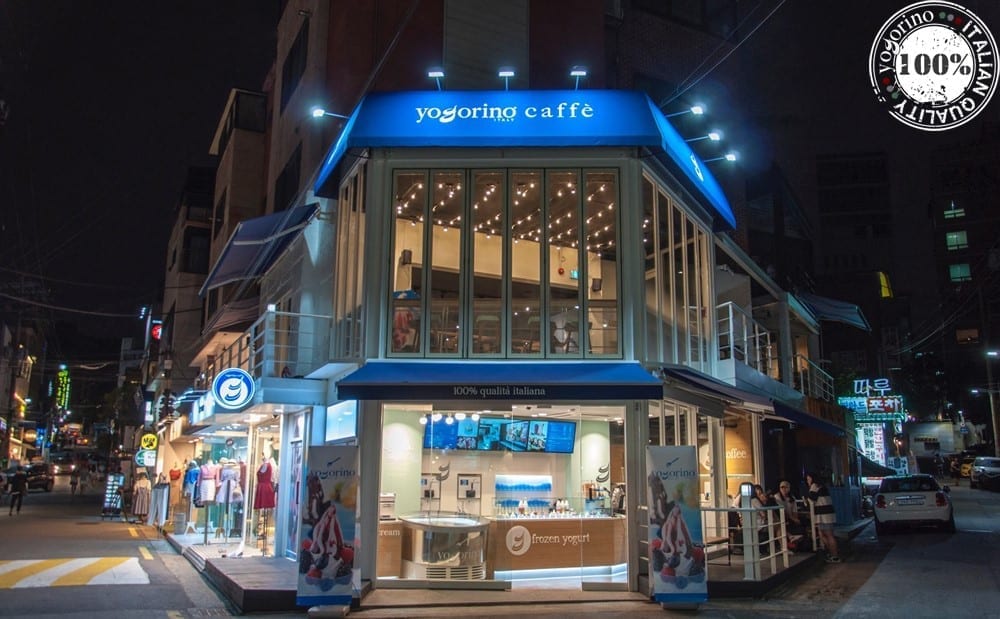
    Irish frozen yogurt franchise Yogorino Korea has opened its first store in collaboration with a local partner.

    Korean rapper Zico helped draw a crowd for the inauguration of the Yogorino store in Seogyo-dong, south-west of Seoul and home of Hongik University. Zico, named Fashion Icon of the Year, has been chosen as Yogorino’s ambassador. He is signing promotional items and customers may have a chance to meet him in one of the stores planned to roll out in Korea.

    The new outlet covers two floors, including a spacious seating area. As well as frozen yogurt, Yogorino sells ice cream, coffee and cakes.

    For South Korea, Yogorino has signed a master franchising deal with Italyo Korea, which has drawn up a 10-year development plan including about 100 stores, corner shops and shopping -centre kiosks, ready to be set in motion in the next few months.

    Yogorino also has branches in Japan and the Philippines.

  • Galleria Duty Free 63 opens in Seoul

    Galleria Duty Free 63 opens in Seoul

    Galleria Duty Free 63 has been officially opened – and it’s offering more than just duty free products.

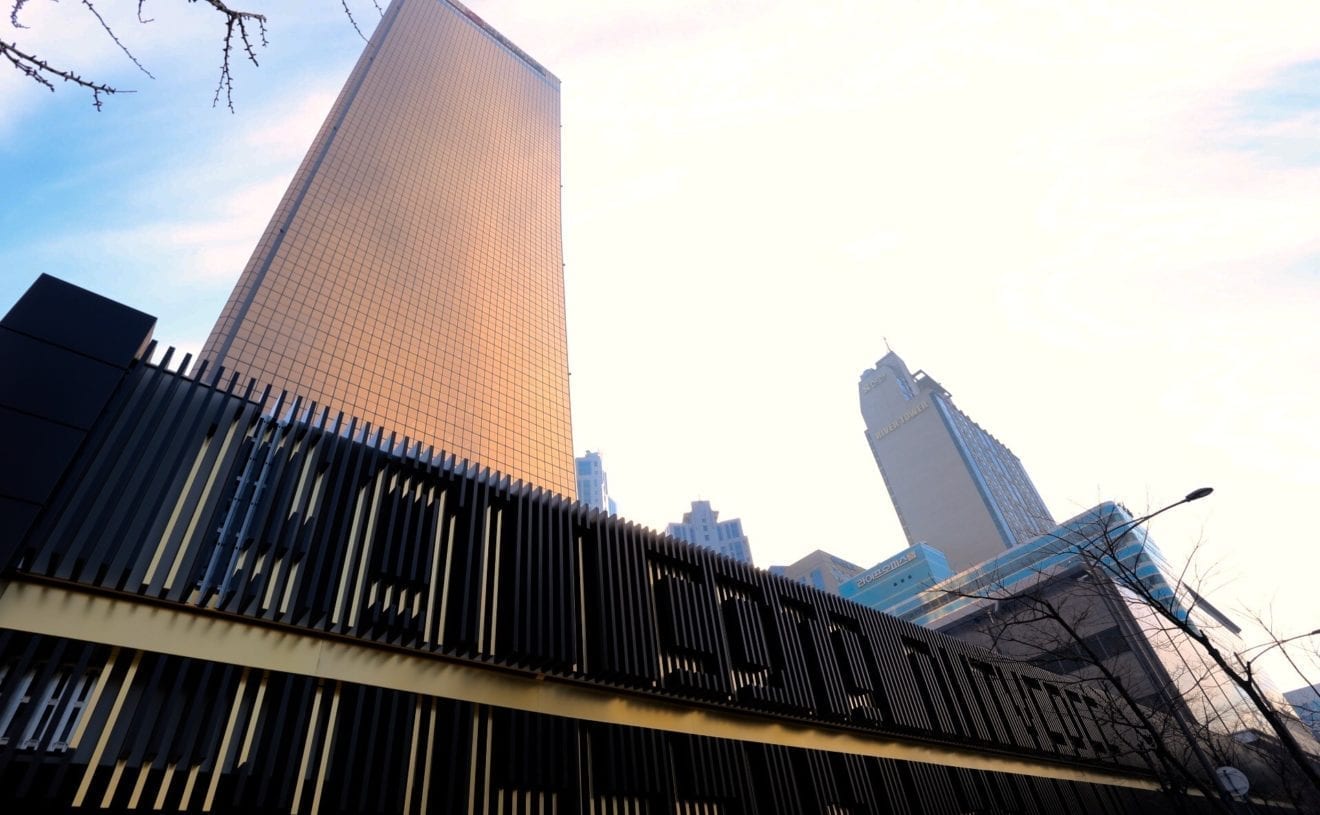
    The new duty free store, located in Seoul’s iconic 63 Building, is operated by Hanwha Galleria, a subsidiary of Hanwha Group. Since its ‘Free Opening’ last December, the store has recorded daily average revenue of between 600 million and 700 million won, which the company expects to reach to 1 billion won (US$880,000) in the third quarter of this year.

    But what is most intriguing about the latest duty free branch is its 63 Building-based tourism content that visiting shoppers can take advantage of.

    The 63 Building, also owned by Hanwha Group, houses an observation deck overlooking the capital, and 63 Sea World, an aquarium that was recently renovated and renamed to AquaPlanet 63. Galleria Duty Free 63 has incorporated the building’s touristic elements and started operating tourism packages for its shoppers at the beginning of July.

    Hanwha Galleria also joined hands with Chinese conglomerate Wanda Group to establish a new marketing partnership. Wanda Group currently has some 120 million subscribers in China, and it will be joining Hanwha Galleria’s marketing campaigns to reshape the store into the next big tourist attraction for Chinese vacationers in Seoul.

    “Although the distribution industry has seen better times, we expect Hanwha Galleria to contribute to the Korea tourism industry with its distinctive duty free enterprise,” said Kim Seung-youn, CEO of Hanwha Group, who visited the store on Thursday.

    The new store currently features 540 brands, from luxury labels like Gucci, Coach, and Michael Kors, to brands that are exclusive to Galleria Duty Free 63, such as Stefano Ricci and Golden Goose. More brands including Chanel Cosmetics and Bottega Veneta will be joining the branch in coming months.


  • E-Mart and Lotte enter Vietnam

    E-Mart and Lotte enter Vietnam

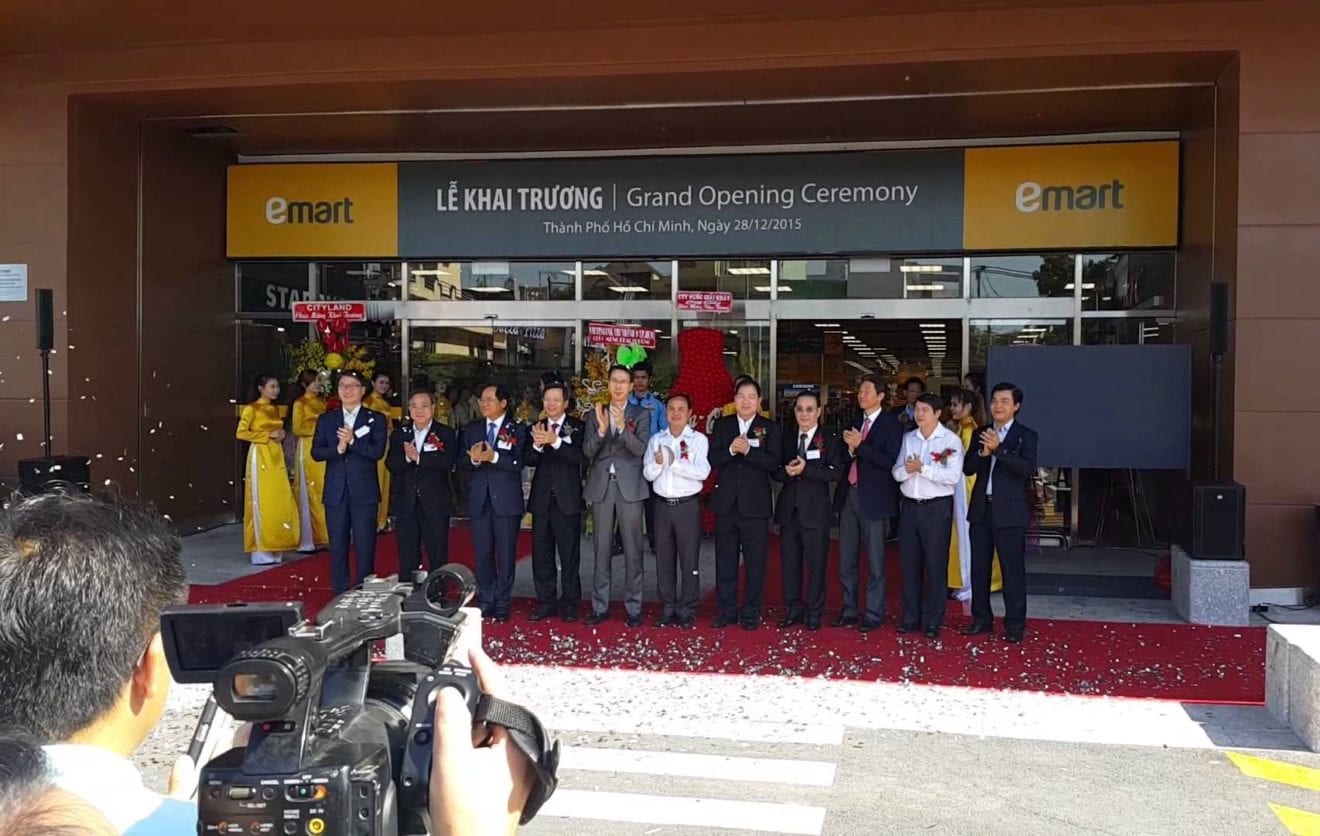
    The Go Vap district near Tan Son Nhat International Airport and part of Ho Chi Minh City in Vietnam are widely known as special to the Korean retail industry. This is because despite the fact that there are not many Koreans residing in the area, Korean retail giants are competing fiercely in the region. E-Mart, Lotte Mart and Vietnam’s second largest retailer Big C all have stores competing in a four kilometer (2.5 mile) radius.

    E-Mart and Lotte Mart are competing for dominance in the young Vietnamese market. More than half of Vietnam’s population of 93 million is less than thirty years old. The large market industry is also undeveloped in Vietnam, with 75 percent of shopping being done at traditional markets, so there is great potential for growth. This potential attracts big retailers like E-Mart and Lotte Mart. Go Vap is particularly attractive because its residents are middle class, well-earning couples. Lotte Mart established itself in Vietnam in 2008 and has 12 stores, which is the third highest in Vietnam for a retailer. E-Mart leapt into the Vietnamese market last December with its store in Go Vap and it is planning to expand its operations.

    The E-Mart store in Go Vap is no different from the ones in Korea. There were the iconic yellow shopping carts as well as No Brand products displayed in the center of the store. No Brand products, modeled after the Japanese company Muji, are relatively cheap because they have no branding and packaging costs, but their quality remains unaffected. E-Mart’s membership card has the phrase “Korea’s No.1 Mart.”

    “We have set up our stores to reflect the Korean lifestyle,” Chang Yun-suk of E-Mart said. “The reasonably priced No Brand products are considered Korean luxury products in Vietnam.”

    E-Mart also operates an Electro Mart, which specializes in electronic goods, in Vietnam. Even on a weekday afternoon, there are plenty of Vietnamese customers flying drones and enjoying the action figures on show, as well as singing karaoke. E-Mart showcased the Electro Mart when it opened its E-Mart Town last June and it only has them in a few places in Korea, including in Yeongdeungpo in Seoul and in Pangyo, Gyeonggi.

    The Korean lifestyle theme is felt in the food available in the area, with Starbucks and Korean pork belly, or samgyeopsal, restaurants in the store. It is unusual to have a Starbucks in a large mart like E-Mart in Vietnam but Shinsegae Group, which operates Starbucks in Korea, persuaded the Vietnamese authorities to have a Starbucks in the store like they do in Korea. Vietnam normally only has Starbucks in hotels, department stores and luxury shopping malls.

    On the other hand, the Lotte Mart store in Go Vap, located only three kilometers from its rival E-Mart, has a Vietnamese feel. The store is filled with a thousand types of Vietnam Choice L products, which are developed and produced in Vietnam. Lotte Mart aims to offer products based on the Vietnamese lifestyle. The traditional rice noodles and cookies are all made in Vietnam. At the end of this year, Lotte Mart will release a point system for all of its subsidiaries in Vietnam known as Vietnam L. Point.

    Lotte Mart even exports Vietnamese products to Korea. Lotte Mart stores in Korea offer various Vietnamese goods including Vietnamese G7 coffee and hosts a special program onVietnam every summer. This is because Lotte Group is very well established in Vietnam with its many subsidiaries based there, including top restaurant business Lotteria, Lotte Hotel and Lotte Department Stores. Lotte wants to project a positive image of itself to the Vietnamese people.

    In fact, the Lotte Mart enjoys so much export success in the Vietnamese market that even Vietnamese politicians and media often jokingly ask their domestic companies, “Do you know how much Vietnamese products Lotte Mart export?”

    The E-Mart and Lotter Mart stores differ greatly, but their large size and strategy for entertainment are compatible. The E-Mart store is 10,579 square meters in size while the Lotte Mart store is 13,223 square meters. Both stores welcome between 10,000 and 15,000 customers every day and both have large motorbike/scooter parking lots capable of holding 1,500 such vehicles to cater to Vietnamese customers, whose main method of road transport is either motorbikes or scooters.

    Both stores also target couples with children, hence they both have large children’s cafes, each measuring 990 square meters. Lotte Mart’s entertainment stores, including its bowling arena and cinema, cover a considerable area of 6,600 square meters, while E-Mart’s occupies 4,628 square meters.

    “Vietnam does not have many amusement parks and cinemas so families often come to large marts to enjoy leisure activities,” Hong Won-sik, general director of Lotte Mart Vietnam, said. “Also, considering the business side, Vietnam has such low consumer prices that it is common to make profits through external store rents rather than from selling fresh products.”


  • Tesla in talks for store in Korea’s biggest mall

    Tesla in talks for store in Korea’s biggest mall

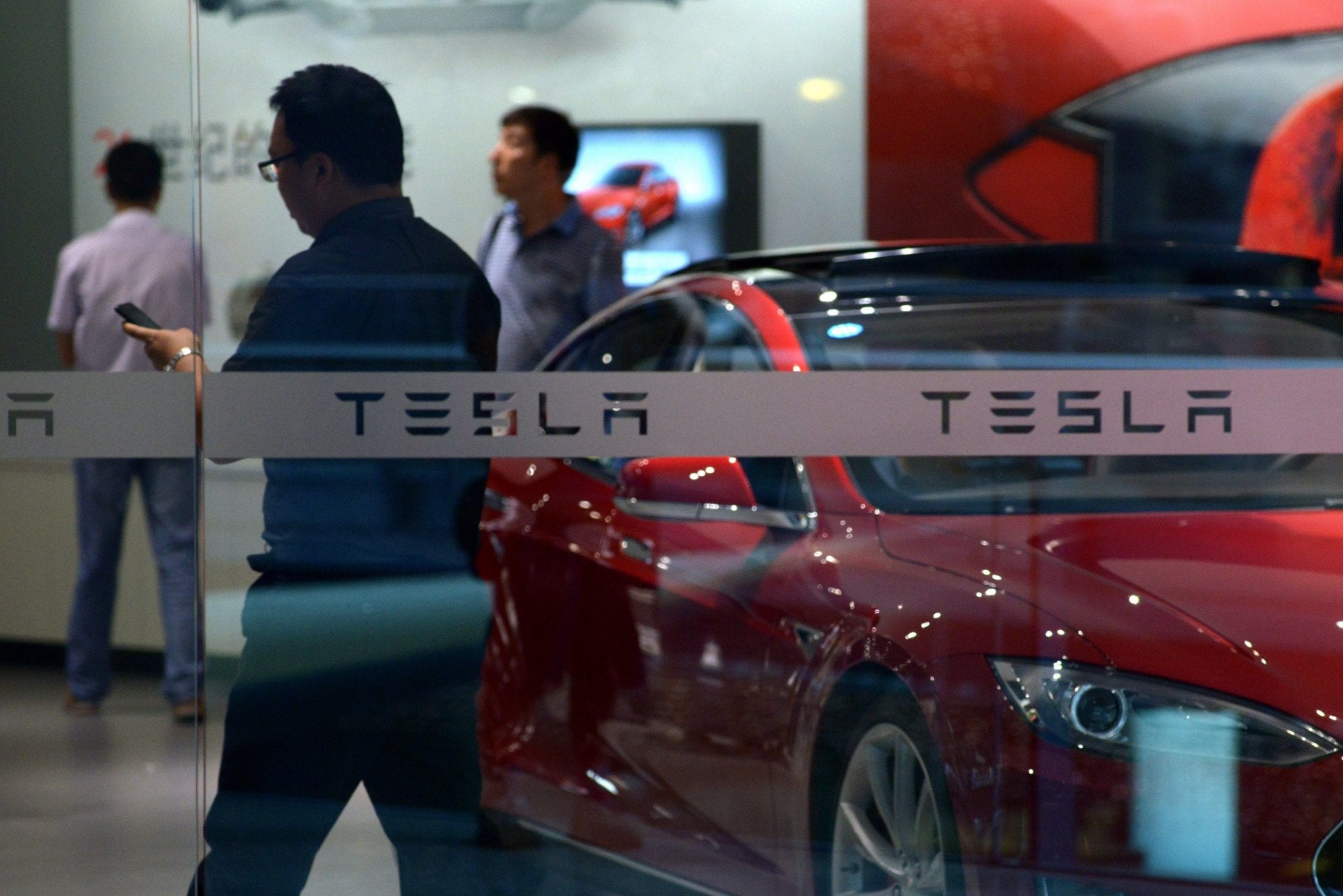
    Tesla Motors Inc. is in talks to open its first store in what will be South Korea’s biggest mall, according to the shopping complex’s owner Shinsegae Group.

    The two parties are negotiating over an outlet at Starfield Hanam, which is set to be the country’s largest mall when it opens in September, according to Shinsegae Group. Built jointly by Shinsegae Group and Taubman Asia, the four-story complex occupies an area the equivalent of 70 football fields and is located about six miles east of Seoul.

    Premium automakers including BMW are opening showrooms in retail districts to attract walk-in customers who wouldn’t otherwise visit car dealerships. Shinsegae Group owns Shinsegae Co. and E-MART Inc. and is South Korea’s second-largest retail conglomerate, behind Lotte Group.

    Atsuko Doi, a spokeswoman for Tesla in Tokyo, didn’t immediately reply to an email request for comment. Tesla said last month it plans to set up an office in Seoul, without giving further details. The U.S. electric vehicle maker advertised positions in sales, engineering, service and marketing in Seoul on its website. South Korea would be Tesla’s fourth market in Asia after China, Hong Kong and Japan.

    Separately, Hyundai Motor Co. said in an email that it will open its first premium Genesis brand store in the Starfield mall later this year.

  • LVMH affiliate invests $50m in Clio

    LVMH affiliate invests $50m in Clio

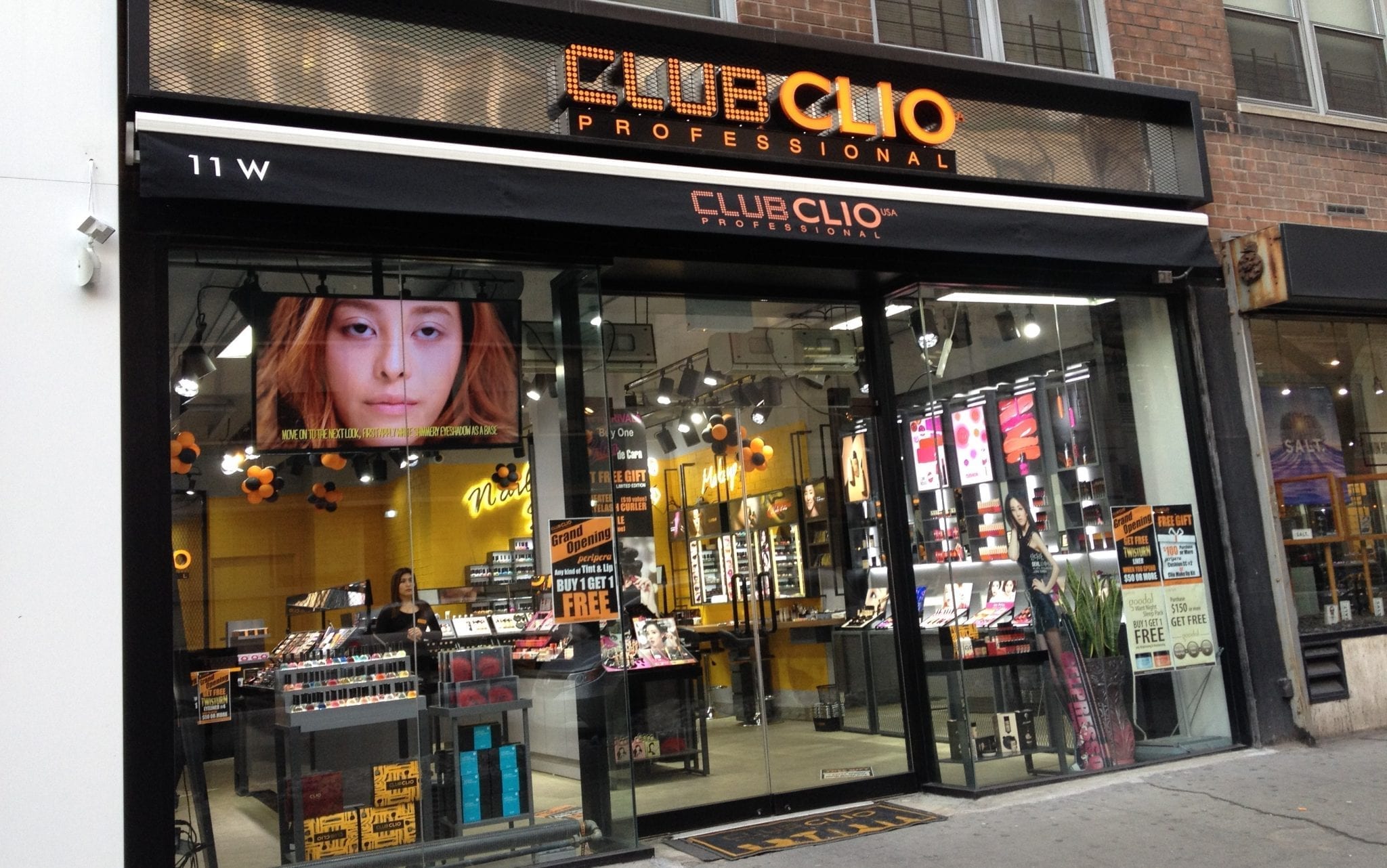
    L Capital, an affiliate of luxury brand group LVMH, will invest US$50 million in Korean cosmetics company Clio, which aims to go public by the end of this year.

    Clio will issue redeemable convertible preference shares to be taken over by the investment company, and an official agreement for this pre-IPO investment will be signed next week.

    After almost two decades of mediocre turnover since its establishment in 1997, Clio’s sales surged to 107 billion won ($93.07 million) last year with an operating profit of 22.5 billion won, boosted by an appearance on a popular TV show. Its total market value after IPO is expected to be more than 1 trillion won.

    L Capital ventured into the Korean corporate world two years ago by investing 60 billion won in YG Entertainment, becoming the second-largest shareholder of one of the top three entertainment companies in Korea.

    Its second choice of Clio reflects the growing demand in Asia, particularly China, for K-beauty products.

    Korean cosmetics exports to China alone last year were worth $1.09 billion, double the value of the previous year and coming in second to French cosmetics.

    US cosmetics company Estee Lauder last year became a major shareholder of Have and Be, the parent company of Dr Jart, while Goldman Sachs’ private equity fund took over Carver Korea, which owns AHC, for 520 billion won this year.

  • South Korea May Halt Volkswagen Sales

    South Korea May Halt Volkswagen Sales

    South Korea’s environment ministry has accused local VW officials of fabricating reports on emissions and noise-level tests.

    As a result, Volkswagen may have sales of its vehicles in South Korea suspended later this month. The environmental authority in South Korea, the National Institute of Environmental Research, will decide at a hearing on July 22 whether to suspend the sale of 32 VW Group models, which includes the Audi brand too, currently available in the market.

    Prosecutors last month raided the Seoul offices of the German automaker and arrested an employee as part of the investigation. The automaker stands accused of fabricating reports on 26 different VW Group models including the VW Golf and the Audi RS7.

    The South Korean unit of Volkswagen has seen sales slide dramatically in the first half of 2016. Sales are down 33 percent to 12,463 units for January through to June compared to the same period last year.

    Volkswagen has said it may take legal action to fight any decision to halt sales.

    The situation with VW isn’t without precedent.

    Earlier this year, South Korea suspended sales of the Nissan Qashqai after accusing the Japanese automaker of manipulating the model’s emissions control system. The local Nissan unit has filed a lawsuit against the environment ministry in response.

  • Bolloré Logistics Sponsors Honey Factory for Urban Beekeeping in Seoul

    Bolloré Logistics Sponsors Honey Factory for Urban Beekeeping in Seoul

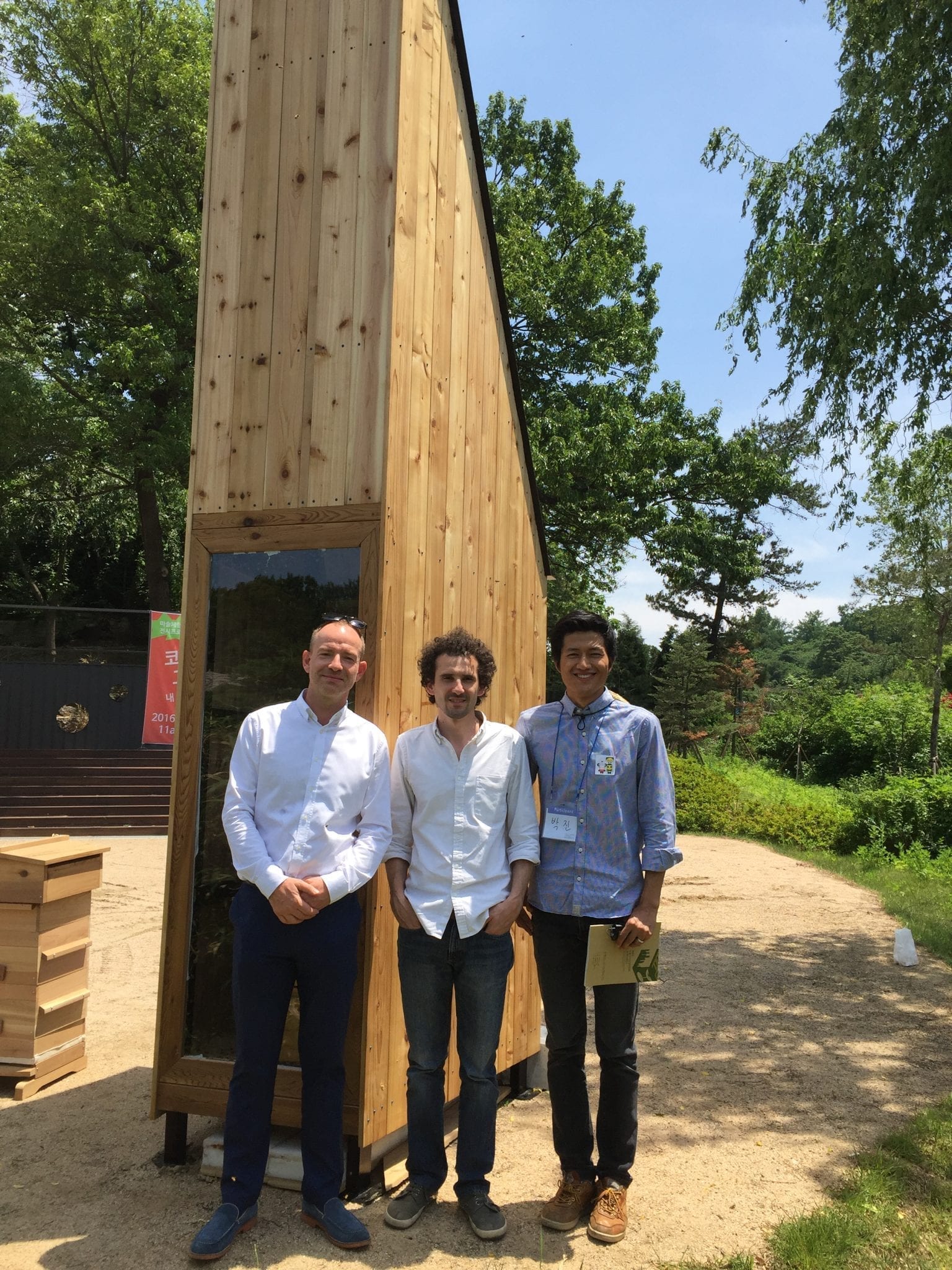
    In an effort to promote the idea of urban beekeeping and to provide information about its environmental benefits, Bolloré Logistics Korea recently sponsored a beehive structure called Honey Factory, in Seoul, South Korea.

    Currently installed in Seoul Children’s Grand Park, it was first introduced in Asia at the 2016 International Conference on Urban Agriculture during The 5th Seoul Urban Agriculture Expo that took place last May 19-22.

    Designed by Italian industrial designer Francesco Faccin, this wooden beehive has a 4.5-meter chimney that keeps curious children safe from the bees. It also protects the bees from harm due to bad weather and helps keeping it at constant temperature with optimal ventilation. Honey Factory is an ideal beehive for city parks as a standard hive can cover a radius of three kilometers.

    The first Honey Factory has also been operating since 2015 installed in the garden of the Triennale Design Museum in Milan, Italy, and carries out educational activities as well as producing great urban honey.

    This action is fully in line with the biodiversity action plan put into effect within the Bolloré Logistics Business Unit. Bolloré Logistics’ biodiversity strategy has three fundamental pillars based on the ARC concept (Avoid / Reduce / Compensate):

    (1) Embracing biodiversity as one of the company’s environmental concerns;

    (2) Working with customers and suppliers on biodiversity issues and the impact of our activities;

    (3) Make our sites models for biodiversity, all over the world.

    By sponsoring the first Honey Factory in Asia, Bolloré Logistics hopes to increase efforts to protect bees, as they play a vital role in maintaining biodiversity.

  • Banila Co moves into Malaysia

    Banila Co moves into Malaysia

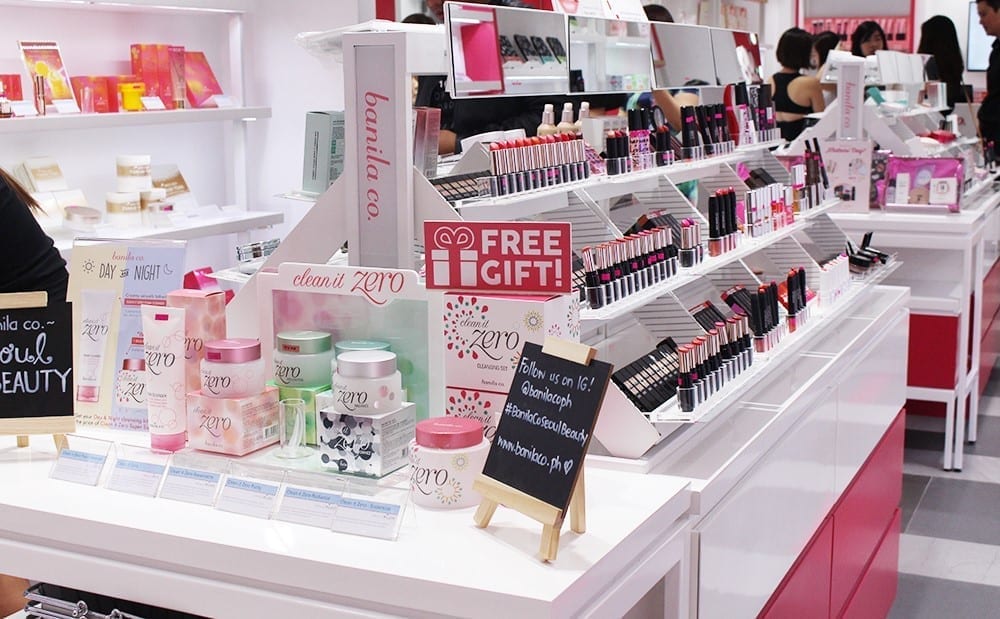
    South Korean cosmetic manufacturer Banila Co has launched outlets in Malaysia, its fourth overseas market following China, Taiwan and the Philippines.

    Banila says its first cosmetics store in Malaysia opened in Mid Valley Mega Mall, the largest shopping complex in Kuala Lumpur, with its second store opening in Sunway Pyramid, also in the capital.

    Its first foray overseas was into China in 2009, where it now has about 160 shops. It also has a flagship store in Taiwan’s capital, Taipei.

    Celebrating its 10th anniversary last year, the brand aims to establish consumer awareness through outlets at shopping malls.

  • End of Growth for Hypermarkets?

    End of Growth for Hypermarkets?

    Hypermarkets, which offer a wide range of products under one roof, once prospered in Korea. Recently, however, sales growth has stagnated with a rapid change in consumer behavior. 

    According to industry watchers, hypermarkets in Korea anticipated high growth this year, following poor performance in 2015 from widespread public fear of MERS in June. But their high hopes have proven to be overly optimistic. 

    Lotte Mart, one of Korea’s leading hypermarket franchises, only saw 0.2 percent year-over-year sales growth in June. Homeplus, Korea’s second largest retailer, even showed negative sales growth. 

    E-mart, a subsidiary of Shinsegae, and the largest retail hypermarket in Korea, also recorded negative growth in May (4.4 percent), but improved its performance in June, although not as much as anticipated. 

    “We can’t disclose our growth rate for June because of government regulations, but considering the base effect caused by the MERS incident, the rate is far from our expectations,” said an E-mart official. “The industry itself is at risk, and its low growth has become a fixated phenomenon.” 

    Among the three retail giants, Homeplus has been suffering most from negative growth in recent years, and starting this year the company decided not to disclose its monthly growth rate in order to avert potential negative influence that it may further pose in the industry.

    “The company policy is not to disclose monthly growth rates,” said a Homeplus official. “But it’s true that the industry is suffering.” 

    Industry experts point to changing consumer trends, with preference rapidly shifting from offline to online purchasing. 

    “There are so few customers at these hypermarkets nowadays,” said an industry official. “Department stores, on the other hand, are more crowded because they often deal with high-end products. But a rising number of consumers are shifting over to e-commerce platforms to purchase daily necessities, which are the main products offered by hypermarkets.”


  • Korean cosmetics makers fear losses from THAAD deployment

    Korean cosmetics makers fear losses from THAAD deployment

    South Korean retailers and cosmetics companies are closely watching China’s moves after Korea and the US decided to deploy an advance missile defense system in the country on July 8.

    Neighboring China lodged a swift protest against the decision announced in the morning which is expected to further heighten geopolitical risks.

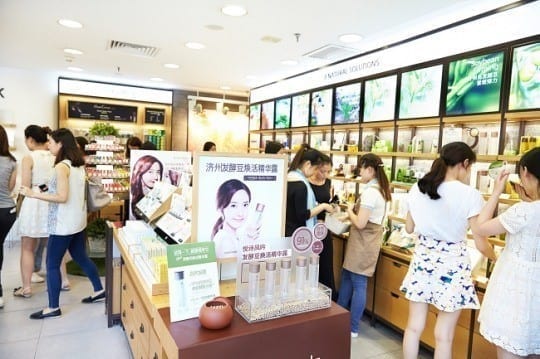
    Local cosmetics makers and duty-free shops are on alert as they worry about losing Chinese market and consumers who account for a growing portion of their revenues.

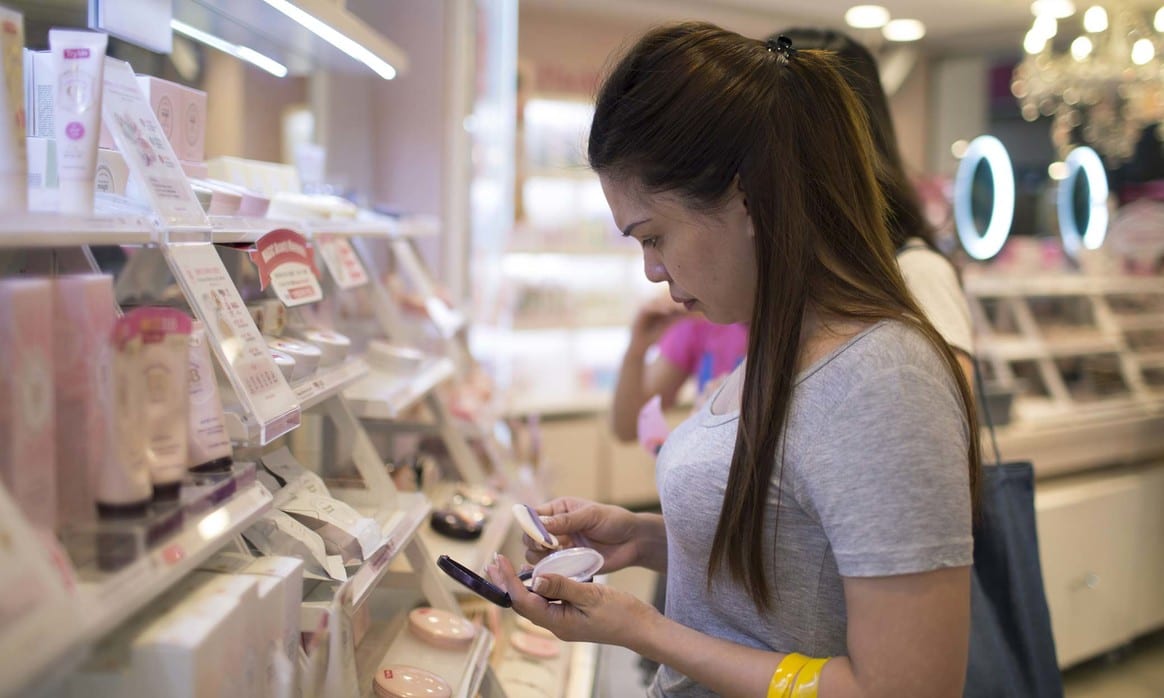
    Customers shop for cosmetics at a local duty-free shop.

    On the day, cosmetics stocks like LG Household & Health Care and AmorePacific plunged more than 4 percent.

    “The THAAD issue was a huge blow to Cosmetic stocks earlier this year and it happened again,” an official at a cosmetics company said.

    South Korea’s cosmetics exports to China doubled on-year to US$1.08 billion in 2015, which accounts for nearly 40 percent of global sales, according to the Korea International Trade Association. South Korea is the second-largest cosmetics exporter to China following France.

    “There hasn’t been an immediate impact so far as China hasn’t took any trade-related actions but we still have to keep an eye on the issue,” she said.

    If ties between the two countries weakens, China could tighten regulations on safety and tariff issues, experts said.

    Retail companies, which started to see a rebound in the number of Chinese tourists to Korea after a sharp drop due to the Middle East respiratory syndrome outbreak hit the country last year, are in panic mode.

    “We are worried over the possible drop in the number of tourists coming here if political conflicts drag on for long,” said an official at a duty-free store in Seoul.


  • LF Beauty to exploit Asian beauty boom

    LF Beauty to exploit Asian beauty boom

    Li & Fung Group subsidiary LF Beauty is seeking to cash in on soaring demand for beauty products in Mainland China and wider Asia.

    China’s skincare and cosmetics market is projected by the Hong Kong Trade Development Council to grow by an average annual rate of  of 12.8 per cent from this year through 2019 – considerably faster than the expected global rate of 6 per cent.

    “Asian beauty is now setting the pace for the world. China, South Korea, Japan as well as the entire Southeast Asian market, are very important for us. [That] represents about 4.5 billion in population,” said Gerard Raymond, president of LF Beauty, in an article published by China Daily.

    A large population base dominated by younger demographic distinguishes the Asian market from more mature western markets, he said.

    “The younger generation consumer knowledge and wealth is growing very fast. And they are very willing to try new and innovative things.”

    LF Beauty is partners with suppliers and retailers of product solutions including fragrances, skincare, color cosmetics, and in a one-stop-shop offer provides retailers with logistics support, merchandising systems and point-of-sale solutions.

    Raymond said in the China Daily report that “there never have been more opportunities for brands to stand out and keep pace with their consumers” than in the Asia region

    “It’s never been more challenging. In this competitive environment, we work to help many of the world’s best-loved brands to innovate, thrive and become market leaders,” he said.

    “We have seen that Chinese women now are very interested in beauty products from South Korea,” he said. “In this respect, we have already established a joint venture in South Korea, which allows us to transfer their knowledge to Chinese market directly and serve the demands of local consumers.”

  • Oriental Brewery pop-up opens at Gangnam

    Oriental Brewery pop-up opens at Gangnam

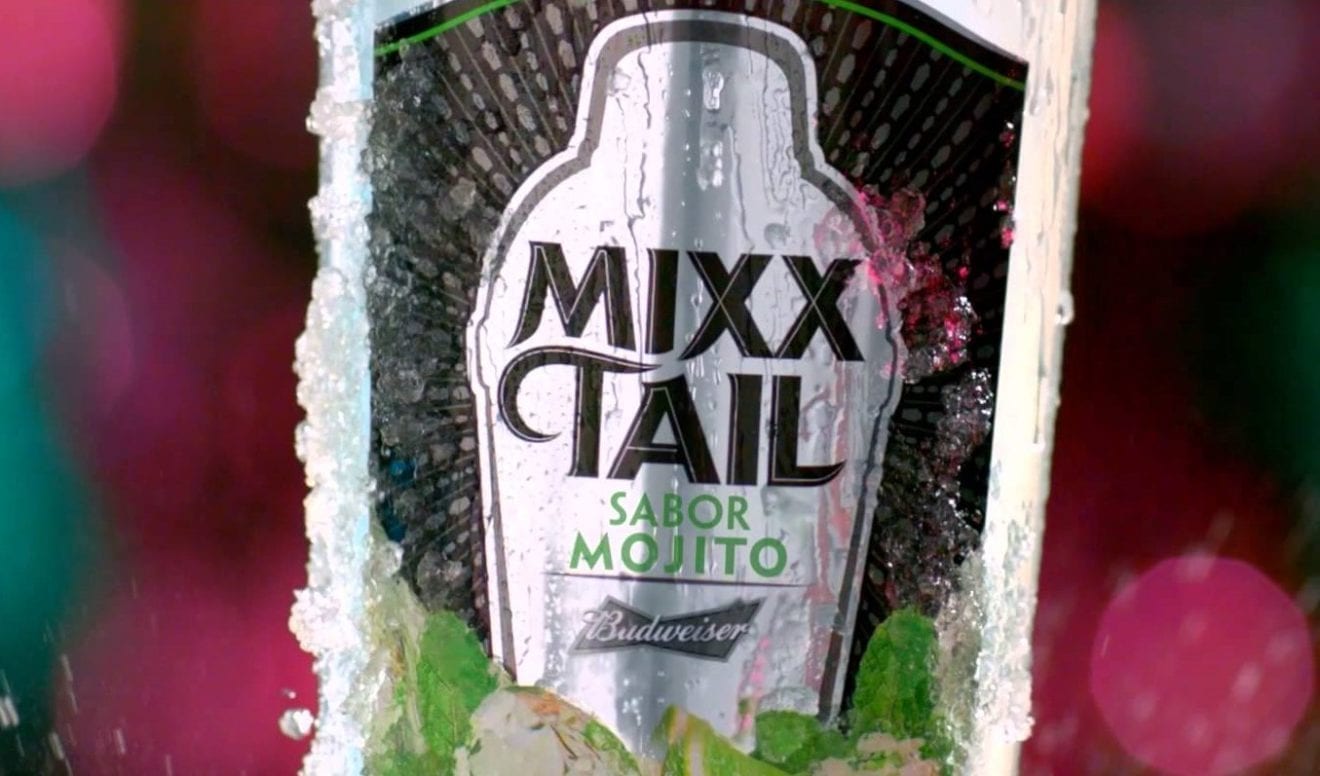
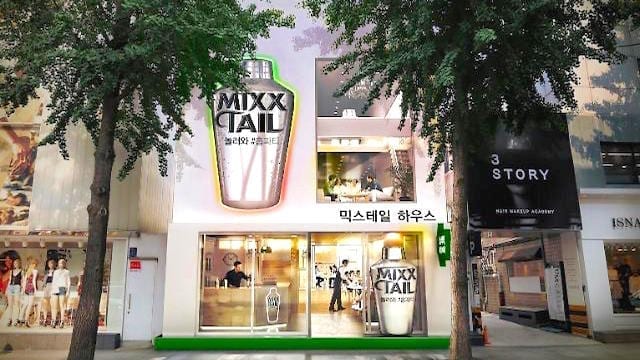
    South Korea’s Oriental Brewery (OB) has opened a pop-up store named MixxTail House at Sinsa-dong’s Garosu-gil in Gangnam.

    The Oriental Brewery pop-up offers a variety of cultural events and activities that visitors can enjoy while drinking OB’s MixxTail, the company’s fermented cocktail brand. The three-storey building includes a DIY Cocktail Bar, 3D Photo Zone, and an outdoor Cocktail Garden.

    Mixxtail 2

    The company will also host music performances of various genres, cooking sessions, and lectures focusing on home-party decoration and culture.

    The MixxTail House will be open daily from 11.30am to 10pm, until July 29.

    Mixxtail


  • Popularity of Korean Jewelry Soars

    Popularity of Korean Jewelry Soars

    K-pop, K-drama, K-beauty, K-fashion…the list goes on. But the latest K-trend that is showing significant growth is ‘K-jewelry’. 

    According to Lotte Duty Free on July 3, Q2 sales of domestic jewelry brands at its duty free stores across Korea increased by 80 percent compared to Q2 2015. It’s a noticeable increase considering total sales grew by 30 percent. 

    The number of domestic jewelry brands at Lotte Duty Free also increased from 20 in the second half of 2015 to 30 this year. 

    “(Jewelry brands’) sales alone are smaller than cosmetics or general merchandise, but their growth rate is what’s noticeable,” said a Lotte Duty Free official. “We believe several factors influenced the growth, such as the increased demand for Korean products following the popularity of K-beauty (cosmetics) products, a rising number of tourists in Korea, and the on-going hype of Hallyu (the Korean wave).” 

    Korean brands of premium and bridge (medium-priced) jewelry products are aggressively targeting consumers on foreign soil such as China, Hong Kong, and Japan. 

    J.Estina is one of the pioneers of the K-jewelry fever, which begin to pick up widespread public interest in the late 2000s when former figure skater star Kim Yuna wore the company’s crown-shaped earrings.

    J.Estina is one of the pioneers of the K-jewelry fever, which begin to pick up widespread public interest in the late 2000s when former figure skater star Kim Yuna wore the company’s crown-shaped earrings. (image: J. Estina)

    More recently however, its products gathered huge interest from Chinese consumers when actress Song Hye-kyo appeared in the 2016 TV series Descendants of the Sun wearing a J. Estina necklace, earrings, and bag. The brand currently operates in some 20 duty free shops in and out of Korea, and it plans to launch five more before the end of the year. 

    A French jewelry brand owned by Sejung Group, Didier Dubot, is also focusing on targeting Chinese consumers. 

    The brand was first made popular through a K-drama, My Love from the Star (2013 – 2014), when  female protagonist Jun Ji-hyun appeared wearing Didier Dubot accessories. Launched in 2013, the brand garnered widespread consumer interest in Korea with unique-style jewelry such as ‘layered-rings’ and mix-match earrings. 

    Didier Dubot currently operates Hong Kong boutiques at Harvey Nichols, a high-end department store, and Hysan Place, a shopping mall. Proving the brand’s high demand in the region, its Hysan Place branch generated 150 million won in revenue in the first month after its opening in 2015. The company also recently recruited Julia Roitfeld as its art director with high hopes. Roitfeld is the daughter of Carine Roitfeld, who served as a former editor-in-chief of Vogue Paris from 2001 to 2011. 

    “Our brand is popular among the younger fashion-friendly generation in their 20s and 30s in the China,” said a Didier Dubot official. “We plan to expand our business to mainland China and Taiwan, and we expect good results.”

    “Reasonable pricing, product designs that reflect the latest fashion trends, and marketing strategies using famous Korean celebrities are all helping these brands to prosper in overseas markets,” said a Korean retail industry watcher.
     

  • CJ Group bids for McDonald’s Korea

    CJ Group bids for McDonald’s Korea

    South Korean food-to-entertainment conglomerate CJ Group has submitted a letter of intent to buy fast-food chain McDonald’s Korea.

    Details have yet to be decided, but the deal could be worth 300 billion won ($256.86 million) to 500 billion won, says the Korean Economic Daily newspaper, quoting investment banking sources.

    McDonald’s Corp headquarters in the US announced in March it was reorganising its business in Asia by bringing in partners to own the restaurants within a franchise framework.

    Describing its aim to be a global lifestyle company, CJ Group aims to provide healthy, happy and convenient lifestyles based on its four core businesses: food and food services, bio and pharmaceuticals, entertainment and media, and home shopping and logistics.

    CJ’s business divisions include cinema chain CGV and bakery-cafe network Tous le Jours.