Tag: Korea

  • Seoul underground mall planned in giant transit zone

    Seoul underground mall planned in giant transit zone

    A massive Seoul underground mall is planned as part of a transit zone that will match Coex Mall in size.

    One whole level of the development will feature retail and restaurants.

    Comprising six underground floors, the Gangnam district complex in the south of the city will cover 160,000 sqm.

    If Seoul manages to connect the complex with Coex Mall and a new shopping mall now being built by Hyundai Motor Group, the three areas will encompass a total 420,000 sqm.

    City officials say that about 1.7 trillion won ($1.5 billion) will be allocated for the project, which is expected to serve more than 580,000 commuters daily. The funding will include private investment.

    20160502-225917-907Thread00_595.indd

    Seoul will come up with a master plan by the end of this month, wrap up administrative procedures by the end of this year and open public bidding for an architectural design early next year.

    More than 50 metres deep, the sixth level will service six different rail lines, from subway to KTX bullet trains. Also, 90 bus routes will pass through the area, with the transit centre on the second level.

    Because of a new high-speed train line, it will take only five minutes to travel from the complex to Seoul City Hall, now a one-hour journey.

    Several Great Train Express (GTX) lines will pass through the underground transit zone, connecting Seoul with neighbouring cities in Gyeonggi.

    City terminal services for Incheon International Airport, now provided at Coex, will probably be moved to the second basement floor of the new complex.

  • South Korea’s jobless rate falls to 3.9 pct in April

    South Korea’s jobless rate falls to 3.9 pct in April

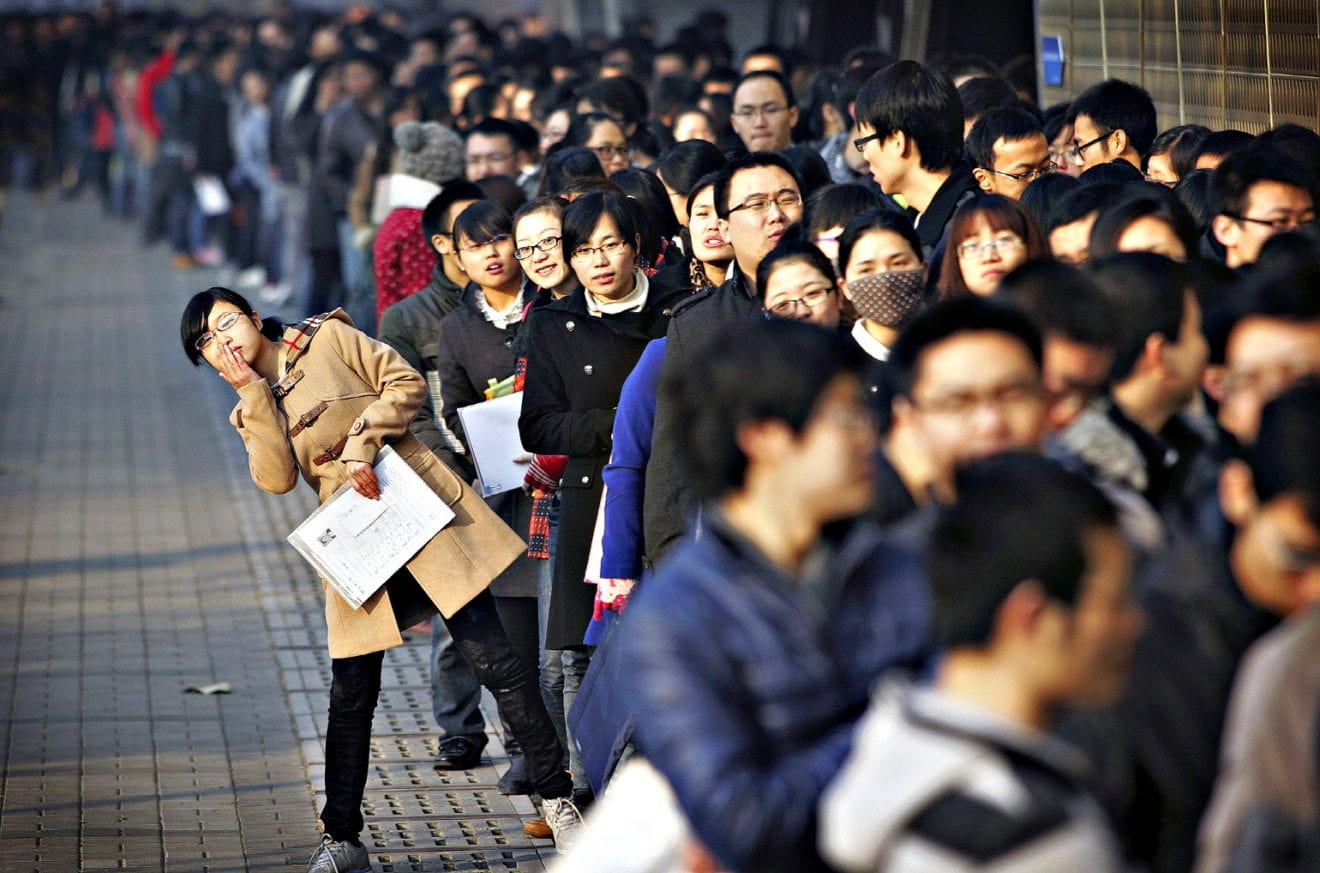
    South Korea’s jobless rate fell in April as more people were hired in the accommodation and retail sectors, but the unemployment rate for young people still remained high, a government report showed Wednesday.

    The unemployment rate sank to 3.9 percent in April, from 4.3 percent in March. The seasonally adjusted jobless rate also dropped to 3.7 percent from 3.8 percent over the cited period.

    But job creation decreased from the previous month. The number of employed people stood at 26.2 million last month, up 252,000 from a year earlier. It is lower than the previous month’s 300,000 gain.

    The unemployment rate for young people, aged between 15 and 29, reached 10.9 percent last month, slightly down from 11.8 percent in March. It marked the highest number for the month of April.

  • South Korea April dept store sales seen surging, discount store sales bounce

    South Korea April dept store sales seen surging, discount store sales bounce

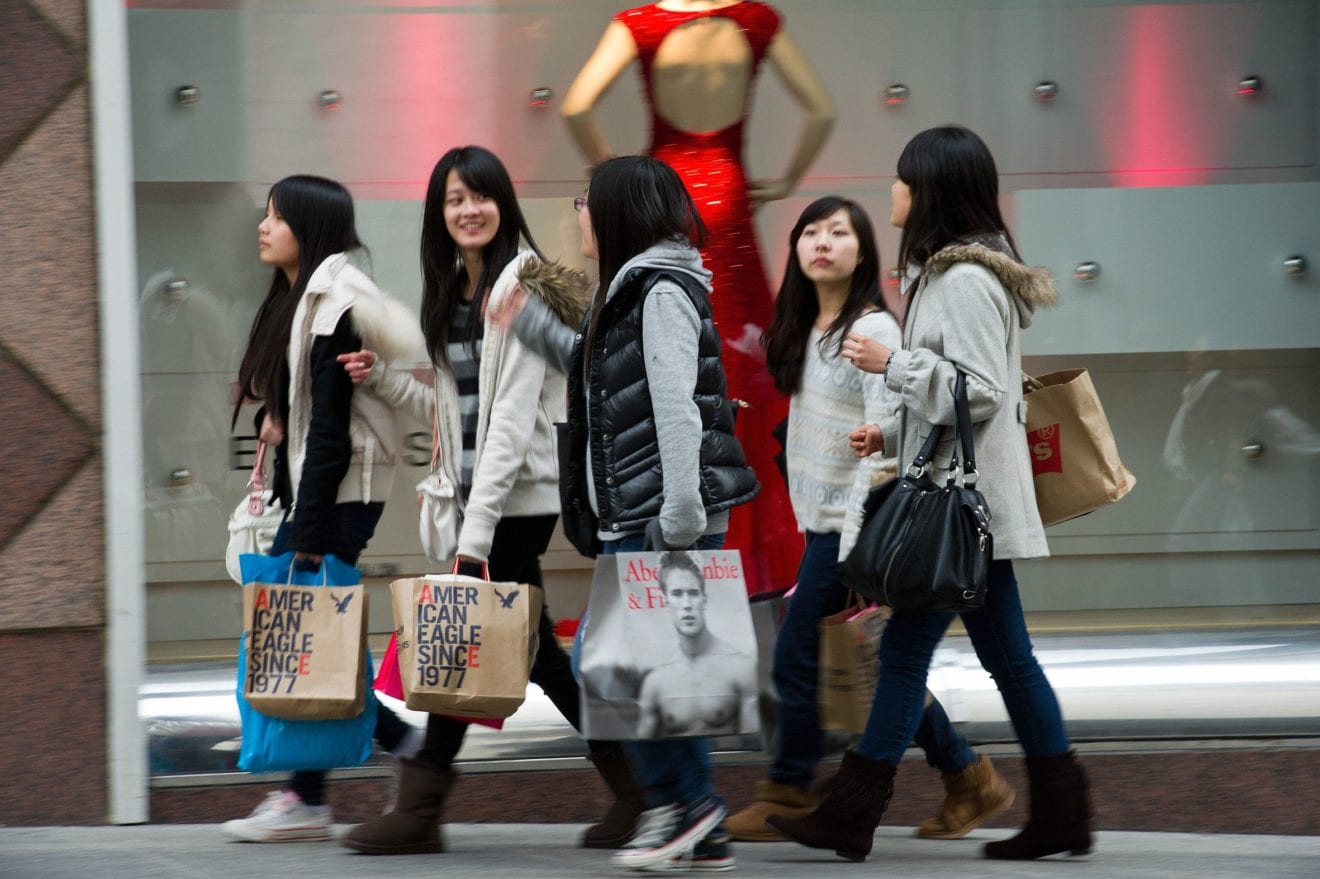
    South Korea’s top department stores scored a second month of sales growth in April, preliminary government data showed on Tuesday, backing recent surveys showing consumers are feeling better about the economy.

    Combined sales at department stores run by Hyundai Department Store, Lotte Shopping and Shinsegae Co were seen up 8.0 percent on-year in April, according to data from the finance ministry.

    That would be much stronger growth than a 0.3 percent rise in March and mark the fastest gain since January this year.

    The data also showed sales at discount stores last month likely rebounded to be up 0.2 percent in annual terms from a 4.6 percent drop in March.

    Domestic consumption is showing broad improvement supported by consumer spending although exports continue to fall, the finance ministry said in the statement. It also added the pace of recovery in the private sector was still weak, noting that offshore risks persist as global growth remains sluggish.

    The trade ministry will release finalised figures later this month.

  • Korea to control e-cigars in anti-smoking policy

    Korea to control e-cigars in anti-smoking policy

    The South Korean government announced a package of anti-smoking measures on Tuesday that would affect electronic cigarettes as well.

    It will also push for the revision of health-related laws to tighten control on ads for cigarettes, especially near schools, under the plan unveiled jointly by the Ministry of Health and Welfare and the Ministry of Strategy and Finance.

    The smoking rate among South Koreans, aged 19 or older, dropped to 39.3 percent last year from 43.1 percent in 2014. It marks the first time that South Korea’s smoking rate fell below 40 percent.

    The decrease is apparently attributable to sharp hikes in tobacco prices here from 2,500 won ($2.13) per pack to 4,500 won early last year.

    The government, however, made it clear that it’s not enough.

    It stressed that “aggressive non-price policy” is needed to attain the goal of reducing the rate to 29 percent by 2020.

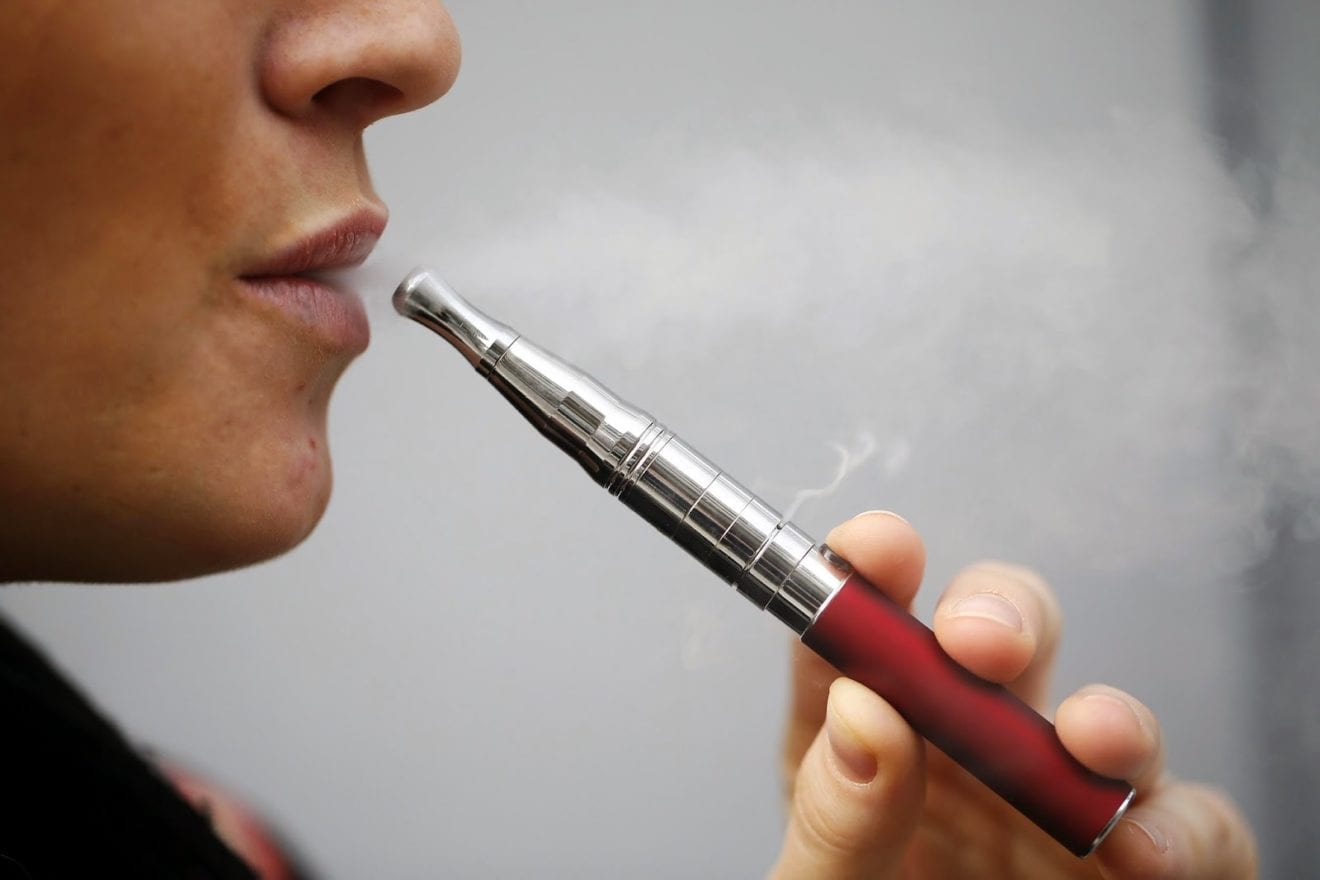
    The health ministry is alarmed by the rapid spread of e-cigarettes despite controversy over safety and effectiveness as a way to kick the habit.

    The ratio of e-cigarette usage among male adults jumped to 7.1 percent in 2015 from 4.4 percent a year earlier. Nine out of every 10 e-cigarette users also smoked, leading to an increase in nicotine intake.

    “E-cigarettes, chewing tobacco and other new types of tobacco exist in a gray area in terms of regulations under relevant legislation,” the ministry said.

    It plans to strengthen regulations on those products, including taxation, ads, sales and warning images, to the level of traditional cigarettes.

    The sale of smaller packets, containing less than 20 cigarettes each, will be banned, as it may affect teenagers’ purchase and dent the efficacy of price hikes.

    Tobacco ads will be prohibited in retail stores within 50 meters of elementary, junior high and high schools across the nation. The ministry added it would then seek to expand the range in stages.

    It also plans to renew its push to place graphic images of the damage done to internal organs by smoking on the upper part of cigarette packets.

    Deliberately hiding the images on shelves will be outlawed under the initiative that requires the National Assembly’s approval.

  • Line Thailand expansion plans include business

    Line Thailand expansion plans include business

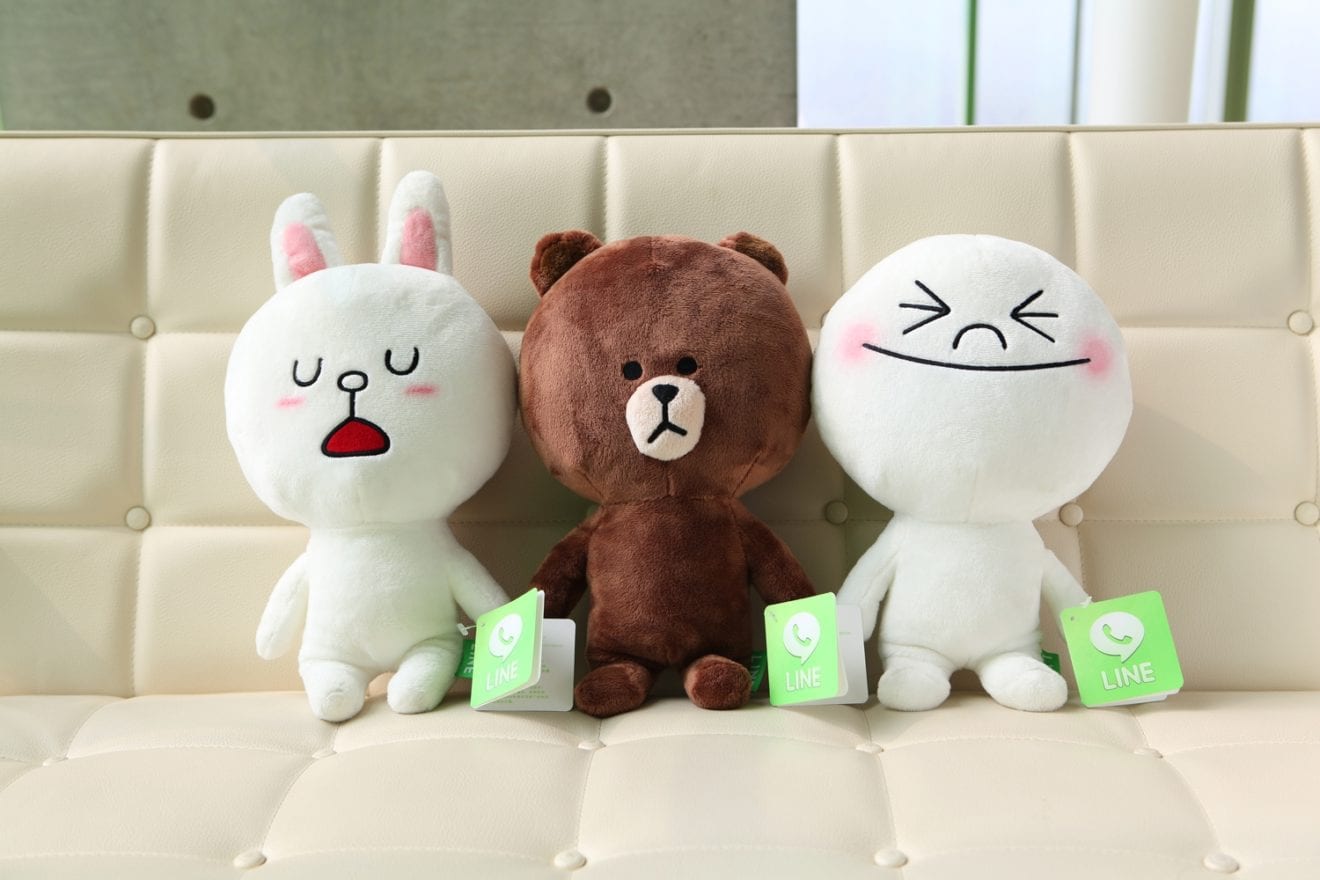
    Mobile platform Line Thailand has announced bold plans, targeting business uses.

    Part of Korea’s Naver internet service company, Line sees Thailand as its second-largest strategic market following Japan.

    Line Thailand MD Ariya Banomyong says the company aims to boost its presence not just as a mobile messenger but as a smart portal providing innovative and “useful” services.

    Banomyong says many businesses are wondering how to access customers seeking specific answers, and that ultimately Line would be more than just a message service. Already the company has launched a mobile delivery agent service, Line Man, and established a joint venture with Bangkok’s mass transportation business BTS, Rabbit Line Pay, which supersedes the Line Pay mobile payment business started last June.

    “I believe we definitely need to dominate the mobile food-delivery business because street foods are a very important part of Thai life,” says Banomyong. “Before Line Man, only a few restaurants offered a delivery service.”

    Banomyong aims to start localised services that can be adopted in major Line markets like Korea and Japan. “The Thai subsidiary will boost co-operation with startups here to seek new business opportunities.”

    Line services launched in Thailand in 2012, so far attracting 33 million subscribers – nearly half the country’s population. Line has added such services as official accounts, sponsored stickers and a content creators’ B2B market.

    For the offline-to-online sector, the company has started Line Shop, Line Gift Shop and Line At, an official account service for small- and medium-sized enterprises (SMEs).

    “Only about 500,000 out of 2.8 million SMEs in Thailand are online,” says Banomyong. ”To offer them a broader online environment, we provide a simple yet effective platform with lower costs.”

    In December, the company also started the television content-streaming service Line TV in collaboration with media groups such as GMM. Its Line Music service has recorded more than 7 million cumulative downloads.

  • Indonesia to promote cruise, yacht destinations in Korea

    Indonesia to promote cruise, yacht destinations in Korea

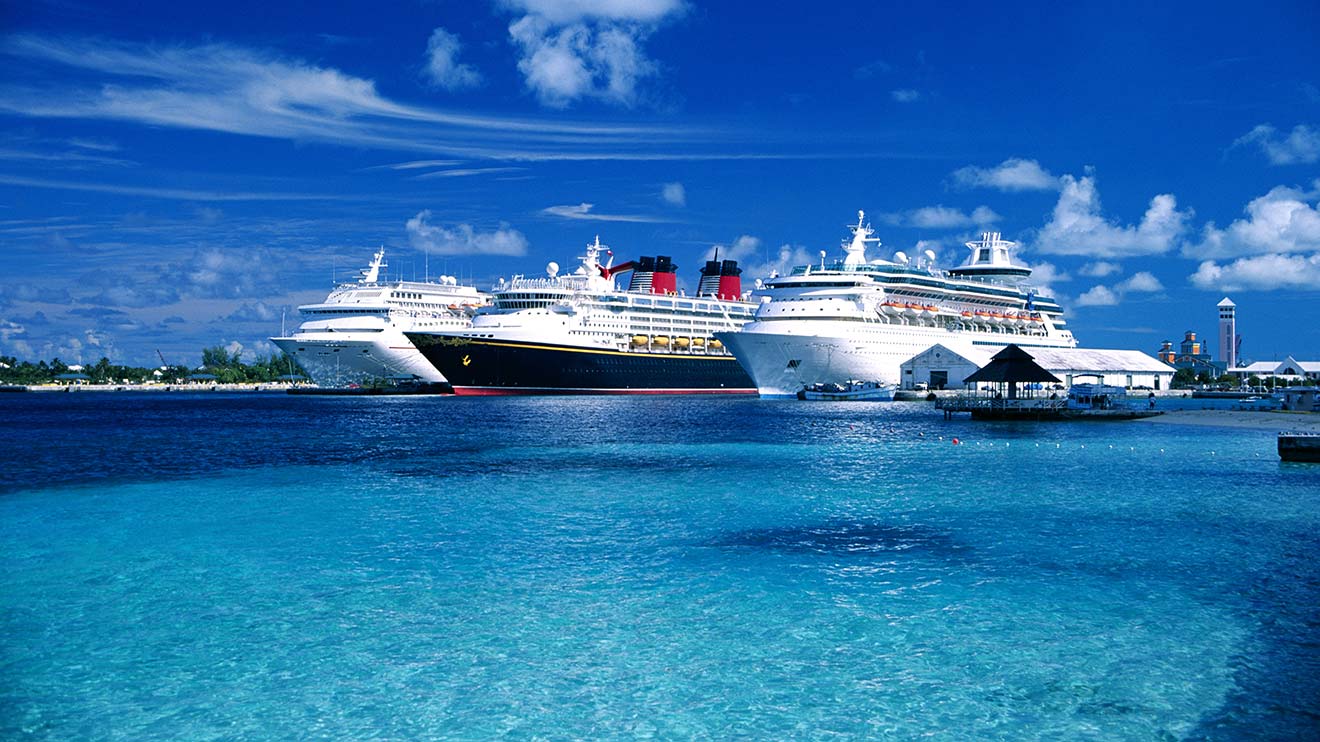
    The Ministry of Tourism will promote Indonesian tourism destinations, especially for cruising and yachting, at the Seatrade Cruise Asia 2016 to be held on May 12-14 in Busan, South Korea.

    During the cruise industry exhibition, the government will introduce Indonesias best cruising and yachting destinations, Deputy of International Marketing Development of the Ministry of Tourism I Gede Pitana stated in a press release here on Thursday.

    The ministry will inform the international companies and yacht owners of the governments step to increase tourist arrivals by simplifying the approval procedure for yachts entering Indonesian waters through the Clearance Approval for Indonesian Territory system.

    “The process to issue an entry permit will take only one hour,” Pitana noted.

    The government is prioritizing 10 yachting destinations, such as Tanjung Kayang Belitung, Tanjung Lesung, Seribu Islands, Mandalika Lombok, Labuhan Bajo, Wakatobi, and Morotai, in which marinas have been built to accommodate yachters.

    For cruise tourism, the five major ports of Belawan in Medan, Tanjung Priok in Jakarta, Tanjung Perak in Surabaya, Benoa in Bali, and Soekarno-Hatta in Makassar will serve as the entry gates to Indonesia.

    Eight marine tourism companies of Indonesia are also participating in the Seatrade Cruise Asia 2016.

    Moreover, the government is promoting its visa-free policy for Korean citizens by advertising its campaigns in the local media and through catalogs placed in Korean high-speed trains.

    The guests at the exhibition will be able to enjoy the performances of Indonesian dancers and several varieties of Indonesian coffee at the Wonderful Indonesia booth at the Seatrade Cruise Asia 2016.

  • Multi-brand Korean cosmetic shops thrive

    Multi-brand Korean cosmetic shops thrive

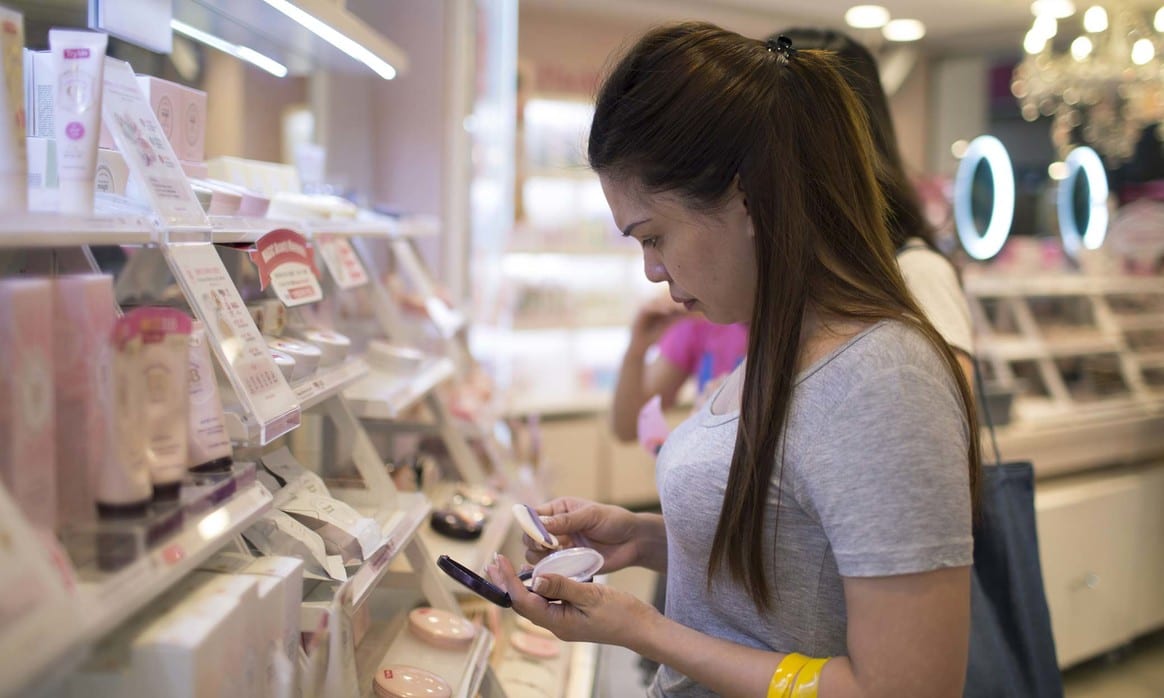
    Korean cosmetic shops that sell various brands under one roof have steadily expanded their presence across the country, giving sophisticated customers more options, according to industry sources.

    AmorePacific, South Korea’s No. 1 cosmetic company, operates about 1350 multi-brand stores, called Aritaum nationwide, which offer a wide selection of its products, including such mass brands as Laneige and IOPE. The company also operates single brand shops such as Innisfree and Etude House in the lower-end and Sulhwasoo and Hera in the higher-end segment as part of a two-track strategy.

    Also showcasing multi-brands are beauty and health care stores, such as CJ’s Olive Young and its smaller rival Watsons, which have expanded and enjoyed growing popularity among urban youngsters.

    To catch up with the latest trend, local cosmetic companies have launched multi-brand cosmetic shops in major retail strips.

    LG Household & Health Care Ltd., the nation’s second-largest cosmetic maker, launched a multi-brand shop called Nature Collection, in February, operating 11 stores in major retail strips in Seoul. The store features brands that focus on a natural look, including The Face Shop and Beyond.

    “Nature Collection is promoted through word-of-mouth, with various products and promotional events,” a company spokesman told Yonhap news service.

    Able C&C, which created the boom for the single brand shop with Missha, has recently opened a multi-brand shop called Beauty Net on a popular street in Seoul to display a wide range of select products.

    Beauty Net Korea store

    Industry officials say multi-brand shops are effective in improving customer convenience and brand management and promotion, providing easier access to new brands.

    “Expansion of these multi-brands provide the other brands with more chances to be introduced to customers,” said an Able C&C spokesman.

  • Korea’s Lotte opens cinema in Hong Kong

    Korea’s Lotte opens cinema in Hong Kong

    Tucked away in a nondescript corner of Shau Kei Wan, on the eastern tip of Hong Kong Island, is the city’s newest movie house, L Cinema.

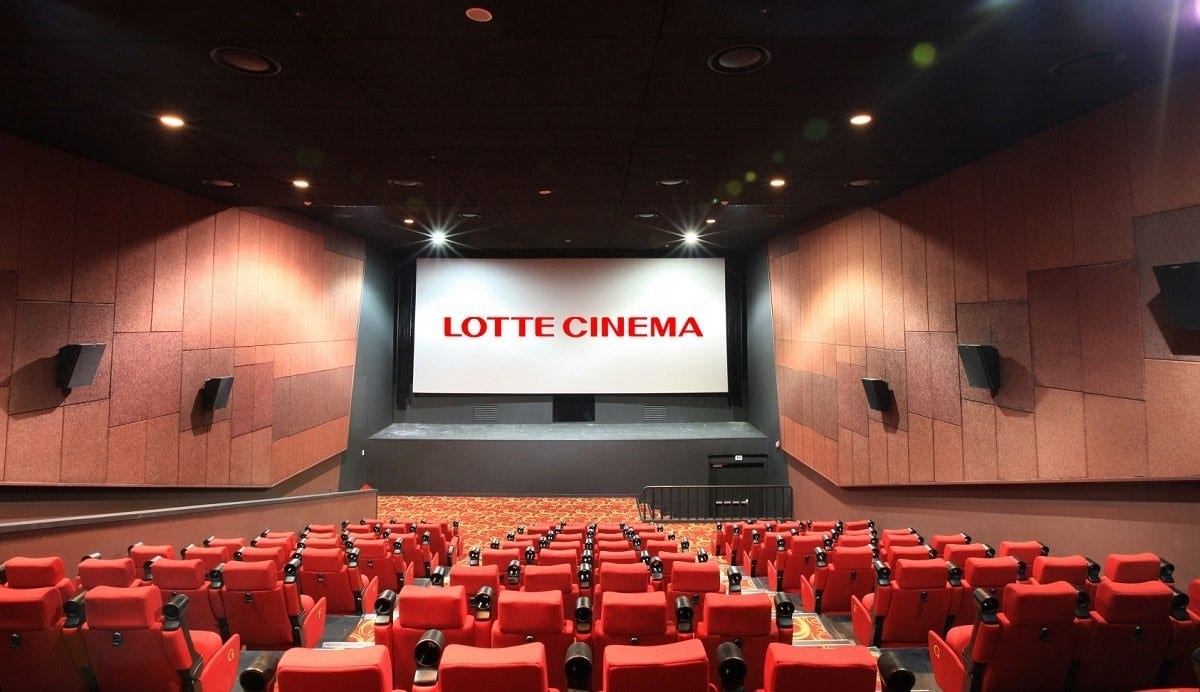
    The first theatre in Hong Kong from Lotte Cinema – South Korea’s second-largest movie-theatre chain – the complex, which opened in February, comprises two auditoria of 87 seats each.

    A visit to the second-floor theatre is like taking a trip back in time: there’s a simple counter serving snacks and a few posters on the walls but that’s about it. And while it looks out of place among the key cutters, launderettes and domestic-helper agencies around Mong Lung Street, an area not big on entertainment or retail, it’s a welcome addition, according to movie-goers who visited one wet Monday night.

    “It’s a really convenient location for people living in the Eastern District,” says 14-year-old Shau Kei Wan resident Felix Ho. “I’ll be coming a lot.”

    “I just watched Zootopia and it was a really comfortable experience. Plus the ticket prices are really good!” says Janet Ho, who is accompanied by two school friends. “The staff are friendly and the sound was fine, though it wasn’t as good as some cinemas, but that doesn’t bother me.”

    Daily screening schedules can be found on the L Cinema Shau Kei Wan Facebook page.

  • South Korea cuts natural gas rates by 6% on lower LNG import costs

    South Korea cuts natural gas rates by 6% on lower LNG import costs

    South Korea will cut retail natural gas prices for households and industry by an average of 5.6% from May 1 to reflect reduced LNG import costs, the Ministry of Trade, Industry and Energy said Thursday.

    It marks the third cut this year after rates fell 9% in January and 9.5% in March. South Korea cut city gas rates by more than 20% last year — 10.3% in May, 10% reduction in March, and 5.9% in January.

    “City gas rates have dropped by more than 38% since the end of 2014,” the ministry said in a statement.

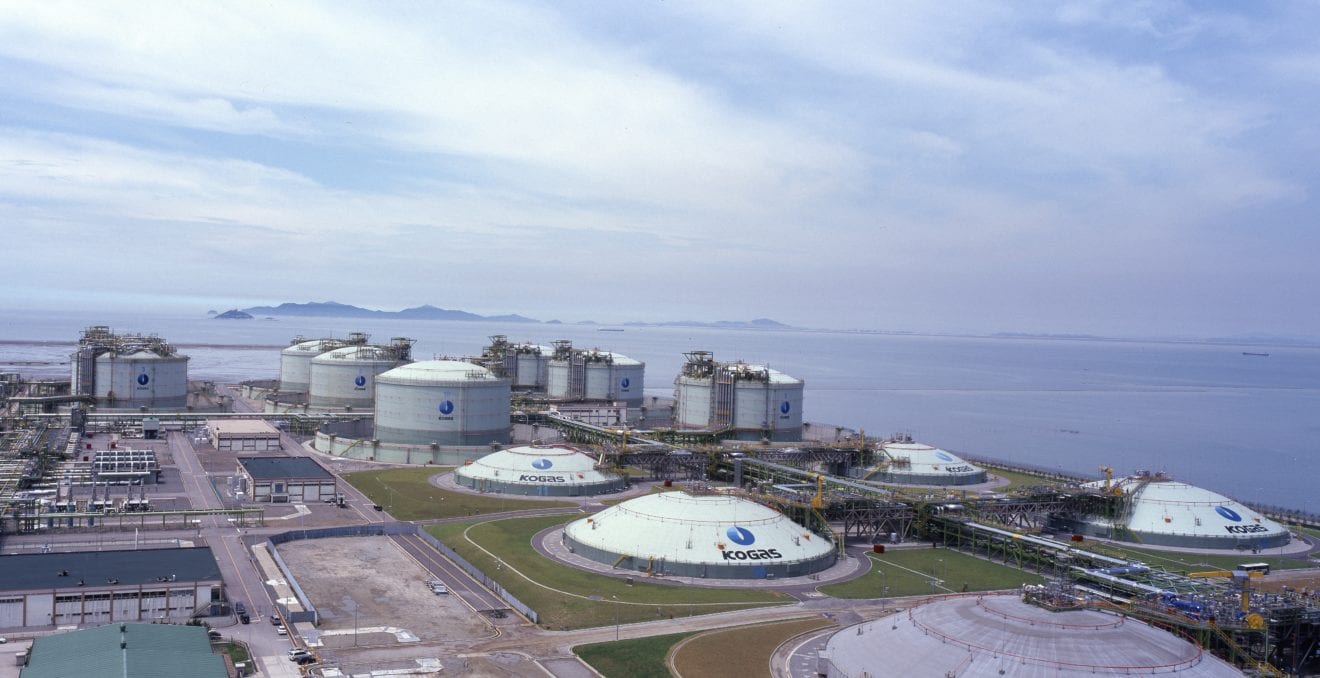
    Despite the price cuts, the country’s LNG demand has been declining. LNG sales by state-owned Korea Gas Corp., which has a monopoly on domestic natural gas sales, fell 4.4% year on year to 3.14 million mt in March.

    For the first three months, Kogas’ LNG sales are estimated at 10.79 million mt, up 1% from 10.68 million mt a year earlier as its sales over January-February increased 3.4% year on year on a cold snap.

    Kogas sold a total of 31.46 million mt of LNG last year, down 10.6% from 35.17 million mt in 2014, which marks the second consecutive year of decline.


  • North Korean beer sale in China

    North Korean beer sale in China


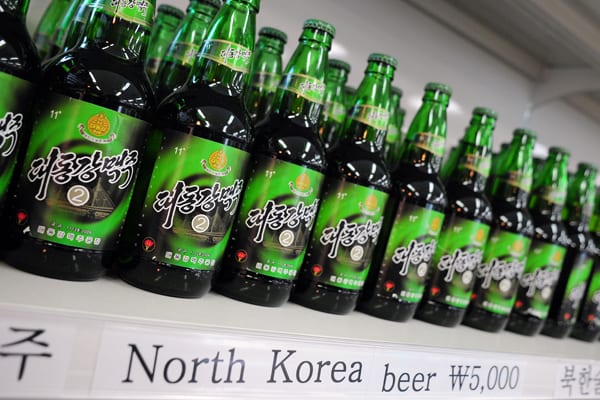
    A North Korean beer brand rarely available in China up to now has been spotted on grocery store shelves in cities close to the North Korean border, although the brew is too highly priced for Chinese consumers, sources said.

    “There is a billboard advertising Taedonggang beer on the roadside in front of the Dandong train station,” said a Chinese resident of the border city in northeastern China’s Liaoning province, who declined to be named.

    “Even the daily newspaper has revealed the state-owned, North Korean beer company’s address and phone number of the brewery’s offices in China,” he told RFA’s Korean Service. “It seems that China has officially imported Taedonggang beer.”

    Taedonggang beer, named after the river that runs through North Korea’s capital Pyongyang, sells for 20 yuan (U.S. $3.09) per 640-milliliter (22-fluid ounce) bottle in stores in Dandong and Shenyang in northeastern China’s Liaoning province, four times more than the price of domestic Chinese beer brands which typically cost 5 yuan (U.S. $0.77) per bottle, sources said.

    North Korea, which was hit with tough new international sanctions in March for conducting another nuclear test and long-range rocket launch, has had to step up efforts to participate in markets abroad to generate foreign currency to finance the regime of national leader Kim Jong Un.

    So far, the beer’s distribution has been limited in China—North Korea’s largest trading partner—and is only available in stores that offer Korean and other foreign products and ones in areas with growing Korean communities, sources in Shenyang and Dandong said.

    “Some grocery stories have been selling Taedonggang beer most recently, but there is only a small quantity, which is why other people still don’t know about it,” a Chinese resident of Shenyang said.

    Good quality, high price

    Even though the taste and quality of the full-bodied lager, which has a five-percent alcohol content, are appealing, Chinese consumers will not buy the beer at such a high price, sources said.

    “Although the alcohol content of the beer is slightly higher than that of Chinese beer, the North Korean beer has a dark color and a smooth taste,” said a Chinese source who has tried the beer at a restaurant in Dandong.

    “The quality of the North Korean beer is fairly good, but I think it will be difficult for Chinese consumers to drink it often because it is too expensive,” he said.

    China imposes a 17 percent value-added tax and 250 yuan (U.S. $39) per ton on foreign beers, said a North Korean who lives in China.

    “Taedonggang beer’s price of 20 yuan is very high considering the market margin and importers’ profit,” he said.

    In North Korea, foreigners can buy the beer at hotels, but they pay an inflated price for it as a means of bringing in foreign currency.

    North Koreans can buy bottles of Taedonggang for the equivalent of about 1 yuan (U.S. $0.15) each on the black market, sources said.

    “It seems that the fixed beer price is due to the import price, meaning the retail price in North Korea itself is high,” the North Korean source said.

    Showpiece brewery

    Taedonggaang got its start in the early 2000s when former North Korean leader Kim Jong Il acquired a defunct British brewery. A team of North Koreans traveled to the plant site in Trowbridge, a county town of Wiltshire, England, where they dismantled the brewery and reassembled it in Pyongyang. The plant began operating as the Taedonggang Beer Factory in 2002.

    The regime ensured that the showpiece brewery had abundant supplies of fresh water and quality ingredients to manufacture the brew, while millions of its largely impoverished people were undernourished from a lack of food.

    North Korea began exporting Taedonggang to South Korea a few years later, but the South Koreans stopped importing it in mid-2007 after the regime suddenly hiked its price, according to a Reuters report in March 2008.

    In 2012, Britain’s The Economist magazine ruffled feathers in South Korea with an article that contrasted Taedonggang with what it called the South’s “boring beer” and said “brewing remains just about the only useful activity at which North Korea beats the South.”

  • Samsung Gear 360 Camera Goes On Sale In South Korea

    Samsung Gear 360 Camera Goes On Sale In South Korea

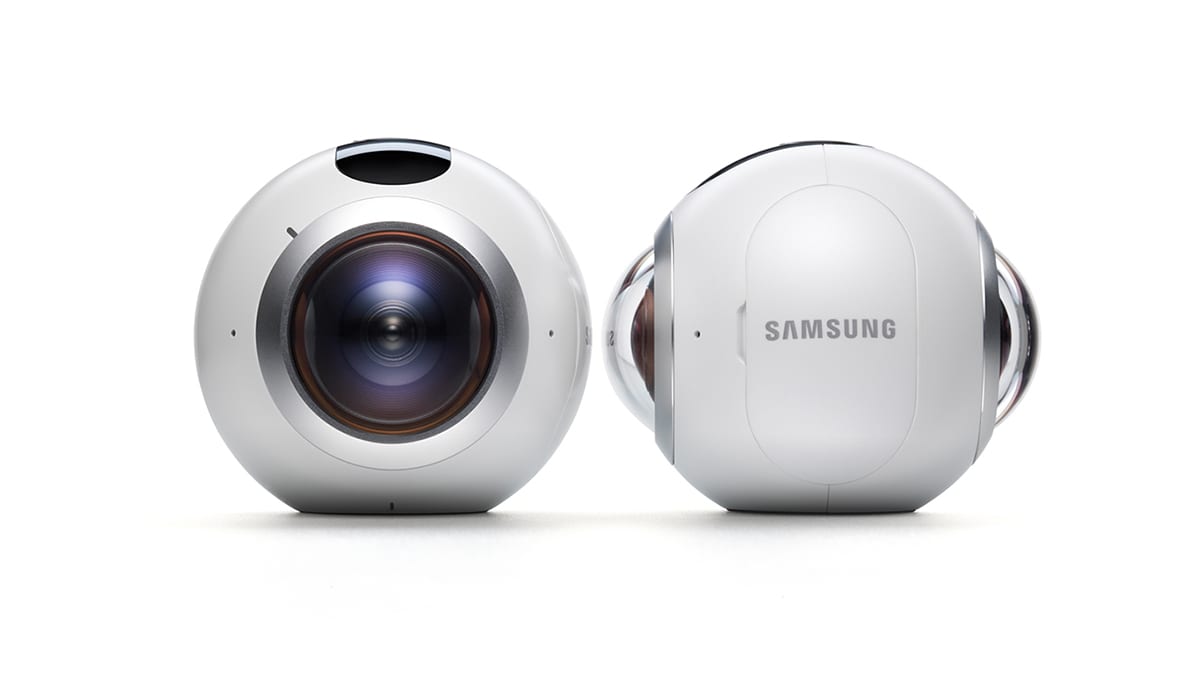
    The new Samsung Gear 360 VR camera is now available to buy in South Korea an we finally have some confirmation on how much it will cost.

    The Gear 360 is now available in KRW 399,300 which is around $350 at the current exchange rate, Samsung has not announced an international pricing for the device as yet, although it is expected to be around the $350 mark in the US when it launches.

    Samsung are now selling the device online in South Korea from today, it will, also be made available in more than 450 retail stores in the country on the 1st of May.

    The Samsung Gear 360 is designed to record 360 degree videos and also snap 360 degree photos, it has two cameras on on the front and one on the back and it can snap 25.9 megapixel photos and record video at a 3840 x 1920 resolution.

    The video below is a 360 degree video that was shot using the camera and it shows what the device is capable of.

    As yet Samsung have not given an exact launch date for the device in the US and Europe, as soon as we get some more information on when it will be made available, we will let you guys know.

  • Coffee wars: South Korea’s cafe boom nears saturation point

    Coffee wars: South Korea’s cafe boom nears saturation point


    In fashionable retail and commercial districts of southern Seoul, nearly one in every two buildings boasts a coffee shop – evidence of a boom that has delivered dizzying growth for the likes of Starbucks and local chains.

    But now the market is getting even more crowded, as convenience stores such as 7-Eleven offer 1,000 won (87 cents) cups, and smaller players are feeling the heat.

    “We declared an emergency situation, gathered all employees eight times to debate strategies,” Moon Chang-ki, CEO of mid-priced coffee chain Ediya, the country’s largest operator by location with about 1,800 stores, told reporters recently. “If we sell at that price, our store owners won’t earn any margins.”

    To compete, Ediya says it has instead focused on improving the quality of its coffee, and actually raised prices last year. Other chains have responded to growing competition by cutting back on store numbers and staff, or expanding overseas.

    The number of chain and stand-alone coffee shops in South Korea more than tripled to about 49,600 in 2015 from 12,400 in 2011, according to Korea Contents Media – far faster than overall consumption of coffee, which Koreans have been drinking for decades.

    PEAK COFFEE

    South Korea’s per capita coffee consumption has nearly doubled since 1990 to 2.3 kg (5 lb) per person, according to the International Coffee Organization – still roughly half the 4.5 kg that Americans consume.

    Revenue growth at coffee chains in the country slowed to about 8 percent in 2014, however, from more than 20 percent annually between 2008 and 2012, analysts say. While the number of new coffee shops in Seoul increased, so did closures, according to city data.

    Brewed coffee sales at 7-Eleven, run by Lotte Shopping’s Korea Seven Co Ltd, jumped 88 percent in 2015 after it introduced drip coffee early last year costing about a dollar, almost one-fifth the cost of an average Starbucks cup.

    McDonald’s Corp stores cut coffee prices to 1,500 won from 2,100 won early last year, and have seen sales of the beverage almost triple, the company told Reuters.

    By contrast, local chain Cafe Droptop, with about 225 shops, cut about 20 percent of its workforce at the end of 2015. Another chain, Coffine Gurunaru, with about 100 shops, incurred combined operating losses of 2.5 billion won ($2.2 million) in 2013 and 2014 after being profitable in the previous two years, filings show.

    “Even fried chicken restaurants and pubs are adding coffee, trying to be a cafe, while espresso machines are spreading in offices,” said Lee Kyung-hee, who heads the Korea Business Strategy Institute, a consultancy. “The coffee industry is fighting a war without borders.”

    GOING ABROAD

    Starbucks entered the market in 1999, and is widely credited with starting the country’s habit for splurging on higher-quality coffee and creating a cafe industry SK Securities said was worth about 2.5 trillion won ($2.2 billion) in 2014.

    Starbucks Coffee Korea, a 50-50 joint venture between the world’s biggest coffee chain and South Korean hypermarket operator E-Mart, now has 860 stores, putting the country behind only China and Japan as the company’s biggest markets in Asia, with sales more than doubling between 2011 and 2014.

    It posted a 20 percent increase in net profit to 30.77 billion won in 2014, the most recent year for which results are available, on revenue of 617 billion won, up 28 percent.

    But with industry growth slowing, some chains have been pushing abroad.

    Caffe Bene, which reached 932 domestic stores in 2014 before trimming back to 850 at the end of March, posted a 3.3 billion won net loss in the first three quarters of 2015, according to the latest public data.

    Last month, a joint venture between Singapore’s Food Empire and Indonesia’s Salim Group acquired a 38 percent stake in Caffe Bene, becoming the second biggest shareholder after South Korean private equity fund K3 Equity Partners.

    The chain said it was looking to expand in Southeast Asia to drive growth.

    Zoo Coffee, with 65 domestic shops, has opened about 200 franchise stores in China since entering the country in 2013 and in December announced a tie-up with China’s giant Dalian Wanda Group to open 50 stores per year there.

    Cafe Droptop in November opened its first overseas outlet in Shanghai.


  • Card, not cash, is king in South Korea

    Card, not cash, is king in South Korea

    Whenever she needs to use money – whether to take the subway, buy a drink from a vending machine or pay for lunch at a restaurant – Ms Kim Mee So, 29, will whip out her debit card.

    It is the only card the teacher carries with her in her bag, and the only one she needs for daily expenses.

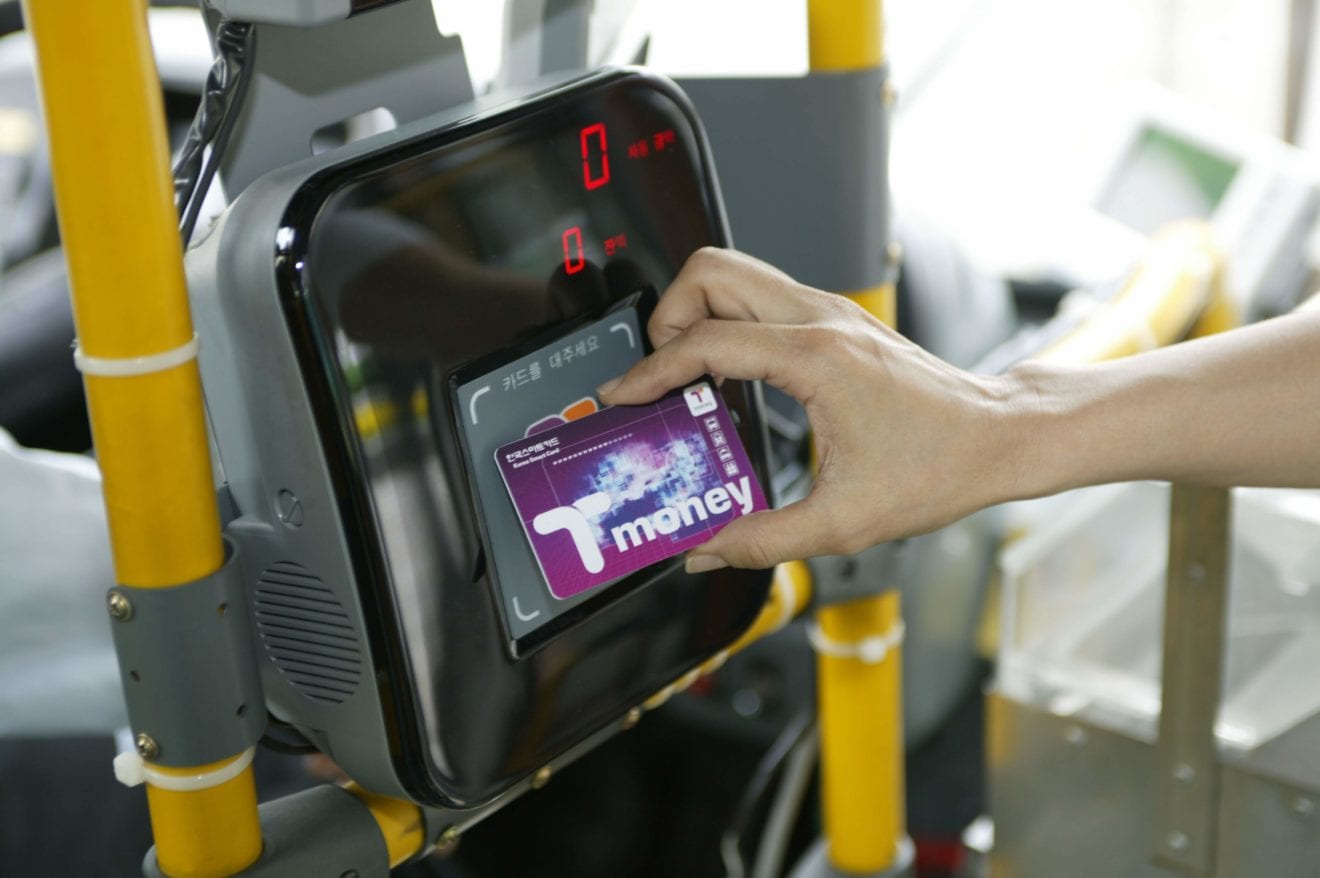
    The Visa debit card is linked to her bank account and equipped with a smart chip that also allows her to use it as a public transport payment card, known as T-money.

    “I don’t use real money because it’s heavy to carry around, and I don’t have a wallet so there’s no place to put it in. The only time I use cash is to pay for food delivery and give an allowance to my brother who’s in high school,” she said.

    Ms Kim is among a growing group of South Koreans who are relying less on cash and more on cards and electronic payments, as the world’s most wired country started early last year to open up its finance technology (fintech) industry and encourage more people to adapt to IT-based systems, including payments via mobile phones.

    NO ROOM FOR CASH

    I don’t use real money because it’s heavy to carry around, and I don’t have a wallet so there’s no place to put it in. The only time I use cash is to pay for food delivery and give an allowance to my brother who’s in high school.

    MS KIM MEE SO, a 29-year-old teacher who carries only a debit card in her bag for daily expenses.

    Only about 20 per cent of all payments here are made with cash – among the lowest in the world – according to the Bank of Korea (BOK).

    The central bank is now aiming for the country to go cashless by 2020, beginning with plans to phase out coins so as to reduce the cost of minting them. It has already cut back on issuing paper money.

    A system is being tested for retailers who receive cash to give back change not in coins but as credit in the customer’s T-money card or credit card.

    It will be rolled out by next year if pilot tests prove to be successful.

    Going cashless is a global trend, led by Scandinavian countries Norway, Sweden and Denmark. Singapore has also committed $225 million to grow fintech start-ups as part of its plan to go cashless.

    In South Korea, electronic payments gained popularity after the introduction of T-money in 2004, as the country sought to streamline public transport payments with a single touch-and-go smart card.

    What is T-money?

    South Korea introduced a smart card called T-money in 2004 to streamline public transport payments.

    Here is how it works:

    • •T-money is a stored-value card with a smart chip for fare deductions, much like Singapore’s ez-link card.

      •Modified T-money chips can also be fitted into credit cards and debit cards, and even into mobile phone SIM cards, which means one can just tap one’s phone to take the bus, subway or taxi.

      •It is also accepted at many convenience stores, retail shops and restaurants.

      •By the end of 2014, T-money was used in 43 million transactions daily.

      •There are 15 million users in Seoul and the surrounding Gyeonggi province, which have a combined population of 22 million.

    Much like Singapore’s ez-link card, T-money is a rechargeable stored-value card with a smart chip for fare deduction. The chip has been modified to fit credit cards, debit cards and even mobile phone SIM cards – which means people can tap their phones to take the bus.

    T-money can also be used at most convenience stores and some retail shops and restaurants.

    By end-2014, T-money was used in over 43 million transactions a day. There are more than 15 million T-money users in Seoul and the surrounding Gyeonggi province, which have a combined population of 22 million. Apart from the T-money card, credit and debit cards have also become a way of life.

    The success of T-money and the popularity of mobile devices have also prompted a new wave of fintech developments.

    Tech giants including Naver, Kakao and Samsung compete to build and bolster their mobile payment platforms to capture consumers shifting from computers to mobile devices.

    Text-messaging app company Kakao, for instance, has its own mobile payment platform KakaoPay that allows its seven million users to shop online as well as pay electricity bills.

    The Seoul Metropolitan Government jumped onto the bandwagon last December, launching an app called STAX to allow users to pay property and car taxes and water and sewage fees on mobile phones.

    Business consultant Lee Youn Joo, 31, said cash has become less important nowadays and is used only on special occasions like weddings and funerals, and when paying street vendors and for valet parking.

    “Koreans are used to convenient transaction means and… the use of credit cards and mobile banking will continue to increase,” he said, adding that he uses credit cards for 90 per cent of his monthly spending.

    But as more people choose to go cashless, there are concerns about credit card security, overspending and whether the elderly can adapt to electronic payments.

    Student Terry Nam, 21, is concerned about security, as the country has witnessed major data leaks involving big credit card companies.

    “Our distrust of privacy protection is very high. The government should explain what it has done to resolve this issue and strengthen the punishment for private data leakage crimes,” he said.

    Wary of credit card companies, graduate school student Kwon Joo Hyun, 27, uses a debit card instead and avoids online payments that require credit card details.

    But she still supports the BOK’s plan, adding that the government can introduce a kind of cashback card for elderly folks to use when coins are phased out.

    But Dr Sohn Sang Ho, senior research fellow at the Korea Institute of Finance, feels the BOK’s plan to go cashless by 2020 is “too ambitious”. He said there is still a big group of older people who rely mainly on cash transactions, especially in traditional markets, and it will take a long time for them to convert to electronic payments.

    “Going cashless can be our long-term goal, but it’s not possible in the near future,” he said.

  • MCM aims to double sales in five years

    MCM aims to double sales in five years

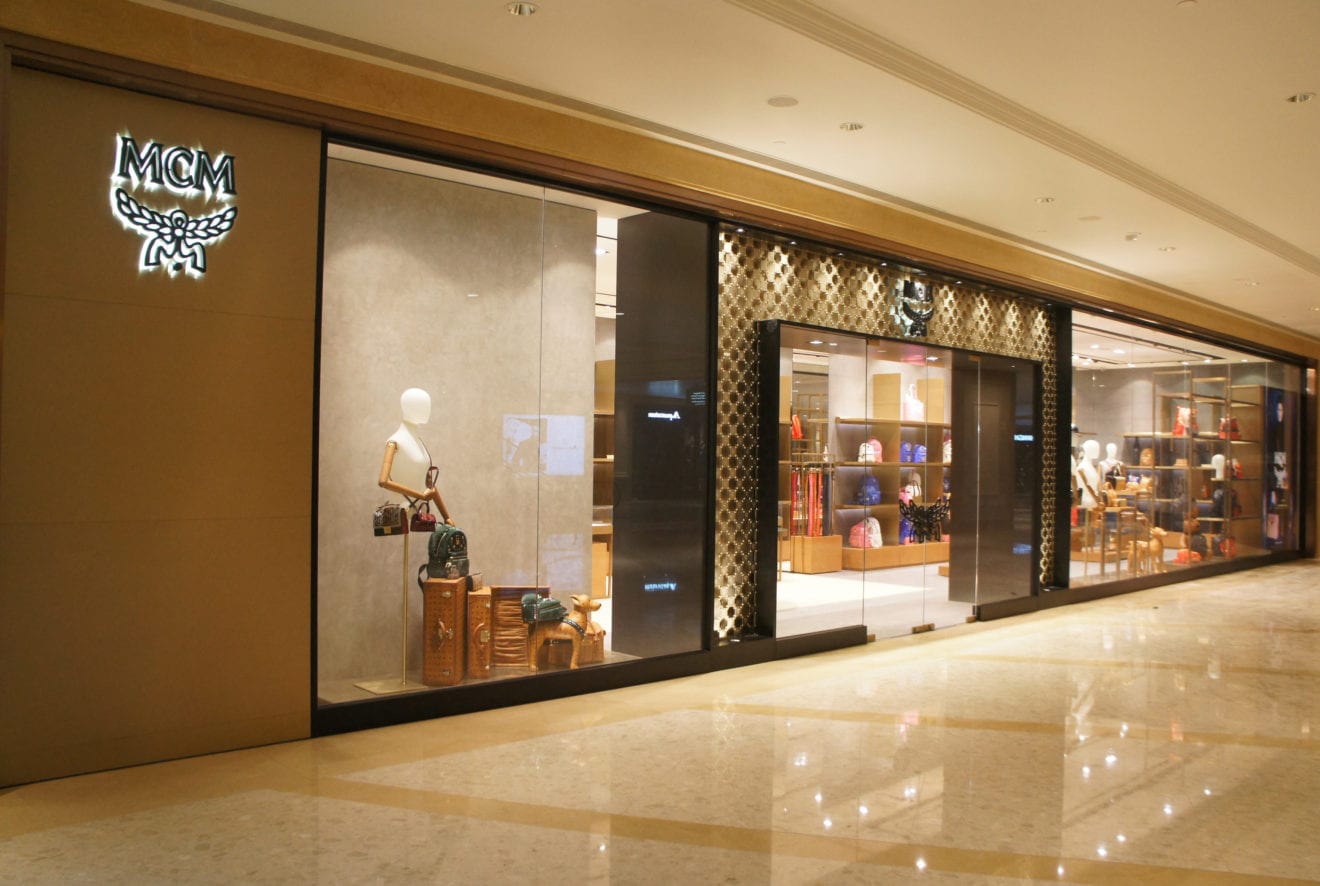
    German accessories brand MCM, owned and run by South Korean entrepreneur Sung-joo Kim, aims to more than double sales to RM7.8 billion (US$2 billion) within five years.

    Founded in Munich in 1976, MCM is known for its colourful $700 studded canvas backpacks. It  plans to expand in markets from Japan to Europe.

    “We have not even explored the Japanese market yet, we are just starting there,” says Kim.

    Unlike many European brands, MCM does not have a star designer, but has an in-house team of stylists to develop its products. Its collection is loaded with logo-embossed products. Its prices are around the same level as brands such as Celine and Louis Vuitton, and it makes around $700 million in annual sales, similar to Versace, reports Reuters.

    MCM is the second-biggest fashion brand by sales after Louis Vuitton in the duty-free market, where South Korea leads with annual sales of about $8 billion, says Kim. MCM makes about 60 per cent of its sales in Asia, with the balance in Europe, the Middle East and America.

    The youngest daughter of South Korean magnate Kim Soo-keon, Kim built her businesses from scratch after gaining experience at US department store Bloomingdale’s then developing Gucci’s South Korean business. After licensing MCM in 1991, she bought the German brand from a Swiss financier in 2005.

    Kim says she estimates that within five years, 15 to 20 per cent of MCM’s sales could be through eCommerce.

  • How smaller retailers can win market share and drive growth

    How smaller retailers can win market share and drive growth

    I’m always interested in the small business owners I meet across the world, many running generations-old businesses that offer one-of-a-kind treasures. These shop owners, with their time-honored craftsmanship, quickly win over even the most casual window shopper, effortlessly converting passersby into loyal customers.

    Creating this sort of memorable customer experience is one of the keys to success for small retailers in the fashion and luxury goods sector.

    However, as the worlds of fashion, luxury and media descend upon New York for Fashion Week, these experiences and transactions seem increasingly quaint and inconsequential; one could be forgiven for thinking that high fashion remains the exclusive preserve of global retailers and big-name luxury brands.

    While that may once have been true, it’s no longer the case. Remarkably, more and more fashion retailers are starting to embrace being ‘small’ as a strategy for success and growth. Increasingly user-friendly technology tools are helping smaller retailers to speak and deliver to their niche customer sets across all channels with the same voice as they would in a shop in Hong Kong.  So what is driving their success?

    Tech-savvy

    According to research from eMarketer, e-commerce growth is projected to double the retail industry average at least until 2017. Half of all shoppers discover new products when searching with smartphones, and 82 percent of smartphone owners look online for product information when shopping. Smartphones already account for over 40 percent of ecommerce transactions in Japan and South Korea, so it is no wonder that small retailers are realizing that they need to be as tech-savvy and flexible as their customers. That means engaging and delighting shoppers on mobiles, social media and online channels.

    Highly personal

    Technological advancements and the democratizing power of the Internet have allowed retailers to scale up without sacrificing intimacy and personal service. As customers no longer think about retailers’ brands in a silo, neither does the small retailer. They analyze insights from website visitor traffic, social media interactions, and newsletter click-through rates to better understand their customers. Any retailer with a Facebook page can now easily discover that their average customer is, for example, female, aged between 16 and 24, listens to Adele, and by using this data to precisely tailor their sales and marketing strategy, they can more effectively engage and delight their customers.

    Cultivate and engage a community

    It is much more profitable to sell to loyal customers than to constantly look for new ones. A Bain study showed that just a five percent growth in customer retention could boost profitability by 75 percent.

    Small retailers are starting to use this insight to build loyal online communities, which do the selling for them. No wonder a brief Google search on the words ‘e-commerce’ and ‘social media’ turns out 101 million results, with articles such as ’12 Social Media Tactics to Drive Traffic to your E-commerce Site’ being the most visited. Another way is through loyalty programs, which 30 percent of independent retailers are planning to implement in 2016. This is on top of the quarter of independent retailers who already have a loyalty program in place.