Retail News CRM

Tag: Korea

  • Coupang losses mount

    Coupang losses mount

    Coupang, the leading South Korean eCommerce operator, is expected to reveal mounting operating losses for 2015 as big investments in logistics capacity weighed on the financials of the startup company, industry sources said Thursday.

    Coupang is expected to log over 400 billion won (US$326.9 million) in  losses when it files its 2015 audit report in mid-April due to rising costs in building new logistics centres and hiring new staff, they say.

    The online retailer’s sales were estimated to have jumped more than four-fold last year from 348.5 billion won in 2014 after its same-day delivery service helped attract more customers in online marketplaces.

    While market watchers questioned the sustainability of its business model, Coupang said the deficit is an inevitable result of aggressive investment to get ahead in the highly competitive market.

    “The operating deficit was already being expected because we are making big investments to establish a nationwide logistics network and hire more staff,” a spokesperson said.

    “The investment is aimed at the long-term goal of making a strong foothold in the market. It is expected to take some time to make a turnaround as several projects are currently underway.”

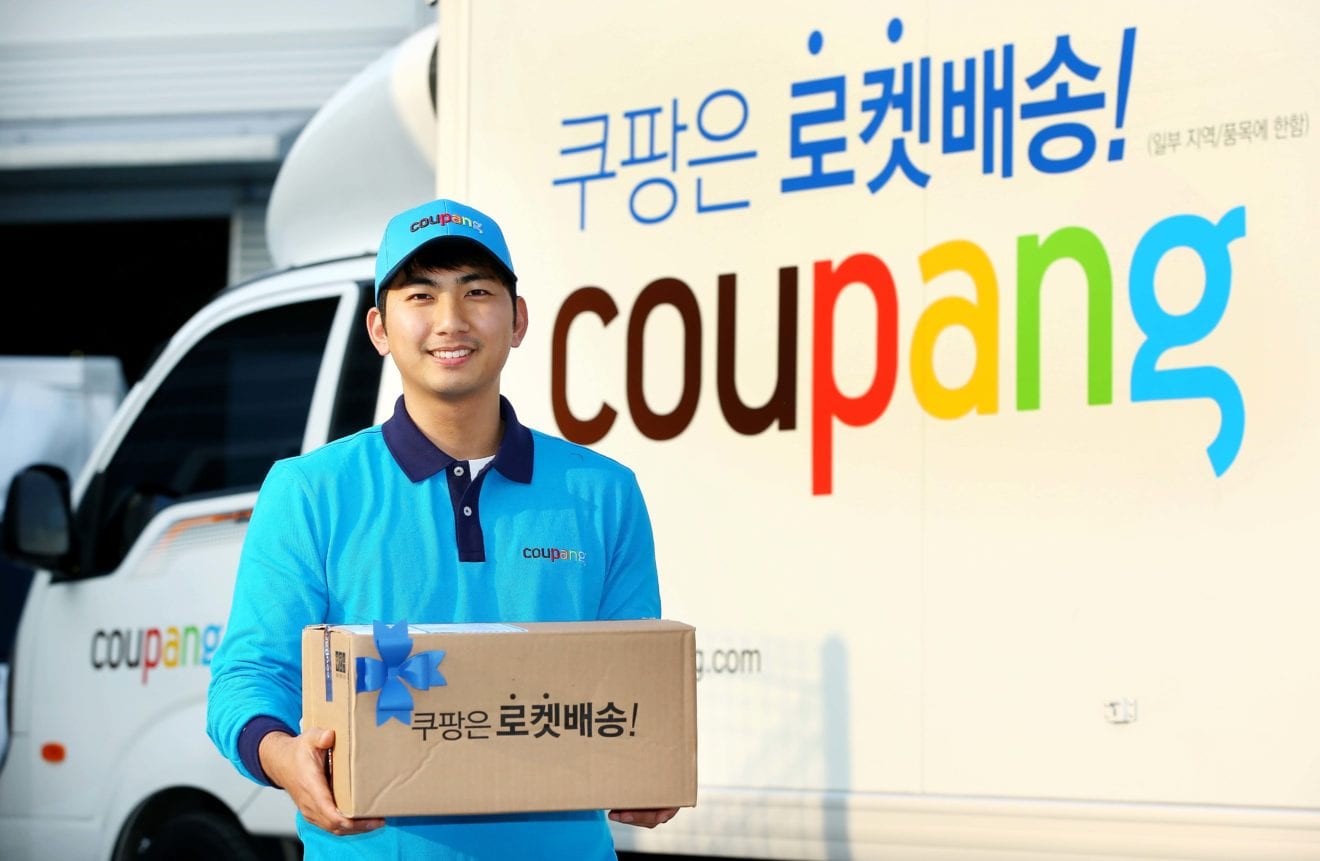
    In November, Coupang said it will invest 1.5 trillion won in expanding logistics capacity by 2017 to step up its same-day delivery service, just months after it won a US$1 billion investment from Japanese telecommunications giant  Corp. Coupang launched an ultra-fast delivery service called “Rocket Delivery” in March 2014 by establishing its own logistics system and employing couriers, joining the global wave of delivery wars led by online retail behemoth Amazon.

    Coupang said it will hire 4000 more staff in the delivery and logistics sector by next year, in addition to 3500 full-time delivery staff, and have 21 logistics centres across the nation. In addition to the same-day delivery competition, Coupang has recently launched a cut-throat price war, advertising that its diapers and powdered milk are the cheapest in South Korea.

    As a result of aggressive marketing, Coupang’s market share in the local online market has steadily risen from 2.3 per cent in 2013 to 5.6 per cent in 2015. Mobile devices also accounted for 9.8 per cent of its transactions last year, according to industry data.

  • South Korea’s industrial landscape shifts from manufacturing to service

    South Korea’s industrial landscape shifts from manufacturing to service

    South Korea’s industrial landscape has moved from manufacturing to service-driven businesses over the past decade as the shipbuilding and construction sectors have suffered from a prolonged global slump, data showed Monday.

    The top five sectors of the nation’s 100 largest companies by market value in 2015 were in the service, petrochemical, construction, IT and retail industries, according to the data compiled by market researcher CEO Score.

    In 2006, shipbuilding, engineering, construction, tech and petrochemicals were the five pillars of Asia’s fourth-largest economy, they showed.

    Domestic consumption-related industries grew at the fastest pace over the past 10 years as the global economic slowdown has weighed on the country’s key exporters such as shipbuilders and builders.

    The number of service companies doubled to 10 in 2015, and retail companies rose from four in 2006 to seven in 2015.

    In contrast, tech and shipbuilding companies each decreased from eight to seven over the period.

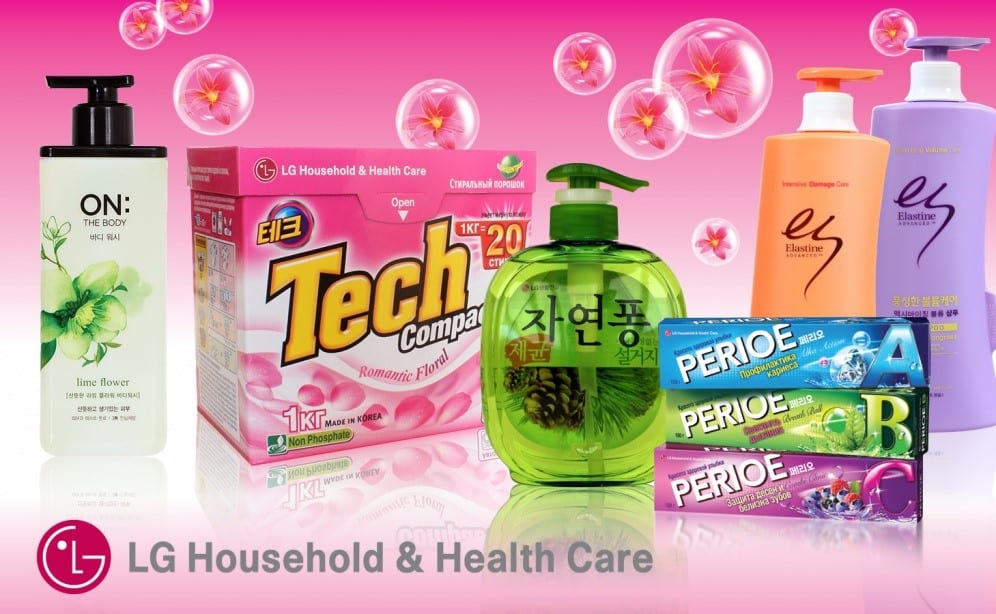
    LG Household & Healthcare Ltd., South Korea’s second-largest cosmetic company, was the top earner among all companies on the back of the growing popularity of its beauty products in China.

    The shift in South Korea, an export-oriented economy, was more drastic than other advanced nations.

    In the United States, medical companies held firm ground with 17 among the top 100 companies over a period of 10 years, while IT and auto companies remained as the key industries in Japan, the researcher said.


  • Resort island of Jeju in Korea is booming

    Resort island of Jeju in Korea is booming

    The southern resort island of Jeju is booming, posting the country’s highest growth rate in private consumption, service industry productivity, employment and exports last year, according to Statistics Korea.

    Major businesses are relocating their headquarters to the island and people are moving there from the mainland.

    In 2004, Daum Communications (now Kakao) moved its headquarters to Jeju, followed by some 50 other companies, mostly IT or game businesses such as NXC and ESTsoft, increasing the populations significantly. Booming tourism, meanwhile, has created more jobs in the service and construction sectors.

    Jeju’s service industry output in 2015 increased 6.1 percent compared to the previous year, which was more than twice the national average of 2.9 percent. As 3,000 to 4,000 people move to the island every year, the real estate sector’s output rose 25 percent to lead overall growth.

    Private spending increased 7.8 percent last year, again more than double the national average of 3.4 percent. That too was due to the huge increase in the number of people arriving on the island each year, either to settle or for a visit.

    Retail sales at shopping centers and duty-free shops rose 9.5 percent in 2015, three times the national average of 3.6 percent. Thanks to tourists renting cars, fuel consumption on the island surged 16.9 percent.

    Jeju Island was also the only region to post double-digit export growth last year with outbound shipments rising 13.8 percent. In contrast, the exports of 12 out of 17 major cities and provinces shrank.

    The main cause of Jeju’s booming economy is the steady increase in tourists and settlers from the mainland. Its population grew from 606,000 in 2014 to 623,000 last year. The number of tourists also rose by 1.4 million over the same period to 13.66 million last year.

    Jeju city official Kim Hyun-cheol said, “Drawn by the pleasant living environment, many celebrities have moved to Jeju, which resulted in a wide range of other people from the mainland coming to run their own businesses here.”

    He added that the island’s international school admits Korean students without the restrictions found in Seoul, which has led to an influx of kids and their parents from elsewhere.

    But with the increasing population, real estate prices on the resort island are skyrocketing. The average real estate price on the island rose 19.35 percent last year, five times the national average. The prices of some apartments are showing signs of overheating.

  • Toys’R’Us Asia Pacific chief retires

    Toys’R’Us Asia Pacific chief retires

    Toys’R’Us has announced that Monika Merz, president, Asia Pacific, will retire effective May 31. Her successor will be named later.

    Monika-Merz

    As president of Toys’R’Us Asia Pacific, Merz oversees all operations and business activities for the company’s more than 300 stores in Japan, Southeast Asia, Greater China and Australia, responsible for the continued growth, profitability and success of the company in those markets.

    Since she started working at Toys“R”Us, Merz has been instrumental in the development of new store formats and merchandising concepts that have been successfully translated to other markets, ultimately strengthening the company’s position in the global marketplace.

    Dave Brandon, chairman and CEO, described Merz as a highly regarded leader “who has inspired new ideas, demonstrated innovative thinking and unwavering passion for the business and grown our Toys’R’Us brand internationally, even through challenging times and market transitions”.

    Merz’s retirement will bring to a close a remarkable career of nearly 20 years of continuous service to the company. She joined in 1996 as VP and GM, Toys’R’Us, Canada and was promoted to president, Toys’R’Us, Canada four years later. In 2007, she assumed leadership of Toys’R’Us, Japan. Her role was expanded to include responsibility for the company’s stores in Australia in 2011, and, later that year, she gained oversight of the company’s locations and corporate offices in Southeast Asia and Greater China when the company entered a joint venture agreement with Li & Fung to operate these formerly licensed stores.

    “During my time at Toys’R’Us I’ve had many experiences and challenges, but I’ve always been supported by exceptional teams and leaders,” she reflected. “I’m proud of all that we have accomplished and confident that the work we have done to provide a fun and memorable shopping experience for customers will continue after my retirement. After more than eight years in Asia Pacific, I’m now looking forward to returning to Canada and a new stage in my life.”

  • Ikea Kicks Off $444 Million Global Media Review

    Ikea Kicks Off $444 Million Global Media Review

    Ikea is reviewing its entire $444 million global media account, which is currently split between a range of agencies across five different holding companies. WPP’s MEC retained Ikea’s media planning and buying duties in the U.S. following the last media review in 2009. Dentsu Aegis Network’s Vizeum won the U.K. business from WPP’s MediaCom in the same review, which took more than six months to complete. In Asia, Vizeum picked up the business in Singapore, Thailand and Malyasia in September 2015, after winning Korea a year earlier.

    The Swedish furniture retailer confirmed in a statement: “Ikea is currently in the process of reviewing its media agency suppliers globally. ID Comms, our media consultancy partners, will be helping us facilitate this process.”

    An executive familiar with plans for the review said media buying is currently split among agencies from five different agency holding companies.

    Ikea’s statement continued, “As part of our commitment to the ongoing improvement of our media and marketing governance, Ikea periodically evaluates all marketing service suppliers to ensure we maintain the best working relationships with the best agency partners.

    Creative duties on Ikea are not under review. Like the current media arrangements, creative is split between a number of different agencies around the world. New York, BBH Singapore, Buzzman Paris, Mother London, and Forsman & Bodenfors and Akestam Holst in Sweden have all created memorable campaigns for the brand.

    Ikea’s sales reached $35 billion in the year ending Aug. 31, 2015, with like-for-like sales up 5% on the previous year. Including new store openings, sales were up 11.2% last year.

    The company’s head of sustainability, Steve Howard, recently told a conference organized by The Guardian in London, “We have probably hit peak stuff.” He pointed to growing emphasis on repairing and recycling in future, while at the same time declaring a target of almost doubling sales by 2020. China and Russia are currently its fastest growing markets.

    Ikea is No. 66 in the ranking of Top 100 Global Marketers compiled by Ad Age’s Datacenter. In 2014, the vast majority of Ikea’s spending – 79% – was in Europe, with 15% in the U.S. and less than 2% in Asia.

    ID Comms also worked on the $2.6 billion global Johnson & Johnson pitch last year, and on the U.S. and European A-B InBev reviews in 2014.

  • Mohegan Sun-led scheme gets South Korean casino licence

    Mohegan Sun-led scheme gets South Korean casino licence

    The government of South Korea has awarded a licence to build a casino resort to a consortium between U.S.-based Mohegan Tribal Gaming Authority (also known as Mohegan Sun) and South Korean chemicals manufacturer KCC Corp.

    The new property is to be located in Incheon, near the country capital Seoul, the Ministry of Culture, Sports and Tourism said in a statement on its website on Friday.

    The country’s authorities had been reviewing an unspecified number of proposals for new casino resorts, submitted as part of an integrated resort licence bidding process initiated in 2015. There were up to two new casino resort licences up for grabs, but the South Korean government decided to grant only one.

    The licence allows the Mohegan Sun-KCC consortium to set up a foreigners-only casino.

    South Korea currently has 17 casinos, but the country’s nationals are only allowed to gamble at one of them – Kangwon Land in an upland area of Kangwon province.

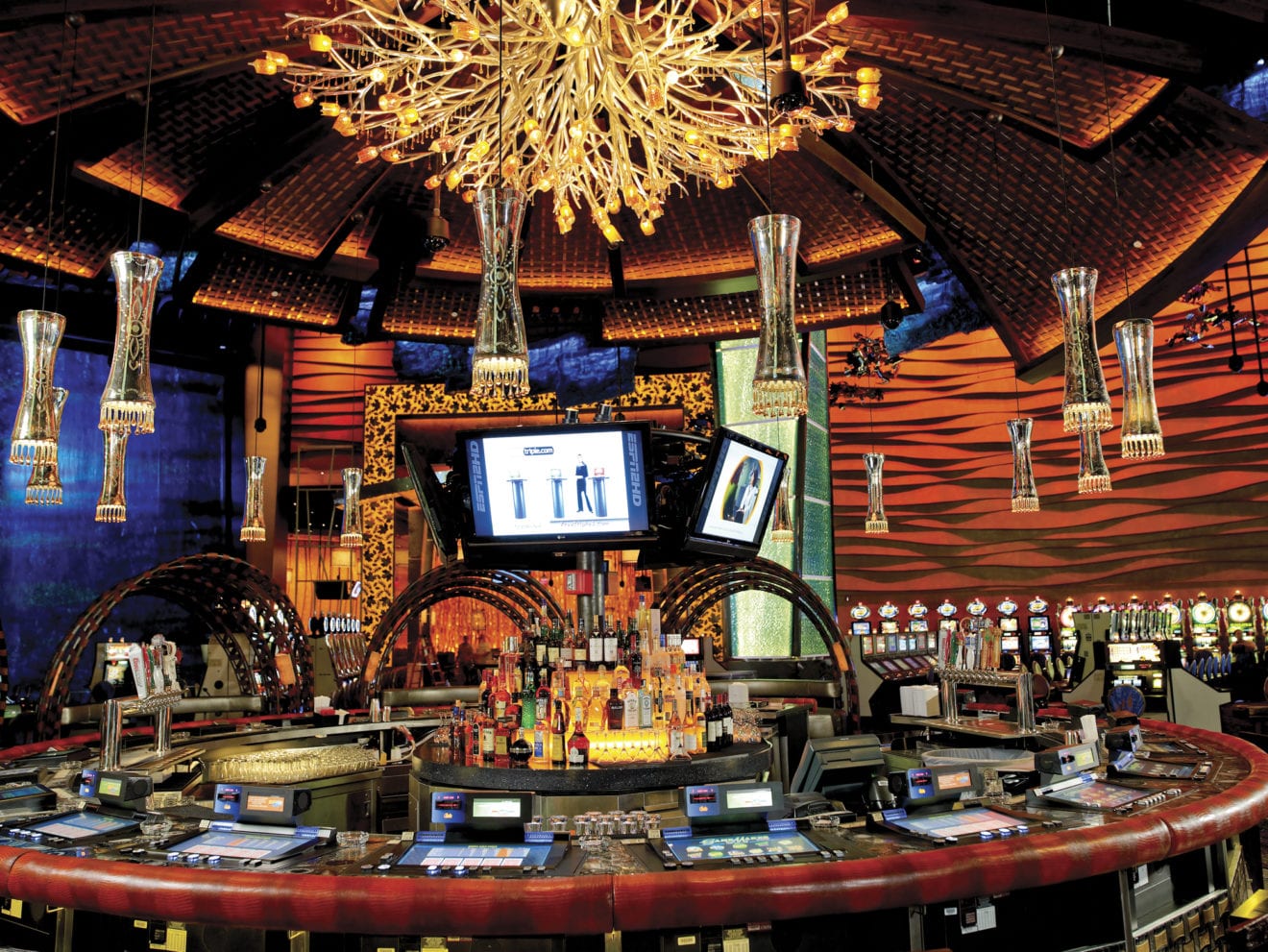
    The winning bid (pictured in an artist’s rendering) has a price tag of US$1.24 billion and includes a hotel, retail areas, a concert arena and venues for conventions, according to South Korea’s Yonhap news agency. The scheme is scheduled to begin operations by 2020.

    “We will closely monitor the project to help support the [winning consortium] in building a world-class integrated resort,” the ministry said, quoted by the news agency. “It is expected to boost the competitiveness of the South Korean tourism industry with various tourism infrastructure, such as a K-pop arena, a theme park and a convention centre.”

    There are already two casino projects proposed for Incheon.

    South Korean foreigners-only casino operator Paradise Co Ltd has linked with Japanese pachinko operator Sega Sammy Holdings Inc for a project in Incheon referred to as Paradise City and already under construction. The scheme, with a total area of 330,000 square metres (3.55 million sq feet), is presented in its official website as having a price ticket of KRW1.3 trillion (US$1.05 billion) and featuring a foreigners-only casino with 160 live table games, 388 electronic table games and 350 slot machines. It is scheduled to open in 2017.

    The other announced project for Incheon is the result of a partnership between U.S. casino operator Caesars Entertainment Corp and Hong Kong-listed real estate developer Lippo Ltd. Construction has not yet started. Analyst Grant Govertsen from Union Gaming Securities Asia Ltd said in a note on Friday “there are uncertainties currently associated with the Caesars project”.

    No regional impact

    Mr Govertsen said in his note following the South Korean government’s announcement that construction for Mohegan Sun-KCC’s project should begin in early 2017. The project has the working title ‘Inspire Integrated Resort’. It will be Mohegan Sun’s first venture outside of North America.

    KCC in November announced it acquired a 24.5-percent stake in Inspire Integrated Resort Co Ltd – a South Korean subsidiary of U.S. regional tribal casino operator Mohegan Sun – for a total consideration of KRW203.8 billion, becoming a joint venture partner in the casino resort project.

    The consortium has a commitment to spend a total of US$5 billion in South Korea over the next 20 years.

    Mohegan Sun’s project includes a 20,000-square metre casino with 250 gaming tables – including 40 VIP tables – and 1,500 slot machines.

    The casino resort will have a two-tower luxury hotel complex with 1,000 rooms, a 20,000-seat arena, and more than 18,500 square metres of shops, restaurants, art exhibition and music entertainment areas, including “a Korean village celebrating Korean food and music, and a Native American cultural and arts experience”, according to Mohegan Sun.

    Union Gaming said in its note it did not expect the three new casino resorts in Incheon to pose a material threat to Macau, Singapore or the Philippines.

    Mr Govertsen noted the ongoing decline in Chinese high roller play around the region. He added that none of the U.S.-based casino operators entering the South Korean market had a significant built-in base of VIP customers, being largely reliant upon mass-market customers to generate a return.

    He said: “Importantly for Macau, its mass market gross gaming revenue is driven primarily by southern China meaning that related persons are unlikely to divert to [South] Korea for gaming. Rather we would expect Incheon integrated resorts to draw from northern Chinese cities (e.g. Beijing, Tianjin) and from Chinese visitors already going to [South] Korea for purposes other than gaming.”

    In a January note, Morgan Stanley said new casino supply did “not bode well” for South Korea’s foreigners-only casinos, especially as the investment bank expected the number of Chinese high rollers to South Korean casinos to continue declining.

    Union Gaming’s Mr Govertsen also noted that the three casino projects for Incheon are not close to each other. “This suggests that there is unlikely to be the natural benefit associated with the cluster effect seen in markets like Las Vegas and Macau (e.g. driving increased visitation and therefore increased revenue).”

    He added: “However, operators who do not have a presence in Asia, like Caesars (coming in capital light) and Mohegan Sun, seem to be less risk averse and could be beneficiaries should [South] Korea ever green light locals gaming beyond the lone locals gaming licence issued to Kangwon Land – although we find this scenario to be highly unlikely for the foreseeable future.”
  • Market for Pico Projectors in South Korea Projected to Grow at a CAGR

    Market for Pico Projectors in South Korea Projected to Grow at a CAGR

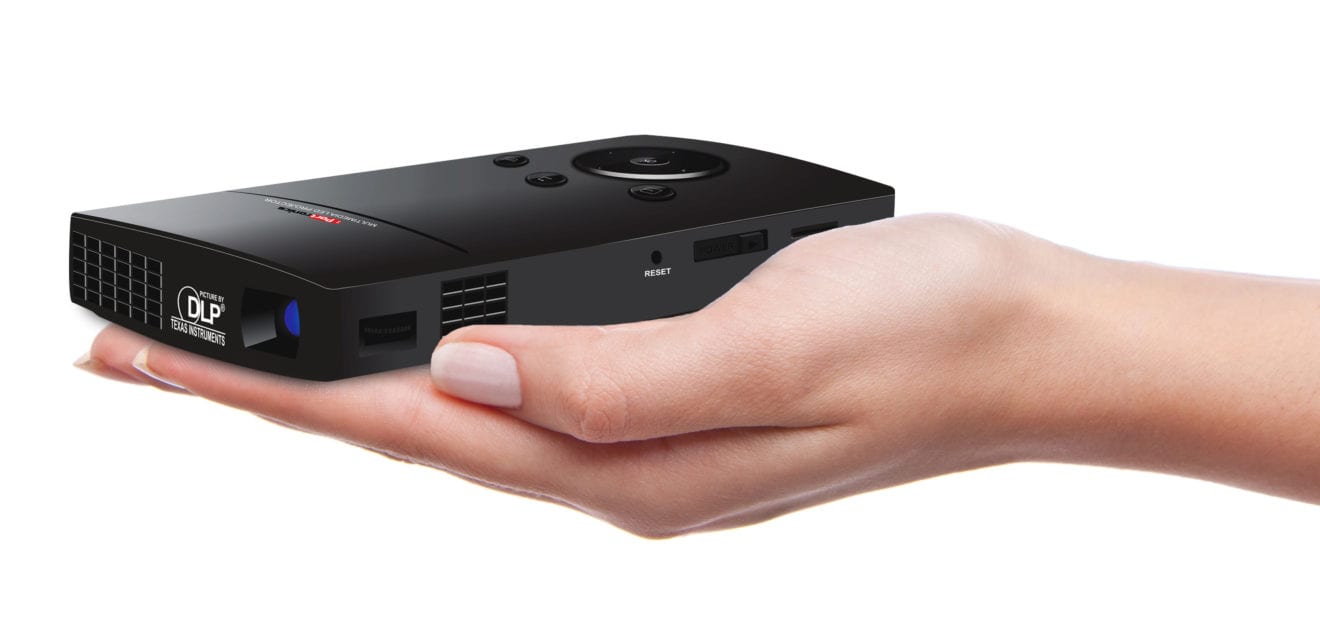
    The market for pico projectors in South Korea is projected to grow at a CAGR of over 24% during 2016 – 2021. LCoS (Liquid Crystal on Silicon) technology garnered the highest share in South Korea pico projectors market in 2015, due to better image quality, high resolution and efficiency, less power consumption, etc., as compared to other display technologies.

    South Korea pico projectors market witnessed rapid growth over the past few years on account of their growing acceptability and rising usage in various end user segments such as consumer electronics, defense & aerospace, automotive, etc. Rising demand for pico projector integrated devices, growing IT investments and increasing mobile workforce is projected to propel growth in the country’s pico projectors market in the coming years.

    Additionally, growing penetration of various compact and small projection display technologies along with increasing demand for handheld and portable devices is projected to drive growth in South Korea pico projectors market during 2016 – 2021.

    Due to these advantages, LCoS technology is being increasingly used in smartphones, tablets, televisions, head up displays, etc. In 2015, the country’s southern region was the largest market for pico projectors, on account of the region’s high per capita GDP and high level of industrialization. Few of the leading companies operating in South Korea pico projectors market include SK Telecom and LG Electronics, among others.

  • Korean department stores struggle

    Korean department stores struggle

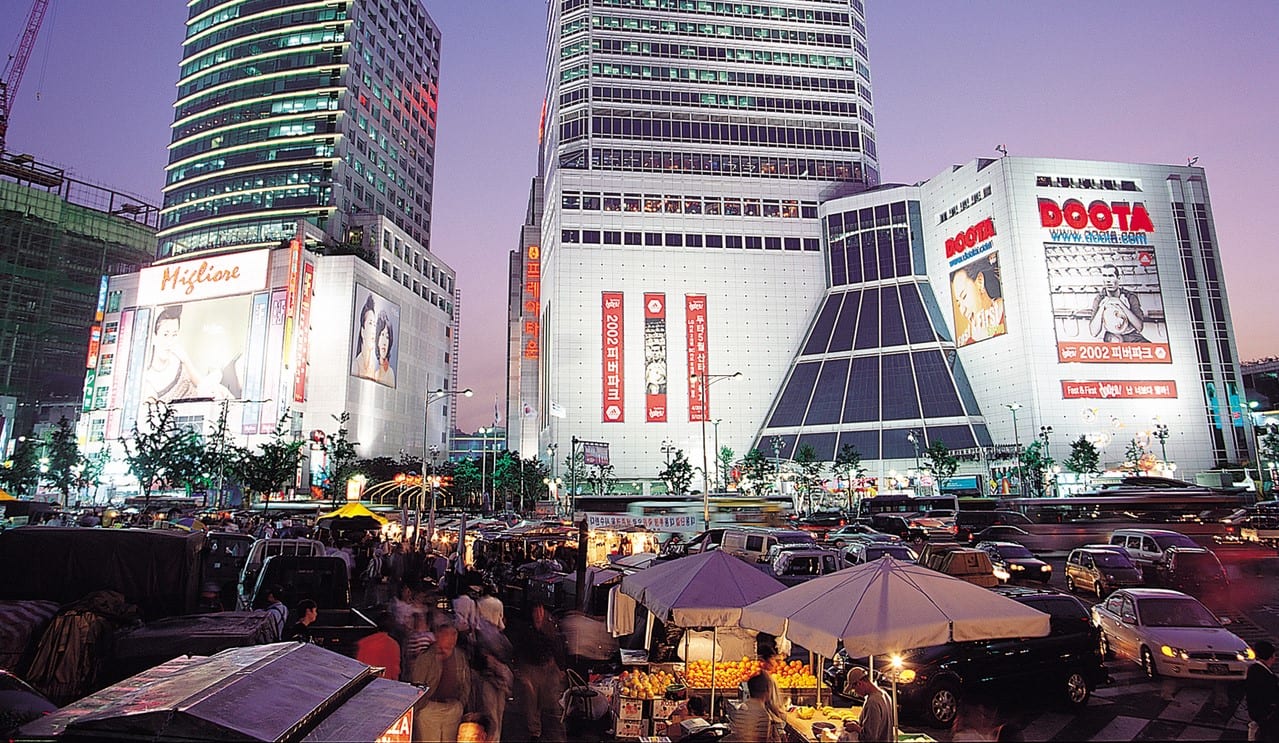
    Chinese travellers have emerged as one of the few bright spots for Korean department stores suffering from dull domestic consumption.

    The arrival of a new demographic of consumers has prompted an all-out fight to attract deep-pocketed clients, industry officials told Yonhap.

    Sales at department stores inched down 0.4 per cent on-year to 29.22 trillion won (US$23.69 billion) in 2015, Statistics Korea showed, mostly attributable to the Middle East Respiratory Syndrome (Mers) outbreak and rapidly rising online marketplaces.

    While consumption among locals has steadily slowed over the past years, major department stores in downtown Seoul saw growing sales among Chinese nationals.

    At Lotte Department Store in the famous shopping district of Myeongdong, sales by Chinese customers accounted for 18.1 per cent of the total, rising 6.8 per cent from a year ago.

    At the nearby Shinsegae Department Store, sales by Chinese customers rose 21.8 per cent in 2015 from a year ago, though the pace slowed from 131 per cent in 2014 and 87 per cent in 2013 in the wake of the Mers outbreak. The store did not release exact sales figures.

    Foreign luxury watch and jewellery brands topped their shopping list, while leading Korean fashion and cosmetic brands were also picked up by Chinese travellers.

    Among them, the Seoul-based luxury bag manufacturer MCM was the second-most selling brand by the Chinese, while sunglass brand Gentle Monster and Amore Pacific’s high-end cosmetic lineSulhwasoo were named as popular items.

    “While the Chinese mostly preferred foreign luxury brands and local cosmetic brands, a wider range of Korean products have been selling among Chinese customers,” said Park Young-hwan, a marketing official at Lotte Department Store.

    In response to the changing consumption trends, Korean department stores have launched a variety of promotional events through social networking services and invited China’s popular bloggers to embrace rich Chinese customers.

    Some stores have even assigned assistants for VIP customers to provide guidance while they shop. Others have offered limousines and pick-up services.

  • Lotte Group in Indonesian confectionery push

    Lotte Group in Indonesian confectionery push

    South Korean confectionery manufacturer Lotte Group is planning an eCommerce joint venture with one of Indonesia’s largest conglomerates, the Salim Group, within the next few months with the aim of being up and running by early next year.

    This follows a new government policy on eCommerce that opens up a market of nearly 250 million people to foreign brands. According to the Korean media, the deal was formalised when Lotte Group chairman Shin Dong-bin met with Salim Group chairman Anthony Salim in Singapore during an Asia Business Council meeting.
    Under Shin, Lotte has been aggressively expanding its overseas businesses, and the Indonesian confectionery market is considered a key strategic opportunity, reports Deal Street Asia. The company hopes to secure a strong foothold in the eCommerce market through an omni-channel retailing strategy and establishing a stable delivery service via the partners’ offline stores.
    Also planning to introduce products popular in Korea, Lotte first became involved in the Indonesian market in 2008 when it acquired 10 stores of the Dutch discount chain Makro. Lotte has one department store in Indonesia and 41 retail outlets, while Salim Group has 11,000 Indomartconvenience stores. The Salim Group’s businesses cover such sectors as food, distribution, telecommunications, media, automobile manufacturing and property development.

    An eCommerce roadmap has been drafted by the Indonesian government as a basis for guidelines regulating the sector. It covers such aspects as funding, taxation, communication infrastructure, logistics, cyber security, consumer protection and education, with the aim of achieving eCommerce transaction value of $130 billion by 2020.

  • South Korea’s card spending jumps 16 pct in Jan.

    South Korea’s card spending jumps 16 pct in Jan.

    South Korea’s card spending rose sharply in January, data showed Friday, on the back of increased consumption for the Lunar New Year holiday and a gradual recovery in domestic demand.

    Purchases made with plastic cards reached 56.1 trillion won (US$45.4 billion) last month, up 15.9 percent from a year earlier, according to data compiled by the Credit Finance Association (CREFIA).

    The data includes transactions on credit, debit and prepaid cards. Cash advances, overseas spending and card loans were not included.

    Of the amount, credit card spending went up 15.9 percent on-year to 44.79 trillion won, while those of debit cards advanced 16.2 percent to 11.2 trillion won over the cited period, according to the data.

    “This year, the new year holiday started earlier than last year, which mainly led to the growth in January’s credit card spending,” a CREFIA official said.

    The retail sector, including department stores and big retail chains, enjoyed a 20.4 percent surge in credit spending on-year to 6.7 trillion won, the data showed.

    In particular, purchases made by credit cards in convenience stores spiked 56 percent thanks to the increase in small families and the solid growth in sales of their private-brand products, according to the association.


  • Shinsegae unveils revamped Gangnam department store

    Shinsegae unveils revamped Gangnam department store

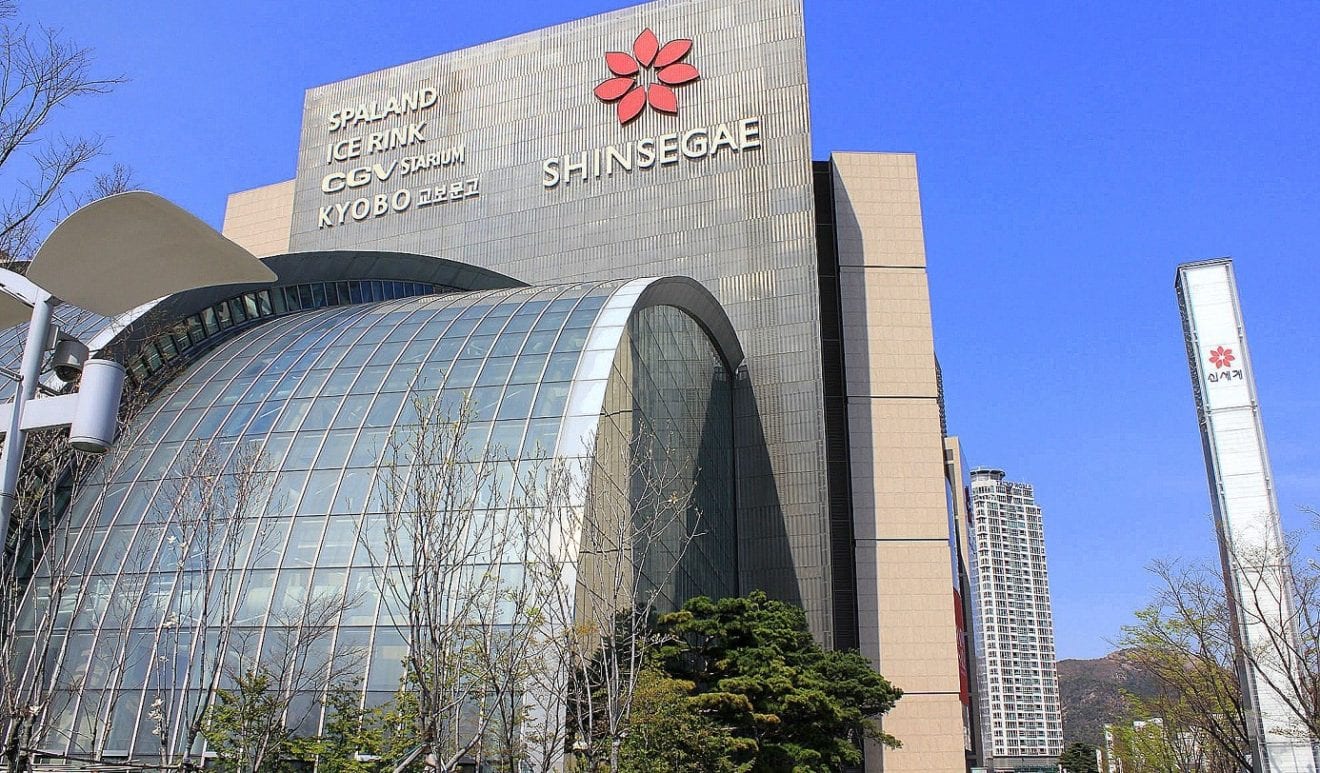
    The revamped Shinsegae department store in Gangnam will officially open on Friday.

    The store’s concept is heavily inspired by the high-end department store chains Le Bon Marche in France and Saks Fifth Avenue in the U.S.

    The Shinsegae Group, which is Korea’s second-largest retailer, has added six new floors to the annex building of its store in the affluent area of southern Seoul. This makes the 86,500 square-meter store the largest department store in Seoul. It also now houses 1,000 brands, up from about 600 brands previously.

    “The Gangnam store is important in every way. We are striving to suggest shopping as a lifestyle rather than to seek for simply sales growth,” said Jang Jae-young, CEO of Shinsegae Department Store, at the press briefing to mark the opening.

    The company has seen sales come to a standstill over the past few years, mainly due to the global economic slowdown as well as competition from other retail channels such as e-commerce.

    The revamped store is designed to attract people who prefer a luxurious in-store shopping experience and Shinsegae expects it to be a game changer. Its Gangnam branch is expected to generate 1.7 trillion won ($1.2 billion) in its first year and 2 trillion won by 2019.

    Brands within the store are categorized into four major themes – shoes, contemporary, kids and living. Products Items are divided based on themes rather than by brand names. Hence luxury brands, such as Christian Louboutin, and domestic brands, such as Soda, mingle in the same zone.

    For those preparing for marriage, the store has dedicated a whole floor to wedding gifts and lifestyle goods. There, you can find anything from luxury goods, such as jewelry and watches worth hundreds of millions of won, to silver three-story tea trays or zen-style flower arrangements.

    “According to our research, people from countries exceeding gross domestic production per capita of $30,000 value the experience of shopping, its process and services they receive. We think the Korean market is ready for this,” said Ryu Sin-yul, vice president of the Gangnam store.

    Shinsegae plans to open five more stores this year — Busan Centum City Mall in March, an urban duty free store in May, two stores in Gimhae of South Gyeongsang Province and Daegu in June and December respectively as well as Hanam Union Square shopping mall in September.

    “We are not trying to compete with (other retail powerhouses such as) Hyundai or Lotte. We will create a new generation of shoppers who have never been to department stores before,” Ryu said.

  • Korea’s card spending jumps 16% in January

    Korea’s card spending jumps 16% in January

    Korea’s card spending rose sharply in January, data showed Friday, on the back of increased consumption for the Lunar New Year holiday and a gradual recovery in domestic demand.

    Purchases made with plastic cards reached 56.1 trillion won ($45.4 billion) last month, up 15.9 percent from a year earlier, according to data compiled by the Credit Finance Association (CREFIA).

    Of the amount, credit card spending went up 15.9 percent on-year to 44.79 trillion won, while those of debit cards advanced 16.2 percent to 11.2 trillion won over the cited period, according to the data.The data includes transactions on credit, debit and prepaid cards. Cash advances, overseas spending and card loans were not included.

    “This year, the new year holiday started earlier than last year, which mainly led to the growth in January’s credit card spending,” a CREFIA official said.

    The retail sector, including department stores and big retail chains, enjoyed a 20.4 percent surge in credit spending on-year to 6.7 trillion won, the data showed.

    In particular, purchases made by credit cards in convenience stores spiked 56 percent thanks to the increase in small families and the solid growth in sales of their private-brand products, according to the association.

  • Mohegan gaming authority wins license for Korea casino

    Mohegan gaming authority wins license for Korea casino

    UNCASVILLE, Conn. (AP) – The parent company of the Mohegan Sun casino says it has received a license from the Korean government to build a $5 billion resort near the international airport in Seoul.

    The Mohegan Tribal Gaming Authority says the project will include a hotel complex with 1,350 rooms, more than 20,000 square meters of retail space and an arena that it says would be the largest in South Korea.

    The gaming authority is teaming with the KCC Corp., a South Korean chemicals company, and the airport for the project.

    Gaming authority president Bobby Soper said Friday the company aims to help the Korean government fulfill its vision of “driving economic development by growing tourism, creating jobs, and showcasing Korean culture via the integrated resort.”

  • Microwave pasteurization in South Korea

    Microwave pasteurization in South Korea

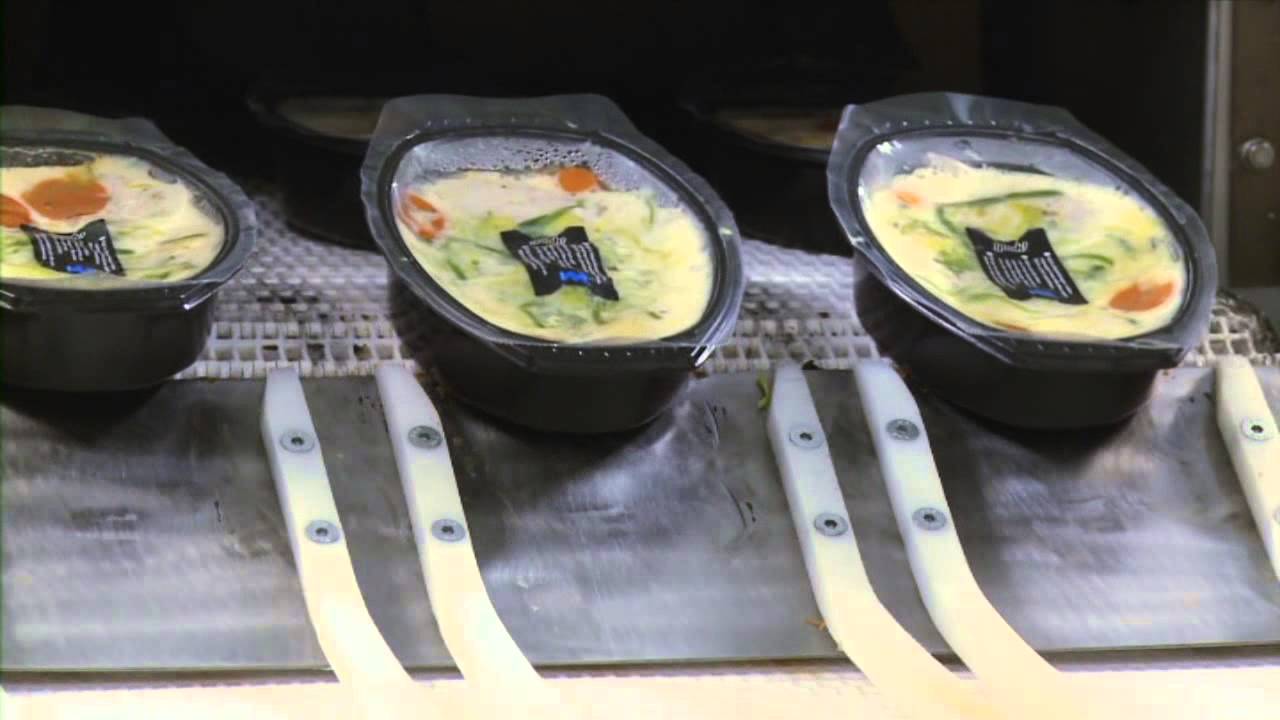
    The new Micvac microwave pasteurization line is installed in one of Daesang’s factories that is dedicated to producing high-quality ready meals. The brand Whistling Cook is distributed nationwide through both retail and Internet channels.

    The range of chilled ready meals consists of six products in 240-, 390-, and 395-g sizes. The recipes are influenced by cuisine from various parts of the world, such as Korea, China, and Europe.

    “We are very happy about this project, and it’s exciting to see how well the products are accepted by the consumers,” says Myounghyun Seo, MV-Project team leader at Daesang Corp.

    “We are delighted that the Micvac concept now also enters South Korea,” says Hirokazu Kushioka, Manager of the Micvac team within Dai Nippon Printing Co., Ltd (DNP). “The producers like the shelf life, which enables a smoother production and efficient logistics.”

    “We are very proud to become a strategic supplier to Daesang Corporation. It’s an industry leader with focus on high quality and innovation,” continues Håkan Pettersson, Managing Director at Micvac. “And I am really happy to see how well Micvac develops in the region together with our partner DNP.”

    Micvac and DNP started their cooperation in 2010, recognizing that interest in high-quality chilled ready meals with both convenience and extended shelf life is on the rise.

  • Chinese spend $13.8bn abroad during Spring Festival

    Chinese spend $13.8bn abroad during Spring Festival

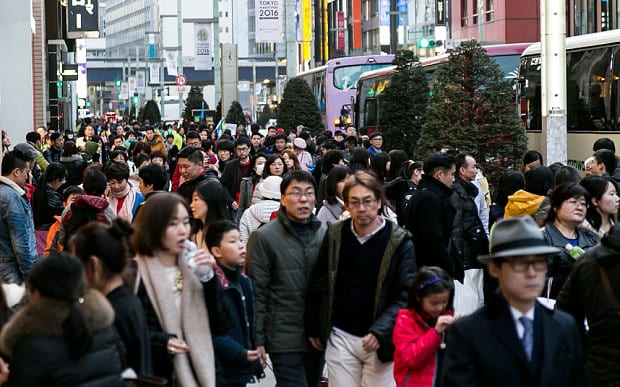
    During the Chinese Spring Festival, 6 million Chinese travelled overseas and spent a total of 90 billion ($13.8 billion) yuan on shopping.

    The products they purchased abroad included expensive luxury items, smart bidets, and electric rice cookers, but surprisingly, most Chinese tourists bought items used in everyday life such as cough syrup, sanitary napkins, condoms, stockings, electric toothbrushes, and nail clippers.

    Chinese media also reported on the phenomenon of their people buying commonplace items during their travels abroad. Various media outlets reported that Chinese tourists bought condoms, sanitary napkins, nail clippers, tumblers, and cough syrup from Japan, and hair dye, shampoo, sanitary napkins with oriental medicinal herbs, ramen, and honey butter almonds from Korea.

    Cosmetics, health supplements and clothing were popular items from the US, as well as fountain pens, knives, key chains and electric toothbrushes from Europe.

    A clerk at a duty-free store in Osaka commented that sales were 2.6 times higher than in 2015, thanks to the spirited purchasing of low-priced, everyday items by Chinese tourists.

    A tour guide in Seoul commented that along with cosmetics, skincare products, and shampoo, snacks and stationary were popular Korean items among Chinese tourists.

    Some Chinese media outlets suggested that because overseas products are of better quality, can be purchased at more reasonable prices, and are safer than Chinese products, Chinese tourists stock up on foreign products when they have a chance.

    A Chinese consumer commented that she comes to Korea every year to buy facial packs and BB creams.

    “Of course, there are quality packs in China too, but so many are fake, and sometimes side effects occur even if the products are purchased at official stores.”

    Officials at Chinese consumer associations point out that China still lags behind neighboring countries in the manufacturing, design, and development of products, and should overcome the fact that the quality of their products is low in comparison to prices.