Tag: Korea

  • Uniqlo sales plunge in South Korea

    Uniqlo sales plunge in South Korea

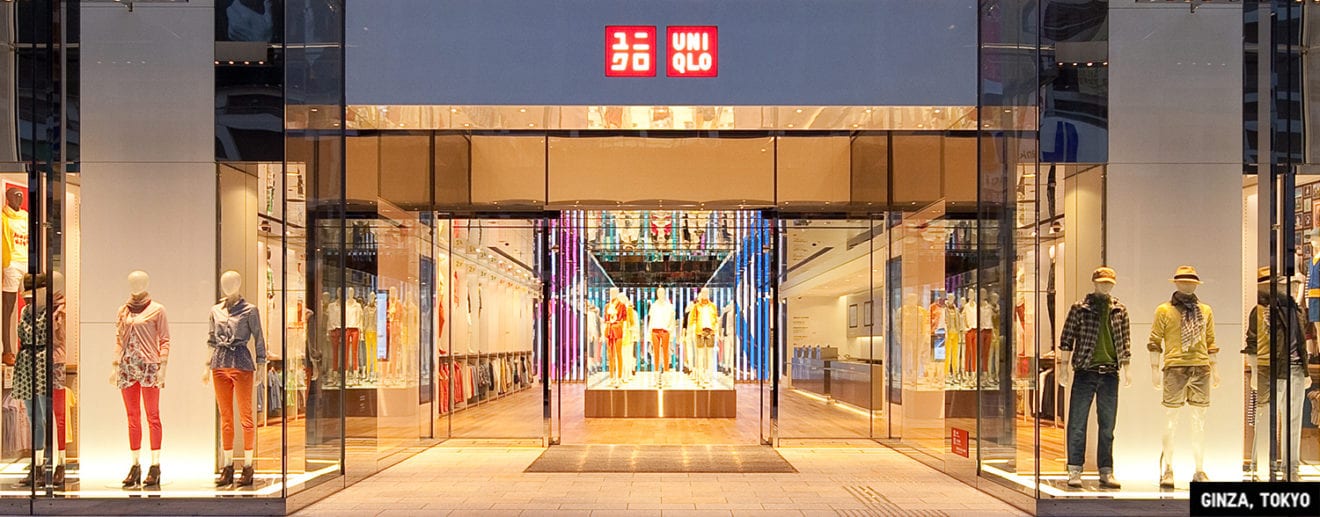
    Massive discount offers have failed to stem a plunge in Uniqlo sales in South Korea, where the Japanese fashion retailer has been targeted by the boycott movement.

    Rep. Park Kwang-on reported based on a compilation of data collected from eight credit card companies in South Korea that Uniqlo sales last month amounted to 9.1 billion won (US$7.8 million), a mere 33 percent of the sales achieved during the same month last year.

    Uniqlo managed to generate only 8.1 billion won (US$7 million) in sales during the massive discount period held between October 1 and 14, which was 39 percent of sales recorded in the same period last year.

    Uniqlo, celebrating the fall and winter seasons, has renovated stores and began a marketing offensive driven by Furis, Heattech, and other signature brands.

    Since October 3, Uniqlo held a 15th anniversary ‘thank you’ event both online and offline, offering discounts of as much as 50 percent for many of its signature products.

    Reports of several products being sold out online and offline stores crowded by customers seemed to suggest that the boycott movement was in decline.

    Park argued, however, that the boycott movement is still strong.

    Top ten, a local fashion brand run by Shinsung Tongsang Co that is seen by many as an alternative to Uniqlo, saw sales last month rise 61 percent year on year.

    “Despite the discount events, Uniqlo sales are far from recovery,” said Park.
  • South Korean convenience store chain launches franchise in Vietnam

    South Korean convenience store chain launches franchise in Vietnam

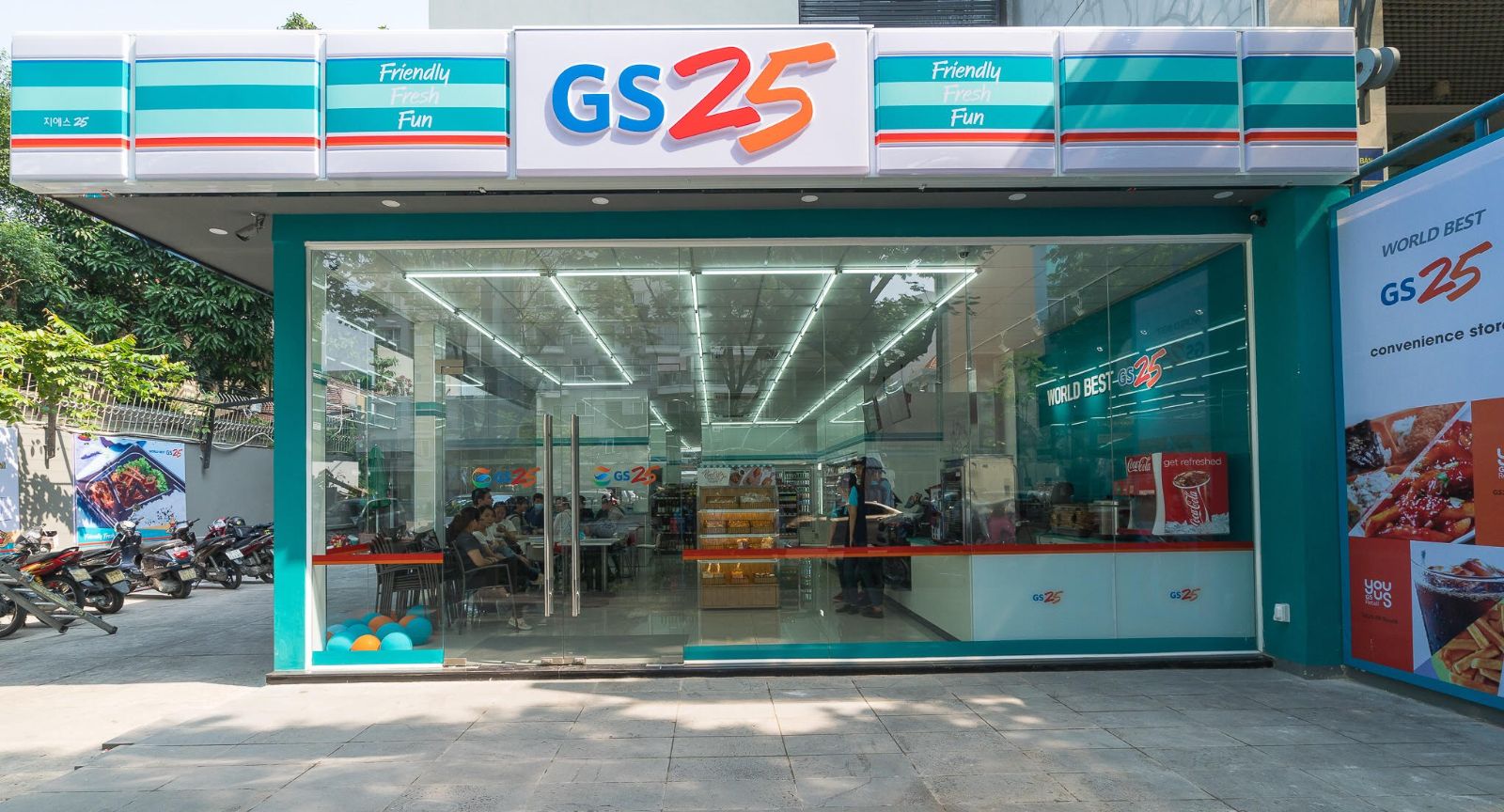
    GS25 Vietnam, a joint venture between South Korea’s GS25 and local retailer Son Kim Group, opened up its brand to franchisees beginning Friday.

    Interested franchisees can choose from one of three models offered by GS25 Vietnam: investing in a standalone store, a chain of convenience stores, or co-investing with GS25 Vietnam to open stores, said a representative of the brand.

    Franchised stores come in three models, with areas of 65-70 square meters, 100-120 square meters, or 150 square meters, respectively.

    Franchisees will have to spend at most VND2 billion ($86,260) to invest in a convenience store, and will be able to source products from major distributors in Vietnam or import South Korean goods, said Nguyen Thi Hong Trang, General Director of GS25 Vietnam.

    South Korean convenience store chain GS25 entered Vietnam in January last year, opening a store in Ho Chi Minh through a joint venture with the Son Kim Group, which operates in retail, real estate and media sectors.

    GS25 Vietnam currently owns 50 stores, and aims to open 2,500 nationwide after 10 years. Opening the business to franchisees is a major step towards realizing this goal, its brand representative said.

    According to the Ministry of Industry and Trade, on average, 1-3 retail stores are needed per 1,000 people. However, only 7,012 stores are considered modern retail stores in Vietnam.

    More than a third of Vietnamese households shop at convenience stores or mini supermarkets, with an average frequency of 10 times per year, data compiled by research firm Kantar Worldpanel shows.

    The UK-based Institute of Grocery Distribution forecasts that convenience stores in Vietnam would grow in double digits over the next four years and account for 37.4 percent of retail revenue by 2021

  • South Korea’s outdoor-fashion industry in ‘dire’ state

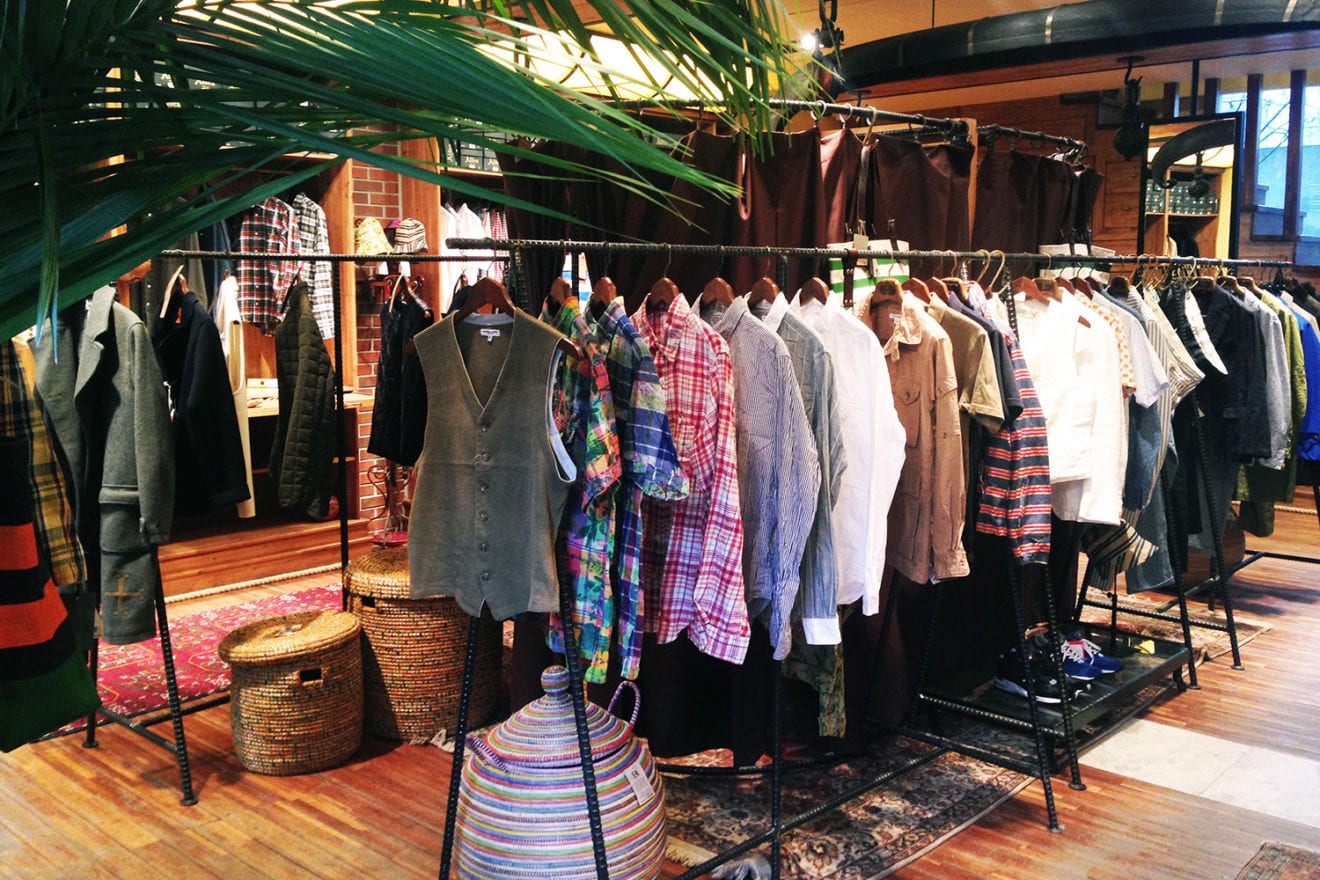
    South Korea’s outdoor-fashion industry in ‘dire’ state

    South Korea’s outdoor-fashion industry is in “dire” condition according to a report by Korea Bizwire, with brands and retailers once the leaders of the fashion industry “slowly fading into obscurity”.

    Ashley Son writes that LF, the apparel affiliate of LG Group, plans to gradually shut down all Lafuma stores, a French outdoor brand, by next year.

    And Millet Edelweiss Holdings, Millet’s Korean branch, is looking for companies interested in a potential take-over.

    According to Samsung Fashion Institute, the South Korean outdoor fashion market, which was as large as 7.1 trillion won (US$6.1 billion) back in 2016, shrank to only 4.5 trillion won by 2017.

    K2 Korea’s annual sales dropped from 352.1 billion won in 2016 to 308.8 billion won in 2018. Black Yak’s yearly sales also fell, from 426.7 billion won to 387 billion won over the same period.

    Song says experts cite the overall economic downturn, excessive competition, and the rise of casual fashion as the cause of the demise of South Korea’s outdoor-fashion industry.

    Hiking apparel, once signature products made by outdoor fashion companies, have also been taken over by golf-wear brands.

    With a strong impression among South Koreans that outdoor fashion is for the older generations, younger South Koreans are also shunning outdoor brands.

    “Too many companies are competing in an overheated market, which has resulted in excessive competition as well as slower technological advances,” said a source familiar with the industry.

  • Japan and South Korea battle for Vietnamese retail market

    Japan and South Korea battle for Vietnamese retail market

    South Korean companies are engaged in a fierce battle with Japanese rivals in the Vietnam retail market, which has emerged as a “post-China.”

    According to the Korea Trade-Investment Promotion Agency, the Vietnam retail market has been growing rapidly, with an annual average growth rate of 10.9 percent between 2013 and 2018.

    Currently, South Korea and Japan lead the market in all areas, including convenience stores, department stores and online shopping.

    Lotte Group has had a presence in the Vietnam retail market since 2008 and has invested US$390 million so far.

    Currently, the company has 14 shopping malls, one department store, and two duty-free shops operating across the country.

    Japanese rival Aeon entered Vietnam in 2011 with a capital of $190 million. Since then, it has built and operated shopping malls in three centers: Ho Chi Minh City, Hanoi and Binh Dương.

    Besides Aeon, Japanese companies such as 7-Eleven, Fuji Mart are also operating in Vietnam.

    The channels that are growing rapidly in the local market are convenience stores and e-commerce.

    In particular, the growth of the convenience-store market is steep due to rapid urbanization, rising income levels and the expansion of the young consumer population.

    IGD Research ranked Vietnam as the top country among the fastest-growing convenience store markets in Asia by 2021.

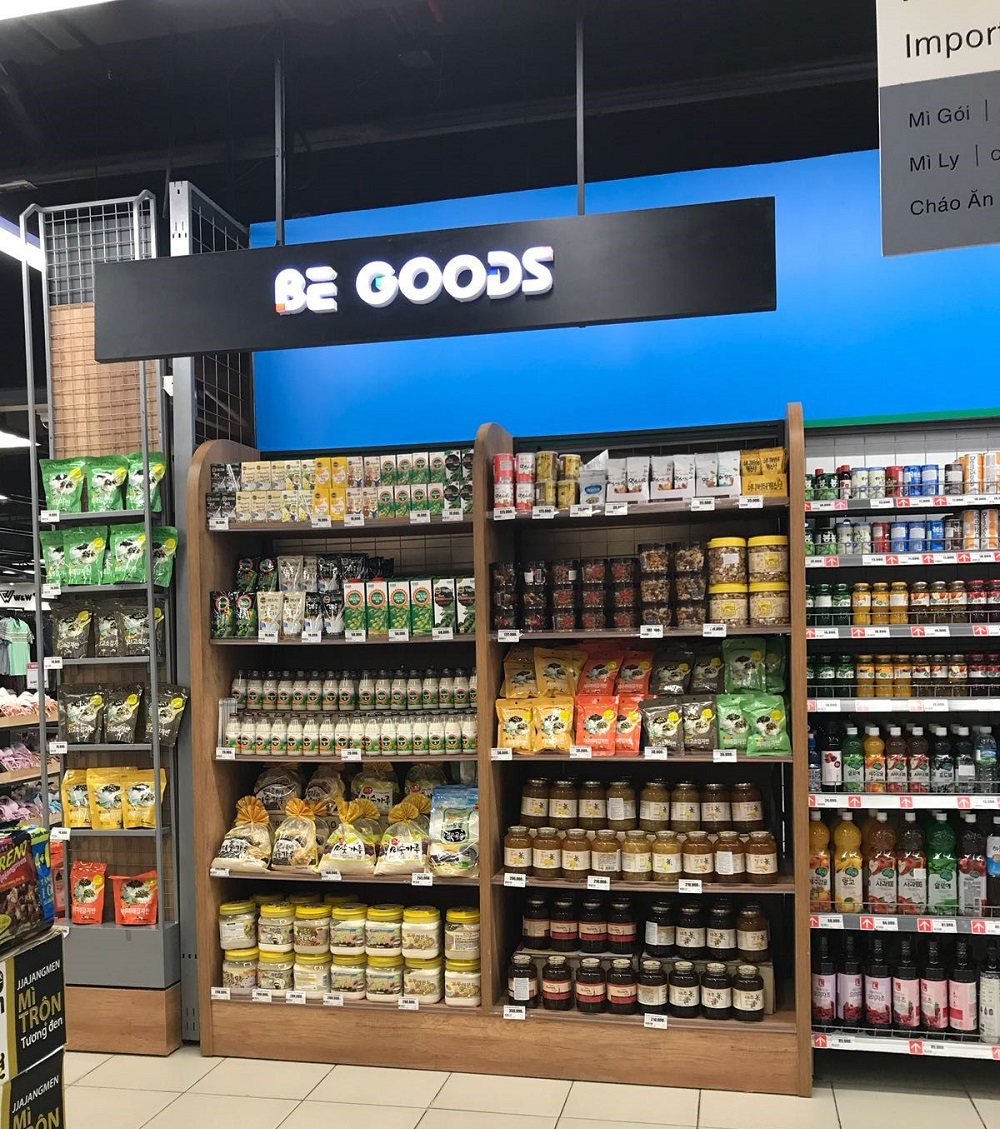
    The South Korean convenience store chain GS25 entered Vietnam in January last year when it opened a store in Ho Chi Minh through a joint venture with SonKim Group, a Korean company that has emerged in the region.

    It currently operates about 50 stores but plans to expand to 70 by next year and to 2000 over the next decade.

    South Korea’s BGF Retail, which operates the convenience store chain CU, also recently signed a master franchise contract with Vietnam’s CUVN to start making inroads into the Vietnamese market.

    Japan’s 7-Eleven entered Vietnam in 2017 and is currently operating 24 stores. It aims to build 1000 new stores, mostly focused for now on Ho Chi Minh City and Hanoi. It followed Circle K and FamilyMart which have gained considerable traction in Ho Chi Minh City.

    South Korean conglomerates such as Lo

  • Uniqlo South Korea courts controversy as it attempts comeback

    Uniqlo South Korea courts controversy as it attempts comeback

    Facing an unprecedented boycott campaign Japanese fashion retailer Uniqlo has launched a comeback campaign in South Korea – only to stumble almost immediately.

    Uniqlo South Korea’s new television commercial rekindled controversy following complaints that the ad made fun of Japanese sex slaves.

    Following the boycott movement which dates back to July, Uniqlo closed four stores in South Korea before opening three new stores over August and September. The company also reopened two original stores following renovations.

    Uniqlo plans to hold a seminar for job seekers this month as it prepares to hire new employees next year.

    This time, a new program has been set up to connect job seekers directly with Uniqlo staff, which is seen as a strategic move to recover its reputation in the country.

    Uniqlo has also been offering a 50-per-cent discount for some of its signature products since October 3 to celebrate the 15th anniversary of Uniqlo Korea, which is being seen as an unprecedented move even for Uniqlo that has been offering various discounts on a regular basis

    Uniqlo Korea’s new English advertisement, however, has sparked outrage among locals, placing the company at the mercy of South Korean consumers yet again.

    In the commercial, a teenager asks a 98-year-old lady what she wore when she was her age, to which the old lady answers “I can’t remember that far back.”

    The Korean subtitles, however, say “My God, how can I remember something that happened more than 80 years ago?”

    The commercial became an instant controversy among South Koreans, with many seeing the subtitles expressed as being scornful of the 1930s, which was about 80 years ago, when the Japanese empire forced Koreans into military service and sex slavery.

    Uniqlo denied all of the allegations but soon decided to take down the commercial all together.

    In response, Yoon Dong-hyun, a student from Chonnam National University, shot a video clip with Yang Geum-deok, a sex slave victim, imitating the Uniqlo commercial.

    In the video, Yoon asks Yang how difficult her life was when she was his age. Yang answers “I can never forget the horrible pain that I suffered back then.”

    “The video clip was made to tell Japan how it must have felt for the victims during those times,” said Yun.

  • K-beauty brands vow to defend against Sephora South Korea onslaught

    K-beauty brands vow to defend against Sephora South Korea onslaught

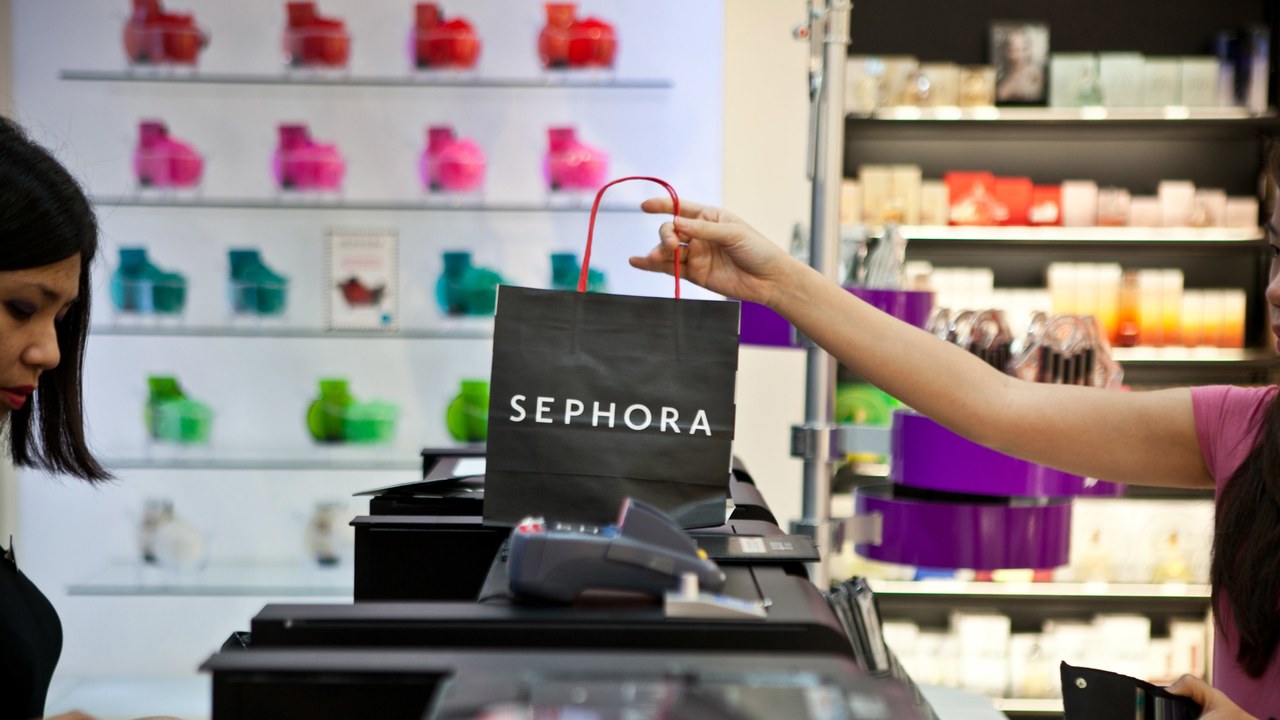
    South Korea’s big-name beauty retailers are prepared to defend their market share from the launch of Sephora South Korea, which debuts this week.

    The first Sephora South Korea store will open in Parnas Mall in the upscale district of Gangnam in southern Seoul this Thursday, the company said. Spread across 547sqft, the store will feature hundreds of cosmetics, skincare, body and fragrance brands, along with its own private-label range.

    Sephora, part of the French luxury goods conglomerate LVMH Group, has nearly 3000 stores worldwide. The company has begun an aggressive expansion program in Asia, opening stores in Hong Kong, Singapore, Thailand and India.

    Sephora South Korea plans to open six stores and an official online store by the end of next year, along with 13 more nationwide by 2022.

    Sephora’s inroads come as the country is already full of Sephora-like stores, which are mostly operated by the country’s major conglomerates.

    Sales of beauty and drug products in the country came to US$4.74 billion last year, according to data compiled by Euromonitor International.

    Olive Young, run by retail conglomerate CJ Group, is considered a market leader with nearly 1100 outlets across the country. The stores feature hundreds of budget- and mid-range beauty-and-lifestyle products.

    Local retail giant Shinsegae also launched its first multi-brand beauty shop Chicor inside one of its department stores in December 2016, which houses not only luxury brands but also bargain cosmetics.

    The company currently has 22 such stores across the country and a flagship in Gangnam.

    The outlets also have a place where customers can try out makeup products for free and issues a credit card that offers discounts and other perks.

    “We were able to secure not only loyal but also potential customers by issuing a credit card that offers benefits, especially for those in their 20s and 30s who are hugely interested in beauty products and makeup,” said Lee Sung-hwan, a Shinsegae official.

    The company says it has issued 90,000 Chicor credits cards in about a year.

    Lotte Shopping Co, South Korea’s No. 2 retailer, also operates the drugstore LOHB, which sells mainly medical cosmetics. That chain opened a concept store in the Gangnam district last month that mainly targets customers in their 20s.

  • DHL Express to invest €131m in Incheon hub expansion

    DHL Express to invest €131m in Incheon hub expansion

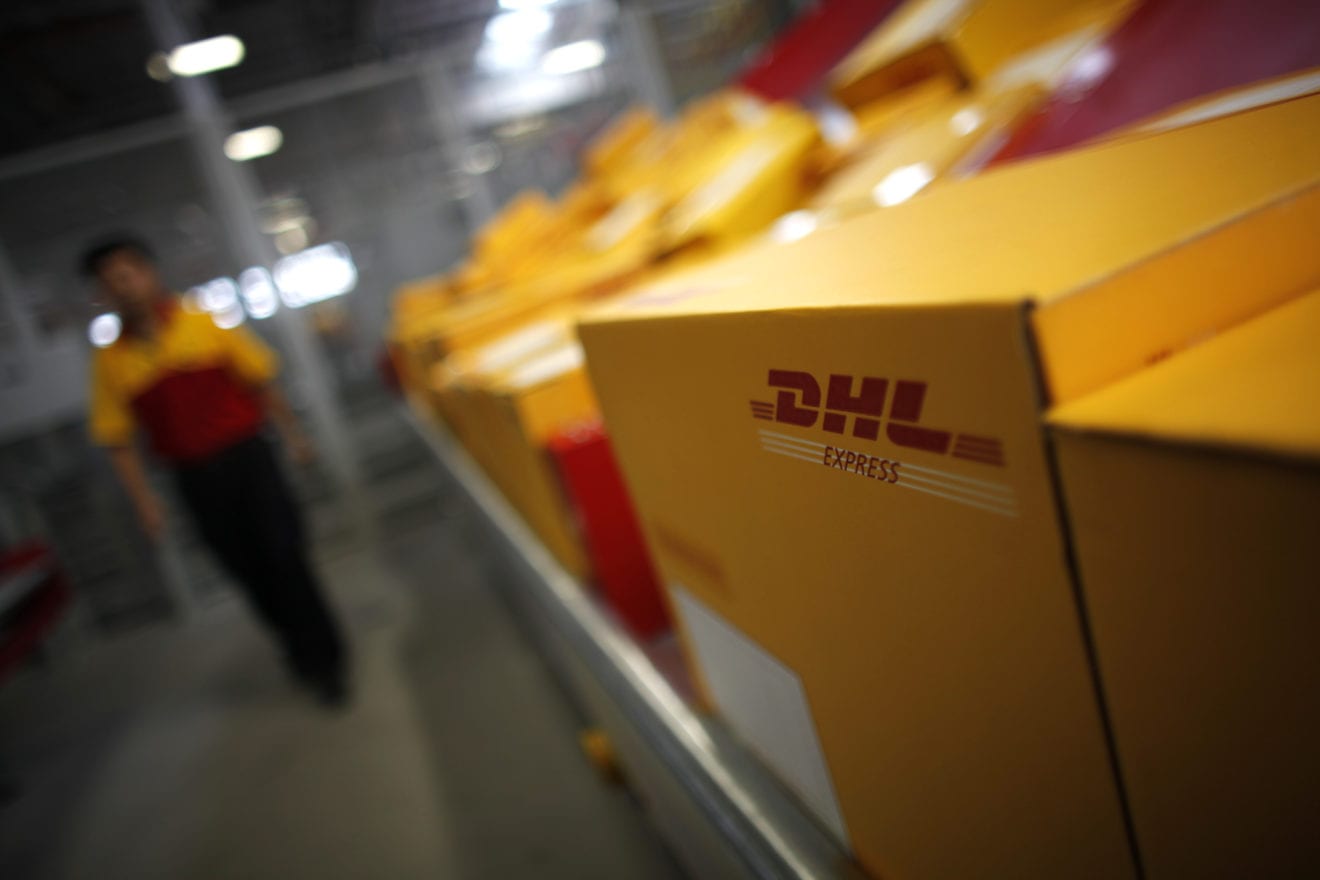
    DHL Express will invest €131m in expanding its hub at Incheon International Airport to meet expected growth in online sales in the Asia Pacific region.

    The investment will see DHL expand its Incheon Gateway facility to a gross floor area of 58,700 sq m from the current 20,000 sq m – an increase of almost 200% – with work expected to be completed in the second quarter of 2022.

    It will also be equipped with the “latest technology for faster, more secure and efficient delivery handling processes”.

    The multi-year investment is expected to support demand growth up to 2032.

    The investment also covers technical upgrades including fully-automated X-ray inspection machines, a 4 km conveyor belt, automated sorters, magnetic speed controllers and full CCTV coverage.

    The new technology will increase the Incheon Gateway’s total handling volume of parcels and documents by over 150%

    Ken Lee, chief executive, DHL Express Asia Pacific, said: “Our Incheon Gateway occupies a vital strategic position along key routes between South Korea and countries like Singapore, Taiwan, Hong Kong and China – all of which are amongst our top ten inbound and outbound markets by express delivery volume.

    “With online retail sales in Asia Pacific expected to reach $2.5trn by 2023, our latest investments in the Incheon Gateway will align our infrastructure to what Asia’s e-commerce generation needs for now and tomorrow.”

    Since the opening of its Gateway in 2008, DHL Express has seen a growth of over 45% in shipment volume, indicative of the growing role which the Gateway plays in global and intra-regional trade.

    John Pearson, chief executive, DHL Express, added: “Our quality and speed are crucial for our customers and the main pillars of our growth around the world.

    “Our new investment, the largest one for South Korea so far, helps to connect the world even more and to further improve transit time of global trade and on the trade lanes to Asia.”

    The expanded facility is also aligned to Deutsche Post DHL Group’s mission of net zero logistics-related carbon emissions by 2050.

    It will incorporate a range of ‘green’ features such as the use of solar power and energy-efficient lighting systems to achieve CO2 reduction of up to 1,500 tons per year.

    When completed in second quarter 2022, the Incheon Gateway will be DHL Express’s largest gateway in Asia Pacific.

  • E-Mart plans to sell several stores

    E-Mart plans to sell several stores

    South Korean big-box retailer E-mart will sell 13 store buildings and land to improve its financial situation.

    The firm will sell the properties to Mastern Investment Management for KRW952.48 billion (US$802.65 million) in the face of plummeting sales and intensifying competition from e-commerce. It will continue to operate its businesses on the properties under a lease arrangement.

    The properties constitute 5.7 percent of the Shinsegae-owned firm’s total assets.

    E-mart will use the funding to pay debt and diversify its operations into e-commerce.

    “As the current retail market is dominated by e-commerce platforms, retailers have no choice but to continue to reduce their offline business,” said Hyundai Motor Securities analyst Park Jong-ryul. “With the fresh funds, they focus on venturing into the online market.”

  • Habit Burger Grill Opens in Korea

    Habit Burger Grill Opens in Korea

    America’s Habit Burger Grill is eyeing South Korea expansion in partnership with consulting firm Bridging Culture Worldwide.

    “South Korea, with its savvy consumers, open-minded culture and interest in global brands is an ideal marketplace for The Habit Burger Grill’s expansion,” said John Phillips, chief global business partnership officer at the company.

    He said Habit Burger Grill wants to attract multi-unit franchise partners and ensure mutual success for both parties.

    With the partnership, Bridging Culture Worldwide will support The Habit Burger chain with its international expansion plans in Asia-Pacific region.

    Founder and CEO of Bridging Culture Worldwide, Don Southerton, said: “South Korea has embraced premium western brands and The Habit Burger Grill delivers exactly what consumers are seeking – great food and excellent service. With its distinctive fresh-off-the-grill Charburger and hand-crafted sandwiches, fresh salads and other menu items, we know South Koreans will appreciate all that The Habit Burger Grill has to offer,”.

    Bridging Culture Worldwide is a business consultancy providing strategic planning and market entry service to Korea-based global businesses as well as support for western firms entering Korea.

  • South Korean convenience-store chain CU to accept cryptocurrency

    South Korean convenience-store chain CU to accept cryptocurrency

    Major South Korean convenience-store chain CU is preparing to accept payments in cryptocurrency.

    The chain, which operates more than 13,000 outlets in the country, will use the Chai payment system to trade in Terra, a won-backed stablecoin that has garnered investment from many large Korean firms.

    CU parent firm BGF Retail partnered with Chai earlier this week to allow buyers to pay by presenting a barcode from the Chai mobile app.

    Terra co-founder Do Kwon told CCN Korea that low-margin businesses struggle to accept volatile cryptocurrencies such as Bitcoin. In other regions, retailers often deal with exchanges to convert cryptocurrency payments to money on the spot.

    “Moving forward, Chai will continue to lessen the burden on franchisees and increase the merit of consumers through partnerships with various companies like CU convenience store with an on and offline infrastructure,” said Chai Corporation president Han Chang-joon in a statement translated by CCN.

  • ZTE launches industry’s first 5G NB-IoT-based joint home appliances standard

    ZTE launches industry’s first 5G NB-IoT-based joint home appliances standard

    ZTE, a major international provider of telecommunications, enterprise and consumer technology solutions for the Mobile Internet, together with China Telecom and Haier AC, has today released the industry’s first 5G NB-IoT-based shared air-conditioner centralized control standard.

    This standard specifies the technical requirements of centralized control of shared air-conditioner, setting a benchmark for the centralized control operation of the shared economy in the home appliance industry. It is another breakthrough in the wake of the joint release of the industry’s first shared air-conditioning technology standard based on NB-IoT in September 2018 by ZTE, China Telecom Shanghai Research Institute, Haier AC and other partners.ZTE, China Telecom and Haier AC carried out a comprehensive evaluation and pre-commercial verification of the shared air-conditioner centralized control model at University of Shanghai For Science and Technology. China Telecom and ZTE provided indoor and outdoor wireless network coverage to ensure stable and reliable signal quality, data transmission, and service applications in the centralized control area. The centralized control based on NB-IoT wireless network can effectively address the problems of traditional centralized control, such as difficult engineering, complex cabling, and overwhelming maintenance.

    With the release of the shared home appliance industry standard, the NB-IoT network can realize the centralized control of temperature, mode and switch of the shared air conditioners, hence the wide application in campus, apartment and hotel scenarios.

    ZTE has always been exploring continuous innovations in the field of IoT. Based on its self-developed IoT platform and its leading edge in the 5G field, ZTE has created a series of end-to-end 5G+ integrated industry solutions in various fields, including 5G+ Smart Campus, 5G+ Industrial Park, 5G+ Smart Water Control, 5G+XR Cloud Coordination, 5G+ Cloud Education, 5G+ Smart Stadium, Smart Home, and Internet of Vehicles. By integrating the cutting-edge technologies, such as big data and AI, with the IoT, ZTE is committed to promoting the incubation and deployment of innovative IoT solutions.

    “We have been exploring the opportunities in each industry with our industry partners to create values by virtue of our experience and capabilities in the ICT field,” said Mr. Yin Gang, vice president of ZTE Corporation. “We’re happy to join hands and connect closely to build a bright future together.”

    ZTE is a provider of advanced telecommunications systems, mobile devices, and enterprise technology solutions to consumers, carriers, companies and public sector customers. As part of ZTE’s strategy, the company is committed to providing customers with integrated end-to-end innovations to deliver excellence and value as the telecommunications and information technology sectors converge. Listed in the stock exchanges of Hong Kong and Shenzhen (H share stock code: 0763.HK / A share stock code: 000063.SZ), ZTE sells its products and services in more than 160 countries.

    To date, ZTE has obtained 25 commercial 5G contracts in major 5G markets such as Europe, Asia Pacific, MEA (Middle East and Africa), etc. ZTE commits 10 per cent of its annual revenue to research and d

  • Kakao Friends expands to Europe with IMG

    Kakao Friends expands to Europe with IMG

    Korean mobile lifestyle platform company Kakao has associated with IMG to exclusively license its character brand Kakao Friends in Europe.

    Originating from South Korea’s leading messenger platform Kakao Talk, Kakao Friends’ characters have gained millions of fans with its charisma and unique personalities. As K-pop culture has become a global phenomenon, Kakao Friends decided to enter Europe markets by launching an European online store to reach its global fans.

    Eight Kakao Friends’ characters have already collaborated with some of premium brands such as Louis Vuitton or Nike. There will be approximately 30 Kakao Friends stores opened in South Korea and Japan in the future.

    “Having already connected emotionally with millions of fans and aspirational brands, Kakao Friends is a leading K-POP culture export and is powerfully on trend in Europe,” said Matthew Primack, senior vice president of licensing at IMG. “Now is the perfect time for a social and culturally rich lifestyle brand like Kakao Friends to explore new product opportunities that reflect its unique identity and booming popularity.”

    Kakao Friends in Europe will primarily feature apparel and accessories, homeware with future extension into additional categories.

  • South Korea’s CU convenience store chain to open in Vietnam

    South Korea’s CU convenience store chain to open in Vietnam

    South Korea’s CU convenience store chain will expand its footprint to Vietnam, its second international market after Mongolia.

    BGF Retail, the operator of CU, signed a master-franchise agreement with CUVN, a Vietnam-based convenience store operator, on Tuesday. CUVN will be in charge of investment and operations in Vietnam market as BGF Retail contributes its brand and business background.

    BGF Retail and CUVN plan to open their first store in Vietnam by June next year.

    Park Jae-koo, CEO of BGF Retail, said the company will continue to expand internationally making forays into growing emerging markets.

    With the new expansion, the South Korean convenience store operator expects to gain a strong position in the Southeast Asian market as Vietnam’s economy has witnessed significant growth during recent years.

    Rival network GS25 has already launched in Vietnam, opening stores in Ho Chi Minh City.

  • South Korean firm to invest $700 mln towards cashless payment in Vietnam

    South Korean firm to invest $700 mln towards cashless payment in Vietnam

    Financial solutions firm Alliex will invest over $700 million to build shared Point of Sales (POS) across Vietnam. Alliex plans to install a total of 600,000 shared POS devices in Vietnam over the next five years, its director Park Byounggun told Deputy Prime Minister Vuong Dinh Hue at a meeting on Friday.

    The company, along with local partners, will build and operate this shared system, and continue to add new features on the POS devices such as QR code, contactless payment, and biometrics in line with regulations, Byounggun said.

    The shared POS system will help local authorities cut down cash in circulation and transaction costs, combat tax losses and speed up payment transactions in a safe and efficient manner, helping the government’s efforts to transform Vietnam into a cashless society, he added.

    Alliex has also signed collaboration contracts with private lender Sacombank and the state-owned VietinBank to roll out the POS system in Vietnam.

    Electronic payments in the country increased by 22 percent in 2017 to $6.14 billion, according to Statista, a local market research firm. The figure is projected to rise to $12.33 billion by 2022.

    Economists have said that the potential for cashless payments in Vietnam is huge due to a growing middle class and rapidly improving telecom infrastructure. The Vietnamese government targets to make 90 percent of all transactions cashless by 2020.

    However, for now, the reliance on cash remains huge. About 80 percent of Vietnamese prefer to use cash for daily transactions, according to the Ministry of Industry and Trade.

  • Appliance Subscription services taking off in South Korea

    Appliance Subscription services taking off in South Korea

    The subscription services economy – through which one can periodically receive products or services instead of purchasing them outright – is on the rise in South Korea.

    Rental services, which used to be represented by water purifiers, are now in their heyday as they have expanded to various items such as LED masks and dishwashers.

    Major online shopping portal Gmarket’s sales data for rental services over the past five years showed a more than fivefold increase (448 percent) since 2014.

    Compared to last year, rentals of massage chairs increased by 435 percent, clothes dryers by 111 percent, and air purifiers by 106 percent.

    When dividing the rental service by generation, customers in their 40s accounted for 46 percent of purchases, nearly the majority, followed by those in their 30s at 35 percent.

    People in their 30s and 40s who seek practical consumption and have relative economic power, have responded to rental services that allow them to rent products at reasonable prices.

    The items available for rent have diversified. Various kitchen appliances such as dishwashers, food processors, coffee machines, air fryers and induction stoves as well as LED masks and pet products like pet dry rooms are available.

    Rental companies are also introducing health-related products such as spinal-heating medical devices and eye massagers, as well as unique products such as painting rentals and indoor plant growing machines.

    “Because products that can improve quality of life can be used without any initial cost and can be replaced with new products after a certain period of time, preference for rental services is increasing,” said a representative of Gmarket.