Tag: Korea

  • Single-use cup consumption on the fall in South Korea

    Single-use cup consumption on the fall in South Korea

    Single-use cup consumption at Korean fast-food restaurants has plunged by 72 per cent.

    The changes have occurred in the year since establishments began to participate in a move initiated by the government to pull back plastics use.

    The Korean Ministry of Environment assessed 1000 outlets under 21 brands over the past year, of which 16 were coffee chains (including Starbucks) and five fast-food restaurants (including Lotteria and McDonald’s) all located in metropolitan Incheon and its environs.

    The findings showed that 81 per cent of the outlets served beverages in multi-use cups, reducing the stores’ reliance on disposable cups from 206 tons last July to 58 tons in April. All brands assessed offered discounts to customers bringing their own cups, and many replaced plastic drinking straws with other alternatives.

    “We can live without disposable products and they can be replaced,” said a ministry official. “It is inconvenient without them, but we have to make the effort.”

  • Grocery e-commerce startup Kurly raises Millions

    Grocery e-commerce startup Kurly raises Millions

    Korean grocery delivery service Kurly has closed an upsized Series D round that hit US$113 million.

    The round was announced last April at $88 million, but has since attracted an additional $25 million funding from China’s Hillhouse Capital.

    Kurly delivers all orders placed by 11 pm before 7 am the following morning, prioritising convenience over cost savings and focusing closely on self-branded produce and groceries. This distinguishes its service from competing retail giant Coupang’s moves in the sector, which uses a marketplace platform to connect retailers and consumers.

    “The latest round of investment is a major endorsement of the progress we’ve made differentiating ourselves in the market through our cold-chain fulfillment infrastructure and unique offering of premium, curated products,” said company founder Sophie Kim. “Our focus is on further strengthening our relationships with our suppliers, developing our fulfillment infrastructure and continually improving our customer experience.”

    Kurly’s revenue tripled year-on-year to hit $131 million last year, although the firm did not release its profit-and-loss figures.

    Hillhouse Capital has offices in Hong Kong, Beijing, Singapore and New York. It focuses on investments in Asia.

  • In-N-Out Burger opens pop-up Restaurant in Seoul

    In-N-Out Burger opens pop-up Restaurant in Seoul

    In-N-Out Burger, a popular American hamburger franchise, opened a pop-up store on Wednesday in Gangnam, Seoul, drawing hundreds of visitors.

    People began lining up at the store from 6am to try out what can otherwise be tasted only in America. The 250 burgers prepared for the day sold out in just 30 minutes.

    South Korea’s craze for American food brands, including Shake Shack in 2016, and recently Blue Bottle Coffee, is drawing attention from brands.

    The pop-up event, originally scheduled to start at 11am, had to open early at 9.30am due to the massive number of people queuing. All 250 wristbands, needed to purchase a burger, were given out before the clock struck 10.

    This is In-N-Out Burger’s third pop-up store since the last one in 2012. The burger franchise, however, currently has no plans to enter the South Korean market.

    Some argue that the pop-up store is In-N-Out Burger’s strategy to maintain trademark rights in South Korea.

    Experts say that South Korea’s craze over American food chains reflects the people’s need for ‘small but definite happiness’ in the age of social networks.

    When the first Shake Shake opened in South Korea in July 2016, for more than a month, customers had to line up for at least two or three hours to get a burger.

    People also lined up at Blue Bottle’s first store in Seoul’s Seongdong District, which opened early this month.

    “In the age of social networks, people’s need for a ‘small but definite happiness,’ which can be easily shared with other consumers, seems to coincide with these food chains,” said one expert.

    “That is why people seem to become more willing to wait in line for hours, just like how they did at Shake Shack or Blue Bottle.”

  • Hyundai Kona Electric India Launch Details Out

    Hyundai Kona Electric India Launch Details Out

    After bringing in its contender for the subcompact SUV segment – the Venue, Hyundai India is all set to bring in another SUV into the country and this time around it will a product that will launch the company’s electric product offensive. Yes, the Kona Electric all set to be launched in India on July 9, 2019 and the Korean carmaker will have its widest SUV product line-up in India with the addition of two new models this year. Hyundai’s SUV line-up in India will include Venue, Creta, Kona ev, and the Tucson which is scheduled to get a facelift in the second half of this year. Hyundai has already confirmed that it will be manufacturing its upcoming Kona electric locally in India at its Chennai plant. The latest development is the upshot of the company’s plans to invest in India a part of which will go towards the development of an assembly line for the Kona Electric.

    The main purpose of producing the Kona Electric locally is to keep the pricing aggressive in a bid to make it a viable offering for the prospective customers. Hyundai had earlier shared that it wants to keep the Kona comparatively affordable for car buyers. Hyundai will channel the rest of the investment in the manufacturing of other car models and development of new technologies and machinery. Moreover, the investment will add 1500 more jobs in India.

    The Hyundai Kona electric can go up to 350 km on a single charge which takes about 30 minutes through fast charging. Globally, the Kona Electric is offered in two iterations- one which is equipped with a 100 kW motor and the other with a 150 kW motor. While the former motor produces 134 bhp, the latter churns out 201 bhp. Both the motors are mated to electronic transmission. Moreover, it is equipped with upmarket features like an 8.0-inch infotainment system which supports smartphone connectivity, auto-headlamps rain sensing wipers and more.

  • Incheon Airport duty-free tenders to be Launched soon

    Incheon Airport duty-free tenders to be Launched soon

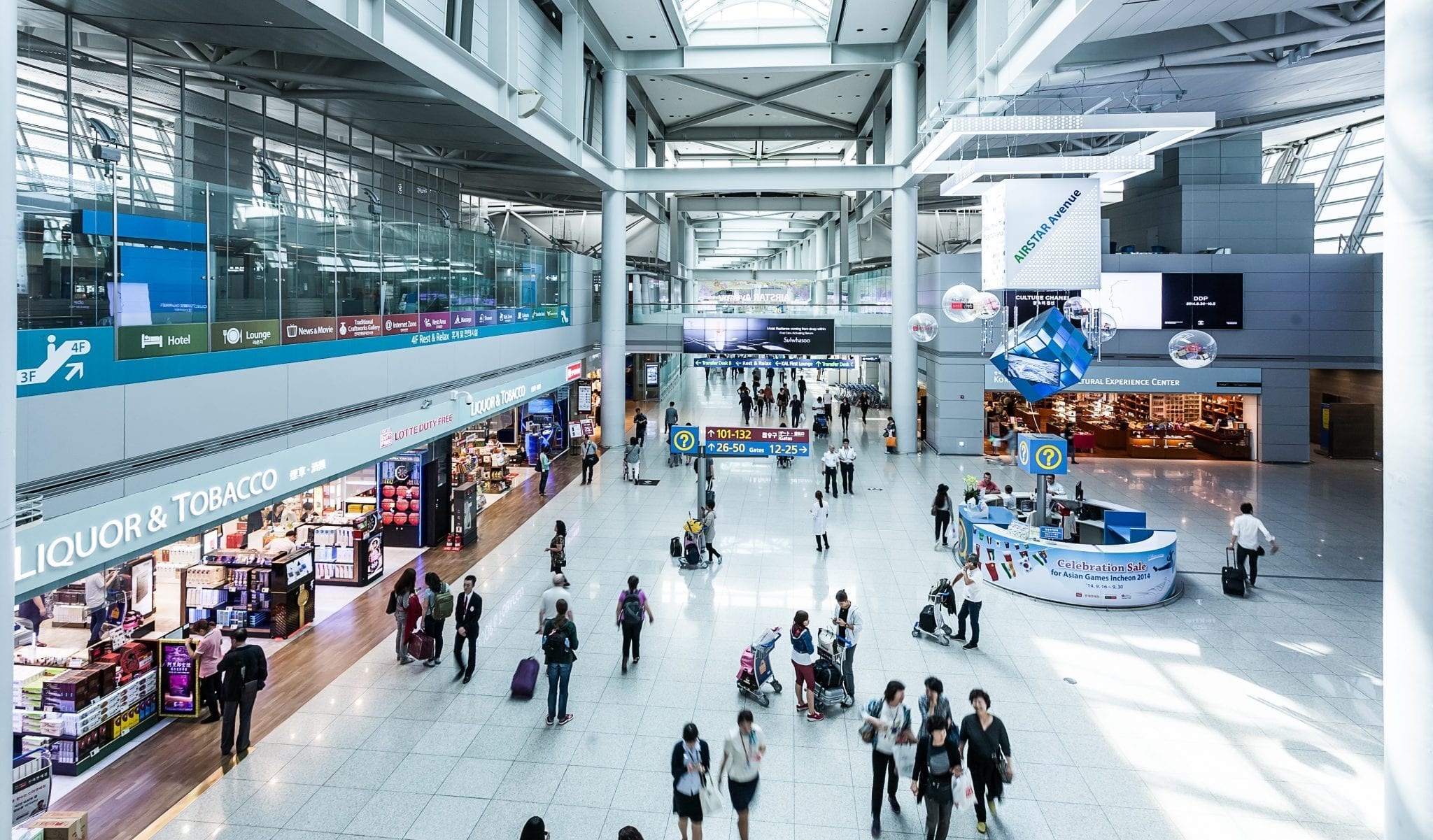
    Incheon Airport duty-free tenders will be released in the fourth quarter of this year.

    The airport, thought to be the world’s most lucrative for retail, has committed to a fair-tender process for both international and local retailers seeking spots in its Terminal 1 building. Almost all Terminal 1 duty-free concessions are scheduled to expire in August next year.

    The 12 duty-free concessions at the terminal are now run by seven Korean firms, including general duty-free retailers Lotte, The Shilla, and Shinsegae, although the airport’s management is encouraging foreign participation in the upcoming tender.

    “The door is always open,” said Incheon Airport’s director of concessions planning Dong-ik Shin. “There is no discrimination against any foreign duty-free operators. Our bidding process is very fair and transparent; the whole bidding process is done in public.”

    Incheon Airport is offering a new arrangement for the duty-free concessions that doubles the previous contract length to ten years and adopts a concession fee based on passenger growth rather than the current minimum annual guarantee model (MAG).

    According to Shin, the new 10-year contract makes it “a very significant and nice opportunity” considering the lucrative sales revenues available at IIA.

  • Japanese, Taiwanese cellcos suspend Huawei device sales

    Japanese, Taiwanese cellcos suspend Huawei device sales

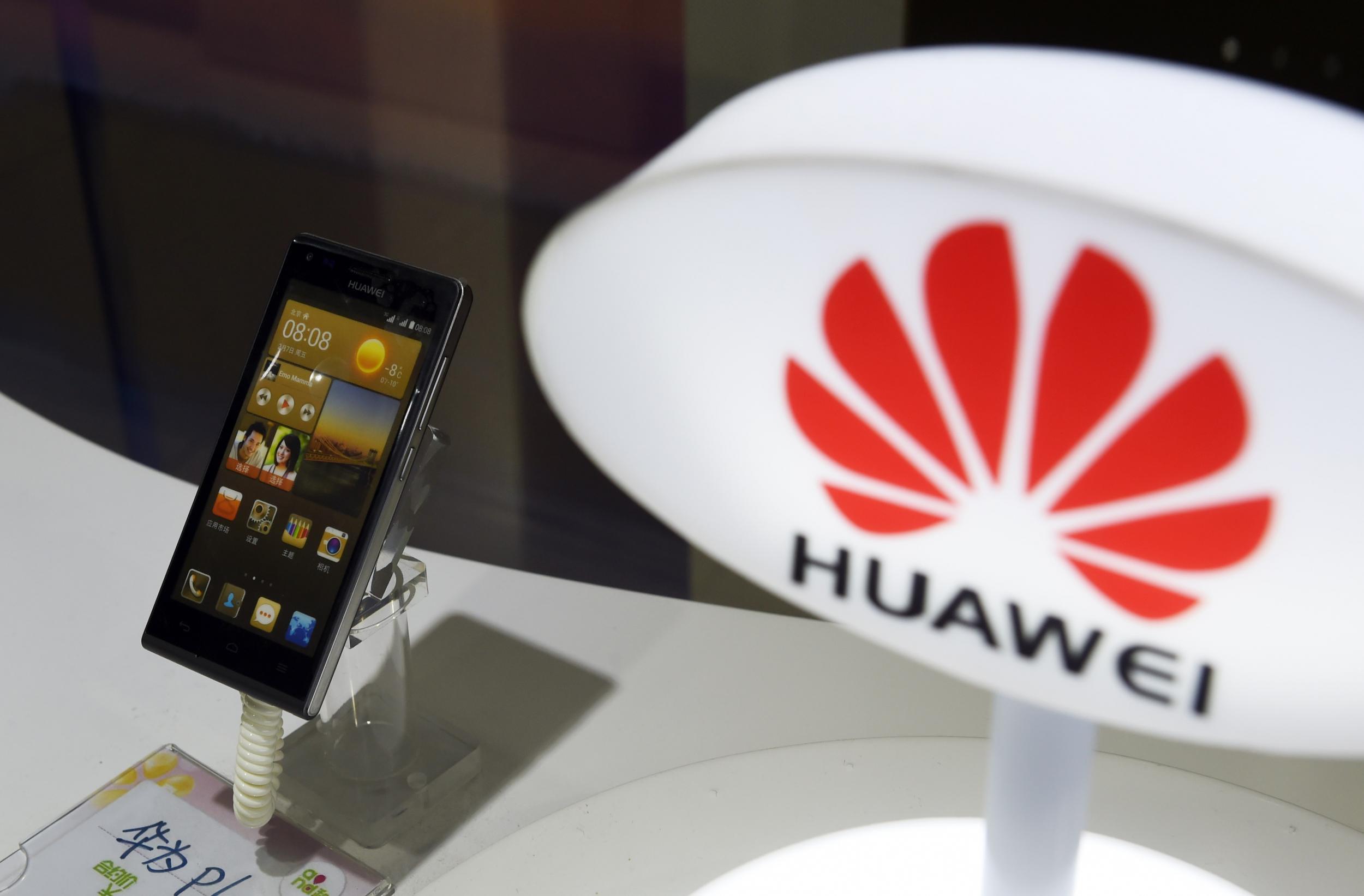
    The first crop of Asian operators have responded to the US trade ban on Huawei and its implication for Huawei’s access to the Android OS by freezing sales of new Huawei devices.

    Japan’s KDDI and SoftBank have both revealed plans to postpone the planned launch of Huawei’s new range of smartphones, which had initially been scheduled to launch this month.

    Meanwhile NTT Docomo has announced it will stop taking orders for the new devices, but has not yet announced plans to suspend the scheduled launch of a new high-end Huawei handset.

    But Huawei has insisted it will continue offering services and support for its existing products in Japan without disruption despite the decision.

    Meanwhile, in Taiwan, Chunghwa Telecom and Taiwan Mobile have both revealed they plan to stop selling Huawei devices after their current stocks sell out. The operators no longer intend to launch the latest crop of Huawei devices.

    The US Commerce Department last week officially added Huawei to the list of companies covered by president Donald Trump’s executive order declaring a state of emergency. The presidential declaration gave the government powers to regulate commerce by prohibiting US companies from trading with foreign companies deemed to present a national security threat.

    This decision has prompted a number of key Huawei suppliers to announce they will stop trading with the vendor – including Google, which said it will comply with the order and cut off Huawei’s access to Android.

    The Commerce Department has subsequently issued a 90-day reprieve allowing companies to continue trading with Huawei, but only to provide products and services required to maintain existing solutions.

    But Huawei will still be prohibited from using all but the open source version of Android in new devices and risks losing access to Google’s suite of services for even its existing devices after the 90-day window.

    Huawei has contingency plans in place such as its own operating system, which it has been developing for some time and promises at least some compatibility with Android apps, as well as its own app store.

    The Chinese vendor has repeatedly denied any suggestion that the Chinese government could use its equipment to spy on foreign nationals.

  • North Korean department store boasts ‘world-class’ design

    North Korean department store boasts ‘world-class’ design

    Pyongyang department store design takes cues from foreign states.

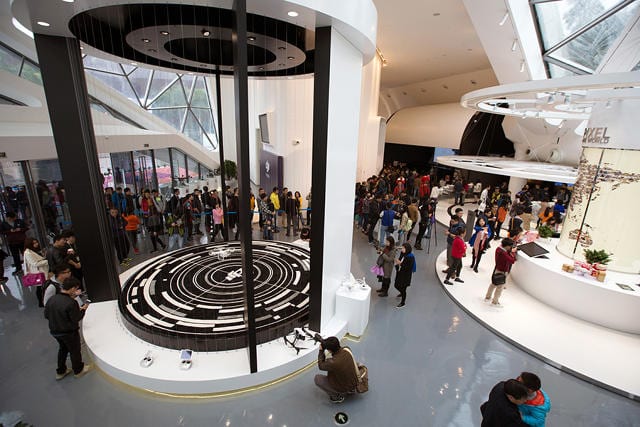
    A new North Korean department store just opened in Pyongyang is drawing attention for welcoming foreign technologies and products, as well as management strategies and culture.

    The Choson Sinbo, the pro-Pyongyang media outlet headquartered in Tokyo, introduced the new Daesung Department Store that opened in Pyongyang in April, describing it as a “modern mall” created in close cooperation with foreign states.

    It reported that architects at the Paektusan Academy of Architecture, known as North Korea’s top architectural research facility, strived to bring in world-class design from advanced nations, ranging from overall interior design to methods of showcasing products.

    It is the department store’s strategy to sell both expensive world-class brands and North Korean-made quality products that are more affordable.

    “Unlike Pyongyang Department Store No.1 or the Gwangbok District Commercial Center where quality North Korean goods are sold, Daesung Department Store not only sells North Korean goods, but also various world-class brands,” said the Choson Sinbo.

    “They sell both affordable and expensive goods together.”

    Daesung Department Store is reflecting global trends to sell both high and low-end brands from overseas as well as popular domestic brands within the confines of a single store.

    Flat-screen televisions made by Sony and Philips, water purifiers from Maybaum, washing machines by Siemens, rice cookers by Tiger, and electronic goods by Panasonic were among the goods offered at the store.

    North Korea also invited foreign experts to study the methods of showcasing products at the store, bringing in various tools to increase sales.

    Daesung Department Store was first built in 1986 on Pyongyang’s Munsu Street, and was renovated recently for expansion.

  • SKT showcases potential of 5G in VR streaming

    SKT showcases potential of 5G in VR streaming

    SK Telecom is demonstrating the potential of 5G to enable virtual reality video streaming by developing exclusive VR content for a popular reality TV series.

    The company is offering 100 exclusive VR clips related to the Produce X 101 idol audition program on the oksuku OTT video service.

    The new content, added to a dedicated menu within the SKT-5GX section of the streaming app, will be provided to SK Telecom customers free of charge. The company is currently offering around 400 VR video clips on this section of the streaming app.

    SK Telecom said it has utilized 5G technologies for the planning, filming and delivery phases of the project. The company used 3D ultra-high definition video cameras to film joint performances, and applied video distortion correction technology to produce realistic and natural 3D video.

    “SK Telecom is witnessing a dramatic rise in the use of VR video contents on ‘oksusu’ since the launch of its 5G service,” the company’s 5GX VP and head of service business group Yang Maeng-seog said.

    “SK Telecom will continue to provide customers with a differentiated 5G experience by rapidly expanding dedicated services and contents on diverse themes.”

  • DJI Osmo Action Camera Captures Every Adventure in Stunning 4K Detail

    DJI Osmo Action Camera Captures Every Adventure in Stunning 4K Detail

    DJI, the world’s leader in civilian drones and creative camera technology, building on its heritage of advanced image stabilization, takes a bold new direction with the Osmo Action camera. Utilizing DJI’s unparalleled experience with capturing smooth and stable videos in the most demanding environments, Osmo Action is as rugged as it is sophisticated, opening worlds of creative potential for professionals and adventure seekers alike.

    “DJI has always pushed the limits of technology, and the content creators who love our products made clear they wanted us to push the limits of their creative potential too. Osmo Action is our cutting-edge answer to what the creative community demands. Exceptional image quality and stabilization in a unique and durable new form factor, with dual color screens and seamless software integration. For all types of creators who push their gear to the limits, Osmo Action sets the new standard,” said Roger Luo, DJI President. “Whether you are capturing aerial content with Mavic 2, incredibly smooth content with Osmo Pocket, or heart-racing footage with Osmo Action, DJI offers a full suite of products for your creative needs.”

    Rugged construction and intuitive design

    A compact yet durable design makes Osmo Action the ideal camera for life’s adventures. Constructed to handle extreme conditions with ease, Osmo Action is dustproof, shockproof[1], waterproof[2] and has the ability to operate in sub-freezing temperatures[3]. Osmo Action utilizes color screens on both the front and back, a unique design feature that allows for more convenient scene composition while on the move. The 2.25-inch rear touchscreen employs a water and fingerprint repelling coating, and the 1.4-inch front screen makes vlogging and selfies easier than ever before. With a brightness of 750-nits, Osmo Action can be used in harsh lighting conditions including direct sunlight.

    Osmo Action’s interactive user interface, Action OS, combines a streamlined and functional physical design with flexible operation. Power on, initiate recording, and rotate through the video and photo capture modes in the blink of an eye with three dedicated buttons. Never miss a moment with the help of SnapShot, which allows Osmo Action to turn on and begin recording in under two seconds by pressing the shutter button once.

    Advanced technology with exceptional image quality

    A 1/2.3-inch sensor records 12-megapixel photos and 4K video up to 60fps at 100Mbps in stunning detail, assuring high-quality footage. A three-glass aspherical lens design records low-distortion content and aids in reducing warping effects for improved scenes. The lens cap is finished with two layers of anti-fingerprint coating to keep the shot clean during use, as well as an anti-reflective coating to reduce the unwanted effects of lens glare, giving users more flexibility to shoot in bright conditions.

    Incorporating over a decade of experience creating three-axis mechanical gimbals, Osmo Action is the first DJI handheld camera to include RockSteady, DJI’s Electronic Image Stabilization (EIS) technology. High-performance stabilization algorithms work in conjunction with EIS to record every movement in smooth, stable, high-quality video, even when recording 4K/60fps. Additionally, Osmo Action is capable of High Dynamic Range (HDR) video in 4K/30fps, delivering an additional three stops of dynamic range to the scene, natural transitions between light and dark areas, and rich details that are often lost in complex lighting conditions. Osmo Action has a removable battery with a run time of 93 minutes recording at 4K/30fps with RockSteady enabled, and 135 minutes recording at 1080p/30fps without RockSteady. Dual microphones let users take advantage of Osmo Action’s Voice Control, and a speaker ensures outstanding playback quality.

    Creative, intelligent features

    A staple in DJI’s product lineup, Osmo Action offers a wide variety of highly creative features built into the camera which users can access with a few simple taps. While recording, choose between:

    • Slo-mo: 8x slow motion in 1080p 240fps or 4x slow motion in 1080p 120fps creates a visually appealing effect when documenting action-packed scenes.
    • Timelapse: If the user is looking to turn minutes into seconds, Timelapse is perfect for capturing unique content with the effect of the world moving faster.
    • Custom Exposure settings: Shoot for the stars with manual and semi-automatic settings that allow up to 120 seconds of exposure, perfect for capturing the night sky.

    Unlocking Osmo Action’s full potential[4]

    Using the recently released DJI Mimo app, connect Osmo Action to your mobile device with Wi-Fi or Bluetooth for added functionality, including a live feed of the camera, multiple story templates, in-app quick editing, and more. An ecosystem of accessories helps unleash all the possibilities of Osmo Action including:

    • Camera Frame Kit: Included with Osmo Action, the Camera Frame Kit offers a universal mount for additional accessories and a window for the LED indicator to show camera status in real time while protecting the device.
    • Adhesive Mounts: Attach Osmo Action to flat or curved surfaces including skateboards, bikes, helmets, and more to capture fast-paced moments. Both the curved and flat adhesive mounts are included with Osmo Action.
    • Waterproof Case: The waterproof case protects the device at depths down to 60 meters while providing a clear image using high-strength glass.
    • 3.5mm Adapter: The 3.5mm adapter offers users the ability to connect an external mic for professional sound recording.
    • Extension Rod: Capture unique angles using the Extension Rod, which features a rotatable phone holder and a ¼-inch screw adapter.
    • Floating Handle: The Floating Handle offers a comfortable grip for Osmo Action and keeps it floating when shooting in water.
    • Filters: Osmo Action comes with Neutral Density (ND), Polarizer, and underwater filters. ND filters (ND4, ND8, ND16, and ND32) reduce light exposure in various environments, while Polarizer filters reduce reflections and increase color saturation for a more appealing image. Orange Seawater and Purple Freshwater filters restore the natural color of underwater scenes.
    • Charging Hub: Charge up to three batteries simultaneously in less than 130 minutes.

    Price and Availability

    Osmo Action retails for $2,999 HKD and will start shipping immediately after the announcement on May 16 at store.dji.com and from authorized dealers on May 22. For more information on all the new features and capabilities of Osmo Action, please visit https://www.dji.com/osmo-action.

    DJI Care Refresh

    DJI Care Refresh is now available for Osmo Action. For an additional $299 HKD, DJI Care Refresh offers comprehensive coverage as well as up to two replacement units within one year. Receive your replacement even sooner with DJI Care Refresh Express. DJI Care Refresh also includes VIP after-sales support and free two-way shipping. For a full list of details, please visit https://www.dji.com/service/djicare-refresh.

  • SKT to provide first 5G live TV sports broadcast

    SKT to provide first 5G live TV sports broadcast

    SK Telecom has revealed plans to offer the world’s first live TV sports broadcast using a 5G network for the SK Telecom Open 2019 golf tournament.

    The tournament, which will be held as part of the KPGA Korean Tour, will be live broadcast on JTBC’s dedicated Golf TV channel and OTT video service oksuku using SK Telecom’s 5G network.

    The tournament, which commences today, will be broadcast live for selected areas using 5G coverage deployed for the third, fourth and ninth holes of the course.

    The company will also temporarily create a special section on the oksuku OTT platform to offer 5G-based live streaming and related video clips of the golf tournament.

    “As 5G-based live broadcasting is subject to no physical constraints, it can be widely utilized in areas including sporting events and on-site news reports,” SK Telecom VP and head of 5GX media business group Kim Hyuk said.

    “SK Telecom will continue to work closely with broadcasting networks to contribute to the advancement of the broadcasting system through 5G technologies.”

    The agreement follows soon after SK Telecom signed agreements with South Korea’s top three terrestrial television broadcasters to jointly develop a live broadcasting system based on the operator’s 5G network.

  • South Korean retail sales surged during Holidays

    South Korean retail sales surged during Holidays

    The unprecedented extension of the Japanese Golden Week holiday to 10 days has seen a surge in tourists visiting South Korea.

    The holiday was extended to mark the enthronement of Crown Prince Naruhito from the usual April 29 to May 5 period.

    Duty free businesses saw big jumps in sales during the period compared to the previous year. Lotte Duty Free in Sogong-dong saw a 45 per cent sales increase, while Shinsegae Duty Free in Myeongdong saw an 80 per cent year-on-year increase.

    Hotels in the main commercial districts of Seoul also saw double-digit occupancy boosts during the period above Golden Week figures for last year.

    Tourism from China was also up 25 per cent during the period, although this rise was lower than in the first four months of this year.

  • South Korea already has 260,000 5G subs

    South Korea already has 260,000 5G subs

    South Korea’s mobile operators have already racked up over 260,000 5G subscribers since launching full-fledged services on April 3, government figures indicate. SK Telecom, KT and LG Uplus have been rapidly adding 5G customers during the first month of commercial 5G operations.

    Meanwhile the number of 5G base stations in the market has increased to over 54,200, up 7% from April 22. But coverage remains restricted to urban and dense population areas in capital city Seoul.

    But South Korean operators’ haste to be first to market with 5G for smartphones has led to some initial complaints over the coverage and speed of the 5G networks.

    According to the Ministry of Science and ICT, many of these initial complaints are being addressed, but more are expected to come to light as more people start using the networks.

  • Amore Pacific launches Etude House

    Amore Pacific launches Etude House

    Amorepacific Group, the largest global beauty company headquartered in Korea, has launched Etude House in India.

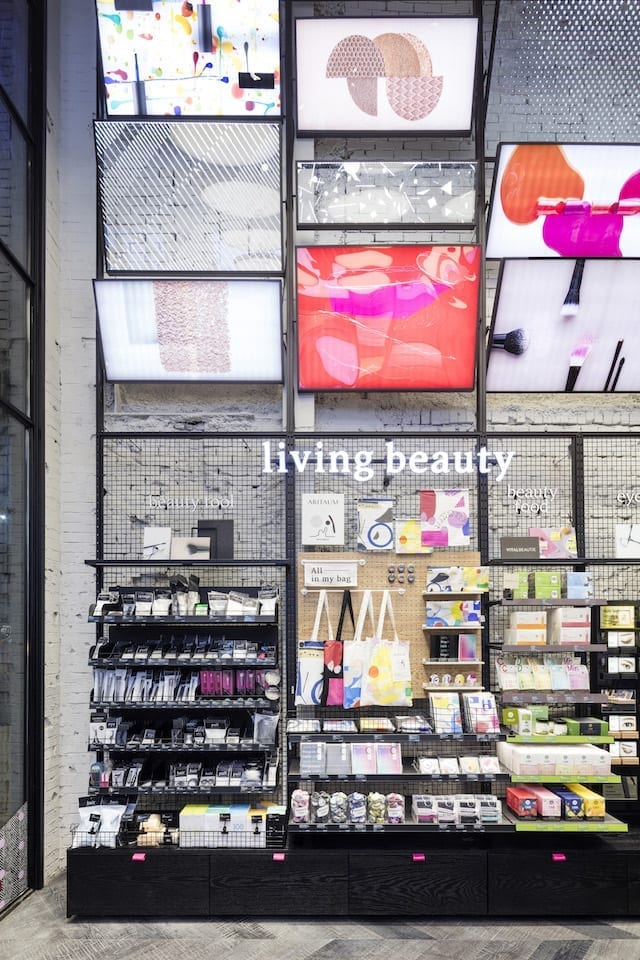
    Etude House has become the third Amorepacific brand introduced to India after Innisfree and Laneige. The brand made its debut on the Indian market on April 30th exclusively through beauty retailer Nykaa.

    Amorepacific plans to expand e-commerce channels to increase reach with millennial customers in the territory, communicating with Indian consumers through Instagram.

    “The Indian beauty market is growing by nearly 10 per cent every year, and this fast growth is driven by millennial customers with increasing disposable incomes and growing interests in global beauty,” said Amorepacific’s group strategy unit head Lee Chang-kyoo. “We see tremendous potential in India to support our goal of strengthening the experience of Asian beauty in the region.”

    “With the launch of Etude House in India, we seek to offer the best beauty experience to our Indian customers – with products that are backed by over 70 years of studies in natural ingredients and world-class innovative technology. This year, we plan to boost our brand operations through online channels.”

    Nykaa chief business officer Nihir Parikh added: “Over the last two years, Nykaa brought Korean beauty to India, introducing customers to their unique innovations and ingredients. The category has been a great success with our customers, who are keen to experience such global trends.”

  • Blue Bottle Coffee Taking Off in Seoul

    Blue Bottle Coffee Taking Off in Seoul

    The first South Korean cafe for Blue Bottle Coffee has launched today.

    The brand’s 14,000sqft headquarters in Seoul includes a roastery and training lab, which is open for public tours, classes, and tastings. Blue Bottle will open a second cafe in Seoul later in the second quarter and has plans for more by the end of the year.

    South Korea is the second international market for the company, which opened its first Tokyo cafe in 2015, inspired by the hospitality of traditional Japanese kissaten (coffee house) culture.

    “Every time we visit Korea, we are deeply honored by the enthusiasm and love for our brand,” said Blue Bottle Coffee CEO Bryan Meehan. “Our Instagram account has more followers in Seoul than any other city in the world. South Korean guests have travelled thousands of miles to meet us in the US and Japan. Finally, we are bringing Blue Bottle to our loyal Korean guests.”

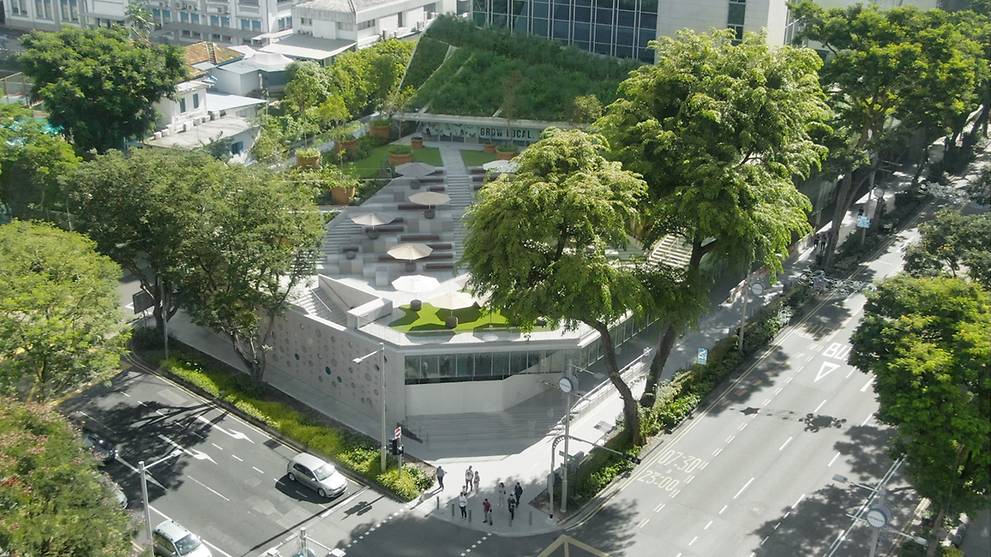
    The industrial, red-brick building that Blue Bottle Korea has launched in is located in the Seongsu neighbourhood, often referred to as the “Brooklyn” of Seoul. The space, designed by Jo Nagasaka of Schemata Architects, displays the brand’s signature emphasis on natural light and warm minimalist design.

    Featuring an open atrium with glass separating the first and second floors, the building offers a transparent view from street level into Blue Bottle’s roastery. Guests may descend a staircase into the intimate below-ground cafe featuring classic walnut chairs and tables.

    Seongsu is situated next to the idyllic Seoul Forest, an urban green space frequented by families of all generations.

    Blue Bottle sees huge potential for growth in the Korean coffee market, which is quickly emerging as an international destination for specialty coffee. Koreans consume more than 25 billion cups of coffee per year, and more than half of the world’s Q-graders – coffee specialists licensed to purchase premium green coffee beans – live in South Korea.

    With more than 18,000 coffee shops already trading in Seoul alone, Blue Bottle Coffee has entered a highly competitive market. It intends to differentiate itself by quality and sustainable practices, bringing expressive blends and rare single origins sourced through direct trade to the country.

  • SKT to help broadcasters create 5G livestream system

    SKT to help broadcasters create 5G livestream system

    SK Telecom has signed agreements with South Korea’s top three terrestrial broadcasters to develop new media solutions and business models based on 5G technology.

    The operator has signed memoranda of understanding with Seoul Broadcasting System (SBS), Korean Broadcasting System (KBS) and Munhwa Broadcasting Corporation (MBC) to jointly develop a 5G-based 4K ultra high definition live broadcasting system and test the system at sports games and other events.

    SK Telecom also plans to work with each broadcaster to develop 5G-based content and explore joint opportunities in digital advertising, augmented reality and hologram technology.

    In January, SK Telecom entered an agreement with US broadcaster Sinclair Broadcast Group to establish a joint venture to lead development of next-generation broadcasting solutions in the US.

    The operator has also just revealed plans to merge its broadband subsidiary and South Korea’s largest pay TV provider SK Broadband with the market’s second largest player t-broad to create a media company with around 8 million subscribers.

    Separately, SK Telecom announced it has signed a memorandum of understanding with Yonsei University Health System to introduce the first 5G powered digital hospital.

    The companies have agreed to develop a 5G network and specialized 5G-based solutions for the Yongin Severance Hospital, which is scheduled to open in February next year and so will be built from the ground up to support 5G solutions.

    SK Telecom will provide its AI speaker NUGU to allow patients with physical difficulties to control their beds, lighting and TVs with their voice, or call for assistance in case of emergencies. The hospital will also offer 5G-powered augmented reality indoor navigation and a hologram solution for remote visits to patients in isolation wards.

    Other solutions being planned or considered include quantum cryptography for advanced cybersecurity, as well as facial recognition for contact-free biometric access control for buildings and other rooms.