Tag: Korea

  • South Korea’s VDL Cosmetics a new store in Toronto

    South Korea’s VDL Cosmetics a new store in Toronto

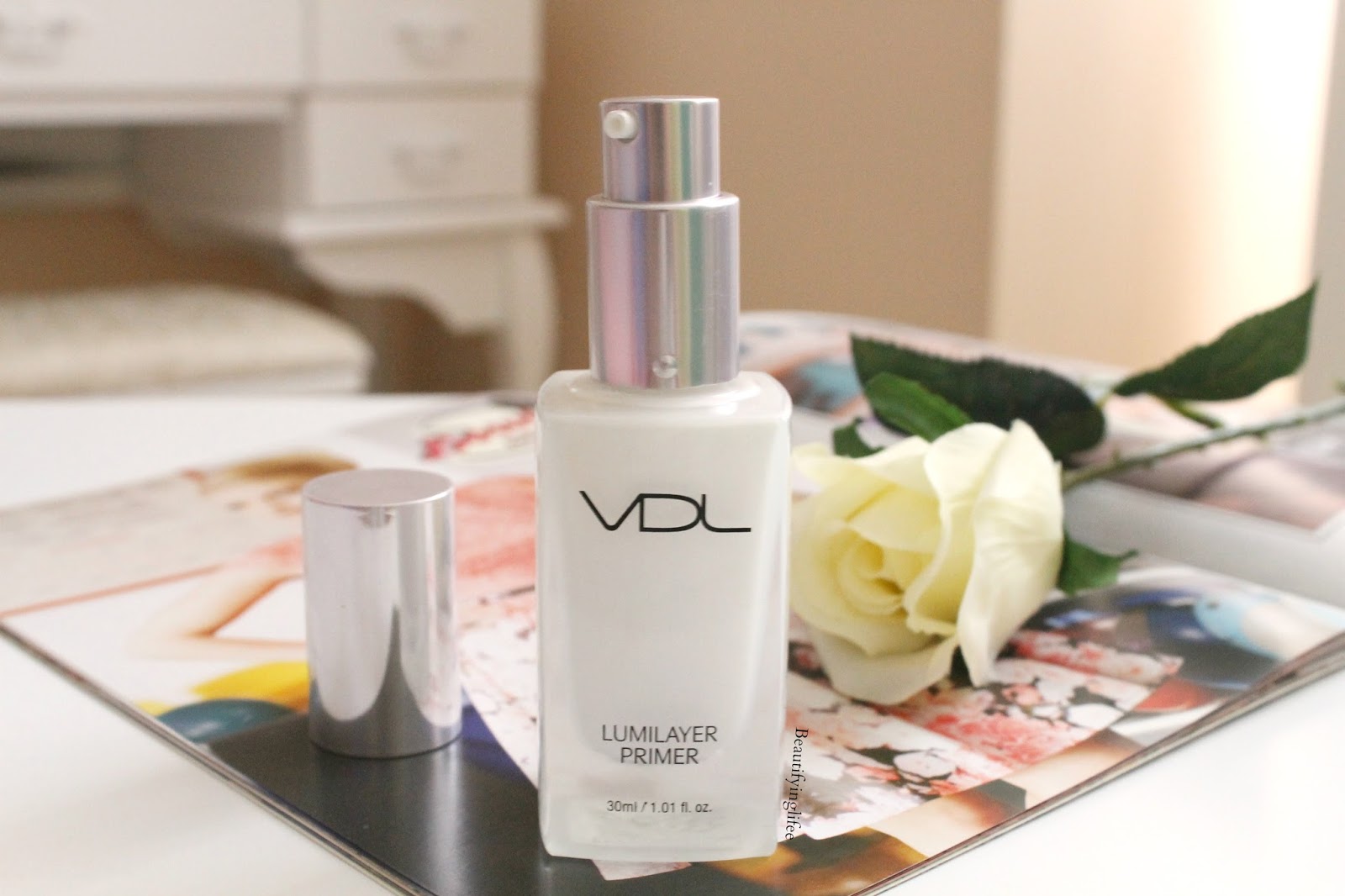
    Korean cosmetics firm VDL is expanding in the Canadian market with the launch of the brand’s first flagship store in Toronto’s Queen West neighborhood.

    VDL, which stands for Vivid Dreams come to Life, was founded by LG Household & Health Care Corp in 2012. The brand has successfully expanded to China, Singapore, Hong Kong and Saudi Arabia, and is breaking into North America for the first time.

    To celebrate the Toronto launch, the brand will be hosting an interactive pop-up shop at the CF Toronto Eaton Center from April 8–14, offering special prizes and hosting a range of engaging activities.

    VDL’s most recent collection, the 2019 limited edition Living Coral range, is set to officially launch on April 1st and will be available in store for preview in March. Select items from the collection are already available online.

    The brand is pursuing its strategy of working with world-class makeup artists in expanding in the region. In Canada, celebrity makeup artist Martin Younan is working with the brand to ensure VDL products reach consumers.

    “I’ve been visiting Korea for years now and having VDL here in North America is beyond exciting,” said Younan.

  • Daesang to sell Ministop stake to partner Aeon

    Daesang to sell Ministop stake to partner Aeon

    South Korean food manufacturer Daesang is reportedly exiting the convenience store business, selling its stake in the Ministop chain.

    A cut-throat industry in the territory, competition between players has become so intense that legislation is now in effect to forbid the opening of new convenience stores within 50 metres of existing outlets.

    Daesang’s withdrawal will likely result in the sale of its 20 per cent shareholding in the Ministop Korea brand to its Japanese partner Aeon, which attempted unsuccessfully to sell its own shares in the business last year.

    Insiders familiar with the transaction have revealed that talks between the partners are well-progressed and that the shares are likely to be transferred for KRW80–90 billion (US$70.8–$79.6 million).

    Daesang established Ministop with Aeon in 1997, but courted Aeon to purchase a majority stakeholding plus management rights to the business in 2003. The current transaction would remove Daesang from the business entirely, leaving Aeon with a 96.06 per cent stake of the country’s weakest contestant in the nationwide convenience-store playing field.

    Ministop achieved KRW2.6 billion ($2.3 million) in profits in 2017, compared with KRW13.3 billion ($11.76 million) in 2015.

  • South Korea’s SK Group to buy $1 bln stake in Vingroup

    South Korea’s SK Group to buy $1 bln stake in Vingroup

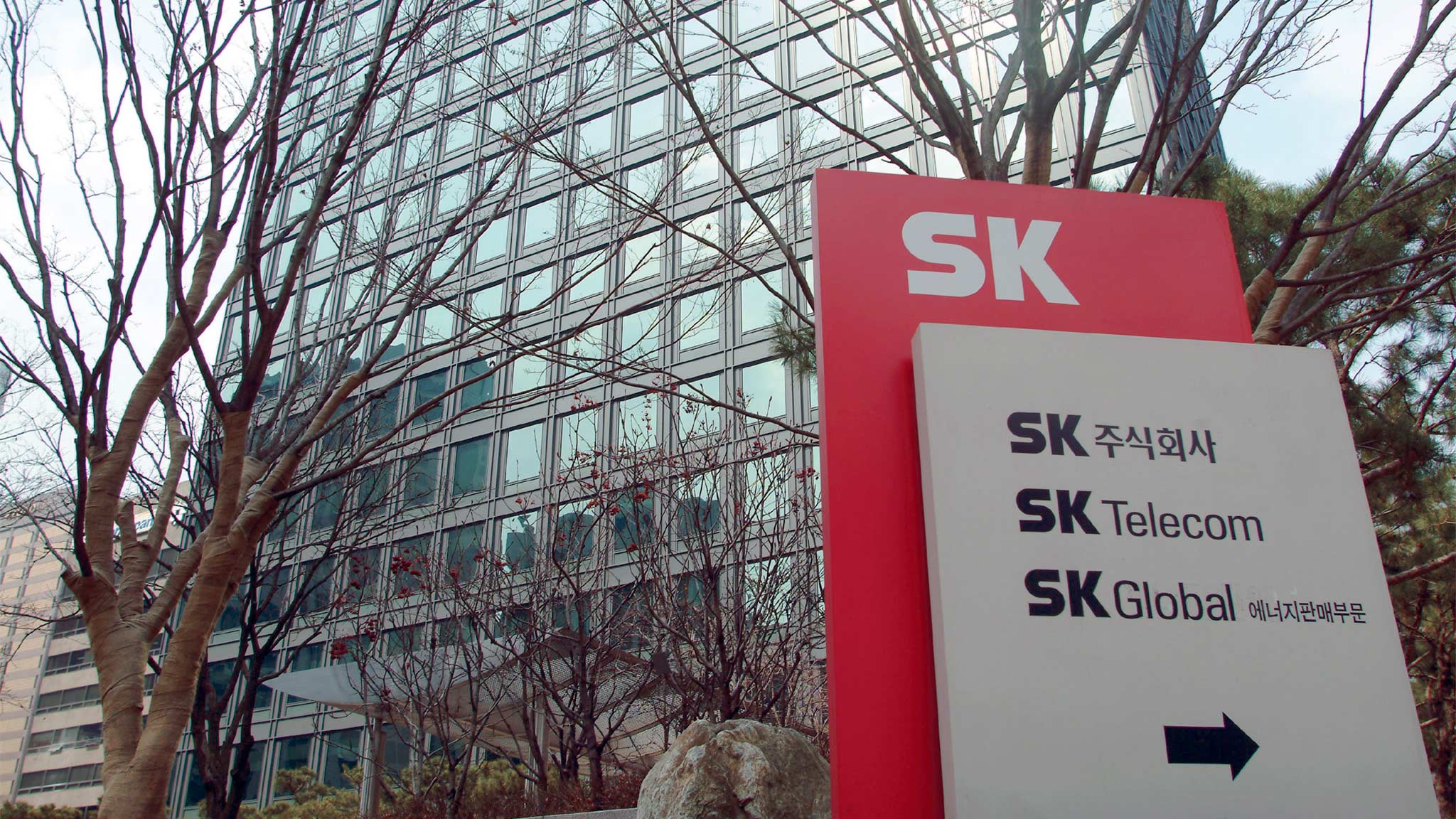
    South Korean conglomerate SK Group plans to acquire a $1 billion stake in Vietnam’s largest private  conglomerate Vingroup. SK plans to make the investment as early as next month, it said. Vingroup recently sought its shareholders’ vote on a plan to raise at least VND25 trillion ($1.08 billion) through a private placement to five foreign investors.

    It plans to sell the shares at a minimum price of VND100,000 ($4.32) and stipulate a lockup period of one year, during which time the shares cannot be resold by the buyers.

    It plans to use VND10 trillion ($432.34 million) of the proceeds to restructure its debts, VND6 trillion ($259.41 million) to invest in its auto company VinFast, technology firm VinTech and smartphone maker Vinsmart.

    Vingroup is Vietnam’s largest listed company by market capitalization and is worth VND377 trillion ($16.23 billion).

    Last September SK Group acquired a 9.5 percent stake in Vietnam’s diversified business Masan Group for $470 million.

  • Ericsson to provide 5G NR equipment for KT

    Ericsson to provide 5G NR equipment for KT

    South Korea’s KT has awarded Ericsson a 5G contract aimed at allowing the operator to launch commercial 5G services early next month.

    South Korean operators have agreed to launch 5G services at the same time in April at the request of regulator KCC.

    Under the contract with Ericsson, the vendor will provide 5G new radio hardware and software for KT’s 3.5-GHz non-standalone 5G network.

    KT selected Ericsson as a key 5G supplier in November last year as part of its preparations for a commercial launch.

    “Having worked successfully with Ericsson on 4G LTE, we are pleased to continue that partnership to make our 5G ambitions a reality with Ericsson’s leading 5G technology,” KT VP of access network design Jinho Choi said.

    “Korea is one of the most competitive and technology-advanced markets in the world. By taking a global lead to enable nationwide commercial 5G services through commercially available 5G smartphones, KT is demonstrating our commitment to our customers and showing how we can drive a global 5G ecosystem where Korea plays a key role.”

  • Big Big Shop partnering up with Circle K

    Big Big Shop partnering up with Circle K

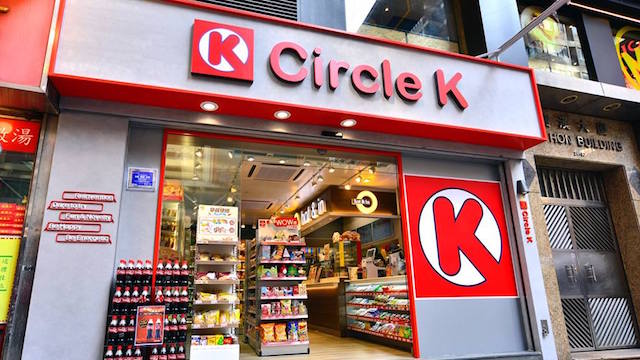
    Shoppers buying goods online from Television Broadcasts Limited’s Big Big Shop will be able to collect their purchases at any Circle K Convenience store across town.

    The click-and-collect service results from a partnership between TVB and Convenience Retail Asia signed this week. Big Big Shop was launched in July last year.

    “Circle K is a perfect match for Big Big Shop which will provide our customers with a convenient click-and-collect service,” said Mark Lee, group CEO at TVB.

    “Location is everything. Circle K has more than 330 stores conveniently located in Hong Kong.”

    Lee said synergising with TVB’s promotional power, Big Big Shop adopts a ‘show-and-sell strategy’ by marketing advertiser-sponsored products on TVB’s prime-time shows.

    “During the eight months’ operation of Big Big Shop, the show-and-sell strategy has proven to be a success in motivating viewers to buy online, notably in the sales of kitchen appliances by German Pool; quality frozen meat and seafood by Gourmet; package tours by Big Line Holiday; and George Lam concert tickets.

    “With Circle K as our logistics partner, we will be able to greatly expand the range of products available at Big Big Shop by including more vendors who don’t necessarily have the delivery capability. The partnership with Circle K will offer an even better shopping experience to our customers. It marks an important step in our e-commerce fulfillment and development of online-to-offline business strategy,” Lee said.

    CRA CEO Richard Yeung said Circle K is committed to providing convenient, efficient and quality services that enable Hong Kong consumers to enjoy better and easier lives.

  • South Korean K-pop merchandise sales surge to US$132 million

    South Korean K-pop merchandise sales surge to US$132 million

    South Korea’s K-pop merchandise market is booming, reaching KRW 150 billion (US$132 million) last year.

    Led by the recent global fame of BTS, K-pop’s popularity has expanded far and wide, and a growing number of fans are enthusiastically spend their time and money collecting even the smallest souvenirs that remind them of their favorite pop stars.

    Mugs, notebooks, pens, bags, T-shirts, tumblers and slippers with photos of BTS, EXO, Blackpink, Twice and the like all stir K-pop fans’ desire to be closer to the performers they like the most.

    “I spent more than 1 million won ($881) buying BTS merchandise last year,” one BTS fan told Yonhap, requesting anonymity. “Sometimes even I think it’s a bit excessive, but it’s one of my big hobbies.”

    According to the latest data from the Korea Creative Content Agency (KCCA), the total sales of the South Korean music industry reached 2.87 trillion won in the first half of last year, up 9.2 per cent from a year earlier.

    K-pop merchandise sales of 150 billion won last year alone includes privately created items and pirated goods.

    “Fans with huge loyalty to their singers buy albums and goods together. Many of them create unofficial goods too,” said Sung Mi-kyoung, a senior researcher at the KCCA. “The idol culture started to explode in the latter half of 2017 on the back of the rising global popularity of BTS. Estimates of 150 billion won in sales are not groundless.”

    She said the three leading music labels — SM Entertainment, JYP Entertainment Corp. and YG Entertainment Inc. — have already acknowledged the potential of the goods market and started to rack up revenues there.

    According to their regulatory filings, the three listed companies’ combined sales of albums and digital music content reached 76.69 billion won in the first half of 2018.

    And they posted a combined 105.44 trillion won in sales from K-pop merchandise, royalties and other fees over the cited period.

    YG alone earned 76.91 billion won in royalties and brand-related sales as the company runs fashion and cosmetics subsidiaries using artist brands like Big Bang, iKon and Blackpink.

    SM, which manages Exo, Shinee and Super Junior, runs its official merchandise shops SUM Market and SMTown Gift shop in southern Seoul, selling collaborative products combined with its artists’ brands.

    “It has been a minor culture among young fans of K-pop,” said Sung. “But from now on, its huge potential will attract the entire entertainment industry to focus on this market.”

    She said 50 per cent of South Korean teenagers have bought a K-pop item at least once.

    “These young teens who are very willing and familiar with spending money on goods related to their idols will grow up and have greater purchasing power when they become 30-somethings or 40-somethings.”

    Against this backdrop, the K-pop market is broadening into a comprehensive content industry linked with performance, fashion, food, tourism and even manufacturing.

    Tens of money-making goods and events can be derived from a picture of a K-pop singer, she noted.

    “People do not only consume music to listen to but also enjoy such entertainment in other forms. The music industry now comes with concerts, merchandise and intellectual property,” the KCCA expert said. “I hope the public sector will fine-tune the legal issues involving intellectual rights to level the playing field and foster the content industry further.”

  • Tiger Sugar to open first Korea store next month

    Tiger Sugar to open first Korea store next month

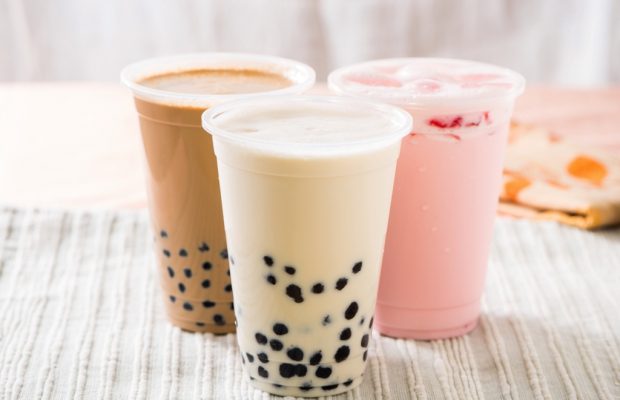
    Bubble milk tea brand Tiger Sugar Korea will open first branch in Hongdae, a bustling university town of Seoul.

    Located at a popular hang-out area for young people, the Hongdae store will offer the same taste as that in Taiwan and use premium ingredients to “become the hottest dessert drink this year”.

    In order to do that, Tiger Sugar Korea will be competing with another original Taiwanese chain Gong Cha, which is now popular among locals.

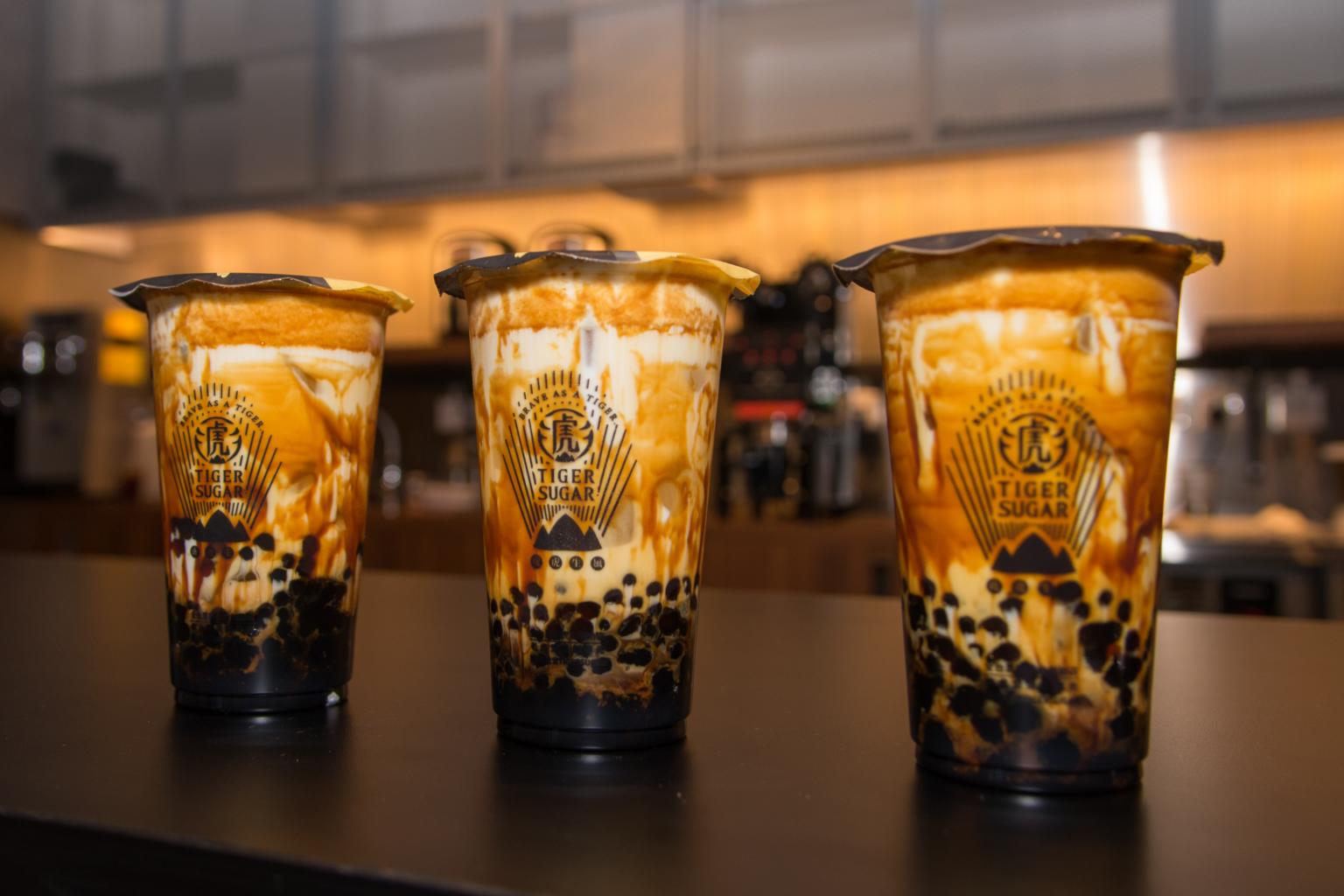
    First opened in Taiwan in 2017, Tiger Sugar is known for drinks with dark-brown sugar syrup inside. The chain now has branches in eight countries including Hong Kong, Singapore, and Korea.

    It also plans to open stores in the US and China.

  • Gong Cha bubble tea could fetch US$442 million

    Gong Cha bubble tea could fetch US$442 million

    South Korean private equity firm Unison Capital is selling its Gong Cha bubble tea franchise in a deal likely to fetch up to US$442 million.

    The company purchased the brand four years ago for KRW34 billion ($30 million), before taking over its global headquarters in Taiwan in a KRW40 billion ($35.45 million) deal in 2017. The brand’s HQ operates stores in 16 countries.

    The offer has attracted interest from major South Korean F&B players, considering the brand’s stable cash flows and EBITDA margin of 24–25 per cent, compared with Starbucks’ 21 per cent.

    The brand runs 448 outlets within South Korea, and derives 70 per cent of its sales from directly managed stores within Korea and Japan. The firm plans to expand its global store count from 900 to 1700 by 2021, expanding into 10 more countries during the period – with concrete plans to establish stores in the UK, Mexico, Thailand, Indonesia and Cambodia.

    Sales are forecast at KRW180 billion ($159.54 million) this year, compared to KRW134 billion ($118.77 million) last year.

  • Korean wave fuel 25% growth in Korean e-commerce exports

    Korean wave fuel 25% growth in Korean e-commerce exports

    South Korea’s online exports surged 25 percent in 2018 from a year ago on the back of growing demand for K-beauty and K-pop related items such as album records and stationery supplies, government data showed. According to Korea Customs Service, Korea’s electronic commerce (e-commerce) exports or reverse overseas direct purchase volume reached US$3.25 billion last year, up 25 percent from a year earlier. The total number of online export cases also jumped 36 percent to 9.61 million during the same period.

    E-commerce growth is staggering when compared to the modest 5 percent annual growth in total Korean exports last year.

    The customs agency said that the rapid growth of online exports comes amid growing demand for Korean items on the back of hallyu or Korean Wave, as well as simplified retail procedure, and aggressive overseas marketing integrated with offline stores.

    By item, apparels and cosmetics accounted for 69 percent of total online export. In particular, the number of export cases for clothing surged a whopping 162 percent last year from a year ago, becoming the top pick after beating out cosmetics. Online exports of cosmetics jumped 43 percent last year from a year ago, recovering to average level after falling in 2017 as a result of diplomatic tension between Korea and China over Seoul’s deployment of U.S. anti-missile system.

    The customs agency said that exports of K-pop related items such as albums and stationery items surged significantly last year amid hallyu or Korean Wave overseas. In particular, sales of items related to K-pop icon BTS rose sharply.

    Data from Korea Customs Service, meanwhile, showed that overseas direct purchases of foreign goods amounted to US$2.75 billion last year, up 31 percent from a year ago. There were a total 32.25 million purchases last year, up 37 percent from a year ago.

    By region, the United States accounted for the largest 50.5 percent of Koreans’ direct purchases, followed by China with 26.2 percent, European Union with 12.5 percent, and Japan with 8 percent. The U.S. share fell from the previous year’s 56.4 percent while that of China jumped almost 10 percentage points from the previous year’s 17.3 percent.

  • Amorepacific facing painful dilemma

    Amorepacific facing painful dilemma

    For Amorepacific, the last year has been painful in terms of both sales and brand development. The cosmetics giant saw its operating profit halve to 549 billion won (US$491 million) in 2018, just two years after it joined the “1 trillion-won sales club” in 2016 for the first time as a cosmetics maker. With its glory falling to the past, Amorepacific has been outpaced by rival LG Household & Healthcare. LG Group’s cosmetics arm became the newest member of the 1 trillion-won sales club last year, cementing its No. 1 status in terms of market capitalization, which totaled 23.1 trillion won as of June last year.

    In the fourth quarter of 2018, Amorepacific’s operating profit came to 16.4 billion won, down 82 percent on-year.

    The company had many reasons to blame for its profit decline, including a rise in the minimum wage, weak performance of its budget cosmetics brand with the advent of numerous competitors at health and beauty stores, e-commerce and even home shopping channels.

    This has put the brakes on Amorepacific’s drive to construct a beauty industrial complex in Yongin, Gyeonggi Province. In 2017, the cosmetics giant had unveiled its plan worth 163 billion won for the complex to develop cosmetics and beauty products.

    But the company announced last month that it would scrap its complex project due to dwindling profits as well as fierce opposition from local residents.

    Market watchers voice concerns that this year will be a make-or-break period for the group, as a continued sales downfall will make it harder for the company to recover from its ongoing slump.

    “Profit recovery from the domestic beauty market as well as pulling up sales among Chinese customers will be the major points for Amorepacific to overcome this year,” said Na Eun-chae, a researcher from Korea Investment and Securities.

    Sulwhasoo vs. History of Whoo

    Although South Korea-China ties started mending last year after the detrimental diplomatic and economic fallout from the deployment here of the US Terminal High Altitude Area Defense missile system in 2017, the China comeback is still not so evident.

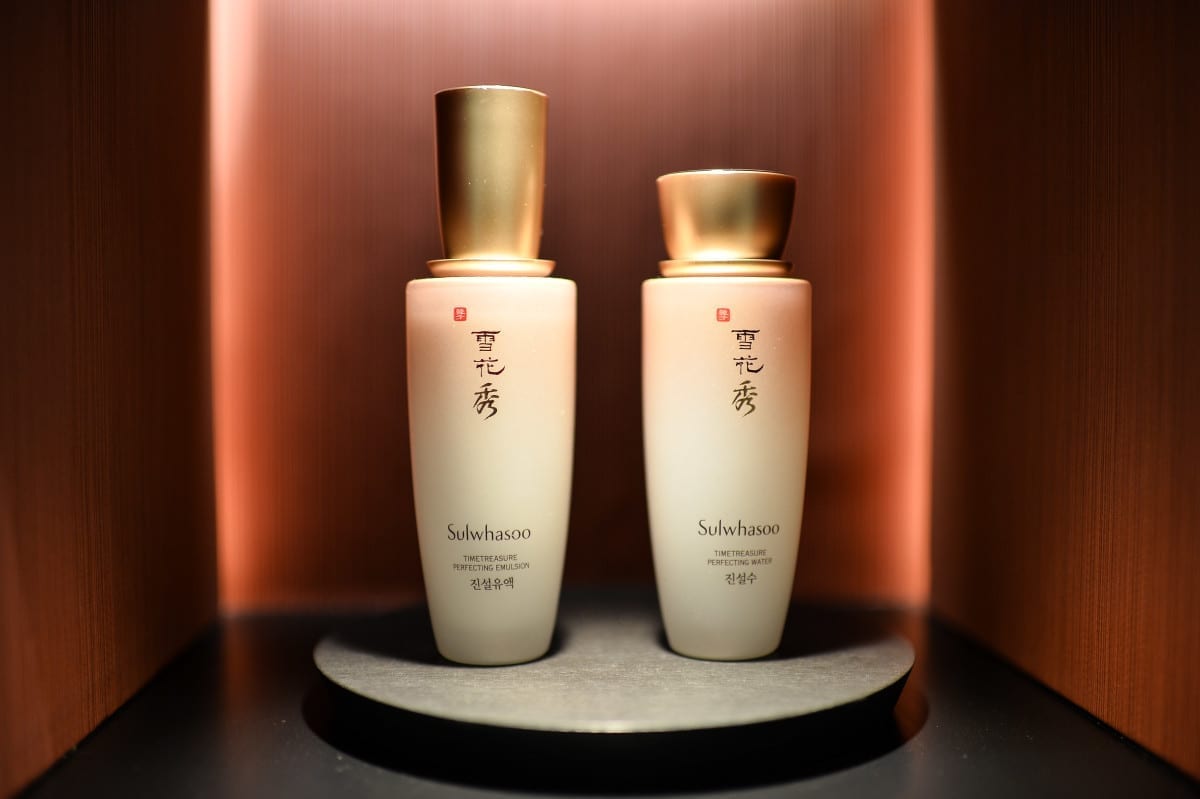
    Amorepacific’s Sulwhasoo, the company’s flagship luxury skin care brand, had been the most favored brand among Chinese tourists in the past few years. Market data showed that mainland China accounted for at least 10 percent of Sulwhasoo’s total sales, followed by Hong Kong at 6 percent and Taiwan with 0.5 percent as of 2018.

    But The History of Whoo, the latecomer in herbal cosmetics, has now taken the limelight.

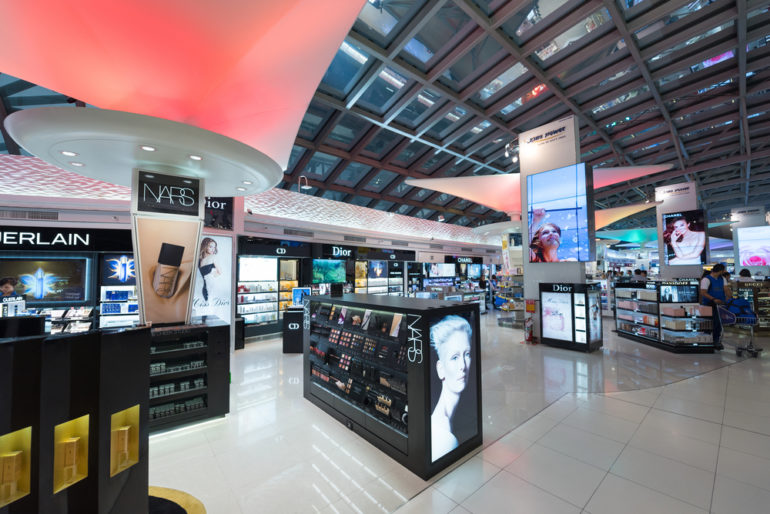
    Whoo, a luxury skin care brand by LG Household & Healthcare, posted high sales at duty-free shops largely backed by Chinese consumers. This led Sulwhasoo to hire actress Song Hye-kyo as its global brand ambassador, seeking a breakthrough. It was Sulwhasoo’s first-ever attempt to have a celebrity promote its products.

    In terms of sales, Whoo has outpaced Sulwhasoo by recording 2 trillion won of sales last year. Whoo has also made a 40.8 percent on-year increase. Sales of Sulwhasoo had been around 1 trillion won since it peaked in 2015.

    “It is not an exaggeration that Sulwhasoo is the only, but very strong, cash cow of Amorepacific Group. It is the most important department in the entire company. Employees, especially in that department, feel grave responsibility and pressure about having to pull up the sales,” an insider said.

    According to the group, around 55 percent of the company’s sales come from its luxury cosmetics brands. Of them, Sulwhasoo is responsible for 36 percent.

    Market insiders said budget cosmetics brands are also enduring fierce competition in the “red ocean” market, with more consumers looking for luxury, premium brands as the beauty trend now centers on anti-aging efforts.

    Industry experts see the causes of Sulwhasoo’s lackluster performance as coming from its brand positioning and sales strategy at duty-free stores.

    “In the luxury cosmetics market, Sulwhasoo has only focused on its simple, basic skin care products, whereas Whoo diversified its luxury product lineup and upgraded all the products of the brand,” said an industry insider surnamed Jung, who has been in charge of overseas sales for a cosmetics brand for 30 years.

    Amorepacific also restricted Chinese shoppers, or “daigou,” from purchasing in bulk at duty-free stores, he added.

    “As a result, Amorepacific could not stabilize its supply chain in China. But LG, unlike Amorepacific, rolled out flexible rules for daigou and increased their demand,” Jung added.

    Others added it may simply be the product design and brand concept that work better for Chinese customers, who prefer gold, royal and fancy images.

    “To Korean customers, design and concept of Whoo may be regarded as ‘too much.’ But Whoo wisely focused in the concept that can appeal to Chinese customers. Hiring Lee Young-ae as its main model was also very clever, because Hallyu stars like her are still very influential in the Chinese market,” said an industry insider who is very familiar to exporting cosmetics to China.

    Is overseas sales expansion only way?

    To overcome the situation, Amorepacific plans to once again focus on strengthening its luxury brand lineup, including cosmetics brand Amorepacific, which is a luxury skin care brand named after the company.

    The brand rolled out only 2,000 limited edition facial creams last year, priced at 750,000 won per bottle.

    The reason is largely due to weak sales of budget cosmetics brands such as Innisfree and Etude in the domestic market, as well as in China.

    In 2012, the company launched budget cosmetics brand Innisfree in China. It now operates 512 stores in cities like Hangzhou and Shanghai. As of last year, 50 percent of sales of Amorepacific’s Chinese corporation came from Innisfree.

    But sales had been on a decline amid competition with local players that launched brands like One-leaf with similar concepts — natural and clean.

    “There are already too many budget cosmetics in China. That’s why Chinese tourists coming to Korea are now looking for luxury, premium cosmetics that they cannot find in their market,” said a market insider, adding that the trend is especially evident among Asian countries.

    The company said it will renew the Innisfree brand and debut Primera to China this year, aiming for 601 billion won in operating profit by the end of the year. It will also accelerate Sulwhasoo store openings in additional Chinese cities, and expand touch points in online retail in major e-commerce sites such as VIP.com and JD.com.

    Earlier this year, the cosmetics giant announced the business goal of securing a 10 percent increase in sales and a 24 percent increase in operating profit this year. The group said it would focus on investing in innovative beauty sectors such as customized cosmetics or overnight beauty items based on developing the customer experience.

    “The company believes in the value of traditional Korean beauty. It is also Chairman Suh Kyung-bae’s business philosophy to create beauty products that can instill Korean beauty, products with value that can last for a century,” said a company insider.

    Overseas expansion actually did pay off for Amorepacific last year. Despite its increased investment in overseas markets, both sales and operating profits inched up by 8 percent to 1.9 trillion won and 6 percent to 2.6 trillion won, respectively.

    But some say it is time for Amorepacific to bring in a new cash cow for practicality, referring to LG Healthcare & Household’s budget brand The Face Shop that bought Avon’s manufacturing facility in China last year.

    “It is time for Amorepacific to make the bold move and seriously consider active M&A ideas. M&A can offer positive opportunities in terms of global market expansion and investment for future. Especially when global beauty companies like Loreal and Unilever are buying Korean beauty brands, it is important for the company to take a strategic position to diversify brand portfolio for global competition,” said a researcher at Euromonitor International.

    Seo Yong-koo, a professor of business at Sookmyung Women’s University, said Amorepacific should not put all its risk in the Chinese market.

    Seo said since Amorepacific saw aggravating sales following its downfall in the Chinese market, the company experienced that its market portfolio is important. He added the group should also take the Muslim market into consideration, which will add up to 1.8 billion customers.
  • Korea’s Woori Bank partners with Chinese banks on remittance

    Korea’s Woori Bank partners with Chinese banks on remittance

    Woori Bank launched a money-transfer service linked with Chinese banks to allow its customers to readily and easily send money to people holding Chinese bank accounts. On Monday, the bank said the service will be carried out in real time. The partnered entities include the Industrial and Commercial Bank of China, the Bank of China, the Bank of Communications and also Chinese financial services company UnionPay.

    The service will charge 10,000 won ($8.9) in fees for a transaction less than 2 million won. For remittance over 2 million won, the charge will increase to a flat rate of 20,000 won.

    The service was jointly developed by Woori Bank, Woori Card and UnionPay. Once a user sends money, the service will notify the user of the transfer result via text message.

    The sender must send Korean won and the receiver will receive Chinese Yuan.

  • Hyundai Korea’s employees to be more casual at office

    Hyundai Korea’s employees to be more casual at office

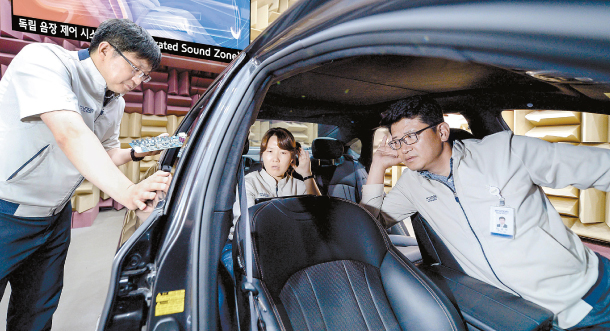
    Jeans and T-shirts will be allowed at Hyundai Motor offices from March 4 as the auto group’s heir apparent Chung Eui-sun looks for new ways to give the automaker a younger, trendier feel. On Monday morning, Hyundai Motor employees at its headquarters in southern Seoul were told that they are free to dress however they want from next month. Unlike a no-tie day, Hyundai’s new dress code didn’t include any special rules or guidelines.

    The free dress code applies to all Hyundai office workers, according to the company spokesperson, but not for workers at production facilities due to safety issues.

    While some time will be needed for Hyundai employees, who are much more familiar with formal suits, to get used to their new fashion freedom, industry sources say the move is likely to spread to Hyundai affiliates soon.

    Hyundai has long been considered one of most conservative Korean companies, as with most other companies in the traditional manufacturing sector like shipbuilding and steel. However, the automaker has been trying to rebrand itself as a mobility technology company given the growing importance of digital technology in the auto industry.

    Hyundai Motor Group Executive Vice Chairman Chung Eui-sun stressed in his New Year’s message that he will ramp up investment in the sharing economy, artificial intelligence and smart mobility to keep up with the radical paradigm shift.

    LG also started to shift its dress culture earlier last year. LG Electronics and LG Corp. adopted free dress codes from September.

  • Men make-up driving K-beauty boom

    Men make-up driving K-beauty boom

    Men wearing makeup – once a practice unique to TV stars and celebrities – is becoming a part of popular culture in South Korea. As an increasing number of South Korean men are purchasing clothes, cosmetics, and other beauty products to take care of their looks, cosmetics goods for men are expanding both in terms of variety and sales. Olive Young, a major South Korean cosmetics store, said sales of cosmetics for men increased by 30 per cent last year compared to the year before.

    Cosmetics for men are going beyond BB creams and cushions to include coloured lip balms, eyebrow products, concealers and eyebrow-hair scissors.

    A coloured lip balm for men, for instance, has seen sales skyrocket 16-fold over the last two years, according to Olive Young. Sales of makeup cushions and BB creams have increased by 30 per cent as the number of men wearing make-up burgeons.

    Drawing eyebrows, once a practice unique to women, is now spreading among men, as seen by the fact that sales of eyebrow products for men have increased by 25 per cent over the last two years.

    An increasing number of eyebrow-hair scissors, nipple bands, and body hair removers are being developed for men as well.

    “Makeup is now becoming a tool to express one’s confidence, leading to increased demand for various cosmetic products for men,” said Olive Young.

  • Seoul to get its first Emart Traders branch next month

    Seoul to get its first Emart Traders branch next month

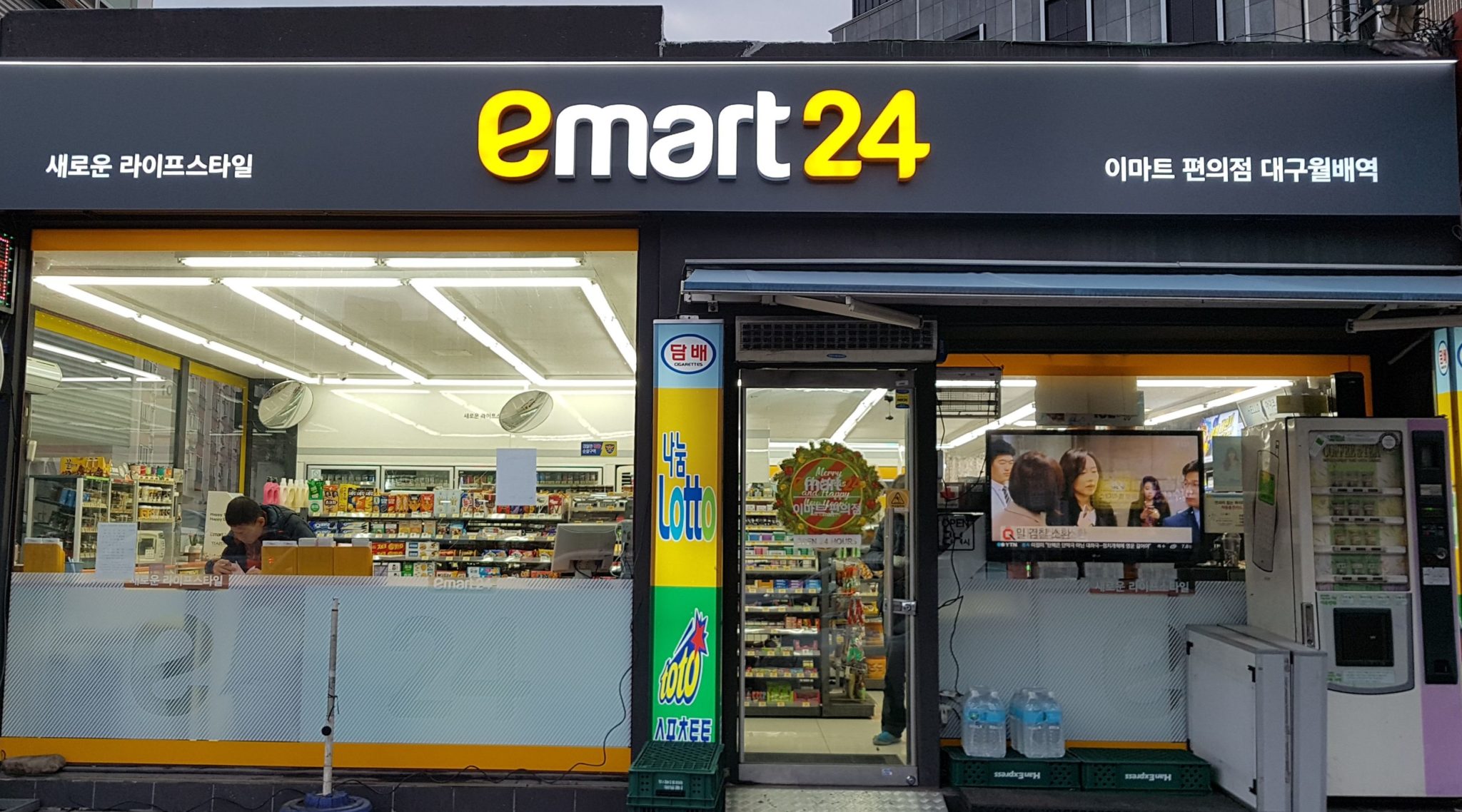
    Emart, a Shinsegae Group company, will open a new branch of Traders, its big-box warehouse chain, in Seoul next month. It will be the first branch in the capital. The outlet will be located in Wolgye-dong, Nowon District, northern Seoul, with the opening scheduled for March 14. The Wolgye Traders is being built in the parking lot of Emart’s Wolgye store. The warehouse store will be 9,917 square meters (106,746 square feet) in size, with 45,302 square meters of floor area.

    Emart said the annual sales goal for the first Seoul branch of Traders is 140 billion won ($12.6 million). The company is planning to raise the new branch’s competitiveness by offering instant and fresh food at prices that could be 45 to 50 percent lower than the average price at department stores.

    There are currently 15 Traders branches nationwide, and Emart is planning to expand the number to 18 by the end of this year.

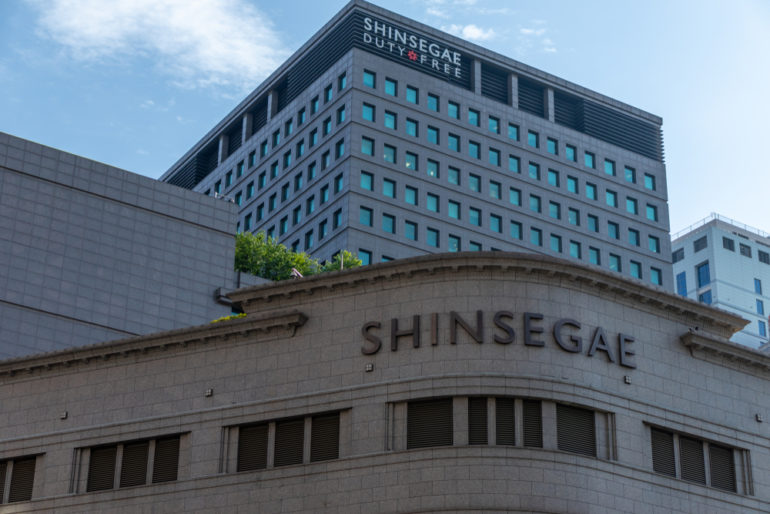
  • Shinsegae to launch SSG.com as separate unit

    Shinsegae to launch SSG.com as separate unit

    Shinsegae Group will launch a brand new entity that specializes in e-commerce next month in an effort to become Korea’s answer to Amazon. Titled SSG.com, Choi Woo-jung, vice president of Shinsegae’s e-commerce division, will be the CEO. “[Through the new entity], we hope to maintain the existing SSG.com brand and maximize brand power by raising [people’s] awareness of our professionality in the online market,” the company said in a statement.

    The latest move reflects Shinsegae’s ambition to become the country’s top e-commerce company by gathering its scattered online businesses.

    Shinsegae Group in December spun off Emart Mall and Shinsegae Mall from Emart and Shinsegae. The board of directors in January voted to merge the two new entities.

    It has already been running SSG.com as an e-commerce website that offers access to its various online malls, but it is currently only a customer-facing interface, not a company in its own right.

    SSG.com’s sales goal for this year is 3.1 trillion won ($2.8 billion), which is 29.1 percent higher than the sales recorded by the online platform last year.

    The company hopes to reach its ambition through aggressive marketing, especially on raising the efficiency of delivery services.

    It will make a heavy investment on raising the delivery speed by establishing an additional distribution center in Gimpo, Gyeonggi. It will be the third distribution center, and is scheduled to open in the second half of this year.

    “With the official launch of SSG.com, we are getting ready to become the country’s top e-commerce enterprise,” said Choi in a statement.

    “Instead of just selling goods online, we are also planning to function as a ‘Linker’ by connecting consumers online and offline like [offering them the platform to] share their lifestyles on the internet.”