Tag: Korea

  • Coupang opens Korea’s largest puzzle store

    Coupang opens Korea’s largest puzzle store

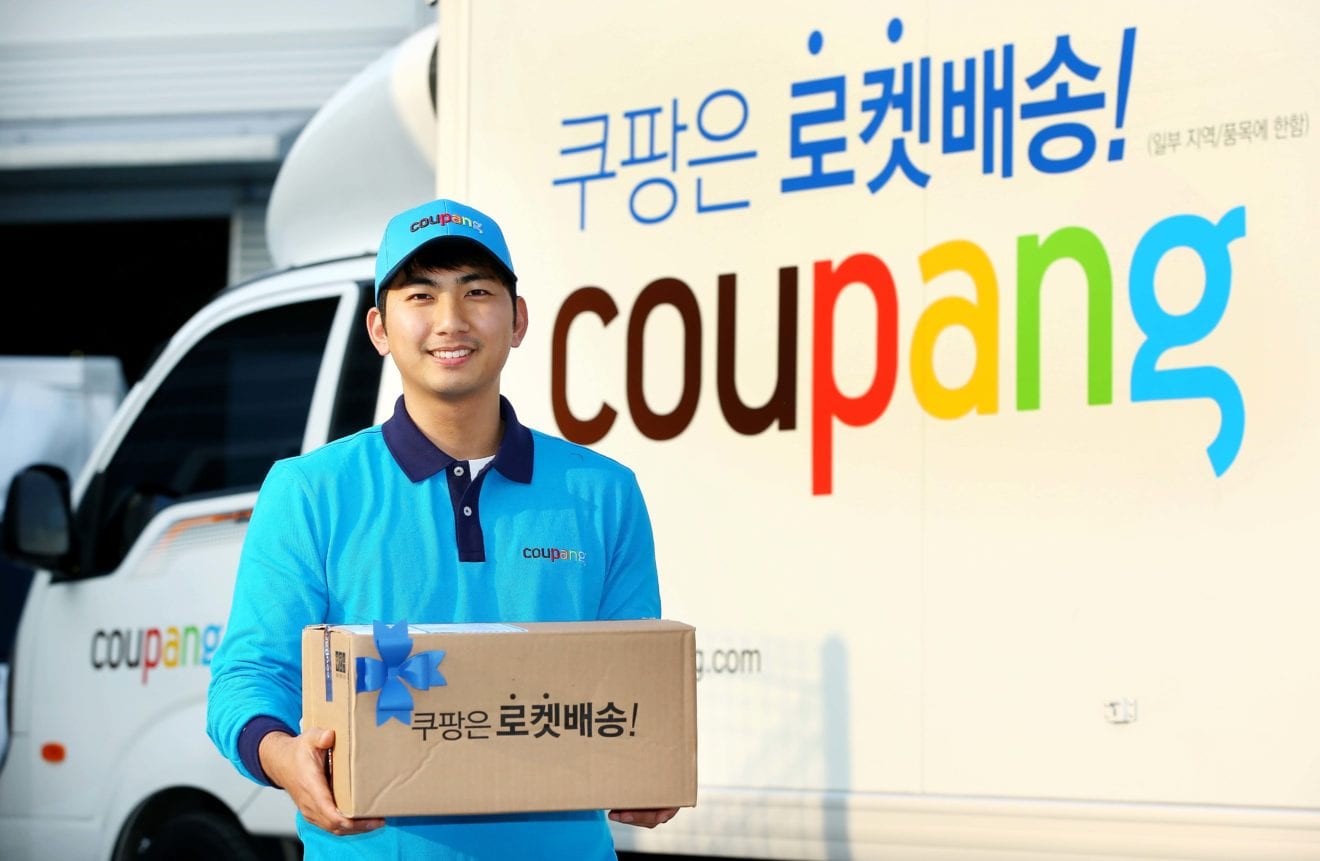
    E-commerce platform Coupang has opened what it claims is Korea’s largest toy store.

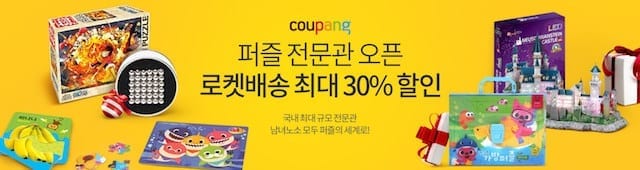
    While the store specialises in puzzles, it features a catalogue of some 95,000 toys including jigsaw puzzles, 3D puzzles, cast metal puzzles, cubes and fidget toys.

    Coupang launches Koreaís largest puzzle store on November 28 (PRNewsfoto/Coupang)

    Coupang already offers a broad range of products at affordable prices through its specialty stores, including organic foods, men’s grooming products, health supplements and children’s books.

    Coupang’s head of baby, Lee Byeong-hee said that puzzles have become a popular hobby for all ages.

    “We created the puzzle store to offer a range of products from Korean and overseas brands at low prices.”

    Key items on sales include Smart Study’s Pinkfong Puzzle Bag, Haksan Publishings One Piece Jigsaw Puzzle, palm-sized ALB Neo Cube Magnet Blocks and the CubicFun L174H 3D Neuschwanstein Castle with LED lights.

    Coupang marked the grand opening with special discounts of up to 30 per cent on some 10,000 Rocket Delivery puzzles.

  • Bitcoin to be accepted in Seoul Mall

    Bitcoin to be accepted in Seoul Mall

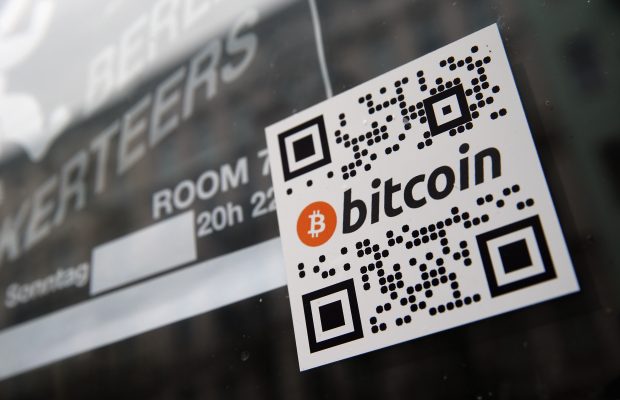
    Seoul’s giant Goto Mall has partnered with a Korean cryptocurrency exchange to enable its retail tenants to accept bitcoin as payment.

    The exchange, HTS Coin, launched in October and developed a smart payment system using cryptocurrencies before launching a mobile app.

    Goto Mall – also known as the Gangnam Terminal Underground Shopping Centre – has 620 tenants and hosts nearly 500,000 shoppers daily. Stores will begin accepting bitcoin payments by the middle of December, reports Bitcoin.com.

    “I think it is very meaningful to be able to settle the bitcoin used by foreigners and young people at Goto Mall,” said mall CEO Chung Gwi Yeon.

    Some stores in the mall have been accepting bitcoin payments directly in a trial, but Bitcoin.com reports there were problems with store owners losing their passwords and unable to spend the bitcoins they had accepted.

    Newspaper Bridge Economy observed that when the new World Duty-Free store opens in Gangnam Central City next year, Goto Mall can expect to further increase its foreign customer base. “Goto Mall is expected to turn into a bitcoin mecca.”

    Bitcoin will join cash, credit cards and Alipay is primary payment options at the shopping centre.

  • BingoBox to bring unmanned stores to Hong Kong

    BingoBox to bring unmanned stores to Hong Kong

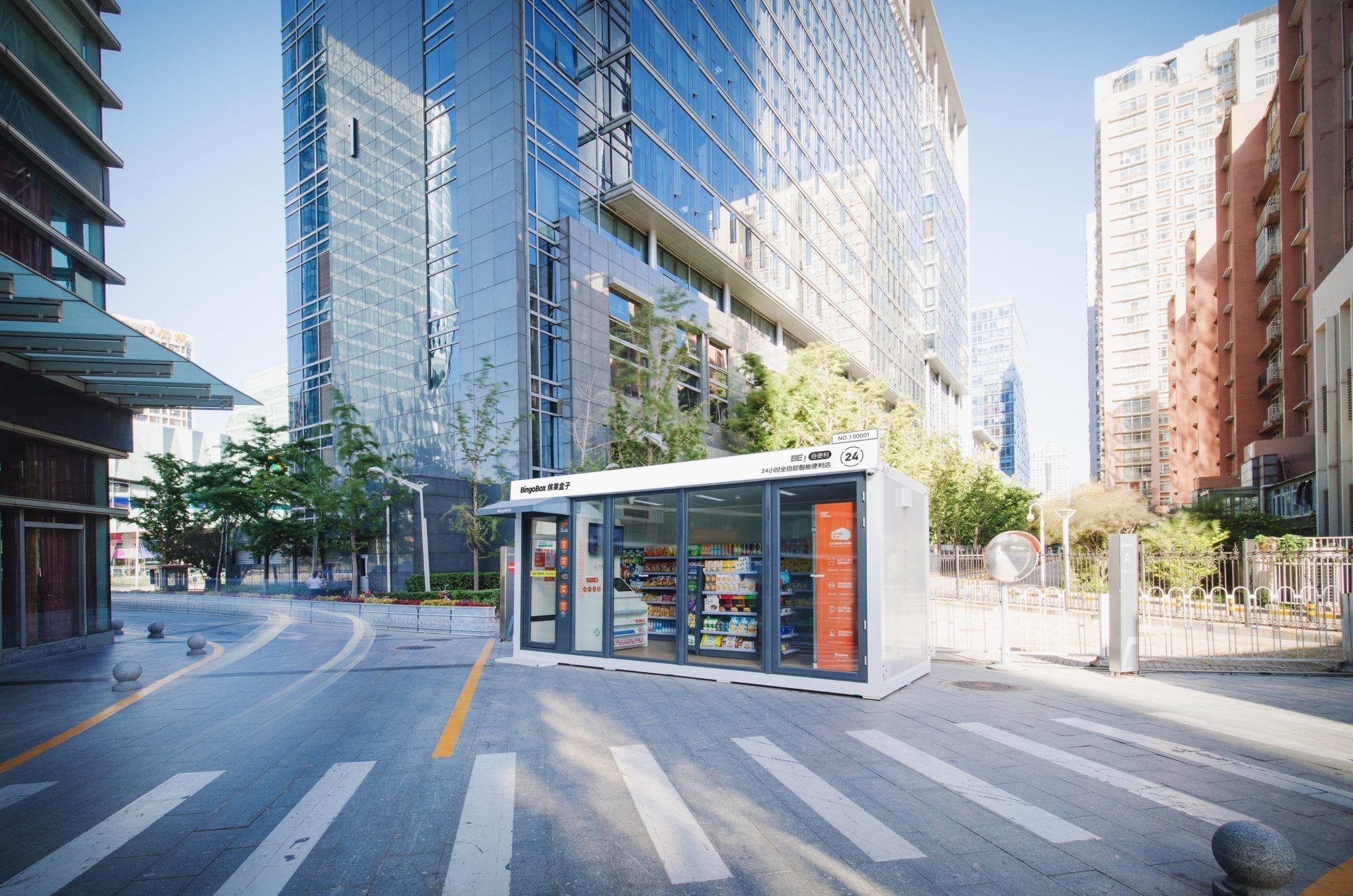
    China’s unmanned convenience-store brand BingoBox plans to introduce its cashierless concept to Hong Kong next year, targeting neighbourhoods and suburbs.

    “With unmanned stores the labour cost is eliminated, making them far more cost-effective, even in expensive cities like Hong Kong,” says BingoBox chief executive Chen Zilin.

    South Korea already has an unmanned 7-Eleven outlet, termed Signature, in Seoul, while as part of its “new retail” concept Alibaba runs an unmanned coffee shop that uses facial recognition for customer payments. Also in China, JD.com has launched unmanned convenience stores that use technology to track products and customer movements.

    In Hong Kong, BingoBox is talking with potential partners to jointly run its outlets. It will target areas that do not have convenience stores, such as parks, villages and public-housing estates, says Chen.

    On the mainland, the company has nearly 200 stores with the aim of reaching 5000 before the end of next year.

    Users scan a QR code to enter a BingoBox, place their purchases on a checkout counter that automatically scans and tallies up the total. Payments are made via mobile wallets such as Alipay or WeChat Pay.

    “As BingoBox is an unmanned store that entails almost no labour cost, we can open in areas with lower foot traffic, whereas traditional convenience stores pay high rents for prime locations,” Chen says. He is not specific about store numbers for Hong Kong, just saying “double digits”.

    The company is also looking to expand into South Korea and Malaysia within the next six months.

    Mainland BingoBox stores generate about RMB850 (US$130) in sales each day, some raking in as much as RMB6000. Chen says the shortest break-even time for a BingoBox store was five months.

    Bingbox partnered with French retail firm Auchan to launch a trial in Zhongshan, Guangdong province, last year before opening its first store, in Shanghai, in June.

  • Cath Kidston to change focus on expansion

    Cath Kidston to change focus on expansion

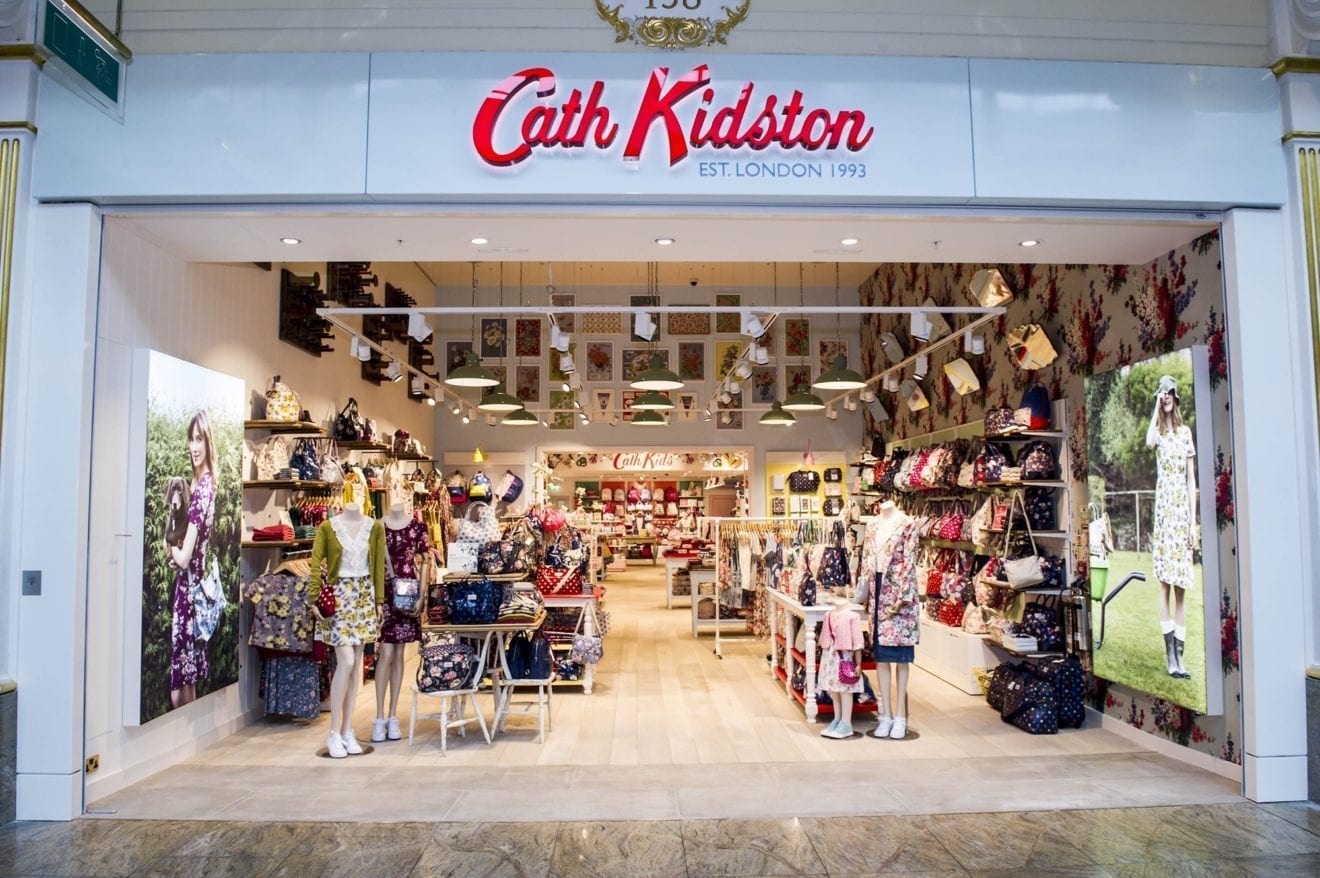
    As Cath Kidston China scales back because of diluted profits, the British handmade accessory chain is rolling out an expansion in other parts of Asia.

    It’s prime focus is Japan, where it plans to nearly double its presence over the next three years. South Korea and Thailand are the next two markets flagged for growth.

    CEO Kenny Wilson says the company plans to expand to about 55 stores in Japan, a decision based on two independent studies. Known for its flowery prints, the brand is likely to pop up soon in prime spots such as Tokyo’s Shibuya and Shinjuku shopping districts as well as cities like Chiba and Shizuoka.

    Cath Kidston also plans to bolster its online presence by creating synergy between its physical stores and e-commerce shop.

    Wilson believes the brand’s initial success in Japan comes from its “pretty, feminine, cute and colourful” products. “I think people in Japan like our business, because they love handcraft.” Each Cath Kidston print is hand drawn.

    Meanwhile, the brand has been growing about 20 per cent on average across Asia Pacific and expects the demand for design-focused accessories to increase against a backdrop of continued economic growth.

    It has upped its output of leather products, tapping into the business market, while collaborative items with Disney have also helped boost sales.

    As high rents cut into profitability, the company has shifted its strategy in China. This will see it close more shops and concentrate on e-commerce.

  • AmorePacific opens new headquarters in Yongsan

    AmorePacific opens new headquarters in Yongsan

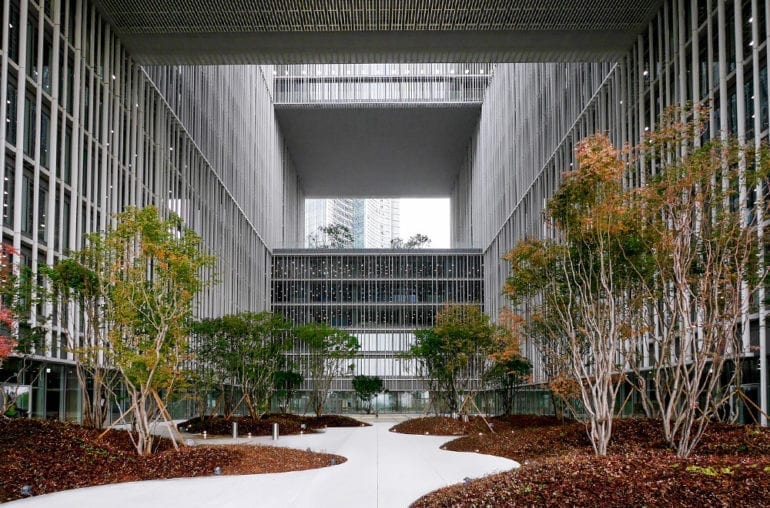
    AmorePacific has opened its new headquarters in Yongsan-gu, Seoul, beginning a new era for the 72-year-old cosmetics maker seeking to become one of the world’s top five “beauty” companies.

    The completion is expected to facilitate the firm’s Vision 2025 plan in which it aims to become a “great company. ” Toward that end, it is trying to bolster its overseas presence, innovate the way it conducts business, create additional value for employees and local companies, and expand its product portfolio.

    The construction, which began in August 2014, was to demolish the previous 10-story building and create the new 22-story structure on a 14,526 square-meter site. British architect David Chipperfield designed the structure in a moon-shaped jar of white porcelain, the company said.

    More than 3,500 employees from holding company AmorePacific Group and its subsidiaries, who used to work at Signature Tower near Cheonggye Stream in Jongno-gu, have moved into the new building.

    The building, which can accommodate as many as 7,000 people, will also host Samil PricewaterhouseCoopers that has signed a 10-year lease contract to use four stories from April 2018.

    Its entire fifth floor is reserved exclusively for AmorePacific employees as the space will be occupied by a cafeteria, a gym, a massage room and other amenities designed to improve workers’ wellbeing.

    On the first floor, AmorePacific has built a museum, a library, a daycare center and other facilities that can be used by its employees and visitors.

    “AmorePacific, which started its business in Yongsan in 1956, has become an exemplary corporate citizen that prospers with global communities,” CEO Suh Kyung-bae said. “Our new headquarters will become a hall of beauty for the entire world.”

    Suh said the company will continue to work hard to be recognized as one of the most sustainable and socially responsible businesses for its employee-friendly corporate culture, a win-win partnership with small businesses and active social giving programs.

    Founded in 1945 in Gaeseong, North Korea, by his late father Suh Sung-whan, AmorePacific started operations in Seoul in 1956 by purchasing a two-story building. In 1976, the company rebuilt it into a 10-story structure as it emerged as one of Korea’s largest cosmetics makers.

    In 2016, AmorePacific had 6.7 trillion won (US$6 billion) in sales with a 1.8 trillion won operating profit, ranking as the 12th largest cosmetics firm in the world. It exported products worth 1.7 trillion won in 2016, mostly to its three major markets: China, Southeast Asia and North America.

  • A bit more work for Apple Korea flagship

    A bit more work for Apple Korea flagship

    Construction work on Apple Korea’s first flagship store in Seoul is set to be completed just before Christmas.

    On a 1300sqm site in fashionable Sinsa-dong, the two-storey Apple Store will feature an exterior glass wall.

    “The construction work that started in August is expected to be completed by December 23,” says a construction agency official, hinting at the opening being possibly early next year. The opening was delayed for about two months after Apple reportedly changed the building design at the last minute. Previously the firm had planned a five-storey building.

    Apple last year signed a contract to use the site until February 2036, paying a lease deposit of KW4.84 billion (US$44 million).

    While the brand has about signature stores in 22 countries, it has delayed opening in South Korea despite launching iPhone sales there in 2009 through telecom carriers and contract retailers.

    Apple’s latest iPhone X, its first OLED smartphone, was released today in Korea with telecom carriers KT and SK Telecom receiving pre-orders a week ago. The first batch of 150,000 phones sold out in less than in five minutes.

  • Lotte Duty Free reveals winter season retail promotions and prizes

    Lotte Duty Free reveals winter season retail promotions and prizes

    The campaign will begin 24 November and continue through to 4 January 2018, as the retailer aims to drive sales over the holiday season and New Year.

    Around 40 brands including fashion and accessories from Bally, Coach, Vivienne Westwood, Marc Jacobs and Tory Birch are on promotion for discounts between 20% and 80% at major downtown Lotte Duty Free shops in South Korea.

    The festive promotion includes the opportunity to win prizes such as tickets to film and music events with minimum purchase. Customers spending over US$2,000 at the Lotte Myeongdong store will be entered into a draw for tickets to the Gwanghwamun Sonata.

    At the Lotte World Tower and COEX stores, tickets to Hamlet: Alive are on offer. Customers spending over US$700 by 10 December at the three stores mentioned will also have the opportunity to attend the movie premiere of With God. VIP tickets for 70 winners (and a guest) to attend the premiere at the Lotte Cinema World Tower Hotel on 18 December are available.

    Lotte’s seasonal programme for customers also includes activities with Korean Wave (hallyu) models and the opportunity to collect pre-paid discount cards.

    Customers spending over US$300 at the Myeongdong, World Tower and COEX stores will receive pre-paid discount cards of up to KRW280,000 (US$221) depending on amount spent.

    For customers who spend more than US$150 with the retailer at either Incheon International and Kimpo Airports, Lotte will present a prepaid discount card of up to KRW140,000 (US$129) and KRW240,000 (US$221) respectively.

    Shoppers spending more than US$200 at Lotte stores can also receive additional discount cards by collecting stamps each time they visit.

    On 1 December, the retailer will present its ‘Lotte Duty Free Shop 2018 Play Calendar’ at the Myeongdong, World Tower, COEX, Busan and Jeju stores. The calendar features images of hallyu stars Lee Min Ho, Lee Jong-suk, Exo and Twis that customers can colour-in with pencils provided.

    The retailer is also running a lottery for five winners to win a flight to Vietnam in celebration of the launch of flights between Incheon and Nha Trang airports. Customers need only spend US$1 at the airport Lotte Duty Free store to enter.

  • Chinese tourists still missing in Korea, but improvement may be on the horizon

    Chinese tourists still missing in Korea, but improvement may be on the horizon

    According to reports, the long-stagnant economic relationship between South Korea and China, prompted by tensions over the controversial missile defense system that was deployed is showing early signs of a revival, especially in sectors such as investment, tourism, and retail.

    Myeongdong, a well-renowned shopping street in Seoul, was often packed with Chinese tourists, but after the two countries’ relationship went sour, Myeongdong became more and more deserted. Recently a slight increase of Chinese tourists at Myeongdong are noticeable.

    A report by the Seoul-based Aju Business Daily published on Monday noted that a 25-people tour group from Shanghai will arrive at Jeju Island in South Korea around November 28, the first tour group from China to South Korea since political disputes cut off organized commercial tourism between the two countries. It did not give details about the organizers and participants of the tour.

    China’s trade with South Korea also rose by 11.4 percent year-on-year in the first ten months of this year, customs data showed on November 8.

    According to an Aju Business Daily report published on October 26, in the first nine months of this year, South Korea received about 3.19 million visitors from China, down almost 50 percent compared to a year ago.

    As revival signs emerged over recent days, South Korean retailers rolled up their sleeves to cater to Chinese consumers. For example, in mid-November, the Seoul-based Shinsegae duty-free store welcomed some Chinese Internet celebrities to help advertise some of their products, with the aim of attracting more Chinese customers to the country.

    Furthermore, the Seoul-based Shilla duty-free store has also designed a special app for Chinese tourists where they can exchange their tax bills for shopping coupons.

    A customer service staff member from Utourworld.com Inc, a Shanghai-based travel agency specializing in overseas tourism, said that the company canceled all its tours to South Korea around May and has not yet restarted them. She also said she is not sure whether those tours will be re-launched in the future.

    China CYTS Tours Holding Co, also a travel agency, made similar comments.

    Shanghai-based Spring Airlines, said that his company is running 32 flights to South Korea in the 2017 winter/spring season, compared with 46 flights in the same period in 2016.

    “Recently, we have not  added new routes to South Korea .

    A representative from Lotte China, whose business has slumped a lot due to the company’s deep involvement with the THAAD issue, said that so far, the company’s business in China has not seen any significant improvements. She also said that the company is formulating new plans concerning the Chinese market, but has not confirmed the plans yet.

    Time will heal the situation slowly.

  • Visa launching payment wearables for 2018 Winter Olympics

    Visa launching payment wearables for 2018 Winter Olympics

    With digital payment methods taking the world by storm, Visa is taking it in a new direction.

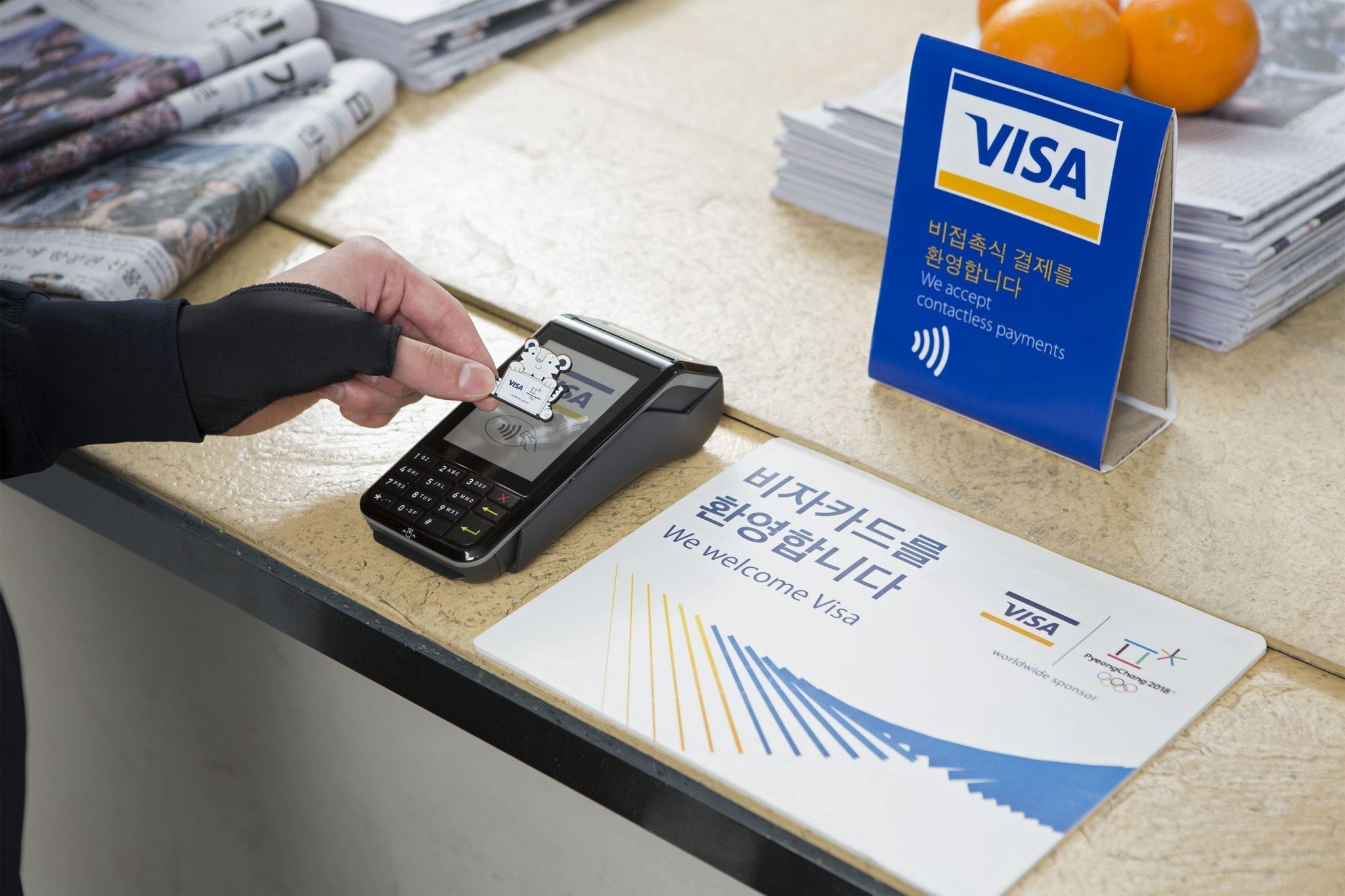
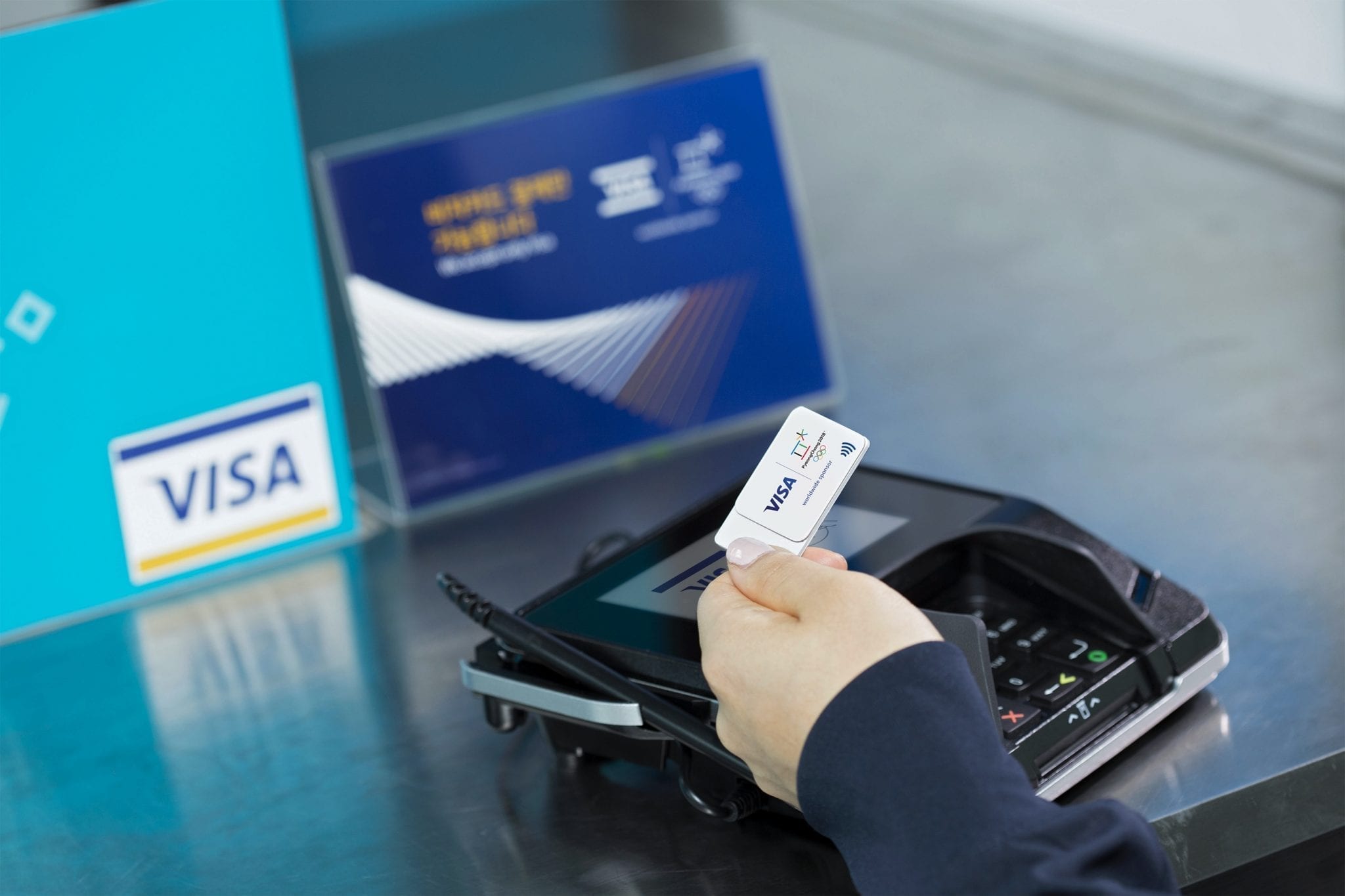
    The company is launching a line of three wearable devices that support contactless payments for fans and athletes attending the 2018 Winter Olympics in PyeongChang, South Korea in February.

    The line, which was produced in partnership with the financial arm of South Korean-based retail giant Lotte Department Store, includes payment-enabled gloves, as well as commemorative stickers and Olympic pins.

    “We are looking forward to transforming the payment experience for everyone who attends the upcoming Games in PyeongChang,” Iain Jamieson, Korea and Mongolia country manager at Visa, says in a Nov. 8 press release. “At Visa, we have been working tirelessly to ensure all of the Olympic venues are equipped with the very latest payment capabilities to provide the best experience possible for all those on-site.”

    With the average temperature in PyeongChang in February averaging around -4 or -5°C, the Visa gloves will allow fans to pay without getting cold hands. The gloves will have a dual interface chip with a contactless antenna built in, and come with prepaid amounts on them (KRW30,000 or KRW50,000, which is equivalent to approximately $35 or $60 CAD).

    Commemorative pins at Olympic games is a long-standing tradition, so Visa has introduced four unique designs that can be used to pay and then saved as a collectible. They will cost KRW5,000 (approximately $6 CAD), plus any amount fans want to load onto them.

    The Visa stickers will also have dual interface chips and antennas embedded in them, and can be stuck to almost anything. There will be eight distinct designs, and available in denominations of KRW30,000 ($35), KRW50,000 ($60), KRW100,000 ($117), and KRW200,000 ($235).

    While security is a concern, Visa said that its wearables “use the same EMV contactless standards, meaning it leverages the EMV crytogram security function to validate the authenticity of the wearables and the transaction.”

    “The wearables are powered by pre-paid products, there is no personal information attached to the wearable – no account number or token are used in the transaction process. If a wearable is stolen or lost, users should contact the Lotte Card call centre,” it adds.

    This is not the first time Visa has introduced wearables for the Olympics. At the 2016 Summer Games in Rio de Janeiro, Brazil, the company was selling payment-enabled rings that worked in a similar way to these new wearables for PyeongChang.

    “Growing up in South Korea, I am proud that my home country is hosting the 2018 Games, and is using this opportunity to introduce Visa payment innovations to the rest of the world,” Seung-Hi Park, a South Korean Olympic speed skating and Team Visa athlete, says in the release. “These payment gloves provide a hassle-free way to pay, even when it’s cold!”

    Available now, the gloves, pins, and stickers are available for purchase at Lotte Card’s customer centres in South Korea and online. During the games, they will also be available at Olympic Superstores in Visa vending machines.

  • E-Mart to tap Saudi Arabia with beauty specialty store

    E-Mart to tap Saudi Arabia with beauty specialty store

    E-Mart Inc., South Korea’s largest discount chain operator, said Thursday its beauty brand will open a store in Saudi Arabia next year, as the retailer attempts to expand its presence in the overseas market.

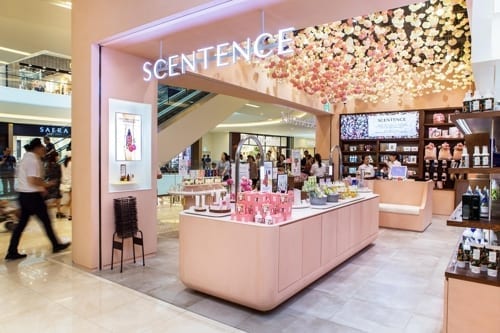
    The company said it signed an agreement with the Middle Eastern country’s major retail group Fawaz Alhokair to open its beauty store Scentence at a shopping mall operated by the Saudi firm.

    The store is likely to open in the Saudi capital city of Riyadh in March next year at the earliest, E-Mart said. It plans to open up to five more stores by 2018.

    The South Korean retailer has been pushing to tap deeper into foreign markets after withdrawing its business from China.

    This undated photo provided by E-Mart Inc., the operator of South Korea’s largest discount store chain, on Nov. 23, 2017, shows its beauty specialty store at a shopping mall in Goyang, northwest of Seoul. 


  • South Korea eyes artificial intelligence partners in BC

    South Korea eyes artificial intelligence partners in BC

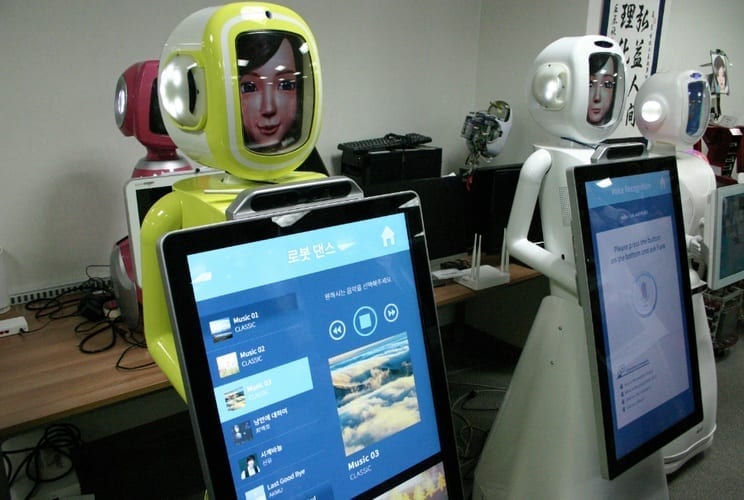
    Future Robot’s latest model at the company’s headquarters in Seongnam, near Seoul, South Korea. The company creates “social AI”: robots that interact with people by interpreting emotional responses, either through facial expressions or tone of speech, and then respond with emotive answers | Chuck Chiang

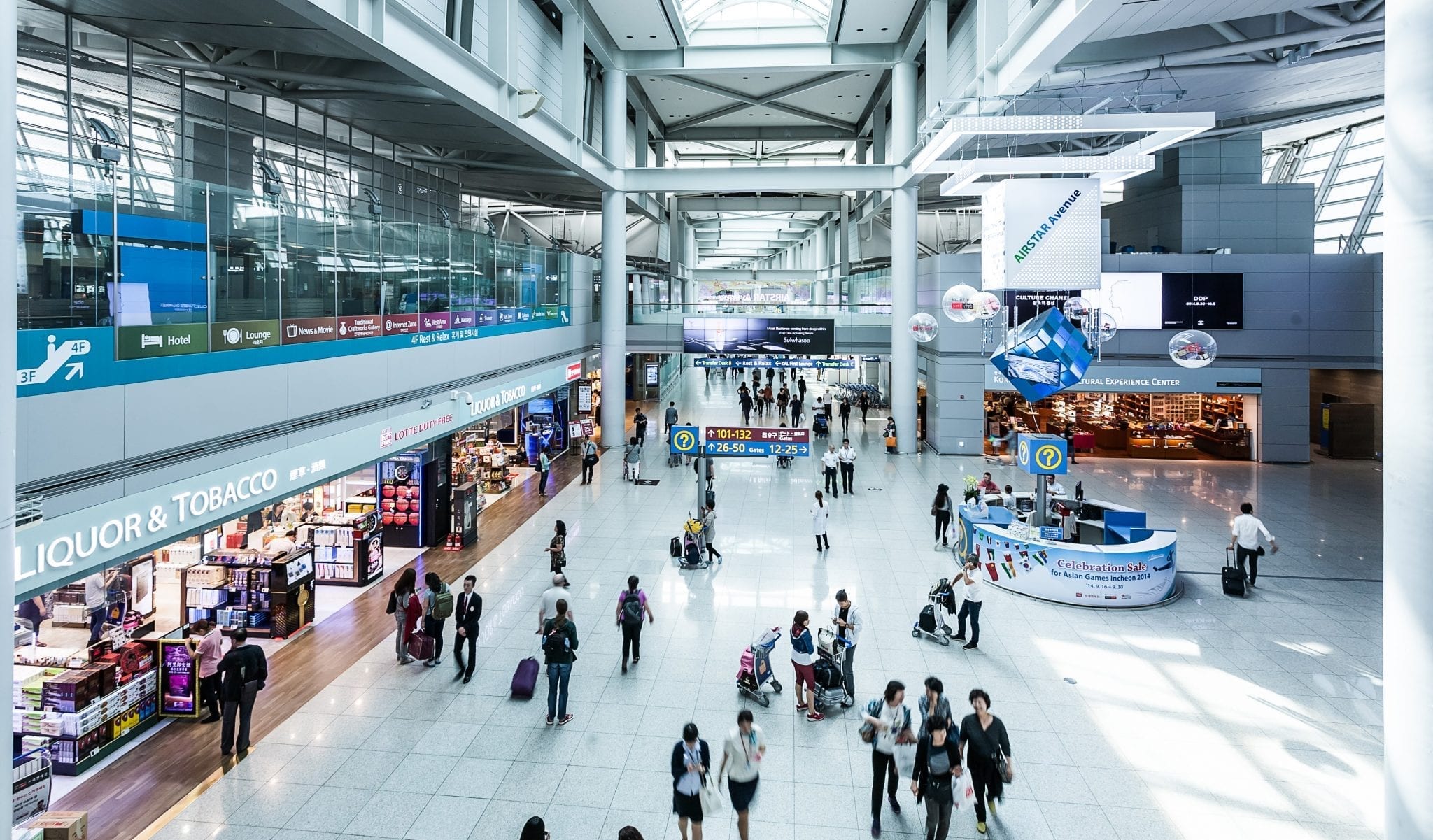
    At Seoul’s Incheon International Airport – one of the world’s largest international flight hubs – two new “stars” are capturing the attention of passengers who cross their paths.

    They’re not stars of “K-pop,” South Korea’s increasingly ubiquitous cultural exports of boy bands and girl groups that are now household names in most of Asia. Rather, they are robots – one that guides passengers to their flights by scanning their boarding passes, another a giant Roomba-like floor cleaner that asks politely, in Korean and English, to pass pedestrians in the machine’s cleaning path.

    “Where are you going? Have a nice flight!” the robot says cheerfully when a passenger leaves the view of its camera, while another group of travellers inevitably blocks the robot’s path and starts a new wave of photo-taking and hand-waving. (The scene bears a striking resemblance to one of the futuristic scenarios introduced in the Vancouver International Airport’s solicitation for public opinions for its 2037 master plan, although airport representatives said no robots are planned at this time.)

    This is the next industrial revolution as envisioned by leading observers around the world: the advent of artificial intelligence (AI) not only in people’s daily lives, but also in the overall global economy. And South Korea, deeming itself several years behind industry leaders like China and the United States, is looking for like-minded partners such as Canada to help it get back in the race.

    “It’s very hard for Canada and Korea to develop [large-scale] AI technologies in isolation from other markets,” said Kim Deogtae of the Korea Artificial Intelligence Association, who is also a university professor and president of his own AI tech firm DTWARE Inc. “But I do think that there’s an opportunity for companies on the two sides to co-operate, preferably with corresponding government support.”

    That partnership can happen in a number of ways, Kim said. Either Canadian investors can bring Korean-developed technologies like Incheon airport’s robots (made by conglomerate LG) to the North American and European markets through the North American Free Trade Agreement and the Canada-European Union Comprehensive Economic and Trade Agreement  or B.C.-based AI developers and startups can use South Korea’s market access to China, Japan and Southeast Asia to expand.

    B.C. and the rest of Canada can also be the answer for South Korea’s lack of AI-development talent. Kim said the East Asian nation struggles in that area because its traditional education system focuses on memorization rather than critical thinking.

    Canada, in turn, could be a partner in directly supplying AI developers or providing adequate space for Korean students to study the technology.

    “It is difficult to develop high-level AI in the Korean educational environment,” he said. “But Korean students are diligent and fast-learning; that is our strength. So if there’s an environment to learn AI, I believe Koreans will be fast to adopt and excel … and we have to look overseas.”

    The key, Kim said, would be to join forces to overcome each side’s smaller domestic market for sales, capital and talent when compared with the aforementioned “big two,” China and the U.S.

    There are already cases happening in other parts of Canada: a month ago, Korean conglomerate Samsung (KRX:005930) announced it will open its own AI research laboratory in Montreal after three years of working with Canadian teams.

    Major players from other countries have also started moving into Canada to mine its AI-technology talent. Google’s (Nasdaq:GOOGL) DeepMind research team – based in Great Britain – chose Edmonton as its first international lab in July. All this is happening with the backdrop of $125 million in earmarked Canadian federal funding for attracting AI development to Canada, as outlined in the federal Liberal government’s 2017 budget.

    Most of Ottawa’s effort is concentrated in three metropolitan areas: Edmonton, Montreal and Toronto-Waterloo. But one executive from a Vancouver financial technology (fintech) company that uses AI in its proprietary platform connecting lenders and borrowers said B.C. does have its niche in that sector, and it is up to B.C. companies to spearhead collaborations in markets like South Korea.

    “It’s important for anyone who’s not well known in the global market to go out and explain the model and its value proposition,” said Alex Mateesco, CEO of Lendery, which plans to open an office in South Korea to expand its lending platform to Asia.

    “I don’t think we should expect other people to know us more than what we know about ourselves. We have to do our own parts to be present internationally … because if we don’t take initiative on that market [fintech], someone else will go carve it out.”

    Focusing on a niche market to excel is a good idea for Vancouver’s AI sector, said the CEO of one of South Korea’s leading AI startups. Song Sekyong, who has built Future Robot Co. Ltd. from its launch in 2009 to a company with a market valuation of US$20 million this year, said it was able to succeed by carving out a space within AI that’s underserved by American and Chinese companies, which tend to focus on massive, cloud-storage-based systems that process an enormous amount of data over a wide network. Two examples of the latter are Google’s AlphaGo and Amazon’s (Nasdaq:AMZN) AWS.

    Song’s company, however, found its market in creating “social AI”: robots that interact with people by interpreting emotional responses, either through facial expressions or tone of speech, and then responding in kind with emotive answers. In some cases, these “soul-ware” robots even have animated faces to respond with their own emotive reactions.

    Up to 30 of these robots will be deployed at the 2018 Pyeongchang Winter Olympic Games. Other applications could include seniors care, personal organizer/living assistance and front-line customer service in various retail settings.

    “Most people think of AI as one thing,” Song said. “But that’s not true. It’s a lot more than just Amazon and Google, and there are a lot of variations within the potential market. What interests us is how we can apply AI so that people and AI live together and having the technology fill a very human need – a ‘warm’ technology, if you will.”

    Song, whose company employs approximately 35 people, is anticipating Future Robot’s valuation to double next year and hit US$100 million by 2025.

    He is also eyeing an initial public offering in a western market – again, an area that could bring Future Robot’s brand to Canada. But Song also noted that he and other AI developers are aware of some people’s fear of AI and its potential to eliminate human jobs. To those concerns, Song said it’s not that jobs will disappear with AI, but rather they will transform.

    “If you look at history, technology shifts and labour trends have always happened in tandem,” he said, noting AI will require a large number of programmers and technicians to maintain. “A robot can replace human labour, but it can’t replace a human being.”

    Lendery’s Mateesco added that any B.C. companies looking to jump into transpacific AI co-operation deals must always consider the human element to achieve market acceptance.

    “The mistake a lot of companies make is to push a technology and make it a top-down decision, which can be hard on consumers who are not ready. The point of technology is to serve people, to make lives more comfortable; so you have to let people decide what makes them comfortable.”

    [email protected]

    @BIVnews

    Note: Some interviews conducted for the story were completed at Invest Korea in Seoul, for which the reporter’s airfare and accommodations were provided by the Korea Trade-Investment Promotion Agency.
  • Korea domestic fashion market to grow in 2018

    Korea domestic fashion market to grow in 2018

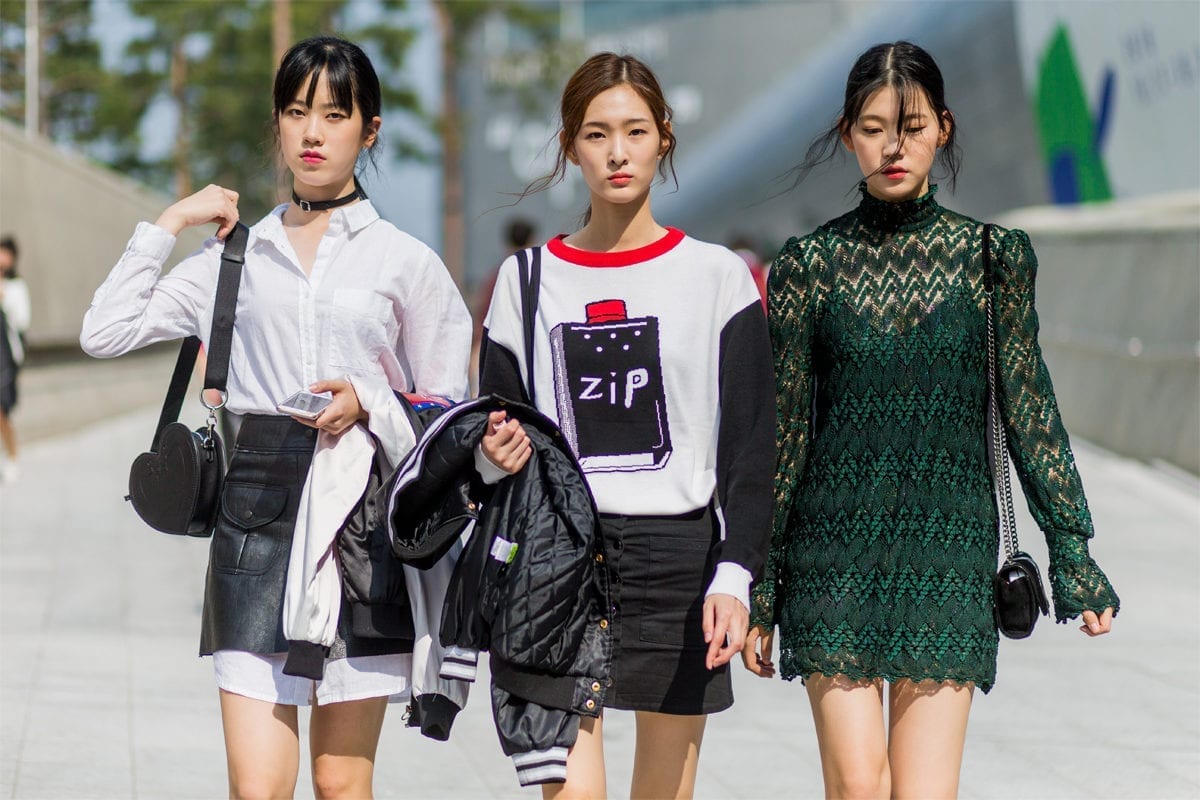
    Korea domestic fashion market is expected to reach 44.32 trillion won, up 3 percent in 2018.

    Korea Federation of Textile Industries predicted that the fashion market will recover  in the next year as the Consumer Confidence Index is improving in the second half of 2017.

    Thus, Korea domestic fashion market is expected to grow by 3 percent thanks to the recovery in consumer sentiment index affected by the 2018 PyeongChang Winter Olympics and the growth of online and outlet distribution.

    As consumers are showing signs of improvement in the second half compared to the first half of the year, this trend will last until 2018.

    In addition, the fashion product purchasing index has been steadily declining compared to 2016, but the trend is gradually rising from the bottom of 2016, which is why we are looking at the domestic fashion market in 2018 positively.

    When it comes to categories, casuals are expected to continue to grow positive thanks to global SPA and online street-based casuals, and the market is expected to exceed 15 trillion won in 2018.

    In particular, the new bag market, which is emerging as a market, is also positively analyzed. On the other hand, the price of sportswear, men’s wear and women’s wear has been declining steadily, so they will have difficult time in 2018.

    Meanwhile, 2017 domestic fashion market is expected to fall by 0.3 percent compared to last year to 43.38 trillion won, as the economic instability caused by the North Korea’s provocation and THAAD e has also affected the domestic fashion market negatively.

  • Customs service’s estimated revenue to double in 2018

    Customs service’s estimated revenue to double in 2018

    The estimated revenue of South Korea’s customs authorities is projected to more than double next year due to a surge in licensing fees for duty-free shops, a report said.

    According to the report by the National Assembly and related government agencies, the Korea Customs Service’s estimated revenue stands at 97.8 billion won (US$87.3 million) for 2018, up 118 percent from this year’s 44.7 billion won. The estimate includes fines, forfeits, additional charges and other income.

    The main reason for the sharp rise is an up to 20-fold increase in the licensing fees for duty-free stores, which accounts for 60.5 billion won, or 61 percent of the total.

    Last year, the government revised a related law to jack up the fee, which had been under fire for being too low and giving big favors to operators.

    Coveted by large companies, local duty-free shops had been called the goose that lays the golden egg before they took a big hit from a diplomatic row between South Korea and China over the deployment of an advanced US missile shield here in 2017.

    The government periodically selects duty-free operators after a close scrutiny of aspirants and has pledged to overhaul the selection system to root out any wrongdoing following irregularities during the government of ousted President Park Geun-hye.

    The sharp increase in licensing fees is said to have helped eliminate room for excessive favors but has come as a double whammy to duty-free shop operators hit hard by the tumble in the number of Chinese tourists.

    The missile defense row, which led to Beijing’s ban on group tours to South Korea, has dealt a harsh blow to local duty-free shops and department stores, as Chinese tourists were their key customers.

  • Sales plunge for Salvatore Ferragamo

    Sales plunge for Salvatore Ferragamo

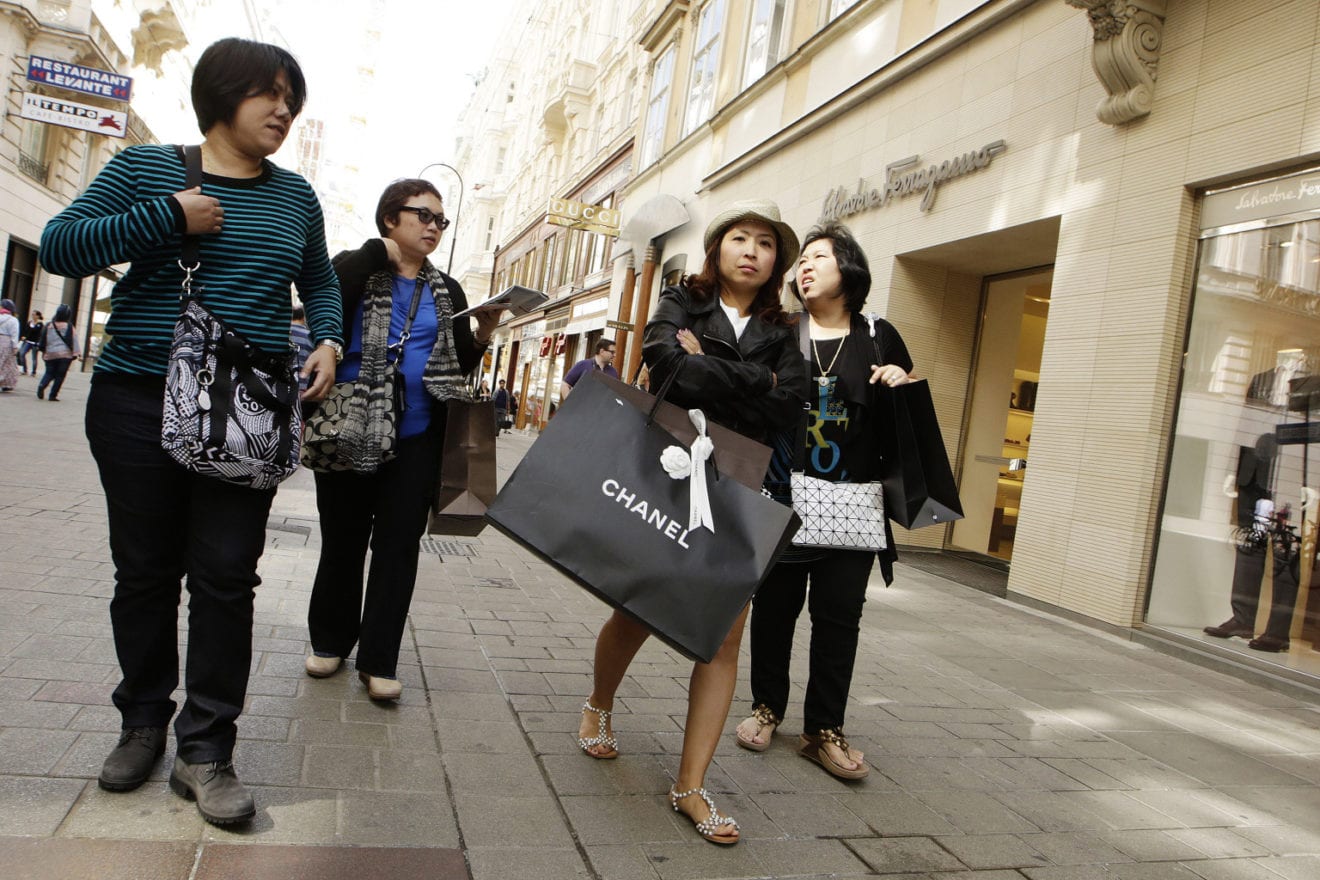
    Asia Pacific, particularly China, was best dressed for Italian luxury brand Salvatore Ferragamo as it foundered overall in negative territory for the nine months to the end of September.

    Asia Pacific was its top market, with revenues growing by 2.8 per cent (3.5 per cent at constant exchange rates), despite softness in South Korea through significantly reduced tourism from China, and ongoing negative performance in Hong Kong.

    Meanwhile, says its consolidated interim report, China recorded 8.1 per cent retail grown (15.5 per cent at constant exchange rates) for the period, while there was a 6.7 per cent (4 per cent) drop in the Japanese market.

    Ferragamo says a strategic rationalisation of its wholesale channel saw revenues drop 0.8 per cent to €1 billion (US$1.1 billion), while overall retail revenue rose 1.2 per cent. The wholesale channel was also penalised by political tensions in South Korea and a strategic rationalisation in Japan.

    Its gross operating profit (EBITDA) fell by 25.1 per cent to €162 million, and its net profit by 28.3 per cent to €79 million.

    Footwear sales were down by 1.2 per cent, and handbags and leather accessories by 0.6 per cent, while fragrance sales were up 3.2 per cent.

    At the end of September, the group’s retail network comprised 687 points of sales including 407 directly run stores and 280 third-party outlets in the wholesale and travel retail channel, as well as its presence in department stores and multi-brand specialty stores.

    With a positive net financial position of  €100 million compared to debt of €18 million at the same time last year, Ferragamo says the current year is a transition period for the group which will see the introduction of strategic initiatives.

  • When tech meets beauty to create skin solutions

    When tech meets beauty to create skin solutions

    In 2013, L’Oréal Group, one of the world’s top cosmetics makers, launched an advanced skin care system for cleaning and firming for Korean women, who are known for their intensive skin care routines.

    Since then, global electronics makers, including Philips, Panasonic and Toshiba, and South Korea’s big two cosmetic firms — AmorePacific Co. and LG Household & Health Care Ltd. — have all launched various skin care gadgets.

    Their introduction of innovative beauty products comes as the niche market is expected to grow even more, with tech-savvy consumers being more willing to use them on their skin.

    According to P&S Market Research, the global beauty devices market is likely to grow from US$27.8 billion in 2016 to US$94.3 billion by 2023.

    “Introduction of new beauty devices, increasing utilization of electronic beauty devices and rising inclination of consumers towards easy to use at home beauty devices are some of the major trends observed in the global beauty devices market,” the New York-based market researcher said in a report.

    “Increasing prevalence of skin diseases, growing aging population, increasing hormonal disorders and high disposable income are some of the major factors driving the growth of the global beauty devices market,” it added.

    Eyeing potential in the market, South Korea’s tech giants have started to showcase new beauty technology as they see more consumers seeking convenient ways to maintain themselves.

    In September, LG Electronics Inc. launched its “LG Pra.L” beauty appliance lineup, showcasing four items — the Derma LED Mask, the Total Lift-up Care, the Galvanic Ion Booster and the Dual-Motion Cleanser. Their price tags range from US$200 to US$700.

    Its LED mask and lift care use high-frequency LEDs and microcurrents to improve skin tightening. Its booster helps cosmetics penetrate deeper into the skin, and the cleanser is capable of washing skin 10 times better than conventional methods, the company said.

    “The home beauty business was born with a vision of applying artificial intelligence and big data technologies to the market,” Seo Young-jae, a senior official from LG Electronics’ home appliance division, said in a launch event. “Data is a crucial part of the cosmetics industry.”

    Samsung Electronics Co., the world’s largest smartphone manufactuer, has introduced two devices that analyze users’ skin and offer solutions for any issues they might have.

    During a Consumer Electronics Show (CES) in Las Vegas in January 2017, Samsung’s Creative Lab unveiled S-Skin, a home skincare and analysis solution, and Lumini, a portable device that checks your skin to identify and prevent skin problems.

    Lumini and S-Skin can scan skin for issues such as dryness, blemishes, excess sebum, wrinkles and more. Both devices send users’ information to corresponding smartphone apps that will offer solutions, products, and even recommend dermatologists that they can chat with in the app.

    “The gadgets will take a picture of the whole face and will analyze the skin condition immediately, and even track the history of wrinkles,” said Lee Sang-myung, a public relations officer at Lumini, which spun off from Samsung Electronics in May. “We plan to launch the product in the first quarter of 2018, first targeting cosmetic shops and skin care clinics.”

    While some devices promise an “instant” or “dramatic” effect on the skin, dermatologists say careful application is needed to use products that utilize lasers or certain forms of light because they could damage skin if used improperly.

    “Dermatologists have used blue lights to kill acne-causing bacteria for years,” No Do-gyun, a dermatologist in Seoul, said. “But even medical-grade red lights may not drastically improve wrinkles. They’re best for calming inflammation. Those with sensitive skin should use home beauty devices carefully, especially laser or light gadgets.”