Tag: Korea

  • Louis Vuitton losing past luster in Korean market

    Louis Vuitton losing past luster in Korean market

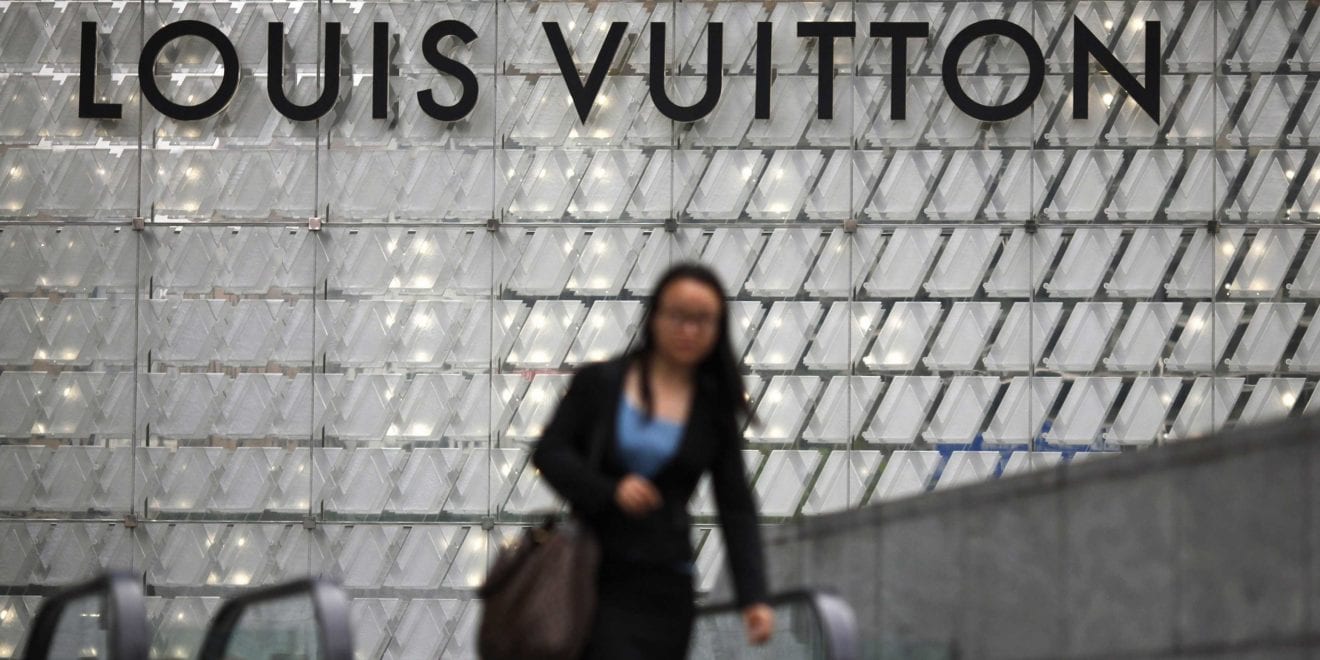
    The sales growth rate of Louis Vuitton has backtracked in 2017 at the nation’s major department stores, losing its market prestige as one of the most desired luxury brands, industry sources said on 13 November 2017.

    According to market insiders, sales of the French luxury brand at a department store between January and October 2017 slipped 5.3 percent from the same period of 2016, while that of its rival luxury brands, Chanel and Hermes, rose 11.2 percent and 16.5 percent, respectively.

    At another department store, sales of Louis Vuitton dropped 2.1 percent while Chanel and Hermes respectively surged 13.7 percent and 17.1 percent. The department stores were not identified.

    Louis Vuitton Korea, the local importer and distributor of the French fashion and jewelry brand, operates as a limited company here and is therefore not required to disclose its sales records.

    Chanel Korea and Hermes Korea are also not obligated to do so. Louis Vuitton Korea was launched as an incorporated company, but it became a limited company in 2012 in the face of public criticism over its low corporate outreach despite considerable profits here.

    The French fashion house has enjoyed popularity in the recent past, targeting young women with its monogram series. Market insiders say Louis Vuitton appears to have lost some of the brand value from its rarity, focusing on bags priced 2 million won (US$1,790) that have become an affordable range for customers in the luxury segment.

    The vast popularity of Louis Vuitton in the past and consequent sales have made the brand too common, taking away much of its cachet, a retailer said. “The popularity of its monogram series fizzled out, and there was no succeeding product, which is another reason for the slump,” he said.

    Meanwhile, Hermes and Chanel have targeted the higher end segment, keeping their price range within the highest level of the market.

  • Korea retailers embracing self-checkout technology

    Korea retailers embracing self-checkout technology

    Unmanned convenience stores are slowly making their way in South Korea and may significantly change or eliminate jobs behind the counter.

    Due to a steep rise in the minimum hourly wage, which will come into force next year, and advancements in technology, local retailers are adopting unmanned operations.

    There are five unmanned convenience stores in the country, according to industry officials.

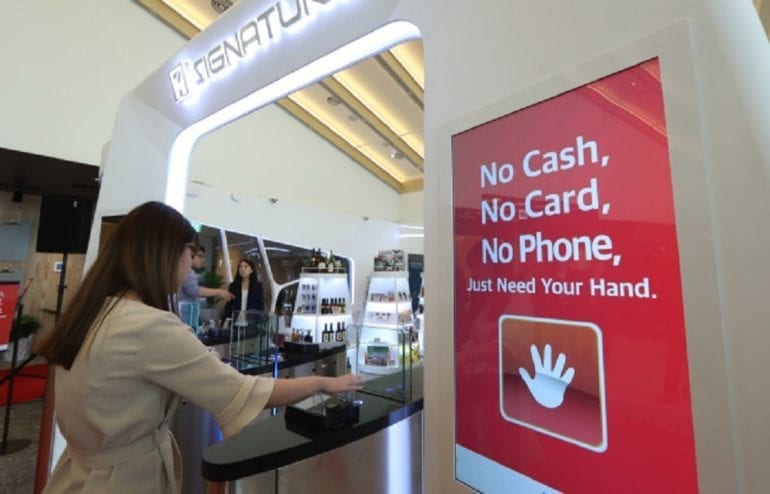
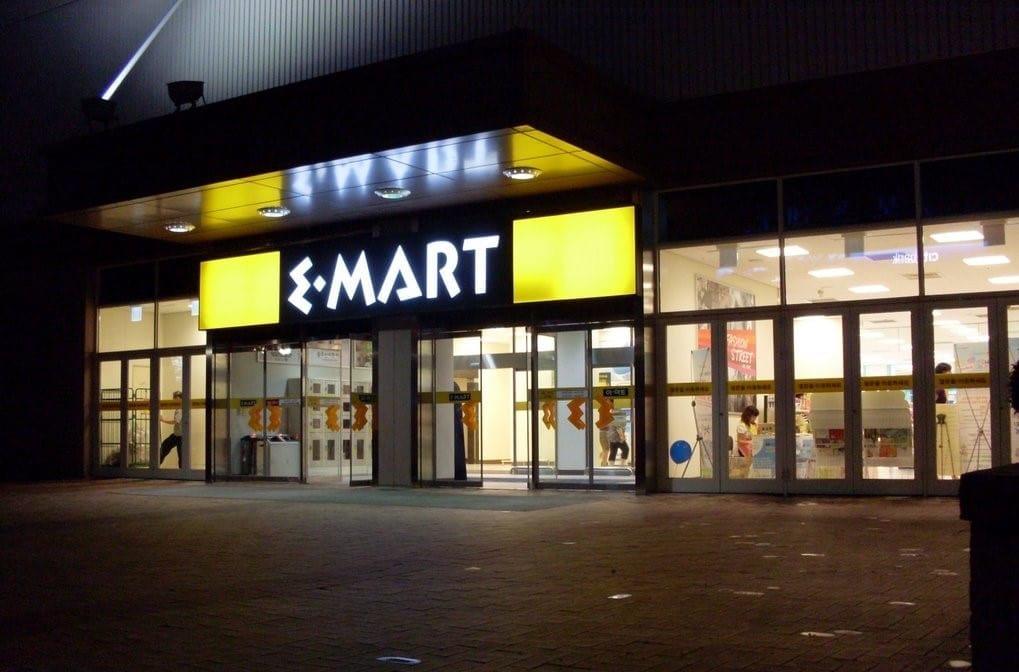
    Lotte Group‘s Korea Seven started operating its unmanned store 7-Eleven Signature at Lotte World Tower in May. Retail giant Shinsegae operates four unmanned E-mart 24 stores nationwide.

    At the unmanned stores, consumers can buy products by scanning them at auto-checkout counters.

    “Whenever there was a person behind counter, I instinctively felt like I had to pick products fast and go to the counter,” Lee Gil-yong told DongA News.

    “But now that there are no workers in the unmanned store, I feel like I can take my time to choose what I want to buy.”

    But some people have had difficulty adjusting to the stores and their security features.

    According to E-mart 24, three out of 13 people who visited its unmanned store in Seongsu-dong, Seoul, between 11 p.m. and 12:30 p.m. on Oct. 24 did not know how to get in. The store operates without workers from 11 p.m. to 6 a.m.

    To enter the unmanned E-mart 24 stores, shoppers must identify themselves with their credit cards. Also, they cannot buy alcoholic beverages ― a popular night-time product ― because unmanned stores cannot verify ages.

    E-mart 24’s unmanned stores suffered a decrease in sales, but cheaper labor costs meant the stores generated more profit.

    Concerns about the safety have also been raised because people entered without identifying themselves by waiting for the door to open for a shopper leaving the store.

    “We have not been able to operate the self-checkout machines in franchises because we have not yet found a way to prevent theft,” said an industry official.

    Only stores directly managed by headquarters operate unmanned checkout machines.

    “We are just checking the unmanned stores’ efficiency for now,” an E-mart 24 official said. “We have yet to decide whether to set up additional unmanned stores.”

    E-mart 24’s competitor 7-Eleven Signature has a HandPay system that identifies individuals by the pattern of their veins. Consumers can register their vein patterns on their Lotte Cards and the store will recognize the consumers.

    But shoppers have expressed discomfort because the store can only be accessed by those whose veins are registered.

    More retailers are expected to turn to automation due to the minimum wage hike next year, when the hourly minimum wage will rise to 7,530 won (US$6.67), up 16.4 percent from this year.

    Other major convenience stores such as GS Retail’s GS25 and BGF Retail’s CU also are preparing for unmanned stores.

  • Korean retailers shifting to ASEAN from China

    Korean retailers shifting to ASEAN from China

    Lotte, Shinsegae and other retailers in Korea have been shifting their focus to Southeast Asia as it has become difficult to conduct business in China amid deteriorating Korea-Sino ties.

    The increasing number of middle-class consumers in Vietnam and other countries has also encouraged the retailers to establish a larger presence in the rapidly-growing region.

    The exodus from the Chinese mainland has been accelerating as the Chinese government shows no signs of easing economic retaliation against Korean firms and their products because of Seoul’s decision to deploy a Terminal High Altitude Area Defense (THAAD) battery here.

    Of the Korean retailers, Lotte Group has engaged most actively in the Southeast Asian markets, pushing ahead with its plan to carry out multi-complex construction projects in Southeast Asia as the group’s new growth engine.

    Lotte Mart, the hypermarket brand of the nation’s largest retailer, is currently operating 45 stores in Indonesia and 13 in Vietnam, industry sources said. It will also open another store in Lampung Province, Indonesia, in December 2017.

    In September 2014, Lotte built the Lotte Center in Hanoi, Vietnam. The 65-story multi-complex offers the group’s various shopping and accommodation brands, including Lotte Department Store, Lotte Mart and Lotte Hotel.

    Lotte is building a large-size shopping mall with a gross floor area of 200,000 square meters in Hanoi, with completion scheduled for 2020. It is also reviewing its plans to invest about 2 trillion won (US$1.74 billion) to build another 100,000-square meter multi-complex in Ho Chi Minh City.

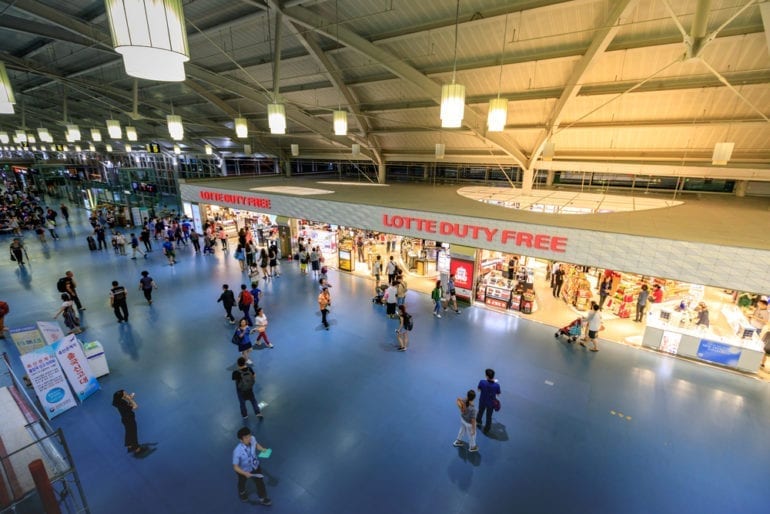
    Lotte Duty Free, the group’s duty free store affiliate, has also recently entered Vietnam. It partnered with a local retailer to establish the Phu Khanh Duty Free at the Da Nang International Airport, and the company official said it has a similar plan to open business in other major cities in Vietnam.

    Shinsegae Group’s discount chain brand E-Mart is also shifting to Southeast Asian markets.

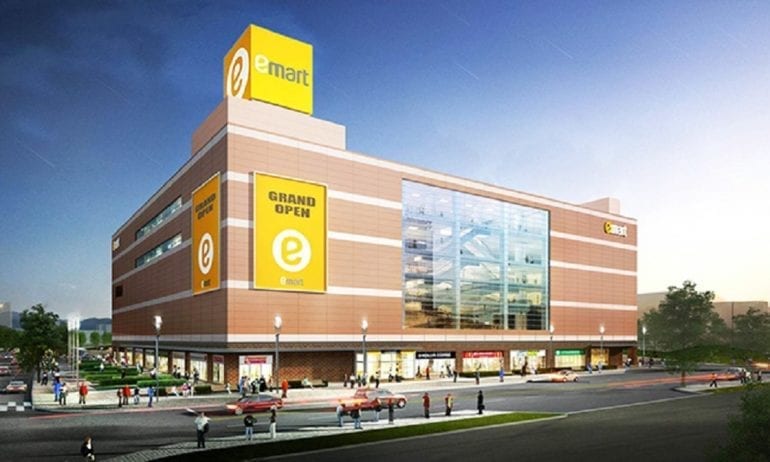
    It has officially announced its exit from the Chinese market, and chose Vietnam as its new overseas growth engine. E-Mart opened its first store in the Go Bap area of Ho Chi Minh City, in December 2015, and is planning to open its second store in the city soon.

    The E-Mart Go Bap store recorded 41.9 billion sales the previous year to exceed its sales target by 20 percent. Its sales performance also marked 25.8 billion won during the first half of this year, up 27.5 percent from the same period the previous year.

    It signed an MOU deal with Ho Chi Minh City last year to invest $200 million in September, and an E-Mart official said it will enter Laos, Indonesia and Cambodia soon.

    GS Retail, the nation’s convenience store brand is also entering Southeast Asian markets.

    GS Retail, which operates the GS25 convenience store chain, has recently established a joint venture with Vietnamese SonKim Group. Taking 30 percent in shares, GS Retail plans to open its first store in Ho Chi Minh City.

    GS Retail opened its first GS Supermarket in Indonesia in October 2017.

  • Tiny Samsung Galaxy S9 Mini could be in the works

    Tiny Samsung Galaxy S9 Mini could be in the works

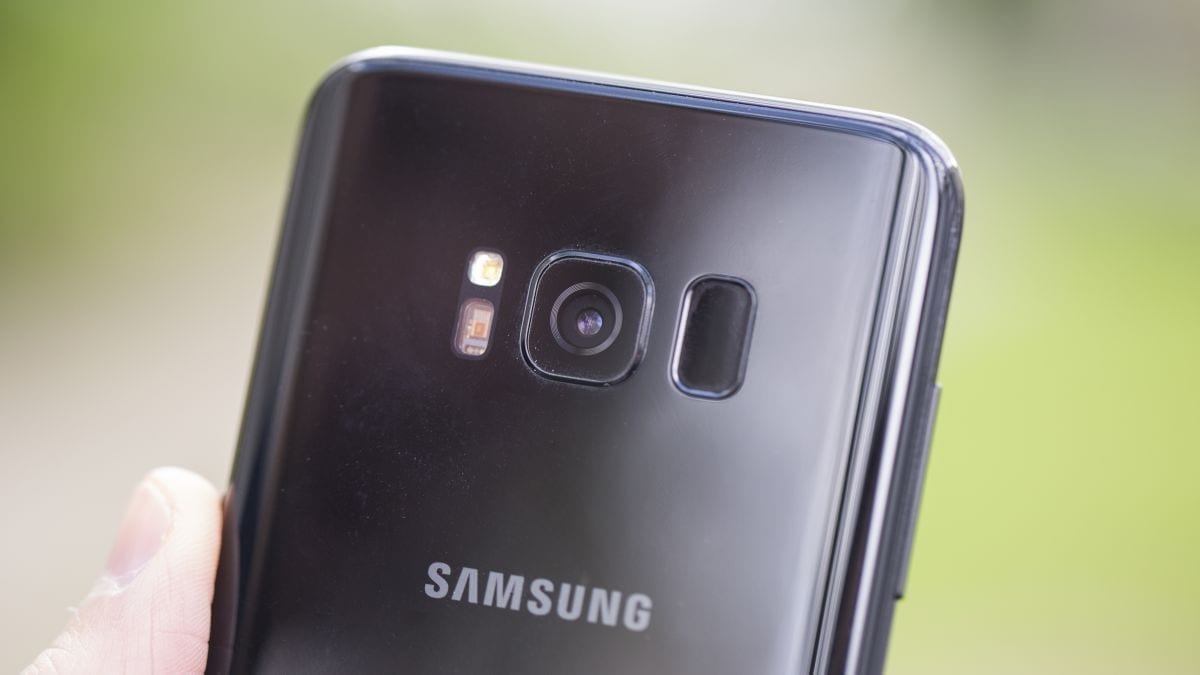
    Other than the iPhone 8, Sony Xperia XZ1 Compact and their predecessors there haven’t been many high-end compact phones in recent years, but Samsung could be about to add to the list with a Samsung Galaxy S9 Mini.

    Known leaker I ice universe has said as much on Weibo (a Chinese microblogging site), adding that the screen is less than 5 inches and that it has a “full screen”, which suggests that it will have minimal bezels and a super-widescreen 18.5:9 aspect ratio, just like the Samsung Galaxy S8 range.

    They don’t actually name the phone, but the mention of “full screen” suggests it will be using design language from the S series, so an S9 Mini is the obvious conclusion.

    Some sites are reporting that the Samsung Galaxy S9 Mini – or whatever it ends up being called – will also have a curved display, which would make sense if it uses the Galaxy S9 name, but the original information is in Chinese, and based on our own translation attempts we feel it could just as well be saying that the screen won’t curve.

    Coming soon… probably

    Similarly, there’s no suggestion that it will launch alongside the Samsung Galaxy S9 and Galaxy S9 Plus, despite what you might read elsewhere, though a launch in the first half of 2018 would seem likely if it’s going to arrive at all.

    And that’s a big if, I Ice Universe seems to say they’re not sure if it will be released or not (though this again is based on Google Translate).

    There’s reason to be skeptical, as Samsung hasn’t made a mini version of its flagships in years. But if the Samsung Galaxy S9 Mini is real we’d expect to hear more about it soon.

  • Incheon airport’s 2nd terminal ready to open in 2018

    Incheon airport’s 2nd terminal ready to open in 2018

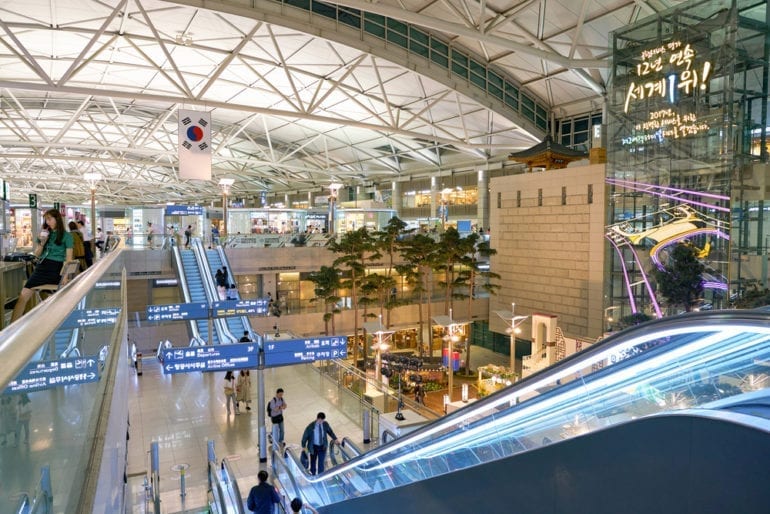
    Incheon International Airport plans to open its new terminal on 18 January 2018, about three weeks before the start of the PyeongChang Winter Olympics, the airport’s operator said.

    The opening date of Terminal 2 was set based on the consideration that the Olympic Village opens on 30 January 2018.

    The airport has been expanding its facilities to accommodate the athletes and officials who will be coming to Korea for the Winter Games.

    Four members of the SkyTeam alliance – Korean Air, Delta, Air France and KLM – will use the new terminal. Other carriers, including Asiana Airlines, will remain in the existing Terminal 1.

    The airport expects about 20 percent of the Games’ 300,000 visitors will go through Terminal 2.

    The new terminal will allow the airport to handle 72 million passengers and 5 million tons of cargo annually, according to data from the airport’s operator.

    The existing terminal had the capacity to handle 54 million passengers and 4.5 million tons of cargo a year.

    “Based on expanded infrastructure, we expect the airport to become the core airport in the Northeast Asian region,” an airport spokesman said, “and also win in the competition to become the world’s leading hub airport.”

    The new terminal will operate independently from Terminal 1 and have its own check-in, security and customs facilities. The airport said it has upgraded the technology to shorten the time from check-in to boarding. Self-check-in counters and guide robots will be installed for passenger convenience.

    “At Terminal 2, overall waiting time can be reduced by roughly 10 minutes compared to Terminal 1,” said Chung Il-young, chief executive of Incheon International Airport.

    The airport also announced a plan to continue expanding Terminal 2 through 2023. The airport has so far spent 5 trillion won on building the terminal and plans to add another 4.2 trillion won to expand its capacity so that it can handle up to 46 million passengers a year.

  • Sales drops for Louis Vuitton Korea

    Sales drops for Louis Vuitton Korea

    Louis Vuitton Korea has fallen behind its rivals, with sales dipping into minus territory this year, industry data shows.

    Sales at a leading department store for the international fashion house for the January-October period backtracked 5.3 per cent. Demand for Louis Vuitton products were down 2.1 per cent at another department store during the same period.

    Meanwhile, rivals Chanel and Hermes achieved double-digit sales during the same period. Chanel added 11.2 per cent and 13.7 per cent at the two department stores, while Hermes managed 16.5 per cent and 17.1 per cent growth, respectively.

    “The vast popularity of Louis Vuitton in the past and consequent sales have made the brand too common, taking away much of its cachet,” an unidentified retailer said. “The popularity of its monogram series fizzled out, and there was no succeeding product, which is another reason for the slump,” he said.

    Exact sales figures are not available for Louis Vuitton, after its local operator was turned into a privately-held company from a limited company in 2012 when its lack of social contribution compared to its dividend propensity became controversial. Privately-held firms do not have to disclose detailed corporate information, such as donations.

    A law was revised recently, however, requiring private companies to undergo external inspections and to disclose financial information, including sales, dividend rates and contributions.

  • Korean department store sales lift on strong e-commerce

    Korean department store sales lift on strong e-commerce

    South Korea department store retail sales recorded an increase in September 2017 on the back of strong online sales, a government report showed.

    The Asian nation’s major retailers registered an increase of 8.4 percent in September from a year earlier, according to the Ministry of Trade, Industry and Energy.

    The figure was based on a revenue survey taken across 13 physical and 13 online retailers.

    Online sales surged 22.8 percent, the biggest gainer by retail category, while offline sales rose 2.6 percent last month, in comparison.

    Direct sales by online retailers skyrocketed 46.2 percent, with sales by online brokers lifting 14.7 percent, said the report.

    In the physical retail environment, sales by department stores increased 4.9 percent, with those by convenient stores gaining 12.1 percent. The latter saw double-digit expansion on strong demand for food and beverage items, including imported beer and convenience food. Meanwhile, the number of convenient stores jumped 14.7 percent in South Korea last month.

    The only negative segment was in sales recorded at major discount outlets, which dropped 4.9 percent in September, said the ministry.

    Convenient store sales saw discount outlet sales retreated on weak demand for miscellaneous items and housewares.

    Online continues to dominant in Korea. According to a recent Ipsos survey of 18,180 consumers in 23 countries, South Korea is a leading market for mobile payment services, as many of the nation’s tech-savvy consumers are turning to their smartphones to make purchases.

    According to a tally by the Bank of Korea, the daily average of mobile payments came to 1.26 million cases in the fourth quarter of 2016, nearly three times the 440,000 settlements posted three quarters earlier.

    The number of mobile payment service users in South Korea was estimated to have exceeded 32 million as of the end of last year.

    Approximately 7 in 10 South Koreans are known to own a smartphone, the fourth-highest smartphone penetration rate in the world.

  • E-mart opens 2nd store in Mongolia

    E-mart opens 2nd store in Mongolia

    Mongolia recently got its second E-mart, the discount chain of Korean retail giant Shinsegae.

    Unlike the first store, which has its own building, the second store is renting 5,000 square meters on the first and second floors of the Solo Mall in western Ulaanbaatar.

    The new store sells 12,000 types of goods, with Korean products accounting for 30 to 40 percent. Four out of 10 Korean products at the store are supplied by small and medium enterprises, according to E-mart.

    After signing a contract in July 2016 with Sky Trading, the local distribution unit of Mongolian retail giant Altai Group, E-mart entered the Mongolian market as a franchise receiving royalties for teaching the know how of running the stores.

    The first store posted 42 billion won (US$37 million) in sales IN 2016, 140 percent higher than expected. It chalked up 8.4 billion won from sales of Korean products.

    E-mart attributed the results to the good quality and fresh ingredients of Korean products, because most Mongolian consumers had been unable to buy such products before.

    “Among 20 supermarkets in Ulaanbaatar, E-mart is the only one that offers almost all kinds of products,” a company official said. “The store has attracted middle-class customers.”

    E-mart said it has sent Korean workers to the second store. They are attracting Mongolian customers with rice rolls, pork belly and chicken based on Korean recipes. The store also sells pizza, which has begun winning popularity among Mongolian consumers.

    The company said it also plans to sell sashimi for Mongolian customers who have not been able to taste fresh fish because of the country’s landlocked location.

  • Lotte Duty Free files complaint against airport

    Lotte Duty Free files complaint against airport

    Lotte Duty Free submitted a report to the Fair Trade Commission regarding its rent feud with Incheon International Airport, according to the leading duty-free operator.

    Korea’s largest duty-free operator and airport have gone through four unsuccessful discussions on the matter since mid-September, but this is the first time one of them has called in state officials.

    Lotte’s assertion is that Incheon International Airport violated the Monopoly Regulation and Fair Trade Act by setting up contract conditions that were unfavorable to the duty-free operator. If the request goes through, the FTC will embark on an investigation of its own or set up a definite deadline for the two to reach an agreement.

    In 2015, the two signed a five-year rent contract for Lotte’s operation there worth 4.1 trillion won (US$3.68 billion). The deal ran from September 2015 to August 2020.

    The company pinpointed two terms in the contract that they thought were “unfair.” One is a clause that prohibited any adjustments to the rent or security deposit due to changing management conditions or a drop in sales.

    “In nature, duty free businesses are vulnerable to international affairs and government policy changes,” said Lotte Duty Free in a statement. “The clause ignores the industry’s particular characteristic and rules out any possibility of renegotiation from situations that may be prompted from this.”

    The second disputed term states that the operator cannot pull out of the deal before half of the contract period has passed. Even if Lotte requests a revocation after this halfway point, it has to continue operations for four months from the withdrawal date.

    After the fourth discussion ended fruitlessly, Lotte discussed the possibility of closing down its operation in Incheon International Airport, which takes up about half the space allocated to duty free stores and generates 60 percent of the airport’s entire rent earnings from duty free.

    The number of Chinese tourists in Korea plummeted since March after tensions rose over Korea’s deployment of a U.S.-led antimissile system. Lotte says this left a huge void of customers – the company used to generate 70 percent of its annual sales from Chinese consumers.

    Under the current contract, Lotte Duty Free can pay a designated portion of its operating sales as rent. But there is also a minimum amount that the operator has to pay even if the sales figure falls below that threshold.

    As Lotte’s sales are lower, the sales figure does not reach the minimum amount. Lotte says that it cannot afford to pay the minimum amount due to unfavorable market conditions.

    Its counterpart Incheon International Airport rebutted the claims and remains firm that it will not alter the original contract conditions. The airport said the contract with Lotte was based on a mutual agreement that the market situation may change in the future.

    “The contract was already screened by the FTC so we’re not expecting any problems based on relevant laws,” it said in a statement.

  • LANCÔME Travel Retail Asia Pacific Kicks Off ‘Declaring Happiness’ Global Campaign

    LANCÔME Travel Retail Asia Pacific Kicks Off ‘Declaring Happiness’ Global Campaign

    Leading French luxury beauty brand LANCÔME

    Travel Retail Asia Pacific is delighted to announce the launch of a global campaign,
    ‘Declaring Happiness’, which will be celebrated through a series of brand events across
    Asia. In line with the global direction to strengthen LANCÔME’s digital presence in the
    region, each of these events will leverage on the digital influence of celebrities and key
    beauty opinion leaders to engage a broader audience, and at the same time converge the
    offline and online retail experiences to foster a stronger brand engagement with
    consumers.

    Beginning in Korea, the global initiative was kickstarted with a store event
    and cocktail party graced by renowned Korean actress, Kim Go-Eun, at Lotte Hotel, the
    first 2020 concept store for LANCÔME Travel Retail Asia Pacific to offer a unique retail
    experience with its consumer centric and high retail quality that allows travellers to freely
    discover various travel exclusive products in the shop. After which, the campaign landed
    on the shores of Singapore, with a resplendent LANCÔME Holiday Wonders pop-up
    store that lit up Singapore Changi Airport in festive spirit for the holiday season. Moving
    forward, the campaign will make a stop in China, with a launch event in November at
    Haitang Bay that is set to continue the brand’s journey in sharing happiness with all
    women, before concluding with a Hong Kong event in December.

    The Soul Behind The Campaign

    “The LANCÔME ‘Declaring Happiness’ global campaign richly illustrates our passion to
    inspire and share happiness with women by making their lives more beautiful. Ultrafeminity,
    emotion, joie de vivre and beauty have always been at the heart of LANCÔME’s
    DNA. Through this series of ‘Declaring Happiness’ events across Asia, we hope to
    continue creating moments of happiness for all women by exploring different consumercentric
    innovations at our events that allows us to foster a deeper connection and
    engagement with our consumers.” says Ms. Tao Zhang, General Manager of
    LANCÔME Travel Retail Asia Pacific.

    ‘Declaring Happiness’ Kick-off Event in Seoul

    The ‘Declaring Happiness’ campaign started off in Seoul on 12 October 2017 with
    LANCÔME Travel Retail Asia Pacific’s first-ever live streaming event, attended by
    guests from all across Asia – most notably, renowned Korean actress Kim Go-Eun and
    social media influencers from China. The 11 Chinese social media influencers livestreamed
    at both the event venue and concept store through Weibo, creating organic,
    user-generated content by sharing their experience with millions of their followers and
    interacting with them during the live feed.

    At the beauty talk session, Kim Go-Eun revealed her beauty secret for porcelain skin and
    attributed it to some of her favourite LANCÔME products – the UV Expert Aqua Gel
    and Blanc Expert Cushion.

    Other highlights of the event also include activities for new product launches such as the
    ‘Génifique’ zone, which employed touch-screen gaming technology to create a unique
    platform on which guests could experience the Génifique Sensitive. Guests were also
    given the opportunity to be the first to experience the fruity floral scent of LANCÔME’s
    new fragrance, the Miracle Secret, as well as the newly launched L’absolu Gloss.

    LANCÔME Holiday Wonders Pop-Up Store at Singapore Changi Airport

    Following its launch in Seoul, the ‘Declaring Happiness’ campaign arrived in Singapore
    with a much-anticipated LANCÔME Holiday Wonders pop-up store at Changi Airport
    on 16 October 2017, the first of its kind to blend retail with entertainment to create a
    captivating pop-up experience. The launch event was officiated with a ribbon cutting
    ceremony and champagne toast graced by VIPs and partners, followed by a speech given
    by Ms. Tao Zhang, General Manager of LANCÔME Travel Retail Asia Pacific.

    Pop-up store is designed to enrapture travellers at Singapore Changi Airport with various
    multi-dimensional retailtainment. An instant crowd-favourite at the launch event is the
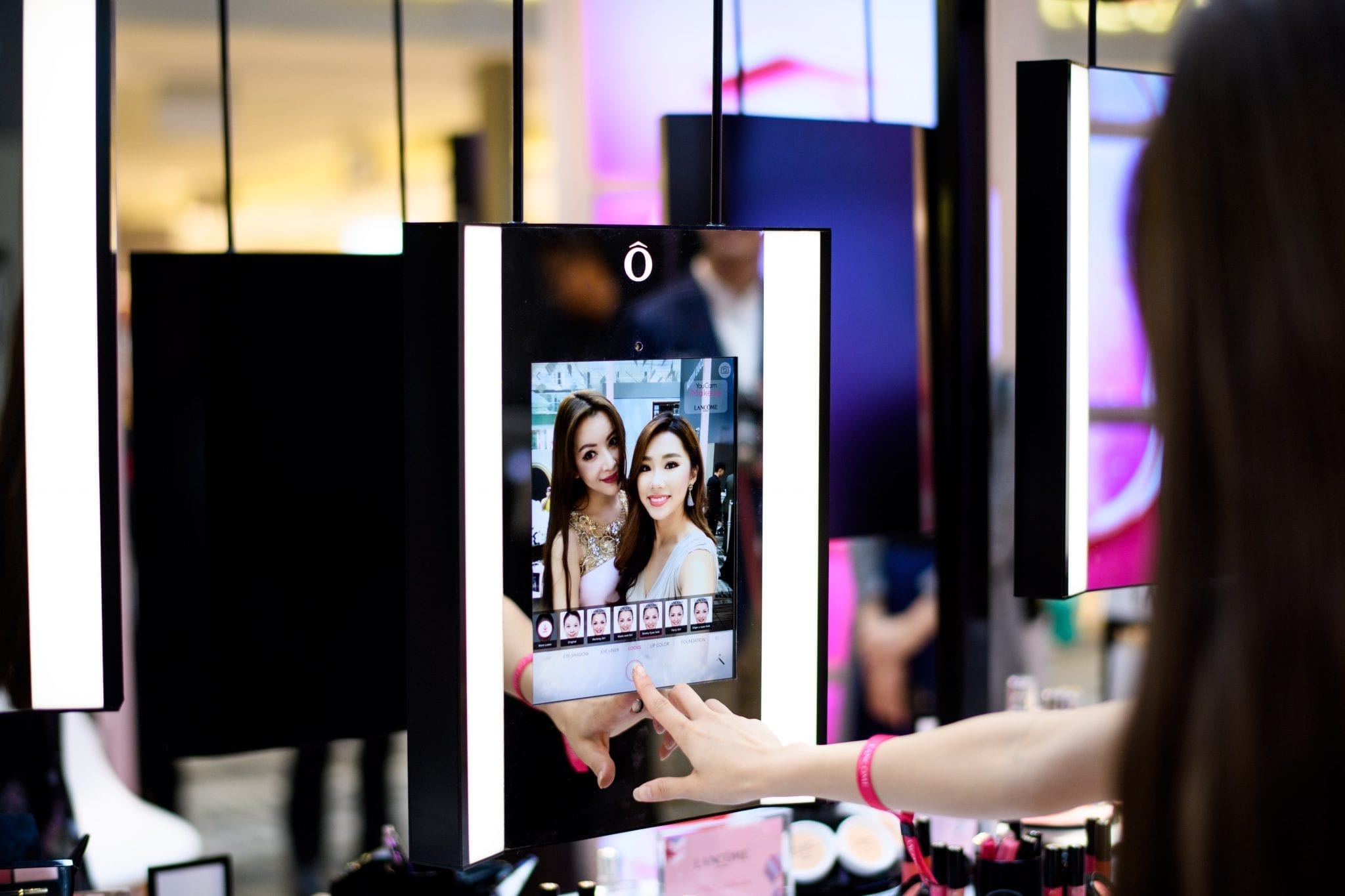
    Virtual Mirror, a LANCÔME Travel Retail Worldwide exclusive at Singapore Changi
    Airport that allows guests to try on different makeup looks via a augmented reality virtual
    makeover application. Fans of Virtual Mirror at the event included notable beauty
    personalities and key opinion leaders such as Andrea Chong, Christabel Chua, Kimberly
    Wang, Liv Lo, Mongchin Yeoh, Sheila Sim, and Chinese fashion opinion leader Lu Min,
    all of whom indulged in the exciting opportunity to experience the Virtual Mirror. Guests
    were also kept entertained with a LANCÔME photobooth at the storefront which
    featured a splendid backdrop of floating balloons over Paris. Finally, for a chance to win
    the brand’s bestselling L’Absolu Rouge lipstick samples, guests did their best to clock up
    top scores at the LANCÔME digital touchscreen game.

    Consumers at the LANCÔME Holiday Wonders Pop-up store will also be treated to a
    complimentary engraving service for the ‘LANCÔME x SINGAPORE’ luggage tag, an
    exclusive holiday collectible for those who purchase the ‘Your Perfect Travel
    Companion’ sets.

    Hereafter, consumers can look forward to a uniquely LANCÔME beauty experience
    when the ‘Declaring Happiness’ campaign makes its stop at Haitang Bay, China in
    November and Hong Kong in December.
  • Cinnabon is back to Korea

    Cinnabon is back to Korea

    US-based bakery chain Cinnabon has returned to Korea with an outlet at Hyundai Department Store in Seoul.

    The menu includes Cinnabon Classic Rolls, Cinnabon Caramel Pecan, Minibon, and drinks such as Single Origin Coffee, three Coldbrew Ice Coffees, four Espresso Coffee drinks, Chillattas, Hot/Ice Chocolate and Fizzies.

    Cinnabon first came to Korea in 2001 with plans to open 50 outlets within six years, but failed to gain traction at the time.

    Owned by Focus Brands, Cinnabon now operates in 53 countries worldwide.

    Last year, the chain looked for its franchisees to expand to China.

  • Giordano post a “quite okay” result

    Giordano post a “quite okay” result

    Third-quarter sales for apparel retailer Giordano International have been edging ahead in most markets, an exception being South Korea, a 48.5 per cent JV with an independent management team.

    While e-commerce sales jumped by 17.6 per cent in Mainland China, overall sales growth reached only 2.6 per cent, with a decrease of 2.5 per cent in directly run stores. The company closed 32 non-performing outlets.

    Comparative own-store sales grew by 8.4 per cent, with an 0.5-point decline in gross margin because of a change in channel mix as the contribution from the lower-margin e-business.

    In Hong Kong and Macau, sales for the three months to the end of September grew by 3.2 per cent.

    Gross margin fell 1.6 points as a result of sales promotions to counter an unusually hot and rainy summer and late autumn. These promotions pushed up sales volume by 13.8 per cent while reducing the average selling price by 9.2 per cent.

    Comparative-store gross profit rebounded in Taiwan, where sales and gross margin rose by 2.9 per cent and 1.1 points respectively. Giordano says the improvements are sustainable for the rest of the year. Gross margin also benefited from lower product costs on a strong local currency.

    In the rest of Asia Pacific sales increased by 5.4 per cent at constant exchange rates. The acquisition of Vietnam business in July contributed to 5.1 per cent of sales in the region.

    Unusually strong sales in Thailand last year resulted in an unfavorable year-on-year comparison for the quarter.

    Ramadan effect

    Indonesia sales rose by 3.5 per cent as a result of shop expansion. While comp-store sales fell by 4.1 per cent and gross profit eased 1.8 per cent as a result of the different timing of Ramadan, comp-store sales from June to September this year increased by 9.7 per cent against the same period last year.

    Early Ramadan also affected sales in Malaysia, which grew by 4.3 per cent. Comp-store sales rose by 2.6 per cent while gross profit eased 1.4 per cent. Comp-store sales for June to September strengthened 20.4 per cent compared with the same four-month period last year.

    Both comp-store sales and gross profit dropped in Thailand, by 4.9 and 6.3 per cent respectively, against an unusually high base in the same quarter last year.

    Sales fell 3.6 per cent in South Korea while gross margin improved by 0.7 points. The decline was mainly because of summer clearance sales and unusually hot weather in September hitting fall/winter merchandise sales.

    Overall group sales rose by 3.6 per cent to HK$1.2 billion (US$153.8 million). Group gross profit increased by 3 per cent on improved sales, partially offset by a 0.3-point decline in gross margin.

    Giordano attributes this partly to the change in channel mix and selective promotional activities. Group comparable-store sales and comparable-store gross profit for the quarter grew by 2.3 and 1.5 per cent respectively.

    At the end of September, the group’s distribution network comprised 2370 stores in more than 30 countries, about half of these being standalone stores. Most stores were in Greater China, South Korea and Southeast Asia.

  • Blue Bottle Coffee heading for Korea

    Blue Bottle Coffee heading for Korea

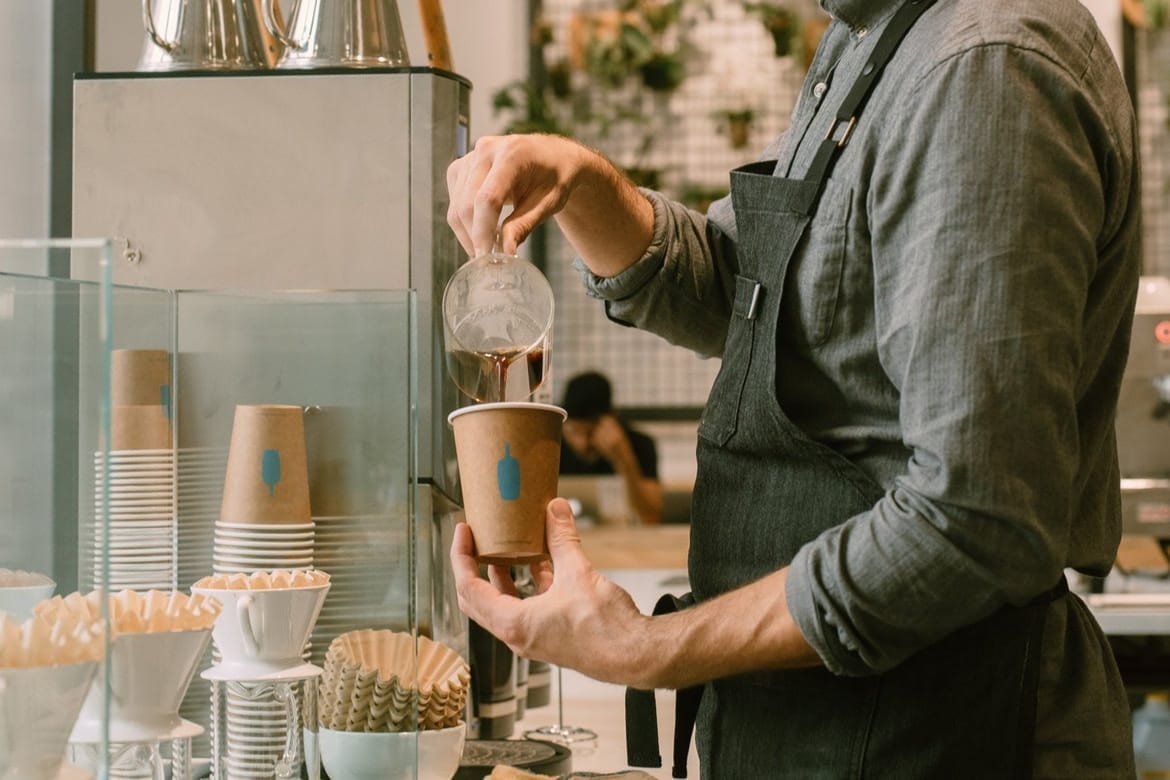
    US brand Blue Bottle Coffee is expected to open in South Korea soon, followed by other Asian countries including China, Hong Kong and Taiwan.

    “We’re developing our contact here,” CEO Bryan Meehan said while attending the World Coffee Leaders Forum at the Seoul Cafe Show.

    He said Blue Bottle was researching the market and looking for a GM in Korea, with no specific set yet for a launch.

    Meehan said the company headquarters would directly manage its stores in Korea, as it does in other countries.

    “Actually, we had a lot of pressure for a joint venture in Japan. A lot of companies wanted licensed approaches,” he said. “We are very passionate about controlling the quality of Blue Bottle, so we like to do things ourselves. We have never franchised.”

    While local coffee chains in Korea have been hit by losses over the past few years, Starbucks Coffee has alone seen rapid growth, reports The Korea Times.

    “Blue Bottle has grown along with Starbucks in the US. We think we can survive side-by-side,” said Meehan.

    Known for its innovation, Blue Bottle has 44 stores in the US and Japan. Nestle acquired the chain for US$425 million in September.

    “Nestle CEO Mark Schneider has a wonderful vision of where specialty coffee should be in five years’ time, and he sees the value of Blue Bottle,” said Meehan. “Nestle is allowing Blue Bottle to remain a standalone company. I don’t report to anybody at Nestle.”

    Founded in Oakland, California, by musician James Freeman in 2002, Blue Bottle has expanded around San Francisco. Because of Freeman’s interest in Japan, the chain has expanded there and will open its eighth outlet next year in Kyoto.

  • SK Telecom Q3 revenue grows 4.7%

    SK Telecom Q3 revenue grows 4.7%

    SK Telecom has reported a 4.7% year-on-year increase in revenue for the third quarter to 4.44 trillion won ($3.99 billion), on the back of a solid performance across the operator’s core segments.

    Net profit surged 146.2% year-on-year to 793 billion won due to higher gains on the operator’s equity method investment in chipmaker subsidiary SK Hynix.

    Mobile service revenue grew 1.7% over the same period to 2.74 trillion won, driven by solid subscriber and data usage growth.

    SK Telecom’s total customer base increased by 705,000 to 30.16 million, with LTE data users accounting for 74.8% of these subscribers.

    Broadband subsidiary SK Broadband meanwhile reported a 1.2% increase in revenue to 760.2 billion won due to growth in IPTV subscription and paid content sales. High speed internet customers increased 1.1% sequentially to 5.4 million.

    Internet platform unit SK Planet posted a 5.8% improvement in revenue to 285.1 billion won, due primarily to the growth of its online commerce business, but still reported a loss of 55.2 billion won.

    Overall capex increased 5.3% year-on-year and 68.3% quarter-on-quarter to 556.7 billion won, while marketing expenses were up 10.8% year-on-year to 797.6 billion won.

    Looking ahead, SK Telecom said it continues to explore opportunities in new businesses such as AI, IoT and autonomous driving to ensure mid- and long-term growth.

  • Samsung Electronics profit nearly doubles

    Samsung Electronics profit nearly doubles

    Samsung Electronics profit nearly doubled in the third-quarter, mainly led by strong returns from its chip business amid an industry-wide boom.

    And it had a helping hand from rival Apple, for whom it makes screen for the iPhone X.

    Samsung Electronics profit reached 11.1 trillion won (US$9.87 billion), jumping from 4.53 trillion won posted a year earlier.

    Sales rose 29.7 per cent to reach 62 trillion won and operating profit came to 14.53 trillion won in the July-September period, also rising sharply from 5.2 trillion won posted last year.

    CNBC reported that Samsung is on track for record full-year profit, with analysts forecasting even better fourth-quarter on strong memory chip prices and organic light-emitting diode (OLED) screen sales for Apple’s iPhone X.

    The company’s operating margin reached 23.4 per cent in the third quarter, significantly rising from 10.9 per cent posted a year earlier.

    Samsung Electronics said its chip business raked in a record operating profit of 9.96 trillion won, helped by the rising seasonal demand. Its products’ prices increased due to limited supply in the market.

    For the fourth quarter, Samsung said the shipment of its products is expected to continue growing, as more mobile devices are adopting high-end memory chips and demand from data centres rising.

    “Looking to 2018, high demand from data center infrastructure expansion is forecast to continue while demand for contents growth in mobile products will rise on the widespread adoption of dual camera, 3D sensors and on-device AI offerings,” Samsung Electronics said.

    The tech giant added that the IT and Mobile Communications division, which covers smartphones, posted an operating profit of 3.29 trillion won, a huge turnaround from the meagre 100 billion won posted a year earlier, when the handset business was hurt by the suspended production of the Galaxy Note 7.

    The company, however, said while its shipment of smartphones in terms of units remained strong due to the release of the Galaxy Note 8 and robust sales of the Galaxy J series, the rising portion of budget models in the portfolio led to a decrease in earnings from 4.06 trillion won posted a quarter earlier.

    Industry watchers said the mobile arm’s performance is still better than expected, as the business was widely seen to remain sluggish due to increasing expenditure on marketing projects for the Galaxy Note 8.

    Preorders for the Galaxy Note 8 in South Korea came to 850,000 units, more than doubling the 400,000 units posted by its predecessor, the Galaxy Note 7.

    Experts said Samsung’s fourth-quarter performance is also anticipated to improve on the full-fledged sales of the Galaxy Note 8.

    The South Korean electronics company said it expects tougher competition in the market for the fourth quarter, saying it will release the new phablet in more countries in order to maintain sound returns.

    The consumer electronics division posted an operating profit of 440 billion won. Samsung said the performance falls behind the 790 billion won posted a year earlier due to changes in TV panel prices, although the increased shipments of premium products led to an on-quarter rise.