Tag: Korea

  • Stocks reverse losses as North Korea tension eases

    Stocks reverse losses as North Korea tension eases

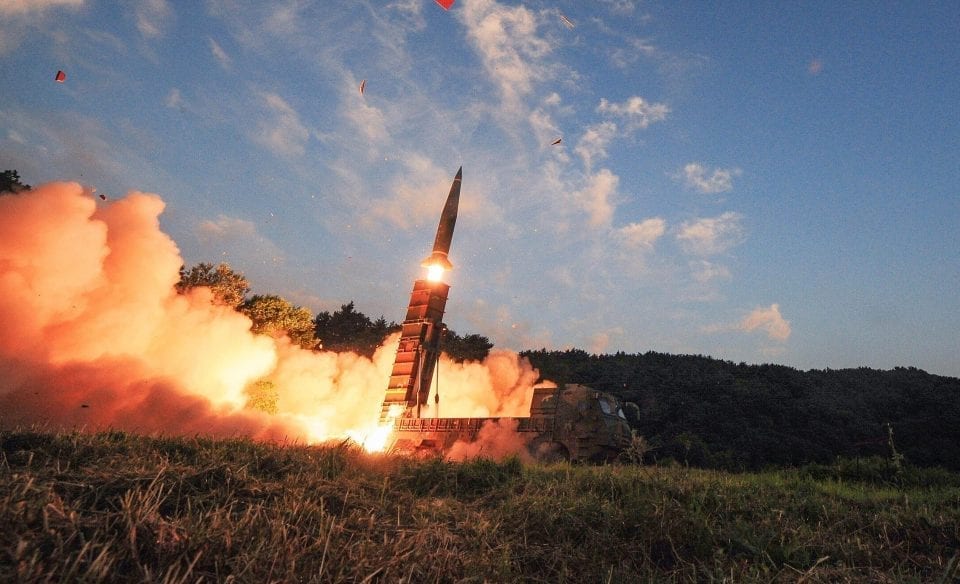
    Stocks reversing steep losses as investors shake off the latest North Korean threat. Plus – after the storm – The CEO of Waste Management, a Houston-based company, tells us how the city and its businesses will recover. And – Gold is on fire – but is too late to hop on this trade? We break down the carts. Plus – the fallout from the Mayweather-McGregor streaming fiasco rolls on – we have the latest. Catch The Final Round at 4 p.m. with Seana Smith and Yahoo Finance markets correspondent Myles Udland.

    Winners and losers

    Stocks in the green today include Movado as the watch designer reported and earnings beat and new stock buyback plan, Immunogen as the drug maker struck a deal to license its leukemia treatment with Jazz Pharmaceuticals, and Rockwell Collins – shares jumping on reports United Technologies is near a deal to buy the aircraft equipment maker.

    Lots of retail in read today starting with Best Buy as the world’s largest electronics retailer said this quarter’s strong earnings won’t be the new normal, J. Jill as the woman’s apparel maker reported guidance that was softer than expected, and Finish Line – shares getting trampled on as the athletic retailer slashed its profit forecast for the current year, claiming sales and margins would be under pressure.

    Buffering … on fight night

    Saturday night’s big fight between Floyd Mayweather and Conor McGregor was the most hyped boxing match in years.  But a HUGE streaming glitch left many fans very upset. Here with more on this is Yahoo Finance’s Dan Roberts.

  • UberEATS finds big potential in South Korea food delivery market

    UberEATS finds big potential in South Korea food delivery market

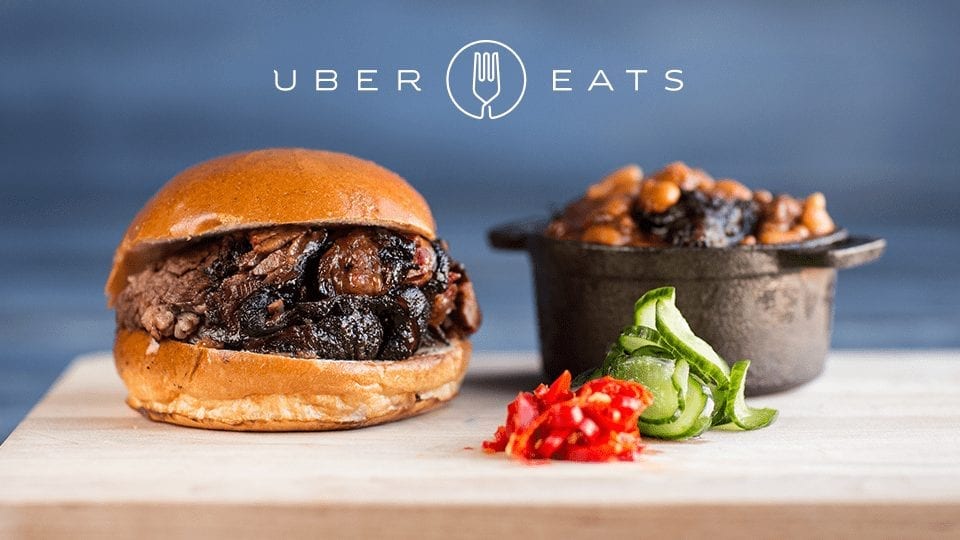
    UberEATS, a food delivery service app run by ride-sharing pioneer Uber Technologies Inc., finds big growth potential in South Korea’s food delivery market due to its advanced wireless networks and growing orders on mobile phones, a senior company executive said.

    The U.S.-based business launched its UberEATS service in Seoul in August 2017,. The service is already available in 112 cities across 28 countries, where it has 60,000 restaurant partners.

    “Seoul is a perfect place for UberEATS. We find South Korea’s fastest internet speed really helpful for our business here. We are looking to expand our business in a few more regions in Seoul at least within this year,” Jaycee Lam, general manager of UberEATS North Asia, said.

    The executive did not elaborate on the names of the additional regions in Seoul. UberEATS service is now available in Itaewon and Gangnam, two downtown districts in the capital city.

    As for other possible cities, he only said there are growing requests from local customers to launch the UberEATS service in cities such as Busan, a southern port city, and the scenic Jeju Island.

    In the past four weeks, more than 200 restaurants have signed up to UberEATS, with more expected to jump on board. Partners deliver food using their own bicycles, scooters or cars and receive a fee from Uber.

    The majority of the food is delivered within 35 minutes to customers and free of charge for the time being as part of a promotion. But the company plans to receive a flat 3,500 won (US$3.00) delivery fee per order from customers, the general manager said, without giving any a specific time frame.

    To differentiate itself from local rivals such as Baedal Minjok and Yogiyo, UberEATS will focus on selecting the best restaurants and providing its customers with an insightful analysis of their businesses and industry outlook in a win-win strategy, he said.

    The UberEATS service was first launched in Toronto, Canada, in 2015 to deliver restaurant meals on-demand to homes and offices.

    The app-based service works like its ride-sharing sister app Uber. When an UberEATS app user orders food from a restaurant on his mobile phone, the restaurant calls a nearby delivery partner and asks him to collect the food when ready and deliver it right to the door of the user.

    UberEATS’ launch here is part of Uber’s commitment to South Korea’s US$14 billion food delivery market, the general manager said, expecting UberEATS to make the pie a lot bigger.

    “Since we have launched our transportation (or ride-sharing) business in Korea, we always think about what is the best way for Uber to keep being involved in the market deeper and then contribute here. UberEATS is one of the options that we can run in the ‘promising and fast-growing’ market,” the executive said.

    Still, a lack of awareness of the UberEATS service is the one area that can be improved in South Korea, he said.

  • JD Sports Fashion forms JV for Korea

    JD Sports Fashion forms JV for Korea

    British sportswear retailer JD Sports Fashion has formed a joint venture to enter the South Korean market.

    It is partnering with footwear retailer Shoemarker and its J&S Partners unit, which trades as Hot-T . It has bought an initial 15 per cent of Hot-T fo r £ 5.5 million (US$7.4 million ) and has a call option to buy a further 35 per cent stake following the finalisation of Hot-T’s accounts for the year ending December 31.

    JD said it intends to exercise the option and rebrand the Hot-T stores as JD, though the business will continue to be run by its existing management.

    With 23 stores and a website, Hot-T had about  £17.2 million in revenue last year.

    JD executive chairman Peter Cowgill says the JV will further strengthen the company’s global presence, and gives it the opportunity to enter a market with more than 50 million people with a proven partner.

    As well as the UK, JD has stores in Ireland, France and Spain.

  • South Korea’s Hyundai launches new Genesis sports sedan in SUV-driven market

    South Korea’s Hyundai launches new Genesis sports sedan in SUV-driven market

    South Korea’s Hyundai Motor Co launched its first new sedan under the premium Genesis marque in Seoul on Friday, hoping to cement the brand’s place in the luxury segment and make up for its lack of a strong SUV line-up.

    U.S. pop singer Gwen Stefani will perform for about 10,000 people at a gala event to launch the G70, the third sedan to carry the Genesis name but the first to be marketed exclusively under Hyundai Motor’s (005380.KS) fledgling premium brand.

    Starting from $33,000, the sporty four-door offers bang for the buck as it takes on rivals including affiliate Kia Motor’s (000270.KS) Stinger sedan and BMW’s 3 series.

    But analysts say the G70 will not solve Hyundai’s troubles in the United States, where sports utility vehicles (SUVs) are all the rage and the two previous Genesis-branded sedans failed to take off.

    “Look at Cadillac, with just one crossover, the brand is struggling in the U.S. It will be much the same story for Genesis until they can get a crossover to market,” said Dave Sullivan, product analysis manager at U.S. consultancy AutoPacific.

    “It’s not because the G70 will be a bad product … The sedan lineup just doesn’t match consumer demand.”

    The G70 debuts in South Korea on Friday followed by the United States early next year. Hyundai has not said when it would enter China and Europe, which are dominated by German premium brands.

    “G70 will pave the way for growth and expansion of the Genesis brand,” Executive Vice President Lee Kwang-guk told a media event.

    Hyundai Motor expects annual sales of over 60,000 G70 sedans globally.

    Hyundai has said the Genesis line-up will grow to six by 2021, with the addition of two SUVs and an electric vehicle.

    Genesis division head Manfred Fitzgerald told reporters that the next Genesis model will be an SUV, without elaborating further.

    Hyundai’s China sales tumbled more than 60 percent in the second quarter due to its lack of a strong SUV line-up and political tensions between China and South Korea over North Korea’s nuclear weapons program.

    In the United States, SUVs made up 35 percent of Hyundai’s total U.S. sales from January to August this year, far lower than the industry’s 62 percent, according to U.S. researcher Autodata.

    CRITICAL TEST

    The Genesis project is being closely watched by Hyundai Vice Chairman and heir apparent Chung Eui-sun, as he prepares to take over the world’s No.5 auto group from his father, 79-year-old Chairman Chung Mong-koo.

    As the first Genesis model which was not previously sold as a Hyundai, the G70 will be a key test of the two-year-old marque’s ability to survive in a fiercely competitive field.

    Its chief rival will be Hyundai affiliate Kia’s slightly cheaper Stinger, which shares the same platform as the G70 and launched in late April. Other rivals include BMW’s 3 series, Audi’s (NSUG.DE) A4 and Mercedes-Benz’s C-class.

  • 5G subs to overtake 3G in Korea by 2020

    5G subs to overtake 3G in Korea by 2020

    South Korean operators’ plans to take an early lead in the deployment of 5G is expected to help them overcome stagnating traditional telecoms service revenues, research from GlobalData indicates.

    The market’s 5G subscriber base is expected to outnumber the 3G base by 2020, two years after the planned world’s first commercial 5G deployment during next year’s Pyeongchang Winter Olympics, GlobalData said.

    This will be a boon to operators at a time when mobile voice service revenues are expected to decline at an average rate of 7% per year through to 2021, GlobalData telecoms market analyst Malcolm Rogers commented.
    “Operators around the globe faced with the same challenge, evolve to something more than a pipe provider or offer services that come with more utility. However, the Korean operators have been among the most proactive in growing business outside the core of communication,” he said.

    “Whereas operators in some markets have been slow to react to the digital disruption caused by OTTs and internet giants like Google and Amazon, the players in South Korea have been investing in new digital business for years.”

    The market’s operators – SK Telecom, KT and LG U+ – are focusing on a range of non-core segments including industrial IoT, payment platforms, media and commerce, Rogers added.

    KT recently launched an AI-based home assistant service while both SK Teleom and LG U+ are offering cellular based wireless payment platforms. All three are meanwhile investing in business-to-consumer and business-to-business e-commerce offerings, an entirely new industry for the operators.

    Against this backdrop, 5G networks are expected to allow the operators to introduce new services targeting industry, government and consumer markets, according to GlobalData.

    KT is already exploring offering 5G-enabled entertainment services including 8k mobile video streaming, while SK Telecom and KT are developing driverless car solutions and security platforms based on 5G technologies.

  • Starbucks Korea eyes record sales and profits

    Starbucks Korea eyes record sales and profits

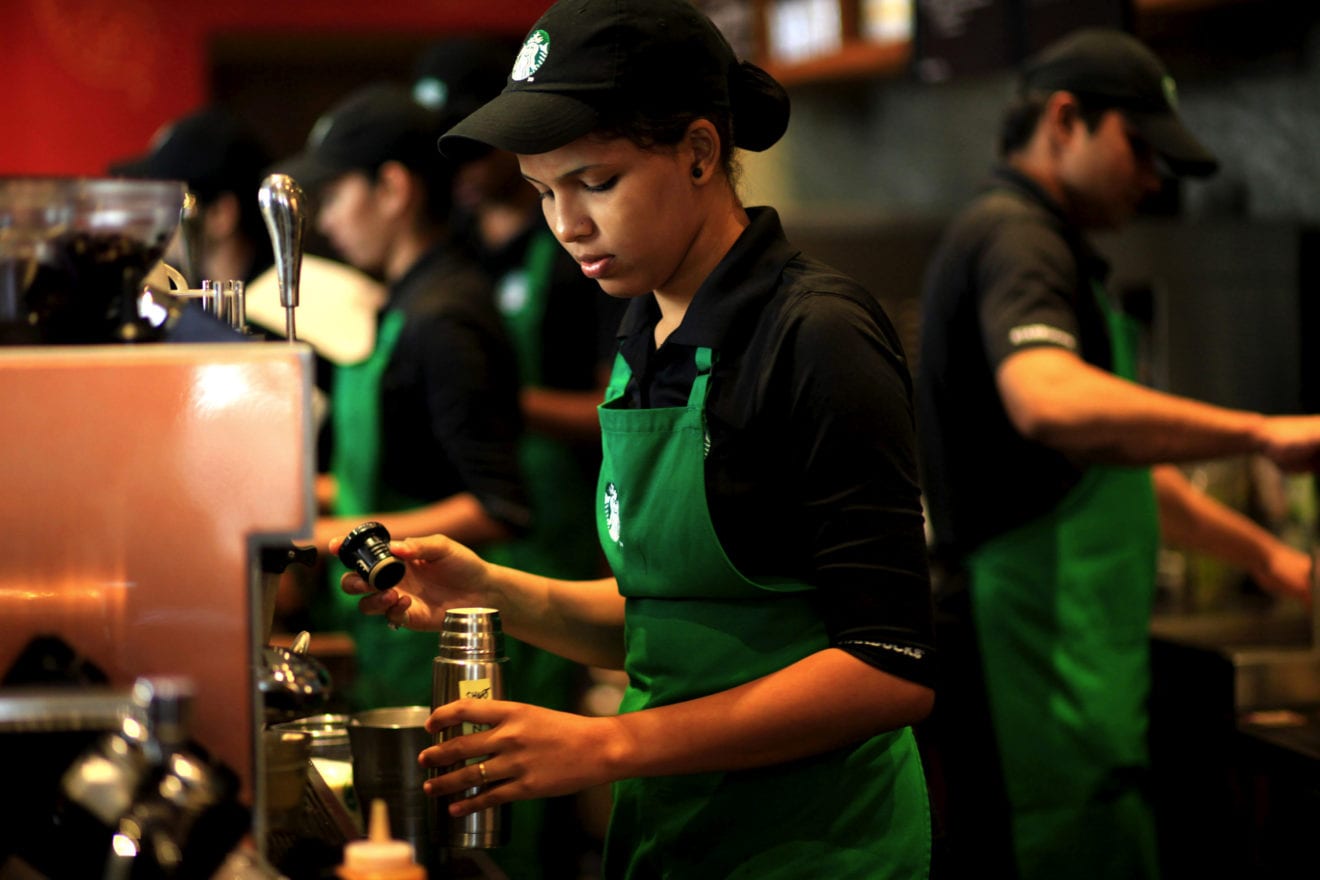
    Starbucks Korea is expected to exceed a record 100 billion won (US$88.4 million) profit this year as the US coffee chain’s popularity booms.

    Industry sources told Yonhap news agency that the 50-50 joint venture between retail conglomerate Shinsegae and the US company achieved a 52.8 billion won operating profit on 593.5 billion won in sales during the first six months this year. That marks the first time Starbucks recorded more than 50 billion won in profit since it opened its first local branch near Ewha Womans University in Seoul in 1999.

    Full-year profit is likely to easily surpass the 100 billion-won mark as coffee shops usually earn more during the latter half of the year, which includes Christmas and the year-end holiday season.

    The strong figure compares with those of its local competitors Twosome Place and Angel-in-Us Coffee, which averaged between 10 and 20 billion won during the same period.

    Sources told Yonhap the popularity of Starbucks in South Korea is due to the growing loyalty of women in their 20s and 30s, pointing out that the company has succeeded in promoting its image as a luxury brand in South Korea where the luxury coffee market has yet to mature.

    Starbucks Korea’s annual sales topped the 1 trillion-won mark for the first time last year.

    Starbucks has 1050 stores in the country as of the end of June, the world’s fourth-largest number of Starbucks Coffee stores on a pro-rata population basis, behind only Canada, the US and Singapore, according to industry data.

    The number of the stores has risen sharply from 327 in 2010 and 500 in 2013 to 1000 as at the end of last year.

    The dramatic rise has apparently been helped by the regulations that ban franchises from opening new stores within a 500-metre radius from the shop of the same brand: Running its own stores, rather than franchising, exempts Starbucks from such regulations.

    However, critics say while the regulations aimed to protect food franchise contractors from intense competition, they have instead aided foreign businesses operating in South Korea.

    “We are not subjected to the franchise law as all of our shops are run by the company directly,” a Starbucks Korea official said.

  • Asics to open the largest flagship store in Busan, Korea

    Asics to open the largest flagship store in Busan, Korea

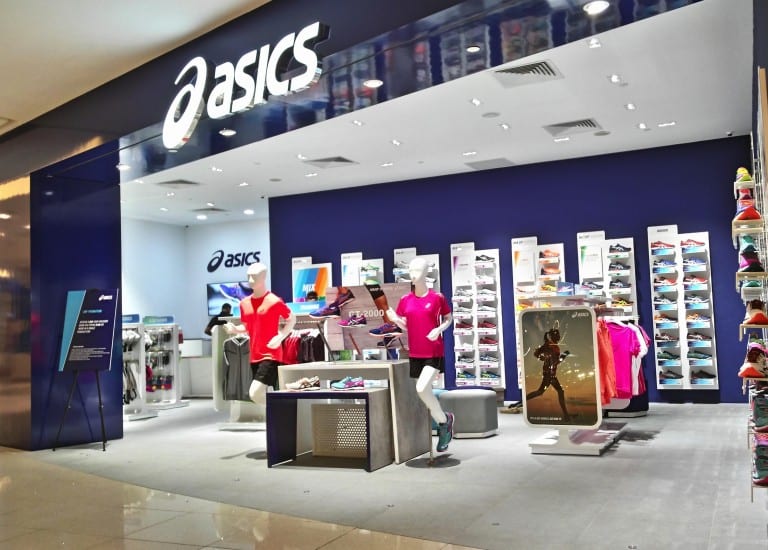
    Asics Korea (CEO Kim Jung Hoon) has opened the largest flagship store in Busan, Korea. The store is three stories, and the whole front is made with a full glass, which make customers can see various products in the store from the outside.

    Especially, this store is a space where customer can feel the change of “ASICS” first through the change from the tag line “I MOVE ME” newly launched this year.

    This store combines the expertise of “ASICS” for its customers in a relaxed atmosphere, so that consumers can feel free to come in and shop and experience the technology of “ASICS”.

    On the first floor, there are running and training products for women and the floor is designed with comfortable and luxurious interior using warm woods to match the consumer’s target.

    The second floor is a space for men and has a modern and dynamic interior. We also provided a space where customers can experience ‘Foot ID Service’, a professional foot measurement system.

    ‘Foot ID Service’ analyzes customer’s foot, height and width in depth by using 8 cameras and laser project installed in the front and rear. After that, tester is attached to customer’s both feet and shooting the motion of running on the treadmill.

    Scientific analysis of the degree of leaning and tilting of the feet as well as the shape of the landing when running is recommended to customers with the most optimized products.

    The third floor is made up of a community room, so that the running crew can freely use it. There is also customizing service that can make their item by using print in “Asics” garment on third floor. It’s free service is provided until September 30th.

    In the meanwhile, “ASICS” held a ‘Night Run’ event in Busan and Gyeongsang with a running crew on September 2 to celebrate the opening of this store.

    This event was a combination of running and after-party events, and it was a meaningful time for the members of ‘SMSB Seoul’, a global running crew of ‘ASICS’, and nine running crews of Busan and Gyeongsang, to gather together and exchange culture with each other.

  • Seoul’s largest shopping district shrouded in uncertainty

    Seoul’s largest shopping district shrouded in uncertainty

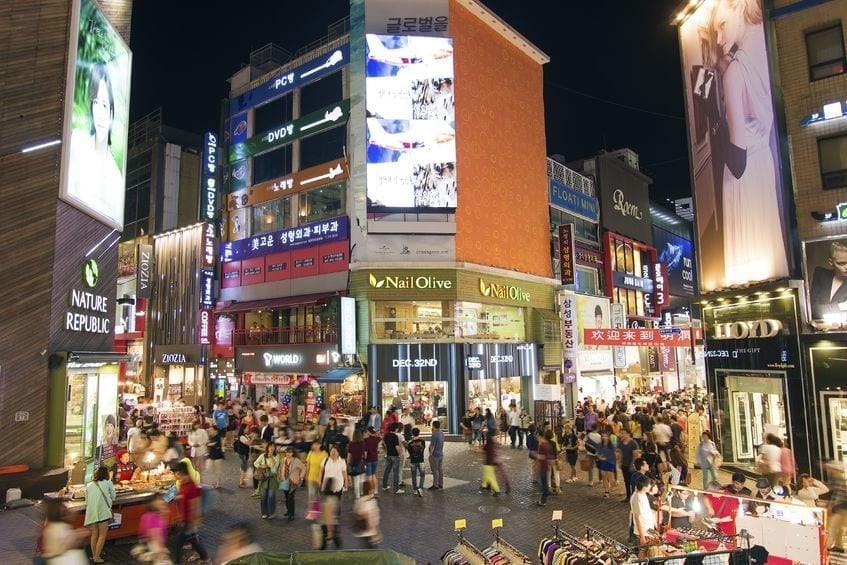
    Hit by the absence of Chinese tourists over South Korea’s deployment of a politically charged THAAD missile defense system, the future of Seoul’s largest shopping district Myeongdong is shrouded in uncertainty.

    Reports of the economic damage caused by the lack of Chinese tourists on Myeongdong, a busy shopping precinct in downtown Seoul, continue to dominate the headlines of the South Korean media.

    As the ongoing political tension takes its toll on retailers, an increasing number of shops that are falling behind on rent in the pricey neighborhood are pulling out, particularly South Korean cosmetics stores that used to rely heavily on Chinese and Japanese tourists, including It’s Skin, Holika Holika, and Orchid Skin.

    According to data released earlier this year by the Ministry of Land, Infrastructure and Transport, nine out of the 10 most expensive rental properties were in Myeongdong, with the flagship store of South Korean cosmetics chain Nature Republic sitting on the most expensive real estate in the country for the 14th consecutive year.

    What stands out amid these troubled times is the lack of sympathy for the struggling retailers and a smug sense of poetic justice felt by many South Koreans.

    Locals “unwelcome”

    Prior to talks of the highly political THAAD system, reports continued to come out in the South Korean media that a significant number of South Koreans felt they weren’t welcome in Myeongdong, as what was once the country’s busiest shopping district rapidly became a mere cash cow for cosmetics giants and fast-fashion retailers.

    It has been a very common sight for years in Myeongdong to see cosmetics chain stores focusing on luring Chinese and Japanese tourists with staff members prowling the sidewalks incessantly touting their wares in both Chinese and Japanese.

    With the tempting bonanza of foreign tourists, things began to get out of control.

    Some cosmetics stores in Myeongdong began hiring staff members who weren’t capable of communicating sufficiently with Korean customers, while others reportedly offered special deals to foreign tourists, a controversial marketing policy that bordered on casual racism, leaving a sour taste in the mouths of many South Korean shoppers.

    After years of feeling neglected by Myeongdong retailers, the sentiment that ‘it serves them right’, with ‘them’ being the shops that focused far too much on foreign tourists for years, is loud and clear in numerous comments found on major online portals like Naver.

    “Karma serves them right. I knew this was coming when (shops in Myeongdong) neglected South Koreans. Chinese tourists won’t keep coming for centuries and they can suddenly stop coming the next day because of political relations,” said one online post, among the many that reflect the feelings of a significant number of South Korean shoppers who somehow feel avenged, relishing the sense of revenge, even if at the cost of their own economy.

    Other comments shed light on more serious issues that need to be dealt with, such as dishonest taxi drivers and far too prevalent rip-offs targeting foreigners, while some raise the issue of the lack of attractions compared to almost universally popular holiday destinations like Thailand.

    “Would you want to come to Korea when they charge you 10,000 won for gimbap and taxi drivers rip you off?” one comment left on Naver read.

    “Plagued with complaints”

    Long before political discord saw the number of Chinese tourists visiting Korea plunge, Myeongdong was plagued with complaints of disorganisation, an absence of trash cans, and most importantly, a lack of character that makes the area come across as ‘bland’ and ‘far too busy’, leaving those other than Korean pop culture fans with no compelling reason to visit the district.

    In a survey conducted with Chinese tourists earlier this year by Pengtai, Cheil’s marketing affiliate, Myeongdong was even knocked out of the top 10 most popular spots in Seoul by the likes of emerging places like Hongdae and Yeouido Hangang Park, down 10 places from last year.

    With all the flaws and challenges facing Myeongdong, it’s worth acknowledging that the void left by Chinese tourists is beginning to be filled by South Koreans and a growing number of Southeast Asian tourists, with many of them ironically coming back because the area is no longer packed like sardines with foreign tourist groups, which put many locals off coming to the area.

    As tourism authorities and business operators contemplate a new direction for the shopping district during these trying times, Myeongdong must learn a lesson from the past, open its arms once again to local consumers, and remember that putting all of one’s eggs in the same basket is never a good idea.
  • Ikea Korea launching second store

    Ikea Korea launching second store

    Ikea Korea’s second store will be in Goyang, opening on October 19.

    “We had heard from customers that they wanted us to come closer to them, and that sometimes our store is too crowded,” says Ikea Korea retail manager Andre Schmidtgall.

    He says the store is in the finishing stages of construction and is hiring 550 employees. Ikea hopes to have six stores in Korea by 2020.

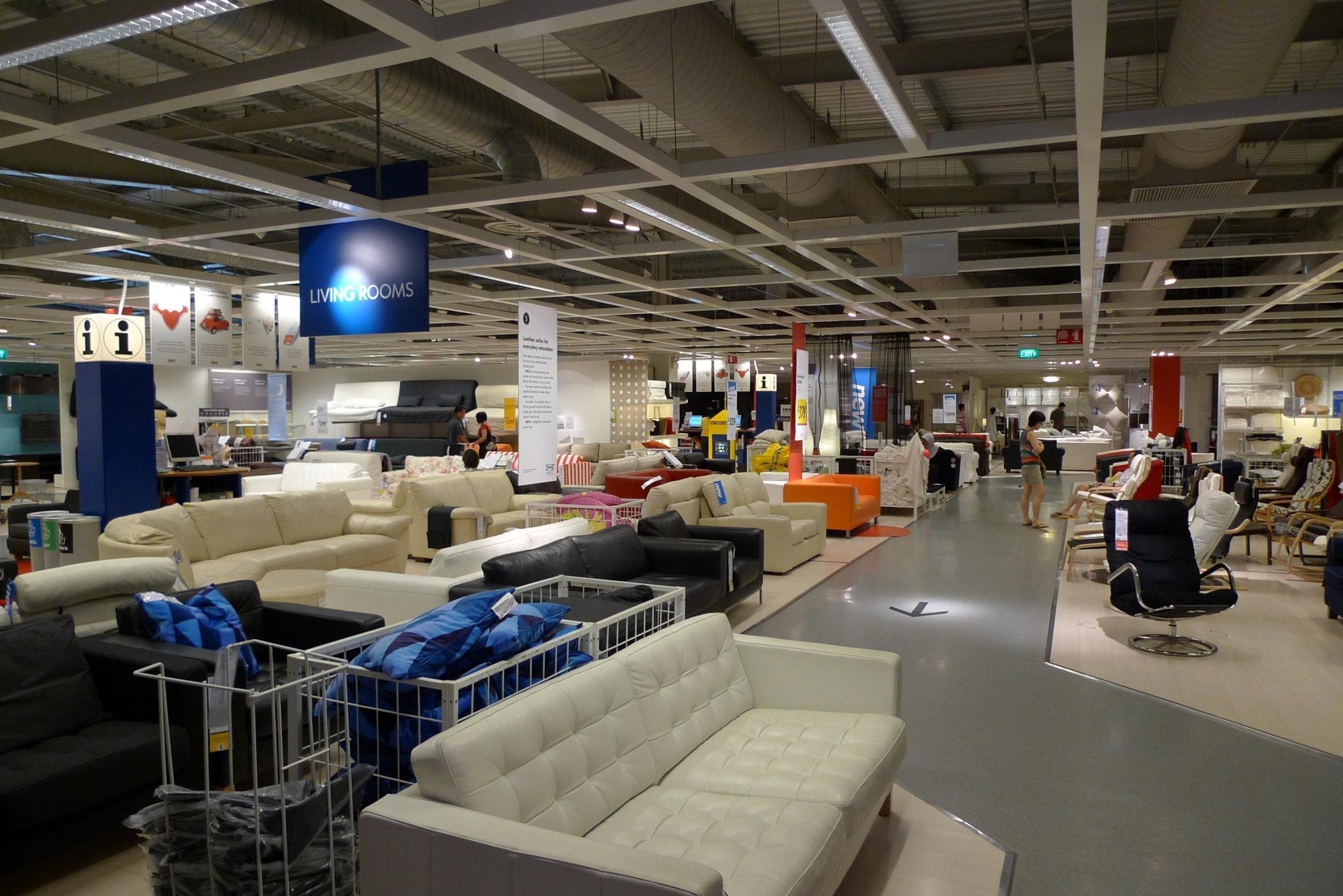
    Schmidtgall says Ikea’s Gwangmyeong store ( pictured), south of Seoul, is the largest in the world. In its latest fiscal year, Ikea Korea earned revenue of 365 billion won (US$323 million), representing a 6 per cent rise, with 6.49 million visitors to the store.

    There were also 38.8 million visitors to the Ikea website and mobile app, says Schmidtgall.

    Slightly smaller than the existing branch, the Goyang store will offer a similar range of products but with a different layout. It is in a shopping and entertainment hot spot in the previously underserved northern suburb of Seoul. Starfield Goyang, a shopping and entertainment complex owned by Shinsegae, opened last week following a Lotte mall.

    Ahead of the opening of the Goyang branch, Ikea is showcasing its new range of products for the coming year, focusing on the living room, at Bread Comma Cafe in Hongdae through to September 17.

  • IoT to be a $1.8tr revenue opportunity for cellcos

    IoT to be a $1.8tr revenue opportunity for cellcos

    The Internet of Things will represent a $1.8 trillion revenue opportunity for mobile operators by 2026, thanks in part by the early deployment of commercial low power wide area (LPWA) networks in licensed spectrum, according to the GSMA.

    Research conducted for the industry association by Machina Research found that new mobile IoT applications and services represent huge growth opportunities for mobile operators.

    To date 12 operators have launched 15 commercial mobile IoT services. These include China Mobile, China Telecom and China Unicom, South Korea’s KT and LG Uplus as well as Singapore’s M1.

    Operators are enhancing their  their licensed cellular networks with narrowband IoT (NB-IoT) and LTE machine-to-machine (LTE-M) technologies utilising global 3GPP standards.

    Mobile IoT networks are expected to have 862 million active connections by 2022, representing 56% of all LPWA connections.

    The largest revenue opportunities for the IoT include consumer demand for connected home ($441 billion), consumer electronics ($376 billion) and connected car ($273 billion) technologies.

    The connected energy market is meanwhile expected to reach $128 billion by 2026 as local governments and consumers seek smarter ways to manage utilities, and revenues from connected cities are on track to reach $78 billion by this time.

    “There is a real sense of momentum behind Mobile IoT networks in licensed spectrum, with multiple commercial launches around the world, as well as the availability of hundreds of different applications and solutions, but there is still much to be done,” GSMA CTO Alex Sinclair said.

    “Many operators are already reaping the benefits of deploying Mobile IoT and we encourage others to act now to capitalise on this clear market opportunity and further accelerate the development of the Internet of Things.”

  • Korean online mall sales lose traction

    Korean online mall sales lose traction

    South Korean online mall sales growth has decelerated as competition grows more fierce, government data shows.

    There was a 3.6 per cent increase in the combined revenue of 26 offline and online retailers to 10.22 trillion won (US$9 billion) in July, according to the Ministry of Trade, Industry and Energy. This gain marks a deceleration from 7.2, 6.3 and 7.2 per cent growth posted in April, May and June respectively.

    The slowdown is attributed largely to fewer sales on online open markets such as eBay and 11st.

    Sales at 13 major online shopping malls rose 4.4 per cent last month, following double-digit growth for five straight months since February. Meanwhile, the sales of the 13 offline retailers, including department stores, discount chains and convenience stores, rose 3.2 per cent on-year on the back of strong performance by convenience stores.

    Convenience stores saw their sales rise 11.1 per cent last month, with hypermarket chains posting 1.7 per cent growth and department stores having a 1.3 per cent revenue slide.

  • Thyssenkrupp sees boost for steel from shift to electric cars

    Thyssenkrupp sees boost for steel from shift to electric cars

    South Korea’s Hyundai Motor (005380.KS) said it had suspended production at one of its China factories on Tuesday after a supplier refused to provide parts due to delays in payment – its second such incident in as many weeks.

    Frayed relations with suppliers to its venture with BAIC Motor Corp Ltd (1958.HK) are adding to headaches for Hyundai in China, where it has seen sales slump due to diplomatic tensions between the two nations and fierce competition from local brands.

    Supplier sources familiar with the matter say that BAIC is in charge of payments and has been responsible for the delays.

    The partners are fighting over their supplier strategy with BAIC favoring shifting to cheaper Chinese firms in the face of intense competition, while Hyundai wants to protect its South Korean supply chain, people familiar with the dispute said.

    Hyundai declined to comment on the reason for the failure to pay suppliers. A representative for BAIC could not be immediately reached for comment.

    Their joint venture had only just resumed production at four China plants on Aug. 30 after a suspension of about a week because one French supplier refused to provide fuel tanks due to non-payment.

    This time, a German firm has refused to provide parts for air intake systems, a representative for Hyundai said, declining to identify the supplier. The joint venture’s three other Chinese factories remain operational.

    Any loss of production from this one factory is unlikely to have a major sales impact as Hyundai probably has sufficient inventory at the plant because its cars have not been selling well, said Ko Tae-bong, an analyst at Hi Investment & Securities.

    “That is manageable. But if Hyundai’s Chinese partner is refusing to make payments, that’s a different story,” he said, adding that the issue could occur time and time again.

    Scrambling to tackle problems in China, Hyundai said this week it had appointed a new head for its China operations. Tao Hung Than, who is of Chinese descent, took the helm effective Friday replacing Chang Won-shin, who lasted less than a year in the job.

    The new China CEO, however, has a huge task in front of him if he is going to get Hyundai back on track in the world’s biggest auto market – one that accounted for nearly a quarter of Hyundai’s revenue in the last financial year.

    A weakening brand image and a product line-up without attractive SUVs are only adding to pain from diplomatic tensions. Hyundai’s sales from its Chinese factories plummeted 64 percent in April-June first quarter, when the automaker posted its smallest quarterly net profit in five years.

    South Korean firms have been hit by a Chinese backlash over Seoul’s decision to deploy a U.S. missile defense system to counter threats from nuclear-armed North Korea. China says the system poses a threat to its national security.

    Hyundai and BAIC were also due to start operations at a fifth China car factory late last month but the timetable has been pushed back. Hyundai has declined to comment on the postponement.

    Hyundai Motor shared fell 1.4 percent to their lowest level since April 19 on Tuesday and have declined 4.2 percent since the first reports of the supply disruptions emerged a week ago.

  • Seoul shares close slightly lower on geopolitical concerns

    Seoul shares close slightly lower on geopolitical concerns

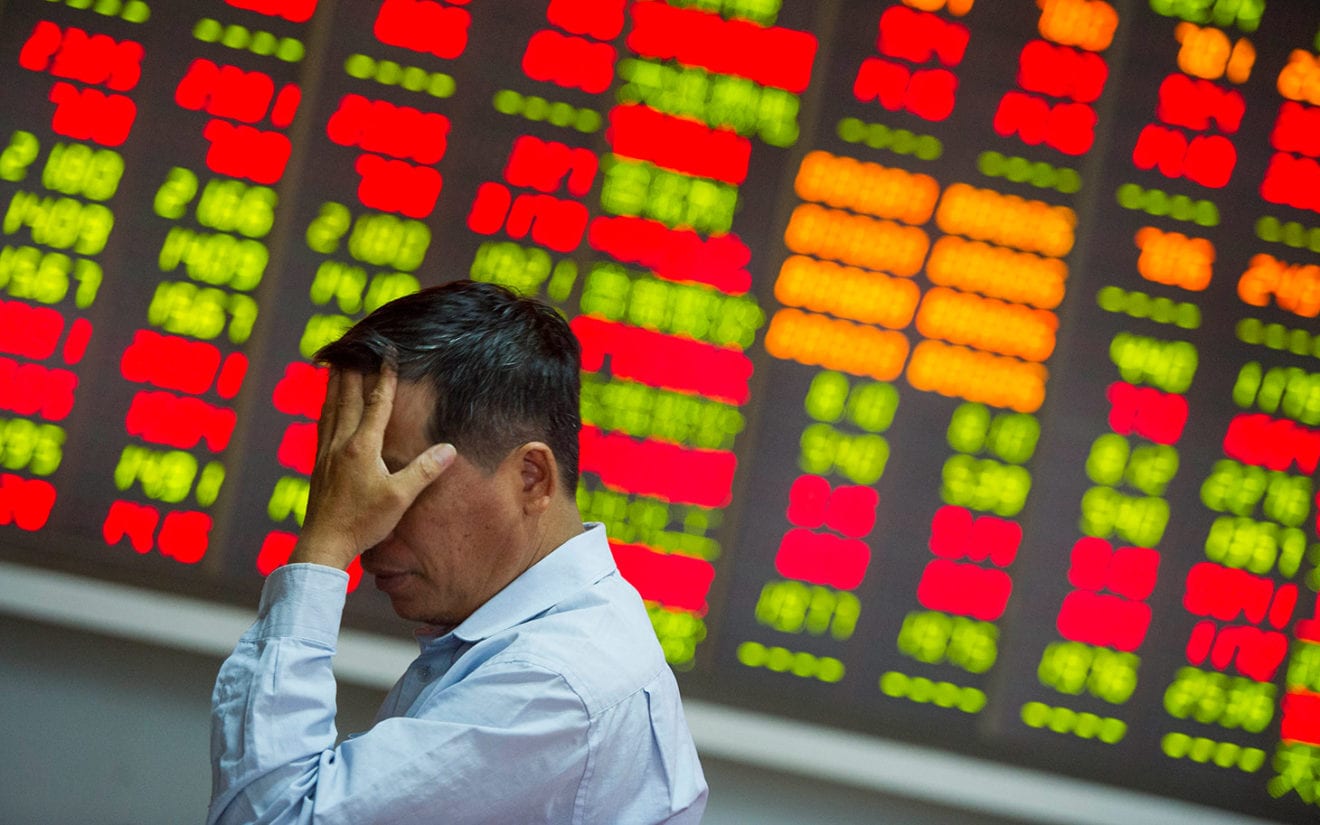
    South Korean stocks closed 0.13 percent lower Tuesday on concerns over North Korea’s nuclear provocations, but the decline slowed compared to previous sessions as investors engaged in bargain hunting, analysts said. The Korean won sharply fell against the US dollar.

    The benchmark Korea Composite Stock Price Index dropped 3.03 points, or 0.13 percent, to 2,326.62. Trade volume was moderate at 317 million shares worth 4.81 trillion won ($4.25 billion), with losers outnumbering gainers at 569 to 239.

    On Monday, the main bourse sank more than 1 percent as retail investors dumped local shares after North Korea claimed a day earlier that it successfully tested a hydrogen bomb that can be mounted on an intercontinental ballistic missile.

    While the main bourse continued to lose ground on Tuesday, analysts said the downward pressure was limited as institutions scooped up underappreciated shares.

    Based on past examples, foreigners and institutions tend to consider the North Korean risk an opportunity to purchase bargain shares,” said Byun Joon-ho, a researcher from Hyundai Motor Investment & Securities Co.

    Institutions scooped up a net 242 billion won, while individual investors offloaded a net 65.5 billion won. Foreigners sold more shares than they bought at 213 billion won.

    Tech shares closed bullish, with Samsung Electronics moving up 1.56 percent to 2,338,000 won. Leading chipmaker SK hynix shot up 2.64 percent to 69,900 won. LG Electronics also jumped a whopping 4.59 percent to 86,500 won.

    Carmakers closed mixed, with Hyundai Motor backtracking 1.43 percent to 138,000 won while its auto parts arm Hyundai Mobis closed unchanged at 238,500 won. Kia Motors, the country’s second largest automaker shed 2.29 percent to 34,100 won.

    No. 1 steelmaker POSCO shed 0.72 percent to 342,500 won, while Korea Zinc climbed 1.37 percent to 517,000 won. Hyundai Steel moved down 1.55 percent to 57,000 won.

    The local currency closed at 1,131.10 won against the US dollar, up 1.90 won from the previous session’s close.

    Bond prices, which move inversely to yields, ended higher. The yield on three-year Treasurys shed 0.2 basis point at 1.780 percent and the return on the benchmark five-year government bonds also lost 0.5 basis point to 1.996 percent.

  • The Seoul Dragon City to open in October 2017

    The Seoul Dragon City to open in October 2017

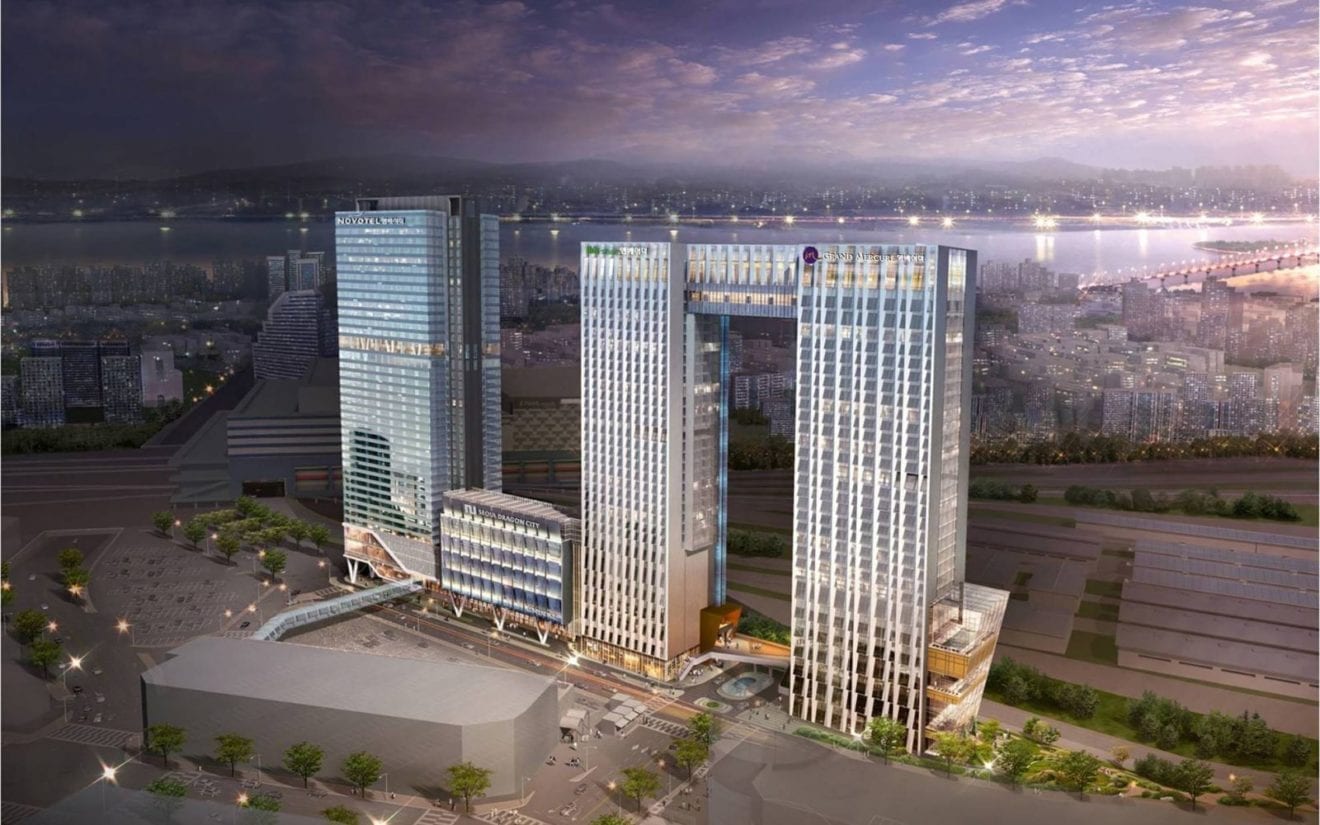
    South Korea’s first lifestyle and hotel complex will open on October 1 in Seoul’s Yongsan District, which is known for its shopping centres and nightlife.

    Launched by AccorHotels, The Seoul Dragon City will have 1,700 rooms and 11 restaurants and bars under four hotel brands. The Sky Bridge will be a unique structure with four floors of entertainment and leisure facilities suspended between two of the towers.

    The four hotel brands include the Grand Mercure Ambassador Seoul Yongsan designed for families and long-stay guests; the Novotel Suites Ambassador Seoul Yongsan for long-stay business and leisure guests or those who like more space and flexibility; the Novotel Ambassador Seoul Yongsan targeted at business and leisure guests; and the Ibis Styles Ambassador Seoul Yongsan for business and leisure groups.

    According to the hotel group, the complex is the first of its kind in South Korea and the largest project it has signed in the country.

    “With four hotel brands in the same complex, they can cater to the needs of every guest. Grand Mercure combines rich Korean culture with elegant service, making it a great option for long-stay guests. Novotel suites will attract medium- to long-stay business travellers and families on urban holidays,” says Patrick Basset, chief operating officer of AccorHotels, Upper Southeast and Northeast Asia.

    Entertainment and leisure facilities at The Sky Bridge include King’s Vacation, a lounge bar with European décor; an indoor miniature swimming pool; Skywalk; and performance stage.

    There is also a private beach club, called the Sky Beach, with music and international cuisine among a setting reminiscent of the legendary beach clubs of Spain, Greece, Singapore and Las Vegas.

    The Seoul Dragon City is located in the centre of Seoul close to major business districts such as Yeouido and Gangnam, as well as commercial districts such as Itaewon and Myeongdong, adjacent to malls and shopping centres, movie theatres, tourist attractions and embassies.

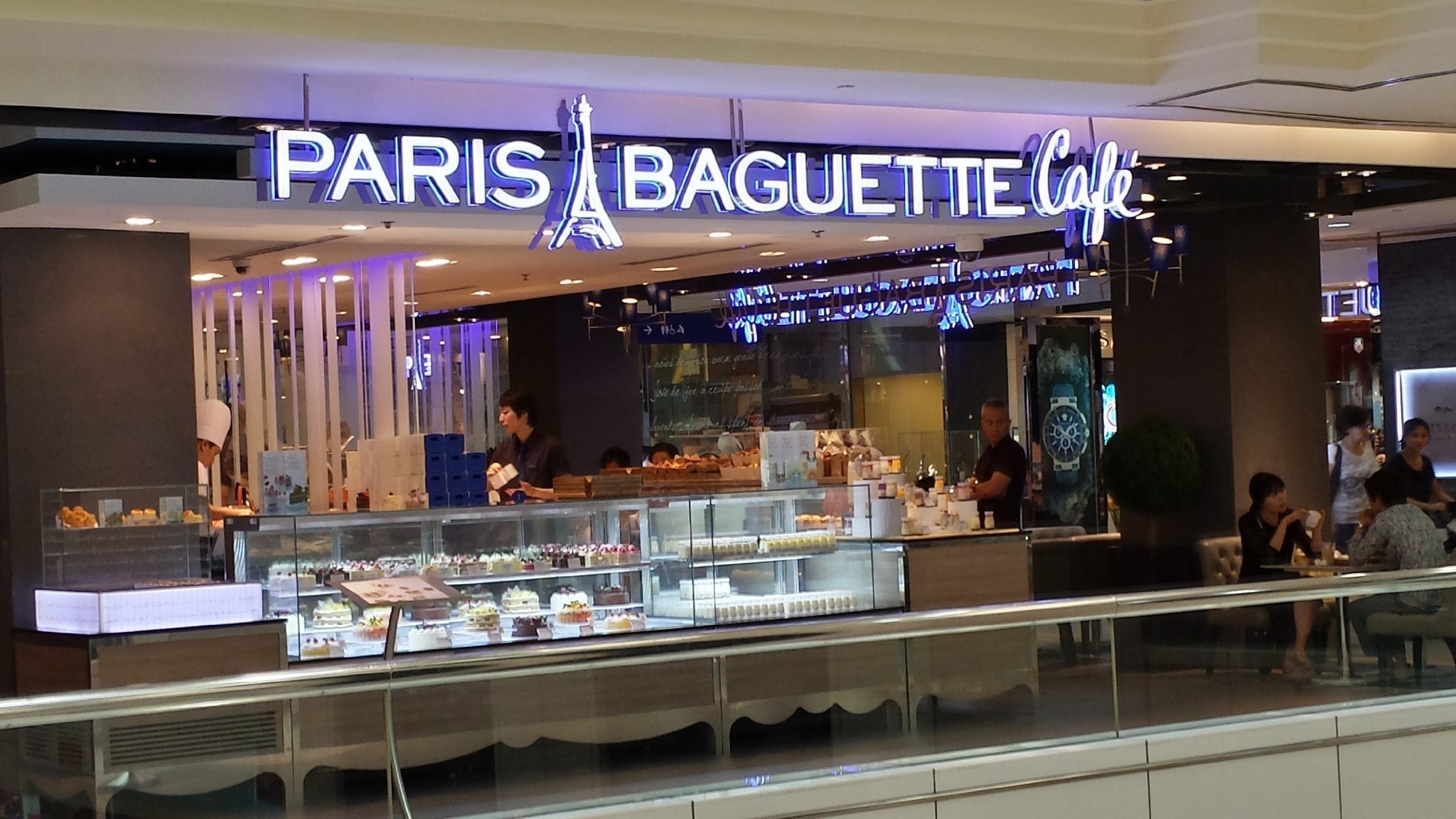
  • Korea’s SPC Group eyes Paris Baguette US expansion

    Korea’s SPC Group eyes Paris Baguette US expansion

    South Korean F&B giant SPC Group has ambitions to expand its US business fivefold by 2020.

    Chairman Hur Young-in unveiled his plans when meeting in Seoul this week with US foreign affairs committee chairman Ed Royce and congressman Ami Bera. The two politicians were visiting Korea to discuss trade opportunities and establish partnerships in Korea.

    “We are planning to increase the number of Paris Baguette stores in the US to 300 by 2020, creating up to 10,000 new jobs,” Hur told Royce when they met at the company’s headquarters.

    Royce said the bakery brand had contributed to job creation in the US by employing more than 1500 people, and would play a key role in the global food industry in the future, reports the Korea Times.

    SPC established a US affiliate in 2002 and opened America’s first Paris Baguette in Los Angeles three years later. It now has 57 stores in the US and last year invested more than $48 million to report annual sales of $100 million and introduce 1500 jobs.

    Paris Baguette became Korea’s first bakery brand to enter the French capital, setting up a business base in July 2014 to expand to other French and European cities. Stores were opened in Shanghai in 2004, and in Ho Chi Minh City and Singapore in 2012.