Tag: Lazada

  • Lazada opens Coca-Cola, Nestle, Redmart shop-in-shops

    Lazada opens Coca-Cola, Nestle, Redmart shop-in-shops

    Lazada Singapore has unveiled three new shops on its online marketplace, in a bid to bolster its e-tail offering and win consumers during its ‘birthday sale’.

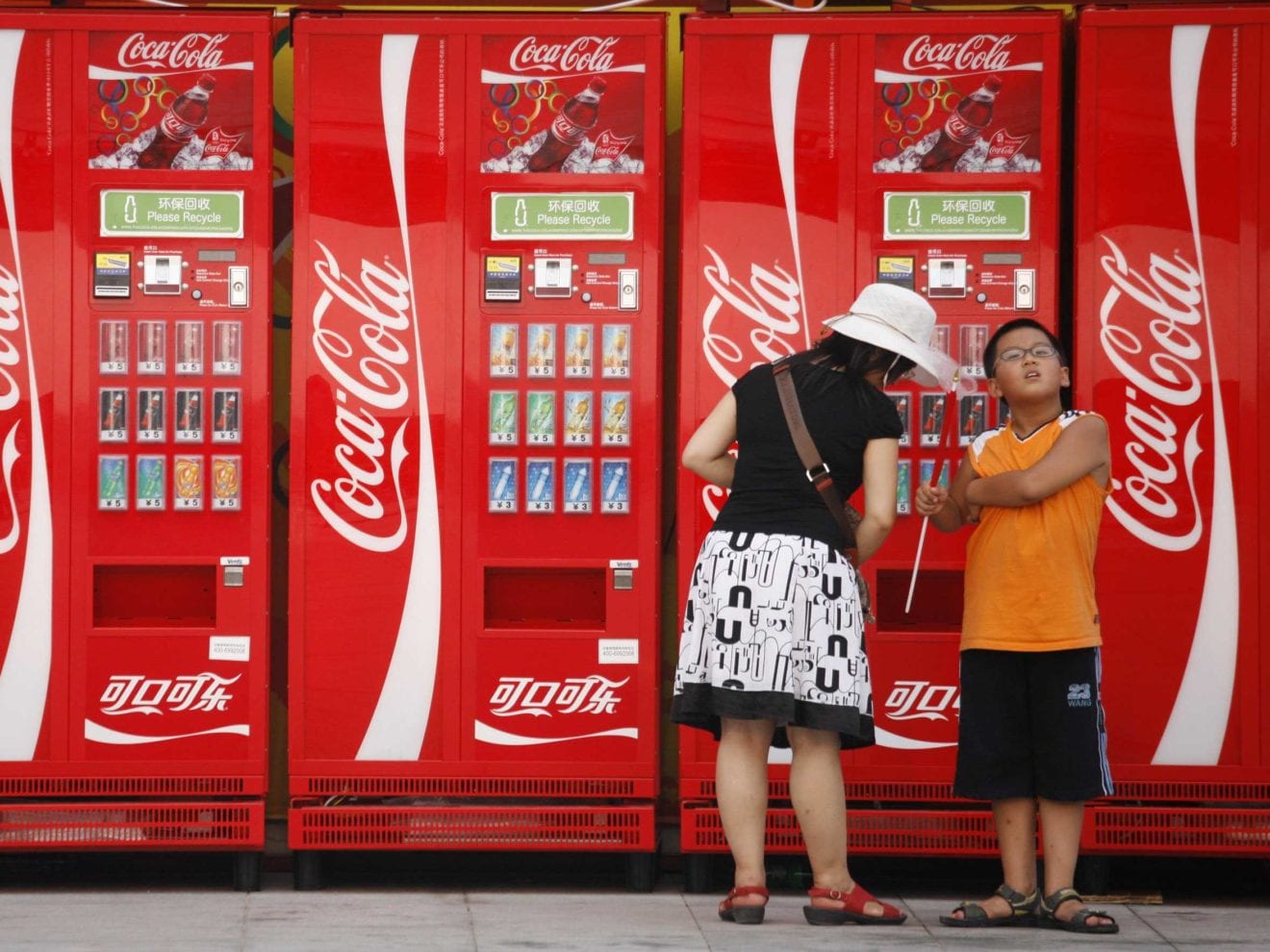
    Lazada has launched ‘shop-in-shops’ for international heavyweights Coca-Cola, Nestle and Redmart, each of which allows the brands to keep their identity across online and offline channels, while giving shoppers a way to connect with them.

    Earlier this year, Lazada acquired RedMart, marking their move into the grocery category, specifically fresh and frozen products. The new addition will also see Singapore shoppers gain access grocery products from RedMart directly via Lazada Singapore, the first step towards a larger partnership between the two companies.

    “We are excited about working together with Lazada Singapore, especially at a time that marks their third year serving shoppers in the country. RedMart will be offering exclusive promotions on everything from Extra Virgin Olive Oil to Sauvignon Blanc, as special deals just for shoppers celebrating Lazada’s birthday,” said Penny Cox, VP Commercial and Marketing at RedMart.

    Both Coca Cola and Nestle will also stock a select range of food and beverages via Lazada Singapore.

    In the lead up to its third birthday and sale, the marketplace has also launched official shop-in-shops for bookstore MPH, SK Jewellery, Chow Tai Fook, South Korean and Mamonde, as well as fashion labels Esprit, Doc Martens and Bonia.

    “Setting up shop-in-shops in time for our birthday sale has really been part of a larger step towards bridging shoppers in Singapore with the brands they know and love. This, combined with a consistent free delivery and 14 days free returns policy, give shoppers best of everything — ease along with great deals and the widest range of products to choose from, be it electronics or groceries,” said Alexis Lanternier, CEO, Lazada Singapore.

    The Lazada birthday sale kicks of March 21 to 23 and will see discounts of up to 90% across its entire platform.

    Launched in 2012, as a part of Lazada Group, Lazada Singapore currently hosts over 300 official brand stores. Lazada also has an e-commerce presence in Thailand, Indonesia, Malaysia and Vietnam.

  • Lazada loyalty program link to other ecommerces

    Lazada loyalty program link to other ecommerces

    A Lazada loyalty program for Singapore shoppers looks set to be expanded to other Asian markets.

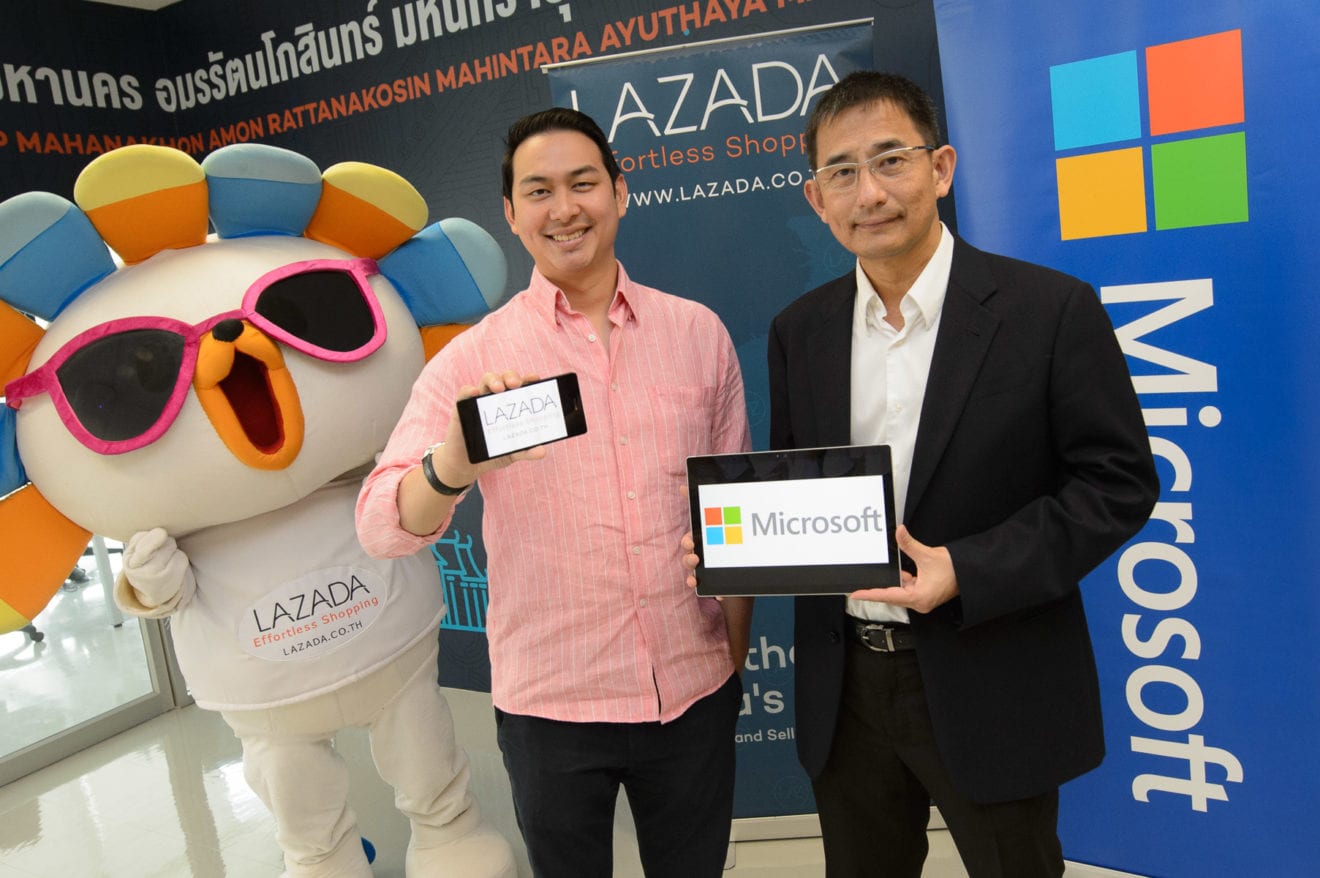
    Alibaba-owned Lazada has teamed up with Netflix and Uber Technologies – the first time the companies have jointly created an online rewards program, according to Lazada CEO Maximilian Bittner.

    The program is aimed at consumers who primarily go online for shopping, entertainment, transportation and food delivery.

    Alibaba acquired a controlling stake in Singapore-based Lazada for US$1 billion last year. The “LiveUp” program links their online services, from Netflix and UberEats to grocer RedMart and Taobao marketplace.

    Consumers pay S$28 (US$20) a year for such benefits as six months of Netflix streaming, discounts on Uber rides and free delivery on Lazada or Taobao purchases. A mobile app will be rolled out in the second half of the year.

    “Singapore is the market on the cutting edge of validating what we think consumers might want, so we will focus on Singapore first,” says Bittner, who expects to add more partners.

    E-commerce in Singapore, which accounted for 0.9 per cent of total retail there in 2003, has grown from 2.4 per cent in 2013 to 4.8 per cent last year, according to Euromonitor data.

    Bittner and RedMart co-founder Vikram Rupani hatched the loyalty program over breakfast on Christmas Eve before approaching Netflix and Uber. “Their decision to do it was very fast because they have the same goal,” says Bittner.

    Uber, which entered Singapore four years ago, will offer members benefits including free rides and promotions. “This is just the beginning,” says Uber Singapore GM Warren Tseng.

  • Lazada brings Alibaba’s biggest bazaar to Singaporean shoppers

    Lazada brings Alibaba’s biggest bazaar to Singaporean shoppers

    China’s Alibaba Group has teamed up with online retailer Lazada to bring popular shopping site Taobao to Singapore, in a move to deepen the reach of the Chinese e-commerce giant into Asia ahead of US rival Amazon.

    Last year, Alibaba made headlines with a US$1 billion (S$1.4 billion) deal for control of Lazada, giving the Chinese retailer greater access to South-east Asia and closer to a goal of shedding its home-market reliance.

    The dedicated online store, Taobao Collection, went live this week, and links shoppers in Singapore directly to Taobao through Lazada’s website (taobao.lazada.sg).

    The collection targets shoppers in Singapore who want to shop directly from Taobao and are more comfortable with a local connection.

    Some 400,000 items, from electronics to home products, will be specially curated for the Singapore market, Mr Alexis Lanternier, CEO of Lazada Singapore told TODAY.

    The customised range is selected based on top selling products and customer reviews, from the existing line-up of about 1.5 billion offerings on the Taobao website, he said.

    The idea, according to Mr Lanternier, is to address some of the challenges that shoppers here face while shopping from Taobao, such as lowering shipping fees. By doing away with external agents, Taobao Collection is able to offer a flat delivery rate of S$2.99 per order.

    “Lazada is aiming at solving difficulties that currently exist when shopping from Taobao, enabling an effortless way for them to shop. The site will be translated into English (from Chinese) and shoppers don’t have to worry about shipping, payment methods and returns. Shoppers can also track their orders end-to-end on Lazada and can shop exactly as they would on Lazada Singapore,” Mr Lanternier said.

    Taobao’s entry into Singapore, according to industry players, is likely to have far-reaching implications even as it expands the playing field for e-commerce and creates a more dynamic landscape for retailers.

    “It will definitely require online retailers to continuously think on their feet to come up with new and fresh offerings, in order to keep their customers engaged. To ultimately drive Singapore’s weakening retail sector, online and offline retailers should synergise with — instead of cannibalise — each other,” said Mr Hyun Wook Cho, Qoo10 Singapore country manager.

    With more than 2.5 million registered users in Singapore, however, Qoo10 remains confident of its future prospects as an online shopping platform for Singaporeans, as it offers affordable products and understands the local market.

    “Singaporeans are highly savvy online shoppers who no longer only go for attractive prices, but also look for value-added services to have enjoyable shopping experiences,” Mr Cho added, highlighting the company’s interactive Live10 app which serves as a community chatroom where users can broadcast live demos or shopping tips to their followers.

    Meanwhile, avid shoppers in Singapore welcomed Alibaba’s move to bring its largest shopping platform much closer.

    “We now hope to have access to Taobao products much faster and expect them to be cheaper with no agents in between. Earlier, it used to take almost a month to get the products,” said 19-year-old Siglap resident Mr Nguyen Duc Thanh who buys electronic products for himself and others from Taobao at least once a month.

    “I would want to shop more now that Taobao is easily accessible through Lazada. I have always wanted to do so but given the language and other issues (related to agents), I was hesitant,” said Dakota resident Mr Andrew Fang, 30, who is keen on buying more home products.
    According to Qoo10’s Mr Cho, e-commerce players who successfully create lasting experiences that resonate with their user bases will be the ones to survive today’s increasingly competitive landscape.

  • Lazada on mission to spur e-commerce

    Lazada on mission to spur e-commerce

    As Lazada celebrates its fifth year in the Philippines, the people behind Southeast Asia’s largest online marketplace are embarking on a mission: to make the country one of the “dominant players” in the global e-commerce industry.

    “In terms of Facebook penetration, the Philippines is No. 1 in the world. There are 57 million Facebook accounts—why shouldn’t the same thing apply to e-commerce?” says Inanc Balci, cofounder and CEO of Lazada Philippines. “So we’re now on a mission to make Philippines a dominant player in the world when it comes to e-commerce penetration.”

    Balci cited Taiwan as having the highest percentage of online retail sales at 18 percent; the Philippines, on the other, hand, is only at 1 to 2 percent. “Buying online is as easy as getting an account on Facebook; sometimes easier, because you don’t need an e-mail account for some websites. The Philippines can have a much higher percentage of e-commerce penetration than that of Taiwan,” Balci says.

    Other factors also come into play when it comes to the Philippines’ strong potential in e-commerce, adds Balci. “The middle class is growing very fast; the economy is doing really well among other nations in Asia; there is a very young population; smartphone penetration is higher than any other country in Southeast Asia.”

    As a treat to its customers, Lazada held a birthday sale last March 21-23. These kinds of events, says Balci, are also a form of investment for the company when it comes to addressing one of the three main challenges in the local ecommerce industry: general market size. Promos and special deals allow Lazada to attract new customers and further grow the business, says Balci.

    The other two issues, he adds, are payments and logistics. To address the latter, the company formed its own logistics arm called Lazada Express. “That has, today, 70 percent coverage nationwide, and we are continuing to push it even more,” says Balci. “We are also looking toward improving the payments landscape. There is only about 5 percent credit-card penetration which makes it difficult to transact online, so Lazada was the first to launch nationwide cash on delivery. Not a lot of companies are doing this because it’s a costly way of doing business, but for us to grow, we need to invest.”

    Lazada was initially established in the Philippines as an online retailer selling electronic goods.

    The company then “pivoted” its business strategy in 2014, says Balci, shifting its model to an online marketplace, which was “one of the biggest accelerators” of its growth.

    “Now our business model is a cross of retail marketplace and cross-border marketplace, which is similar to a local marketplace but the merchants are from other countries in the region,” Balci explains.

    As Lazada and the country’s e-commerce industry continue to grow, so does competition—something which Balci welcomes with open arms.

    “It’s always better for the market to have competition to keep you on your toes. We believe that for the market to grow much faster, we need better, healthier competition,” he says.

  • Lazada launching website to sell Taobao products to Singapore shoppers

    Lazada launching website to sell Taobao products to Singapore shoppers

    Alibaba’s bringing its teeming Taobao internet marketplace to Singapore.

    Alibaba Group Holding and Lazada Group are teaming up to sell select Taobao products direct to shoppers in the affluent island-state, striking their first partnership since the Chinese company took control of Southeast Asia’s largest e-commerce operator a year ago.

    Lazada is launching a dedicated website that links directly to Alibaba’s largest shopping platform, said Alexis Lanternier, chief executive officer of Lazada Singapore. To start with, the new site will add 400,000 Taobao products that aren’t available now to an existing lineup of about 5 million products, he said.

    In linking Taobao with Lazada, the two are trying to ease a process that’s gained momentum in recent years. Bargain hunters in Singapore already buy directly from Alibaba’s Chinese marketplace, an eBay-like online bazaar where small merchants and individuals hawk items from electronics to bed-sheets. Its items often go for a fraction of retail prices in Singapore, the world’s most expensive city according to the Economist Intelligence Unit.

    Many people however buy through agents who help with English translations, payments and deliveries – for a fee. That’s led to problems with returns, Lanternier said. Scams may be another issue: Taobao re-joined the Notorious Markets list last year, a name-and-shame pool of global markets the US Trade Representative considers rife with counterfeits.

    Taobao can be difficult to police because it’s an open marketplace, but Lazada will take swift action to protect consumers if it’s notified of fakes, Lanternier said.

    “We want to solve those difficulties, enabling an effortless way for them to shop,” Lanternier said, sharing the new initiative for the first time. “Now it’s all translated into English and you don’t have to worry about shipping options, payment method, returning. You are going to be able to track your order end-to-end.”

    The move is another small step abroad for Alibaba, which has ambitions to expand beyond a slowing Chinese home market. The company and Lazada are now preparing to deepen their operations in the fast-growing region, anticipating Amazon.com’s entry this year.

  • Skin care brand Mamonde opens Lazada online store

    Skin care brand Mamonde opens Lazada online store

    Korean beauty products brand Mamonde has launched an e-commerce site on Lazada to introduce its skincare and makeup products into Singapore.

    Mamonde’s USP is using flower extracts in its products. Camellia, hibiscus, honeysuckle, lotus and magnolia blooms are hand-picked and frozen or heat dried, with the active ingredients then being extracted.

    There are plans to also open a physical store in Singapore eventually, says Amorepacific, which also owns the brands Etude House, Innisfree, Laneige and Sulwhasoo.

    “Launching digitally first in Singapore was a deliberate move that allows us to observe consumer purchasing habits before scaling up operations in the market,” says Amorepacific Asean regional head Robin Na.

    “While the beauty industry in Singapore is mature, we believe that consumers there are still hungry for new brands.”

  • Lazada Indonesia aligns business model with Alibaba

    Lazada Indonesia aligns business model with Alibaba

    The Indonesian unit of Lazada said it plans to focus on adding small merchants to its online marketplace, emulating the strategy of Alibaba Group Holding, the Chinese e-commerce company that acquired it last year.

    Florian Holm, Lazada Indonesia’s co-chief executive, told reporters on Wednesday the company will launch a campaign in April which will also mark the first anniversary of its acquisition by Alibaba to attract more small businesses online. It already partners some 15,000 third-party sellers in Indonesia. Holm said Lazada also plans to enable some merchants to sell products to shoppers in China through Alibaba’s Taobao e-commerce platform.

    “We are learning from Alibaba and trying to apply its learnings in how we can foster more entrepreneurship,” Holm said. “We want to help all the people out there who have great business ideas … because in e-commerce you can try with minimal cost.”

    Lazada operates in six Southeast Asian countries, and entered Indonesia in 2012 as an online retailer buying merchandise from electronic and fashion companies to sell on its website. It began selling products from third-party merchants the following year, and according to Holm these now account for more than 80% of products sold on the platform, and up to 30% of products shipped from Lazada’s three warehouses in the country.

    Lazada was one of the largest e-commerce operations in Indonesia, but Alibaba’s $1 billion acquisition came at a time when it was facing increasingly stiff competition from local rivals like SoftBank-backed Tokopedia, Lippo Group’s MatahariMall.com, and Bukalapak, which is funded by a local media mogul.

    Small businesses play a large role in the Indonesian economy due to the lack of modern retail outlets outside major cities, and this is fueling the exponential growth of e-commerce, which is estimated to rise from $1.7 billion in 2015 to $46 billion in 2025.

    The Lazada acquisition has prompted speculation about the possible rollout in Indonesia of Alipay, Alibaba’s affiliated payment service. Holm said adding payment options is always a priority at Lazada, but said there is “no further news” on Alipay.

  • Mamonde launches Singapore site on Lazada

    Mamonde launches Singapore site on Lazada

    Korean beauty products brand Mamonde has launched an e-commerce site on Lazada to introduce its skincare and makeup products into Singapore.

    Mamonde’s USP is using flower extracts in its products. Camellia, hibiscus, honeysuckle, lotus and magnolia blooms are hand-picked and frozen or heat dried, with the active ingredients then being extracted.

    Mamonde Lazada SG

    There are plans to also open a physical store in Singapore eventually, says Amorepacific, which also owns the brands Etude House, Innisfree, Laneige and Sulwhasoo.

    “Launching digitally first in Singapore was a deliberate move that allows us to observe consumer purchasing habits before scaling up operations in the market,” says Amorepacific Asean regional head Robin Na.

    “While the beauty industry in Singapore is mature, we believe that consumers there are still hungry for new brands.”

  • Lazada & Starmobile Reign Victorious at the iEMA 2016 Awards

    Lazada & Starmobile Reign Victorious at the iEMA 2016 Awards

    E-commerce heavyweight Lazada, smartphone brand Starmobile alongside 24 e-commerce merchants in Southeast Asia were honoured at the inaugural iPrice E-Commerce Merchant Awards (iEMA) 2016 at the eTail Asia Conference in Marina Bay Sands, Singapore. Voted and nominated by tens of thousands of consumers across Southeast Asia, the awards were organized by iPrice Group in partnership with eTail Asia, Trusted Company and UseInsider, with the aim to celebrate and honor the efforts of Southeast Asia’s top e-commerce merchants in the booming industry.

    With the assistance of Trusted Company, each vote was validated and allowed to be casted only once. The voting and nomination period began on 15th November 2016 and ended on 31st January 2017. All merchants in Southeast Asia were automatically enlisted and qualified for the voting session.

    Winners of the inaugural iEMA included Lazada, winning the Popularity Award for the Philippines and Starmobile won the Quality Award for the Philippines.

    “Thank you for your support and trust in making Lazada a customer-first company and one of SEA’s most loved e-commerce brands,” said Sydney Dondon, senior associate of affiliate marketing of Lazada Philippines.

    The Lazada Group was established in 2012 and operates Lazada, one of the largest e-commerce platforms in Southeast Asia.

    When asked about their future plans, Sydney explained that shopping experience and empowering stakeholders were key. “We continuously improve the shopping experience by understanding what our customer needs, at every step of the shopping journey.  It’s really down to empowering our stakeholder. We’re adding features on the website and app so that our customers can make more informed purchases. We are beefing up our logistics capabilities to fulfil orders faster wherever they may be. We are also developing tools to make selling more efficient for our merchants,” said Sydney.

    Starmobile, a smartphone brand from the Philippines won the Quality Award for the Philippines. From its humble beginnings in 2011, it was no surprise that Starmobile took home the award for Quality considering them being known for being one of the most innovative smartphone brands locally and their strong fan base on social media.

    Finalists for the Quality Award were Benloi, an online sporting equipment company and Anson’s, an appliance and electronics store in the Philippines.

    The Absolute Winner of iEMA 2016 Awards

    Bukalapak, a C2C e-commerce platform was declared the overall winner of iEMA 2016, garnering the highest number of overall votes in Southeast Asia. The startup began their operations in their garage with the passion to create a marketplace that is reliable and trusted by consumers today. When asked what made them successful Evi Andarini, PR Manager of Bukalapak mentioned that they constantly find ways to be creative and innovative in meeting their customers’ needs.

    In addition to this, the iPrice Special Award for notable achievements in e-commerce was won by BloomThis, a Malaysian startup who utilized their website and social media pages to provide an unparalleled premium flower gifting service.

    The full list of winners:

    The Absolute Winner of iEMA 2016:

    • Bukalapak

    iPrice Special Award

    1. BloomThis (Winner)
    2. Althea (1st Runner Up)
    3. BMS Organics (2nd Runner Up)

    Quality Award                      – Country Winners

    • Malaysia : Livlola
    • Indonesia : Mazaya
    • Philippines : Starmobile
    • Singapore : Tech2Cool
    • Thailand : Advice
    • Vietnam : Alovendor

    Popularity Award              – Country Winners

    • Malaysia : Lazada
    • Indonesia : Bukalapak
    • Philippines : Lazada
    • Singapore : Tech2Cool
    • Thailand : Advice
    • Vietnam : Alovendor

    The Absolute Winner and iPrice Special Award of iEMA 2016 were presented a special trophy while other winners and finalists received a certificate and an e-badge for their e-commerce platforms. In addition to this, products from all winners and finalists of all categories will be given a special highlight on all iPrice websites across Southeast Asia.

  • Alibaba-controlled Lazada Readies Itself To Battle Amazon

    Alibaba-controlled Lazada Readies Itself To Battle Amazon

    For now, eMarketer pointed out, Lazada Group dominates the eCommerce activity and web traffic in the markets it serves, which includes mainly in Indonesia, Malaysia, the Philippines, Singapore, Thailand and Vietnam.

    Last December, Lazada’S online properties attracted the largest number of page views among B2C retail sites in Thailand, Indonesia, Singapore, Malaysia and Vietnam, data from SimilarWeb confirmed.

    However, eCommerce estimates point to an expected growth by double digits for online B2C spending in Southeast Asia through 2020, which is sure to attract more competitors for Lazada.

    Amazon is reportedly considering a launch in Southwest Asia sometime this year, eMarketer stated, starting with Singapore.

    Chinese companies are also setting their sights on Southeast Asia as a new market for growth, especially considering the region is home to nearly 620 million people.

    According to a report last year, companies like Alibaba, Tencent, Didi Chuxing and JD.com, are expanding in Southeast Asia, moving beyond the slowing economy in China.

    WSJ noted Alibaba and Tencent have led deals with a value of $1 billion combined to expand their businesses in Southeast Asia, which is the third-largest region for technology mergers and acquisitions by Chinese technology companies in 2016. The deal values combined were $1.9 billion compared to $193 million in the year earlier, WSJ reported, citing data from Dealogic. What’s more, industry watchers said in the report they think that investments on the part of Chinese tech companies will accelerate next year.

    “What we have learned in China, we can apply the fastest in Southeast Asia,” Poshu Yeung, Tencent’s vice president of its international business, said in the report. “Everything in Southeast Asia, particularly in Indonesia, you will experience a pretty good growth rate.”

    EMarketer is projecting that the number of smartphone users will surpass 257 million by 2020, presenting a big opportunity for companies. What’s more, the incomes in the region are growing at the same time smartphone ownership is, noted the report.

  • Lazada Dominates Ecommerce Activity in Southeast Asia For Now

    Lazada Dominates Ecommerce Activity in Southeast Asia For Now

    Southeast Asia’s ecommerce sector may not yet get as much attention as China. But as recent ecommerce estimates suggest, online B2C spending Southeast Asia is set to grow by double digits through at least 2020, making the region a key area of interest for retailers and marketers.

    For now, much of the ecommerce activity and web traffic in Southeast Asia is dominated by one large ecommerce retailer—Lazada Group. In fact, Lazada’s control of the region’s ecommerce sector was enough to entice Alibaba as a suitor; the China-based ecommerce giant purchased a controlling stake in the company last year for $1 billion.

    According to data from SimilarWeb cited by ecommerceIQ, Lazada properties drew the largest number of page views among B2C retail sites in Thailand, Indonesia, Singapore, Malaysia and Vietnam in December 2016.

    Take, for example, SimilarWeb’s figures for Thailand, where Lazada claimed almost 41 million monthly page views during the month. That was more than 16 times the number garnered by JIB.co.th, the second-place finisher.

    Ecommerce has yet to really catch fire in markets like Thailand, where eMarketer estimates retail ecommerce sales will make up just 1.7% of total retail sales this year. But companies like Lazada are betting that growth in internet use will create a new class of consumers looking to make digital purchases. eMarketer projects that retail ecommerce sales in Thailand will hit $5.7 billion by 2020.

    However, Lazada’s long-term success in the region is far from assured. US ecommerce heavyweight Amazon has reportedly been eyeing a launch in Southeast Asia with Singapore sometime in Q1 2017. The moves could kick off a heated battle between Amazon and Alibaba’s proxy for both market share and customers as the region’s ecommerce spending expands.

  • Mall bad news but some bright spots

    Mall bad news but some bright spots

    In just over a year, clothing retailer Hang Ten has closed more than a third of its stores.

    The 12 outlets, in suburban malls, had been bleeding money. Consumers were spending less but Hang Ten’s landlords were still charging high rents, said its general manager Andrew Kee.

    “We started to close non-profitable suburban shops since Q4 2015 to reduce losses and just concentrate on a few strategic locations.”

    The days of suburban malls as the retail sector’s bright spot are coming to an end, said property consultancies.

    For the past five years, as the rise of e-commerce and growing economic uncertainty pushed Orchard Road retailers out of business, suburban malls were fairly resilient.

    Such malls could fall back on shoppers living in the area, unlike the tourist-reliant Orchard Road, which is susceptible to competition from overseas destinations and lacklustre tourist arrivals.

    The turning point was last year, when the pace of decline of suburban rents quickened – from 1 per cent quarter-on-quarter in the first quarter to 2 per cent in the fourth quarter, said R’ST Research’s director Ong Kah Seng. This is a sign that rents in suburban malls are going downhill, he added.

    But as the challenges drag on, suburban malls are being dealt a belated reality check.

    Some mall managers are fighting back by offering short-term leases, filling their spaces with food and beverage outlets, and adding more lifestyle elements to their malls.

    According to property research consultancy R’ST Research, rents of retail properties in Orchard Road fell by about 11.1 per cent on average from 2012 to 2015.

    Over the same period, rents of suburban retail spaces dipped only marginally at about 1.4 per cent.

    The turning point was last year, when the pace of decline of suburban rents quickened – from 1 per cent quarter-on-quarter in the first quarter to 2 per cent in the fourth quarter, said R’ST Research’s director Ong Kah Seng.

    This is a sign that rents in suburban malls are going downhill, he added.

    Tenants are also feeling the heat.

    Czech shoe company Bata’s country manager Pierluigi Pontecorvo said it is increasingly difficult to operate in suburban malls now, compared with two years ago.

    Footfall has reduced “drastically”, while little has been done by malls to attract customers, he said, adding that landlords were also not flexible in reducing rental costs to help retailers cope with the challenges.

    To retain customers, Hang Ten – which has 21 stores – revamped its loyalty programme in 2015.

    With online stores such as Taobao, Zalora and Lazada gaining traction, retailers that sell mass market items and clothing are finding it harder to survive.

    Malls are hence devoting more space to food and beverage, a trend that became more prominent since mid-2015, according to real estate consultancy Knight Frank Singapore.

    Its executive director and head of retail Wendy Low said F&B, on average, makes up up to half of a suburban mall’s tenants, compared to about a quarter previously.

    Mr Desmond Sim, head of CBRE Research for Singapore and South-east Asia, said suburban malls are banking on experiential elements to draw shoppers.

    Next month, Waterway Point in Punggol will launch a new party room next to the mall’s playground on the second storey, where shoppers can hold family gatherings.

    Frasers Centrepoint Malls is working with existing tenants to pilot new ideas, including temporary short-term leases or pop-up stores, said its general manager of retail properties Stephanie Ho.

  • Zalora Indonesia future under a cloud

    Zalora Indonesia future under a cloud

    Is Zalora Indonesia for sale? Fresh after selling off a chunk of the Philippines business, Rocket denies further Asian withdrawal.

    Last week, Ayala announced it will buy 43.3 per cent ownership in Zalora manager BF Jade E-Service Philippines for an undisclosed amount, taking its ownership to 49 per cent. The investment marks Ayala’s first foray in eCommerce.

    But what of Zalora Indonesia? Parent, German eCommerce investor Rocket Internet, is also said to be in negotiations with Indonesian retail conglomerate Map Group, according to a report by TechCrunch. Other reports say it is withdrawing entirely from Indonesia. But Zalora PR director Christopher Daguimol denies a retreat from Indonesia.

    “Southeast Asia is a diverse region, and we will always look at adapting our strategy to local country dynamics and opportunities. Our objective is to build the online fashion leader in each of our Southeast Asia markets,” Zalora said at the time it announced its Philippines divestment.

    Zalora sold off its businesses in Thailand and Vietnam last year.

    Map runs nearly 2000 retail outlets in Indonesia, including fashion outlets, and more in partnership with global firms like Marks and Spencer, and Zara. The publicly listed company has more than 22,000 employees.

    Fierce competition has started escalating in Indonesia, marked by layoffs by Berrybenka and SaleStock a few months ago, says Deal Street Asia. Giants like Lazada and MatahariMall.com are meanwhile steadily marching forward with both companies received major funding from global investors last year.

  • Lazada Thailand sent top five sellers to Alibaba Campus

    Lazada Thailand sent top five sellers to Alibaba Campus

    Lazada Thailand sent five of its top performing sellers to Alibaba’s campus in Hangzhou. They joined a delegation of 34 Lazada sellers.

    Led by Lazada Group, the visit took place from 23 to 25 February 2017 and include a rare opportunity to hear from Jing Jie, Vice President of Strategic Partnership Development, Alibaba Group and Aimone Ripa di Meana, Chief Marketplace Officer, Lazada Group to gain insights on the eCommerce landscape development and best-practices of online selling. The delegates had the chance to visit and network with other successful sellers such as Semir from Alibaba’s Tmall platform as well as attended two training sessions on “Operations and Assortment Planning for Singles Day” and “Online Customer Management” conducted by Taobao University.

    Apart from Thailand, the sellers mainly originate from Indonesia, Malaysia, Philippines, Singapore and Vietnam; markets that Lazada operate in. These sellers worked closely with Lazada throughout the Online Revolution 2016 event, and have emerged as top in their respective product categories, such as fashion, electronics, and other fast-moving consumer goods (FMCG) categories.

    These top performing sellers experienced strong uplift in their sales during the month-long Online Revolution sale. In addition to their exceptional performance during the 2016 Online Revolution shopping event, these sellers offered great value to shoppers with their deals, efficient product dispatches as well as achieving minimal number of returns and cancellations on their products.                                                                               

    Alessandro Piscini, CEO, Lazada Thailand said, “Lazada is widely known as Southeast Asia’s number one online shopping site, but we are also the region’s top selling eCommerce marketplace. Today, we have about 55,000 local and international merchants and we are enabling them to achieve commercial success with Lazada.”

    “We empower our sellers and equip them with the best tools available to help them succeed. With this inaugural business trip for our sellers to Hangzhou, we have structured the trip to ensure our sellers can hear and learn from other successful examples, and scale their business in the future,” added Alessandro Piscini.

    Veraphon Ngamjarassrivichai, Chief Marketing Officer of Galaxy store, which sells household equipment, sports, games, and toys at https://www.lazada.co.th/galaxy/ shared, “working with Lazada has made our E-Commerce journey much quicker and easier. Since joining Lazada, we have managed to still grow our business, and last year we generated 4 times revenue from Lazada. Galaxy is excited to join the trip to Alibaba Campus in Hangzhou and take advantage of all the new opportunities the three day event will bring.”

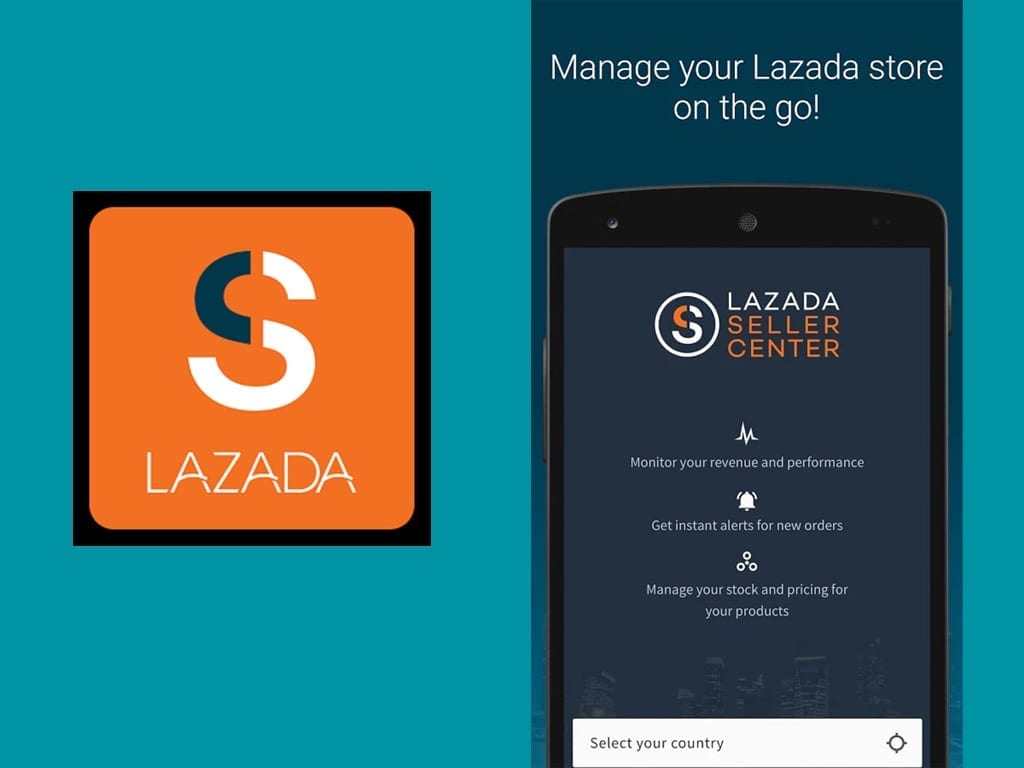
    In addition to sending top five sellers to Alibaba Campus in Hangzhou, Lazada, as the brand holding by Alibaba Group, is committed to train over 30,000 SMEs following Thailand 4.0 model and collaboration with the Ministry of Commerce by organizing training workshop for SMEs at the New Economy Academy (NEA) starting from 2nd February 2017 onwards until the end of this year. This training workshop aims to cover practical trainings on how to sell products and services on an eCommerce platform. Lazada also offers sellers a comprehensive suite of tools and solutions to make their online business a success. The seller centre for instance gives sellers a comprehensive overview of their business with Lazada. It is also a mobile platform for sellers to manage their business on-the-go. Sellers also receive a weekly performance report from Lazada with details on areas they can improve for better sales.

  • Harbolnas Boosts Online Shop Sales

    Harbolnas Boosts Online Shop Sales

    Hundreds of online stores are taking part in the online shopping national day (Harbolnas) held from December 12 until December 14, 2016. The Harbolnas brings profit not only to customers, but also online shop administrators.

    For example, Bukalapak.com booked a total of 400,000 transactions during the two days of Harbolnas.

    Bukalapak Brand Manager Ambrosia Tyas, said that most of the customers are attracted by the discounts and special offers presented during the Harbolnas. “The number of transactions are five times higher compared to the 2015 Harbolnas,” Ambrosia said on Wednesday, December 14, 2016.

    Not only massive discounts, Bukalapak also provided customers with chances to bargain for their goods. Products highly sought after by customers are smartphones, laptops, and cameras. “Customers are attracted to a different shopping experience,” Ambrosia said.

    In addition to Bukalapak, Lazada Indonesia also recorded massive Rp 143.4 billion revenue on the first day of Harbolnas. Most customers bought fashion items, household appliances, and health and beauty products.