Tag: Lazada

  • Easyship raises more funding

    Easyship raises more funding

    Hong Kong logistics startup Easyship has raised an undisclosed amount of pre-series A funding from 500 Durians, a fund managed by Silicon Valley’s venture capital major 500 Startups.

    Easyship is an online platform providing crossborder logistics services for eCommerce companies, claiming to have access to more than 80 shipping companies and offering visibility on delivery time, cost breakdown, reliability and tracking.

    To date, it has raised aggregate funding estimated at US$2.5 million. The latest round will help it expand into Southeast Asia via Singapore, following the validation of its business model and building of traction in the Hong Kong market.

    Its expansion to Singapore provides strategic access to Southeast Asia and leverages off the city-state’s logistics infrastructure and networks – just as US eCommerce giant Amazon is establishing a presence there.

    The venture originates from problems with international shipping encountered by co-founders Tommaso Tamburnotti and Augustin Ceyrac when they were trying to build the crossborder business of Rocket Internet’s Lazada, as reported. At the time, Lazada was trying to attract more vendors to its platform in China and Hong Kong selling into Malaysia, Singapore, Thailand, and the Philippines.

    However, Lazada’s rapid sales growth was inhibited by a “very unstructured and fragmented” logistics industry. Easyship streamlines this process, providing an end-to-end process for packaging, labelling and tracking goods with couriers. It charges no fees for these services, with sellers paying the couriers. Revenue is generated from courier commissions.

    Easyship claims its saves its 1000-plus clients in Hong Kong up to $20,000 a month on shipping fees.

  • Xiaomi Mi Mix now available via Lazada in Singapore

    Xiaomi Mi Mix now available via Lazada in Singapore

    Xiaomi Mi Mix now available via Lazada in Singapore

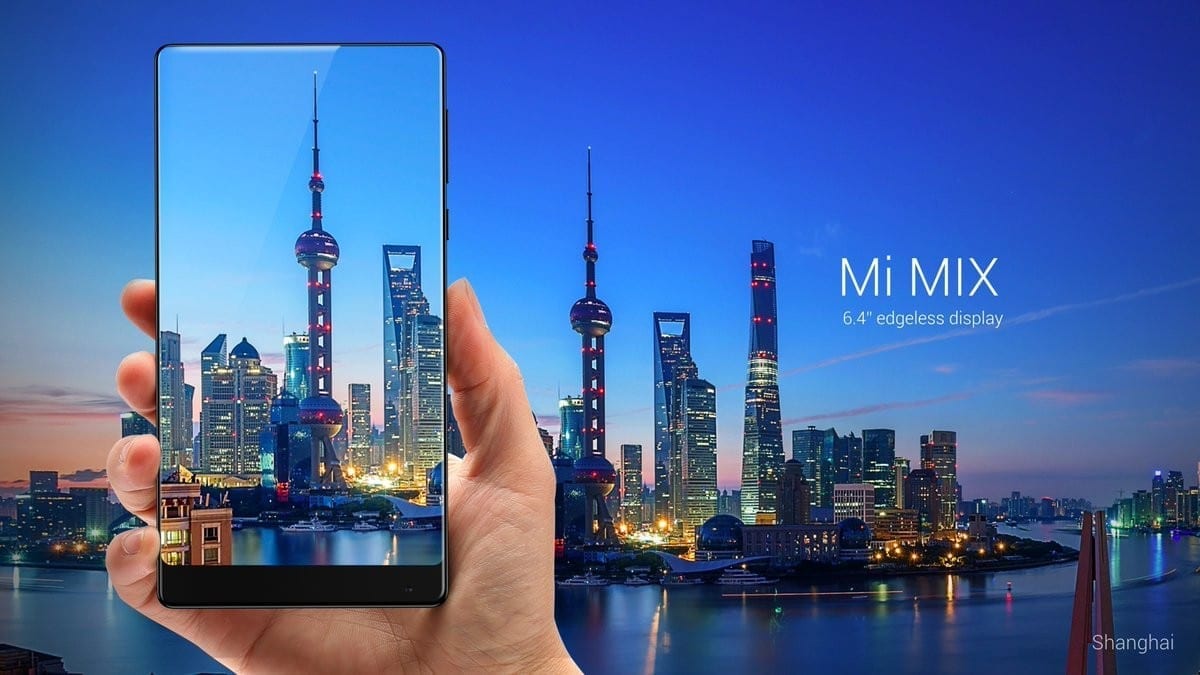
    Xiaomi fans in Singapore are in for a treat as the Mi Mix concept phone is now available for purchase via Lazada. Although the phone’s availability is officially limited to China, some enterprising stores like Lazada have come to the rescue of prospective smartphone buyers in the island state.

    The only caveat with the Lazada deal is that you will get just one month local-seller warranty at a premium price.

    The regular 4GB/128GB variant of Mi Mix retails at ¥3,499, which is the equivalent of S$720. In contrast, the Mi smartphone starts at S$1,278 in retail outlets across Singapore.

    On the other hand, the premium 6GB/256GB model is priced around ¥3,999 (S$820) in China and the same retails at a whopping S$1,639 in the island state.

    The all-screen and all-ceramic phone from Xiaomi definitely carries the premium looks of any eye-catchy phone in the market.

    It must be noted that the Xiaomi Singapore is not currently stocking the Mi Mix, despite featuring its official store on Lazada. So, your only option is to buy the phone through third-party importers and sellers via Lazada, which is too risky as it comes without the official hardware warranty.


  • Samsung home appliances now available on Lazada Malaysia

    Samsung home appliances now available on Lazada Malaysia

    Samsung Malaysia Electronics (SME) Sdn Bhd today established a partnership with online shopping mall Lazada Malaysia to offer its first portal-in-portal site in South-east Asia.

    Head of Consumer Electronics Business Jimmy Tan Chee Wee said the partnership would allow more Malaysian consumers to shop online for their desired Samsung home appliances.

    “Today, many consumers are tech-savvy and enjoy online shopping on their own space, and the partnership will help them enjoy savings and convenience compared with the conventional way of shopping,” he said.

    Tan was speaking at the “Unbox the Wonders of Home” year-end online campaign in conjunction with Lazada’s Online Revolution campaign here today.

    He said the collaboration would provide SME a greater opportunity to reach a wider customer base through online portal and mobile applications, and share the latest promotions as well as product information at the same time.

    “Lazada helps to track every shop within the onsite portal according to the postcodes to ensure each of them is geographically tagged and catalogued to fit the shopper’s address.

    “This will bring them to the nearest SME retail shops, automatically entitling them to free and fast delivery,” he said.

    Tan said products offered online range from smartphones to televisions and refrigerators, with no price differences between online and offline products.

  • Xiaomi Malaysia opens shop on Lazada

    Xiaomi Malaysia opens shop on Lazada

    Xiaomi Malaysia has launched an official store on Lazada.

    A sale will kick off the brand’s arrival featuring the Mi Band 2, Mi Capsule Earphones and 10,000mAh Mi Power Bank Pro.

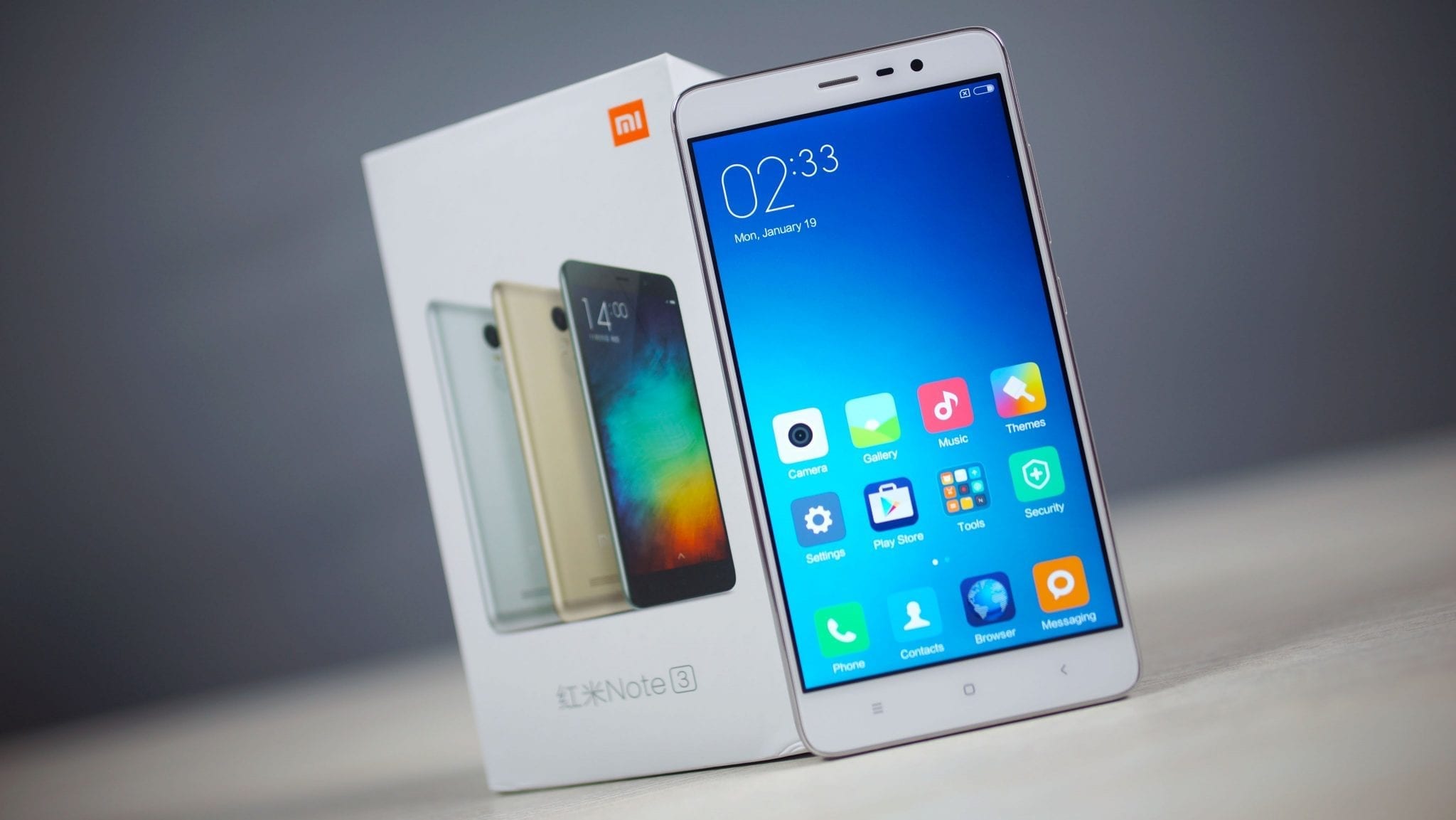
    Mi products, ranging from Mi Phones, Mi Smart Devices, Mi Power Banks, and Mi Accessories will be available on Lazada, sold and fulfilled by the Mi Store with official warranties from Mi Malaysia.

  • Alibaba-backed Lazada acquires online grocer RedMart

    Alibaba-backed Lazada acquires online grocer RedMart

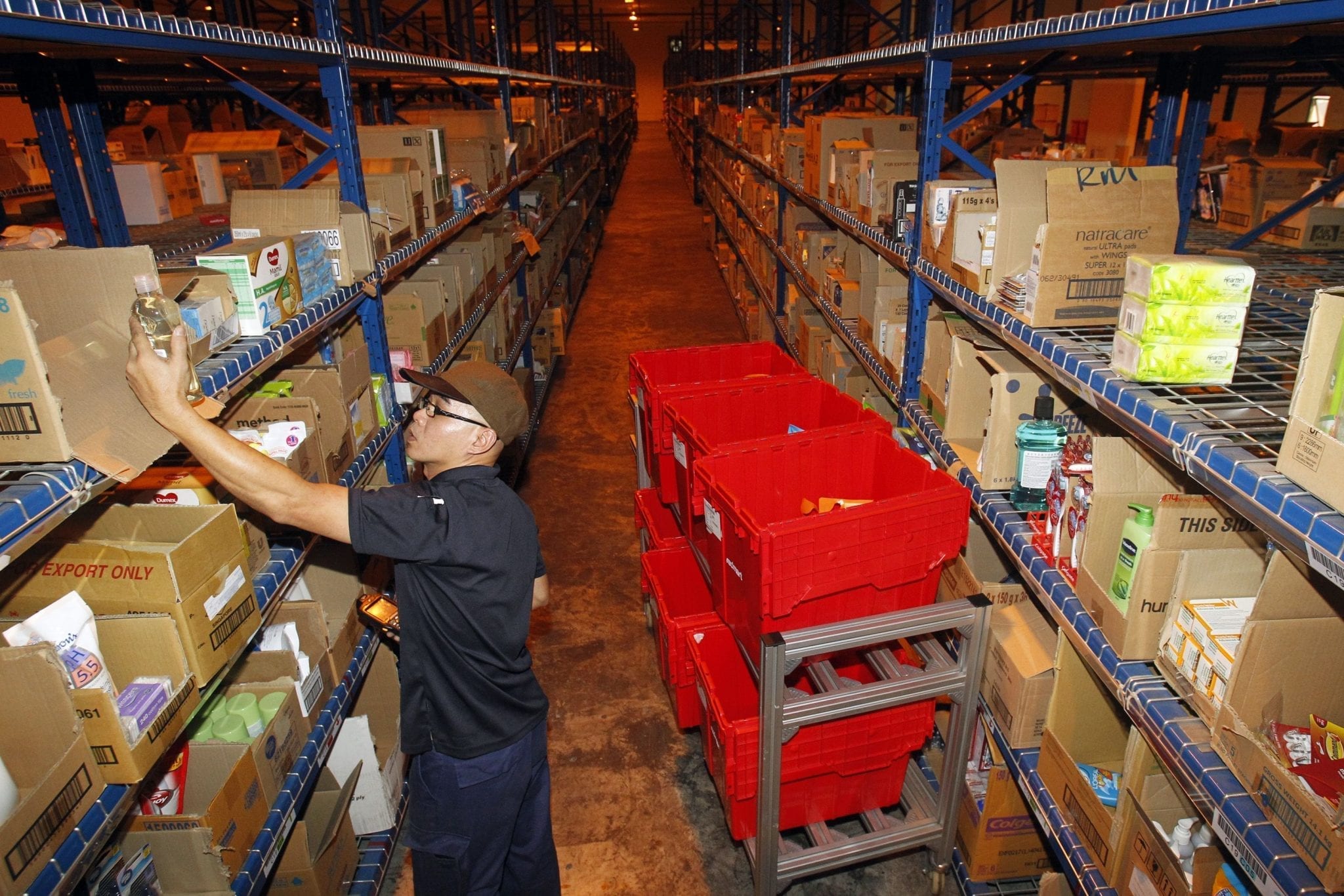
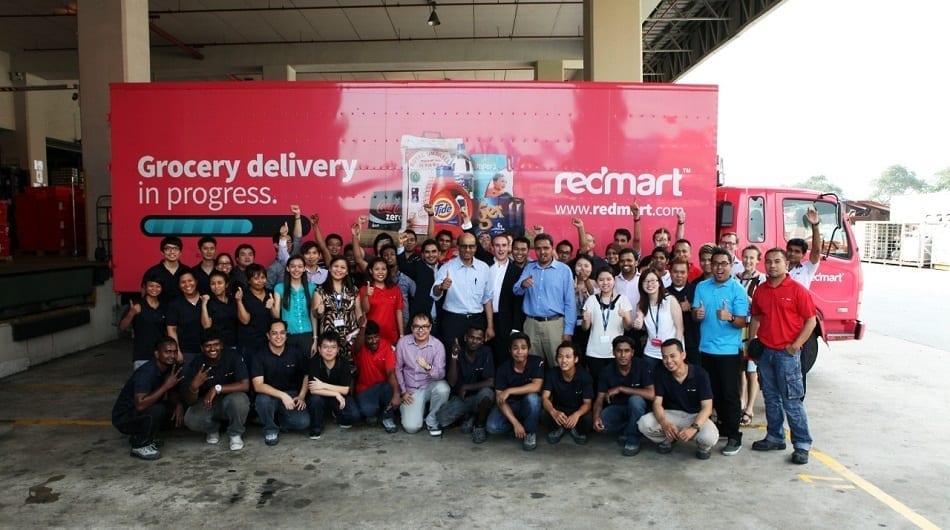
    On Wednesday, Singapore-based e-commerce company Lazada announced that it will acquire Redmart, an online grocery retailer.

    Singapore startup Lazada, whose platforms sell goods from smartphones to baby products throughout the region of 600 million people, said in a statement it would buy Redmart to benefit from its operational and technological capabilities. It did not reveal financial details involved in the deal.

    Lazada said it expects the transaction to be completed in the fourth quarter of this year, adding that RedMart will be led by its current management and will “continue to operate independently” after the transaction. RedMart now operates in Singapore but it has long harbored expansion ambitions.

    Lazada Group CEO Maximilian Bittner said that RedMart’s strong management team and relentless focus on putting the customer first has resulted in customers loving them in Singapore. The capital flexibility provided through this deal will go towards innovating to delight our customers.

    The acquisition come months after Japanese e-commerce operator, Rakuten, shuttered its online stores in Singapore, Indonesia, and Malaysia.

    Amazon has plans to expand to South-east Asia, and there are signs the online retail giant is entering the region through Singapore, Techcrunch reported on Wednesday (Nov 2).

    More specifically, China, which can leverage its manufacturing hub and market size. The company said that this alignment will help it expand into new product categories faster.

    Amazon has also been preparing for the local launch by quietly acquiring new assets such as refrigerated trucks, and hiring new staff.

    According to reports, Amazon plans to roll-out selected services in Singapore within the first quarter of 2017. Chinese e-commerce leader Alibaba bought a controlling stake in Lazada in April this year in a US$1 billion deal.

    However, the research firm noted that while the region presented significant growth opportunities, market players would be challenged by low credit card ownership, which now stood at lower than 7 percent in all Southeast Asian markets except Singapore and Malaysia.

  • Amazon coming to South-east Asia via Singapore, says report

    Amazon has plans to expand to South-east Asia, and there are signs the online retail giant is enteringhe region through Singapore, Techcrunch reported on Wednesday (Nov 2).

    Amazon is acquiring assets, and hiring new employees in Singapore, the tech news website said, citing two sources close to the company.

    There has been no official announcement by Amazon.

    The report said that Amazon may debut its Prime delivery service and its AmazonFresh grocery service, perhaps as soon as early 2017.

    Amazon’s possible South-east Asian foray comes soon after aggressive moves to enter India and China. In China, it started offering its Prime free-shipping service last month.

    Prime gives members in the US perks like free delivery and access to a growing library of videos and music.

    The US company has also pumped $3 billion more into its Indian e-commerce operation.

    Amazon’s entry to the region, if it materialises, may heat up competition in the online retail market.

    On Wednesday, Singapore-based e-commerce company Lazada announced that it will acquire Redmart, an online grocery retailer.

    Sometimes called South-east Asia’s Amazon, Lazada was started by Rocket Internet. Chinese e-commerce leader Alibaba bought a controlling stake in Lazada in April this year in a US$1 billion deal.

  • Alibaba tipped to record solid quarterly revenue growth

    Alibaba tipped to record solid quarterly revenue growth

    Alibaba Group Holding, the world’s largest e-commerce company, is expected to report another strong quarter of sales in the three months to September 30, as its preparations intensify for the Singles’ Day online shopping festival next week.

    Analysts estimated New York-listed Alibaba’s total second-quarter revenue for its fiscal year that ends March would increase about 50 per cent year on year.

    “We model total revenue to grow 51.7 per cent to 33.64 billion yuan (HK$38.55 billion) versus [market analysts’] consensus estimate of 33.94 billion yuan,” Alicia Yap, the head of regional internet research at Citi Research, said in a report published ahead of Alibaba’s earnings announcement on Wednesday.

    Yap estimated Alibaba’s gross merchandise volume, the total amount of goods sold through the company’s vast online retail platforms, to have grown 22 per cent year on year to 872 billion yuan in the past quarter.

    Citi maintains a “buy” rating on Alibaba shares, and has raised its target price to US$133, up from the previous US$112.

    In an open letter to shareholders early this month, Alibaba chief executive Daniel Zhang Yong said: “During fiscal year 2016, our China retail marketplaces reached a historical milestone when annual gross merchandise volume transaction surpassed 3 trillion yuan, making Alibaba Group the largest retail ecosystem in the world.”

    In the three months to June, Alibaba reported a 59 per cent year on year jump in revenue to 32.15 billion yuan. The gross merchandise volume transacted on its China retail platforms rose 24 per cent to 837 billion yuan.

    Alibaba, which owns the South China Morning Post, runs four business segments – core commerce, cloud computing, digital media and entertainment, and innovation initiatives.

    Citi estimated Alibaba’s revenue from its core commerce business would reach 28.18 billion yuan in the quarter to September, up from 27.24 billion yuan in the quarter to June.

    That segment comprises the China and international online marketplaces operating in retail and wholesale commerce, including Taobao Marketplace, Tmall.com, Juhuasuan, 1688.com, AliExpress and Lazada.

    Citi predicted Alibaba’s cloud computing revenue would reach 1.56 billion yuan in the three months to September. Led by subsidiary Alibaba Cloud, it had revenue of 1.24 billion yuan in the quarter to June.

    Digital media and entertainment revenue was estimated by Citi to have reached 3.35 billion yuan in the past quarter. This segment, which includes UCWeb and Youku Tudou, had revenue of 3.13 billion yuan in the June quarter

    Alibaba’s innovation initiatives segment was forecast by Citi to have posted revenue of 550 million yuan in the three months to September, compared with 535 million yuan in the June quarter. This segment includes the YunOS mobile operating system and web mapping and navigation software AutoNavi.

    We want to offer a large variety of daily necessities to the city’s consumers

    Daniel Zhang Yong, Alibaba chief executive

    Last week, Alibaba said its introduction of the Singles’ Day shopping extravaganza and the Tmall.hk platform to Hong Kong would ramp up e-commerce services outside the mainland.

    “We want to offer a large variety of daily necessities to the city’s consumers,” Zhang said at the launch of Alibaba’s 11.11 Global Shopping Festival in Hong Kong.

    That kicked off a flurry of activities ahead of Singles’ Day, an annual event held on November 11 that will see billions of dollars of goods transacted on Alibaba’s online retail platforms within 24 hours, making it the world’s biggest online shopping event.

    At last year’s 11.11 festival, Alibaba posted a 60 per cent year on year increase in gross merchandise volume to 91.2 billion yuan.

    Daiwa Capital Markets analyst John Choi said in a report that sentiment on Alibaba was positive as “most investors now seem to have a better understanding of Alibaba’s ecosystem”. Daiwa has a “buy” rating on Alibaba.

  • Lazada in talks to buy Redmart for rumored $30m to $40m

    Lazada in talks to buy Redmart for rumored $30m to $40m

    Southeast Asia ecommerce portal Lazada is reportedly in talks to buy online grocery provider Redmart. The acquisition amount is said to be around US$30 million to US$40 million, which if true, is in the low range given it raised US$26.7 million last year.

    Redmart had apparently held unsuccessful talks with supermarket chain NTUC and Singapore sovereign wealth fund GIC. It also received a “lowball” offer from Amazon.

    The startup had been in trouble for some time. While its revenue grew, its expenses increased at an even faster clip.

    Lazada is controlled by Chinese online shopping Alibaba, which in April took a commanding stake in the Rocket Internet-born startup for US$1 billion.

  • ASEAN e-commerce market keeps booming

    ASEAN e-commerce market keeps booming

    The ASEAN region (The Association of Southeast Asian Nations) is emerging as one of the most promising e-commerce markets in the world to replace the saturated Chinese market.

    Following the establishment of the ASEAN Economic Community (AEC) at the end of 2015, e-commerce is providing huge opportunities for Korean retailers seeking new customers abroad.

    Most member states of ASEAN, including Indonesia, Thailand, Malaysia, Singapore, the Philippines and Vietnam, are experiencing an e-commerce boom.

    The Internet-based retail market has been relatively underdeveloped in Southeast Asia due to low Internet penetration and lack of customers with purchasing power.

    However, with the middle class growing and Internet penetration spreading, the number of online and mobile shoppers in the region is rising fast.

    Still, it is fragmented and Internet users account for only around 40 percent of the total population of Southeast Asia, indicating that the region has much room to grow.

    According to the 2016 report “E-Conomy SEA (Southeast Asia)” released jointly by Singapore’s sovereign fund Temasek and Google, the average annual growth rate of Internet users in the region is forecast to reach approximately 14 percent by 2020, well above 4 percent for China and 1 percent for the United States.

    Online shoppers, accordingly, are also on a sharp rise.

    According to Bain & Company, the number of digital consumers, or those aged over 16 and using e-commerce, reached 150 million in 2015. Of them, around 100 million or 75 percent actually purchased goods online.

    By nation, Indonesia ranked at the top with 51 million digital consumers, followed by Vietnam (31 million), the Philippines (28 million), Thailand (23 million), Malaysia (14 million) and Singapore (3 million).

    “Chinese and global Internet companies should look at Southeast Asian e-commerce as their next potential gold rush,” reported IT-specialized media TechCrunch in June, 2015.

    In particular, ASEAN’s e-commerce has a special feature that sets itself apart from other countries.

    For example, the online retail market in the U.S. and Korea first grew with expansion of PC-based shopping. However, Southeast Asia experienced the e-commerce boom with more consumers accessing Internet via smartphones.

    In 2015, e-commerce in the ASEAN is estimated at $5.5 billion (6.06 trillion won), and the amount is expected to rise to $8.78 billion by 2025, according to E-Conomy.

    The portion of e-commerce to retail sales in the region stood at only 0.8 percent in 2015 but is forecast to jump to 6.4 percent by 2025.

    Global players eye ASEAN

    Against this backdrop, global players are making fast forays into the ASEAN e-commerce market.

    In April, Alibaba, China’s largest e-commerce company, purchased a controlling stake in Southeast Asian online retailer Lazada Group for $1 billion, its largest overseas investment.

    Lazada was started by Germany’s Rocket Internet in 2012 with headquarters in Singapore. It is operating in Malaysia, Indonesia, the Philippines, Thailand and Vietnam. It is the number one e-commerce player in Philippines, Malaysia, Thailand and Vietnam.

    In June, U.S. retail giant Amazon also decided to invest $600 million to open an e-commerce platform in Indonesia, according to Daniel Tumiwa, chairman of the Ecommerce Association of Indonesia (IDEA).

    Japanese SoftBank and Silicon Valley venture capitalist Sequoia Capital acquired a $100 million stake in Tokopedia, the biggest startup investment in Indonesia. eBay, another U.S. e-commerce giant, currently owns Qoo10, the online shopping mall based in Singapore.

    Korean companies are also expanding their operations in the region to capitalize on the rising popularity of hallyu or the Korean Wave.

    On Sept. 20, CJ Korea Express, South Korea’s largest parcel delivery service company, signed an international delivery service contract with Lazada. Under the deal, CJ would deliver goods made in Korea purchased by customers via Lazada’s website.

    On the same day, KOTRA, Korea’s trade-investment promotion agency, joined hands with Qoo10 to start an online support program and help Korean small firms export their goods to Southeast Asia. Qoo10 has a total of 300 million online members in Singapore, nearly 60 percent of its population.

    SK Planet opened 11th Avenue, its online shopping mall, in Indonesia in 2014 and Malaysia in 2015.

    Korea is now focusing on expanding exports of consumer goods to ASEAN as it has faced limitations to increase external shipments of parts and intermediary products.

    “With more Korean firms entering the ASEAN e-commerce network, including Lazada, exports of Korean consumer goods, such as mobile phones, cosmetics, food and fashion items, are on a sharp rise,” Roh In-ho, KOTRA’s Asia Regional Director based in Singapore, said.

    For sustainable growth, Korean firms need to make more effort to come up with localized strategies that meet demands from local customers.

    “If diversifying marketing strategies, ASEAN e-commerce will offer good opportunities for small Korean exporters,” Roh said. “It is very important to develop designs and products that locals would like.”


  • Lazada stays online

    Lazada stays online

    While some global e-commerce giants, including Amazon Inc, are planning to build brick-and-mortar convenience stores, Lazada Malaysia will focus on things it does best — selling inventory to customers from its warehouses through its online platform.

    Its chief executive officer (CEO) Hans-Peter Ressel said Lazada Malaysia will concentrate on strengthening its online shopping business, rather than building physical stores to complement its online services.

    “We can’t comment on their (Amazon’s) strategy because we focus only on our products,” Ressel said in an interview last week. “We have decided to go this way, and if other players are doing other things, I’m happy to learn and observe how this works for them, but it doesn’t change our strategy.”

    Citing unnamed sources, The Wall Street Journal last week reported that Amazon stores will sell perishable goods, including milk and meats. The Seattle-based retail giant will also build drive-in locations for consumers in a rush where online grocery orders will be brought to the car, the newspaper said.

    Lazada Malaysia, which has achieved more than five million app downloads, is part of the Lazada Group which operates online shopping platforms in Indonesia, the Philippines, Singapore, Thailand and Vietnam. Its product offering covers diverse categories, including electronics, fashion, health & beauty, sports & travel, and groceries.

    Vienna-born Ressel, who is of Austrian and Filipino descent, had served as Lazada Malaysia chief commercial officer and chief operations officer since August 2012, before he became its CEO in March 2015.

    Lazada Malaysia, he said, would continue to collaborate with brand retailers, hypermarkets and offline flagship stores to sell their products.

    “If you want [to operate your own] store, how many stores do you need? What do you want to put on these stores? We don’t believe in doing everything by ourselves. We have partners; we have brands, and it is crucial to have their collaboration, that’s our focus,” he said.

    Notably, Lazada Malaysia this year brought in top brands such as L’oreal, Levi’s and Samsung. It also formed partnerships with giant retailers such as Tesco, Watsons and Senheng.

    Ressel believes e-commerce is the way forward, considering that two-thirds of Malaysians have Internet access, with most of them spending more than four hours a day online.

    “If we didn’t believe in the future growth of e-commerce, we won’t be here. Today, 20 million out of 30 million Malaysians are online. The [Malaysian] e-commerce market will definitely grow towards a size that is similar to Western countries, China and Korea. It’s just a matter of time,” he said.

    According to an estimate by statistics portal Statista, total revenue for the Malaysian e-commerce market this year will hit US$894 million (RM3.75 billion) and revenue is expected to see an annual growth rate of 23.7% in the next five years, to reach US$2.58 billion by 2021.

    Currently, the market’s largest segment is electronics and media, with a market volume of US$380 million. User penetration is at 61.7% this year and is expected to hit 76.8% in 2021.

  • Watsons places products on Lazada Singapore

    Watsons places products on Lazada Singapore

    Healthcare and beauty chain Watsons has formed a partnership with eCommerce company Lazada Singapore.

    As a result of the collaboration, more than 500 Watsons products have been made available on Lazada.

    Formed in 2012, Lazada Singapore offers a wide range of products, from electronics and household goods to fashion apparel and sports equipment. Watsons has more than 100 stores throughout Singapore.

    “The partnership with Lazada is a timely extension to our digital strategy in the region,” says Watsons Singapore GM Dominic Wong.

    The alliance not only ensures convenience, but Lazada has also just introduced a free delivery option with no minimum spend.

  • FMCG, fashion spur Lazada Indonesia growth

    FMCG, fashion spur Lazada Indonesia growth

    eCommerce group Lazada Indonesia says its current volume growth has accelerated to more than 150 per cent than at the same time last year.

    Key contributing categories are FMCG and fashion, which are both growing more than three times as much as last year. Also, about 80 per cent of the orders are via mobile devices.

    “Our rapidly growing orders in categories such as FMCG and fashion, being shipped all across the country, further demonstrates that Lazada has truly become the one-stop shopping destination of choice,” says Lazada Indonesia co-CEO Florian Holm.

    This success is also helping SMEs, which can now sell on Lazada free of commission – an initiative that will ultimately also benefit consumers through more competitive pricing, says Lazada. The initiative has helped SMEs achieve up to 10 times growth in sales since the beginning of the year.

    Brands are also benefiting from the growth through partnerships with Lazada Indonesia to offer exclusive products.

    In a recent Lazada collaboration with L’Oreal Paris, the My Superstar Look campaign – endorsed by celebrities Maudy Ayunda and Dian Sastrowardoyo – resulted in a 10-times increase in sales as well as engaging thousands of new customers for the cosmetics giant.

    Levi’s is now working with Lazada to create an onsite experience including product story videos, and fit and size guides to help consumers find the right jeans. This season the companies will run joint marketing campaigns for the Levi’s 511 Slim Fit Jean for men and Levi’s 711 Asia Skinny Jean for women.

    Free shipping

    Meanwhile, Lazada Indonesia has launched a free shipping service, enabled by its last-mile logistics arm and network of reliable delivery partners. The company has also extended its cash-on-delivery option to more products.

    Lazada Indonesia’s strong growth comes on the back of Alibaba Group’s investment, announced in April. To reduce lead-time to the consumer, Lazada has started using Cainiao, a logistics network 47 per cent owned by Alibaba which allows parcels to be picked up from Lazada merchants in China. Lazada has also entered into a partnership with Alibaba subsidiary UCWeb to drive more traffic to the platform.

    For the fourth quarter, Lazada Indonesia is planning more initiatives and preparing for the Online Revolution, an online event involving sellers and consumers. From November 11 to December 12, Indonesian consumers will be offered flash sales, special promotions, attractive deals and engaging activities.

    “Since we created the Online Revolution in 2012 to introduce consumers to online shopping, it has sparked a shopping frenzy that breaks records year after year. No other eCommerce player in Southeast Asia can claim a similar achievement,” says Holm.

  • Hong Kong Lifestyle Comes to Bangkok

    Hong Kong Lifestyle Comes to Bangkok

    Under its mega promotion campaign “In Style ● Hong Kong,”the Hong Kong Trade Development Council (HKTDC) brings “Hong Kong Galleria,” featuring the best of the city’s   fashion, design and gourmet products, to Bangkok’s  Siam Paragon, from now until 9 October.

    HKTDC Executive Director Margaret Fong, said Hong Kong is not only Asia’s leading business hub, it is also Asia’s lifestyle trendsetter. “Hong Kong has a unique East-meets-West multicultural and multilingual environment,” said Ms Fong. “It is always at the frontier of fashion and lifestyle with a wide range of international and local design brands and innovative and creative lifestyle products. The ‘In Style ● Hong Kong’ promotion highlights Hong Kong’s vibrant and unique lifestyle, as well as creativity to Thailand’s consumers and business sector.”

    The “Hong Kong Galleria” at Siam Paragon is divided into three zones, bringing an all-round Hong Kong experience to Bangkok consumers.

    Brand ● In Style
    The HKTDC Design Gallery is collaborating with the popular online shopping site Lazada Thailand on an O2O retail service, featuring such lifestyle brands as The Candle Co, Eco Concepts, GLUSH/, Snugalicious and Tea Lab. On-the-spot ordering with immediate home delivery is available to shoppers. Meanwhile, hktdc.com Small Orders  presents a selection of stylish Hong Kong products from Everlong, Sky’s Creative, HK Keytron, Jet T Technology and PO: Selected. Online shoppers can take advantage of special offers.

    Fashion ● In Style
    Through an e-wardrobe installed at the “Hong Kong Galleria,” visitors can try on the latest collections by popular Hong Kong fashion designers, Doris Kath Chan, Bonita Cheung, Koyo William Cheung, Polly Ho, Henry Lau and Mountain Yam. The six Hong Kong designers, who have featured at international fashion events such as Tokyo Fashion Week, Copenhagen Fashion Week, New York Fashion Week and CENTRESTAGE in Hong Kong, collaborated on a “Thai Silk Crossover” series for “In Style ● Hong Kong”with the unique pieces to be showcased at the “Hong Kong Galleria”.

    Gourmet ● In Style
    Hong Kong is well known as a food lover’s paradise and Cantonese sauces always brighten dishes. The internationally recognised Chinese brand Lee Kum Kee is presenting food tasting sessions featuring its wide range of sauces and condiments. Premium Hong Kong specialty tea brands, Contact Design, Gianna, MingCha and OrTeaTM are also offering complimentary tea-tasting. A collection of Hong Kong-style restaurants in Bangkok, featured by OpenRice Thailand as well as the signature menus developed by designated “Chef ● In Style”, Denice Wai, are available at B.Duck Cafe, Four Seasons Chinese Restaurant and Gokfayuen.

    The Hong Kong Tourism Board will also stage a promotion at the Siam Paragon from 6 to 9 October to showcase Hong Kong as a top travel destination.

    Shop for Hong Kong products
    The HKTDC Design Gallery is collaborating with Betrend and The Selected to offer a range of Hong Kong brands at discounted prices from now until December. Brands to be featured include The Candles Co, Digit Band, Eco Concepts, Team Green, Herkomst, HYOne, Paris Garden、Prima Series, Tea Lab and Team Green.

    Meanwhile, a “Hong Kong Lifestyle Products” promotion is underway in Bangkok, with well-known Hong Kong fashion brands Bossini, Episode, Esprit, Giordano, G2000 and Jessica, as well as popular retail watch brand City Chain and optical boutiques eGG and Optical 88 offering discounts and other consumer incentives.

    To enjoy these offers, simply pick up a Citywide Promotion coupon booklet available at more than 100 participating outlets across Bangkok, featuring over 30 Hong Kong and local brands from 1 September to 31 October, or visit “Hong Kong Galleria” in Siam Paragon from 3 to 9 October. More exciting Hong Kong products and gourmet can also be found at online retailer Lazada Thailand and gourmet website OpenRice Thailand.

    Symposium promoting Hong Kong services
    Apart from the consumer promotions, a symposium targeting the Thai business sector will be held on 6 October at Plaza Athenee Bangkok. Officiating the opening session will be Vincent HS Lo, Chairman of the HKTDC; Rimsky Yuen, Secretary for Justice, Hong Kong Special Administrative Region Government; and Apiradi Tantraporn, Minister of Commerce of Thailand. More than 30 business leaders and experts from Hong Kong and Thailand will offer insights on how Hong Kong can facilitate the business expansion of Thai companies

  • Business giants eye Singapore as springboard into South-east Asian e-commerce market

    Business giants eye Singapore as springboard into South-east Asian e-commerce market

    With South-east Asia’s Internet economy set to rocket to hundreds of billions of dollars by 2025, international business giants are eyeing Singapore’s strategic location to gain access into the region’s e-economy, in particular, e-commerce.

    In recent months, the Republic has seen several big names pump billions worth of investments into local e-commerce companies, including one investment by Chinese e-commerce giant Alibaba in Singapore online shopping website Lazada.

    This comes as brick-and-mortar retail giants pump up efforts to take their offerings online to ride the digital retail wave.

    The potential for growth, government assistance and Singapore as an entry point into South-east Asia make the Republic attractive, experts say.

    “If you compare the overall share of e-commerce in Singapore to its overall economic development level, it is quite low. (But) Singapore has the potential because it is a hub for the South-east Asian economy. (And) because there is market potential for Singapore, of course foreign companies will come here, either independently or in collaboration with local companies. They can acquire local companies, just like Alibaba did,” said e-commerce and online retail expert Chu Junhong, associate professor of marketing, National University of Singapore Business School.

    “E-commerce is a trend, (retailers) cannot avoid it. They must take advantage of this trend; it is good for them. The good news is that if retailers go online, they can open their market to the whole of South-east Asia. However, they have to be ready for the increased global competition when they go online,” Ms Chu added.

    According to a report by Internet giant Google and Singapore state investment firm Temasek Holdings in May, South-east Asia’s Internet economy is expected to surge to nearly US$200 billion (S$273 billion) by 2025, up from US$31 billion last year.

    The e-commerce segment alone is expected to make up almost half of the entire Internet economy in the region, with its value estimated to jump to US$88 billion by 2025, a 16-fold increase from US$5.5 billion last year.

    Filtering down to Singapore, the e-commerce market here is expected to grow more than five times to about US$5.4 billion, the report showed.

    Singapore has plans to increase that figure even further.

    Last month, at the launch of the retail industry transformation map (ITM), the Government said it would look at e-commerce as a key enabler for retail businesses to transform, with the aim of growing the e-commerce share of total retail receipts from the current 3 per cent to 10 per cent by 2020.

    Some brick-and-mortar retailers are embracing the digital wave in bold moves.

    Local tech retailer Challenger opened its online store hachi.tech in April, saying that the new portal would deliver 50 per cent of its revenue in just three to five years.

    It also set up a unit — Challenge Ventures — last year with a budget of S$20 million to invest in online companies and enable the firm to expand its e-commerce strategy.

    International companies are also investing or participating in Singapore’s local e-commerce platforms, as a means to tap into both the local and SEA markets.

    In April, Alibaba agreed to buy a controlling stake in privately owned Singapore company Lazada for US$1 billion. Lazada is a pioneer of e-commerce in many South-east Asian countries, with a presence in Indonesia, Malaysia, the Philippines, Singapore, Thailand and Vietnam.

    This month, Chinese gadgets company Lenovo launched an e-store on Qoo10, a Singapore-based e-commerce platform. With the opening of the e-store, customers will be able to browse Lenovo’s range of mobiles, tablets, PCs and accessories on Qoo10’s platform.

    Other than Singapore, Qoo10 has marketplaces in Indonesia, Malaysia, Hong Kong, Japan, Korea and China.

    Mr Max Bittner, CEO of Lazada Group said in an interview: “We believe that there are still significant opportunities for online shopping in South-east Asia and the six markets that we are in. Our focus remains on these six markets where we are raising the customer experience and becoming the leading one-stop online shopping and selling destination of choice for consumers.

    “Alibaba’s partnership is helping us in this goal by providing the know-how, systems and processes to enhance the online experience for our customers and sellers in these markets.”

    Mr Bittner added that the deal with Alibaba would help Lazada accelerate its goal of providing 560 million consumers in the region with access to the broadest and most unique assortment of products, bringing significant synergies that would enhance the online experience for both buyers and sellers.

    Mrs Kee Ai Nah, group director (industry & enterprise), Spring Singapore, said: “For both sellers and buyers, e-commerce has opened up options that were not possible in the physical world. To grow topline and stay competitive, businesses have to reach new customers through multiple channels. As e-commerce platforms allow businesses to internationalise without a physical footprint, and since this channel is already well-developed, Spring encourages all enterprises to explore the possibilities of selling online.”

  • Revenue up 36pc for Zalora parent

    Revenue up 36pc for Zalora parent

    The Lazada and Zalora parent is paring back its losses after divesting operations in two markets.

    With operating losses nearly halved and excluding disposals in India and Southeast Asia, Global Fashion Group (GFG) has reported a 36.3 per cent rise in net revenue.

    Backed by Rocket Internet and comprising online fashion retail businesses in emerging markets, GFG says net revenue in constant currency rose 47.5 per cent to 456 million euros (US$512.73 million).

    GFG sold interests in Thailand and Vietnam for an undisclosed amount to retailer Central Group in April. It also sold its Indian fashion business Jabong to Flipkart for $70 million in cash in August.

    GFG raised 330 million euros in funding from existing investors in July, cutting the holding of Rocket Internet to 20.4 per cent.

    The company says adjusted losses before interest, taxes, depreciation and amortisation (EBITDA) narrowed to 67.6 million euros in the first half of this year from 120.5 million euros in the same period last year. The EBITDA margin improved to a negative 14.8 per cent in the first half from minus 33.4 per cent, which the company says was driven by tighter inventory management and cost-cutting.