Retail News CRM

Tag: lifestyle

  • Italian brand Frette opens doors in Singapore

    Italian brand Frette opens doors in Singapore

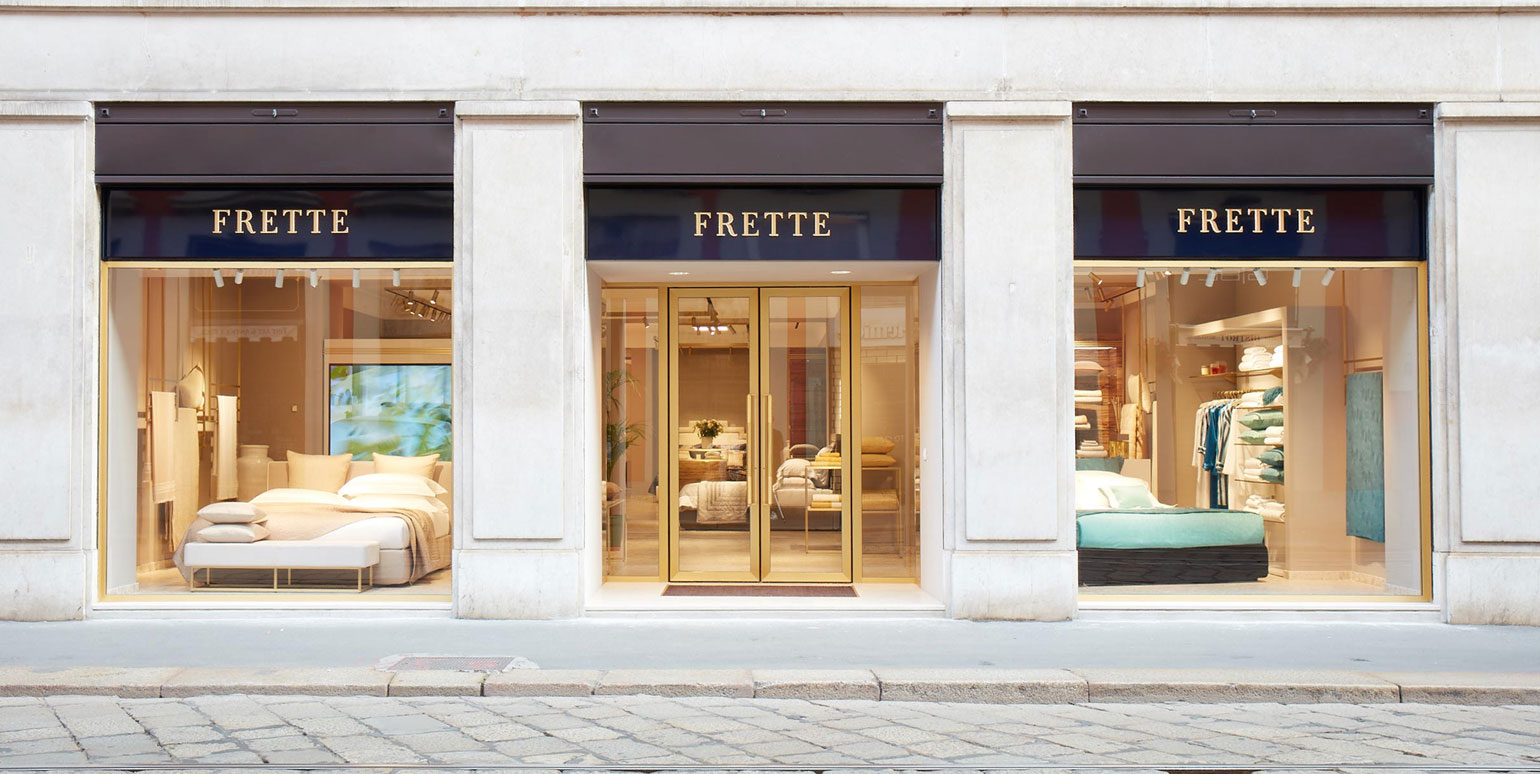
    Italian home accessories and lifestyle brand, Frette, has expanded its footprint in Singapore with its first boutique in Marina Bay Sands.

    The store also marks the brand’s first mono-brand boutique in the territory. Designed by Milan-based architecture studio Archibrando, the new Frette store features elements used in the brand’s global flagship boutique on Milan’s Via Manzoni and custom furnishings crafted from natural Afara wood, “encapsulating the luxurious ambience and timeless elegance and essence of the brand”.

    Frette Singapore occupies a 65sqm area of the shopping centre, offering crafted linens and decorative home accessories, ranging from embroidery bedding, bath towels, to men’s and women’s loungewear. The Marina Bay Sands boutique also offers custom embroidery and personalisation, bedroom styling as well as installation.

    The 160-year-old brand is known for its “chic, original designs and inimitable finish and feel”. Frette operates nine retail locations in the US and 25 in Asia. The brand has flagship stores in China, South Korea, Taiwan, Vietnam and Cambodia.

  • Expats Pay Packages Fall in Singapore, Hong Kong

    Expats Pay Packages Fall in Singapore, Hong Kong

    Expat packages have taken a hit as a result of lower cost of benefits and a dip in salaries.

    The average pay package for a mid-level expatriate in Singapore fell by $7,284 a year, and now stands at $225,171 annually – the 17th highest in the world, ECA International said.

    However, cash salaries in the republic stand at the fifth-highest globally, and the city holds the title of the location offering the best quality of living, the global mobility specialist said in its annual MyExpatriate Market Pay report, published this week.

    Expatriate packages comprise three main components: the cash salary, benefits such as accommodation, international schools, utilities, or cars, and tax.

    While expats take home less, the latest rankings are expected to increase the country’s attractiveness to expatriates and companies looking to set up regional hubs in the country, given the cheaper cost of employing expatriate staff, Lee Quane, Regional Director – Asia at ECA International, said.

    Elsewhere, expatriate pay packages in rival regional financial hub Hong Kong dropped by over $5,000 over the last year, to a new average total of $279,399, despite an average salary increase of $265, largely due to falling accommodation costs.

    Globally, Japan was the most expensive location to send workers to, overtaking the United Kingdom, with the average expatriate package there costing $405,685.

  • Singapore Relaxes Border Restrictions for Travellers

    Singapore Relaxes Border Restrictions for Travellers

    The city-state will reopen its borders to fully vaccinated travelers from certain countries and is removing stay-home requirements for short-term visitors from several countries.

    Fully vaccinated travelers from Germany and Brunei will be able to come to Singapore without serving a stay-home notice, under a new Vaccinated Travel Lane arrangement announced on Thursday.

    At the same time, all travelers from Hong Kong and Macau, Mainland China, New Zealand and Taiwan, regardless of vaccination status, can enter without serving a stay-home notice, the Civil Aviation Authority of Singapore (CAAS) said.

    Vaccinated Travel Lane visitors will have to meet a set of criteria that includes taking designated flights that serve only vaccinated travelers, not transiting elsewhere, and undergoing PCR tests while in Singapore. Those who arrive on flights not under the Vaccinated Travel Lane will be subject to prevailing quarantine measures upon arrival, CAAS said.

    In response to the relaxed border measures, Singapore Airlines will operate five weekly Vaccinated Travel Lane flights from Frankfurt and Munich beginning September 7.

    Lufthansa, will also increase its flights to Singapore to three weekly, up from one currently – two of these will be for the designated Vaccinated Travel Lane.

    Separately, the Ministry of Transport announced that Singapore and Hong Kong have agreed not to pursue further discussions on the air travel bubble, owing to differences between the two cities in their strategy for managing the Covid-19 pandemic.

    «Both parties agreed that it would not be possible to launch or sustain the air travel bubble in its present form,» the announcement said.

  • Online marketplace YesAsia launching Hong Kong IPO

    Online marketplace YesAsia launching Hong Kong IPO

    Online marketplace YesAsia is set to raise US$17 million in an IPO launch in Hong Kong.

    The company aims to offer 39,540,00 new shares, 90 percent of which will be available for placing with institutional and professional investors while 10 percent will be available for subscription by the public in Hong Kong.

    Founded in 1988, YesAsia offers Asian fashion & lifestyle, beauty, and entertainment products to global customers. The company launched its key opinion leader initiative in 2018, and subsequently its YesStyle Influencer Program in 2019.

    Revenues generated from its influencer marketing initiatives accounted for 1.2 percent, 7.9 percent, and 17.4 percent of the total revenue of YesStyle for the three years ended last December, respectively.

    “We had been able to achieve above-industry revenue growth during the Track Record Period even in the midst of the Covid-19 pandemic, mainly due to our continuous effort in strengthening our marketing strategy to support customer retention and acquisition as well as long-term ecosystem development,” said Lau Kwok Chu, founder and executive director and CEO at YesAsia.

  • Playboy owner to acquire Aussie lingerie brand Honey Birdette

    Playboy owner to acquire Aussie lingerie brand Honey Birdette

    PLBY Group is to buy racy Australian luxury lingerie brand Honey Birdette for approximately US$333 million. PLBY Group CEO Ben Kohn said he is “thrilled by the brand’s potential to become a multi-million-dollar luxury lifestyle franchise”.

    “Our plan is two-fold: to leverage PLBY Group and the Playboy brand’s global operations to accelerate Honey Birdette’s expansion into new territories and product categories, and to take advantage of Honey Birdette’s superior product design, sourcing, and direct-to-consumer capabilities to accelerate our Playboy-branded lingerie, loungewear, swimwear, and sexual wellness go-to-market plans targeting the masstige consumer,” Kohn said.

    “This acquisition is expected to further our mission to become the leading pleasure and leisure lifestyle platform and our commitment to deliver long-term value to our shareholders.”

    Honey Birdette is forecast to generate $73 million in revenue this financial year, representing growth of over 40 percent. The acquisition will help the brand expand its leadership in the sexual wellness category and its shared sourcing and product design capabilities. The transaction is expected to close in the third quarter of 2021.

    Honey Birdette was first launched in 2006, when its first boutique opened in Brisbane, selling glamorous lingerie and adult toys. It has since expanded to more than 60 stores across Australia, the US, and the UK, and flagship stores are slated to open in the coming months in Dallas, Miami, and New York. Meanwhile, loungewear and swimwear will soon be added to the Honey Birdette product range.

    “When I founded Honey Birdette 15 years ago, my ambition was to build a brand for women, by women; a brand that would serve as a platform for confidence and sexual and body empowerment,” said Eloise Monaghan, founder and managing director of Honey Birdette.

    “Today is a momentous and proud day for the Honey Birdette team as we enter into partnership with one of the world’s most iconic brands and the lifestyle platform it represents. I’m thrilled to join Ben and the whole PLBY Group team on a mission to build a lifestyle of pleasure for all.”

  • Zara launching beauty range

    Zara launching beauty range

    Soon, you’ll be able to wear Zara from head to toe and from face to toenails. Yesterday, the retailer unveiled Zara Beauty, the company’s first-ever comprehensive beauty collection. It will be launching online and in select stores on May 12.

    To help create a line of cosmetics that felt playful, innovative, and fresh, the brand tapped world-renowned makeup artist Diane Kendal, who regularly dreams up editorial and international runway looks we inevitably end up thinking about a lot.

    “When Zara approached me to lead the creative direction of Zara Beauty, I saw an opportunity to make something that everyone would want to use. Zara has always reached such a diverse audience, and I wanted to bring that same big vision to beauty with a collection that is clean, refillable, and accessible to all,” Kendal said in a release. “I am really proud of what we have created: an expansive array of consciously unique formulas for eyes, lips, face, and nails.”

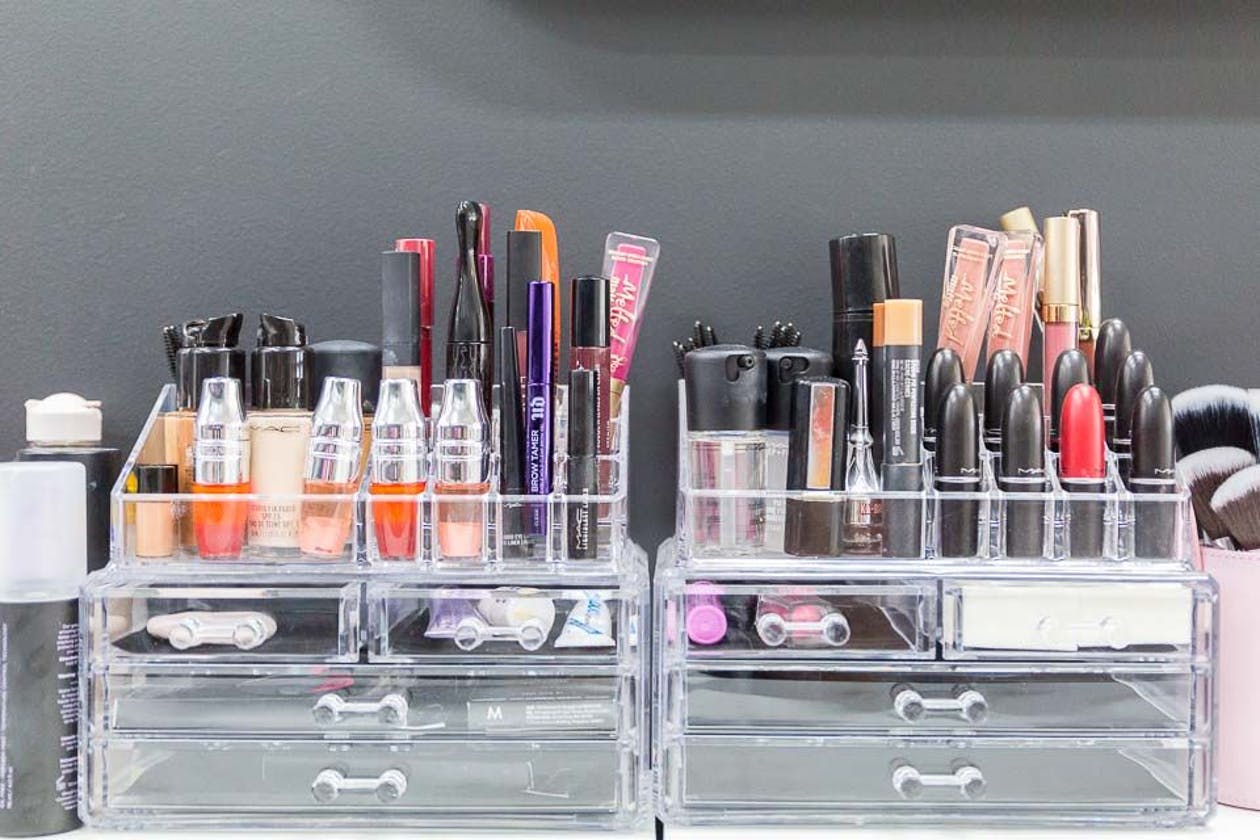
    When Kendal says “an expansive array,” she isn’t exaggerating in the slightest. The collection is launching with over 130 colors, six lip products (matte lipstick, satin lipstick, demi-matte lipstick, tinted balm, lip oil, lip gloss), six-shade eye-shadow palettes, smaller shadow duos, a matte-black eyeliner, loose metallic pigment, bronzer, blush palettes, highlighter, 39 nail polishes, and six makeup brushes — and that’s just to start.

    To showcase the endless possibilities and combinations you can make within the world of Zara Beauty, Kendal created a series of different looks that were captured by nine different talents —Steven Meisel, David Sims, Marilyn Minter, Oliver Hadlee Pearch, Zoë Ghertner, Craig McDean, Nadine Ijewere, Mario Sorrenti, and Fabien Baron — who each shot and shared their own personal vision of beauty for the campaign.

    Scroll through to get a taste of what will be in store next week and start plotting what you’re going to add to your cart — prices will range from $8 to $26, with refills starting at $5, so you should be able to cram in a good amount.

  • Cafe de Coral Group appoints new managing director

    Cafe de Coral Group appoints new managing director

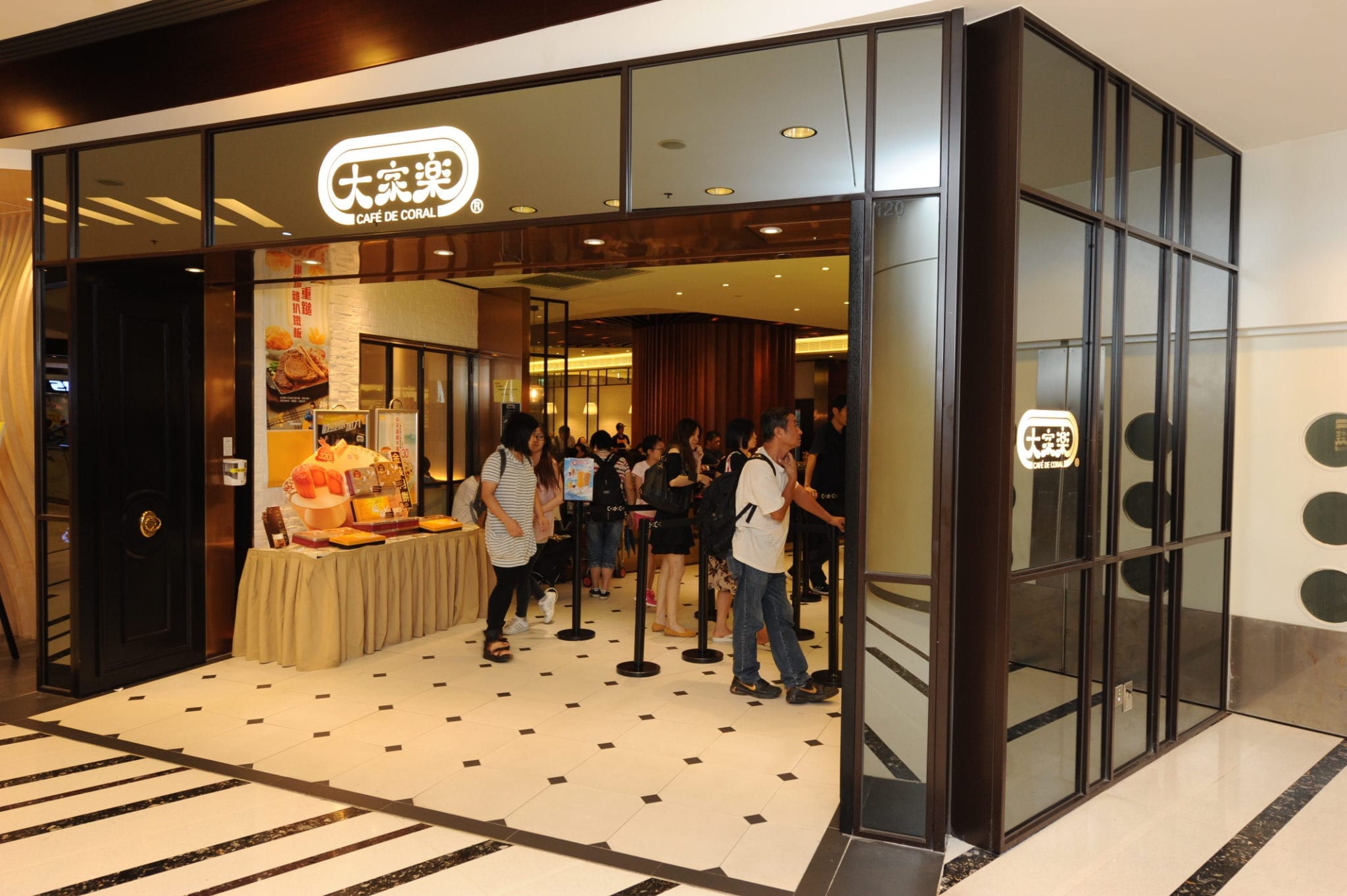
    Café de Coral has promoted Piony Leung to managing director (Hong Kong) with immediate effect.  In her new position, Leung reports to group CEO Peter Lo and manages business operations and provides strategic leadership across Café de Coral Group’s business in the city, including quick-service restaurants, casual dining, and institutional catering. She will also play a pivotal role in meeting the company’s growth goals in the Hong Kong F&B sector.

    Piony was previously managing director (quick-service restaurants) of Café de Coral Group, and boasts more than 25 years of experience in the retail and fast-moving consumer goods industries. Under her leadership in 2020, the group’s quick-service restaurants business took a number of actions to address weak market conditions, shifted marketing focus to promote take-away and delivery services, redesigned menus to meet changing demand, and introduced an e-commerce platform for selling popular seasonal products such as poon choi and party sets.

    “In the face of unprecedented challenges, I am deeply impressed by our frontline staff who have gone above and beyond to service our customers while doing their best to meet our business goals. Although the economic outlook remains uncertain, I am committed to working side by side with my team members to explore future business opportunities and retain the Group’s leadership position in this rapidly changing market,” she commented.

    Speaking of Leung’s appointment, Lo said her leadership skills had led the team through major market shocks and adapted to the challenging business landscape.

    “In the post-pandemic era, it is essential that the group is able to capture opportunities bought by the fast-changing market and consumer behaviours. I have every confidence that she will be able to maximize business synergies and build a stronger brand portfolio by integrating the quick service restaurants, casual dining and institutional catering business as a whole, offering a wide range of food options that cater to the diverse tastes of the greater community,” Lo explained.

  • Tourism recovery can take off alongside flights resumption

    Tourism recovery can take off alongside flights resumption

    Tourism companies see a proposed plan to gradually resume international flights as a necessary first step for their sector to recover from the pandemic-inflicted slump. Nguyen Minh Man, head of marketing at the HCMC-based TST Tourist Co., said that a slow and careful reopening of Vietnam’s borders can form a strong foundation to resume tourism activities.

    “This is a golden time for the tourism industry to prepare their human resources and products to recover and achieve a breakthrough next year,” he added.

    Nguyen Cong Hoan, deputy director of Hanoi Redtours, said that although the flight resumption won’t be able to “save” Vietnamese tourism this year, it will be a necessary first step for recovery.

    International flights will first help resume trade and business activities, which will boost demand for niche tourism segments such as golf and luxury tourism, and after that, other popular segments will start to recover, he said.

    “If vaccinated passengers can enter the country in September, that would be an ideal time to travel to Vietnam’s warm beaches or visit terraced fields during the harvest.”

    The Civil Aviation Authority of Vietnam (CAAV) is considering the resumption of international flights starting July, with Japan, South Korea and Taiwan the first destinations, each side operating four flights a week.

    All passengers will be quarantined upon arrival as per the Health Ministry protocol. It is expected that around 6,000 to 7,000 passengers would enter the country each week from the three Asian destinations.

    The CAAV has proposed that starting September, vaccinated foreign passengers into the country are allowed into the country without requiring centralized quarantine.

    Vietnamese carriers are eagerly awaiting the government’s green light to take to the skies again.

    Budget airline Vietjet resumes regular flights to Thailand, Japan, South Korea, and Taiwan this month, serving Vietnamese citizens wishing to study and work abroad, as well as stranded foreigners wanting to return home.

    On return trips, the carrier will only carry Vietnamese citizens being repatriated or foreign experts with permission to enter the country as per government regulations.

    Meanwhile, national flag carrier Vietnam Airlines has said it will reopen international commercial flights connecting Hanoi and HCMC with several Asian destinations including South Korea, Japan, and Australia this month.

    However, tourism companies are not too optimistic about a quick recovery. Hoan of Hanoi Redtours said that for this year and the next, domestic travel will be the main revenue source for his company, and prospects for international travel will only look up in 2023 as the earliest.

    “We are seeing rising numbers of individual and company trips bookings domestically, and this will be our main focus for the time being. Until the Covid-19 situation is well under control globally, we should not pin our hopes on international travel.”

    Vietnam closed its national borders and canceled all international flights in March 2020. Since then, only Vietnamese repatriates, foreign experts, and highly-skilled workers are being allowed in under strict conditions.

    The number of foreign visitors to Vietnam in the first quarter fell 98.7 percent year-on-year to 48,000 with travel restrictions in place to mitigate the impacts of Covid-19.
  • South Korean retail sales record double-digit growth

    South Korean retail sales record double-digit growth

    Department store sales jumped 40 percent in February against a year-ago period in the biggest year-on-year gain since the data became available from 2005 to suggest a rebound in private consumption in South Korea.

    According to the Ministry of Strategy and Finance’s monthly economic review, department store sales jumped 39.5 percent on year in February, a record-high growth rate since monthly records became published.

    Sales at discount stores also gained 24.2 percent, the largest increase since the 34.8 percent gain in Feb 2015.

    Domestic credit card spending last month rose 8.6 percent from a year ago, rebounding for the first time in three months.

    The boost in consumer spending was spurred by the Lunar New Year’s holiday in early February in a pent-up demand after protracted social distancing measures, the finance ministry noted.

    The figure also goes against poor numbers a year ago when the country was swept up in the first wave of Covid-19 outbreak.

    In Feb last year, the department store sales fell 30.6 percent. Discount store revenue declined 19.6 percent, the biggest drop since Jan 2015 when the figure was down by 24 percent.

    An official from the finance ministry said that the low base effect from last year may have made the February figures look better than they really are.

  • Harley-Davidson To Follow Used-Car Model To Woo Young Riders

    Harley-Davidson To Follow Used-Car Model To Woo Young Riders

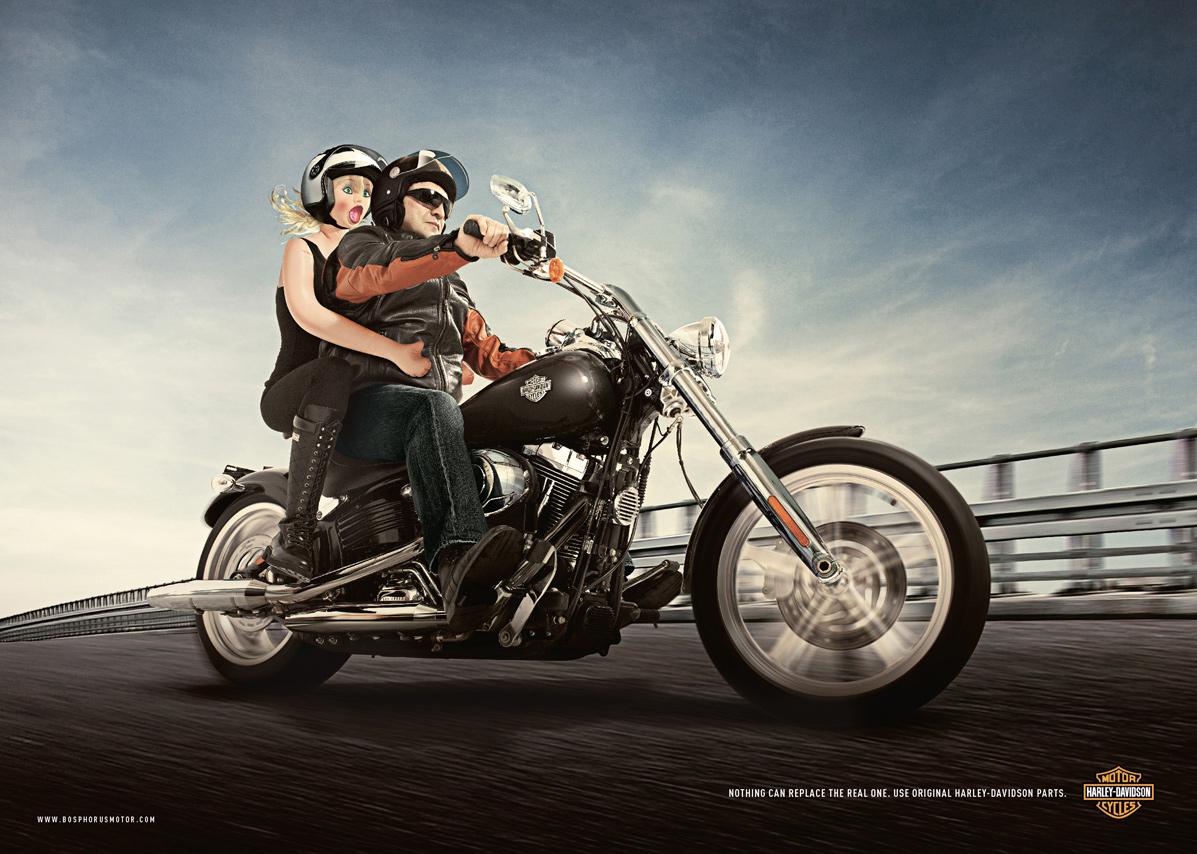
    Harley-Davidson is looking to increase focus on the used motorcycle market in the United States, in the brand’s latest efforts to increase customer base. And to do this, Harley-Davidson plans to roll out a certified pre-owned bike program, known as H-D Certified, to position well-tended bikes as a substitute for entry-level models.

    The strategy is similar to what carmakers have been following to position well-maintained used vehicles as a substitute for low-margin, “entry-level” new models. The used bikes program is part of a new five-year turnaround strategy outlined by new Harley-Davidson CEO Jochen Zeitz, part of the latest efforts to expand the brand’s appeal beyond middle-aged and affluent riders.

    The 118-year-old American brand has been steadily losing market share in the brand’s domestic US market amid declining retail sales for six years. Harley-Davidson’s latest five-year plan has been dubbed “The Hardwire” and under the new plan, Harley is following a “70-20-10” structure, with 70 percent of its efforts going to the core business, 20 percent into expansion into new segments that offer clear potential for more profit, and 10 percent for testing ideas for long-term growth, including plans for smaller displacement models in new markets, like in China, with the Qianjiang Group, and in India, with Hero MotoCorp.

  • Arket opens doors in Korea

    Arket opens doors in Korea

    H&M’s ‘Nordic lifestyle brand’ Arket has opened its first brick-and-mortar store in Seoul, South Korea.

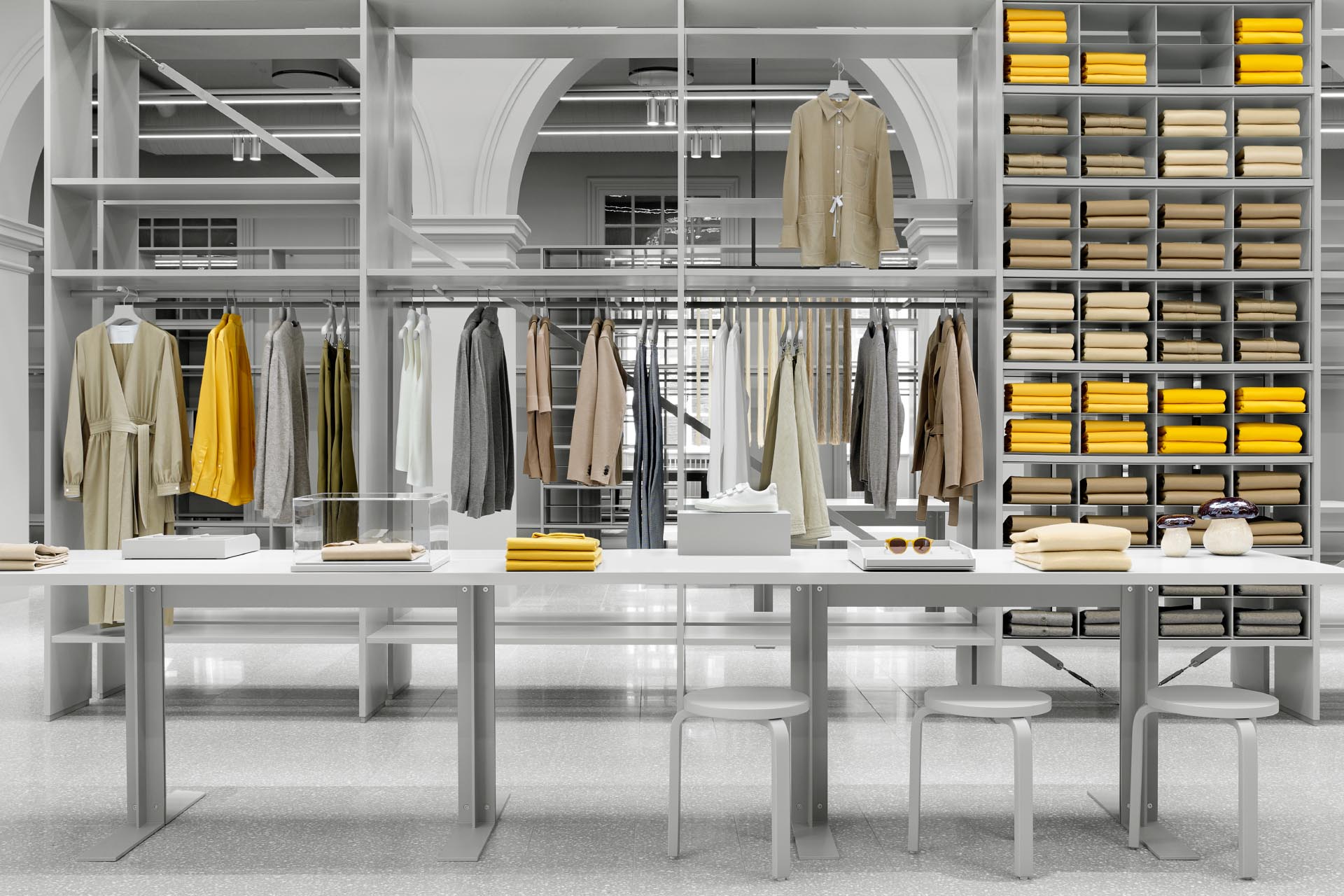
    Located at Yeouido’s department store The Hyundai Seoul, the Arket South Korea store spans 8000sqft and features the brand’s collections of New Nordic design for men, women and children. The flagship store also houses an Arket cafe, offering vegetarian dishes, drinks, pastries and snacks.

    “Opening the new store in Seoul is an incredibly exciting step for us, as it is our first physical location outside of Europe,” said Pernilla Wohlfahrt, MD at Arket.

    The launch in South Korea is part of its strategy to expand its presence in Asia. Last month, the retailer announced that it will open its first brick-and-mortar store in China, at Beijing.

    Launched in 2017, the brand now operates more than 20 stores across major European cities, including Copenhagen, Amsterdam, London and Berlin.

  • 2021 Harley-Davidson Pan America 1250 Launched Globally

    2021 Harley-Davidson Pan America 1250 Launched Globally

    Three years after we first got a glimpse, Harley-Davidson has launched its first-ever adventure motorcycle globally, the Pan America 1250. Harley will sell two variants of the Pan America, the Pan America 1250 and the Pan America 1250 Special. While the stance of the Pan America is typically that of an ADV, the face is what has divided opinions. While some may like the Max Max-esque, post-apocalyptic, scourge of the earth sort of a design, others may not be too fond of it! Good thing is, you are not going to mistake it for some other motorcycle when you see it on the road. The front end gets a wide fairing, with Harley’s ‘Daymaker LED headlights’ and a tall windscreen. View it in profile and you see the sculpted fuel tank along with Harley’s signature V-Twin engine, but more on that later. You get an exposed sub-frame at the rear along with split seats and an upswept exhaust.

    The quirky Pan America gets a 1,252 cc Revolution Max V-Twin which is first of its kind from the company. The engine is liquid-cooled and it makes 150 bhp at 9,000 rpm along with 127 Nm of peak torque at 6,750 rpm. The engine is paired to a 6-speed gearbox. Harley claims that the Pan America 1250 has a fuel efficiency of 48 miles per gallon or 20.4 kmpl, which is quite impressive indeed.

    Talking about the chassis, the Pan America is built on a low alloy steel trellis frame along with a one-piece cast Aluminium swingarm. The motorcycle is suspended on 47 mm BFF forks up front and a linkage-mounted piggyback mono-shock at the rear, both adjustable for compression, rebound and preload. Both suspension units get a travel of 191 mm. Up front, the motorcycle gets 320 mm twin discs gripped by a radially mounted Brembo 4-piston calliper. The rear wheel gets a 280 mm single disc with a 2-piston calliper. The motorcycle gets 19-inch alloy up front and a 17-inch alloy at the rear and both are wrapped in Michelin Scorcher adventure radial tyres.

    In terms of features, the motorcycle gets a 6.8-inch TFT touchscreen display along with Bluetooth phone connectivity via the H-D app. The Pan America also gets an inertial measurement unit (IMU) which supplies data to ABS, traction control, drag torque slip control and hill hold control. There are also five riding modes to choose from – road, sport, rain, off-road and off-road plus. Each riding mode has different settings for other electronics.

    Now there are a few differences between the Standard model and the Special. The Pan America 1250 Special gets semi-active suspension along with vehicle load control, tyre pressure monitoring system, standard centre stand, adjustable rear brake pedal, Aluminium skid-plate, heated hand grips, steering damper, adaptive ride height and tubeless spoked wheels. The colour options are different on both motorcycle variants as well.

    Prices for the H-D Pan America 1250 start at 14,000 pound sterling while the Pan America 1250 Special gets a starting price of 15,500 pound sterling. Converted to Indian rupee, the starting prices come to ₹ 14.27 lakh and ₹ 15.80 lakh respectively.

  • Wuhan’s Chinese Language bookstore Zall opens in Singapore

    Wuhan’s Chinese Language bookstore Zall opens in Singapore

    A Chinese-language bookstore from Wuhan opened its first overseas store today in Singapore.

    The Zall Bookstore, popular in the main city of China’s Hubei province, opened its doors to bookworms at the Wheelock Place mall on Orchard Road.

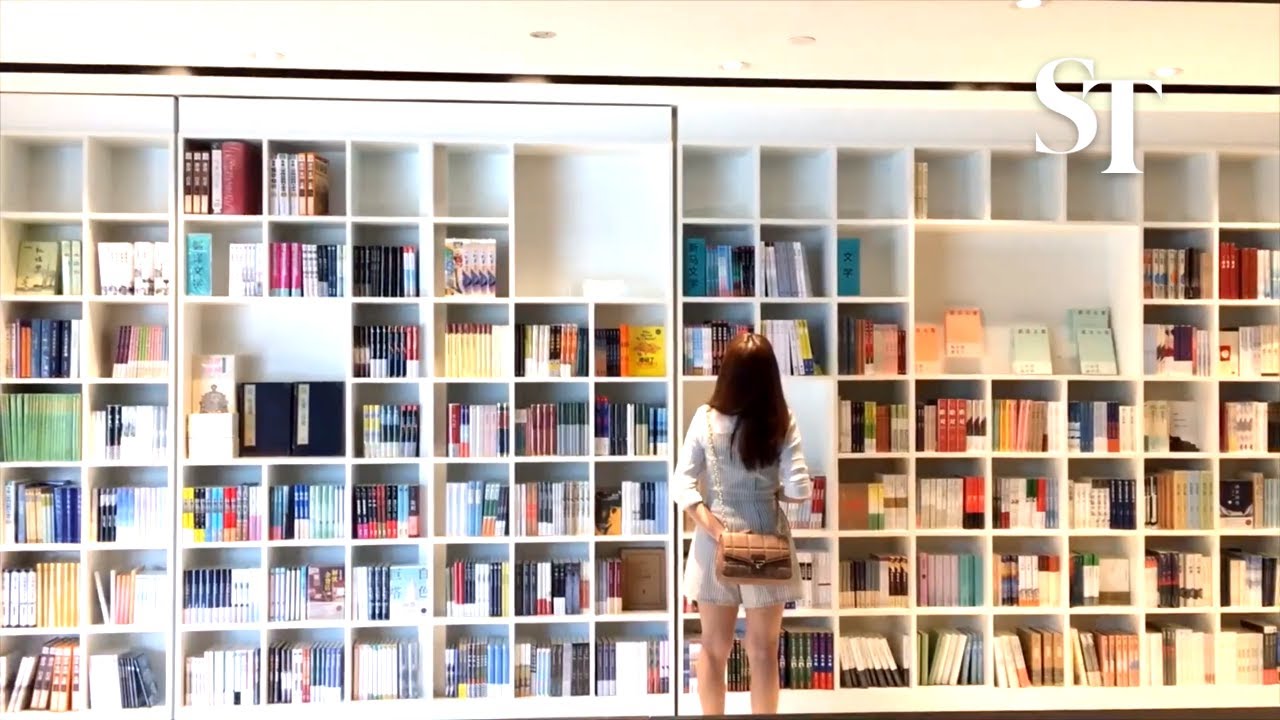
    The two-story space houses a wide collection of more than 30,000 books, some of which are displayed on a revolving bookcase that leads visitors to an art gallery showcasing exhibitions by Singapore-based artists like Boo Sze Yang and Justin Lee. There is also a cafe serving pastries.

    Its titles are mostly in Chinese, covering genres such as literature and history. Given that its home has become most-associated with the origin of COVID-19, it’s worth noting there is a section about the ongoing pandemic.

    The bookstore’s four outlets in Hubei are open 24 hours, though the Singapore store is not. It was founded in 2013 by Chinese writer Yan Zhi, whose daughter is the first general manager of the Singapore store.

    The return of a bookstore to Wheelock Place comes 10 years after American books megastore Borders moved out of the mall after 14 years as its anchor tenant.

  • Amazon brings Dark and Light modes to Alexa app on iOS devices

    Amazon brings Dark and Light modes to Alexa app on iOS devices

    An important update is now rolling out to Alexa app users on iOS devices. The update adds support for both Light and Dark modes, allowing users to switch between them on the fly, as well as Dynamic Type support.

    The update is meant to further improve Alexa’s accessibility features. Thanks to the newly added Dynamic Type support, iOS users will no longer have to choose the size of the text within the Alexa app. Instead, the app will now automatically choose the text-size set at a system level.

    As far as the new Dark/Light modes go, the new feature lets Alexa app users switch between them or let the app handle usage of the modes automatically. By default, the Alexa app will switch appearance at sunrise and sunset, but users can permanently set the app to either Light or Dark Mode from the iOS’s Settings menu.

    Previously, the Alexa app did have a dark mode, but it didn’t display a completely black background whereas the new one added in the update does a better job at mimicking the black color. The updated Alexa app has already been uploaded to the App Store, so feel free to download it to benefit from the recent changes.

  • Apple returns to 4th place in Vietnam smartphone market

    Apple returns to 4th place in Vietnam smartphone market

    Apple surpassed VinSmart to become the fourth-largest smartphone brand in Q4 of 2020 as sales of iPhone 12 surged.

    With a market share of 11 percent, it was behind China’s Vivo (13 percent), which climbed two places from the previous quarter, Singaporean technology market analysis firm Canalys said in a recent note.

    South Korea’s Samsung stayed on top with a 24 percent market share followed by China’s Oppo (16 percent), but their sales plummeted by 19 percent and 28 percent year-on-year.

    Hundreds of people queued up in front of Apple stores to become the earliest owners of iPhone 12 late last year.

    Almost 10 smartphone brands have been vying for third place in recent years, with Apple, Xiaomi, and Vivo the most notable names. None has remained in that position for more than six months.

    Around 75 million people, or almost 80 percent of the population, use smartphones, according to We Are Social, a social media marketing and advertising agency.