Retail News CRM

Tag: lifestyle

  • No surprise as retail sales in Hong Kong down again

    No surprise as retail sales in Hong Kong down again

    Retail sales in Hong Kong have plunged by more than one-third over the first four months of this year.

    Census and Statistics Department figures show a 36.1-per-cent decline, which follows an adjusted 42.1-per-cent fall in March.

    Those two months represent the beginning of the real impact of the Covid-19 pandemic which has seen the border with Mainland China effectively closed down and starving the territory’s retailers of traditional sales to inbound tourists.

    A government spokesman said that April’s decline, while narrower than that of March, was still “huge”.

    “While the epidemic has abated in Hong Kong, the business environment for retail trade remains challenging, as Covid-19 has brought inbound tourism to a standstill, and as austere labor market conditions and various uncertainties continue to weigh on consumer sentiment.”

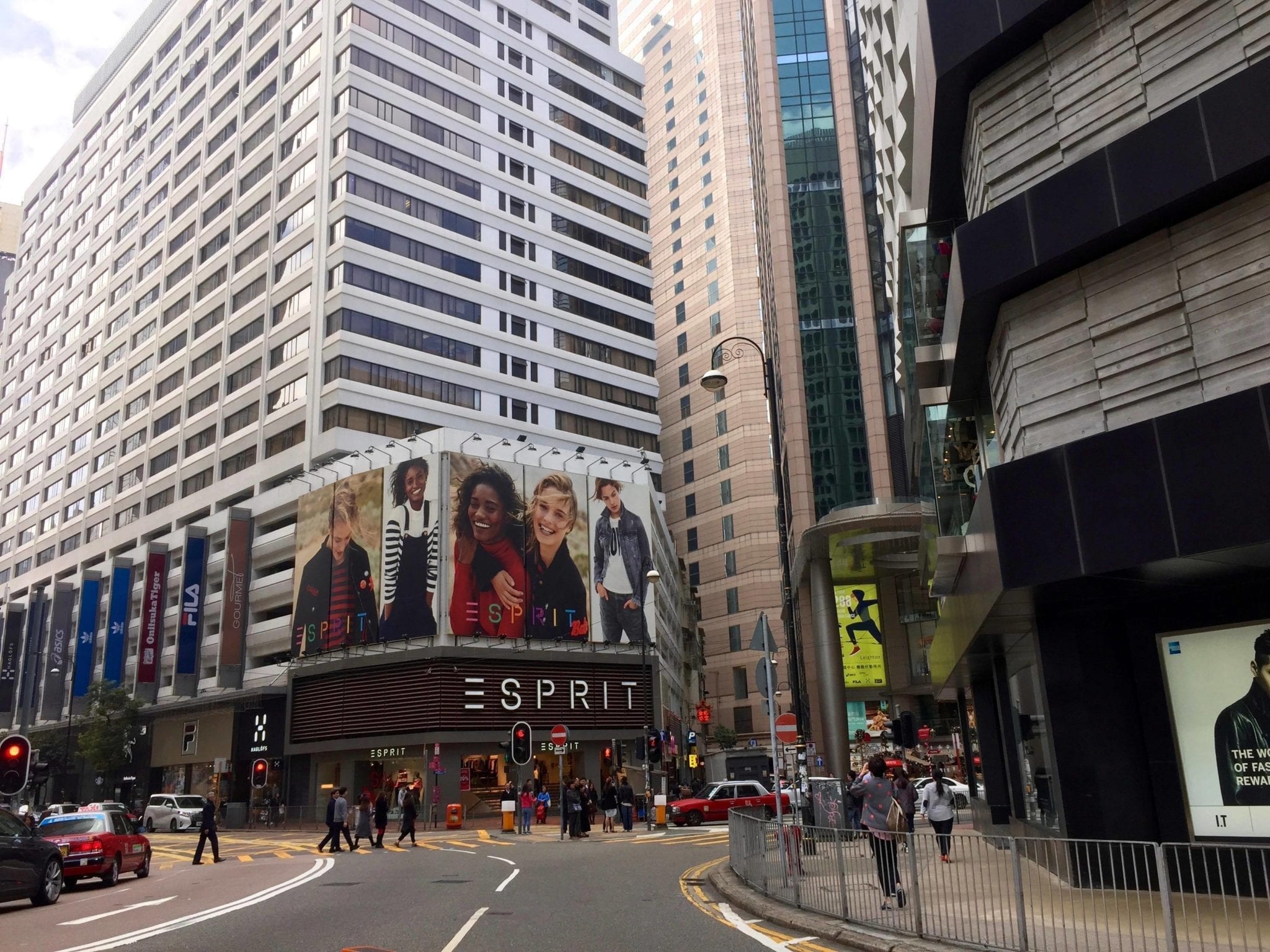
    Retailers received little relief in May as when local social-distancing measures were relaxed, social unrest recommenced, leading to stores being shut in the popular Causeway Bay district, with some, including I.T Group-owned premises, vandalized. Retail sales in Hong Kong are unlikely to show any lasting recovery until much later this year when the border reopens and international travel resumes.

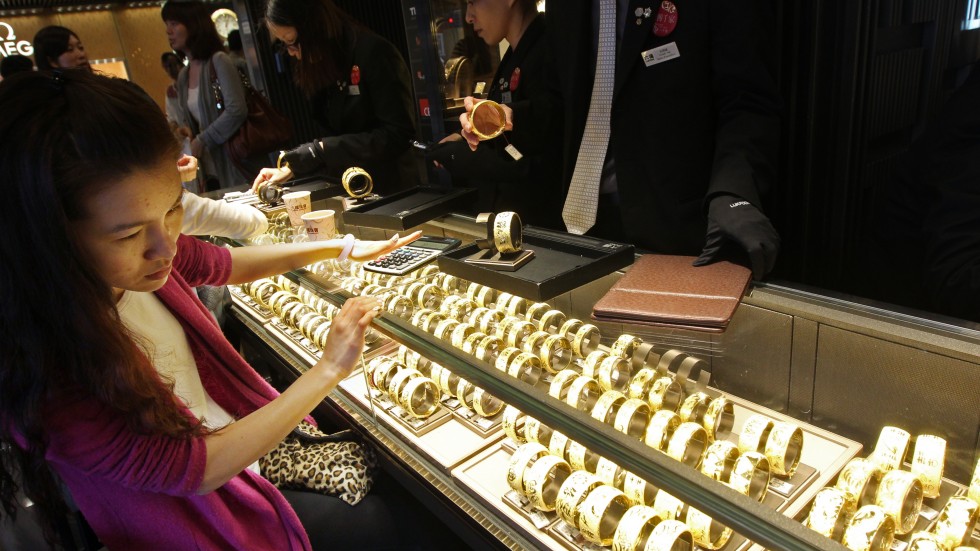
    Broken down by category, the April data made for grim reading. Watches, clocks and jewelry sales were down a massive 76.6 percent on April last year. Apparel sales slumped 63.6 percent, cosmetics and medicines were down 62.9 percent and footwear and accessories fell by 55.6 percent.

    Optical shop sales fell by 43.2 percent, sales of books, stationery and newspapers fell by 39.9 percent, of Chinese drugs and herbs by 35.3 percent and of electrical goods and electronics by 21.7 percent.

    Department-store sales were down by 18 percent, and of food, liquor and tobacco by 14 percent.

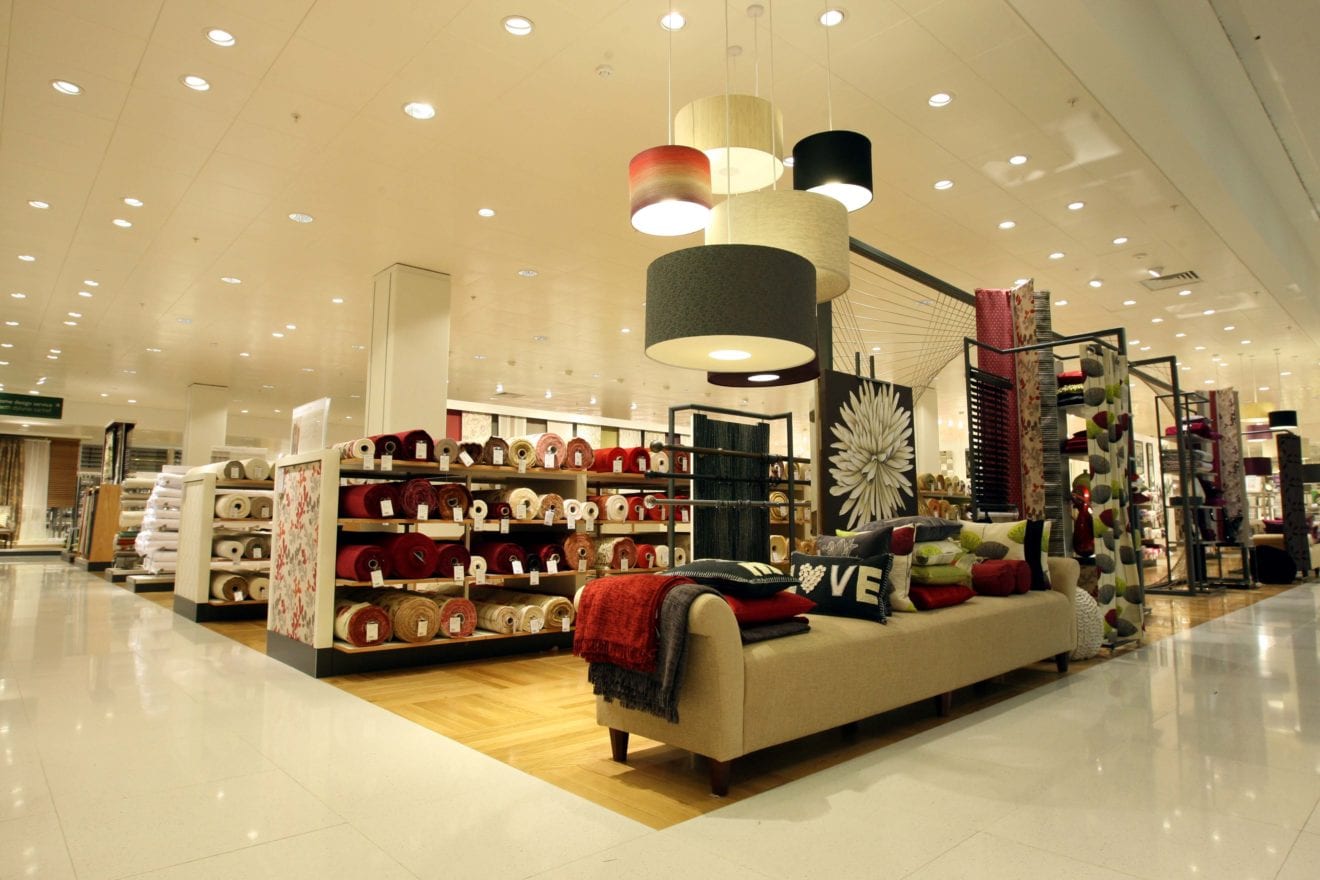
    Just two categories posted growth: supermarket sales up by 14.4 percent and furniture and fittings by 1.6 percent.
  • Japanese department-store sales continue to drop

    Japanese department-store sales continue to drop

    Japanese department store sales plunged 60 percent last month as the Covid-19 crisis saw retailers close or operate under reduced hours across the country.

    Sales in the Matsuzakaya and Daimaru department stores were down 73.2 percent year on year, although that was an improvement on the 79.1-per-cent decline a month earlier.

    Rival operator Takashimaya says its sales were down by 62.9 percent, while Seibu and Sogo reported a decline of 61.5 percent.

    As in neighboring South Korea, duty-free sales have been severely affected by the absence of inbound mainland Chinese tourists. In Takashimaya’s duty-free division, sales fell by 98.7 percent.

    As Inside Retail Asia reported yesterday, South Korean duty-free retailers temporarily shuttered metropolitan stores in response to a significant decline in tourist numbers caused by the coronavirus epidemic.

    However, department-store sales there have shown signs of recovery as social-distancing restrictions were eased by the country’s government.

  • AirAsia to resume Philippine domestic flights starting June 3

    AirAsia to resume Philippine domestic flights starting June 3

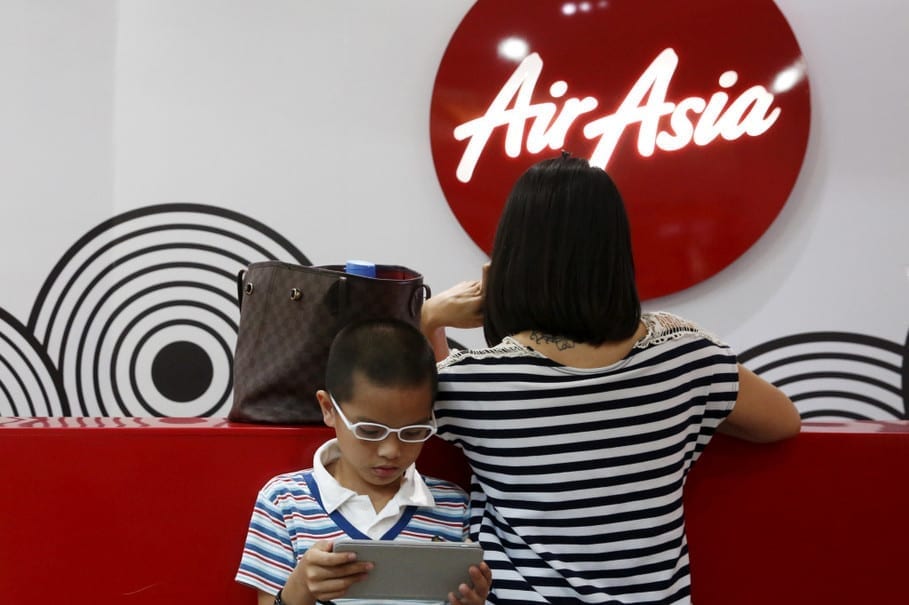
    AirAsia announced on Sunday that it will be resuming its domestic flights starting June 3 as quarantine protocols are eased in several areas in the country including Metro Manila.

    In an advisory, AirAsia said that resumption of services will gradually increase to include international destinations by July 1.

    Selected domestic flights are available for booking via the airline’s website or mobile application. Travelers can also use their credit accounts to redeem these flights.

    AirAsia also announced that operations for domestic flights will be temporarily moved to Terminal 3 of the Ninoy Aquino International Airport from its previous location at Terminal 4.

    Travelers were advised to expect enhanced safety measures which include the mandatory wearing of face masks to be permitted to travel, among others.

    AirAsia Philippines CEO Ricky Isla said assured the traveling public that they are “well prepared to welcome everyone aboard.”

    “During the hibernation of our fleet, we took the time to step up our handling procedures to ensure that our guests have a swift and safe journey with us. Needless to say, we are well prepared to welcome everyone on board,” Isla said.

    “As we resume our services around our network, AirAsia is determined to help rebuild our economy and country,” Isla added.

    Other airline companies such as Philippine Airlines and Cebu Pacific have earlier announced the resumption of some flight operations this June.

  • Two-Thirds of Singaporeans Lack Savings to Maintain Lifestyle

    Two-Thirds of Singaporeans Lack Savings to Maintain Lifestyle

    Two in three working Singaporeans lack the savings to last beyond six months without compromising their existing lifestyles should they lose their jobs now, according to a recent survey by OCBC.

    Around half of the respondents already claimed to have suffered wage cuts, prescribed no-pay leaves or reduction of commission-based earnings. More than half the respondents saw their savings shrink with just 20 percent able to maintain the same savings levels.

    Around 55 percent of respondents said they were worried about their current income and job security with 38 percent saying this would persist through to December.

    As a result of the financially troubling drivers fuelled by the coronavirus pandemic, many have also had to make adjustments to their financial plans.

    23 percent of those in their 20s who are invested in financial plans have indicated that they allocated more money to retirement. Two in five also plan to downsize their portfolios with around 16 percent seeking to cut investments by more than 20 percent.

    It is encouraging that some are doing the right thing to boost their financial health, by continuing to save, spending prudently and making sound investments, according to their risk appetite and financial circumstances, Tan Siew Lee, head of wealth management head at OCBC. But we also hope that those who are cutting back on these aspects, which are crucial to building a nest egg for retirement, will not despair.

  • Sephora launched Tmall flagship store in China

    Sephora launched Tmall flagship store in China

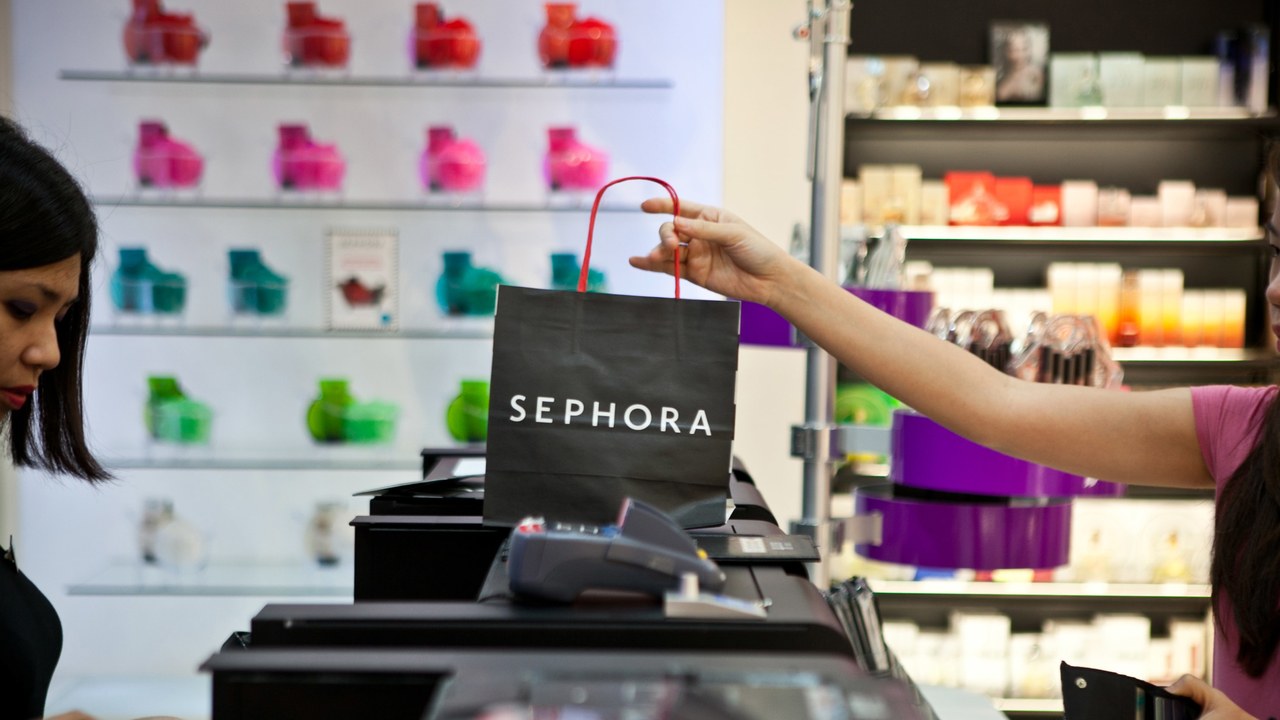
    Sephora China has launched a flagship store on Alibaba’s B2C platform Tmall Global.

    The Sephora Tmall Global flagship features a selection of beauty brands including Fenty, perfume house Bon Parfumeur, and skincare brands like Farmacy and Dermalogica. The cross-border store also introduced a series of beauty lines’ China debut such as Natasha Denona and Sunday Riley.

    As part of the launch, the beauty retailer unveiled its first showroom presenting cross-border beauty products with “cloud shelves” in a physical Sephora store.

    “Through the synergy of online and offline channels, consumers can access overseas brands to fulfill their emerging and evolving needs,” said Benjamin Vuchot, president of Sephora Asia. “This initiative is very special to us, as we are celebrating the 15th anniversary of Sephora China this year.

    “The opening of the Sephora Tmall Global flagship store offers a great opportunity for Sephora to continue reinforcing its commitment to the China market, by catering to the Chinese consumer’s ever-changing trends and evolving needs to enhance their beauty power,” Vuchot said.

    The Sephora Tmall Global flagship houses 600 products from 25 overseas beauty brands in the country.

  • Bulgari E-commerce platform launched in Singapore

    Bulgari E-commerce platform launched in Singapore

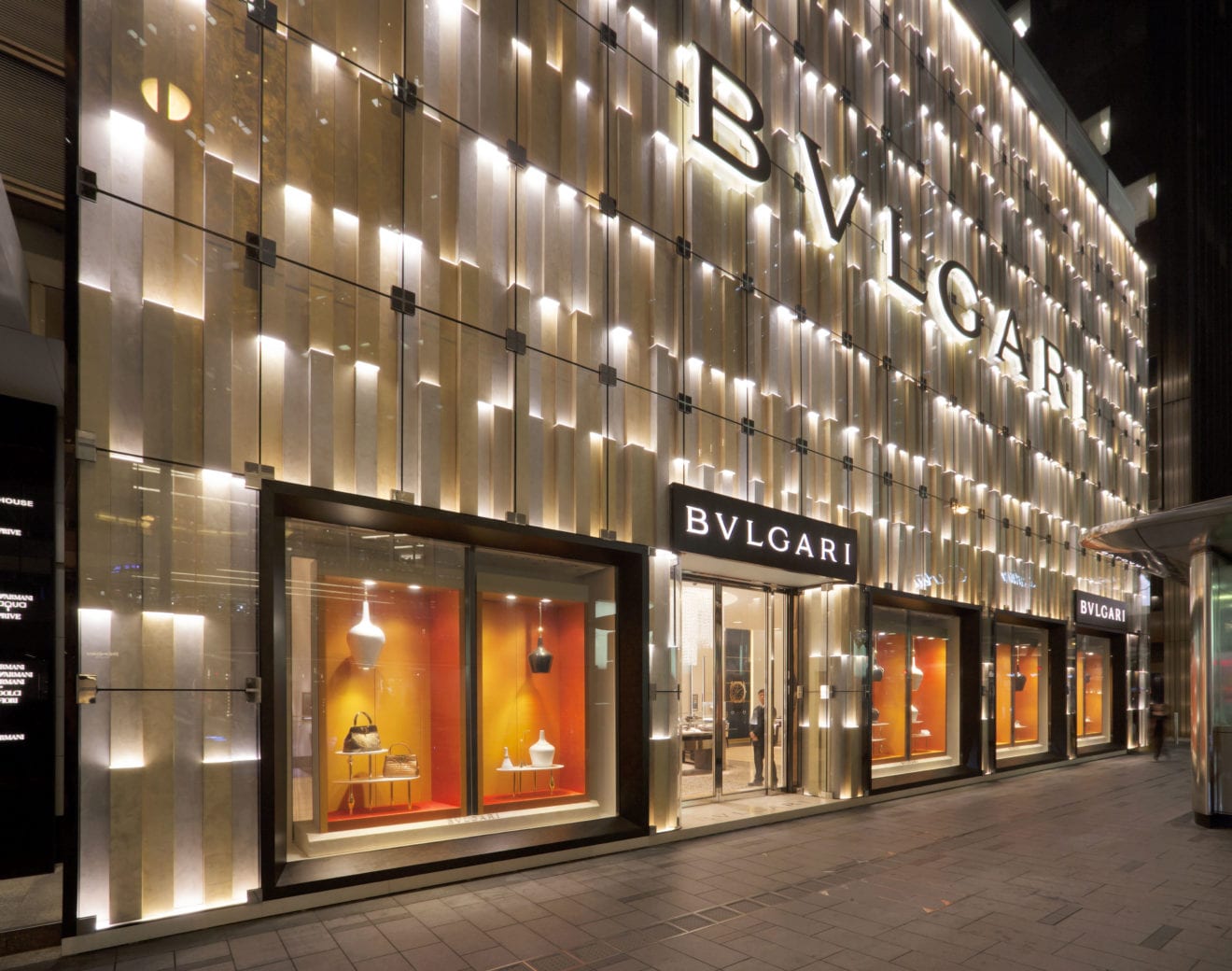
    Italian jewelry firm Bulgari has launched an e-commerce platform in Singapore prior to opening online services in its home territory. Korea will soon follow.

    The luxury brand is accelerating its digital program following the effect of the coronavirus pandemic on the industry, placing restrictions on the ability of shoppers to visit physical stores. It is planning to launch new online boutiques in seven countries over the next 90 days, beginning with the Singapore shop going live yesterday.

    The store features an AR function allowing shoppers to view products as they would appear in the real-world environment, as well as e-concierges and home delivery services.

    “E-commerce must be an engaging and exclusive 360-degree experience, offering the same service of excellence delivered in a Bulgari boutique,” said Bulgari CEO Jean-Christophe Babin.

    “Not to mention the complementarity of the website with the boutiques in terms of content and information.

    “With Covid-19, our e-shop has become our number-one store worldwide with a growth exceeding 100 percent and we believe it will reinforce its leading position after Covid-19, as it has been an accelerating factor.”

    Bulgari’s next e-shops are expected to launch in the UAE, Italy, France, Korea, Mexico and Brazil.

  • YouTube Music gets improved, easier to explore library on Android

    YouTube Music gets improved, easier to explore library on Android

    YouTube is making changes to its Music app that will make it easier for users to explore some of its features. YouTube Music’s changed library design was first spotted early this month by AndroidPolice, but it was only available to a limited number of Android users.

    The most important improvement is the ability to add songs and albums to your library without having to manually subscribe to the artist. An “Add to Library” option will now appear in the new menu, which will allow you to add albums and songs directly to your library, a couple of screenshots posted on Reddit suggest.

    The organization of the library has been changed too, so now the most important things like artists and songs are front and center. The previous version of the library displayed recent items and shortcuts to downloads and playlists. You had to scroll at the bottom of the list to actually find songs and artists.

    Unfortunately, the update that’s not rolling out to Android devices doesn’t include the new player UI and the Explore tab that YouTube Music announced last week. Another update will most likely enable those new features in the near future.

  • Burberry management take pay shave as luxury brand keeps staff on payroll

    Burberry management take pay shave as luxury brand keeps staff on payroll

    Senior management of British luxury fashion house Burberry has taken a voluntary pay cut and the company has opted to retain base pay for all its employees during the Covid-19 crisis, without relying on UK government support for jobs.

    During the past three months, the firm has temporarily closed retail stores and implemented strict social-distancing protocols.

    As reported last month, Burberry has converted its Castleford trench coat factory into a manufacturer of personal protection equipment (PPE) for medical and care workers during the pandemic.

    “While we continue to take mitigating actions to contain our costs and protect our financial position, we are also committed to safeguarding jobs and supporting the relief efforts during this global health emergency,” said Burberry CEO Marco Gobbetti.

    “I would like to thank our teams for their continued determination and resilience as we continue Thomas Burberry’s legacy of protecting others and caring for the community.”

    Savings on executive salaries between now and June will be contributed to support communities in need globally is additional to the financial donations Burberry has made to vaccine research and charities alleviating food poverty – with monies going towards procuring and distributing PPE, helping food banks and supporting healthcare charities around the world.

  • Outdoor lifestyle brand Giriox arrives with premium adventure gears and worldwide delivery

    Outdoor lifestyle brand Giriox arrives with premium adventure gears and worldwide delivery

    The current COVID-19 lockdown period has let us feel trapped and restless in our own homes only. No wonder many people, especially the outdoor enthusiasts, are chalking out adventure plans they will set out for once the lockdown ends. And a recently launched outdoor lifestyle brand, Giriox, is extending a comprehensive range of novel adventure gears to complement those upcoming adventures.

    Based in the USA, Giriox caters to the whole of the USA as well as the U.K., Canada, and Australia.

    “We are excited to bring to you our innovative outdoor lifestyle brand Giriox this month. We know we are passing through a testing phase of late in the wake of the worldwide pandemic of COVID-19. But amid the frustration of lockdown, there is still a positive aspect- we are getting plenty of time to plan and prepare for our upcoming adventure trips and reinvent our life. And this is when you have Giriox to help you with all the adventure gears and accessories you might need to make the most of your camping or hiking trips once this lockdown ends”, stated a leading spokesperson from Giriox.

    Claimed as the “outdoor lifestyle specialist” Giriox is bustling with a vast and versatile range of outdoor activity gears and accessories.

    The spokesperson mentioned about their unique collection of designer camp cookware sets that one can take along in his adventure trips in the woods. Some of the cookware or cutlery sets are also foldable to ensure a travel-friendly package. Customers can choose from utensils or cutleries made from stainless steel, titanium alloy and also eco-friendly bamboo. In regards to design, Giriox cutleries are a refreshing change from run-of-the-mill regular counterparts. From spoons and forks in unique wrench shapes to cutleries in trendy dual-toned pink & blue shades, customers will find many exotic options on Giriox website.

    “We have come up with high quality, rust-free, easily cleanable, durable and risk-free portable camping utensils and cutleries that will last for years. Our exquisite designs are another great reason why you would love to have a look at our camping tableware collections, says Sven.”

    Other than cookware or utensils, Giriox also houses different kinds of fire equipment like a butane torch, color flames powder, solar spike lighter and so on. Additionally, customers will find camping sleeping bags, camping mats & pillows as well as camping tents. The tents are available in various styles and sizes to choose from as per the size of one’s camping group.

    “We have got almost everything and anything you would need to make your outdoor trips safe and memorable. From fire equipment to sturdy weather-resistant tents, we have them all and many more. We promise you exceptional quality and smart designs too. Whether you are going out for casual hiking tours in nearby woods with family or are about to set out for solo camping in extreme conditions like dense jungles- you can always count on us your one-stop partner for best adventure gear. Giriox is the ‘outdoor lifestyle specialist’ that you have been waiting for all these years.”

    Giriox also offers expert consultation for camping and other adventures for the new outdoor enthusiasts or anybody who needs pro guidance in adventure trips.

    For more information, please visit www.giriox.com.

  • Cebu Pacific feels pinch from Philippines quarantine

    Cebu Pacific feels pinch from Philippines quarantine

    Cebu Pacific says the month-long “community quarantine” imposed on Metropolitan Manila and the main Luzon island group recently will free up 90% of its total seat capacity, even as it maintains services from its hubs outside of Manila and the region.

    The 90% capacity figure is based on the suspension of domestic flights departing Manila, and previously suspended services to China, Hong Kong, Macau and South Korea, says Cebu Pacific in a Philippines Stock Exchange disclosure.

    During this period, the airline continues to operate flights from its other hubs that have not been affected by the quarantine order such as Cebu, and is maintaining connectivity “where operationally feasible”.

    Cirium schedules data show that in February, domestic routes accounted for 83% of Cebu Pacific and subsidiary Cebgo’s seat capacity.

    Although it expects a “significant revenue impact” during the quarantine period, operating expenses will fall in tandem, while lower fuel prices provide an additional cost benefit to its reduced fuel consumption.

    Cebu Pacific was unable to provide any earnings guidance for 2020, due to uncertainties caused by the coronavirus pandemic. However, it stressed that it has a strong balance sheet with “over Ps18 billion ($353 million) in cash and cash equivalents” at the end of 2019, and that a net debt to equity level of around 1.25x with a long maturity profile gives the airline room to seek short-term or long-term funding.

    It is also conserving cash and reducing expenses by freezing recruitment and consultancy work, implementing pay cuts for its top management, and suspending salary increases.

    Earlier in February, the carrier estimated that the outbreak will see a “Ps3-4 billion swing on profit” should the outbreak remain unabated over the next six months. The estimate was based on 2003’s Severe Acute Respiratory Syndrome outbreak, which curtailed demand for air travel for six months.

    Cebu Pacific is expected to release its 2019 financial results in the coming weeks.

  • Uniqlo Vietnam opens new store in Ho Chi Minh City

    Uniqlo Vietnam opens new store in Ho Chi Minh City

    Uniqlo Vietnam is to open Ho Chi Minh’s second store this year despite the coronavirus outbreak.

    Located at SC Vivo City shopping mall in District 7, the city’s second Uniqlo Vietnam store will occupy more than 2000sqm of area, featuring its LifeWear products for males, females and kids.

    The opening date has yet to be disclosed, but the store is expected to open this spring/summer with the interior fit out well underway.

    “We are aware of the huge demand from Vietnamese customers for Uniqlo products,” said Osamu Ikezoe, Co-CEO of Uniqlo Vietnam. “We are excited to open the SC Vivo City store to introduce our fashion philosophy LifeWear to our customers.”

    Osamu said Uniqlo Vietnam plans three more stores this year. According to a prior company statement, the brand aims to operate at least three stores in Hanoi and eventually reach up to 20 nationwide.

    Earlier this month, Uniqlo Vietnam made its Hanoi debut, attracting more than 2000 people on its opening day.

  • Nike E-commerce sales soar during coronavirus crisis

    Nike E-commerce sales soar during coronavirus crisis

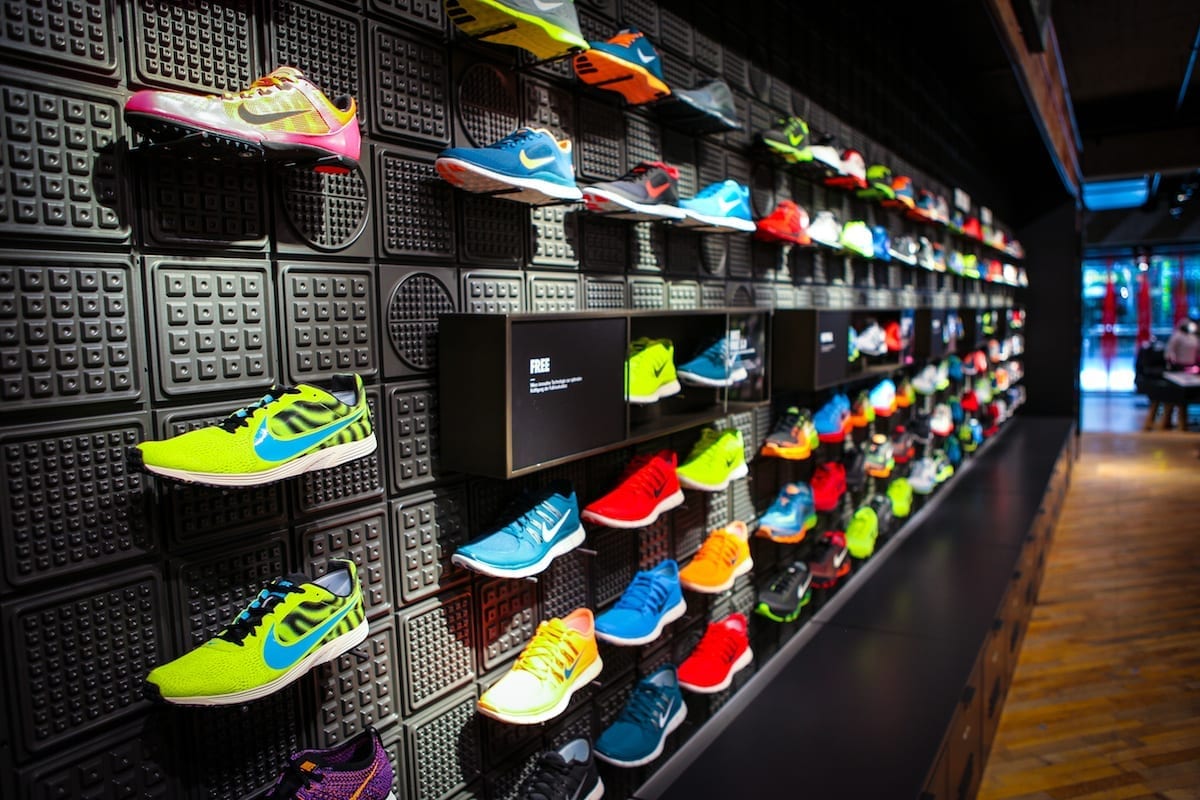
    Nike online sales soared 36 percent in the February quarter, compensating in part for a slump in sales across Mainland China which was in lockdown for much of January and February due to the coronavirus outbreak.

    The strength of online sales gave the retail giant a buffer from stalling brick-and-mortar sales, but it is not just in China that the effect is obvious.

    In an earnings call, Nike EVP and CFO Andy Campion said online sales in every global market grew in excess of 30 percent for both its core brand and sister brand Converse in the three months to February 28. That fuelled growth in both quarterly sales and earnings greater than the company expected.

    “From a digital capability perspective, the investments we’ve made to-date are now proving to be the foundation for our resilience amid challenges and they will be strengths as we emerge,” said Campion.

    “We are still in the early innings of Nike’s digital transformation, but the capabilities we’ve already been building for the future are proving to be the strongest pillars within our business today.

    “These are times in which strong brands get stronger and we’re confident that Nike will come back stronger than ever.”

    Campion told analysts that following its China experience, the company is now seeing similar trends play out in other markets where government lockdowns are resulting in shopping malls and stores being closed to help stem the spread of the virus. Now, consumers are shopping online instead.

    Nike is responding to the digital uptake by using tools that dynamically model demand, planning, allocation and pricing and using its app and membership program to reach out to consumers and encourage them to be active at home, while in lockdown. Those mediums are also offering products and services specifically targeted to various groups of consumers or individuals.

  • Thai consumers ready to engage with technology instore or via Ecommerce

    Thai consumers ready to engage with technology instore or via Ecommerce

    Seventy percent of Thai consumers prefer to use apps to shop online, according to a study by Wirecard – but they expect a consistent offer across all of a brand’s sales channels.

    According to the report, “consistent cross-channel experiences are vital to consumers” because 90 percent of them go online to research products they are considering buying. And when inside stores, they would rather use an app or the store’s website to research products via their phone rather than use in-store screens or VR booths.

    The Wirecard Global Shopping Report, which covered markets across Asia, Europe and the Americas, concludes that physical stores remain relevant to the modern shopper, but the way in which merchants interact with customers has changed and is a key part of their success.

    Other findings relating to Thai consumers include:

    • 84 percent of consumers surveyed are willing to share personal data in return for incentives.
    • Shoppers are “always-on” so maintaining an up-to-date online store is key for retailers.
    • Consumers will shop online most often while they are relaxing (76 percent), watching TV (39 percent) or in bed (23 percent).
    • 87 percent of Thai shoppers are interested in using biometrics, such as facial recognition or fingerprint, to purchase products both in-store and online.
    • 89 percent are interested in using technologies such as mobile apps, smart mirrors and VR while shopping.

    Markus Eichinger, EVP group strategy at Wirecard, said the research shows Thai consumers clearly desire choice when completing purchases.

    “Consumers shop in many different ways nowadays and this is challenging merchants to meet a wide range of retail demands. A lot of focus is put on pricing, but not necessarily on the flexibility customers seek. A unified commerce strategy, with a focus on a consistent and frictionless buying journey, is integral to offering consumers the experience they would expect from any modern retailer,” he said.

    “In the future, brick and mortar stores will only exist if they are technologically advanced with the latest in-store innovations and a fully integrated e-commerce backend.

    “Retailers that want to engage with their customers via targeted offers, and improve their service across all channels need to leverage customer data. Our report shows that if customers can see a concrete benefit when it comes to providing personal information, they are willing to share it with retailers, thus providing merchants critical data which they can analyze to optimize their offerings and improve customer loyalty,” Eichinger concluded.

  • AirAsia forecasted to widen loss this year

    AirAsia forecasted to widen loss this year

    Airasia Group Bhd’s losses could sink further to almost RM800 million this year as the coronavirus has spelled doom for the global aviation sector.

    It is forecasted to suffer RM796 million losses in the financial year 2020 (FY20), over threefold from a loss of RM261 million in the previous fiscal year, Nomura Securities Malaysia Sdn Bhd said in a research report.

    Nomura transport analysts Ahmad Maghfur Usman and Divya Thomas said the expected figure is substantially wider than the consensus forecast of an RM2 million loss in FY20.

    Unit seat revenue across the group’s affiliates is expected to drop by 11% to 12% year-on-year (YoY) in FY20, compounded by weaker loads and yields between -3% and -5%.

    “Malaysia’s recent move to restrict tourist arrivals is expected to worsen near-term traffic, in our view, with only a modest recovery seen from this coming July, as the recent number of new coronavirus cases has spiked substantially,” the analysts said in the report published yesterday.

    They said AirAsia’s long-haul sister company AirAsia X Bhd (AAX) will likely be in dire need of a cash injection to stay afloat.

    The analysts said a privatization move for the company may not sit well with minority shareholders as they prefer the long- and short-haul low-cost airline entities to remain separate listed entities.

    Ahmad Maghfur and Thomas said an inter-company loan is the only likely avenue for AirAsia to rescue AAX.

    As it is, AirAsia is expected to weather the crisis with a net cash balance of RM2.2 billion as of FY19, based on actual borrowings without significantly deteriorating its balance sheet.

    On a positive note, the analysts said the current crisis would weaken AirAsia’s key competitors’ positions and allow the company to win market share.

    They added that the company’s high cash position would also present acquisition opportunities that could be utilized to lock in fuel price hedges for the longer term.

    Nomura rated AirAsia downwards from ‘Buy’ to ‘Reduce’ with a revised target price from 70 sen to 63 sen a unit, or 10%.

    MIDF Research analyst Adam Mohamed Rahim said AirAsia’s earnings are forecasted to reduce to RM145 million in FY20 due to lower passenger volume.

    Adam did not rule out the possibility of AirAsia redeploying its aircraft for domestic routes, especially during festive periods following the inbound and outbound travel restrictions.

    He said passengers carried in March 2020 will decline under the 14-day movement restrictions order.

    “Based on our preliminary analysis, the drop in total passenger traffic for Kuala Lumpur International Airport 2 (KLIA2) could reach more than -30% YoY for March 2020.”

    “As a result, we have lowered our total passengers carried forecast for FY20 by around -19%,” he said in a report yesterday.

    KLIA2 registered three million passengers in March last year where 66.2% were international passengers

    MIDF revised AirAsia’s target price from RM1.03 to 63 sen per share, but maintained a ‘Neutral’ call.

    Meanwhile, AirAsia said flights to both domestic and international destinations remain operational and are subject to further review with strict compliance on the travel restriction as announced by Putrajaya.

    The company said guests whose flights have been affected will be contacted with service recovery options and assistance.

    “We continue to monitor the public health situation closely and adhere strictly to all advice by all governments, as well as local and international health organizations. AirAsia has and will continue to quickly make adjustments as needed, in response to government travel directives,” president (airlines) Tharumalingam Kana- galingam said in a statement yesterday.

    Guests affected by travel restrictions with international bookings to or from Malaysia made before March 16, departure on or before April 30 only, will be offered move flight or credit account options.

    AirAsia’s office-based staff nationwide have been asked to work from home, while staff from departments crucial to operations will continue to work on rostered duty from segregated locations in accordance with the company’s business continuity plan.

    AirAsia’s share price closed at 62 sen yesterday, down 10.7% or 7.5 sen with a market capitalization of RM2.09 billion.

  • Luk Fook sales plummet by half in first two months of 2020

    Luk Fook sales plummet by half in first two months of 2020

    Hong Kong jeweler Luk Fook says its sales halved during the first two months of this year as the coronavirus outbreak caused an extensive lockdown of mainland Chinese cities and visitors to Hong Kong and Macau fell sharply.

    While most mainland stores have reopened this month, customer footfall of the shops operating in Mainland China, Hong Kong and Macau was “still sparse” said chairman and CEO Sheung Wong in a profit warning. “It is expected to take some time for the business to resume normal.

    “Therefore … there will be an acute drop in revenue for the period from January to March. It is therefore highly likely that certain losses will be incurred in the fourth quarter. It may lead to a substantial decline in the group’s revenue and profit for the financial year ending March 31.”

    With Macau stores closed for most of February, sales in the combined Hong Kong and Macau market decreased by more than 50 percent.

    “Economic activities in Mainland China were almost halted due to the outbreak,” said Wong. “In the first two months of this year, industry, consumption and investment all hit record low with the double-digit decline, crashing the macro-economy severely.”

    Group-wide, same-store sales of gold products and gem-set jewelry products in Luk Fook’s own stores were down by 45 percent and 54.9 percent, respectively. In Hong Kong and Macau overall sales were down by 52.8 percent, with gold products down by 47.3 percent and gem-set jewelry products by 58 percent.

    On the mainland, where shops were closed in February, same-store sales fell by 37.1 percent. Gold sales were down by 38.6 percent and gem-set jewelry sales by 31.8 percent.

    Retail sales through licensed shops and self-operated shops of the group in Mainland China fell by half.

    During the pandemic, the company has not replaced staff leaving of their own accord and introduced leave without pay to reduce staffing costs. It has also negotiated rent reductions with landlords.

    Expansion plan on track

    Despite the huge impact of the coronavirus on sales, Luk Fook remains committed to its expansion plan which Wong said “has not been seriously affected”.

    “It is estimated that the net shop additions for the current financial year would only be a bit less than the target of 300 shops. In addition, the group’s unaudited revenue and profit for the period for the nine months ended December 31 were about 60 percent and 55 percent respectively ahead of those for the year ended March 31, last year.”

    He said fourth-quarter operational data will be released in mid-April.