Retail News CRM

Tag: lifestyle

  • Starbucks China staff benefits programme offers education, health and pet care

    Starbucks China staff benefits programme offers education, health and pet care

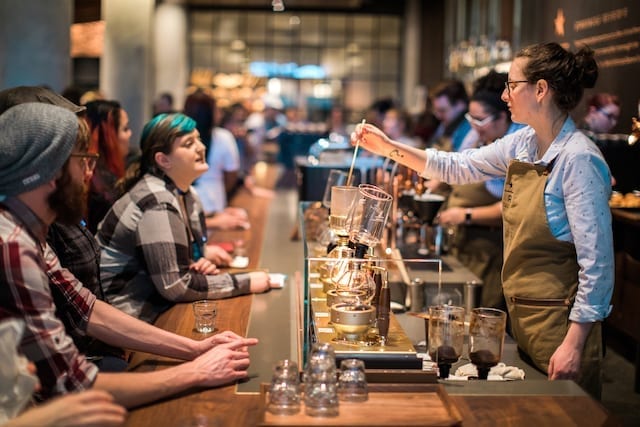
    A new Starbucks China staff benefits program has been launched, with a range of support options for employees who have served two years.

    From January 1, qualifying partners (employees) will each be given credits they can use to select from a range of benefits. Each benefit has been designed to meet the needs and aspirations of different partners in the increasingly diverse Starbucks China Family.

    With an estimated 18,500 partners eligible for the Starbucks China staff benefits program, dubbed Flex Star Benefits, the initiative constitutes a significant investment for the company.

    To support partners’ physical and mental well-being, Starbucks encourages them to use their credits to learn a new skill, or take up a hobby that relaxes the mind and body amid the hustle and bustle of everyday life. Partners may also simply apply for a five- or 10-day mini ‘coffee break’ to recharge their batteries.

    Protecting partners’ health is another area the new program covers. Partners may use credits for HPV vaccinations that protect against diseases like cervical cancer. The benefit can be extended to partners’ female family members and even friends, a first for Starbucks. In addition, the credits can be used to upgrade partners’ current benefits such as annual health checkups.

    The Starbucks China staff benefits program also supports partners in taking care of those who matter most to them. For partners working away from their hometowns, the program allows up to three additional days of paid leave so that they can spend more time with their families on their home visits. They also have the option to use their credits for discounted travel tickets, to allay any financial concerns should they need to return home in the event of a family emergency.

    In addition, Flex Star Benefits expand Starbucks existing schemes to cover ‘life partners’ beyond the immediate family – regardless of status or gender. Another inclusion is ‘paternal care’ benefits for pets. Under the new program, pet-owning partners may enroll their pets into an insurance scheme or claim reimbursement for their pets’ medical expenses. Partners who adopt pets will be granted an additional day of annual leave.

    Finally, Starbucks encourages partners to contribute to local communities, allowing them to earn additional credits by participating in social impact activities. They can also donate their credits to the Starbucks China Cup Fund, to help fellow partners in urgent need of financial assistance.

    “Starbucks success in China is down to the passion and dedication our partners bring to work every day – in every cup of coffee they brew, and every customer connection they make,” said Starbucks China chairman and CEO Belinda Wong.

    “Since entering China 20 years ago, Starbucks has always strived to be a different kind of company. We want to share our success with all partners, in a timely and thoughtful manner that recognizes their individual needs – because each of our 55,000 partners is special.”

    Over the years, Starbucks has introduced benefits such as comprehensive insurance for spouses and children of all partners, and critical illness insurance for parents. Housing subsidies are provided to 26,000 partners who work away from their hometowns, while partners may also apply to return to work in newly-opened Starbucks stores in their hometowns under the Coming Home program.

    In addition, Starbucks China also offers partners opportunities to expand their horizons through a talent exchange program, which has helped more than 100 partners complete short-term work experience in other cities across China and overseas. And, under its global Bean Stock initiative, Starbucks granted US$21 million worth of its shares to partners across China last year.

    Partners can access the Starbucks China staff benefits program through the China Green Apron partner mobile app.
  • HSBC Targets Singapore’s Salaried Millionaires

    HSBC Targets Singapore’s Salaried Millionaires

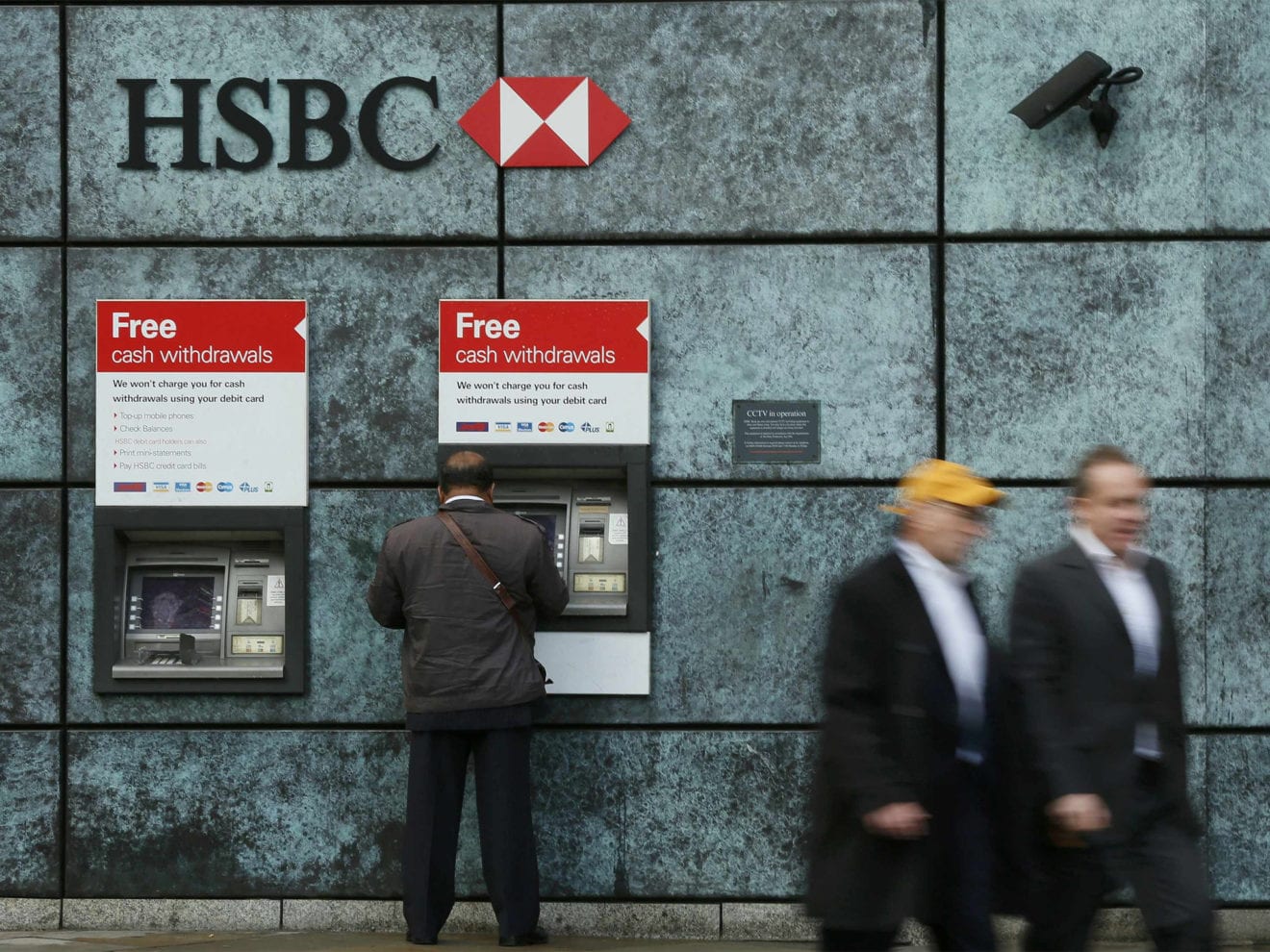
    The bank said that globally, Singapore has among the highest share of millionaires whose main source of income is their salary, and they prioritize self-enrichment over wealth accumulation.

    Based on its research that Singapore’s rich are not just focused on becoming wealthier but experiencing life, HSBC Singapore is launching new banking and lifestyle features to meet these needs, the bank announced in a statement on Wednesday.

    As part of this push, HSBC Singapore will add experiential offerings to its high-net-worth Jade platform, which gives wealthy individuals personalized investment solutions and advisory services, the statement said.

    The bank also unveiled its «Enrich List,» which it describes as a «curated portfolio of experiences and a source of inspiration» that can be arranged for Jade clients through its global concierge facility. These experiences relate to the broader idea of enrichment: self-betterment, exploration, taking on challenges and giving back, the bank said.

    Some 40 percent of Singapore HNWIs (people with assets between $1 million and $5 million) list salary and bonuses as the main income source, compared to 26 percent globally, according to a study conducted by HSBC Jade among 1,000 HNWIs in eight countries and territories, including 100 in Singapore.

    Additionally, among this group, 69 percent believe that broadening horizons and discovering new things is an essential part of enrichment, compared to 65 percent globally.

    This evolving Singaporean stratum is not just focused on becoming wealthier but in experiencing life, said Alice Fok, head of Customer Propositions & Marketing, HSBC Bank (Singapore).


  • Jollibee Expedites North American expansion

    Jollibee Expedites North American expansion

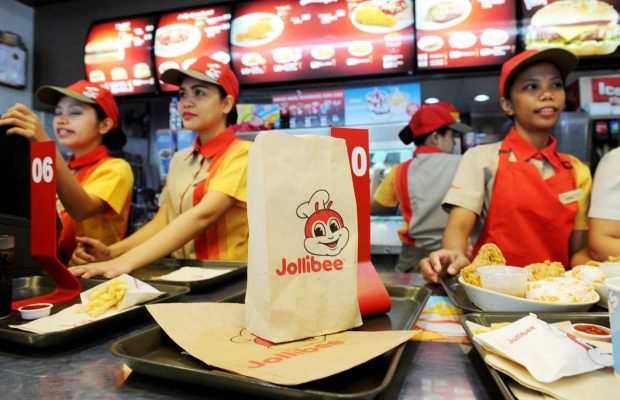
    Filipino fast-food chain Jollibee plans to expand its store network in North America to 250 by 2023.

    Its parent company Jollibee Foods Corporation (JFC) said it is committing to further expand the brand in North America, having identified the region as a key growth market.

    There are currently 46 Jollibee outlets in North America, with the first store opened in 1998 in California.

    The expansion plan was announced at the inauguration of its new North American headquarters in West Covina, California on Friday. It says the new 28,000sqft headquarters will serve as a center of operations for Jollibee and its sister brands Chowking and Red Ribbon.

    “The new Jollibee headquarters will ably support operations around North America in its quest to become a major fast-food player in the region,” says the company.

    Jollibee has a restaurant network of more than 1400 at home and more than 230 elsewhere abroad.

    Parent company JFC has more than 5800 restaurants in 35 countries globally, with recent investments including a joint venture to open Tim Wan Ho restaurants in China.

  • Gap’s outlook is gloomy due to week profits

    Gap’s outlook is gloomy due to week profits

    There is no real surprise from Gap’s third-quarter figures released last week: sales are poor, profit is weak – although marginally better than forecast – and the outlook remains gloomy.

    Given the relative lack of effort from management on resolving the underlying issues plaguing the company, it would be unreasonable to expect a different outcome. However, there is some hope that the recent change in the CEO may result in a more aggressive pace of advancement. (Art Peck stepped down from the role earlier this month after five years in the role and a replacement is being sought).

    The biggest problem within the company is the Gap brand. Here total sales within the US fell by 6.6 percent over the prior year, while global comparable sales fell by 7 percent. As much as Gap remains a sizeable business, it continues to suffer from customer attrition as shoppers defect or reduce the amount they spend at Gap in favor of other retailers. The reason for this is relatively simple: assortments are dull, and every new season Gap churns out more of the same bland product rather than innovating and trying new things. This makes it very easy for consumers to overlook Gap.

    It used to be the case that, in the absence of compelling ranges, Gap could use discounting as a mechanism to drive customer interest and footfall. However, over the past half-year, this has become far less effective. Part of this is down to the fact that discounting has become a lot more prevalent elsewhere in the market, which means shoppers have a lot more choice of stores they can visit to get discounted goods. But part also is down to fatigue with Gap itself: offering 40- or 50-per-cent off may have once been eye-catching, but Gap has educated consumers to expect this to be offered as standard.

    Unfortunately, there is no real remedy to the discounting-drug other than for Gap to rebuild its proposition and give customers new reasons to buy.

    While the Gap story is an old one, Old Navy’s recent slide from grace is a more interesting tale. Previously Old Navy had been motoring along nicely, posting consistently good sales results. However, last quarter US sales shrunk and these quarter sales are flat.

    Admittedly, Old Navy has been lapping tough prior year comparatives, however, we believe there is more to the waning performance. Extensive discounting elsewhere in the market has been unhelpful, especially as it has pulled some more price-sensitive family shoppers away from Old Navy. But the biggest reason for underperformance has been a series of missteps on assortments. Usually, Old Navy can be relied upon to produce good seasonal edits that reflect fashion trends. Over the past two seasons, these have largely been absent, and the range has become tired and relatively bland.

    In a highly competitive environment, this isn’t good enough to drive growth and it leaves Old Navy exposed to players like Target which has been making excellent progress in apparel. Unfortunately, question marks over the future of Old Navy are unhelpful when Gap Inc is looking to spin the business off.

    In a rare turn of events, Banana Republic is the star of the show with a 4.3-per-cent uplift in total sales in the US. Improvements to the quality and some better pieces within the assortment have helped to lift conversion and basket sizes from existing customers. A continued recovery at the brand will be helpful to the group, not least because within the US Banana Republic’s sales are now only a fraction behind those of Gap – so it is able to make a more meaningful contribution to the top line.

    Overall, Gap remains in a very weak position and the spin-off of Old Navy will do nothing to remedy this. The change of management provides the company with an opportunity to shift its mindset. Whether it grasps it remains to be seen.

  • Ediya Coffee opens 3000th store in Korea

    Ediya Coffee opens 3000th store in Korea

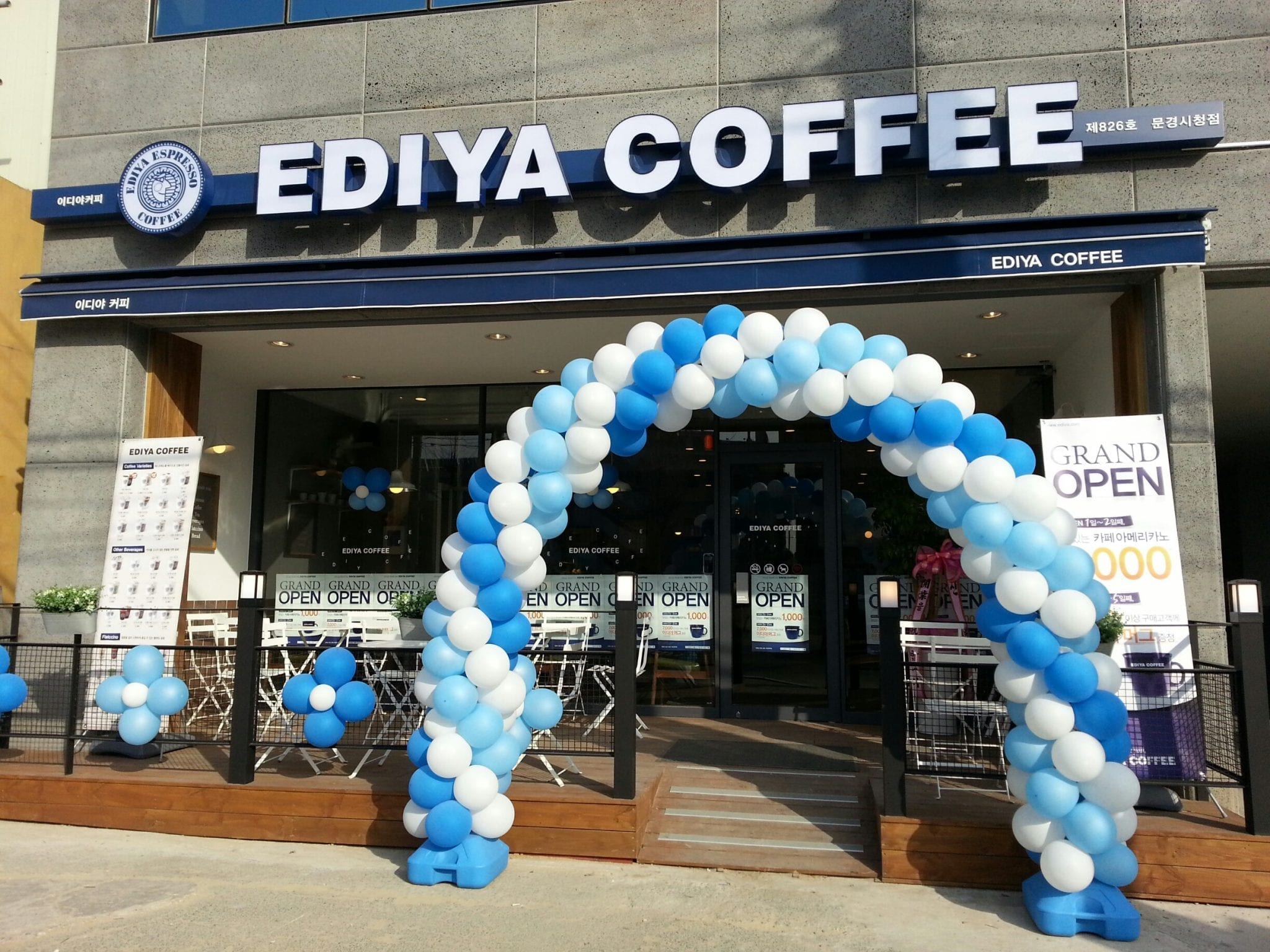
    South Korean coffee chain Ediya Coffee has opened its 3000th store.

    The new Daejeon outlet is a significant milestone for the local franchise, matched only by competing for cafe and bakery Paris Baguette. Ediya has opened 300 locations each year for the past six, and has been steadily expanding since launching in Seoul in 2001.

    The firm recently appointed two vice presidents to manage the rapid expansion: Kim Nam-yeob, previously at Hyundai, and Shin Yoo-ho, who was working for Paris Baguette owner SPC Group.

    The coffee brand is named after an Ethiopean empire where the original coffee plant was discovered.

  • FamilyMart Japan culls staff as store network shrinks

    FamilyMart Japan culls staff as store network shrinks

    FamilyMart Japan is reducing its operational costs by letting go 800 employees.

    The redundancies equate to about one in 10 of the convenience-store operator’s total staff count, and will be offered with severance packages for volunteers who opt to leave the firm. Moves will also be made to allow the brand’s franchisees to operate shorter opening hours.

    “We got bigger after the repeated consolidations, but we have yet to streamline,” said FamilyMart Japan president Takashi Sawada in a Nikkei report. “Even if there isn’t an agreement with the home office, we will respond in accordance with the intent of what member stores decide.”

    The staff cuts follow a gradual reduction in outlets from 18,000 in 2016 to 16,500 this year.

  • Luxury labels increase focus on burgeoning Korean market

    Luxury labels increase focus on burgeoning Korean market

    South Korean consumers’ love for luxury labels is encouraging high-end brands to take bold, innovative moves into the market, opening pop-up stores and staging world-exclusive fashion shows.

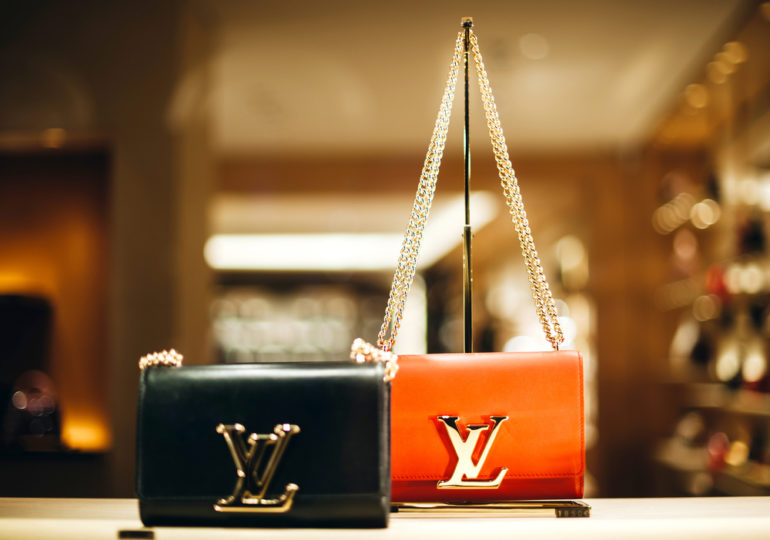
    Louis Vuitton, listed by Forbes as the most powerful luxury brand, opened a new flagship boutique in Seoul late last month, a unique building designed by renowned architects Frank Gehry and Peter Marino and located in the high-end Cheongdam neighborhood in Gangnam. Bernard Arnault, chairman of the French luxury goods conglomerate LVMH, which has Louis Vuitton under its wing, attended the opening ceremony of the store during his third visit to South Korea in the last three years.

    In April, Louis Vuitton opened a pop-up store for its signature Twist bags in collaboration with Hyundai Vinyl and Plastic in Seoul. It was Louis Vuitton’s second single-theme pop-up store, following its Archlight sneakers pop-up launched in New York in 2017.

    In July, Louis Vuitton also teamed up with one of the country’s leading department stores, Shinsegae Department Store, to open its first Asian pop-up space at its Gangnam outlet in southern Seoul entirely devoted to handbags. A limited number of the items were exclusively sold at the store.

    The French luxury house has since showcased a series of pop-up stores at department stores in Seoul and the surrounding Gyeonggi Province, offering South Korean consumers the exclusive advance opportunity to buy select items from next year’s collection.

    “In the past, I usually purchased bags when I visited Paris as the latest items from the collection were first available there,” Kim Min-kyung, a 36-year-old VIP customer at a local department store, said.

    “Now, the latest collection items can be purchased here even in advance.”

    The luxury goods market in South Korea was valued at 14.2 trillion won (US$12.1 billion) last year, up from 11.46 trillion won in 2014, according to market research company Euromonitor International. It is also the fourth fastest-growing luxury goods market in the world behind India, Malaysia, and Indonesia.

    Multiple sets of industry data show sales of major luxury brands grew between 20 and 30 percent in the country last year, compared with an average of 2-per-cent growth for local department stores.

    South Korea’s luxury-handbag market was valued at 3.2 trillion won in 2017, making it the world’s fourth-largest following the US, China and Japan. It also outpaced France, the home of international powerhouses such as Louis Vuitton and Chanel.

    High-end jewelry and fashion brands have also held a series of world-exclusive launching events and fashion shows in Seoul. In April, Italian luxury brand Fendi, also part of LVMH, debuted its lively, street-style fashion collection “Roma Amor” at a Lotte Department Store outlet. It was the first time that Fendi has launched a new collection in Seoul.

    “The global luxury brand’s launch of a new collection in Seoul illustrates the growth of consumption power among Korean millennials,” Kim Hye-ra, a luxury department chief at Lotte Department Store, said.

    The millennial generation, consumers born between 1980 and 1994, approaches shopping differently from older people, whose top priority in consumption is satisfaction.

    In an apparent move to target the spending power of younger consumers, French luxury house Chanel revealed its exclusive Urban Capsule Collection in collaboration with US pop star Pharrell Williams earlier this year. The collection, vibrant and far from the conventional classics, has been popular among the younger generation.

    “Consumption of luxury goods, most noticeably among the so-called millennial generation, has constantly increased despite a slowdown in the economy,” said Ha In-hwan, an analyst at Meritz Securities, adding that international brands are accelerating their push into the country as the market is expected to show continued growth.

    Some luxury labels have recently taken further steps by opening branches there in an apparent move to directly target South Korean consumers without going through local importers or distributors that are mostly operated by the country’s major conglomerates.

    British-based luxury-handbag maker Mulberry recently took full ownership of its South Korean business by buying Mulberry Korea from local partner SHK. As part of a wider Asian development strategy, Mulberry made an additional investment of 1.3 million pounds.

    “Over the last 18 months, we have recruited a new management team and taken day-to-day control of the business in South Korea, an important market for luxury goods where the Mulberry brand has significant growth potential,” CEO Thierry Andretta said in a press release.

    Luxury fashion and perfume house Givenchy also recently terminated its distribution contract with Shinsegae International, part of the country’s largest retail conglomerate, Shinsegae to operate its own branch there.

    Givenchy Korea, under the leadership of Ramon Ros Parellada, has reportedly hired nearly 100 employees to kick off its own business. The company recently opened its first outlet in South Korea — its second in Asia — in Seoul, entirely dedicated to its kids collection.

    Delvaux, a Belgian luxury goods maker, also launched a branch in the country, its sixth overseas store. The brand, known for its delicate yet very expensive handbags, has recently pushed a local expansion by opening boutique stores.

    “The decision (to operate a South Korean branch) is to bring a unique experience to Korean consumers who can truly value good products,” Delvaux said.

    Market watchers think that global luxury labels will continue to rush into South Korea, as the country serves as a testbed for the Asian market. Also, the market offers a convenient and attractive shopping environment for Chinese customers, who account for almost a third of global spending in the luxury market.

    “Sales of major European luxury brands in the Asian market have shown steep growth this year despite a slowdown in other parts of the world,” said Kim Jae-im, an analyst at Hana Financial Investment.

  • Apple Music gains new Replay feature

    Apple Music gains new Replay feature

    Apple is bringing a new feature to its music streaming service in the hopes to bring Apple Music on par with Spotify and other similar services. The new feature is called Replay and lets Apple Music users check out their favorite music from 2019.

    Simply put, Apple Music subscribers will get a playlist of the most played songs from 2019, as well as playlists for every year they’ve been subscribed to the service, retroactively. All songs alongside playlists can be added to the Apple Music Library to allow users to stream them anytime they want.

    More importantly, Apple Music Replay can be shared with others or posted to social media. Unlike Spotify’s Wrapped feature that’s basically an annual retrospective. Apple Music Replay will continue to be updated throughout the year.

    According to Apple, the playlist and all data insights are updated on Sundays to reflect subscribers’ latest listening activity. Think of Apple Music Replay as a compilation of favorites, which changes throughout the year, not just at the end.

    The new feature is now available from the Apple Music app across all platforms, including via the web, so give it a spin until the beginning of the next year when it will become a blank slate waiting to be filled with your favorite music.

  • BookXcess opens ‘book tunnel at Malaysia’s Sunsuria Forum

    BookXcess opens ‘book tunnel at Malaysia’s Sunsuria Forum

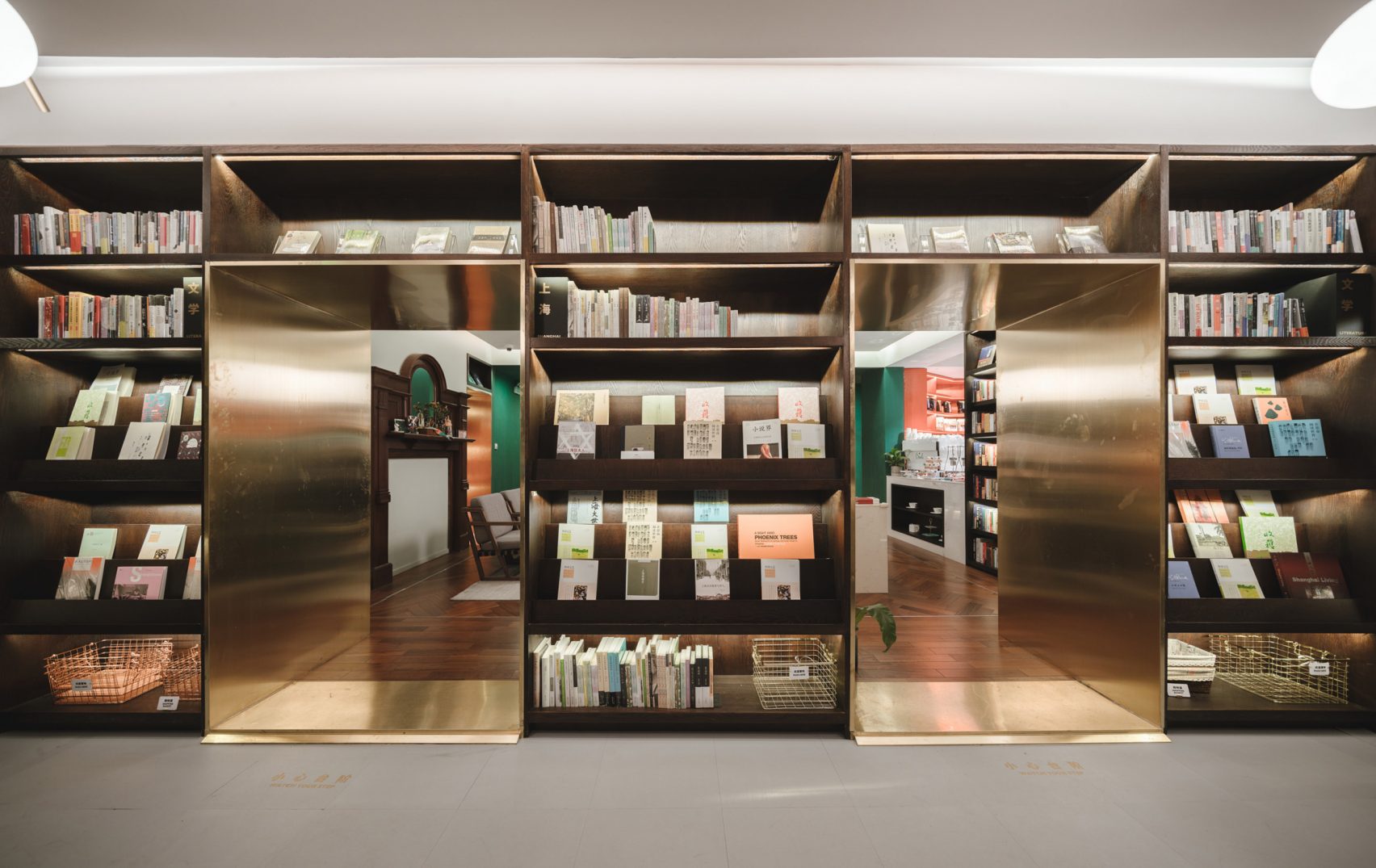
    Malaysia’s first book tunnel concept BookXcess has opened at Sunsuria Forum in Shah Alam.

    As customers step in the entrance, they will witness a towering circular bookshelf similar to the world-famous Starfield Library in Seoul, South Korea.

    Located at Sunsuria Forum @ 7th Avenue, the bookstore offers more than 500,000 different books, including art and design to literature, fiction, non-fiction, young adult and children’s books. The eighth BookXcess’ bookstore features several zones for customers to work and read. Beverages and treats are available in Cafe Wolf, an in-store cafe.

    “We want to continue to spread the love of reading to the people of Malaysia with the opening of our eighth bookstore in Malaysia and third new bookstore this year alone,” said Dipak Madhavan, chief marketing officer of BookXcess.

    “We are always looking out for new ways to increase the reading habits of Malaysians and creating new concepts like this tunnel bookstore is part of this effort. The unique structure and concept will attract readers and non-readers alike to the bookstore and our prices will hopefully convert them to pick up a book or two.”

    A mini-maze for children and Magic Books using Augmented Reality technology are featured to create better immersive, interactive reading experience.

    Senior project director of Sunsuria Berhad, Wong Chiew Meng believes Sunsuria Forum will be the next ‘talk of town’ with child enrichment and family-oriented elements embedded into the concept of Sunsuria Forum.

    “Apart from the choices of F&B and amenities, we believe that BookXcess will be beneficial to the surrounding communities especially young families who see the importance of cultivating the joy of reading in their daily lives.”

    BookXcess also created a donation corner called Red Readerhood where customers can donate books to unprivileged children from Cahaya Kasih Bestari and Rumah Amal Bistari in hopes that the children from the homes will receive knowledge through the initiative and will be inspired to chase their dreams.

  • Uniqlo to open first Vietnam store in Saigon

    Uniqlo to open first Vietnam store in Saigon

    Japanese casual wear retailer Uniqlo plans to open a 3,000-square-meter store in downtown HCMC at the end of this year.

    Its first store in the country, at Parkson Saigon Tourist Plaza in District 1, would be one of its biggest in Southeast Asia, the company said in a release. It will sell clothes for men, women and children.

    Uniqlo earlier this month established its Vietnam business with a charter capital of $8.8 million, with apparel company Fast Retailing Singapore owning a 75 percent stake and Japan’s Mitsubishi Corporation the rest.

    Uniqlo, which is already in Singapore, Malaysia, Thailand, the Philippines, and Indonesia in Southeast Asia, had 213 stores in the region by the end of last year and plans to have 400 by 2022. It now has over 2,200 stores in 24 countries and territories.

    Uniqlo’s arrival in Vietnam is sure to intensify competition between foreign brands like Zara and H&M, who came two years ago and have outlets at major malls in both HCMC and Hanoi.

    Vietnam’s fashion market is estimated to grow to more than $3.8 billion this year and over $5 billion by 2021, according to BMI Research.

  • Cartier Capsule Exhibition “Into the Wild” opens doors in Macau

    Cartier Capsule Exhibition “Into the Wild” opens doors in Macau

    Cartier has partnered with DFS Group to open the first-ever Cartier Capsule Exhibition ‘Into the Wild’ in Macau City of Dreams, featuring the Panthere de Cartier

    The Cartier Capsule Exhibition presents three main “universes”, including The Design, The Salon and The Community.

    An animated jewelry designer table and jewelry creations are on display at The Design area while The Salon has a photo backdrop and recollection honoring the ‘panther woman’ Jeanne Toussaint. The Community is a digital wall where celebrities incarnate the wild spirit of Panthere.

    A WeChat mini-program allows visitors to play interactive ‘missions’ or capture personalized Panthere memories. Inside the Into the Wild exhibition, windows and counters with the panther icon are displayed to highlight new Panthere de Cartier Jewellery and Watch creations.

    Cartier and DFS Group jointly hosted the opening event for Into the Wild yesterday. The exhibition will take place until December 31 at T Galleria By DFS City of Dreams.

  • Ikea India focuses on tier-2 cities as it targets growth

    Ikea India focuses on tier-2 cities as it targets growth

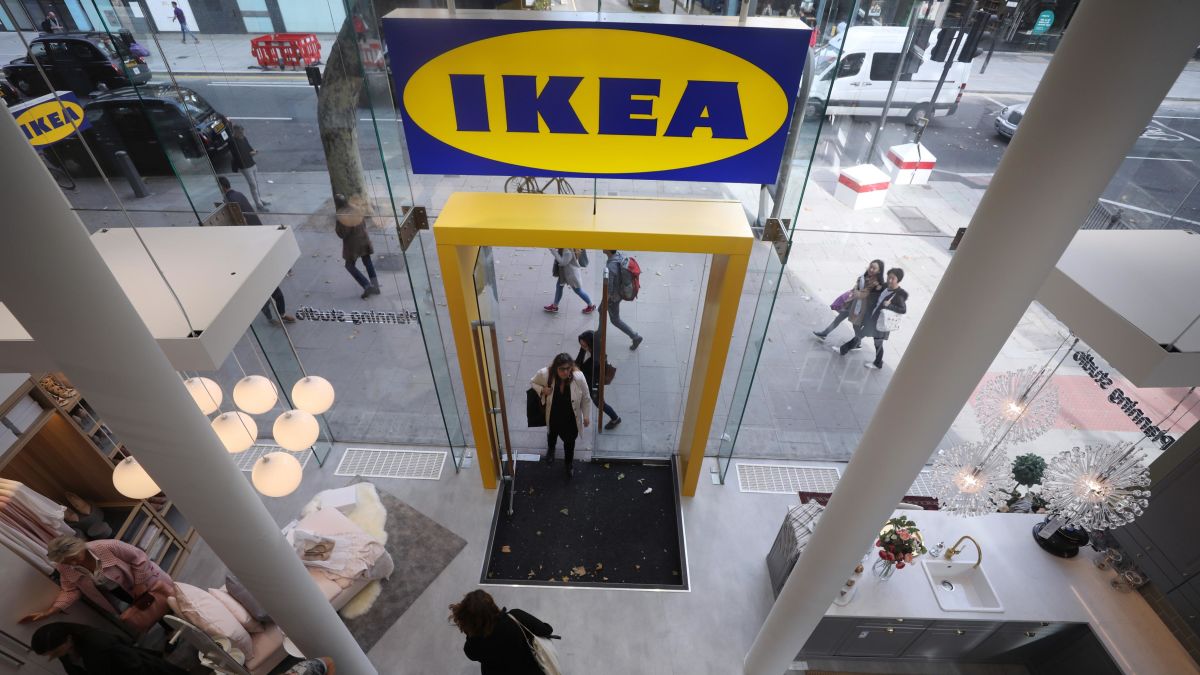
    Ikea India is set to expand into tier-II cities in the second phase of its development after early success in key markets.

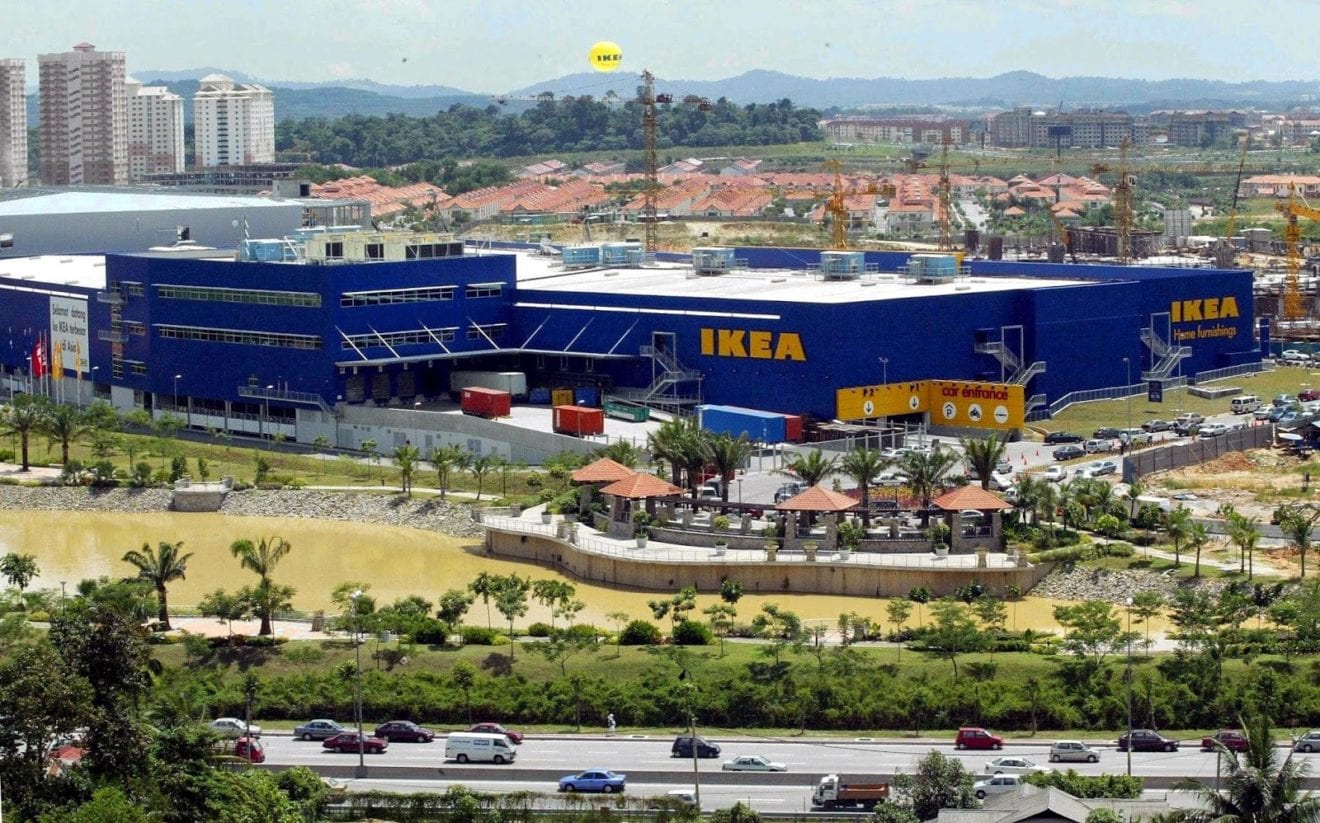
    The Swedish-headquartered furniture-and-homewares giant has established its presence in Hyderabad and Mumbai and is now working on building a large-format outlet in Bengaluru before moving on to Delhi.

    “We want to bring our offering through multi-channel approach,” said Ikea India CEO Peter Betzel. “We want to be present through large format stores, small stores and even on the online platform.”

    The planned stores will be wholly owned by Ikea and will work to ensure half of its workforce are women. They will be smaller in size but otherwise functionally similar to its large-format stores in the territory.

  • Pokemon GO Halloween event kicks off on October 17

    Pokemon GO Halloween event kicks off on October 17

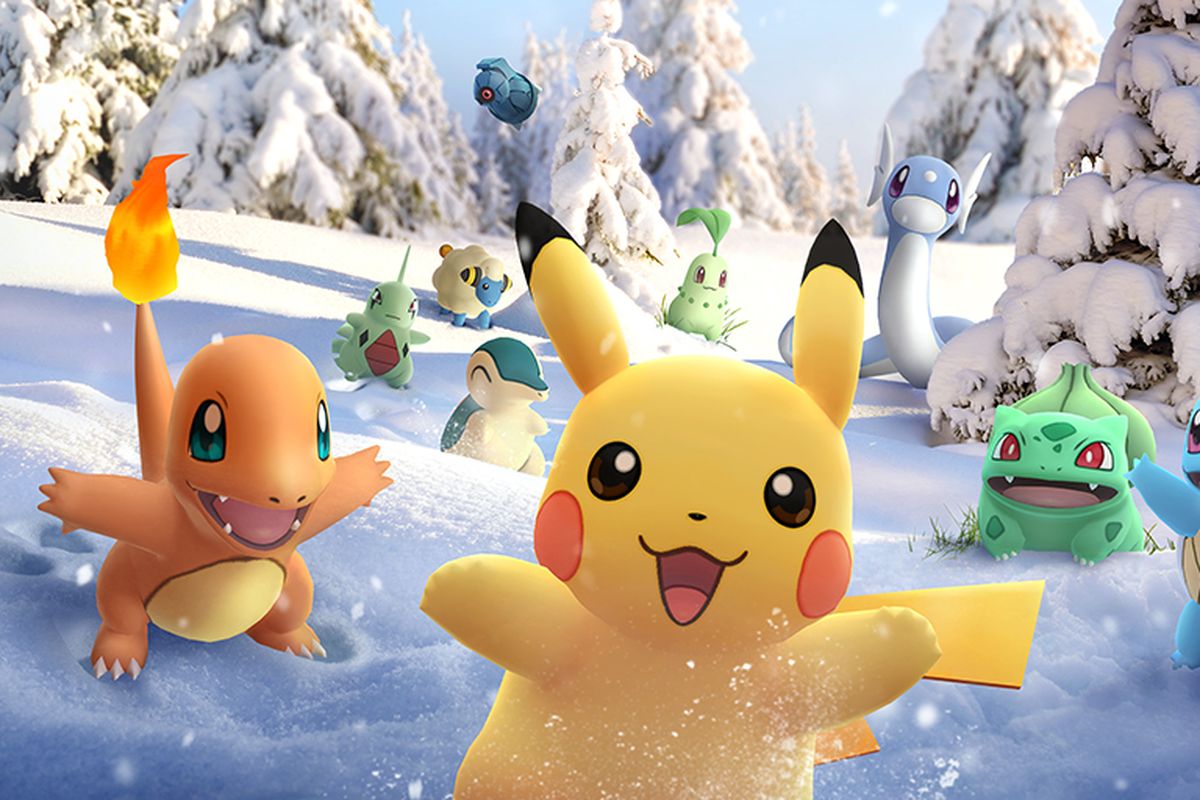
    Niantic has revealed the Pokemon GO Halloween event, which will begin on October 17 and run through November 1. During the event, Pokemon GO players will receive a handful of bonuses, avatar items and a chance to catch rare Pokemon.

    So, starting October 17, players will be able to rescue more Shadow Pokemon from Team GO Rocket. The following Pokemon will be available at PokeStops near you: Weedle, Kakuna, Beedrill, Electabuzz, Magmar, Lapras, Mareep, Seedot, Nuzleaf, Sableye, Trapinch, Cacnea, Shippet, and Duskull.

    New dreadful avatar items will be available in the Style Shop, including Zubat Bag, Pikachu Onesie, Cubone cap, Litwick Cap, and Mimikyu Bag. Also, if you’re lucky enough, you might encounter Shiny Yamask.

    But that’s not all, as Niantic announced that more Ghost- and Dark-type Pokemon will appear in the wild, in Eggs, and in raids, including Gastly and Murkrow. In addition, Yamask, the Spirit Pokemon will make its Halloween debut.

    To make things even more fun, Pokemon wearing Halloween costumes will appear in raids and in the wild. Don’t be surprised to encounter Bulbasaur wearing Shedinja costumes, Charmander wearing Cubone costumes, and Squirtle wearing Yamask costumes in raids. On the other hand, you’ll find Pikachu wearing Mimikyu costumes in the wild.

    Other Halloween-related activities include some fun Field Research tasks, which will be available for a limited time, and the ominous Darkrai that will appear in five-star raids. Finally, once the Halloween events start later this week, players should check their Special Research for a chance to face a Forbidden Pokemon.

    As far as the bonuses go, Niantic announced that throughout the entire Halloween event, players will receive the following bonuses: 2x Catch Candy, 2x Hatch Candy, and 2x Transfer Candy.

  • Natura chooses Malaysia for Asian debut

    Natura chooses Malaysia for Asian debut

    Global cosmetics firm Natura has launched its business in Malaysia with a pop-up store in Sunway Pyramid, Petaling Jaya.

    The pop-up store will serve to introduce the brand and its products to consumers via a series of interactive experiences, including a skincare interactive wall, free skin and hair analysis, a fragrance personality analyzer, and a pampering hand massage during a VR adventure through the Amazon forest.

    In Malaysia, Natura products will be available to customers through the brand’s online store, with plans to launch a social selling channel now underway. The brand also engages in relationship selling and will open physical stores.

    Around 300 items from the Natura portfolio will be offered under the brands Ekos, Chronos, Lumina, Mamae e Bebe and Natura Homem – as well as fragrances from the Brazilian Perfumery House. All the firm’s products are 100 percent vegan.

    “We see great opportunity for Natura in Malaysia, with its millions of diverse consumers which have for decades been purchasing through many different channels,” said Natura International head Daniel Silveira. “We are confident that our omnichannel strategy will be well-received in Malaysia, bringing a wide variety of products to customers as well as providing a great platform for growth for our business across the region. More importantly, we are excited about working with local partners across Asia as a force for change to build a more sustainable future.”

    The brand is now looking at building its business across Asia. Last year Natura bought the Australian skincare brand Aesop, which already has an extensive network of stores across Asia.

  • Ikea Store Sales in Southeast Asia exceed SG$1 billion

    Ikea Store Sales in Southeast Asia exceed SG$1 billion

    Sales at Ikea stores in Southeast Asia exceeded SG$1 billion (US$723 million) for the first time this year, reflecting healthy growth for a big-box retail business.

    Christian Rojkjaer, MD of Ikea Southeast Asia, says more than 98 million customers passed through the company’s eight full-format stores in Singapore, Malaysia and Thailand and its associated shopping centers. (Ikea stores in other parts of Asia are run by other franchisees).

    Online, there were 51.7 million visits to Ikea websites – up 16 percent year on year.

    “When our retail sales are combined with rental income generated from our three Ikea- anchored shopping centers in the region, our total revenue reached SG$1.21 billion – 20 percent more than last year,” said Rojkjaer.

    “These results show that our Ikea stores and shopping centers have fantastic potential to grow. We make a difference to many people by making life more comfortable, more beautiful and more sustainable – all at an affordable price.

    “We face increasing competition and changing customer behaviors,” he added, “but our vision to create a better everyday life for many people is perhaps more powerful than ever. We aim to offer the best deal there is in every market and we have a wide price ladder within our range so, even in challenging times, Ikea has something for everyone no matter the size of his or her wallet.”

    In November, Ikea Southeast Asia will open its new Toppen shopping centre in Johor Bahru, which features a rooftop with outdoor play spaces, a sports zone and a community garden.