Retail News CRM

Tag: lifestyle

  • The Vitamin Shoppe to launches stores in Vietnam

    The Vitamin Shoppe to launches stores in Vietnam

    The Vitamin Shoppe, an omnichannel specialty retailer of nutritional products, today announced a partnership agreement with Kim Lien Group for the
    Vietnam market. Under the country license agreement, Hanoi-based Kim Lien Group will open and operate The Vitamin Shoppe stores in Vietnam, as well as launch wholesale distribution of The Vitamin Shoppe family of proprietary brands in Vietnam.

    The first store under the partnership agreement opened this month in Hanoi. The bi-level, 140 square-meter (1,500 square feet) store is located at 58B Ba Trieu Street in the Hoan Kiem district. The store offers a wide assortment of vitamins, supplements, sports nutrition, and other health and wellness products under The Vitamin Shoppe’s proprietary brands, which include The Vitamin Shoppe, Vthrive The Vitamin Shoppe, BodyTech, BodyTech Elite, fitfactor Weight Management System, fitfactor KETO, plnt, ProBioCare, and True Athlete.

    Kim Lien Group will open a second Hanoi location of The Vitamin Shoppe later this month at 49 Phuong Mai Street in the Dong Da district, with additional stores to be announced. A wholesale distribution strategy for the various The Vitamin Shoppe brands will launch in the coming months, with a focus on pharmacies, gyms, and spas throughout Vietnam.

    This agreement marks the first country license agreement in Asia for The Vitamin Shoppe. The company currently operates country license agreements in Panama (8 stores), Guatemala (10 stores), and Paraguay (3 stores).

    Sharon Leite, CEO of The Vitamin Shoppe, commented: “We are excited to bring our industry-leading expertise and innovation to the Vietnam market, where we see strong interest in our products and increasing demand for high-quality health and wellness brands. Our partners at Kim Lien Group have an exceptional understanding of the Vietnam market and the knowledge and experience to make The Vitamin Shoppe a trusted destination for wellness solutions in Vietnam, as it is throughout the United States. We continue to see additional opportunities with international partners and plan to expand The Vitamin Shoppe into new growth markets.”

    Founded in 1994, Kim Lien Group operates a group of automotive, restaurant, and hotel businesses in Vietnam, including 16 auto dealerships across the Honda, Nissan, Mitsubishi, and MG brands.

    Mr. Anh Hoang, Vice Chairman of Kim Lien Group, will manage The Vitamin Shoppe business in Vietnam. He commented: “This partnership journey started when I visited one of The Vitamin Shoppe stores in Boston to find health solutions for my mother, Madame Lien, Chairwoman of Kim Lien Group. I was impressed with the customer experience, the knowledge of the Health Enthusiasts, and the product assortment in the store.

    Since then, Kim Lien Group realized that the Vietnam market could benefit tremendously from the products and services of The Vitamin Shoppe. During this time, Vietnam was having serious issues with fake supplements from unknown sources distributed here. We wanted to end that fear and bring a trusted, high-quality brand from the United States to Vietnam so that consumers can confidently shop for health and wellness supplements here.”

    Kim Lien Group expects key product categories in Vietnam to include vitamins, probiotics and digestion, healthy aging, herbs, omegas, antioxidants, collagen, bone, and children’s health. Each of The Vitamin Shoppe’s proprietary brands is put through 320 rigorous quality assurance steps, and ingredient purity and potency are verified by independent, third-party labs. Consumers can feel confident that all products from The Vitamin Shoppe family of brands meet or exceed industry quality standards.
  • How LVMH plans to reshape Tiffany

    How LVMH plans to reshape Tiffany

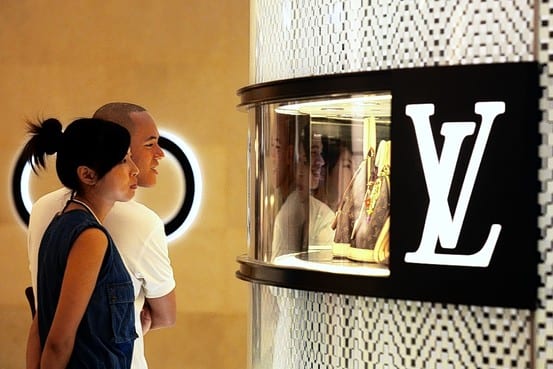
    French luxury goods group LVMH LVMH.PA plans to overhaul Tiffany & Co’s vast merchandise lineup to focus more on gold and precious gems while going more upmarket with its silver bangles after closing the $15.8 billion takeover of the U.S. jeweller this month.

    Six sources including two people with inside knowledge of Tiffany’s operations told Reuters the owner of Louis Vuitton would also likely revamp the appearance of the jeweler’s stores and boost its presence in Europe and Asia.

    More than a third of Tiffany’s 320 shops are in the United States and two sources described some of them as out-of-date, shoddy and in need of refurbishing.

    “LVMH can give Tiffany the kind of time and money needed to make some big investments in the product range and in stores worldwide, and wait for those to pay off in the medium term,” one of the sources said.

    At a town hall in New York for Tiffany’s 14,000 employees on Jan. 8 – a day after LVMH installed a new leadership team – the group’s new bosses laid out their initial plans to focus on high-end, sparkling jewelry, said one person who attended it. The group is also considering building out Tiffany’s lineup in watches, another source familiar with its thinking said.

    Unlike such rivals as Richemont-owned CFR.S Cartier and Van Cleef & Arpels, as well as fellow LVMH brand Bulgari, Tiffany’s products range from $150 silver pendants to diamond necklaces priced in the tens of millions.

    Silver jewelry has gross margins of around 90% and offers a perfect entry point for younger, less wealthy shoppers, but top industry names also need the medium- to the high range – with a price tag above $100,000 – to create an aura of exclusivity, experts say.

    In a video message to employees during the town hall, LVMH boss Bernard Arnault, who is also France’s richest man, said he wanted to elevate Tiffany’s standing, even if that took time.

    “We will also prioritize Tiffany’s long-term desirability over short-term constraints,” Arnault said, according to a person who attended. At one point brandishing one of Tiffany’s signature robin’s egg blue boxes, Arnault underscored the label could count on cash-rich LVMH’s resources.

    The world’s biggest luxury goods group, also home to Moet Chandon champagne, was shaken by the COVID-19 pandemic and sales in airport stores plunged, but its biggest labels have stayed the course.

    The mood among some of Tiffany’s workforce is anxious nonetheless.

    A senior store employee in Europe said the jeweler would benefit as a more sophisticated, exclusive brand under LVMH, but also worried about the group’s reputation as a demanding owner.

    “If a store doesn’t quite work, they just shut it down,” this person said, speaking on condition of anonymity.

    Arnault is known for dropping in on stores unexpectedly – including at a Tiffany store in Seoul after the deal was announced in late 2019, where he pointed out blips such as a cleaning product that had been left out on a stand and a pink Post-It note saying “not available” that had been put up on a product, people familiar with the group said.

    LVMH and Tiffany declined to comment. LVMH is due to report full-year 2020 results later on Tuesday.

    After a bruising court battle midway through the acquisition process, which ended with Tiffany and LVMH renegotiating the price tag slightly downwards, Arnault had soothing words for the U.S. jeweler.

    He told the town hall Tiffany’s resilience in recent months had exceeded LVMH’s expectations, one of those presents said.

    The group had previously called Tiffany’s prospects “dismal” due to poor management during the COVID-19 crisis.

    Tiffany regained some ground through online sales and in China in its last quarter. Jewelry as a whole, one of the fastest-growing luxury sectors in recent years, has resisted more than other areas during the pandemic.

    Tiffany is less exposed than rivals to Asia-Pacific – a major driver for luxury sales – which accounted for 28% of its worldwide sales of $4.4 billion in 2019. Europe stood at 11%.

    LVMH will scrutinize store performance and locations and could use its clout to get better leases or find better showcases freed up by other brands within the group.

    New York-based Tiffany, founded in 1837, achieved world fame with the 1961 movie “Breakfast at Tiffany’s” starring Audrey Hepburn, but a fresh marketing push could help the brand.

    Alexandre Arnault – one of four Arnault children with roles at LVMH and now Tiffany’s executive vice president, in charge of product and communication – told the town hall he would focus on advertising campaigns and luring young customers.

    The 28-year-old helped LVMH acquire luggage maker Rimowa and gave it a hipster edge while CEO there, through collaborations with Dior that made it sexy for the runway.

    The young Arnault will work alongside new CEO Anthony Ledru, who ran Vuitton’s global commercial activities but is also known for rolling out its high-end jewelry line and had a previous stint at Tiffany and also at Cartier.

    He takes over from Alessandro Bogliolo, who had already overseen a multi-year renovation of Tiffany’s flagship New York store on Fifth Avenue, and the purchase of an 80-carat-plus oval diamond to be set in a necklace that will become its most expensive piece of jewelry.

  • Shiseido plans sale of consumer product lines for over $1.45 billion

    Shiseido plans sale of consumer product lines for over $1.45 billion

    Japanese cosmetics firm Shiseido Co Ltd said on Friday it was in talks to sell its lower-priced skincare and shampoo lines to private equity firm CVC Capital Partners in a deal reported to be valued at over $1.45 billion.

    Shiseido said it was in talks to sell its “personal care” business in the first half of the year to CVC but that no decision had been made.

    The business includes its Tsubaki shampoo and Sea Breeze deodorant brands which are sold at drugstores and convenience stores throughout Asia.

    The talks were first reported by Bloomberg News, which put the value of the deal at between 150 billion to 200 billion yen ($1.45 billion-$1.93 billion).

    Shiseido said it was considering taking a stake in the business and remaining involved in its development.

    The talks come as Shiseido has been eyeing possible asset sales to focus on premium cosmetics, including its namesake line and brands such as Cle de Peau and NARS sold at department store counters.

    Global private equity firms such as CVC and Carlyle Group have recently been looking to expand in Japan, taking advantage of large Japanese companies coming under pressure to sell non-core assets and improve returns to shareholders.

    CVC last year raised $4.5 billion for its fifth Asia Pacific fund.

    Like other companies in the luxury sector, Shiseido was hit hard by the coronavirus as people shopped less and wore less make-up. A halt in tourism has been particularly painful as the company depended heavily on Chinese visitors.

    The company said in November that it expects a net loss of 30 billion yen in 2020, worse than a previous forecast loss of 22 billion yen.

    Shiseido shares rose 4% in morning trade on the Tokyo Stock Exchange. A CVC representative declined to comment.

  • Prada cuts ties with Chinese actress after surrogacy controversy

    Prada cuts ties with Chinese actress after surrogacy controversy

    Italian luxury label Prada has ended all cooperation with Chinese actress Zheng Shuang, a week after appointing her as a brand ambassador after she was engulfed in a surrogacy controversy that has enthralled the Chinese public.

    Prada made the announcement late on Tuesday, after coming under heavy criticism on Chinese social media for cooperating with 30-year-old Zheng, whose former partner Zhang Heng has accused her of trying to abandon two young children the couple had through a U.S -based surrogate.

    It is the latest global brand to succumb to public pressure in China, where customers have become increasingly vocal about their expectations for the behavior of companies and celebrities, especially foreign ones.

    “The Prada Group has terminated all cooperation with Ms Zheng Shuang,” the company said on its official Weibo account, without providing further details.

    Prada did not respond to Reuters queries on Wednesday. Zheng and Zhang also did not answer Reuters’ requests for comment.

    China has become an increasingly important market for luxury labels during the global pandemic and its shoppers are expected to account for around half of all global spending on high-end brands in 2020, up from 37 percent in 2019, according to McKinsey & Company.

    Prada has said the group’s China sales jumped 60 percent in June and 66 percent in July.

    “The hit to Prada’s image is huge,” said Huang Shengming, professor of the Communication University of China in Beijing. “Their decision to stop working with Zheng is an effort to cut their losses and it’s the right move.”

    Surrogacy Controversy

    The controversy erupted on Monday after Zheng’s former partner Zhang Heng said on social media that the couple had turned to a surrogate to birth two children in the United States and released voice recordings of a woman he said was Zheng lamenting that the children could not be aborted.

    Zhang said he was stranded in the United States because he had to take care of the two children born in 2019 and 2020.

    Zheng quickly became the target of public criticism, with Weibo users calling her “irresponsible” and “vicious”. The controversy has over the past three days been a top trending item on the Twitter-like site, with 600 million views and more than 100,000 comments.

    Thousands of users also left comments on Prada’s Weibo account to question and ridicule the brand for hiring her.

    On Tuesday, the actress said on her Weibo account that she had not violated laws in either China or the United States but did not comment on whether any of the accusations were true.

    “It’s a very sad and private matter for me,” she said.

    Surrogacy is forbidden in China but going abroad to have surrogate children in countries such as the United States has increasingly become an option for some Chinese couples, especially wealthy ones.

    Chinese state media have weighed in on the Zheng controversy. Changan Sword, an online media site backed by the Central Political and Legal Affairs Commission, criticized her for taking advantage of the law and “corrupting human ethics”.

  • Apple is a “lifestyle company” says incoming Intel CEO in bid to motivate employees

    Apple is a “lifestyle company” says incoming Intel CEO in bid to motivate employees

    There was a time before the Apple iPhone and other smartphones roamed the earth when people relied on their PCs to access the internet. Back then, Intel was said to be the Gold Standard of chip makers. But that was then and these days Intel no longer has the same reputation. Intel also has had problems with its 10nm process node and delayed until 2022 the release of its 7nm manufacturing process.

    There has been talk about Intel turning to contract manufacturer TSMC or Samsung Foundry to produce some of Intel’s chip designs. In fact, recently Intel decided to outsource the production of its second-generation discrete graphics chip to TSMC. That is the company responsible for the manufacturing of Apple’s 5nm A14 Bionic chipset and the powerful 5nm M1 chip that is replacing Intel components on some Macs

    Last week, Intel CEO Bob Swan flew away from the company effective on February 15th. His replacement, Pat Gelsinger, is returning to the flock; an Intel veteran with over 30 years experience at Intel, Gelsinger recently spent his days as CEO of VMare. While Gelsinger doesn’t take over until the middle of next month, he apparently is feeling the heat from Apple’s M1 chip. The latter is equipped with 16 billion transistors. Compare that to the 11.8 billion transistors that are sardined into the A14 Bionic (which was a 38% hike from the 8.5 billion transistors found in the A13 Bionic).

    The incoming Intel CEO met with company employees during the week and dropped what some might consider an insult on Apple. While addressing the troops, Gelsinger reportedly said, “We have to deliver better products to the PC ecosystem than any possible thing that a lifestyle company in Cupertino” makes (italics added). Perhaps Mr. Gelsinger hasn’t checked out the performance of the chips designed by that “lifestyle company in Cupertino.” The M1 is delivering improved performance and battery life and the addition of the Apple-designed component put a jolt into the demand for Macs.

    Perhaps Intel’s next CEO was just trying to motivate the firm’s employees. The point of the comment is that Intel is a company that produces chips, chips, and chips. As a result, the chips it produces should be better than the ones designed by Apple which makes different products to improve consumers’ lives. In other words, Gelsinger is looking at the M1 and is saying that how could we let ourselves be outdone by a company that really doesn’t focus on chips and is into consumer electronics instead.

  • VF Corp to relocate business operations out of Hong Kong

    VF Corp to relocate business operations out of Hong Kong

    VF Corp. (VFC), a provider of branded lifestyle apparel, footwear and accessories, announced a transformation plan for its Asia Pacific operations, with relocations over the next 12 to 18 months with the first moves expected in April 2021.

    VF plans to move the center of its brand operations from Hong Kong to Shanghai where the company currently employs approximately 900 office and retail associates.

    In addition, VF also plans to relocate its Asia Product Supply Hub from Hong Kong to Singapore.

    The company also plans to establish an additional shared services center for the region in Kuala Lumpur, Malaysia.

    VF noted that Hong Kong will remain a key retail market for the company and its brands.

    “Today’s announcement reinforces our commitment to investing in our business across the Asia Pacific region, while also supporting VF’s overall transformation plan to become a more consumer-minded, retail-centric, and hyper-digital enterprise,” said Steve Rendle, VF’s Chairman, President and Chief Executive Officer.

  • Outdoor Venture unveils new retail concept

    Outdoor Venture unveils new retail concept

    Despite COVID-19 restrictions, there is plenty to do outdoors and plenty to do in Scouting. The Chief Cornplanter Council of the BSA and Chapman State Park are sponsoring a Cub Scout Outdoor Venture from 2 to 6 p.m. Sunday. The event is intended to give families a feel for the kinds of activities Scouts participate in, District Executive Jim Shaw said. And, “we’re trying to show people you can still do things outdoors.

    Chapman Dam is such a great asset. It’s amazing how beautiful it is and how many different things they can do.”

    “We’ll have a treasure hunt geocache,” he said. “Knot-tying, tree identification nature hike, archery, boating, fishing, and field games like capture-the-flag and tug-o-war.”

    The Martz Observatory is providing a solar scope. There is a special filter on the telescope that will allow visitors to look directly at the magnified sun. Most of the events will be ongoing from 2 to 6, but some, like geocaching and the guided hikes, will follow a schedule.

    “You can bring the whole family,” Shaw said. “Everybody’s welcome. No charge.”

    The registration area will be located in the pavilion nearest the spillway. Visitors should take the left turn at the park entrance, cross the bridge at the spillway, and turn into the first parking lot. There will be signs to help with navigation.

    Families are welcome to sign up youngsters for Scouting. Anyone who signs up will be entered into drawings for door prizes, Shaw said.

    Precautions against the spread of respiratory illness will be taken, according to Shaw. Masks will be available for those who do not bring them. Social distancing will be maintained. Hand sanitizer will be available at each station and Scouts and volunteers will wipe down equipment between each use.

  • Ikea starts opening second-hand stores

    Ikea starts opening second-hand stores

    Ikea is to open its second second-hand furniture store in its home country, Sweden, expanding its commitment to the circular economy concept.

    The store, located in the ReTuna shopping mall in Eskilstuna, will stock used Ikea furniture bought back from customers, repaired and refurbished, giving old Ikea furniture a second life instead of ending up at recycling stations or in a landfill.

    The new outlet is scheduled to launch later this year, with the launch billed as part of Ikea’s strategy to become a fully circular business by 2030.

    “By testing new ideas, we take another step towards our goal of becoming completely circular and making it easier for more people to live a life within the planet’s boundaries,” the company said in a statement. “Our second-hand service is one of several examples of our sustainability work.”

    The second-hand concept was piloted in the UK last year together with a textile recycling scheme. In Sweden, the former is now available in all stores except one in Stockholm.

    Last year, the home furnishing giant launched a subscription program in some regions, allowing customers to rent home furniture.

  • Decathlon store replaces old Metro at Singapore’s Orchard Rd

    Decathlon store replaces old Metro at Singapore’s Orchard Rd

    Decathlon Singapore is opening a new experience store in Orchard Rd, the brand’s fifth experience store in the city.

    Located at the Centrepoint shopping mall, Decathlon Orchard spans two floors, occupying a 3200sqm area. The store will feature some 5000 products spanning more than 50 sports.

    In the new Decathlon Singapore experience store, customers will be able to test products before purchasing with in-store “innovative solutions”. According to the company, the store will feature several interactive concepts including virtual reality test zones and free sport events

    Based on the photos the brand has shared on their social media channels, the fit-out process is still underway, but the store is scheduled to open on September 12.

    The new Decathlon store location takes up space previously leased to the Metro department store.

  • Pandemic causes steep drop in Asics revenue

    Pandemic causes steep drop in Asics revenue

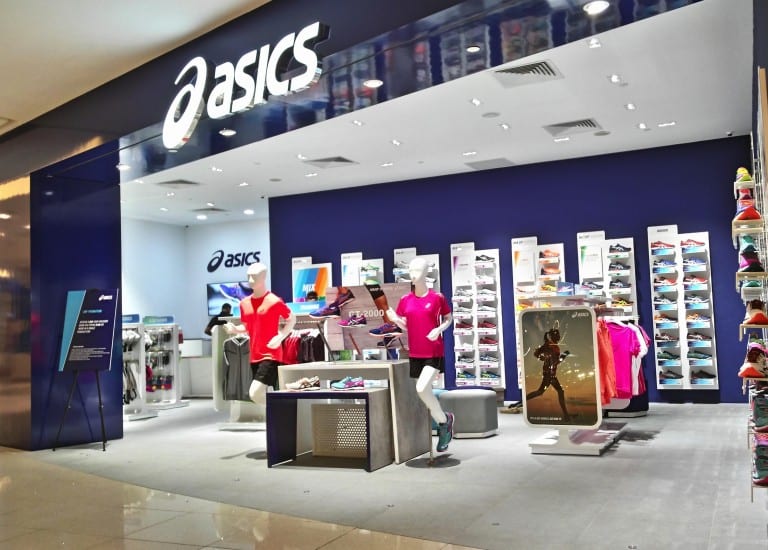
    Japanese sportswear retailer Asics has posted a steep drop in revenues as a consequence of the coronavirus pandemic.

    The firm has seen a 21.5-per-cent dip in global sales to the equivalent of US$1.4 billion in this year’s second financial quarter, and operating losses of $36.6 million against an $81.2 million profit last year.

    In keeping with a global rise in e-commerce trade heavily influenced by lockdowns and stay-at-home orders internationally, Asics saw an uptick in online sales of 139 percent for its European market – but that was not enough to prevent a fall in gross profits of 20.7 percent to $667 million.

    In its home market sales fell by 24 percent to $444.6 million, while in European sales were down 20.5 percent to $350.9 million.

  • Dunhill opens new outlet in Macau

    Dunhill opens new outlet in Macau

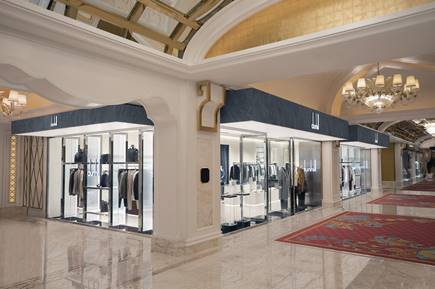
    British luxury menswear label Dunhill has opened a new store at Wynn Palace in Macau.

    The Dunhill Wynn Palace opening is part of the brand’s expansion strategy in Asia, according to the company.

    The store features a contemporary yet elegant design with modern elements such as its signature marble, leather, and metal details.

    Inspired by the Dunhill’s 1950s South Rodeo Drive store, the Wynn Palace store’s facade features the brand’s logo under a grey marble background and floor-to-ceiling glass walls.

    The store also houses a walnut burl cabinet and table inspired by the original furniture from London’s Duke Street and Paris’ Rue de la Paix stores.

    The Dunhill store in Macau offers a selection of luxury menswear by creative director Mark Weston, including ready-to-wear, leather goods, and accessories.

  • Nike opens House of Innovation in Paris, France

    Nike opens House of Innovation in Paris, France

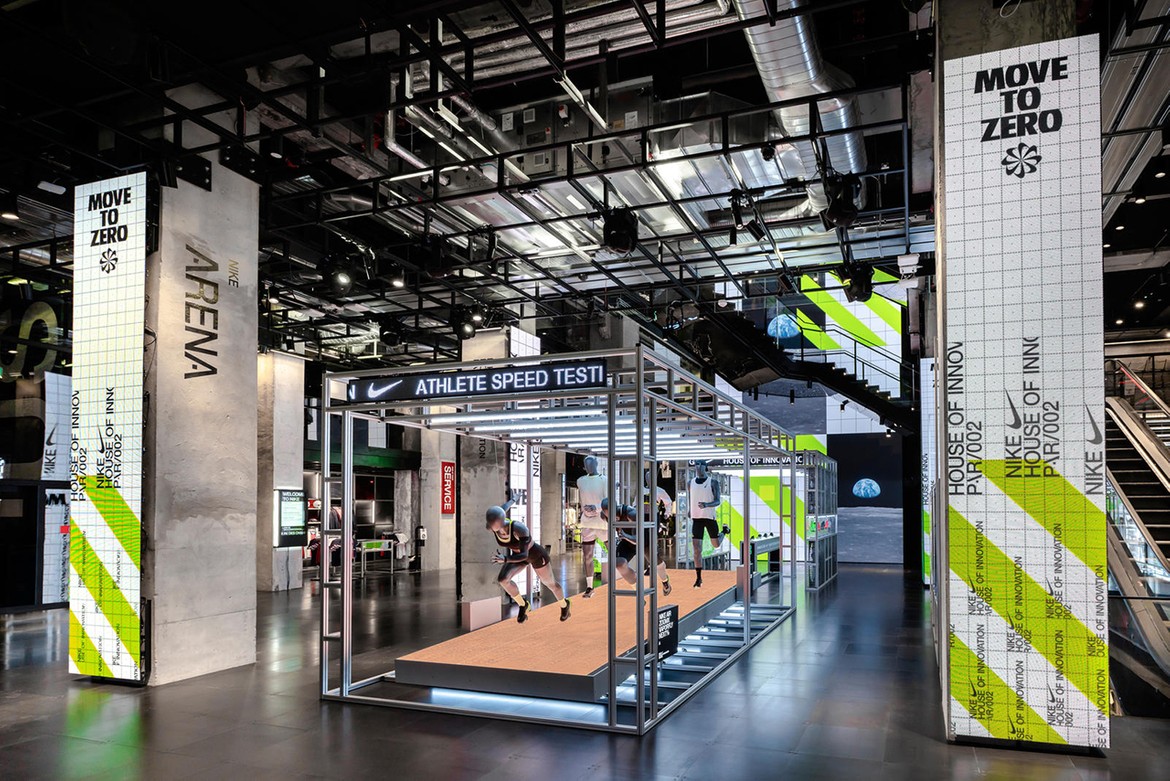
    Nike has opened the brand’s largest House of Innovation yet, in Paris, focusing on delivering a digital retail experience. Located at number 79 on the famous Avenue des Champs-Elysees, the House of Innovation 002 spans four floors and occupies a 2400sqm area.

    According to the company, Nike Paris will focus on four areas: uniting shoppers to a global sports community, innovative services and products for women, more kids’ experiences and seamless end-to-end consumer experience.

    “When consumers step into Nike Paris, they will experience our largest, most digitally connected and immersive retail concept in the world,” said Heidi O’Neill, president of consumer and marketplace.

    The House of Innovation in Paris features a wall-to-wall installation called Mission Control, connecting customers to the global sports community.

    Female shoppers can receive a fit recommendation using Nike Fit technology for any of its bras and information on their precise shape can be saved for future store visits.

    Nike Paris houses a destination for kids called Kids Pod, featuring interactive gaming and trial station such as a 360 virtual runners experience inspired by Parkour.

    “The strength of our digital portfolio combined with product innovation and amazing physical spaces will connect members to the community of sport and to one-of-a-kind experiences, serving them in an incredibly personal way,” O’Neill said.

    At the House of Innovation Paris, more than 85,000kg of sustainable material is woven into the fabric of the store design and display fixtures. The store is fuelled by a clean-energy wind farm in Spain.

  • Spotify rolls out video podcasts to free and premium users worldwide

    Spotify rolls out video podcasts to free and premium users worldwide

    Podcasts are a thing for several years now, but they only recently blow up. Spotify and other music streaming services are pushing out lots of features related to podcasts, including the option to see the actual podcasters, while listening to them.

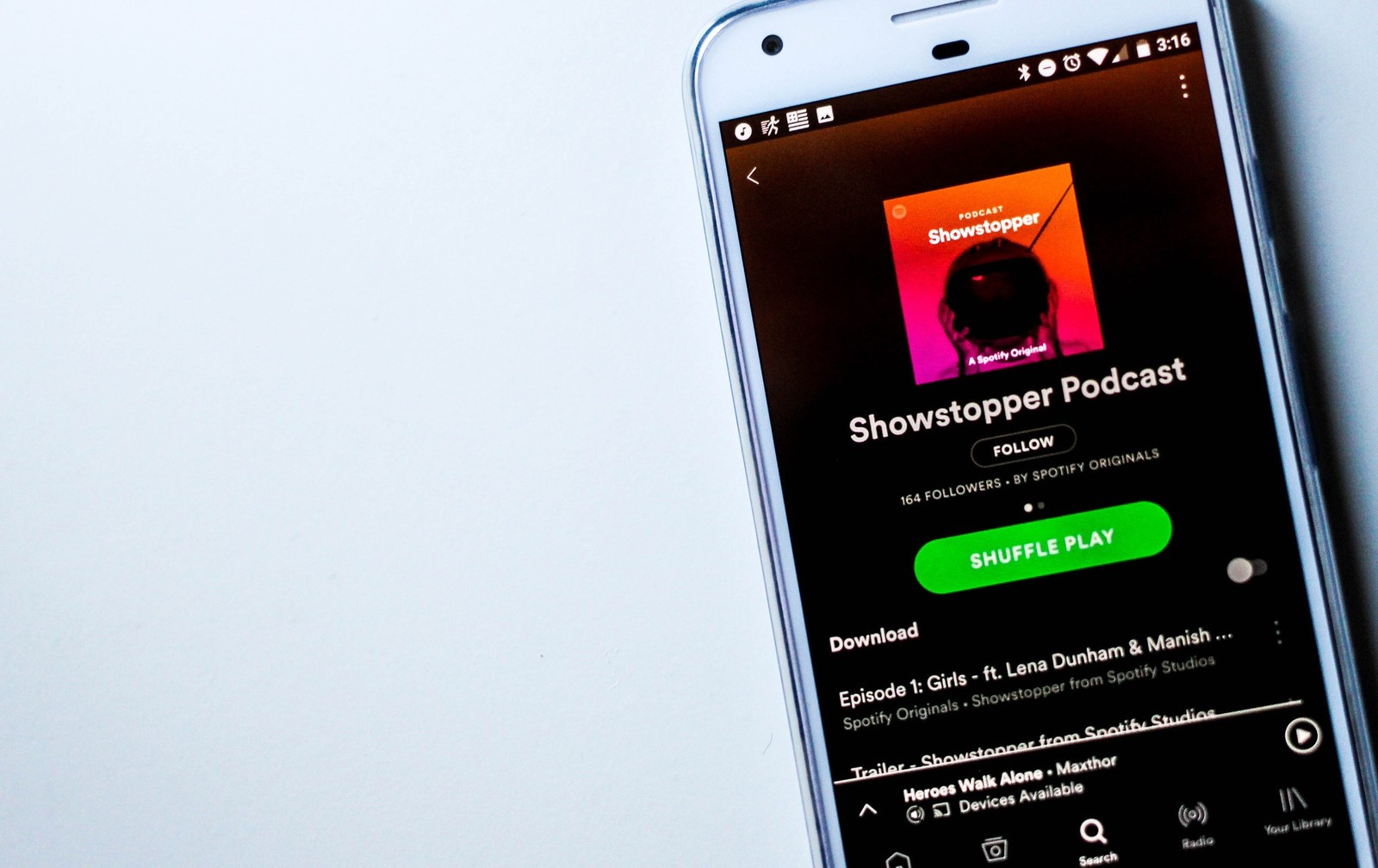
    Spotify revealed that it’s now rolling out a new video podcast feature with select podcasts, which will allow both free and premium users to listen to or watch these podcasts. Spotify also highlighted some of the podcasts that will benefit from video integration: Book of Basketball 2.0, Fantasy Footballers, The Misfits Podcast, H3 Podcast, The Morning Toast, Higher Learning with Van Lathan & Rachel Lindsay, and The Rooster Teeth Podcast.

    Regardless of whether you’re using an Android or iOS device, you can watch podcasts by pressing the play icon that usually appears on compatible podcasts. They should start automatically and sync almost immediately with the audio feed.

    The option to download the audio on your phone so that you can listen to your favorite podcasts on the go will remain available. Keep in mind that the video feature will only roll out in countries where podcasts are supported.

  • Shoppers return to Macau’s casino malls

    Shoppers return to Macau’s casino malls

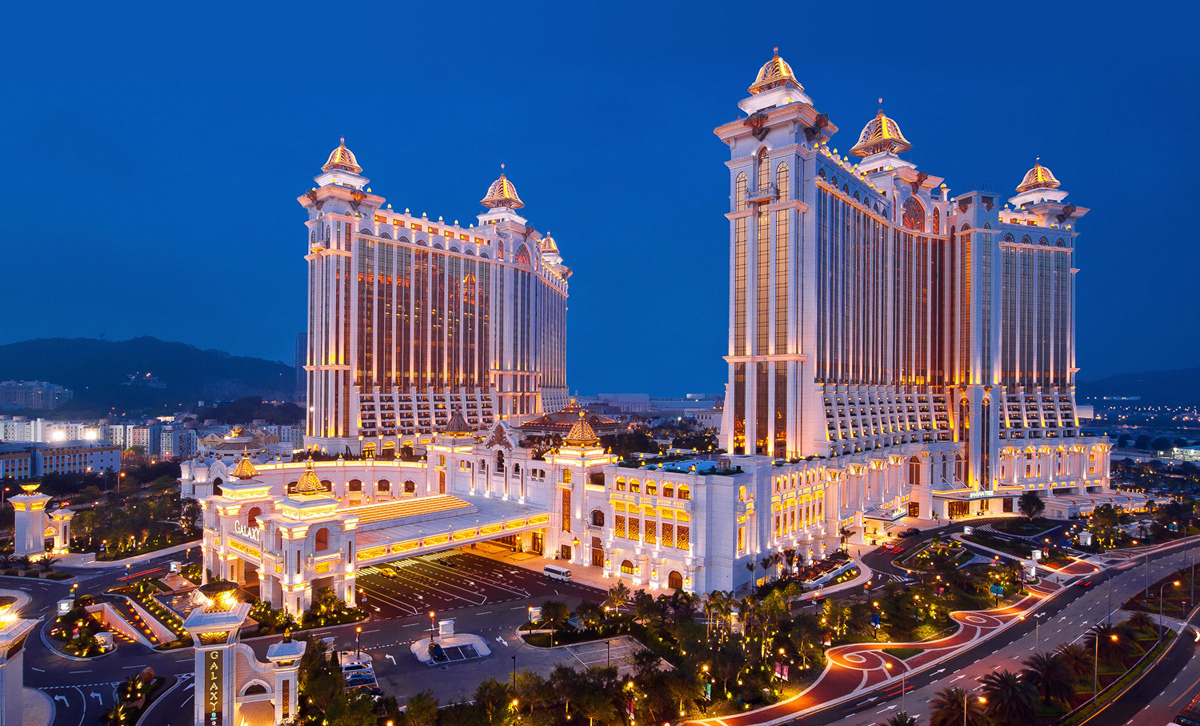
    Macau’s casino malls have seen a welcome resurgence in foot traffic as locals bearing shopping vouchers return to store floors.

    While gamblers have yet to return to the casino venues, government e-voucher handouts to eligible residents of the territory have stimulated the local economy in the wake of the coronavirus pandemic.

    “Consumption coupons did help,” said JLL Macau head of leasing Oliver Tong. “When you go to casino malls, including The Venetian and Galaxy, during the weekend, the footfall is tremendous. It felt like going back to November or December last year when there were a lot of people. But these were all locals.”

    Visitor numbers to Macau dropped 99.7 percent in April, with retail sales down 45.1 percent for the first quarter to US$1.41 billion.

    Many retail tenants at Macau’s casino malls and adjacent to gaming facilities have been allowed rental waivers for three months.

    Check our partners from BestCasinoSites.me.uk.

  • Taiwan’s O’right makes Japanese start

    Taiwan’s O’right makes Japanese start

    Taiwanese beauty brand O’right is to make its debut in Japan this week. O’right’s first store will open in Isetan Shinjuku on June 10, followed by a second store in Yurakucho Marui the next day.

    “It shows the brand’s confidence in Japan’s path to economic recovery and its determination to establish a foothold in the Japanese beauty market,” the company said in a statement.

    The O’right Japan stores will feature a wide range of plant-based products, including the brand’s limited edition Caffeine Botanical Scalp Revitalizer. As the Tokyo 2021 Olympics Games’ key theme is sustainability, the zero-carbon beauty brand sees a timely opportunity to introduce its products in the Japanese market.

    During the openings, customers will be given gifts including high-quality hydrating hand sanitizer and exclusive discounts.

    Founded in 2006 as a hair-care brand, O’right has evolved into a “green-style” beauty brand, aiming to redefine the beauty market by introducing zero-carbon, sustainable products that “deliver on a promise of a greener tomorrow”.