Tag: luxury

  • Vive cake boutique launches hot beverages this winter

    Vive cake boutique launches hot beverages this winter

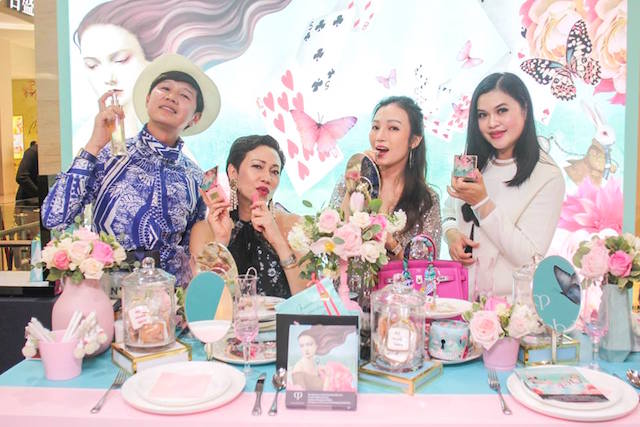
    Embracing the joyous holiday season, celebrity-loved Vive Cake Boutique launches a selection of luscious winter drinks specially curated by Founder, Ms Vivien Lau, to pair with VIVE’s delectable sweet treats. A selection of premium organic teas sourced from Taiwan are also introduced to add to its repertoire of beverages.

    “The holiday season is one that inspires the sharing of love and joy between family and friends,” says Vivien Lau. “Our new hot drinks are ‘warm, comforting and the perfect thing to cozy up with as the weather gets colder. Pair them with our signature cakes; it is soul-warming.”

    The new non-alcoholic So Grape-ful (HK$68), is a sophisticated yet whimsical libation designed to emulate mulled wine. Made with grape juice, tangy orange and lemon zest, a dash of cinnamon, cloves, and star anise, this warm drink not only brings to mind a winter wonderland classic, but also inspires a sense of playfulness with its presentation in a classic Christmas bauble sitting in a Martini glass.

    Lovers of sweetness and tradition will enjoy the classic S’mores (HK$50) concoction. A classic hot chocolate topped with roasted marshmallows, featuring butter cake crumbs, the smooth and satisfying drink conjures the classic Christmas moment shared by family and friends in front of a fireplace.

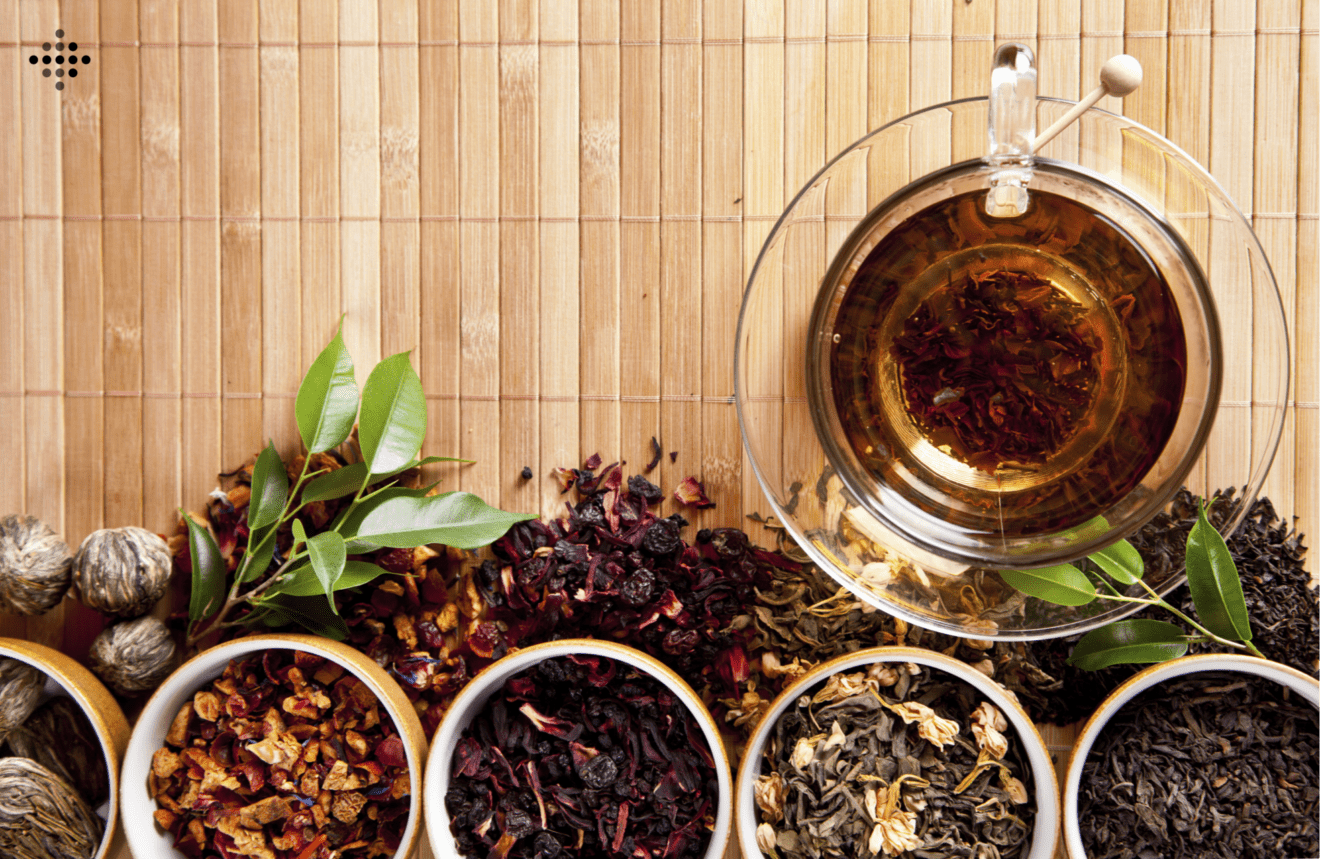
    The chilly winter season need not only be a time exclusively for indulgences. VIVE introduces a repertoire of three organic premium teas personally sourced by Vivien Lau from Taiwan, unrivalled for its high quality teas.

    Each of these teas is recommended to be paired with VIVE’s repertoire of signature desserts. The long-lasting, mellow sweetness of the Golden Honey Black Tea (HK$42) which invokes a scent of honey, floral, fruity, and milky aroma is recommended to be paired with Berry Jolly (HK$58), a layered sponge cake with mascarpone mousse and strawberry fillings. The slight astringency of black tea will make that mascarpone mousse really sing.

    The sweet, floral, and honey-fragrant Oriental Beauty Tea (HK$42) with its unique flower and honey aroma is best paired with the Berry Almond Tart (HK$48), made with seasonal fruits set atop an almond cake base and a crisp, sweet tart shell.  The tea is light enough to not overpower the fruits, but flavorful enough to make this simple sweet treat shine.

    Tea lovers who fancy the classic clean and grassy aroma with a tinge of roast, will love the mellow and brisk taste of Alpine Roast Oolong Tea (HK$42), which leaves tea drinkers with a lingering sugar cane sweetness. This tea is best paired with Treasure Hunt (HK$58), a rich caramel glazed cake, layered with dark chocolate sponge, caramel & chocolate mousse, set on a crunchy base.  The fragrant florals of lightly oxidized oolongs will bring out the fruity and earthy flavors of dark chocolate.

    Tea-ophiles may also take these naturally grown, chemical-free teas home with them. Tea connoisseurs may enjoy Golden Honey Black Tea for a natural caffeine boost, Alpine Roast Oolong Tea, and Oriental Beauty Tea at the comforts of their own homes. The packaged tea box with priced HK$218, including 15 individual tea bags (each flavour of 5), is a perfect personal or corporate gift.

    Vive Cake Boutique has proved a roaring success story since being launched with online orders in 2014 by founder and creative director Vivien Lau, who discovered her passion and talent by chance, making her first cake for a friend’s birthday. Her signature ‘handmade with love’ cakes, cupcakes, macarons, cookies, confectioneries and tailor-made cakes for weddings and special occasions, are all made from scratch from finest ingredients sourced from all over the world.

    VIVE’s widespread acclaim includes Time Out’s listing among the “crème de la crème of Hong Kong’s bespoke dessert makers” – with a massive celebrity and socialite following including Aaron Kwok, Charlene Choi, Gillian Chung, Niki Chow, Sharon Chan, Miki Yeung, Ella Koon, Myolie Wu and more.

  • Vietjet boosts the business by opening new route

    Vietjet boosts the business by opening new route

    Vietjet continues to solidify its presence in Vietnam this holiday season with the announcement of its newest route connecting Ho Chi Minh City with Van Don (Quang Ninh Province). Bridging the gap between Vietnam’s largest city and the attractive island district in Quang Ninh Province, the new route will serve to meet the growing travel and trade demands of locals and tourists alike.

    Starting 20 January 2019, passengers will be able to travel from Ho Chi Minh City to Van Don (and vice versa) with flights operating every Monday, Wednesday, Friday and Sunday. With a flight time of 2 hours and 15 minutes per leg, the flight will depart from Ho Chi Minh City at 07:00 am and arrive in Van Don at 09:15 am. The return flight takes off from Van Don at 09:50am and lands in Ho Chi Minh City at 12:05 pm.

    In celebration of the new route, Vietjet is currently running a three golden day promotion starting 20 to 22 December 2018. 2.2million tickets priced only from MYR0 (*) will be available for booking during the promotional time between 1.00pm to 3.00pm (Malaysian time) via the website. The promotion is applicable on all domestic flights within Vietnam and the travel period is from 20 January 2019 to 31 December 2019 (excluding public holidays).

    Located in close proximity to Ha Long Bay – a UNESCO World Heritage Site, the Van Don Islands District is an attractive tourist destination comprising of over 600 large and small islands. Van Don has a unique beauty that boasts serenity and wilderness. It is home to many famous destinations such as Bai Tu Long National Park, Dua Islet, Thien Nga Islet, Quan Lan Island, Minh Chau Island, and Ngoc Vung Island.

    Aiming to be a Consumer Airline, Vietjet has continually opened many new routes, added more aircraft, invested in modern technology, while offering more add-on products and services to serve all demands of customers.

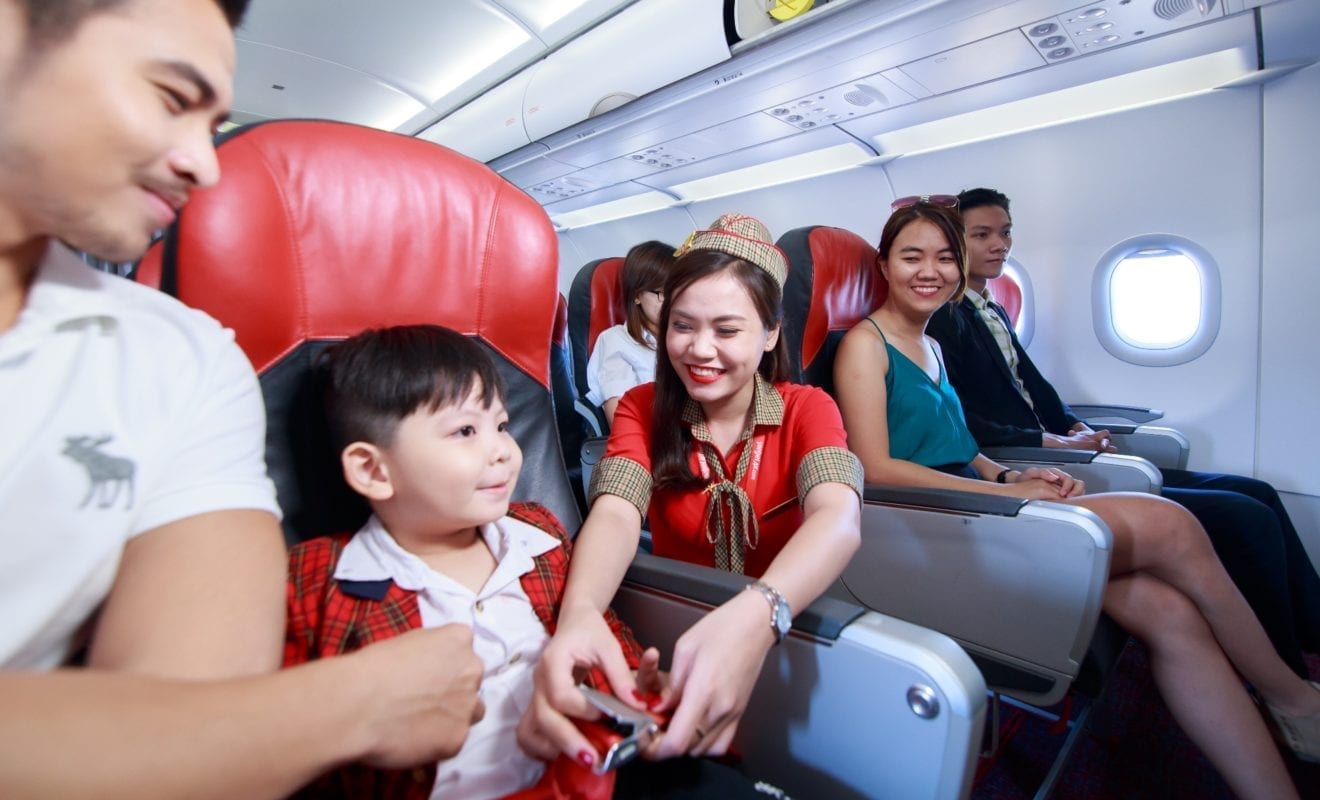
    Vietjet has been a pioneering airline, winning the hearts of millions of passengers thanks to its exciting promotions, entertainments, especially during the festive seasons. With high-quality services, diverse ticket classes and reasonable airfares, Vietjet offers its passengers flying experiences on new aircraft with comfy seats and delicious hot meals served by beautiful, dedicated and friendly cabin crews, and many more enticing add-on services.

  • Lancome opened sensorial pop-up store in HaitangBay

    Lancome opened sensorial pop-up store in HaitangBay

    With over 170 beauty awards to its name, Mainland China’s leading beauty brand, Lancôme, celebrated its top selling serum, Advanced Génifique, by launching a multi-sensorial pop-up at China Duty Free Group’s (CDFG) Sanya International Duty Free Shopping Complex at Haitang Bay. Renowned actress and LANCÔME local ambassador for China, Zhou Dongyu, actors, Zhai TianLin and Yin Zheng, and over 12 beauty influencers joined hands to embark on an exclusive journey of experiencing the 1+1 dual skincare benefits of the Advanced Génifique and Advanced Génifique Sensitive. The pop-up is an opportunity to address the robust growth driven by Chinese travellers within a booming beauty market that continues to accelerate in Asia Pacific.

    Located at one of Asia’s leading downtown duty-free destinations, the pop-up in sophisticated hues of blue and white brought in the spirit and taste of French elegance to Sanya. Beauty influencers and travelers experienced Lancôme’s top-rated serum through various sensory, with features such as a photo booth, interactive games and an impactful outdoor lighting installation. The pop-up ran from November 2 to 29.

    “To celebrate the abiding success of the Lancôme brand and its iconic Advanced Génifique serum, we are happy to partner with CDFG in Sanya, Haitang Bay, to launch this pop-up with the presence of our local ambassador for China, Zhou Dongyu. As we remain optimistic of our growth in Travel Retail APAC, we are excited to reach out to the Chinese travelers in their home country to experience Advanced Génifique in an all-immersive retail experience pop-up,” said Tao Zhang, General Manager of Lancôme Travel Retail Asia Pacific.

    “We are pleased to partner with a leading international beauty giant like Lancôme to showcase their iconic Advanced Génifique serum at this specially designed pop-up. CDFG Sanya International Duty Free Shopping Complex hosts millions of travelers per year, and our core focus revolves around the idea of creating and delivering meaningful and memorable experiences for them. This partnership with Lancôme has made this possible, bringing an engaging shopping experience, elevated for our travelers.” said Xie Zhi Yong, Deputy General Manager of CDFG Sanya Downtown Duty Free Store Co., Ltd.

    Celebrating the momentous occasion and enduring success of the brand’s iconic serum, the pop-up was themed around the Advanced Génifique, which is heading into its ten year anniversary in 2019. With more than 170 beauty awards to its name, the powerful youth activating serum remains as one of the best-selling serums in the country.

    Primed as Asia’s leading downtown duty-free destination for international, luxury cosmetics as well as the gateway for the brand to tap into the thriving travel retail market, CDFG Sanya International Duty Free Shopping Complex was specially selected to play host to Lancôme’s Advanced Génifique’s pop-up. The duty-free shopping complex houses one of the top POS for Lancôme worldwide, and will remain a key strategic focus for the brand’s travel retail business across APAC.

    Billed as the top holiday destination for affluent mainland Chinese, Sanya saw KOLs from around China descend upon its shores to embark on a ‘Advanced Génifique’ journey to reveal their skin’s glow and deepen their understanding of Lancôme’s well-loved Advanced Génifique and Advanced Génifique Sensitive serums through a beautiful holiday experience with the brand. Invited KOLs whose Advanced Génifique journey at Sanya enabled them to better understand the benefits of the brand’s powerful youthactivating serum, share their knowledge, and advocate Advanced Génifique across their platforms.


  • Now tourist can claim VAT refund in downtown Bangkok

    Now tourist can claim VAT refund in downtown Bangkok

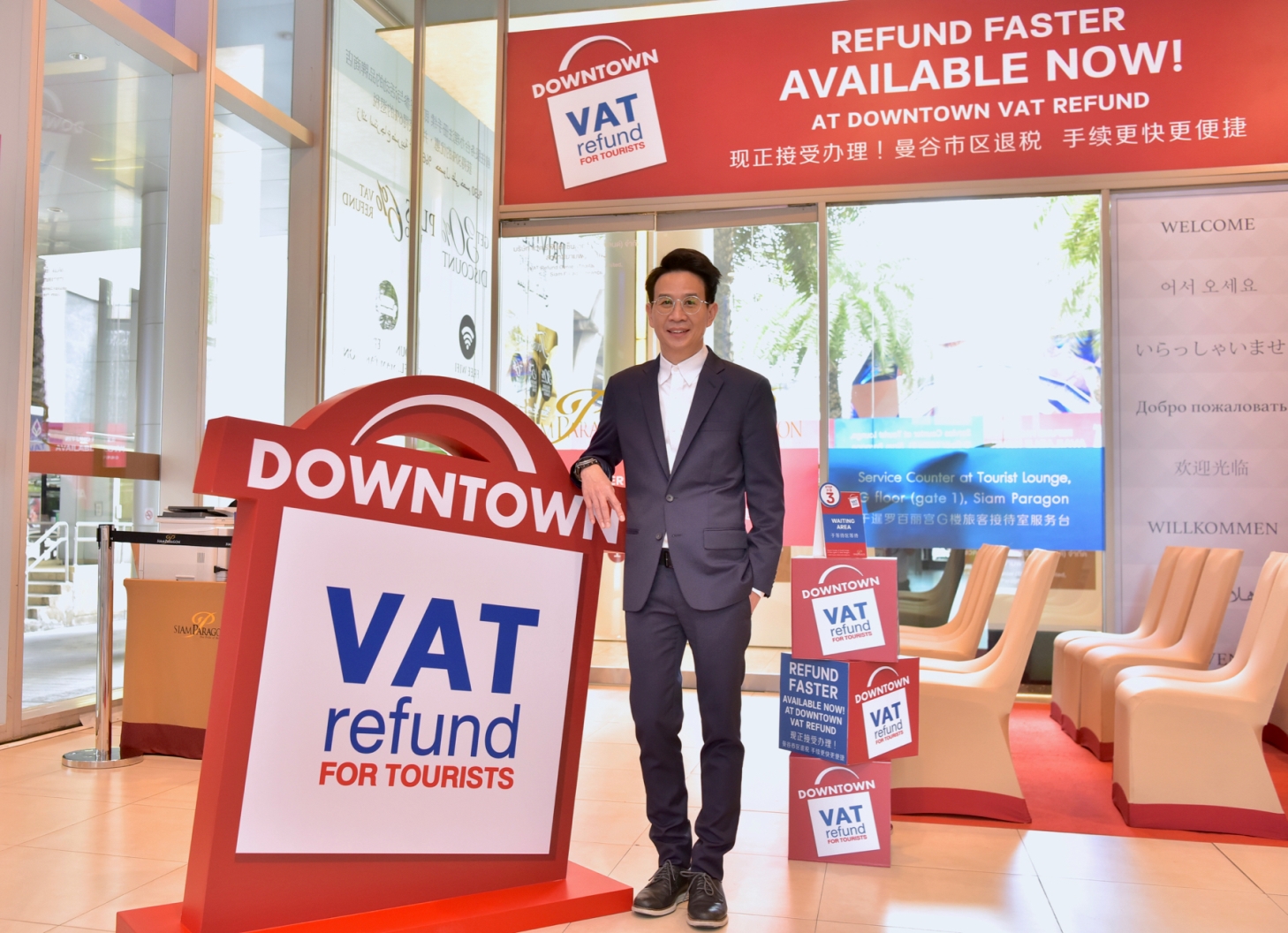
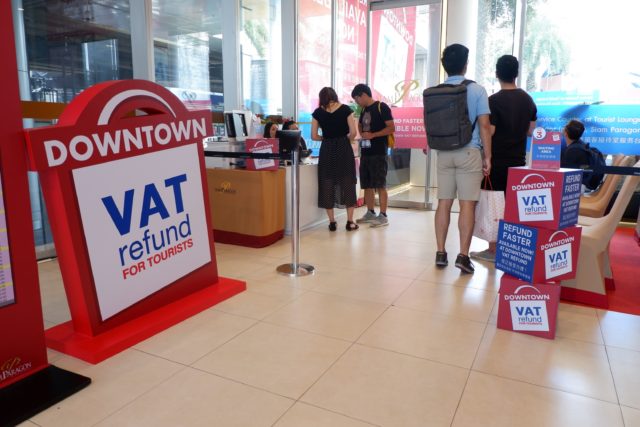
    According to the announcement by the government’s Reveue Department regarding ‘Downtown VAT Refund for Tourist’, the campaign has kickstarted an initiative to set up counters in numerous locations across central Bangkok to help tourists proceed with VAT refund upon shopping at permitted VAT refundable retailers. VAT refund will be returned to tourists in the form of cash in Thai Baht, encouraging them to continue shopping in Thailand with ease and convenience. Apart from helping tourists, the campaign is initiated to promote growth and balanced income distribution to small businesses.

    As one of the founding parties of VAT Refund Center (Thailand) Co.,Ltd, Siam Piwat Co., Ltd. is proud to be the official partner and the representative to assist tourists with VAT refund processes in these 5 locations across Central Bangkok; Siam Paragon, CentralWorld, Central Chidlom, Robinson Sukhumvit,  and The Emporium. As one of the partnering department stores, Siam Paragon has completed all preparations to help and service incoming tourists at the highest capacity.

    Senior Executive Vice President for Siam Piwat Co., Ltd. retail business development division Charnchai Cherdchoowongtha-nakorn said, “Siam Paragon is delighted to fully support the government’s policies and work with the Revenue Department. ‘Downtown VAT Refund for Tourist’ is set up to be a key area on G Floor where tourists can find conveniently, as it is located by one of our entrances connected to BTS Skytrain and taxi stops. Additionally, adept, knowledgeable and service-minded staff have been assigned to accomodate tourists with paperwork and essential procedures in order to fully and successfully comply with policies from the Revenue Department.”

    “Not only will shopping tourists of Siam Paragon, Siam Center, and Siam Discovery find it convenient to proceed with VAT refund at Siam Paragon, all tourists who have purchased goods, in accordance with all policies by the Revenue Department are welcomed to complete all necessary procedures at our department stores. The convenience of VAT refund at Siam Paragon is extremely helpful for those who have purchased in the popular shopping destination Siam as hundreds of SME businesses, small retailers and corporations are located in the area, covering an vast space of 2,000,000 sqm, with over 20 hotels to accommodate international tourists in more than 3,000 rooms available – with extra support from Bangkok’s BTS Skytrain system, connecting Ratchathevi and National Stadium to Siam station.”

    “According to statistics, out of 400,000 – 500,000 shopping tourists per day at One Siam, an average of 938 VAT Refund Form ( P.P. 10) have been filled each day from shops and retail spaces in Siam Paragon, totaling to a signification amount of 342,494 applicants.”

    “Based on Siam’s all-round advantages, we are confident that our VAT refund counter on G Floor of Siam Paragon will be the key point of service for all international tourist groups. Not only will these counters help tourists in making better decisions about visiting Thailand, the amount of amount refuned back to them will potentially be spent on additional purchases in Thailand. Consequently, it would help boost our economy. I can see this initiative having positive influence on the number of Thailand-bound tourists – more by volume and frequency,” Charnchai stated.

    The initiative of establishing VAT refund counters directly impacts the tourism industry on multiple levels: 1. Amount of retained money which tourists have spent after receiving VAT refund helps small retailers and businesses, which, in turn, strengthens Thailand’s economy; 2. The growth in sales volume and sales value is proportional to the rate of economic growth and revenue from tourist spending; 3. A significant decline in VAT refund at Suvarnabhumi and Don Muang Airport reflects positive a sign of service improvement; 4. VAT refund for tourists promotes better opportunities for local retail shops to generate more sales.

  • Olympic Committee Launches the First Olympic Store for Chinese Fans with Alibaba

    Olympic Committee Launches the First Olympic Store for Chinese Fans with Alibaba

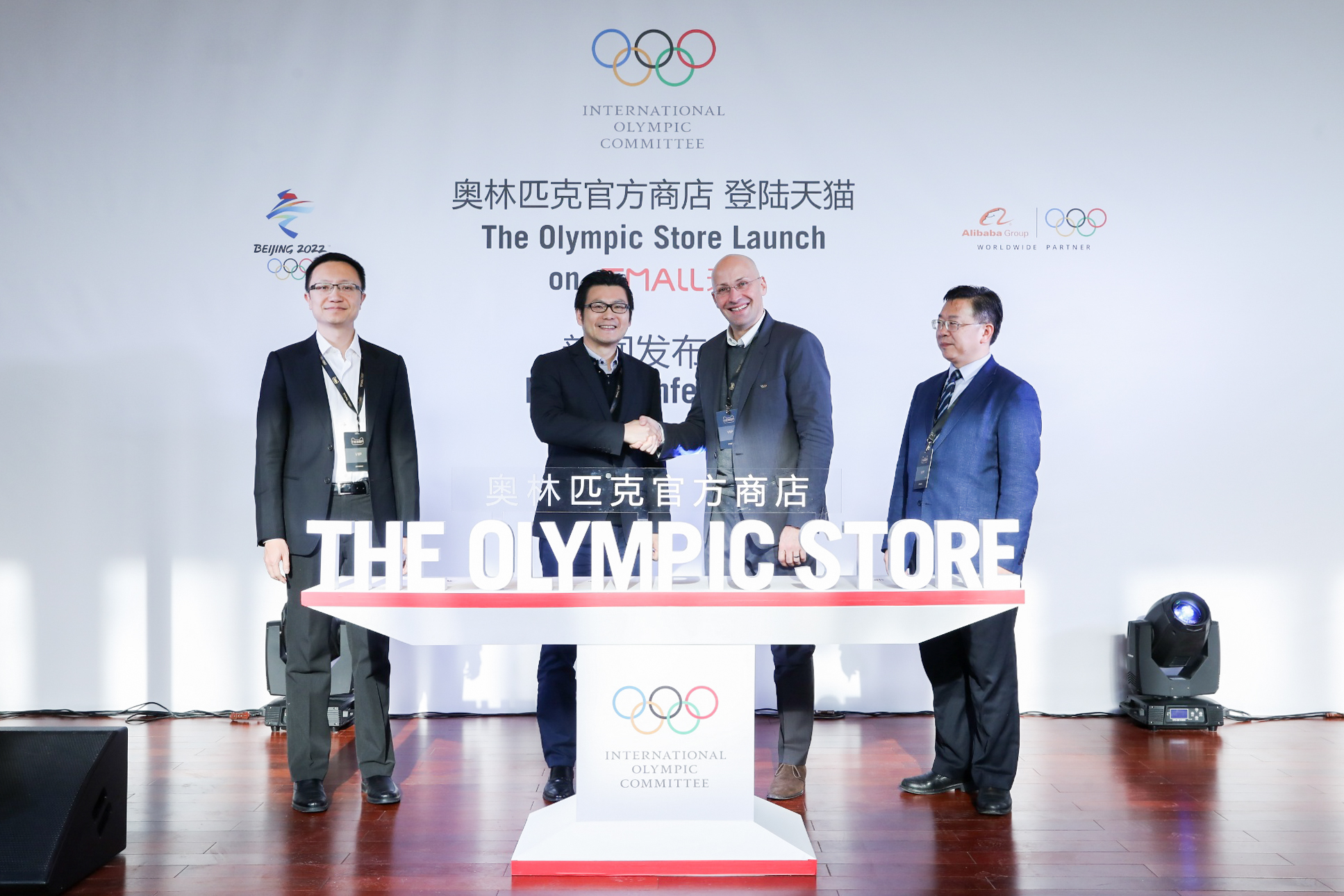
    The International Olympic Committee and Worldwide TOP Partner Alibaba Group (NYSE: BABA) announced the launch of the firstever Olympic store on Tmall, China’s largest B2C marketplace for brands and retailers, during the weekend. The new Olympic store will be initially available to Chinese fans on Alibaba’s Tmall, with additional plans in development to create a global ecommerce platform for fans around the world.

    The Olympic store on Tmall has been launched as part of the new IOC Global Licensing Strategy, which aims to engage and connect with fans seeking official Olympic branded merchandise, in line with Olympic Agenda 2020. The launch was announced at the second annual Tmall Winter Festival in Zhangjiakou, a three-day online and offline retail event to generate excitement for winter sports among Chinese consumers. The Olympic store on Tmall will offer official products developed as part of three Olympic core licensing collections, aimed at engaging Chinese fans all year round.

    The Olympic Games Collection celebrates the upcoming Olympic Games and includes branded products from the Beijing 2022 and Tokyo 2020 Games, such as pins, apparel and other memorabilia. The Olympic Heritage Collection will feature products that include art and design elements from previous Games editions, such as postcards of historical Olympic posters, connecting fans and connoisseurs with the rich heritage of the Olympic Games. Finally, the Olympic Collection will target a young and active audience through unique branded products, mainly sports equipment and toys.

    Timo Lumme, IOC TMS Managing Director, said: “We are delighted to launch our first Olympic store on Alibaba’s Tmall in China, one of the world’s largest ecommerce marketplaces. The launch was made possible thanks to the support of our Worldwide Olympic Partner Alibaba’s technology and expertise, as well as our partnership with the Beijing Organising Committee for the Olympic and Paralympic Winter Games 2022. The Olympic Winter Games Beijing 2022 will be a landmark moment for China and the Olympic Movement, and from today we look forward to offering the latest exciting Olympic products to Chinese Olympic fans through our new Olympic store on Alibaba’s platform.”

    Chris Tung, Alibaba Group Chief Marketing Officer, commented: “The launch of the first Olympic store on Alibaba’s Tmall is an important milestone in our long-term partnership with the IOC. We are proud to leverage Alibaba’s technology and ecosystem to provide more opportunities for Chinese fans to celebrate the heritage of the Games and join in the excitement for Tokyo 2020 and Beijing 2022. We look forward to our continued collaboration with the IOC to connect more fans in China and from around the world to the Olympic Movement in the digital era.” Piao Xuedong, Director of the Beijing 2022 Marketing Department, said: “We are proud to work with both the IOC and Alibaba to present the Olympic store on Tmall to Chinese Olympic fans today. It is the first time in the history of the Olympic Movement that Olympic fans can use an online store to look for licensed products both from the historical Olympic Games and the upcoming Olympic Games. Beijing 2022 is getting full value by innovating the licensing programme today. Our licensing team will keep supporting the Olympic store on Tmall by providing more wonderful products in the future.”

    In December 2017, Alibaba Group, in partnership with the Beijing 2022 Organising Committee, introduced the official online shop for Beijing 2022 on Tmall to help promote the Games among fans in China. Alibaba Group and the IOC entered a historic, long-term strategic partnership in January 2017 to help transform the Olympic Games for the digital era. Alibaba Group serves as the official “Cloud Services” and “E-Commerce Platform Services” Partner of the IOC, and is a Founding Partner of the Olympic Channel through to the 2028 Games.

  • Top 10 Asian brands to keep an eye on in 2019

    Top 10 Asian brands to keep an eye on in 2019

    Last year, a rank report is released the #10 Best Performing Brands of 2017. The ranking gathered a mix of brands, which stood up from the crowd for incredible brand activities throughout the year.

    This year, the ranking focuses on Asian brands, which have registered a rapid growth in 2018 in terms of POS, distribution channels, global expansion; among them digital native brands that quickly captured a conspicuous pie of the market by conquering Millennials and GEN Z with their Intagrammable moods. From Korea to Japan, from cosmetics to accessories, the list covers the main trends to keep an eye on in 2019.

    3CE – The most Instagrammable cosmetics brand

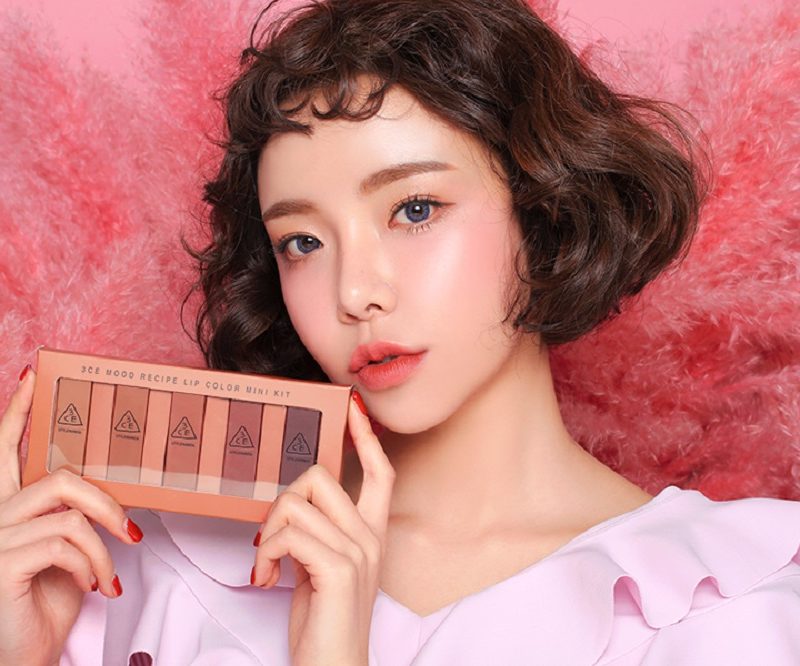
    Launched in 2009, 3 Concept Eyes (3CE)  is the popular Korean cosmetics label of Stylenanda and is one of the youngest and most playful brand on the block.

    Founded by Kim So-Hee, the cosmetics label with mid-end price points was ranked No. 1 as the most preferred K-beauty brand by Chinese consumers in multiple surveys.

    The secret behind the success of the brand is the strong appeal it draws from Millennials and Gen Z. From product design to distribution, each facet of 3CE is thought to be Instagrammable.

    Living proof is the brand’s movie-themed flagship store in Gangnam-gu, Seoul, which turns its clients into stars getting ready to go on stage in make-up booths with colorful lighting and props in cute baby pink colors.

    Among the Instagrammable products, the brand’s jewel-like tubes of lip gloss have become a status symbol for Millennials and Gen Z, being featured in famous K-drama “Missing You” and now blanketing stores all over Asia.

    To keep it trendy, 3CE collaborated for the second year in a row with Maison Kitsuné to launch a second make-up range offering the perfect French x Korean beauty fusion with girly packaging.

    Available offline and online, 3CE’s products are distributed through its parent’s company, Stylenanda, multi-channel distribution model which includes e-commerce, speciality retailers, and point of sales in department and duty free stores.

    In less than a decade, 3CE has managed to become the fundamental pillar of Stylenanda and today represents more than 70% of the business with a 127 million euro turnover in 2017 and nearly 400 employees.

    It was actually 3CE which drove L’Oreal’s acquisition of Stylenanda earlier this June, the group’s first investment in a K-beauty brand (the exact amount was not disclosed but industry sources estimate the company was sold for between 570 billion and 600 billion won.)

    A Bathing Ape – BAPE  -The Asian streetwear brand

    BAPE is one of the most hyped brands in streetwear defined by its young audience’s appetite for anything on offer.

    Founded by Nigo in 1993, it started as a hole-in-the-wall T-shirt shop in Tokyo’s Harajuku district but in the 2000s, the brand catapulted cult streetwear into the mainstream, and was co-signed by everyone from streetwear devotees to celebrities like the Clipse, Pharrell, Kid Cudi, and Jay Z.

    In 2010, Nigo stepped down from the company as CEO, but stayed on to assist with the transition after it was sold in 2011 to Hong Kong fashion conglomerate I.T for $2.8 million.

    The hype around BAPE is still as vivid today with its unique designs appearing on everything from apparel to luxury items as celebrities from all industries like The Weeknd or American rapper Pusha T can be seen rocking the label. BAPE also takes part in collaboration as we have recently seen the exclusive line launched with the French capital’s iconic football club, PSG (Paris Saint Germain).

    BAPE was the creator of the fundamental streetwear formula of hype, scarcity and public spectacle – the brand’s recipe for success. It managed to find the right balance between exclusivity and mass appeal with prices ranging from HKD$699 to HKD$3799.

    A Bathing Ape has a very powerful brand DNA defined by its strong aesthetics: to have the BAPE look, you must go to BAPE as no substitute will do the trick. More than a clothing line, the label is a lifestyle in itself. The brand has a particular approach to collaborations, taking a lifestyle based approach as seen with the Pepsi can and MAC makeup campaigns.

    As of today, A Bathing Ape has 33 stores opened around the globe which are sitting in Japan, France, the UK, China, Hong Kong, Korea, Taiwan and Singapore. Selected dealers around the globe also offer the brands’ products. Online, the brand has 3 official website and it is also available on Zozotown.

    Owndays– The fast fashion eyewear disruptive concept

    OWNDAYS is an international optical retail concept founded in Tokyo, Japan.

    It currently has more than 120 stores in Japan and has successfully established stores in 11 overseas countries in Asia Pacific with 43 stores in Taiwan, 36 in Philippines, 27 in Singapore, 20 in Thailand, 6 in Hong Kong and 17 more spread across Indonesia (5), Malaysia (4), Vietnam (3), Cambodia (3) and Australia (2).

    Shuji Tanaka, current president and CEO, took over OWNDAYS in 2008 and has transformed it into a retail chain operation that sells over 2 million pairs of glasses annually.

    Owndays’ 3 key success factors? Simple price, Quick Service and Good Value.

    Offering a simple price system to its customers with sets ranging from HKD$480 to HKD$1280, there are no hidden costs, a refreshing touch in the industry. Customers are also seduced by the brand’s wide portfolio of products which delights both Asians and Westerns, from children to elderlies, and which is delivered in an impeccable and rapid service – essential today as we all know that time is money!

    OWNDAYS is keen on working with different platforms from different industries, including participation in one of the largest fashion shows in Japan – ‘Tokyo Girls Collection’ in 2010, and as one of the official sponsors of the world’s first large scale fashion tournament for top stylists – ‘World Runway Premiere’ in 2011. OWNDAYS also sponsored the 4th Okinawa International Movie Festival in 2012.

    The brand has its designers, but they also do great collaborations such as that with Japanese designer, Jun Hashimoto or Fashion Designer Kansai Yamamoto

    With the recent investment this November from L Catterton Asia and Mitsui & Co., I believe there is so much more to come.

    Other two similar retail concepts also rapidly expanding all over Asia are  Zoff and Jins, which increase the number of Japanese companies targeting overseas markets; and therefore, worth mentioning in this ranking.

    Charles & Keith – The affordable women’s accessory brand

    Charles & Keith is a fast fashion retailer that specialises in women’s footwear and accessories and has achieved much international success over the years.

    Homegrown on Singapore shores, Charles & Keith was founded in 1996 by the two Wong brothers. Since its establishment, the brand has expanded to more than 450 outlets worldwide and went beyond brick-and-mortar stores by offering online shopping on its website to offer its stylish and trend-focused designs in Asia Pacific, the Middle East, Europe and the United States of America.

    Known for its high quality footwear and accessories inspired by runway styles and trends for the masses the brand is constantly reinventing fashion with its curated collections.

    Charles & Keith is the answer for the trend-conscious medium high-income consumers. Indeed with its affordable price tags (from HKD$69 to HKD$1,199) and constantly reinvented inventories (it produces an average of 1,000 new designs each year, with about 15-20 new designs being introduced into stores each week), its medium-high income customers do not give it a second thought before ravishing themselves into the beauty of shopping.

    The brand has built itself a loyal customer base resting on a relationship of trust from Charles & Keith to always provide them with the latest in affordable fashion.

    Celebrities and influencers also support the brand, sharing their looks on social media platforms such as Instagram to inspire their audience. The latest Charles & Keith Holiday party, held earlier this month, featured K-pop star Yura, South Korean celebrity Lee Harin, Hong Kong actresses Grace Chan, Angela Yuen, Hedwig Tam and Ashley Lam and actor Carlos Chan or Taiwanese fashion influencer Molly Chiang, all wearing the brand’s line.

    Charles & Keith is not short of creative designs as it continuously engages in collaborations with the likes of Tokyo-based illustrator WALNUT or Disney for an Alice in Wonderland collection.

    The brand already has stores in North Africa and as it is expanding in Asia. We have also seen it opening its London offices along with logistic center in the region to serve the European market this year. Would this be the beginning of its physical expansion to the West side of the world?

    Lady M- An international triumph of sweetness

    Originally opened in Japan in 2001 by Emy Wada, Lady M is a bakery and retail cake business globally known for its elegant, handmade Mille-Crepes Cake. Bought by Ken Romaniszyn family in the early 2000s, the entrepreneur was confident of Lady M’s potential and eager to expand the brand’s presence to the US. As he began opening Lady M’s first New York boutiques, the number of them steadily increased over the following decade as the brand gained ren

    In 17 years, the New-York based bakery has grown to 26 boutiques spread over the American and Asian continent where it is present in, Singapore, Macau, Taipei, Shanghai, Beijing, Nanjing and Hangzhou. In 2018, 5 boutiques popped up in Hong Kong, including 1 at the airport, which enables visitors to take cakes home to their beloved ones.

    Lady M’s global success can be attributed to its branding inside out. Inside – the quality and beauty of cakes is all we can hear about with people queuing up outside the famous bakery; outside – its iconic logo and sleek storefront design with marble and glass displays are simply hard to miss.

    Its key success factor is the distinctive texture given by its secret recipe, which pleases palates internationally.

    Gentle Monster – Still the best store experience

    Founded in Korea in 2011, Gentle Monster, which sells oversized and low bridge sunglasses with Asian fit at premium prices (from $200 to $500), has become one of the fastest trendy fashion eyewear brands in Asia and has over the year spread its reach globally. It is a good case study of an Asian brand that was able to adapt a mature product to the local Asian demands and trends.

    Gentle Monster is being sold in over 450 selected shops in over 30 countries including South Korea, France, Spain, Italy, Portugal, UK, and opened a branch office inNY, USA.

    In terms of revenues, the year 2017 registered 250 million USD, 70 percent of which is coming from direct sales. With last year’s investment by L Catterton (60 million USD for a 7% stake), the brand opened more markets with one of a kind concept stores suchs as a kung-fu fighting boutique in London or New-York’s new flagship space while cleaning part of their wholesale distribution. The Seoul-based firm is now resuming its delayed plans for an initial public offering while expanding its business portfolio by launching its own cosmetics brand.

    Gentle Monster’s success rests on 3 key pillars: Newness, Strange Aesthetics & Celebrities.

    Hankook Kim, CEO and Founder of Gentle Monster said that consumers are not paying for his products, but rather the feeling of experiencing something new and fresh. To keep appealing to unpredictable customers, he changes store displays every 21 days and curates them as he would an art-exhibition.

    Nevertheless, having the perfect product with a unique store design is not enough today.

    It was not until 2014, three years after it was established, that Gentle Monster suddenly became known by all of Asia as South Korean actress Gianna Jun was wearing Gentle Monster sunglasses when she appeared on the hit show My Love from the Star. Following her apparition, more Chinese celebrities were photographed wearing Gentle Monster such as Li Yifeng, Yang Yang, and Kris Wu. The fame also reached the West as models like Kendall Jenner and Gigi Hadid also wore the brand.

    As the brand is now expanding globally, it is trying to reduce its link to the K-pop culture. In that spirit, Gentle Monster recently collaborated with lauded Canadian retailer SSENSE on a Matrix-esque capsule, American fashion designer Alexander Wang or London photography collective-turned-streetwear purveyor Places+Faces.

    When it comes to its expansion, the new stores in Taiwan opening this coming January and K11 Musea in Hong Kong are full of promises.

    Pomelo – The fastest growing fashion digital native concept

    Pomelo Fashion, the Bangkok-based digital native fashion concept, is one of the fastest growing ASEAN brand.

    Launched in 2013 by former Lazada Thailand managing director David Jou, Pomelo positions itself as a digital native fashion brand that is vertically integrated, delivering to over 50 countries globally.

    At the roots of its model rests New Retail.

    The principle? Enabling shoppers to narrow down their choices online to then send their favorites to physical stores for trying on for fit. This model has been the key to Pomelo’s success as it can be done in a small space, saving on rent, while giving customers the opportunity to marry the convenience of online commerce and offline service.

    With currently 6 stores in Thailand, Pomelo is now looking to open a physical location in Singapore.

    In a 6 month time span, Pomelo has in the past actively launched new products across almost 20 product categories. Those high frequency and consistent launches ensures the newness of the assortment and keep customers coming back. And as quantity does not mean everything, Pomelo hires its designers locally to ensure it fits local tastes. Cherry on the top is the brand’s price points which are about half those of Western fashion brands like Zara and H&M.

    Its success has been noticed by many, attracting investors such as JD.com which led a US$19 million investment round last year or the likes of 500 Startups, Hong Leong Group and Jungle Ventures.

    Sulwhasoo – The holistic luxury South Korean beauty brand 

    Sulwhasoo is a holistic luxury South Korean beauty brand manufactured by Amorepacific Group. It all started in 1966 when Suh Sung-whan introduced his ginseng cream to the world, without ever suspecting it was just one of many he would later on develop under the Sulwhasoo brand, created in 1997.

    Revenue leader since 2005 in its domestic market and best-selling cosmetics brands at Incheon International Airport’s duty-free shops, Sulwhasoo was the first Korean beauty brand to make 1 trillion won ($921.8 million) in sales in one year. Starting from HKD$250, the brand’s signature products average HKD$1,500.

    The success of the brand comes from its high-quality product development, which combines traditional ingredients like ginseng, Sulwhasoo’s star ingredient, with advanced sciences (the brand owns a team of over 500 researchers focused on nature-driven formulas).

    Earlier this year, Sulwhasoo has appointed hallyu star Song Hye Ko as its global brand ambassador, the first face of the company since its creation.

    Other contributor to the brand’s success is its distribution as Sulwhasoo has extended its reach beyond Korea, starting in Hong Kong in 2004. It has since entered 11 more markets including China, Singapore, Taiwan, Indonesia, Malaysia, Thailand, Vietnam, the United States, Canada and France. It is now present in over 358 locations worldwide.

    In-store experience is toda a key element of a store success and the Korean beauty brand strives everyday to bring customers its experience of the five senses offering them a luxury experience through services such as gift wrapping and hand massage.

    This year, the company aimed at increasing its store openings in second and third tier cities while expanding into four tier cities. It also expanded touchpoint in online retail by offering its products on major e-commerce sites such as VIP.com and JD.com.

    Miniso – The Japanese-based variety store mushrooming worldwide

    Miniso is a low-cost retailer and variety store chain Japanese-based design brand and if it might be barely known in the West, the success of this company is not negligible.

    It has opened over 2600 stores in less than four years, with USD1.8 billion sales volume in 2017. At present, MINISO has reached strategic cooperation agreements with more than 70 countries and regions including the United States, Canada, Russia, Singapore, the United Arab Emirates, Korea, Malaysia, Hong Kong (China) and Macau (China), with an average monthly growth rate of 80 – 100 stores.

    Established in Japan in 2013, the brand was born from a co-founding between Japanese designer Miyake Junya and the young Chinese entrepreneur Ye Guofu, a former designer.

    Miniso’s success rests on its wide variety of high quality products which boast a modern design but a very low price, ranging on average from US$1 to US$30.

    Its in-house product development also contributed to the success as over 200 procurement managers are constantly scanning the global market to spot trends and allow the brand to launch new products every week. Miniso also employs more than 500 product designers from various countries, including China, Japan, South Korea, Sweden and Denmark to satisfy all tastes.

    I am looking forward to see if Miniso will reach the challenge it has set itself of opening 10,000 stores in 100 economies, including 7,000 stores overseas, and generating 100 billion yuan ($14.52 billion) in annual revenue by 2022.

    NARS –  Shiseido family’s rising brand

    Cosmetics brand NARS, launched in 1994 by French make-up artist François Nars, quickly became one of the most sought-after in the market.

    Acquired in 2000 by Shiseido Group, it has been leading  the growth in Shiseido Travel Retail’s make-up portfolio, particularly in Asia Pacific, where sales of NARS more than doubled in 2017 over the previous year.

    The two pillars behind NARS’ strategy? Product innovation and enhanced brand animation.

    NARS offers its customers a fully comprehensive range covering all bases which has successfully seduced them.

    Addressing Chinese Millennials, Nars has built its O2O strategy around the traveller journey, creating digital and physical touchpoints pre-, during, and post-trip encouraging customer interaction at all times. The brand creates a “virtuous circle” that enhances the consumer experience and amplifies the buzz in the source market of China to drive awareness and demand.

    Key to NARS’ positioning was the accurate selection of distribution channels. At the end of 2016, the brand was available at selected retailers in France, UK, Russia, Spain, Italy, Czech Republic, Poland, Switzerland, Sweden, Denmark, Turkey, UAE, Qatar, Kuwait, Saudi Arabia, Bahrain and in 4 Travel Retail locations. In total, 511 doors. In 2017, NARS launched in Portugal and The Netherlands.

    Recent collaboration include the collection NARS developed with Charlotte Gainsbourg – ultimate Parisian hip girl.

    NARS is part of the Shiseido’s family, and like all the other brands, has greatly benefited from Shiseido’s successes collected in 2018. The Japanese cosmetics giant has been an active protagonist of 2018 beauty narrative with the release of its sustainability campaigns touching upon environmental and social pillars. Additionally strong campaigns to support its social responsible identity, new appointments, and focus on research have been the main initiatives of this year.
  • Cle De Peau Beaute opens first Malaysian store

    Cle De Peau Beaute opens first Malaysian store

    Luxury skincare and makeup brand Cle De Peau Beaute Malaysia has opened its first boutique, at Pavilion Kuala Lumpur shopping centre. The store features a makeup gallery which tells the story of Pave-Diamond particles while a skincare gallery showcases La Creme.

    The store has consultation tables with personal beauty specialists available to help customers choose the most suitable products for their skin types.

    A VIP-consultation space at the back of the boutique hosts signature facial treatments, which incorporate massage techniques by aestheticians.

    “The retail landscape has changed tremendously in the past 15 years,” said Hiroyuki Maeda, Cle de Peau Beaute global director of business operations with the group. “This change is not specific to just Malaysia but on a global level. As a brand, we need to continuously innovate and transform to make ourselves relevant to our customers.”

  • Hyundai Department Store offers higher price rice

    Hyundai Department Store offers higher price rice

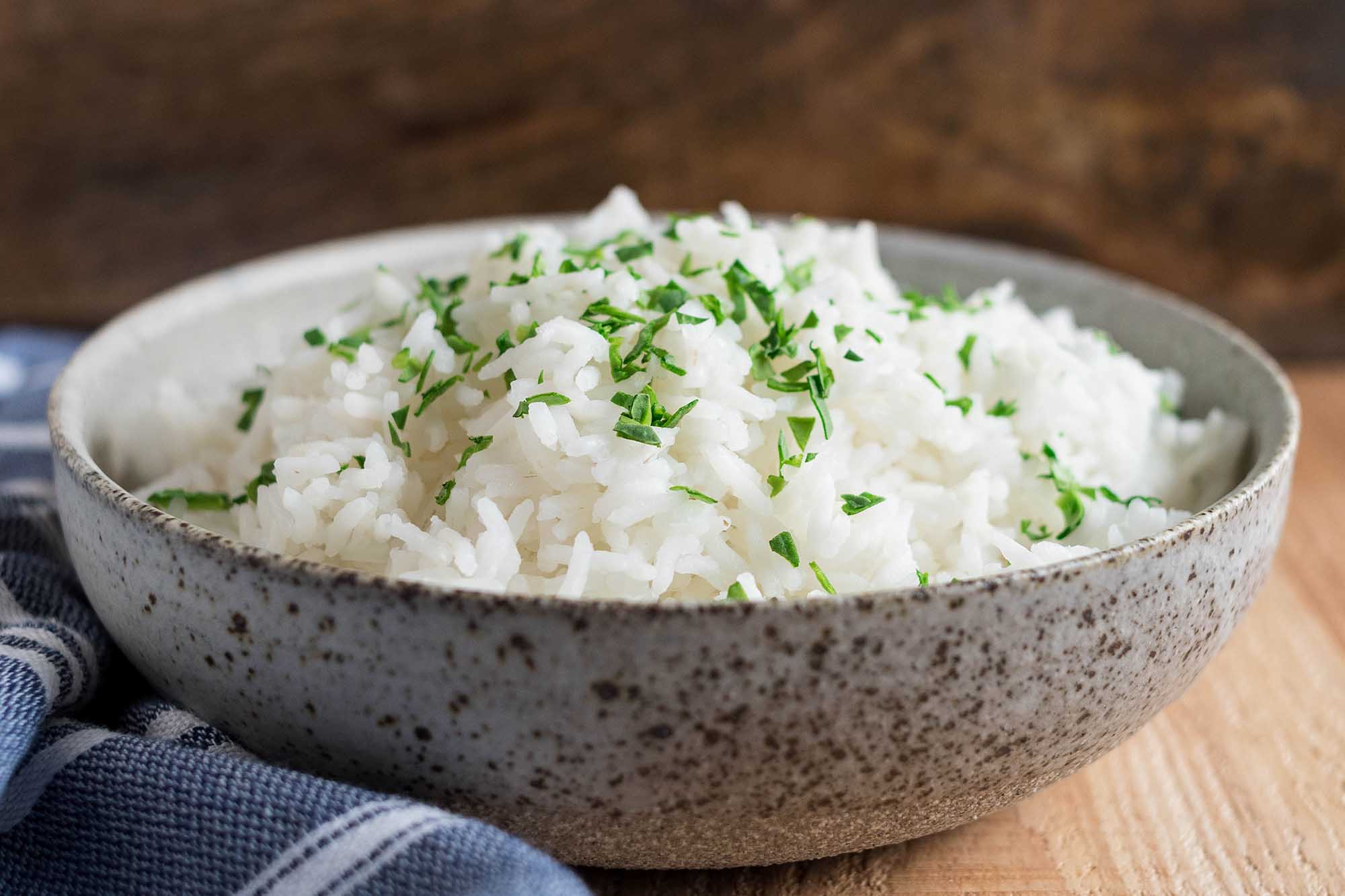
    Hyundai Department Store is hoping to cash in on Korea’s growing preference for premium rice with Hyundai Rice House, its new chain rice stores. Hyundai Rice House, which opened inside four existing Hyundai Department Stores on Wednesday, offers around 20 different types of high-quality rice unfamiliar to the average rice eater, such as Youngho Jinmi and Golden Queen No. 3.

    Despite changing tastes in Korea that are seeing a growing preference for Western food and an overall decrease in demand for rice, premium rice is growing in popularity.

    Hyundai Department Store reported a 3.1 percent decrease in its rice sales growth figures through November this year compared to the previous year, but sales of premium rice such as Koshihikari and Hitomebore have increased by 15.7 percent over the same period.

    Hyundai is pulling out all the stops to satisfy Korea’s budding rice connoisseurs, and the new stores will also sell bags of rice that contain different varieties mixed together in combinations chosen by a “rice sommelier.”

    The expert, accredited by the Corporation of Rice-Cooking of Japan, will also visit stores once every month to conduct “rice taste consulting” for customers to help them find rice that best suits their tastes and nutritional needs.

    The department store is also going to stock more small bags of rice to address the increase in one or two-person households in the country.

    Hyundai will continue to increase its rice lineup next year by introducing other Korean regional specialties produced only in small quantities.

    “[We] planned Hyundai Rice House to target customers who want to eat well even for one meal as the convenience food market continues to expand with the increase of one and two-person households,” said a Hyundai Department Store official.

    Customers will have to shell out more cash for the pricey rice as the average cost is 15 to 25 percent higher than the existing rice sold at the department store.

    The specialty store is located at Hyundai Department Store’s branches in Mok-dong, western Seoul; Pangyo, Gyeonggi; Ulsan and Busan.

  • Copperwired adding .Life stores next year

    Copperwired adding .Life stores next year

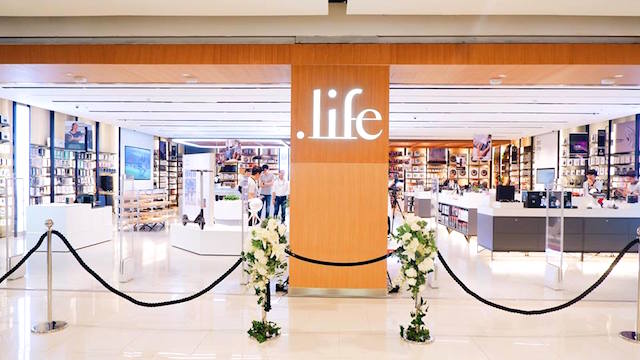
    Gadget retailer Copperwired is set to invest THB165 million (US$5.036 million) opening 30 new .Life stores by the end of next year. The new .Life stores include a new 310sqm flagship at CentralWorld, described as the “largest gadget lifestyle shop featuring Internet of Things (IoT) technology in Thailand”, which opened in September.

    The brand’s public listing on the Thai exchange is expected next year.

    “With the adoption of 5G, the number of connected devices will increase, and IoT in the form of connected toys, smart homes and smart transport and new demand for product categories will rise accordingly,” said Copperwired CEO Paramate Rienjaroensuk.

    The company expects .Life stores to boost its income by more than 20 per cent in the current financial year to more than THB800 million (US$24.414 million).

  • Why is Farfetch betting on sneakers?

    Why is Farfetch betting on sneakers?

    In its first major move since going public in September, Farfetch announced Wednesday that it is acquiring sneaker and streetwear marketplace Stadium Goods in a deal that values the business at $250 million. The London-based fashion e-commerce platform is aiming to extend its reach in the growing luxury sneakers and streetwear market, as millennials account for a growing percentage of luxury sales and competitors are engaged in a digital land grab.

    Farfetch first partnered with Stadium Goods, a consignment reseller of rare and limited edition products, on a distribution deal in April of 2018, bringing a small selection of products sold on Stadium Goods to the Farfetch platform.

    After the deal closes, Stadium Goods’s full inventory  will be available to Farfetch users. Stadium Goods will continue to operate independently while tapping into Farfetch’s logistics and delivery capabilities.

    The world’s largest fashion e-commerce players, including Farfetch, MatchesFashion and Richemont’s Yoox Net-a-Porter, are locked in a race to add new services and technologies through investments, acquisitions and internal research and development in order to stay ahead of the pack, generate higher margins and become the go-to platform for consumers and brands.

    They’re all chasing a rapidly expanding online luxury market, which Bain & Co. sees growing from an estimated €26 billion ($30 billion) in 2018 to between €80 billion and €91 billion ($90.9 billion to $103 billion) in 2025.

    Sneakers are a key driver of the boom, outpacing overall luxury sales growth to reach $4 billion last year.

    Farfetch founder chief executive Jose Neves said that while his marketplace has built a following around high-end streetwear, “we did not have access to the rare sneakers, to the premium limited editions in the secondary market” that Stadium Goods Offers. The partnership has so far generated “phenomenal, immediate traction” from all of Farfetch’s markets, especially China, Japan, Russia and the Middle East.

    “[Sneakers] are growing faster than other categories and we see the same on Farfetch,” added Neves. “We now have the strongest secondary market brand, in our view.” Stadium Goods competes directly with other streetwear-focused platforms StockX, Grailed and GOAT.

    Stadium Goods co-founder and chief executive John McPheters said Farfetch’s international reach would be a major boost to the business.

    Most of Stadium Goods’ sales happen online, and the marketplace has partnered with larger digital retailers including Amazon, eBay, Zalando and Alibaba to scale its access to sneakerheads. Last year, it turned over $100 million in gross merchandise volume.

    Both Farfetch and Stadium Goods are focused on capitalising on China’s growing luxury market, but they have taken different approaches.

    JD.com, China’s second-largest e-commerce company, has a stake in Farfetch. Meanwhile, Stadium Goods started selling products on JD.com rival Alibaba’s Tmall in 2016, and the company has said the channel now accounts for 15 percent to 20 percent of total sales.

    McPheters said Stadium Goods’s relationships with its existing e-commerce partners will remain “business as usual,” batting away the suggestion of a potential conflict between the two company’s respective alliances with JD.com and Tmall.

    Neves said any re-evaluation of the partnership between Stadium Goods and Tmall would be up to Stadium Goods management.

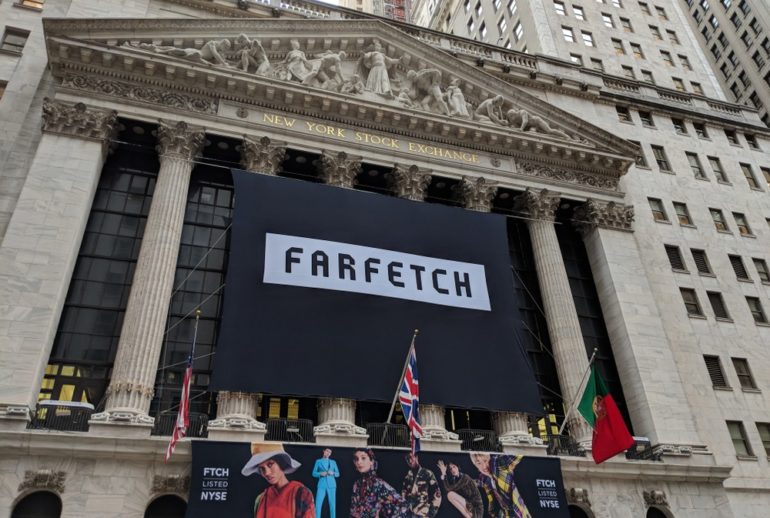
    Farfetch, which went public on the New York Stock Exchange in September 2018, has aspirations to be the “Amazon for luxury,” adopting the e-commerce giant’s marketplace model. Third-party sellers, from tiny boutiques to global brands and retailers, list products on the site, with Farfetch processing sales and sometimes handling the logistics, but not taking inventory.

    Since going public, Farfetch has made clear its aggressive focus on new markets, pursuing more business in emerging economies such as China and the Middle East, as well as signing on additional retailers and brands. Neves told analysts in November that he wants Farfetch to take the “lion’s share” of new luxury spending online over the next decade.

    The company reported $310 million in sales on its platform in the third quarter, a 53 percent jump from the same time last year, and putting Farfetch on track to handle transactions worth well over $1 billion for the full year.

    Farfetch’s cut of each sale is around 30 percent. Losses are also growing, as it invests heavily in technology, hitting $77 million in the third quarter of 2018, up from $28 million during the same period the previous year.

    On Wednesday, Farfetch shares were up 5.9 percent at $23.90.

    Stadium Goods is Farfetch’s first acquisition since picking up Chinese digital marketing agency CuriosityChina in July. In 2015, it also acquired London boutique Browns.

    “We will continue to look only at world-class absolute leaders in specific markets or technologies or categories, and nothing else,” said Neves, describing his strategy around potential future acquisitions as case-by-case. “I believe first in deals that are win-wins.”

    Stadium Goods opened in New York’s Soho in 2015, reselling limited edition sneakers to a growing market of fans ready and eager to pay thousands of dollars for rare pairs. Founded by McPheters and Stiller, the business raised $4.6 million in January 2017 in a Series A funding round led by Forerunner Ventures. In February 2018, LVMH bought an undisclosed minority stake in the business.

  • Wearables are pivoting from fitness to wellness

    Wearables are pivoting from fitness to wellness

    The wearables market has grown over the past decade, and now a new generation of tech wearables is looking to differentiate itself by looking to the buzzy wellness industry for growth. The industry and definition of wellness has expanded to incorporate aspects of mental health, fitness and physical health, beauty and more, resulting in a new class of consumerism and ample opportunity for companies to tap into it.

    In the past few years, wearables brands Bellabeat, Oura and Motiv have launched, focusing more on a holistic approach to health and less on being performance-oriented.

    Instead of fitness bracelets, they’re packaged as necklaces, rings or water bottles. And, in addition to the usual sleep tracking, heart rate and pedometer functions, their features include guided meditation, menstrual-cycle tracking and integration with Amazon Alexa.

    “You see so many fitness and wellness [wearable] brands right now, and they are uniquely aware of their competitors. They are thinking outside the box in order to be the best,” said Aimee Gaudin, international head of marketing at Smartech stores.

    Smartech itself is designed to bridge the gap between lifestyle and technology.

    In store, it sits between Selfridges’ tech, home goods and lifestyle departments. Currently, Smartech is negotiating with Selfridges to display and sell Motiv rings in Selfridges’ beauty section as a marketing opportunity for the brand, Gaudin said.

    “A lot of high-end department stores focus on fashion and don’t have much tech, so I always [position] our products as a fashion product, but for Motiv, I will [position] it as a beauty product first,” she said.

    Motiv’s customer base runs the gamut from “tech nerds to trendy moms,” according to Tejash Unadkat, CEO of Motiv.

    The company had initially anticipated that it would attract a similar customer base to Fitbit, which is known for its fitness fanatics, but in fact the brand “rarely” attracts them, he said.

    Motiv has consciously marketed itself as a holistic device, with a strategy of being placed in mainstream stores, instead of fitness or early-adopter tech ones, in order to continue to expand its customer base. For example, last month the brand began retailing in Nordstrom in its seasonal health and wellness section, showcasing the sleep-tracking function of the device.

    “Internally, we say the Motiv ring is not a fitness ring but a smart ring that has features around security, convenience and health,” said Unadkat.

    Overall, the wearables market is expected to see $42 billion in sales in 2019, according to Gartner, with $16.2 billion specifically on smartwatches.

    Fitbit earned its first quarterly profit since the third quarter of 2016 in early November by focusing less on fitness and more on mainstream smartwatches.

    Bellabeat, the female-focused wellness wearable, is also delving into the watch category with the launch of Time on Dec. 6, which looks like a classic analog timepiece.

    Since the brand launched in 2013, it has primarily focused on associating itself as a beauty and wellness device, according to Urska Srsen, founder and CEO of Bellabeat.

    “It’s very much a beauty product because beauty is a strong component of women’s wellness,” she said. “We see beauty as a reflection of the love and self-care you invest in yourself.”

    The brand is sold through retailers like Neiman Marcus and John Lewis in the U.K., in addition to its own e-commerce site. Its other smart products include a water bottle and a clip-on device that can also be worn as a necklace or bracelet.

    Bellabeat markets itself to the average woman who is neither a tech early-adopter nor a gadget enthusiast, Srsen said. Instead, they look for women who are equally interested in fashion and beauty as they are in wellness.

    By focusing on the $4.2 trillion dollar wellness market, these brands are attempting to avoid the pitfalls that traditional fitness tracker companies like Fitbit have experienced in the past with slow growth due to a niche focus on performance-oriented devices.

    “This is something we have to make retailers understand,” Srsen said. “Our customers are shopping in wellness and beauty; they aren’t looking in the tech and fitness section. We aren’t just educating retailers on where they should be displayed, but we’re also educating them on a new category around the intersection of tech, beauty, wellness and fashion.”

  • LVMH acquires Belmond hotel group

    LVMH acquires Belmond hotel group

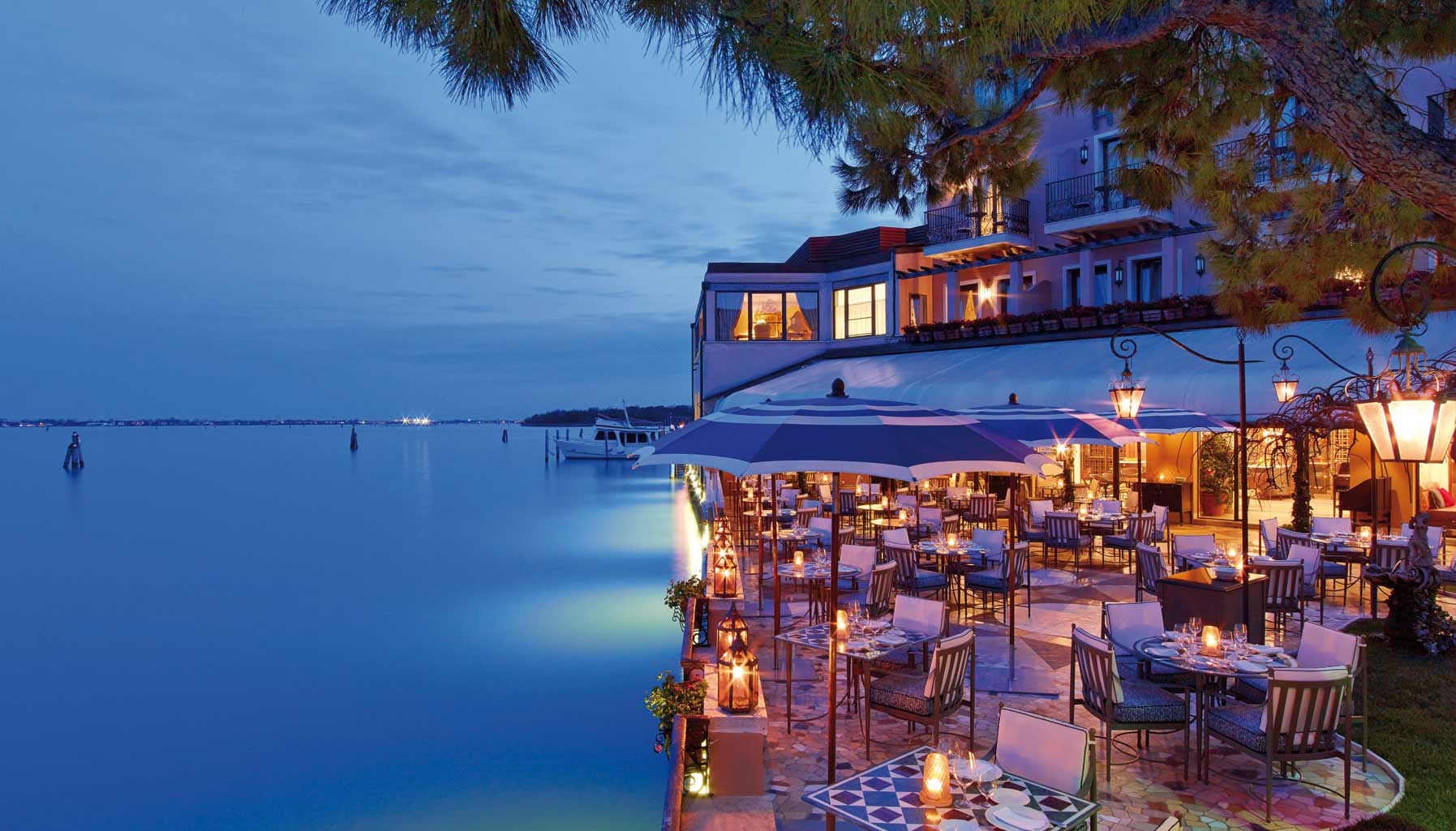
    The London-based owner of the Hotel Cipriani in Venice and the Orient Express train service is being acquired by LVMH for $3.2bn including debt, marking a return to dealmaking by the world’s largest luxury group by revenues. The acquisition of Belmond boosts the hotel portfolio of LVMH, which already has Cheval Blanc hotels in Courchevel, the Maldives, Saint-Barthélemy and Paris as well as owning Bulgari Hotel and Resorts.

    Belmond operates in 24 countries and its hotels include the Copacabana Palace in Rio de Janeiro and Hotel Splendido in Portofino. It also owns train services such as the Venice Simplon-Orient-Express and Belmond Royal Scotsman, and cruises including Belmond Afloat in France and Belmond Road to Mandalay.

    LVMH, which owns brands such as Christian Dior and Louis Vuitton, saw off interest from several other potential bidders for the deal, including private equity groups.

    Belmond, which used to be known as Orient-Express Hotels, had said in August it had hired Goldman Sachs and JPMorgan Chase for a strategic review.

    The acquisition of Belmond comes as companies seek to tap into a rising trend of so-called “experiential” luxury, with consumers buying fewer products and more experiences in areas such as high-end food and wine, luxury hotels and travel.

    “Our agreement today with the Belmond Group is entirely consistent with our continued investment in the field of experiential luxury,” Bernard Arnault said.

    He added that the deal will “bring us ever closer to our highly discerning customers”. “Bernard Arnault was one of the first to think hard about how best to attract and retain an increasingly volatile luxury customer,” said Thomas Chauvet, analyst at Citi. “Over the past decade, LVMH has expanded its reach beyond its traditionally boundaries with continued expansion of travel retail, the rollout of high-end hotels and spas,” he said.

    “While these activities have a limited impact on LVMH’s overall profit, these have been among the group’s fastest growing businesses over the past few years.” The global luxury hotel market was worth at $83.1bn in 2017 and is expected to grow at a compound annual growth rate of 4.3 per cent to reach $115.8bn by 2025, according to Grand View Research, a consulting firm.

    Paris-based LVMH said on Friday that it was buying Belmond for $25 per share in cash — a premium of more than $7 per share to the stock’s closing price on Thursday. That represents a value of $2.6bn for the overall equity of group.

    Including debt, Belmond is being valued at $3.2bn.

    In the year to September, Belmond made adjusted earnings before interest, tax, depreciation and amortisation of $140m on revenues of $572m.

    Its average price per room night ranges from $1,206 in Europe to $448 in Asia.

    The last substantial deal by LVMH chairman and chief executive Bernard Arnault was more than 18 months ago, when his family company Groupe Arnault paid €12.1bn for the minority stake that it did not already own in Christian Dior.

    At the time Mr Arnault said that LVMH was shunning external acquisitions because they were either unavailable or too expensive. “We’re not actively looking at external acquisitions, we’re focusing on internal growth,” said Mr Arnault in April 2017. “Given the current market, fewer and fewer assets are looking attractive to us. And the best assets are not for sale.”

    In 2016, LVMH also bought high-tech German suitcase maker Rimowa, which is headed by Mr Arnault’s son, Alexandre Arnault.

    The Belmond transaction is expected to complete in the first half of 2019.

  • Valentino joins Tmall Luxury Pavilion

    Valentino joins Tmall Luxury Pavilion

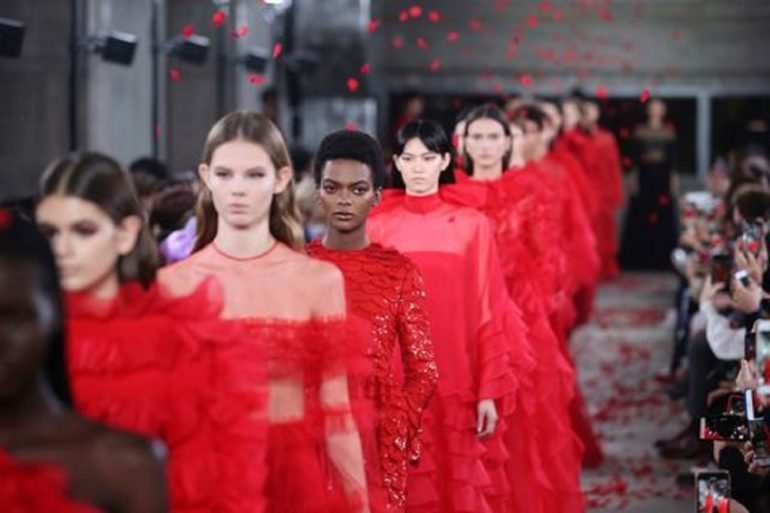
    Valentino, whose name is synonymous with high fashion across the globe, has opened a flagship store on Tmall Luxury Pavilion, Alibaba Group’s dedicated site for premium brands. The online store features selected products from the Rome-based fashion house’s womenswear and menswear lines, as well as five limited-edition items available only to Tmall shoppers including sneakers, pants and shirts.

    The launch late November coincided with Valentino’s 2019 Pre-Fall Runway show in Tokyo, which was livestreamed on the Pavilion.

    China’s Millennial and Generation Z shoppers are on track to make up 46% of purchases in the global personal luxury goods market by 2025, up from 32% in 2017, according to a November report from consulting firm Bain & Co.

    Online sales channels are becoming more critical than ever for luxury brands, with official sites and e-commerce platforms expected to account for 25% of the market’s value in 2025, up from the current 10%, Bain’s research showed.

    To create a shopping experience that stays true to the brand’s heritage and values, Tmall and Valentino worked together to design the storefront’s interface, adjusting the layout to enhance branding, boost audience retention and encourage deeper interaction with consumers.

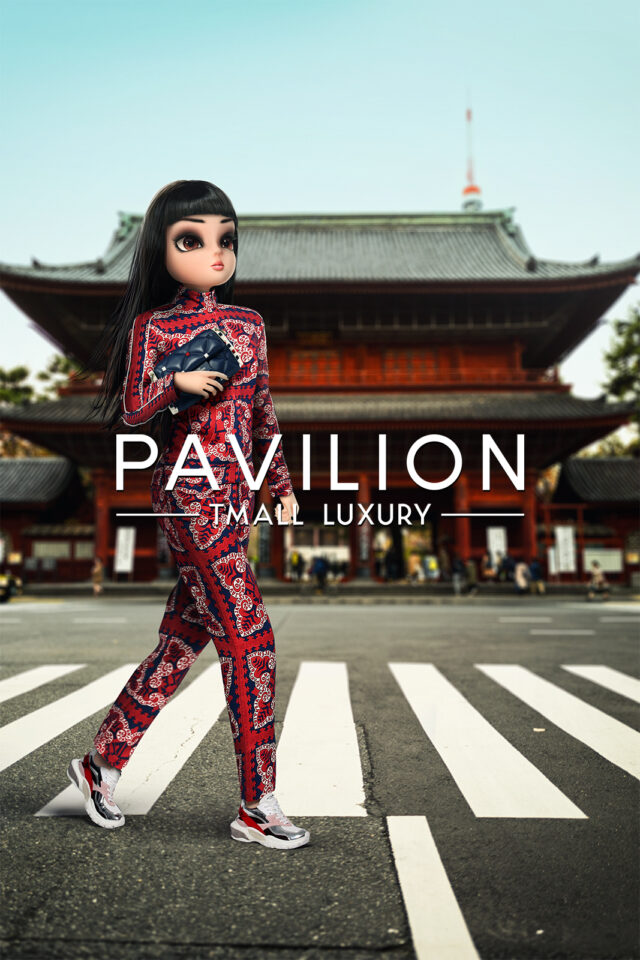
    Noonoouri, the Pavilion’s new CGI ambassador, also “attended” Valentino’s 2019 Pre-Fall Runway show, posting images of all of the behind-the-scenes action to her Instagram account.

    The digital avatar has already collaborate with luxury brands Chanel, Dior, Gucci and Saint Laurent.

    Before opening the new store, Valentino partnered with the Luxury Pavilion in April to launch a 3D virtual store that mirrors a brick-and-mortar pop-up store the brand has launched in Beijing.

    Shoppers can experience the physical location via the Tmall mobile app and browse a selection of Valentino’s collection.

  • Roberto Cavalli brings “New Species” to HK

    Roberto Cavalli brings “New Species” to HK

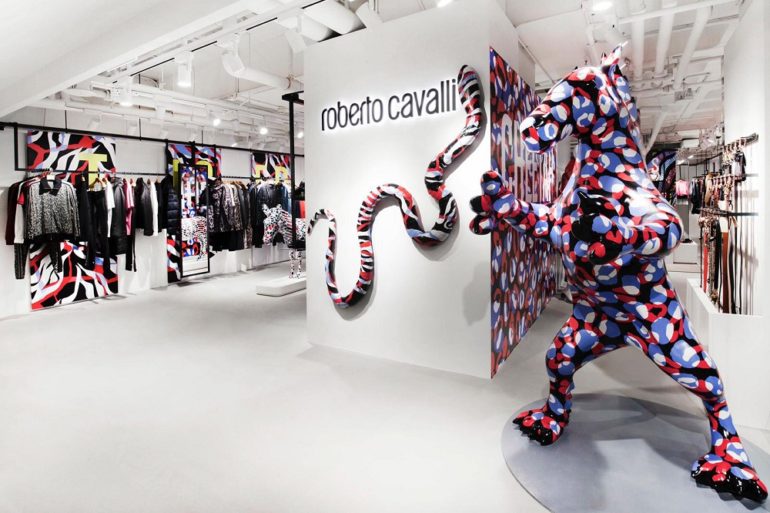
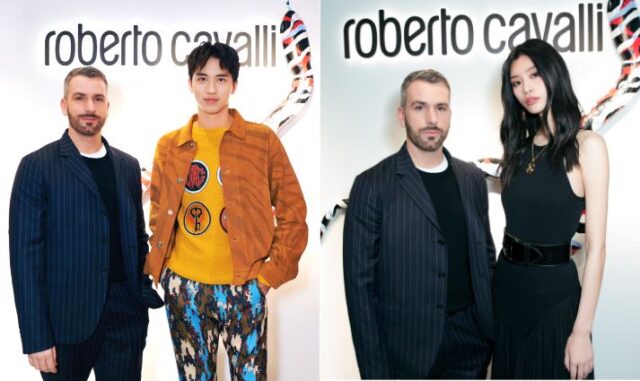
    Friday 14th , December Roberto Cavalli brought “New Species” by Paul Surridge to Hong Kong. The Italian luxury fashion, accessories, and lifestyle brand, has unveiled a 360-degree Instagrammable pop-up store at the Harbour City Shopping Mall in Hong Kong.

    The new pop-up store by its Creative Director Paul Surridge marks a new start for the brand, going back to its roots with the animalier prints but in a total new look to embrace novelty.

    The pop-up store concept “new species” is inspired by Paul Surridge’s latest collection, characterized by Roberto Cavalli’s famous animalier prints reimagined to create new species.

    It is a mix-and-match of different animal prints highlighted with vibrant colours.

    The pop-up store brings to live the colourful collection by Paul Surridge and materializes it into sculptures welcoming visitors in a canva-like space, in which products stand out as art pieces ready to interact.

    The setting was conceived to accommodate a range of activities, bridging the soul of the Italian brand and “create-your-own spirit” designed for Hong Kong customers to meet their demand for unique products.

    The key-element of this space is the omnichannel experience given by the creation of digital touchpoints disseminated in the whole space to enhance the interaction between the online and offline experience of the brand. The concept is the result of the collaborative work of the brand with the creative agency Branding Records.

    To mark the opening of the pop-up store, Roberto Cavalli has given the privilege to HK customers to touch and feel the V1PER Sneakers; including two limited edition styles available exclusively here in Asia after the global launch with Kim Kardashian: Hollywood app.

    The V1PER sneaker combines high-tech and traditional materials, which are mixed with apparel fabrics. The iconic style is defined by a customized chunky rubber sole, which is moulded with an exclusive technology to obtain an intriguing 3D python texture.

    During the VIP party, which welcomed hundreds of celebrities, influencers, and guests from the fashion scene had the chance to meet Paul Surridge, Creative Director of the Roberto Cavalli Group.

    “Hong Kong is an ever fascinating metropolis that always inspires me. I am especially fascinated by the vibrant energy and passionate liveliness of the city and its openness to the young generation of luxury consumers. Hong Kong is a natural choice for the Asian launch of the V1PER Sneakers as this special style is injected with a dynamic and urban edge, echoing my impression of this spirited town.” said Paul Surridge.

    At the party, also the new appointed General Manager, Ivan Perra, who has kick-started its new adventure in the company with an unforgettable night.

    Everything, from the music, to the canapes were tailored to match the new, fresh, young mood of Roberto Cavalli. Hong Kong and Asia played a major role in the brand positioning, and in the past years have been the theatre of several activities.

    Also, Gian Giacomo Ferraris, Chief Executive Officer of the Roberto Cavalli Group commented: “Hong Kong as a global financial hub with a skyscraper-studded skyline is an important market for Roberto Cavalli. The strategic positioning of Harbour City and the opulent retail environment enable us to reach to a wide spectrum of affluent and sophisticated shoppers. Our new pop-up store reflects a young and fresh concept of luxury shopping today, which I trust will be appreciated by our loyal patrons and new clients both locally and globally. ”

    We look forward to the upcoming brand activations that Roberto Cavalli has reserved to Asian customers.

  • Cafe Leitz opens in Raffles Hotel Singapore

    Cafe Leitz opens in Raffles Hotel Singapore

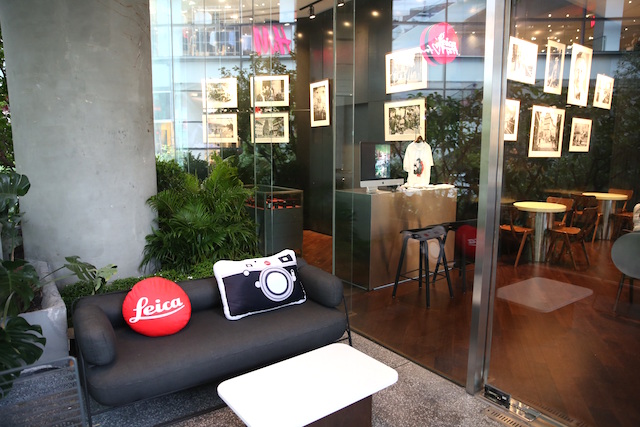
    German photography brand Leica has reopened at Raffles Hotel with a line of wristwatches and a cafe. The opening debuts Leica’s Cafe Leitz in Singapore, based on its German flagship and serving a variety of coffees and petit fours. The store, launched on the site of the brand’s original Singapore location, features a new experiential retail concept that showcases Leica’s iconic cameras while drawing visitors towards its first line of digital watches in Southeast Asia.

    Leica enters the watchmaking industry alongside a pewter and silver collaboration jewellery line with Royal Selangor exclusive to Leica Store Raffles, featuring subtle references to the Leica camera. The store hosts a gallery space for classic Leica photography.