Tag: luxury

  • Haidilao hot pot debuts in Vietnam

    Haidilao hot pot debuts in Vietnam

    Chinese hot-pot chain Haidilao is to open its first outlet in Vietnam. The outlet is located on the second floor of the 68-story Bitexco building in Ho Chi Minh City. Without revealing the opening date, the company has been recruiting office staff and restaurant crews for its Vietnam debut. Hai Di Lao Viet Nam Holdings Company was established in August, headquartered in Hanoi.

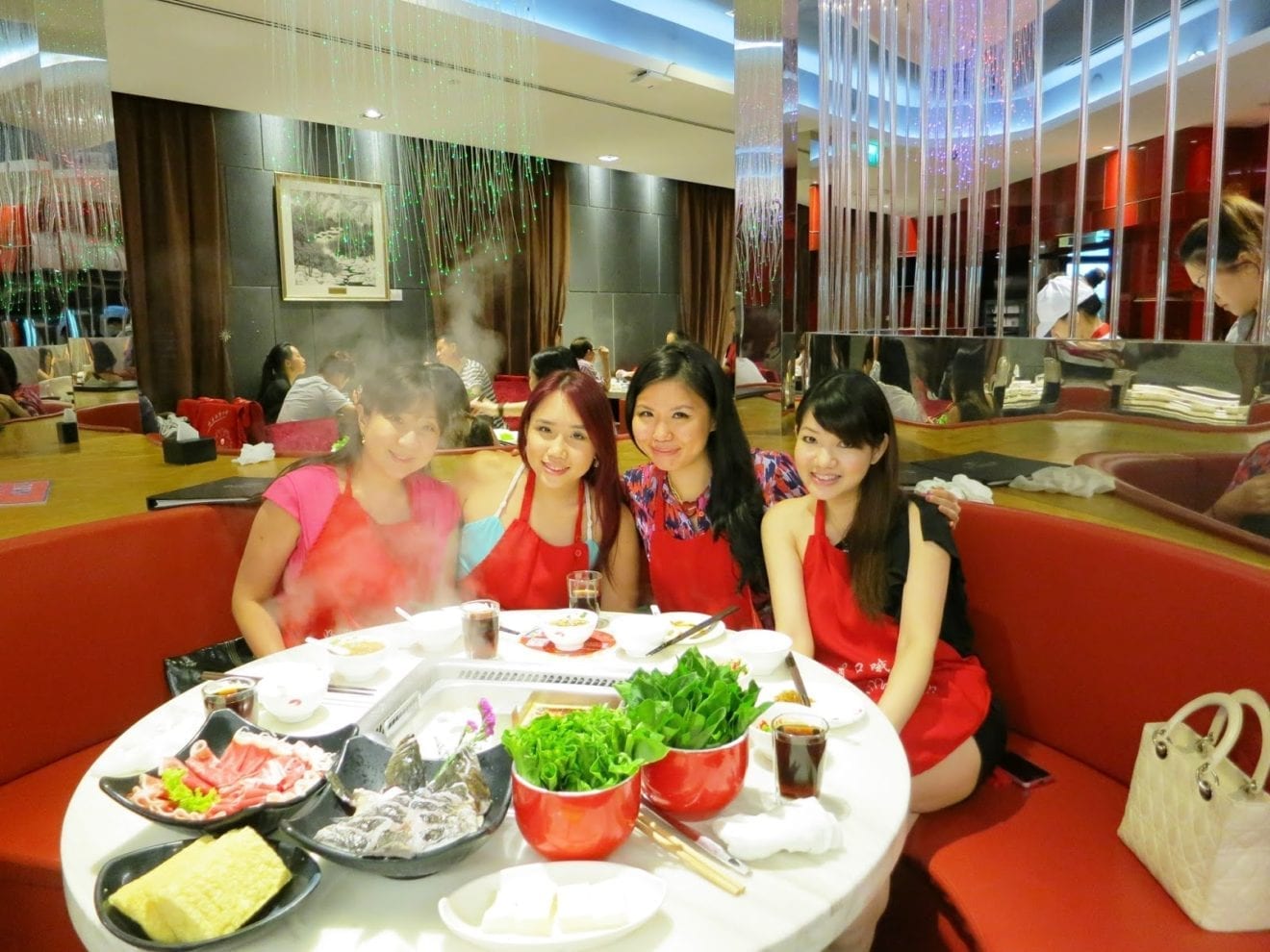
    Founded in 1994, Haidilao serves Sichuan-style hot pot integrating features from all over China. Until now, the chain has opened 29 restaurants overseas, including in Japan, Singapore, South Korea, and the US.

  • South African restaurant chain Barcelos to add 12 restaurants in India by FY’20

    South African restaurant chain Barcelos to add 12 restaurants in India by FY’20

    South African restaurant chain Barcelos is looking to add 12 more to its kitty in India by the end of 2019-20 as part of an expansion plan, a senior company official said. The company has one restaurant each in Delhi, Lucknow, Kolkata, Jaipur, Hyderabad, Chennai and two in Mumbai.

    “We plan to add 12 more restaurants across the country by the end of next fiscal year,” Rohit Malhotra, Business Head India, Barcelos said.

    According to a report: The new restaurants would be in Bengaluru, Pune, Goa, Chandigarh, Kochi, Puducherry, Mumbai, among others, he added. The company is also planning to rename all its big restaurants (area of 1,500 square feet or above) by March next year, Malhotra said.

    Barcelos is also looking to open between 10 to 12 smaller outlets in food courts in the country. Such outlets will have area between 300-500 square feet, he added.

    When asked about the business model Barcelos follows in India, Malhotra said: “All the outlets are franchise owned. Barcelos works through franchise model in India.”

    Regarding investments to expand Barcelos’ presence in the country, he said it will be mainly on research and development for menus, supply chain, marketing and training.

    Barcelos started operations in 1993 in Pretoria in South Africa. The company is present in 22 countries, Malhotra said.

  • Dickson Concepts unveils HK$1bn new retail format

    Dickson Concepts unveils HK$1bn new retail format

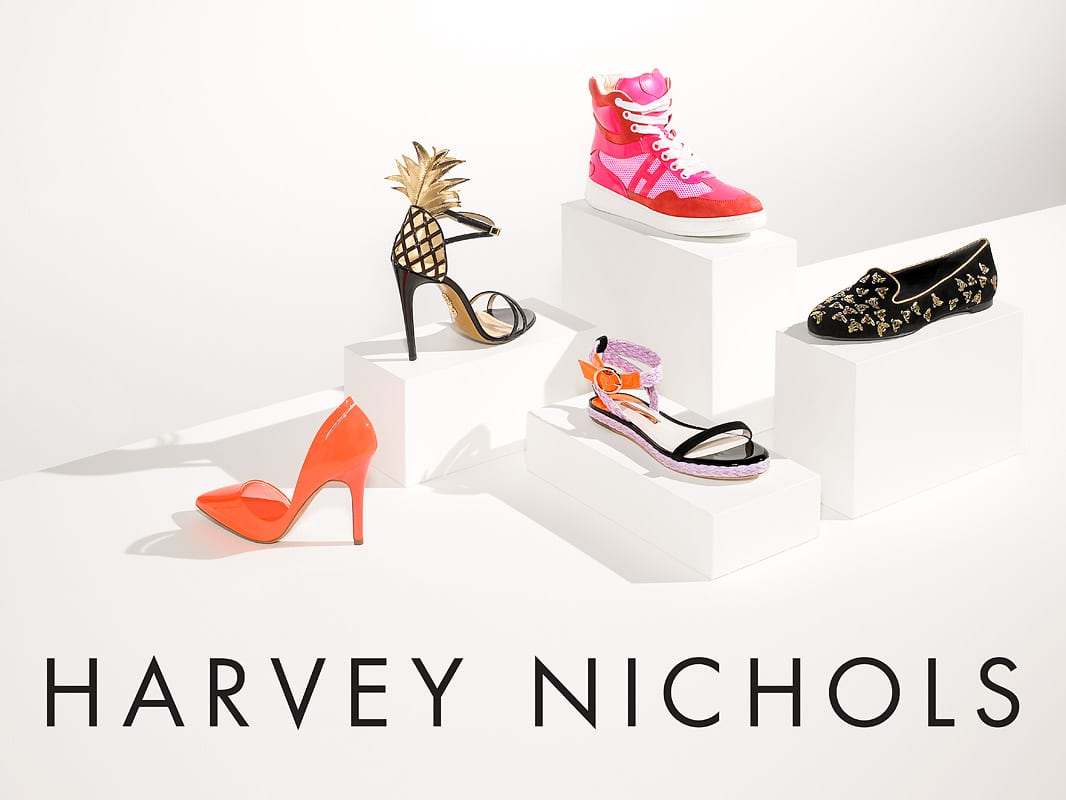
    Dickson Concepts has unveiled a new luxury retail concept merging the cutting-edge technology with a personalised styling service, to be launched under the Harvey Nichols banner. The first flagship store for the new format will be unveiled at Pacific Place in Autumn next year, with plans to expand the concept globally.

    Dickson Concepts says it plans to invest HK$250 million on the Pacific Place store and up to a further HK$1 billion in technology and technology-related companies, together with additional stores abroad.

    The project has evolved from the strategic partnership between Dickson Concepts and its Harvey Nichols Group subsidiary in the UK, announced in March, in which the parent company gained access to the department store’s digital expertise and will use it to create a seamless inventory across the UK and Hong Kong businesses, allowing customers to shop the entire range and even consult with store staff online. The move has trebled the number of products available to shoppers.

    In a statement, Dickson Concepts said it will build on the Harvey Nichols business based on two formats – one being the flagship new format store just announced, the other the traditional flagship store format which Harvey Nichols Landmark operates under.

    “Together, the two formats will allow Dickson Concepts to maximise and fully develop the potential of Harvey Nichols in different parts of the world.”

    Day and night service

    The new concept store will allow Harvey Nichols to offer “day and night service” for the first time, with in-store stylists serving customers during the day and Harvey Nichols’ UK stylist network servicing the e-commerce platform during the night.

    “The service will allow customers to shop live and obtain styling advice from Harvey Nichols’ stylists in Hong Kong and the UK via instant messaging, photo sharing, and live video streaming, even during late evening in Hong Kong. Products selected can then be shipped directly to the customers’ home, office or our Hong Kong store for personal service and immediate alteration by our expert tailors as maybe required, thereby creating a service that is unmatched by pure online operators,” the company said.

    The live online shopping functionality is powered by global retail technology company Hero, with which Harvey Nichols signed a strategic partnership in June.

    “Technology is core to Harvey Nichols’ new store format and is carefully interwoven into the store to drive the most immersive, enjoyable, and personalised shopping experience possible,” the company said.

    “In its new retail format, Harvey Nichols’ online exclusive offering will be interspersed into the presentation of physical products to provide customers with the full view of the most up to date and exciting products available, while allowing even frequent customers to explore and discover new product stories on every visit. Customers will be able to scan any digital products showcased in the store directly onto their own smartphones, or alternatively be served with an expert team of stylists.”

    The Pacific Place store will feature an online style lounge where dedicated stylists will work to provide each customer with product recommendations built around the customer’s personal taste, needs and preferences.

    “This will allow each customer to be presented with a selection of coordinated outfits that are completely tailored to them, without experiencing the frustrations of surfing through thousands of products available online to find the perfect piece.”

    The new store will be located on the second level of the current Harvey Nichols store at Pacific Place, and will showcase three times the offering. The existing store will be reduced in size from 84,000sqft to 42,000sqft,  resulting in a large reduction in fixed costs and substantially increased sales due to the significant increase in products and brands offered. “As such, the new format will allow Dickson Concepts to maximise sales densities and profits, compete against pure online operators, while offering customers the most curated product and service offering possible,” the company said.
  • Vietnam’s car imports down 20 pct in 2018

    Vietnam’s car imports down 20 pct in 2018

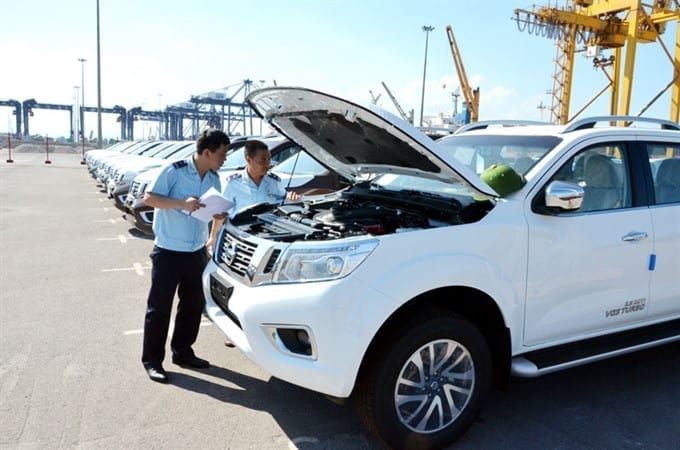
    Vietnam imported 72,650 cars this year, down nearly 20 percent over 2017, according to the Vietnam Customs. The import value of cars exceeded $1.64 billion this year, up 21 percent year-on-year, the agency said. Thailand and Indonesia remain major suppliers of Vietnam’s imported cars. From Thailand alone, Vietnam has imported more than 52,170 vehicles worth a combined $1.04 billion since the beginning of the year.

    According to customs data, from December 7-13, car imports slowed down by 701 units from the previous week, totaling 2,833 vehicles. Total import value is reported to be $67 million.

    Vietnam’s population is around 93 million, larger than South Korea, but car consumption is only around 300,000 units a year, Mike Dunne, an independent industry analyst who has spent more than three decades in Asia, told U.S. television channel CNBC recently.

    Most cars sold in Vietnam are foreign brands assembled in the country from kits. But a series of free trade agreements have reduced import duties and are opening up the market. A 30 percent import tax on cars from other Association of Southeast Asian Nations (ASEAN) countries was scrapped this year.

    There are only 358 businesses in the auto industry in Vietnam compared to 2,500 in Thailand, according to the Ministry of Industry and Trade. The ministry also said that Vietnam imports over 90 percent of auto parts.

  • Cafe opens in century-old Seoul house

    Cafe opens in century-old Seoul house

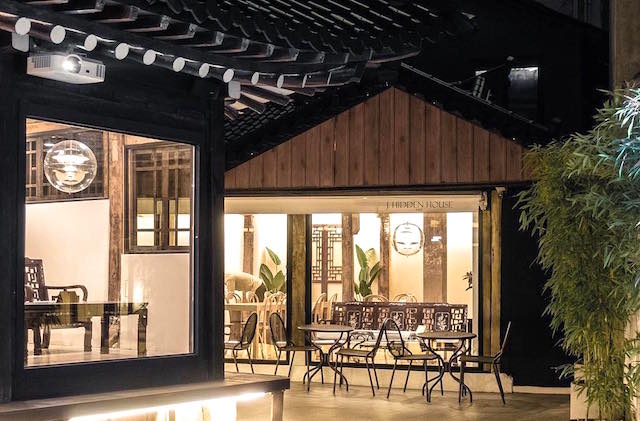
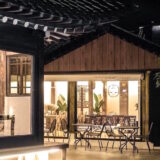
    A heritage cafe has been built into the hereditary foundations of a century-old South Korean courtyard house (hanok) in Seoul. J Hidden House cafe opened its doors in the fashion and shopping mecca of Dongdaemun this month, following Seoul’s continued efforts to develop as a trend-setting, global tourist destination. Situated within a spacious 300sqm secluded enclave housing a zen-bamboo garden, the venue blends traditional and modern design and is one of the largest hanoks open to the public today within the traditional inner district of the Chosen dynasty’s (1392–1897) capital, Hanseong – modern Seoul

    From a bespoke eight-metre wet bar set in Italian terrazzo tile, J Hidden House offers curated coffees, teas and refreshments, as well as a tailored menu of bakeries and spirits cultivated by Korean food and beverage companies.

    J Hidden House’s proprietor Grace Jun said Seoul has become a destination for the world to visit and Korea’s rich culture has so much to offer.

    “This establishment is a fusion of our country’s traditional heritage and dynamic modernisation by coupling a cutting-edge modernity within the protected, mindful walls of a ‘hidden’ hanok that was built before the Korean war and has stood the test of time. Our aim is to provide locals and tourists from around the world with a location and a curated food and beverage offering on calibre with any destination cafe in the world, while offering what is uniquely and proudly Korean.”

    Located in an exclusive “hidden” but immediately accessible location in downtown Seoul, the destination offers a vision of an earlier and more tranquil age despite being centrally situated in Dongdaemun, one of city’s busiest commercial districts and a major tourist destination for shopping and historical sightseeing.

    According to the Korea Tourism Organization, visitors to Korea in the first half of this year increased by 6.9 per cent year on year to 7.22 million. When excluding Chinese visitors, the number of tourists increased 12.2 per cent year on year to 5.05 million people, the largest-ever recorded number of inbound tourists to date.

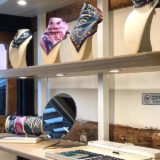
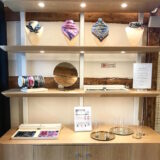
    View the gallery for photos (4 images) :


  • Almost all Vietnamese internet users shop online

    Almost all Vietnamese internet users shop online

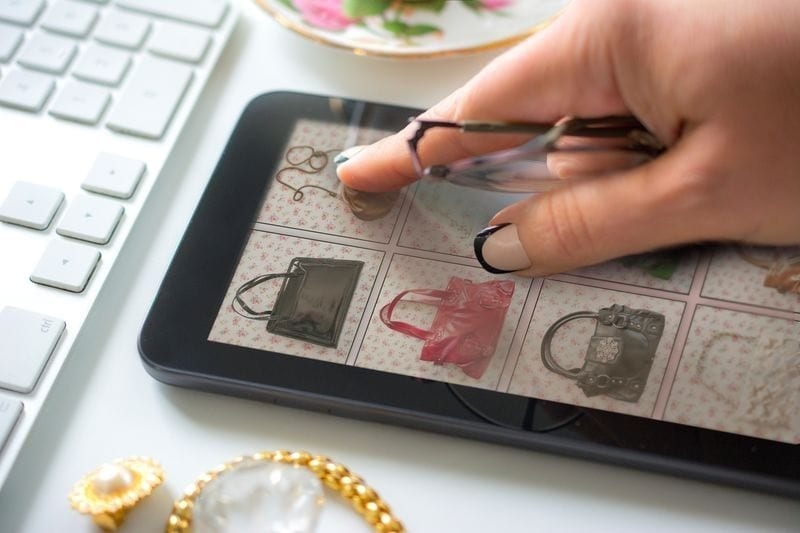
    Up to 98 percent of internet users in Vietnam have made purchases online, up one percentage point over 2017. Increasing effectiveness of the online retail ecosystem in meeting the convenience of its shopper base has strengthened the online shopping habit, according to the 2018 Nielsen Connected Commerce Report.

    Fashion, travel, books and music continue to account for the largest proportion of online transactions in consumer goods, with 59 percent, 52 percent and 51 percent of Vietnamese consumer respondents saying they have purchased goods in the above categories in the respective order.

    These are also considered typical categories for the first-time online shoppers.

    Nguyen Anh Dung, director and head of Retail Measurement Services for Nielsen Vietnam, said that as levels of familiarity, comfort and confidence grow, consumers are likely to move on to purchasing items such as beauty products, personal care, packaged food or fresh groceries.

    For relatively new products, about two in three consumers said that return policies for products not of satisfactory quality have encouraged them to shop online.

    The other concern of consumers is free or same day delivery services.

    Vietnam has targeted that 30 percent of its population shop online between 2016 and 2020, with yearly sales value of approximately $350 per person.

    The country’s e-commerce value climbed to about $4 billion in 2016, becoming one of the fastest-growing markets in the world.

    Revenue from online retail in Vietnam is forecast to hit $10 billion by 2020, accounting for five percent of the country’s retail market.

  • Prada ‘racist’ incident ended up with apology

    Prada ‘racist’ incident ended up with apology

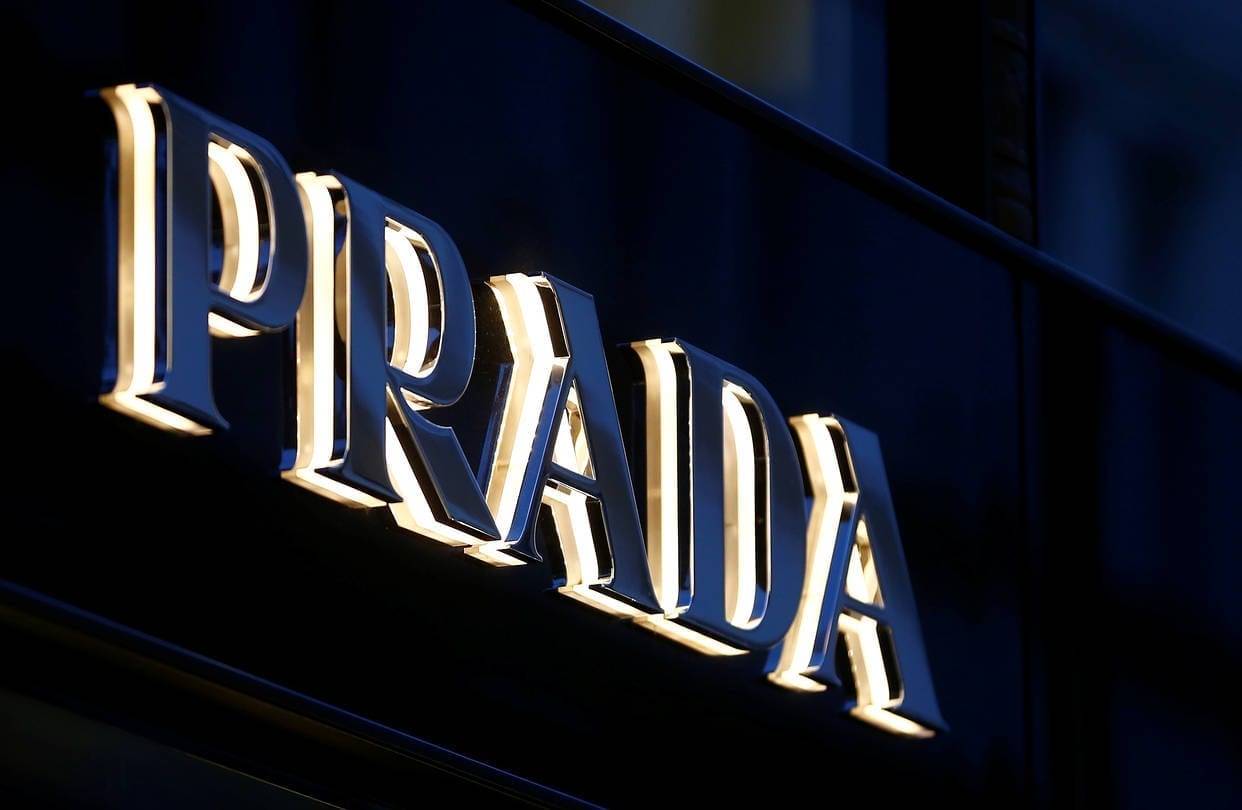
    Prada has apologised for selling a US$550 monkey figurine after a social media backlash from US consumers alleging the character is racist. The monkeys, with oversized red lips and dark skin have been likened to “racist caricatures historically used to dehumanise black people” according to a commentary in The Business of Fashion.  Some social media users pointed out a resemblance to golliwogs, the fictional children’s book character created by Kate Upton in the late 19th Century, which brands worldwide have avoided using in marketing for reasons Prada executives could have easily found with a quick Google search.

    The ‘racist’ monkey character was part of the Pradamalia range of small accessories like keychains and toys featuring cartoon characters.

    Prada said in a statement that the creatures were “not intended to have any reference to the real world and certainly not blackface”.

    “Prada Group never had the intention of offending anyone and we abhor all forms of racism and racist imagery. In this interest, we will withdraw all of the characters in question from display and circulation.”

    The Business of Fashion described the company’s design as “at best tone-deaf, at worst racist and exploitative”.

    Some people in the retail industry may well ask how Prada released such a product after the high-profile case of H&M having to apologise after releasing marketing images of a black child wearing a hoodie with the text “Coolest monkey in the jungle” in January, which prompted a similar chorus of disapproval. H&M immediately withdrew the hoodies from sale globally and recycled them, but not before some stores in South Africa had to be closed temporarily after protests and vandalism.

    And just last month, Dolce & Gabbana was forced to apologise to Asians customers around the world for a video campaign mocking a Chinese model trying to eat pasta with chopsticks, followed by an extraordinarily racist rant on Twitter by one of the label’s founders (which he later claimed – to widespread skepticism – was the result of his account being hacked).

    Facebook user Chinyere Ezie (who took the photo of the Prada monkey used with this story) was one black American woman outraged by the product. Her post had been shared more than 10,000 times by Monday morning and received some 4300 comments.

    “Today after returning to NYC after a very emotional visit to the Smithsonian National Museum of African American History and Culture, including an exhibit on blackface, I walked past Prada’s Soho storefront only to be confronted with the very same racist and denigrating #blackface imagery,” she wrote.

    “I entered the store with a coworker, only to be assaulted with more and more bewildering examples of their Sambo-like imagery. When I asked a Prada employee whether they knew they had plastered blackface imagery throughout their store, in a moment of surprising candor I was told that *a black employee had previously complained about blackface at Prada, but he didn’t work there anymore.*

    “History cannot continue to repeat itself. Black America deserves better. And we demand better.”

    The products were withdrawn from window displays – and sales – within hours of Ezie’s post on Friday.

  • Lumine makes debut in Jakarta

    Lumine makes debut in Jakarta

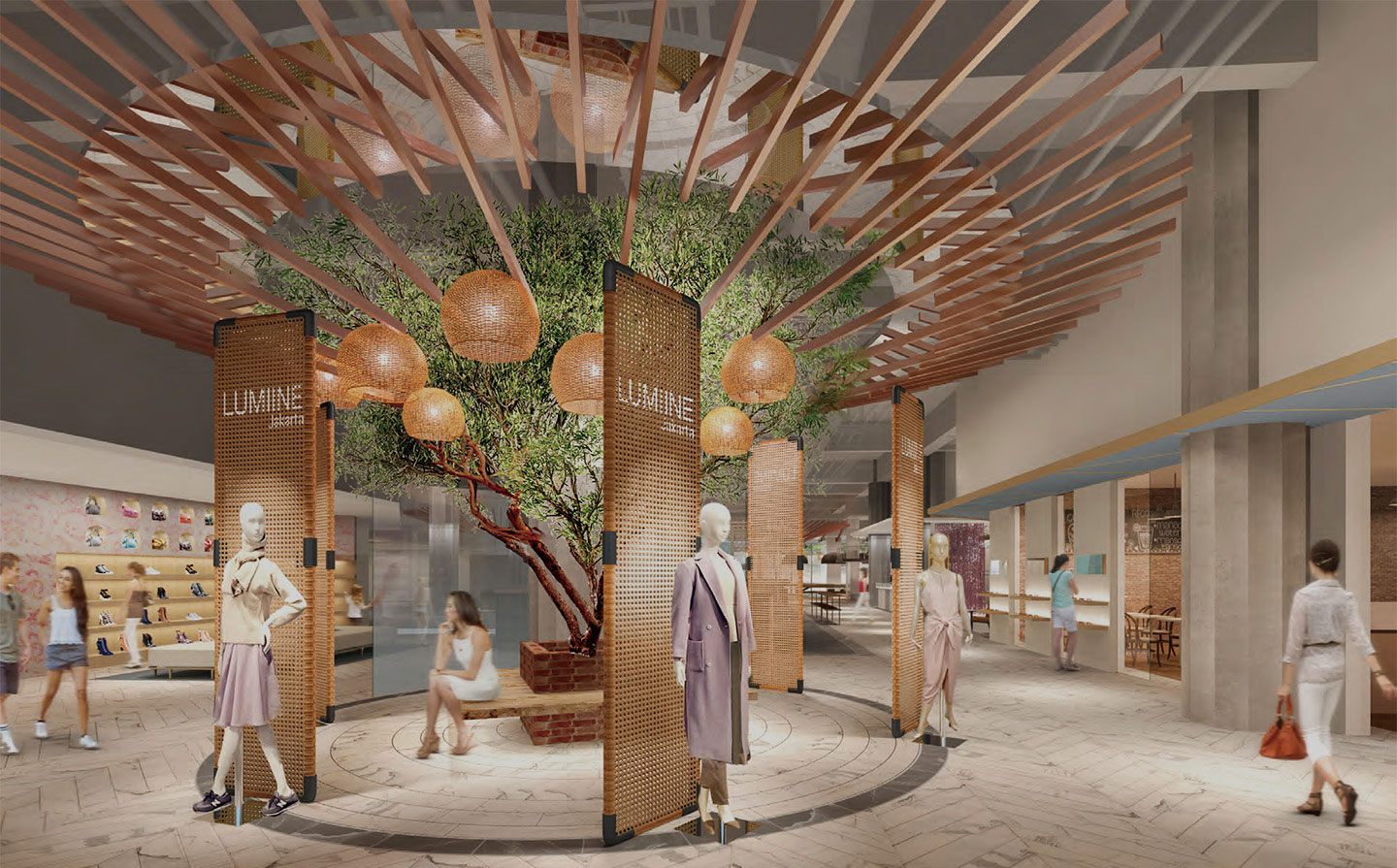
    Japanese retailer Lumine has opened its second overseas location with a launch at Jakarta’s Plaza Indonesia. The opening was timed to coincide with the 60th anniversary of diplomatic relations between Indonesia and Japan, offering a “Tokyo Mood” retail concept where consumers can experience a retail atmosphere that recalls the shopping environment of the Japanese capital.

    As a multi-brand lifestyle venue, Lumine Jakarta targets internationally-minded independent women, offering Japanese fashions as well as general lifestyle merchandise and men’s fashion brands. The store introduces 20 brands to Jakarta for the first time. It also features a cafe serving health-conscious Japanese cuisine.

    View the gallery below (5 images) :

  • Nissan terminates contract with Vietnamese distributor

    Nissan terminates contract with Vietnamese distributor

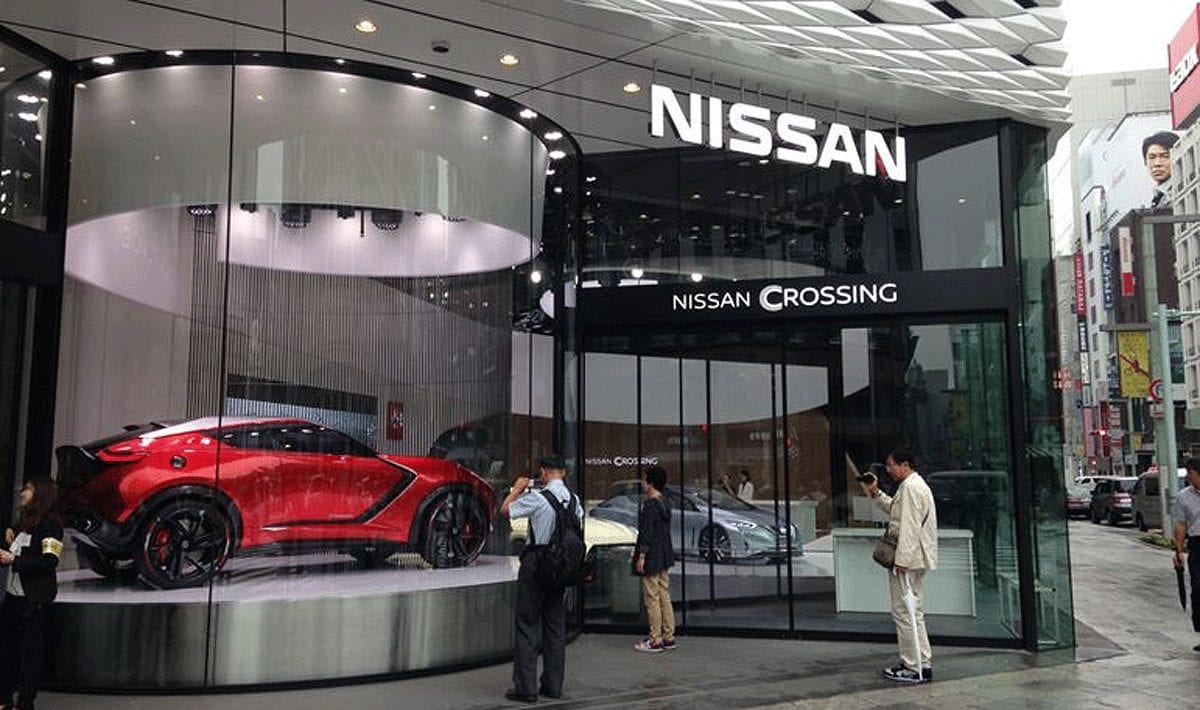
    Japanese carmaker Nissan announced it has ended its tie-up with its distributor in Vietnam, Tan Chong, without disclosing the reason. Malaysian-owned Tan Chong Motor Holdings Bhd, said it would stop importing and distributing Nissan vehicles and parts in Vietnam from September 10 next year.

    Tan Chong said it “remains open to further discussion with Nissan to explore alternative solutions and business opportunities for mutual benefit in Vietnam.”

    Nissan said: “The termination of the joint venture with Tan Chong will not affect the sales of Nissan cars in Vietnam.”

    Its business operations would remain unchanged in the near future, it said. It is set to debut its seven-seat SUV Terra in Vietnam on December 18.

    Tan Chong, a multinational corporation based in Malaysia, is not only the official distributor of Nissan in Malaysia and Vietnam, but also in Laos, Cambodia and Myanmar.

    In Malaysia, it also distributes cars by Opel, Renault and Foton. Its subsidiary, Motor Image, also owns the rights to produce and distribute Subaru vehicles in Southeast Asia, including Vietnam.

  • LG U+ 5G pass self-drive test on expressway

    LG U+ 5G pass self-drive test on expressway

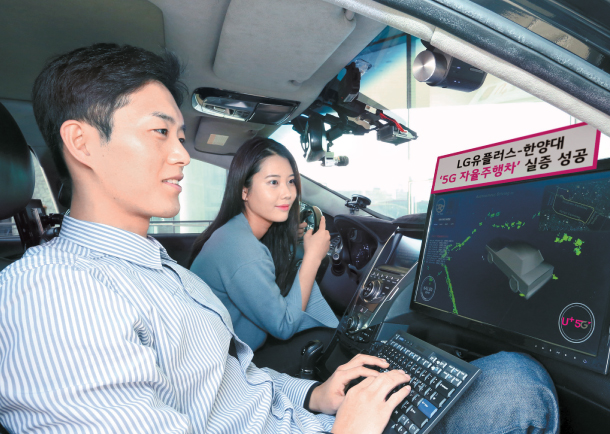
    LG U+ has successfully tested a 5G-powered self-driving vehicle on an expressway for the first time. The mobile carrier announced Tuesday that a self-driving car developed by Hanyang University successfully drove on LG U+’s 5G network for 25 minutes across seven kilometers (4.35 miles) of busy city roads including the Gangbyeon Expressway and Olympic Expressway.

    A low latency video transmitter developed by LG U+ delivered real-time footage of the test drive to Hanyang University. Two cameras attached to the self-driving vehicle recorded the front and rear of the car.

    During the test drive, the vehicle had to react to certain scenarios such as avoiding obstacles and changing course. The vehicle was also tested to see how it reacts to new traffic information such as a blocked parking lot entrance.

    The vehicle was remote controllable, offering added safety measures in case of emergency.

    It was the first time that a self-driving car has completed a test drive on such a scale on an expressway or high-speed road in Korea, according to the company.

    “Self-driving cars that run on the 5G network will make important contributions to solving social problems like traffic volume and accidents,” said Sunwoo Myung-ho, who teaches automotive engineering at Hanyang University.

    “It’s significant that we were able to produce substantial results with self-driving cars through cooperation between industry and academia,” said Kang Jong-oh, who manages future technologies at LG U+. “We will continue to invest our efforts into developing self-driving car technology through cooperation between mobile carriers and the auto industry.”

    LG U+ will continue to work with Hanyang University to polish its 5G-based self-driving car technology.

    Competitors SK Telecom and KT are also actively investing in self-driving technology. KT, for example, successfully tested a self-driving bus at Incheon International Airport last month.

  • Moda Operandi eyes China showroom

    Moda Operandi eyes China showroom

    Luxury fashion marketplace Moda Operandi is planning to open a showroom in China as it targets growth in Asia. The US-headquartered company, which allows customers to pre-order looks directly from designers immediately after their runway show, has appointed former Burberry and Tesla executive Puja Clarke in a new role as senior VP of fashion buying and e-commerce.

    Since achieving success with its pre-order concept – which has a flip side of helping fashion brands assess consumer reaction to its new collections – the e-commerce company has been evolving into a broader fashion marketplace.

    Next year Moda Operandi will open its first brick-and-mortar store in China in a city yet to be disclosed.

    The rapid expansion of the company has been helped by a US$165 million investment round last year, led by the Hong Kong-based  founder of K11 and C Ventures, Adrian Cheng.

    Clarke said in an interview with Glossy that new shopping behaviours and digital platforms are especially prevalent in China, where Moda’s customers generally aren’t interacting through a website. Instead, a Chinese shopper might buy a $500,000 necklace on an app, and consumers are more familiar with buying through live video sessions and chat platforms, than websites. She predicts this style of shopping will become more common all over the world in the future.

    “The customer knows what she wants, and the ones that listen will have productive, successful businesses,” Clarke said. “A younger designer can get a lot of people whispering in their ear about what they want to do with the collection, but [the Moda customer] is putting her deposit down, she’s favorite-ing – there are so many data points that can tell a designer whether something is great.”

    International markets comprise one-third of Moda Operandi’s sales with Asia the largest region ahead of the Middle East. While the company’s average order value is about $1400, Clarke said that number “skyrockets” in China.

  • Hobbs London opens in IFC Mall

    Hobbs London opens in IFC Mall

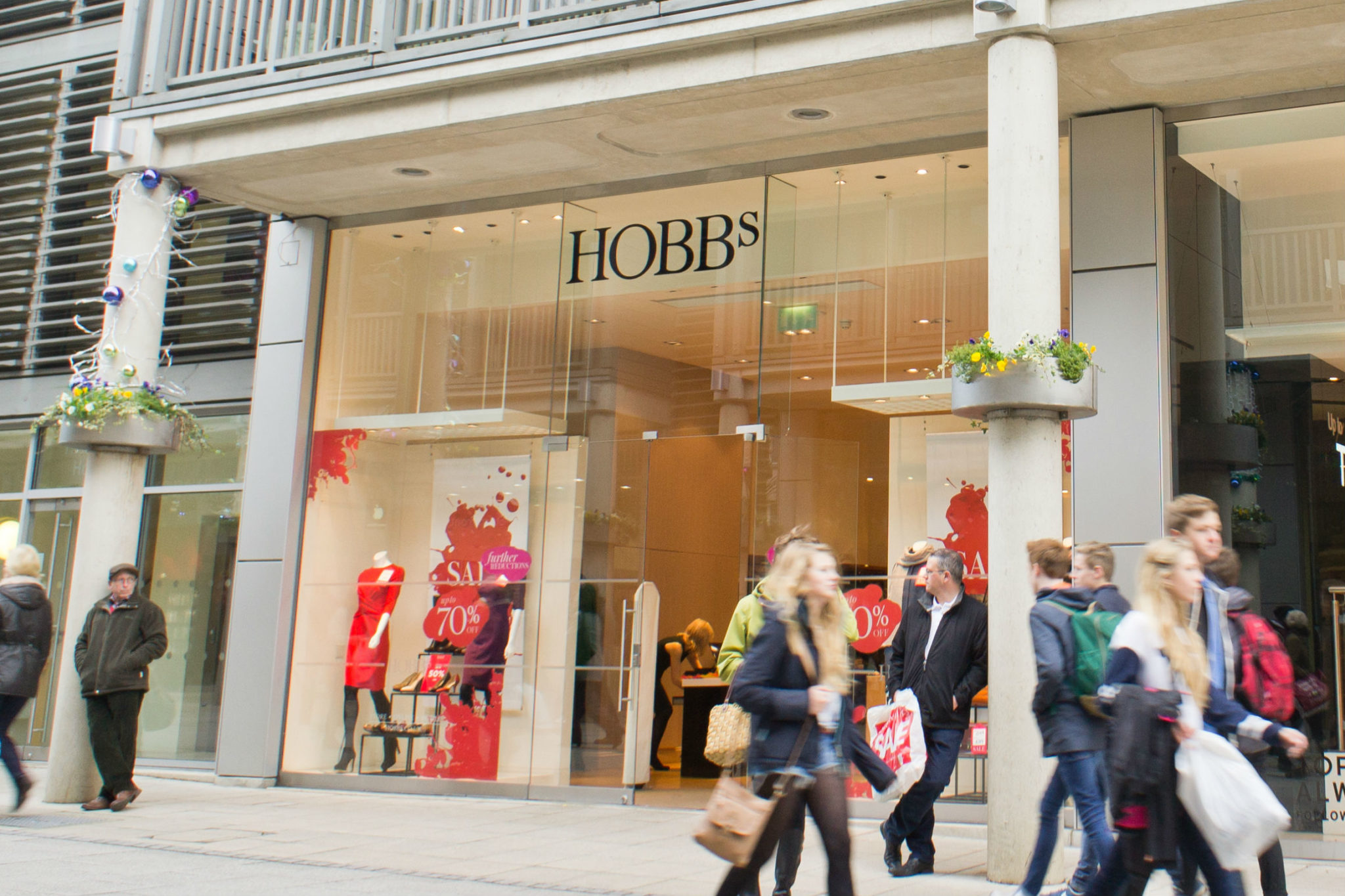
    Hobbs London, a brand for woman affordable luxury fashion, partnered with Rue Madame to unveil its first store at IFC Mall, situated amidst the city’s vibrant business and shopping district. Trading from 1150 square feet, the brand will showcase its collection of workwear, occasion dresses and casualwear, alongside its premium range of footwear and accessories.

    While visiting the store, customers can enjoy their shopping with style advisors on hand to help provide styling solutions for their individual needs.

    Each Hobbs store is designed to reflect the brand’s London heritage and contemporary sensibility.

    The clothing is displayed in easy-to-shop capsule collections, drawing upon the brand’s considered approach to womenswear.

  • Lacoste opens new travel retail store at Lotte Busan

    Lacoste opens new travel retail store at Lotte Busan

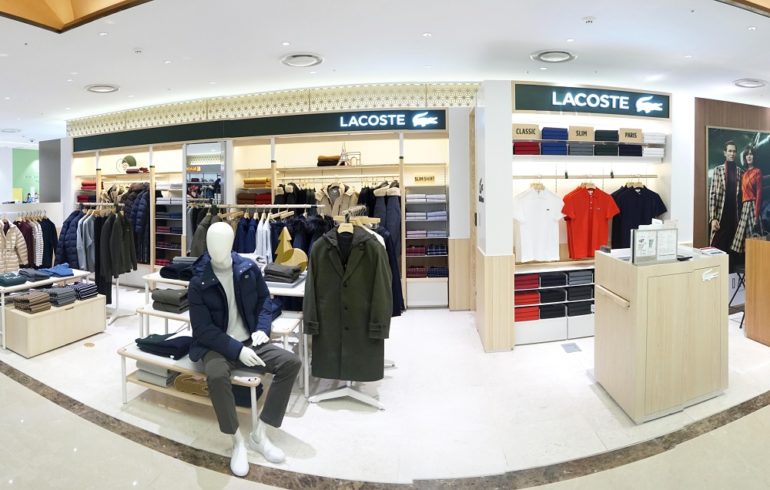
    LACOSTE has opened a new 30sqm duty-free store in Busan to further enhance their presence in Asia. This new store is located in LOTTE Duty Free, second largest duty free operator, in Busan, which is the second biggest city in South Korea.

    Travel Retail, often referred to as the “6th continent”, offers a unique opportunity to connect with consumers and highlight the brand all over the world.

    With over 170 boutiques worldwide, LACOSTE aims at reinforcing the
    consumer experience while enhancing channel specific product offering and visual merchandising.

    Looking to the future, the crocodile wants to continue to leverage the Travel Retail Channel strengthening or expand in new geographical areas and develop new channels (on-line duty free and cruises) and new ways of connecting with consumers before, during and after their trips.

  • Nome Sweden revealed massive expansion plan in China

    Nome Sweden revealed massive expansion plan in China

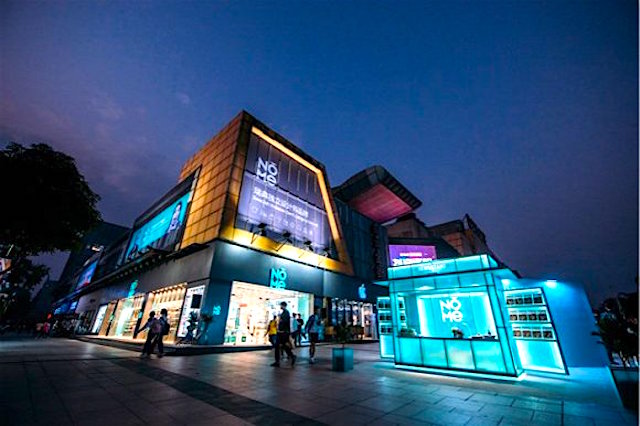
    Swedish designer brand Nome has launched a new store at Guangzhou Baiyun Wanda. The brand plans to open more than 300 stores in China’s most central shopping centres within a year, with a projected total turnover of more than RMB2 billion (US$290.6 million).

    In the next three to five years, Nome plans more than 2000 stores in China and in excess of 1000 stores overseas. The global business scale is planned to reach RMB50 billion ($7.265 billion), creating a global brand of home furnishing.

    To mark the Guangzhou launch, the brand installed a modernised version of a traditional Guangzhou postal kiosk outside the store. The reimagined newsstand featured a translucent shell emanating blue and white lights to evoke a Nordic style, perceived by the brand as having become more popular amongst Chinese consumers in recent years.

    Swedish designer brand Nome covers 10 categories and more than 3000 SKUs in store, including lifestyle, home, furniture, clothing, digital, beauty, food, shoes, luggage and travel items.

  • Owndays opens 2 new stores in Hong Kong

    Owndays opens 2 new stores in Hong Kong

    Following the opening of two stores in Tuen Mun and Tseung Kwan O in July, one in YOHO Mall in Yuen Long, one in Moko in Mong Kok in October, OWNDAYS HK opens its 5th and 6th store in Tsuen Wan and K11 respectively. The store in K11 is the biggest in HK. Located at the basement B2 floor, it covers a total of 1734 square feet. Aligning with the brand’s fashionable style and innovative concept, the spacious store features an open design allowing guests to choose frames freely and at the same time enjoying the videos shown on the LED Wall that are placed on the two sides of the store.

    In celebrating the grand opening of K11 store in Tsim Sha Tsui, a meaningful social platform contest to win a lifetime free eyeglasses rolled out on on 23 November. The contest aimed to collect user-generated visual content by customers playing with the stylish models available in HK. The content closed on 8th December with the announcement of the winners during a party. Alongside the exciting contest announcement, stylish and popular KOLs joined the event to interact with customers, together with a wide range of delicious treat and live hashtag printing service that opened to public throughout the weekend to make

    Owndays store opening aligned with the objective of the brand to create fun shopping destinations.

    OWNDAYS is an international optical retail concept founded in Tokyo, Japan. It currently has more than 120 stores in Japan and has successfully established stores in 10 overseas countries in Asia-Pacific.

    In consistency with the brand image, the retail concept is by an open shop front and extensive use of wooden panels aimed to create a sense of harmony. Display racks with mirrors are designed to accommodate the different collections of glasses and give customers the freedom to try them on in a relaxed shopping environment.

    OWNDAYS is characterized by a solid knowledge and professional skills. All staff is trained to process quality glasses within 20 minutes from optometry to delivery to ensure the best service. OWNDAYS lenses are manufactured by leading international lens makers and high index aspheric lenses come with UV protection and dust-resistant coating.

    OWNDAYS has a wide portfolio of products which include: Progressive Lenses, Polarised Lenses, Transitions Lenses, Colour Lenses, and PC Lenses. All glasses displayed in shop are original brands designed and manufactured by OWNDAYS. OWNDAYS’ brands range from stylish and fashionable to functional and are able to satisfy different customer profiles.