Tag: luxury

  • Grandeur is likely to be Korea’s 2018 best-selling car

    Grandeur is likely to be Korea’s 2018 best-selling car

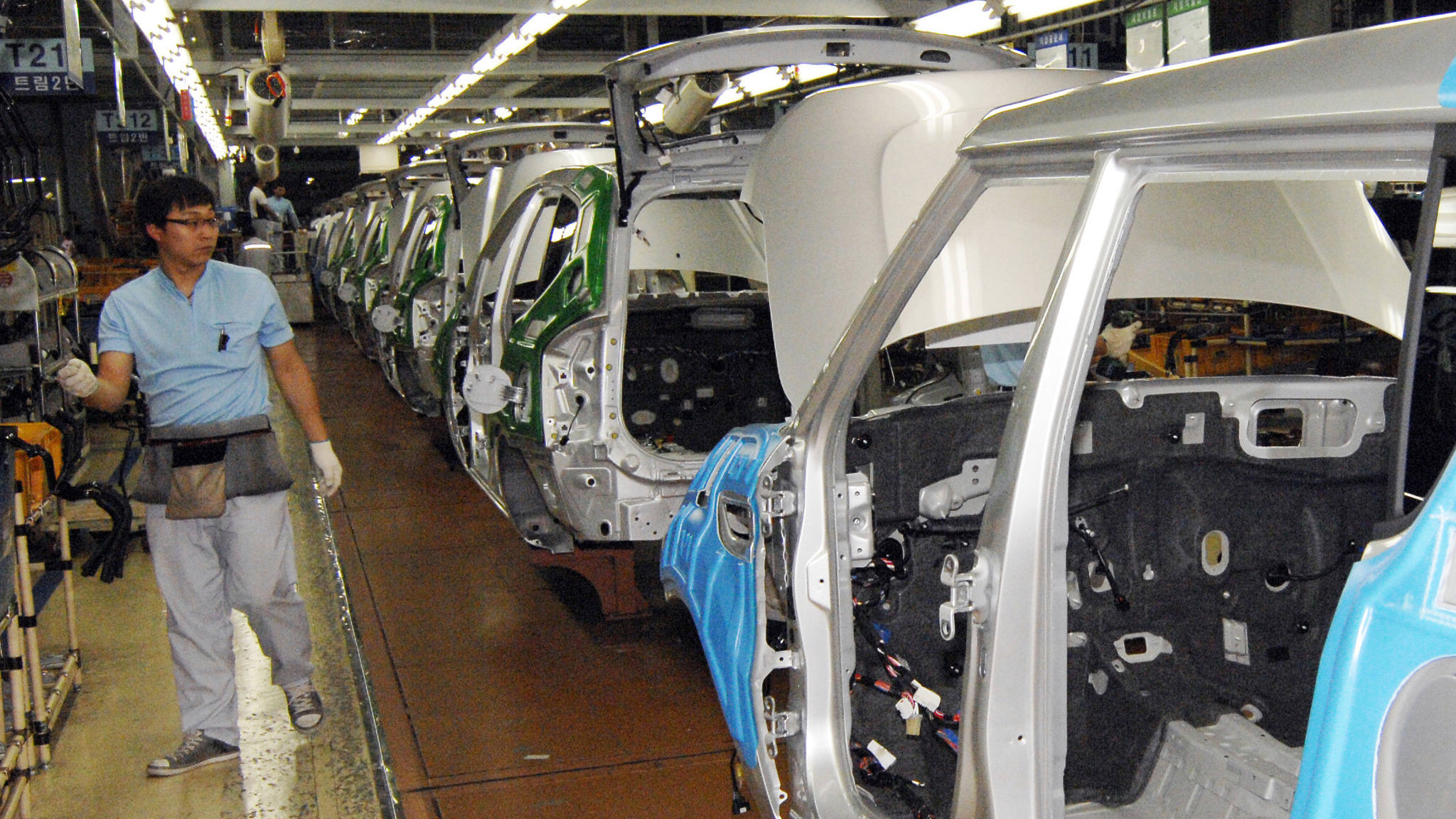
    As a result of its successful attempt to attract younger drivers with a new design and cost effectiveness, Hyundai Motor’s large Grandeur sedan is likely to be the best-selling car in Korea for a second consecutive year. Its hybrid engine largely contributed to the triumph.

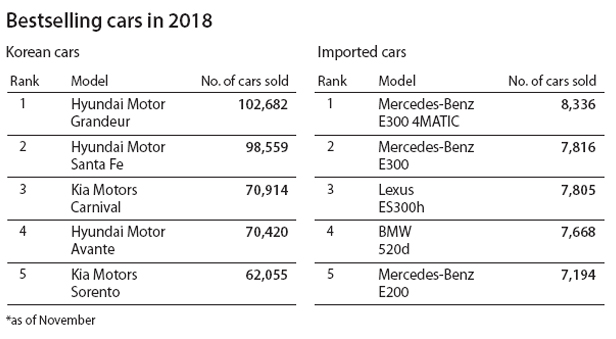
    The Grandeur IG sold a total of 102,682 in Korea units as of the end of November, becoming the first and only model this year to surpass the 100,000 mark.

    The sales figure fell slightly, however, compared to the 123,000 units sold last year during the same period.

    Hyundai Motor said the Grandeur’s hybrid engine towed sales for the model. In November, a total of 2,302 Grandeur Hybrids have been sold, the highest monthly sales since its launch.
    Closely trailing behind in second is Hyundai Motor’s large Santa Fe SUV, which climbed up eight spots from No. 10 last year.

    Last year, the Santa Fe sold a total of 54,334 units in Korea. After launching a fully revamped version early this year and riding on a global trend to prefer SUVs, a total of 98,559 Santa Fes have been sold this year, according to the carmaker.

    With the Grandeur pulling in the younger generation, its midsize Sonata sedan is losing ground.

    The Sonata, which was either the bestseller or runner up for more than five consecutive years, tumbled to the third spot last year among all passenger cars in Korea.

    This year, the midsize sedan tumbled to sixth, selling a little more than 60,000 units.

    The top 10 spots were all taken by either Hyundai Motor or its smaller affiliate Kia Motors.

    The other three Korean carmakers – GM Korea, Renault Samsung Motors and SsangYong Motor – struggled to sell their cars to Korean consumers. Internal issues and a lack of new vehicles has largely contributed to the automaker’s struggle.

    SsangYong Motor’s best-selling model was the small Tivoli SUV, which sold a total of 39,330 units as of the end of November. GM Korea’s best-selling car was the compact Spark, which sold a total of 34,616 units during the same period. For Renault Samsung Motors, which didn’t launch any new passenger car model this year, its best-selling model was the QM6 SUV, which sold a total of 28,180 units as of November.

    It was Mercedes-Benz’s year when it came to imports. The E300 4MATIC line topped the ranks as of the end of November, selling 8,336 units followed by the E300 trim with 7,816 units.

    In the third spot was Lexus’ hybrid ES300h, which sold 7,805 units. BMW’s 520d, which was the most popular import last year, was hurt by the burning engine crisis over the summer and fell to fourth spot with 7,668 units in sales.
  • Malaysia Airlines launches business suite

    Malaysia Airlines launches business suite

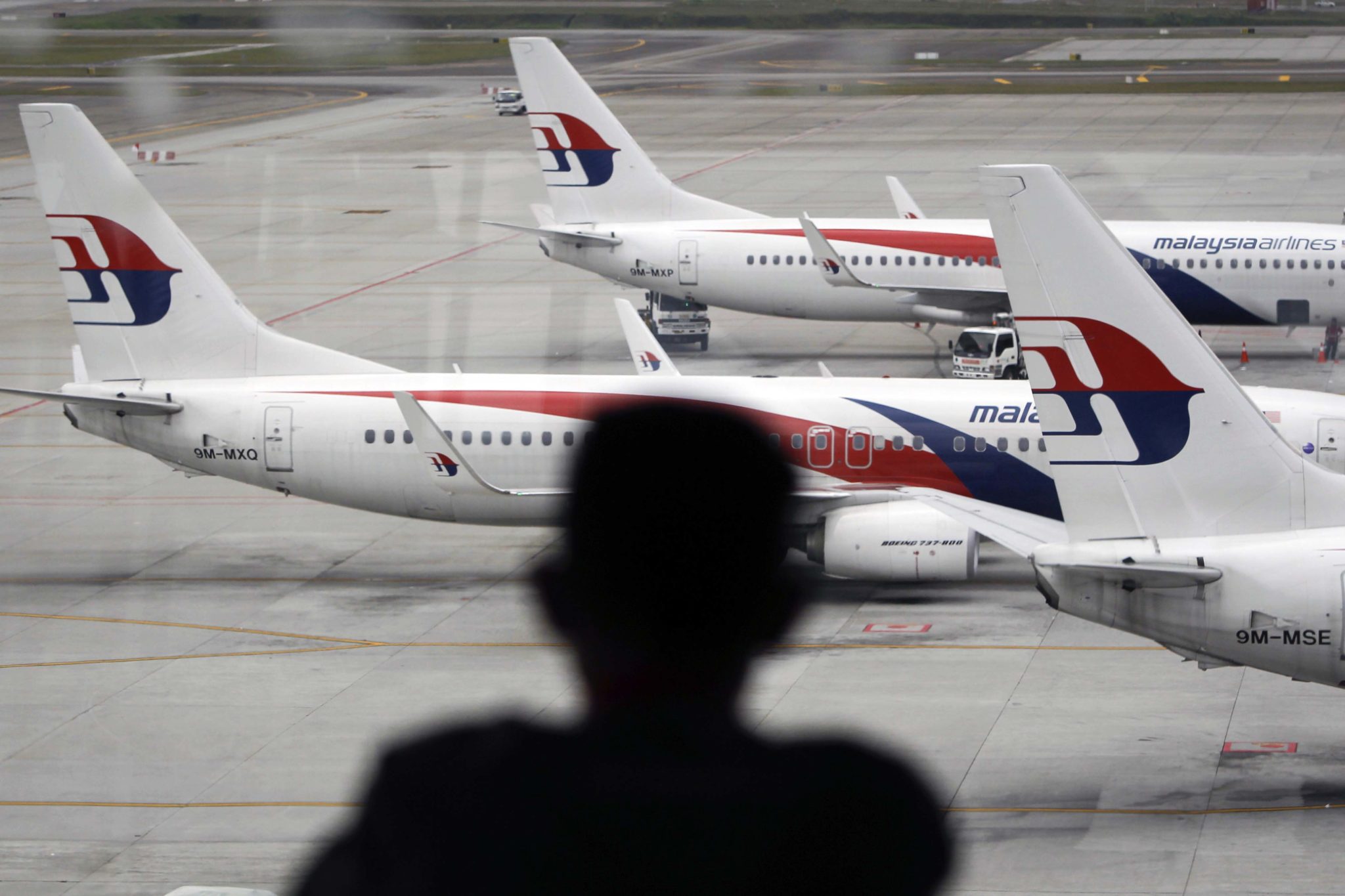
    Malaysia Airlines announced the rebranding of its First Class cabin to Business Suite offering passengers new levels of luxury with ample cabin space and privacy. “The new Business Suite was introduced in response to the growing demand of our guests. Our target is to enable the frequent flyer, looking for enhanced comfort, to now be able to enjoy a premium experience at competitive prices,” Malaysia Airlines group CEO Captain Izham Ismail said in a statement.

    “We are confident that our new Business Suite will change the way people travel in business class,” Izham added.

    Starting Dec 12, 2018, the Business Suite will be available on all of the airline’s A350-900 and A380-800s.

    The suite comes with a dedicated check-in counter, access to Malaysia Airlines premium First Class Lounge, 50kg baggage allowance as well as fine-dining experience onboard.

    The Business Suite cabin will be available on the London, Tokyo, Osaka route and on the Sydney and Seoul route during the winter season.

  • Li-Ning X EDG Joint Apparel Anounced

    Li-Ning X EDG Joint Apparel Anounced

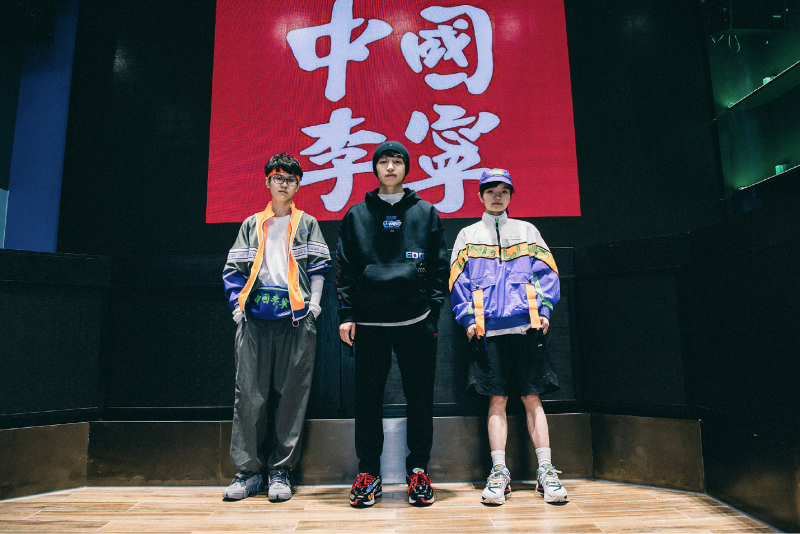
    Chinese sports apparel brand Li-Ning has released a collaboration with esports organisation Edward Gaming (EDG). The Li-Ning X EDG apparel line, which includes hoodies, jackets, tracksuits, and shoes, is now selling at its retail location in Shanghai’s Daning shopping complex.

    Li-Ning has become one of China’s largest sportswear brands, having signed multiple sponsorship deals with international-league athletes. EDG is best known for its League of Legends team, which competed in the world gaming championship earlier this year. It closed a funding round of close to RMB100 million (US$15.7 million) last May.

  • Tourists from China are back to Korea, but not like before

    Tourists from China are back to Korea, but not like before

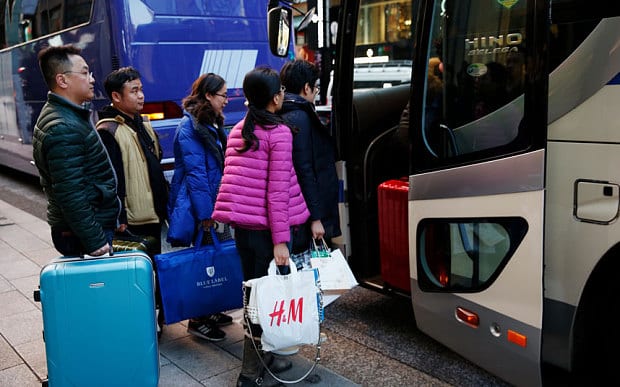
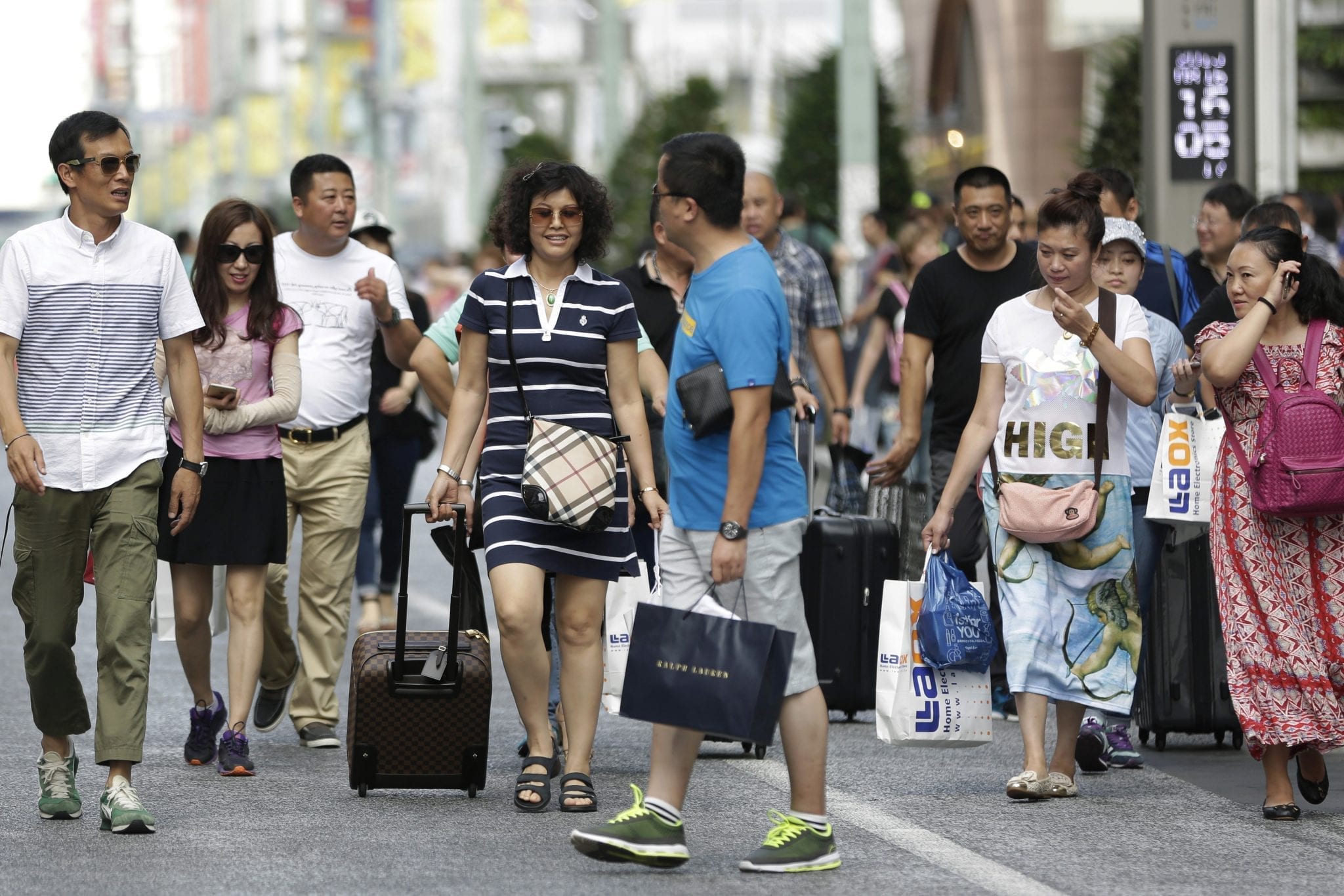
    Chinese group tours, which helped fuel local retail sector growth in recent years, have yet to make a full comeback despite the easing of restrictions by Beijing, Korean duty-free store operators said on Sunday. The assessment came as official data from the Bank of Korea showed that 475,000 Chinese nationals visited the country in October, up 37.6 percent from a year earlier.

    Local tax-exempted outlet operators like Lotte Duty Free and Shilla Duty Free, as well as the umbrella Korea Duty Free Shops Association (KDFA), said that most Chinese customers were individual travelers and so-called “daigongs,” rather than “youkers,” or group travelers.

    Daigongs are small-scale merchants who buy products here on behalf of customers back home.

    Chinese authorities clamped down on group tours to Korea in March 2017 after Seoul allowed the deployment of a U.S. anti-missile defense system on its soil, despite objections from Beijing. China has since partially lifted restrictions, but the number of group tours has not returned to past levels.

    Lotte said that it had almost no youkers, who enter the country on a group visa, and that most shoppers were individual travelers or small merchants.

    It said that before the frictions caused by the U.S. Terminal High Altitude Area Defense’s deployment, there were 7,000 to 8,000 youkers daily at its main duty free store in downtown Seoul. This dropped to around 2,000 after the uproar and then to zero.

    Shilla said it did receive 820 youkers in October.

  • AirAsia’s Vietnam venture set to fly in August

    AirAsia’s Vietnam venture set to fly in August

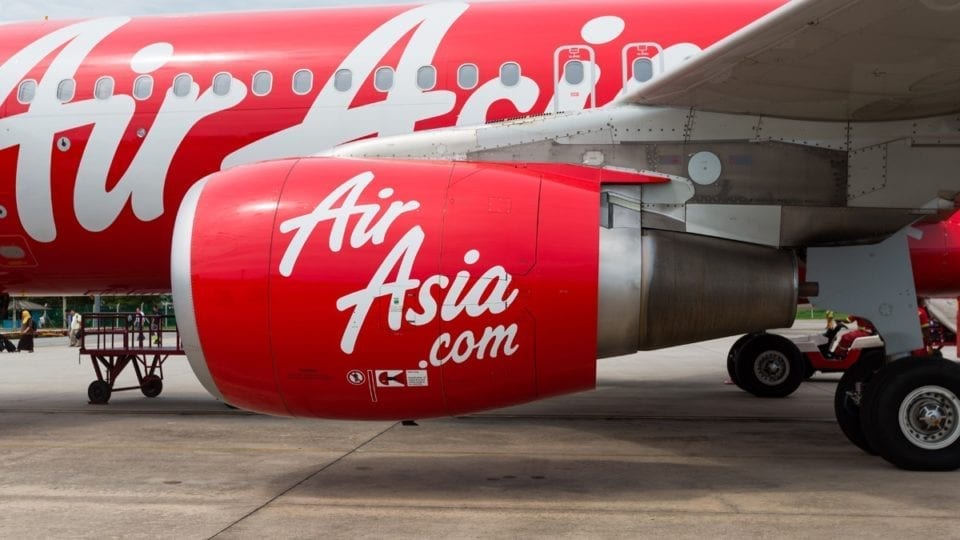
    A new Vietnam-based airline set up by Malaysian budget carrier AirAsia and a local company is expected to fly by next August. Tran Trong Kien, CEO of Hanoi-based resort ooperator Thien Minh Group, AirAsia’s partner, said that applications for aviation licenses would be made next February and likely obtained in six months.

    Vietnam will become the newest market for AirAsia, the largest low-cost carrier in Southeast Asia, which has affiliates in India, Indonesia, Malaysia, the Philippines, and Thailand.

    Kien said Prime Minister Nguyen Xuan Phuc had expressed support for the airline, which has yet to be named.

    The airline plans to deploy five or six Airbus SE A320 and A321 aircraft on domestic and regional routes, and expand the fleet to 30 within three years, he added.

    Last week Thien Minh Group signed a memorandum of understanding with AirAsia for setting up the new airline with a capital of VND1 trillion ($44 million).

    AirAsia will hold a 30 percent stake in it, and Thien Minh, 70 percent.

    The new airline would be a direct competitor to Vietnam’s budget carriers Vietjet Aviation and Jetstar Pacific, according to industry insiders.

    Vietnam Airlines is currently the biggest airline in terms of passengers carried.

    Bamboo Airways, owned by private corporation FLC, last month received a license and expects to make its maiden flight on December 29. It is allowed to operate 10 aircraft on domestic and international routes.

    There are five carriers in Vietnam: Vietnam Airlines, Vietjet Air, Bamboo Airways, Jetstar Pacific and VASCO. Vietnam Airlines owns VASCO and has a 70 percent stake in Jetstar Pacific.

    Vietnam received 14.12 million foreigners in the first 11 months of the year, up 21.3 per cent year-on-year, according to the General Statistics Office. Eighty percent of foreign tourists arrive by air.

    Vietnam’s aviation market has averaged 17.4 percentage growth in the past decade, far higher than the 7.9 percent rate for the Asia-Pacific, according to the International Air Transport Association.

    AirAsia almost struck a deal with Vietjet, but in 2010 the deal collapsed.

  • BreadTalk to open 1st Din Tai Fung restaurant in London by end-2018

    BreadTalk to open 1st Din Tai Fung restaurant in London by end-2018

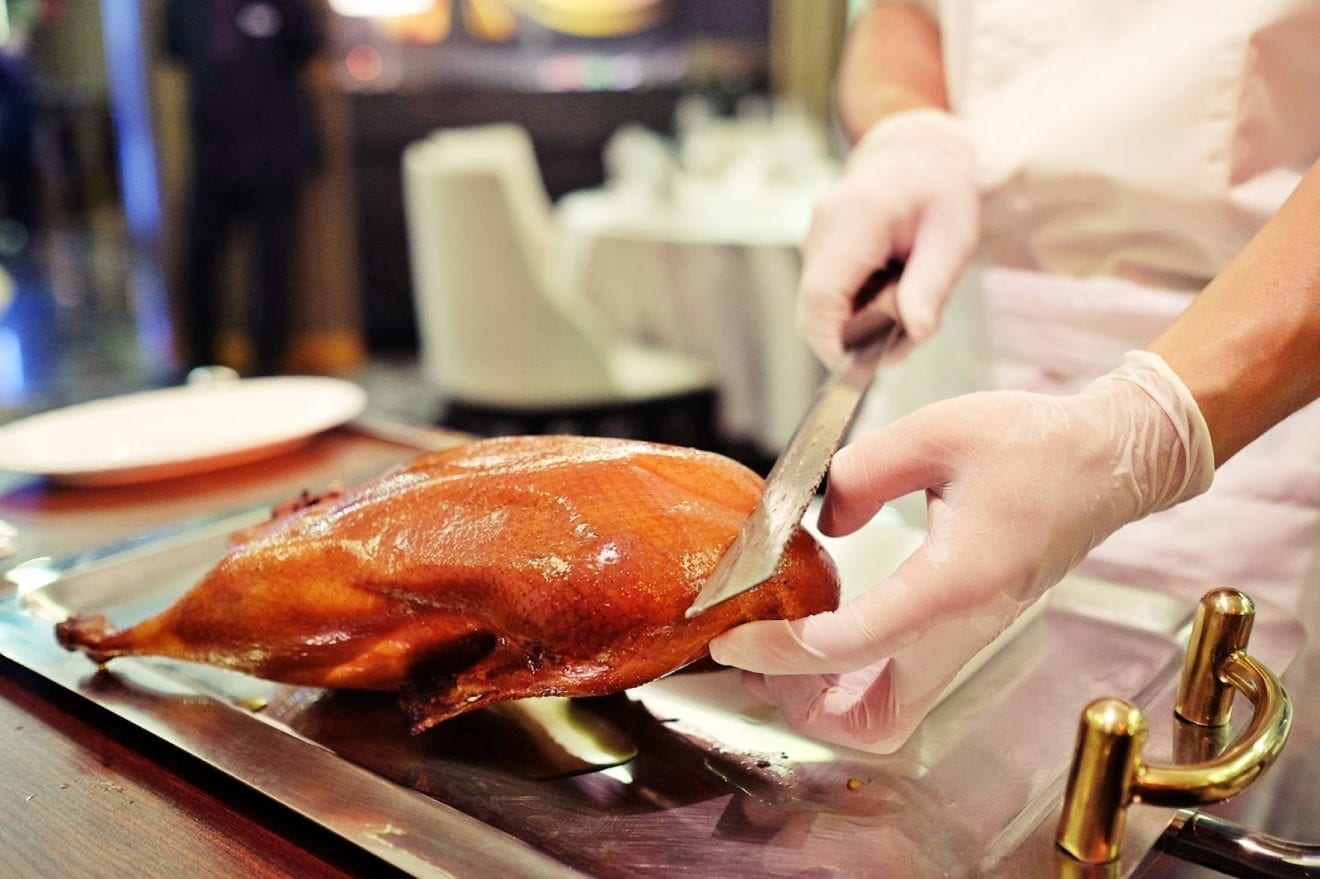
    Taiwanese dumpling chain Din Tai Fung has opened in Covent Garden, London. The new 8000sqft Din Tai Fung London eatery is the franchise’s 153rd globally, and is the first of at least two outlets planned for the city. A second store is planned for Centre Point next year.

    The Din Tai Fung London store has been launched by Taster Food UK in partnership with Singapore-based BreadTalk Group.

    BreadTalk Group CEO Henry Chu said: “The group will leverage on our experience of operating Din Tai Fung in Singapore and Thailand, and the strength of our overseas partners to continue the tradition of delivering an authentic Taiwanese dining experience to Londoners.”

    Brand founder and chairman George Quek commented that there is potential to open 20 Din Tai Fung outlets in Britain, serving as a starting point for further expansion into Europe.

    Din Tai Fung has already opened in Australia, China, Hong Kong, Indonesia, Japan, Malaysia, Philippines, South Korea, the US and the UAE. It was recognised by the New York Times in 1993 as one of the world’s top 10 restaurants.

  • Steve Madden has launched in Malaysia

    Steve Madden has launched in Malaysia

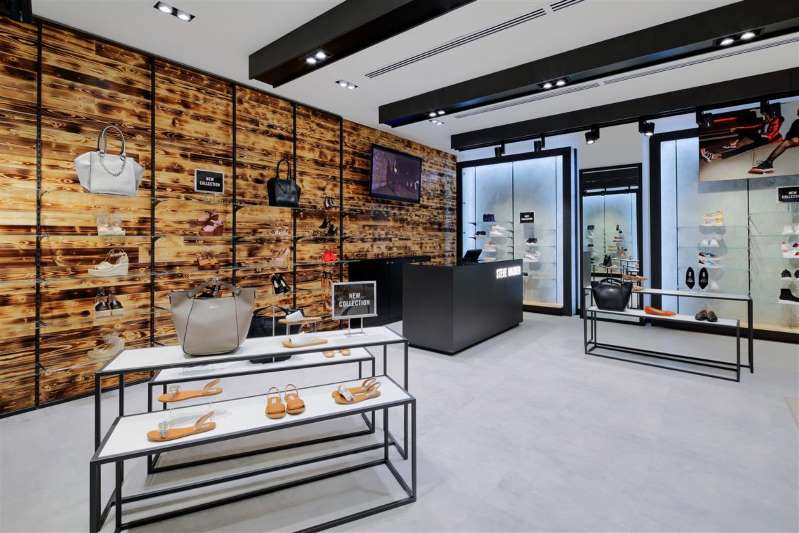
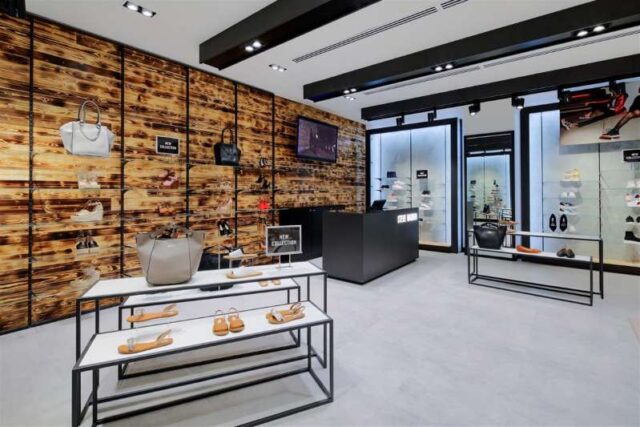
    American footwear brand Steve Madden has opened its first store in Malaysia. The new location at Mid Valley Megamall in Kuala Lumpur is the second Steve Madden store launched by the brand’s retail partner Valiram after the first opening in Takashi­maya Singapore.

    A statement from the brand that describes the new store’s aesthetic as “distilled urban” reads: “Making use of several materials, the intention is to stage the stars – shoes and accessories – in a way that allows each of them to tell their style story.”

    Featured in store is the brand’s Holiday 2018 collection for women, as well as its signature rock-n-roll-inspired shoes and leather goods.

  • Kering leads the way to gender diversity

    Kering leads the way to gender diversity

    French luxury goods giant Kering has received a prize for its high level of female representation on its board. The company has made gender equality one of its corporate priority and has, this week, been chosen to receive the “Most Feminine Board of Directors” award.

    Handed out by the European Women on Boards along with Ethics & Boards, Kering was selected among the 200 largest companies of the Stoxx Europe 600 index based on the percentage of women on the boards as well as the presence of women serving as chief executive officer or chair of the executive board.

    The company, which owns a range of high-end labels including Saint Laurent, Bottega Veneta and Pomellato, launched a leadership and diversity program in 2010 with the aim of increasing access for women to leadership positions.

    Kering has also committed to reaching gender parity and pay equality at all levels by 2025.

    French companies are leading the way on gender diversity and Kering is a great model setting an example for the rest of the world to follow.

    Indeed, more than half of the group’s managers are women while they constitute 64% percent of the board and 33% of its executive committee.

    François-Henri Pinault, Kering’s CEO, also announced that the company would be doubling the budget of the Kering Foundation, aimed at tackling violence against women.

    Kering is also partnering with Michelle Obama for the French leg of her blockbuster tour for her memoir titled “Becoming.”

  • Japan Foods in regional tie-up with Minor Singapore

    Japan Foods in regional tie-up with Minor Singapore

    Japan Foods has entered a joint venture with Minor Singapore to support each other’s operations in Japan, Thailand and China. Japan Foods is to operate the partners’ Thai restaurants in Japan and support Japanese cuisine operations. Minor Singapore will meanwhile run Japanese outlets in Thailand and China, supporting the preparation of Thai cuisine.
    The JV is being funded by a combined shareholder loan of $2.3 million to be disbursed equally for working capital. Japan Foods will fund its half of the loan with internal cash resources.

    Japan Foods executive chairman and CEO Takahashi Kenichi said he believes the expanded network will “make us more attractive as a franchise partner to Japanese brand owners who may be looking to expand beyond their local market”.

    Minor Singapore executive chairman and CEO Dellen Soh said the partnering firms “share many synergies, including strong brand portfolios and good operating track records”.

  • Which tourists spend the most overseas?

    Which tourists spend the most overseas?

    Overseas spending by South Korean tourists ranks among the top of advanced economies, research data showed on December 5. Figures provided by the Korea Economic Research Institute, affiliated with the Federation of Korean Industries, put the proportion for South Korea at minus 1.9 percent in 2016, ranking it the fifth highest among 32 member states of the Organization for Economic Cooperation and Development (OECD).

    The institute derived the proportion by subtracting overseas expenditures by South Koreans from foreigners’ spending in South Korea and measured the sum’s ratio against household spending.

    Higher numbers in the negative means that local citizens spent more abroad that what inbound foreigners spent.

    Results showed Norway topped the list with minus 4.3 percent, followed by Lithuania (minus 2.7 percent), Belgium (minus 2.5 percent) and Germany (2.3 percent).

    In the case of Japan, the number turned positive in 2014 and came to 0.6 percent in 2016.

    “The outflow of spending is the result of choices by local and foreign consumers of tourism services,” the institute said. “It indicates weaknesses in the competitiveness of the domestic tourism industry.”

    The institute cited a report last year from the World Economic Forum that said South Korea’s competitiveness in prices fell from 84th in 2007 to 88th in 2017.

    “(This) was one of the important elements that undermined South Korea’s competitiveness in the tourism business,” it said.

  • 4FINGERS takes full ownership of Mex Out

    4FINGERS takes full ownership of Mex Out

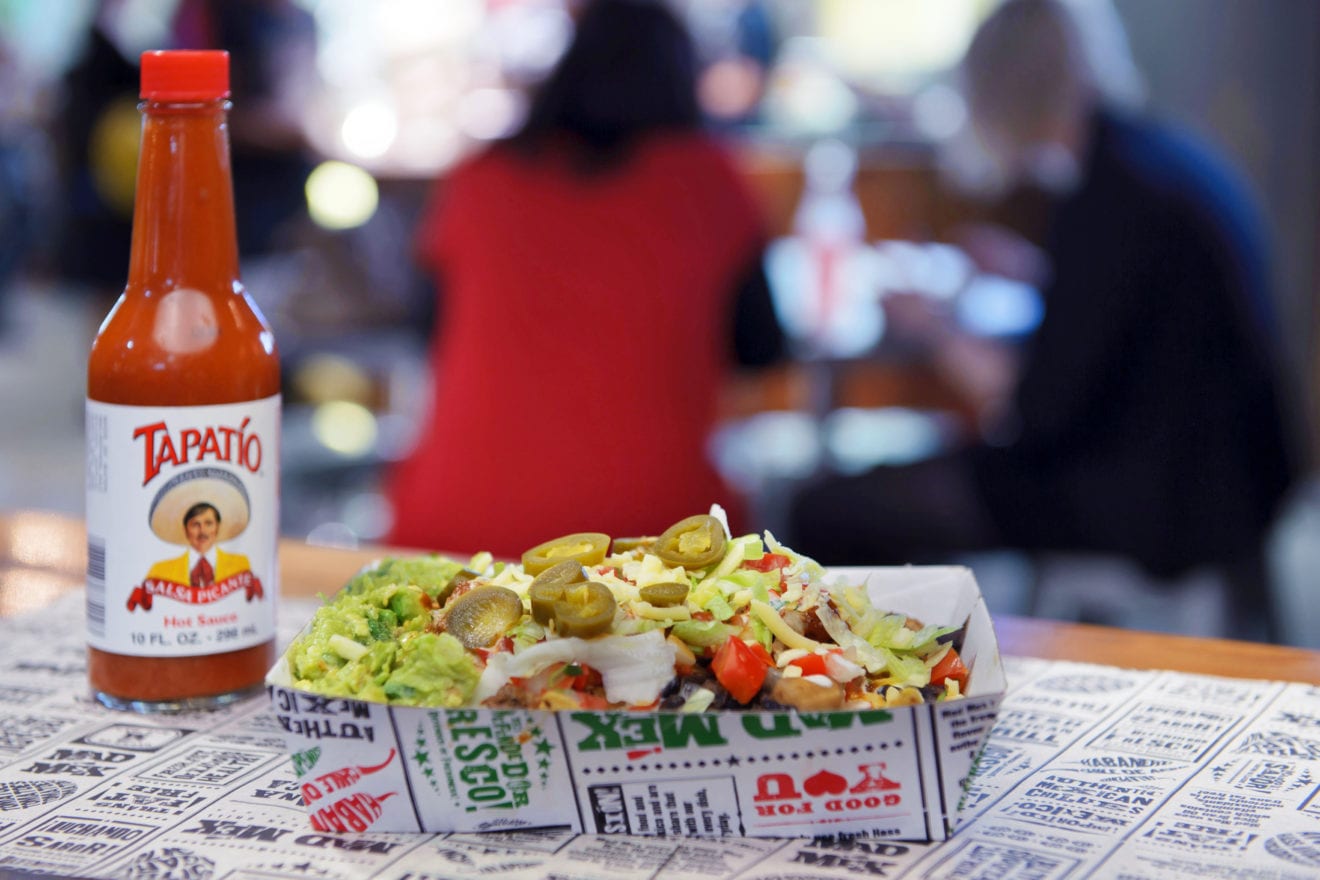
    4FINGERS Group, the group behind innovative fast-casual dining brand 4FINGERS,  announced its acquisition of Mex Out, one of Singapore’s leading Mexican food concepts. This acquisition is part of the group’s plan to accelerate Mad Mex’s roll out in Singapore, following its recent acquisition of a 50% stake in the leading Australian Mexican quick-service restaurant (QSR) brand.

    4FINGERS Group intends to re-brand the four Mex Out outlets into Mad Mex establishments from the first quarter of 2019, making Mad Mex one of the largest Mexican food and beverage concepts in Singapore by revenue.

    Until then, Mex Out will continue regular operations.

    This buyout continues the Group’s push into the growing fresh and healthy segment in the F&B industry and its commitment to bring Mad Mex to Southeast Asia.

    “We are excited to be able to so quickly establish Mad Mex’s presence in Singapore, and are entering an exciting new phase. With Mad Mex’s strong brand and proven track record, we are very confident of its growth in the region,” said Vijay Sethu, Director of 4FINGERS.

    This acquisition also enables the Group to further capitalise on menu innovation, shared services and other economies of scale.

    4FINGERS continues to grow their flagship brand, and with the current focus on growth outside of Singapore, the brand looks to close the year with 14 4FINGERS outlets in Malaysia.

    The brand is also continuing to spread its wings beyond Asia, with their maiden U.S. outlet set to open in Los Angeles in 2019, as well as three new outlets in Australia.

  • ‘The store of the future’ by Tommy Hilfiger opens in Amsterdam

    ‘The store of the future’ by Tommy Hilfiger opens in Amsterdam

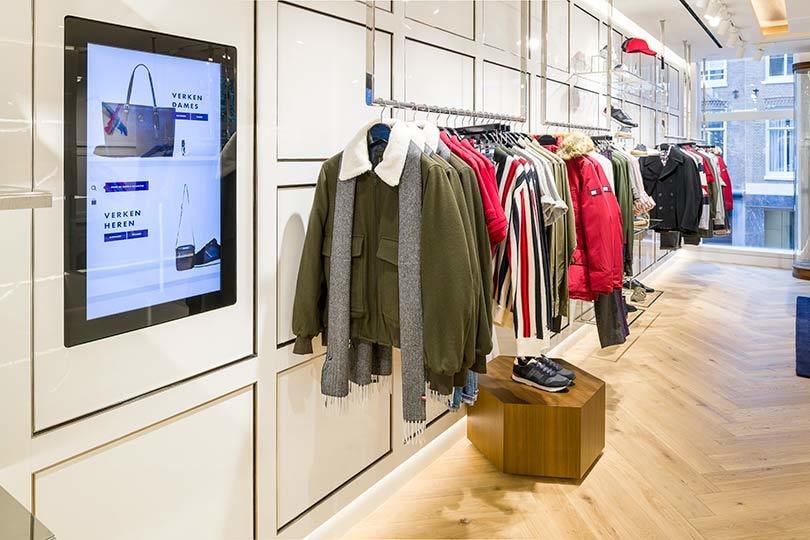
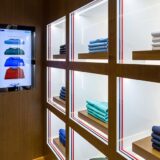
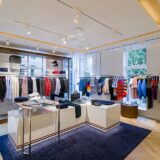
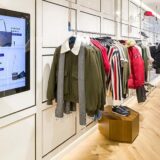
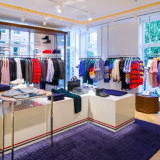
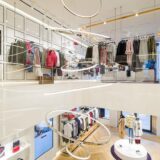
    A new generation Tommy Hilfiger store of the future has opened in Amsterdam. The store emerges from the firm’s evolving omnichannel strategy and features floor-to-ceiling interactive mirrors, personalised embroidery stations and a cafe with digital screens built into the tables. The more than 300sqm interior has been described in a CPP Luxury report as boasting “modern finishes and a bright, airy aesthetic, taking cue from the nautical lifestyle – one of Tommy Hilfiger’s long standing sources of inspiration.

    Tommy Hilfiger CEO Daniel Grieder said: “You can’t just expect shoppers to come into the store when you do nothing, you have to excite them. You have to give customers a reason to come into the store.”

    View the gallery below (7 images) :

    The Tommy Hilfiger store of the future features large monitor screens which serve as “digital endless aisles” that allow customers to browse the brand’s complete online catalogue, facilitating home-delivered or store-delivered orders. Customers can also identify items from different looks featured online.

    Store manager Mark commented: “It’s about bridging that gap between online and offline, and making the shopping experience as easy as possible … People still want to be able to feel the material and see the products in person. That’s always important, so where we can we always want to encourage customers to come into the store.

    “For example with suits, we’ll offer an appointment for the customer to come in and try it on. We’ll make sure the dressing room is prepared for them with fitting shoes and a shirt. So for us it’s really about taking that extra step and building on the customer relationship.”

  • Shanghai Tang sold to Chinese Lunar Capital fund

    Shanghai Tang sold to Chinese Lunar Capital fund

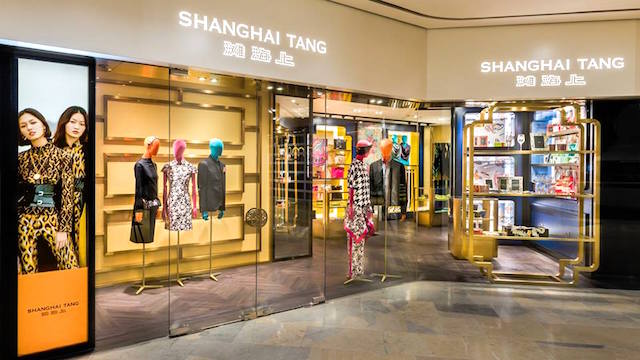
    Chinese luxury fashion label Shanghai Tang has been acquired by Chinese investment fund Lunar Capital. The new owner specialises in growing mid-sized Chinese firms, already holding a range of clothing brands. Their acquisition signals a new direction for the brand, which has just opened a flagship store on JD’s luxury platform TopLife, the brand’s first domestic online retail space. Shanghai Tang’s creative director Massimiliano Giornetti will be resigning following the handover.

    The rapid turnover just one year after its acquisition by Italian clothing firm A. Moda, Alessandro Bastagli, and Hong Kong private equity firm Cassia Investments follows disagreements between the buyers. The brand was purchased last year from Swiss luxury goods firm Richemont Group, one of the brand’s original investors and owners since 2008.

    Shanghai Tang is thought to be China’s first contemporary luxury brand, and pulled in estimated sales of US$45.57 million this year.

  • Shinsegae International Opens Select Shop for S. Korean Designer

    Shinsegae International Opens Select Shop for S. Korean Designer

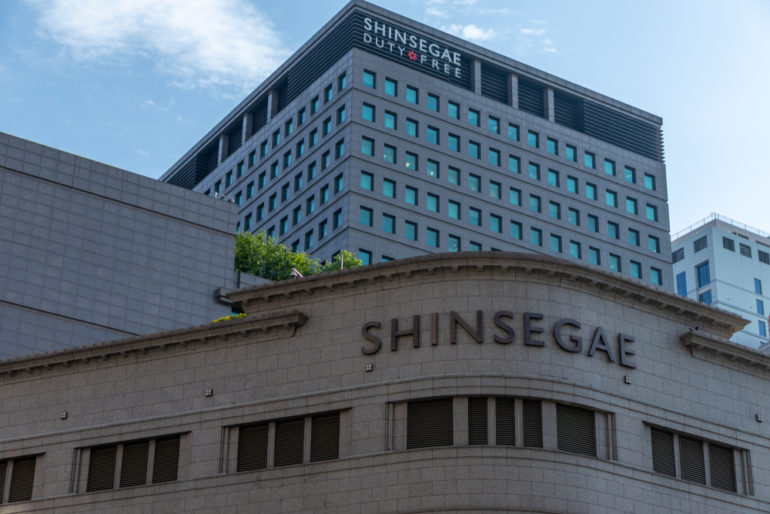
    South Korean retailer Shinsegae International aims to promote South Korean designer brands through a new online store. The company says ‘Select Shop’ will specialise in South Korean designer brands, on its S.I.Village online shopping portal. Select Shop accommodates 30 designer brands for clothing, bags, and footwear.

    “Select Shop will serve as a new channel for South Korean designers as well as for young and sensational new brands, which will also boost the competitiveness of our online shopping mall,” said a Shinsegae International spokesperson.

    Shinsegae International said S.I.Village’s high-end reputation is what encouraged many of the designers to join Select Shop.

    To mark the grand opening, Select Shop will provide discounts of 5 to 20 per cent on all member products and will give away movie tickets to the first 300 customers to make a purchase on Select Shop.

    The website will also be the exclusive distributor for 99 T-shirts designed in collaboration with 99%IS by Bajowoo.

  • Fortnum & Mason Asia sales soars boosted by Hong Kong

    Fortnum & Mason Asia sales soars boosted by Hong Kong

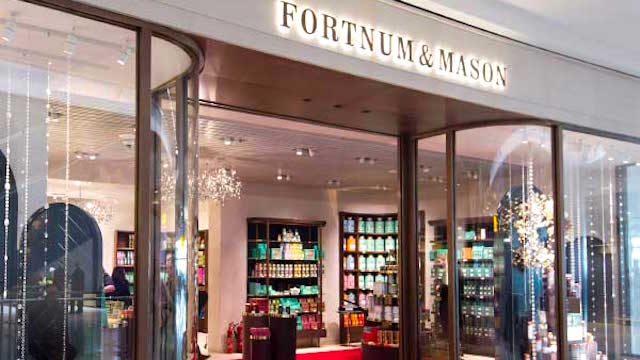
    Fortnum & Mason Asia sales are soaring, prompting the UK luxury-food retailer to plan more stores. In Hong Kong, the chain achieved a 55 per cent increase in sales in the year to July, helping it book a sixth consecutive year of double-digit sales and profit growth. Two new stores are now trading in South Korea – in Shinsegae Gyong-Gi and Shinsegae Gangnam – and options in other Asian markets are being assessed. Another new store opened in London.

    Global sales for Fortnum & Mason grew 12 per cent, reaching £126 million (US$161 million), while profit soared 26 per cent to £9.6 million. The company is now delivering products to a record 125 markets worldwide from its online sales channels.

    Sales at its flagship store in London rose 10 per cent – during a time most department stores in the UK have been struggling to maintain sales growth and profits. Travel retail stores in Heathrow and St Pancras International train station rose 12 per cent.

    “This year has not been without its challenges, but we’re proud to report another exceptional trading period,” said Fortnum & Mason CEO Ewan Venters.

    “By being faithful to our heritage and pedigree, focusing on the creation of extraordinary products and exceptional service, and delivering our world-renowned products to customers anywhere in the world, I am pleased that we are able to meet the growing demand for quality and impeccably-sourced products.”

    He said he was “particularly pleased” with the increased sales of Fortnum & Mason Asia and has great confidence in the two new spaces in South Korea.