Tag: LVMH

  • Hong Kong shines for Sandro Asia

    Hong Kong shines for Sandro Asia

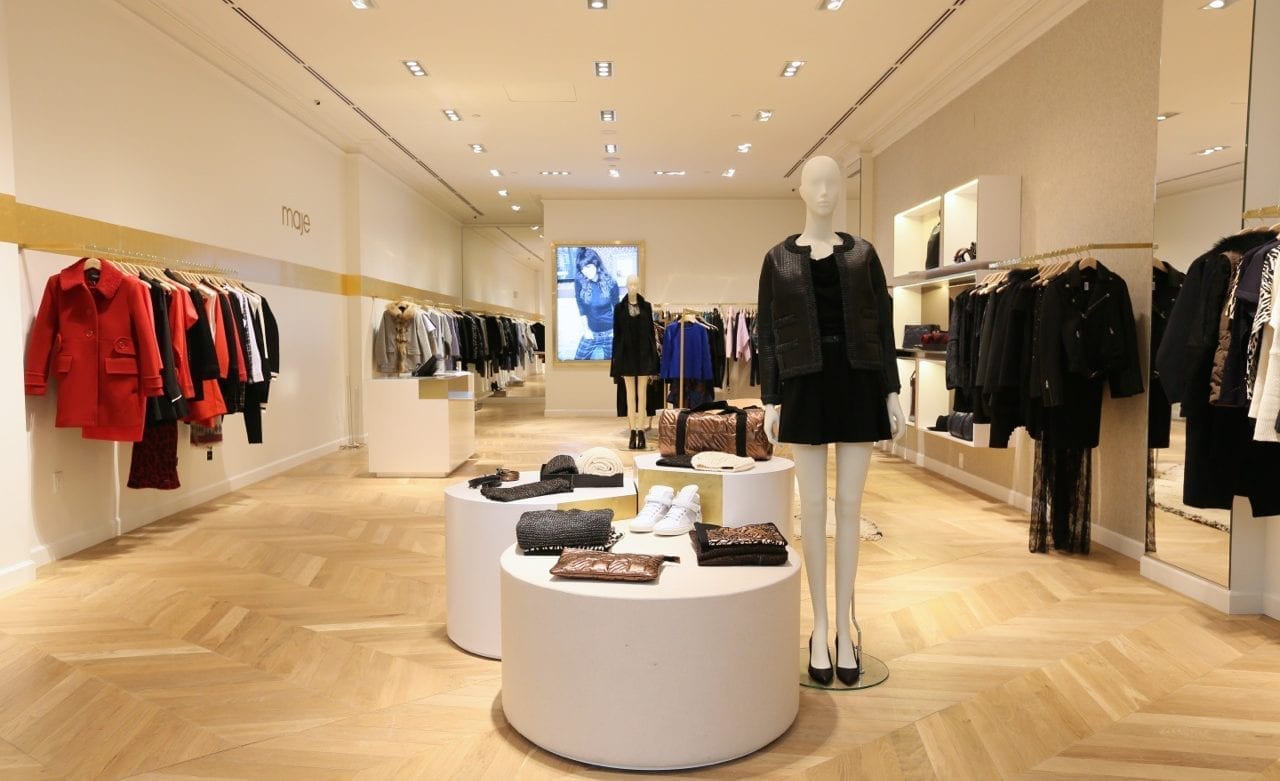
    Paris-based affordable luxury fashion chain Sandro Asia, along with sister brand Maje and Claudie Pierlot, recorded 51 per cent year-on-year growth in Asia Pacific in the first six months of the year.

    Sandro opened its largest Asia flagship store in the heart of Causeway Bay in August, and plans to double the size of its year-old store in Tsim Sha Tsui’s Harbour City.

    This store quickly became the most lucrative of Sandro’s 410 retail outlets worldwide in terms of sales per square metre. In contrast, total tenant sales at Harbour City fell 14.7 per cent to HK$13.3 billion (US$1.7 billion) in the first half, according to financial filings by its parent company Wharf Holdings.

    Sandro now has eight outlets in Hong Kong, and plans to add another two or three more by the end of next year.

    Branding its products as “accessible luxuries”, Sandro’s CEO Jean-Philippe Hecquet says the segment became “very powerful” when people started to look inside their wallets.

    Hecquet, who previously worked for luxury group LVMH, says upper-middle-class consumers still want to enjoy their life even with less money. “They still want to buy luxury products, for sure.”

    Sandro’s launched in Hong Kong in 2012, and Hecquet admits it may have missed the “golden age” when mainland shoppers would queue up outside Chanel, Gucci and Louis Vuitton outlets. But he says that while business is slowing for the traditional luxury brands, “we still see very decent traffic”.

    He believes the emerging young upper-middle class in Asia will be the future powerhouse for luxury goods, and the right time to expand is now. Hong Kong’s retail downturn has freed up more prime retail space and rents are going down. “We have been waiting for a long time to be able to open a flagship,” says Hecquet.

    He says the average age of Sandro’s customers in Hong Kong is between 25 and 30 years, and mainland visitors contribute to a significant portion of sales.

  • Coach Tmall flagship abandoned

    Coach Tmall flagship abandoned

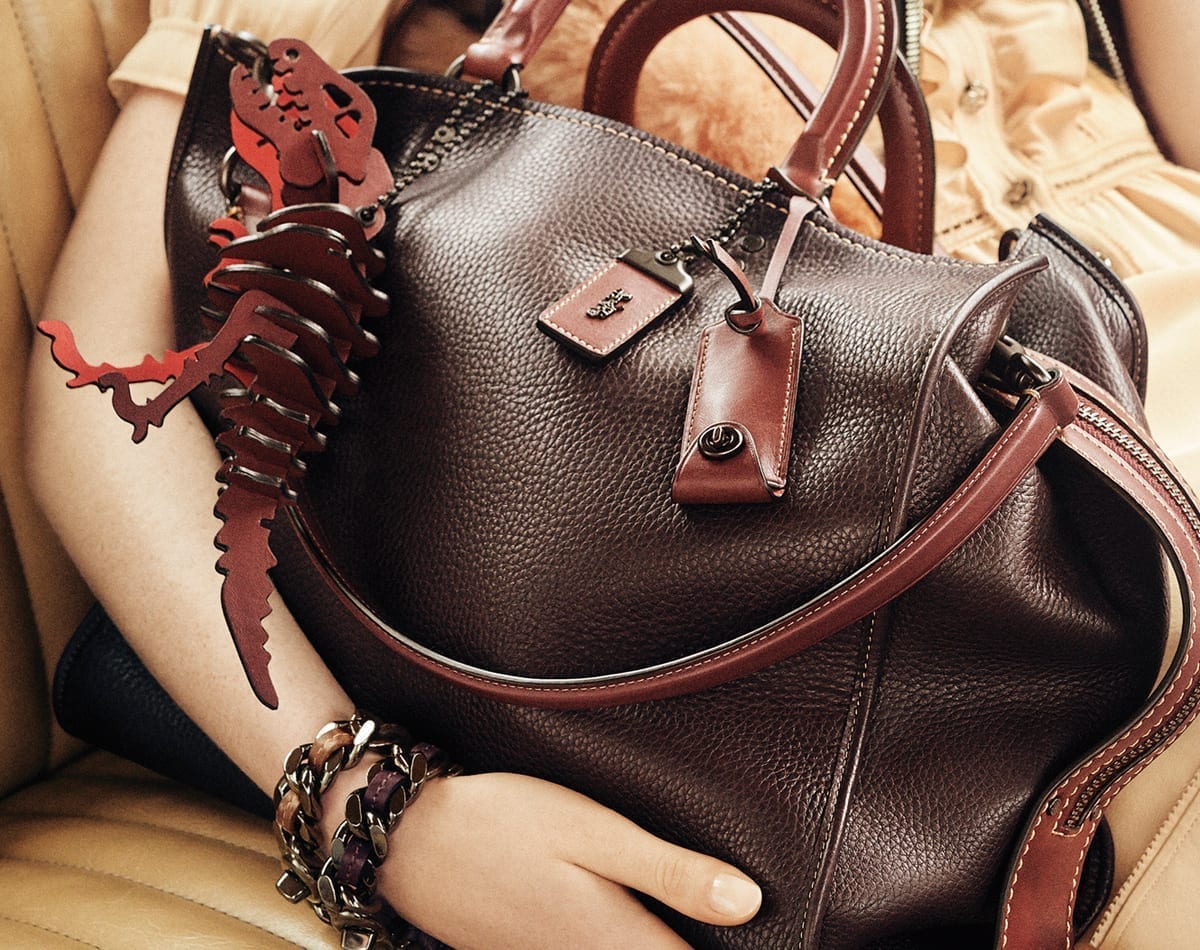
    The official Coach Tmall flagship shop has been abandoned.

    Luxury bag brand Coach Inc says it will replace its shop on Alibaba Group Holding’s business-to-consumer sales site by selling directly through its own website and on its WeChat account, the social-media app run by Alibaba rival Tencent Holdings. Coach has offered coupons and launched a media campaign on WeChat.

    A Coach spokeswoman says the company wants to consolidate resources and will continue to look for innovative ways to leverage digital and social platforms.

    Alibaba says Coach products are still available on TMall from other merchants.

    Selling shoes, purses and accessories, Coach was one of the first US luxury brands to launch an official store on the TMall. It started with a temporary pop-up store from December 2011 to January 2012, opening a full store in 2015.

    Early this month, nearly a dozen trade groups wrote to Alibaba complaining that it was not doing enough to combat counterfeits. And the loss of Coach comes as Alibaba faces added scrutiny from a US trade agency as to whether it should be added to a list of marketplaces that are known for selling counterfeits.
    Alibaba’s Taobao consumer-to-consumer marketplace was on the list years ago, but was removed in 2012.

    Meanwhile, LVMH Moët Hennessy Louis Vuitton SE’s Guerlain has just opened a flagship store on TMall, and MakeUp Forever and Sephora, two other brands under the LVMH umbrella, also have TMall stores. Also, the cosmetics unit of Salvatore Ferragamo will launch its store later this month.

  • Spike Jonze helps launch Kenzo World fragrance

    Spike Jonze helps launch Kenzo World fragrance

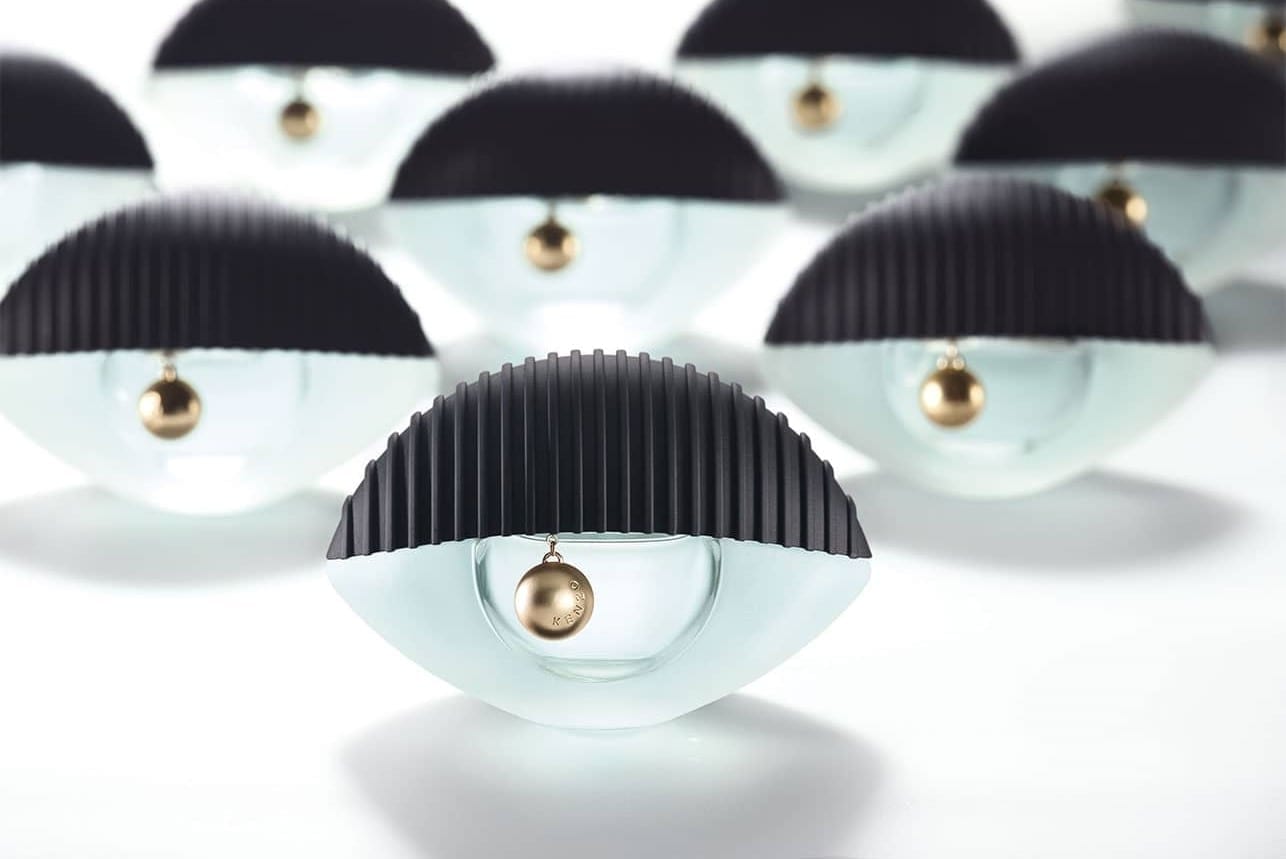
    Kenzo Parfums has unveiled Kenzo World fragrance, the first feminine scent conceived by Kenzo creative directors Carol Lim and Humberto Leon.

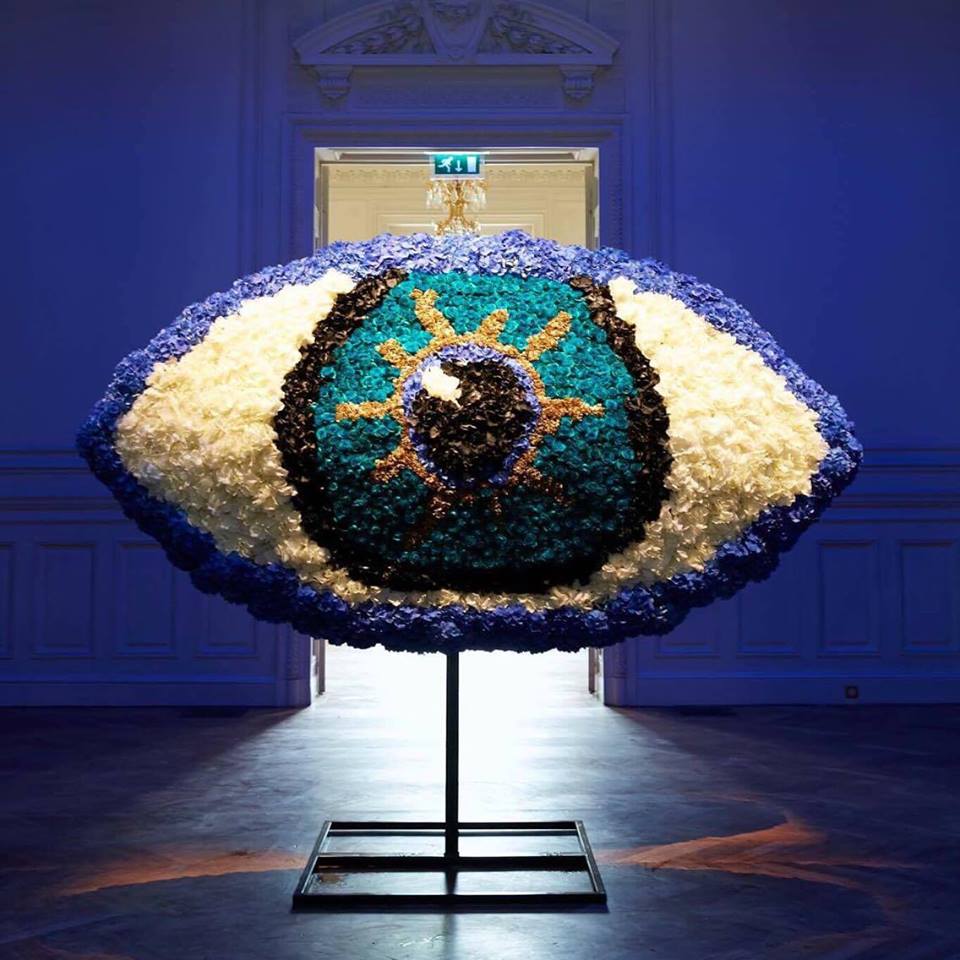
    Five years ago Lim and Leon, two young self-taught Americans, became creative directors of Kenzo, now owned by LVMH. They quickly connected with the core identity of the house founded by Kenzo Takada in 1970, energising it with fresh creativity, including now iconic motifs. Introduced for the 2013 fall-winter collection, the eye motif has become a symbol of the Kenzo universe.

    “We loved the interpretation of the eye really informing your world,” says Lim.

    Now this iconic eye symbol marks the new boldly feminine fragrance from the house, Kenzo World. Designed by Patrick Li, the bottle features black rubber, pink gold and opaline, recalling the mix-and-match of colors and materials that inspire the designers and their collections. The stylized eye is an invitation to experience Kenzo World, a world to be explored right from the name printed in Braille on top of the box.

    The creation is signed by perfumer Francis Kurkdjian, whose creative approach resonates with that of Lim and Leon, a bold mixing of materials and styles to explore new directions.

    Lim and Leon have created this fragrance for a Kenzo woman “who is free, strong and bold”, and whose boundless energy is translated in the advertising spot directed by Spike Jonze.

    Kenzo_Eye_Fragrance_party

    Mixing choreography and performance, the clip follows Margaret Qualley on an escapade set to a soundtrack with a catchy tempo, a far cry from the standard genre of perfume ads.

  • Moynat Boutique opens in Seoul

    Moynat Boutique opens in Seoul

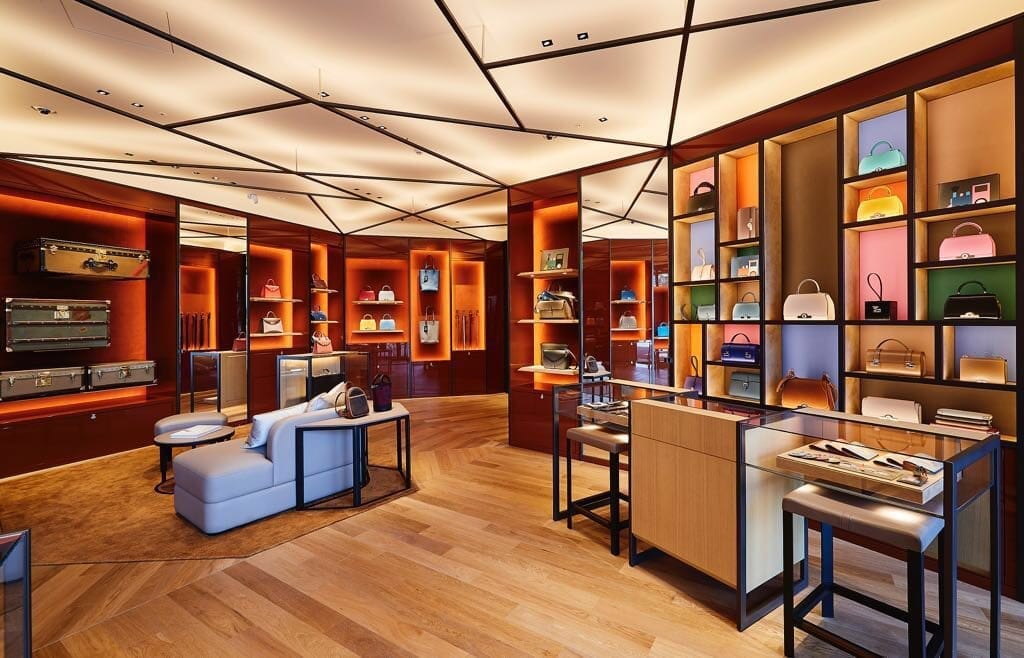
    Korea’s first Moynat Boutique has opened inside the Shilla Hotel in downtown Seoul.

    The French luxury bag and luggage brand, bought by LVMH in 2011,  has been expanding its international network in recent years, and now boats full-scale ‘maison’ stores – or flagships – in Paris, London and New York, and ‘galleries’ in Hong Kong, Beijing, Tokyo, Seoul and Taiwan.

    Moynat Korea

    The new store, located on the first floor of the Shilla Hotel, will feature men’s and women’s lines as well as two designs created exclusively for the Seoul store. Customers can use the brand’s signature personalisation services, including made-to-order designs and hand-painted motifs by Moynat’s artists.

    moynat korea

    The brand was founded in 1849 by Pauline Moynat and initially gained fame for its lightweight, waterproof trunks.


  • LVMH affiliate invests $50m in Clio

    LVMH affiliate invests $50m in Clio

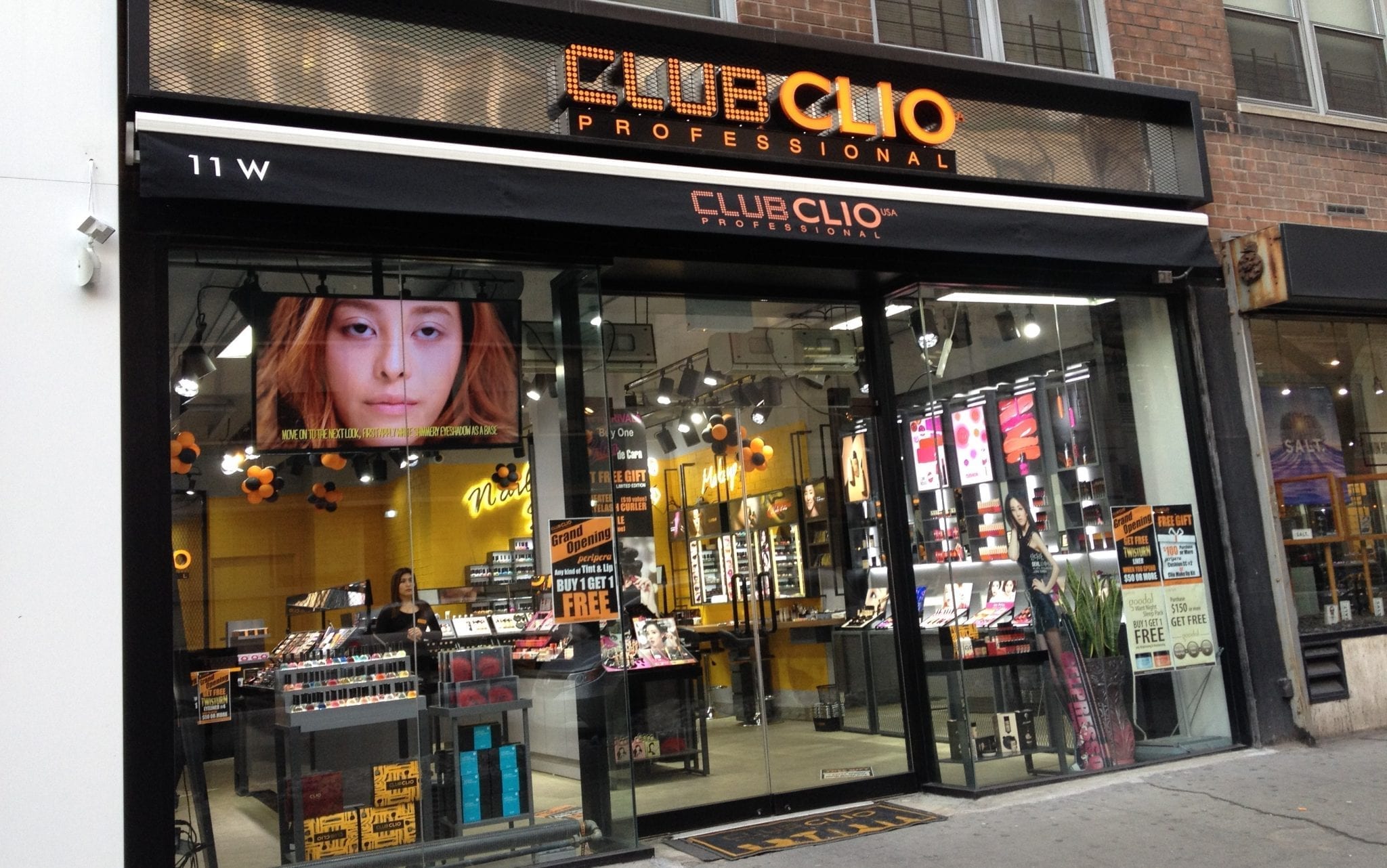
    L Capital, an affiliate of luxury brand group LVMH, will invest US$50 million in Korean cosmetics company Clio, which aims to go public by the end of this year.

    Clio will issue redeemable convertible preference shares to be taken over by the investment company, and an official agreement for this pre-IPO investment will be signed next week.

    After almost two decades of mediocre turnover since its establishment in 1997, Clio’s sales surged to 107 billion won ($93.07 million) last year with an operating profit of 22.5 billion won, boosted by an appearance on a popular TV show. Its total market value after IPO is expected to be more than 1 trillion won.

    L Capital ventured into the Korean corporate world two years ago by investing 60 billion won in YG Entertainment, becoming the second-largest shareholder of one of the top three entertainment companies in Korea.

    Its second choice of Clio reflects the growing demand in Asia, particularly China, for K-beauty products.

    Korean cosmetics exports to China alone last year were worth $1.09 billion, double the value of the previous year and coming in second to French cosmetics.

    US cosmetics company Estee Lauder last year became a major shareholder of Have and Be, the parent company of Dr Jart, while Goldman Sachs’ private equity fund took over Carver Korea, which owns AHC, for 520 billion won this year.

  • Hong Kong and Macau drag down Prada profits

    Hong Kong and Macau drag down Prada profits

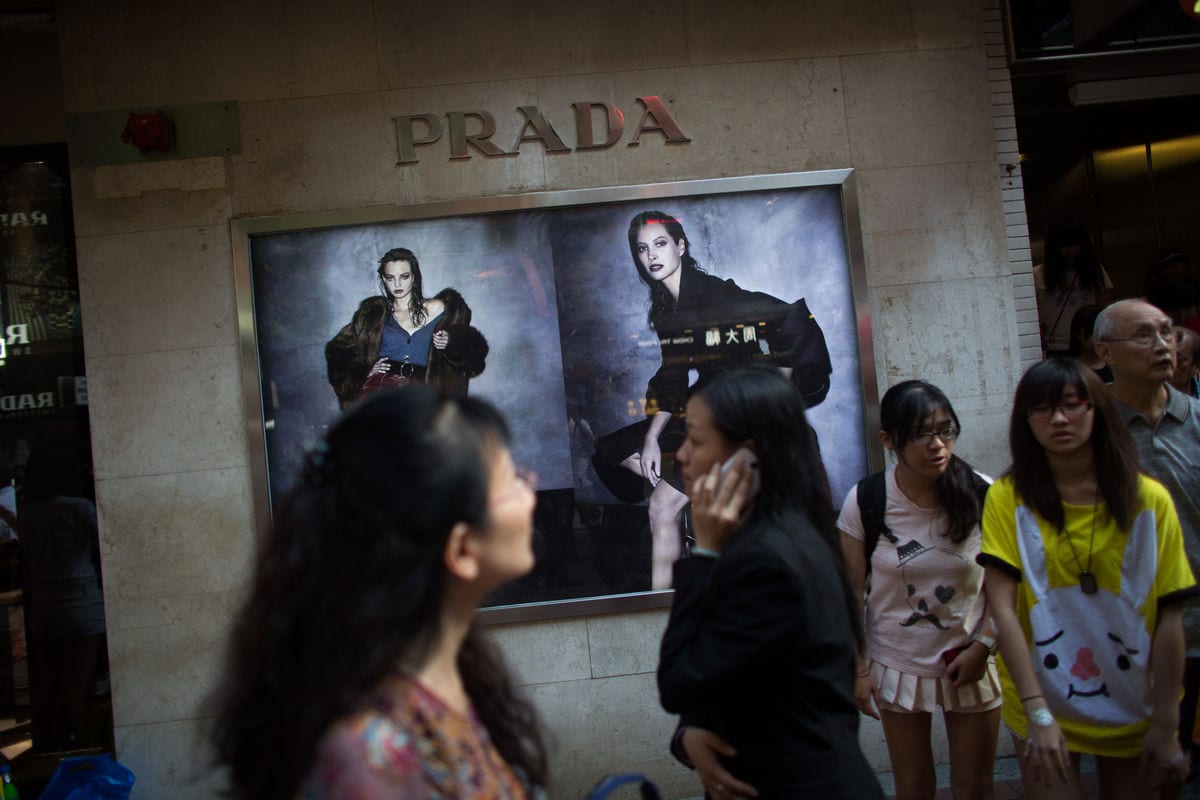
    Difficult times on Asian markets, especially in Hong Kong and Macau with lower local demand and fewer tourists, have impacted Prada profits.

    “At the same time, social and political tensions worldwide further contributed to a general decrease in willingness to consume and in tourist flows,” the Milan-based group says in its annual results.

    The company plans to offset new shop openings with selective closures this year and next in an effort to shield profit margins from weaker demand, according to Business Insider.
    Prada profits fell by a larger-than-expected 28 per cent in the 12 months to January 31 – to 14 per cent of revenue, down from 20 per cent the previous year.

    After listing on the Hong Kong bourse in 2011, the group expanded its retail outlets in the territory. Now it has been hit by China’s economic slowdown as well as a crackdown on extravagant gift-giving. Similarly affected, luxury goods industry leader LVMH has just posted first-quarter sales below forecasts.

    CFO Alessandra Cozzani, who took over the role in February after the sudden resignation of Donatello Galli, says Prada will balance new openings with closures and work to keep operating expenses flat.

    “The retail network will remain the same for sure in 2016 and probably also 2017. We’re working on increasing the productivity of stores.”

    Prada’s directly operated stores (DOS) increased from 594 to 618 in the 12 months to January 31.

    Head of strategic marketing Stefano Cantino says the group will bet on eCommerce with the aim of doubling revenues over the next two years. It will start working with partners such as Yoox Net-A-Porter to sell its products on multi-brand e-shops.

    Digital and marketing initiatives will also be used to strengthen relationships with clients.
    Meanwhile, the Asia Pacific is still the group’s leading market, generating new sales of €1080 million (US$1.23 billion) during the year. However, net sales fell by 4.4 per cent at current exchange rates and by 16.1 per cent at constant exchange rates.

    In Japan, where there was a strong flow of tourists, the brand ended the year with net sales of €403.7 million, a 10.7 per cent increase.

  • Burberry posts disappointing second-half sales

    Burberry posts disappointing second-half sales

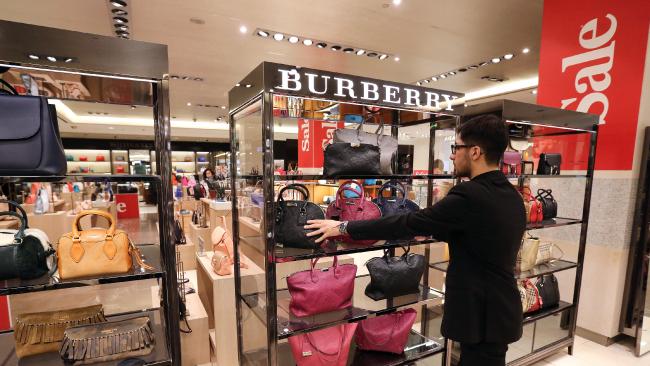
    Burberry posted disappointing fiscal second-half sales and warned on profit for the current fiscal year, sending its shares lower and highlighting the pressure on chief executive Christopher Bailey to turn around the British luxury retailer’s performance.

    Burberry reported a 2 per cent decline in comparable sales, a closely watched figure that excludes store closings and new store openings, that missed analyst estimates. Results were hurt by a 5 per cent decline in its fourth quarter ended March 31 amid a poor performance in Hong Kong, the US, Europe and Britain.

    Shares fell as much as 7 per cent before retracing some of the loss to close nearly 70 pence lower at 1275 pence in London.

    “Sales look to have been under pressure in all areas,” said Liberum retail analyst Tom Gadsby.

    Burberry isn’t alone in struggling against headwinds in global luxury. LVMH Moet Hennessy Louis Vuitton earlier this week reported first-quarter sales rose 4 per cent, below what analysts were expecting, as the company grappled with sluggishness in France following the Paris terror attacks.

    Mr Bailey took Burberry’s helm in May 2014, shortly before currency gyrations and political unrest hammered sales in greater China, a typically high-margin region for the company.

    Mainland China is now bouncing back, but sales have stayed weak in Hong Kong — where Burberry has 14 full-scale stores and a number of concessions — in the wake of tighter visa policies for residents in nearby Shenzhen, previously frequent visitors to Hong Kong.

    Mr Bailey has moved to renegotiate rents and reduce store space in Hong Kong, along with tweaking marketing and product assortments to better appeal to local shoppers. Sales in Hong Kong nevertheless fell more than 20 per cent in the fourth quarter.

    Beyond Asia, Thursday’s results showed broad-based weakness, indicating that Mr Bailey is struggling on a number of fronts.

    The US, the world’s largest luxury market, has been particularly difficult for Burberry. The company’s long-term push to burnish its brand there hasn’t yet gained enough traction.

    “We are focused on elevating our brand in the US longer-term,” said chief financial officer Carol Fairweather, describing choppy demand from US shoppers as “perplexing”.

    As with LVMH, the terror attacks in Europe took their toll on Burberry. Comparable sales in Europe weakened in the fourth quarter as tourism declined in recent months. “Clearly, events in Paris and Brussels do have an impact on sentiment,” Ms. Fairweather said.

  • Hengdeli Achieves Sustainable Growth for 2015

    Hengdeli Achieves Sustainable Growth for 2015

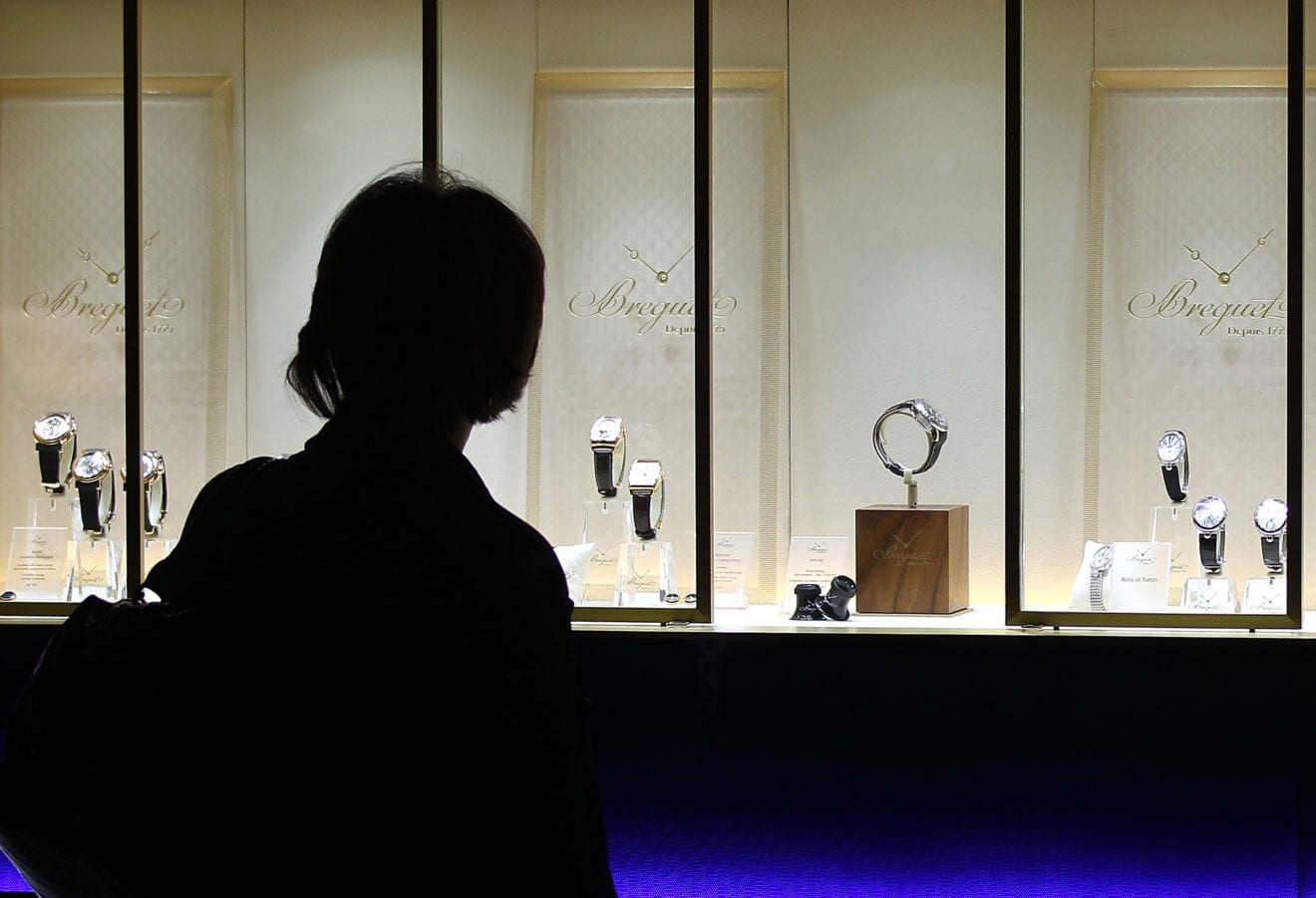
    Hengdeli Holdings Limited, a world-leading retailer of internationally renowned brand watches, announced its annual results for the year ended 31 December 2015 (the “year under review”).

    In 2015, the overall operating environment was very challenging and negatively impacted on the business development of the Group, resulting in weak sales of internationally renowned brand watches. Despite this, the Group’s industrial sector achieved relatively good results due to a series of reforms and innovations. During the year under review, the Group recorded revenues of RMB13,302,724,000, representing a year-on-year decrease of 9.9%. Retail sales amounted to RMB9,373,354,000, a year-on-year decrease of 11.6%. Revenue from industrial sector and others amounted to RMB539,991,000, a year-on-year increase of 25.9%. The Group recorded net profit of RMB190,164,000, a year-on-year decrease of 67.4%. Profit attributable to equity shareholders amounted to RMB144,868,000, a year-on-year decrease of 71.3%. This decrease in profits was mainly due to one-off revenue from the disposal of properties, which was included in the profit for the year of 2014, as well as a drop in sales and gross profit and impairment of goodwill and available-for-sale securities.

    Mr. Zhang Yuping, Chairman and the Executive Director of Hengdeli, said, “In 2015, the overall business environment remained unstable. The increasingly diversified shopping locations and consumption patterns of Mainland Chinese consumers aggravated the harsh environment for product sales as a whole in the Greater China region, especially in Hong Kong. Businesses are faced with a loss of customers and a rise in labor costs. Despite these highly challenging business circumstances, the Group held fast to its operating principle of “healthy and sustainability” to ensure business stability and to better safeguard the interest of shareholders.”

    During the year under review, the Group continued to be guided by the principle of “healthy and sustainability” along with “aiming for optimizing inventory and guaranteeing profits.” The Group also insisted on keeping in place a policy of mutual complementary and interactive operations across the Greater China region, including Mainland and Hong Kong, with mid-end brands serving as the mainstay in its brand mix in order to meet the affordability demands of the general public, and second, third and fourth tier cities as the main sales regions. The Group also continued to adjust the layout of retail network, constantly improving store quality and optimizing the inventory mix. The Group carefully steered business forward through strengthened scientific management and prudent operations. Despite the Group’s various efforts, it was unable to stem the decline in sales as affected by adverse macro condition and subdued consumer demand. Retail sales from Mainland China decreased 7.4% as compared with that of the previous year. Under dismal overall conditions, sales of Elegant Hong Kong decreased 26.8% year-on-year along in line with the overall market trends. As at 31st December 2015, after adjustments and optimization, the Group operated a total of 482 retail outlets across Mainland China, Hong Kong, Macau and Taiwan.

    The industrial sector which is engaged in the manufacture of watch accessories made substantial progress during the year under review. Based on a previously launched marketing strategy and after more than one year of re-alignment and integration, the industrial sector has established a new business model comprising upstream and downstream operations of the watch industrial chain, spanning watchcase manufacturing, packaging products and commercial space design, to production and decoration as well as self-development of brands. A number of companies in the sector have earned goodwill in their respective markets, while a wide customer base covering China, Switzerland, the U.S. and other nations in the Asia-Pacific region was established. Co-operation with brand suppliers has been increasing and a close collaborative relationship with mutual trust and interest sharing was formed. Benefiting from quality management and bold innovations, overall performance of the industrial sector improved remarkably with sales increasing by approximately 35% year-on-year, reflecting a healthy uptrend and promising growth potential. The industrial sector is seen as becoming a strong driving force for the Group’s overall development and turning into an important business arm of the Group in the foreseeable future.

    Following highly focused preparations and various enhancements , “censh.com” (www.censh.com), a new consumption model that merges the “Internet + Hengdeli”, was officially launched online during the year under review. “censh.com” is a media-based e-commerce cross-platform within the Group that operates its major flagship – “censh.com” (www.censh.com), drawing together a number of popular mobile internet software platforms, including WeChat, Weibo and other mobile communication applications. It provides a one-stop solution for six major functions, namely: e-commerce, ERP, product data management, customer resources management, call center and messaging. It offers a comprehensive online to offline service experience to watch lovers. The Group believes that with the successful online operation of “censh.com”, the online and offline resources will become highly synergistic, and will contribute significantly to the overall development of the Group.

    The Group’s customer service network and maintenance business, renowned as a top-notch, retail group leader for internationally renowned watch brands, has been fully integrated and comprehensively covers the Greater China region. During the year under review, the Group added the CK brand into its comprehensive customer services arrangements with brand suppliers, including: Tissot, Mido, and Certina from the SWATCH Group, as well as others. The Group also entered into exclusive watch maintenance agent agreements with: Movado, Milus, Blita, LOCMAN, Million Horn and others. To date, the Group has become the maintenance agent for 74 international brands such as those from the SWATCH Group and LVMH Group and also serves as the exclusive maintenance agent for 45 of those brands.

    In the brand distribution business, the Group has always maintained a sound co-operative relationship with numerous brand suppliers and brand retailers, and has received active general support from them. The Group has about 400 wholesale customers in over one hundred cities across China, distributing and exclusively distributing world-famous watch brands. For the coming year, the Group will continue to maintain and deepen its relationships with suppliers and retailers, while exploring new measures under the “new normal” economic climate to achieve harmonious growth and win-win situation.

    In the coming year, the Group will hold on to a stable and healthy growth policy, while at the same time harboring a pragmatic view and fostering an innovative spirit in the search for a new development model to benefit the Group. We will also continue to make structural adjustments while ensuring healthy growth and seeking business sustainability. The Group will maintain a healthy and stable level of sale and inventory on the one hand while investing more resources in our industrial sector to help bolster faster development. The overall aim is to open up a road of continuous development for the Group amid today’s “new normal” economic climate and generate higher value for shareholders and the community at large.

    Mr. Zhang concluded, “In 2016, as the road to full global economic recovery is still long and winding, China’s economy will also be faced with significant downward pressures. For this reason, the Group believes that under the new normal economic climate, the growth in sales for watches in the Greater China region will continue to lose steam. However, the long-term economic trend in China remains fundamentally favorable, which will offer unprecedented opportunities and challenges. By leveraging our core competitiveness, the Group will identify and take advantage of any and all new opportunities to achieve business breakthroughs and expand business despite the current headwinds and challenges. Ultimately we remain cautiously optimistic about the future prospects of the Group.”
     

  • Speculation builds of Burberry takeover

    Speculation builds of Burberry takeover

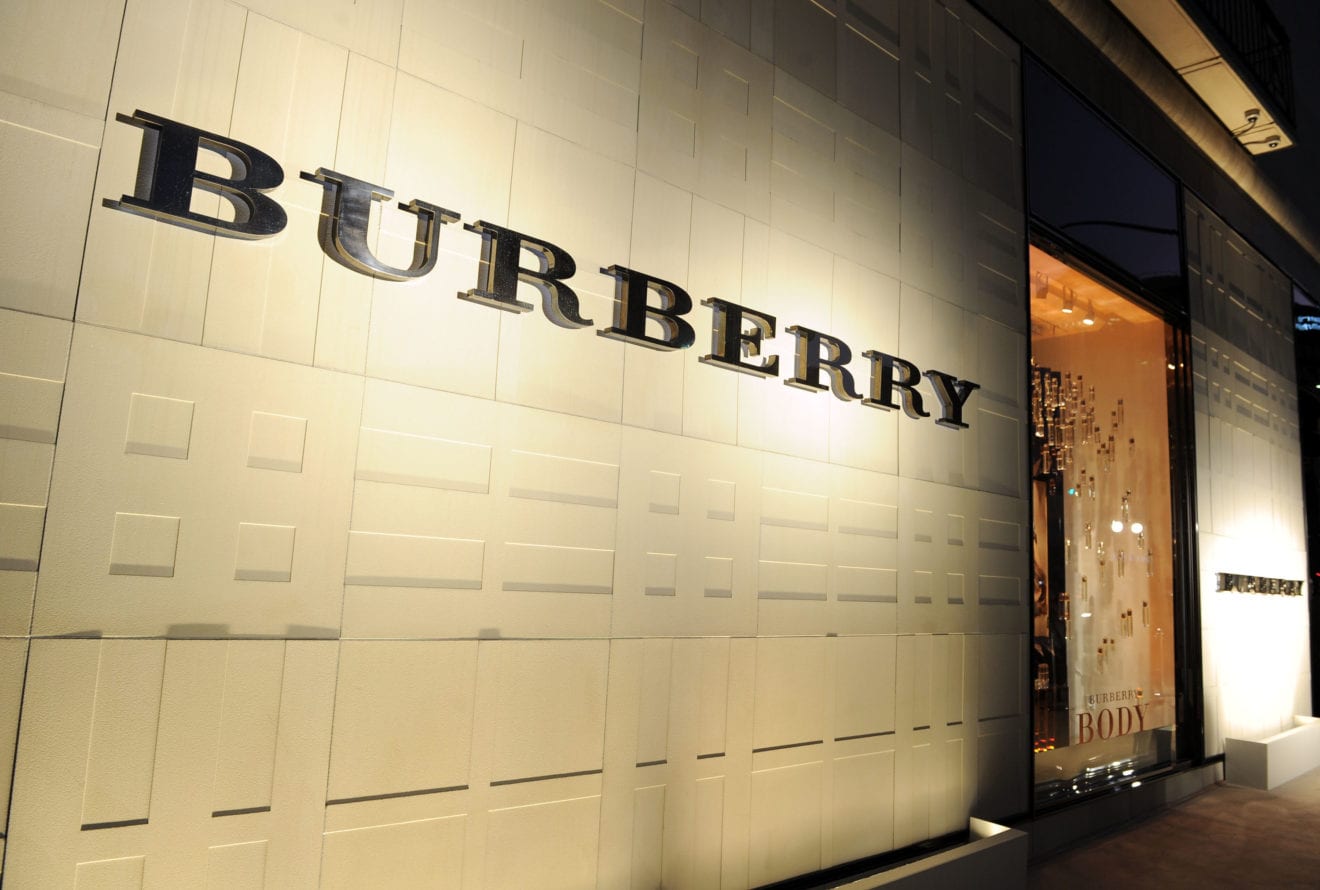
    Speculation of a Burberry takeover bid have seen the London-headquartered luxury fashion company’s share price rise 6 per cent in recent days.

    An unidentified party has built a 5 per cent stake in the business. Under London Stock Exchange rules any shareholder holding more than 3 per cent equity must disclose their identity, but an exemption allows investment managers to represent a client with up to 5 per cent. When that threshold was breached briefly in February by HSBC, acting on behalf of the mystery Burberry bidder, the excess was quickly resold.

    UK media is reporting that Burberry is “keeping a close watch on the stake”, but has yet to receive any takeover approach.

    According to a report in The Financial Times, Burberry has asked HSBC to reveal its client’s identity.

    While Burberry maintains strong brand strength, it has suffered from a decline in sales in China and Hong Kong, its key markets, due to the Chinese government’s clampdown on gift-giving and graft, and changing travel patterns of wealthy Mainland Chinese.  As a result, its market capitalisation has slipped to about £6 billion.

    The Financial Times nominated LVMH Group and private equity investors as possible buyers of the 5 per cent cornerstone stake.

  • Swiss luxury retailer Kirchhofer for sale

    Swiss luxury retailer Kirchhofer for sale

    Swiss luxury watch and jewellery retailer Kirchhofer is up for sale, Reuters reports.

    The family owned company, with annual sales of about US$302 million, is thought to produce a net profit of around $60 million annually.

    Reuters reported that three independent sources confirmed Credit Suisse has been engaged to sell the business.

    Kirchhofer sells most famous Swiss watch brands along with jewellery, cosmetics and leather goods. These days it focuses especially on Asian customers.

    Estimate of the value of the company range between five and 10 times the net profit, which calculates at between $300 million to $600 million.

    Likely suitors would include luxury retail giants Kering, LVMH and Richemont, along with private equity investment companies interested in expanding the brand internationally.

    The business is currently owned by Juerg Kirchhofer, the son of founder Fritz Kirchhofer who started the retailer in 1944. It has 10 stores, mostly in tourist cities in Switzerland.

    In a statement to Reuters, Kirchhofer’s finance head, Hans Wolf said no decision had been made to sell the company as yet.

    “Mr Kirchhofer has reached retirement age, which does not necessarily mean he wants to retire soon. Different options are being reviewed and analysed at the moment for the future of the company,” he said.

  • Sephora Malaysia goes online

    Sephora Malaysia goes online

    Cosmetics company Sephora has launched a one-stop online shop in Malaysia following its acquisition of independent beauty eTailer Luxola.

    Luxola founder and CEO Alexis Horowitz-Burdick says the move allows Sephora Malaysia to offer an even larger assortment of beauty products for local customers.
    Sephora Asia president Anne-Veronique Bruel says that investing in Luxola offers a great opportunity to penetrate the online beauty market and accelerate the company’s growth in Malaysia and Southeast Asia.
    As well as a wider brand selection, including products for men, the new online shop will offer advice on beauty trends. It is also offering free delivery for orders worth RM80 or more, and there is a cash-on-delivery option for selected areas in Kuala Lumpur.

  • 2016, a crunch year for China luxury retail

    Fears of an economic slowdown in China, the devaluation of the yuan, and persistent turmoil in the stock market throughout January have grabbed media headlines.

    All raise questions about the continuing strength of demand for luxury goods among Chinese consumers in the year ahead.

    Global Blue data for December shows growth in Tax Free Shopping (TFS) spend by Chinese shoppers worldwide slowed to 16 per cent, after a peak of 42 per cent in November. Despite concerns around Chinese luxury spending worldwide, however, there are positive signs for luxury brands in 2016, provided they respond to modern consumer preferences and behaviour.

    Slower growth, continued travel

    China’s economy grew 6.9 per cent in 2015, following a 7.3 per cent rise in 2014, according to the Wall Street Journal. Economists predict growth of more than 5 per cent in 2016.

    “[This] may seem weak compared to the past, but it is still far above what other countries are experiencing,” said Philip Guarino, European director at China Luxury Advisors.

    “More people are becoming part of the country’s middle class every day, and millions more Chinese are travelling abroad each year, learning about new brands and purchasing luxury goods,” he added.

    According to a Consumer Life survey by market research firm GfK, more than 109 million Chinese travelled overseas in 2015, up from 100 million the previous year. By 2020, this figure is set to rise to more than 200 million.

    Travel bookings for the upcoming Spring Festival 2016 (Lunar New year) in February indicate strong demand from Chinese travellers. Online travel service Ctrip reports that more than 60 per cent of those Chinese taking holidays during the festival will do so overseas.

    Spending in China

    Despite expectations of a slowdown in global luxury sales and the impact Chinese consumers may have on worldwide sales, analysts at Goldman Sachs have backed the luxury market, upgrading investor advice on global luxury conglomerates LVMH and Kering, according to the Financial Times.

    One of the themes driving Goldman Sachs’ endorsement of the global luxury market is spending in China.

    Recent trading updates by luxury brands show a rebound in demand within mainland China. In Q3 trading, both Burberry and Richemont Group highlighted a reversal in the decline of luxury sales in China, attributed in part to a new breed of middle-class shoppers.

    Luxury spending in China should rise by 6 per cent in 2016, noted Goldman Sachs, the slowest rate since the Chinese luxury market opened up a decade ago, and less than the 10 per cent of 2015.

    Despite slower growth, the investment bank said: ”The emerged and emerging middle class have a lower propensity to spend on luxury, but the desire for branded, status luxury brands remains unchecked.”

    This means a greater focus on affordable luxuries to a more mass customer base, reducing the emphasis on status-driven purchasing. Three quarters of total growth in 2016 is expected to come from 70 million middle-class consumers in China with an annual disposable income of US$30,000-$65,000.

    Chinese consumers are also starting to buy more frequently, something that should benefit brands with a strong footwear, cosmetics and ready-to-wear offering, said Paul Swinand, analyst at investment firm Morningstar.

    “We believe Chinese consumers will behave more like their Western counterparts, with more frequent lifestyle purchases of aspirational luxuries on a per household basis and fewer purchases of status symbol goods that were often a store of wealth,” said Swinand.

    SHANGHAI, CHINA - MAY 28: Nanjing Road street night view on May 28, 2012 in Shanghai, China. Nanjing

    Chinese millennials

    Chinese outbound travel is dominated by millennials. More than 50 per cent of Chinese outbound travellers are aged between 15 and 29, according to GfK, while 37 per cent are aged 30 to 44, and just 10 per cent are aged 45 to 59.

    The behaviour of millennial travellers differs from that of older generations. They are increasingly likely to be looking for travel and dining experiences as well as products, especially as their income rises. This has given rise to a number of designer brand/gourmet crossovers within mainland China itself, as well as in other Asia tourist hotspots.

    Sharing on social media is central to any overseas travel experience for young Chinese travellers and is an opportunity that luxury brands are yet to fully leverage.

    Luxury purchases remain a big part of overseas trips, with just over half (51 per cent) of Chinese millennials aged 18-29 likely to buy luxury goods when travelling overseas, according to MasterCard research. This group is the biggest purchaser of luxury goods in Asia Pacific, and its members are set to spend an average of US$4362 per head on luxury goods in 2016, twice as much as the average across nationalities.

    Global Blue believes that despite concerns around Chinese luxury spending worldwide, there are positive signs for luxury brands in 2016, provided they adjust to modern consumer preferences:

    • A growing Chinese middle class and a shift away from conspicuous luxury consumption is opening up opportunities for affordable luxury goods purchases. Chinese millennials are the dominant age group for overseas travel and for luxury goods purchases on trips.
    • Luxury brands should not underestimate the quickly changing behaviours and preferences of millennial travellers; a desire for unique cultural experiences combined with luxury lifestyle opportunities is high on their agenda.
    • 2016 is an important year for luxury brands as they reexamine how they engage with Chinese consumers both at home and abroad.
  • LVMH looks to innovation to boost struggling Asia travel retail

    LVMH looks to innovation to boost struggling Asia travel retail

    In its annual report, the luxury giant has said that it came up against a combination of unfavorable political and economic factors in the region, though it enjoyed a boost from Chinese tourist spending in Japan.

    “DFS continues to experience an uncertain environment in Asia as a result of currency and geopolitical changes,” the company stated, noting that its sales growth in the face of this has been due to innovation within its retail spaces.

    “DFS drew on its unique expertise and its enormous capacity for innovation to develop its offering.”

    LVMH called out key examples from within its portfolio as evidence of this innovation, including its T Beauty concept: a standalone luxury beauty store which focuses on offering an interactive retail experience, and was launched last year in both Singapore and Hong Kong.

    Interactive luxury

    Through its T Beauty retail concept, the brand says it can offer consumers the “innovative, personalised approach to the beauty shopping experience” which is increasingly demanded by beauty consumers.

    Euromonitor International, a market research firm, recently suggested this demand is being especially fuelled by younger consumer groups, as millennials in particular seek out “a curated but interactive sales environment, whether retail or online.”

    “Personalisation and interactivity is important in beauty care for millennials,” Euromonitor asserted, and LVMH’s T Beauty concept meets these consumer demands via two key services: the store’s Beauty Station, and its Beauty Concierge.

    Beauty Station allows customers to sample, mix and match products across a wide range of brands, and its Beauty Concierge service offers a complimentary, personalised retail experience that focuses on an individual customer’s specific preferences.

    DFS’s determination to continue innovating in the retail space will serve it well as it reportedly looks to begin expanding across Europe in the coming months, where retail interactivity is also highly sought-after in the consumer experience.

  • Louis Vuitton and Chinese dispute

    Louis Vuitton and Chinese dispute

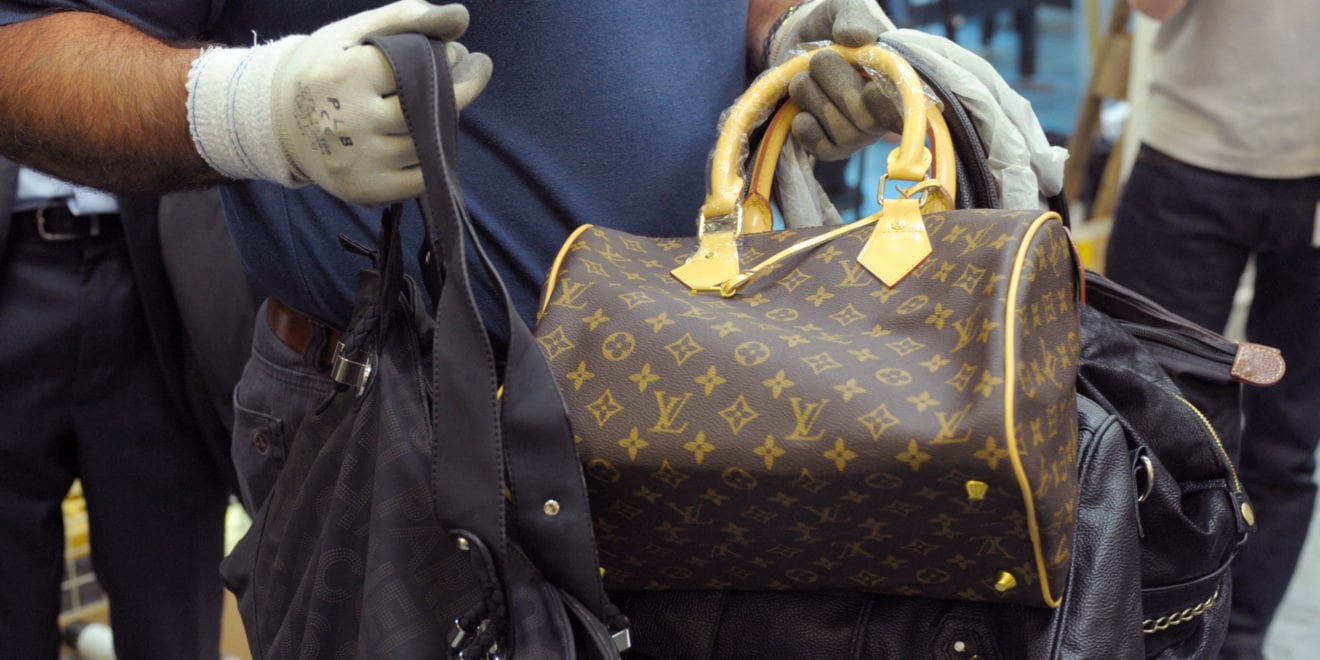
    Luxury retailer Louis Vuitton is suing three individuals in China for selling counterfeit items on Alibaba’s online shopping outlet Taobao.

    Damages of 250,000 RMB ($37,900) are being sought by the LVMH-owned company, says a statement on a Beijing court’s website uploaded yesterday. It says the suits are against a person surnamed Liang and two with the surname Han, who were sentenced in 2014 for selling counterfeit Louis Vuitton clothing, shoes and handbags between 2011 and 2014.

    This move comes nine months after luxury conglomerate Kering pursued legal action over fakes on Alibaba’s platforms. The group sued Alibaba directly, filing the suit in the US rather than China.

    In 2013 LVMH signed a co-operation agreement with Taobao to fight fakes on its platforms. Under the agreement, Taobao agreed to proactively track down and remove listings of counterfeit LVMH items.

    Meanwhile, Alibaba has been working to defend its reputation. It hired a former counterfeit investigator from Apple in December as its new head of global intellectual property enforcement. This followed the American Apparel & Footwear Association calling on the US Trade Representative to add Alibaba back to its blacklist of “notorious markets” for fakes (it was removed in 2012). Alibaba has also hired extra staff to fight fakes and is releasing an English-language version of its intellectual property reporting system.

    The courts’ decisions on the Kering and Louis Vuitton lawsuits could have an impact on the way brands formulate their China anti-counterfeit strategy in the years to come, observes Jing Daily. Kering has challenges with its US lawsuit as the Bank of China has refused to comply with a subpoena to disclose information about counterfeiters’ bank accounts to the New York District Court. The bank is also appealing a $50,000-a-day fine imposed by the court, arguing that the order violates Chinese bank secrecy laws.

  • LVMH’s L Capital in PE merger deal

    LVMH’s L Capital in PE merger deal

    In a marriage of high fashion and finance, a new partnership is being formed by luxury products company LVMH with two equity firms, Catterton and Groupe Arnault.

    They have agreed to create L Catterton, combining private equity firm Catterton’s North and Latin American interests with LVMH and Groupe Arnault’s European and Asian private equity and real estate interests, now under the Singapore-based L Capital and the L Real Estate banners. Under the terms of the agreement, L Catterton will be 60 per cent owned by the partners of L Catterton and 40 per cent jointly owned by LVMH and Groupe Arnault.

    This will make L Catterton the largest global consumer-focussed investment firm with six distinct and complementary fund strategies specialising on consumer buyout and growth investments across Asia, Europe, and North and Latin America, as well as prime commercial real estate globally. After various successor funds are closed, L Catterton expects to grow its assets under management to more than $12 billion, drawing on 27 years of experience with more than 120 investment and operating professionals in 17 offices across five continents. It will be led by global co-CEOs J. Michael Chu and Scott A. Dahnke, currently managing partners at Catterton.

    “The breadth of our collective expertise will be second to none in the consumer industry,” says Chu.  “And we look forward to benefitting from the strength and global reach of the team at L Capital and L Real Estate as we continue to seek out investment opportunities with significant growth potential.”

    “The globalisation of media and technology, combined with increasingly permeable geographic borders, is driving rapid consumer growth on an unprecedented global scale,” said Dahnke.

    Catterton invests in all major consumer segments, including food and beverage, retail and restaurants, consumer products and services, consumer health, and media and marketing services. Its investments include CorePower Yoga, Kettle Foods, Nature’s Variety pet food, Noodles & Company, Outback Steakhouse, PF Chang’s, Plum Organics, Restoration Hardware, Protein Bar, Snap Kitchen, Sweaty Betty and Wellness pet food.

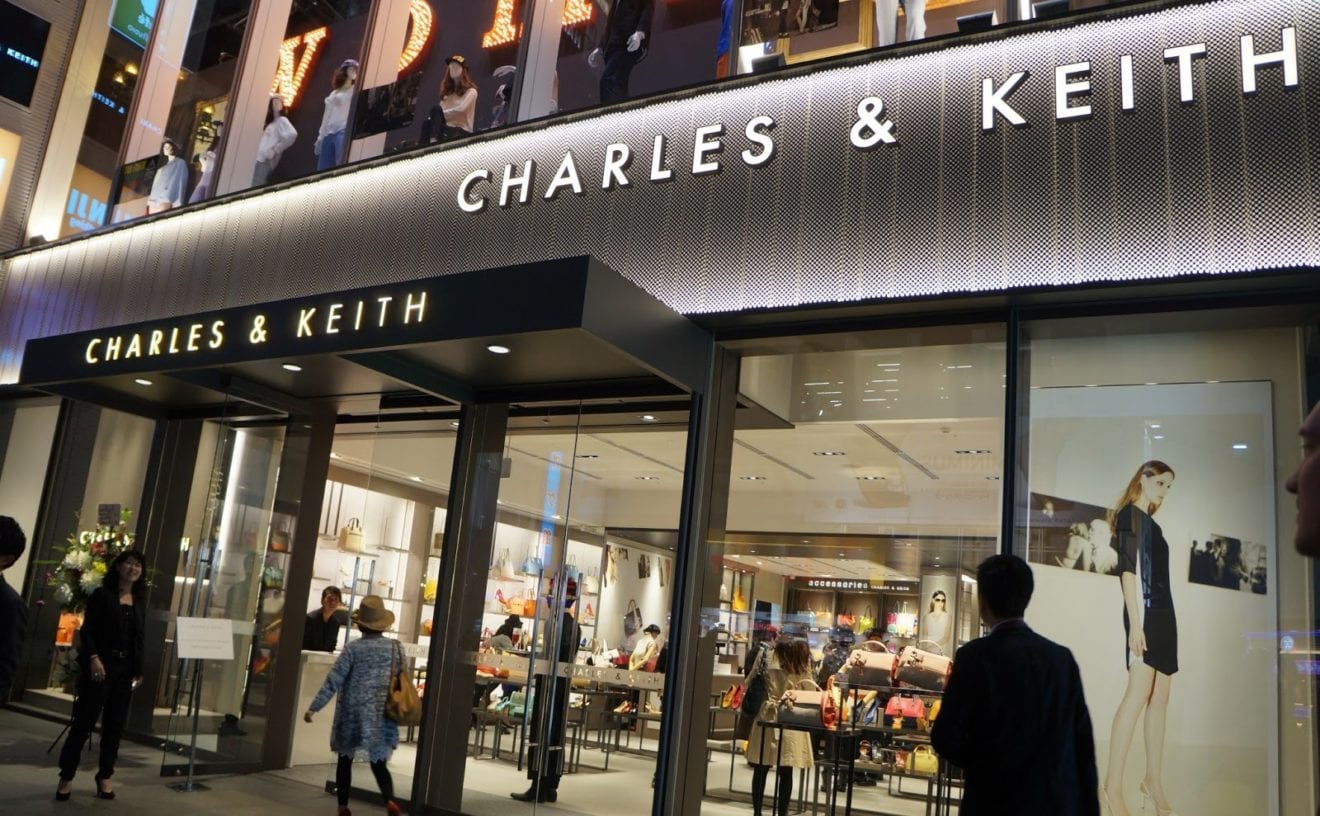
    L Capital invests in companies across Asia and Europe in such sectors as beauty and wellness, fashion and accessories, food and beverage, media and entertainment, and special retail. Founded in 2001 with support from LVMH and Groupe Arnault, it specialises in lifestyle brands and selective retail businesses in Europe. L Capital – Asia is Asia’s largest consumer-focussed private equity firm with headquarters in Singapore, and regional offices in Hong Kong, Melbourne, Mumbai and Shanghai. Its investments include 2XU, Asiaray Media, Bateel, Charles & Keith, Emperor Watch & Jewellery, Jones the Grocer, Marubi and Sasseur.

    L Real Estate develops mixed-use projects anchored by luxury retail. Its investments include G6 in Ginza, Tokyo, and Miami Design District.

    LVMH (Moet Hennessy Louis Vuitton) is represented in fashion and leather goods by a portfolio of brands including Celine, Donna Karan, Fendi, Givenchy, Kenzo, Loewe, Louis Vuitton and Marc Jacobs. Its wines and spirits division includes Belvedere, Chandon, Cloudy Bay, Dom Perignon, Hennessy, Krug, Moet & Chandon and Wenjun. In the perfumes and cosmetics sector it has Guerain, Parfums Christian Dior, Parfums Givenchy, Parfums Kenzo and Perfumes Loewe.

    LVMH’s retail interests include DFS, Le Bon Marche and Sephora, it has a joint venture with De Beers Diamond Jewellers, and its watches and jewellery division comprises Bulgari, Chaumet, Dior Watches, Hublot, TAG Heuer and Zenith.

    Subject to customary regulatory and certain investor approvals, the L Catterton transaction is expected to close early this year.