Tag: LVMH

  • LVMH’s Louis Vuitton launches e-commerce website in China

    LVMH’s Louis Vuitton launches e-commerce website in China

    French fashion brand Louis Vuitton, part of luxury giant LVMH , said on July 21st it had launched an e-commerce website in China to tap a booming online shopping market.

    Louis Vuitton, which opened its first store in Beijing in 1992, said the website offered leather goods, small leather goods, shoes, accessories, watch and jewellery, luggage, and the newly launched Les Parfums Louis Vuitton.

    Payments can be made via UnionPay, Alipay and WeChat, the statement said.

    The website will be available in 12 cities – Beijing, Shanghai, ChongQing, Chengdu, Guangzhou, Shenzhen, Hangzhou, Nanjing, Shenyang, Dalian, Haerbin, Wuhan. More cities will be added later on.

    It is the 11th e-commerce market for Vuitton since it launched its first site in France in 2005.

  • LVMH confirms launch of multi-brand fashion site

    LVMH confirms launch of multi-brand fashion site

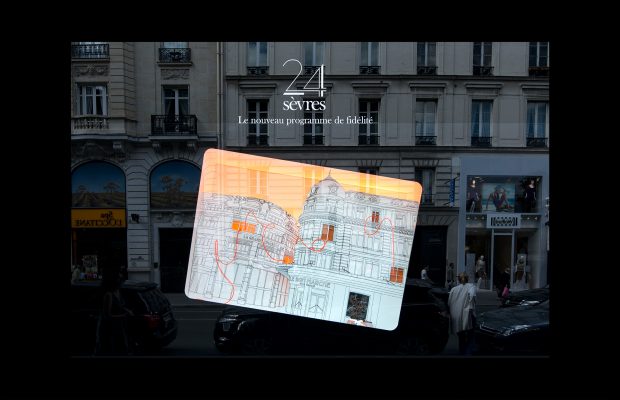
    LVMH is launching a multi-brand e-commerce website inspired by its exclusive Parisian department store Le Bon Marche, as the world’s biggest luxury goods group steps up the digital side of its business.

    The new website, named “24 Sevres” after the Rue de Sevres location of Le Bon Marche in the chic 7th arrondissement, will offer fashion, cosmetics and luggage products from LVMH’s own portfolio as well as brands from outside the group.

    Overall more than 150 labels, including 20 of LVMH’s own stable such as Louis Vuitton, Dior, or Fendi, will be featured.

    The size of the investment amounted to several million euros and marks the biggest digital initiative taken by LVMH since it hired former Apple music executive Ian Rogers in 2015 to craft its digital strategy and capitalise on the luxury sector’s online sales expansion.

    LVMH, controlled by French billionaire Bernard Arnault, said the new site would go live on June 6 in more than 70 countries.

    Competing with established rivals such as Yoox Net-a-Porter , MyTheresa, Matchesfashion.com or LuisaViaRoma, it echoes the high-end positioning of the Le Bon Marche store.

    It will give international clients “very Parisian choices” in the selection of exclusive products, Rogers told Reuters.

    “The idea is to be attractive with unique products, not necessarily have a huge offering,” said Rogers.

    E-commerce is still a relatively small part of the global luxury goods market, representing 7 percent of industry sales, but this is expected to rise to 12 percent of industry sales by 2020, according to the Boston Consulting Group.

    Luxury goods companies face a dilemma over trying to reach young Internet-savvy shoppers while preserving the sense of exclusivity that drives up the value of their products.

    LVMH has already tapped into the increasing importance of online social media by setting up LVMH Luxury Ventures to invest in start-up luxury goods projects.

    Until now each LVMH brand has had its own separate digital strategy, with some brands such as Fendi and Kenzo putting significant resources into this area while other brands such as Celine had no E-commerce website of their own.

    The new website will complement the offering available on the respective websites of the LVMH brands, Rogers said.

    Big fashion brands such as Prada, Gucci or Valentino will be sold on the site as well as Maison Margiela, seen as a more cutting-edge label, or others such as Kitsune or APC.

    LVMH’s online sales of €2 billion ($2.2 billion) last year equated to 5.3 percent of overall group revenues.

  • LVMH to launch its eCommerce site

    LVMH to launch its eCommerce site

    Luxury goods group LVMH will reportedly launch its own multi-brand e-commerce site in March and offer all 70 of its brands on one site, according to the Financial Times. The site will be part of Le Bon Marché, the Parisian department store acquired by LVMH in 1984, and also sell other brands from outside the conglomerate.

    This is not LVMH’s first foray into multi-brand fashion online retail. In 2000, the company — which counts Louis Vuitton, Fendi, Céline and other brands in its portfolio — launched eLuxury as a platform for luxury designer apparel, accessories, beauty and children’s collections. However, in 2009, LVMH announced that it would shutter the retailer as its brands began to launch standalone e-commerce operations. (eLuxury was, in turn, relaunched as editorial platform Nowness).

    The new e-commerce site will mark LVMH’s most significant digital investment since hiring Ian Rogers as chief digital officer in 2015, which signaled to many in the industry that the conglomerate was finally ready to integrate digital into its business. “The luxury business is in a great position relative to where the world is going,” said Rogers, describing the luxury business as a “mass [market] of niches.”

    LVMH’s re-entry into the online market now is very late to the game. However, it is indicative of a higher priority afforded to digital operations and e-commerce channels since Rogers joined the company.

    It is unclear if the new online iteration of Le Bon Marché will operate on a wholesale or marketplace model, although wholesale is the likely avenue. The wholesale model requires inventory risk and having high working capital, but the company will still capture the full retail margins. The drop-ship marketplace model, in which the platform usually takes a commission on sales in order to generate revenue, makes ensuring a consistent shipping experience difficult. Working predominately with its own brands would ease some of those challenges, however.

    In fiscal 2016, LVMH saw revenue increase 5 percent to €37.6 billion ($40.2 billion) and profits increase 6 percent to €7 billion ($7.1 billion). Its selective retailing category, which includes Sephora, duty free retailer DFS and Le Bon Marche — all multi-brand retailers — saw the highest growth at 7 percent.

    While e-commerce still only makes up a small percentage of overall luxury goods sales, online sales grew four times faster than offline sales between 2009 and 2014. However, McKinsey & Company predicts it will triple to €70 billion by 2025 — representing 18 percent of total luxury sales — and then plateau. Overall, growth in luxury goods has slowed down since 2015 as Chinese demand lessened. The market is expected to grow only 0.5 to 1 percent in 2017, versus the 8 percent compound annual growth rate between 2010 and 2015.

    But a slowdown in overall growth hasn’t stopped several major industry players from getting into the multi-brand e-commerce game over the past two years, including Galeries Lafayette and Condé Nast (with its relaunch of Style.com). As competition heats up, established players have turned to consolidation — see Yoox’s merger with Net-a-Porter and Neiman Marcus Group’s acquisition of MyTheresa.com — in order to scale further.

  • LVMH sales soar as shoppers return to luxury

    LVMH sales soar as shoppers return to luxury

    LVMH sales surged 15 per cent in the latest quarter to €9.88 billion (US$10.477 billion).

    That was nearly €400 million more than analysts had been expecting, with the result driven across all of the luxury group’s business units.

    Fashion and leather goods, which account for more than half the company’s turnover, rose 15 per cent during the quarter. That compares with static growth the same quarter last year. Fendi and Louis Vuitton were singled out by analysts as strong performers, with Celine, Kenzo, Loewe and Berluti also showing progress.

    LVMH’s leather and fashion brands also include Dior, Emilio Pucci, Fendi, Givenchy, Louis Vuitton, Marc Jacobs, Moynat, Rimowa and Thomas Pink.

    ‘Selective retailing’,  the group’s second-largest division, had been dragged down by DFS in prior quarters, offsetting a strong performance by Sephora cosmetics chain, observed Deborah Aitken, an analyst with Bloomberg Intelligence. But the latest quarter it showed improvement of 11 per cent. Sephora continued to gain market share globally and recorded double-digit revenue and profit growth for the quarter.

    “This could be an important turnaround,” said Aitken.

    Liquor – including brands such as Cape Mentelle, Chandon, Cloudy Bay, Dom Pérignon, Glenmorangie, Hennessy, Krug, Moët & Chandon and Veuve Clicquot – was the second best performing sector, up 13 per cent organically. Hennessy was a star performer.

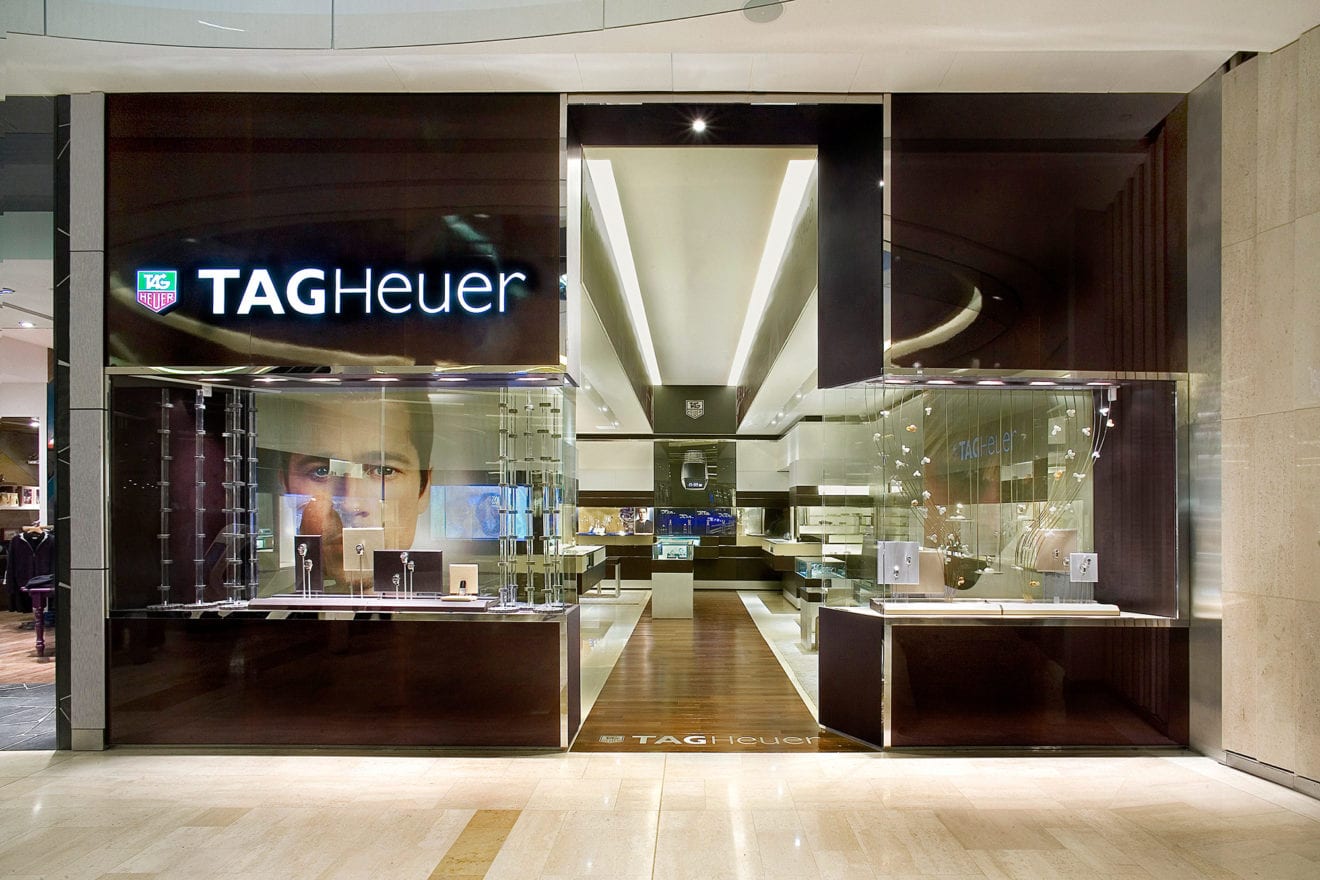
    Sales of watches and jewellery also rebounded, rising 11 per cent. Bulgari continued to gain market share and Tag Heuer successfully launched its new Connected Modular 45 watch.

    And the perfume and cosmetics business grew sales by 12 per cent.

    Fung Global Retail observed that Parfums Christian Dior reported good growth and Guerlain launched a new women’s fragrance called Mon Guerlain during the quarter. Parfums Givenchy benefited from the success of lipstick lines, which saw rapid development in Asia. In addition, the Kat Von D brand launched exclusively in January 2017 at Sephora in France.

    Managing expectations

    While the company was clearly pleased with its results it did warn shareholders to keep their expectations modest, pointing out the growth had come against a 2016 quarter when the industry was struggling with Paris terror attacks. It said such levels of growth should not be expected for the full year.

    LVMH shares rose to a record in Paris after the results were announced.

    The LVMH figures will set the standard for a raft of luxury retail earnings due to be released in the coming days. Prada reports results today and Kering, parent of Gucci, on April 25.

  • L Catterton Asia launches beachwear platform

    L Catterton Asia launches beachwear platform

    Australian swimwear brand Seafolly and Colombian beachwear brand Maaji are the first signings for a global lifestyle platform launched by L Catterton Asia.

    Based in Singapore, L Catterton Asia is an arm of private equity firm L Catterton, formed last year through a partnership between Catterton, LVMH and Groupe Arnault. It will be the controlling shareholder of the combined business, with the Maaji and Seafolly founders as minority shareholders.

    It is the first step in the aggregation of the fragmented swimwear/beachwear industry.

    Seafolly was founded in 1975 by Peter and Yvonne Halas, and has been led by Anthony Halas since he became CEO in 1998. He has built the business across international markets in Europe, North America and Asia. L Catterton Asia acquired a controlling interest in the brand in December 2014, and now it is sold in 41 countries (there are four stores in Singapore) as well as online.

    Maaji was founded by sisters Manuela and Amalia Sierra in 2002, and has a presence in more than 54 countries.

    “With this unparalleled combination of Maaji and Seafolly we look to grow our portfolio and create the largest independent house of beach lifestyle brands,” says L Catterton Asia chairman/managing partner Ravi Thakran. “This combination will drive many synergies, including geographic expansion, retail rollout and product sourcing.”

    L Catterton Asia’s goal is to preserve each brand’s DNA and heritage, while enabling the brands to enhance their global growth.

    Previously known as L Capital Asia, L Catterton Asia was launched in 2009 and manages more than US$1.6 billion across two private equity funds, and more than US$2 billion including co-investments. It has offices in Singapore and Mauritius, with further regional advisory presence in Hong Kong, Mumbai, Shanghai and Sydney. Its investments include Charles & Keith, Crystal Jade, Pepe Jeans Group and YG Entertainment, which promotes Korean singers and entertainers like Big Bang and Psy.

  • Diamond group De Beers buys out retail partner LVMH

    Diamond group De Beers buys out retail partner LVMH

    Anglo American’s diamond specialist De Beers has bought the 50 percent stake held by French luxury goods group LVM in De Beers Diamond Jewellers for an undisclosed sum, taking full ownership of the retail operation.

    Analysts said the joint venture no longer fitted LVMH’s strategy, while Anglo American, which has long dominated global rough diamond sales, has been developing its presence on the high-margin diamond retail market.

    LVMH had no comment. De Beers said in a statement that fully integrating De Beers Diamond Jewellers would enable the group to enhance value.

    Anglo American, which along with other mining companies has largely recovered from a deep commodities downturn in 2015, has put diamonds, along with copper and platinum, at the heart of its portfolio.

    One of the advantages of diamonds is that they are a counter-cyclical luxury product that can generate profits even when bulk industrial commodities are in a downturn.

    De Beers Diamond Jewellers’ retail network comprises 32 stores in 17 countries. This includes a growing business in greater China, an established presence in London and Paris, and a new flagship location in New York.

    In addition, De Beers’ Forevermark high-end diamond brand has expanded into 2,000 outlets globally and it says it expects the growth to continue this year.

    Analysts said LVMH had finally ended a joint venture that dated back to when the group did not have any branded jewelry of its own.

    “The situation is very different today, as they own one of the megabrands in this space: Bulgari,” Luca Solca, analyst at Exane BNP Paribas, said.

    “It seems appropriate therefore to turn the page on this and relegate it to the ‘experiments that didn’t work’ pile.”

  • Record US$1.1 billion profit for Hermes

    Record US$1.1 billion profit for Hermes

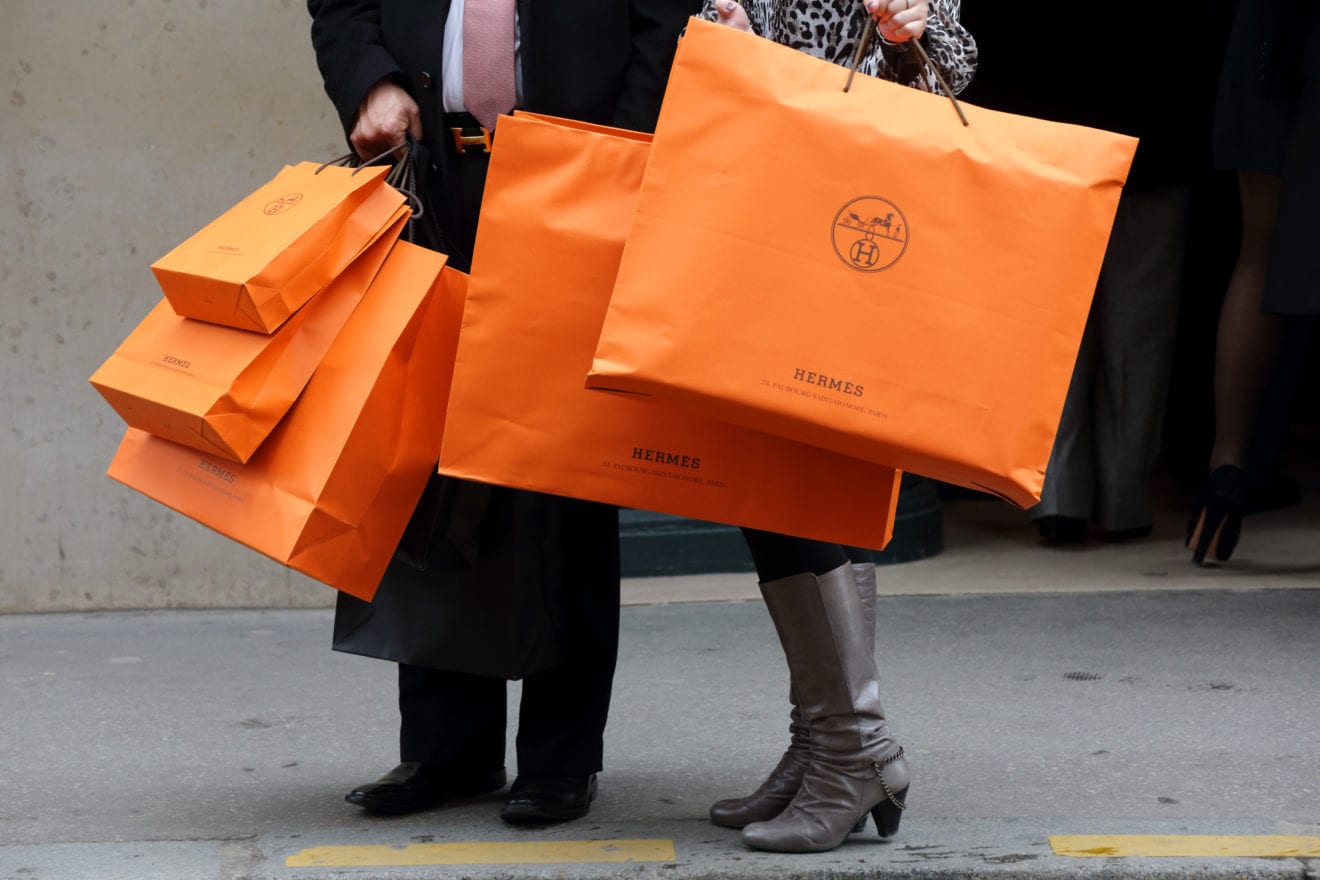
    French luxury goods brand Hermes made a record net profit last year of €1.1 billion (US$1.19 billion), doing “better than we expected”, according to CEO Axel Dumas.

    “We are entering this year on a solid base, but remain cautious in view of an uncertain environment.”
    Known for its $10,000 Birkin bags and $400 printed silk scarves, Hermes says its net profits rose by 13 per cent while its operating margin hit an historic high of 32.6 per cent of sales against 31.8 per cent in 2015.

    Its sales growth mainly stemmed from the strong performance of its leather goods, which accounts for half of group sales. Other divisions also performed well with the exception of its watches unit.

    Hermes joined other luxury companies such as Kering and LVMH in reporting an improvement in the luxury goods sector, which has been hit by slowing demand in China as well as terrorist attacks in France deterring tourism in Europe.

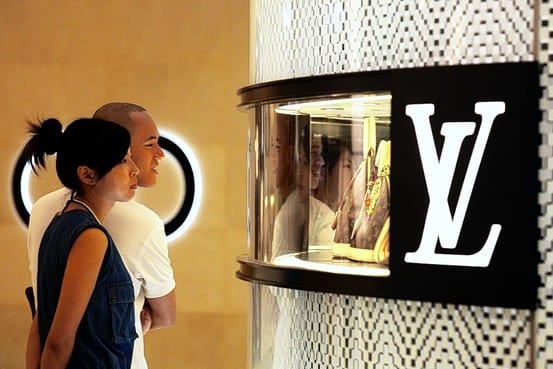
  • New face of Louis Vuitton Hong Kong Landmark

    New face of Louis Vuitton Hong Kong Landmark

    Following a transformation, the Louis Vuitton Hong Kong Landmark has a new look.

    At one of the busiest junctions in Hong Kong, the flagship maison in Central has a new glass facade designed by Japanese architect Jun Aoki, who also designed the exterior of the brand’s store in Ginza, Tokyo.

    There is a new interior by New York architect/interior designer Peter Marino, who has designed Louis Vuitton stores in London and Los Angeles. It includes an intimate space across two floors where customers can sit on plush sofas and lounge chairs while browsing through the latest collections of ready-to-wear, leather goods, accessories, fragrance, jewellery, watches and shoes. There is also a private space by invitation only for a personalised shopping experience.

    There was a red-carpet opening in The Landmark atrium for the redesigned store, attended by special guests including Hong Kong actress/model Janice Man (Wing-San Man).

    As well as the complete revamp of the Landmark maison, Louis Vuitton is also rebuilding its flagship store in Canton Road, which opened in 2008.

    “The leader in the market believes in Hong Kong,” says LV CEO/chairman Michael Burke, who says the company needs to keep investing in Hong Kong as a “unique, iconic destination in the world that will remain important for Chinese shopping”.

    “There was a moment two years ago in Hong Kong when the day trippers were excessive,” he says. “We had what we call ‘froth’ in the market. If we have a drop in froth, there’s no problem.”

    He says the key is looking long-term, with short-term swings, temporary rises and falls, not really affecting strategy.

    “We’re coming back now to a more healthy situation. The norm is going to be the steady, uphill growth of the upper middle class in China.”

    LVMH chairman/CEO Bernard Arnault also believes Hong Kong’s downturn is just a “cyclical problem”.

    “Hong Kong will remain one of the high points in Asia and one of the drivers of our growth,” he says.

  • LVMH launches incubator division Luxury Ventures

    LVMH launches incubator division Luxury Ventures

    LVMH has launched Luxury Ventures to invest in small and promising fashion, cosmetics or accessories companies.

    LVMH Luxury Ventures will be headed up by group deputy-head of mergers and acquisitions Julie Bercovy and will target companies turning over between 2 million and 5 million euros, the company announced Friday.

    “The aim is to accompany financially the development of these small nuggets to create value,” said a spokesman.

    Luxury Ventures will launch with a starting capital of 50 million euros and invest between 2 million and 10 million euros in target businesses.

    LVMH has also announced a design and manufacturing joint venture with eyewear manufacturer Marcolin in which it will buy a 10 per cent stake. The move is aimed at giving Louis Vuitton greater control of its eyewear brands and represents a shift away from the traditional licensing model. Previously, LVMH contracted Safilo for most of its eyewear brands.

    Marcolin says it will start by making eyewear for the Celine and Louis Vuitton brands from 2018, before taking over other labels in the French giant’s stable.

  • LVMH will expand to eyewear business

    LVMH will expand to eyewear business

    Luxury brand group LVMH is thinking about taking its eyewear business in-house.

    This could be a further blow for Italian eyewear group Safilo, which lost the Armani licence in 2013 and those for the Kering Group labels (Alexander McQueen, Bottega Veneta, Gucci and Saint Laurent) at the end of 2014, reports CPP-Luxury.com.

    Italian investment bank Mediobanca has published a report about Safilo, owned by Dutch investment fund Hal, focussing on its announcement that its licence agreement with Celine has been terminated while its contract with Christian Dior has been extended until 2020. The licence for Celine’s eyeglass collections – the LVMH label joined Safilo’s portfolio in 2012 – ends on December 31.

    While the licence agreement for the design, production and distribution of eyeglasses and sunglasses for Dior and Dior Homme, also part of LVMH’s galaxy, has been extended until the end of 2020, Mediobanca says the extension is for three years only, not for seven years as was the case for the previous contract, renewed in September 2010.

    The bank’s analysts noted that the standard renewable licence contract is for five years.

    “We believe markets are much more volatile than in the past, and renegotiating contracts on a more frequent basis may be to the advantage of both parties,” says the bank. “But we think this could also signal a change in LVMH’s approach as the group has the financial strength to internalise its eyewear business, as Kering did a few years ago.”

    LVMH has been managing the eyewear collections for its leading brand, Louis Vuitton, internally for several years.

    Mediobanca estimates the sales for Celine and Dior eyeglasses collections are worth respectively €40 million (US$41 million) and €200 million. As well as these, there are the sales for the eyewear lines of Fendi, Givenchy and Marc Jacobs, all licensed to Safilo. Altogether, LVMH brands are worth €350 million in annual revenue for the eyewear group, equivalent to nearly 30 per cent of its total revenue, which Mediobanca pegs at €1.2 billion.

    The bank report also highlighted the Safilo portfolio’s “marked reliance on one single client”, plus the weakness of its own brands.

  • How to grow for Luxury brands

    How to grow for Luxury brands

    Luxury brands need to use new technologies and offer experiences for their customers, the second Luxury Society keynote event in Shanghai has been told.

    UCO Cosmetics CEO Arthur Zhang told the event that the early-stage eCommerce model of simply providing a platform for selling products online is dead.

    He said key technologies being experimented and improved upon in China include augmented reality, virtual reality and live-streaming.

    “The millennial generation in China, which already numbers about 300 million people, seeks experiences and emotional connection – they are not just bystanders,” DLG China partner/MD Pablo Mauron told the audience of more than 150 luxury-industry brand executives. “As a result, live-streaming has become a medium for them to express themselves.”

    He told how brands such as Maybelline, Montblanc and Swarovski are taking advantage of these new opportunities.

    Underlining the key message of the event that eCommerce is changing, CEO Thibault Villet of luxury fashion eCommerce platform Mei.com told how a live-streamed show in collaboration with TMall resulted in 65 per cent of the products featured quickly selling out.

    Meaningful data

    Social customer-relationship management (CRM) makes highly targeted messaging and engagement possible, the event was told by Four Seasons Hotels Asia Pacific director of marketing communications John Hamilton. He said the luxury hotel chain has been gaining meaningful data about its customers, which in turn has driven growth. In the past year, through trial-and-error and optimisation, the group has defined a CRM-led content strategy on WeChat.

    Celebrity and key-opinion-leader partnerships can make a big impact in China, said East Entertainment commercial director Qing Dai, who spoke of her experience of partnering luxury brands with appropriate celebrities. One of Easy Entertainment’s most successful was in linking up Cartier with singer/actor Lu Han.

    Baidu GM for East China Wan (Grace) Zhang said Cartier was the most-searched luxury watch brand among the generation born between 1990 and 2000, linked to Cartier’s collaboration with Lu Han.

    Other speakers at the event included Four Seasons Hotel Pudong (Shanghai) GM Arthur Ho, writer Casey Hall of Women’s Wear Daily, Digital Luxury Group founder/CEO David Sadigh and MD for China Pablo Mauron, Baidu senior project manager Di Fu and Sephora China digital manager Vanessa Qian.

    Attendees included representatives of Alexandre de Paris, Baume & Mercier, Bottega Veneta, Bulgari, Cartier, Chanel, Chaumet, Conde Nast, De Beers, Dior, Hublot, Loewe, LVMH, Marc Jacobs, Massimo Dutti, Michael Kors, Montblanc, Nars, Net-a-Porter, Nike, Sephora, Shiseido, Swarovski, TAG Heuer, Tiffany & Co and Vacheron Constantin.

    Luxury Society, published by Digital Luxury Group, is an online destination for luxury-brand executives covering digital and technology matters and with more than 40,000 members across 150 countries.
  • Tag Heuer sales buck watch trend

    Tag Heuer sales buck watch trend

    Tag Heuer sales have soared as the LVMH-owned luxury watch brand defies the downturn in the Swiss watch industry.

    And now the company is eying a greater presence in China, undeterred by the routing of the luxury retail market in Hong Kong.  It has opened 60 new points-of-sale in Greater China this year.

    In an interview with Reuters, CEO Jean-Claude Biver said sales for the brand have risen more than 10 per cent so far this year – and is confident more growth is ahead. That contrasts with a 10 per cent sales plunge just two years ago.

    He cites new models and a smart watch for the improved fortunes, with the most growth in the company’s core US$1000 to $2000 price bracket.

    Tag Heuer’s remarkable growth has come as Swiss watch exports fell 11 per cent year-to-date.

    “For us, China is a country where historically we were not very present, so it is huge opportunity,” Biver told Reuters.

    “We are investing massively in China while the others are cutting their investments,” he said.

  • Hermes results show luxury rebound

    Hermes results show luxury rebound

    Rebounding luxury goods sales in Mainland China and improvements in Hong Kong have boosted third-quarter Hermes results.

    Analysts are pointing to these and last week’s strong Kering numbers in tipping the worst may now be over for both luxury markets.

    Hermes reported overnight that sales climbed to 1.26 billion euros (US$1.4 billion) in the last quarter, ahead of estimates.  Sales growth was strongest in Asia-Pacific, up 14 per cent and fuelling a global increase of 8.8 per cent excluding currency fluctuations. That’s the fastest growth rate in two years in the region.

    “The driving trend is that the Chinese customer is slowly coming back,” Makiko Zuercher, who manages the Dynapartners Luxury Brands Fund, told Reuters.

    Chinese customers are the most prolific buyers of luxury goods globally, accounting for about one third of demand. Luxury brands say their return to stores has been driven by government policies encouraging domestic consumption.

    “China is growing at a better pace, mainly because the economy is strengthening and because of domestic consumption,” Hermes CEO Axel Dumas told journalists in a conference call. “In our case, I’m not talking about a rebound, because we always had growth.”

    Hermes’ sales of leather goods rose 16 per cent, with the $9000 Constance purse and $5000 Halzan shoulder bag leading the way.

    After reporting growth of 7.7 per cent for the first nine months of the year, Hermes is predicting full-year growth of just under 8 per cent, a target analysts expect it will exceed.

    LVMH and Richemont have also reported improvements in Asian sales in recent weeks.

  • These could be the world’s fanciest duty-free stores

    These could be the world’s fanciest duty-free stores

    Airport travelers shuffling between security checks and their boarding gate often grab duty-free perfume or a cut-price bottle of spirits before an international flight.

    But that’s far from the reality of some passengers at Singapore’s Changi Airport, who in some cases shell out more than $100,000 dollars for a bottle of their favorite tipple before hopping onto a flight.

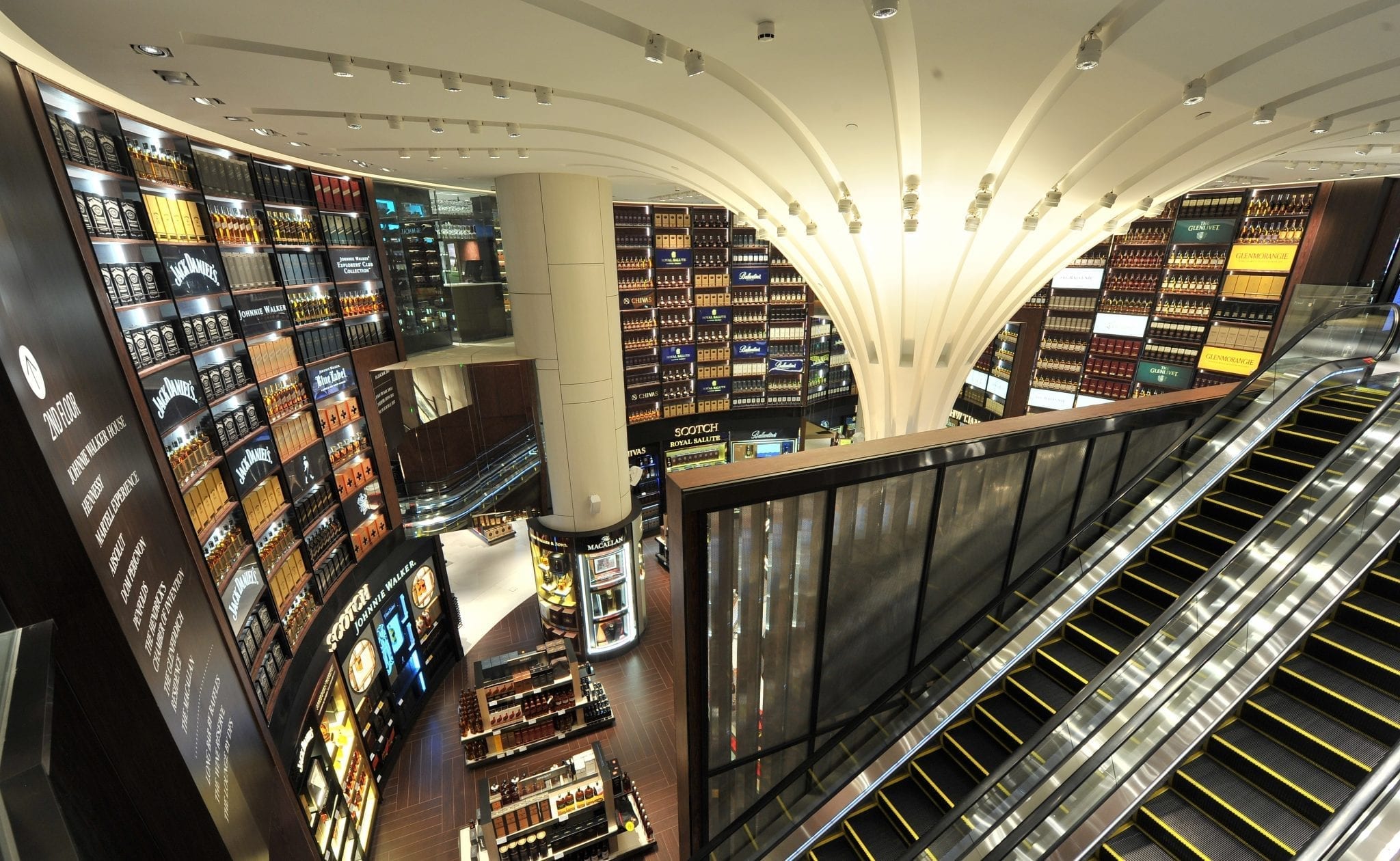
    High-end duty-free retailer DFS opened its new concept stores – complete with whiskey, wine, cigar and tobacco rooms, bartenders, complementary tastings and even virtual reality installations – in Changi’s Terminals 2 and 3 with precisely these customers in mind.

    “We drew inspiration from stylish restaurants and bars around the world when we created this space,” Wilcy Wong, DFS’s vice president of store operations in Singapore.

    He said there would be no hard sell when it came to the pricey products.

    “These days a lot of the customers are very knowledgeable themselves, so to be able to engage them and teach them something new is important,” Wong said.

    Not that the hard sell would be necessary; as well as knowledgeable, many customers are big spenders.

    DFS Wine & Spirits store at Singapore's Changi Airport
    DFS Wine & Spirits store at Singapore’s Changi Airport

    DFS staff recounted that one traveler recently bought a bottle of Glenfiddich 50-year-old single malt whisky priced at 43,910 Singapore dollars ($31,611) on a whim after passing the store. And that paled in comparison to the most expensive bottle ever sold at Changi, for S$250,000 ($180,000).

    Hong Kong-based DFS Group, which is majority owned by LVMH, has outlets at 17 major international airports, mostly in Asia, but has also staked flags in New York and San Francisco.

    The global travel retail market is estimated to grow to $85 billion by 2020, according to the Fung Business Intelligence Center, and Asia-Pacific is the largest single sector of the market, accounting for 39 percent, followed by Europe at 32 percent.

    This forecast growth is in contrast to the fall in retail mall traffic, particularly in the U.S., which has slumped as consumer spending lags and online shopping grows in popularity.

    Singapore’s Changi Airport, repeatedly ranked the best in the world by the influential Skytrax annual survey, hosts 55 million passengers a year, all of whom are classified as traveling internationally because Singapore is a city-state, and thus are free to buy duty-free items.

    DFS declined to provide any change in sales or foot traffic since opening of the new stores in Changi, but the concept has been praised by the retail and travel industry, winning “Best Shopping Experience” this year by Singapore’s Tourism Board, and Singapore’s Retailers Associations “Best Retail Concept of the Year”.

  • Shiseido perfume ambition revealed

    Shiseido perfume ambition revealed

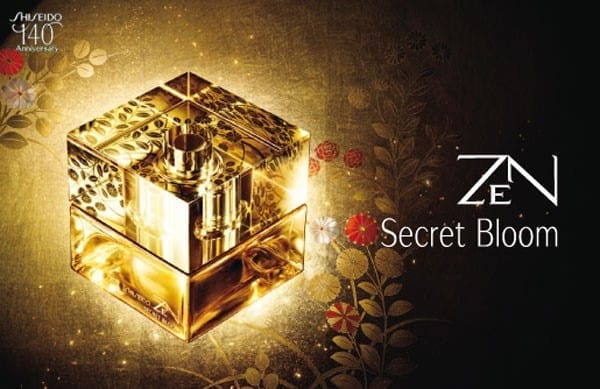
    Japanese cosmetics group Shiseido is aiming to become one of the world’s top five perfume makers in five years, up from its current seventh spot.

    New acquisitions will help Shiseido perfume market share grow – along with a step-up in marketing, especially online.

    Shiseido has beaten Spain’s Puig to win Procter & Gamble‘s Dolce & Gabbana perfume (D&G) licence, which generates 400 million euros ($445 million) in annual revenue. It aims to grow this to 1 billion euros in 10 years.
    Shiseido group chief executive for Europe, Middle East and Africa Louis Desazars, who was previously US head of Shiseido’s Nars make-up brand, says there is a new mindset and energy in the group.

    The D&G licence business will compensate for Shiseido’s loss this year of the Jean-Paul Gaultier perfume licence as part of an agreement with Puig when it bought the French brand in 2011.

    Shiseido says the D&G perfume business helped it more than double its market share instantly to 5.8 per cent from 2.2 per cent. It is aiming to reach 9 per cent in five years.

    On top of its own skincare lines, Shiseido makes perfume under licence for fashion brands Azzedine Alaia, Elie Saab, Issey Miyake and Narciso Rodriguez. The group has created a separate branch for niche brands it has acquired such as Serge Lutens last year, and the skincare and cosmetics brands Laura Mercier and ReVive in July.

    The global perfume market grew 2.9 per cent last year, while niche perfume brands saw their sales surge 15 per cent.

    Estee Lauder has also placed niche perfume brands it has bought, such as Editions de Parfums Frederic Malle and Le Labo, in a separate division.
    Including perfume, skincare and makeup, Shiseido ranks fifth globally behind L’Oreal, Coty, LVMH and Chanel, and is bigger than Clarins. In skincare alone, Shiseido says it aims to join the top three globally, up from its current fifth spot.