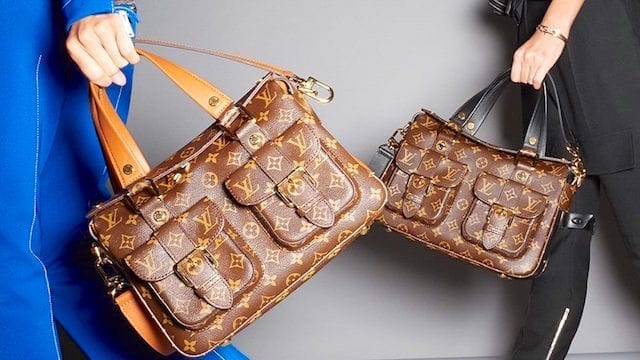
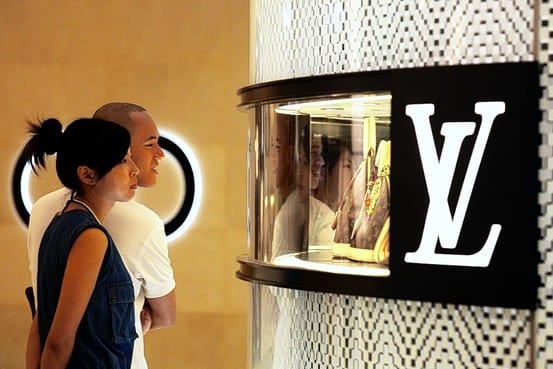
French luxury group LVMH is suing a wine merchant in Hong Kong over an alleged trademark infringement.bThe plaintiffs are suing over a wine range named “XLV”, established in collaboration between Cuvee XLV French Wine and Quentin-Louis, the son of fifth generation family member Xavier-Louis Vuitton.
During a January 16 hearing in the High Court, LVMH claimed that the wine’s label design deliberately mimics the Louis Vuitton logo to mislead consumers. Cuvee XLV’s owner Wong Sau Ying has previously stated that the range has no relationship with the LV business, although the family connection is a factor in the wine sales.
“The family is involved and that is important. In China trust is important – there are many imitations, but this brand can be trusted,” said Wong in a 2012 interview.
Wong is pleading that the font size used on the XLV label differs from that of LV products.
The case has been pending since 2008 when the label became apparent to the LVMH group.
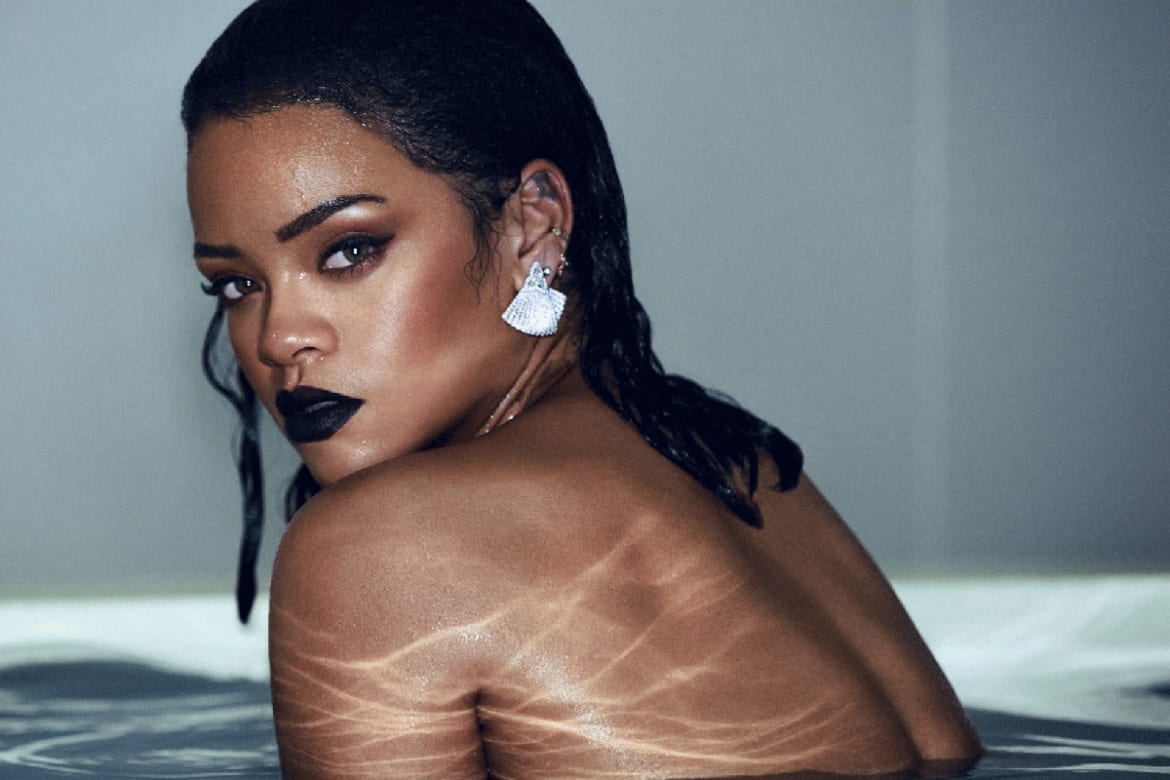
WWD reported that, according to multiple sources, the Rihanna is working with French luxury conglomerate LVMH to launch a luxury house under her name. It would be the first time LVMH has launched a brand new label since Christian Lacroix in 1987. No word on an official launch date, but perhaps that is why Rihanna is suing her father now over the ‘Fenty’ name as he could be holding up proceedings with LVMH.
The pairing makes sense. In 2015, Rihanna appeared in Christian Dior’s “Secret Garden IV” ad shot at Versailles, the first Black woman to front a campaign for the French fashion house. She also created a line of Dior sunglasses in 2016.
What is more, she launched Fenty Beauty by Rihanna under the Kendo, LVMH’s incubator to produce products that ultimately end up in Sephora, or in this case, change the way beauty products are marketed.
WWD reported that Fenty Beauty made close to $100 in a matter of weeks — a great sign for Rihanna’s impending luxury offering.
Sources tell WWD Rihanna is a “hands-on type” who is very involved in the range’s product development (she was reportedly said to be the same way while creating for Puma and Savage x Fenty).
It is believed LVMH started forming a team six months ago, handpicking employees from Louis Vuitton and Celine to work on the fashion house’s ready-to-wear, leather goods and accessories. And hold on to your Fenty x Savage hats here, the line is to be released in tandem with her ninth album expected to drop later this year.
We already cannot wait to be fresh off of Rihanna’s runway.
LVMH Luxury Ventures, an investment arm of the multinational conglomerate, has taken a minority stake in New York-based luxury label Gabriela Hearst. The terms of the deal were not disclosed, although LVMH Luxury Ventures typically invests between €2 and €15 million.
Hearst, who ran contemporary-priced label Candela for more than a decade before launching her upscale luxury offering in 2015, has briskly built a ready-to-wear business based on sharply tailored silhouettes rendered in ultra-expensive fabrics, with a focus on sustainably sourced materials. In 2018, just three years after she launched her label, the collection — which also includes a robust handbag business, mostly sold direct-to-consumer — generated between $15 and $20 million, according to sources familiar with the business.
Launched in 2017, LVMH Luxury Ventures is an investment vehicle within the LVMH group that aims to invest in emerging labels that have already shown an ability to scale.
Investments have included French apothecary brand Officine Universelle Buly and sneaker resale shop Stadium Goods, which was subsequently acquired by Farfetch for $250 million in December 2018.
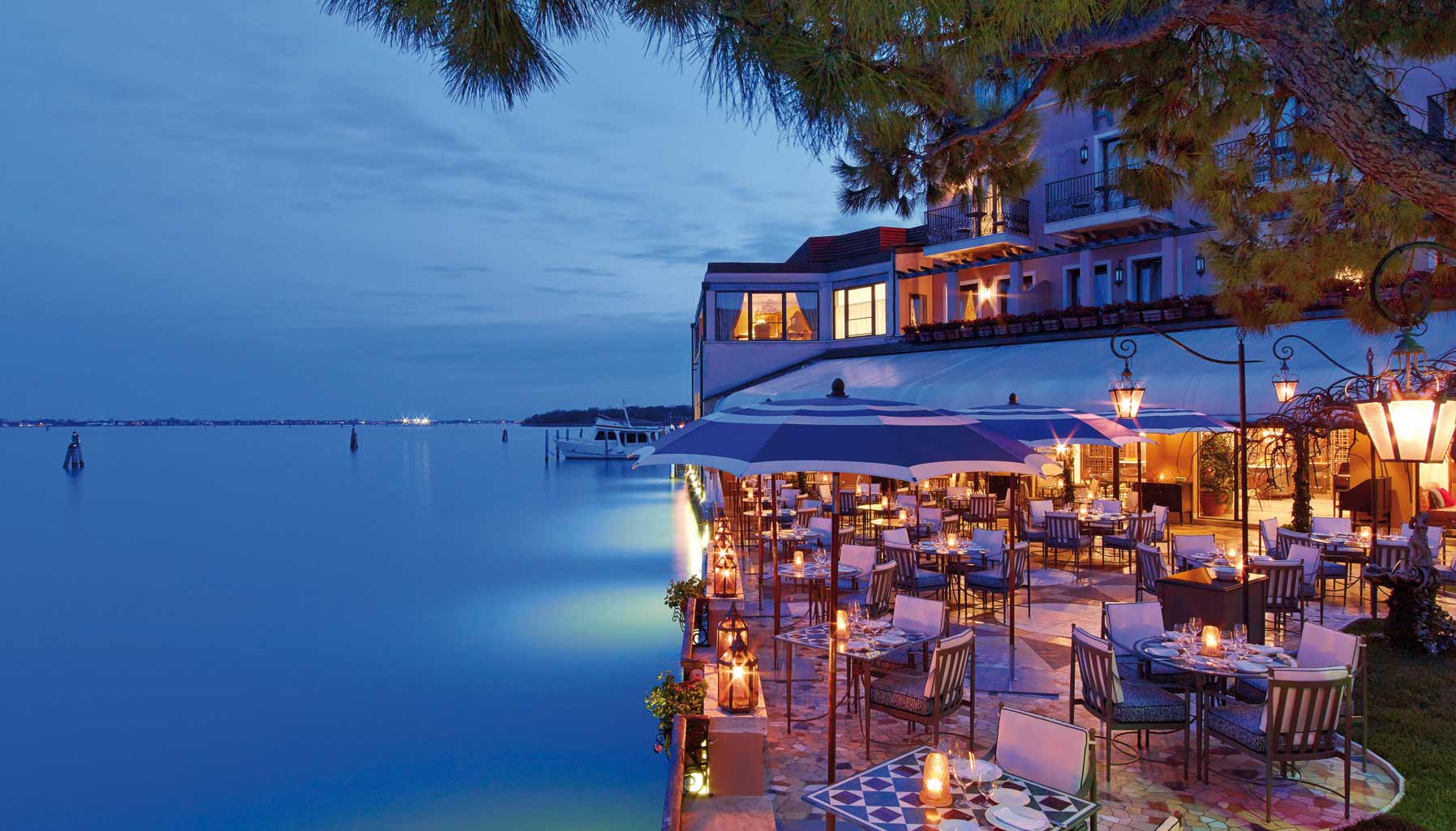
The London-based owner of the Hotel Cipriani in Venice and the Orient Express train service is being acquired by LVMH for $3.2bn including debt, marking a return to dealmaking by the world’s largest luxury group by revenues. The acquisition of Belmond boosts the hotel portfolio of LVMH, which already has Cheval Blanc hotels in Courchevel, the Maldives, Saint-Barthélemy and Paris as well as owning Bulgari Hotel and Resorts.
Belmond operates in 24 countries and its hotels include the Copacabana Palace in Rio de Janeiro and Hotel Splendido in Portofino. It also owns train services such as the Venice Simplon-Orient-Express and Belmond Royal Scotsman, and cruises including Belmond Afloat in France and Belmond Road to Mandalay.
LVMH, which owns brands such as Christian Dior and Louis Vuitton, saw off interest from several other potential bidders for the deal, including private equity groups.
Belmond, which used to be known as Orient-Express Hotels, had said in August it had hired Goldman Sachs and JPMorgan Chase for a strategic review.
The acquisition of Belmond comes as companies seek to tap into a rising trend of so-called “experiential” luxury, with consumers buying fewer products and more experiences in areas such as high-end food and wine, luxury hotels and travel.
“Our agreement today with the Belmond Group is entirely consistent with our continued investment in the field of experiential luxury,” Bernard Arnault said.
He added that the deal will “bring us ever closer to our highly discerning customers”. “Bernard Arnault was one of the first to think hard about how best to attract and retain an increasingly volatile luxury customer,” said Thomas Chauvet, analyst at Citi. “Over the past decade, LVMH has expanded its reach beyond its traditionally boundaries with continued expansion of travel retail, the rollout of high-end hotels and spas,” he said.
“While these activities have a limited impact on LVMH’s overall profit, these have been among the group’s fastest growing businesses over the past few years.” The global luxury hotel market was worth at $83.1bn in 2017 and is expected to grow at a compound annual growth rate of 4.3 per cent to reach $115.8bn by 2025, according to Grand View Research, a consulting firm.
Paris-based LVMH said on Friday that it was buying Belmond for $25 per share in cash — a premium of more than $7 per share to the stock’s closing price on Thursday. That represents a value of $2.6bn for the overall equity of group.
Including debt, Belmond is being valued at $3.2bn.
In the year to September, Belmond made adjusted earnings before interest, tax, depreciation and amortisation of $140m on revenues of $572m.
Its average price per room night ranges from $1,206 in Europe to $448 in Asia.
The last substantial deal by LVMH chairman and chief executive Bernard Arnault was more than 18 months ago, when his family company Groupe Arnault paid €12.1bn for the minority stake that it did not already own in Christian Dior.
At the time Mr Arnault said that LVMH was shunning external acquisitions because they were either unavailable or too expensive. “We’re not actively looking at external acquisitions, we’re focusing on internal growth,” said Mr Arnault in April 2017. “Given the current market, fewer and fewer assets are looking attractive to us. And the best assets are not for sale.”
In 2016, LVMH also bought high-tech German suitcase maker Rimowa, which is headed by Mr Arnault’s son, Alexandre Arnault.
The Belmond transaction is expected to complete in the first half of 2019.
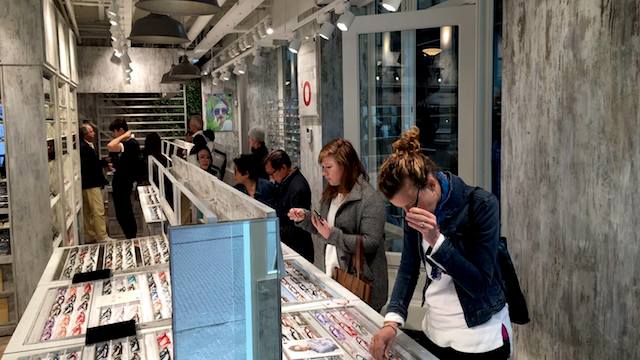
LVMH-back private equity fund L Catterton Asia has partnered with Mitsui & Co to take an unspecified stake in fast-growing Japanese eyewear retailer Owndays. The funds will be used to accelerate the retailer’s across the Asia-Pacific region.
Owndays, which began its Southeast Asia rollout in 2013 opening a store in Singapore, now has 115 stores in Japan and 142 stores in 10 other Asian markets, including Thailand, Vietnam and Hong Kong (where it is operated by Bluebell Group).
In a statement, L Catterton Asia said the current management team will continue to retain “substantial equity interests” and manage the company.
“Our ambition is to become Asia’s leading optical retailer and we plan to open more than 500 stores across the Asia Pacific region over the next five years,” said Owndays CEO Shuji Tanaka said.
L Catterton Asia chairman and managing partner Ravi Thakran said the investment in Owndays marks the private equity company’s first foray into Japan.
“The Owndays success story has been one of innovation, quality service and boldly exceeding customer expectations,” he said.
“The company is poised to take advantage of the robust macro trends that are driving the market for private brand eyewear. Together, L Catterton and Mitsui & Co are committed to providing world-class operational and strategic support to propel Owndays to category-leading growth and profitability. With Japanese quality, purity and efficiency increasingly appreciated and desired around the world, we see tremendous market opportunities for Owndays.”
President and CEO of Mitsui & Co subsidiary MCPI, Naoki Nakata, said Owndays is well placed for continued expansion, both domestically and abroad, while also improving profitability by fully leveraging Mitsui and L Catterton’s combined network, resources and demonstrable expertise in value creation.
Since 2009, L Catterton Asia has invested in many leading consumer brands, including Gentle Monster and RM Williams and Pepe Jeans, and in lifestyle mall operator Sasseur, among others. L Catterton Asia, formerly called L Capital Asia, was formed through the partnership of Catterton, LVMH and Groupe Arnault.
Last month, Chanel reported its financials for the first time in its 108-year history, lifting the company’s traditional veil of secrecy, in part, to quash speculation that it could be acquired. The disclosure revealed that the French luxury giant generated $9.6 billion in sales last year – just a shade behind LVMH cash cow Louis Vuitton.
What’s no secret, though, is that Chanel holds immense allure to shoppers.
In fact, it is one of the most desirable luxury fashion brand in the world fueled by the perception that it is amongst the most exclusive brands of all.
This is paradoxical when one considers that Chanel is also one of the most accessible luxury brands, as measured by pricing.
In fact, it has some of the lowest entry-level price points in the business, courtesy of its beauty products. Cosmetics and fragrances allow the middle class to get a whiff of the lifestyles embodied by Chanel’s couture and prêt-à-porter offerings.
Indeed, Chanel is a master of category segregation.
This strategy involves confining iconic, core category products to high-end price ranges, while deftly positioning other product categories (lipsticks, for example) at lower price points to address aspirational customers.
Such segregation has allowed the house to maintain its air of exclusivity.
It may sound like a simple strategy, but it has helped make Chanel by far the biggest luxury goods mega-brand in retail equivalent terms, and only marginally smaller than Louis Vuittonin reported sales.
Critical to this success has been Chanel’s leading position in beauty, a category that is heavily dependent on multi-brand wholesale distribution.
While there are some disadvantages to wholesale distribution, from smaller margins to less control over brand experience, leveraging wholesale also means the company can have a relatively compact retail network.
Chanel had 338 stores in 2017, or nearly 30 percent fewer than Louis Vuitton.
As for profitability, Chanel reported an earnings before interest and taxes, or EBIT, margin of 28 percent, compared to 40 percent at Louis Vuitton.
This suggests Chanel has much room to push its profit margins higher, especially considering its sheer scale and the economics of beauty.
Chanel seems to be vastly outspending its peers on marketing support and communication, boosting its profile on both traditional and social media.
All this, and a traditional focus on organic growth rather than acquisitions, means the group boasts returns on invested capital that approach those of Hermès.
This is despite selling, general and administrative expenses equivalent to nearly half of Chanel’s sales as opposed to roughly a third at Hermès.
Again, this suggests there is room to rise further.
When Chanel announced its financials last month, the company said it did so to dispel the notion that it would ever be up for sale.
While the size of the company means only very large — and ambitious — players might be able to pull off such a deal, that still leaves potential contenders should it ever decide to open its doors.
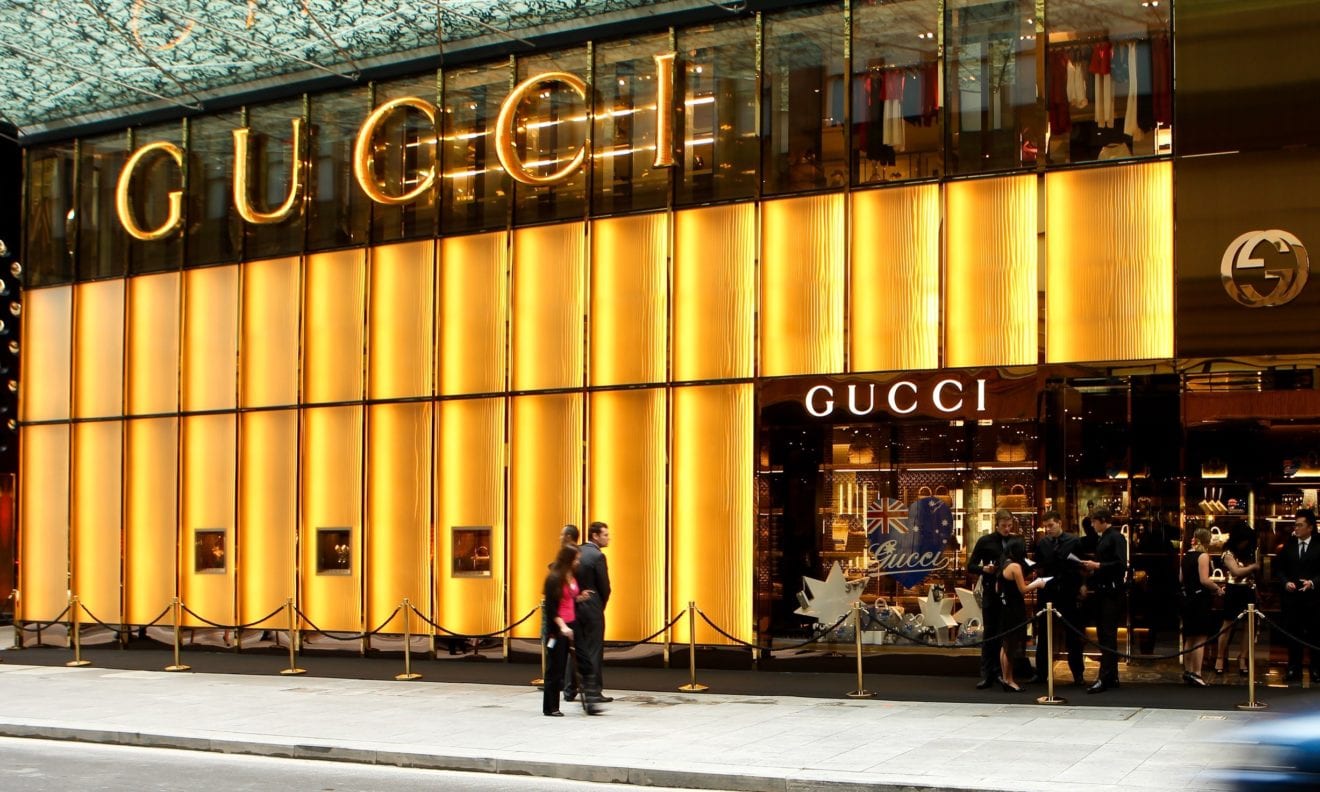
Kering, which owns Gucci, Saint Laurent and Balenciaga, said it planned to buy back up to 1 percent of its share capital over a 12-month period. According to the luxury-goods group, the total amount of the share buyback agreement would not exceed €300 million (about $342 million) and the price would not exceed €480 per share.
A stock buyback, also known as a share repurchase, occurs when a company buys back its shares from the marketplace. This means that by paying shareholders the market value per share, a company like Kering can reabsorb a portion of its ownership that was previously distributed among public and private investors.
But what are the reasons for this?
Each share represents a small stake in the ownership of the company. There can be several reasons for a share buyback, such as preserving stock price, but in Kering’s case, the move suggests that the company’s senior management is confident about the business and believes its shares are undervalued.
Undervaluation can occur for multiple reasons. Kering’s management may believe the business is undervalued due to investors’ jittery sentiment around the China market and their ability to see potential in the company’s long term performance.
Shares in Kering hit a record high of around €522 in June, but dipped in the past three months over worries that white-hot megabrand Gucci was running out of steam.
The stock rose again in late October after the group reported a better-than-expected rise in third-quarter revenue.
Sales growth for the conglomerate had been expected to slow from 31.5 percent a quarter earlier to the 22.5 percent rise forecast in a poll of analysts by Inquiry Financial.
But Gucci sales proved stronger than expected.
Buying back shares is also a common way for companies sitting on big cash piles to do something about it, and the ideal time is usually after a drop in the stock price.
It wasn’t Kering’s stocks alone that fell earlier this month.
Shares in European luxury-goods companies including French rival LVMH sunk, with analysts citing concerns over a consumer slowdown in China, its single biggest market.
Part of this is due to a crackdown by customs officials, which limits the amount individual Chinese travellers can bring back from abroad.
“In the most recent weeks, Kering has suffered more than its fair share of pain on the back of the luxury sector downward adjustment following concerns on Chinese consumer confidence,” said Luca Solca, head of luxury goods at BNP Exane Paribas.
“This has come as investors wanting to reduce exposure to the sector have chosen to lock in gains in stocks that had performed the most, like Kering.”
Since Chinese consumers account for 32 percent of the worldwide total of luxury sales and about one third of them shop overseas, this is a worry for brands.
In addition, there is the continued issue of daigou (grey market shopping agents) and the fact that China’s economy is growing at its slowest pace since the financial crisis.
Gucci president and chief executive Marco Bizzarri acknowledged these challenges.
“I control what I can control,” he said.
“Currency fluctuations, traffic flows, daigou duties. It is something we cannot control as a company, so as a CEO I need to control what I can. I hope that Chinese customers are now going to spend more in China, so we’ll do our best to increase their shopping experience here.”
Jean-Marc Duplaix, Kering’s financial director, said during Kering’s third-quarter earnings call, which came after luxury stocks fell, that the company was seeing an improvement in the retention of Chinese millennial customers and demand had not dipped.
“In terms of spending power, the situation is still quite sound in China,” he said. “All the events especially in China we had in September or in October, we saw quite good figures. I think that underlying trends are still very, very, very solid.”
Earlier this year, Bizzarri said that Gucci’s eventual target is to achieve €10 billion ($11.6 billion) in annual revenue.
“We don’t expect short-term growth issues at Gucci, and anticipate more positive surprises on operating leverage,” said Solca.
Last month, LVMH named Guillaume Henry new Creative Director of Jean Patou. Guillaume Henry is coming back to Fashion Week, resurrecting the Jean Patou maison with LVMH’s backing. The former creative director of Carven and Nina Ricci was handpicked by LVMH’s Sidney Toledano for the role and is expected to debut his vision for Jean Patou in 2019.
To support Guillaume Henry, LVMH has announced Sophie Brocart as CEO.
These changes are in preparation of a global brand transformation.
“Jean Patou is a very exciting project. It is just at the beginning, but we are all there to support Guillaume Henry’s creativity,” Brocart said to FashionNetwork.com.
Born in 1880 in Normandy, Jean Patou, the son of a tanner and nephew to a furrier was well experienced in the area of design before deciding to venture out on his own and open a small dressmaking salon in Paris in 1912 . Success came quickly to Patou who sold his entire 1914 collection to a single American buyer, however, he was forced to put his craft on hold when he was mobilized in August of the same year for World War I. Reopening his salon in 1919, Patou began to work on eliminating the flapper look and on improving the design for sportswear.
Patou began the tradition of previewing his fashion collections to the press and it was also Patou who invented the first designer label—the pockets of his creations were embroidered with the letters “J” and “P”.
Brocart will leave her position at Kirkwood and LVMH will announce her substitute. She will keep her position as head of mentoring at LVMH, as she believes that talents need to be cultivated and it is very interesting to see people growing.
Brocart joins Patou from Nicholas Kirkwood, where she has been CEO of the London shoe designer for the past four years. The appointment marks a meteoric rise for Brocart, who has been the mentor in chief of young talent within the LVMH orbit, notably guiding the winners the LVMH Prize. She also worked with Jonathan Anderson, after LVMH took a substantial stake in the Northern Irishman’s signature business, J. W. Anderson.
While at Kirkwood, she was instrumental in developing the fledgling house, which last month staged its debut show in London Fashion Week. A brilliant piece of staging entitled Evidence, a vision of a dystopian universe on a set crammed with laptops, fridges, graffiti and monitors on which an 18-year-old “positive hacker” from California showed 360-degree images of Kirkwood’s new footwear – notably his new floral posh punk boots. In a word, Brocart is an out-of-the-box-thinking executive.
Her appointment is very much on-trend with LVMH, which likes to move around and promote decision-makers from within its own ranks. Also last month, the group named Jenny Galimberti, the former communications director of Louis Vuitton, to be the new CEO of J.W. Anderson.
Salvatore Ferragamo has officially found its new chief executive officer.
The luxury Italian brand’s CEO and general manager, Micaela Le Divelec Lemmi, will relinquish her dual title to take on the sole position of CEO in November.
The general manager position will be made obsolete, as reported by the Italian press.
After joining Ferragamo from Gucci in April, where Le Divelec Lemmi was chief financial officer, the executive was named Ferragamo’s CEO in July, a role taken ad interim by group president Ferruccio Ferragamo, following the departure of Eraldo Poletto in March.
Ferragamo looks to lift dwindling sales across the globe with Le Divelec Lemmi, who has 20-plus years experience in luxury, namely at Gucci.
For the first-half 2018, the company said revenues were down 3.4% currency-neutral or 6.2% on a reported basis to €674 million, lower than the €685 million that analysts had predicted.
Retail sales fell 5.2% and wholesale revenues were down 7.6%.
By region, Asia Pacific revenues fell 5.5%, lead by China down 1%, while Hong Kong sales rose 32% currency-neutral.
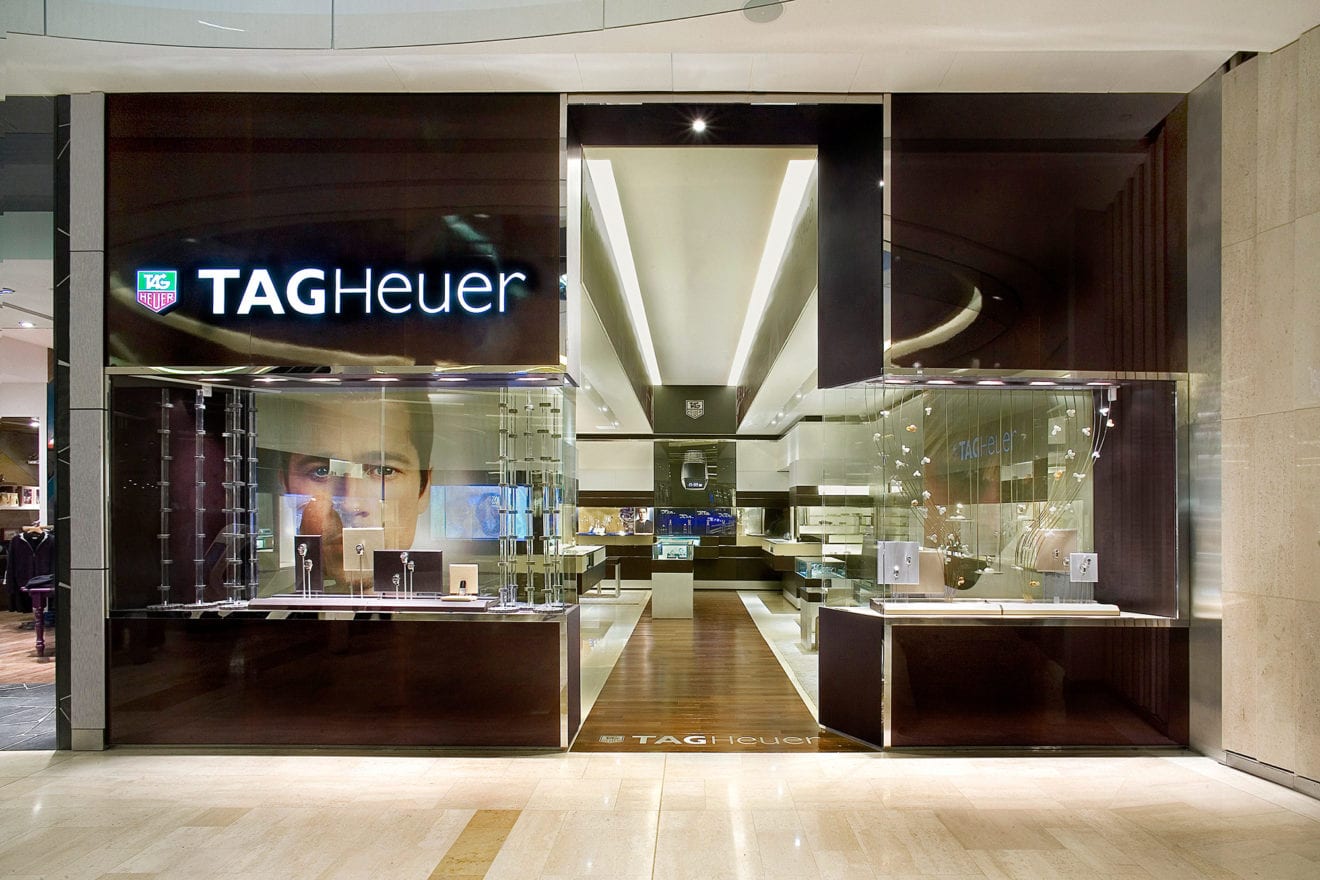
LVMH has tapped Stéphane Bianchi, the former CEO of the cosmetics firm Yves Rocher, to succeed Jean-Claude Biver as head of LVMH’s watch division.
Biver, who recently turned 69, stepped down from his operational duties as president of the LVMH watch division and CEO of TAG Heuer for health reasons but will nevertheless remain as non-executive chairman of the division.
After spending over 45 years in the industry, Biver said he wishes to focus more specifically on “advising and sharing” his experience.
Bianchi will become CEO of TAG Heuer and oversee the operations of Hublot and Zenith, the other two brands in the watch division, effective 1st of November.
Recently on the board of the Maus Group, a family business, Stéphane spent most of his career with the Yves Rocher Group where he was CEO from 1998 to 2015.
LVMH has also promoted Frédéric Arnault to the position of director of strategy and digital director at TAG Heuer. Arnault, 23, was named TAG’s head of connected technology last year. He is the son of LVMH Chairman and CEO Bernard Arnault.
“I would like to applaud Jean-Claude Biver for the decisive leadership that he has shown in his role at the head of the watchmaking division,” Bernard Arnault said in a statement. “Since the integration of Hublot within LVMH, he has elevated our watchmaking division to a world class technical level of the highest order and has significantly accelerated its commercial growth. I am delighted that the Group will continue to benefit from Jean-Claude’s advice, and I am sure that his entrepreneurial spirit will bring many innovative new ideas to the world of watchmaking.”
LVMH Moet Hennessy Louis Vuitton boosted revenues by 10 per cent to €33.1 billion in the first nine months of this year.
Organic sales grew 11 per cent compared to the same period last year and by 13 per cent after excluding the impact of the closed DFS concessions at Hong Kong International Airport at the end of the year. Every geographic market performed well, the company said. Third quarter revenue was up 10 per cent.
The wines & spirits business group recorded organic revenue growth of 7 per cent during the first nine months, with Champagne volumes stable and Hennessy cognac volumes increased by 4 per cent, led by the US and Chinese markets.
The fashion & leather goods business group achieved organic revenue growth of 14 per cent and 20 per cent reported, with the flagship Louis Vuitton brand the standout performer.
“Ready-to-wear and shoes, in particular, experienced strong momentum with an excellent reception of the last two fashion shows of womenswear and menswear,” the company said in a statement. “A new communication for Louis Vuitton perfumes was unveiled, marking the launch of the brand’s latest perfume creation. Christian Dior, consolidated since the second half of last year, enjoyed an excellent performance.
Celine made progress and began a new chapter in its history with the first runway show of Hedi Slimane, which was a great success and created enormous resonance. Fendi and Loro Piana continued to grow. The other brands continued to strengthen,” the company said.
LVMH Moet Hennessy Louis Vuitton’s perfumes & cosmetics business group recorded organic revenue growth of 14 per cent, driven in particular by the performance of its star brands Christian Dior, Guerlain and Givenchy.
The watches & jewellery business group achieved organic revenue growth of 14 per cent, with Bulgari delivering “an excellent performance and gaining market share”.
The selective retailing business group achieved organic revenue growth of 8 per cent in the first nine months of 2018, and 14 per cent excluding the airport concession closures in Hong Kong.
Sephora’s organic revenue growth was strong, particularly in North America and Asia. The expansion and renovation of its distribution network is continuing with a new store concept in China and the first Sephora-branded store in Russia.
“DFS performed well, especially in Hong Kong and Macao. The recent openings of T Galleria in Cambodia and Italy progressed well.”
The company said that in an “uncertain geopolitical and monetary context, LVMH will continue to be vigilant” in the months ahead.
Luxury conglomerate LVMH said it plans numerous product launches before the end of the year as it races to stay ahead of fast-growing competitors like Kering SA’s Gucci and closely held Chanel.
Second-quarter sales rose 11 percent, the Paris-based owner of Louis Vuitton handbags and Sephora cosmetics said in a statement late Tuesday, beating analysts’ expectations.
The world’s largest luxury company reported double-digit percentage growth in sectors from fashion to jewelry and cosmetics. The shares rose as much as 2.6 percent in Paris.
LVMH has so far thrived despite the opening rounds of a global trade war, as the Chinese consumer’s appetite for French luxury goods surged during the quarter. But because of the threat of higher tariffs and other economic uncertainties, “the current trends cannot realistically be extrapolated to the second half of the year,” Chief Financial Officer Jean-Jacques Guiony said on a call.
“Management sounded quite confident, despite ongoing concerns about Chinese demand and tougher comps,” Raymond James analyst Hermine de Bentzmann wrote, adding that the result augured well for Kering.
Chinese consumers account for roughly a third of luxury purchases, according to consulting firm BCG — and as much as 70 percent of the sector’s growth. LVMH sales in Asia surged 17 percent last year, and traveling Chinese shoppers lifted other markets. Now, investors are watching carefully to see how long the boom can last for luxury’s leader, especially as U.S. President Donald Trump’s trade moves risk shaking confidence in the industry’s biggest client base.
“The threats are there but I don’t think they have materialized yet in any way,” Guiony said.
Shanghai’s CSI 300 stock index has fallen 11 percent this year, fueling fears that high-end shoppers could tighten their belts. China moved to bolster consumption by lowering import duties on many products earlier this month, and luxury brands including Louis Vuitton and Hermes have cut prices to pass the benefit on to consumers.
The company said its coming product launches include new perfumes from Christian Dior, endorsed by Jennifer Lawrence, and Givenchy, promoted by Rooney Mara. A Guerlain skin serum and a Chinese launch of the Kenzo World line are among the other debuts.
The plans come as LVMH’s competitors have thrown down the gauntlet in recent months. Gucci set a midterm sales target that would rival estimates for Louis Vuitton, long the world’s largest luxury brand with more than 9 billion euros in annual sales. Chanel released its yearly financials for the first time in 108 years — at the same time as Vuitton’s most recent fashion show — to reveal that its sales of quilted leather handbags and No. 5 perfume had already bested Vuitton by some measures.
In a bid to keep its edge, LVMH has reshuffled the creative leadership at its biggest fashion brands in recent months. Designer Hedi Slimane, who set the menswear agenda for more than a decade with skinny jeans and suits at Dior Homme and Kering’s Saint Laurent, has been tapped to add menswear and haute couture at LVMH’s womenswear brand Celine, with his first shows this fall. New menswear chiefs at Vuitton and Christian Dior both made their debuts in June.
LVMH’s first-half profit was boosted by rapid growth at Vuitton and the exit of a duty-free concession at the Hong Kong airport. Sales in the second quarter totaled 10.9 billion euros ($12.7 billion), above analysts’ prediction of 10.79 billion euros.
French luxury conglomerate LVMH Moet Hennessy Louis Vuitton has had a strong start to the year despite the impact of the termination of its Hong Kong International Airport duty-free business at the end of last year.
Its revenue grew by 10 per cent for the first quarter to reach €10.9 billion.
Organic growth was 13 per cent compared to the same period last year, with all business groups contributing to the result. Excluding the loss of the DFS Group airport business, the figure would have been 15 per cent.
There was 20 per cent organic revenue growth for the watches and jewellery business group, with Bulgari continuing to gain market share.
Organic revenue increased 17 per cent in perfumes and cosmetics, with strong growth momentum again for Parfums Christian Dior.
The fashion and leather goods business group had organic revenue growth of 16 per cent, with Louis Vuitton making a remarkable start to the year, says the company. Christian Dior Couture, which was consolidated into the group in July, turned in an excellent performance, while Fendi and Loro Piana grew rapidly in ready-to-wear and shoes.
For wines and spirits, organic revenue grew 10 per cent. Champagne volumes rose by 1 per cent. In a context of supply constraints, Hennessy cognac volumes grew by 5 per cent.
In selective retailing, organic revenue rose 9 per cent, or 16 per cent excluding the termination of the Hong Kong airport concession. Sephora continued to gain market share with its new store concept continuing its roll-out.
Online sales grew rapidly all over the world. DFS performed particularly well in T Galleria outlets in Hong Kong and Macau, while the new store in Cambodia performed strongly.
Despite unfavourable exchange rates and geopolitical uncertainties, the year started with a buoyant environment, says LVMH. It says it will continue to focus its efforts on developing its brands, maintaining strict control over costs and targeting its investments on the quality, excellence and innovation of its products and their distribution.
French couturier Hubert de Givenchy, a pioneer of ready-to-wear, has died at the age of 91.
Paying homage to its founder, the house of Givenchy says he was “a major personality of the world of French haute couture and a gentleman who symbolised Parisian chic and elegance for more than half a century”.
Givenchy designed Audrey Hepburn’s little black dress in the movie Breakfast at Tiffany’s.
“He revolutionised international fashion with the timelessly stylish looks he created for Audrey Hepburn, his great friend and muse for more than 40 years,” the house says. “His work remains as relevant today as it was then.”
Givenchy was part of the elite cadre of Paris-based designers, including Christian Dior and Yves Saint Laurent, who redefined fashion after World War II. He forged close friendships with his famous clients including Elizabeth Taylor, Jackie Kennedy and Princess Grace of Monaco.
He was born into an aristocratic family in the provincial city of Beauvais on February 21, 1927, and founded his label in 1952, selling it to luxury conglomerate LVMH in 1988. He retired several years later.
Clare Waight Keller, who has been at the helm of the brand since last year, said on her official Instagram account she was “deeply saddened by the loss of a great man and artist I have had the honor to meet”.
LVMH CEO Bernard Arnault says he is “deeply saddened” by Givenchy’s death. “He was among those designers who placed Paris firmly at the heart of world fashion post-1950.”
Tmall will this year work with top beauty brands such as Estee Lauder and Lancome to help them surpass RMB 1 billion (US$157.9 million) in annual sales on the platform.
The increased focus on the beauty sector will also see Tmall deliver an updated suite of New Retail solutions so that all merchants can better serve Chinese consumers, the Alibaba Group-owned B2C shopping site says.
Tmall plans to partner closely with about 10 beauty brands in particular, also including SK-II and Olay, to help them break that sales threshold. New Retail initiatives include a new “try-before-you-buy” feature, where users pay a 10 per cent deposit to test a product with the promise of a simpler and faster refund process.
“Our partnership with brands will cover every corner from online to offline,” Tmall president Jet Jing said. “We will be consistently involved in daily operations ranging from product innovation, brand building, channel management, supply chain to customer operations.”
Tmall Supermarket would also expand its one-hour delivery service to more customers, as faster service is also a part of New Retail, Jing said. However, the biggest changes won’t come until the 11.11 Global Shopping Festival, which is typically when Alibaba rolls out its New Retail initiatives.
The initiatives were announced during the Tmall Beauty Awards in Shanghai, where more than 1000 beauty professionals, from both international and home-grown brands, gathered for the annual event. This year, Estee Lauder, SK-II, Giorgio Armani Beauty and Givenchy each took away a “Super Brands Award,” for their outstanding performance in brand influence, marketing creativity and consumer engagement. Newcomer Givenchy on March 1 broke the single-day sales record, selling more than 58,000 lipsticks and generating over RMB 16 million – all in the first 12 hours of the day.
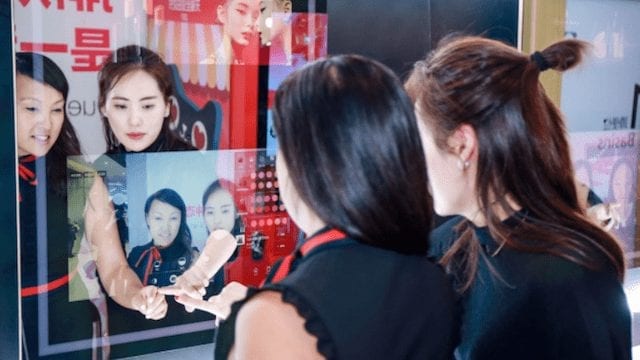
Since launching in 2015, the awards largely have spotlighted New Retail-driven innovations. Featured technology at this year’s awards included the “Cloud Shelf” and the latest iteration of the augmented reality-powered “Magic Mirror,” which allows users to virtually try on new hairstyles, lipstick, eyeshadow and blush. Tmall said it would partner with with French cosmetics company L’Oreal to install Magic Mirrors in 50 of the beauty giant’s physical stores in China.
Tmall hosts more than 3000 beauty brands on its platform, according to a report released by Tmall and Chinese research firm CBNData last year. Some of the newest entrants include LVMH-owned Givenchy, L’Oreal’s Giorgio Armani Beauty and Estee Lauder’s Darphin.
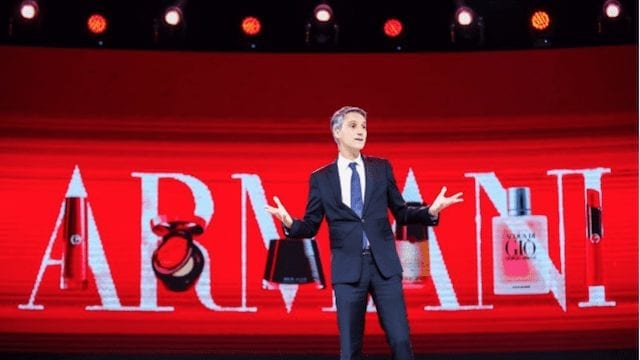
“After two years of very successful acceleration in China, we felt this is the right timing to join Tmall to push artistry and premium-ness of the brand,” said Andrea Yann, GM of the China market at Giorgio Armani Beauty. “Our plan is really to understand from [Alibaba’s] database what are the main beauty concerns of Chinese women to solve their beauty issues, be very personalised still being [seen as] very artistry and premium.”
Andrea Yann, GM of the China market at Giorgio Armani Beauty, speaks on stage.
Younger more focused on beauty
According to a report released by Tmall and market research consultancy Kantar, what they want is a more elaborate skincare regimen. Thirty-five per cent of respondents said they have added more steps to their beauty routines, and therefore are spending more on skincare products and cosmetics. Tmall attributed 53 per cent of the sales of beauty products on Tmall to consumers making more purchases per person.
Beauty consumers in China – the world’s largest and fastest-growing beauty market at $22 billion – are also becoming younger than ever, the report noted. In 2017, users born after 1990 made up over 40 per cent of shoppers on Tmall Global, the site’s cross-border e-commerce channel, overtaking those born in the 1980s as the main consumption force on Tmall Global, the site’s cross-border e-commerce channel.
Consumers born after 1990 like to try new products from new brands and less familiar origin countries, the report said.
Embracing the new
“In China, there’s more willingness to try new products at a faster rate than what you would see in different markets,” said Danielle Bailey, head of Asia Pacific research at digital agency L2.
“It’s not that [Chinese beauty consumers] are less loyal, but their desire to explore is much higher,” she said. “This makes it more challenging for brands to sell to the market, but also creates new opportunities.”
Tmall’s latest report also showed momentum for homegrown brands, particularly for skincare, where they accounted for 56 per cent of sales last year – up from 54 per cent in 2016. However, foreign brands still dominate the cosmetics category with 56 per cent of total makeup sales.
Chinese brands are trying to boost their profiles by launching new prestige product lines or creating new products within an existing line, said Bailey. “It will be interesting to see if local brands can successfully transition to that space. It’s still a bit unclear because Western brands tend to be associated with better quality,” she added.
From a product development standpoint, the pace of innovation in Asia has forced brands in the West to shrink development timelines to stay relevant, said Bailey. Where Western companies may take two years to release a product,” he said, “in Korea, some brands are launching new product every three months.”
Time-to-market is indeed very important for beauty brands, said Ye Guohui, GM of Tmall’s new retail division.
“Conducting market research alone can be very time-consuming, taking up to over a year,” he said. “But brands in China can leverage Alibaba’s data capacities to really shorten that timeline, and accelerate product development.”