Tag: Malaysia

  • Jollibee Malaysia opens in Kota Kinabalu

    Jollibee Malaysia opens in Kota Kinabalu

    Jollibee Malaysia has opened its first outlet – in the beachside city of Kota Kinabalu. CEO Ernesto Tanmantiong said opening in Malaysia marked a new chapter for the group.

    “We invite Malaysians to come and see for themselves why people line up for hours.”

    Jollibee Foods head of international business, Dennis Flores, said Jollibee is beloved throughout Asia, because it appeals to diverse tastes and cultures.

    “This has propelled us to become the fastest-growing Asian restaurant company, and we are thankful for the overwhelming support. It drives us to do better for our customers, and to continue to serve delicious food with our signature warm service.”

    The Jollibee Malaysia opening follows the brand’s recent expansion into London and Manhattan as its rapidly expands its global store network to surpass 4300.

    After making its debut in the capital of Sabah, Jollibee Malaysia plans further outlets in major cities across the country.

  • 7-Eleven Malaysia predicts improved trading conditions

    7-Eleven Malaysia predicts improved trading conditions

    7-Eleven Malaysia CEO Colin Harvey believes the company can do ever better this year after a modest improvement in sales last financial year. The company’s revenue crept up 1.3 per cent last year to RM2.22 billion (US$546 million), with after-tax profit up 2.4 per cent to RM51.3 million ($12.6 million). Harvey says sales growth was driven by new stores and an improvement in same-store sales and consumer-promotion activity.

    “We continue to see opportunity for improvement. We are confident that our strategy roadmap focussed on strengthening the key areas of assortment, supply chain, operational excellence, store base, and digitally enabling the organisation will bear fruit in terms of financial performance, and overall customer shopping experience.”

    7-Eleven Malaysia’s board believes the trading conditions for the next quarter will improve,  driven by domestic demand and anticipated heighted consumer sentiment. The group plans to “continue to refresh the 7-Eleven brand in the mind of the customer” through innovative promotions, products and pricing.

  • Malaysia’s Kedai Ayamas Eatery plans 100 more stores

    Malaysia’s Kedai Ayamas Eatery plans 100 more stores

    Kedai Ayamas eatery operator Kara Holdings is looking to establish 100 outlets within four years through its new franchising program, predominantly within peninsular Malaysia. The move into franchising should elevate the company’s finances by 10 per cent this year to about RM40 million (US$9.85 million). Nine franchises have opened so far, with 20 more targeted within the year.

    “As Johor Corp’s wholly owned subsidiary, we complement the KFC business in terms of maximising the use and distribution of poultry products at the farm,” said Kara’s executive director Abd Rahman Md Dawi. “The poultry-relating business has always been a high-demand market for the food and beverage sector in Malaysia.

    “Last year, we registered a revenue of RM35 million [$8.6 million]”, he added. “With the additional franchise business, hopefully, it will amplify our revenue this year, coupled with Kara’s technological adoption of food delivery services such as Foodpanda and Grab-Food.”

    According to Dawi, the company is open to franchisee acquisition of Kara’s 40 corporate outlets. Six of the nine new franchises were acquired from the firm.
    “There are certain criteria that will be considered for us to sell our own shops, but we encourage the newcomers to open a new shop,” he said.

    Kara’s franchising program costs between RM100,000 and RM400,000 ($24,600–98,450), and includes management and operational training sessions.

  • Takeover bid lodged for struggling Laura Ashley

    Takeover bid lodged for struggling Laura Ashley

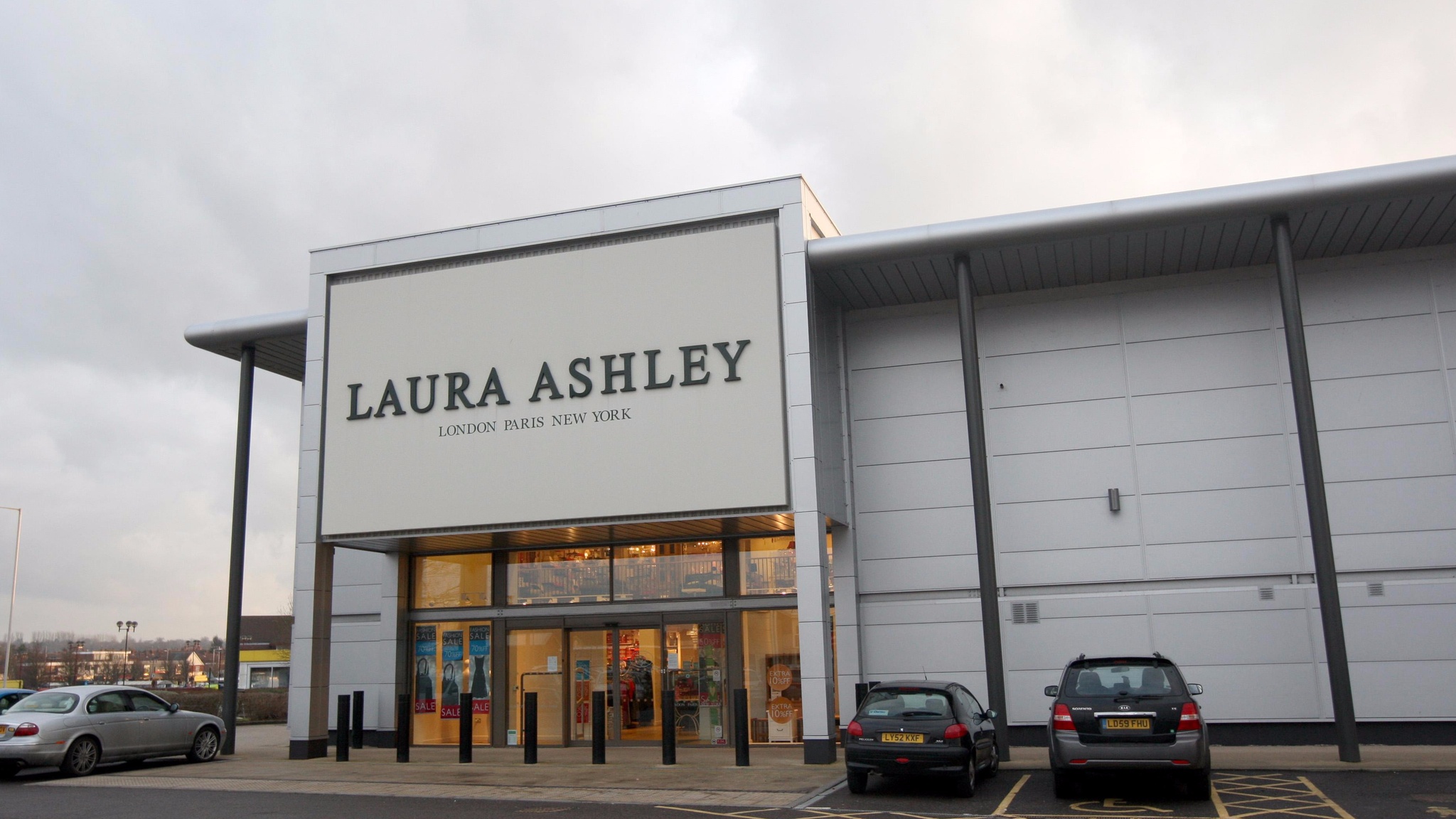
    US investment company Flacks is considering making a bid for Malaysian-owned, British fashion retailer Laura Ashley. The firm is in the “very preliminary stages” of a takeover bid for the brand. Any possible takeover offer will be limited to 2.748p in cash per share, resulting in an overall valuation for the retailer at around £20 million (US$26.38 million), according to an announcement by the firm confirming the details.

    If Flacks buys Laura Ashley, it is expected to primarily focus on the US market and other non-European markets.

    “As far as I am concerned, there is no takeover bid because there has been no approach whatsoever,” Laura Ashley chairman Andrew Khoo told investors on Monday, a day prior to Flacks’ announcement. “If and when an approach is made, the board will discharge its duties as always and assess it on its relative merits.

    “I would, however, like to state for the record that as major shareholders of Laura Ashley, we have no intention of divesting our controlling stake,” he continued. “Whilst I understand why potential parties would think we are significantly undervalued, I have complete confidence that we will be able to grow profitably and in a sustainable manner so as to create long-term value for our shareholders.”

    A recent report issued by the firm warned that its full-year profits would “fall short of market expectations” following announced plans to close around 30 of its remaining 120 stores to control costs in the firm’s competitive and sluggish market. The firm filed a £1.5 million ($1.98 million) loss in the final half of last year.

    Laura Ashley’s Australian business collapsed late last year, but in December Khoo said he believed the brand’s future lied in Asia, where he was planning expansion.

  • Petronas Chemicals share price up on higher profit

    Petronas Chemicals share price up on higher profit

     Petronas Chemicals Group Bhd’s share price up 0.66% or 6 sen this morning, after its net profit jumped 27.9% to RM1.29 billion for the fourth quarter ended Dec 31, 2018 (Q4). As at 11.56am, the stock stood at RM9.22 with 2.93 million shares changing hands. The group said the higher profit was due to lower tax expenses and higher share of profits from joint ventures and associates.

    Its revenue also increased by 6.8% to RM5.06 billion compared with RM4.74 billion in the previous year’s corresponding quarter.

    It has proposed to declare a second interim dividend of 18 sen per share amounting to RM1.44 billion in respect of the financial year ended Dec 31, 2018.

  • Maybank achieves record earnings of RM8.11 billion for 2018

    Maybank achieves record earnings of RM8.11 billion for 2018

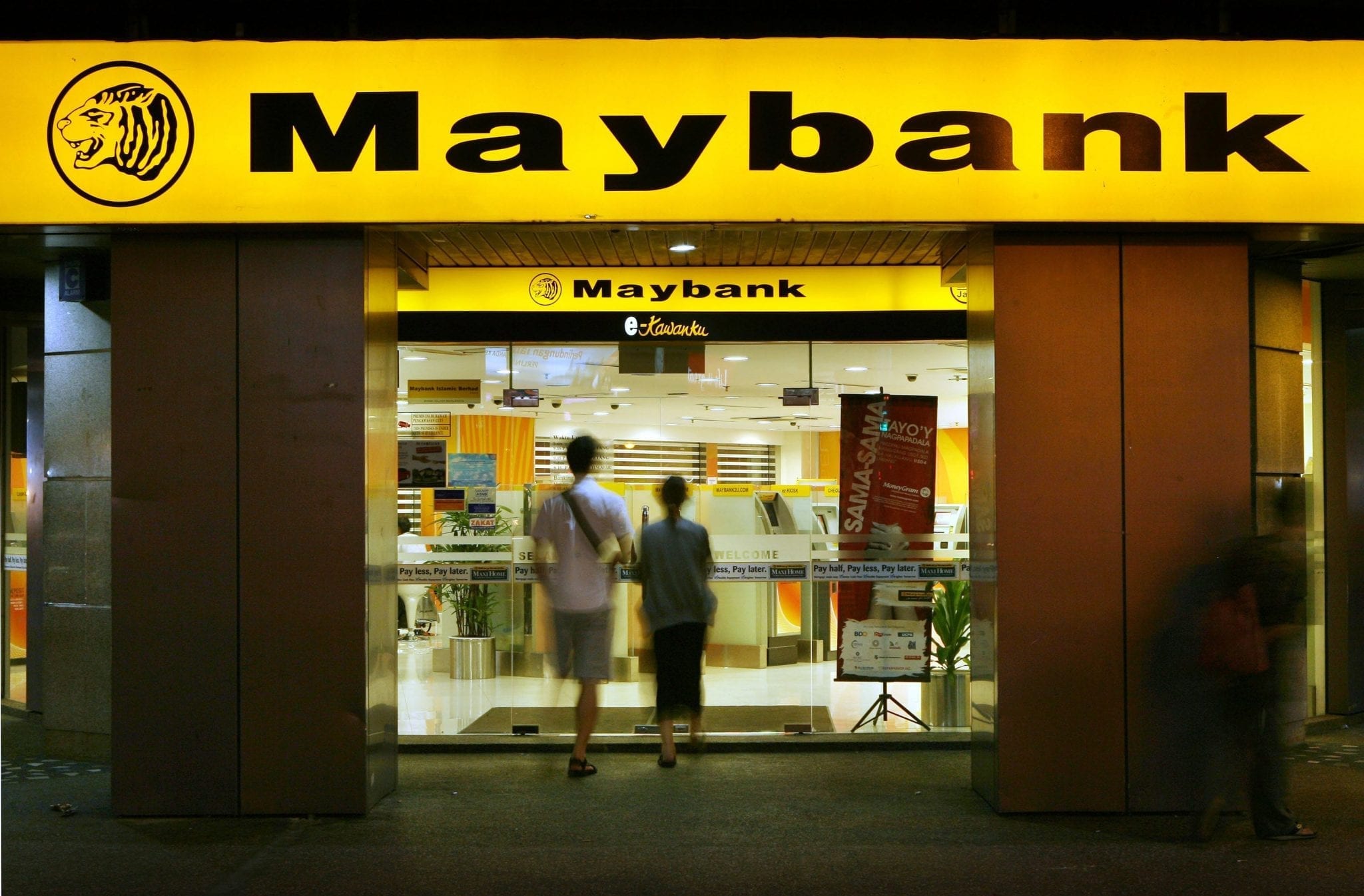
     Malayan Banking Bhd’s (Maybank) registered highest ever net profit of RM8.11 billion for the financial year ended December 31, 2018 (FY18) from RM7.52 billion a year ago, mainly underpinned by higher loans growth, lower overhead costs as well as lower provisioning. Its FY18 revenue also rose 3.8% to RM47.32 billion against RM45.58 billion previously.

    Net profit for the fourth quarter, meanwhile, grew 9.1% to RM2.33 billion from RM2.13 billion in the same quarter a year ago, with revenue expanding 3.8% to RM12.23 billion from RM11.79 billion.

    The bank has proposed to declare a final dividend of 32 sen per share for the quarter under review.

    Together with the 25 sen interim dividend declared earlier, the full-year dividend payout of 57 sen per share amounts to RM6.3 billion or 77.3% of net profit.

    The total dividend payout also translates into a higher dividend yield of 6% versus 5.6% in 2017.

    In 2018, Maybank’s achieved a record net operating income which rose 1.7% to RM23.63 billion, on the back of a 3.1% increase in fund based income as a result of higher contributions from all business sectors and key home markets.

    Group gross loans expanded at a faster pace of 4.8% in FY18, compared with 1.7% previously. The Malaysian operations saw loans expanding 4.8%, Singapore 4.5%, Indonesia 7.0% and 10.9% for other international markets.

    Maybank also highlighted that its net impairment losses for the year coming in 20.5% lower than the previous year, lifting operating profit by 9.3% to RM10.8 billion in 2018.

    For Q4 alone, it also saw net impairment losses coming in 58.1% lower than Q3.

    The bank continued to maintain a healthy liquidity position with its liquidity coverage ratio of 132.4% and loan-to-deposit ratio of 92.7%. Total capital ratio was 18.51% while its fully loaded common equity tier 1 ratio stood at 14.51%, both well above the regulatory requirements of 8.0% and 4.5% respectively.

    On its prospects, Maybank said it will maintain its balance sheet expansion in line with forecast economic growth of its three home markets, in tandem with the group’s risk posture, and continue building on its diversified franchise and footprint to expand income streams through cross business collaborations and focusing on diligent pricing of its assets and liabilities.

    Barring any unforeseen circumstances, the group expects its financial performance for 2019 to be satisfactory in line with the expected growth prospects of its key home markets.

    The group has set the headline key performance indicator (KPI) for return on equity (ROE) of approximately 11%.

    At 2.35pm, Maybank’s share price was trading unchanged at RM9.54 on 3,344,100 shares done.

  • H&M launches collection with artist Nathalie Lete

    H&M launches collection with artist Nathalie Lete

    H&M has unveiled a collaboration with Paris-based artist Nathalie Lete on a children’s clothing and accessories capsule collection. The collection, which will be available online and in selected stores worldwide from March 7, features several of Lete’s fantasy-land-inspired artworks as prints.

    The H&M collaboration is a childrenswear collection for babies and children with a wide range of t-shirts, jackets, jeans, dresses, jumpsuits, shorts and swimsuits. The colourful animal and floral prints created by artist Nathalie Lete start with paintings in acrylics by hand, which are then artfully arranged together to create an imaginative story. For this collaboration, Lete brought a tropical jungle to life with chameleons and tigers, along with her iconic representation of flowers with cats, birds and rabbits.

    “In my work, I create a fantasy land for myself,” said Lete. “A land that I want to share with other people to make them dream. It’s all about flowers, animals, birds, naivety and colors. I want to create a cocoon that brings happiness and harmony all around. The relationships between the different elements tells stories, stories that create a beautiful atmosphere. I ‘m happy to share my world through this collaboration, all around the world, together with H&M.”

    “Natalie Lete and her work is something we have admired for a long time, and we are thrilled to be collaborating with her for this kids’ collection,” said H&M kids’ division designer Jennifer Helmer.

    “The collection is playful and inviting and the pieces truly makes you feel like you’re in a botanical dream. We cannot wait to share this collection with our youngest fans.”

  • AirAsia unveils plans to begin international flights to Vietnam city

    AirAsia unveils plans to begin international flights to Vietnam city

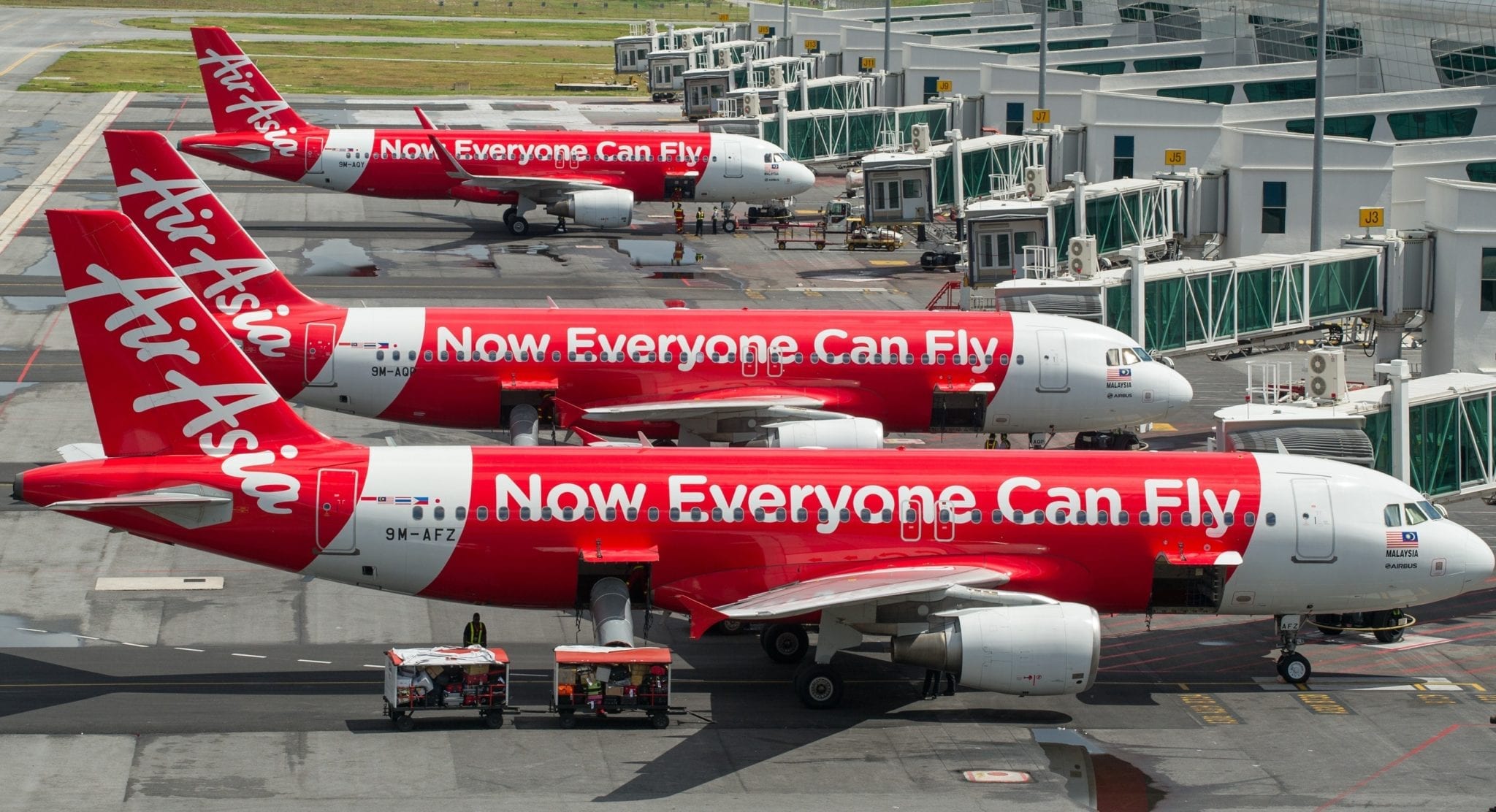
    AirAsia will start flying from Kuala Lumpur and Bangkok to Can Tho in Vietnam’s Mekong Delta in the next few months. The budget carrier has announced it will begin the Kuala Lumpur – Can Tho service on April 8 with four flights a week and the Bangkok – Can Tho service from May 2 with three flights, AirAsia said in a recent statement. Tran Viet Phuong, director of the city’s Department of Culture, Sports and Tourism, told local media that the services would help increase the number of foreign tourists visiting the Mekong Delta.

    He added that visitors from not only Southeast Asia but also from India and Australia would find it easier to reach the city given AirAsia’s network.

    AirAsia Malaysia CEO Riad Asmat said: “We foresee the new route not only contributing to the socio-economic development of the city, but also providing new opportunities for the people in Mekong Delta to connect with ASEAN and beyond through our wide network.”

    According to the Can Tho Tourism Association, 8.48 million tourists visited the city in 2018, a 12.5 percent increase from the previous year.

  • Jollibee Malaysia plans 100 Stores

    Jollibee Malaysia plans 100 Stores

    Philippine restaurant chain Jollibee has announced plans to launch more than 100 Jollibee stores in Malaysia within the next 10 years. According to a report, the openings will include 50 stores in Sabah and Sarawak. President and head of JFC International Business for Europe, the Middle East, Asia and Australia Dennis Flores said that Jollibee would be a “welcome addition to the diversity of the food scene in Kota Kinabalu,” the Sabah state capital.

    “We believe that we can appeal to the diversity as we have seen in other countries where Jollibee has been successful, such as Vietnam, Brunei, Hong Kong and Singapore,” he said at the official inauguration of the Jollibee Malaysia grand store (which has been trading since last year) at Centre Point Sabah this week.

    Chairman and founder of JFC Tony Tan Caktiong said the company was happy with the enthusiastic welcome to the store’s opening from local customers.

    “This has given us an encouragement to reach more Malaysians with our delicious menu and friendly service,” he said.

    Jollibee operates 14 brands in 21 countries with more than 4500 stores worldwide.

  • Foot Locker boosts capital expansion

    Foot Locker boosts capital expansion

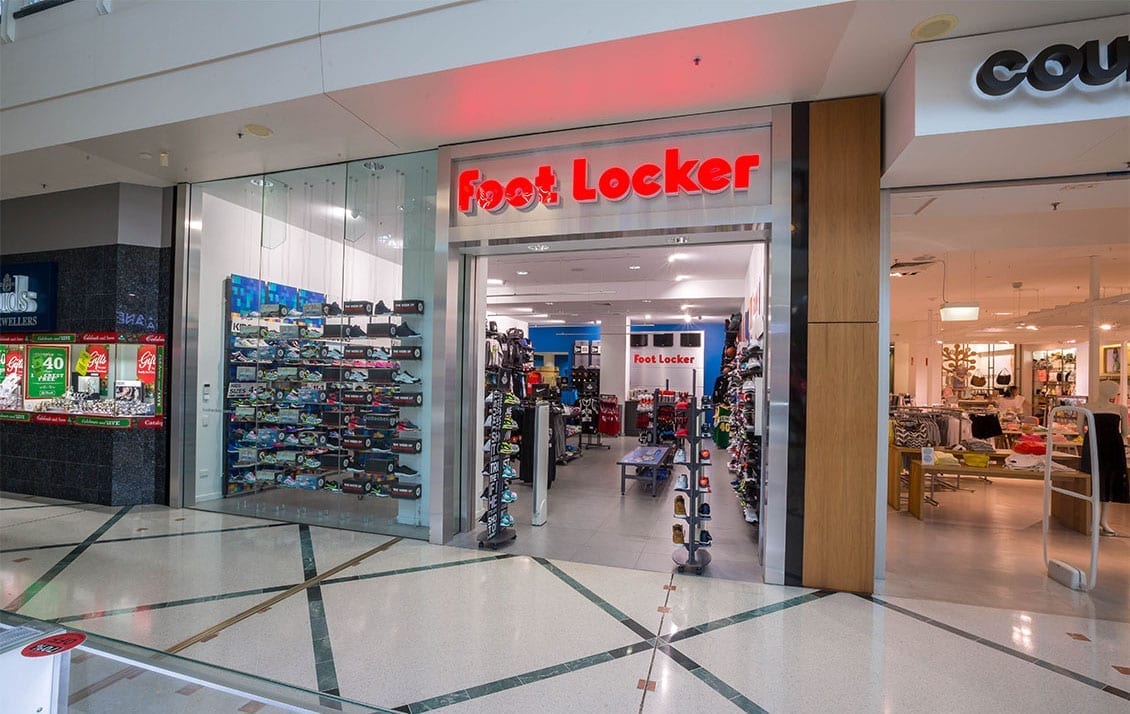
    Foot Locker has announced a US$275 million capital expenditure program for this year, with Asia singled out as a target market. The investment is $75 million more than the US-headquartered sports-shoe and apparel retailer allowed for last year. “The capital spending planned for this year reflects increased investments in the company’s store fleet in all existing regions, including Asia, and in its digital initiatives,” the company said in a statement.

    “In addition, the company will continue to spend capital to build out its supply chain and other infrastructure capabilities.”

    Chairman and CEO Richard Johnson said Foot Locker sees “exciting opportunities” to invest in the business this year. The capital commitment followed decisions to launch a share buy-back program and to pay a dividend to shareholders.

    “Taken together, these actions demonstrate that our board is confident that Foot Locker can simultaneously deliver strong financial results, invest in the long-term growth of the business, and provide meaningful returns to our shareholders,” he said.

    Foot Locker currently operates 3221 stores in 27 countries in North America, Europe, Asia, Australia and New Zealand.

    In Singapore, Foot Locker opened three stores last year, in Jem Mall, Century Square and Suntec City.

  • Malaysia’s BLand earmarks RM1.05b property launches this year

    Malaysia’s BLand earmarks RM1.05b property launches this year

    Berjaya Land Bhd (BLand) plans to launch some RM1.05 billion worth of properties in 2019, mainly The Tropika in Bukit Jalil and Timur Bayu in Shah Alam, after a two-year hiatus. The group, via its subsidiary Berjaya Golf Resort Bhd, launched The Tropika over the weekend, a mixed development project with a gross development value (GDV) of RM720 million, comprising 868 residential units across four towers.

    BLand senior general manager of property marketing Tan Tee Ming expects The Tropika in Bukit Jalil to be the main revenue contributor for the group’s property segment this year.

    The Tropika is located on 6.5 acres of freehold land in Bukit Jalil. There are four different types of units, namely Type A, Type B, Type C and Type D measuring 732 sq ft, 974 sq ft, 1,318 sq ft and 1,251 sq ft respectively.

    Tan said units of the first tower is priced at RM725 psf and every subsequent tower will increase RM50 psf.

    “There are two market segments that we want to cater for in The Tropika. We thought of the buyers in mind and the first segment is young families. We also want to focus on investors. We know that there will be a rental market for the apartments that we build here,” Tan told the media.

    The Tropika is within close proximity to SJKC Lai Meng, International Medical University and Asia Pacific University, as well as the Bukit Jalil Complex, the Bukit Jalil Recreational Park and the Bukit Jalil Gold & Country Resort.

    Surrounding the four residential towers of The Tropika is a 2.9-acre deck equipped with 68 types of facilities.

    The commercial space of the project features a 23,695 sq ft grocer along with a two-storey dual frontage office lots ranging from 3,316 sq ft to 3,814 sq ft and retail space ranging from 752 sq ft to 1,677 sq ft.

    Completion of the commercial component will take two years while the residential towers will take four years.

    Tan said BLand is also planning to develop the 12-acre land next to The Tropika, where the Berjaya Property Gallery sits on, into a 1,500-unit residential project with managed healthcare.

    Meanwhile, he said the Timur Bayu development in Shah Alam has a GDV of RM330 million, consisting of high-rise and low-rise residential units. It is expected to launch the project in the third quarter this year.

  • Heineken Malaysia 2018 net profit up 4.6%

    Heineken Malaysia 2018 net profit up 4.6%

    Heineken Malaysia Bhd, which posted a 4.6% jump in its net profit for the financial year ended Dec 31, 2018 (FY18), remains cautious about its outlook given the challenging environment due to intense competition, implementation of the sales & service tax (SST), and the continued presence of contraband beer in the market. In line with rising global commodity prices, the group also expects an increase in cost of operations including raw materials and packaging.

    Finance director Szilard Voros said how the group will perform in FY19 also depend on the market, adding that it will benefit if consumers remain optimistic and if efforts to curb illicit trade are stepped up.

    “But we remain cautious because SST was just introduced in September so that also comes with a lag… we also need to see how things settle down after Chinese New Year and see what is the normalised performance and if there’s a growth continuation,” he told reporters at a media and analyst briefing today after announcing the group’s financial results.

    Managing director Roland Bala (pix) said the external environment remains challenging. Amidst slowing global growth rates, currency volatility and uncertainty in the commodity markets, he said the group will need to adopt a cautious approach in cost management.

    “Moving forward, we will continue to invest in our core brands and leverage on our portfolio. As consumer taste profile changes, we will make bets on brands that we believe will have scale,” he added.

    Heineken’s net profit for the fourth quarter ended Dec 31, 2018 grew 6.8% to RM100 million compared with RM93.64 million in the same quarter last year due to higher revenue as well as efficient and effective management of commercial spend and overheads.

    Group revenue grew 12.3% to RM662.28 million as compared to RM589.96 million in the same quarter in 2017 mainly due to increase in sales volume driven by the flagship Tiger brand.

    For the full year period, net profit grew 4.6% to RM282.2 million from RM270.06 million a year ago, while revenue rose 8.3% to RM2.03 billion from RM1.87 billion.

    It has proposed a final dividend of 54 sen per share for the quarter under review, bringing the full-year dividend payout to 94 sen.

  • Malaysia ranks second in SEA for Chinese tourist transactions during CNY

    Malaysia ranks second in SEA for Chinese tourist transactions during CNY

    Malaysia is the second largest market in Southeast Asia for Chinese tourists spending over the Chinese New Year holiday season, as recorded by Alipay, the digital payment and lifestyle platform offered by Ant Financial, an affiliate company of Alibaba Group. The transactions were recorded between Feb 4 and 10 this year. Malaysia saw a 16% increase in average per-capita spend by Chinese tourists this year, with a growth in transaction volume by 71% compared to 2018.

    What’s more, Chinese millennials can no longer claim to be the dominant user group spearheading spending while travelling, as 68% of Chinese tourists born between 1960 and 1979 were found to be the main driving force in outbound tourism and overseas consumption.

    Alipay head of business operation for cross-border business Janice Chen said this year’s findings highlight how mobile payment is taking root in China’s outbound tourism market, and it is excited to see the robust growth in the use of Alipay by overseas tourists from third-and-fourth tier cities and middle-aged vacationers.

    “While providing a better experience for Chinese travellers, Alipay is, at the same time, a huge drawcard for overseas merchants as a platform to help grow their business,” Chen said in a statement.

    This is in accordance to a recent report published by Nielsen and Alipay, called the 2018 Trends for Mobile Payment in Chinese Outbound Tourism.

    Chinese tourists are bringing their cashless lifestyles outside of China, paying for 32% of their overall travel transactions using mobile payment, overtaking their use of cash for the first time ever.

    The survey found that merchants offering Alipay as a payment option has experienced growth in both foot traffic (58%) and revenue (56%).

    Heinemann, a travel-retailer with a store in Kuala Lumpur International Airport 2 (KLIA2) has also reported an increase in sales. Its general manager for retail operations Alexander Maas said since implementing Alipay, it is now able to provide added convenience to its customers from China, and provide them with a familiar shopping experience, ultimately seeing over 20% of all its transactions completed on the Alipay app with Chinese tourists.

    With the increased popularity of Alipay among both young and old Chinese tourists, brick-and-mortar retailers across the region can continue to adopt Alipay as a payment option to further boost profitability moving forward.

  • CIMB Niaga posts 16.9% net profit growth in 2018

    CIMB Niaga posts 16.9% net profit growth in 2018

    CIMB Group Holdings Bhd’s 92.5%-owned T Bank CIMB Niaga Tbk reported an audited consolidated net profit of 3.5 trillion rupiah (RM1 billion) for the financial year ended Dec 1, 2018 a 16.9% growth compared with a year ago. The bank said the improved net profit came on the back of a 13.8% increase in on-interest income to 3.8 trillion rupiah and a 63 basis-point improvement in credit charges from 2.26% to 1.63% as provisions declined 25.7%.

    CIMB Niaga’s loan loss coverage remains comfortable at 105.86%.

    “We aim to maintain a targeted growth trajectory while keeping asset quality as a priority,” said CIMB Niaga president director Tigor M. Siahan.

    Total loans grew by 1.8% to 188.5 trillion rupiah mainly from growth in mortgages of 11.2% to 30 trillion rupiah, small- and medium enterprise loans of 8.5% to 29.6 trillion rupiah and credit card of 5.5% to 8.6 trillion rupiah.

    With total assets of 266.8 trillion rupiah as at Dec 31, 2018, CIMB Niaga maintained its position as Indonesia’s second largest private owned bank by assets.

    Its capital adequacy ratio stood at 19.66% as at end-December 2018, representing a 106 basis-point increase from the previous year.

    “Going forward, we will continue to focus on expanding our consumer and SME businesses, building our CASA (current account savings account) franchise and strengthening our Sharia business proposition and Sharia-compliant product offerings,” Tigor added.

  • Malaysia’s economy likely to slow in April to June 2019

    Malaysia’s economy likely to slow in April to June 2019

    Malaysia’s economy is likely to grow at a slow rate in April to June 2019 in view of the decline in the Leading Index (LI) in December 2018, according to the Statistics Department. Chief statistician Datuk Seri Dr Mohd Uzir Mahidin said the monthly change of LI decreased 1.4% to 117.3 points in December 2018 from 119.0 points in the previous month.

    “The declined in six out of seven components have weighed down the performance of the LI with the significant decreased by two components namely real imports of other basic precious & other non-ferrous metals and number of housing units approved, which posted negative 0.5% respectively,” he said in a statement.

    The annual change of LI also registered a negative growth of 1.7% in December 2018.

    The LI is designed to monitor the economic performance for an average of four to six months ahead.

    Meanwhile, the Coincident Index (CI), a measure of current economic activity, was unchanged in December 2018.

    The increased in real salaries & wages in manufacturing sector (0.2%) and real contributions to EPF (0.1%) were offset by the decreased in capacity utilisation in manufacturing sector (-0.2%) and Industrial Production Index (-0.1%).

    The annual change of CI grew at 3.6% as in the previous month.