Tag: Malaysia

  • Petronas Gas Q4 profit weighed down by Kimanis Power

    Petronas Gas Q4 profit weighed down by Kimanis Power

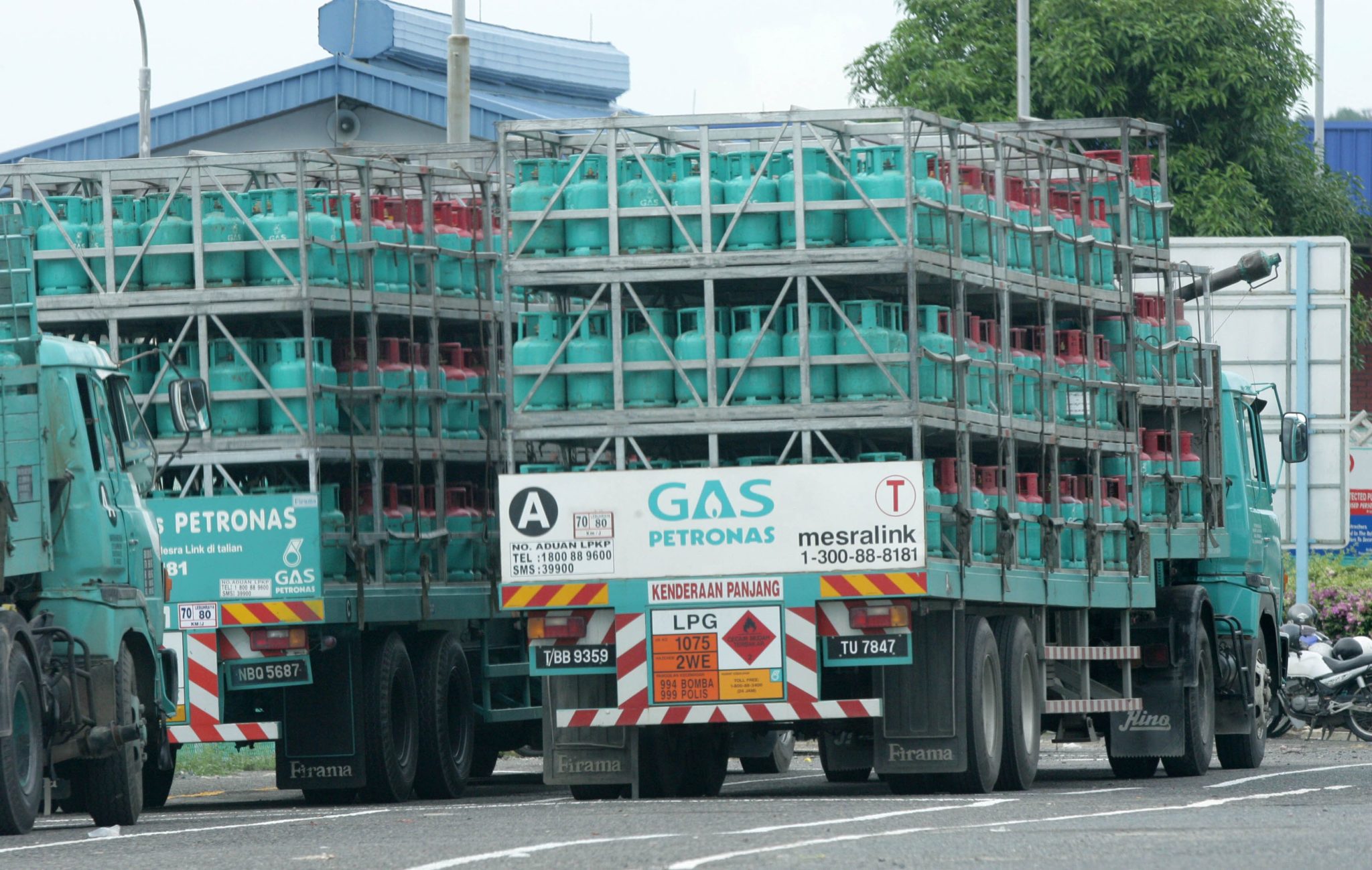
    Petronas Gas Bhd’s net profit fourth quarter ended Dec 31, 2018 fell 34.7% to RM317.90 million from RM486.70 million a year ago, largely attributed to share of losses from a joint venture company, Kimanis Power Sdn Bhd. The losses were due to de-recognition of deferred tax assets amounting to RM124.3 million (being 60% share of the group) in relation to certain tax benefits which now have a seven-year utilisation limit under the new Finance Act 2018.

    Its revenue grew 4.9% to RM1.39 billion compared with RM1.32 billion in the previous year’s corresponding quarter mainly contributed by the second liquiefied natural gas (LNG) regasification terminal in Pengerang, Johor which commenced commercial operations in November 2017, coupled with higher revenue from utilities and gas transportation segment.

    The group has approved a fourth interim dividend of 22 sen per share amounting to RM435.3 million in respect of the financial year ended Dec 31, 2018.

    For the full-year period, Petronas Gas’ net profit grew 0.98% to RM1.81 billion from RM1.79 billion a year ago, while revenue of RM5.5 billion was the highest in history, an increase of 12.3% compared to RM4.90 billion last year.

    The Energy Commission has approved the tariffs for the gas transportation and regasification services for 2019. While the tariffs are expected to affect the group’s transportation and regasification business segment revenues in 2019, both segments are anticipated to continue contributing positively to its earnings.

    The group’s gas processing segment is expected to deliver improved earnings pursuant to the higher fixed remuneration charge under the second term of the 20-year Gas Processing Agreement effective from 2019 until 2023.
  • Malaysia property market to remain flat in 2019: Rahim & Co

    Malaysia property market to remain flat in 2019: Rahim & Co

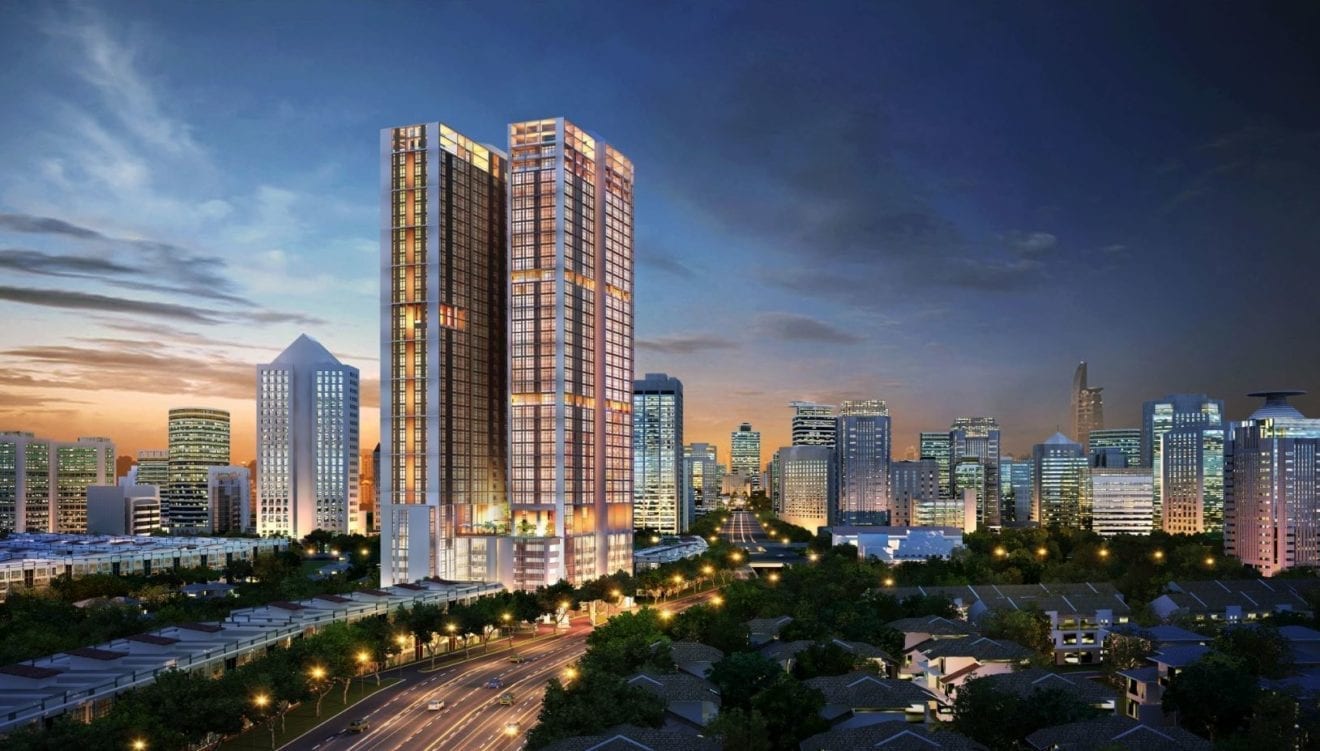
    The property market is expected to remain flat this year before picking up again next year, said Rahim & Co International Sdn Bhd. Executive chairman Tan Sri Abdul Rahim Abdul Rahman said the property market will remain flat across all sectors this year, except for the warehousing sub-sector, which will be driven by growth of e-commerce.

    He said the overall market will take about 12 months to begin picking up, in line with the anticipated resolution of the trade war between the US and China.

    Rahim & Co director of research Sulaiman Akhmady Mohd Saheh said the residential market will take one to two years to improve due to affordability issues while the office market will remain slow for more than a year due to incoming supply.

    He said asking rents for offices have dropped 20% while effective rents have dropped 8-10%.

  • Palm oil prices to remain steady in 2019: MPOC

    Palm oil prices to remain steady in 2019: MPOC

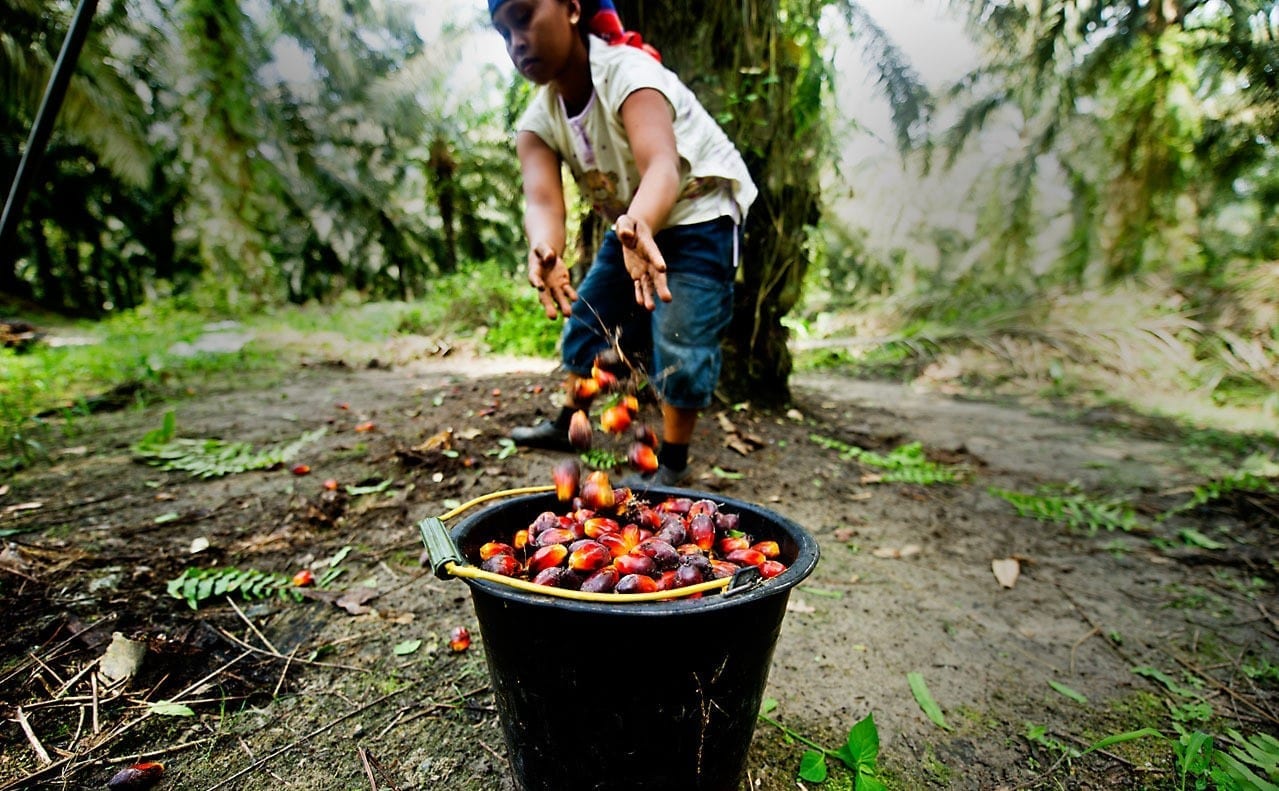
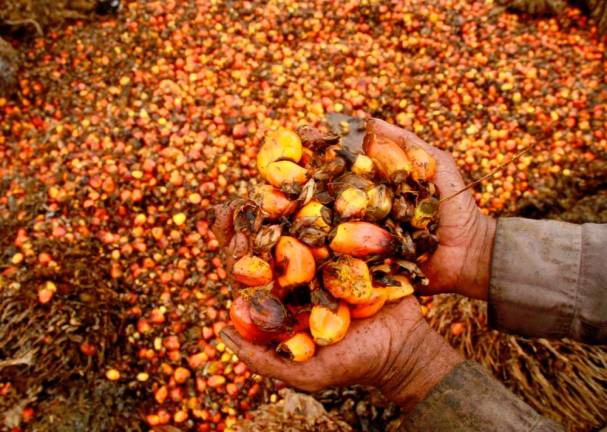
    Malaysian palm oil prices are set to hold steady in 2019 at an average of RM2,303 a tonne, according to estimates by the Malaysian Palm Oil Council (MPOC), while global output of the tropical oil is expected to rise by 3 million tonnes. “Global palm oil production is projected to be 72 million tonnes, with Malaysia and Indonesia as leading producers,“ the MPOC said in an online conference presentation.

    Rising production could cap recent price gains for palm oil, which has been recovering after touching a 3-year low last November at RM1,940 a tonne.

    Benchmark palm oil was trading at RM2,281 a tonne. The tropical oil averaged RM2,308 last year, according to Refinitiv Eikon data.

    MPOC, Malaysia’s key marketing agency for palm oil, also estimated that Malaysian output would rise to 20.2 million tonnes in 2019 and pegged Indonesian production at 42.8 million tonnes.

    Malaysia produced 19.5 million tonnes of palm oil last year, while Indonesia’s 2018 output stood at 42 million tonnes, based on estimates by the Indonesia Palm Oil Association.

    Malaysian palm oil output is expected to rise as newly replanted areas start to mature, but the increase will be marginal due to ageing trees and a possible El Nino in 2019 that will curb production, the MPOC said in its presentation.

    “Indonesian production is forecast to reach a record high of 42.8 million tonnes in 2019 due to improving weather conditions as well as newly maturing areas,“ it added.

    Palm oil exports in 2019 are also expected to increase in 2019, in line with an expected rise in demand from key importer India due to its declining domestic oilseed production.

    “India is expected to increase its (vegetable oil) imports by 500,000 tonnes, reaching 15.15 million tonnes, out of which palm oil will account about 10 million tonnes,“ said the MPOC presentation.

    Industry regulator the Malaysian Palm Oil Board forecast Malaysia’s a slight rise in production to 20.3 million tonnes this year due to favourable weather conditions and an expansion in oil palm matured area, according to an online presentation.

    It estimated Malaysia’s 2019 exports at 17.2 million tonnes, up from 16.5 million tonnes last year, due to “expected stronger palm oil demand from major markets.”

  • Carlsberg Malaysia declares highest ever dividend payout for FY18

    Carlsberg Malaysia declares highest ever dividend payout for FY18

    Carlsberg Brewery Malaysia Bhd has declared its highest dividend payment amounting to RM1 per share for the financial year ending Dec 31, 2018 (FY18) following a record performance for the year. Managing director Lars Lehmann said this is equivalent to a 110.3% payment of the group’s FY18 net profit, in line with its dividend policy to declare at least 75% of the group’s quarterly net profit and a special dividend in the event of surplus cash after considering future cash requirements.

    The group declared a fourth quarter (Q4) interim dividend of 16.6 sen per share. It also proposed a final interim dividend of 22.4 per share plus a special dividend of 9.3 sen amounting to 48.3 sen per share.

    Together with the interim dividends declared for the first nine months of FY18 amounting to 51.7 sen, the total dividends for FY18 amount to RM1 per share.

    Carlsberg’s Q418 net profit rose 34.9% to RM67.45 million from RM50.01 million a year ago thanks to strong sales in the Malaysian operations, higher profits from Carlsberg Singapore Pte Ltd as well as higher profit contribution from Lion Brewery (Ceylon) PLC.

    Revenue grew 22.3% to RM525.65 million compared with RM429.94 million in the previous year’s corresponding quarter.

    For FY18, the group’s net profit jumped 25.3% to RM277.15 million from RM221.17 million a year ago, while revenue grew 12.1% to RM1.98 billion from RM1.77 billion.

    Looking ahead, Carlsberg warned that rising prices for raw and packaging materials will see costs increasing 5%-10% if it is unable to mitigate such effects. Lehmann, however, stressed that the group is improving its efficiency.

    “There’s a bit of headwinds for increase in prices of raw materials like malt and packaging materials like cans that are not specific to Malaysia but globally. There’s a bad harvest in Australia for barley and the prices are going up,” he told a media and analyst briefing after announcing its FY18 financial results today.

    He added that the group will continue its focus and execution on the third year of SAIL’22 strategy in both Malaysia and Singapore, while areas of growth for FY19 are its premium brands like Connor’s, Somersby, 1664 Blanc and Asahi Super Dry.

  • Ikea Malaysia opens new store

    Ikea Malaysia opens new store

    Ikea Malaysia will next month open its first store in the northern region of Peninsular Malaysia – in Batu Kawan, Penang. Due to open on March 14, the brand’s fourth outlet in the country spans 43,600sqm of retail space and will feature more than 8000 products.

    “The store will also have 49 showrooms, a market, restaurants and a bakery. We expect it will attract about 50,000 visitors per week,” said Ikea Malaysia store manager Arumugam Pathmalingam.

    In advance of the grand opening, the store has already attracted excitement among Penangites, mainly on social media.

  • FamilyMart Malaysia to open 300 more stores by 2022

    FamilyMart Malaysia to open 300 more stores by 2022

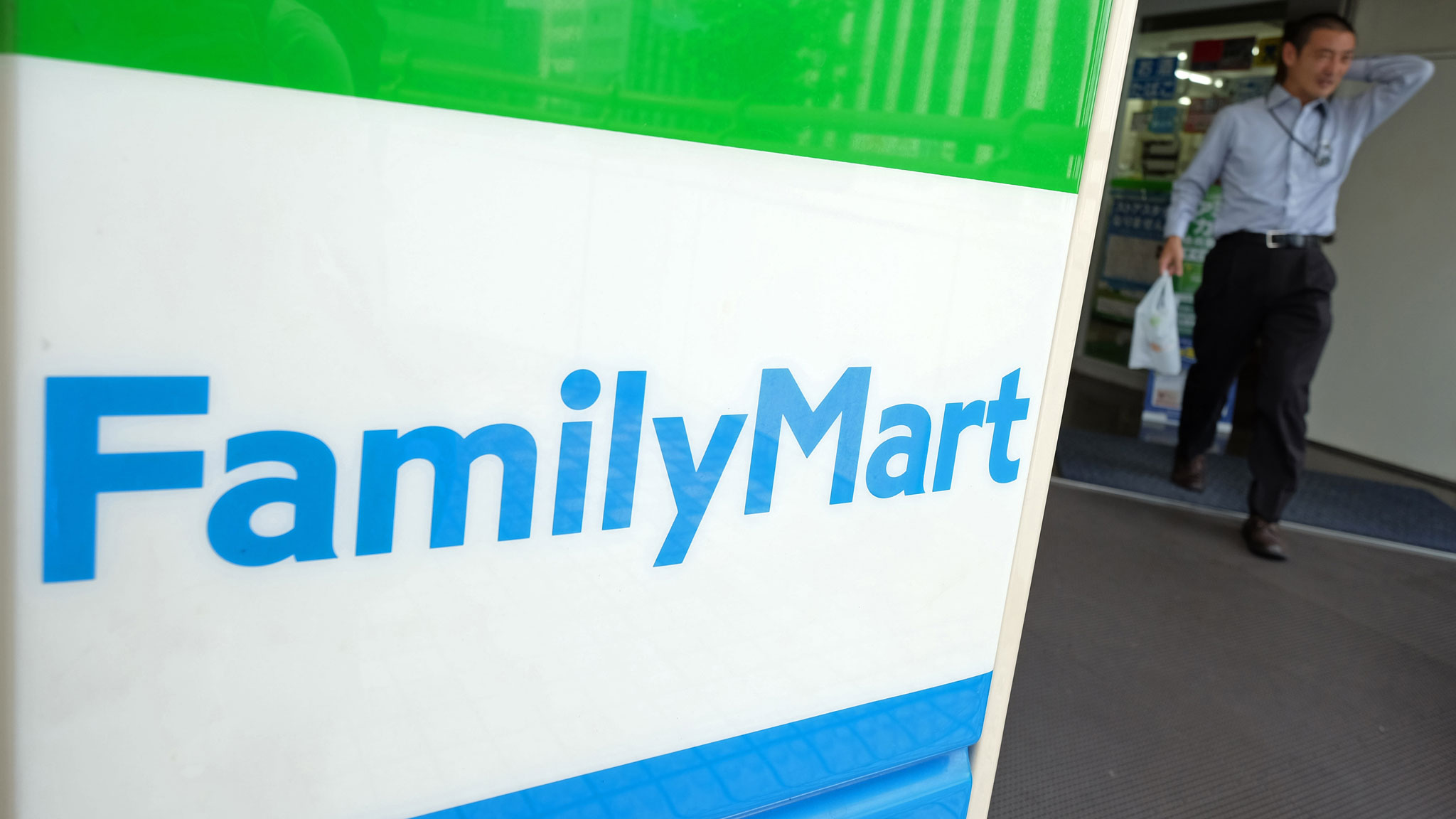
    QL Resources, the Malaysian operator of Japanese convenience store chain FamilyMart, is going ahead with plans to open 300 stores by March 2022, despite a slump in the economy. The firm opened 30 FamilyMart Malaysia outlets within the last financial year and plans to reach 90 new stores for the year ending March 31, 2019.

    “We still stick to our plan to open 300 stores in five years”, said QL chairman Chia Song Kun.

    Market leadership in the territory is currently controlled by 7-Eleven Malaysia, which operates more than 2000 stores in Malaysia. A major shareholder in the firm recently announced plans to open another 200 outlets this year.

    Malaysian spending is increasingly focused on domestic trade as exports continue to be affected by the US-China trade war.

  • Malaysia’s Malindo Air adjusts checked baggage allowance for economy class

    Malaysia’s Malindo Air adjusts checked baggage allowance for economy class

    Malindo Air has adjusted the checked baggage allowance for its economy class passengers under the Value and Flexi fare options effective last friday. The baggage allowance for Value fare option is now 15kg, and 30kg for Flexi fare option, from 25kg previously for both fare options. The baggage allowance for business class and its ATR flights remain as 40kg and 15kg respectively.

    Malindo Air CEO Chandran Rama Muthy said the business rationale to the adjustment is to keep up with the industry changes and passengers’ demand.

    “This option allows passengers who are cost-sensitive to enjoy more competitive airfare with services that fit their needs. We want to keep our products relevant to the market and bring better flying experience to our passengers,” he said in a statement.

    The airline will honour passengers who have made a booking before Feb 15, 2019 and flying on or after Feb 15, 2019 to enjoy the original baggage allowance upon booking, as reflected on their flight itinerary.

    Passengers may top up additional baggage allowance during the booking process, through “Manage My Booking”, Malindo Air ticketing offices, customer care centre and the airline’s preferred travel agents.

  • Malaysia’s economy expands 4.7% in Q4 2018

    Malaysia’s economy expands 4.7% in Q4 2018

    The Malaysian economy grew at a faster pace of 4.7% in the fourth quarter (Q4) of 2018 driven by private sector activity. This compares with a 4.4% growth in Q3 2018. For 2018 as a whole, the local economy also expanded 4.7%. According to Bank Negara Malaysia (BNM), a rebound in exports of goods and services contributed towards the positive growth of net exports.

    Headline inflation declined to 0.3% from 0.5% in Q3, mainly due to transport inflation turning negative.

    The zerorisation of the Goods and Services Tax and the implementation of the Sales and Services Tax continued to exert an overall downward impact to headline inflation during the quarter.

    BNM governor Datuk Nor Shamsiah Mohd Yunus said the Malaysian economy is expected to remain on a steady growth path with private sector demand being the main driver of growth.

    She said headline inflation is expected to average moderately higher.

  • Singapore December retail sales drops 3 per cent

    Singapore December retail sales drops 3 per cent

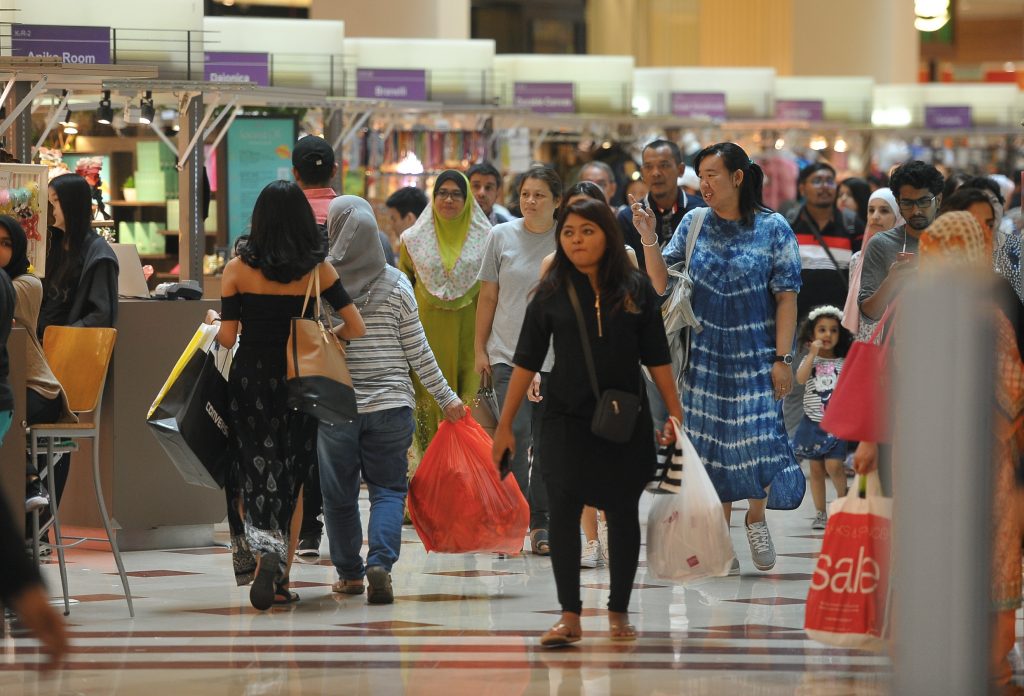
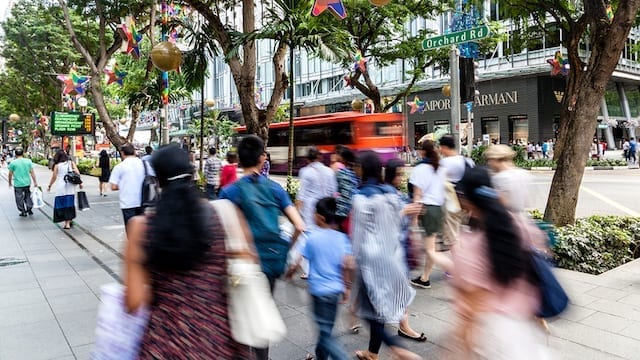
    Singapore retail sales in December slipped 3 per cent year on year. Including motor vehicles in the data, they fell by 6 per cent. There was a month-on-month decline of  4.1 per cent excluding vehicles, largely due to the online-sales boom driven by Singles Day and Black Friday in November.

    Online retailing continues to eat into traditional channels, accounting for 5.5 per cent of total sales in December, which compares favourably with the festivals-driven 6.6 per cent in November.

    The main drivers of change in monthly data was a 20.7 per cent slump in motor vehicle sales, and a 16.8 per cent fall in sales of computer and telecommunications equipment, largely down to  new product releases in December 2017.

    Singapore retail sales in December of recreational goods, watches and jewellery and furniture and household equipment decreased between 3.9 per cent and 5.8 per cent. Statistics Singapore attributed that to lower demand for sporting goods, jewellery and furniture. Conversely, sales of medical goods and toiletries increased 1.8 per cent.

    Sales of food and beverage services increased 4.5 per cent in December, compared to the same month last year.

    Sales by food caterers, fast-food outlets, restaurants and other eating places (such as cafes) all increased, by between 2.5 per cent and 6.6 per cent year on year.

  • Asian shares rise as Trump boosts US-China talks

    Asian shares rise as Trump boosts US-China talks

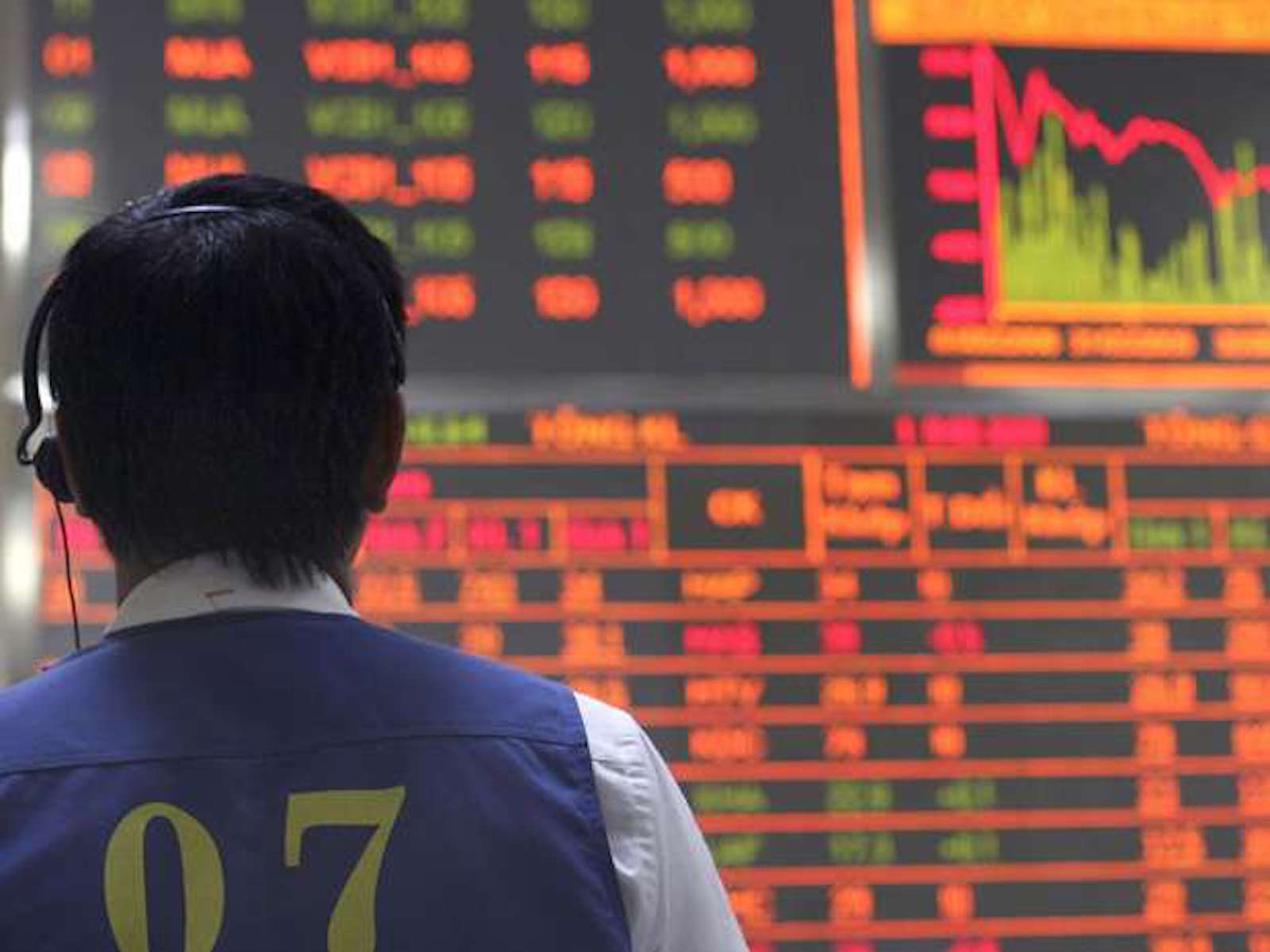
    Asian stocks climbed Wednesday as US President Donald Trump said he could extend the deadline for a trade deal with China, appearing to boost the prospects of an agreement. Trump said “things are going well” at preliminary talks in Beijing, where top economic officials will gather Thursday seeking an accord to stop sharp US tariff hikes that could damage the global economy.

    “If we’re close to a deal, where we think we can make a real deal … I could see myself letting that slide for a little while,” the US president said of his March 1 deadline.

    He added that he expects a meeting with counterpart Xi Jinping to happen “at some point”.

    The comments all improved market sentiment on the likelihood of a deal to prevent US tariffs on $200 billion in Chinese imports more than doubling next month.

    Washington is demanding changes from Beijing on what it says are unfair commercial practices.

    Tokyo added 1.5%, Hong Kong rose 0.4% and Shanghai gained 0.2% on the news, following Wall Street’s lead.

    However, some analysts struck a cautious tone, noting that much work needs to be completed before a framework agreement is in reach.

    “The rally in stocks has been based on hope rather than any concrete agreements overnight,” warned Oanda senior analyst Jeffrey Halley, predicting short-term volatility to come as headlines emerge from Beijing.

    Sydney shed 0.3%, with calls for a snap election amid political tensions over refugees adding to underwhelming corporate earnings and subdued metal prices.

    Nonetheless, renewed global investor confidence saw a movement away from the greenback, which has enjoyed a strong rally in the past week, to riskier currencies.

    The pound moved upwards closer to $1.29, despite no-deal Brexit fears as Prime Minister Theresa May was accused by the opposition of “running down the clock” and “playing chicken” with Brussels over talks.

    Trump’s suggestion that another chaotic US government shutdown was now unlikely following a deal struck in Congress over border security further fuelled risk appetite.

    The deal to offer nearly $1.4 billion for construction of a Mexico border wall, as well as other security measures, fell far short of Trump’s demands but has been presented as a workable compromise.

    “I don’t think you’re going to see a shutdown,” said the president.

    Elsewhere oil continued its climb after heavyweight Saudi Arabia slashed output and exports fell in crisis-hit Venezuela.

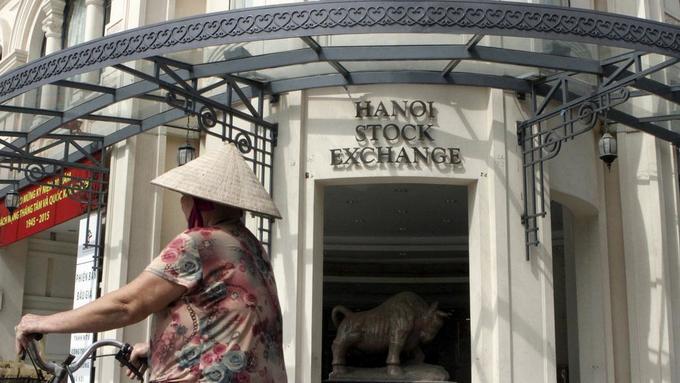
  • SE Asia Stocks: Most end lower, Vietnam hits near 2-month high

    SE Asia Stocks: Most end lower, Vietnam hits near 2-month high

    Most Southeast Asia stock markets closed lower on Tuesday while Vietnam rallied for the second straight session to its highest level in nearly two months. Washington and Beijing will commence high-level trade talks this week to negotiate an end to their bitter trade dispute. Despite positive responses from both sides, the sailing of two U.S. destroyers near the disputed South China Sea, and China’s subsequent anger over the move appeared detrimental to negotiations.

    The Indonesian index fell the most in the region, closing 1.1 percent lower in its worst session this year, weakened by a slump in financial and telecom stocks.

    The country’s biggest bank by market value, Bank Central Asia, shed 0.6 percent, whereas Telekom Indonesia lost 2.8 percent.

    The Philippine benchmark slipped 0.6 percent, dragged by consumer and industrial stocks. Meanwhile, the country’s trade deficit narrowed in December as imports tumbled for the first time in a year.

    The stock index has outperformed other exchanges in the region so far in 2019, gaining about 7.3 percent.

    “We are mildly concerned about the surprise pullback in capital goods and raw materials. If this continues, this could show that recent aggressive tightening by the BSP (Bangko Sentral ng Pilipinas) is starting to bite into investment appetite, hampering the nascent investment-driven growth story that we have witnessed of late,” ING said in a note.

    Meanwhile, Vietnam benchmark rose for the second straight session and ended up 1.2 percent at its highest level since Dec. 17, with real estate and consumer stocks leading the gains.

    Property developer Vingroup JSC scaled 4.9 percent, while Saigon Beer Alcohol Beverage Corp jumped 1.9 percent.

    Vietnam was also chosen to host this month’s summit between U.S. President Donald Trump and his North Korean counterpart KimJong Un.

  • Malaysia to post 4.4% GDP growth for Q4 2018: StanChart

    Malaysia to post 4.4% GDP growth for Q4 2018: StanChart

    Standard Chartered has projected Malaysia’s gross domestic product (GDP) to remain at 4.4% in the fourth quarter (Q4) of 2018. However, full-year GDP is expected to come in lower at 4.6% compared with 5.9% in 2017. Bank Negara Malaysia will release Q4 GDP data on Thursday.

    “We estimate GDP growth of 4.4% y/y, similar to Q3. Private consumption may have eased from the 9% y/y growth in Q3 as the boost from the tax holiday in June-August 2018 likely faded. Nevertheless, a rebound in mining and agriculture activity may have supported growth,“ Standard Chartered said in a research note.

    It added that private consumption was the main growth driver in 2018, accounting for 92% of GDP growth in the nine months (9M) of 2018 versus 64% for the same period of 2017, benefiting from the “tax-holiday” boost and strong labour market conditions.

    Meanwhile, private investment eased (primarily on lower investment in residential and commercial properties in the first quarter) and public investment extended its decline in 9M 2018.

    “Our GDP growth tracker suggests downside risk to our Q4 GDP growth forecast, with our tracker being reliant on more readily available externally driven activity data, such as IP, and less reflective of strong domestic consumption,” it said.

    Standard Chartered forecast 4.9% GDP growth for 2019, saying that private consumption is likely to remain the main growth pillar.

    “Beyond the consumer sector, we are slightly cautious on growth, especially given weak external demand. However, we see two one-off supportive factors. First, goods and services tax (GST) and income tax refunds amounting to RM37 billion (2.5% of GDP) may support spending (but these refunds have not been disbursed yet, posing downside risk to our growth forecast). Second, resumption of production capacity in the mining sector may also help.”

    On monetary policy, Standard Chartered said the latest meeting of Bank Negara Malaysia’s Monetary Policy Committee in January suggested that it is more dovish on the global outlook but still comfortable on domestic growth, underpinned by private consumption and private investment.

    “We maintain our call for Bank Negara Malaysia to keep rates on hold in 2019, with risks skewed towards a cut, especially if external demand worsens further and affects domestic activity.”

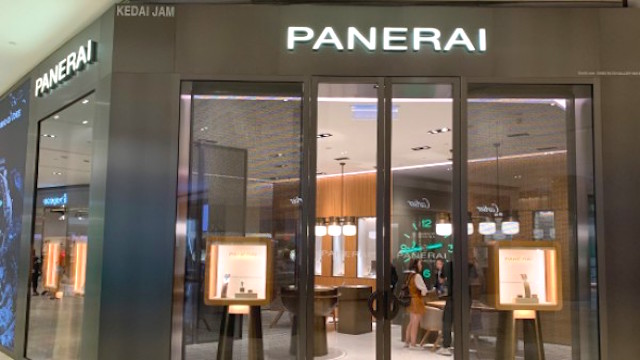
  • Officine Panerai makes debut in Malaysia

    Officine Panerai makes debut in Malaysia

    “Together with partner Swiss Watch Gallery, we look forward to providing an exceptional experience for our clients and conveying our values and Swiss know-how”, said Panerai Southeast Asia and Oceania MD Giacomo Cinelli at the launch.

    “It’s a little exhausting for the local watch collectors here to keep having to travel to a Panerai boutique, so we are here for our existing clients and we provide an entrance and platform for the new ones as well”, he said.

    Submersible timepieces feature prominently in the store’s range, retailing from RM57,700 (US$14,180) to RM168,470 ($41,400).

  • Malaysia to double palm oil used in transport biodiesel to 20%: Minister

    Malaysia to double palm oil used in transport biodiesel to 20%: Minister

    Malaysia aims to double the palm oil content in biodiesel used for the transport sector to 20% next year, as Southeast Asia’s third-largest economy looks to cut record stockpiles and boost prices, a government minister said. The government will also raise the palm oil content in biofuel for the industrial sector to 10% next year from a 7% quota being rolled out this July, Primary Industries Minister Teresa Kok said, speaking at a conference.

    Malaysia’s palm oil inventories fell to 3.001 million tonnes in January on increasing demand and falling production, but that was still near the two-decade high of 3.22 million tonnes recorded a month earlier.

    The increases in the amount of palm oil mandated for biodiesel – known as B20 for transport and B10 for industrial use – should lift use of the vegetable oil in biofuels to 1.3 million tonnes annually, the minister said.

    Kok said her ministry has submitted a proposal to the cabinet to set up a biofuel stabilisation fund to manage the price of biofuels, a similar mechanism to the export levy fund imposed by fellow palm oil producer Indonesia.

    “What if the palm oil price is high and the diesel price has gone up a lot? That would be costly for the public to use biodiesel, so we need to stabilise the price so biofuel will be more attractive to consumers,“ Kok said.

    “I have suggested (a stabilisation fund) in cabinet meeting before but we still need to have deeper discussion with other ministries.”

    Top palm producer and exporter Indonesia began collecting levies from palm exporters in 2015 to help finance the development of its palm-based biodiesel programme, as well as funding other palm oil agenda, such as replanting.

    However, Indonesia’s government temporarily removed the levy in November after a sharp drop in prices hit farmers.

  • Starbucks Malaysia celebrates Reserve’s success

    Starbucks Malaysia celebrates Reserve’s success

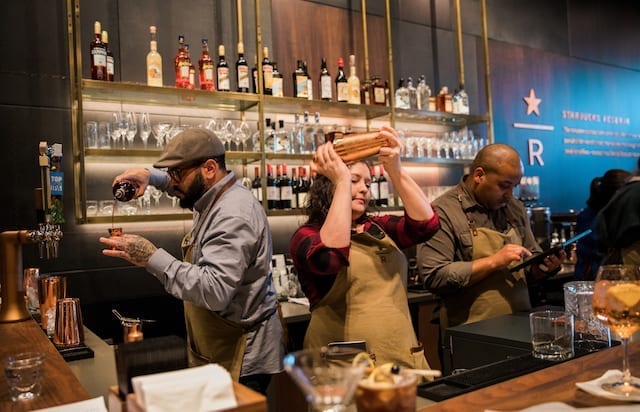
    Starbucks Malaysia plans to open two or three of its premium Reserve concept stores annually. The brand’s eighth Starbucks Reserve store opened at the end of last month, a 5000sqft flagship at Berjaya Times Square, three years after the first outlet launched at The Gardens Mall.

    “We did not anticipate such a strong reception for the new concept store”, said Starbucks Malaysia & Brunei MD Sydney Quays. “We were surprised because a lot of people were interested to learn about coffee and the various ways of brewing.

    “This is what inspired us to open more Starbucks Reserve stores. The opening of the Starbucks Reserve Berjaya Times Square amplifies our passion for coffee and our ongoing commitment to continue providing unprecedented coffee experiences and knowledge to the Malaysian community, while fostering a culture of human connection”, he said.

    The new rollout schedule aims to cater to Starbucks’ loyal customers’ burgeoning interest in coffee. The brand is planning 30 Starbucks outlets per year including the Reserve venues, as well as regular stores, drive-thrus and small-format stores.