Tag: Malaysia

  • Starbucks to open three more Starbucks Reserve in Malaysia

    Starbucks to open three more Starbucks Reserve in Malaysia

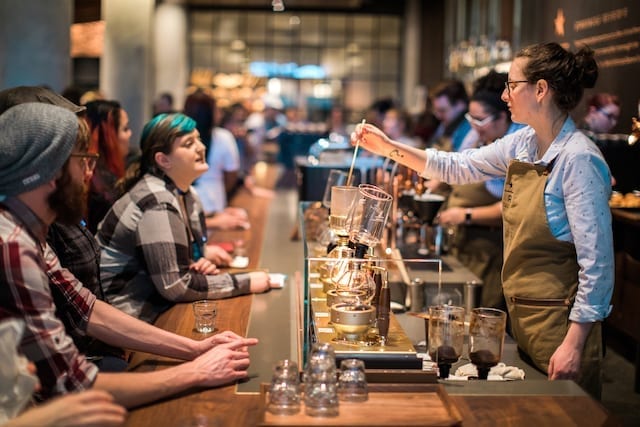
    Berjaya Starbucks Coffee Company Sdn Bhd, which opened its eight Starbucks Reserve concept store in Berjaya Times Squar, plans to open two to three more such stores this year. “The reception has been really good for Starbucks Reserve (stores). We hope to be able to have about two or three Reserve (outlets) every year,” Berjaya Food Bhd’s CEO and Starbucks Malaysia and Brunei managing director Sydney Quays said.

    “The Reserve concept store is not something that you can open many because it is very exclusive. The coffees that we have in a Reserve are very exclusive and you don’t get that in other outlets. So it is very critical that we expand carefully and in locations that are very well appreciated,” he added.

    Historically, Quays said the group has always aimed to open 30 stores a year, with investment around RM50 million to RM60 million.

    According to Quays, the investment for a Reserve concept store is 30% higher compared to the non-Reserve concept stores.

    The Starbucks Reserve Berjaya Times Square joins locations at The Garden Mall, Sunway Pyramid, SkyAvenue Genting Highlands, Publika, Desa Parkcity, Four Seasons Place Kuala Lumpur and Paradigm Mall Johor.

    On its outlook, Quays believes the consumer sentiment has improved as a lot of uncertainty is over, and the rising tourists numbers also augurs well for its business.

    Asked whether the sugar tax announced in Budget 2019 will impact its business, Quays said he is of the view that the new tax will not be a big issue for Starbucks Malaysia.

    “Obviously sugar is an add on product for us, but we have not experienced any negativity in that and I don’t think it will affect us very much,” he said, adding that increase in price to its products is unlikely at this point of time.

    Berjaya Starbucks has 282 outlets in the country comprising 42 drive-thru outlets.

  • Palm falls as data shows slower exports

    Palm falls as data shows slower exports

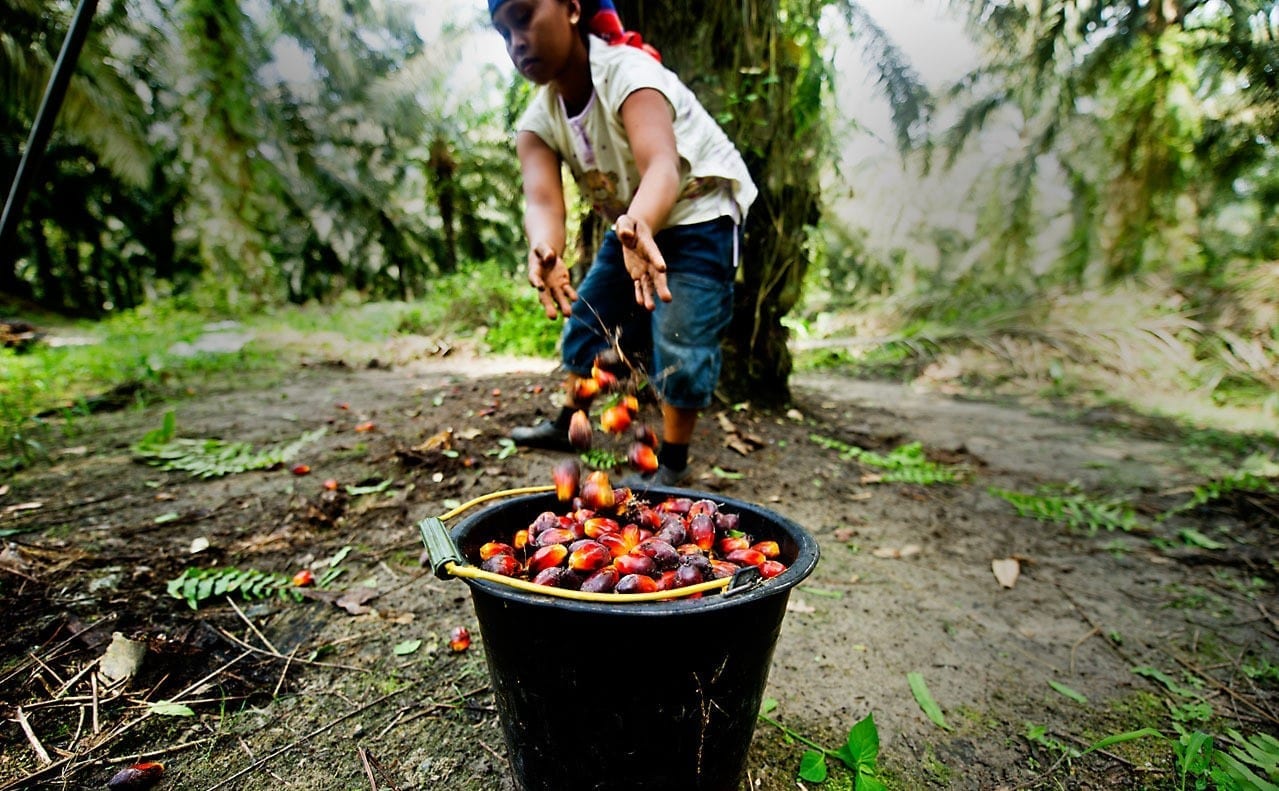
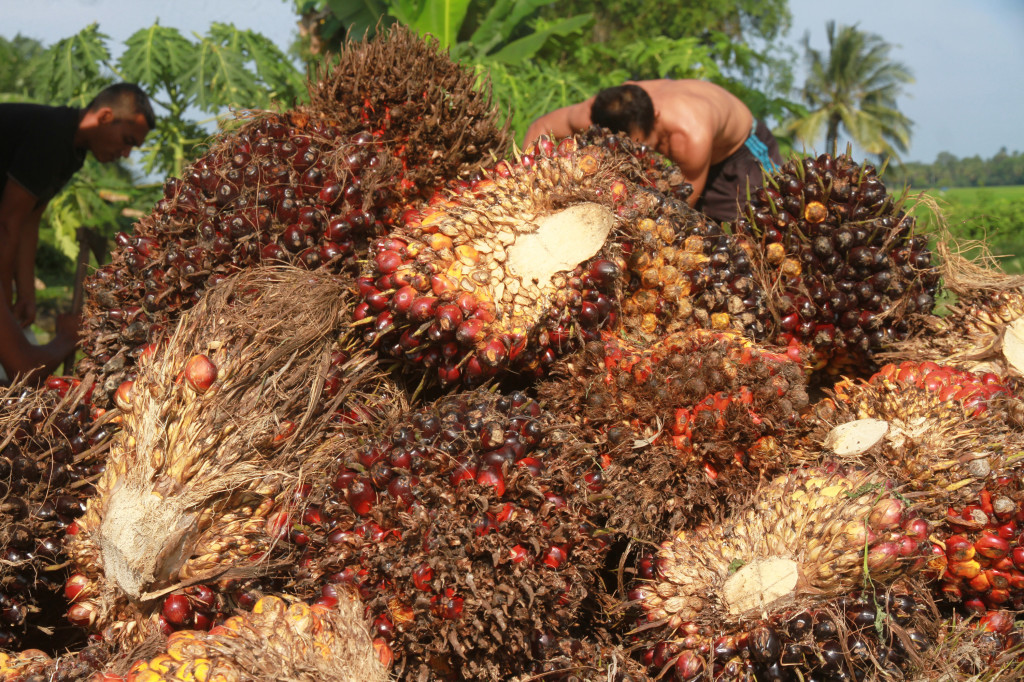
    Malaysian palm oil futures fell last week, after data from a cargo surveyor showed exports grew more slowly than expected in January. The benchmark palm oil contract for April delivery on Bursa Malaysia Derivatives Exchange dropped 0.2% to RM2,299 a tonne. Trading volumes stood at 24,751 lots of 25 tonnes each.

    “The export numbers released are below yesterday’s (Wednesday’s) market rumour. The ringgit’s strength also pushed the market lower,” a Kuala Lumpur-based trader said, adding that the coming long holiday weekend should prompt traders to cover short positions. “That should limit any big sell-offs,” the trader said.

    Cargo surveyor Intertek Testing Services said yesterday exports of Malaysian palm oil products for January rose 14.7%, while independent inspection company AmSpec Agri Malaysia reported a 15.5% increase.

    Palm oil may slide into a range of RM2,256-RM2,274 per tonne, as its correction from the Jan 28 high of RM2,333 looks incomplete, Wang Tao, a Reuters market analyst for commodities and energy technicals said.

  • AirAsia strengthens Malaysia-Thailand connectivity with new Chiang Rai hub

    AirAsia strengthens Malaysia-Thailand connectivity with new Chiang Rai hub

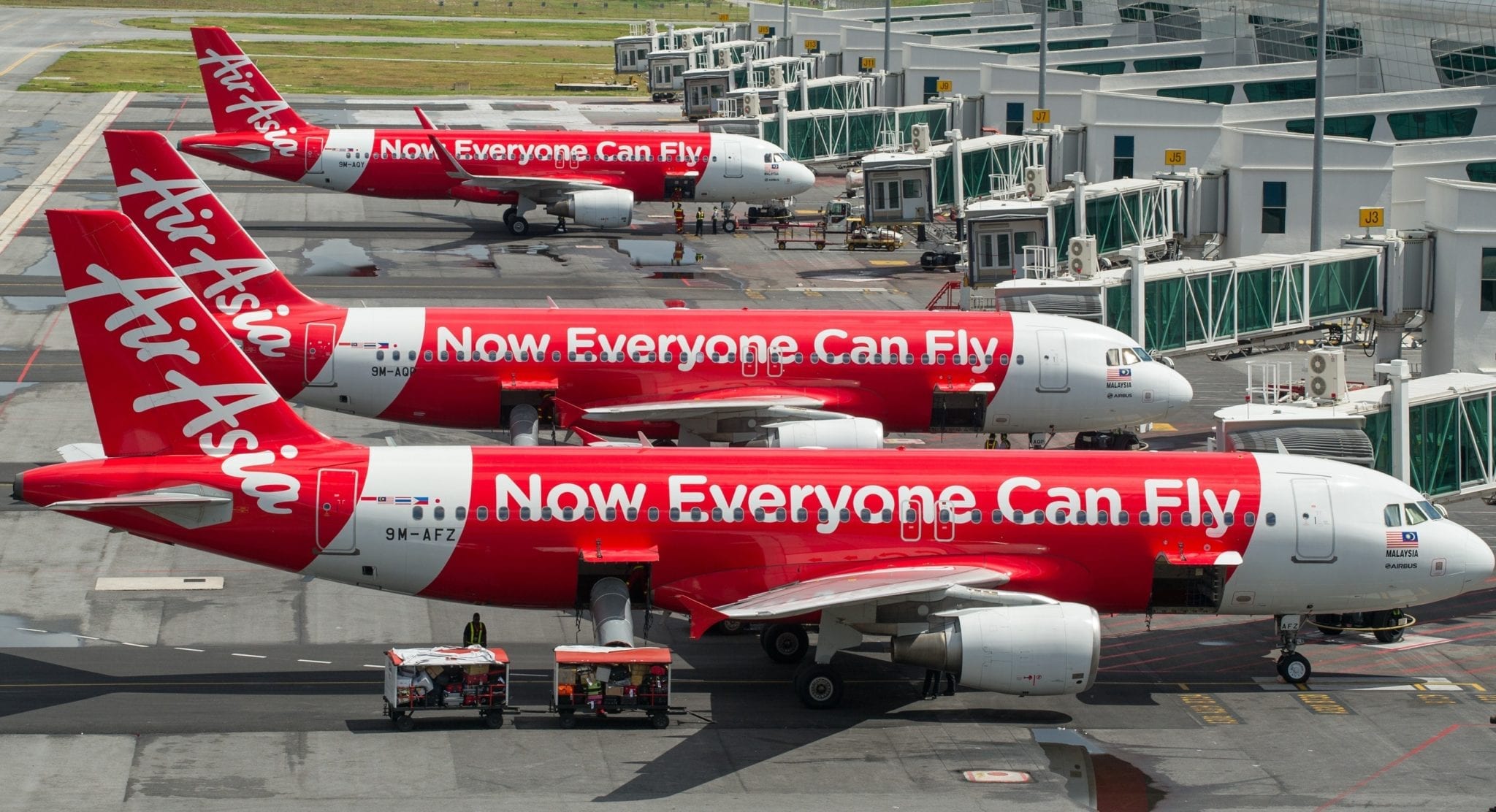
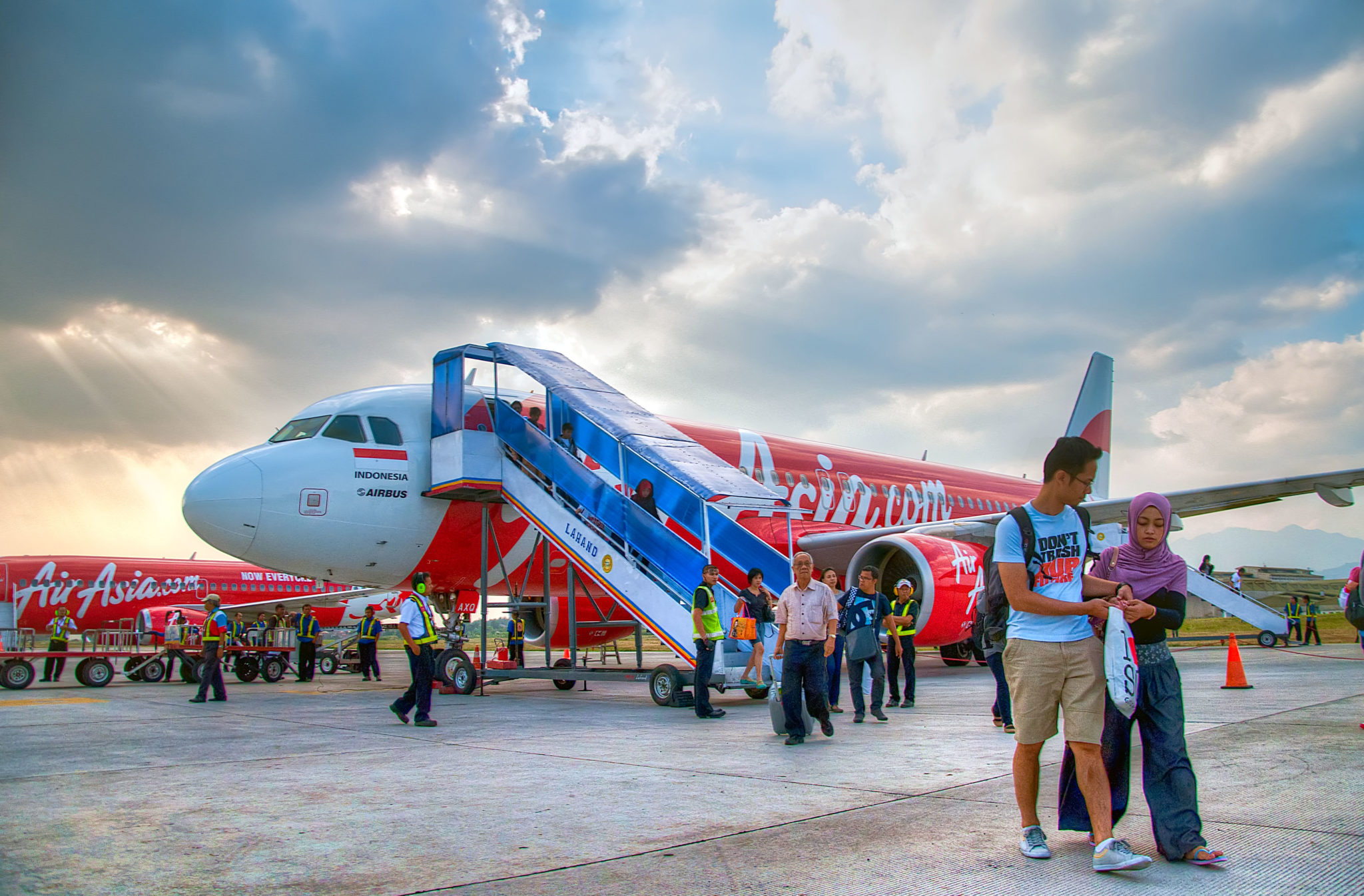
    AirAsia has further strengthened Malaysia-Thailand connectivity with the launch of a new route from Kuala Lumpur to Chiang Rai, its seventh and newest hub in Thailand. AirAsia Thailand, which will base an Airbus A320ceo at Chiang Rai’s Mae Fah Luang International Airport, will also operate new services to Phuket, Singapore and Macau, providing a massive boost to the local tourism and business communities, the airline said in a statement.

    AirAsia currently operates a total of six routes to and from the capital of Thailand’s northernmost province, including existing services from Bangkok Don Mueang and Hat Yai.

    AirAsia Thailand director of ground operations Witchunee Kuntapeng said the opening of its new hub in Chiang Rai is much like building a new home.

    “Chiang Rai has great potential to be one of the top tourism destinations in Thailand, with its unique Lanna culture and hill tribe way of life recently gaining global attention.

    “We believe it is a great time to promote Chiang Rai to travelers and are pleased to see that our four new routes between Chiang Rai and Phuket, Macau, Singapore and Kuala Lumpur have been well received. We’d like to thank the local community for their wonderful support,” Kuntapeng added.

    A welcoming ceremony led by Chiang Rai vice governor Paskorn Boonyalug, Tourism Authority of Thailand executive director for the East Asia region Titiporn Manenate and local travel agents was held at the new hub for each of AirAsia’s four inaugural flights from Phuket, Macau, Singapore and Kuala Lumpur between Jan 30 and Feb 1, 2019.

    The flight from Kuala Lumpur saw a load factor of 85% percent, proving the airline’s efforts to promote Chiang Rai as a leading destination for overseas visitors was off to a great start, it added.

  • McDonald’s challenging US market mitigated by international sales

    McDonald’s challenging US market mitigated by international sales

    Strong international sales ensured respectable McDonald’s results in the latest quarter as the fast-food giant encountered challenges in its core US market. Global sales slipped 3 per cent in the three months to December, to US$5.16 billion, although this was largely due to currency translations, without which sales would have been flat. While the company did not break out Asian performance, it said international same-store revenue rose 5.2 per cent.

    Same-store sales in the US rose 2.3 per cent, primarily due to increased prices, given foot traffic in stores fell by 2.2 per cent. Global visitor numbers crept up by a mere 0.2 per cent.

    Breakfast remains its most challenging category, with the chain struggling to attract diners in the mornings. While that mealtime accounts for about a quarter of its total sales, the breakfast market is experiencing fierce competition among rival chains.

    “We’re doing well with average check growth but we really want the customer to come back and more often,” CEO Steve Easterbrook said in an investor presentation about the McDonald’s results.

    He said McDonald’s is trying to recover breakfast customers by trialling different price promotions, launching localised advertising campaigns and improving the drive-through service.

    More stores, more kiosks

    Globally, McDonald’s plans to open a net 750 new stores this year. It will also speed up the rollout of its digital touchscreen ordering systems. Easterbrook says stores with self-ordering kiosks were achieving higher sales than those without.

    Commenting on the McDonald’s results, Neil Saunders, MD of GlobalData Retail, said the kiosks and order-by-app services need to be rolled out faster.

    “This isn’t just a case of installing and implementing the technology, it is about getting customers to actually use it. Consumers need to be given more incentives to use the new ways of ordering, especially mobile, as many still shun the technology,” said Saunders.

    “Longer term, more automation in the kitchen is also critical – something that will be particularly beneficial now McDonald’s menu options are more varied and complex.”

    Saunders described the latest McDonald’s results as “reasonable”. But he said a 6.7 per cent decline in operating income suggests that McDonald’s is having to work harder for much slimmer rewards.

    “In our view, this does not sit well with the increasing complexity and higher levels of capital expenditure the company is introducing into the business.”

    Saunders believes McDonald’s is on the right track. “However, this year will be a more challenging year than last and it will be a balancing act between keeping both customers and franchisees happy.”

  • Food trends and their impact on consumption

    Food trends and their impact on consumption

    We are a young nation of 1.2 billion consumers. We are more connected to each other and the rest of the world than ever before. We travel within India and outside India more frequently. We are more informed about ourselves, about what we eat, about our environment and also about the impact of our consumption on environment. We see a large number of trends and counter trends that influence us. Some of these are fads that just pass away and some are here to stay. Here are some key trends that will have an impact on the way we consume.

    Food is an experience

    Indians have historically valued pure, freshly cooked home-made meals. The trend of eating out, widely prevalent in the West, has slowly emerged in India over the past few years. Eating out is no longer considered as a means of satiating hunger nor is it limited to the rare occasions. Shopping and casual outings, spending free time and experimentation are, not surprisingly, the new reasons for eating out!

    As per a recent Nielsen report, on average, Indians spend Rs 6,300 per year on eating out with affluent Indians spending approximately twice as much as their middle class counterparts.

    Usage of “Let’s Do…” for food is a true reflection of Food as an Experience. Consumers are frequently experimenting with a variety of cuisines, flavors, and combinations of food that were hitherto either unavailable or unheard of in the Indian market.

    Cross-cultural influences abound in dishes. Some examples of the innovative confluence of flavors are peri peri bhel, Schezwan and chocolate dosas and a wide variety of Frankies. Even the quintessential lassi can be found with a multitude of western influences such as chia seed additions and imported fruit flavors. Tikka and tandoori flavored mayonnaise, Indian versions of Chinese dishes, Chettinad sandwiches and paneer tikka pizzas are instances of Indian flavors seeping into western culinary dishes. The same is reflected in some of the food product launches.

    Variants range from quinoa rawa upma insta mix, smoky tikka mayonnaise & tamarind date chutney to beverages such as jamun kalakhatta, kokum, gol gappe ka pani, aam panna, and jal jeera made specifically as substitutes to fruit- based juice. These immensely popular products reveal the inclination of the Indian consumer towards mixing flavors.

    Health is Imperative

    As a nation, India is performing better on all indices of health such as quality and longevity of life. Indians are living better, longer and have healthier life spans. Thanks to mobile apps and wearable devices, it is possible to constantly monitor the heartbeat, quality of sleep, blood pressure and even the number of steps taken during the day. The entire idea of health has transformed from being curative to becoming preventive in nature.

    Although consumers are time constrained due to hectic work schedules, especially in urban areas, they are looking for avenues to build and maintain a healthy life style. While physical activity forms a core part of this endeavor, Indians are proactively choosing the right food products to meet their diet and health goals.

    Food products in the market range from breakfast cereals such as oats and muesli to vitamin pills. There is a marked rise in the consumption of baked goods, health biscuits, multi-grain flours, green tea and other health drinks. Furthermore, consumers are willingly buying premium products that promise health benefits. Some of the health attributes perceived to be the most important are high protein, high fiber, low cholesterol and low fat.

    Oats-based mango flavored, calcium and fibre-rich ready-to-drink breakfast option and power sprouts, honey dates flavored malt-based food drinks are good illustrations of healthy beverages available on the shelves. Snack packs of sweet and savory yoghurt and snack combos such as the Jalapeno Greek yoghurt with barley puffs are healthy replacements for the “in between meals” snacks that Indians are prone to eating. Packed khichdi mix infuses the health quotient of broccoli, carrots and almonds in the consumer’s diet. Another unique example is the gluten-free alternative to spaghetti made by cutting vegetables into thin noodle shapes or curls.

    Consumption of dietary supplements, especially in relation to adult nutrition, has also boomed. There is an emergence of “immunity boosting” foods as a major category in the market.

    These supplements can induce weight gain or weight loss or nourish the body with vital elements such as calcium, iron, omega 3 and vitamins. Moreover, active adults are consuming copious amounts of whey proteins and energy beverages.

    Consumers are as conscious of the wellness of their children as they are of their own. For instance, consumers are willing to experiment with chocolate-flavored nutritional supplements for children in a bid to ensure holistic growth. Busy parents who rely on prepackaged food or ready-to-eat meals are some of the key purchasers of probiotic drinks meant for children.

    The wide acceptance of health and wellness foods has created a Rs 10,352 crore market with a growth rate of about 10 percent. The sales contribution is the highest in non-metro but urban cities, at 40 percent. This is closely followed by rural areas at 32 percent and urban areas at 28 percent. The category penetration is highest in the south followed by the east.

    Natural & Ayurvedic Way of Life

    We see both these trends- Health and Tradition- coming together in Ayurveda and Natural Foods. The growing belief that natural products are uncontaminated and best is getting firmly ingrained in the minds of Indian consumers as the word “processed” implies a negative connotation of unoriginality. Ingredients recommended by our ancestors such as tulsi, turmeric, neem, lemon, mustard oil, ghee, saffron, amla juice, cold pressed oils of nuts and seeds are all finding their way on to the consumer’s plate. Food items made with these ingredients are not only considered as healthy but also as comfort food since consumers perceive that they have made a special effort to look after themselves. The re-emergence of yoga has only served to boost this trend. Consumers will continue to turn to nature to search for viable but healthy food options. This trend also manifests itself in organic foods though they are still a niche and are hampered by a lack of trust and high premiums. We foresee that the natural and ayurvedic trend will be stronger in the years to come and that multiple entrepreneurs will establish profitable ventures in these categories.

    Increasing Share of Proteins & Dairy

    The biggest trend as a Nation that we see is the shift to Proteins and Fats. For the first time in Indian history, milk has become the biggest agriculture crop at almost INR 5 lakh crore. It’s now bigger than all cereals and pulses put together and is 20% of the agricultural output. This shift towards fats and proteins from the traditional intake of carbohydrates for subsistence is the biggest perceptible proof of prosperity of the people. Though India is 70% non-vegetarian, it apparently has not yet crept into daily dietary preferences. Milk appears to be the most economic and culturally accepted protein source of daily diet in our country. It can also be seen as the reflection of the dietary habits of a younger India. In Modern Trade, we have seen milk and value-added milk products increasing their share and new entrepreneurs and new products coming up. We envision this trend to become stronger in the times to come.

    Startups in Food

    The emergence of modern trade and e-commerce has made it easy to be a single product company and has fostered innovation and entrepreneurship. Launching a new FMCG product is no longer the domain of multinationals or big players with financial and distribution muscle. Small and medium enterprises that were previously deterred by the huge capital investments required for distribution networks while launching new products can now easily develop and bring their products to the market in a cost effective manner.

    This has had a profound effect on the number of launches of innovative products in the market. Quinoa puffs, butter spreads, health and energy bars, pasta kits, packaged ready to cook idli/ dosa batters, raw juices, water based functional beverages, are all excellent examples of new age products built and marketed by small companies being widely accepted by the consumer base.

    In conclusion, the purchasing decisions of consumers are affected by trends to a large extent. As enablers in the consumer’s shopping journey, recognizing and translating these trends into viable business opportunities remains a key concern for manufacturers and retailers today.
  • CIMB completes Asean footprint

    CIMB completes Asean footprint

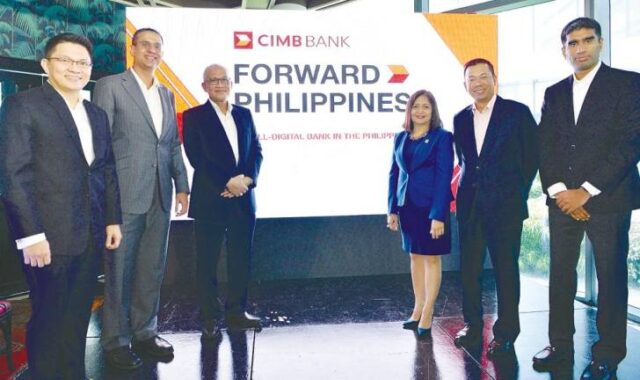
    CIMB Group Holdings Bhd is finally completing its operating footprint in Asean with the launch of its banking presence in the Philippines. It has received regulatory approval from the Securities and Exchange Commission of the Philippines for its investment banking joint-venture in the country, CIMB Bancom Capital Corporation.

    CIMB Group CEO (group ventures and partnerships) Effendy Shahul Hamid said CIMB Bancom will look to deliver value added advisory and cross-border capital market services to Philippine corporates looking to expand and grow across Asean, as well as capitalise on CIMB’s strong presence in the region to originate inbound deals to the Philippines.

    CIMB Bank Philippines Inc (CIMB Philippines) aspires to be the nation’s first all-digital and mobile-first bank, promising to make banking simpler, more convenient, and hassle-free, according to the group’s statement.

    “We look forward to bringing a differentiated and digital proposition to the market. Internet and mobile penetration in the Philippines remains one of the highest in the world, a clear sign of the progressive and modern society we hope to serve,” said Effendy.

    CIMB Philippines CEO Vijay Manoharan noted that consumers need innovative financial solutions that are relevant to their needs as well as help them get ahead and advance their financial well-being, but they do not necessarily need a physical bank.

    “By offering most of our products via the Octo app securely, we are offering the next-level any day, any time convenience for our customers by enabling them to effectively ‘carry’ our bank branch in the palm of their hands.”

    CIMB Philippines’ partners include 7-Eleven and DragonPay, with a total of 8,000 convenient customer touchpoints nationwide.

    The CIMB Bank Visa-powered Debit Card is accepted at any of the 20,000 Bancnet, Visa, and Visa Plus automatic teller machine (ATMs) nationwide and two million Visa and Visa Plus ATMs worldwide.

    To cater to those who want to really start preparing for what’s ahead and save for the future, CIMB Bank offers the UpSave Account, which allows greater savings with its high interest rate of 2% per annum (eight times higher than other banks).

  • Axiata buys 80% stake in Laos firm

    Axiata buys 80% stake in Laos firm

    Axiata Group Bhd’s 63%-owned subsidiary edotco Investments (Labuan) Ltd (edotco Labuan) is acquiring an 80% stake in Laos’s Mekong Tower Company Ltd (MTCL) for LAK12.8 billion (RM6.08 million) cash. Axiata said in a filing with the stock exchange that edotco Labuan had entered into a share subscription agreement (SSA) with Viphet Sihachakr (VS) and MTCL for the purchase.

    The SSA is subject to, amongst other, procurement of operating licence or other form of authorisation from the Ministry of Post and Telecommunications of the Government of Laos to MTCL for the provision of infrastructure solutions for telecommunications and network operators in Laos; registration of MTCL with the Ministry of Industry and Commerce of the Government of Laos; and procurement by VS of viable business including relevant concessions and/or incentives in Laos.

    Unless waived by the parties, the conditions must be satisfied not later than six months from the date of the SSA.

    “The proposed subscription provides opportunities for edotco group to expand into a new market and grow organically via build-to-suits and inorganically with sizeable sale-and-leaseback prospects,“ Axiata said.

    The Laos tower market is expected to undergo intense growth in tandem with a national drive towards 4G adoption, with an estimated demand of no less than 5,000 towers over the next three years, underscoring the need for an independent tower player to meet the requisite capital expenditure and cost optimisation burdens incumbent on local mobile network operators.

  • Bursa Malaysia’s Q4 earnings fall 6.2% to RM51.9m

    Bursa Malaysia’s Q4 earnings fall 6.2% to RM51.9m

    Bursa Malaysia Bhd’s net profit in the fourth quarter ended Dec 31, 2018 (Q4FY18) was down by 6.2% to RM51.9 million, from RM55.27 million a year ago, mainly due to lower contribution from the securities segment.

    Revenue for the quarter declined 8.7% to RM128.9 million, compared with RM141.2 million in the previous corresponding quarter.

    The exchange has approved a second interim dividend of 11.6 sen per share for FY18, amounting to about RM93.7 million which is payable on Feb 28, 2019. With that, the total dividend (including special dividend) declared for the year amounts to 33.6 sen per share.

    Bursa’s full-year net profit was slightly up by 0.4% to RM224.04 million, from RM223.04 million a year ago, while revenue decreased by 1.2% to RM550 million, against RM556.8 million previously.

    For the year under review, securities market trading revenue increased 2.4% to RM265.8 million from RM259.6 million in FY17, mainly due to higher average daily trading value (ADV) for securities market’s on-market trades (OMT) in FY18.

    However, non-trading revenue saw a marginal decrease of 0.1% to RM165.9 million from RM166.1 million in FY17 due to lower listing and issuer services revenue.

    Bursa CEO Datuk Seri Tajuddin Atan said despite market volatility and challenging global economic environment, the exchange’s financial performance remained resilient.

    “Throughout the year, to create a more facilitative environment, we continued implementing initiatives to further enhance the vibrancy and liquidity of the market,” he added.

    At 2.35pm, Bursa’s share price was trading 7 sen or 0.9% lower at RM7.32 on 751,900 shares done.

  • Chinese New Year to drive sales for businesses

    Chinese New Year to drive sales for businesses

    Despite lacklustre consumer sentiment, businesses are gearing up for brisk sales as consumers do their Chinese New Year (CNY) shopping for the much celebrated festival next week, with many businesses citing CNY as an important sales contributing season. LG Electronics Malaysia general manager of marketing Kong Mun Keen said festive season campaigns, whether CNY or Hari Raya, contributes bigger sales for LG.

    “We often see a spike in sales whenever festive seasons are fast approaching,” he said, adding that this year, LG Electronics Malaysia has allocated a “substantial amount of budget” for its CNY campaign.

    Although only a month into 2019, he said LG Electronics is “on the right track” in terms of sales.

    By distinguishing itself with its technology and product experience, Kong said LG’s strategy has always focused on reaching out to all Malaysians, evident through its brand store openings in 2018, where it works with partners to drive new consumer touchpoints.

    “Malaysia has always been a priority market, given that LG has secured and maintained a strong position in the home appliances and home entertainment segments here. With our premium and unique positioning coupled with innovative and consumer-centric products line-up, we are confident that there will always be a demand for our products here,” said Kong, adding that it is constantly ensuring that its products can integrate seamlessly into consumers’ lives.

    For big-ticket items like cars, Edaran Tan Chong Motor Sdn Bhd (ETCM) executive director Tan Keng Meng expects its CNY sales to be about the same as last year’s or better.

    “It’s always CNY and Raya. These are the two peak seasons,” said Tan.

    In conjunction with CNY, ETCM added the new imperial red colour to the popular Nissan Serena 2.0L S-Hybrid Premium Highway Star, featuring a two-tone theme. Additionally, ETCM continues the introduction of Nissan X-Trail X-Tremer in passion red and two additional colour options.

    Meanwhile, a Uniqlo Malaysia representative said festive periods are traditionally good opportunities for retailers to grow their sales, adding that it continues to experience healthy sales growth this year.

    “We believe this is due to our commitment to produce high-quality products at accessible prices while keeping with today’s fashion trends. Customer service is also a top priority to ensure that our customers have the best shopping experience possible.”

    As with previous years, it believe that customers are always looking for something new and fresh to start their new year.

    “We are bringing many new items to the store for customers to choose. We will also be launching the Uniqlo U collection on Feb 1 for last minute shoppers to get their new year clothes.”

    The representative said customers are consistently looking for items that are value for money and Uniqlo is well positioned to meet their needs.

    Tohtonku Sdn Bhd head of marketing Vicky Lim said CNY is one of the peak seasons for sales with its back-to-back promotions in December and January.

    But instead of spending on CNY promotional campaigns, Lim said, the company, which markets personal care and household products with brands like Follow Me, Nutox and Nanowhite, still focuses on brand communications.

    A representative for The Body Shop said although CNY is not its largest festive season sales contributor, it dresses up its stores with decorations that symbolise the blooming of spring and the festive mood of CNY.

    “We offer prosperous gifts such as hampers. This year we picked British rose as the main product that appeals to a wider target audience and with its colour of pink, it’s in line with the colour scheme that represents CNY.

    “Our staff are also dressed in mandarin Oriental tops and we play both instrumental and vocal music that reminds you of CNY.”

  • AirAsia carried 16% more passengers in 2018

    AirAsia carried 16% more passengers in 2018

    AirAsia Group Bhd Consolidated AOCs carried a total of 12.1 million passengers in the fourth quarter ended Dec 31, 2018 (4Q18), reflecting a 16% growth from 10.4 million passengers carried a year ago. During the quarter, load factor was 4 percentage points lower at 84% from 88% a year ago, due to significant increase in capacity, which rose 21% to 14.3 million from 11.9 million a year ago.

    The group said in a statement that its available seat kilometres (ASK) grew 14% year-on-year, in line with the group’s strategy to grow its market share.

    For the full financial year ended Dec 31, 2018 (FY18), the group carried a total of 44.4 million, an increase of 14% from 39.0 million passengers carried a year ago.

    Capacity grew 18% to 52.5 million from 44.4 million a year ago while load factor fell 3 percentage points to 85% from 88% a year ago. ASK for the period grew 14%.

    The consolidated AOCs refers to AOCs whose financial and operational results are consolidated for financial reporting purposes, namely the Malaysian, Indonesian and Philippines AOCs.

    In 4Q18, Malaysia AirAsia carried a total of 8.5 million passengers, reflecting a 9% increase from 7.7 million passengers carried a year ago. Load factor fell 5 percentage points to 84% from 89% a year ago.

    The Malaysian operations saw a 16% increase in capacity to 10.2 million from 8.8 million a year ago while ASK rose 9% year-on-year.

    For FY18, Malaysia AirAsia carried 32.3 million passengers, 11% higher than 29.1 million passengers carried a year ago while load factor fell 4 percentage points to 85% from 89% a year ago.

    Capacity grew 16% to 38.0 million from 32.8 million a year ago while ASK rose 12% year-on-year.

    Overall, the group carried a total of 74.8 million passengers in FY18, which is an increase of 14% year-on-year. This includes all operations in Malaysia, Indonesia, Philippines, Thailand, India and Japan.

    The group also expanded its capacity during the year, with ASK up by 15% and load factor of 85%. The group’s total fleet size closed at 224.

  • Sime Darby Plantation, Salcra ink MoU to uplift Sarawak’s palm oil industry

    Sime Darby Plantation, Salcra ink MoU to uplift Sarawak’s palm oil industry

    Sime Darby Plantation Bhd (SDP) and Sarawak Land Consolidation and Rehabilitation Authority (Salcra) have signed a memorandum of understanding (MoU) to form a collaborative framework to establish, strengthen and encourage synergistic commercial cooperation along the palm oil value chain. The collaboration aims to uplift Sarawak’s palm oil industry standards in terms of operational efficiency and productivity through best agronomic practices, SDP said in a statement yesterday.

    It is also intended to inculcate and enhance sustainability awareness for higher operational performance and bottom-line achievement.

    Under the MOU, both parties intend to combine their resources and expertise to jointly collaborate, evaluate and research on matters relating to the palm value chain and related agronomic inputs.

    These include in the areas of agricultural materials such as oil palm seedlings and saplings, management, consultancy services and training, consultancy services, as well as laboratory analytical services.

    The MoU also includes any other activities that are mutually beneficial to the parties such as logistics and activities connected to rubber plantation and other agricultural businesses.

  • Maybank Malaysia vaults into list of world’s top 500 brands

    Maybank Malaysia vaults into list of world’s top 500 brands

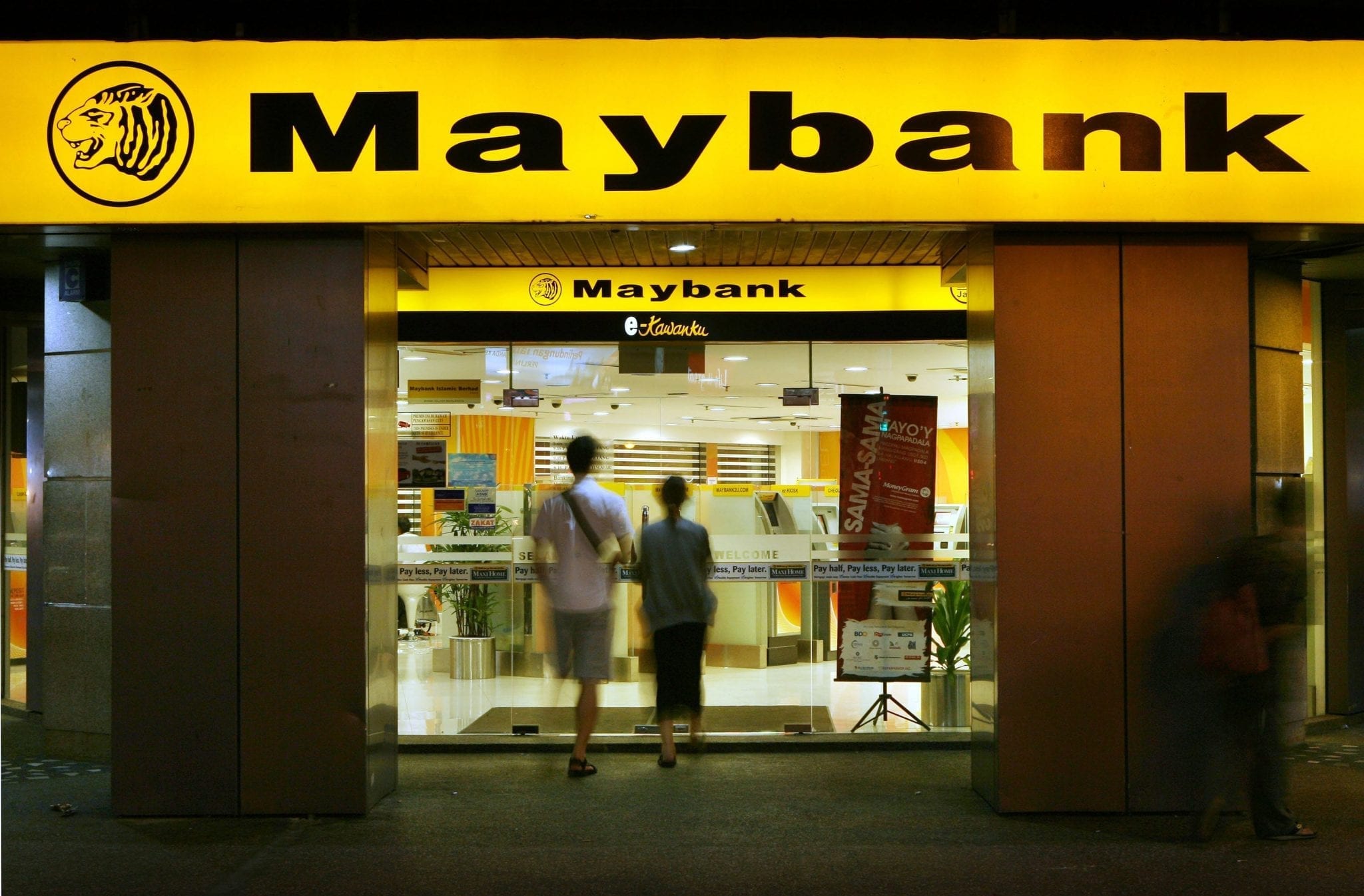
    Maybank has made it into the world’s top 500 brands for the first time, after it was named in Brand Finance’s Global 500 Brands – the only Malaysian bank and one of two Malaysian brands to be included in this prestigious listing. Maybank achieved a brand valuation of US$4.2 billion (RM17.3 billion), a 32% increase from last year’s valuation of US$3.16 billion according to its statement.

    Maybank said the group also maintained its position as the top bank brand in Malaysia for the fifth year running, improving its previous rating of “AAA-” to “AAA”.

    At the same time, it registered an increase in the Brand Strength Index (BSI) to 86/100 this year from 82/100 previously. BSI is a key driver that contributes to brand valuation and determines the strength of a brand.

    Maybank was among only eight Asean brands listed in the global ranking. It was placed 494 in the world’s top 500 most valuable brands list.

    Maybank group president and CEO Datuk Abdul Farid Alias said the recognition was a reflection of Maybank’s sustained efforts in building closer relationships with its stakeholders and focusing on delivering consistent value through all its products and services.

    “It is definitely a great honour for Maybank to be listed among the top brands in the world today. We believe it also demonstrates how a homegrown brand from Malaysia is defining new standards and raising the bar in the global stage with support from all its stakeholders.”

    Farid added that Maybank’s strategy in developing a meaningful brand experience was centred on its mission to humanise financial services, as well as its commitment to being at the heart of communities where it operates.

    “While we will continue to strengthen our brand positioning across all our engagement channels, we are also focusing on providing next-generation customer experience given that technology is rapidly influencing our lifestyles and the way people do banking today,” he said.

    Brand Finance in its annual survey, values the brands of thousands of the world’s biggest companies. The results of this analysis are then ranked with the world’s 500 most valuable brands featured in the Brand Finance Global 500 report.

  • Senai Airport Malaysia records 13% passenger growth in 2018

    Senai Airport Malaysia records 13% passenger growth in 2018

    Senai International Airport handled 3.52 million passengers last year, a 13% increase from the number of passengers recorded in 2017. Md Derick Basir, CEO of Senai Airport Terminal Services Sdn Bhd (SATSSB), the airport operator, said growth was mainly driven by domestic passengers with an increase of 234,650 passengers while international passenger traffic rose by 37% to 600,000 in 2018.

    “Growth was fuelled by the southern region’s rigorous economic activities, escalating demand for business and corporate travel, as well as the leisure sector,” he said in a statement.

    Commercial aircraft movement grew 8% with a total of 32,574 landings and takeoffs compared with 2017.

    “The rise in total passenger traffic in 2018 was mainly attributed by the introduction of new routes including Seoul by Jin Air, Sanya and Haikou by Malindo Air, as well as Alor Star and Ipoh by AirAsia.

    “In addition, the increase in flight frequencies to existing sectors such as Kuala Lumpur, Penang, Kota Kinabalu, Langkawi and Bangkok had also contributed to the growth,” he said.

    Md Derick added that SATSSB had also collaborated with industry players including tourism bodies and airlines to promote Johor as a destination, ultimately to encourage the demand for more air connectivity.

    “For 2019, Senai International Airport aims to handle 3.76 million passengers,” he added.

  • Korean firm to set up halal ramen plant in Malaysia

    Korean firm to set up halal ramen plant in Malaysia

    FGV Holdings Bhd is looking to partner with South Korea’s Samyang Foods Co Ltd for the establishment of Samyang Halal’s production facilities in Malaysia. FGV told Bursa Malaysia that it had signed a memorandum of understanding (MoU) with Samyang. The production facilities will focus on serving halal ramen and instant noodle products for Malaysia and global markets.

    FGV’s newly appointed CEO Datuk Haris Fadzilah Hassan said the collaboration is part of he group’s strategic direction to expand its downstream business by diversifying the product offerings and penetrating into new markets.

    Its logistics and support businesses sector is also set to benefit from this partnership by providing a total logistics supply chain solution.

    “With this MoU, FGV hopes to explore the opportunity for both parties to establish a halal ramen and instant noodle manufacturing plant in Malaysia. The global halal food market is one of the fastest growing segments in the food industry and is expected to reach more than US$740 billion in value by 2025,” Haris said.

    FGV said the collaboration will also give FGV access to Samyang’s supply chain, which includes cooking oil, vegetable fats and sugar for its existing ramen plant in Wonju, South Korea.

    Samyang is listed on the Korean Stock Exchange with a market capitalisation of KRW459.514 billion (RM1.68 billion). It is in the business of manufacturing and selling various food products such as ramen, snacks, dairy products, sauces, and frozen dumplings.

    FGV noted that its downstream entity Delima Oil Products Sdn Bhd (DOP) can leverage on Samyang’s strong R&D and global distribution networks to improve quality and expand the reach of its “Saji” products regionally and globally.

    “In addition, DOP will benefit from Samyang’s ver 50 years’ experience in the ramen and instant noodle industry to strengthen its own products and brand positioning.”

  • OCBC: Malaysia could restore fiscal health in 3 years

    OCBC: Malaysia could restore fiscal health in 3 years

    Malaysia has a reasonable chance of restoring its fiscal health within three years if the economic growth remains stable with new revenue streams and stable expenditure, according to OCBC Bank chief economist Selena Ling. “But if you have a case where the global environment is very serious and dire and there is no deal between US and China… then it becomes a very hostile environment for any developing country to operate in,” she said last Friday.

    She noted that if the global economy remains at a status quo for the rest of the year and crude oil prices stabilise, Malaysia may miss the fiscal deficit target by 0.1-0.2 percentage points.

    Having said that, the potential slippage is not expected to be “very severe” that will derail Malaysia off its targets.

    “Rating agencies also want to see a multi-year plan. If it’s just a slippage of one year that you can attribute to a lot of external factors, probably the rating agencies will give you a pass. It’s really not a one year story they’re looking for,” she explained.

    The government has projected fiscal deficit to ease to 3.4% of gross domestic product (GDP) this year from 3.7% in 2018. It looks to further narrow the fiscal deficit to 3% and 2.8% in 2020 and 2021, respectively.

    Ling projects Malaysia to record a full-year GDP growth of 4.4% for 2019 amid slowing global growth and the ongoing external headwinds.

    Malaysia’s ringgit, on the other hand, could appreciate to RM4 against the greenback in the event of a weak dollar.

    She said the strengthening of the ringgit will have less to do with domestic factors as the slowdown in economic growth is seen as benign, coupled with an unlikely change in the Overnight Policy Rate (OPR).

    Another reason that could be supportive of strong ringgit is the risk of the US economy falling into a recession next year.

    Meanwhile, Ling expects oil prices to be subdued and could result in a shortfall in government coffers if they remain at the current level of around US$50 per barrel until year-end.

    Although Budget 2019 is based on the oil price assumption of US$70 per barrel, she does not see a need to recalibrate the budget at this juncture, but it will exert pressure on seeking new revenue sources.

    “As far as the budget revision is concerned, I suspect (it will) not be so soon because the US$70 is a medium-term price target and oil prices have been volatile in the last six months.

    “But if you look at the average price, it is relatively stable and maybe for the next budget in October 2019, they (the government) may revise the oil price assumption,” she added.