Tag: Malaysia

  • Chinese Smartphone Realme Eyes to Expand Southeast Asia

    Chinese Smartphone Realme Eyes to Expand Southeast Asia

    BBK Electronics’ budget smartphone brand Realme is eyeing expansion into Southeast Asia, Africa and Europe. The company’s online distribution strategy has brought it success in the Indian market and makes broader expansion possible, according to Realme global CEO Sky Li Bingzhong. “The company’s asset-light operations and focus on online sales allow it to keep costs low. That way, more young consumers can afford its products, which makes the brand more competitive in the market,” said Li.

    Realme launched in India in May last year with handsets priced at INR8,990 (US$129) – becoming the second top-selling smartphone brand during the Diwali festival season from October to November. The brand has joined a number of Chinese phone manufacturers seeking to build strength in the Indian market as they challenge more established international competitors in more saturated markets.

    BBK also owns the Oppo, Vivo and OnePlus brands, selling mid- to high-end models. Independent Realme runs its own R&D operations, but partners with Oppo in smartphone production. Its expansion moves are indicative of Chinese phone manufacturers’ larger strategy to deploy varying brands that each target specific markets globally.

  • Malaysia’s GDP growth to ease to 4.7% this year: Moody’s

    Malaysia’s GDP growth to ease to 4.7% this year: Moody’s

    Malaysia’s real gross domestic product (GDP) growth is expected to recede to 4.7% in 2019 after averaging at around the 5% mark between 2015 and 2018 on the back of external headwinds, according to Moody’s Investors Service. For 2020, the economy is projected to moderate further to 4.5%. The rating agency foresees external headwinds from trade protectionism to weigh on trade activity, while the review of infrastructure projects and slowdown in public spending will also prove to be a further drag to growth.

    “Nevertheless, economic expansion will still stay stronger than the median average for A-rated sovereigns, even taking moderating growth into account,” it opined.

    Moody’s said Malaysia’s credit profile, which is rated at “A3 Stable” reflects its large and diversified economy with healthy medium-term growth prospects, and relatively high government debt that is partly offset by a favourable debt structure and large domestic savings.

    It pointed out that the govern-ment’s recent fiscal policy choices, particularly in abolishing the goods and services tax, will narrow its revenue base and reduce fiscal flexibility – while its debt burden which is significantly higher than the A-rated median, will remain a credit constraint.

    “However, deep domestic capital markets and high savings provide a stable funding pool for the government’s debt, and partly offset these fiscal weaknesses. A solid institutional framework that includes effective monetary policy supports the country’s credit profile,” Moody’s said.

    It also noted that pervasive corruption will likely to remain a challenge for the government, which will also undermine policy effectiveness.

    Moody’s said that given a stable outlook of the sovereign rating, a change in the rating is unlikely in the near term, but could face upward pressure if the scope for fiscal consolidation increases.

    Conversely, the rating agency said it would consider downgrading the sovereign rating in the event of weakened fiscal prospects, increased debt burden, growing political tensions and diverging views within the government, which could undermine policy effectiveness or impair the government’s ability to adhere to its fiscal consolidation objectives, potentially threatening the stability of capital flows to the country in the process.

  • Malaysian office space to remain vibrant despite influx of new supply

    Malaysian office space to remain vibrant despite influx of new supply

    The Klang Valley office market is expected to remain vibrant this year, despite the influx of new buildings which is expected to affect occupancy rates, said Knight Frank Malaysia. “Due to the influx of new buildings, particularly in TRX, occupancy rate in Kuala Lumpur city is expected to decline marginally. However, rental rates will continue to hold steady as newer buildings tend to command higher rental rates,” it said in its Real Estate Highlights 2nd Half 2018 report.

    The report highlighted the trend of co-working and shared services as a sweet spot in the challenging office market environment.

    Labelled “space as a service”, the rising popularity of this market segment is demand driven by freelancers, start-ups and small and medium sized entrepreneurs. Knight Frank expects to see active take-up by co-working, shared services and IT related industries this year.

    “Moving into 2019, occupancies in selected sub-office office markets are expected to be under pressure due to heightened competition from impending and existing office stock while rentals will continue to hold steady as newer buildings tend to command higher rates.

    “We continue to observe active enquiries and leasing activities in the co-working and IT related segments. Also, an increasing number of older buildings are looking into repositioning and refurbishment to meet current occupier needs,” said Knight Frank Malaysia executive director of corporate services Teh Young Khean.

    Dated but well located office buildings such as Menara Weld, Menara Standard Chartered, Menara Maxis and Menara Milenium will reportedly be undergoing repositioning/upgrading works to improve their market competitiveness in terms of rental and occupancy levels.

    Knight Frank noted that the new government’s concerted efforts to implement numerous regulatory reforms will augur well for the business operating environment and this is expected to be positive for the country’s economic and property market performance over the longer term.

    Looking back at 2H2018, the cumulative supply of purpose-built office space in Kuala Lumpur and Selangor stood at 103.17 million sq ft following the completion of six buildings with a combined space of 1.84 million sq ft.

    In 1H2019, office buildings slated for completion include The Exchange 106, Menara Prudential, Menara Star 2, 1Powerhouse and Symphony Square.

    Overall occupancy rate for Kuala Lumpur city was about 78.7% in 2H2018 compared with 79% in 1H2018. The overall occupancy rate for decentralised office locations in Kuala Lumpur fringe fell to 82.2% from 83.8% during the same period.

    In Selangor, overall occupancy was slightly lower at 78.3% in 2H2018 compared with 79.2% in 1H2018.

    The average rentals in Kuala Lumpur fringe and Selangor rose marginally in 2H2018 to RM5.75 psf and RM4.22 psf respectively compared with RM5.72 psf and RM4.20 psf respectively in 1H2018.

    However, average rental in Kuala Lumpur city remained flat at RM7.15 psf as owners and landlords of newer office buildings offered competitive rental and attractive tenancy terms to improve take-up.

  • Limited share price upside seen for Malaysian property sector

    Limited share price upside seen for Malaysian property sector

    Rising interest rates, Malaysia’s slowing gross domestic product growth and unfavourable government policies will limit share price upside for Malaysian property development companies, said CGS-CIMB.Although it expects the property companies in its coverage universe to post positive earnings growth this year, CGS-CIMB said share price upside will be limited and the sector is unlikely to re-rate to peak levels last seen in 2014.

    “The property sector has garnered more interest lately due to its attractive valuations, but we believe the sector is cheap for a reason and this could be a false dawn. We believe developers could miss their new property sales targets for 2018, and are likely to set lower new sales targets for 2019. We think it’s a signal that the 2019 property market is likely to see lower new property sales and weaker buying sentiment,” it said in its report.

    According to its analysis, the medium 40% and bottom 40% (B40) households face difficulty in buying properties as the average house price is above both groups’ affordability range and despite government incentives and policies to address this issue, the oversupply in the property market has continued to rise since 2012.

    “Likewise, property stocks have fallen from their peak valuations in 2014, some to the trough levels in 2008, making them attractively priced at the moment, in our opinion,” it added.

    CGS-CIMB does not see much room for housing loan growth given the existing low interest rate environment, limited buyer’s affordability and possible interest rate hike.

    In addition, restrictive government policies are still in place and it does not see any incentive for consumers to purchase property given the weak rental market and subdued property market.

    Given the limited domestic affordability, higher real property gains tax and restrictive policies on foreigners, the property oversupply issue is expected to persist. Note that in 1H2018, properties priced below RM1 million accounted for 93% of total unsold residential property inventory.

    “We expect the housing market to remain challenging in the near term, unless there is a meaningful surge in household income, decline in house prices or more positive measures are introduced,” it said.

    Although lower property prices are possible, developers would be at the losing end if they were to lower prices at the expense of profit margins to spur new property sales demand or remove rebates/freebies to protect margins, which could result in weaker new sales.

    “Even if new house prices are cut by 20%, we think the prices would still be unaffordable for the B40 households. Instead of focusing on increasing affordable housing supply and ownership, we believe a better way to approach the housing glut is to increase Malaysians’ household income in a meaningful way,” it said.

    CGS-CIMB maintained its “neutral” call on the sector with an estimated dividend yield of 3% on average in 2019.

    Sime Darby Property Bhd remains its top pick as the company has shown continuous improvement in its property development division and new property sales since its demerger in November 2017.

    “We believe the group’s healthy balance sheet and massive land bank are advantages in addressing the change in future product demand,” it said.

  • Bank Negara: US$101.4b international reserves at end-2018

    Bank Negara: US$101.4b international reserves at end-2018

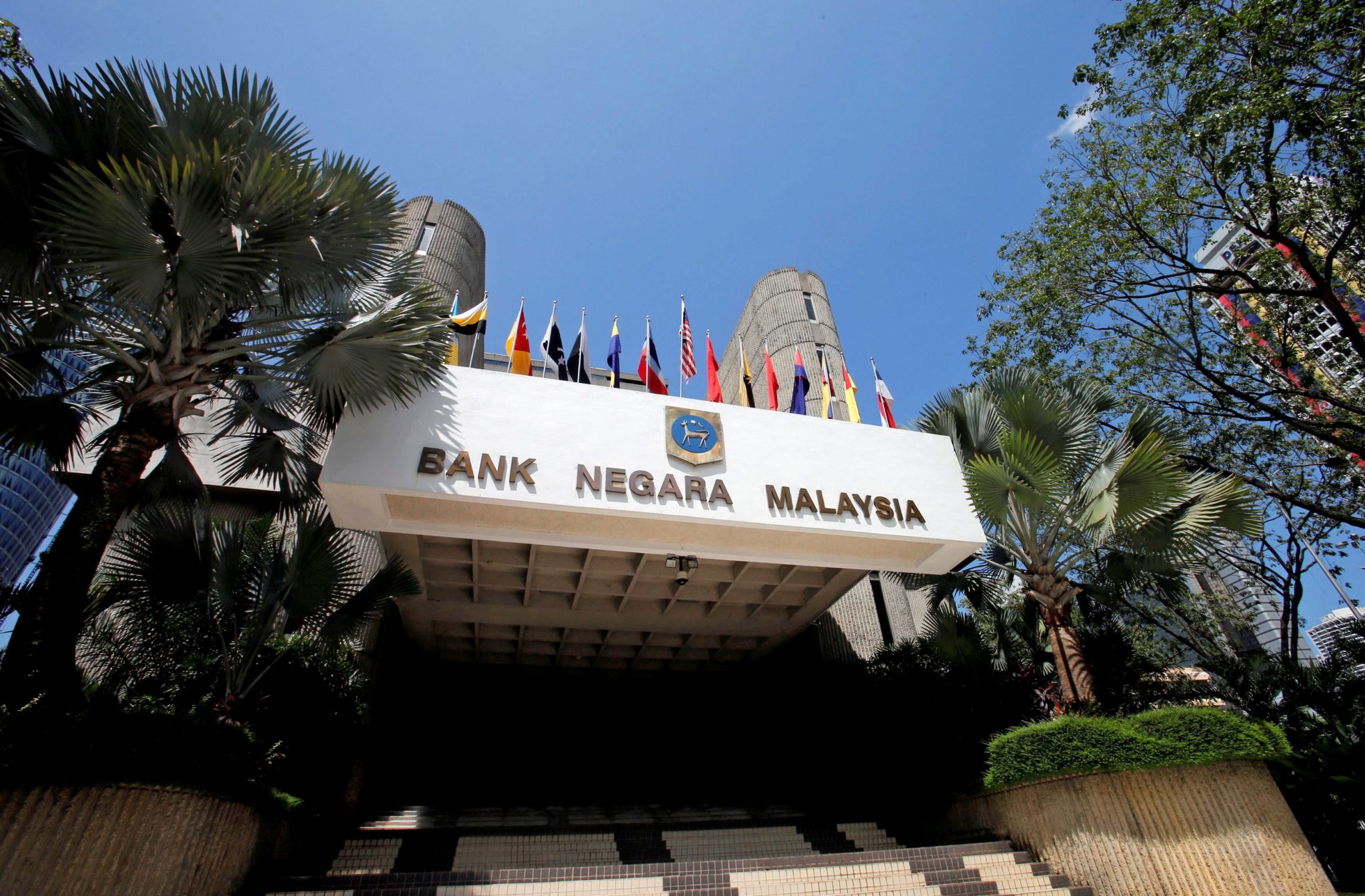
    Bank Negara Malaysia’s (BNM) international reserves remained unchanged at US$101.4 billion (about RM417.06 billion) as at Dec 31, 2018, from Dec 14, 2018. The central bank said in a statement that the reserves position is sufficient to finance 7.4 months of retained imports and is 1.0 time the short-term external debt.

  • Petronas starts trial runs at crude distillation unit for Rapid

    Petronas starts trial runs at crude distillation unit for Rapid

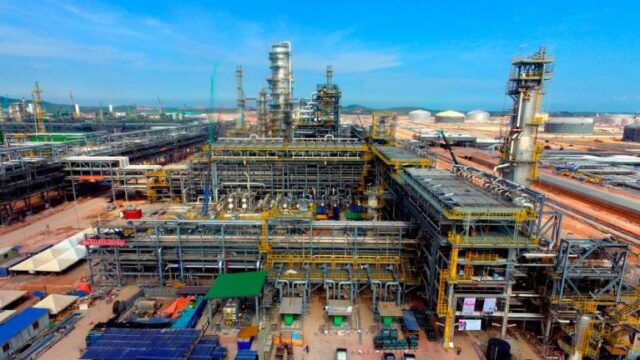
    Malaysian state oil company Petroliam Nasional Bhd (Petronas) started trial runs at the crude distillation unit (CDU) for a joint-venture refinery with Saudi Aramco in Malaysia last week, two sources with knowledge of the matter said this week. The move marks a major milestone for the US$2.7 billion (RM11 billion) project known as Rapid – or Refinery and Petrochemical Integrated Development – in Pengerang, Johor. The test runs put the project on track for commercial operation in 2019.

    The company also received its second cargo of 2 million barrels of Saudi crude last week, according to the sources and data on Refinitiv Eikon.

    Petronas could not be immediately reached for comment.

    Rapid consists of a 300,000-barrel-per-day (bpd) refinery and secondary refining units that will allow the companies to produce refined oil products that meet Euro 5 fuel specifications. The refinery is linked to a petrochemical complex with a capacity of 7.7 million tonnes a year.

    The first crude oil cargo for Rapid was offloaded at Pengerang in September.

    The refinery is one of four new complexes in Asia that represent a combined processing capacity of nearly 1.3 million bpd scheduled to start up from late 2018 to 2019.

    Another of the four complexes, a 400,000 bpd refinery, owned by Hengli Petrochemical in Dalian in northeast China, started trial runs in December.

    These plants will increase Asia’s crude demand while adding to fuel output in the region.

  • Mothercare Malaysia retailer seeks IPO

    Mothercare Malaysia retailer seeks IPO

    Kim Hin Joo, operator of ELC and Mothercare Malaysia, is preparing for an IPO on Bursa Malaysia’s ACE Market. The move, expected to generate funding for the group’s further expansion and expenditure, will see a public issue of 76 million new shares (20 per cent of its enlarged share capital) and an offer of 57 million existing shares (15 per cent of its enlarged capital). Of those shares, 47 million will be reserved for selected investors. Pricing has yet to be decided.

    The firm’s non-executive chairman Pang Kim Hin will see his personal stake reduced to 62.3 per cent after the IPO from his current 90.3 per cent.

    Kim Hin Joo has 16 Mothercare locations and 11 ELC SIS in several major Malaysian centers, with 599 distribution points nationwide and 10 overseas. It plans to open four to five new Mothercare stores within the next three years in Kuala Lumpur, Johor Bahru, and outside the Klang Valley area.

    “We are in the midst of finalising a development agreement with toy retailer The Entertainer UK which will grant us the exclusive rights to open and operate The Entertainer toy outlets, and sell a broad range of toys,” the company said in a statement.

    “We target to conclude the discussions and sign the development agreement by the first half of 2019.”

    The group is also planning to concurrently revamp and upgrade its e-commerce platform by replacing its back-end IT infrastructure system and to expand its distribution portfolio.

  • Malaysian consumer sentiment to remain healthy this year

    Malaysian consumer sentiment to remain healthy this year

    AmInvestment Bank has maintained its “overweight” rating on the consumer sector, as consumer sentiment is expected to remain healthy on the back of recent consumer-friendly initiatives by the government. It said in a report that recent initiatives such as the reintroduction of petrol subsidy, capping of the electricity tariff and introduction of public transport subsidies, have contained the problem of rising cost of living and effectively put more money back into the pockets of consumers.

    “The substitution of the Goods and Services Tax (GST) with the Sales and Services Tax (SST) is a net positive to consumers as the SST has a narrower scope compared with the GST,” it said.

    According to the Malaysian Institute of Economic Research, the Consumer Sentiment Index has recovered beyond the 100-point confidence threshold after three years of a low sentiment trend.

    AmInvestment Bank believes that the positive trend in consumer sentiment will be sustained as consumers become more confident of the government with expectations of more rakyat-centric government policies, better governance and transparency.

    It expects private consumption to grow at 6.5% year-on-year on the back of a healthy labour market and stable inflation.

    While the food and beverage sub-sector does not typically benefit from greater disposable income, AmInvestment Bank has identified Berjaya Food Bhd (BFood), Mynews Holdings Bhd and Power Root Bhd as the top picks for the sector.

    It said that BFood is a beneficiary as improved consumer sentiment will drive discretionary spending while Mynews will be an indirect beneficiary of the public transportation subsidy.

    “We reckon that this measure will boost foot traffic surrounding the train stations. Mynews currently operates more than 30 stores in the MRT, LRT and monorail stations,” it added.

    Meanwhile, Power Root will be a potential beneficiary as it is a producer of staple products. It will also benefit from a stronger US dollar as around 50% of its sales are in exports.

    Downside risks that may prompt it to review its call for the sector are weakening of the ringgit against the US dollar (its 2019 assumption average is RM4.12) and sluggish improvement to economic fundamentals, which could lead to a de-rating of the sector.

    “A sluggish recovery in economic fundamentals such as high operational costs and a weak ringgit may not see consumers fully benefitting from savings tied to the SST reintroduction and consumer-friendly measures, thereby dampening the recovery in consumer sentiment,” it said.

  • Mr DIY mulls US$362 million float

    Mr DIY mulls US$362 million float

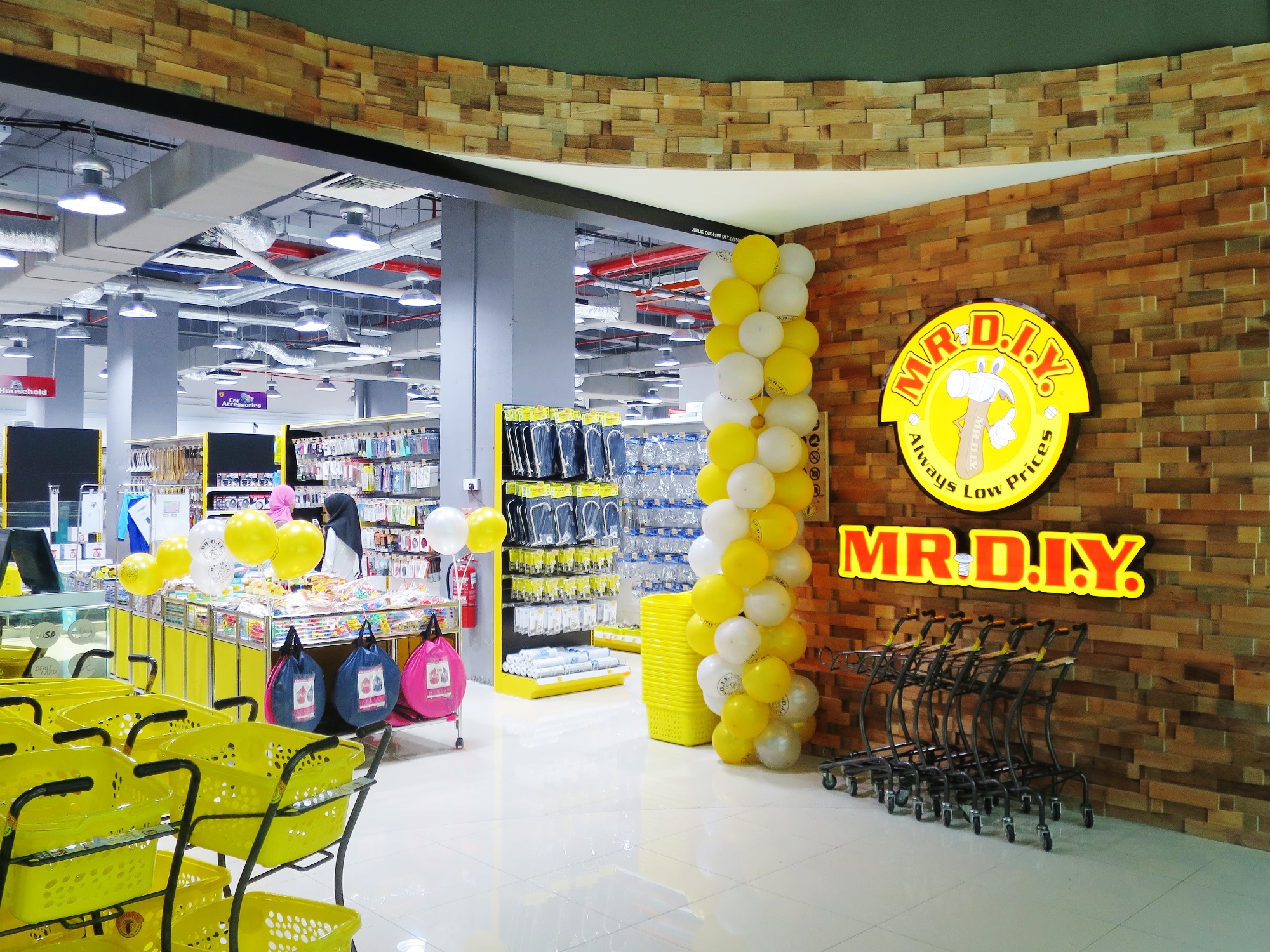
    Malaysian home improvement brand Mr DIY is considering an IPO to raise about MYR1.5 billion (US$362 million). An industry source has revealed that the firm intends to list its domestic operations later this year on either the Malaysian or Hong Kong exchange with backing from Malaysian private equity firm Creador, which invested in the brand over two years ago.

    A report stated the IPO could bring Mr DIY to a market value of MYR10 billion (US$2.426 billion).

    Mr DIY operates around 600 locations in Southeast Asia. Last October, the company revealed plans to open at least 1000 branches by 2020.

    Head of marketing Andy Chin said then: “We feel that our home improvement retail business model, offering a variety of goods at affordable prices, is suitable for better business growth in the country as well as the Asean market. At the end of this year, we target 700 global branches, and the number may reach 1000 or more by 2020. These will be based on an organic growth.”

    He added that the company’s prospect of Asean-level expansion will be focused on Indonesia, Thailand and the Philippines”.

    Mr DIY is the largest home appliance retailer in Malaysia with more than 20,000 SKUs.

  • US-China talks on bilateral trade to impact Malaysia’s equity

    US-China talks on bilateral trade to impact Malaysia’s equity

    The discussion between the US and China with respect to their bilateral trade would likely be the highlight for the equity market next week, says an economist. It could also be a source of market instability, said Bank Islam Malaysia Bhd chief economist Dr Mohd Afzanizam Abdul Rashid. He said market players are currently worried about the turbulence across global markets.

    “Generally businesses have become more risk-averse as some countries especially China and Asean nations had recorded below the 50-point demarcation line in their manufacturing index.

    “In fact, the US ISM manufacturing index has shown a similar trend, falling by 5.2 points to 54.1 in December 2018.

    “Naturally, businesses would reduce their capital expenditure and labour hiring as they would become wary of demand prospects, so we can expect equity markets to remain weak in the near term,” he said.

    Mohd Afzanizam said the current support level is at 1,653.

    The FBMKLCI might test this level should the discussion not pan out favourably, he added.

    For the holiday-shortened week, the FBM KLCI was traded mostly lower, mainly affected by external factors such as US political uncertainties, mounting concerns over poor global growth and the talks on the potential interest rate hikes by the Federal Reserve.

    The local bourse and its subsidiaries were closed on Tuesday for the New Year holiday.

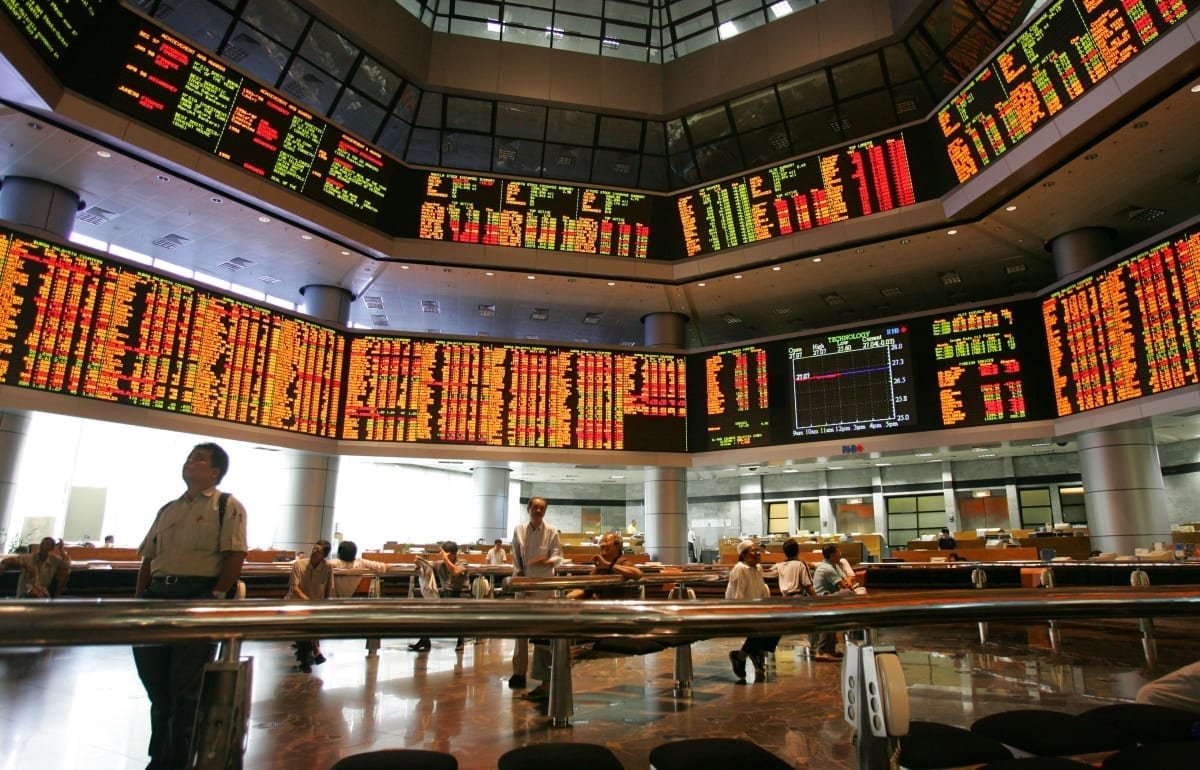
    On a Friday-to-Friday basis, the benchmark FBM KLCI settled 22.29 points weaker at 1,669.78.

    The FBM Emas Index depreciated 124.28 points to 11,413.02, the FBMT100 Index decreased 131.24 points to 11,323.34, the FBM 70 declined 67.72 points to 13,023.80, the FBM Emas Syariah Index erased 152.51 points to 11,356.91 but the FBM Ace edged up 34.23 points to 4,294.43.

    Sector-wise, the Finance Index lost 99.90 points to 17,241.79, the Industrial Products and Services Index eased 1.18 points to 165.63, while the Plantation Index was 16.84 points weaker at 6,880.90.

    Comparing Friday-to-Friday, the weekly turnover rose to 7.22 billion units worth RM4.79 billion from 5.70 billion units worth RM4.15 billion.

    Main Market volume increased to 5.17 billion units valued at RM4.37 billion versus 4.16 billion shares valued at RM3.85 billion.

    Warrants turnover advanced to 1.23 billion units worth RM282.94 million compared with 948.80 million units worth RM202.97 million.

    The ACE Market volume appreciated to 719.60 billion shares valued at RM127.20 million against 556.26 million shares valued at RM90.05 million.

  • AirAsia abolishes KLIA 2 fee

    AirAsia abolishes KLIA 2 fee

    AirAsia Group Bhd will cease charging the RM3 klia2 fee for all flights departing from Kuala Lumpur International Airport 2 (klia2) starting today. The klia2 fee was introduced in May 2014 to cover the additional cost created at klia2 due to the use of mandatory facilities imposed by Malaysia Airports Holdings Bhd (MAHB) such as aerobridges and SITA check-in and boarding systems, compared to the low-cost carrier terminal previously.

    “Following our announcement last week, we have removed the klia2 fee. We have said from the very beginning that klia2 is not fit for low-cost carrier operations, and we will be going directly to MAHB for all the extra costs they’re costing us,” AirAsia Malaysia CEO Riad Asmat said in a statement.

  • Ringgit likely to trade in cautious mode this week

    Ringgit likely to trade in cautious mode this week

    The ringgit is expected to face a challenging upcoming week as the market uncertainty over trade tensions and a slowdown in the global economy encourage investors to remain risk-off. FXTM Research Global Head of Currency Strategy Jameel Ahmad said that the local unit may face the risk of falling below RM4.15 against the greenback next week.

    “The local currency has actually performed reasonably well this week during a period of heightened market uncertainty due to concerns over a global economic slowdown in 2019, and I actually would have expected the currency to fall lower due to investor reluctance to invest in emerging markets when there is significant market uncertainty,” he said.

    He said the ringgit and its emerging market peers across the globe face significant downside risks heading into the next trading week, as global financial markets continue to be gripped by market turmoil.

    “The first few days of the new trading year have not been kind to financial markets, with a number of global stocks selling off and a “flash crash” in the currency markets leading to losses in a number of currencies including the British pound, Australian dollar and Turkish lira while the Japanese yen surged across the board,” he added.

    Although the ringgit and its Asian peers got away from the flash crash in the market unscathed, he said the prolonged risk-off environment that is hurting risk appetite is encouraging expectations that emerging markets are at risk to another round of selling off.

    “I would keep a close eye on whether the ringgit falls below 4.15 next week, because this will raise market expectations that the currency of Malaysia will gradually return to the 4.20 levels over the coming weeks,” he said.

    For the week just ended, the ringgit closed mostly lower against the US dollar with market sentiment moved by global economic uncertainties and weak Purchasing Managers’ Index (PMI) data released early this week.

    On a Friday-to-Friday basis, the local note strengthened to 4.1340/1370 from 4.1500/1550 against the greenback.

    It went down against the Singapore dollar to 3.0357/0395 from 3.0336/0384 but improved against the British pound to 5.2378/2432 versus 5.2468/2548.

    Against the euro, the ringgit jumped to 4.7144/7199 from 4.7488/7550, but eased versus the Japanese yen to 3.8260/8298 from 3.7597/7653.

  • Lancome pop-up store opens in Pavilion KL

    Lancome pop-up store opens in Pavilion KL

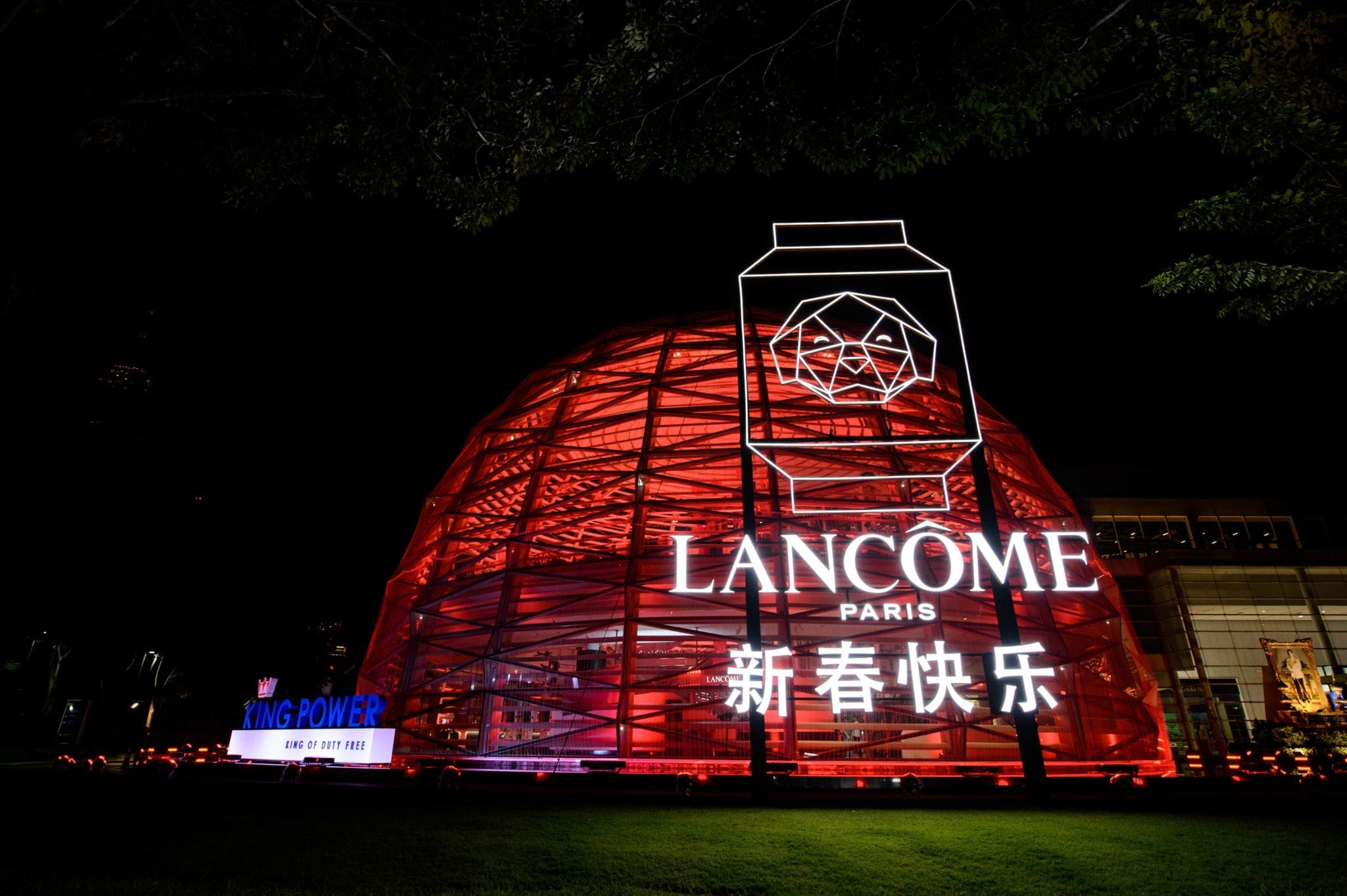
    Lancome is set to launch its first exclusive pop-up store at Pavilion Kuala Lumpur. The Lancome pop-up store will open from January 7 until February 15 in celebration of the Chinese New Year and be promoted via a “Wish Big” campaign offering limited edition beauty products alongside other prizes, including a grand prize trip to Paris.

    Store visitors will be able to sample Lancome’s Advanced Genifique product as well as send personalised CNY e-greetings and enjoy various interactive activities. Shoppers will be able to buy from several limited edition Lancome bestsellers.


  • Export growth breezes in for Daikin Malaysia

    Export growth breezes in for Daikin Malaysia

    Air conditioning company Daikin Malaysia Sdn Bhd, which has allocated a capital expenditure (capex) of RM434 million for the next financial year ending March 31, 2020 (FY20), will ramp up its efforts on driving export growth, in line with its aim for export to contribute 70% of its total sales by FY20, from 65% now. COO Ooi Cheng Suan said products from its flagship factory here, mainly air conditioners for residential (household) use, as well as light commercial and commercial, are exported to 70 countries in the world.

    “We are driving export because the Malaysian market is not big and it is limited. To expand, we must go beyond, go out (of Malaysia). Being made in Malaysia, it (our products) is well accepted. In these two years, our ringgit has weakened and this has given us certain advantage when exporting. We become more competitive,” he said.

    He said traditionally, the company had been exporting to Europe, with the more prominent countries being Italy, Greece, France, UK, as well as the Middle East. This year, in addition to Central Europe, it has expanded its export to the US and Latin America.

    “We want to achieve at least 70% export for this factory here (remaining 30% for local market). As per our plan and budget, we’re on track to move towards 70%,” said Ooi.

    He explained that the US-China trade war has given the company an opportunity of exporting into the US due to the imposition of tariffs on products from China, which impacted Daikin China’s export into US.

    “Malaysia’s platform is similar to China’s platform, so we can transfer that demand from US (supplied originally by China) to Malaysia. We’re in a good position (to secure that opportunity) because we’re competitive and we’re able to respond fast to changes so there’s a high chance that the demand of US (for Daikin) will shift to Malaysia (from China),” explained Ooi.

    In Malaysia, Daikin, the world’s industry leader in air conditioning, prides itself as the number one air conditioner maker in terms of sales turnover and the number of air conditioners sold in the market. Annually, its Sungai Buloh factory produces 1.4 million sets (comprises indoor evaporator and outdoor condenser). Currently the residential segment makes up over 60% of its sales, while the remaining 40% comes from the light commercial, commercial and industrial segments.

    Ooi, who is also deputy regional general manager for Asia emerging districts, claims that the Japanese brand Daikin is also the top air conditioner maker in almost all of the markets in Southeast Asia (SEA), based on its survey.

    “Some players claim they’re number one at serving only a niche market. Daikin has the full range of air conditioners, from as small as 0.5 horsepower to a few thousand horsepower. We cover the full spectrum of the market,” said Ooi.

    The company is expecting to close FY19 with a double-digit growth based on its current sales momentum.

    “For the Malaysian market, the situation (sales) is slow, but the upcoming Chinese New Year will spur some buying from consumers. From past experience, when it comes to February and March, the weather turns hot and this will spur impulse buying.

    “Air conditioner has become a necessity. The price of air conditioner in Malaysia is not too far reaching that it becomes a luxury item. It has been relatively low, affordable for the public,” said Ooi, adding that globally, demand for air conditioner from developing countries like India and Africa is growing fast.

    He stressed on two important pillars for growing the local market, including the introduction of R32 refrigerant products (low global warming potential), as well as educating the market to move to energy-efficient products, such as the Inverter series.

    Daikin Malaysia will invest RM100 million annually as capex for facility and machine upgrading.

    Its two new factories in Shah Alam and Banting will focus on manufacturing applied products, comprising chillers and air handling units, for large, high rise buildings, shopping centres and industrial use. The Shah Alam factory, which was set up at RM140 million, will start its full-fledged production by 2019 and is expected to have a turnover of RM100 million per year in the beginning.

    “This is the only applied factory in SEA Oceania and this will be the factory that will support the whole SEA Oceania. With our plan to expand our applied business in SEA Oceania, we’ve set up our applied regional hub in Malaysia and Singapore to expand the sales in SEA.”

    Meanwhile, it will also invest RM125 million to set up a factory in Shah Alam to make electronic devices (air conditioner controllers), which will come into production by 2020. Ooi said this factory will supply to Daikin’s affiliates, of which there are 73 factories in the world.

    “Currently we’re already exporting to Daikin factories in Turkey, Vietnam, Czech Republic and the US. We can’t cater to the whole demand of Daikin. These factories that we’re catering for are less than 20% of the demand of Daikin group. A good percentage is still supplied by others,” said Ooi.

    It is also allocating RM135 million to set up a centralised logistics centre, which is expected to start operations by early 2020-2021.

    In addition, some RM74 million has been budgeted for research & development in FY20.

  • Malaysian mall introduces metal straws for shoppers

    Malaysian mall introduces metal straws for shoppers

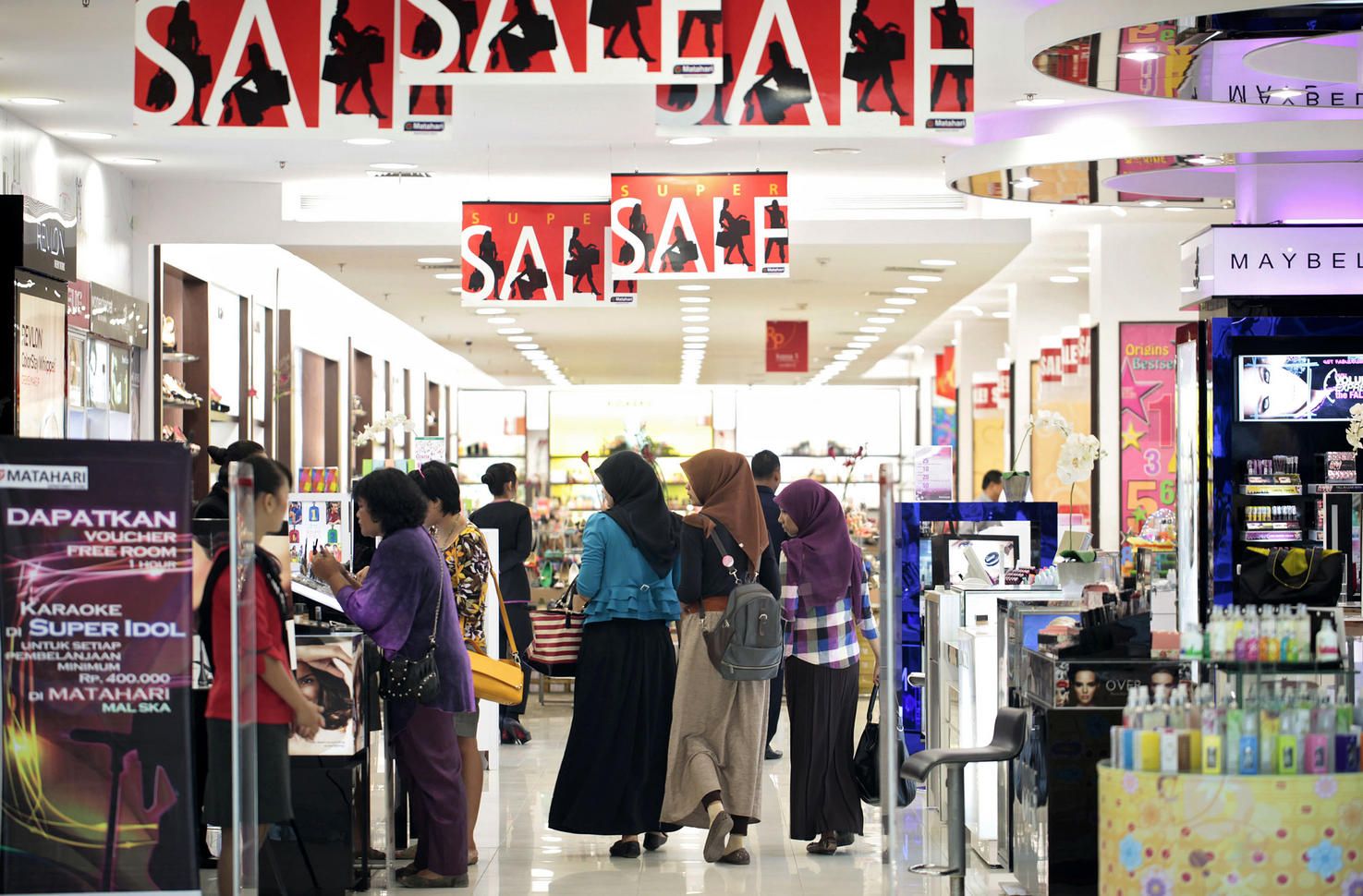
    Malaysia’s Sunway Malls is introducing metal straws in a move to help eliminate single-use plastic straws from its property. The decision, made in alignment with the United Nations’ Sustainable Development Goals and the government’s decision to ban plastic straws in the Federal Territories in Malaysia, has introduced metal straws. Many of Sunway’s tenants are moving forward with alternative straw materials too – biodegradable paper straws are available at some outlets, while others have decided to remove plastic straws altogether and some are also rewarding customers who bring their own straws.

    Sunway shoppers who spend RM100 (US$24) in two receipts will be eligible to collect their personal metal straws from the concierge counters of each participating mall.

    “At Sunway Malls, we are excited to introduce metal straws, which will be available to shoppers with a very minimal spend,” said Sunway Malls COO Kevin Tan. “We were one of the first malls to introduce the Bring Your Own Bag (BYOB) campaign in 2017. With metal straws, we hope to instill a greater sense of responsibility and sustainability towards the environment through a conscious effort of reducing daily plastic consumption in our shoppers lives,” he said.

    “As a landmark mall in our community, this is part of our continuous effort for the betterment of the future and hope that our shoppers will also see the value in this campaign. A little change goes a long way.”