Tag: Malaysia

  • HSBC sells 49% of HSBC Amanah Takaful

    HSBC sells 49% of HSBC Amanah Takaful

    HSBC Holdings plc’s indirect wholly owned subsidiary HSBC Insurance (Asia Pacific) Holdings Ltd is selling a 49% stake in HSBC Amanah Takaful (Malaysia) Bhd to FWD Life Insurance Company (Bermuda) Ltd. The transaction has obtained approval from the Minister of Finance, via Bank Negara Malaysia, and is expected to be completed during the first half of 2019.

    “We have decided to exit the takaful manufacturing business and focus on our banking operations in Malaysia. This transaction relates only to a change in ownership for the takaful joint venture. For the HSBC Group, the transaction does not have any impact on our current businesses in Malaysia, comprising HSBC Bank Malaysia Bhd and HSBC Amanah Malaysia Bhd. Malaysia remains a key insurance distribution market for us and we will continue to support the insurance needs of our customers through our insurance partners,” said HSBC Bank Malaysia Bhd CEO Stuart Milne.

  • MAHB’s record profits come at a cost to the Malaysian economy and tourism

    MAHB’s record profits come at a cost to the Malaysian economy and tourism

    Against a backdrop of a challenging economy and falling profitability in corporate Malaysia, Malaysia Airports Holdings Berhad (MAHB) won a major Malaysian award last week, topping billion ringgit companies for giving its shareholders the best three-year returns in its class.

    MAHB’s net profit more than tripled in 2017 to RM237 million from RM73 million in 2016 – itself nearly double from RM40 million in 2015 – and it is set to break yet another record this year.

    In the write-up that accompanied the award, the sharp increase in profits was attributed to two reasons: an increase in Passenger Service Charge (PSC) and growth in passenger numbers coming through its airports.

    The write-up unabashedly stated that MAHB owed its vastly improved performance to its structural dominance and described MAHB as a structural monopoly.

    Kudos to MAHB. But then, it is not difficult to keep showing such numbers when you are a monopoly.

    Nevertheless, unjustified price increases, such as the PSC hike imposed by MAHB, will lead to unintended consequences when its clients, who have no choice but to use its services, are eventually squeezed out of business. Then, everything will collapse – Malaysia’s tourism arrivals, billions in tourism receipts and revenues to MAHB’s own coffers (a fact it has failed to acknowledge).

    MAHB rewards itself with excessive monopoly profits, yet it provides the Malaysian public with embarrassingly low service levels.

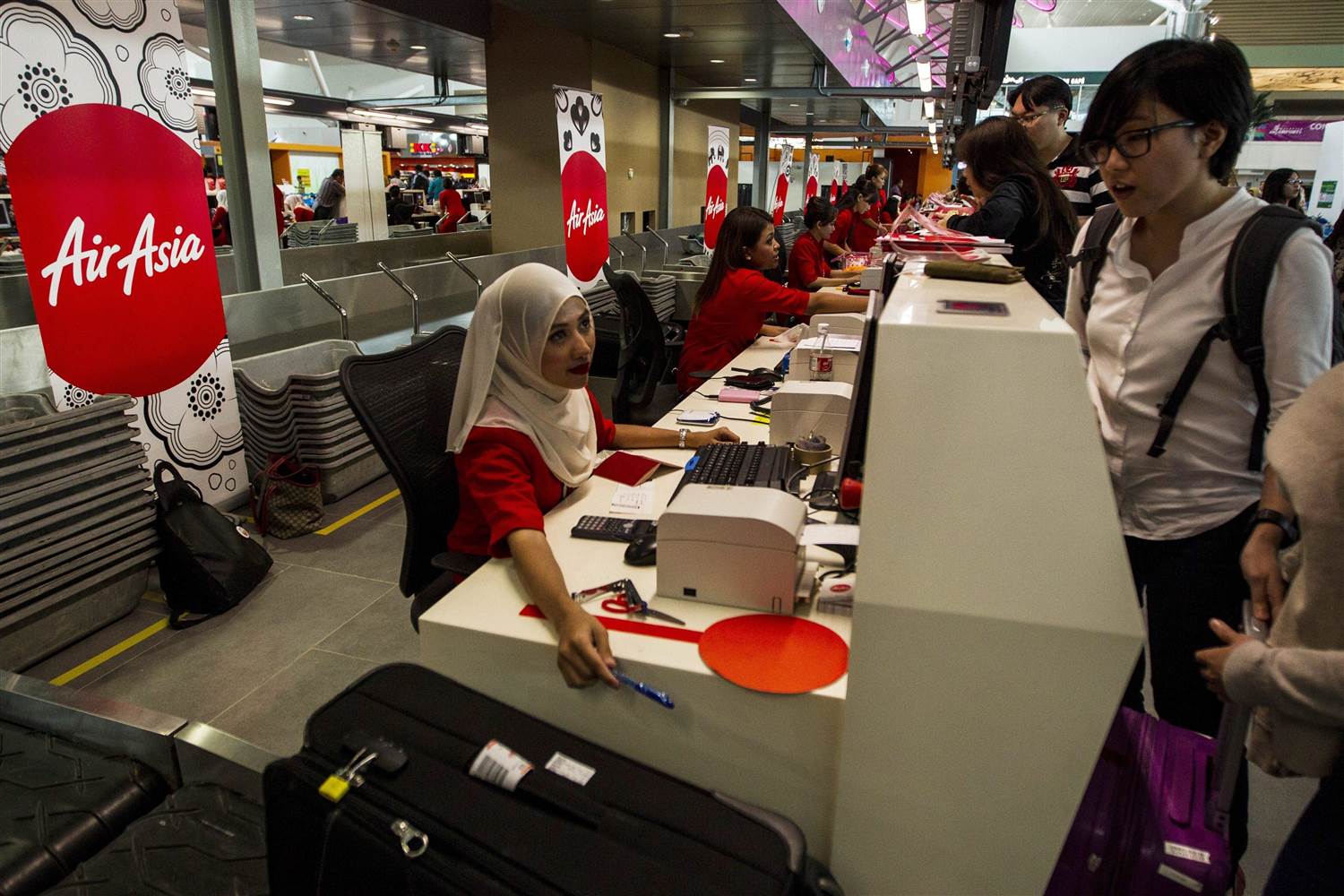
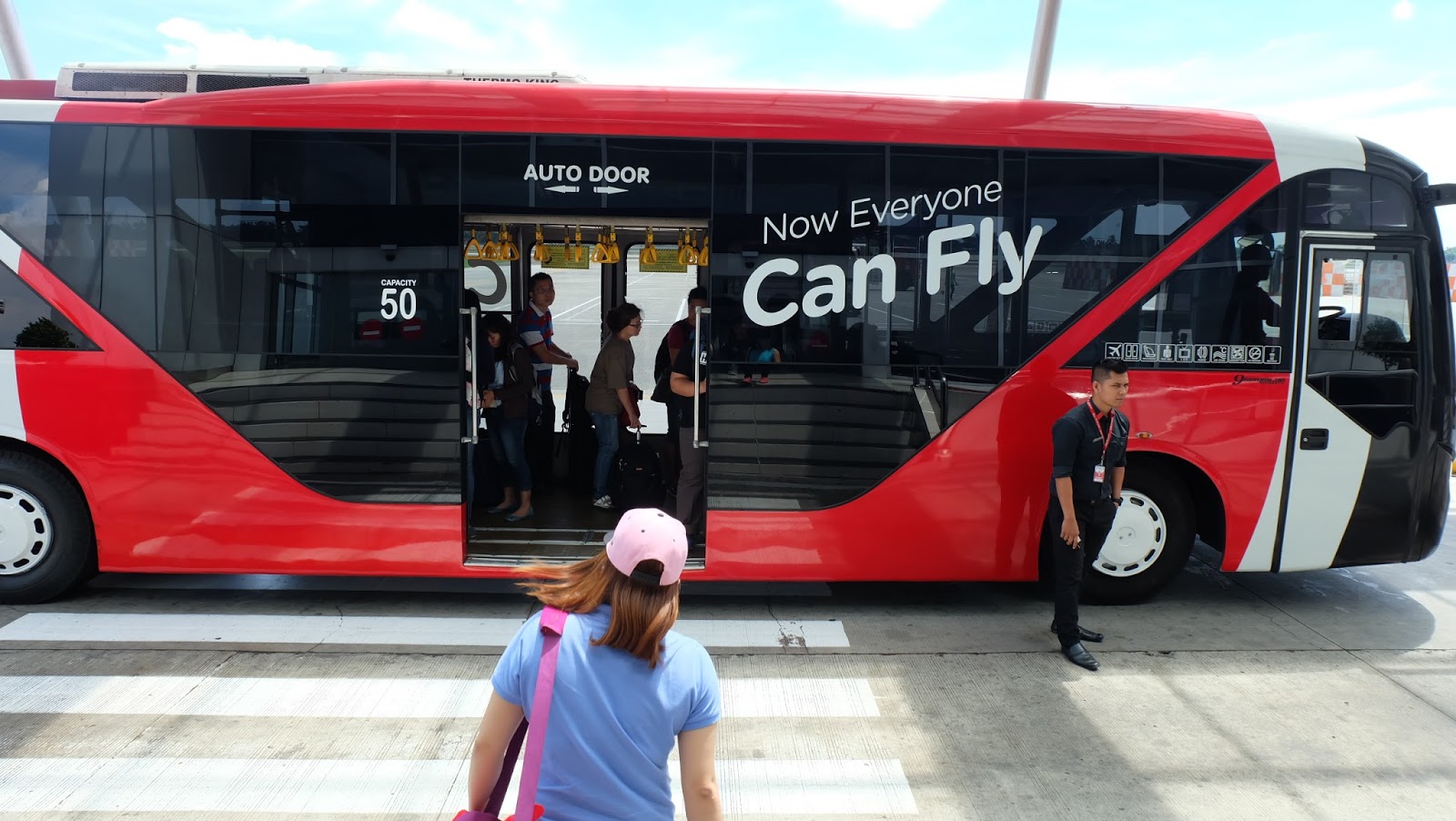
    AirAsia X Malaysia CEO Benyamin Ismail said, “In addition to the RM50 PSC it already imposes, MAHB is now demanding an additional RM23 from each passenger travelling through klia2. The millions of passengers departing from klia2, more than 90 percent of whom fly with AirAsia, will attest to the long walks they have had to endure to reach their gates in what is a passenger-unfriendly airport with inferior facilities yet unjustified high charges.

    “Furthermore, since klia2 opened, there have been constant flight disruptions and cancellations due to major apron and runway defects, unscheduled closure of runways, ponding of water on the best of days and fuel pipeline ruptures.

    “We were sued after we refused to collect the extra RM23 that MAHB has imposed for the sole benefit of its shareholders. We will vigorously fight this suit. We will not be part of this scheme to burden the travelling public by making them pay more for below par services.”

    Benyamin added that while the operating results of klia2 itself were not immediately apparent, AirAsia estimates that MAHB’s returns on capital are well in excess of the level of the cost of capital set by regulators.

    AirAsia Malaysia CEO Riad Asmat said, “The overall tourism sector, one of Malaysia’s biggest revenue earners, and the interests of millions of Malaysians who have been able to fly because of the low fares pioneered by AirAsia, are being threatened by MAHB’s price hikes. We urge the regulators and policy makers to rebuff this unfair and unreasonable attempt by MAHB to use its monopoly to enrich itself further by revisiting and rescinding the decision to raise the PSC.

    “MAHB has argued it needs more profits to operate smaller loss-making airports on behalf of the government, but it is obvious from its exponential growth in profits over the last three years – even after taking into account losses in its Turkish operations – that this is not the case.

    “The additional RM23 to be collected will amount to more than RM100 million a year that will go straight to MAHB’s bottom line rather than to the government. MAHB will continue to be among the most profitable Malaysian companies for many years to come. But this will come at a cost to the wider Malaysian economy and at the expense of engines of growth such as AirAsia and AirAsia X.”

    Riad also referred to MAHB’s defence of its decision to charge the extra RM23 in PSC from each travelling passenger, saying it is “bound by Article 15 of the Chicago Convention of 1944.”

    “This would almost be laughable if it were not so serious. MAHB is falling back on a convention ratified in 1944, when Japan still ruled Malaya and when Frank Whittle was testing the jet engine and when only the well-heeled could fly.

    “For all these reasons, we shall not accede to MAHB’s demands and we will take our battle both to the people and to the court of law.”
  • Cle De Peau Beaute opens first Malaysian store

    Cle De Peau Beaute opens first Malaysian store

    Luxury skincare and makeup brand Cle De Peau Beaute Malaysia has opened its first boutique, at Pavilion Kuala Lumpur shopping centre. The store features a makeup gallery which tells the story of Pave-Diamond particles while a skincare gallery showcases La Creme.

    The store has consultation tables with personal beauty specialists available to help customers choose the most suitable products for their skin types.

    A VIP-consultation space at the back of the boutique hosts signature facial treatments, which incorporate massage techniques by aestheticians.

    “The retail landscape has changed tremendously in the past 15 years,” said Hiroyuki Maeda, Cle de Peau Beaute global director of business operations with the group. “This change is not specific to just Malaysia but on a global level. As a brand, we need to continuously innovate and transform to make ourselves relevant to our customers.”

  • AirAsia: High cost of unjustified PSC hike

    AirAsia: High cost of unjustified PSC hike

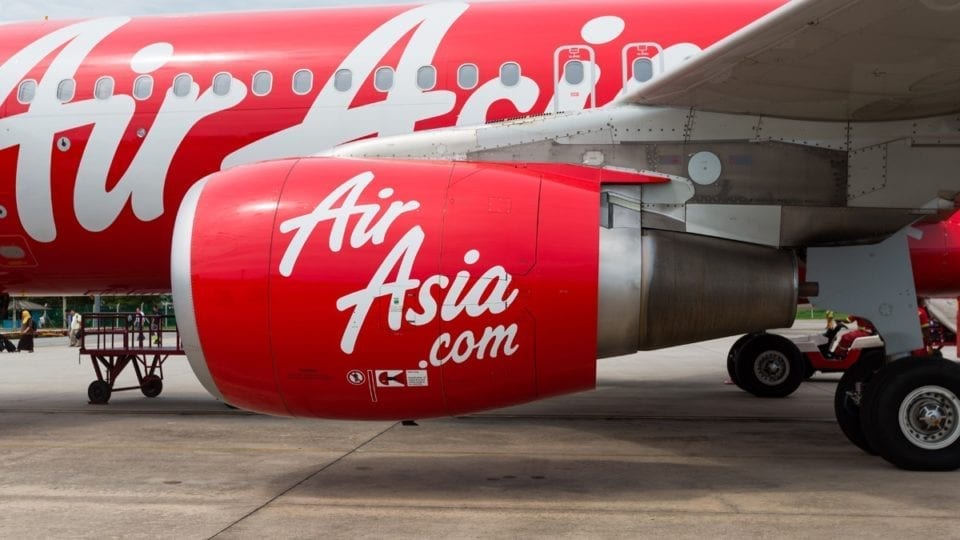
    Unjustified price increases such as the hike in passenger service charge (PSC) could result in airlines being squeezed out of business and subsequently affect tourism arrivals, said low-cost carrier AirAsia. In a strongly worded statement titled “MAHB’s record profits come at a cost to the Malaysian economy and tourism industry”, the airline said the PSC hike imposed by airport operator Malaysia Airports Holdings Bhd (MAHB) will lead to unintended consequences when MAHB’s clients, who have no choice but to use its services, are eventually squeezed out of business.

    “Then, everything will collapse – Malaysia’s tourism arrivals, billion in tourism receipts and revenues to MAHB’s own coffers (a fact it has failed to acknowledge). MAHB rewards itself with excessive monopoly profits, yet it provides the Malaysian public with embarrassingly low service levels,” it said.

    The two parties have been in a row over the additional PSC imposed by MAHB of RM23 per passenger at klia2, in a move to equalise the PSC rate at klia2 and Kuala Lumpur International Airport (KLIA).

    Last week, MAHB slapped AirAsia Group Bhd and AirAsia X Bhd (AAX) with a RM36.1 million lawsuit for refusing to collect the additional PSC and alleged arrears in PSC.

    AirAsia X Malaysia CEO Benyamin Ismail said more than 90% of the “millions” of passengers departing from klia2 who fly with AirAsia will attest to the long walks to the departure gates, labeling klia2 as a passenger-unfriendly airport with inferior facilities and unjustified high charges.

    He reiterated AirAsia’s complaints about the airport such as flight disruptions and cancellations due to major apron and runway defects, unscheduled closure of runways, ponding of water and fuel pipeline ruptures.

    “We were sued after we refused to collect the extra RM23 that MAHB has imposed for the sole benefit of its shareholders. We will vigorously fight this suit. We will not be part of this scheme to burden the travelling public by making them pay more for below par services,” he said.

    AirAsia noted that MAHB’s net profit more than tripled in 2017 to RM237 million from RM73 million in 2016, and estimates that MAHB’s returns on capital are well in excess of the level of the cost of capital set by regulators.

    AirAsia Malaysia CEO Riad Asmat urged regulators and policy makers to rebuff the “unfair and unreasonable” attempt by MAHB to use its monopoly to enrich itself further by revisiting and rescinding the decision to raise the PSC.

    “The overall tourism sector, one of Malaysia’s biggest revenue earners, and the interests of millions of Malaysians who have been able to fly because of the low fares pioneered by AirAsia, are being threatened by MAHB’s price hikes,” he said.

    He challenged MAHB’s argument of needing more profits to operate smaller loss-making airports on behalf of the government, noting MAHB’s “exponential” growth in profits over the last three years even after taking into account losses in its Turkish operations.

    “The additional RM23 to be collected will amount to more than RM100 million a year that will go straight to MAHB’s bottom line rather than to the government. MAHB will continue to be among the most profitable Malaysian companies for many years to come. But this will come at a cost to the wider Malaysian economy and at the expense of engines of growth such as AirAsia and AirAsia X,” he said.

  • Online retailer Taobao endorses physical store in Malaysia

    Online retailer Taobao endorses physical store in Malaysia

    Chinese online retailer Taobao is endorsing a spin-off physical store in Malaysia. The 5000sqft Taobao Selection store in Kuala Lumpur’s Viva Home Shopping Mall is the first in Southeast Asia, opening in collaboration between local operator Lumahgo, Taobao spinoff Tmall World, and lifestyle furniture retailer Lorenzo. It retails curated products from Tmall.com selected for the Malaysian market alongside furniture offerings.

    Lumahgo CEO Fabian Kong said: “We are developing a new retail system that caters to Malaysians, which will bring a new retail technology experience to local retailers … We are helping Tmall World to sell the selected products in Malaysia for customers who do not know how to shop online”.

    A reported 98 per cent of furniture purchases are made offline in Malaysia.

    Taobao’s owner Alibaba Group is contributing to the project by providing big-data tools and a technology platform. The collaborating partners will open a second Taobao Selection store will open in Sabah early next year.

  • Malaysia’s CIMB to gain RM200m from stockbroking business transfer

    Malaysia’s CIMB to gain RM200m from stockbroking business transfer

    CIMB Group Holdings Bhd is expected to record a gain of disposal of approximately RM200 million from the process of transferring the group’s stockbroking business to its joint venture company with China Galaxy Securities Co Ltd.

    This comes after taking into account the premium on the disposal of approximately RM433 million and goodwill attributable to the business.

    CIMB said the consideration in connection with the proposed business transfer will be satisfied in cash and it was determined based on the future prospects and net asset value of the in-scope business as at Dec 31, 2015, which amounted to RM565.6 million.

    The consideration is subject to closing audit adjustments, if any.

    Jupiter Securities, the subsidiary of China Galaxy Securities Co Ltd (CGS)-CIMB Holdings Sdn Bhd, which is the Malaysian joint venture entity, will operate the stockbroking business.

    CIMB said in a stock exchange filing that its wholly owned subsidiary CIMB Group Sdn Bhd (CIMBG), China Galaxy’s wholly owned unit China Galaxy International Financial Holdings Ltd (CGI), and CGS-CIMB Holdings Sdn Bhd has inked a share subscription agreement for the subscription of new shares in CGS-CIMB Holdings Sdn Bhd.

    The proposed business transfer entails the sale of CIMB Investment Bank Bhd’s cash equities business and 100% equity interest in CIMB Futures Sdn Bhd as well as CIMB Bank Bhd’s equity financing services business and share margin financing granted in connection with the cash equities to Jupiter Securities.

    After the completion of the exercise, CIMBG and CGI will hold 50% stake each in the Malaysian JV entity.

    The exercises are expected to be completed in the first half of 2019.

  • World Bank cuts Malaysia’s 2018 GDP growth forecast again

    World Bank cuts Malaysia’s 2018 GDP growth forecast again

    The World Bank has again revised downward its projection for Malaysia’s 2018 gross domestic product (GDP) growth to 4.7% from 4.9% after taking into account factors such the rigorous rationalisation of expenditure by the government and slowdown in private and public investment. It last cut the country’s GDP growth forecast in October, to 4.9% from 5.4%.

    Malaysia’s third quarter GDP growth moderated to 4.4%, bringing about a nine-month expansion of 4.7%.

    Despite a moderation in growth, the World Bank believes that the Malaysian economy remains resilient and continues to be anchored by private consumption, although it has been cooling down after the reintroduction of the sales and service tax.

    The key drivers for private consumption are stable labour market conditions, cost of living aid and tax refunds payment.

    Private investment in the manufacturing and commodity sectors are also expected to be sustained.

    Speaking at the launch of the World Bank’s Malaysia Economic Monitor on Realising Human Potential Report, World Bank Group economist Shakira Teh Sharifuddin said Malaysia’s economic growth is projected to remain flat at 4.7% in 2019, with external factors such as current trade tensions and increased volatility in the financial and commodity markets expected to weigh on the overall economy.

    In addition to the escalating trade tensions, monetary normalisation in advanced economies, high dependency on oil revenue and high level of public debt are seen as potential risk for the government.

    The percentage of the federal government’s revenue to GDP has seen a steep decline between 2012 and 2018, falling from 21.4% to 16.2%. In 2019, the share of revenue to GDP is expected to be reduced further to 15.1%.

    This, Shakira said, leaves the government with limited space to respond to economic shocks.

    In the near term, the government is expected to rigorously embark on fiscal consolidation measures with expenditure expected to decline to 18.1% of GDP from the 2018 estimate of 20.3%.

    Shakira said that while the introduction of new taxes in the budget is welcomed, the government should relook the incentive mechanisms.

    On another note, the World Bank stressed on the need for Malaysia to accelerate the development of its human capital if it wishes to join the ranks of a high-income nation.

    While Malaysia, which ranked 55th out of 157 countries in the Human Capital Index, fared well in some areas, there is room for improvement in certain areas, noted the report.

    It also states the prevalence of stunting among Malaysian children which affect more than one in five Malaysian children, a key indicator of malnutrition. In the absence of renewed efforts to develop human capital, a child born today in Malaysia will only reach a productivity level of 62%.

    In terms of education, the 12.2 years spent by Malaysians in school only equates to the 9.1 years learning outcome of school goers in the highest performing system.

  • Jollibee opens first Malaysian outlet in Kota Kinabalu

    Jollibee opens first Malaysian outlet in Kota Kinabalu

    Jollibee Malaysia has opened its first outlet – in the beachside city of Kota Kinabalu. CEO Ernesto Tanmantiong said opening in Malaysia marked a new chapter for the group. “We invite Malaysians to come and see for themselves why people line up for hours.”

    Jollibee Foods head of international business, Dennis Flores, said Jollibee is beloved throughout Asia, because it appeals to diverse tastes and cultures.

    “This has propelled us to become the fastest-growing Asian restaurant company, and we are thankful for the overwhelming support. It drives us to do better for our customers, and to continue to serve delicious food with our signature warm service.”

    The Jollibee Malaysia opening follows the brand’s recent expansion into London and Manhattan as its rapidly expands its global store network to surpass 4300.

    After making its debut in the capital of Sabah, Jollibee Malaysia plans further outlets in major cities across the country.

  • November inflation seen easing to 0.5%

    November inflation seen easing to 0.5%

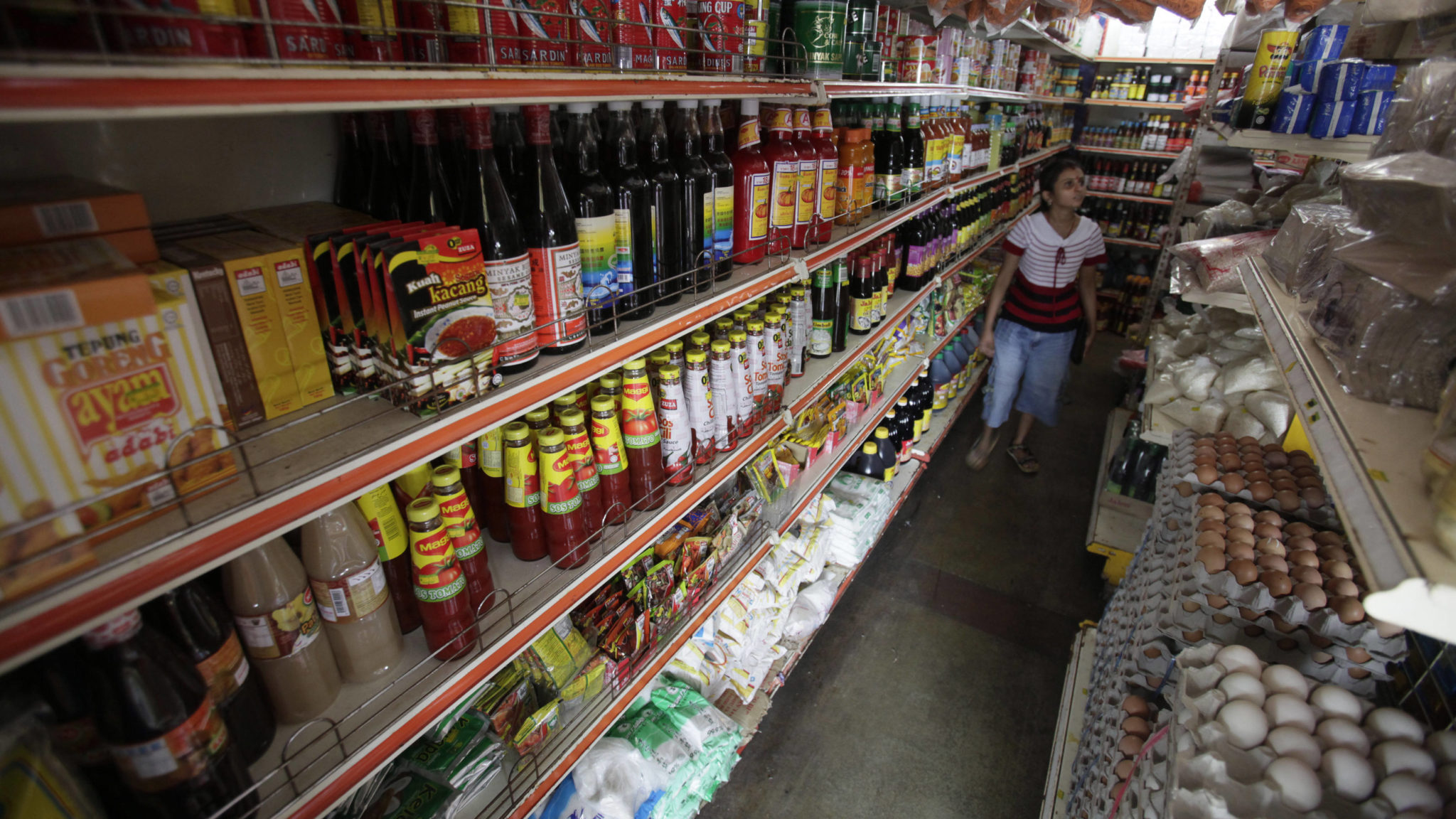
    Malaysia’s consumer price index (CPI) is expected to rise 0.5% in November from a year earlier, a Reuters poll showed, marginally slower than the previous month amid lower transport prices. Inflation has been mild since the government removed an unpopular consumption tax in June and reinstated a narrower sales and services tax (SST) three months later.

    The annual inflation rate was 0.6% in October. It has been rising after hitting a three-and-a-half year low of 0.2% in August.

    Economists expect any pickup in inflation due to the reintroduction of SST to be muted, softened further by the government’s decision to fix pump prices for premium RON95 petrol for the rest of the year.

    Last month, Malaysia’s central bank said inflation had been largely benign in the third quarter, but was expected to edge upwards the rest of the year and into 2019.

  • New Lego land in China

    New Lego land in China

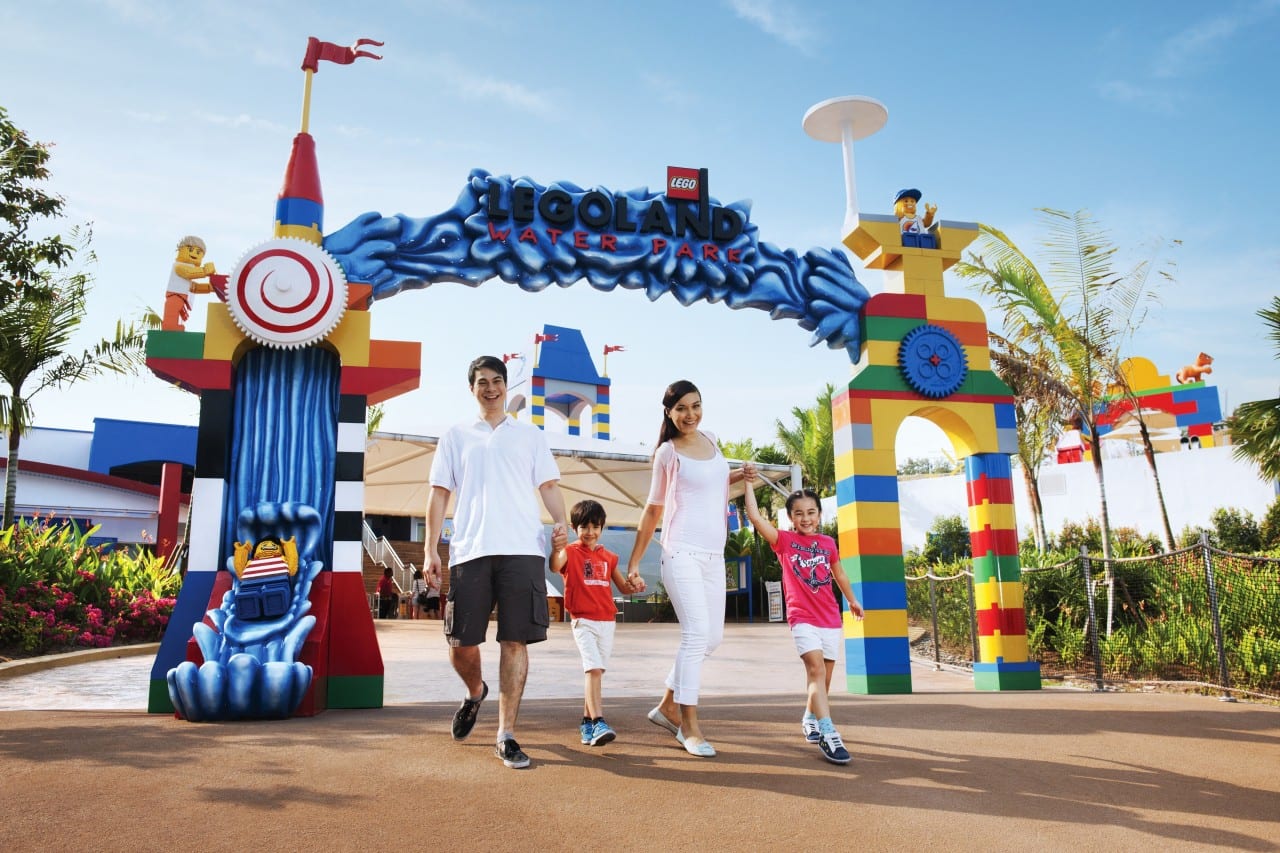
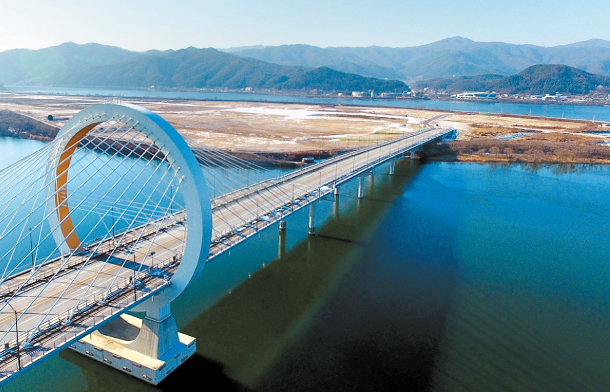
    The site where a Legoland will be built in Chuncheon, Gangwon, on Friday. The development of the Legoland, about the same size as the Legoland in Johor Bahru, Malaysia, has been approved by the Gangwon government. British amusement park developer Merlin is in charge.

  • Shopee wraps up a record-breaking 2018 on 12.12 Birthday Sale

    Shopee wraps up a record-breaking 2018 on 12.12 Birthday Sale

    Shopee, the leading e-commerce platform in Southeast Asia and Taiwan, wraps up a record-breaking year with its highly successful Shopee 12.12 Birthday Sale. On 12 December, Shopee saw ​over 12 million orders across the region, surpassing all past records including the recent Shopee 11.11 Big Sale.

    Supported by ​more than 450,000 brands and merchants​​, Shopee recorded ​48million visits as users shopped ​60 million deals across all categories, and the highest number of items sold in 1 minute was ​73,519​​. Shopee’s highly popular in-app game Shopee Shake was played 46 million times​​ throughout the campaign.

    In Singapore, Beauty & Personal Care, Home & Living and Mobile & Gadgets were the top three most popular categories. Leading brands including Laneige, Kao and JBL emerged as favourites amongst users.

    Zhou Junjie, Chief Commercial Officer, Shopee​​, said, “Shopee 12.12 Birthday Sale marks another significant milestone as Shopee celebrate a year of exponential growth. Following the success of Shopee 11.11 Big Sale in November and Shopee 9.9 Super Shopping Day in September, it has been an exciting and fulfilling quarter as past records are surpassed and set new benchmarks to reach next year.

    Since launching in 2015, Shopee has seen tremendous growth across its seven markets, achieving over 195 million downloads across Southeast Asia and Taiwan.

  • Swee Lee Music Malaysia reopened

    Swee Lee Music Malaysia reopened

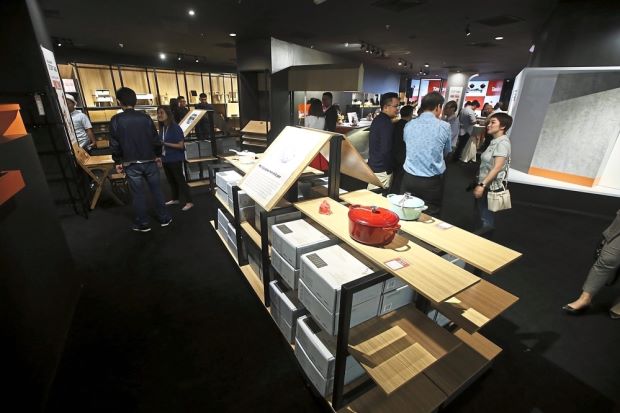
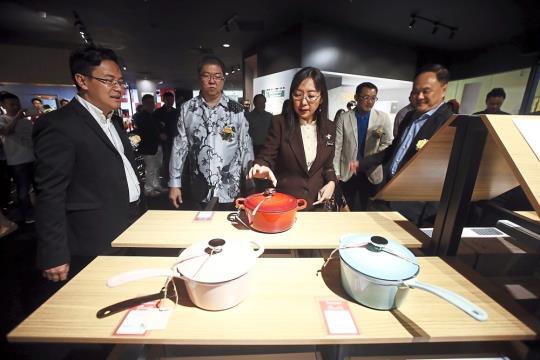
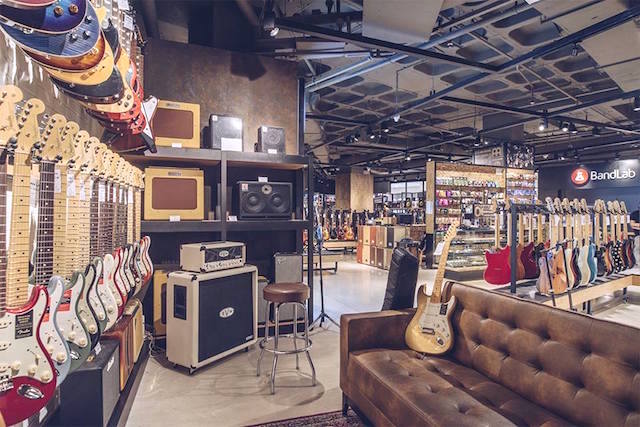
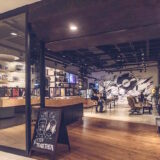
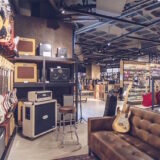
    Southeast Asian musical instruments retailer Swee Lee Music has opened a refurbished flagship in Malaysia. The 4995sqft location in Lot 10 Mall is Swee Lee’s 15th store in the region, and one of three in Malaysia. Beyond its range of instruments, the store sells vinyl records and curated lifestyle products, and has partnered with second-hand guitar retailer Well Played Gear to offer its products in store. High-end consumer audio goods are also available for purchase.

    The store represents the first build of Swee Lee’s retro-futuristic wood/concrete interior design aesthetic in Malaysia. It also reserves space for a cafe and performance events.

    Swee Lee’s MD of music Meng Ru Kuok said: “Since Swee Lee began operating in Malaysia three years ago, we’ve been delighted to support local musicians as they pursue their creative journeys.

    The refurbished KL flagship store is about taking this to the next level. In a dynamic city like Kuala Lumpur, which has a deep passion for music and incredibly talented artists, we want to establish a space where anyone can be inspired to connect and create.”

    View the gallery below (4 images) :

  • Malaysia Airlines launches business suite

    Malaysia Airlines launches business suite

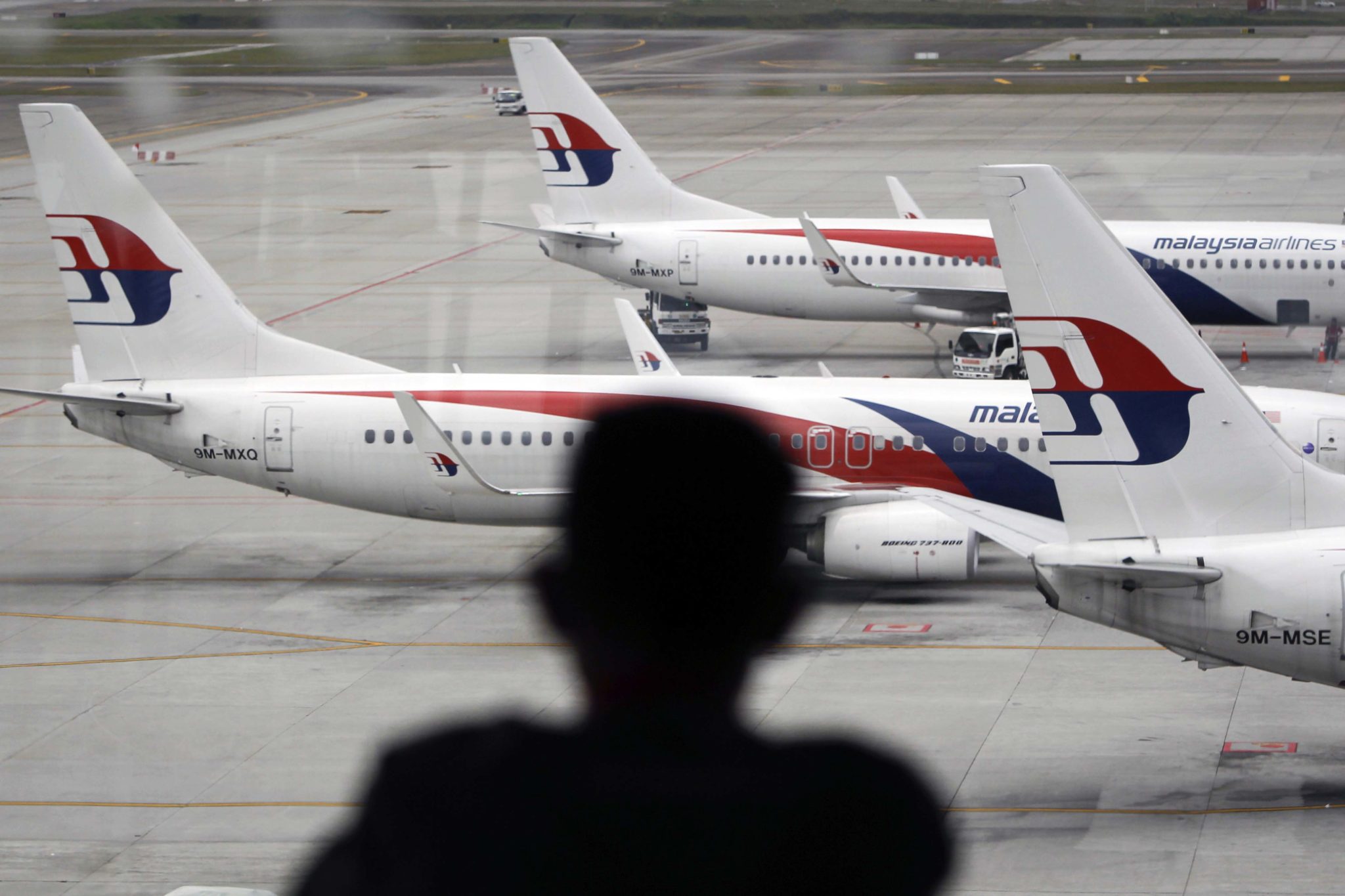
    Malaysia Airlines announced the rebranding of its First Class cabin to Business Suite offering passengers new levels of luxury with ample cabin space and privacy. “The new Business Suite was introduced in response to the growing demand of our guests. Our target is to enable the frequent flyer, looking for enhanced comfort, to now be able to enjoy a premium experience at competitive prices,” Malaysia Airlines group CEO Captain Izham Ismail said in a statement.

    “We are confident that our new Business Suite will change the way people travel in business class,” Izham added.

    Starting Dec 12, 2018, the Business Suite will be available on all of the airline’s A350-900 and A380-800s.

    The suite comes with a dedicated check-in counter, access to Malaysia Airlines premium First Class Lounge, 50kg baggage allowance as well as fine-dining experience onboard.

    The Business Suite cabin will be available on the London, Tokyo, Osaka route and on the Sydney and Seoul route during the winter season.

  • AirAsia’s Vietnam venture set to fly in August

    AirAsia’s Vietnam venture set to fly in August

    A new Vietnam-based airline set up by Malaysian budget carrier AirAsia and a local company is expected to fly by next August. Tran Trong Kien, CEO of Hanoi-based resort ooperator Thien Minh Group, AirAsia’s partner, said that applications for aviation licenses would be made next February and likely obtained in six months.

    Vietnam will become the newest market for AirAsia, the largest low-cost carrier in Southeast Asia, which has affiliates in India, Indonesia, Malaysia, the Philippines, and Thailand.

    Kien said Prime Minister Nguyen Xuan Phuc had expressed support for the airline, which has yet to be named.

    The airline plans to deploy five or six Airbus SE A320 and A321 aircraft on domestic and regional routes, and expand the fleet to 30 within three years, he added.

    Last week Thien Minh Group signed a memorandum of understanding with AirAsia for setting up the new airline with a capital of VND1 trillion ($44 million).

    AirAsia will hold a 30 percent stake in it, and Thien Minh, 70 percent.

    The new airline would be a direct competitor to Vietnam’s budget carriers Vietjet Aviation and Jetstar Pacific, according to industry insiders.

    Vietnam Airlines is currently the biggest airline in terms of passengers carried.

    Bamboo Airways, owned by private corporation FLC, last month received a license and expects to make its maiden flight on December 29. It is allowed to operate 10 aircraft on domestic and international routes.

    There are five carriers in Vietnam: Vietnam Airlines, Vietjet Air, Bamboo Airways, Jetstar Pacific and VASCO. Vietnam Airlines owns VASCO and has a 70 percent stake in Jetstar Pacific.

    Vietnam received 14.12 million foreigners in the first 11 months of the year, up 21.3 per cent year-on-year, according to the General Statistics Office. Eighty percent of foreign tourists arrive by air.

    Vietnam’s aviation market has averaged 17.4 percentage growth in the past decade, far higher than the 7.9 percent rate for the Asia-Pacific, according to the International Air Transport Association.

    AirAsia almost struck a deal with Vietjet, but in 2010 the deal collapsed.

  • Steve Madden has launched in Malaysia

    Steve Madden has launched in Malaysia

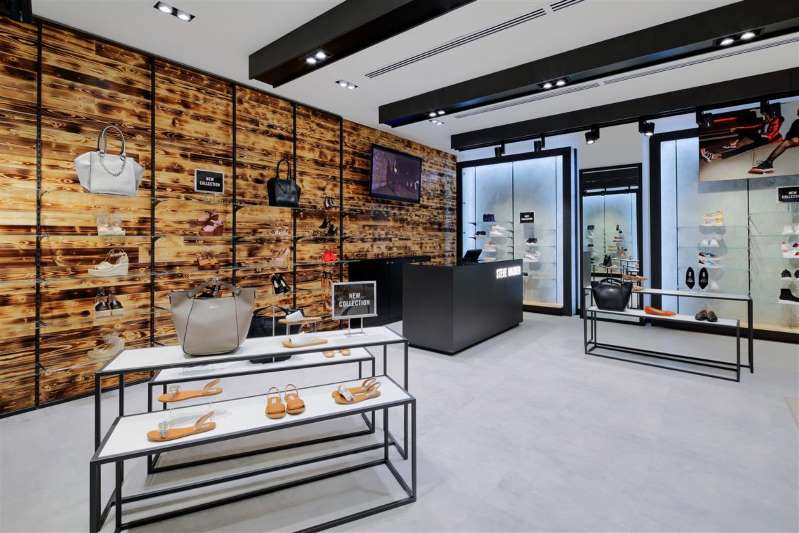
    American footwear brand Steve Madden has opened its first store in Malaysia. The new location at Mid Valley Megamall in Kuala Lumpur is the second Steve Madden store launched by the brand’s retail partner Valiram after the first opening in Takashi­maya Singapore.

    A statement from the brand that describes the new store’s aesthetic as “distilled urban” reads: “Making use of several materials, the intention is to stage the stars – shoes and accessories – in a way that allows each of them to tell their style story.”

    Featured in store is the brand’s Holiday 2018 collection for women, as well as its signature rock-n-roll-inspired shoes and leather goods.