Tag: Malaysia

  • The Body Shop Malaysia franchisee plans IPO

    The Body Shop Malaysia franchisee plans IPO

    Rampai-Niaga, The Body Shop Malaysia franchisee, is planning an IPO that could raise RM200 million (US$48 million). The company is considering submitting a listing application to the local securities regulator shortly, targeting a presence on Bursa Malaysia by the second quarter of next year at the earliest, according to a source close to the firm. As yet, the company has refrained from commenting on the proposal.

    The company’s website says Rampai-Niaga is the sole franchisee for The Body Shop Malaysia. It opened the beauty products brand’s first outlet in the country in 1984.

  • Sunway Pyramid celebrates christmas with Jolly Rainbow theme

    Sunway Pyramid celebrates christmas with Jolly Rainbow theme

    Jolly Rainbow Christmas Fun Factory is now installed at Sunway Pyramid, this event will be on from 23 November 2018 till 1 January 2019 at the LG2 Blue Concourse. Themed Jolly Rainbow which signifies fresh beginnings and hope, get ready to embark on a fun, colourful and interactive Christmas journey as you enter the concourse.

    Here, visitor can grab a Christmas passport from the Rainbow Booth to begin. Next, experience unicorn in the centre of the concourse. Visitor can colour the Christmas unicorn and characters, enter the dome and watch it come alive on the walls.

    Another fun is the Rainbow Slide installed in the dome. The slide will create a colourful rainbow on the interactive rainbow slide, and its suitable for all ages.

    View the full gallery below (5 images) :

  • Shanghai, Singapore is now Asia’s most expensive city

    Shanghai, Singapore is now Asia’s most expensive city

    Asia’s most expensive city for high net worth individuals is no longer Hong Kong. Both Shanghai and Singapore have overtaken it, with property costs alone pushing it beyond capital cities across the region. Wealth Report Asia, published annually by financial services company Julius Baer, measures the price of a basket of items including property prices, a degustation dinner, cars, a piano, wine, jewellery and even botox.


    Shanghai is now Asia’s most expensive city to buy six of the 22 items Julius Baer surveys (a hospital room, watch, handbag, wine, jewellery and skin cream). In addition, it has grown more pricey on a relative basis to buy property (from fifth to fourth most expensive), and legal fees have lept from 10th to second.

    Singapore is the most expensive city to buy a car or a degustation dinner, and ranks in the middle of the list on every other item, its best result eighth for a piano.

    Property prices and business class air fares have skewed Hong Kong’s position on the list – they are more expensive there than elsewhere. But in contrast, Hong Kong is cheapest city to buy skin cream, the second cheapest for wine and jewellery and the fourth cheapest for men’s suits, womens shoes and watches.

    The region’s least expensive city is Kuala Lumpur, Malaysia’s capital. According to Julius Baer, it is the most competitive city to buy property, wine, jewellery, a piano and cigars or to rent a hotel suite.

    Price deflation of items onshore such as legal fees (down four spots) and jewellery (down three spots) offset a recovery in the value of the ringgit against the US dollar.

    The data was calculated on a price-weighted basis.

    Chinese luxury consumption slowing

    Meanwhile, the report says the “China express” driving the world’s luxury retail market is slowing.

    Chinese nationals accounted for just 2 per cent of luxury spending in 2003 yet by last year that share had soared to 32 per cent – and they account for more than 70 per cent of global growth.

    But Julius Baer says recent signs “are pointing to an outlook that will be less spectacular”.

    “Amid the ongoing trade conflict with the US and a softening growth dynamic, the Chinese stock market has come under significant selling pressure this year. Chinese consumer confidence, which has been a good leading indicator for luxury goods performance trends, appears to have rolled over.

    The weakness in Chinese consumer confidence has weighed on the sector of late, and is likely to remain a drag going forward if Chinese consumption trends continue to slow.”

    The report also noted that Chinese retail sales growth has also been moderating in recent months.

    “We believe China is going through a self-induced slowdown as the economy transforms from investment-led to consumption-led growth. Reforms are currently taking a back seat in favour of selective and measured easing but [we] still expect 6.5 per cent growth this year, before a slowdown to 6.2 per cent next year.

    “Following a strong recovery since 2015, it is reasonable to expect global luxury consumption to slow in the near-term from a high base and moderating Chinese demand. Yet we remain upbeat in the longer term premised on structural growing demand from Chinese millennials and a more prominent female presence in the luxury market.”

  • Central i-City to open on Jan 12

    Central i-City to open on Jan 12

    Central i-City is scheduled to open on January 12 as the largest shopping mall in Selangor’s state capital of Shah Alam, Malaysia. A joint venture between Thai retail property developer CPN Ventures and Malaysian developer I-City Properties, the 940,000sqft mall was constructed on an investment of RM850 million (US$204 million) and features 350 lettable stores, three levels of basement parking and six retail levels. Some 73 per cent of available retail space has already been leased, with the remaining stores expected to be taken up by early next year.

    CPN Ventures assistant VP of marketing Siegfried Shaun Dela Pena Tan said: “The mall is expected to transform retail experience for Malaysians. [It caters] to a more affluent target segment attracting shoppers who will spend more, appreciate better and be driven by quality. We expect that the mall will serve more than 900,000 residents in Klang and a further 700,000 in Shah Alam.”

    Central i-City Shopping Centre is CPN’s flagship project in Malaysia and first international project.

    I-Berhad executive chairman Tan Sri Lim Kim Hong said: “We are bullish about the retail market.

    People are unfazed by the economy. They are still shopping and dining out. The mall has a good tenant mix and 25 per cent of the total number of retail shops comprises food and beverage outlets.”

  • ShopBack Partners Petron to Launch Petrol Redemption Programme

    ShopBack Partners Petron to Launch Petrol Redemption Programme

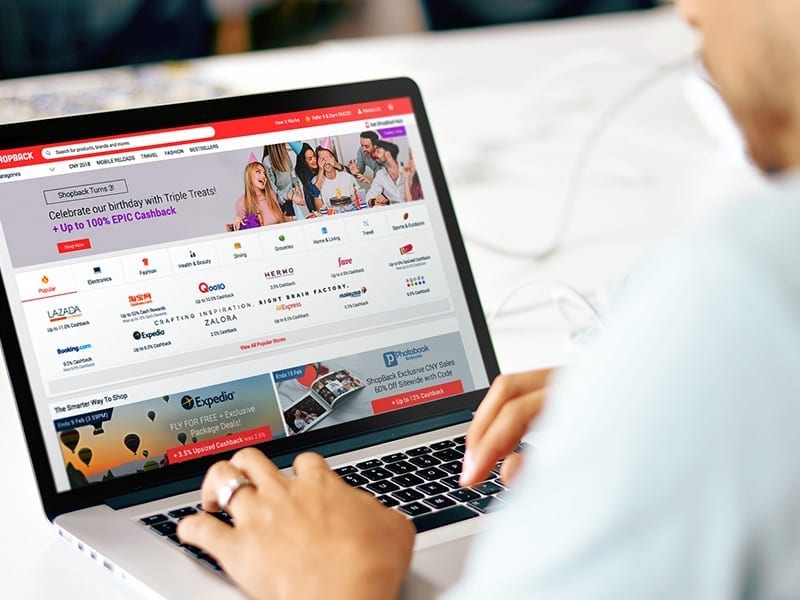
    Malaysians can now utilise cashback from ShopBack every time they refuel at petrol stations. The No.1 Cashback portal in the country recently inked a partnership with Petron Malaysia, becoming the first in the country to allow users to convert cashback to Petron Miles (PMiles) Points and vice versa.

    “Previously, after our users get cashback from their online purchases, they can choose to transfer the cash to their bank accounts or use it to offset Maxis phone bills. The collaboration with Petron is a first for both parties – the first long-term online to offline redemption for ShopBack, and the first offline to online redemption (PMiles Points to cashback) for Petron as well,” says Alvin Gill, Country General Manager of ShopBack Malaysia.

    He mentions that the number of users who accumulated five figures cashback savings through ShopBack is on the rise. Malaysians are getting more familiar with cashback benefits and the company has been exploring opportunities to continue shaping a smarter consumer spending habit offline, of which it feels the priority should be on ways that meet the practical needs of Malaysians’ daily life.

    “It is reported that about 23.9 per cent of Malaysians’ disposable income was spent on petrol, housing and utilities in 2016. Hence we decided to pursue petrol redemption as the second non-cash withdrawal option. ShopBack is excited to launch this with Petron and we definitely look forward to similar collaborations in the future.”

    The PMiles Points redemption option is now available on all ShopBack platforms (web, mobile web, and app).

    To convert cashback to PMiles points, users just need to log onto their accounts, select withdraw – points redemption and thereafter fill in the required information. For every RM10 cashback, users can convert it to 600 PMiles points.

    According to Choong Kum Choy, Head of Retail Business for Petron Malaysia, the collaboration with ShopBack underscores Petron’s commitment to provide the best customer experience for PMiles members. “We are committed to giving our customers the best products, the best service, and the best rewards. Our collaboration with ShopBack gives our PMiles holders more value with the cashback option, while significantly enhancing their shopping experience.”

    Currently, Petron Malaysia has more than 620 service stations in the country. PMiles members can also convert their points at Petron Service Stations Nationwide or download the form from PMiles Website. Every 1000 PMiles points can be converted to RM10 Cashback, which will be credited into the user’s ShopBack account.

  • KKR to acquire significant stake in V3, TWG Tea

    KKR to acquire significant stake in V3, TWG Tea

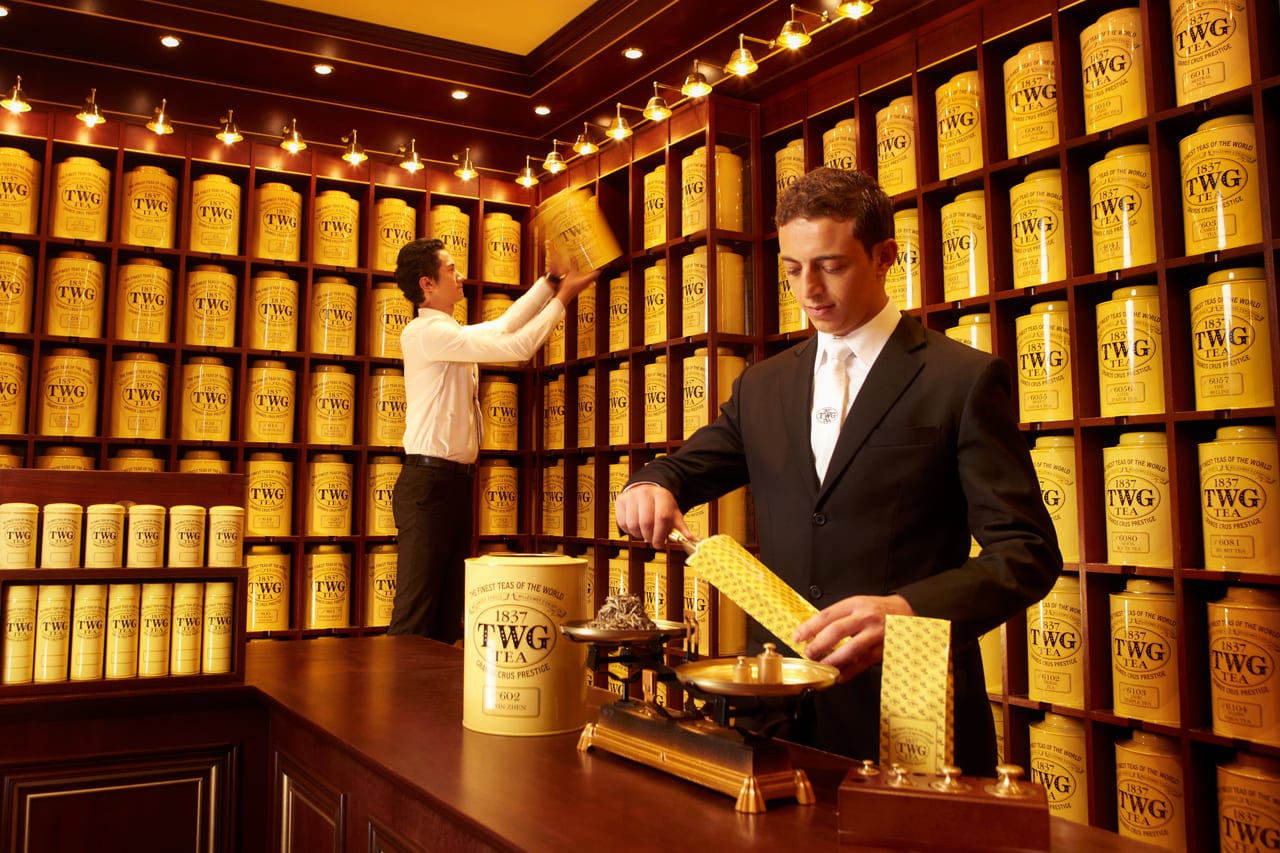
    Private equity company KKR is to invest as much as S$500 million (US$366 million) into V3, the parent of cafe chain TWG Tea and massage chair retailer Osim, to fund regional expansion. In a deal which mixes equity and financing, KKR will take an unspecified “significant stake” in V3, which is effectively valued at S$1.7 billion. V3 is the company which resulted from last year’s restructuring of once-listed Osim International after plans for an IPO were shelved.

    Keith Magnus, chairman of Evercore Asia, which advised V3 on the deal said that the investment by KKR represents a more than 50 per cent increase in enterprise value compared to when the group was taken private.

    “This is a phenomenal premium for [Ron] Sim,” said Magnus.

    Sim remains the chairman, chief executive and controlling shareholder of V3. Sim, who remains chairman, CEO and controlling shareholder of the business added in a statement: “I am extremely pleased to welcome KKR as a significant shareholder in V3. I am confident this investment will position the company for our next phase of growth, starting with the immediate expansion of TWG Tea in Japan and the US and of Osim in China.

    “We would also be looking into M&A opportunities that are earnings accretive.”

    V3 also owns the rights to retail GNC nutritional supplements in Singapore, Malaysia, the Philippines and Taiwan.

    Sim says V3’s revenue cleared S$600 million last year and profit was also up.

  • Malaysia Airlines’s progress in line with recovery plan

    Malaysia Airlines’s progress in line with recovery plan

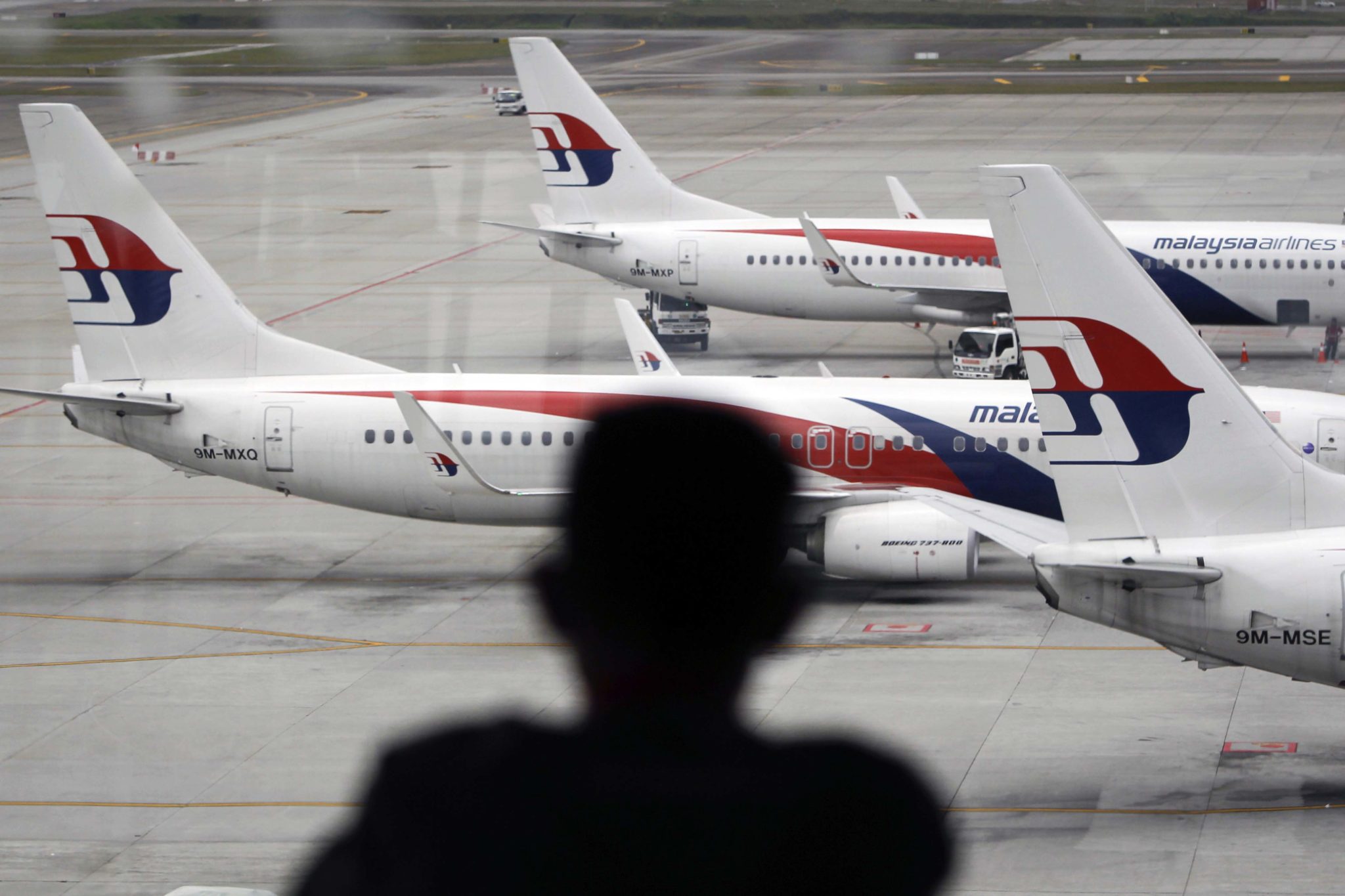
    Although relatively little is being said and publicised about Malaysia Airlines Bhd’s (MAB) recovery plan, a substantial amount of progress has actually been achieved in its business operations in line with the plan, which aims to revive the country’s national carrier and sustain its profitability.

    Group CEO Captain Izham Ismail said improvements in terms of cost base, productivity, information technology (IT) systems and customer experience were among the achievements chalked up by the company, thanks to the five-year Malaysia Airlines Recovery Plan.

    In an interview with Bernama, he said plans had been put in place to address the airline’s performance going forward and this had yielded improved performance for the first half of this year.

    The airline performed stronger in the first six months of this year than in the same period of 2017, adding that the key focus for the airline in financial year 2018 included driving revenue.

    “This will be underpinned by continuous improvement in customer experience, product quality and operational excellence while maintaining a productive and competitive cost base,” he said.

    According to Izham, MAB’s cost base has been significantly changed to bring it in line with its peer network airlines.

    As of today, the group has one of the lowest cost bases among its peer network airlines on a cost per available seat kilometre basis.

    The company has also seen material gains in productivity with a more competitively sized workforce, which is further complemented by a commitment towards continuous talent development.

    “A stronger local talent pool has now been established,” he said.

    On the group’s IT system, which is an integral part of overall airline operations, Izham said the complete overhaul had now been completed.

    He said the new Passenger Service System and migration to a cloud-based data centre had improved reliability and cyber security, as well as enhanced agility and better time-to-market.

    He said customer experience had also improved with market-driven metrics based on the company’s customer survey and net promoter measures showing significant positive gains over the last two financial years.

    On the operational front, Izham said the supply chain in engineering had been significantly tightened, which had helped the airline’s on-time performance, although it was still impacted by external factors beyond its control.

    “Since the set up of NewCo (MAB, which took over the operations, assets and liabilities of Malaysian Airline System Bhd or MAS) in 2015, we are showing progress and have recorded a double-digit compound annual growth rate growth (of 21%) over the last three years.

    “That is improvement straight to the bottomline,” he explained.

    MAB managed to record “steady year-on-year (y-o-y) performance” in the second quarter of 2018, with a marginal yield improvement, while revenue per available seat kilometre remained steady with a growth of 2% y-o-y.

    Going forward, Izham said MAB would continue to focus on the customer while making sure to deliver a strong schedule and great service for its customers.

    The airline also aimed to build a diverse Asia-Pacific network with a simplified fleet structure and operations to ensure consistency, and removing complexity in service delivery as well as pursuing a gradual and progressive growth strategy across markets, he said.

    Commenting on Khazanah Nasional Bhd’s plan to relist the national carrier as part of the recovery plan sometime from now until 2020, he said “the plan has always been to re-list Malaysia Airlines”.

    “We are working hard to stabilise the company and return it to profitability before any initial public offering plans can be considered,” he added. Khazanah owns 100% equity interest in MAB.

    In 2014, the sovereign wealth fund had injected investments amounting to RM6 billion to support the airline’s five-year turnaround plan with the aim of returning MAB to profitability by late 2017 and to relist the company by 2018 or 2019.

    Khazanah de-listed MAS from Bursa Malaysia on Dec 31, 2014.

  • Restructuring continue benefits 7-Eleven Malaysia

    Restructuring continue benefits 7-Eleven Malaysia

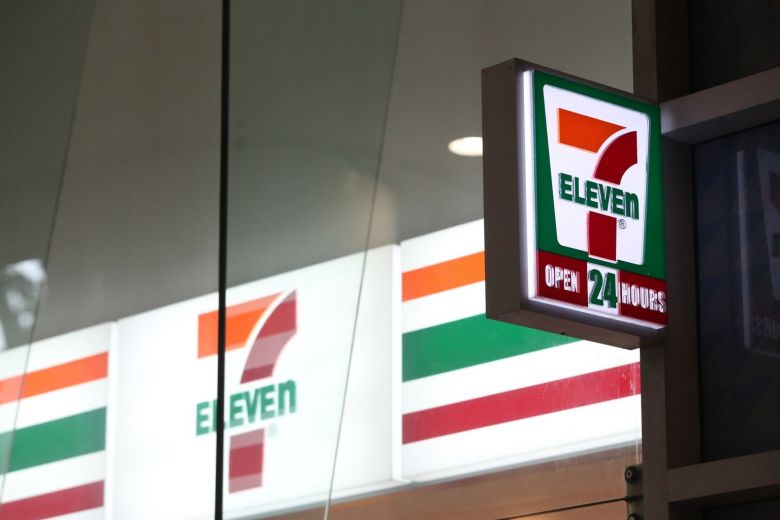
    New store openings are maintaining a modest 7-Eleven Malaysia sales growth rate – but improved margins are driving solid profit improvement. The listed convenience store operator released its third-quarter results on Friday, which showed third-quarter sales growth of 1 per cent and year-to-date growth of 1.3 per cent. But net profit was up 4.1 per cent for the quarter and 13.3 per cent year to date.

    CEO Colin Harvey said net profit grew 27.6 per cent quarter on quarter.

    “However, this is only the first step in the right direction towards where the organisation should be, and there is scope for improvement. I am confident that our strategy roadmap focussed on strengthening the key areas of, assortment, supply chain, operational excellence, store base, and digitally enabling the organisation will bear fruit in terms of financial performance, and overall customer shopping experience.”

    He said the group’s net revenue of RM1.66 billion year to date was driven by growth in new stores and consumer promotion activity.

    Continued store expansion has taken the network to 2259 stores.

    7-Eleven Malaysia expects trading conditions for the next quarter to improve with the anticipated heightened consumer sentiment.

    “We expect to see further improvements in the next quarter by pursuing our core strategy pillars of operations excellence, cost management and commercial innovation,” the company said.

  • Kenanga Malaysia raises earnings outlook for Carlsberg

    Kenanga Research has increased its FY18 and FY19 earnings for Carlsberg Brewery Malaysia Bhd on the back of improved contributions from Lion Brewery in Sri Lanka.

    “We increased our FY18E and FY19E earnings by 4.3% and 3.5% respectively as we improved contributions from Lion Brewery. Additionally, we increased our Malaysian demand assumptions following the stronger results,” it said in its report today.

    For the nine months ended Sept 30, the group reported core Patami of RM205 million, which amounted to 82% of Kenanga Research’s full-year expectations.

    “We deem this to be above but within our consensus estimates, mainly due to better-than-expected contribution from its Sri Lankan associate, Lion Brewery. Malaysian sales were also better than expected, subsequent to our previous adjustments for softer demand post-Sales and Services Tax (SST),” it said.

    Moving forward, it expects Carlsberg’s on-trade sales (at food and beverage establishments) to be dented by Sales and Services Tax finally kicking in, as these establishments would have to bear the brunt of both taxes.

    “We anticipate demand to be skewed towards the off-trade market (retails, supermarkets), albeit being a lower margin channel. Still, the group’s continued emphasis on its premium mix could bolster the overall performance in the local scene,” it said.

    Meanwhile, HLIB Research does not expect any hike in alcohol excise duty as the structure is already the third highest globally.

    “We opine a hike in excise duty would result in growth in the illicit market at the expense of the legal volumes, which will result in reduced tax collection. For this reason, a hike in alcohol excise duties is unlikely,” it said in its report.

    It expects the government and Royal Malaysian Customs to continue their efforts to fight contraband and strengthen the legitimate tax paying portion of the beer market in Malaysia and hence the government’s revenue collection of excise duty.

    On the recent increase in the minimum age for purchasing alcohol to 21, it expects this to result in lower industry volumes due to a smaller pool of legal consumers.

    HLIB Research maintained its “buy” call with an unchanged target price of RM22.70.

    Carlsberg’s share price fell 1.62% or 32 sen to close at RM19.40 with 51,600 shares traded. It was one of the top losers on the bourse this week.

  • Malaysia’s e-commerce on growth estimation

    Malaysia’s e-commerce on growth estimation

    The government is targeting for e-commerce to achieve an annual growth rate of 20%, from a 14.3% growth posted in 2017, via its various initiatives. Deputy International Trade and Industry Minister Dr Ong Kian Ming said e-commerce registered a continuous increase for the period of seven years to RM85.8 billion in 2017.

    He said the government, through the National E-commerce Council, will continue to chart the growth and development of e-commerce in the country through the implementation of the National E-commerce Strategic Roadmap.

    Malaysia also signed the Asean Agreement on Electronic Commerce on Nov 12, 2018, a concerted effort between 10 countries to smoothen cross border e-commerce transactions by reducing barriers and lowering entry costs.

  • Lazada Malaysia to sell houses soon

    Lazada Malaysia to sell houses soon

    Southeast Asian e-commerce platform Lazada will begin selling houses in time for its planned 12.12 shopping festival. The move, in partnership with Malaysian property developer Mah Sing Group, constitutes part of Lazada’s plans to grow the variety of items on its platform.

    Lazada Malaysia CEO Christophe Lejeune said it plans to increase the number of Malaysian sellers from the platform’s current 50,000 to hundreds more, as well as provide support for 8 million Southeast Asian SMEs by 2030.

    Lazada operates in Thailand, Indonesia, Vietnam, Singapore and the Philippines, beyond the Malaysian market.

  • US, China trade war finally (temporary) stops

    US, China trade war finally (temporary) stops

    China and the United States agreed to a ceasefire in their bitter trade war on Saturday after high-stakes talks in Argentina between US President Donald Trump and Chinese President Xi Jinping, including no escalated tariffs on Jan 1. Trump will leave tariffs on US$200 billion (RM835.8 billion) worth of Chinese imports at 10% at the beginning of the new year, agreeing to not raise them to 25% “at this time”, the White House said in a statement.

    “China will agree to purchase a not yet agreed upon, but very substantial, amount of agricultural, energy, industrial, and other product from the United States to reduce the trade imbalance between our two countries,“ it said.

    “China has agreed to start purchasing agricultural product from our farmers immediately.”

    The two leaders also agreed to immediately start talks on structural changes with respect to forced technology transfers, intellectual property protection, non-tariff barriers, cyber intrusions and cyber theft, services and agriculture, the White House said.

    Both countries agreed they will try to have this “transaction” completed within the next 90 days, but if this does not happen then the 10% tariffs will be raised to 25%, it added.

    The Chinese government’s top diplomat, state councillor Wang Yi, said the negotiations were conducted in a “friendly and candid atmosphere”.

    “The two presidents agreed that the two sides can and must get bilateral relations right,“ Wang said adding they agreed to further exchanges at appropriate times.

    “Discussion on economic and trade issues was very positive and constructive. The two heads of state reached consensus to halt the mutual increase of new tariffs,“ Wang said.

    “China is willing to increase imports in accordance with the needs of its domestic market and the people’s needs, including marketable products from the United States, to gradually ease the imbalance in two-way trade.”

    “The two sides agreed to mutually open their markets, and as China advances a new round of reforms, the United States’ legitimate concerns can be progressively resolved.”

    The two sides would “step up negotiations” toward full elimination of all additional tariffs, Wang said.

    The announcements came after Trump and Xi sat down with their aides for a working dinner at the end of a two-day gathering of world leaders in Buenos Aires, their dispute having unnerved global financial markets and weighed on the world economy.

    After the 2½ hour meeting, White House chief economist Larry Kudlow said the talks went “very well,“ but offered no specifics as he boarded Air Force One headed home to Washington with Trump.

    China’s goal was to persuade Trump to abandon plans to raise tariffs on US$200 billion of Chinese goods to 25% in January, from 10% at present. Trump had threatened to do that, and possibly add tariffs on US$267 billion of imports, if there was no progress in the talks.

    With the United States and China clashing over commerce, financial markets will take their lead from the results of the talks, widely seen as the most important meeting of US and Chinese leaders in years.

    The encounter came shortly after the Group of 20 industrialised nations backed an overhaul of the World Trade Organisation, which regulates international trade disputes, marking a victory for Trump, a sharp critic of the organisation.

    Trump told Xi at the start of their meeting he hoped they would achieve “something great” on trade for both countries. He struck a positive note as he sat across from Xi, despite the US president’s earlier threats to impose new tariffs on Chinese imports as early as the next year.

    He suggested that the “incredible relationship” he and Xi had established would be “the very primary reason” they could make progress on trade.

  • Maybank sees marginally lower net profit for Q3

    Maybank sees marginally lower net profit for Q3

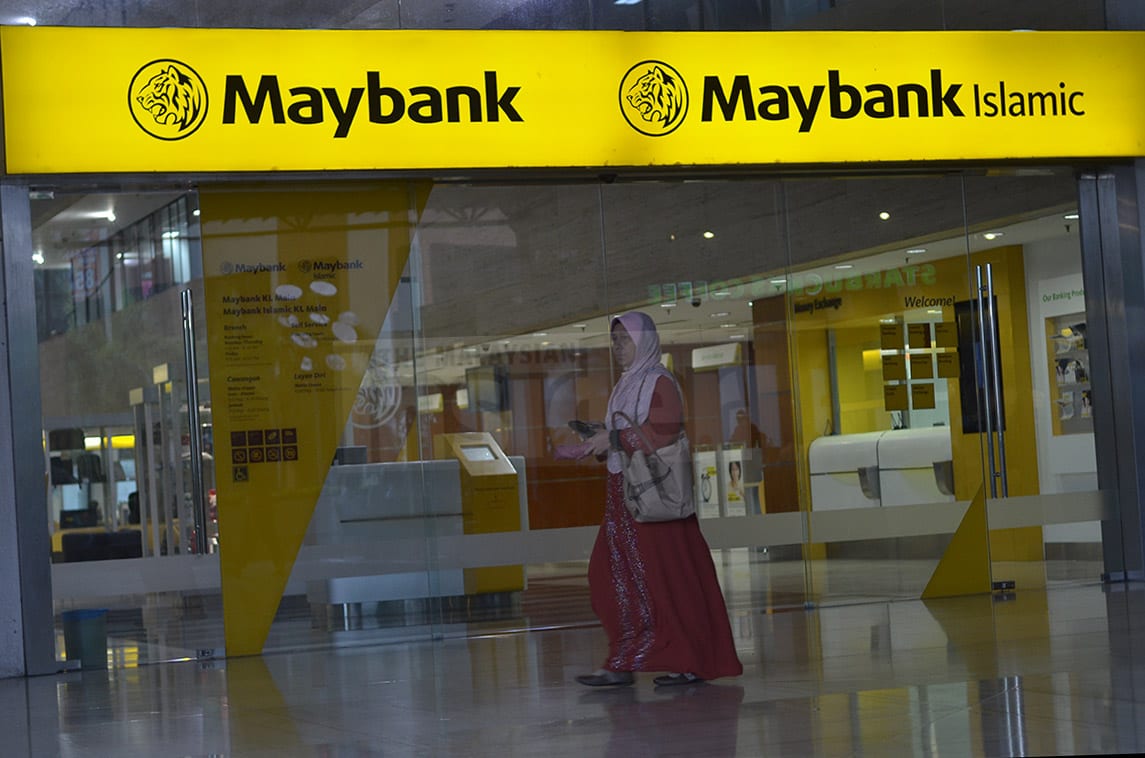
    Malayan Banking Bhd posted marginally lower net profit for the third quarter ended Sept 30, 2018 of RM1.96 billion, compared with RM2.03 billion in the corresponding quarter in 2017, on lower net operating income, higher allowances for impairment losses on loans, advances, financing and other debts and lower share of profits in associates and joint ventures .

    For the quarter under review, the group registered a net operating income of RM5.69 billion, compared with RM5.89 billion a year earlier, impacted by a dip in fee based income owing mainly to lower investment and trading proceeds as well as foreign exchange fluctuations. Notwithstanding this, operating profit for the third quarter ended Sept 30, 2018 was higher at RM2.61 billion from RM2.60 billion a year, as the group benefited from lower overhead expenses which declined 6.2% from a year earlier, as well as lower impairment losses which fell 5.5%.

    Maybank group said its key priorities for 2018 include maintaining pricing discipline across our products, focus on attaining cheaper funding sources to support loan growth, growing our loan portfolio within our risk appetite, while proactively managing our asset quality.

    The group has implemented MFRS 9 on Jan 1, 2018, of which the impairment assessment is based on the expected credit loss model that uses forward looking assumptions as opposed to an incurred loss model under the previous accounting standard. The group’s capital and liquidity positions remain strong notwithstanding the implementation of MFRS 9.

    Barring any unforeseen circumstances, the group expects its financial performance for 2018 to be satisfactory against the expected growth prospects of its key home markets. The group has set its Headline Key Performance Indicator for Return on Equity of 11%.

    Net profit for the nine month period ended Sept 30, 2018, was 7.39% higher at RM5.79 billion, compared with RM5.39 billion for the period in 2017.

    This was on 3.82% higher revenue of RM35.09 billion, compared with RM33.79 billion.

  • CIMB Group Q3 net profit up 4.2%

    CIMB Group Q3 net profit up 4.2%

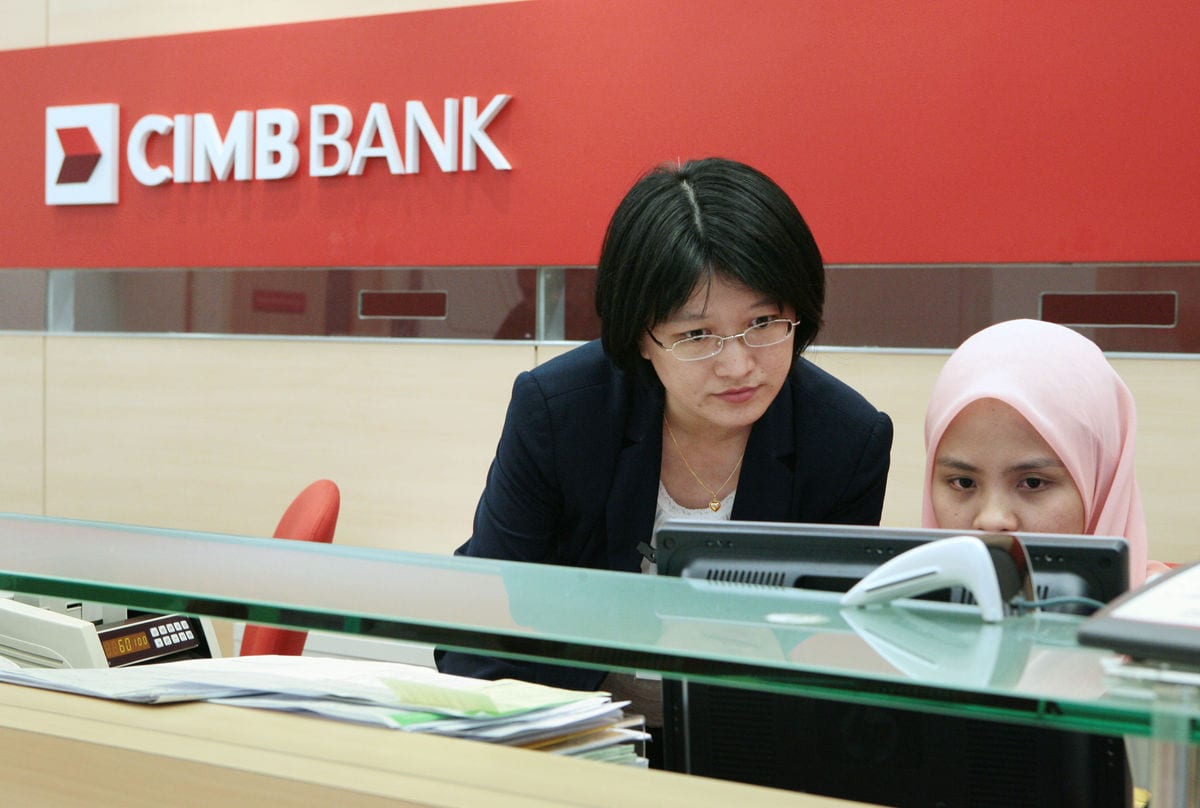
    CIMB Group Holdings Bhd posted 4.2% higher net profit for the third quarter ended Sept 30, 2018 of RM1.18 billion, compared with RM1.13 billion for the same quarter in 2017 with contribution from all segments except wholesale banking. This was despite group revenue coming in 6.4% lower at RM4.14 billion, compared with RM4.42 billion.

    CIMB Group said the decline in operating in the quarter under review, was attributed to declines in non-interest income and net interest income of 17.0% and 1.6%, respectively.

    Consumer Banking profit before tax (PBT) grew 3.9% year-on-year (Y-o-Y) from better cost management. Regional Commercial Banking PBT rose 450.0% Y-o-Y from the reduction in provisions. Wholesale Banking PBT was 41.7% lower Y-o-Y across all wholesale segments given the weaker capital markets. Group Asset Management and Investments (Gami) PBT was 542.9% higher Y-o-Y from improvement in private markets, while Group Funding for the third quarter ended Sept 30, 2018 PBT was flat Y-o-Y.

    “As 2018 draws to a close, we remain on track to meet our key T18 targets. However, we remain cautious amidst weaker regional economies and global trade tensions. Against this backdrop, we will continue to control asset quality and cost across all businesses and geographies, while we finalise our next mid-term plan to propel CIMB onto a stronger growth trajectory,” said Group Chief Executive Tengku Datuk Seri Zafrul Aziz.

    Net profit for the nine month period was 30.8% higher at RM4.47 billion, compared with RM3.41 billion for the period ended Sept 30, 2017.

    Revenue for the period was also higher at RM13.31 billion, compared with RM13.11 billion.

  • LNG Canada investor Petronas signs gas supply deal with Vitol

    LNG Canada investor Petronas signs gas supply deal with Vitol

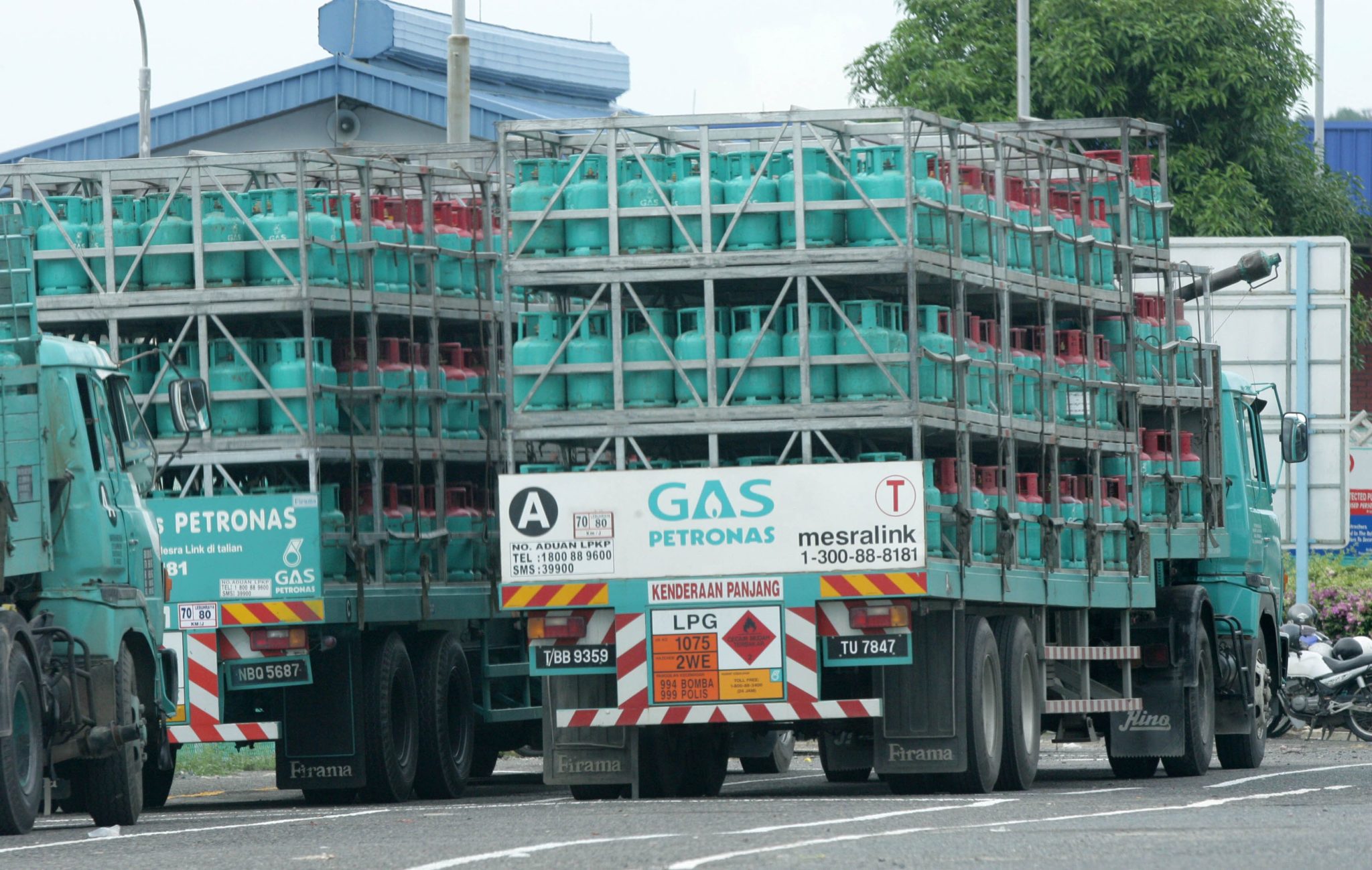
     LNG Canada, the US$30 billion (RM125.7 billion) liquefied natural gas (LNG) export project, has bagged another client after project shareholder Petroliam Nasional Bhd (Petronas) signed an initial sales deal with trading house Vitol.

    Royal Dutch Shell decided in October to construct the export terminal. It was the first major investment decision in a new North American LNG export project for two years and was expected to launch a new wave of such projects in the region.

    Petronas, the Malaysian state-owned oil and gas company that bought a 25% stake in the project in May, will supply Vitol with 0.8 million tonnes per year (mtpa) of LNG starting from 2024 for 15 years, Vitol said in a statement.

    “The primary supply to Vitol will come from LNG Canada as well as from (Petronas’) other global LNG supply portfolio,“ Vitol said.

    Vitol joins Asian utilities Tokyo Gas, Toho Gas and Korea Gas Corp (Kogas) as buyers, committing to offtake around 2.4 mtpa collectively.

    Such long-term agreements normally underpin project finance and are critical before a final investment decision is taken. But because Shell and partners Petronas, PetroChina, Mitsubishi and Kogas are such large players in the LNG market, they can absorb the output into their global portfolios without needing to find significant other buyers.

    Under previously announced deals, Toho Gas will buy 0.3 mtpa, Tokyo Gas 0.6 mtpa and Kogas 0.7 mtpa from LNG Canada.