Tag: manila

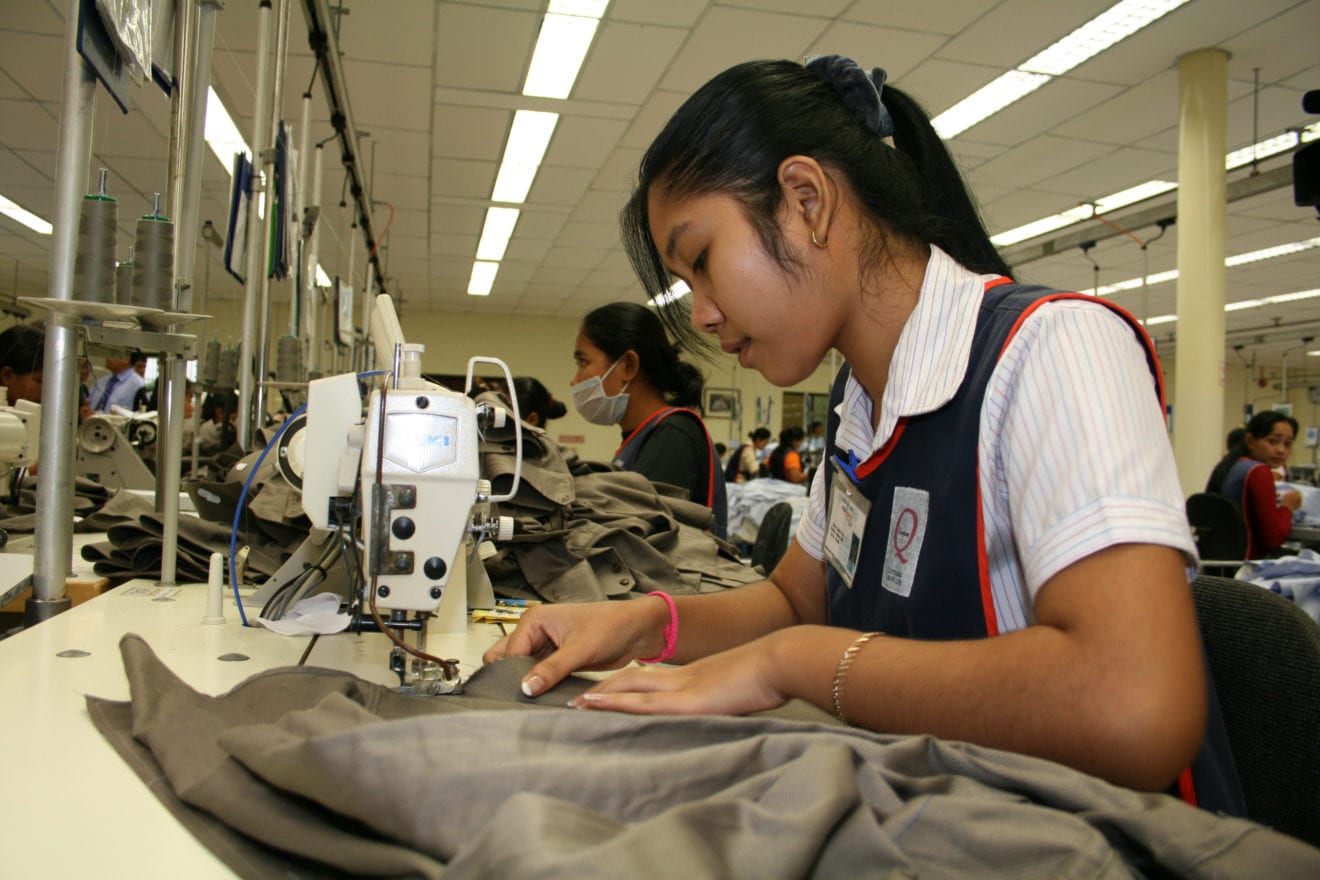
  • Philippine Factory Activity Slips to 49.6 in September

    Philippine Factory Activity Slips to 49.6 in September

    Philippine factory activity contracted in September as the Purchasing Managers’ Index fell to 49.6 from 54.9 in August, according to survey data from S&P Global.

    The drop below the 50-point line separating growth from contraction marks the sector’s first downturn since April.

    Sharp Drop Across Output and Orders

    Data from roughly 400 manufacturing companies across the Philippines showed simultaneous declines across production, new business, export sales, and factory payrolls. Production volumes registered their steepest fall since November 2025, halting a sustained summer run of operational growth.

    Higher input expenses squeezed producers throughout the month. Rising global crude oil prices, spurred by heightened geopolitical friction between the United States and Iran, drove fuel and transportation costs upward and quickly eroded manufacturing margins.

    “Filipino manufacturers reported a notable impact from high oil prices, strong international competition and weak demand during September. Output, new orders and employment all dropped into contractionary territory,” said Siân Jones, principal economist at S&P.

    Inventory Run-Downs and Slower Buying

    Factory operators responded to cooling client demand by slashing their purchasing activity and depleting existing warehouse inventories rather than placing fresh component orders. That shift into defensive retrenchment creates immediate headcounts and volume challenges for industrial suppliers across Southeast Asia that feed Philippine assembly lines.

    For retailers and consumer brands relying on domestic finished goods, production cuts threaten inventory availability ahead of the fourth-quarter holiday sales rush. Consumer goods firms face a dual squeeze: paying more for freight while encountering price resistance from households managing broader inflationary pressures.

    Reversal of Peak Expansion

    The sudden slump reverses a period of rapid industrial growth that lifted the Philippine PMI to near decade highs in August. Factory output expanded steadily through the middle of the year after an earlier soft patch in April, supported by domestic order books before overseas competition and energy shocks altered buying patterns.

    Industrial buyers across Metro Manila and surrounding manufacturing hubs now track fourth-quarter export bookings and regional energy price movements to gauge whether output stabilizes before year-end.


  • DCPH Upgrades Philippine Data Centers to Support Executive Order 119

    DCPH Upgrades Philippine Data Centers to Support Executive Order 119

    In September 2026, member operators in the Data Center Operators of the Philippines alliance began accelerating infrastructure upgrades to support domestic digital resilience.

    Local facilities are moving from single-digit kilowatt densities toward higher-density, AI-ready configurations to support mobile banking, telecommunications, e-commerce platforms, and government services.

    Colocation Model vs Massive Training Campuses

    Domestic operators in the Data Center Operators of the Philippines are investing in enterprise colocation instead of multigigawatt training hubs. Their sites serve commercial banks, retail platforms, telecommunications routing, and public sector administrative portals. These clients require local compute capacity rather than hyperscale training estates.

    The buildout focuses on multitenant sites in business hubs and industrial zones. Active operators include AFlow, Digital Halo, Digital Edge, ST Telemedia Global Data Centres, VITRO, and YCO Cloud.

    Upgraded Power and Cooling Infrastructure

    Server racks now pull more power per square meter, changing engineering requirements inside local halls. Operators are installing closed-loop chilled water cooling systems. These systems recirculate water internally to curb intake and ease municipal utility pressure.

    Power delivery bypasses residential distribution lines entirely. Commercial facilities buy electricity through Retail Electricity Suppliers under national retail competition rules. They connect directly to subtransmission voltage lines to keep heavy industrial loads off household networks.

    Sovereignty Mandates Drive Local Compute

    State policy is accelerating colocation adoption across Manila and adjacent provinces. Executive Order No. 119 mandates that restricted-access government records remain within national borders. Public agencies and affiliated vendors must now contract local data halls.

    Keeping workloads onshore cuts transit latency, prevents foreign exchange exposure, and satisfies financial regulatory standards. Colocation providers offering high power density in existing footprints will secure the largest share of this sovereign traffic.

    Expansion Along Luzon Industrial Corridors

    Data center construction previously concentrated in central business districts like Makati and Taguig. Grid congestion and tight real estate markets have since pushed new projects into Laguna, Cavite, and Batangas.

    Moving outward places compute capacity closer to regional logistics hubs and manufacturing plants. It also gives operators larger plots with direct subtransmission access.

    Attention now turns to delivery schedules for multi-tenant builds breaking ground across Greater Manila, alongside upcoming state compliance audits under Executive Order 119.

  • GCash Prices Record Philippine IPO at 6.60 Pesos per Share

    GCash Prices Record Philippine IPO at 6.60 Pesos per Share

    GCash priced its initial public offering at 6.60 Philippine pesos per share on October 2. The deal is the largest stock market listing in Philippine history.

    The price fixes terms for institutional and retail investors after months of preparation by the country’s dominant digital payments operator. Trading schedules and final share allocations follow.

    Setting the valuation benchmark

    Setting the final price concludes the bookbuilding phase with domestic and foreign institutional funds. The 6.60-peso level anchors the platform’s public debut on the local bourse.

    Market participants watched the offering as a key test of equity appetite in Manila. It establishes the platform as the benchmark technology asset on the Philippine Stock Exchange.

    Fintech expansion across consumer channels

    Proceeds will fund financial service distribution, digital lending, and transaction processing infrastructure across the archipelago. The platform has expanded beyond peer-to-peer transfers into credit lines, micro-insurance, wealth management, and merchant payments.

    Competition across Southeast Asian digital payments has shifted from user acquisition toward merchant monetisation and lending margins. Philippine consumers rely on digital wallets for utility settlements, offline retail payments, and e-commerce transactions. That gives large ecosystem operators steady transaction volumes.

    Implications for Philippine capital markets

    Liquidity from the record transaction flows into a domestic exchange that recorded muted listing volumes over recent quarters. A successful listing by a marquee technology firm reopens the domestic market to large private equity exits and institutional portfolio reallocations.

    Regional equity investors will track post-listing liquidity closely. Sustained trading activity could encourage other venture-backed technology operators in Southeast Asia to explore primary domestic listings rather than dual-class foreign debuts in the United States.

    Next steps for trading and allocations

    Retail offering periods and institutional book settlements begin after the formal price confirmation. Bourse officials and underwriters will monitor opening-day price stability and institutional secondary market participation once shares begin unrestricted trading.

  • Penshoppe Expands to Indonesia Ahead of Summer 2013 Collection Rollout

    Penshoppe Expands to Indonesia Ahead of Summer 2013 Collection Rollout

    Philippine fashion brand Penshoppe will open its first retail store in Indonesia in December. The expansion takes its casual wear footprint into Southeast Asia’s largest consumer market.

    The overseas entry follows the debut of the retailer’s Summer 2013 collection during the closing day of Philippine Fashion Week on October 28.

    Four Lines for Summer

    Penshoppe structured its runway presentation across four product segments: Dressy: Glitter and Shine, Preppy Casual, Resort, and Active Wear. Each model wore a single assigned outfit during the show rather than cycling through multiple wardrobe changes. That allowed the brand to show a high volume of individual garments.

    Designs in the collection update basic casual apparel with elevated tailoring and evening styling. The pieces are built to transition from daywear to formal settings.

    Entering the Indonesian Market

    Expansion into Indonesia gives Penshoppe direct exposure to an urban middle class with growing discretionary spending on ready-to-wear apparel. Setting up physical shopfloors in Jakarta and surrounding retail hubs places the brand in direct competition with entrenched regional operators and international fast-fashion chains.

    Local retail landlords in Southeast Asia continue to allocate floor space to affordable fashion brands capable of generating consistent foot traffic. For Penshoppe, the commercial test lies in replicating its domestic brand recognition in a market where local tastes and supply chain overheads differ sharply from the Philippines.

    Regional Fast Fashion Pressures

    Apparel retailers across the Association of Southeast Asian Nations face increasing margin pressure from rising logistics expenses and quickening inventory turnover cycles. Competing against established global giants requires domestic brands to maintain sharp pricing. They must also shorten product lead times.

    To capture broader demographics across casual and professional settings, Penshoppe broadened its design categories, leaning on styling lines like preppy basics and activewear.

    What to Track Next

    Runway looks unveiled at the conclusion of the Manila fashion calendar on October 28 established the four-part summer templates scheduled to reach Philippine shop shelves ahead of the warm-weather shopping period.

    Attention now turns to the location and format of the first Indonesian store opening in December, alongside the commercial rollout schedule for Summer 2013 inventory across domestic outlets.

  • Lazada Maps Carbon Footprint and Claims 1.1 Million Ecosystem Roles

    Lazada Maps Carbon Footprint and Claims 1.1 Million Ecosystem Roles

    Lazada Group logged 1.1 million economic roles across its Southeast Asian e-commerce network. The tally appeared in its inaugural sustainability report alongside its first operational greenhouse gas baseline.

    This benchmark inventory covers operations in Indonesia, Malaysia, the Philippines, Singapore, Thailand and Vietnam. It forms the foundation for a wider decarbonization plan.

    Carbon accounting and logistics operations

    Prepared against the Global Reporting Initiative Standards 2021, the FY2022 review details the group’s first group-wide carbon inventory. The baseline identifies primary emission sources across fulfillment hubs and transport networks. That data will help steer fleet contracts toward third-party logistics operators using electric vehicles.

    Packaging reduction programs ran alongside the emissions audit. In the Philippines, the LazGoGreen initiative recorded sales of 70,000 alternative material pouches in March 2020. Thirty-five sellers switched entirely away from conventional plastics. By the end of that year, 18 national plastic collection hubs were operational.

    Merchant enforcement and counterfeit screening

    On compliance, a dedicated Intellectual Property Rights team introduced automated detection tools in March 2020. That system removed 98 percent of flagged counterfeit listings in 2021 before shoppers completed a transaction.

    Information security across the six regional markets secured certification under the ISO 27001:2013 standard. Local business units also ran joint consumer data protection campaigns with state agencies. Partners included the Department of Trade and Industry and the National Privacy Commission in Manila.

    Workforce programs and regional read-across

    Merchant training ran through Lazada University alongside the Lazada Learning Festival 2022 for small businesses. Separately, a specialized technical scholarship with For The Women placed 70 percent of its female data science graduates into formal technology positions.

    Emissions tracking gives institutional investors standard data points, but implementation across independent fleets remains uneven. Company-owned sorting centers can enforce strict packing rules. Even so, tens of thousands of third-party merchants still use standard plastic mailers because sustainable alternatives cost more per unit.

    Rival platforms face identical packaging friction across Southeast Asia. Low average order values make merchants resistant to packaging surcharges. Marketplaces that mandate compliance without absorbing packaging overhead risk driving small vendors toward competing platforms.

    Corporate footprint across Southeast Asia

    Founded in 2012, Lazada became the Southeast Asian flagship platform for Alibaba Group in 2016. Over the following decade, the marketplace built proprietary logistics and payments infrastructure across six core territories. It now runs localized operations in each market.

    Operations across the region are geared toward a target of serving 300 million consumers by 2030.

  • SM Retail Keeps 15 Forever 21 Stores Open in the Philippines

    SM Retail Keeps 15 Forever 21 Stores Open in the Philippines

    SM Retail will keep all 15 Forever 21 stores open across the Philippines following a bankruptcy filing by the brand’s US parent company in October 2019.

    SM Retail, which holds the majority stake in the local joint venture, confirmed that domestic operations will remain unaffected by the overseas restructuring.

    Insulation From Global Closures

    The voluntary bankruptcy in the United States ensures the parent company retains control of its assets while restructuring, even as it is expected to close around 350 stores worldwide, primarily in its main US market.

    Ponciano Manalo, president and chief executive officer of SM Retail, confirmed that domestic sales diverge sharply from struggling Western markets.

    There is no effect on our Philippine operations. Forever 21 Philippines continues to be one of the stronger global operations.

    Joint Venture Structure Protects Footprint

    Local ownership shields the Philippine network from overseas insolvency fallout. SM Retail controls domestic operations and houses the stores inside its nationwide mall network. This structure spares the brand from the heavy standalone lease liabilities that broke its Western counterpart.

    Across flagship commercial centres, the steady 15-store footprint prevents sudden vacancies. North American landlords face empty retail space as hundreds of large-format units wind down. Philippine commercial tenancy under SM Retail remains fixed.

    Decade of Local Expansion

    Do Won and Jin Sook Chang founded Forever 21 in California in 1984. The chain expanded rapidly across international shopping centres on a fast-turnaround, budget apparel model.

    Its Philippine debut arrived in 2010 through the SM Retail partnership, opening at SM Megamall in Mandaluyong. The domestic footprint expanded steadily across metropolitan retail hubs over the following nine years.

    Marketing Push for Peak Quarter

    Fresh capital is now moving into inventory and promotional campaigns for the fourth-quarter shopping period. Year-end consumer spending in the Philippines represents the most lucrative sales window for apparel merchants.

    Regular merchandise shipments will reach retail floors throughout the final quarter as marketing campaigns roll out across all 15 branches.

  • 85 Percent of Consumers Cut Spending After Poor Service, Genesys Finds

    85 Percent of Consumers Cut Spending After Poor Service, Genesys Finds

    A survey by software company Genesys found that 85 percent of consumers globally have either spent less with a brand or stopped buying from it after experiencing poor customer service.

    In the Philippines, a 2025 study by market research and analytics firm Milieu Insight revealed that 55 percent of online shoppers are more likely to buy from sellers who communicate responsively and provide timely updates.

    Top service rankings across retail and hospitality

    Okada Manila, Grand Hyatt Manila and Dior led the overall rankings in the Philippine Daily Inquirer and Statista Philippines’ Best Customer Service 2027 study, which evaluated 306 companies across 78 categories based on more than 90,000 customer assessments.

    Customer recommendation rates drove half of each brand’s overall score. The remaining weight evaluated five touchpoints: system accessibility, customer focus, clear communication, professional competence, and the range of services at checkout and post-purchase resolution.

    The cost of automated service breakdowns

    Automated support systems create retention risks when software fails to track customer history across channels. Twilio research shows 73 percent of Filipino consumers encounter automated systems that lose earlier context.

    Losing that thread carries a direct cost. When bots drop conversational history, 73 percent of affected local shoppers abandon them to find human staff or cancel the purchase. For 4 percent, repeated technical friction prompted an immediate, permanent exit from the brand.

    Operational shifts for Southeast Asian merchants

    Philippine store operators and e-commerce platforms must treat support infrastructure as core merchandise rather than back-office overhead. Merchants who replaced floor staff and help desks with uncalibrated bots face rising cart abandonment.

    Most friction occurs during the handoff between automated triage and live resolution. Front-line human agents remain essential for complex order disputes, returns, and luxury transactions where automated workflows fail.

    Tracking service metrics into 2027

    A divide is widening between premium operators with dedicated channels and discount platforms relying on automated scripts. Tracking retention rates and first-contact resolution speeds will determine which Philippine retail chains hold market share through 2027.

  • Monde Nissin Releases Two Limited-Edition Lucky Me! Pancit Canton Flavours

    Monde Nissin Releases Two Limited-Edition Lucky Me! Pancit Canton Flavours

    Monde Nissin Corporation rolled out two limited-edition flavours of Lucky Me! Pancit Canton across Philippine retail channels this week. The release pairs Extra Hot Chili with Cheese and combines the brand’s Original seasoning with Barbecue.

    Both variants target instant stir-fried noodle consumers looking for hybrid seasonings. The Extra Hot Chili and Cheese option balances capsaicin heat with a dairy profile, while the Original and Barbecue variant adds smoky sweetness to the base soy-and-citrus profile of the flagship product.

    Flavour combinations for the core line

    Limited-edition extensions allow food manufacturers to generate temporary sales bumps without retooling permanent factory lines. By mixing established spice packets with cheese and barbecue elements, Monde Nissin tests consumer appetite for western-style savoury combinations on its highest-volume dry noodle format.

    Flavour experimentation in the instant noodle segment historically relies on spicy profiles across Southeast Asia. Introducing dairy notes into a hot dry noodle directly counters imported spicy ramen varieties that have gained traction among younger demographic segments.

    Shelf space and convenience retail

    For supermarket chains and convenience operators like 7-Eleven and Ministop in the Philippines, line extensions provide promotional material for end-cap displays. Temporary flavours rotate inventory faster because shoppers treat them as impulse purchases rather than pantry staples.

    Modern trade buyers allocate prominent shelf space to short-run stock from dominant domestic suppliers. The turnover speed of limited batches protects retail margins while testing demand before deciding on permanent manufacturing commitments.

    Managing portfolio risk in instant noodles

    The operational challenge for Monde Nissin sits in inventory balance across traditional trade. In the Philippines, independent sari-sari stores generate the bulk of fast-moving consumer goods volume. If limited-edition stock lingers on wholesale shelves after marketing campaigns finish, store owners discount standard packs to clear inventory.

    Competitors like Universal Robina Corporation and imported Korean brands continue to crowd the instant noodle aisle with specialty sauces. Keeping the Lucky Me! Brand active through rotational flavours prevents volume erosion toward premium foreign alternatives.

    Distribution rollout across regional trade

    Monde Nissin distributed the initial production run to major supermarket operators and wholesalers across Metro Manila before expanding shipments to regional distribution hubs in Luzon, Visayas, and Mindanao. Retail pricing remains pegged close to the core Pancit Canton range to protect everyday volume.

    Stock allocation will run through standard retail cycles until production quotas conclude. Retail sell-through rates across modern grocery channels will dictate whether either formulation enters permanent manufacturing rotation.

  • Universal Robina Launches Great Taste Premium Roast Instant Coffee at PHP 12.95

    Universal Robina Launches Great Taste Premium Roast Instant Coffee at PHP 12.95

    Universal Robina Corporation rolled out Great Taste Premium Roast Coffee Mix across the Philippines on September 23. The single-serve sachets retail at PHP 12.95 each.

    The instant blend offers a bolder roast profile. URC is pitching it to commuters, blue-collar workers and office staff who need extra caffeine during transit and shifts.

    Sachet Pricing and Market Reach

    Each PHP 12.95 pack combines dark roast extract with a creamer base. URC designed the sachet format for neighborhood sari-sari stores, convenience chains and supermarkets across Luzon, Visayas and Mindanao.

    Distribution runs through URC’s nationwide logistics network to reach thousands of micro-retailers. These small shops generate most FMCG sales in the Philippines. Single-serve portions drive local coffee revenue as consumers manage tight daily cash budgets.

    Expanding the Instant Coffee Mix

    This rollout follows the earlier debut of Great Taste White Sugar Free Coffee. That formulation targeted urban consumers who wanted to cut sugar intake without abandoning white coffee.

    Developing high-caffeine and low-sugar options helps the company defend shelf space against multinational rivals. The Great Taste lineup now covers standard three-in-one mixes, sweet white coffee, sugar-free variants and dark roast blends.

    Rivalry in the Philippine Beverage Sector

    Competition in the local coffee aisle remains fierce. Nestlé Philippines holds substantial volume through its Nescafé lines, while PT Mayora Indah’s Kopiko brand commands heavy market share in white and high-caffeine categories.

    For sari-sari stores, inventory turnover hinges on brand loyalty and prices between PHP 10 and PHP 15 per pack. Rising costs for robusta beans and dairy substitutes squeeze margins. Still, producers must keep shelf prices steady so shoppers do not switch brands.

    Product Diversification Across Regional Markets

    Across Southeast Asia, the launch fits a broader pattern of FMCG category expansion. URC has rolled out extensions in snacks, biscuits and ready-to-drink beverages across Thailand, Malaysia and the Philippines in recent quarters.

    Fourth-quarter sales across convenience stores and general trade outlets will show whether Philippine consumers trade up to premium roast mixes in sachet format.

  • Philippine Online Store Builder Raises $555,000 in Seed Round

    Philippine Online Store Builder Raises $555,000 in Seed Round

    A Philippine e-commerce software developer has raised $555,000 in seed funding this week. The capital will expand its storefront-building platform for small merchants across the archipelago.

    Micro and small retailers across Southeast Asia are seeking direct alternatives to established digital marketplaces.

    Expanding Direct Merchant Tools

    The startup provides independent sellers with web storefronts, integrated payments and inventory management without requiring technical coding skills. Dedicated software lowers the barrier for traditional shopkeepers shifting operations online.

    Direct-to-consumer infrastructure platforms across the region compete directly with third-party marketplaces. Centralized platforms deliver immediate traffic. Standalone web storefronts, however, let retailers protect their margins and capture proprietary customer purchasing records.

    Regional E-Commerce Dynamics

    Software providers targeting micro-enterprises face high customer acquisition costs in regional markets where merchant churn is elevated. Long-term survival depends on transaction retention. Platforms must also attach auxiliary services like automated fulfillment and working capital financing.

    Philippine digital commerce expanded through 2020 and 2021 as lockdown restrictions accelerated cashless payments and social-commerce adoption. Early-stage funding for domestic merchant infrastructure followed that operational shift.

    Developers are now tracking conversion rates among new merchants and software retention metrics ahead of subsequent venture rounds.

  • Ortigas to Spend P5.8 Billion on Four Retail Developments

    Ortigas to Spend P5.8 Billion on Four Retail Developments

    Ortigas & Company is investing PHP 5.8 billion across four retail developments in Metro Manila. The capital programme adds 240,000 square meters of retail space across established shopping hubs and new mixed-use complexes.

    The developer is splitting the expenditure between extensive overhauls of existing properties and brand-new retail formats. Cathy Casares-Ko, general manager of the shopping center division at Ortigas & Co., detailed the project budgets during a company briefing on Tuesday, February 19.

    Capital Allocation Across Four Properties

    Estancia accounts for the largest share of the capital outlay at PHP 2.7 billion. Ortigas is positioning the development for upper-tier, non-luxury international labels. The build includes three levels of retail beneath six floors of office space and three parking decks. Leasing teams are currently negotiating tenancy terms with foreign brands entering the Philippine market.

    Greenhills Shopping Center receives PHP 1.97 billion for site redevelopment. A core component is a standalone PHP 1.4 billion supermarket spanning 12,000 square meters. Underground and open-air parking facilities, canopied walkways, and expanded dining premises support the grocery structure.

    Tiendesitas takes PHP 740 million to convert its traditional open-air layout into an enclosed, multi-level retail destination. Upgrades introduce central air-conditioning, escalators, elevators, and second-floor shopping units. The complex retains its commercial focus on local handicrafts, furniture, fashion, and the pet trade.

    Industria represents the final PHP 400 million slice. The project targets neighbourhood demand with an arts and community market format that integrates a grocery hall, gym, pre-school, chapel, and residential services.

    Shifting Formats in Prime Commercial Corridors

    Revamping Greenhills and Tiendesitas tackles long-standing operational constraints in two of eastern Metro Manila’s high-traffic commerce nodes. Greenhills historically relied on fragmented tiangge stalls and surface parking. That layout limited tenant yields and vehicle throughput during peak trading cycles.

    Enclosing Tiendesitas and adding upper levels alters the revenue equation for the landlord. Unconditioned bazaar spaces lose footfall during monsoon months. Climate-controlled square footage commands higher base rents and longer lease commitments from structured retail chains.

    Competitive Pressures in Metro Manila Retail

    Spending on this scale puts Ortigas in direct competition with rival developers SM Prime Holdings, Ayala Land, and Robinsons Land. Those operators have spent heavily to consolidate retail share through integrated township formats across the capital region.

    Combining commercial offices with premium shopping at Estancia secures captive daily footfall from corporate tenants. This mixed-use formula provides defensive retail revenues. Standalone shopping centres struggle to maintain those yields against newer lifestyle malls.

    Phased Handover Deadlines

    Portfolio strategy shifts the company from land banking toward intensive commercial asset management across the Ortigas estate. The developer previously operated its retail division primarily through single-level market concepts and legacy retail strips.

    Construction schedules across the portfolio follow a strict multi-year timetable. Building A at Tiendesitas opens to shoppers in June 2013, followed by Building C in May 2014 and Building B in October 2015.

  • 3Cat Secures $4 Million to Expand Refurbished Device Retail in the Philippines

    3Cat Secures $4 Million to Expand Refurbished Device Retail in the Philippines

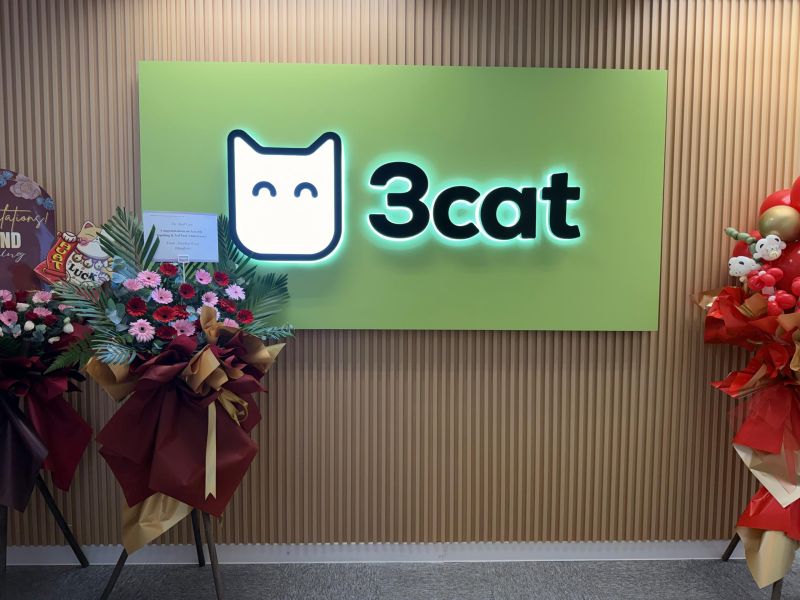
    Electronics recommerce platform 3cat has raised $4 million in fresh capital this week to launch its refurbished device retail model in the Philippines. The funding round finances inventory acquisition, quality inspection infrastructure, and local retail distribution networks across the country.

    Consumer demand for certified secondary electronics has grown across Southeast Asia as retail prices for flagship smartphones and laptops climb. Securing reliable inventory and providing standardized warranties remain the twin operational barriers for any business attempting to formalize the trade.

    Capital for secondary device inventory

    Refurbished hardware retail requires substantial working capital upfront. Retailers must purchase returned, pre-owned, or trade-in devices from corporate fleets, carriers, and individual consumers before grading, repairing, and testing each unit.

    By establishing certified inspection processes, 3cat aims to offer consumers refurbished smartphones and computing hardware backed by replacement warranties. The approach seeks to narrow the price gap between brand-new consumer electronics and unverified secondhand devices sold through peer-to-peer online listings.

    The secondhand electronics retail problem

    Most secondhand device sales across the region still take place through informal grey-market stalls and unvetted online marketplaces. These fragmented sellers rarely provide functional guarantees or standardized battery health checks, leaving buyers to absorb technical defects.

    Formal refurbished retail platforms change this balance by shifting product risk from the consumer to the operator. If grading criteria fail or return rates spike above single digits, inventory holding costs quickly erase gross margins on hardware.

    Competing with informal trade channels

    The Philippines represents a high-volume market where mobile phone penetration is high but consumer purchasing power remains price-sensitive. Local shoppers frequently turn to physical gadget markets such as Greenhills in Metro Manila for discounted pre-owned hardware.

    For structured retailers, winning market share from informal stalls depends entirely on warranty fulfillment speed and transparent grading tiers. Landlords in major metropolitan shopping centres also increasingly view organized circular tech storefronts as dependable, foot-traffic-generating tenants compared to unregulated repair kiosks.

    Next steps in market execution

    Establishing consumer electronics trade-in partnerships with local enterprise fleets and device distributors forms the primary operational priority following the fundraise. Without steady local supply channels, recommerce retailers must rely on imported secondhand stock, exposing margins to cross-border shipping friction and currency shifts.

    The company will now focus on rolling out its warranty and retail fulfillment network across Metro Manila before testing wider distribution across provincial retail hubs.

  • ADB Lifts Southeast Asia Growth Outlook to 4.7% on Tech Exports

    ADB Lifts Southeast Asia Growth Outlook to 4.7% on Tech Exports

    The Asian Development Bank raised its 2026 economic growth forecast for developing Southeast Asia to 4.7 per cent on Wednesday, up from 4.6 per cent projected in July. Global shipments of semiconductor chips and data center components surged. That demand offset the drag from high energy prices and severe weather.

    Across the wider Asia-Pacific region, the Manila-based lender lifted its 2026 expansion target by 0.1 percentage point to 5.0 per cent. It held the 2027 projection at 5.1 per cent. The revised figures show a widening regional split. Electronics manufacturing hubs are pulling ahead while economies exposed to food inflation and power generation shortfalls lag behind.

    Hardware Demand Lifts Export Leaders

    Vietnam received the sharpest upgrade in the updated Asian Development Outlook. Growth there is now projected at 7.8 per cent for 2026, up from 7.2 per cent. The bank also increased Vietnam’s 2027 forecast to 7.6 per cent, citing strong foreign direct investment and state stimulus programs directed into industrial parks and logistics infrastructure.

    Malaysia gained an upward adjustment as well. The economy will expand 4.9 per cent in 2026, up from the 4.6 per cent estimated in July. Growth should moderate to 4.7 per cent in 2027. Both countries have secured substantial market share in chip packaging, testing, and component fabrication for cloud infrastructure operators.

    Net exports remained resilient, supported by demand for electronics and AI-related products.

    Thailand recorded a modest bump to 2.0 per cent for 2026 from 1.8 per cent, though ADB trimmed its 2027 outlook to 1.9 per cent. Indonesia held steady. Growth there is projected at 5.2 per cent across both years, underpinned by household consumption.

    Energy Costs and Drought Penalise Importers

    Prospects weakened in the Philippines. The lender lowered the country’s 2026 growth target to 3.3 per cent from 3.8 per cent. It also reduced the 2027 forecast to 5.1 per cent from 5.3 per cent. Power sector strains and dry spells continue to weigh on domestic output.

    Geopolitical friction in the Middle East and Eastern Europe has kept fuel import bills high for non-oil producers. In markets like Cambodia and the Philippines, higher utility tariffs flow directly into retail prices. That squeeze curbs discretionary consumer spending and raises cold-chain logistics expenses for supermarket operators.

    What the Divergence Changes for Retail and Supply Chains

    Consumer brands face a shifting landscape where capital expenditure yields the fastest returns. Rising wages in Vietnam and Malaysia bolster middle-income buying power for consumer tech and packaged goods. Mall operators and retail chains are accelerating store openings in secondary cities to match demand.

    Agricultural supply chains face heavier margin pressure across the western Pacific. Parched croplands and high diesel prices increase transport and ingredient costs for food manufacturers. Fast-moving consumer goods suppliers must now renegotiate wholesale contracts across archipelagic supply routes.

    Earlier Forecast Steps and Baseline Trajectory

    The latest revisions follow a July review where regional output held steady against tightening monetary conditions in Western export destinations. In April, the lender had modeled a broader regional recovery. Energy market volatility then intensified through the middle quarters of the year.

    Price pressures have eased across developing Asia, where headline inflation should settle at 2.8 per cent this year. That moderation gives central banks room to adjust interest rates once currency pressures ease against the US dollar.

    The Timeline for El Nino Disruption

    Weather risks represent the primary operational hazard through the coming quarters. ADB expects the current El Nino pattern to intensify through late 2026 and peak around November. That timeline threatens hydroelectric generation and irrigated rice cultivation.

    Agricultural disruptions register in headline economic data with a multi-month lag. The bank expects the sharpest drag from the climate cycle to hit during the first half of 2027. The next baseline revision to regional growth figures arrives in December.

  • ShopeeFood Launches in the Philippines Across Metro Manila

    ShopeeFood Launches in the Philippines Across Metro Manila

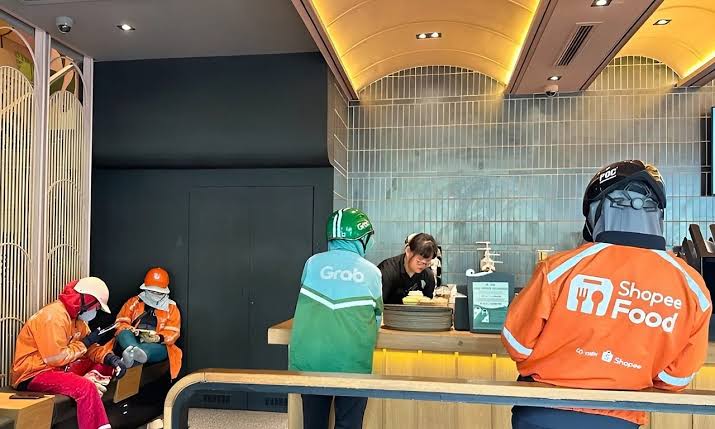
    Shopee launched its food delivery service ShopeeFood in the Philippines on September 16. The country is now its fifth market in Southeast Asia.

    The service is starting in Metro Manila. It embeds restaurant ordering straight into the main Shopee app to reach millions of existing e-commerce shoppers.

    Integration inside the main platform

    Instead of releasing a standalone app, the company built food delivery directly into its primary interface. Users can browse menus, track couriers, and complete orders without leaving the core app. The feature links to the ShopeePay digital wallet. It also lets diners spend and earn Shopee Coins on meals.

    Early restaurant partners include McDonald’s, Pizza Hut, Domino’s, Taco Bell, Dairy Queen, Krispy Kreme, and Potato Corner. For now, the rollout covers only selected areas and user groups across the capital region.

    Challenging the delivery duopoly

    ShopeeFood enters an urban market long dominated by GrabFood and foodpanda. Housing food delivery inside a high-traffic retail app lowers customer acquisition costs. But moving meals demands tighter dispatch networks and faster rider fulfillment than parcel logistics.

    Restaurant operators gain immediate use on merchant commission fees with a third major delivery platform in play. The real test will be rider retention and delivery speeds during peak lunch and dinner hours, when rivals already run dense fleet networks.

    The regional playbook

    This Philippine debut mirrors the operational strategy Sea Limited used in Indonesia and Vietnam. In those markets, the parent firm tied food delivery to e-commerce to boost daily active users and drive transactions through its digital finance channels.

    Pilot testing began in early September ahead of the official September 16 release. The service will expand to more districts across Metro Manila in the coming weeks before determining rollouts outside the capital.

  • Philippines and Canada on Track to Conclude Free Trade Deal by Year-End

    Philippines and Canada on Track to Conclude Free Trade Deal by Year-End

    Manila and Ottawa have resolved major roadblocks to a landmark free trade agreement during their fourth round of negotiations, putting the deal on track for conclusion before year-end.

    In 2025, bilateral trade reached $2.15 billion, with Canada taking in $1.31 billion worth of Philippine goods, equivalent to 1.5 percent of total exports.

    Resolving Agricultural Access and Tariff Roadblocks

    Substantial progress was made during talks held in Toronto from Sept. 8 to Sept. 11, with Philippine Trade Undersecretary Allan Gepty confirming that negotiators will address remaining issues through smaller meetings and online exchanges rather than another full round.

    Agricultural tariffs represented the main point of contention during the Toronto talks, mirroring past Philippine trade negotiations with the European Union and Chile. Manila sought protection for domestic farming sectors while pushing for broader access for its food exporters across Canadian grocery shelves.

    Expanding North American Supply Lines

    For Philippine consumer brands and food manufacturers, a completed pact opens direct duty-free channels into Canada without navigating third-party transshipment hubs. Importers in Manila gain cheaper access to Canadian agri-food commodities, processed foods, and cold-chain inputs, which will lower sourcing costs for local supermarket operators.

    Canadian retailers and industrial suppliers also gain formal investment protections and clearer intellectual property rules across the Philippine market. The deal will serve as Manila’s first direct bilateral free trade treaty with a North American economy.

    Fast-Tracked Talks Across Asia-Pacific

    Official negotiations between both governments began in February 2026. Beyond tariffs on physical goods, the working texts cover service exports, business visa mobility, cross-border investments, digital commerce safeguards, and anti-corruption standards.

    Canadian International Trade Minister Maninder Sidhu arrived in Manila on Sept. 21 for two days of consultations with Association of Southeast Asian Nations economic ministers. Ottawa is running parallel regional trade talks with ASEAN alongside comprehensive partnership negotiations with India.

    Final Review Steps Before Year-End Ratification

    Legal teams from both sides will scrub the agreed treaty text through October before presenting the final document for executive signatures.

    Both governments target formal signing by December 2026, after which the treaty heads to the Philippine Senate and the Canadian Parliament for domestic ratification.