Tag: manila

  • Philippine Brand Rags2Riches Overhauls Finances After Near Closure

    Philippine Brand Rags2Riches Overhauls Finances After Near Closure

    Philippine fashion and lifestyle label Rags2Riches overhauled its business fundamentals to stay afloat after nearing collapse in its ninth year, preserving livelihoods for hundreds of community weavers.

    Co-founder Reese Fernandez-Ruiz warned staff at a December 2016 gathering that the enterprise faced potential closure, prompting an internal pivot toward disciplined financial management and self-sustained operations.

    The company, which launched with a P10,000 donation transforming factory scrap cloth into rugs, had expanded by 2013 to engage more than 900 artisans across Payatas, Tondo, Caloocan, and Sucat.

    Rewiring the production supply chain

    Rags2Riches operates a decentralized production footprint designed around domestic labor constraints. Most early artisans were mothers unable to work conventional factory shifts, prompting the business to divide manufacturing into home-based piecework and centralized finishing.

    Weavers produce designated panels at home during fixed daily windows, then send finished panels to local community centers for inspection. Certified pieces travel to an assembly workshop for final stitching into bags, apparel, and home goods.

    Production compensation shifted substantially under the structured schedule. Weavers previously earned between 12 and 16 pesos for a full day producing 10 foot rugs under merchant middlemen. Under the formal brand setup, two to three hours of assembly yielded 350 to 500 pesos daily by 2013, supplemented by automatic savings accounts via CARD Bank, micro-insurance under CARD’s CaMia unit, and mandatory three- to six-month vocational training cycles.

    Designer partnerships and commercial retail

    Commercial viability hinged on shifting customer demand away from charity purchasing toward design-led buying. Filipino fashion designer Rajo Laurel joined as an initial unpaid design adviser two months after foundation, followed by collaborations with Amina Aranaz-Alunan, Oliver Tolentino, Olivia d’Aboville, and furniture designer Kenneth Cobonpue.

    Product offerings shifted from rudimentary floor rugs into premium woven handbags, travel pieces, and home accessories using upcycled factory textiles. Retail footprints extended beyond domestic shopping malls and direct online sales to overseas distribution partners in London and Edinburgh, launching international deliveries in February 2013.

    Corporate partnerships also supported wholesale volume. An AirAsia Foundation grant funded commercial airline collections sold inflight across 2013 and 2014, while Swedish furniture retailer IKEA tapped the Manila enterprise for commercial upcycling and sewing contracts. Cross-border design partnerships followed with Thai social enterprise DoiTung and visual artist Leeroy New.

    Operational shifts across Southeast Asian ethical retail

    The restructuring at Rags2Riches highlights a persistent squeeze across Southeast Asia’s artisan retail sector. Mission-driven apparel labels frequently scale community headcounts during grant-funded cycles, only to run into working capital shortfalls when domestic demand plateaus and export logistics eat operating margins.

    For regional operators and retail landlords, maintaining artisan-focused retail spaces requires predictable inventory delivery. Rags2Riches addressed production volatility by standardizing components and building direct financial literacy into artisan hubs, insulating core product lines against output drops while keeping retail orders on back-order waitlists.

    The structural vulnerability sits squarely in raw material sourcing and production handoffs. Integrating rural indigenous weaves, such as Ilocos inabel, Mindoro Mangyan ramit, and South Cotabato T’boli abaca, links finished consumer goods to fragmented, small-batch weaving communities outside Metro Manila. Disruptions in weaving traditions or transport bottlenecks quickly delay seasonal collections, elevating fulfillment risk across e-commerce channels.

    Milestones and structural oversight

    Capital injections historically matched the label’s operational expansions. In 2015, the firm became the first Asian enterprise outside North America to secure a women-owned business grant from United States clothing label Eileen Fisher, following previous backing from regional aviation funds.

    Boardroom governance also changed after the 2016 fiscal squeeze. The company installed seats on its governing board for artisans, subcontracted suppliers, and internal staff, accompanied by open-book financial reviews shared directly with community leaders at annual assemblies.

    Fernandez-Ruiz is now structuring operational workflows so product lines survive future management handoffs, with an overarching objective to establish a self-sustaining century-old Philippine heritage label.

    “Even if I’m not going to be the president of R2R in the future, if somebody else will be, it’s already in the DNA.”

    The enterprise is tracking artisan retention rates across its rural textile hubs while maintaining continuous back-order waitlists across its flagship online storefront.


  • GCash Allocates 60% of IPO Cash to Challenge Informal Lenders

    GCash Allocates 60% of IPO Cash to Challenge Informal Lenders

    GCash operator Mynt will deploy 60 percent of its primary IPO proceeds into consumer lending, targeting the informal loan market across the Philippines.

    The digital wallet counts 41.5 million monthly active users, but only 7.5 million borrow through its platform. Converting the remaining 34 million registered users into active credit customers forms the central growth pitch to equity investors ahead of listing.

    Mynt runs its credit operations through Fuse Financing, offering micro-credit products like GLoan Sakto for sums as low as 100 pesos and Borrow Load for 20 pesos. More than 90 percent of the user base falls within the lower C2DE socio-economic brackets, where daily cash flow needs mirror sachet retail buying habits. Frost & Sullivan data compiled for the listing shows roughly 40 percent of borrowing Filipino adults relied on informal credit in 2025, including unregulated 5-6 money lenders who demand 20 percent nominal interest rates on short-term advances.

    Sachet credit replaces street lenders

    Digital wallets across Southeast Asia have shifted from simple payment rails to balance-sheet lending to offset margin compression on transfers and merchant settlements. Singapore-based Grab, Indonesia’s GoTo and regional digital banks all pursued similar transitions, yet few command the domestic user dominance GCash holds in its home market. By pushing loan sizes down to 100 pesos, Fuse Financing mirrors the Philippine retail distribution model of selling daily goods in small packets.

    This micro-lending model shifts customer acquisition costs almost to zero because borrowers already transact on the core app. Traditional Philippine banks struggle to service sub-1,000-peso tickets profitably due to branch overheads and manual underwriting costs. GCash automates that screening using its proprietary GScore credit assessment and an automated voice bot called GINA to manage collection calls.

    Rising share of digital lending revenue

    Lending generated 28.52 billion pesos in 2025 after expanding at a two-year compound annual rate of 67.1 percent. That performance lifted credit from 35.8 percent of adjusted revenue in 2025 to 41.8 percent during the first half of 2026. Payments generated 50.34 billion pesos, or 63.2 percent of 2025 revenue, but lending expansion now drives top-line momentum as total loan assets hit 70.5 billion pesos in June 2026.

    “There’s money in serving them,”

    Mynt president and chief executive Martha Sazon told investors at an October 6 briefing, pointing to unbanked consumer segments as the primary engine for the next growth cycle.

    Credit loss provisions and default risks

    Rapid loan book expansion brings balance sheet volatility. The company booked 12.62 billion pesos in provisions for credit losses in 2025, absorbing 44.3 percent of its lending revenue that year. First-half 2026 provisions reached another 7.93 billion pesos.

    Non-performing loans stood at 4.9 percent in June 2026, falling from 7.5 percent in 2025 and 9.2 percent in 2023. Fuse Financing chief executive Tony Isidro told brokers he remains comfortable holding delinquent loans within single-digit bands while migrating borrowers away from informal street lenders. Managing those defaults will dictate whether lending remains an earnings generator or becomes a capital drag as net income growth slowed to 7.3 percent year-on-year in the first half of 2026.

    Premium valuation on the trading floor

    The company priced its initial public offering at 6.60 pesos per share, implying an equity valuation of roughly 442 billion pesos. That prices Mynt at 25.7 times its 2025 net earnings, commanding a premium over global peers such as PayPal and Brazil’s Nu Holdings. Institutional demand oversubscribed the offer during the retail bookbuild.

    Market participants will test that valuation when shares begin secondary trading on Tuesday, October 20 under the ticker symbol GCASH.

  • Philippine Credit Card Bad Debts Jump to P68 Billion as Inflation Bites

    Philippine Credit Card Bad Debts Jump to P68 Billion as Inflation Bites

    Philippine commercial banks saw non-performing credit card receivables surge 11.8 per cent to P68.28 billion in June as living costs strained consumer budgets across the country.

    Bad loans outpaced overall card lending, which expanded 5.3 per cent over the same period to reach P1.294 trillion.

    Data from the Bangko Sentral ng Pilipinas, presented by First Metro Securities head of institutional research Estella Dhel Villamiel at a forum in Manila, showed non-performing card balances climbed from P61.07 billion in March. The share of distressed balances rose from 4.97 per cent to 5.28 per cent of total card receivables in three months.

    Accelerating Bad Debts Across Bank Books

    The expansion in card debt reflects both broader financial inclusion and growing household reliance on credit to manage monthly overheads. While higher transaction volumes naturally lift gross receivables, bad balances are expanding at more than twice the speed of new lending.

    A typical rollover balance of P20,000 incurs roughly P600 in monthly interest at standard 3 per cent card rates before penalties. When wages fail to keep pace with basic expenses, compounding finance charges absorb disposable income that would otherwise flow directly into retail cash registers.

    Mounting Pressure on Retail Margins

    For supermarket chains, department stores and consumer electronics retailers, deteriorating consumer debt signals a clear shift in shopper behavior. High-ticket discretionary purchases slow first as cardholders exhaust their credit lines on groceries, transport and utilities.

    Retail operators facing elevated freight and import bills cannot rely indefinitely on debt-financed foot traffic to protect their sales volumes. If banks tighten revolving credit limits to contain default ratios, store operators will face immediate downward pressure on average basket sizes across metropolitan malls.

    Slowing Investment and Sticky Price Rises

    Macroeconomic indicators highlight why household balance sheets are cracking under everyday pressure. Philippine inflation climbed to 7.2 per cent in September from 6.1 per cent in August, driven by fuel costs and a weaker peso.

    DBS Bank projects Philippine inflation to average 6.5 per cent in 2026 and 5.5 per cent in 2027, with the currency forecast to slide toward P64 per US dollar by late 2027. Labor market softness compounds the strain: August unemployment rose to 5.3 per cent from 3.9 per cent a year earlier, while underemployment climbed from 10.7 per cent to 11.9 per cent.

    Capital Formation Drops as Consumption Stalls

    Second-quarter national accounts revealed household consumption grew 2.8 per cent and gross domestic product expanded 2.3 per cent, but gross capital formation dropped 9.2 per cent. A sharp contraction in capital formation points to weaker future job creation, limiting the wage growth required to service existing card balances.

    Commercial lenders and retailers will look to fourth-quarter holiday spending figures to measure real demand, before credit statements arriving in January reveal whether repayment delinquency breaches the 5.5 per cent mark.

  • Philippine Cash on Delivery Share to Stay Above 20 Percent Through 2027

    Philippine Cash on Delivery Share to Stay Above 20 Percent Through 2027

    Cash on delivery will account for more than 20 percent of Philippine e-commerce transactions through 2027. That keeps the country as Southeast Asia’s most cash-reliant online shopping market, according to payments gateway Xendit.

    Physical cash currently represents 23 percent of online transaction value on Xendit’s Philippine platform. That figure outstrips all five other Southeast Asian markets surveyed in its joint report with market research firm Cube.

    Across Southeast Asia, cash on delivery is projected to fall below 25 percent of total e-commerce gross merchandise value next year. The Philippines will remain the only major regional market where paper currency holds over a fifth of checkouts.

    Cash Holds 23 Percent Share

    A persistent unbanked population, limited formal credit, and fear of delivery fraud slow the shift away from cash. In a survey of 6,000 online shoppers across six regional markets, including 1,000 in the Philippines, 12 percent of Filipino buyers said nothing would convince them to stop using cash on delivery. That group is double the size seen in neighboring countries.

    Shopper habits are shifting at the margin. About 33 percent of surveyed Philippine consumers reported using cash on delivery less frequently than a year ago. Discounts and cashback offers prompt them to try digital alternatives. Long-term retention still requires fast refunds and fraud protections.

    “Looking ahead, across the whole Southeast Asia, COD payments will actually fall below 25 percent of all e-commerce payments, but the Philippines will still probably be one of the fewer markets that are going to be above 20 percent,” said Ina Gatan, head of go-to-market at Xendit Philippines.

    QR Ph and Bank Transfers Surge 198 Percent

    Account-to-account payments are capturing what physical cash loses. Transaction volume settled via QR codes and direct bank transfers increased 198 percent between January 2025 and April 2026 across Xendit’s merchant network.

    National payment rails QR Ph and InstaPay drove the surge. QR Ph alone processed roughly 13 percent of total Philippine e-commerce value on the platform during the period. The standard lets merchant QR codes take payments across competing banking apps and digital wallets without custom point-of-sale setups.

    Digital wallets grew by 3 percent over the same 16-month timeframe. E-wallets already dominate Philippine digital checkouts. That leaves little room for rapid percentage gains compared to account-linked instant clearing schemes.

    Cross-Border Retail Lags Regional Neighbors

    Reliance on cash creates an operational barrier for international merchants selling into the country. Cross-border purchases represented only 9 percent of total Philippine online retail volume in 2026. Only Indonesia recorded a lower share at 6 percent.

    Higher digital adoption elsewhere fuels international orders. Cross-border sales accounted for 19 percent of online retail in Singapore, 15 percent in Thailand, 14 percent in Vietnam, and 12 percent in Malaysia. Foreign sellers rarely accept cash on delivery because of return logistics risks. That shuts uncarded Philippine consumers out of international storefronts.

    Southeast Asian cross-border e-commerce is projected to expand between 11 and 19 percent annually through 2030, assuming regional instant payment linkages and customs procedures improve. Merchants relying purely on upfront card or wallet payments will miss a fifth of Philippine demand until alternative rails provide instant buyer protection.

    Roadblocks to Digital Settlement

    Handling cash on delivery imposes heavy costs on logistics providers and retailers. Couriers face higher failed-delivery rates, delayed settlement cycles of up to seven days, and cash-handling risks that drive up freight rates across the archipelago.

    Couriers and platforms have introduced OTP verification at delivery and partial advance deposits to curb return rates. Even so, Valerie Cai, head of marketing at Xendit, estimated that bringing the Philippine cash-on-delivery ratio below 20 percent will require several years of sustained infrastructure rollouts.

    Total Southeast Asian e-commerce merchandise value reached $197 billion in 2025, up from $3 billion in 2012, with Cube forecasting the market to pass $400 billion by 2031. The pace of payment digitization across the Philippine archipelago will determine how much of that regional growth turns into merchant profit rather than delivery losses.

  • Semirara Slashes Coal Target to 12 Million Tons as Pit Floods

    Semirara Slashes Coal Target to 12 Million Tons as Pit Floods

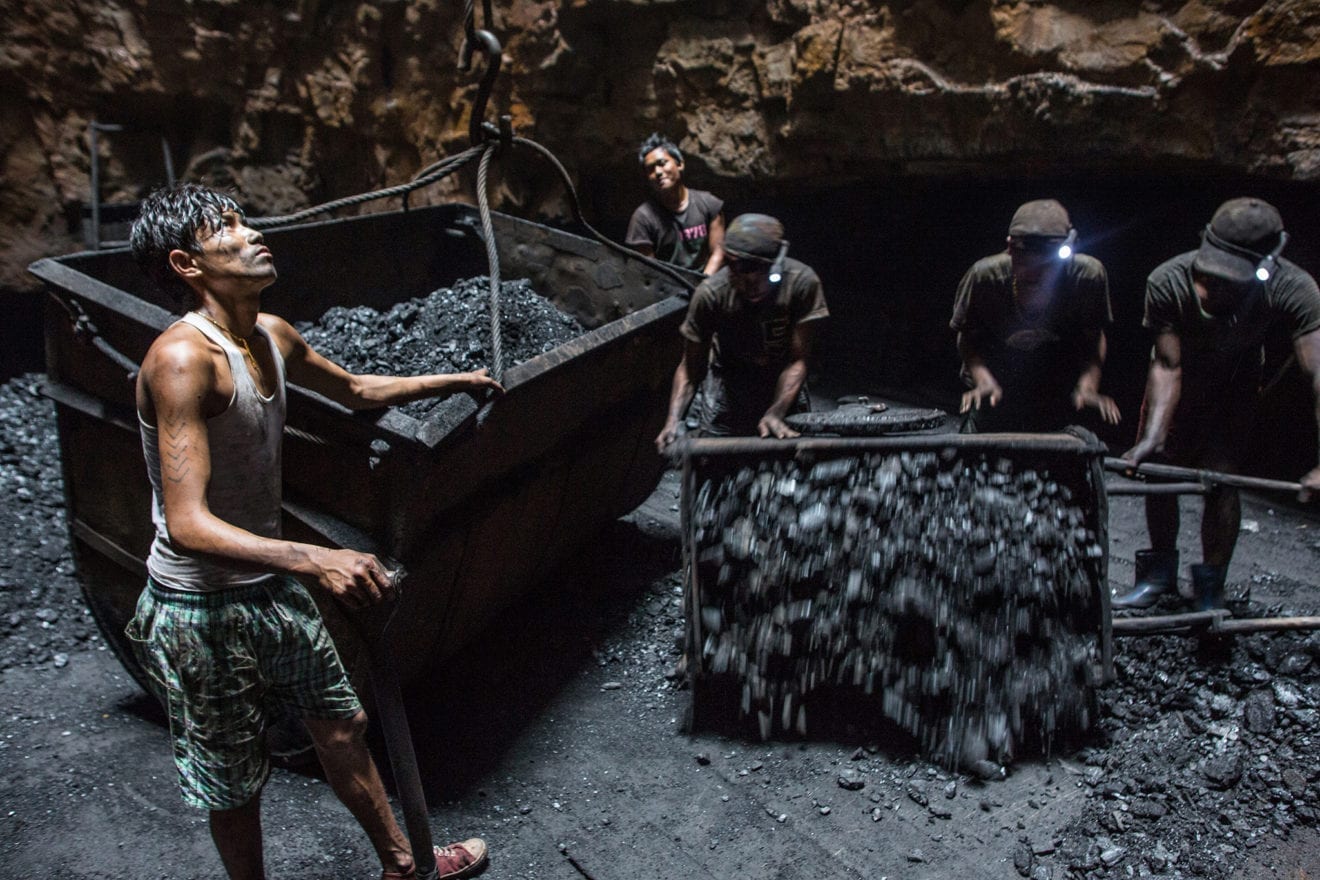
    Semirara Mining and Power Corp. Slashed its 2026 coal output target to 12 million metric tons after uncontrollable seawater flooded its core Acacia pit in the Philippines. Stripping operations are halted indefinitely. The revised target is a drop of nearly 40 percent from the record 19.9 million tons produced in 2025.

    Seawater is surging into the active pit at roughly 30,000 cubic meters an hour. That far exceeds on-site pumping capacity. The structural failure accelerated on September 20 when material from North Block 1 Dam 2 collapsed, sending surface runoff straight into the mining area.

    Crews are attempting to erect another cut-off wall. Meanwhile, the operational breakdown forced SMPC to lay off 1,458 mine-site workers. The company cut an initial tranche of 462 staff before letting go an additional 996 personnel.

    Contract Expiry and Asset Disputes

    Timing could not be worse for the operator or the power grid. Coal Operating Contract No. 5 expires on July 14, 2027. That leaves the Department of Energy scrambling to auction operating rights to the highest financial bidder.

    Energy officials terminated a previous bidding round in September following legal disputes, engineering problems, and operator objections. They now plan to restart the auction between November and December. That gives the winning contractor barely seven months to take over before the current license lapses.

    A legal fight is also playing out in court over more than 55 billion pesos in infrastructure and machinery on Semirara Island. SMPC filed a petition for declaratory relief after the energy department demanded a full inventory of the operator’s property and plant to share with rival bidders.

    State Revenue Versus Engineering Capacity

    Regulators argue that equipment with costs recovered under the operating contract can vest in state hands and pass to the next operator. SMPC counters that cost recovery serves only as reimbursement under Presidential Decree 972. Title and removal rights remain strictly with the company.

    Higher revenue shares and consumer concessions remain the government’s priority, grounded in the state’s ultimate ownership of mineral resources. SMPC notes it contributed 43.4 billion pesos in government share alongside 3.7 billion pesos in taxes between 2021 and the middle of 2026.

    Commercial power users and industrial operators face the threat of electricity cost inflation. Acacia was projected to deliver the bulk of domestic coal supply in 2027. Any prolonged disruption will force power producers to import expensive replacement thermal coal from Indonesia and Australia.

    Spillover to the Local Island Economy

    Fallout has already spread across Semirara Island as payroll cuts hit retail and service trade. Small island businesses report falling daily revenue and customer defaults as families lose their primary income.

    Island social programs face immediate risk as well. SMPC has historically funded about 90 million pesos annually for free tuition at the Divine Word School of Semirara Island. More than 1,500 students depend on that mine-supported schooling.

    The Department of Energy has not issued bid bulletins, prequalification screens, or a model contract clarifying minimum technical requirements for the flooded pit. Restarting the bidding process in late 2026 will test whether the state can secure an operator capable of draining the Acacia pit before the July 2027 handover deadline.

  • Shell Sued for $108 Million in Brazil over Deadly Floods

    Shell Sued for $108 Million in Brazil over Deadly Floods

    British energy giant Shell is facing legal action in Brazil and the United Kingdom seeking compensation for devastating extreme weather disasters.

    On Friday, Brazilian federal prosecutors and the non-governmental organization Instituto Preservar jointly filed a lawsuit against Shell’s subsidiary demanding $108 million over catastrophic 2024 floods.

    Attribution Science Drives $108 Million Claim

    The disaster in southern Brazil killed nearly 200 people, displaced half a million, and caused widespread destruction, marking the first time attribution science has been used in the country against a major carbon producer.

    Plaintiffs based their legal claim on research published in a Nature group journal, which calculated that climate change increased the intensity of the 2024 rainfall by 12 percent. Drawing on data from think tank Carbon Majors attributing 2.02 percent of historic global emissions to Shell, the lawsuit demands the company pay for two percent of that 12 percent intensification.

    Philippine Typhoon Survivors File in London

    The Brazilian case follows a 2025 lawsuit brought in London by roughly 100 survivors of Typhoon Rai, known locally in the Philippines as Odette. The December 2021 storm killed more than 400 people across several Philippine islands and wiped out entire coastal communities.

    Lawyers at Hausfeld filed the London action against Shell on behalf of the Philippine survivors, arguing that historic emissions and alleged misinformation on climate risks constitute actionable negligence under Philippine law. The legal team cited historical evidence indicating Shell understood fossil fuel impacts as early as the 1960s, alongside an internal 1986 company report detailing greenhouse gas risks.

    Corporate Exposure Shifts Across Asia

    Legal liabilities of this nature create direct financial exposure for multinational energy operators, industrial manufacturers, and their commercial insurers across Asia-Pacific. If courts accept proportional emissions modeling, corporate balance sheets will face recurring claims following major typhoons, floods, and coastal erosion events throughout Southeast Asia.

    Supply chain infrastructure and regional asset valuations face repricing as climate litigation expands beyond state authorities to private corporate targets. Commercial lenders and institutional investors in Asian energy assets must account for potential cross-jurisdictional tort liability in their long-term risk underwriting.

    Precedents Spread Across Emerging Markets

    Shell has rejected claims of covert liability, stating in December that the suggestion the company possessed unique knowledge about climate change was not true.

    Similar cross-border actions are underway across the region, including Indonesian islanders suing Swiss cement group Holcim over rising sea levels and Pakistani farmers pursuing litigation against industrial operators in German courts.

    London courts are scheduled to review procedural filings on the Philippine claims as plaintiffs prepare evidentiary submissions on corporate knowledge from past decades.

  • Philippine Fraud Cases Stall as 71 Percent of Online Scam Victims Never Report Losses

    Philippine Fraud Cases Stall as 71 Percent of Online Scam Victims Never Report Losses

    Philippine cybercrime prosecutors face widespread case abandonment. More than 70 percent of scam victims fail to report financial losses or decline to testify in court. Law enforcement officials revealed the bottleneck at an anti-scam forum hosted by the Bangko Sentral ng Pilipinas on October 12.

    A 2026 Global Anti-Scam Alliance survey of 1,160 Filipino adults showed that 15 percent suffered direct financial losses from fraud. Only 29 percent reported the incidents to authorities. Complainants who file reports frequently abandon proceedings before trials start.

    Prosecution Hurdles in Digital Fraud Cases

    Investigators routinely prepare filings only to have victims withdraw cooperation, said Department of Justice Office of Cybercrime Assistant Director Chris Jark Ace Maño. Without victim participation, prosecutors cannot establish legal damage. They cannot secure fraud convictions under Philippine evidentiary rules.

    Even after successful raids on illicit call centers and fraud rings, state attorneys often must downgrade charges to human trafficking, according to National Bureau of Investigation Financial Intelligence Unit Chief Minerva Sobreviga-Retanal. Courts require the aggrieved party to appear as witnesses to sustain criminal deceit charges.

    Tracing illicit funds requires immediate intervention before capital leaves traditional banking rails. Sobreviga-Retanal warned that victims waste crucial hours when they try to investigate fraud independently. That delay allows proceeds to move through virtual asset channels and cryptocurrency wallets within milliseconds.

    Rising Losses Across Younger Demographics

    Demographic shifts complicate defense across digital retail channels. Cybercrime Investigation and Coordinating Center Executive Director Renato Paraiso noted that digital fraud no longer affects older consumers alone. Gen Z, Millennials, and Gen Alpha users fall victim at increasing rates due to overconfidence on digital platforms.

    Senior executives face the same exposure on unverified marketplaces. Google Philippines Country Manager Prep Palacios disclosed at the forum that she lost PHP 90,000 to a rogue online merchant who vanished immediately after collecting payment.

    “I’m a tech executive, and I was still fooled,” she told the same forum.

    Impact on Digital Commerce and Payment Gateways

    Low reporting rates obscure the genuine scale of merchant fraud for Southeast Asian e-commerce marketplaces and digital wallet operators. Unreported losses prevent payment gateways from blacklisting suspect accounts. Fraudulent merchant profiles then stay active across peer-to-peer selling channels.

    Platform operators face stricter compliance expectations from regional central banks as fraud schemes evolve from simple phishing to social commerce diversion. Marketplaces that fail to enforce escrow settlement mechanisms leave buyers vulnerable to off-platform payment requests.

    A lack of victim follow-through also reduces legal deterrents for syndicates operating out of domestic hubs. When criminal operators evade fraud convictions, they frequently re-establish operations under new corporate identities within weeks.

    Regulatory Pressure on Merchant Verification

    The Bangko Sentral ng Pilipinas continues to press financial institutions for faster account-freezing protocols to intercept disputed transfers before conversion into digital assets. Regional banks have tightened real-time transaction screening. Still, consumer reluctance to participate in court cases leaves systemic fraud networks intact.

    Enforcement agencies are now assessing streamlined digital reporting mechanisms to reduce court appearance burdens for defrauded buyers. The central bank plans to review inter-agency transaction dispute frameworks before the close of the current fiscal quarter.

  • Philippine Consumer Spending Slows to 1.9% as Inflation Hits Retailers

    Philippine Consumer Spending Slows to 1.9% as Inflation Hits Retailers

    Philippine household spending growth slowed to 1.9 percent in the second quarter of 2026 as surging inflation and borrowing costs forced consumers into survival mode.

    The pullback in domestic consumption dragged first-half gross domestic product expansion down to 2.6 percent, marking the weakest growth rate for the country outside the pandemic period since 2009.

    Household Budgets Turn to Essentials

    Data presented by Estella Dhiel B. Villamiel, head of institutional research at First Metro Securities Brokerage Corporation, showed that local buyers are cutting non-essential purchases to cope with escalating food and transport bills. Headline inflation reached 7.2 percent in September, pushing the year-to-date average to 5.4 percent, well above the central bank target range of 2.0 to 4.0 percent.

    Shoppers are purchasing fewer items despite spending more cash at cash registers across the country. Capital formation dropped 9.2 percent year-on-year in the second quarter, reflecting a broad retreat by corporate investors and commercial project developers.

    Car Sales and Credit Under Strain

    Higher interest rates are accelerating the consumer slowdown. Bangko Sentral ng Pilipinas lifted its reverse repurchase rate to 5.0 percent on August 27, raising the cost of vehicle financing, home mortgages, and personal revolving credit.

    Traditional car sales dropped roughly 10 percent year-on-year by the end of August as buyers deferred big-ticket acquisitions. Credit card transactions reached record volumes, but non-performing credit card debt jumped 46.4 percent, indicating mounting cash-flow pressure on salaried workers.

    Labour Market Pressures Mount

    The broader consumer downturn is eroding employment gains across retail and services. Unemployment climbed to 5.3 percent from 3.9 percent a year earlier, with rolling 12-month net employment metrics recording a loss of 307,000 positions.

    Higher underemployment rates show that existing jobs fail to match current living expenses. Rising import costs have also kept the Philippine peso weak against the US dollar, increasing wholesale prices for imported inventory and packaging supplies.

    Shipping Bottlenecks and Recovery Triggers

    Villamiel noted that domestic recovery depends heavily on resolving maritime transport disruptions in the Middle East. Commercial vessel traffic through the Strait of Hormuz has fallen to single-digit daily transits compared with a normal average of 33 ships per day, driving up global crude risk premiums.

    To hit the government full-year growth target of 3.5 to 4.5 percent, economic output must accelerate to between 4.4 and 6.4 percent across the second half of 2026. Retailers and consumer brands now face a compressed fourth-quarter holiday trading season while waiting for shipping lanes to normalize and inflation to ease from its projected 6.1 percent full-year average.

  • Toyota Unveils 10-Passenger Tamaraw Jeepney in Philippines

    Toyota Unveils 10-Passenger Tamaraw Jeepney in Philippines

    Toyota Motor introduced a 10-passenger Tamaraw jeepney in the Philippines this week, expanding its multipurpose vehicle lineup into everyday public transportation.

    Built at the automaker’s plant in Laguna province, the new model complies with Philippine government standards for Class 1 modern public utility vehicles.

    Hardware and route capacity

    The vehicle features air conditioning, Wi-Fi connectivity and automated fare collection systems. Unlike larger Class 2 jeepneys that link central Manila with peripheral towns, this Class 1 version handles shorter neighborhood routes and lighter passenger volumes. Toyota builds the model on its modular IMV truck platform, the same architecture underpinning the Hilux Champ sold in Thailand.

    The provincial fleet market

    Local transport operators face steep capital replacement costs under national fleet overhaul mandates. Toyota is directing its sales efforts toward cooperatives and private fleet owners outside Manila, pitching the Tamaraw jeepney alongside available state purchase subsidies. Securing volume orders in regional provinces will test whether small-scale transport cooperatives can absorb commercial financing rates compared to traditional, low-cost backyard-built vehicles.

    Platform scale across Southeast Asia

    The Laguna rollout fits into Toyota’s wider defensive playbook across Southeast Asia. Japanese automakers continue to rely on utilitarian, internal-combustion commercial platforms to protect market share against incoming Chinese electric commercial van makers. By adapting a shared regional chassis into localized utility bodies, Toyota spreads manufacturing costs while locking in transport operators accustomed to its provincial parts supply network.

    Laguna assembly line roots

    Toyota revived the Tamaraw nameplate in January 2025 as a multipurpose platform for light trucks and ambulances. The badge first gained widespread adoption in the Philippines during the 1970s as an affordable domestic workhorse.

    Masando Hashimoto, president of Toyota Motor Philippines, described the jeepney model as a central step in expanding the vehicle’s domestic role.

    “Today, we add an important missing piece, a jeepney,” Masando Hashimoto, president of Toyota Motor Philippines said this week. “By becoming part of everyday public transportation, the Tamaraw becomes a true national car, a vehicle for all Filipinos.”

    Government subsidy rollout

    Operator uptake now hinges on how quickly regional transport franchises qualify for state subsidy disbursements. Commercial deliveries will begin through Toyota’s domestic dealer network, with order volumes in provincial transport cooperatives providing the first test of whether the Class 1 format can displace aging utility fleets.

  • Development Bank of the Philippines Faces 4 Billion Pesos in Overdue Builder Loans

    Development Bank of the Philippines Faces 4 Billion Pesos in Overdue Builder Loans

    The Development Bank of the Philippines holds 4.09 billion pesos in overdue loans under its builder financing scheme. State auditors uncovered the bad debt during a review of the state lender’s credit books.

    Those bad loans account for 61.4 percent of the 6.67 billion pesos still owed under the bank’s Infrastructure Contractor Support facility, known as ICONS.

    Auditors at the Commission on Audit found the lender repeatedly released funds without checking on-site building progress. DBP launched ICONS in 2017 to provide liquidity for public-private partnerships and public works under the Duterte administration’s Build, Build, Build campaign. Under program rules, contractors pledged project receivables for bridge financing. Loan releases required verification of actual construction milestones. Instead, credit officers disbursed cash against projected contract values rather than finished work.

    Missing Verifications and Terminated Contracts

    A 300-million-peso facility given to a contractor on five state corporate projects shows how controls broke down. DBP approved the credit line in August 2019. The borrower drew down the entire sum by March 2020. It then claimed completion rates between 75 percent and 81 percent on its two largest contracts. DBP accepted those numbers and released the cash without sending inspectors to the sites.

    By June 2020, three months after drawing the final tranche, the builder stopped servicing the debt. DBP waited until March 2021 to check progress with site engineers. They found wide gaps between reported and actual construction. State agencies had already canceled two contracts in September 2020 due to delays. By January 2026, the government project owner confirmed four contracts were formally terminated and the fifth was settled in late 2021. That left zero receivables for the bank to seize. DBP had to provision for the entire 300 million pesos as a total loss.

    Subcontractors and Broken Collection Lines

    Similar lending failures spread across regional branches and multiple accounts. Another borrower owed 490.46 million pesos at the end of 2025 despite finishing projects between 2017 and 2021. Audit checks showed the firm subcontracted out almost all the work. It held an average financial stake of just 3.5 percent in project costs. Instead of paying down debt, it rolled over the principal.

    Collection units also suffered long administrative freezes. At the Albay branch, an account defaulted in June 2021. Officers sent their first demand notice by email four years later in July 2025. That account rotated through six loan officers, leaving 97.24 million pesos unpaid on an original 100-million-peso loan. In Tacloban, foreclosure on an 82.21-million-peso balance stalled because the branch had no in-house lawyer. Staff had to route enforcement through legal teams in Zamboanga.

    Mounting Pressure on State Balance Sheets

    The collapse of ICONS exposes the operational risks of factoring receivables without strict escrow controls. Private lenders in Southeast Asia use automated lockbox accounts. Project owners pay directly into escrow before money reaches builders. DBP bypassed these firewalls and relied on paper schedules. That turned milestone-based loans into unsecured working capital.

    Lax oversight creates fallout for legitimate builders seeking state credit. When state lenders absorb bad debt, compliance teams tighten rules across the board. That drives up borrowing costs and slows disbursements for active civil projects. Central bank records show DBP’s gross non-performing loan ratio climbed from 7.05 percent in December 2025 to 9.52 percent in March 2026, before settling at 9.17 percent in June.

    Years of Internal Warnings

    Internal leadership knew about the breakdowns years before closing the program. The DBP board ordered an investigation into its 20 largest non-performing accounts, including the 300-million-peso loan, on January 19, 2022. Management still kept the facility running. The board finally approved the termination of ICONS on June 3, 2026.

    State audit authorities have instructed bank management to pursue negligence charges against credit staff and take legal action against contractors that pledged real estate collateral.

  • Philippines Plans 3,840 Megawatt Gas Auction Amid Grid Cost Debate

    Philippines Plans 3,840 Megawatt Gas Auction Amid Grid Cost Debate

    The Philippine Department of Energy is launching a centralized auction to procure 3,840 megawatts of mid-merit natural gas capacity across the Luzon and Visayas grids.

    Department Circular DC2026-06-0013 establishes a binding framework for the purchases. Distribution utilities and electric cooperatives must now source designated flexible capacity exclusively from natural gas facilities.

    Staggered Capacity Timetable

    Auction schedules divide the 3,840-megawatt target into immediate supply and greenfield construction across the two island grids. Existing plants in Luzon must deliver 1,400 megawatts of capacity in 2026, followed by 500 megawatts in 2027.

    New construction begins commercial operations in 2028. That phase starts with 440 megawatts of liquefied natural gas mid-merit plants across Cebu and Panay in the Visayas. By 2031, newly built facilities must supply an additional 1,000 megawatts to Luzon and 500 megawatts to Cebu.

    Auction Rules and Fuel Pass-Through

    Power generation companies will bid solely on their capital and operating charges under the Gas Auction Price system. Fuel costs remain an uncapped pass-through expense. The underlying price of imported liquefied natural gas will be calculated through an Energy Regulatory Commission benchmarking formula.

    Consumers must cover revenue shortfalls whenever spot power prices drop below the auction guarantee. If a contracted plant runs while the Wholesale Electricity Spot Market clears at lower rates from coal or renewables, the grid operator recovers the difference through retail power bills. Distributors cannot withdraw their contracted capacity shares once awarded.

    Regional Supply Disparities

    Grid conditions differ sharply between the two regions. Luzon expanded its supply margin by 632 megawatts during the August 2026 billing period, according to Independent Electricity Market Operator of the Philippines data. Spot prices there fell from 7.30 pesos to 4.80 pesos per kilowatt-hour.

    Generation deficits hit the Visayas grid during the same month. The region recorded 86 hours of Yellow Alerts and 53 hours of Red Alerts. Regional spot prices reached 18.59 pesos per kilowatt-hour before the regulator imposed a secondary price cap. Transmission lines between Luzon and Visayas stayed congested for 86 percent of the billing cycle.

    Fuel Price and Currency Exposure

    Imported gas dependencies present direct cost risks for commercial operators and industrial manufacturers. Energy Regulatory Commission figures show landed liquefied natural gas prices climbed from 14.90 dollars per million British thermal units in early 2024 to 17.30 dollars in early 2025.

    Asian spot LNG prices spiked to 26.00 dollars per million British thermal units in September 2026 following Middle Eastern supply disruptions. Paired with a foreign exchange rate of 62.67 pesos per US dollar, fuel costs alone reach 11.40 to 13.00 pesos per kilowatt-hour for a standard combined-cycle generator. Capital recovery and operating fees are not included in that calculation.

    Fuel pass-through terms shift international commodity price swings directly onto Philippine commercial power bills. Past price shocks showed the danger. In March 2026, emergency interventions took place when spot prices jumped from below 5.00 pesos to more than 9.00 pesos per kilowatt-hour across the central grid.

    Next, the Department of Energy will finalize bidder eligibility rules and auction dates for the initial 1,400-megawatt Luzon delivery tranche.

  • Figaro Culinary Group Plans Exit from Philippine Stock Exchange at P0.82 a Share

    Figaro Culinary Group Plans Exit from Philippine Stock Exchange at P0.82 a Share

    Figaro Culinary Group plans to voluntarily delist from the Philippine Stock Exchange. The restaurant operator is offering minority investors P0.82 per share to go private.

    At that price, the buyout tops the company’s January 2022 initial public offering level of P0.75. That listing raised P767 million for store expansion across the Philippines.

    Terms of the buyout and major holders

    Operating unit Figaro Coffee Systems will run the tender offer for public minority shares. Three major shareholders will not participate: Carmetheus Holdings, Camerton, and food conglomerate Monde Nissin.

    Monde Nissin, which makes Lucky Me! Noodles and SkyFlakes crackers, bought a 15 per cent stake for P820.3 million in 2023. That deal valued the shares at P1.00 each. It sits well above the current tender offer.

    Shifting priorities across Philippine dining

    Going private gives management room to expand its brand portfolio away from daily market scrutiny. Southeast Asian restaurant chains face stiff competition in quick-service dining. Store buildout costs and franchise support demand fast capital allocation rather than quarterly earnings management.

    Angel’s Pizza now drives the group’s expansion, overtaking the original Figaro Coffee concept in store count and system sales. Leaving the exchange frees up internal cash for delivery infrastructure and fast-turnover kitchens without public reporting friction.

    Path to delisting and shareholder vote

    Trading in Figaro shares was halted on October 8 after the board approved the exit plan. The company joined the PSE in January 2022 with a multi-brand lineup that also includes Tien Ma’s Taiwanese Cuisine and Koobideh Kebab.

    Delisting requires shareholder approval and a combined ownership stake of at least 95 per cent between Figaro Coffee Systems and the non-participating anchor investors. Stockholders will vote on the proposal at a special meeting on November 13.

  • AllHome and AllDay Cut Store Counts to 34 and 13 Outlets

    AllHome and AllDay Cut Store Counts to 34 and 13 Outlets

    Villar-owned retail companies AllHome and AllDay confirmed store network contractions on Wednesday, October 7, following financial losses and stiff retail competition.

    Separate disclosures to the Philippine Stock Exchange show home improvement chain AllHome cut its store count to 34 as of September 29, 2026, down 26 percent from 47 at the end of 2025. Grocery operator AllDay Marts reduced its network by 50 percent over the same period, dropping from 26 locations to 13.

    Network shrinkage across home and grocery formats

    The retrenchment represents a steep reversal for two retail chains that expanded aggressively across Villar residential developments over the past decade. AllHome operated 72 outlets at its peak across 2023 and 2024, after starting with just four branches in 2013 and listing on the local bourse in 2019. Its current 34 locations include large mall-based, large free-standing, and small specialty outlets.

    AllDay opened its first grocery branch in late 2016 and expanded to 40 supermarkets by 2024. The current fleet of 13 stores leaves the grocery operator with less than a third of its peak footprint. The company told the exchange it will reorient remaining operations toward smaller mini-mart formats to lower overhead and protect liquidity.

    Earnings collapse and anchor space turnover

    Financial results explain the sudden retreat from large-format retail. AllHome posted a net loss of 36.4 million pesos for the first nine months of 2025, swinging from a net profit of 384 million pesos during the prior-year period. AllDay saw full-year 2024 net profit decline 27 percent to 268 million pesos as revenue fell 9.2 percent to 9.25 billion pesos, citing intense competition in low-performing catchment areas.

    Mall landlords within the group are already reallocating space to outside operators. The Philippine Stock Exchange questioned both companies after reports surfaced that Gokongwei Group brand Shopwise will take over the anchor space previously occupied by AllHome at Vista Mall in Santa Rosa City, Laguna. Inventory clearance sales across Cavite, Laguna, Mandaluyong, Taguig, and Pampanga preceded the closures, with promotional markdowns reaching 75 percent.

    Rethinking township retail integration

    The contraction exposes structural limits in relying on captive housing developments for retail foot traffic. The Villar group built more than 500,000 residential units nationwide and positioned its retail chains as natural amenities for those master-planned subdivisions. While property integration gave AllHome and AllDay fast access to commercial land, it insulated both brands from direct competitive pressure only temporarily.

    Rival operators with stronger supplier terms, deeper private-label assortments, and more efficient logistics chains have consistently pressured independent township stores. When housing construction slowed and consumer spending tightened, foot traffic inside standalone township malls failed to generate the volumes required to support big-box home depots and premium supermarkets. Handing anchor tenancy to external chains such as Shopwise indicates that property management now prioritizes stable rental yield over internal ecosystem synergy.

    Leadership departures and operating reset

    Management instability accompanied the downturn well before the latest round of store shutdowns. The shared president and chief operating officer of AllHome and AllDay resigned in September 2025 as earnings began to deteriorate. That executive exit followed earlier public statements from chairman Manny Villar and former AllValue president Camille Villar celebrating record sales figures from the post-pandemic reopening.

    Both companies now face the task of defending their remaining assets while containing operating debt. AllDay is adjusting store layouts to focus on working capital optimization, cash conservation, and smaller-format convenience retailing. Investors and suppliers will monitor third-quarter 2026 financial statements and upcoming lease filings to see whether the network consolidation stabilizes operating margins or triggers further asset impairments.

  • Philippines Unemployment Drops to 5.3% as Retail and Farming Add Jobs

    Philippines Unemployment Drops to 5.3% as Retail and Farming Add Jobs

    Philippine unemployment fell to 5.3 percent in August 2026. Retail trade and agriculture absorbed hundreds of thousands of workers.

    The jobless count dropped to 2.77 million from 3.14 million in July, according to preliminary Philippine Statistics Authority data.

    National Statistician Dennis Mapa said the monthly gain followed a drop in first-time jobseekers after July’s influx of fresh graduates. Around 897,000 people joined the workforce for the first time in August, down from 1.5 million the previous month. Of those new entrants, 470,000 secured work while 427,000 remained without jobs.

    Trade and farm sectors lead hiring

    Agriculture and forestry recorded the largest monthly employment gain, adding 847,000 workers primarily across rice and sugarcane operations. Construction added 390,000 positions. Wholesale and retail trade expanded payrolls by 227,000 workers as merchant activity picked up across regional hubs.

    For consumer brands and store operators, the pickup in retail headcounts shows distribution channels preparing for higher volumes after a sluggish mid-year. Sustained retail hiring hinges on whether consumer demand in secondary cities can match the inventory investments distributors are making.

    Electronics factory slump pulls manufacturing down

    Industrial employment went the opposite direction. Manufacturing headcounts slipped to 3.16 million in August from 3.43 million in July and 3.46 million in June. It was the third straight month of contraction.

    Mapa attributed part of the factory decline to headwinds in the electronics industry, pointing to volatile global demand and seasonal production shifts. Electronics remains the country’s biggest merchandise export pillar. That leaves component makers vulnerable to order swings from buyers across North America and East Asia.

    Weather cuts working hours and weekly earnings

    Underemployment also eased during the month, falling to 11.9 percent from 12.9 percent in July. That left roughly 5.9 million employed individuals looking for extra working hours or secondary employment.

    Severe weather disrupted job quality and attendance across several islands. Average weekly working hours declined to 39.2 hours from 40.6 hours in July as heavy rain and storms cut shift time for millions of hourly and self-employed workers. Reduced working time directly curbs disposable income for daily-wage households, limiting discretionary retail spending outside staple groceries.

    Holiday retail buildup expected in fourth quarter

    Still, the headline jobless rate remains higher than the 3.9 percent recorded in August 2025, when manufacturing output and agricultural conditions were stronger. Underemployment is also higher than the 10.7 percent measured twelve months earlier.

    The Philippine Statistics Authority will publish September labor force data next month, when logistics operators and shopping mall tenants traditionally start hiring temporary staff for peak fourth-quarter trading.

  • Home Credit Rolls Out Installment Financing for Apple iPhone 18 in Philippines

    Home Credit Rolls Out Installment Financing for Apple iPhone 18 in Philippines

    Home Credit Philippines launched installment plans for Apple’s iPhone 18 Pro and Pro Max on October 2. Daily payments start from 137 pesos.

    The financing scheme covers terms up to 24 months with zero down payment and zero interest rates for eligible buyers. It applies across authorized retail partner networks.

    Terms for Flagship Handset Upgrades

    Pre-orders opened at 12:01 a.m. On October 2 through authorized Apple resellers and physical partner storefronts. General retail availability starts nationwide on October 16.

    Buyers can access the program directly in stores or secure loan pre-approvals through the lender’s mobile application on Google Play, App Store, and Huawei App Gallery. The campaign operates under Philippine trade permit FTEB-242751.

    “A new iPhone launch is always one of the most anticipated moments for Filipino consumers. For many, however, upgrading also comes with the important consideration of how the purchase fits into their monthly budget,” said Puneet Suneja, Chief Sales Officer of Home Credit Philippines.

    Shifting Premium Device Affordability

    Point-of-sale financing drives sales volume for premium smartphone distribution across Southeast Asian retail corridors. High retail ticket prices push middle-income shoppers toward micro-loans rather than cash purchases or traditional credit card lines.

    For independent electronics retailers, integrating instant non-bank credit lines protects footfall against carrier-contract bundles. Retailers avoid carrying customer credit risk on their own balance sheets. This captures store conversions during competitive product launch windows.

    Balance Sheet Exposure and Underwriting

    Extended 24-month zero-interest terms require strict portfolio underwriting to keep non-performing loan ratios stable across long repayment cycles. Financing uncollateralized hardware exposes non-bank lenders to depreciation risk if borrowers default early.

    Home Credit manages this exposure through credit scoring algorithms embedded in its mobile loan application. Regulatory oversight from the Securities and Exchange Commission and Bangko Sentral ng Pilipinas sets capital adequacy standards for the lender’s consumer credit portfolio.

    Retail Expansion Pipeline

    Consumer lenders across the archipelago continue targeting electronics retail partnerships to expand point-of-sale distribution. The October rollout establishes the financing structure ahead of fourth-quarter holiday spending across regional shopping centers.

    Partner store networks nationwide will handle direct unit distribution when customer handovers begin at 12:01 a.m. On October 16.