Tag: manila

  • Philippine DOJ Calls for Review of Suggested Retail Price in 23-Page Study

    Philippine DOJ Calls for Review of Suggested Retail Price in 23-Page Study

    The Department of Justice has called on government agencies to review the policy of imposing a Suggested Retail Price, warning that the practice restricts competition and amounts to undue market interference.

    In a 23-page report issued on July 12, the DOJ-Office for Competition found that the government lacks adequate rules or guidelines to govern the imposition of retail price recommendations.

    Justice Assistant Secretary Gerenomi Sy, who heads the office, noted that price controls should be enforced only during emergency situations rather than applied broadly across everyday consumer goods.

    Regulatory Pressure on Small Stores

    Enforcement practices by trade and agriculture departments turn advisory figures into de facto rules. The Department of Trade and Industry requires retailers to provide 30 days of advance notice before raising prices. It also issues formal notices to explain to businesses exceeding recommended levels.

    Agriculture officials have threatened producers, distributors, and neighborhood sari-sari store owners with profiteering charges if they sell above suggested thresholds. The report found that these threats prevent micro-retailers from setting realistic margins. As a result, small store owners cannot cover their actual procurement and transport costs.

    Inefficiencies and Supply Shortages

    Mandatory price ceilings suppress natural supply-demand adjustments for supermarket chains, distributors, and consumer goods suppliers. When government caps keep prices below market clearing rates, suppliers cut production. Store owners face margin compression, while incentives to hoard inventory increase.

    Barriers for prospective market entrants also rise under the policy. New consumer brands and retail operators avoid entering segments where margin limits are dictated by administrative decree rather than operational efficiency. That dynamic cements the dominance of entrenched players.

    Pending Competition Legislation

    Price controls have also failed to break existing distribution cartels in staple agricultural markets. Justice Secretary Leila de Lima stated that the department maintains active legal cases against entrenched cartels in rice, garlic, and onions. Standard price ceilings never deterred those groups.

    President Benigno Aquino III will soon act on the issue when he receives the Philippine Competition Act. The legislation will establish a dedicated regulatory framework to penalise market cartels and pricing abuses.

  • Philippine Cash Remittances Reach Seven-Month High of $3.2 Billion in July

    Philippine Cash Remittances Reach Seven-Month High of $3.2 Billion in July

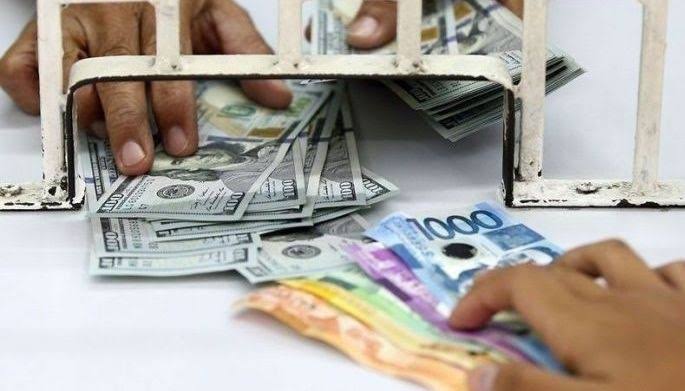
    Cash remittances sent home by overseas Filipinos rose 1.9 percent year on year to $3.2 billion in July, according to the Bangko Sentral ng Pilipinas.

    That is the highest single-month inflow since December 2025. Inflows reached $3.5 billion that month.

    Commercial bank transfers gained 2.3 percent through the first seven months to reach $20.4 billion. Full-year remittances should reach $36.6 billion under central bank projections. That would represent a 2.7 percent increase over 2025.

    Currency weakness and household purchasing power

    Growth came as the Philippine peso weakened toward 63 against the US dollar. A softer peso yields more local currency per transferred dollar. While that often prompts overseas workers to trim wire volumes, total dollar values climbed anyway.

    Retail chains and packaged goods suppliers rely on these monthly transfers to sustain basic basket sales. Headline inflation remains above the central bank’s 3 percent target. Because of that, grocers need family incomes bolstered by overseas cash to maintain volume growth.

    Top source markets and correspondent banking channels

    The United States generated the largest share of reported funds, followed by Singapore and Saudi Arabia. North America hosts major global remittance and correspondent banking clearing hubs. That concentration skews the reported US total higher, the central bank noted.

    These inflows anchor domestic private spending for mall landlords, department stores, and consumer goods distributors across Manila and regional urban centers. Retail foot traffic slowed in the third quarter due to Middle East tensions and severe monsoon storms at home. Steady foreign transfers kept merchant revenue afloat.

    Remittances continue to demonstrate resilience and remain a critical buffer for the Philippine economy.

    Rebound from second-quarter deceleration

    July’s 1.9 percent pace marked a rebound after remittance growth slipped to multi-year lows in June. Overseas workers continue to prioritize family allowances despite economic uncertainty across host countries.

    Banks and digital money platforms have cut cross-border transfer friction to boost deposit volumes. Faster processing sends household liquidity straight to local checkout counters without clearing delays.

    What to watch through year-end

    Monetary officials will track third-quarter figures to see if transfers match the $36.6 billion annual projection. Store operators will focus on whether fourth-quarter holiday transfers match the $3.5 billion seasonal peak recorded at the close of 2025.

  • Japan and ASEAN Agree to Review Economic Partnership Pact

    Japan and ASEAN Agree to Review Economic Partnership Pact

    Japan and the Association of Southeast Asian Nations agreed on Sunday at a meeting in Manila to work toward strengthening their economic partnership pact.

    The two sides will review the agreement, taking into consideration the risk of supply chain disruptions and the growing role of artificial intelligence.

    Addressing Supply Disruptions and Tech Rules

    Japan’s Economy, Trade and Industry Minister Ryosei Akazawa said at the opening of the meeting that it was time to join forces to turn challenges into opportunities under the pact, which first took effect in 2008.

    Philippine Trade Secretary Maria Cristina Roque said commercial cooperation across the bloc is growing more important as external trade pressures mount. Japan reaffirmed technical and financial support for oil stockpiles across ASEAN member nations. That aid aims to insulate regional transport networks from Middle East energy delivery bottlenecks.

    Impact on Cross-Border Trade and Logistics

    The formal review addresses mounting vulnerabilities across freight networks that carry goods for industrial operators, Japanese parts manufacturers, and consumer goods shippers. Trade lanes between Tokyo and ASEAN hubs face higher operating expenses from route diversions and fluctuating fuel surcharges. Safeguards under the pact will give multinational logistics firms more predictable clearance procedures during regional emergencies.

    New artificial intelligence provisions will establish commercial terms for digital trade, automated warehouse systems, and cross-border data routing. Retailers expanding automated fulfillment across Southeast Asia have struggled with fragmented national regulations on software compliance and automated transactions. A unified standard negotiated through the partnership reduces regulatory friction for Japanese electronics and automation vendors operating in Manila, Bangkok, and Jakarta.

    Origins of the Pact Revision

    The original ASEAN-Japan Comprehensive Economic Partnership took effect in 2008, focusing primarily on tariff elimination for manufactured goods and agricultural products. Member states expanded the treaty in 2019. That revision added updated chapters on trade in services, movement of business personnel, and direct investment protections.

    Bilateral discussions in May accelerated the current review after Philippine President Ferdinand Marcos Jr. And Japanese Prime Minister Sanae Takaichi agreed to widen the scope of the treaty. Negotiators will now draft specific treaty language covering digital governance and energy security ahead of the next ministerial session.

  • Pascual Urges Philippine Firms to Tap 15-Nation RCEP Trade Pact

    Pascual Urges Philippine Firms to Tap 15-Nation RCEP Trade Pact

    The Regional Comprehensive Economic Partnership connects 15 economies through trade, service, and investment rules, providing Philippine businesses with opportunities to expand regional market share.

    Speaking at the 1st RCEP Business and Investment Summit organized by the East Asia Business Council and the Management Association of the Philippines in Metro Manila on Sept. 9, 2026, Alfredo E. Pascual emphasized that local firms must actively convert trade advantages into commercial orders.

    Under the framework, Philippine manufacturers can source qualifying inputs from Japan, South Korea, and Association of Southeast Asian Nations partners to meet origin requirements for preferential tariffs, while comparing terms against existing bilateral agreements.

    Speed and customs facilitation

    Cross-border competition across the trade bloc relies heavily on trade facilitation provisions rather than tariff reductions alone. Perishable goods, including fresh fruit and seafood shipments, qualify for customs clearance within six hours of arrival provided documentation is complete.

    Regional competitors are already deploying these mechanisms. Thai exporters such as NC Coconut use rapid border processing to deliver fresh produce into Chinese retail channels, while Vietnamese agricultural traders such as Vinapro have expanded direct shipments of cashews, pepper, and cinnamon to northern buyers through regional trade networks.

    Small supplier integration

    Domestic consumer brands face steeper operational hurdles when scaling into regional markets. Social enterprises like ANTHILL Fabric Gallery, which links community weaving enterprises with international retail buyers, require specialized support in product certification, packaging, trade finance, and freight handling.

    Trade agencies and industry groups, including the Philippine Chamber of Commerce and Industry, are organizing direct advisory programs to connect smaller producers with larger export aggregators. Large manufacturers established in local industrial zones provide a practical entry point for domestic component makers seeking inclusion in broader export orders.

    Infrastructure and competitive pressures

    Attracting additional consumer goods manufacturing will require structural improvements beyond trade preferences. Industrial power rates, domestic logistics expenses, and regulatory predictability remain primary criteria for multinationals evaluating Southeast Asian production hubs.

    Regional peers offer identical tariff access to RCEP member markets. For operators in food processing, electronics, and light manufacturing, cost advantages will depend on the speed of digital customs integration and the elimination of physical paperwork between domestic regulatory bodies.

    The Philippines formally implemented RCEP in June 2023, three months after P&G commissioned its export-focused diaper production line in Laguna province. Business associations and the Department of Trade and Industry plan to track realized capacity through an aggregate scorecard measuring fulfilled purchase orders, active suppliers, and running factory lines ahead of the scheduled RCEP general review in 2027.

  • Coca-Cola Commits P157 Million to Aid 15,000 Philippine Micro-Retailers

    Coca-Cola Commits P157 Million to Aid 15,000 Philippine Micro-Retailers

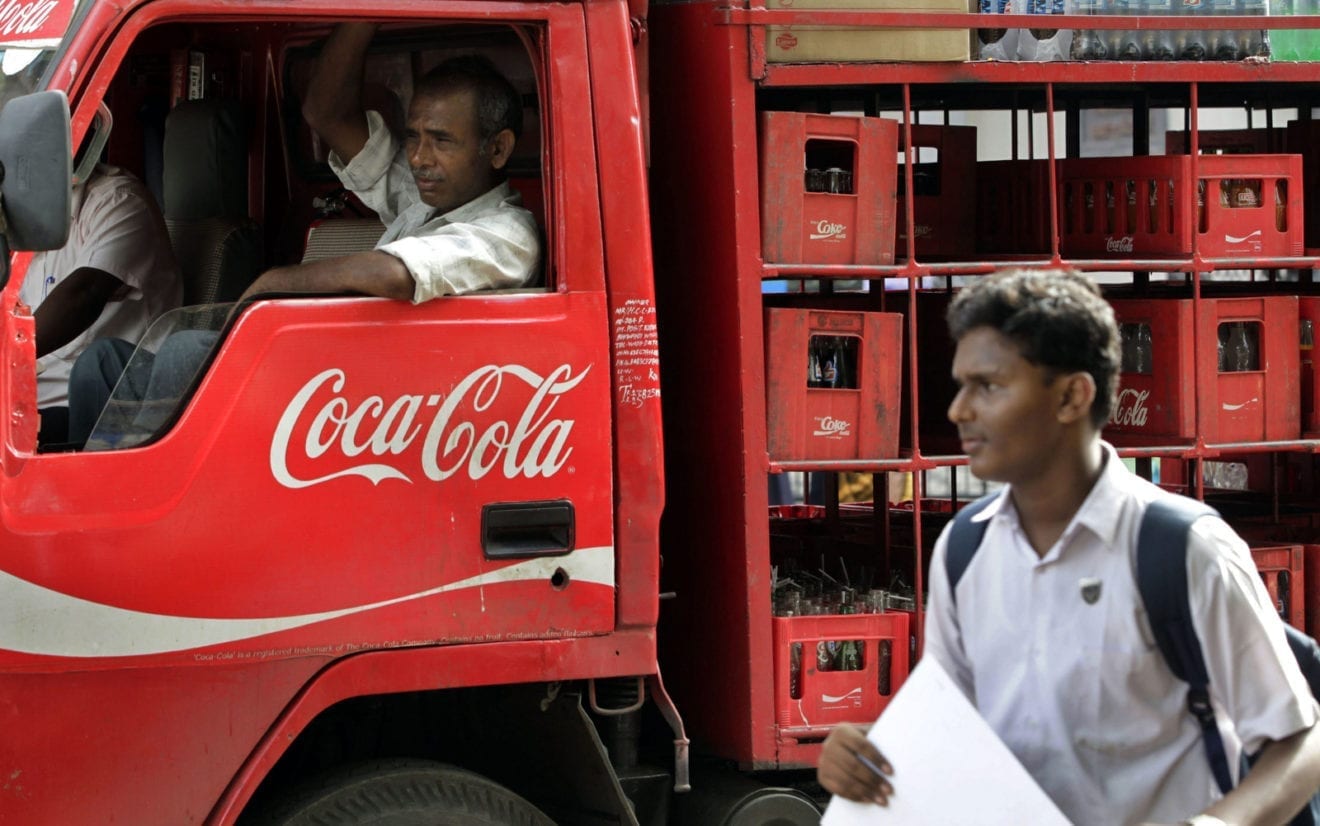
    Coca-Cola Philippines launched a 157 million peso support fund in 2020 to help more than 15,000 sari-sari store operators resume trading safely across the country. The capital injection targets micro-retailers hit by extended pandemic lockdowns and economic disruptions.

    Micro-retailers represent the commercial backbone of Philippine fast-moving consumer goods distribution, accounting for more than one million outlets nationwide. Industry survey data from the Philippine Association of Sari-Sari Store and Carinderia Owners showed that 42 per cent of sari-sari stores and 75 per cent of small eateries shut during peak lockdown periods, while surviving outlets scaled back inventory and operating capacity by up to 90 per cent.

    Restoring neighborhood retail channels

    The company rolled out the initiative, titled the Rebuilding Sari-Sari Stores Through Access to Resources and Trade (ReSTART) program, alongside the Department of Trade and Industry. Participating vendors receive cash assistance, digital training modules, and retail guidance designed to meet national health and safety compliance rules.

    Bottling arm Coca-Cola Beverages Philippines, Inc. Paired the state-backed scheme with direct balance-sheet relief for distributors. The bottler revised credit terms and payment schedules for route partners while working with the Philippine Disaster Resilience Foundation to deliver 10,000-peso starter inventory packs, including 3,000 pesos of beverage stock, to 400 vulnerable store owners.

    Distribution push for returning workers

    Beyond existing store networks, the group is recruiting displaced overseas workers into its wholesale logistics chain. More than 285,000 overseas Filipino workers faced sudden repatriation during global travel halts and regional economic contractions.

    Through the OFW RISE program, run with the Department of Labor and Employment and technical training body TESDA, the beverage maker offers business coaching and exclusive wholesale rights. The companion Balik Pinas initiative expands that commercial pipeline nationwide, establishing family-run beverage distributorships backed by brand credit lines.

    “This is why we have continued and intensified investments in the country and have launched initiatives like Balik Pinas for returning OFWs,” said Gareth McGeown, President and Chief Executive Officer of Coca-Cola Beverages Philippines, Inc.

    Supply chain defense in traditional trade

    Fast-moving consumer goods manufacturers in Southeast Asia face immediate revenue loss when informal retail stalls. Unlike modern supermarket chains with centralized warehouses, traditional trade in the Philippines relies on daily cash turns and high-frequency neighbourhood purchases. When micro-retailers lack working capital to restock beverage coolers, beverage volume drops instantly at the factory gate.

    Direct financial intervention protects downstream volume more effectively than conventional consumer marketing during a retail slump. Competitors in the packaged food and beverage categories face identical route bottlenecks, but deploying balance-sheet liquidity directly into vendor restock programs locks in shelf space before independent retailers switch working capital to dry goods or alternative suppliers. The credit risk sits with repayment rates among cash-strapped micro-entrepreneurs, yet writing off trade support costs less than rebuilding lost distribution reach.

    Targets for the nationwide network

    The micro-retail recovery packages build on continuous capital deployment across the bottler’s domestic infrastructure. CCBPI maintains 19 operational manufacturing plants across Luzon, the Visayas, and Mindanao, supported by a proprietary fleet logistics footprint.

    Execution milestones now rest on onboarding the targeted 15,000 micro-retailers into the ReSTART network while scaling wholesale recruitment for returning workers across provincial distribution hubs.

  • Toyota Trims Philippine Production Target to 60,000 Units

    Toyota Trims Philippine Production Target to 60,000 Units

    Toyota Motor Philippines expects assembly at its Santa Rosa plant to drop to roughly 60,000 units in 2026. That falls short of last year’s record volume. Weak consumer demand and macroeconomic pressures have slowed sales across the country. As a result, the carmaker is scaling back factory runs in Laguna.

    Plant output reached 63,804 vehicles in 2025, an all-time high for the local unit. Through August this year, assembly lines built 38,221 vehicles. That represents a 10 percent drop from the 42,469 units assembled during the same eight-month period last year.

    Production Mix Shifts at Santa Rosa

    Workers at the facility build three models: the Vios sedan, the Tamaraw utility vehicle, and the Innova compact multi-purpose vehicle. The Vios accounted for 18,321 units, or 48 percent of local output through August. The Tamaraw followed with 12,468 units, or 33 percent. Innova production dropped to 7,432 units, making up the remaining 19 percent.

    Output rebounded briefly in July to 5,540 units before sliding to 4,540 units in August. Deliveries mirrored the slowdown. Total sales declined from 17,797 units in July to 14,594 units in August.

    Rebalancing factory lines is difficult. Santa Rosa shares capacity across all three nameplates simultaneously. Because of that shared setup, the plant cannot easily raise volume for one model when demand for the other two cools.

    Commercial Segment Drops While Sedans Hold

    Overall sales dropped 9 percent year on year during the first eight months to 133,300 vehicles, down from 146,357 units a year earlier. Commercial vehicle deliveries fell 15 percent to 98,531 units. Passenger car retail sales told a different story, rising 15 percent to 34,769 units over the same period.

    Shifts occurred within the passenger car lineup as well. Toyota introduced the imported Yaris Ativ to capture buyers who previously chose higher-specification Vios variants. That change protected overall sedan market share while reducing assembly pressure on the locally built Vios.

    Even with lower volumes, the brand maintained its commanding market lead. Through July, Toyota sold 118,706 vehicles, capturing nearly half of the Philippine automotive market. Mitsubishi Motors Philippines Corp placed second with 42,592 units sold.

    Expanding Tamaraw Conversions for Fleets

    Management has positioned the Tamaraw as a core pillar of its local manufacturing plan. The model has already overtaken the Innova in total units assembled this year. Steady orders from commercial businesses and local government fleets fueled the climb.

    To broaden customer appeal, Toyota Motor Philippines developed 13 body conversions with seven accredited local body builders. These configurations target delivery operators, municipal public services, and utility fleets across regional provinces.

    Commercial buyers are now weighing whether local conversions reduce acquisition and maintenance costs compared to imported platforms. High domestic fuel prices have forced logistics companies and distributors to trim replenishment budgets. Modular utility vehicles offer an economical alternative.

    Policy Support and Assembly Outlook

    Government policy will shape the next phase. The carmaker plans to enroll the Tamaraw under the revived Revitalizing the Automotive Industry for Competitiveness Enhancement program once officials finalize the framework. Qualifying for state manufacturing incentives will dictate whether Toyota expands local parts procurement for the platform.

    Meeting the year-end goal will require a steep ramp up. Toyota Motor Philippines must assemble nearly 22,000 vehicles between September and December to hit its revised 60,000-unit target. The final outcome hinges on whether commercial fleet orders pick up in the fourth quarter.

  • Hikiniku to Come Opens Second Manila Store at SM Megamall

    Hikiniku to Come Opens Second Manila Store at SM Megamall

    Japan’s charcoal-grilled hamburg chain Hikiniku to Come opened its second Philippine outlet at SM Megamall, setting up a third location for 2027.

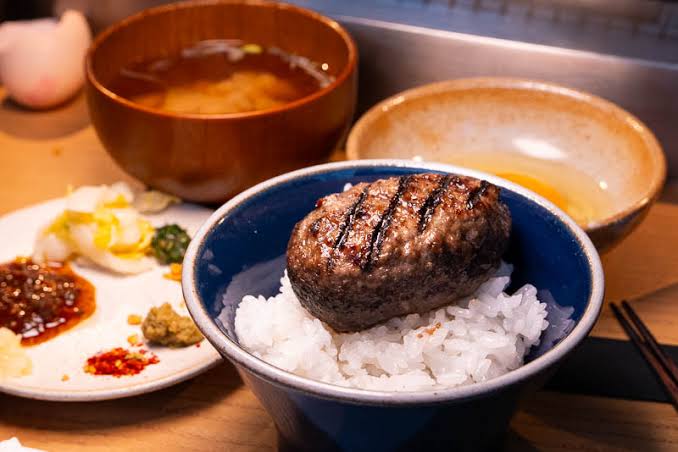
    The expansion adds prime mall retail space in Metro Manila to the Japanese concept, which entered the market under local operator The Standard Group. Diners receive freshly ground, charcoal-grilled beef patties served individually on bowls of rice rather than pre-cooked patties held in warmers.

    How the concept operates

    Founded in Tokyo in 2020, the brand built its format around single-item execution. Counter seating surrounds central charcoal grills where staff cook patties directly in front of customers.

    The format relies on high inventory turns and strict batch preparation. The Standard Group handles daily operations, sourcing, and retail site selection across the country.

    Mall landlords and format demand

    Japanese dining concepts continue to secure high-traffic anchor positions in Metro Manila shopping centres. Landlords favour specialty operators that generate queues and consistent ticket averages over standard food-court counters.

    For Philippine mall operators, bringing single-specialty Japanese brands into central retail clusters drives weekday footfall and boosts food and beverage revenue per square metre. The model carries operational discipline: tight menus minimise raw material waste, while the open-grill theatre speeds customer turnaround.

    The operational hurdles

    Replicating Tokyo counter dining across Southeast Asia carries supply chain pressure. Operators must maintain daily beef consistency and import Japanese short-grain rice while navigating local import tariffs and currency fluctuations.

    Labor training presents another operational bottleneck. Grilling fresh beef to precise specifications at a live counter leaves little room for service errors during peak meal rushes.

    What comes next

    Hikiniku to Come launched its initial Manila flagship earlier before expanding to the Mandaluyong retail corridor. The Standard Group is now scouting real estate for the brand’s third branch, with additional metropolitan sites under review for development over the coming year.

  • SM Supermalls Shifts Tenant Mix to 30 Percent Dining as First-Half Revenue Reaches P41.8B

    SM Supermalls Shifts Tenant Mix to 30 Percent Dining as First-Half Revenue Reaches P41.8B

    SM Supermalls raised its food and beverage tenant share to 30 percent while lifting first-half revenue 8 percent to 41.8 billion Philippine pesos. The shift marks a fundamental redesign of floor plans across the country’s largest retail network.

    Dining accounted for less than 5 percent of the group’s leasable space when current president Steven Tan joined in 2004. The operator is now reallocating square meters from apparel and standard department store goods to dining, sports, and live events under a five-year platform called My SM.

    Retrofitting Floor Space for Food and Sports

    Expanding dining requires heavier investments in physical infrastructure than dry retail. Malls require upgraded water connections, higher-capacity electrical systems, grease traps, and expanded kitchen exhaust ducts to handle restaurant tenants at scale.

    Alongside dining, the landlord is adding non-retail recreation to fill communal areas. The group added 41 pickleball courts during the first six months of the year, taking its total to 102 courts across 32 properties. In June, its commercial complex cohosted the Galaxy Manila Marathon, bringing 25,000 runners onto the grounds.

    Internal merchandising direction now runs partly through an internal advisory unit. The operator created a Gen Z Council of junior staff to evaluate pop-culture trends, such as pop-up matcha fairs, before senior managers commit capital to physical rollouts.

    You have to constantly inject freshness to your centers so that you keep the interest in coming back.

    Regional Realignment from Shelves to Social Space

    Mall operators across Southeast Asia face identical pressures as e-commerce captures routine apparel and consumer electronics purchases. Landlords in Bangkok, Jakarta, and Manila are converting between 25 and 35 percent of gross leasable area to food and leisure to defend foot traffic. SM watched Chinese shopping centers retrofit for hospitality a decade ago and applied the template locally before domestic online shopping reached similar penetration levels.

    The operational risk sits in capital expenditure and lease yields. Restaurants and recreational concepts cost more to fit out, consume more utilities, and post higher tenant turnover rates than legacy fashion retailers. Operators must turn over pop-up concepts and specialty dining fast enough to sustain foot traffic without squeezing margins on rental collection.

    Expanding the Footprint Across South Luzon

    Revenue growth reflects solid consumer spending despite inflationary pressures across basic goods. The 41.8 billion pesos generated in the first half of 2026 improved on 38.6 billion pesos recorded during the same period in 2025, driven by steady leasing income and higher foot traffic across metropolitan centers.

    Construction is underway on SM Nuvali in Laguna, which will serve as the company’s 91st Philippine mall. The property will test an upscale store format aimed at higher-income residential enclaves across Cavite, Laguna, Batangas, Rizal, and Quezon.

  • Philippine Regulator Clears GCash Parent Mynt for $1.48 Billion IPO

    Philippine Regulator Clears GCash Parent Mynt for $1.48 Billion IPO

    The Philippine Securities and Exchange Commission has approved the initial public offering of Mynt, Inc, the parent company of GCash, for up to $1.48 billion (P92.32 billion).

    The company will list on the Philippine Stock Exchange with an expected initial market capitalization of $10.71 billion (P668.96 billion) under regulatory guidelines established in 2026 for large-scale issuers.

    Under the approved terms, Mynt will issue up to 1.61 billion primary common shares, while a selling shareholder will offer up to 6.42 billion shares, alongside an overallotment option of up to 1.20 billion shares priced at up to $0.16 (P10) each.

    Share structure and float relief

    Regulators granted Mynt permission to list with a 12 percent initial public float rather than the standard 15 percent requirement. SEC Memorandum Circular No. 11 allows this lower threshold for issuers valued above $3.2 billion at listing. With an anticipated market capitalisation of 668.96 billion pesos, Mynt easily surpassed that statutory mark.

    That regulatory waiver protects existing shareholders from heavy dilution while injecting fresh liquidity into the local bourse. The secondary share sale gives early backers a clean exit route. It also keeps excess cash off the operating balance sheet.

    Valuation and market impact

    A $10.71 billion listing immediately reshapes index weightings on the Philippine Stock Exchange, where conglomerates, real estate developers, and traditional lenders dominate trading. The float gives fund managers a direct, liquid proxy for domestic consumer spending and fintech transaction volumes. It also tests local capital depth by absorbing funds that might otherwise flow across regional equities.

    Across Southeast Asia, the float provides a pricing benchmark for consumer fintechs moving from venture capital to public markets. Digital payment operators in Indonesia, Vietnam, and Thailand face similar profitability pressures. Yet Mynt’s multibillion-dollar domestic valuation shows local exchanges can absorb large tech listings when profitability metrics line up.

    Path to the trading floor

    Clearance follows years of rapid expansion for GCash, which grew from a basic telco money transfer tool into an everyday payment utility for Philippine merchants, transit routes, and small businesses. Backed by Globe Telecom and Ant Group, the platform built a lead over domestic rivals by capturing both banked and unbanked retail transactions during the pandemic shift to digital settlement.

    Bookbuilding and domestic retail offer periods will set the final strike price within the approved 10-peso ceiling before trading begins in Manila.

  • Ice Cream and Food Drive 45 Percent Surge in Philippine Convenience Store Sales

    Ice Cream and Food Drive 45 Percent Surge in Philippine Convenience Store Sales

    Philippine convenience store sales jumped 45 percent year on year in January, propelled by heavy consumer spending on food and packaged goods, according to Kantar Worldpanel data.

    Food purchases accounted for 59.3 percent of all fast-moving consumer goods transactions across the format, up from 58.8 percent in the previous year.

    Ice cream retained the top spot among individual product categories, followed by milk, packaged snacks, and alcoholic beverages. Beverages accounted for 23.8 percent of overall basket value, dipping from 25.6 percent in 2014. Personal care items captured 13.5 percent of sales, marking the largest category share expansion with a 2.2 percentage point gain. Household care products took a 4.3 percent share, up from 3.5 percent.

    Shifting Baskets and Fast Growth

    Consumer baskets also showed new priorities during the tracking period. Diapers, bottled water, and fabric cleaners entered the top ten bestselling categories by sales value, while coffee and hair care products dropped out of the list. Diapers climbed straight into fifth place, sitting just behind alcoholic beverages and ahead of biscuits, soft drinks, bottled water, fabric cleaners, and fruit juice.

    The convenience channel outpaced every competing modern trade format in the country over the 12-month period. Convenience store sales growth reached 45 percent, compared with 31 percent for direct sales and 11 percent for drugstores.

    Regional Shopper Divergence

    Household penetration widened alongside value growth. Kantar tracked 3,000 urban and rural households and found that 18.5 percent bought goods from convenience stores, up from 16.1 percent a year earlier. That shift brought an estimated 566,991 new families into 24-hour retail chains such as 7-Eleven, Ministop, and FamilyMart.

    Shopper behaviour varies sharply by geography. The National Capital Region accounts for the highest shopper volume, with 34 percent of homes using convenience stores, but residents there visit only five times a year on average. Mindanao holds fewer total convenience shoppers, yet those households visit nine times annually, making them the most frequent spenders in the country.

    Format Expansion Pressures

    Operators face higher inventory management demands as convenience stores shift from late-night snack stops into daily grocery replenishment hubs. Stocking bulky items like diapers and laundry detergents requires tighter shelf space allocation in stores that average only one to two checkout counters. Chains that fail to optimize their stock mix risk losing margin to traditional sari-sari neighbourhood stores that hold lower overheads.

    Philippine operators are matching this shift by accelerating store expansion beyond Metro Manila into secondary cities in South Luzon and Mindanao. Kantar new business development head Lourdes Deocareza attributed the channel expansion to faster consumer lifestyle routines across urban centers.

    Store counts across the major three chains continue to rise toward regional footprint targets, with full-year channel penetration and repeat trip frequency serving as the key benchmarks to watch.

  • Alipay+ Links to QR Ph to Connect 2.5 Million Philippine Merchants to Global Wallets

    Alipay+ Links to QR Ph to Connect 2.5 Million Philippine Merchants to Global Wallets

    Philippine Payments Management Inc. And Ant International have integrated Alipay+ into QR Ph, opening the country’s standardized merchant network to international digital wallet users across 2.5 million businesses.

    The integration connects arriving tourists directly to local point-of-sale systems after QR Ph transaction volumes jumped more than thirteenfold in 2025.

    Under the rollout, overseas visitors pay by scanning existing merchant QR Ph counter stands with their home banking applications and digital wallets. Filipino merchants receive payments in Philippine pesos through their standard settlement accounts without installing separate point-of-sale hardware or signing individual foreign merchant contracts. Bangko Sentral ng Pilipinas figures show digital channels handled 64.69 percent of total retail transaction volume nationwide in 2025.

    How the Cross-Border Routing Works

    Ant International operates Alipay+ as an aggregation switch connecting more than 50 e-wallets, bank apps, and domestic clearing systems covering two billion accounts globally. The Philippine Payments Management Inc., established under the National Payment Systems Act to oversee retail clearing houses PESONet and InstaPay, acts as the local operational counterparty under central bank supervision.

    Transactions clear instantly over the domestic interbank infrastructure. By routing foreign user credentials through the standardized QR Ph matrix, independent grocers, transport operators, and shopping mall tenants process foreign spend through their existing merchant acquiring banks.

    Through our partnership with Alipay+, we are extending that connectivity beyond our borders, enabling Filipino merchants, particularly SMEs, to serve international customers.

    Carmelita Araneta, general manager of Philippine Payments Management Inc., confirmed the system enables local micro, small, and medium businesses to capture inbound tourist spending directly without upgrading terminal hardware.

    Regional QR Linkages Across Southeast Asia

    Central banks across the Association of Southeast Asian Nations spent five years connecting national QR systems through bilateral central bank arrangements, including links between Singapore, Thailand, Malaysia, and Indonesia. Ant International has taken a parallel commercial route by plugging its private wallet switch directly into ten national QR schemes across Asia, the Middle East, and Latin America.

    Retailers benefit immediately from broader payment acceptance, yet the shift consolidates settlement traffic onto private gateway protocols rather than public central-bank settlement rails. For merchant acquirers and payment processors in Manila, merchant acquisition margins face pressure as payment routing shifts toward high-volume, low-margin standard QR processing.

    Central Bank Mandates and the Next Phase

    The Bangko Sentral ng Pilipinas designated PPMI as the country’s official payment system management body under Circular 980 in 2018, mandating standardized QR codes to eliminate proprietary closed-loop merchant terminals. That policy push cleared the ground for interoperability between competing domestic mobile wallets before enabling cross-border integrations.

    Ant International is now rolling out artificial intelligence analytics and fraud screening modules across its regional merchant network to manage currency conversion risks and transaction disputes. The Philippine clearing body will monitor cross-border settlement volumes through InstaPay as inbound tourist arrivals ramp up across provincial retail corridors.

  • Jollibee to List 7,251-Store International Unit in Hong Kong

    Jollibee to List 7,251-Store International Unit in Hong Kong

    Jollibee Foods Corporation is preparing to separate and list its international business in Hong Kong instead of the United States, carving out an overseas network of 7,251 restaurants across 33 countries.

    Shares in the Manila-listed parent rose 1.87 per cent following the move, which replaces a plan announced on January 6 to float the international arm on an American exchange.

    Richard Chong Woo Shin, currently chief executive of Jollibee Foods Corporation International (JFCI), will lead the standalone entity full-time once the separation concludes. Shin previously held senior roles at William Grant & Sons, Ralph Lauren, Bacardi and Altria. Jollibee Foods Corporation said the international business will operate with a lean corporate structure focused on capital allocation, investment opportunities and portfolio priorities, subject to listing committee approval from the Hong Kong stock exchange.

    Portfolio Tilt Toward Asian Beverages

    JFCI functions largely as a multi-brand operator with heavy exposure to Asian beverage chains. The international business holds full ownership of Smashburger, Tim Ho Wan, Yonghe King and Hong Zhuang Yuan, alongside controlling stakes of 80 per cent in The Coffee Bean & Tea Leaf, 70 per cent in South Korea’s Compose Coffee, 60 per cent in Highlands Coffee operator SuperFoods Group and 51 per cent in Milksha.

    Jollibee Foods Corporation ended June with 10,767 outlets worldwide under 19 brands, with overseas locations accounting for nearly 70 per cent of the total network. International system-wide sales climbed 25.4 per cent in the second quarter, while overseas same-store sales rose 4.4 per cent.

    Regional momentum is heavily concentrated in Asian markets. In Vietnam, system-wide sales jumped 47.6 per cent in the second quarter on same-store sales growth of 17.9 per cent. South Korea’s Compose Coffee added 145 stores during the first half, opening roughly 30 outlets a month. In China, Yonghe King reached 537 restaurants, with 65 per cent operating under franchise agreements and a target to reach 70 per cent by the end of the year.

    Shifting Away From Capital-Heavy Expansion

    Listing in Hong Kong aligns JFCI’s capital structure with where its physical earnings actually compound. While the flagship Jollibee fried chicken brand commands strong name recognition in Western markets, its North American presence remains tiny and capital-intensive compared to its Asian coffee and fast-casual footprint. The group ended June with 340 North American outlets, down from 357 a year earlier. Of those, the Jollibee banner ran 108 stores, including 106 company-owned sites and just two franchised locations.

    That balance sheet model is changing slowly. Jollibee launched its US franchising programme in March 2025 and secured seven multi-unit development groups by July, aiming for 330 franchised American locations by 2030. In the second quarter, US Jollibee stores posted a 9.8 per cent gain in same-store sales, marking 66 consecutive months of growth. Smashburger increased same-store sales by 7 per cent, though its store count fell from 203 to 180 as underperforming units were shuttered.

    Since the announcement on January 6, 2026 to list our international business, we have been doing the detailed work required to establish two strong, independent companies. That work has reinforced our conviction in the listing and has led us to conclude that Hong Kong is the market best aligned with JFCI’s business, geographic footprint, and long-term ambitions.

    The Path to Hong Kong Trading

    The pivot to Hong Kong coincides with a sharp rebound in the city’s equity fundraising. Hong Kong Exchanges and Clearing chief executive Bonnie Chan stated that new listings in 2026 had raised more than US$40 billion, surpassing the roughly US$37 billion collected during all of 2025. Hong Kong has actively courted Southeast Asian consumer groups, with more than 150 regional issuers already listed, representing over US$4.3 billion in capital raised.

    Group president and chief executive Ernesto Tanmantiong has set a target to position the flagship Jollibee brand among the top five restaurant operators globally, up from its current 18th position on Brand Finance’s global ranking with a valuation of US$3.3 billion.

    Before JFCI begins trading in Hong Kong, Jollibee must resolve the composition of its portfolio assets. The parent group is currently evaluating a separate initial public offering in Vietnam for Highlands Coffee, which has grown from 56 outlets in 2012 to approximately 1,000 stores, with a target listing date in the first quarter of 2027 that could raise up to US$400 million.

  • Okada Manila and Dior Lead Philippine Customer Service Rankings

    Okada Manila and Dior Lead Philippine Customer Service Rankings

    Okada Manila topped a Philippine customer service study across 78 categories with a score of 96.87, leading a field led by luxury hospitality and global retail brands.

    Grand Hyatt Manila followed in second place at 95.57, while French fashion house Dior ranked third overall at 95.12. The benchmark, compiled by data portal Statista and the Philippine Daily Inquirer, evaluated both physical and digital operations using more than 90,000 customer reviews collected between February and April 2025.

    How the scores were calculated

    Researchers weighted the final scores equally between a respondent’s likelihood to recommend a brand and five direct performance metrics. Those five criteria, each carrying a 10 percent weighting, covered accessibility, customer focus, quality of communication, professional competence and range of services.

    Participants evaluated companies they had transacted with, visited or researched over the previous three years. The survey spanned five broad sectors: brick-and-mortar stores, online retailers, digital services, hospitality and general consumer services.

    Top performers across retail and hospitality

    Homegrown luxury furniture maker Philux placed fourth with a score of 94.88 in the home goods retail division. Shangri-La Hotels took fifth at 94.81, followed by serviced apartment operator Ascott at 94.41.

    Consumer technology and fast-moving retail also secured spots in the upper tier. LG Electronics Philippines led online home goods with 94.33, while bakery chain Red Ribbon scored 93.5 in the restaurant and leisure bracket. Japanese apparel giant Uniqlo took the final two spots in the top ten, scoring 93.38 for its physical stores and 93.30 for its Philippine e-commerce operation.

    The strong showing of physical flagships alongside digital channels mirrors a broader shift across Southeast Asian retail, where omnichannel consistency dictates customer loyalty. Premium hospitality operators and luxury apparel labels continue to command the highest marks because their operating models justify higher floor staffing and dedicated post-purchase support.

    Statista and local partners plan to track category shifts through the next evaluation cycle, where rising store automation and digital checkouts face direct consumer assessment.

  • Philippine Telcos Commit over USD 2.2 Billion in 2026 Capital Spending

    Philippine Telcos Commit over USD 2.2 Billion in 2026 Capital Spending

    Philippine telecommunications operators have budgeted more than USD 2.2 billion in capital expenditure for 2026 to expand mobile networks, fiber connectivity and digital infrastructure across the country.

    Filings and guidance compiled by the Department of Information and Communications Technology put the combined baseline for the three largest networks at USD 2.21 billion. Total industry spending will rise to between USD 2.4 billion and USD 2.45 billion once DITO Telecommunity figures are added.

    Carrier Budgets and Network Expansion

    Globe Telecom leads the spending group with a guidance ceiling set below PHP 59.4 billion for 2026. PLDT has committed approximately PHP 55 billion to fund its mobile and fixed-line networks, while Converge ICT Solutions plans to deploy between PHP 17 billion and PHP 20 billion for fiber rollout.

    DITO Telecommunity plans to scale back outlays from its 2025 level of PHP 15 billion to PHP 18 billion. DICT did not release a specific 2026 allocation for the third major mobile operator, but department officials confirmed the group will maintain active network expansion.

    “Crossing the USD 2 billion mark sends a clear message: the telecommunications industry believes in the Philippines,” said DICT Secretary Henry Aguda. He noted that the capital programmes will direct resources toward data centers, cloud platforms, e-commerce support and artificial intelligence capacity.

    Policy Shifts and Network Competition

    For consumer brands and retailers across Southeast Asia, sustained telecommunications spending underpins the shift toward digital payments, omnichannel commerce and last-mile logistics. Carriers in Manila spent heavily over the past five years to establish basic 5G footprints, and the 2026 budgets shift capital toward data density, subsea links and enterprise connections rather than speculative coverage builds.

    The investment cycle aligns with market reforms under the Konektadong Pinoy Act alongside public investment in the National Fiber Backbone. The next milestone for the sector comes with third-quarter company earnings reports in November, when operators will release finalized 2026 project timelines and vendor procurement contracts.

  • Philippine Airlines Adds Cats to Domestic In-Cabin Flights for 2,500 Pesos

    Philippine Airlines Adds Cats to Domestic In-Cabin Flights for 2,500 Pesos

    Philippine Airlines opened its domestic passenger cabins to cats on September 5, charging 2,500 pesos per one-way flight under its expanded FurPAL pet scheme. The service allows passengers to bring one small dog or cat inside the cabin, provided the animal and its carrier weigh no more than 10 kilograms combined.

    Pets must be at least 12 weeks old and fully weaned. The airline requires animals to travel in soft-sided carriers measuring no more than 45 by 25 by 28 centimetres, sized to slide underneath the seat while allowing the animal space to stand, turn, and lie down.

    Carrier Rules and Paperwork

    Passengers cannot buy an extra seat for a pet or remove the animal from its carrier during flight. Dogs must wear diapers throughout the journey, while cats require absorbent pads inside their carriers. Feeding during the flight is barred, though water is permitted.

    Boarding requires four distinct documents presented at check-in: a signed declaration and waiver, a veterinary health certificate dated within five days of departure, an anti-rabies vaccination certificate, and a local shipping permit issued by the Bureau of Animal Industry.

    Fleet Restrictions and Capacity

    Capacity limits remain tight across the network. Most eligible aircraft can accommodate a maximum of three pets per flight, requiring passengers to book and pay at least 48 hours prior to scheduled departure.

    The service applies only to select aircraft types, including PAL’s De Havilland Dash 8-Q400 turboprops, Airbus A320s, A321ceos, specific A330s, Boeing 777s, and Airbus A350s.

    Southeast Asian carriers have long restricted live animals to cargo holds due to cabin cleanliness standards and biosecurity regulations. By expanding cabin access to cats alongside dogs, PAL is testing revenue potential in a domestic consumer market where pet spending and companion travel continue to gain traction.

    Bookings remain governed by the 48-hour advance cut-off, leaving seat inventory and carrier approvals strictly capped on high-frequency provincial routes.