Retail News CRM

Tag: manila

  • Longchamp expands with fourth store in the Philippines

    Longchamp expands with fourth store in the Philippines

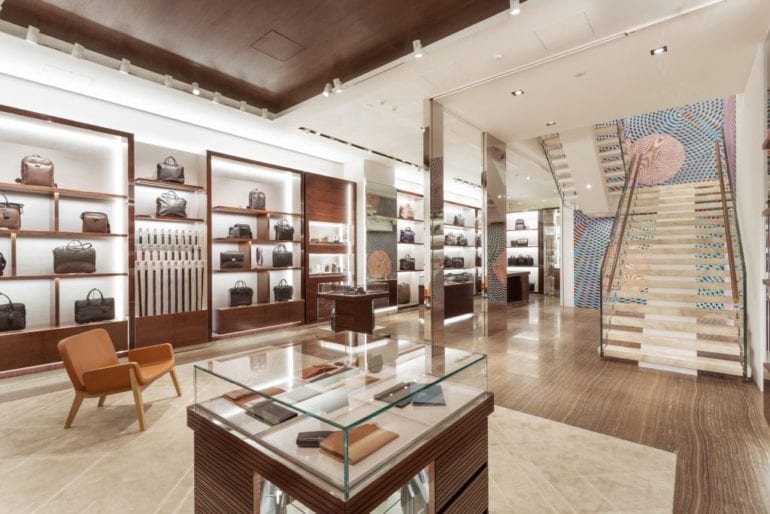
    French handbag brand Longchamp Philippines has opened its fourth boutique, in Rustan’s Makati.

    Inspired by the brand’s Paris flagship along rue Saint-Honore, the new 65sqm store is  decorated with modern interiors – lots of wood, leather and fabric, and rich textures in order  to highlight the collections.

    “We are honored to welcome Longchamp into a bigger and better space at Rustan’s Makati. As a brand beloved not only by the Filipino shoppers but by the entire global community, Longchamp further brings prestige and is truly a great part of the Rustan’s portfolio of distinguished retail partners,” said Rustan’s president Donnie Tantoco.

    The store is highlighted by Longchamp’s Spring/Summer collection featuring African-inspired patterns, prints and colors, as well as the signature Mademoiselle handbag, the classic Le Pliage tote, and other leather goods.

  • Strong Filipino population draws fast food chain Jollibee to expand its reach in Canada

    Strong Filipino population draws fast food chain Jollibee to expand its reach in Canada

    The growing Filipino population in Canada has been catalyst for the biggest fast food chain in Asia to expand its market into Canada.

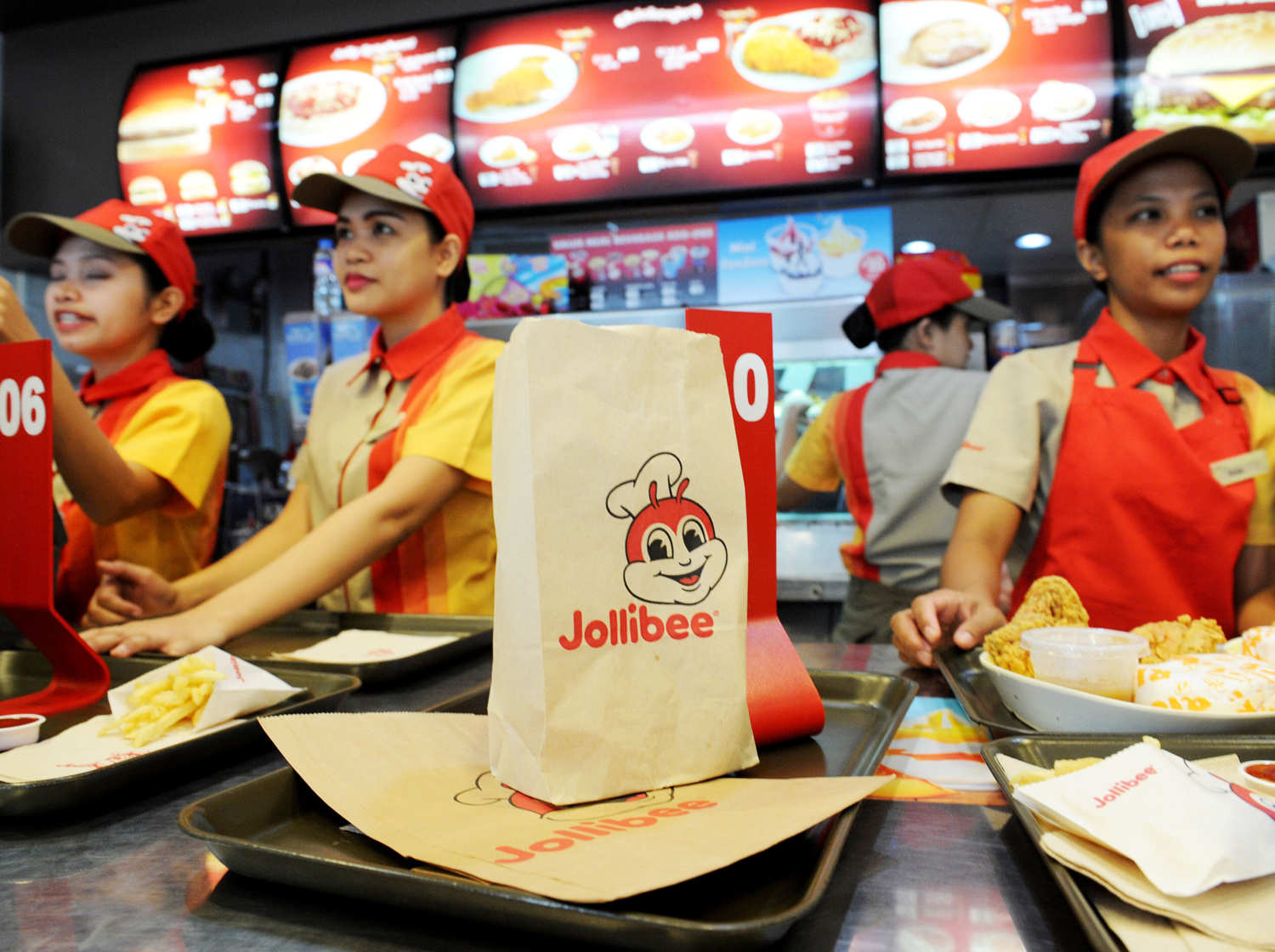
    Jollibee, a Filipino fried chicken restaurant with more than 1,000 locations in the Philippines, is opening its third Canadian location this weekend in Toronto.

    “People are very excited for the Easter Sunday opening,” Maribeth dela Cruz, vice president and general manager of Jollibee North America, told in a phone interview.

    “There’s going to be really long lines.”

    Jollibee has developed a bit of a following for its famous fried chicken, pineapple-topped burgers, peach-mango pie and spaghetti.

    Dela Cruz says the decision to expand into the Toronto market made sense because of the sheer volume of Filipinos in the region. She estimates there are about 300,000 Filipinos living in Ontario with roughly 30,000 of them living within a five-mile radius of their new Scarborough location.

    The 2016 Census indicates there are 837,130 Filipinos living in Canada, making it the third largest Asian Canadian group. The population grew by 26 per cent from 2011 to 2016.

    “The Filipino population in Canada continually grows and we’re very optimistic it will be a good market for us,” she said.

    Jollibee began expansion into North America in 1998, with the Toronto location being the 40th franchise to open in the continent. The two other Canadian locations are in Winnipeg.

    “North American expansion has been very encouraging, especially in locations where there are a lot of Filipinos,” said dela Cruz.

    When the first Canadian location opened in Winnipeg back in December 2016, dela Cruz says customers lined up in -30 C weather to get a taste of their fare.

    Jollibee provided the dedicated fans who camped overnight with heated trailers.

    “Winnipeg actually has a large Filipino population as well,” said dela Cruz. “We expect it’s going to be even bigger here in Toronto.”

    Jollibee has plans to continue expanding in North America and Canada, with locations in New York City, Las Vegas and somewhere in California all expected shortly.

    The Manila-based company is expected to open an Edmonton restaurant in a couple years with additional plans for locations in Mississauga and downtown Toronto.

  • New Deal Means a New Majority Owner for Smashburger

    New Deal Means a New Majority Owner for Smashburger

    In $100 million deal, Jollibee Foods Corp. will acquire an additional 45 percent of Smashburger, the Denver-based burger franchise that has more than 360 restaurants. The companies announced the deal Tuesday and it’s one that increases Jollibee’s ownership stake in the chain to 85 percent. The Philippines-based restaurant company first bought a 40 percent stake in Smashburger in October 2015 for $100 million, a deal which then valued the chain at $335 million.

    Tom Ryan, co-founder and CEO of Smashburger, called Jollibee an “invaluable strategic partner.”

    “Our momentum in 2017 around improved guest experience, iconic and record-setting product launches, and innovative marketing provide JFC a tremendously strong brand to enter the North American market,” said Ryan in a statement. “Our entire team couldn’t be more excited to grow the Smashburger brand and share the great tastes of Smashburger with the world.”

    Ryan took over as CEO in December 2016 following the exit of Mike Nolan after just nine months. Nolan had replaced Scott Crane, who stepped down in April 2016.

    Since Ryan’s move to chief executive, Smashburger has focused on developing new menu items, such as its Triple Double Burger, and expanded its marketing efforts. The company in 2017 also launched Smash Pass, a subscription-model consumer frequency program.

    With the expanded Jollibee partnership, Smashburger CFO Bradford Reynolds said growth in Southeast Asia is a focus.

    “This reinforced strategic partnership with JFC will allow Smashburger to continue to focus on growth in both existing and new markets including the opportunity to bring our great tasting burgers, fries and hand-spun shakes to Southeast Asia,” said Reynolds. “We look forward to building upon our successful relationship to further bolster the brand as an international leader in the better burger segment.”

    Smashburger’s footprint extends to 38 states and nine countries. Jollibee Foods operates the largest foodservice network in the Philippines, with 2,875 restaurants in the country as of December 31, 2017. In addition to its 1,062 units of the Jollibee brand, it has Chowking, Greenwich, Red Ribbon, Mang Inasal and is a Burger King franchisee with 93 units. It also operates restaurants in Australia, Bahrain, Brunei, Canada, China, Hong Kong, Indonesia, Korea, Kuwait, Macau, Oman, Qatar, Saudi Arabia, Singapore, the United States and Vietnam.

  • Nara Thai Brings Classic Thai Dishes To Manila

    Nara Thai Brings Classic Thai Dishes To Manila

    Bangkok’s Nara Thai restaurant has opened a branch in the Philippines.

    It has been brought in by the Roku restaurant group following Roku Sushi and Ramen, which opened in Katipunan six years ago, and Sushi Nori, which specialises in sushi and maki, and already has five branches around Metro Manila.

    Founded in 2003 by a group of female entrepreneurs, Nara Thai is named for one of its founders, Narawadee Srikarnchana. Apart from Thailand, it has branches in Hong Kong, Myanmar, Taipei and Mumbai.

    “Nara is a celebration of families,” says Roku Group CEO Sheila Romero, who runs the restaurant with her daughter Milka. “Sharing memories is my thrust in business.”

    Celebrities and representatives from Nara Thai Cuisine in Bangkok attended the restaurant’s official launch, with the ribbon being cut by the Thai ambassador to the Philippines Thanatip Upatising.

    On the restaurant row of SM Megamall’s Mega Fashion Hall, Nara Thai has interiors bathed in silver and purple.

  • IKEA to open stores in Philippines, looking for designer

    IKEA to open stores in Philippines, looking for designer

    Swedish furniture-maker IKEA will open stores in the Philippines after it found a local partner, a spokesman for its worldwide franchisor said.

    Inter IKEA Systems B.V. has awarded the franchise right in the Philippines to a company called Ikano, according to its spokesperson, Josefin Thorell.

    Singapore-based IKEA Southeast Asia also posted a job opening on recruitment website LinkedIn for a Manila-based design manager in late January.

    IKEA’s simple but sturdy designs and self-assembly products are now familiar in homes around the globe and the retailer is aiming to generate 50 billion euros ($62 billion) in annual revenues by 2020.

    Reports of its impending arrival has in recent years stirred excitement on social media.

    “We are very happy to confirm that Inter IKEA Systems has taken the decision to open IKEA stores in the Philippines and that the franchise right for the Philippine market has been allocated to Ikano,” Thorell said in an email to ABS CBN News.

    The Manila designer will “work close together with the design team and play a decisive role in planning, executing and planning our first IKEA store in the Philippines,” according to the LinkedIn post, which expires on Feb. 28.

    Ikano Group is engaged in finance, real estate and retail. It’s marketing manager, Jasmin Cruz, said the company had been registered with the Board of Investments for 2 years.

    Ikano Pte Ltd, the Southeast Asian franchisor of IKEA, pre-qualified as a foreign retailer in the Philippines in December 2016, according to a list from the BOI.

  • BSP to launch digital payments clearing house in January

    BSP to launch digital payments clearing house in January

    The Bangko Sentral ng Pilipinas (BSP) said individual consumers would be covered by the batch electronic fund transfer (EFT) credit automated clearing house (ACH) starting next month as it pursues greater use of electronic payments by shifting to cash-lite society from cash-heavy society.

    BSP deputy director Raymond Estioko said banks and the clearing house operator are now developing their respective web and mobile applications for the Philippine EFT System and Operations Network (PESONet) as part of the National Retail Payment System (NRPS).

    “Hopefully by January individuals for the common people would be able to experience and see PESONet being offered first by the banks,” he said.

    Estioko, who is also the project head of the BSP’s NRPS, said several banks are now ready to offer the service to individual customers

    “There are several banks which are now ready to offer the service to the public,” he added.

    BSP Governor Nestor Espenilla Jr. led the launch of the PESONet in November to facilitate fund transfer from one account to one or several accounts maintained in different financial institutions.

    PESONet is one of the ACHs prioritized for implementation given its potential to be an efficient channel for government and private business collections and disbursement. PESONet provides an electronic alternative to the still widely used paper-based check system.

    Estioko explained the initial launch of the PESONet only covers corporate transactions.

    Through PESONet, businesses, the government, and individuals will be able to conveniently initiate electronic fund transfers and recurring payments from the sender’s accounts maintained in BSP supervised financial institution (BSFIs), such as banks and other non-bank electronic money issuers, to corresponding recipient accounts in other BSFIs.

    With the ACH, funds could be made available to the recipient accounts within the same banking day or immediately upon clearing.

    Payees receive the funds transferred in full free of charge resulting in greater transparency and to help clients determine which EFT products offer the best value for their money.

    Estioko said a second ACH called InstaPay would be launched toward the end of the first quarter of 2018 to enable 24/7 low value electronic fund transfers.

    The BSP launched the NRPS in December 2015 to provide a safe, efficient, and reliable digital or electronic payment system in the country.

    Digitizing retail payments is critical in the Philippines considering that 99 percent of payment transactions per month are done in cash, with businesses and individuals making only one percent and 0.3 percent electronic payments, respectively, according to a study conducted by the Better Than Cash Alliance.

    The NRSP aims to increase electronic retail payment transactions to 20 percent by 2020 from the current one percent.

  • SM Prime revenue going up

    SM Prime revenue going up

    Rental revenues from mall expansions and consistent improvement in same-mall sales have helped boost income for integrated property company SM Prime Holdings.

    For its third quarter, the company had 16 per cent year-on-year net income growth to PHP5.6 billion (US$110.5 million). This led to a 15 per cent increase in net income in the first nine months to PHP20 billion.

    Consolidated revenue was up 12 per cent to PHP64.6 billion, while overall operating income grew by 16 per cent to PHP30.1 billion.

    “Our performance in the third quarter is a testament to the buoyant overall economy that benefits the whole property market,” says SM Prime president Jeffrey Lim.

    Mall revenues for the first nine months showed 10 per cent growth to PHP38.5 billion, with the malls contributing 60 per cent of consolidated revenues. Mall rentals went up by the same percentage to PHP32.8 billion, primarily because of expansions and openings over the past two years. Same-mall sales were steady with 7 per cent growth.

    Cinema and event ticket sales eased by 3 per cent to PHP3.3 billion, whereas revenues from amusement and merchandise sales surged by 26 per cent to PHP2.4 billion.

    Consolidated mall operating income improved by 12 per cent to PHP21.3 billion, with the operating margin maintained at 55 per cent.

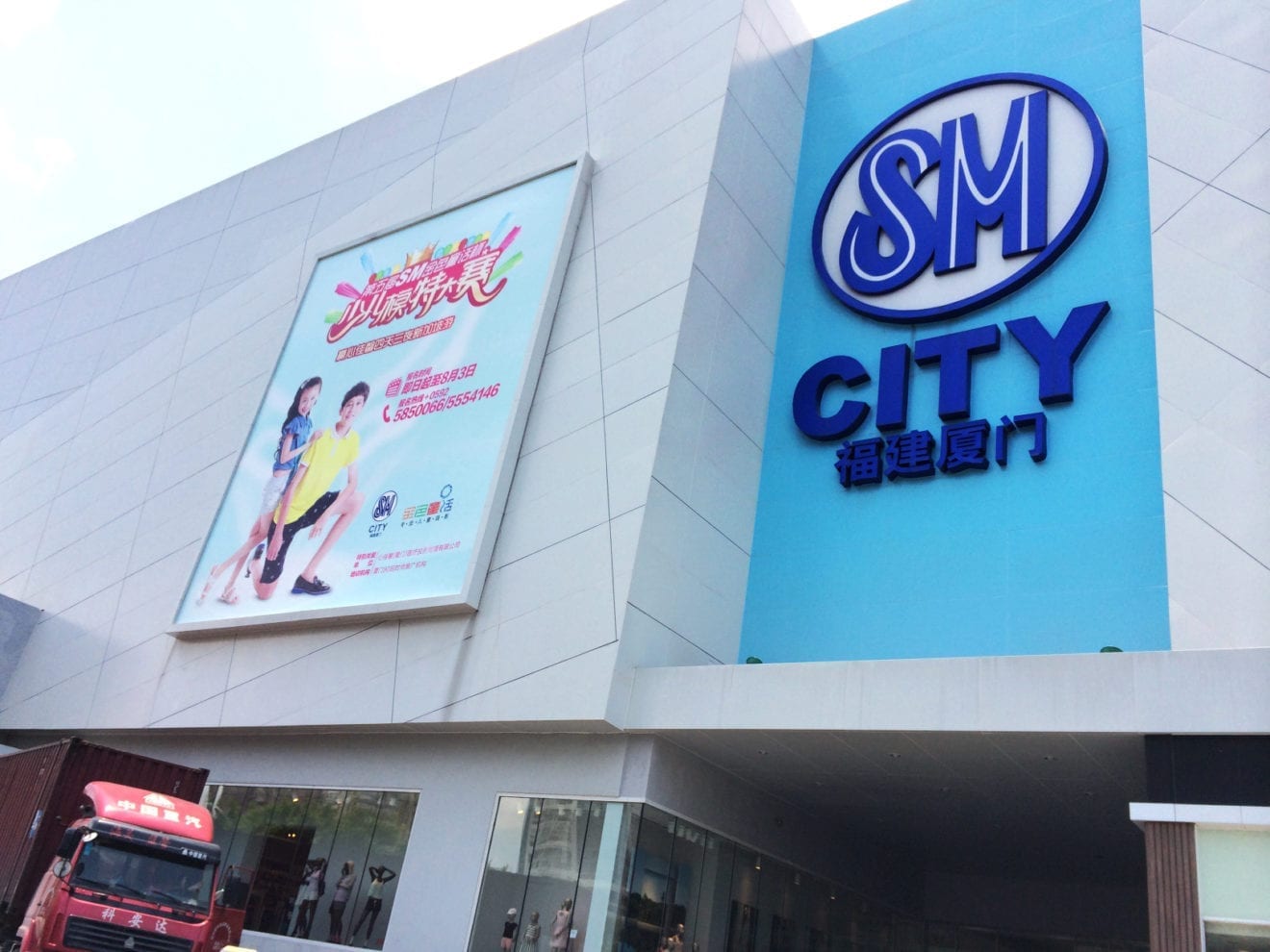
    SM Prime has 65 shopping malls in the Philippines and seven in China, and will open two more malls this year, SM Center Lemery in Batangas and SM Center Pulilan in Bulacan, taking its provincial property count to 44 from 38 a year ago.

  • PayMaya, Smart boost rollout of QR code payments

    PayMaya, Smart boost rollout of QR code payments

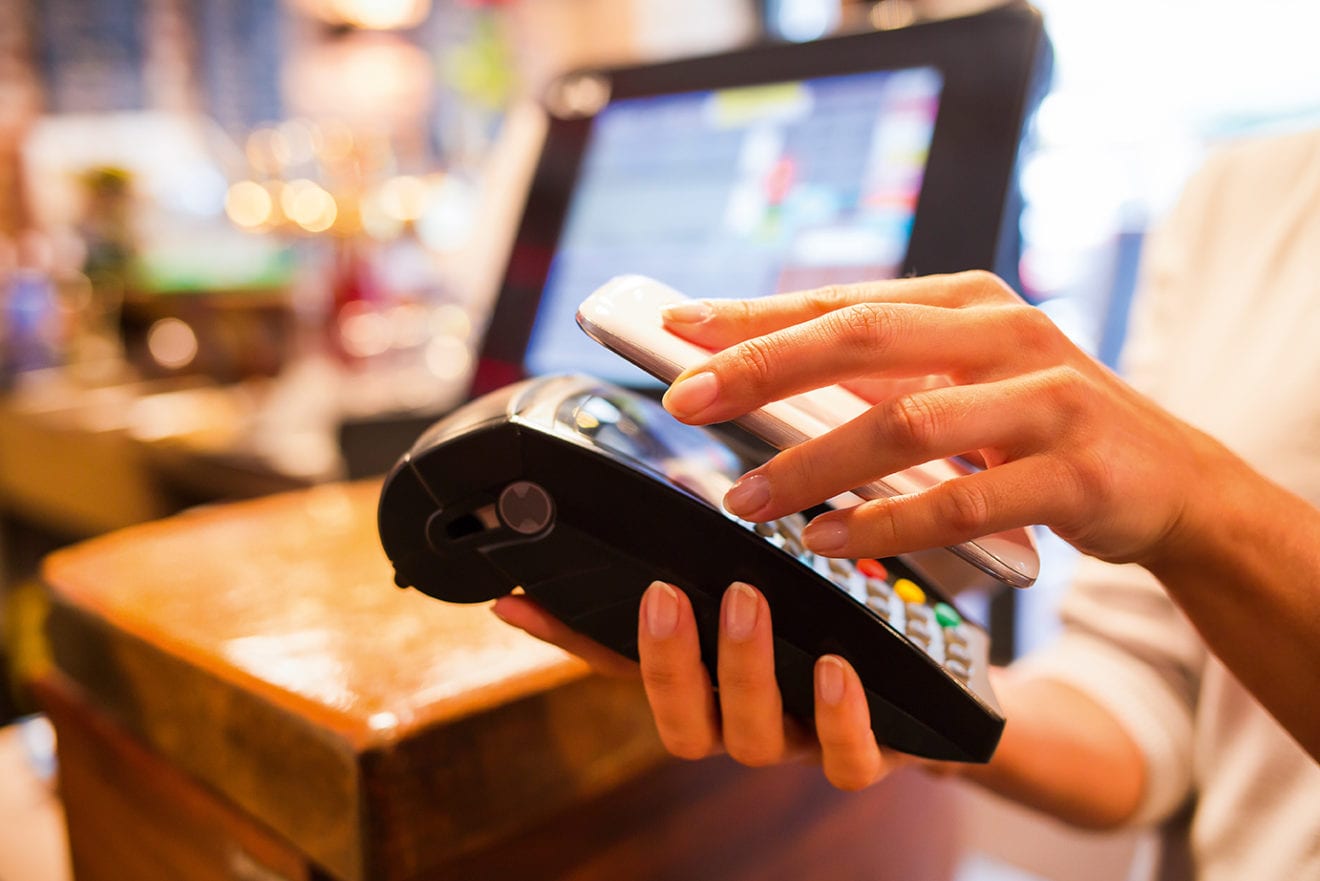
    After it introduced the first Quick Response (QR) code payments via app in the Philippines last May, PayMaya Philippines has announced that the scan-to-pay technology is now available across the country, with Smart Stores and select merchants in key cities allowing consumers to conveniently pay by simply scanning QR codes through their PayMaya app.

    Smart subscribers have a new means to transact with their accounts as Smart Stores all over the country are equipped with PayMaya QR technology. PayMaya is also enabling merchants in communities starting with canteens in partner schools like STI and commercial establishments in cashless cities such as Muntinlupa and Malabon. Similarly, PayMaya is also tapping popular merchants in SmartSpots already enabled by WiFi connectivity in key cities such as Baguio, Cebu and Davao.

    In the near future, payments enabled by PayMaya will also be accepted online and in-store in popular food chains, supermarkets and malls such as McDonald’s, Army Navy, Domino’s Pizza and Gaisano Supermarkets, among others.

    To further bring the technology to more users, Smart and PayMaya are also set to equip Smart retail partners down to the sari-sari store level with the payment technology.

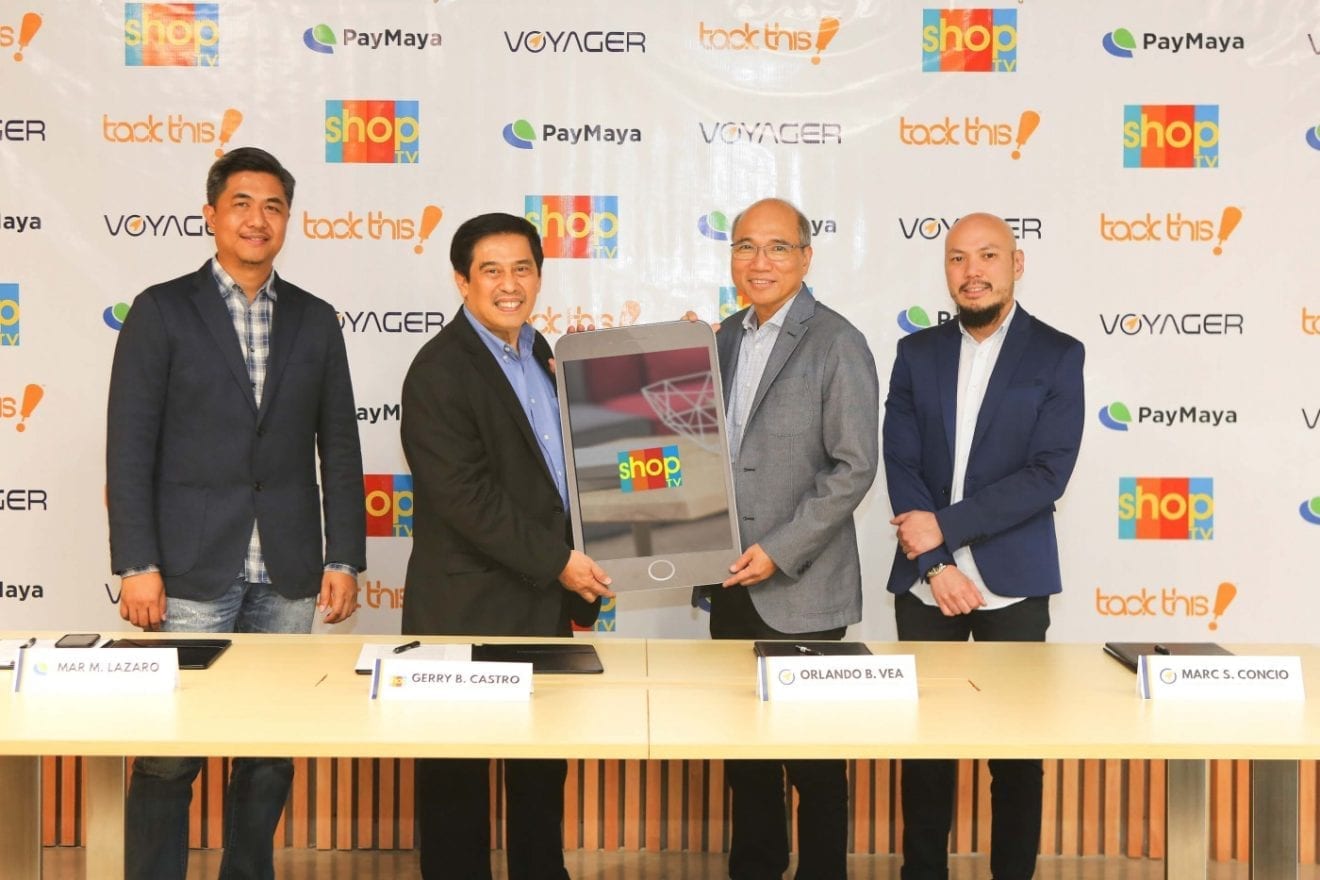
    “As PayMaya continues to grow nationwide, we take a giant step for our customers by making QR code payments available to all kinds of merchants. PayMaya is the leading digital payments wallet and on the merchant side, this will reinforce our position as the top mobile payments acquirer in the country,” said Orlando Vea, president and CEO, PayMaya Philippines and Voyager Innovations.

    “Convenient and secure cashless transactions complete the digital life experience of people and communities. Equipping our Smart Stores, partner merchants and retailers with PayMaya’s innovative platforms is a step in making our vision a reality,” said Eric Alberto, chief revenue officer, PLDT and Smart.

    Existing technology, new use cases, right conditions

    QR code technology has been in use for quite some time with many applications already in the market. However, wide adoption for payments had been previously hampered by various factors, such as lower smartphone and internet usage.

    The technology has now taken off around the world, with payment providers in various countries introducing use cases for adoption. Globally, Tencent’s WeChat app is the leader with close to a billion active users, most of them residing in China. Similar to PayMaya, every time their app is downloaded, so too is a QR code reader as the feature has already been integrated.

    In the Philippines, the growing smartphone and internet penetration is now being complemented by digital payments adoption, pioneered by PayMaya. It has made payments integration capability via QR codes available and is now accelerating consumer acceptance, as it further builds up and reinforces the payment ecosystem and infrastructure across the country.

    It takes a village to make ‘cashless’ work

    “For any kind of digital payments technology to be widely adopted, it is important to foster the right conditions and build the ecosystem. PayMaya is already leading the market toward this direction. Along with the strongest network of PLDT and Smart, we are seeing digital financial inclusion in action,” said Manuel V. Pangilinan, chairman of PLDT, Smart, Voyager Innovations and PayMaya Philippines.

    PayMaya Philippines is the digital financial services arm of PLDT and Smart’s Voyager Innovations. Its PayMaya wallet, accessible via mobile app and Facebook Messenger (@PayMayaOfficial) that comes with a virtual and physical Visa or MasterCard, is now the preferred prepaid payment by the millennial market.

    Any mobile subscriber can simply download the PayMaya app from the Play Store or the App Store and load up their wallet at any of the more than 15,000 reloading stations nationwide, which include SM Business Centers, Robinsons Department Stores Business Centers and 7-Eleven, Petron stations along NLEX and Ministop outlets with Touchpay Kiosks, UnionBank ATMs, Shopwise, Wellcome, 2Go outlets, Smart Padala centers, Palawan Pawnshop and online banking via BDO and UnionBank.

    PayMaya is also the platform of choice of local governments, enterprises and schools for disbursements and ID-plus payments cards.

    PayMaya-enabled ID-plus payment cards are being used by Balanga City, Malabon City, Malolos City, Muntinlupa City, Catbalogan City and Tacloban City, as well as by schools such as STI.

    Meanwhile, PayMaya Business, the company’s system solutions provider that allows businesses to receive online and card payments anytime, anywhere, is now the top mobile payments acquirer powering companies such as Cebu Pacific, Lazada, Meralco, Metro Pacific Tollways, Philippine Airlines, Smart, and Zalora, as well as numerous other merchants.

    Completing the cashless ecosystem is Smart Padala’s largest money-in/money-out remittance network.
  • AirAsia announces flights from Manila to Bali, Jakarta

    AirAsia announces flights from Manila to Bali, Jakarta

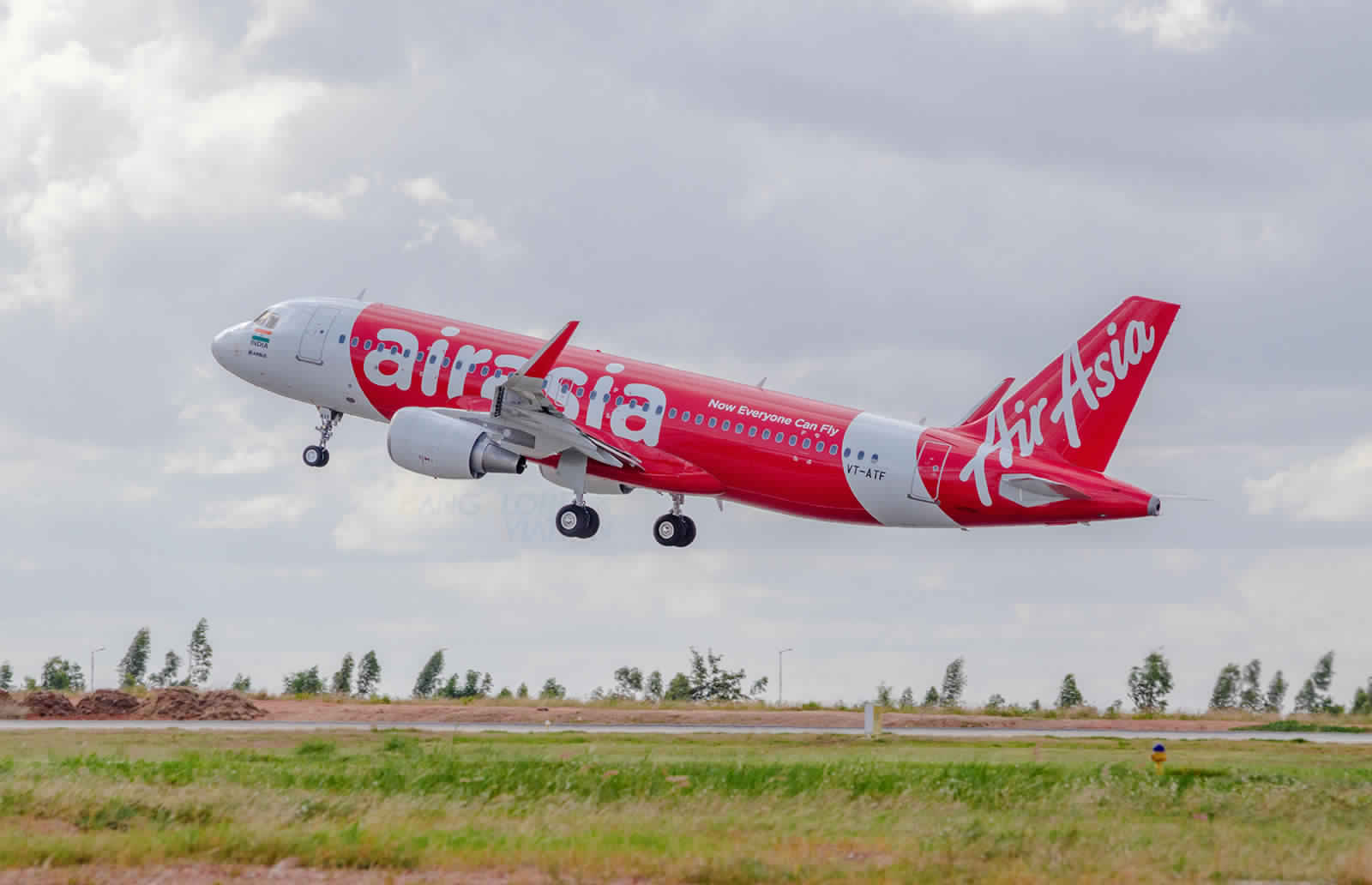
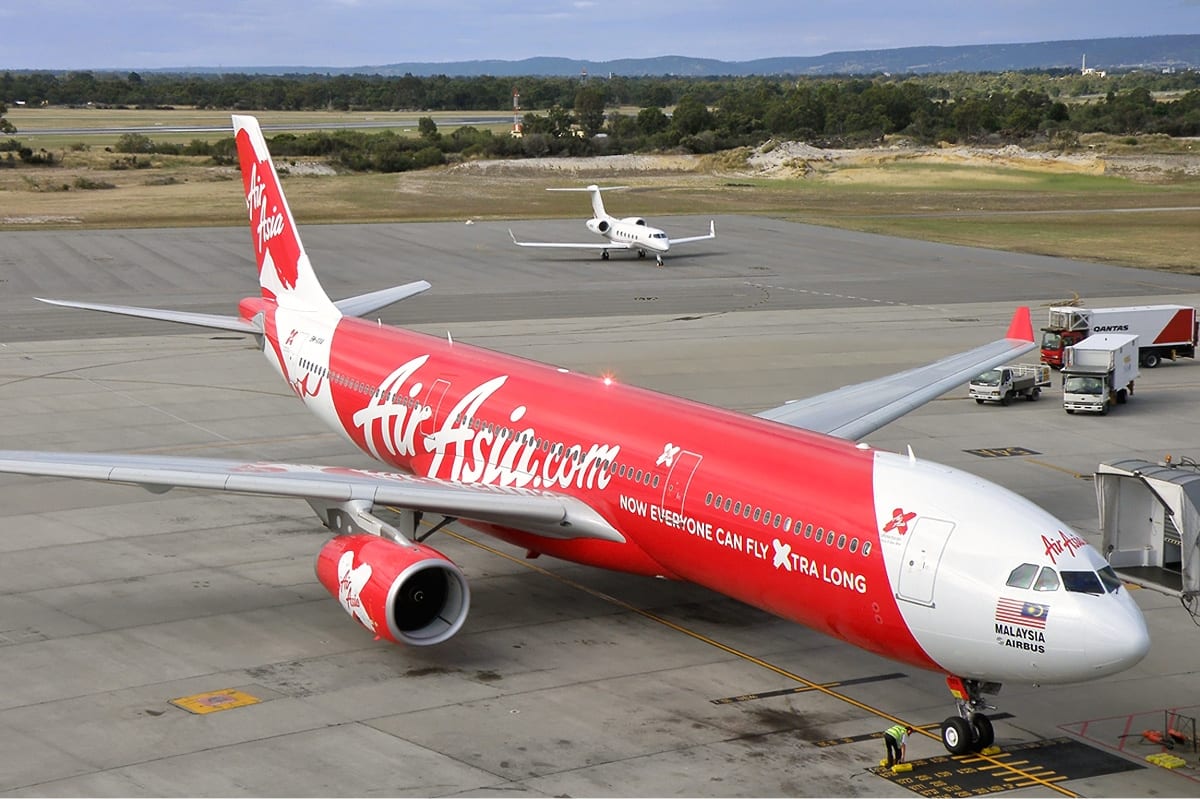
    Budget carrier AirAsia on Thursday announced it will start servicing flights from Manila to Bali and Jakarta in Indonesia starting January 2018.

    In a statement, AirAsia Philippines said it will start flying from Manila to Jakarta, Indonesia starting January 9, and to Bali, Indonesia starting January 19.

    Daily flights from Manila to Bali will have a departure time of 6:40 p.m., and an arrival time of 10:25 p.m. Flights back to the Philippines leave Bali at 11:20 p.m.

    Meanwhile, flights from Manila to Jakarta will have a departure time of 8:00 a.m, and an arrival time of 11:00 a.m. Flights back to the Philippines leave Jakarta at 11:30 a.m.

    In the same statement, AirAsia said it will also start flying to Ho Chi Minh in Vietnam starting November 17.

    Flights from Manila to Ho Chi Minh will have a departure time of 10:25 p.m. every Tuesday, Friday, and Sunday. Flights back to Manila leave Ho Chi Minh at 1:35 a.m. every Monday, Wednesday, and Saturday.

    With the new routes, AirAsia also on Thursday announced all-in promo fares available from P2,950 available until October 22, with a travel period from November 17, 2017 to April 30, 2018.

  • Cebu Pacific includes tax in fares

    Cebu Pacific includes tax in fares

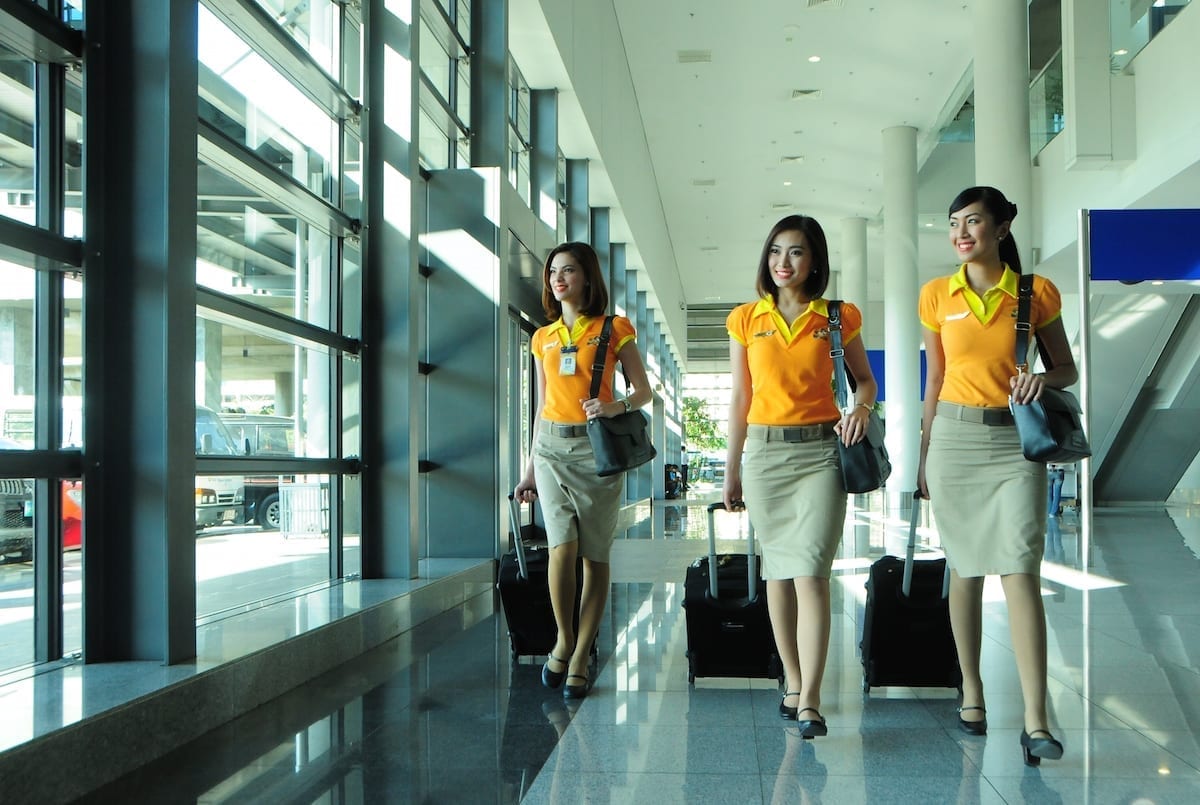
    The Philippines’ low-cost airline, Cebu Pacific, is now including the cost of the Domestic Passenger Service Charge (DPSC) in all ticket quotes.

    Commonly known as the “Terminal Fee” the inclusion is for domestic flights operating out of airports managed by the Civil Aviation Authority of the Philippines (CAAP).

    It became effective across the airline’s booking system for domestic flight sectors, 15 September. CAAP was the last airports operator to allow airlines to collect the tax. Previously, passengers had to queue at tax counters to pay the fee prior to boarding.

    However, the airline noted that the announcement applies to airports under CAAP. There are different arrangements on paying the tax in place at Ninoy Aquino International Airport in Manila, Mactan-Cebu International Airport, Clark International Airport and Godofredo P. Ramos Airport in Caticlan (Boracay).

    Manila International Airport Authority and the Mactan-Cebu International Airport Authority have included domestic terminal fees for the Manila and Cebu airports in ticket payments since 2013.

    Passengers who are only transiting through the 33 CAAP-managed airports are exempted from paying the DPSC.

    Depending on the airport, CAAP terminal fees range from PHP50.00 (approximately USD1) to PHP200.00 (approximately USD4).

    “While the total cost paid by passengers who booked flights on Cebu Pacific became slightly higher due to the addition of the terminal fee, this system is a convenience to travellers. They no longer have to line-up at the counters to pay for the domestic terminal fee,” said, Cebu Pacific vice president for corporate affairs, Atty JR Mantaring.

    Cebu Pacific passengers have also been given the option to pay the travel tax on international flights of PHP1,620.00 (approximately USD32), plus a handling fee of PHP80.00 (approximately USD2) when they book their flights online, via www.cebupacificair.com, or through Cebu Pacific ticket offices.

    Passengers who are exempt from the tax, or are eligible for reduced travel tax, can still book, pay and confirm their flights on Cebu Pacific, but will need to present valid tax exemption documents upon check-in.

  • Motorola Philippines moves beyond Manila

    Motorola Philippines moves beyond Manila

    Motorola Philippines has opened a Motorola Kiosk in SM Batangas, its first retail venture outside Metro Manila.

    It is its fourth store since Motorola entered the Philippines in October last year, and follows the opening of a kiosk in Cyberzone, Mall of Asia, two months ago.

    Motorola launched with two concept stores, in the Cyberzone area in SM North Edsa Annex and SM Megamall, both run by MemoXpress.

    Lenovo Mobile Business Group Philippines country manager John Rojo says the brand aims to create more consumer engagement through activities and communications.

    All Motorola concept stores carry the full Moto smartphone lineup.

  • Max’s Group moves east and north

    Max’s Group moves east and north

    Casual-dining giant Max’s Group Incorporated (MGI) has broken into the Middle East and also broadened its presence in Canada.

    Its casual-dining restaurant brand Sizzlin’ Steak has gained a foothold in the UAE through a partnership deal with Kasamar Holdings. The aim is to build seven Sizzlin’ Steak outlets in the UAE over the next five years.

    “We are seeing the emergence of Sizzlin’ Steak as a global mainstream brand,” says MGI president/CEO Robert Trota.

    It is the fourth development contract signed by MGI for the year, adding to a pipeline of more than 130 stores for the coming years.

    Kasamar is a family enterprise based in Abu Dhabi with diversified interests in retail. It is planning to assemble a portfolio of food brands for the region.

    Director Mo Bississo says the group hopes to launch the first Sizzlin’ Steak by early next year to be followed by an accelerated rollout long term.

    MGI has 655 stores, including 55 franchised outlets, abroad including parts of Asia.

    Meanwhile, it has advised the Philippine Stock Exchange that with its partner Alibin Group it will establish the first Max’s Restaurant in Winnipeg before next year.

    MGI has four Max’s Restaurant branches in Canada, in Vancouver, Toronto, Scarborough and Edmonton. Alibin is a Winnipeg-based private firm with experience that embraces retail and food services.

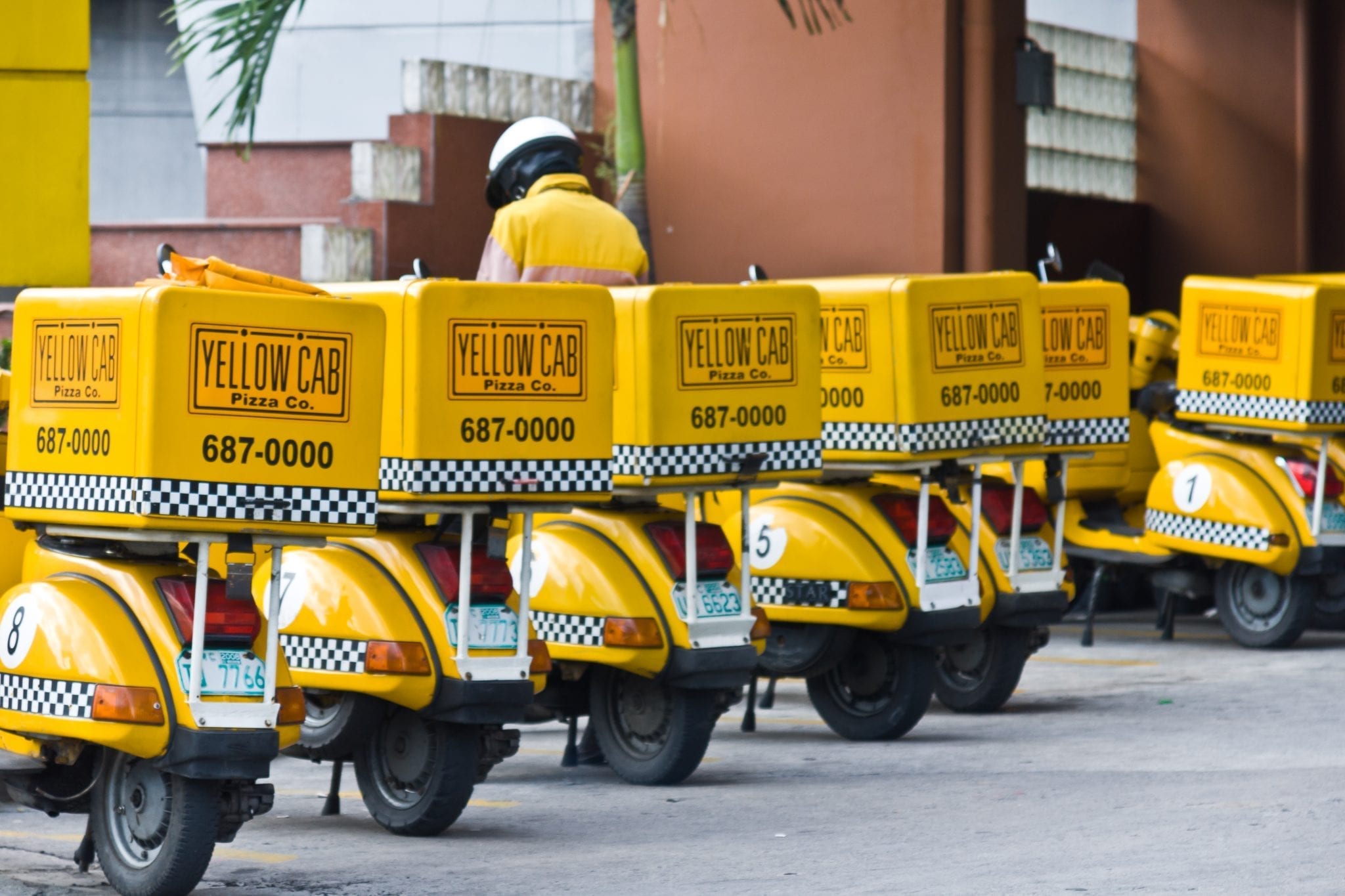
    MGI’s other brands include Dencio’s, Krispy Kreme, Le Coeur de France, Maple, Meranti, Pancake House, Teriyaki Boy and Yellow Cab Pizza.

  • AirAsia to start offering Manila–Ho Chi Minh City flights in November

    AirAsia to start offering Manila–Ho Chi Minh City flights in November

    Budget carrier AirAsia Philippines on Tuesday announced it will begin offering direct flights from Manila to Ho Chi Minh City, Vietnam in November.

    “We are thrilled to announce that we will start servicing direct flights from Manila to Ho Chi Minh in November as part of our commitment to continue bringing the Philippines closer to neighboring cities within the Asean region,” AirAsia Philippines CEO Dexter Comendador said in a statement.

    AirAsia is offering an introductory promo fare of P990 for the Manila-Ho Chi Minh route. The promo is available for booking from September 19 to October 18 on AirAsia’s website and mobile app.

    The promo fares are available for travel period from November 17, 2017 to November 21, 2018.

    AirAsia will fly three times a week from Manila to Ho Chi Minh, every Tuesday, Friday, and Sunday.

  • Zero Halliburton luggage lands in Manila

    Zero Halliburton luggage lands in Manila

    Zero Halliburton, the only luggage to have travelled to the moon and back, has landed in S Maison at Conrad Manila.

    Marking its launch in the Philippines, the 80-year-old global luggage brand is exhibiting the aluminum briefcase that stored rock and soil samples from the National Aeronautics and Space Administration’s (NASA) Apollo 11 lunar mission in 1969. It is also unveiling its aluminum and polycarbonate luggage and, soon, the Greenwich Collection, lightweight cordura nylon luggage with built-in smart features.

    Surprisingly, the luggage was originally developed to suit the needs of just one man, founder Erle Halliburton, an oilfield engineer, says company chairman Hiroaki Morishita. Realising that he needed a durable piece of luggage for his travels across the rough Texas terrain, Halliburton and a team of engineers designed the world’s first aluminum travel case.

    Impressed with the prototype, his friends convinced Halliburton to make the case commercially available. Zero Halliburton became part of history when Apollo 11 astronauts Edwin Eugene “Buzz” Aldrin, Michael Collins and Neil Armstrong took a case to the moon and back.

    The line has since extended to wheeled business bags, pilot cases, backpacks and duffel bags using newly developed materials and designs.

    Zero Halliburton’s flagship store is in New York City’s Madison Avenue, and Brazilian football superstar Ronaldinho of FC Barcelona has signed up to endorse the brand.

  • Bigg’s Diner plans expansion to Metro Manila

    Bigg’s Diner plans expansion to Metro Manila

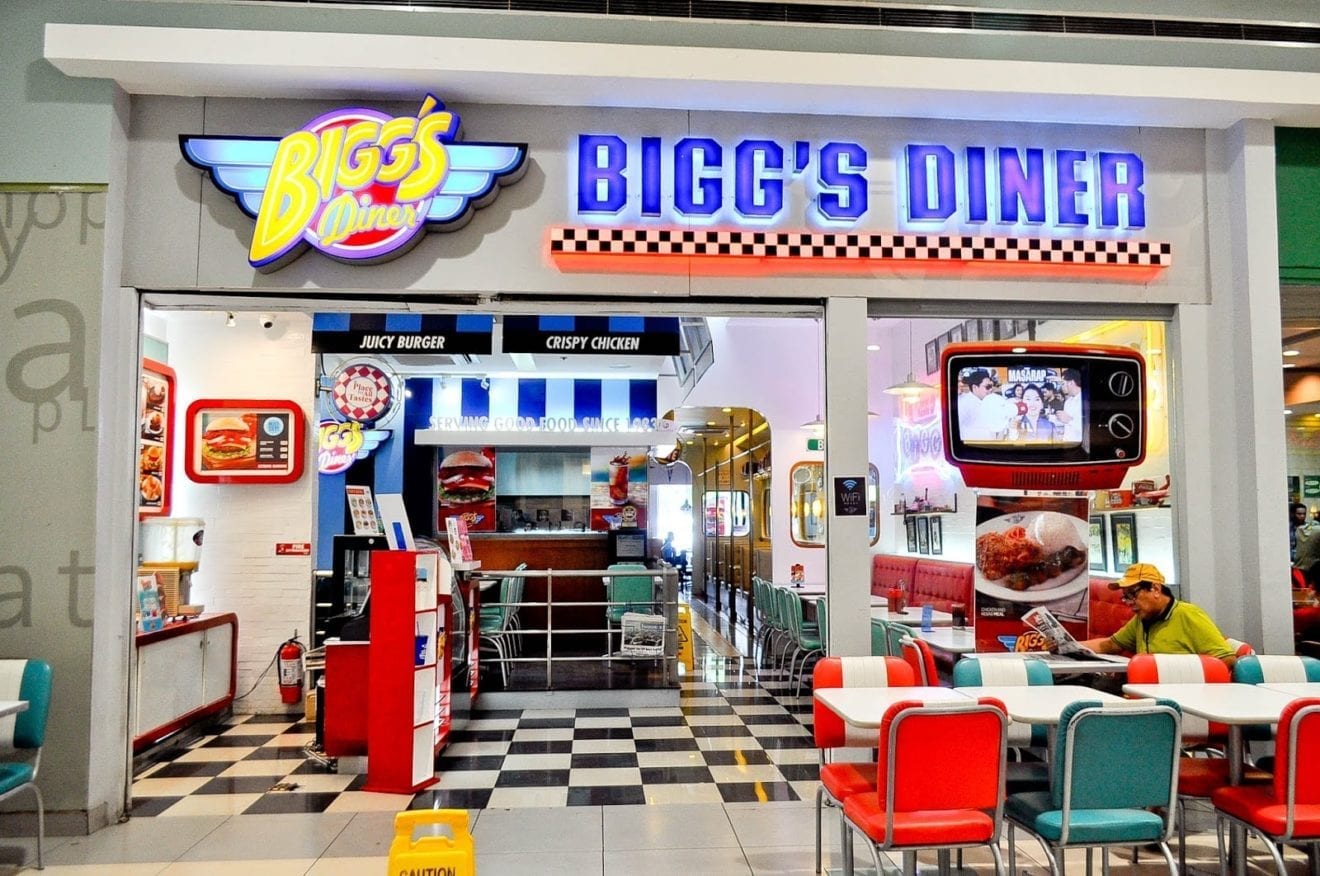
    Bigg’s Diner, known for serving burgers and Filipino rice meals in Naga and the Bicol region since 1983, plans to open in Metro Manila next year.

    Business development head Ronaldo Linao says the restaurant group is already looking at three possible sites – one is in Mindanao Avenue, Quezon City, another in Megamall and the third in Robinsons, either Ermita or Galleria.

    “There is actually a market study right now to see how viable it would be in Manila. The competition there is very fierce,” says Linao.

    Bigg’s Diner has 17 outlets in the Bicol region, including seven franchises and a branch in Batangas. It started out as a donut shop and has had two name changes – from Mang Donald’s to Carl’s Diner, then to Bigg’s Diner – to avoid confusion with multinational brands.