Retail News CRM

Tag: manila

  • Manila Water to submit scaled-up proposals in projects in both Myanmar and Indonesia

    Manila Water to submit scaled-up proposals in projects in both Myanmar and Indonesia

    Manila Water the water concessionaire for the East Zone of Metro Manila, said it would submit scaled-up proposals within the third quarter of the year for possible water concessions in Myanmar and Indonesia following the completion of its pilot projects.

    In a news briefing after the firm’s annual stockholders’ meeting, the company’s Chief Operating Officer for New Business Operations Virgilio Rivera Jr. said these proposals will be for Yangon City in Myanmar and Bandung City in Indonesia.

    Rivera said the company submitted their report for the successful pilot project that drastically reduces the nonrevenue water in Yangon and expect to complete a similar pilot project in Bandung City, the capital of West Java.

    “With the completion of these pilot projects, we have shown them our best practices and are now ready to propose a scaled-up version,” Rivera said.

    The company’s new President and CEO Ferdinand de la Cruz said it is ready to take on much bigger projects in these cities to the extent of a full-scale water concession like what they have in the East Service Zone of Metro Manila. De la Cruz said the company’s expansion into countries in Southeast Asia will contribute to their goal of achieving a net income of P11.5 billion by 2020 and that half of this should come from businesses other than its Metro Manila concession, currently its single-biggest revenue generator.

    Rivera said the company intends to do more pilot projects in other parts of the Philippines and Southeast Asia as local government units and water districts are more receptive to tapping Manila Water based on its Metro Manila experience.

    In Yangon it partnered with Mitsubishi Corp. to adopt two district metering areas located in South Okkalapa and Insein.

    By the end of 2016, nonrevenue levels in both townships dropped to 14 percent from 54 percent.

    For Bandung, Indonesia’s fourth-largest city, a population of 2.4 million, the company has reduced non-revenue water from a high of 59 percent in September last year to 23 percent in just three months.

    Inc., Rivera said they have also been tapped by SM Development Corp. for five residential projects and will be signing up for five more by early next year.

  • Cebu Pacific links up with KLM AFI to service expanding fleet

    Cebu Pacific links up with KLM AFI to service expanding fleet

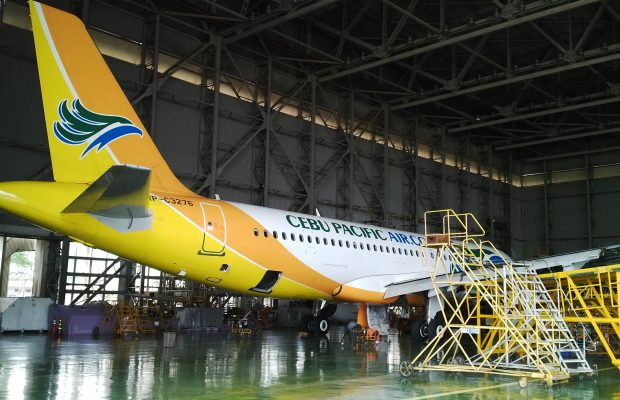
    Gokongwei-led budget airline Cebu Pacific (CEB) has chosen Air France Industries KLM Engineering and Maintenance (AFI KLM E&M) to provide maintenance support for its expected new fleet of Airbus A320s .

    “This is our first agreement with Cebu Pacific and also our first component support contract in the strategic Philippines market,” said Gery Mortreux, Executive Vice President of AFI KLM E&M in a statement released.

    The selection of AFI KLM E&M came following a call for tenders by CEB in September last year for the carrier’s expanding fleet of Airbus passenger jets .

    The long-term contract covers a fleet of over 40 Airbus A320-family aircraft, and encompasses full component support and solutions, including repairs and local pool access to maximize aircraft availability for both CEB’s A320s and its future A321neos.

    The A321 neo (new engine option) is a variant of the A320 that features a more efficient engine and more aerodynamic refinements.

    CEB currently has a fleet of 59 aircraft, comprised of 4 Airbus A319s, 36 Airbus A320s, 7 Airbus A330s, 8 ATR 72-500, and 4 ATR 72-600 aircraft. The average age of its fleet currently stands at 4.94 years.

    The airline also expects to take delivery of 45 brand-new aircraft as part of its fleet renewal program composed of one brand-new Airbus A330, 32 Airbus A321neos, and 12 ATR 72-600s

    All told, the new aircraft will bring the CEB fleet to 85 by 2021.

    CEB’s local rival, flag carrier Philippine Airlines (PAL), is also in the process of upgrading its fleet headlined by two new Boeing 777–300ERs set to arrive in December 2017 and January 2018, the airline announced over the weekend.

    Along with that, it is also expecting the arrival of the Q400 Next Generation turboprops for domestic flights starting in July 2017, and the first of 6 new A350-900s expected to arrive in 2018.

  • IPC, 1-Net plan interconnected data center network

    IPC, 1-Net plan interconnected data center network

    Philippines cloud services and data center provider IPC (IP Converge Data Services) has teamed up with 1-Net in Singapore to provide its customers with an interconnected data center network.

    This collaboration enables both organization to extend their data center capacity for faster access and deployment of customers in the countries.

    IPC and 1-Net are both data center providers who operate carrier-neutral and telco-grade internet data centers in Philippines and Singapore respectively.

    This strategic partnership will strengthen the data center services of both providers, ensuring that customers’ data is securely stored. This will also enable enterprises to run mission-critical systems in our facilities while they grow their businesses in the two countries.

    The partnership will enable both IPC and 1-Net to deploy customers in both Philippines and Singapore with a single contract, allowing quicker deployment without the need to renegotiate service level agreements and contracts.

    “Our partnership with 1-Net virtually expands the data center footprint of both companies. Gaining access to data center facilities in Singapore enables our enterprise customers to extend their network into the more mature market in Singapore, and likewise offers the same benefit to regional players present in Singapore who are looking to expand into our bustling Philippines economy for business expansion,” said IPC Chief Executive Officer Reynaldo R. Huergas.

  • Amazon Ready to Launch in the Philippines

    Amazon Ready to Launch in the Philippines

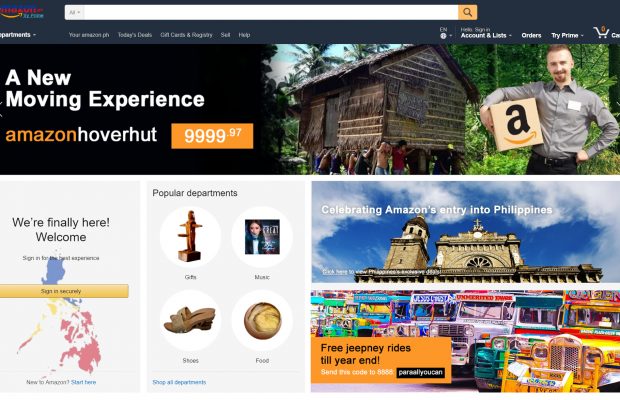
    Amazon with exclusive affiliate partner iPrice Philippines premieres the first screenshots of the all new and exciting online shopping platform: Amazon.ph. Slated to be launched late 2017, millions of local and international products will be made available to Filipinos with same-day delivery service throughout the nation.  Maintaining the ethos of Amazon, the new e-commerce platform in the Philippines will be guided by four principles: customer obsession rather than competitor focus, passion for invention, commitment to operational excellence, and long-term thinking.

    Partnering Amazon in this new endeavor is iPrice, a meta-search website in seven major countries in Southeast Asia as Amazon’s prime affiliate partner. With similar values and vision for ecommerce in Southeast Asia, iPrice’s partnership with Amazon will empower the Seattle based company with the needed marketing channels to aggressively market its products and services to the competitive ecommerce sector.

    Further details of Amazon’s affiliate partnership with iPrice will be revealed at the annual AWS Summit on 20th of April 2017 at the Marriott Hotel Grand Ballroom in Manila. Here is an exclusive screenshot of Amazon.ph.

    The Baguio Barrel Man

    Often seen as the souvenir of choice of most travelers, the Barrel Man offers more than just it’s barrel. Handcrafted from tropical wood unique only to the Philippines, the Barrel Man is a figure that is built of quality material and has the magical powers suited to relieve men of their physiological and psychological barriers.

    Amazon.ph and the Baguio Barrel Man was reviewed by test audiences prior to launch. It assisted in saving a marriage, and restoring one’s manhood.

  • PLDT, Globe launch cut-price call packages

    PLDT, Globe launch cut-price call packages

    Philippines operators PLDT and Globe Telecom have both cut mobile voice rates to as low as 1 peso ($0.02) per minute, in response to slumping voice usage and a regulator-encouraged cut in mobile termination rates last year.

    Globe and PLDT’s wireless division Smart have both introduced add-on packages for mobile subscribers offering a set allocation of calls for low rates.

    Globe has introduced an add-on pack for its higher-tier postpaid customers that costs 299 pesos for 300 minutes of calls to any network.

    Prepaid customers will be able to take advantage of a GoCall50 add-on pack providing 50 minutes of calls to any network valid for three days, while subscribers to Globe’s TM service can pay 5 pesos for 5 minutes of calls to any network for a day.

    Smart has meanwhile introduced a Call 50 promo providing 50 minutes of calls to any network valid for three days.

    Late last year, Globe and PLDT both agreed to cut voice interconnection rates by 16.7% to 4 pesos per minute for mobile calls and by 38% to 4 pesos per minute for mobile calls, in response to encouragement from regulator NTC. As part of the agreement to cut the mobile termination rate, the operators also committed to reduce rates for customers over time.

    Both operators have also been facing the common industry issue of subscribers continuing to substitute traditional voice calls with OTT messaging and VoIP usage, which has been contributing to a decline in voice revenue.

  • ​​Robinsons Store launches first​ ​Go Lokal! store in Robinsons Place Manila

    ​​Robinsons Store launches first​ ​Go Lokal! store in Robinsons Place Manila

    Robinsons Department Store, in partnership with the Department of Trade and Industry (DTI) opens today the first Go Lokal! store in Robinsons Place Manila.

    Robinsons Department Store, an affiliate of Robinsons Retail Holdings Inc., is the first mainstream outlet to launch Go Lokal!, a public-private collaboration between DTI and local retailer partners that aims to showcase modern and indigenous quality products crafted, designed, and created by innovative Philippine micro, small and medium enterprises (MSMEs).

    The Go Lokal! program has been designed to serve as incubation, marketing, and branding platform for the best of Philippine MSMEs products including next generation One Town One Product (OTOP) offerings. This new market access platform via a design-led concept store is set to revolutionize the way hard-to-find and artisanal Filipino products are sold in the local market, and will bring together a specially-curated line-up that ranges from food, apparel, accessories, home décor, gadgets and gift items. They can be found in consumer-frequented locations as a mainstream distribution channel for world-class Filipino products while offering value for money for targeted consumers and tourists.

    Trade Secretary Ramon Lopez said DTI is more than excited to open its first mainstream  Go Lokal! store with Robinsons Department Store as its dynamic partner in this effort of maximizing market access and providing exposure to our MSMEs. “Go Lokal! is truly a vibrant model for MSME development and inclusive business. We are happy that committed partners like Robinsons have taken on this challenge. We look forward to opening more outlets in their malls and department stores across the country,” Sec. Lopez said.

    Robina Gokongwei-Pe, President and COO of Robinsons Department Store, said that the program will benefit MSMEs because it’s a mainstream platform that brings them closer to a more diverse market and creates positive effects to the economy by encouraging entrepreneurship. “This partnership with DTI is Robinsons Department Store’s contribution to nation-building by providing our entrepreneurs an environment where they can be passionate about their businesses and prosper from their efforts, as we create opportunities for MSMEs to grow, succeed and make an impact to the retail industry,” said Gokongwei-Pe.

    Johnson Go, General Manager of Robinsons Department Store, said that Go Lokal! is Robinsons Department Store’s way of supporting Filipino entrepreneurs into their initial foray into more mainstream markets by making them more accessible to both local and foreign consumers. “The diverse product line of Go Lokal! brings together the best products that the Philippines has to offer which are world-class locally-made quality products by our MSMEs,” said Go.

    The DTI Secretary also said that aside from providing market access for MSME products, the Go Lokal! program is a platform for new entrepreneurs to test the marketability of their products without the fear of losing rental and commercial costs because their experience is free of charge

    Portion of Go Lokal! revenues will go to the various corporate social responsibility (CSR) projects of Robinsons Department Store including the government’s drug rehabilitation program.

    Robinsons Department Store, an affiliate of Robinsons Retail Holdings Inc., is the first mainstream outlet to launch Go Lokal!, a public-private collaboration between DTI and local retailer partners that aims to showcase modern and indigenous quality products crafted, designed, and created by innovative Philippine micro, small and medium enterprises (MSMEs). Launching the partnership recently were (l-r) Mr. Johnson Go, General Manager of Robinsons Department Store; DTI Bureau of Domestic Trade Promotion Director Rhodora Leaño; DTI Assistant Secretary for Industry Promotion Group Rosvi Gaetos, Secretary Ramon Lopez of the Department of Trade and Industry, Ms. Robina Gokongwei-Pe, President and COO of Robinsons Department Store; Mr. Irving Wu, Robinsons Malls Operations Director for Luzon and Ms. Maricar Reyes, celebrity endorser of Robinsons Department Store.


  • Smart’s 2016 revenue grows 26% on mobile data growth

    Smart’s 2016 revenue grows 26% on mobile data growth

    The Philippines’ Smart Communications has reported a 26% increase in revenues for 2016 to 25.5 billion pesos ($509 million), in a result attributed to sustained growth in the company’s mobile data business.

    Smart, the wireless subsidiary of incumbent operator PLDT, said mobile data revenues for the year grew a strong 42% to 17 billion pesos.

    During the year, data revenues edged out voice calls and text messages as the operator’s largest wireless revenue source for the first time. Total usage reached 148,000 terabytes, up 49% from 2015.

    “The shift to data and digital services continues to gain momentum. With access to PLDT’s extensive fixed line network, Smart is rolling out the country’s fastest mobile internet network to address the growing demand of our subscribers for data services at home, their schools and offices and while on the go,” PLDT chief revenue officer Eric R. Alberto said.

    To help meet the steep rise in demand for mobile data, Smart has accelerated its rollout of LTE and 3G data networks and is incorporating the use of low-brand frequencies such as 700-MHz. The upgrade has now been completed in Metro Davao and is now underway in Metro Manila and Metro Cebu.

    Smart is also adopting LTE-A technology in selected areas, and recently entered a 5G partnership  with Huawei aimed at preparing its network for an evolution to the standard.

  • Philippines to crack down on spectrum hoarding

    Philippines to crack down on spectrum hoarding

    The Philippines’ Department of Information and Communications Technology (DICT) plans to crack down on spectrum hoarders, threatening to recall unused frequencies and potentially auction them to a third or even fourth local player.

    A recent audit of the National Telecommunications Commission (NTC) shows that a number of companies are not using the spectrum that has been assigned to them, and many of these have unpaid spectrum usage fees owing.

    In response, the government plans to ask these companies to explain their lack of use or their non payment of spectrum fees. In cases where it is deemed warranted, the government plans to initiate recall procedures for the spectrum. The report cites DICT undersecretary Jorge Sarmiento as stating that there is enough unused spectrum in the Philippines’ airspace to allocate to a third or even fourth player.

    The NTC is preparing to hold a new entrant spectrum auction by the middle of the year, as part of efforts to attract new competition to break up the Globe-PLDT duopoly.

    The ministry is also under pressure to resolve consumer complaints about the quality of internet services in the Philippines, and recently announced it will hold a “no-holds-barred” summit to address these concerns.

    The audit shows that spectrum has been allocated but is not in use in the 400-MHz, 700-MHz, 800-MHz, 2500-MHz, 3.4-GHz and 10-GHz bands.

  • Manila hosts Sugar Factory Asia debut

    Manila hosts Sugar Factory Asia debut

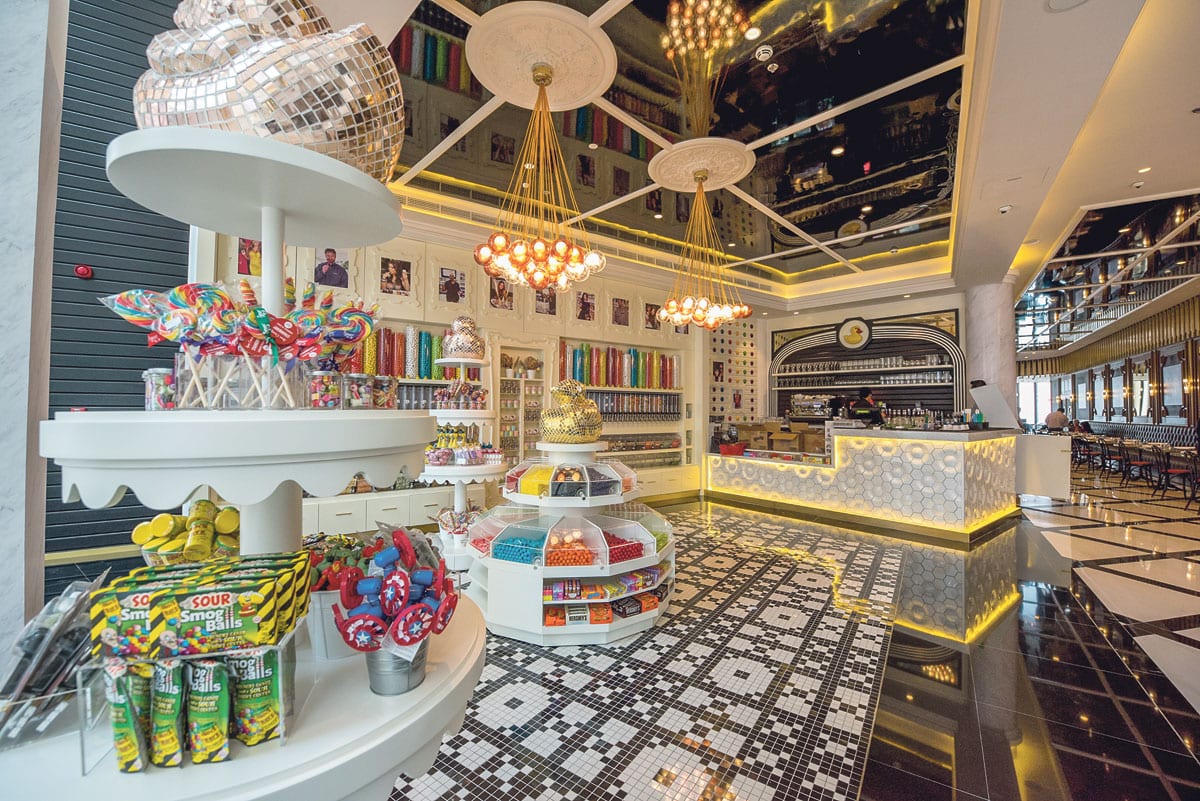
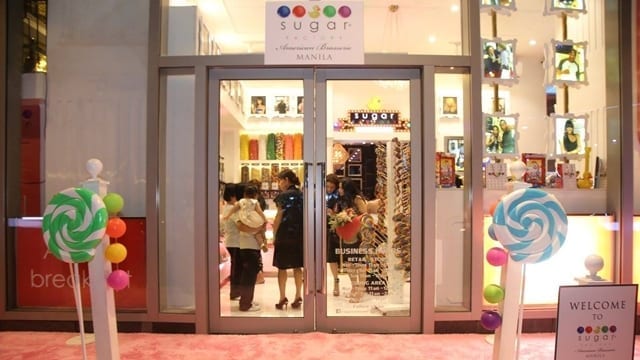
    Restaurant/bar/candy shop Sugar Factory American Brasserie has opened at Shangri-La at the Fort in Bonifacio Global City, Taguig.

    The Philippines is home to the first Sugar Factory Asia outlet, with more regional markets on the horizon.

    Following a soft opening four months ago, the Manila venue was officially launched with an exclusive party for VIPs, celebrities and media. Guests of honour, including Filipino Vice-President Maria “Leni” Robredo, billionaire businessman Fernando Zobel and his wife Kit, and dermatologist/TV personality Dr Vicki Belo, who all walked down a pink carpet.

    Sugar Factory’s menu includes pancakes, salads and burgers, while for adults the bar offers spiked beverages including the brasserie’s signature smoking candy goblets.

    The chain is known for its “couture pops”, sparkly lollipops that have been seen in the hands of such celebrities as Britney Spears, Carmen Electra and Eva Longoria. Other supporters of the restaurant include Charlie Sheen, Katy Perry, Kylie Jenner, Rihanna and Sting.

  • PLDT, Smart seal 5G partnership with Huawei

    PLDT, Smart seal 5G partnership with Huawei

    PLDT, together with its mobile arm Smart Communications, has signed a MoU with Huawei Technologies to jointly conduct research and development into 5G mobile technology.

    The goal of the partnership is to commercially launch 5G networks in in the Philippines by 2020, PLDT said in a statement released this week.

    Under the MoU, PLDT and Smart will work with Huawei to shape the strategic and commercial development of a 5G ecosystem in the country.

    The companies will identify and develop areas of technical innovation to deliver 5G. Plans include setting up a 5G innovation lab and the creation of a showcase network.

    Late last year, Smart and Huawei combined five frequencies through Carrier Aggregation (CA) to achieve data speeds of 1.4 Gbps. Smart also used CA in April 2016 to roll out a LTE-A service. Initially deployed in Boracay and soon in major urban areas such as Metro Davao, Metro Cebu, and Metro Manila, Smart’s LTE-A service delivers peak speeds of more than 100 Mbps to users with LTE-A capable devices.

    “Smart is focused on LTE, as it provides us the best platform to bring high-speed mobile internet throughout the country. LTE facilities, with strengthened transport links, can be quickly upgraded to LTE-Advanced (LTE-A), and will be an integral part of our future 5G network,” said Joachim Horn, chief technology and information advisor for PLDT and Smart.

    At present Smart is in the middle of a multi-year, multi-million dollar nationwide network expansion program to improve both coverage and quality of its 4G LTE service. A major leg of this network expansion was recently completed in Metro Davao, where Smart users are already reporting much improved mobile data experience, the operator said.

    The rollout is currently underway in Metro Manila and in Metro Cebu, and is expected to significantly boost Smart’s voice, SMS, and mobile data services – especially its indoor LTE coverage – in these urban centers. An upgrade of PLDT’s fixed access networks, part of the company’s transformation toward 5G-readiness, is also underway.

    “We are focused on ensuring that our current investments in network facilities will enable us to be ready with the necessary infrastructure foundation for 5G when it arrives sometime in 2020,” Horn noted.

  • AirAsia to launch Manila-Caticlan flights

    AirAsia to launch Manila-Caticlan flights

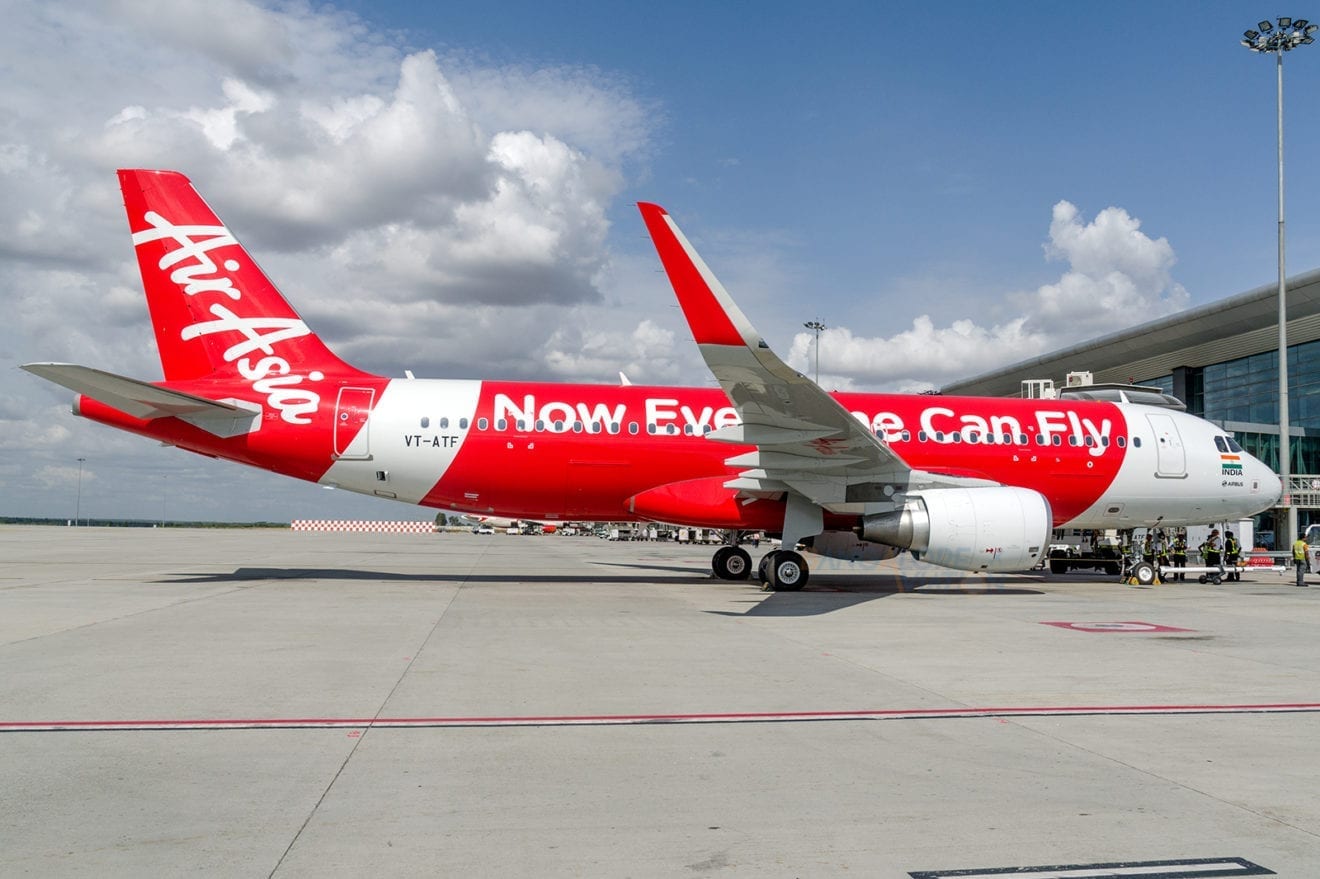
    In a statement, Philippines AirAsia said it will start offering twice daily flights from Manila to Boracay via Caticlan airport starting March 15, using the airline’s fleet of Airbus A320s that can accommodate up to 180 passengers.

    “It’s an exciting time to be in Boracay this summer with AirAsia’s signature low fares now available for direct flights to Caticlan airport. Our twice daily flights will significantly enhance connectivity to one of the world’s best island destinations,” Philippines AirAsia CEO Dexter M. Comendador was quoted as saying.

    AirAsia also maintains four times daily flights from Manila to Kalibo airport including international flights from Kuala Lumpur and Incheon/Seoul and has announced it will restart Clark-Kalibo flights starting March 27.

    With the introduction of Caticlan flights, AirAsia is offering promo fares from as low as P1,699 until Feb. 19. Travel period is between March 15 and June 18, 2017.

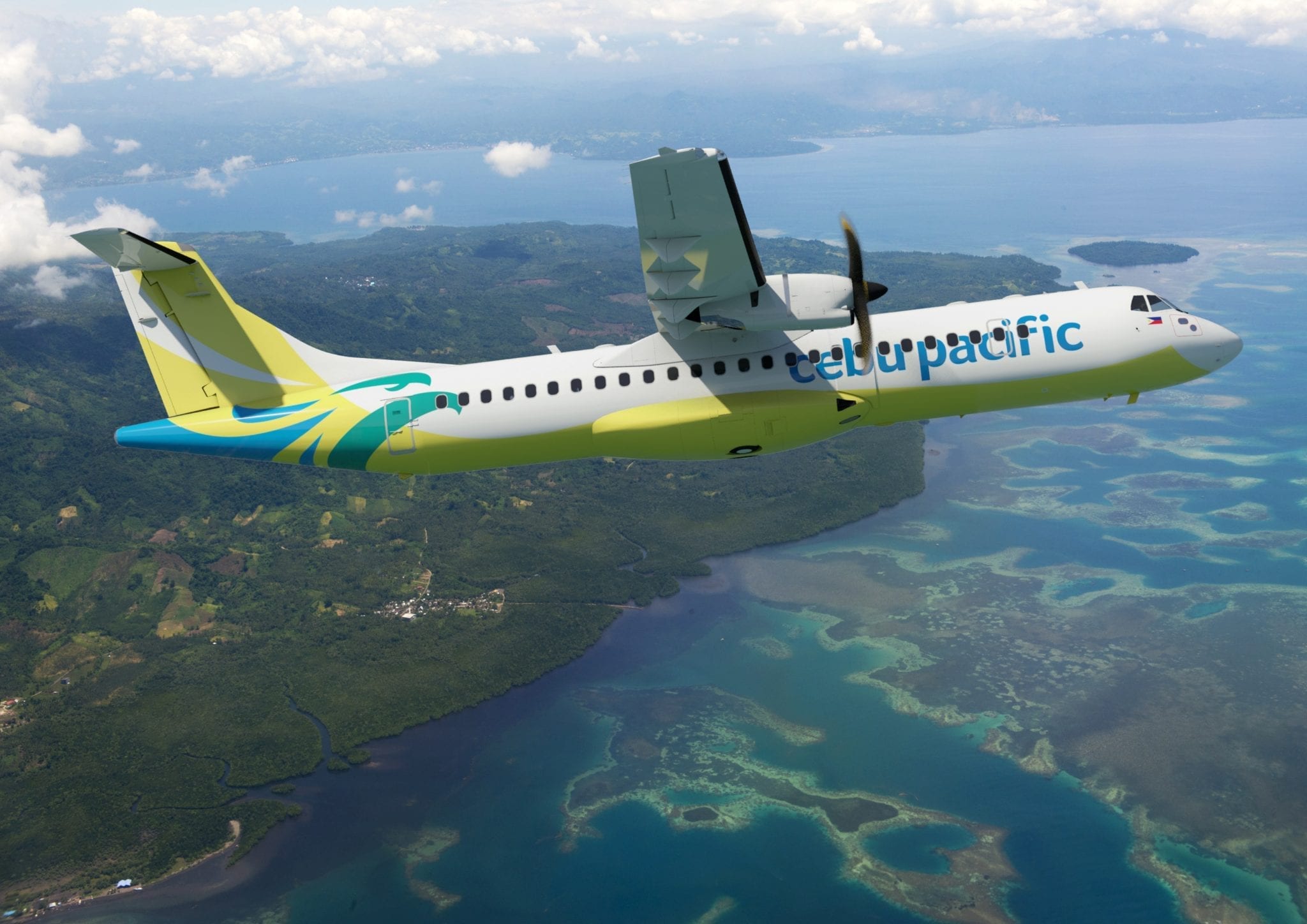
  • Cebu Pacific gets its 3rd ATR 72-600 aircraft

    Cebu Pacific gets its 3rd ATR 72-600 aircraft

    In a statement, Cebu Pacific said the new high capacity aircraft as delivered to its wholly owned subsidiary Cebgo on Feb. 3.

    The new ATR 72-600 will be used for the two new routes to be launched on Feb. 15 — Manila to Masbate and Manila to Tablas.

    “We are glad to take delivery of another brand-new ATR 72-600, especially since this is the first to have the titanium seats from Expliseat installed. This aircraft therefore combines reduced seat costs while optimizing comfort for passengers,” Cebgo President and CEO Alexander G. Lao was quoted as saying in a statement.

    Cebu Pacific’s aircraft fleet has an average age of 4.92 years, which the airline says is one of the youngest around the world.

    It currently operates a 58-strong fleet made up of four Airbus A319, 36 Airbus A320, seven Airbus A330, eight ATR 72-500, and three ATR 72-600 aircraft. Starting this year to 2021, the budget carrier expects to receive one more brand-new Airbus A330, 32 Airbus A321neo, and 13 ATR 72-600 aircraft.

  • Philippines airline PAL announces new direct Doha-Manila service

    Philippines airline PAL announces new direct Doha-Manila service

    Starting March 26, Philippine Airline (PAL) will launch its first direct flight from Manila to Doha. The service will operate four times a week, on Monday, Wednesday, Friday and Sunday on the A330.

    PR684 will leave Manila at 1:30pm and arrive in Doha at 6pm local time. And PR685 will depart Doha at 8pm and arrive in Manila at 10am.

    Tickets range from QR885 to QR2,745 in economy, and include WiFi and meal service. A business class option could be rolled out this summer.

    The moves come a year after the carrier introduced its first service to Doha, though that route currently first stops in Abu Dhabi.

    PAL will continue to fly that service Doha on Tuesdays, Thursdays and Saturdays. The non-stop service will make Manila’s Ninoy Aquino International Airport one of the few destinations connected directly to Doha by three airlines.

    It also heats up competition on the route, as Qatar Airways also flies to Manila direct. So does low-cost carrier Cebu Pacific Air, which launched its service to Doha in 2015.

    Growing community

    Qatar is home to a large Filipino population, which now numbers over 200,000 people.

    That’s the third largest expat group in the country, behind the local Indian and Nepali communities.

  • MUFG to Buy $773 Million Stake in Philippines’ Security Bank

    MUFG to Buy $773 Million Stake in Philippines’ Security Bank

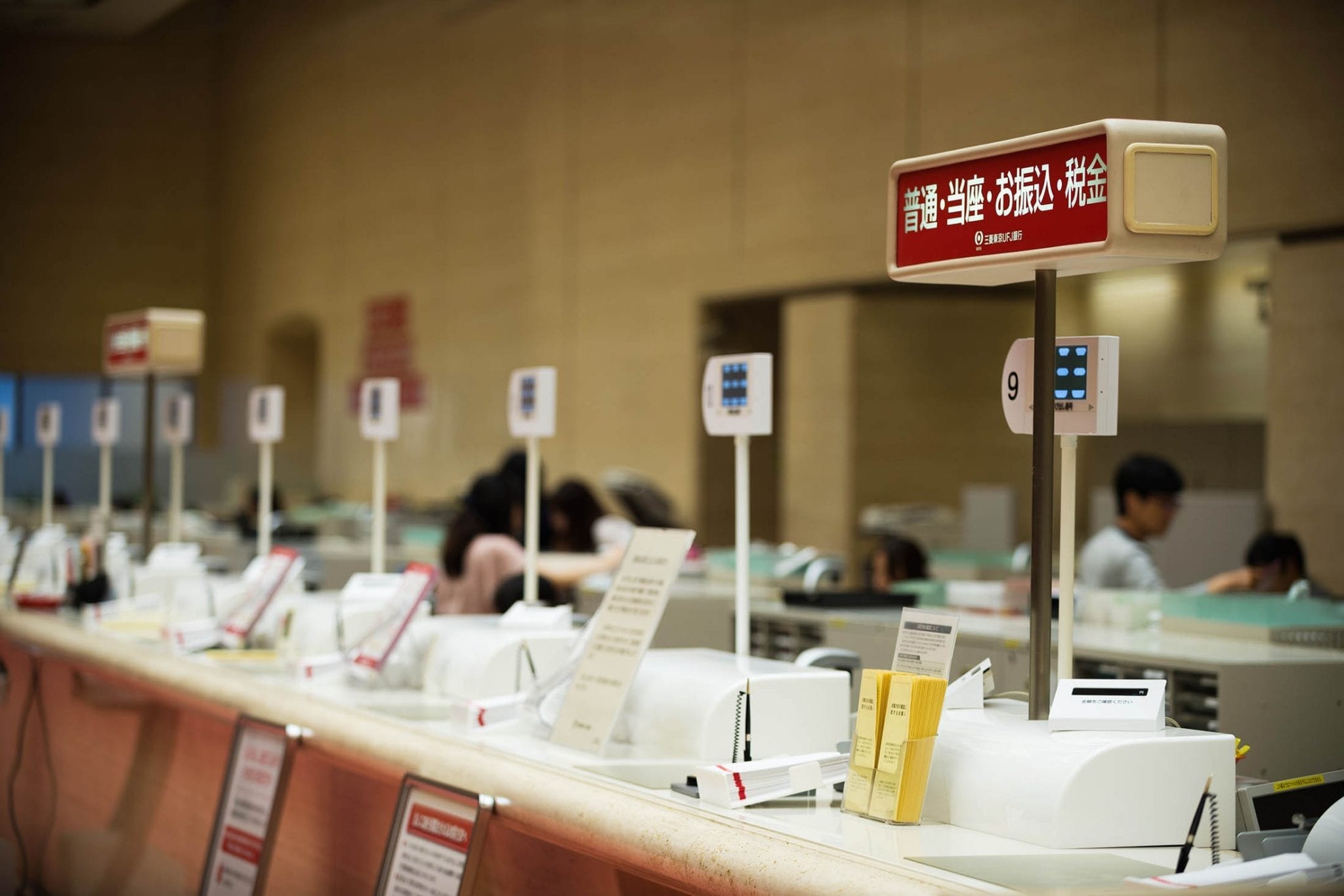
    Mitsubishi UFJ Financial Group, Japan’s biggest bank, agreed to buy a 20 percent stake in Philippine lender Security Bank Corp. for 36.9 billion pesos ($773 million) as it deepens its expansion in Southeast Asia.

    Security Bank accepted MUFG’s offer to buy 150.7 million newly issued common shares at 245 pesos each and 200 million preferred shares at 0.1 peso apiece, the Manila-based bank said in a filing Thursday. That represents an 81 percent premium on Security Bank’s Wednesday closing price of 135 pesos.

    The deal will be the largest equity investment in a Philippine financial institution by a foreign lender, allowing Security Bank to accelerate its growth strategy and expand its branch network, the Manila-based company said. Japan’s biggest lenders have expressed interest in investing in the Philippines after the country loosened its rules on foreign bank ownership in 2014. The nation’s central bank said after the announcement that it welcomes the entry of foreign bank investments.

    “Security Bank will benefit from the deal by having a bigger war chest to execute its strategy,” Charles William Ang, an analyst at COL Financial Group Inc., said by telephone. “The deal is also a sign that foreigners are still very bullish about our banking industry, which remains under-penetrated. There are more opportunities for growth and profit compared with Japan.”

    ‘Right Price’

    Ang said the transaction amount reflects the large size of the stake. MUFG is paying a 78 percent premium to Security Bank’s average price over the past month, the fourth highest among all bank acquisitions in Southeast Asia, according to data compiled by Bloomberg. The price of 245 pesos a share is 2.8 times book value, the data show.

    “People say that it’s expensive, but we believe this is the right price,” Go Watanabe, chief executive officer for Asia-Oceania at MUFG’s main lending unit, said at a briefing in Manila. “We believe this price is fair, calculating the intrinsic or future value of the bank.”

    Shares of Security Bank climbed 6.7 percent, the most since June 2013, to 144 pesos. MUFG dropped 2.4 percent in Tokyo as Asian equities resumed their New Year tumble.

    Second Biggest

    MUFG is comfortable with a 20 percent stake, Watanabe said. The investment will make its Bank of Tokyo-Mitsubishi UFJ Ltd. unit the second-biggest shareholder of Security Bank, behind the Dy family. The deal is expected to close in the middle of the year, and MUFG will appoint two directors to Security Bank’s board, according to the statement.

    Security Bank will target 500 branches by 2020 from the current 262, the company’s President Alfonso Salcedo told reporters. The investment will allow it to tap new markets through MUFG’s relationships with Japanese companies and its global network, according to the statement. Security Bank’s operations range from retail banking to brokerage services and leasing, its website shows.

    Investments by foreign lenders “further reinforce bank capitalization, introduce global best practices and know-how and expand markets,” Bangko Sentral ng Pilpinas Governor Amando Tetangco said in a mobile-phone message. “These also promote more job-creating foreign direct investments.”

    Indonesia and India remain missing parts in MUFG’s expansion in Asia, Watanabe said. The financial group has been expanding in the region as a declining population and near record-low interest rates constrain growth at home.

    Thailand, Vietnam

    It was among 12 firms that expressed interest in buying United Coconut Planters Bank from the Philippine government, people with knowledge of the matter said last June. MUFG owns 77 percent of Thailand’s Bank of Ayudhya and it bought a 20 percent stake in state-owned Vietnamese lender VietinBank in 2013.

    Sumitomo Mitsui Financial Group Inc., Japan’s second-biggest lender by market value, was the first foreign lender to get a license to operate in the Philippines under a 2014 law allowing full entry of overseas banks. Five more lenders have since received approval, President Benigno Aquino said Tuesday at the opening ceremony of Sumitomo Mitsui’s first branch in the Southeast Asian nation.

    Japan’s Mizuho Financial Group Inc. ended talks to buy San Miguel Corp.’s controlling stake in Philippine lender Bank of Commerce, people with knowledge of the matter said in October.

  • WHSmith expands Southeast Asia retail footprint

    WHSmith expands Southeast Asia retail footprint

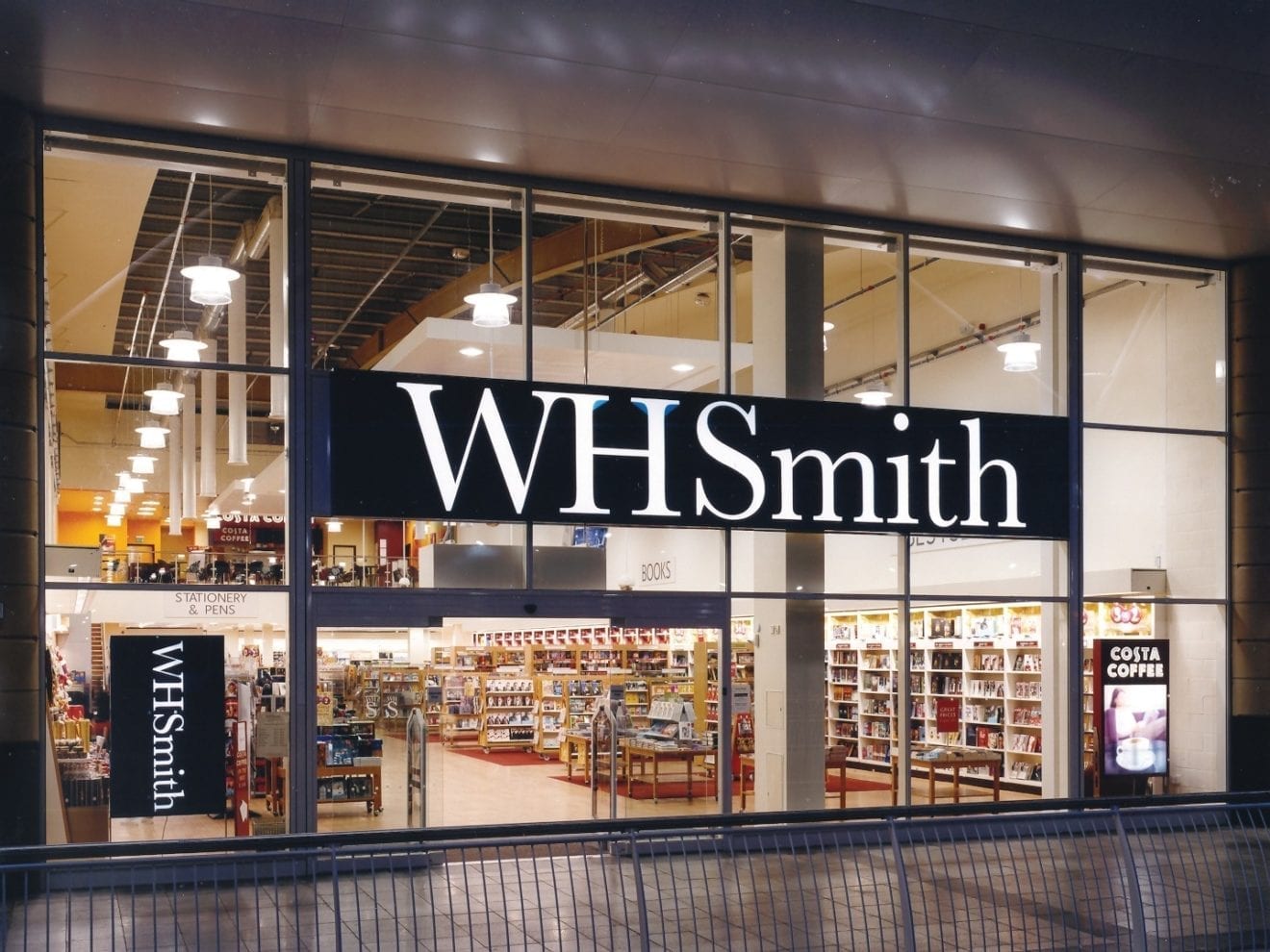
    International news, books and convenience retail operator WHSmith has further expanded its presence in Southeast Asia by opening its first stores in the Philippines alongside extending its retail coverage in Indonesia and Malaysia.

    In Indonesia, WHSmith has secured three stores at Jakarta’s terminal three. The stores will be operated by its local franchisee, KPU; a subsidiary of the Indonesian Listed company PT Sona Topas. Once the first store is inaugurated, two further stores will be opened when the terminal construction is completed in the coming months. Covering over 400,000sq m, T3 is one of the largest in Southeast Asia.

    In the Philippines, WHSmith has recently opened the second of its stores at Manila Ninoy Aquino International airport, following the opening of its first Philippine store at Cebu Mactan International airport. Manila is the largest airport in the Philippines. With over 36 million passengers using the airport annually, it is a top 40 global airport. With 8 million passengers forecast in 2016, Cebu is the second largest airport in the Philippines.

    Regent Travel Retail is currently working under a franchise agreement with WHSmith and has created a management team to ensure the smooth running of the stores. , Regent Travel Retail General Manager Joey Esteban said: “Regent is pleased to be opening its first WHSmith stores in Cebu and Manila in partnership with WHSmith. It is an important milestone in our development of the brand in the Philippines.”

    In Malaysia, WHSmith has opened a WHSmith Express format store in Kuala Lumpur’s Terminal 1 Satellite building. There are now nine WHSmith stores in four Malaysia airports, under a joint venture with Bison consolidated.