Retail News CRM

Tag: manila

  • Megaworld aims to launch 13 malls in three years

    Megaworld aims to launch 13 malls in three years

    Property developer Megaworld Corp says it plans to open 13 malls in the next three years in line with its target to hit 28 by 2020.

    It already has 13 malls across the Philippines, with Southwoods Mall about to open in Laguna.

    Megaworld Lifestyle Malls head/senior VP Kevin Tan says the Southwoods Mall covers 58,000sqm in Megaworld’s only fully integrated township, Southwoods City. The 561ha township is at the boundaries of Binan, Laguna and Carmona, Cavite, and is the largest township in the country to feature a golf course.

    There is also a CBD, commercial and retail stores, malls, schools, church, a cyberpark, a medical centre, parks, leisure activities, a weekend market and a transport hub.

    Megaworld is a property unit of magnate Andrew Tan under his conglomerate Alliance Global Group.

  • Megaworld Corporation income jumps 11 per cent

    Megaworld Corporation income jumps 11 per cent

    Property giant Megaworld Corporation, which specialises in developing integrated urban townships, achieved first-half net income of PHP6.69 billion (US$130.4 million), an 11 per cent improvement on the same period last year.

    Rental income drove its earnings for the period.

    Megaworld’s rental business, which includes malls and commercial centers, saw its income soar 20 per cent to PHP5.83 billion.

  • Philippine 7-Eleven stores to expand food, services offer

    Philippine 7-Eleven stores to expand food, services offer

    Philippine 7-Eleven stores will be adding new concepts and initiatives over coming months to help differentiate from rival c-store chains.

    Parent Philippine Seven Corporation, revealing its trading figures for the first six months which included a decline in net profit from P472.3 million to P446.4 million year-on-year, said higher sales in the second half reduced the rate of decline from 13.3 per cent in the first quarter to 5.5 per cent in the second quarter. Same-store sales rose by 1.2 per cent in the second quarter, compared with a 2.5 per cent decline in the first.

    Total retail sales rose 16.9 per cent due to network growth to P18.1 billion. The company added 347 stores during the six months, taking the total to 2087.

    While revealing few details of the planned new initiatives, Philippine Seven said it would be launching new food and beverage options to stand out from other fast-food options consumers had.

    The company also plans to expand its merchandise assortment and add new services reflecting growing customer demand for  innovation and convenience in many categories.

    Meanwhile, the company continues to pursue opportunities to expand  its network.

    “The company… continues to invest in opening new stores in existing and new markets even if competition had slowed down,” it said in its results statement.

  • Irvins Salted Egg snacks make Manila debut

    Irvins Salted Egg snacks make Manila debut

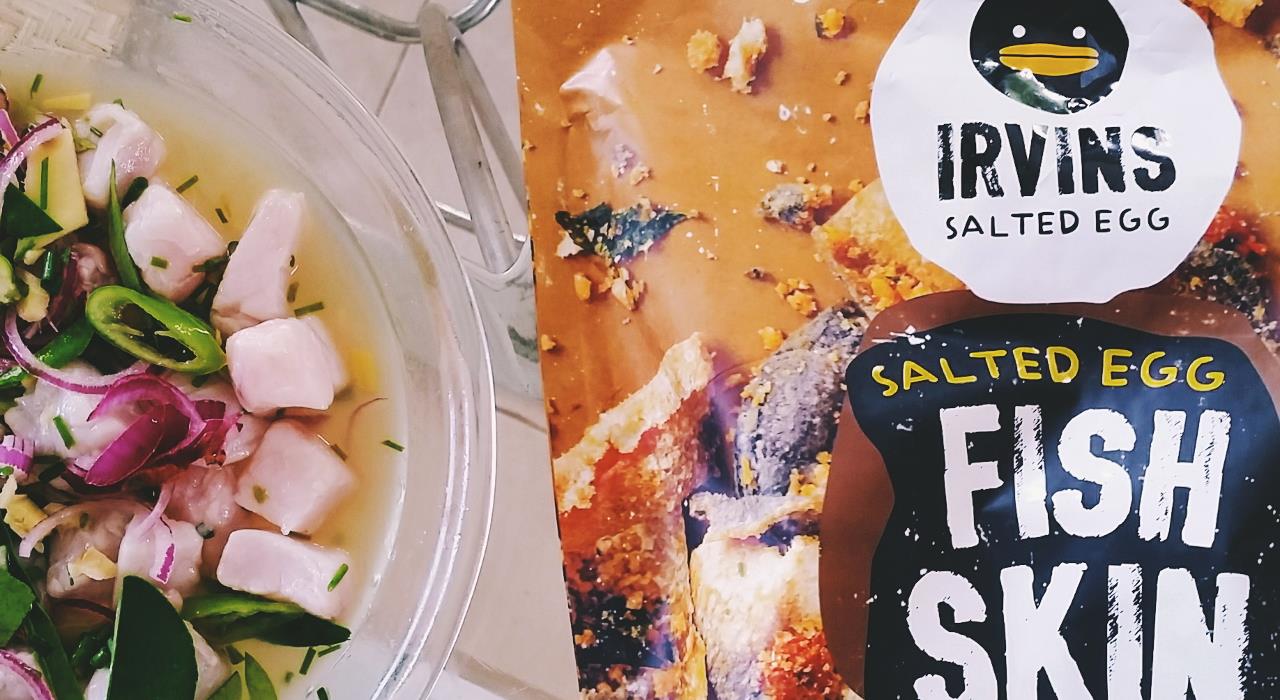
    Irvins Salted Egg snack store from Singapore has opened its first Philippines outlet, in Metro Manila.

    On the ground floor of SM Mega Fashion Hall, the shop sells the brand’s signature snacks: salted egg fish skins and salted egg potato chips.

    Owner Irvin Gunawan says he decided to open a store in the Philippines after seeing the great response to the snacks from Filipinos in Singapore. His hunch was right, as on its first day the Manila store had a queue throughout the morning.

    Gunawan says other branches will come, the first before year’s end.

  • BDO JCB Platinum Credit Card Launch

    BDO JCB Platinum Credit Card Launch

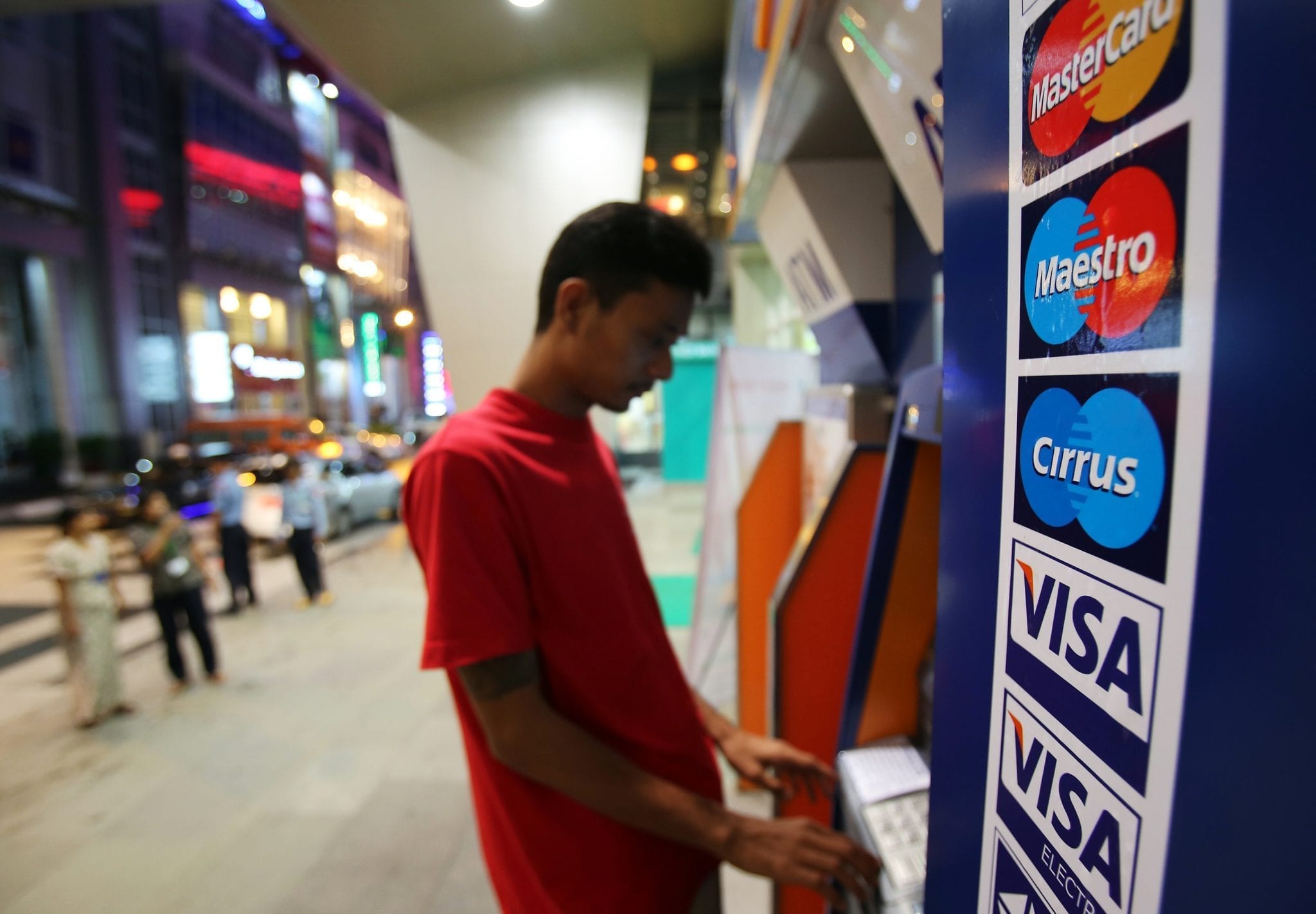
    CB International Co., Ltd. (JCBI), the international operations subsidiary of JCB Co., Ltd., (referred to below as “JCB”) announced the launch of the first JCB Platinum Credit Card in the Philippines issued by BDO Unibank, Inc. (BDO), the largest bank in the country.

    The new high-end credit card was formally unveiled at an exclusive gathering attended by BDO and JCBI executives, and members of the press at UMU Restaurant, Dusit Thani Manila.

    “The BDO JCB Platinum Credit Card offers a full suite of premier services, exclusive privileges and benefits custom-made for the discerning lifestyle and sophisticated taste of our elite cardholders. A must-have for travellers, especially those who frequently visit Japan,” says Ms. Ma. Nannette R. Regala, BDO Senior Vice President and Consumer Lending Group Marketing Head.

    BDO worked closely with various well-known Japanese brands and establishments to create a platinum-grade program tailored fit to the needs and wants of the card’s target clientele. While JCB, Japan’s only international payment brand, leveraged on long established partnerships to provide a wide range of exclusive offers especially in Japan as well as overseas for JCB Cardholders to further strengthen the value proposition of BDO JCB Platinum Credit Card.

    According to Mr. Yuichiro Kadowaki, Senior Vice President of JCBI, “Combining BDO’s expertise in customer relationships and dynamic local operations with JCB’s global acceptance network, we can expect a synergistic effect that will offer both BDO and JCB the opportunity to further expand the credit card market in the Philippines. With over 55 years of experience in the credit card industry, as well as growing business and customer networking in Asia, we at JCB are striving to deliver even higher quality services to our cardholders in the Philippines.”

    Apart from exclusive services in Japan, BDO JCB Platinum Credit Cardholders can also take advantage of the following privileges:

    – Complimentary access to select VIP airport lounges
    – Special rates for Airport Meeting Service
    – Up to Php20M Travel Insurance Coverage
    – 24/365 Platinum Concierge Desk for restaurant and golf course reservations, sightseeing, entertainment and support for credit card-related emergencies.

  • Cebu Pacific seeks to increase Manila-Sydney flight frequency

    Cebu Pacific seeks to increase Manila-Sydney flight frequency

    Cebu Pacific (CEB), the only low-cost carrier servicing Manila and Sydney in Australia, has captured the largest market share for both passenger and cargo services on the route as of April 2017 and wants to increase its flight frequencies to this destination.

    Data from Australia’s Bureau of Infrastructure, Transport and Regional Economics (BITRE) showed that CEB flew 16,441 passengers in April alone, representing 41.8% of the total market share for the Manila-Sydney route, the highest among the three carriers flying this route.

    This brings the total number of passengers flown by CEB to 59,953 – representing 41.7% market share. Its closest competitor, on the other hand, captured 33.5% market share. Load factor for CEB for the Manila-Sydney route was at an average 80% for the first four months of 2017.

    Year-on-year, total passenger volume for the first four months of 2017 of all three carriers plying the Manila-Sydney route reached 143,765, up 12% versus the 128,352 passengers flown in the same period in 2016.

    For cargo service between Manila and Sydney, CEB captured 43.8% market share of the total 789 tons carried in April 2017. From January to April 2017, CEB had 47.4% market share of the total 3,114 tons of cargo carried for that route. The total cargo volume for the first four months of 2017, however, is 30.6% lower than the 2,128 tons carried in the comparable period last year.

    “Since opening the Sydney route in 2014, we have contributed to the growth of trade and tourism between the Philippines and Australia, through year-round low fares. Today, Sydney is one of our top international routes and bodes well for our future expansion plans in the Australian market,” according to Atty. JR Mantaring, Vice President for Corporate Affairs of Cebu Pacific.

    Cebu Pacific currently offers the most number of seats between Manila and Sydney, operating up to five weekly nonstop services between Sydney and Manila, departing every Tuesday, Wednesday, Thursday, Saturday and Sunday from Sydney at 11:35 a.m. and arriving Manila at 5:50 p.m.

    The flights from Manila to Sydney, on the other hand, depart at 12:05 a.m. and arrive Sydney at 10:05 a.m.

    Recently, the airline expressed interest to increase frequency between Manila and Sydney, noting strong demand for this route.

    Cebu Air, Inc. is the largest carrier in the Philippine air transportation industry, offering its low-cost services to more destinations and routes with higher flight frequency within the Philippines than any other airline. It also offers flights to over 60 destinations including Dubai, Tokyo, Beijing, Bali and Sydney.

    CEB’s 61-strong fleet, comprised of 4 Airbus A319, 36 Airbus A320, 8 Airbus A330, 8 ATR-72 500 and 5 ATR 72-600 aircraft, is one of the most modern aircraft fleets in the world. Between 2017 and 2022, Cebu Pacific will take delivery of 7 Airbus A321ceo, 32 Airbus A321neo, and 11 ATR 72-600 aircraft.

  • Cebu Pacific to launch Manila-Dumaguete night flights

    Cebu Pacific to launch Manila-Dumaguete night flights

    The Gokongwei-led airline said in a statement that it will add three round-trip flights weekly between Manila and Dumaguete, utilizing its 180-seater Airbus 320 aircraft. With the additional service, the budget carrier said the last flight will be leaving Manila at 5:20 p.m. and arriving in Dumaguete at 6:50 p.m. while return flight will be at 8:00 p.m. “Increasing the number of airports with night-flying capability would help promote tourism and improve connectivity within the country,” Cebu Pacific Vice-President for Corporate Affairs Paterno S. Mantaring, Jr. said. Increasing the number of airports with night operations will also allow the budget airline, along with other carriers, “leeway to spread flight times,” which in turn will improve aircraft movement and traffic at the Ninoy Aquino International Airport in the capital during the peak hours, he added.

    Cebu Pacific flies 21 times weekly between Manila and Dumaguete; and 14 times a week between Cebu and Dumaguete, through its wholly owned subsidiary Cebgo. Prior to Dumaguete, the airline announced night flights to and from Caticlan, the gateway to Boracay. It also operates night flights to and from the Roxas City Airport in Capiz, the Laguindingan Airport in Misamis Oriental, and the Legazpi International Airport in Albay, on top of trunk routes in Cebu and Davao. Cebu Pacific flies to 37 domestic and 26 international destinations, with over 104 routes spanning Asia, Australia, the Middle East, and USA. The airline operates flights out of six hubs in the Philippines: Clark, Davao, Kalibo, Cebu, Iloilo and Manila. Cebu Air, Inc.’s net income plunged 68% to P1.28 billion in the first quarter.

  • Decathlon Opens First Store in the Philippines

    Decathlon Opens First Store in the Philippines

    Decathlon, one of the world’s largest sporting goods retailers, is taking another step to realizing its tagline—”Making Sports Accessible to the Many”—when it will officially open its first Philippine store in Manila on June 30.

    Founded in France in 1976, the retail giant currently has more than 1,200 stores and operates in over 30 countries. Decathlon’s Alabang branch in Muntinlupa City Metro Manila marks the company’s 16th store in Southeast Asia, and the first of many more stores the company plans to roll out in the Philippines.

    Over the next 10 years, Decathlon plans to expand to other key cities, such as Cebu, Davao, Iloilo, and Legazpi.

    “We have been interested in the Philippines for quite some time now,” says Hans Iff, CEO of Decathlon Philippines. “As the country’s economy has gotten more robust and consumers are becoming more wellness-conscious, it is the right time to invest.”

    According to a McKinsey report, the sports industry in the Philippines is projected to multiply four times over the next twenty years, reaching €1 billion by 2026. With a growing younger population, an emerging middle class, and increased infrastructure spending, the World Bank Group expects the country’s real GDP to grow at a rate of 6.9 percent in 2017 and 2018.

    A core part of Decathlon’s operations is an investment in in-house, consumer-focused products, called Passion Brands. Each of the company’s 40 Passion Brands represents a different sport or group of sports, with a dedicated team that is responsible for the research, design, development, and testing of their product.

    “We want Decathlon to become one of the most loved brands in the Philippines. Thanks to the innovation and unbeatable value of our passion brands, we will continue to deliver the best quality and safety to guarantee customer satisfaction,” says Iff.

    The company places particular emphasis on recruiting people that share our company values: passionate about sports, service-minded, and autonomous. Managers at Decathlon work closely with their staff, encouraging them to make decisions and take on more responsibilities. “We believe satisfied customers start with satisfied employees,” says Iff. “Our employees are given the room to make mistakes and grow in their roles.”

    Decathlon Philippines is also investing in the local ecommerce market, allowing customers to purchase goods from their website. “Our physical stores are part of our omni-channel strategy to help us interact and serve our customers better. As consumer shopping behaviours and expectations are changing, we want to offer a seamless user experience, both in-store and online.”

    Through all of its platforms and brands, Decathlon is committed to creating value for its end users, employees, partners, and citizens wherever the company is present.

    The company is also looking to manufacture some of its products in the Philippines. “We aim to setup factories in the near future for the production of goods sold locally,” says Iff. “The Philippines already has the infrastructure in place for certain processes, such as heavy stitching and injection moulding for shoes.  And we have already made plans to locally produce a Bluetooth communication kit for Easybreath —our innovative snorkelling mask that lets you breath through your nose.”

    Decathlon Philippines actively supports the local community by investing in community development programs and partnering with NGOs and non-profit organizations. The company also recruits local underprivileged youth who have the opportunity to become Decathlon employees after undergoing a series of training. As part of their long-term vision, the company is seeking to collaborate with such youth for the design and development of certain new goods tailored for the Philippine market.

    “In a country where natural resources are limited, we want our stores to be as eco-friendly as possible,” says Iff. “The objective in the middle term is to build our stand-alone concept store with a minimal impact on the environment, through the reduction of energy consumption, the optimization of waste treatments and other strategies.”

    Aside from the brand’s corporate responsibility initiatives, their stores are famous for the sheer variety. The 3,000-square-meter store occupies the ground floor of Festival Mall in Alabang and stocks goods for 70 different types of sports. Aside from popular sports like basketball, running, diving, hiking, and cycling, Decathlon will also provide products that support the Philippines’ national and traditional sports like Arnis and Sipa.

    Customers can even try out products before buying. All Decathlon stores in the Philippines will contain a large playground spanning more than 400 square meters, which will be free and accessible to all customers. Sports activities will also be organised onsite to promote healthy living and fitness for store visitors.

    “Ultimately, the store was designed to enhance customers’ brand experience, inviting them in to touch, feel and see the quality of our products, the latest innovations, while discovering new sports.”
  • Cebu Pacific to launch evening flights to Caticlan in July

    Cebu Pacific to launch evening flights to Caticlan in July

    Cebu Pacific Air will launch in July night flights to and from Caticlan, the gateway to tourism spot Boracay, the airline announced Thursday.

    The country’s leading budget airline said it would add two round-trip flights for this route daily, with the last leaving Manila at 6:55 PM and returning from Caticlan at 8:45 PM.

    This would bring to 72 the total number of Cebu Pacific flights to Caticlan, including the current 60 from Manila, Cebu and Clark.

    Cebu Pacific said it would be the first carrier to mount night flights and use the upgraded air traffic control system and newly-installed night navigational equipment at Caticlan’s Godofredo P. Ramos Airport.

    The Civil Aviation Authority of the Philippines (CAAP), the Department of Transportation, and other relevant aviation authorities gave the operations the green light after technical reviews and consultations on Caticlan Airport’s night operation capability.

    “We thank CAAP for continually leading the scale-up of our airports to night-flying capability. We believe that expansion of operating times will not only boost frequencies to key domestic routes, but it will also give travelers more options, greater flexibility on when they fly and also help decongest air traffic, especially during the peak flying hours at noon and early afternoon,” said JR Mantaring, Cebu Pacific’s Vice President for Corporate Affairs.

    Mantaring said the launch of evening flights to and from Boracay, world-renowed beach destination, was “a long-standing request of tourism stakeholders.”

    The additional flights, he said, would make flights available to more passengers.

  • Paper Moon finds new landing in the Philippines

    Paper Moon finds new landing in the Philippines

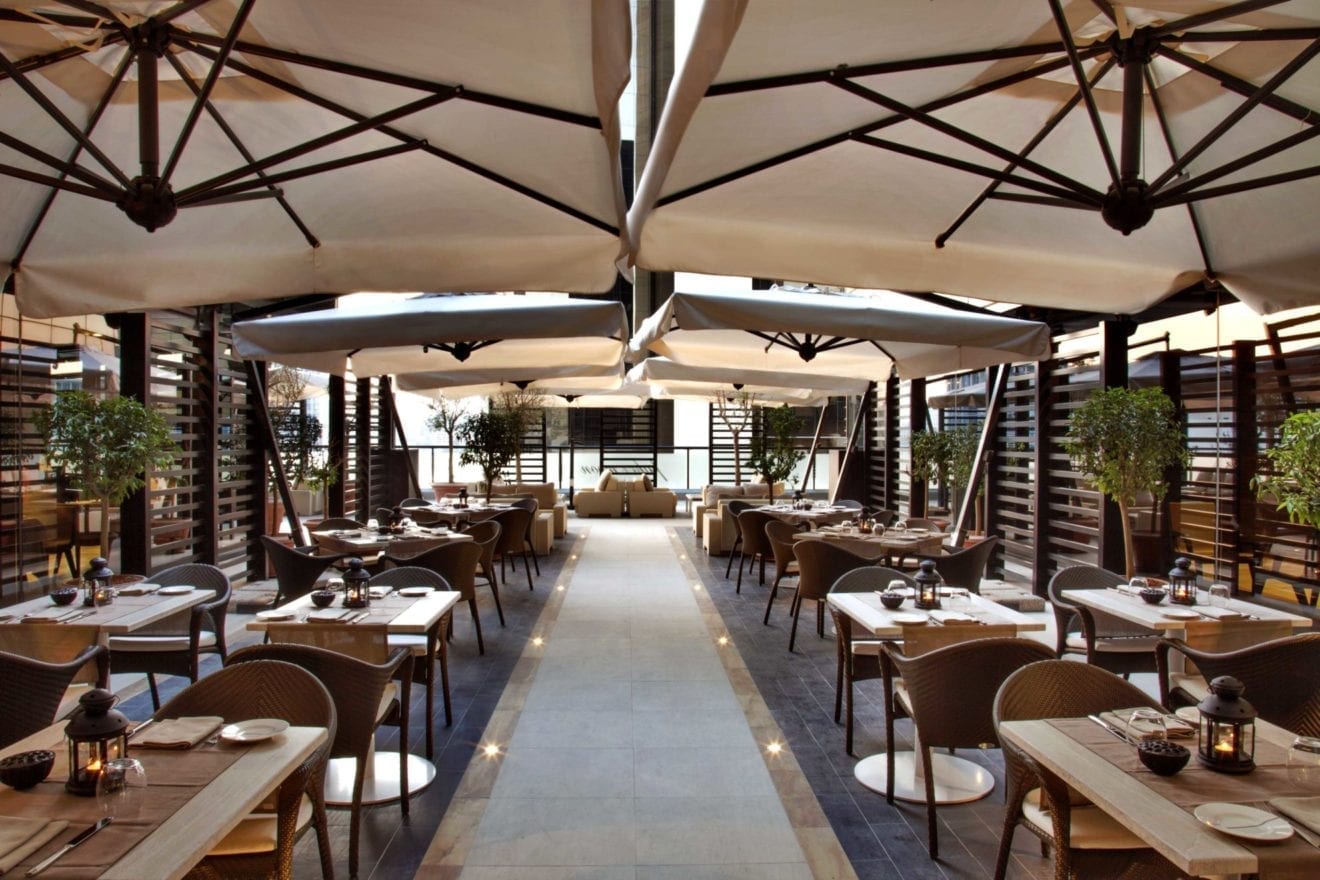
    Milan’s famous ristorante Paper Moon is now in Manila, palangga. The restaurant opened in a gorgeous roof deck setting at the Knightsbridge Residences in Century City, a few steps from Century City Mall, Kalayaan Avenue, Makati City.

    Paper Moon is Edi Tekeli’s newest passion project and marks his return to Manille after many years of living abroad. He opened the restaurant with longtime friend and Century Properties chair, special envoy to the US José E.B. Antonio and Hilda Reyes Antonio.

    After fashion retail, and knowing that Manila’s restaurant scene has become more vibrant, Tekeli felt he had found a gem in Paper Moon. He wanted to bring this rare culinary experience to the Philippines.

    Paper Moon has also opened in Istanbul and Doha.

    The grand opening in Century City coincided with Tekeli’s birthday party. He said the event was his way of expressing gratitude to friends who’ve been supporting his endeavors, such as when he brought retail brands Guess and Mango to the country.

    Among the guests were ambassadors from Italy, Massimmo Roscigno; Britain, Asif Ahmad; Singapore, Kok Li Peng; Canada, John Holmes.

    Also in attendance were Rep. Tonyboy Floirendo, Ambassador Bienvenido Tantoco Sr. and New York-based physician Norman San Agustin.

    Enrica del Rosso, who cofounded Paper Moon in 1977 with husband Pio Galligani, graced the affair and was happy to see the impeccable style touches in the restaurant.

    Tekeli is said to be opening more Paper Moon outlets in Southeast Asia.

    Rustan’s Portugal fest

    Rustan’s, in partnership with the Consulate of Portugal, recently launched “Portugal Divino!”—a celebration of Portuguese arts and crafts. At the opening, Anton Huang of Stores Specialists Inc. welcomed guests of honor led by honorary consul of Portugal to the Philippines Tony Rufino.

    Huang and Rufino later led the toast, along with Rustan’s VP for home merchandising and buying division Marilen Tantoco, Philippine Ambassador to Portugal Celia Anna Feria, award-winning Portuguese artist Arlinda Frota and Portuguese designer Ricardo Preto.

    On exhibit at Rustan’s Makati were Frota’s ceramic paintings. On May 26 to June 6, they will be on display at Rustan’s Shangri-la Plaza.

    Milestone

    Ricky Delgado Jr. of Isla LPG Inc. (ILC), the company behind LPG brand Solane (www.solane.com.ph), led its recent fifth anniversary celebration.

    “Solane has been here only for five years but we’ve already done so much,” Delgado said. “This company is respected for what it does well, and I think that if you look at how far we have come, it’s really because of the same strategy we have kept from the start—reliability safety, and we take what we say seriously.”

    Also toasting Solane’s milestone were Ruben Domingo, ILC chief executive officer; Shoichi Watanabe, Isla Petroleum and Gas (IPG) CEO; Willie Sarmiento, IPG chief finance officer; Tonito Gonzalez, ILC general manager for sales; and Yuji Fukuda and Keisuke Oba.

    Outstanding employees were handed awards: Team Ace Awards were given to the Bulk and Commercial Team. Account Manager of the Year was Haidee Alverne of the Vismin Team. Eagle Awards were given to Gigi Indangan, Regie Reyes, and Ricky Estolas, Jr. from the ILC operations staff.

  • Philippine Double Digit Growth to Attract Investors

    Philippine Double Digit Growth to Attract Investors

    The year 2016 was a great period for Philippines in the field of consumer lending which recorded a massive growth. The presidential elections in 2016 led to political stability and consumers had more confidence to take consumer loans. When the global market was highly volatile, consumer lending in the Philippines was an attractive destination with its strong consistently growing economic and financial systems that operate in a safe and sound approach.

    The new government has focussed on tax system and introduced a tax reform program that helped the country’s economic growth with respect to consumer lending. The World Bank signified that the Philippine financial market system will grow rapidly due to its consumer confidence and transparency of building regulations. According to research report “Consumer Lending in the Philippines”, country’s robust banking system is crucial in the consumer lending field where it ensures stability and rapid growth in the country’s economy. Thus, the Filipinos are now more confident to take more loans from the retail banks for automobile or domestic purpose.

    The rapid growth in Philippine domestic economy has created more jobs which washed out poverty to some extent. The recent economic developments in Philippines was somewhat driven by the presidential elections. The fixed capital investment rose to 25.6%. There were vast opportunities in the field of construction, manufacturing and service sectors.

    As per the economy growth statistics for the first quarter of 2017, it showed that the primary income for the nation slowed down by 3.9% and the gross national income has risen to 5.9%. The Philippines economy is aiming at a 6.5% to 7.5% GDP for the year 2017.

    The services sector is the highest contributor to the growth of the nation’s economy. The industry sector stands second and agriculture sector stands in the third place. The IPP (Intellectual Property products) are outstanding with the growth contribution of 27.2%. The export and imported goods contributed 22.3% and 20.8% respectively.


  • Philippine Airlines to increase capacity with new aircraft

    Philippine Airlines to increase capacity with new aircraft

    Philippine Airlines is to increase capacity on its London to Manila route.

    The airline is replacing its 254-seat Airbus A340 to a 370-seat Boeing 777 from mid-December.

    It will also take delivery of six new Airbus A350-900s over the next two years, one of which will serve the London route.

    From June 8 the airline is also set to resume flights to Kuala Lumpur after a three year respite.

    More fam trips are planned for later in the year following the success of a mega-fam it held in March which saw 50 UK agents tour the Philippines in partnership with the Philippines Department of Tourism.

    Senior assistant VP and EMEA division manager Genaro Velasquez said UK passenger figures were up 38% in the first quarter compared to last year.

    As well as increasing passenger numbers with the new aircraft planned, he said the next step was to promote the airline as a carrier to Australia.

    The airline flies to multiple destinations in Australia, including Sydney, Melbourne and Brisbane, via Manila.

  • PLDT secures 25-year franchise extension

    PLDT secures 25-year franchise extension

    The Philippines’ PLDT has announced that wireless subsidiary Smart has secured a 25-year extension to its franchise.

    President Rodrigo Duterte has signed into law a new Act that effectively extends Smart’s franchise until 2042.

    The franchise allows Smart to deploy, maintain, lease and operate integrated domsetic and international telecommunications services nationwide.

    New details have also reportedly been added to ensure Smart receives equal access to any future incentives granted to new players in the market and to exempt the operator from paying duties or taxes on telecoms equipment.

    The extension will take effect 15 days after publication of the franchise law in a newspaper of general circulation, something PLDT said it intends to effectuate.

    As half of the Philippines’ duopoly of mobile operators, PLDT’s Smart is a major player with around 63 million mobile subscribers as of the end of last year.

    But the Philippines has long been seeking to have a third player enter the market to enhance competition, and is planning to conduct a spectrum auction open only to potential new market entrants later this year.

    Rival operator Globe Telecom’s current concession runs until 2030.

  • Cebu Pacific joins Davao tourism program

    Cebu Pacific joins Davao tourism program

    The Cebu Pacific (CEB) has announced its participation in the largest travel event and tourism campaign in Davao region, the Visit Davao Fun Sale (VDFS). The carrier’s move is in support of the VDFS, which was launched four years ago, to promote Davao and peripheral areas in southern Mindanao as safe, enjoyable and exhilarating travel and adventure destinations for both local and foreign tourists.

    As part of the seven-week activities, CEB is flying-in top adventure travel bloggers and digital influencers from Singapore, Japan and South Korea to visit Davao and check out attractions such as the beaches in Mati City, Aliwagwag Falls and Eden Eco Adventure Park, go dolphin-watching off the coast of Mati, white-water rafting in the Davao River, pub-crawling in Davao’s city center, or shopping at the Aldevinco Center. “CEB takes pride in having the most flights to and from Davao. But more than the flights, we need to do our part to help entice tourists to fly to Davao and experience what the region has to offer.

    Davao and adjacent provinces have so much to offer tourists from all walks of life — from thrill-seekers to laidback travelers, families on vacation, barkadas on a getaway and even solo backpackers,” said JR Mantaring, CEB’s vice president for Corporate Affairs.

    Cebu Pacific has the most extensive domestic route network among Philippine carriers, with direct, inter-island connections to major tourist destinations. The carrier operates flights out of six strategically placed hubs in the country in Manila, Cebu, Davao, Clark, Kalibo, and Iloilo. Operating a hub in Davao, CEB has 141 flights to and from Davao, with six direct domestic routes (Cebu, Bacolod, Cagayan de Oro, Iloilo, Zamboanga and Manila) and a direct flight to Singapore. The airline’s extensive network covers over 100 routes and 66 destinations, spanning Asia, Australia, the Middle East, and United States of America.

    Launched in 2014, the Visit Davao Fun Sale is a partnership between local governments in the region, the Department of Tourism, other national government agencies and private enterprises to promote tour packages and unique experiences to tourists such as food and delicacy must-tries, as well as leisure and wellness activities. This year’s tours include special packages for Davao City, Island Garden City of Samal, Sta. Cruz in Davao del Sur where one of the trails to Mt. Apo is located, and the Hamiguitan Range and Wildlife Sanctuary. Since its launch, VDFS has helped push tourism growth in the region to double-digit levels, capping 2016 with 100,000 tourist arrivals. VDFS 2017 runs from April 16 to May 31.

  • Swine sector in the Philippines set to grow

    Swine sector in the Philippines set to grow

    The Philippines is undeniably one of the more interesting countries in Asia. With over a 100 million souls and a rapidly developing economy, there is a constant demand for pig meat and pork. What are the opportunities for the Philippines?

    The swine industry of the Philippines is one where jobs and economic opportunity seem guaranteed for the next decade for those who want to commit to a career or investment in modern pig production and processing. Demand is growing, in line with population and income (and tourism), and meat consumption is expected to grow in parallel. And, on the supply side, there is a deficit in pork and pig meat for the processing industry at the moment. The industry is a ‘hot zone’ for an expanding and growing supply chain from farm to fork (genetics, AI, feed, animal health, and equipment) and for foreign suppliers and importers/processors of pork.

    Second largest economic activity

    The swine sector is the second largest economic activity in the Philippines’ agricultural sector. Domestic pig production has been rising in both backyard and modern commercial farms. In 2016 (July 1), the total hog inventory in the Philippines was reported to be almost 12.5 million head – an increase of 1.4% compared with 2015.

    Backyard farms accounted for 64% of these animals and commercial farms made up 36% of the total hog population. Approximately 35% of the total breeding herd (1.68 million sows or 560,000 head) were on commercial farms (July 1 census 2016).

    The total breeding herd increased by 2.6% in 2016 and by 5.3% in 2015. The key regions for pig production are Central Luzon and Calabarzon which, together, account for almost two thirds of all commercial pig production. This proportion falls to around 30% of all pigs when backyard pig production is considered since these smaller units are spread more evenly around the Philippines. Although a lot of domestic pig meat is sold through wet markets there is a growing and vibrant meat processing sector which serves foodservice, retail and export customers. The Philippines’ Association of Meat Processors (Pampi) has around 50 company-members and claims that they account for more than P300 billion in revenues (US$ 6 billion) and provide jobs to more than 300,000 Filipinos.

    Investments are evident

    Investment in new production and processing capacity is evident. A recent example of this is the announcements by PIC of a new sire and dam line nucleus facility on the main island of Luzon, Hormel/San Miguel’s US$ 1.2 billion investment in doubling its meat processing capacity (to 120,000 tonnes) at General Trias, Cavite and the Charoen Pokphand Group’s (CP Group) plan to invest around US$ 2 billion on swine and poultry production in the Philippines in the next 5 years.

    However, it’s not all plain sailing since the domestic swine industry has a record of low productivity and has only recently begun expanding albeit the majority of local producers (mainly backyard and small farmers) are unlikely to be part of ‘commercialisation’. A particular challenge for the Philippines is the high feed and energy prices that are prevalent: these affect all producers and contribute to a relatively high cost of production for the domestic industry (estimated at US$ 1.80 per kg).

    San Miguel is one of the country’s largest conglomerates and meatpackers. The company aims to double its processing capacity in General Trias province. Photo: Vincent ter Beek

    Although the Philippines has some significant export markets (mainly Middle East) pig meat imports have grown to meet these export customers’ needs (up by circa 12% from the EU in 2016) and this may put some parts of the local supply chain under significant cost pressure in the future. The meat processing sector complains that locally produced raw pig meat does not meet its quality or presentation requirements and those imports of suitable pig meat are the only way that it can satisfy its export and domestic customers and this may be the main reason why new investments in integrated production and processing capacity are being seen.

    Reports of corruption and irregularities in customs processing are not uncommon as are complaints about unwieldy and bureaucratic SPS procedures and this may also be encouraging domestic investment. Lastly, the ever present threat of typhoons can seriously disrupt local production and this aspect of the weather’s behaviour affects decisions on location for new capacity.

    Hog Industry Roadmap

    Under the auspices of the Bureau of Animal Industry (BAI) the swine industry’s supply chain has signed up to a ‘Hog Industry Roadmap’ which describes the major challenges facing the domestic industry and the way to meet them over the next decade.

    This 26 page ‘action plan’ is most interesting and has been put together after consultations with commercial businesses and, if carried through, signals significant changes for local producers, their supply chain, and the value chain for pig meat in the Philippines. This plan envisages a growth of per capita consumption of pork in the Philippines from 14.9 kg/capita in 2015 to 16.4 kg/capita in 2017. This is relatively modest but still implies a growth of +30% in the domestic herd. The technical KPIs for production are also targets for improvement in the roadmap.

    The number of pigs sold/sow/year is required to increase from 18.8 in 2015 to 30 in 2027, and the FCR needs to shrink from 3.7 to 2.27 in the next decade. A final, ambitious, target worth mentioning is to get carcass meat production per sow per year up from 1.7578 tonnes to 3.5445 tonnes in ten years. That’s an improvement of just over 100%. It’s easy to see why these target figures imply that the Philippines is a ‘hot zone’ for investments in modern pig production.

    The Philippines at a glance

    The Philippine archipelago is made up of 7,107 islands. Together, the total area is 298,170 km2, which makes the country slightly smaller than Poland or Italy. The country’s capital Manila has about 13 million inhabitants; the economy’s growth rate is around 6% per year (2011-2015). The Philippines has a tropical marine climate with a northeast monsoon from November to April and a southwest monsoon between May and October. The country is usually affected by 15 typhoons and directly struck by five to six cyclonic storms each year. About 41% of the country is used for agriculture. Currently, the Philippines has a population of roughly 101 million, which grows 1.6% per year.

    Big challenges

    In conclusion, the Philippines is, classically, facing some big challenges if it wants to supply itself with more pig meat but it’s also clear that this is a country where opportunities beckon – and where the local industry has ambitions.

    These challenges and the potential to grow have not gone unnoticed by the local supply chain. The investment decisions of the CP Group and others noted earlier are a sign that moves are afoot to develop the pig and pig meat industry but there are other straws in the wind.

    A recent announcement of new power supply agreements between Aboitz Power Corporation and four of the largest members of Pampi; Foodsphere (CDO), Virginia Food, LIIP Food Processors (Century Pacific) and GenOSI (McDonald’s) is more evidence that wheels are turning and investments are being made. These major businesses need reliable and competitive power supplies to support their growing meat processing operations.

    That Hog Industry Roadmap for 2017-2027 has an ambitious vision – a sustainable and globally-competitive hog industry by the year 2027. The Philippines is one country where we can expect plenty of action for the swine industry in the years ahead.