Retail News CRM

Tag: manila

  • IDC Philippines Unveils its Top ICT Predictions for 2017 and Beyond

    IDC Philippines Unveils its Top ICT Predictions for 2017 and Beyond

    IDC Philippines announced its top predictions for the Philippine ICT industry for 2017 and beyond and predicts 25% of its top 1,000 companies will see majority of their business depend on their ability to create digitally enhanced products, services and experiences by 2020.

    IDC expects digital transformation (DX) will attain macroeconomic scale over the next three to four years, changing the way organizations operate and reshaping the global economy and calls this as the dawn of the “DX Economy”.

    “The rise of DX definitely has an incredible effect on the market. It opens massive opportunities for businesses as it helps strengthen relationships with end users, flattens organizational structures, and redefines traditional industries,” says Jubert Alberto, Business Operations Head, IDC Philippines.

    IDC Philippines’ technology and industry analysts also revealed the strategic top predictions and major technology trends that are set to present opportunities and challenges to IT leaders in 2017 and beyond.

    #1: DX Economy. By 2020, 25% of top 1,000 companies in the Philippines will see the majority of their businesses depend on their ability to create digitally enhanced products, services, and experiences.

    The market dynamics are quickly changing, and the enterprise must continually improve productivity and effectiveness while lowering costs in order to enable a transformation that will allow it to best compete in the constantly evolving market environment.

    „Year 2020 will see Filipino companies level up their DX journey to a macroeconomic scale, as their ability to offer digitally transformed offerings and experiences becomes an important measure of competitiveness and success in the market,” says Karen Rondon, Research Manager for Enterprise Computing – Networking, IDC Asia/Pacific.

    #2: Pinoy DX Teams. By 2018, 25% of Philippine organizations will have dedicated digital transformation/innovation teams.

    „These specialized ‚PH DX teams’ will be in charge of formulating plans both for internal and external applications of digital technology. These include identifying and using new technologies to improve operations, creating digital marketing strategies, developing their IT capabilities, and other related initiatives,” says Jan Edward Tañeca, Market Analyst – Imaging, Printing, Document Solutions (IPDS), IDC Philippines.

    #3: More Strategic ICT Push. By 2021, the government will have a more strategic ICT push to enable technology adoption among Philippine organizations.

    Year 2016 has been a good year as far as the country’s ICT agenda is concerned. According to the latest findings of the United Nations E-Government Survey, the Philippines went up 24 notches to rank 71st out of 193 countries in e-government development. With a dedicated, centralized agency at the helm of the country’s ICT development, IDC sees that by 2021, the government will be able to lay the much-needed groundwork that would enable robust technology adoption among Philippine organizations and raise the nation’s standards to be on par with other digital economies.

    #4: Cybersecurity. By 2018, cybersecurity will become a tier-1 business priority receiving fixed capital spending for 30% of the top 1,000 companies in the Philippines.

    Increasing security breaches and attacks has significantly raised interest in and awareness of the need to modernize security infrastructure in the Philippines. „In the coming years, enterprises will realize that rather than reacting to global security trends, the best-run businesses try to anticipate them. Thus, they will make cybersecurity a core part of their overall business strategy, taking into account the existing security industry trends and evolving criminal tactics and couple those factors with the organization’s risk tolerance, security program maturity, a holistic security strategy and, most importantly, business targets,” says Jan Edward Tañeca, Market Analyst – Imaging, Printing, Document Solutions (IPDS), IDC Philippines.

    #5: Information-Based Products. By 2020, revenue growth from information-based products will be double that of the rest of the product/service portfolio for a quarter of the top 1,000 Philippine companies.

    “In the Philippines, companies in the telecommunications, retail, and banking industries, among others, have unlocked new opportunities in creating revenue through analyzing and making sense of the aggregated customer information. Some organizations that have explored these options benefited in the form of penetrating new markets and generating new revenue streams as the information may vary from customer data to consumer buying patterns,” says Nicolo Santos, Market Analyst – Imaging, Printing, and Document Solutions (IPDS), IDC Philippines. „This opportunity requires a constant effort for organizations to address data privacy and security issues, and government regulations that surround the collection, storage, use, and sale of consumer data.”

    #6: Hyper-disruptive marketplaces. By 2019, 40% of customer-facing top 1,000 companies will experiment with augmented reality/virtual reality (AR/VR) as part of their marketing efforts.

    The potential impact of AR/VR across industries will become so big that by 2019, IDC sees 40% of the Philippines’ top 1,000 companies experimenting with these technologies to create their own unique experiential marketing strategies. „Consumer brands will be compelled to think out of the box and reinvent their marketing approaches – incorporating more AR/VR elements and placing emphasis on gamification – in a bid to gain the patronage and loyalty of consumers, especially young and tech-savvy millennials,” says Sean Agapito, Market Analyst – Client Devices, IDC Philippines.

    #7: Customer-/Ecosystem-Facing Digital Services. By 2019, 65% of Philippine IT organizations will create new customer-facing and ecosystem-facing services to meet the business DX needs.

    Customer-experience initiatives are on the rise across organizations, and as they increase the level of control customers and business-to-business (B2B) organizations have over their own experience, the scale of interactions will concurrently explode. „Failure to scale up the number of direct and indirect customers with whom an organization does business will lead to revenue shortfalls and uncompetitive cost structures. Improve profitability, we expect organizations to increase their use of virtual agents or digital assistants. Intelligent assistants will use artificial intelligence (AI)/cognitive technology to automatically adjust experiences to the users’ preferences and context,” says Alon Anthony Rejano, Market Analyst – IT Services, IDC Philippines.

    #8: Digitalized Customer Support Interaction. By 2018, 60% of customer support interactions will be digitalized and occur in online communities.

    With an increasing proportion of the Filipino population – reaching nearly half of the country’s total population in 2016 – actively using social media, IDC expects more organizations to interact with customers through social and online communities. Online customer support not only help solve customer problems but it also improves brand image. Additionally, a successful community will create brand champions or advocates and will not only recommend the product or the service to customers but will help solve customer problems on behalf of the brand. „This will make the theme of customer reciprocity strong moving forward. Also in the near future, more organizations will use IT to integrate existing customer services and support systems like integrating pre-built connectors, mining the community for insight into customers’ behavior, and proactively solve any emerging issues,” says Jerome Dominguez, Market Analyst – Client Devices, IDC Philippines.

    #9: Next-Wave Sari-Sari Store. By 2020, 30% of Philippine sari-sari stores will evolve to become another channel for one-stop payments and remittance centers.

    Something unique in the Philippine retail scene will be the presence of sari-sari stores in different localities. IDC foresees a future where sari-sari stores, a Pinoy cultural phenomenon, can offer services such as payment of utility bills, e-loading, and buying of travel tickets can also be done through these neighborhood stores. Serving as complimentary touchpoints especially in the rural areas, sari-sari stores play a pivotal role in filling the „unbanked” gap in the countryside. Organizations looking to engage more in the rural areas will have a viable channel, as in alternative to building brick-and-mortar branches, which may be cost-prohibitive to most companies.

    #10: ICT and BPO Disruption. By 2020, ICT and BPO markets will be disrupted by the pivot and policy changes from the Duterte and Trump administrations, if the industry does not take critical steps safeguarding the country’s inherent growth drivers.

    The BPO industry is one of the great contributors to the total ICT spending in the country. IDC maintains that the burgeoning and evolving to higher-value services around contact centers, medical transcription, software development, animation and game development, and global captive operations centers will still be very much viable in the short term, given the country’s inherent strengths. „In the longer-term view, however, this may change due to the shift in pivot and policy changes from the Duterte and Trump administrations. This may lead to an impression of the country’s volatility and together with issues on manpower and availability of skillsets, it may result in the industry stagnating in the near future due to lack of new investments and expansionary plans from incumbents. Far-reaching measures to address key issues are of paramount importance this year,” adds Alberto.



  • Philippine Airlines awards five-year DF contract to ISG

    Philippine Airlines awards five-year DF contract to ISG

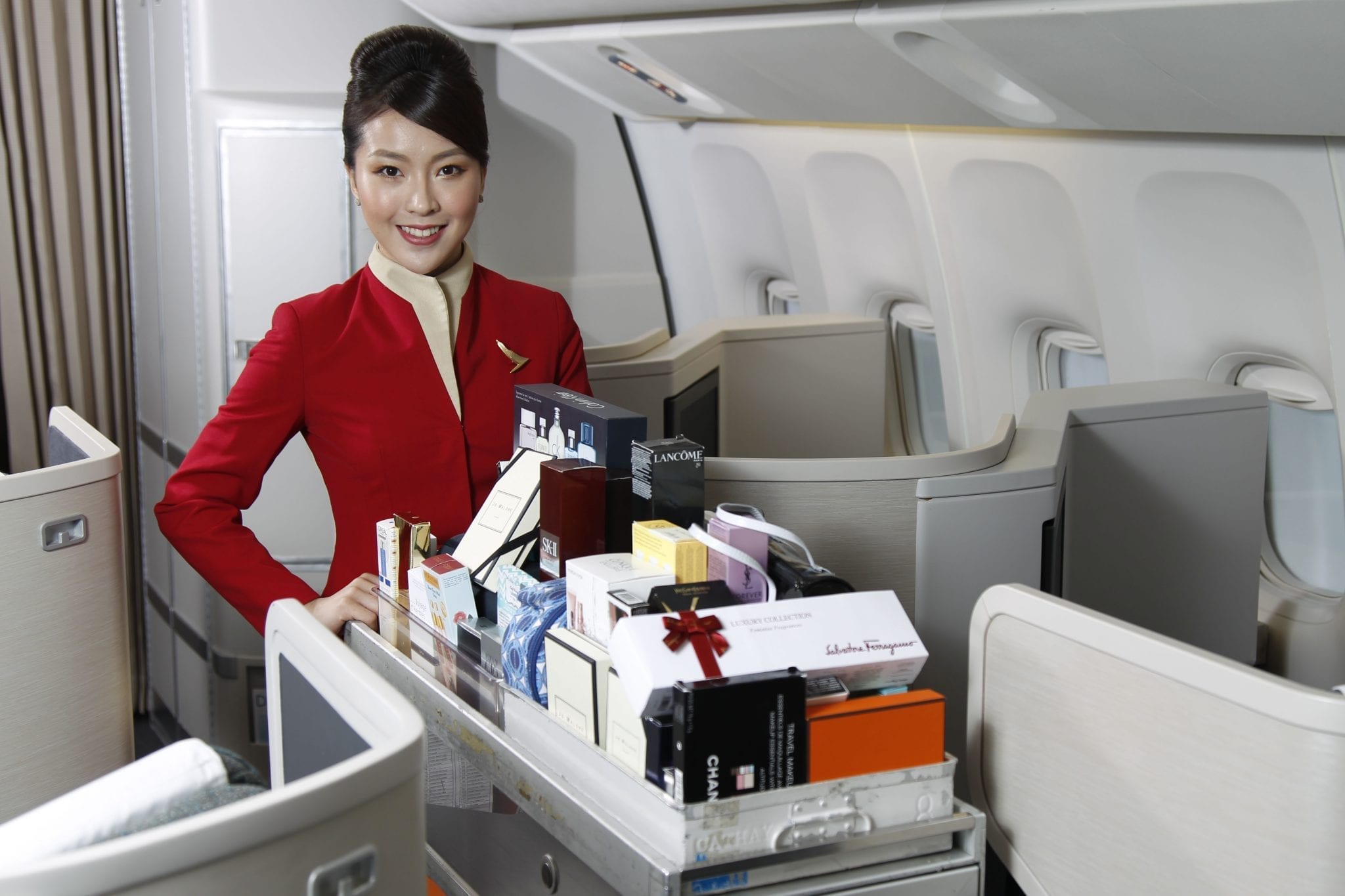
    Inflight Sales Group (ISG) founder and CEO Jean-Marcel Rouff has confirmed that the retailer has been awarded a five-year contract to operate the Philippine Airlines (PAL) duty free contract.

    This follows the narrowing down of the list of bidders to a final three in mid-2016, led by ISG, DFASS and the Regent Travel Retail Group in partnership with Duty Free Philippines’ ground shops.

    As exclusively reported last July, the airline amended the concession length from three to five years with the inclusion of a two-year extension, according to Resty Tizon, Inflight Duty Free Director who handled the process last year.

    INTEREST WAS HIGH IN THIS LONG-RUNNING TENDER

    At that time she confirmed to TRBusiness that there were additional companies who showed initial interest in the contract, but ultimately decided not to bid. These were Tourvest Duty Free and Lagardère Travel Retail.

    According to the airline, the average spend onboard last year was around $2, although the airline has been trying to attract more Chinese passengers.

    In the last 18 months it has also acquired several new aircraft, including five Airbus 321 planes and two B777s. This year it is also due to take delivery of another two A321s.

    NEW ROUTES – MORE INTERNATIONAL PASSENGERS

    On January 1 this year, Philippine Airlines also launched its first international flight from Clark Airport, marking its new policy to try and spread more international connectivity outside the heavily congested capital city of Manila.
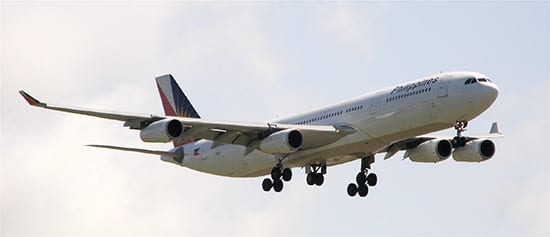
    A Philippine Airlines Airbus A340.

    PAL also launched a second new non-stop service to Singapore from Mactan-Cebu Airport in December 2016.

    In addition to the duty free contract to sell goods onboard, PAL has also increased the number of products now available through its Philippine Airlines Boutique online store.

    This offers online purchasing of ‘lifestyle merchandise’, including special hotel deals, car rentals, tours and recreation packages, fashion items and gadgets.

  • Retail seen robust in Year of the Rooster

    Retail seen robust in Year of the Rooster

    Retail scene in the metro is expected to remain robust given the enhanced purchasing power of Filipinos. Never has the local retail scene become more competitive than it is today.

    Considering that shopping malls and commercial centers have sprouted in practically every corner of the country, it would be hard to believe that the local market remains far from its saturation point.

    Sure, competition may have gotten stiffer today compared to a decade ago, as more local and foreign brands fight over a share of the Filipinos’ increasingly insatiable appetite for consumer goods and services.

    But the fact remains that there remained huge and potentially lucrative business opportunities that can be tapped.

    And this is being attributed to the country’s young and growing population and its strong, sustained economic growth, which make it more economically viable for retailers to further expand their presence, and for developers to put up more malls in whatever form or wherever these may be.

    Property consultancy firm Colliers International Philippines said in its 2017 forecast that it expected Metro Manila retail to remain robust given the enhanced purchasing power of Filipinos fueled by revenues generated by the IT and business process outsourcing (IT-BPO) industry and remittances by the overseas Filipino workers (OFWs).

    “Colliers sees a bullish retail segment over the next 12 months given a vastly improved consumer outlook. According to the Central Bank’s latest poll, consumer confidence is at its highest since the survey started in the first quarter of 2007,” said Joey Roi Bondoc, research manager at Colliers

    Colliers sees a bullish retail segment over the next 12 months given a vastly improved consumer outlook.

    High occupancy

    In an interview, Bondoc noted that retail vacancy in Metro Manila has remained low as regional and super-regional malls continue to record high occupancy rates.

    “Regional and super regional malls are at near full-occupancy, registering occupancy rates of 98 to 99 percent. If we factor in smaller formats such as neighborhood and district shopping centers, overall vacancy in Metro Manila remains at about 7 percent,” he said.

    “Colliers expects the figure to rise to about 10 percent following the completion of additional retail space in the fourth quarter of 2016, but we see this easing to 7 to 8 percent as retailers absorb the new space,” Bondoc further explained.

    According to Bondoc, food and beverage remained the major driver of retail spending in Metro Manila, accounting for anywhere between 30 and 40 percent of the leasable space in shopping centers—reportedly the highest in Asia Pacific.

    This is supported by Filipinos’ high expenditure on food and beverage, which typically covers about 40 percent of Philippine household spending.

    “Colliers sees this trend being sustained over the long term as consumer spending, which accounts for about two-thirds of the country’s gross domestic product (GDP), continues to drive the overall growth of the economy,” he added

    Higher consumption

    Real estate consultancy firm Santos Knight Frank Inc. meanwhile predicted that upcoming retail developments in Metro Manila will add about 485,000 square meters (sq.m.) of gross leasable area until 2018.

    “Retail expansion will be driven by developments outside Metro Manila as demand in the countryside remains robust. In the long run, there will be sustained consumer confidence backed by strong consumption pattern and increased disposable income,” the company said in a statement.

    According to Santos Knight Frank, the year 2016 was marked by increased consumption expenditure. Shopping malls, it noted, have adopted a lifestyle-oriented trend, building community malls and retail podiums in Metro Manila as well as outside cities.

    “Retail openings in clothing apparel and food chains were still prevalent because of current lifestyle trends. The steady increase of consumer spending evident (last) year has required manufacturing firms to expand operations and increase size of storage facilities,” it said.

    “Firms have been aggressively searching for warehouses and manufacturing spaces in known industrial locations especially in Central and North Luzon,” it disclosed.

    Aggressive expansion

    Such opportunities are not lost on companies like DoubleDragon Properties Corp., which is aggressively expanding its retail footprint nationwide.

    Through its subsidiary CityMall Commercial Centers Inc. (CMCCI), DoubleDragon is looking to put up 100 CityMall branches by 2020 and become the become the largest independently branded community mall chain in the Philippines.

    As of end 2016, there are already 10 operational CityMalls located in prime provincial city centers mostly in the Visayas and Mindanao region.

    The first CityMall opened its doors to the public in Roxas City, Capiz last March 2015.

    CityMall will not only provide prime spaces to the top Philippine fast food brands such as Jollibee, Mang Inasal, Chowking, Greenwich, Red Ribbon and Highlands Coffee. It will also serve as a platform for the provincial expansion of modern retail brands such as Savemore, Ace Hardware, Watson’s, SM Appliance, SM Simply Shoes, BDO, and Chinabank Savings, among others.

  • Prada opens its second store in Manila, Philippines

    Prada opens its second store in Manila, Philippines

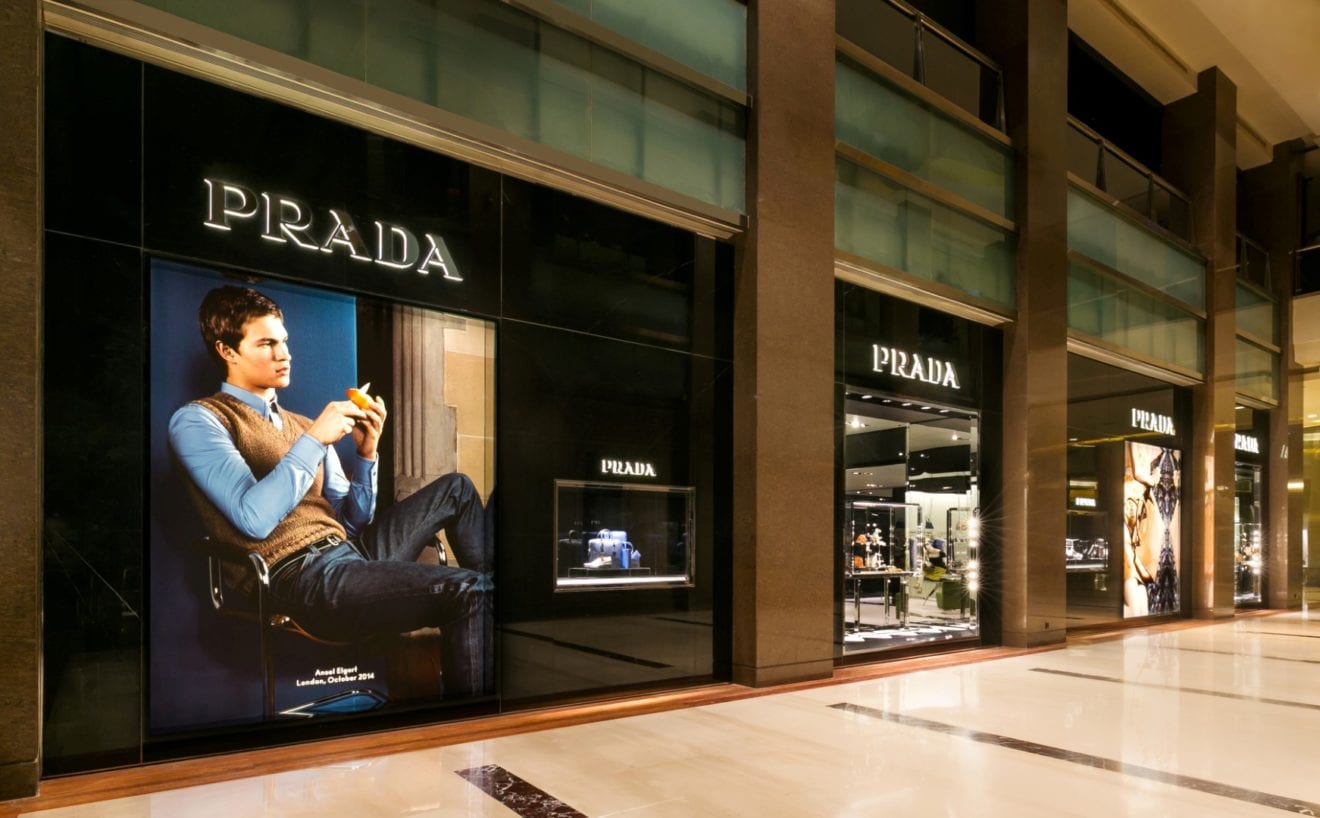
    The façade is defined by a backlit white canvas curtain enclosed in a crystal box, which frames the entrance, the wide light-boxes and the display windows.

    The space is characterized by the signature black-and-white marble chequered flooring, a legacy of Prada identity worldwide, reinterpreted in an original way through geometric- patterned carpeting. The walls, covered with fabric in the shades of green, are graced by the classic Prada display niches.

    Steel and glass countertops with brightly colored displays and Osvaldo Borsani’s green velvet chairs, reproduced exclusively for Prada, enrich the atmosphere.

  • Trump good for the Philippines

    Trump good for the Philippines

    Why is President Trump good for the Philippines?  He has withdrawn from the Trans-Pacific Partnership (TPP). The TPP, according to the Office of the United States Trade Representative, prohibits exploitative child labor and forced labor; ensures the right to collective bargaining; and prohibits employment discrimination.

    Philippine agriculture and retail and many small businesses depend on child labor and forced labor. The TPP would have subjected the Philippines (especially its exporters) to charges of violations of child and labor rights, non-payment of minimum wage and benefits for formal work.  With the US out of the TPP, the Philippines loses a major excuse for joining it and escapes the consequences that would have ensued with violations.

    Also, the TPP would have meant high-priced software and medicines produced by multinationals because of the treaty’s strong copyright protection provisions and severe sanctions for violations.   Without the TPP, Filipinos would have access to pirated and cheaper software and cheaper medicines.

    Besides, the Philippines doesn’t really have anything to sell to the world, except humans.  It has a very insignificant and weak manufacturing sector, outside of food and beer.

    President Trump is good for President Duterte and Duterte has been good for Filipinos.  He says they “have the same mouth.”

    Trump won’t mind any human rights violations in Duterte’s current violent anti-drugs campaign, unless the violations become so outrageous they trigger worldwide condemnation (such as the killing by the police while under police custody of the Korean businessman who was kidnapped for ransom by the police.  I agree that PNP Chief General Bato should resign and form an entirely new Philippine National Police. The present PNP is beyond reform).

    “We do not seek to impose our way of life on anyone,” Trump declared in his inaugural address. With his “America First,” Trump abandons America’s commitment declared by John Kennedy in his stirring inaugural speech wherein he said, “Let every nation know, whether it wishes us well or ill, that we shall pay any price, bear any burden, meet any hardship, support any friend, oppose any foe to assure the survival and the success of liberty.”

    So liberty, no. But territory? Now, that’s another matter.

    Still, Trump’s secretary of state, Rex Tillerson, told a US Senate confirmation hearing “we are the only global superpower with the means and the moral compass capable of shaping the world for good.  If we do not lead, we risk plunging the world deeper into confusion and danger.”  When he said that, Tillerson, however, might have been just pandering to the Democrats in the Senate to get his confirmation.

    Trump will try to  check China’s island-grabbing military and territorial expansion in the South China Sea. Tillerson has referred to China’s island-building to “Russia taking over Crimea.” “They are taking territory or control or declaring control of territories that are not rightfully China’s,” Tillerson said. At a press briefing Monday (Tuesday in Manila), White House Press Secretary Sean Spicer vowed the US would “make sure that we protect our interests” in the resource-rich trade route.  “It’s a question of if those islands are in fact in international waters and not part of China proper, then yeah, we’re going to make sure that we defend international territories from being taken over by one country,” the combative Spicer told reporters Monday.

    Some $5 trillion worth of goods pass through the South China Sea, according to our own Defense Secretary, Delfin Lorenzana.

    Trump’s belligerent anti-China stance could mean Duterte could play the China card vis-à-vis the US and his friendship with Trump vis-à-vis Beijing.  So Duterte gets the best of both worlds—increased trade, loans, assistance and investments from China—a great boost to the President’s focus on infrastructure and job generation, while enjoying the protective umbrella of the power of the US Seventh Fleet.

    Trump is an acoustics and optics-type president. He likes fire and brimstone.   That is why he has assembled for his defense and security and intelligence management who are, tough guys, and to use his own words, “the greatest of killers.”

    In the cabinet, there are three former generals, James “Mad Dog” Mattis (Defense) and John Kelly (Homeland Security and anti-terrorism), both former marines; and Michael Flynn (national security).

    Described as an intellectual in Genghis Khan clothing, a “Warrior Monk,” and another General Patton, Mattis once said “it’s fun to shoot some people”.   At the time he said (in San Diego), he was not referring to the Chinese.    He also once told Iraq military leaders, “I come in peace. I didn’t bring artillery. But I’m pleading with you, with tears in my eyes: If you f–k with me, I’ll kill you all.”   His favorite slogan: “Marines don’t know how to spell the word defeat.”  His advice to his soldiers before the second Iraq invasion: “Be polite, be professional, but have a plan to kill everybody you meet.”

    Meanwhile, a retired Marine Corps four-star general, Kelly, is the highest ranking officer who lost a son, a marine lieutenant, in Iraq (he stepped on a landmine in 2010).

    So expect fireworks, if not outright firepower, to spark in the South China Sea.  And that will be good for the Philippines.

    As for Mr. Flynn, well, The Economist calls him “a gifted intelligence officer” but recalls that “he was sacked as head of the Defense Intelligence Agency in 2014, allegedly for poor management skills.”

    In practical terms, such a description would mean:  The US has the right info on the Chinese.  They send warrior ships.  One of the warrior ships, however, fires on the wrong target (Remember: China’s ships in the islets and island it occupies in the South China are not supposed to be war ships but coast guard boats, civilians).

  • Moto boosts retail presence with 2 Moto concept stores

    Moto boosts retail presence with 2 Moto concept stores

    MOTO’S Philippine expansion remains at full throttle, with the opening of two new Moto Concept Stores in Metro Manila.

    Say #HelloMoto to two new stores located at the 4th level of Cyberzone areas in SM North EDSA Annex and SM Megamall both operated by MemoXpress.

    “The Philippines is a very important market for Moto, and we remain committed towards bringing the Moto experience to more Filipinos through our two new Moto Concept Stores. By offering greater product and service visibility, Moto is definitely on its way towards taking the Filipino digital lifestyle by storm,” said Dino Romano, Country Manager, Lenovo Mobile Business Group Philippines.

    As part of its goal to become the definitive #3 player in the global smartphone market, Lenovo is building scale and efficiency by expanding its Moto line across emerging markets, including the Philippines. Currently the fastest growing smartphone market in ASEAN, the Philippines has seen a total of 3.5 million smartphone shipments in the first quarter of this year, based on International Data Corporations (IDC)’s June 2016 report.

    Both Moto Concept Stores carry the newly-launched Moto smartphone lineup: its flagship line composed of Moto Z, Moto Z Play and the Moto Mods; its mid-range family, which consists of Moto G4 Plus, Moto G4 Play and Moto G Turbo; and the entry-level Moto E3 Power.

  • BSP Approves New Bank Service Channels

    BSP Approves New Bank Service Channels

    The Bangko Sentral ng Pilipinas (BSP) has relaxed rules governing service channels for banks and deposit taking activities outside bank premises.

    BSP Deputy Governor Nestor Espenilla Jr. said in a chance interview the changes would allow banks to expand their reach and serve clients more efficiently.

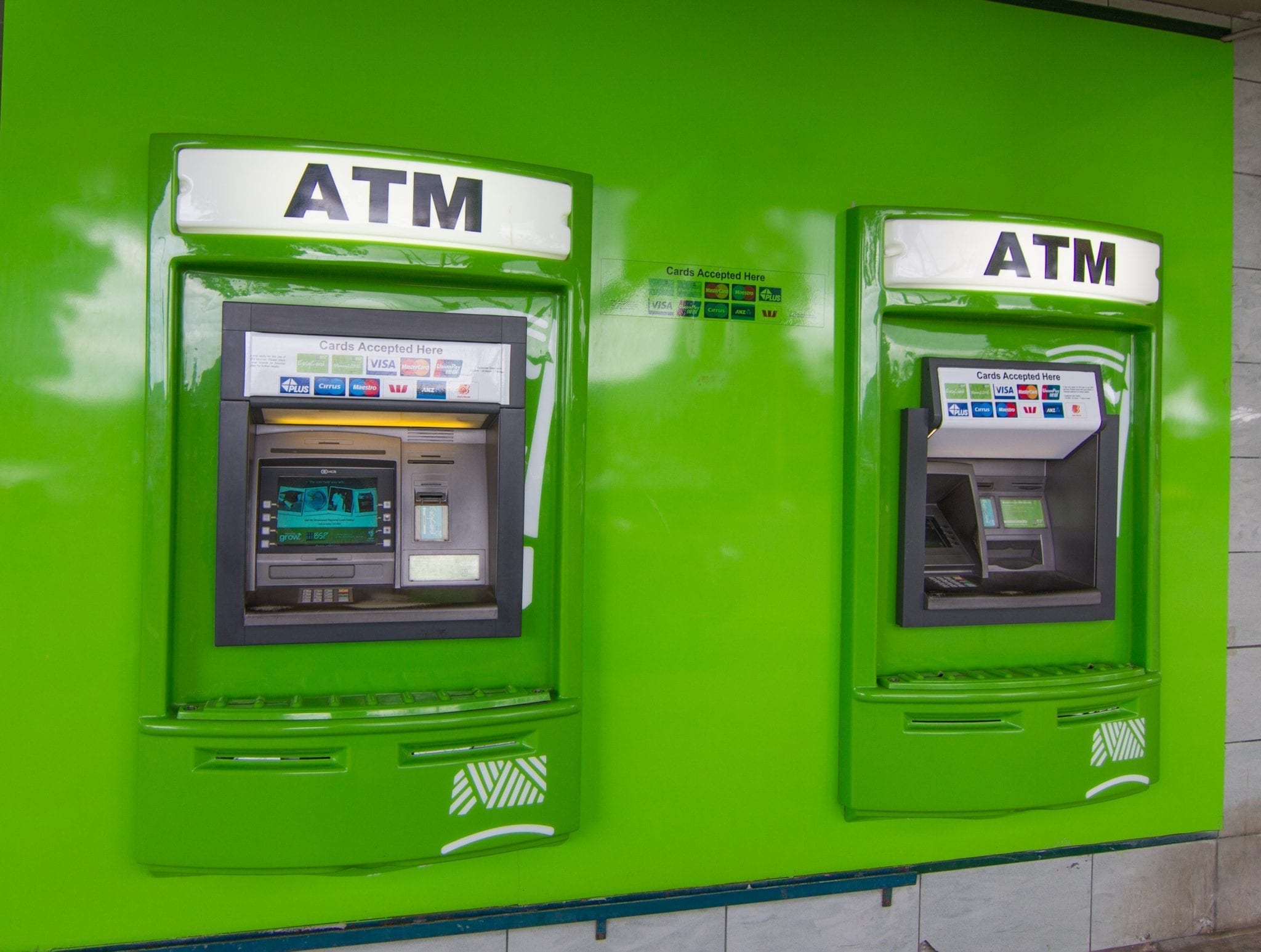
    Under the newly approved regulations, banks are now allowed to serve clients through cash agents. Cash agents will accept and disburse cash on behalf of the banks, facilitating online self-service deposits, withdrawals and fund transfers, as well as bills payment.

    Furthermore, cash agents can also perform Know-Your-Customer procedures as well as collect and forward application documents for loan and account opening.

    They may also sell and service insurance products as authorized by the Insurance Commission.

    Cash agents are typically cash-rich third-party entities with many outlets that conduct regular business in fixed locations anywhere in the country, such as convenience stores, pharmacies and other highly accessible retail outlets.

    The BSP said the cash agents enable banks to leverage on innovative digital solutions to serve a wider client base, particularly in the low-income and rural areas where the commercial incentives to set up a full branch or even a micro-banking office are limited.

    The new regulations are seen to help serve the large base of unbanked and low-income segments.

    Data from the BSP shows more than 36 percent of all the municipalities in the country have no banking presence although most of these are served by a variety of non-bank financial institutions like pawnshops, cooperatives and lending investors.

    Likewise, the BSP also relaxed existing regulations on offsite deposit servicing. This was done by removing highly prescriptive operational requirements and conditions for banks.

    With the new rules, banks have more flexibility in designing appropriate and cost-efficient ways to render deposit pick-up and delivery services and as a result, enhance client experience.

    However, despite the relaxed rules, the BSP said banks must ensure the safety and soundness of the banking system as well as uphold consumer protection.

    It said the recently approved guidelines emphasize banks’ responsibility for ensuring the adequacy of risk management and internal control systems for the liberalized deposit servicing activities.

    As such, the BSP would evaluate the quality and sufficiency of the risk management

  • Cebu Pacific requests flights to India

    Cebu Pacific requests flights to India

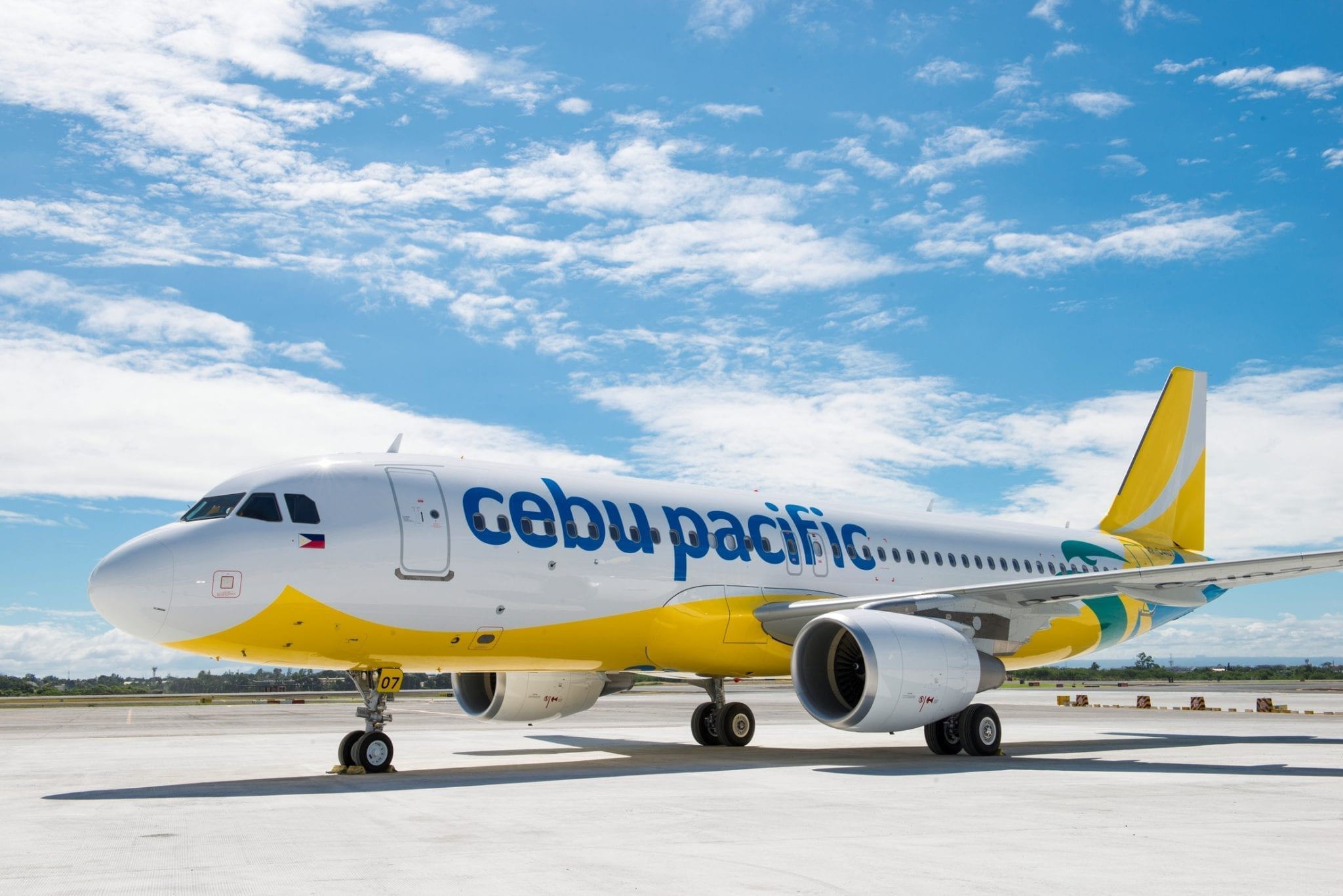
    Cebu Air, operator of Cebu Pacific, wants the Civil Aeronautics Board to reallocate the unused flight frequencies of rival Philippine Airlines to India. The Gokongwei-owned airline filed with the CAB an application for allocation and re-allocation of entitlements to India from PAL.

    Cebu Air’s request made the request in accordance to the existing air agreement between the governments of the Philippines and India.

    PAL flights to New Delhi were stopped in June 2013 amid low demand from local travelers.

    No Philippine carriers fly between Manila and India now.

    Philippines Air Asia Inc. filed with the CAB an application for designation as official Philippine carrier and grant of seven weekly flights to New Delhi, nIndia.

    Cebu Pacific earlier said it was studying to acquire an Airbus 350 and Boeing 788 in the third quarter this year for its long haul operation.

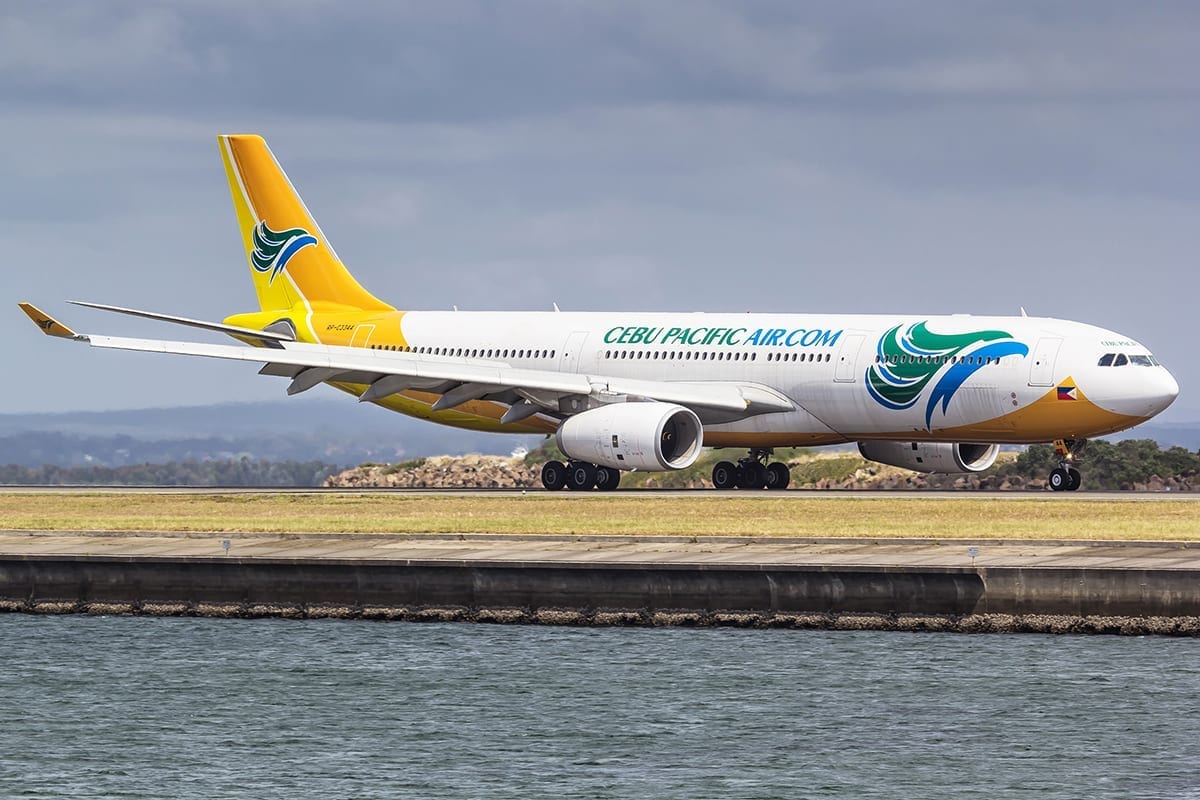
    Cebu Pacific launched its long haul operation in 2013, with A330-300 services to Dubai. It now operates five long haul routes to the Middle East and Australia and also uses its A330 fleet on several short haul routes.

    The airline last March launched four times weekly flights between Manila and Guam, its first US destination.

    Cebu Pacific currently offers flights to a total of 36 domestic and 30 international destinations, operating an extensive network across Asia, Australia, the Middle East, and USA.

    Its 58-strong fleet is comprised of six Airbus A319, 36 Airbus A320, six Airbus A330, eight ATR 72-500, and two ATR 72-600 aircraft.

    Between 2016 and 2021, Cebu Pacific expects delivery of two more brand-new Airbus A330, 32 Airbus A321neo, and 14 ATR 72-600 aircraft.

    Cebu Pacific earlier reported a net income of P7.09 billion in the January to September period, up 99.6 percent from P3.56 billion in the same period last year.

    Revenues increased 10.5 percent to P46.69 billion from P42.30 billion last year.

  • Marikina-made shoes a hit in Indonesia

    Marikina-made shoes a hit in Indonesia

    Filipino fashion retail brand Rusty Lopez recently opened its newest store in Jakarta featuring comfortable sandals and casuals made from Marikina, the Philippines’ shoe capital known for producing durable and high-quality footwear.

    According to a recent report of the Department of Trade and Industry’s Philippine Trade and Investment Center – Jakarta, the store in Sogo Lippo Mall Puri located in the St. Moritz Central Business District is the brand’s 9th outlet following the opening of stores in Seibu Grand Indonesia, Sogo Emporium Pluit, Sogo Central Park, Sogo Alam Sutera, Lotte Shopping Avenue, Metro Plaza Senayan, Metro Gandaria City, Metro Taman Anggrek.

    In a statement, Philippine Commercial Attaché to Indonesia Alma Argayoso said the sales of the newest collection during the opening were brisk. The other stores also received positive feedback.

    “It is exciting to bring to the Indonesian market the Philippines’ world-famous Marikina-made shoes. This affirms our belief on the potential of fashion retail products in Indonesia, Southeast Asia’s biggest economy,” Argayoso said.

    The first overseas store of Rusty Lopez opened in Jakarta on March 6, 2016 at the Seibu Department Store of Grand Indonesia Mall and featured carefully selected designs suited to the Indonesian market.

    DTI noted that increased interest in Philippine-made shoes abroad helps revive the local shoe industry and is expected to open more opportunities for small enterprises to generate employment within their communities.

    As part of the DTI’s Industry Promotion Group, the Philippine Trade and Investment Center (PTIC) in Jakarta will continue to support and assist Filipino homegrown brands in globalizing their products and accessing regional markets by continuously looking for potential partnerships.

    Aside from Rusty Lopez, other Filipino fashion retail brands in Indonesia include Karimadon, Penshoppe, Gingersnaps and Ann Ong Jewelry.

  • Cebu Pacific to hold cabin crew grand recruitment

    Cebu Pacific to hold cabin crew grand recruitment

    The recruitment fairs will be held in the following cities: Manila (Cebu Pacific Building, Pasay City) on January 14; Dumaguete City (La Residencia Almar Hotel, Rizal Blvd., Dumaguete City, Negros Oriental) on January 28; and Tagbilaran City (Metro Centre Hotel and Convention Center, C.P. Garcia Ave., Tagbilaran City, Bohol) on January 29.

    More opportunities for interested applicants will be made available all throughout 2017, as CEB will be conducting more recruitment fairs on later dates at chosen areas in Luzon, Visayas and Mindanao.

    “Last year’s recruitment fair in Manila alone was visited by about 1000 aspiring Juans. This year, we aim to make the fair even bigger by reaching out to more areas in the Philippines. We encourage everyone to take on the challenge to be part of the Philippines’ leading airline and contribute to bringing people together through safe, affordable, reliable and fun-filled air travel,” said Atty. JR Mantaring, CEB Vice President for Corporate Affairs.

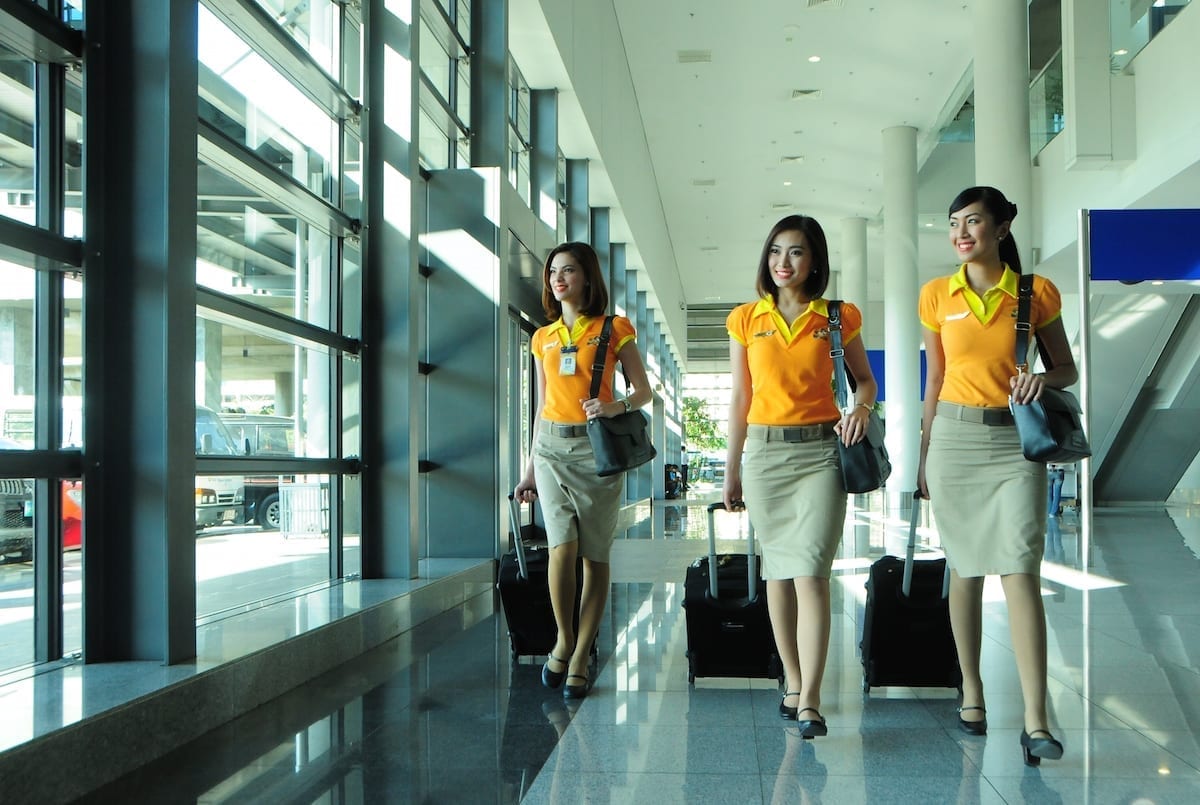
    CEB will process the applications on the same day, between 9:00 A.M. to 3:00 P.M. Acceptance of updated curriculum vitae (CV) with 2×2 photo will be until 1:00 P.M. only. Applicants must possess a dynamic personality, height of at least 5’3” for female, and 5’7” for male, weight that is proportional to height, clear complexion, good eyesight and a catchy smile, among others. Responsibilities include guaranteeing the safety of guests on board the aircraft, and ensuring that guests have a fun and pleasant flying experience.

    The detailed job descriptions and qualifications can also be found on www.cebupacificair.com or CEB’s page on jobstreet.com.ph.

    CEB currently offers flights to a total of 38 domestic and 30 international destinations, operating an extensive network across Asia, Australia, the Middle East, and USA. Its 57-strong fleet is comprised of four Airbus A319, 36 Airbus A320, seven Airbus A330, eight ATR 72-500, and two ATR 72-600 aircraft. Between 2017 and 2021, CEB expects delivery of one more brand-new Airbus A330, 32 Airbus A321neo, and 14 ATR 72-600 aircraft.

  • Singapore eyes increased investments, more flights to Manila

    The government of Singapore has expressed interest in further increasing its investments in the Philippines, as well as adding more flights to Manila in anticipation of increased demand in air travel between the two countries.

    In a recent meeting with Finance Secretary Carlos Dominguez III, Singaporean Ambassador to Manila Kok Li Peng said Singapore’s private sector would like to explore new growth opportunities in the Philippines, particularly in the retail, transportation, infrastructure and tourism sectors.

    Ambassador Kok said Singaporean businessmen were planning to schedule the next meeting of the Philippines-Singapore Business Council (PSBC) in Davao City and, if possible, meet with President Rodrigo Duterte to discuss new business and investment activities in the Philippines.

    “We’re trying to get a mixed meeting of the PSBC here. They want to bring the members to Davao to meet with the President,” Kok said, to which Dominguez responded that a possible date for such a dialogue could be in February.

    Singapore’s investments in the Philippines–valued at P16.8 billion in 2015–are mostly in real estate activities, electricity, gas, steam and air conditioning supply, and manufacturing.

    Singapore was the Philippines’ fourth largest trading partner in 2015. The country’s total exports reached $3.8 billion in 2015, mainly comprising electronic products, petroleum products, and electronic equipment and parts.

    The Philippines, in turn, imported a total of $5 billion worth of goods from Singapore in 2015, mostly mineral fuels, lubricants, food and live animals, and industrial machinery and equipment.

    Kok also said that Singapore was looking at the Philippines in exploring more markets for its airline industry.

    “More competition is good for the consumer,” Kok said in explaining Singapore’s plan for its airline companies—Singapore Airlines, SilkAir and Tiger Airways—to add more flights to the Philippines.

    In response, Dominguez, a former chairman of the Philippine Airlines, agreed that opening the Philippines’ air travel industry to competition and even partnerships with other airlines would benefit the economy and boost the growth of the tourism sector.

    Dominguez said the Duterte administration was “engaging more with ASEAN and countries around Asia” as a way to “move forward” and achieve a balance in strengthening the Philippines’ diplomatic ties with other nations across the globe.

    In Beijing last October, Dominguez and Socioeconomic Planning Secretary Ernesto Pernia, who were part of President Duterte’s delegation on his state visit to China, jointly announced that while the Philippines would maintain its good relations with Western economies, it pushed for “stronger integration” with its neighbors in the region.

    The move, they said, would open for the Philippines countless opportunities for trade and investment in a market of 1.8 billion people across the region, especially now that other ASEAN economies had also committed to greater integration and China had pledged to open its capital markets.

    ASEAN groups the Philippines, Malaysia, Singapore, Brunei, Thailand, Indonesia, Laos, Cambodia, Myanmar and Vietnam.

    Both Dominguez and Kok agreed that technology and innovation are indispensable to sustaining growth under the current knowledge-based global economy.

    “We’re now [living under] a knowledge-based economy. We think innovation is the way to go in the future,”Kok said.

    Dominguez said the rapid growth of online-based businesses and investments was among the reasons the Duterte administration considered it a priority to improve “interconnectivity and internet speeds” in the country.

    “The structure of the industry in the Philippines right now is really holding us back. And it’s becoming quite obvious that the system now we have, where we basically have two service providers, is not really working,” Dominguez told Kok.

    In the meeting, Kok also informed Dominguez of Singapore’s request to review and update the terms of its 40-year old double taxation agreement with the Philippines.

    Dominguez assured Kok that he would discuss Singapore’s concerns regarding the double taxation agreement with the Bureau of Internal Revenue.

  • Philippine Airlines Partners With Translations.com to Localize Website

    Philippine Airlines Partners With Translations.com to Localize Website

    Translations.com, a division of TransPerfect, the world’s largest privately held provider of language and technology solutions for global business, today announced that Philippine Airlines has chosen its GlobalLink Connect technology to launch and maintain the company’s corporate site as well as its Mabuhay Miles loyalty site in four languages.

    Translations.com will support the launch and maintenance of www.philippineairlines.com and www.mabuhaymiles.com in four languages — Simplified Chinese, Traditional Chinese, Korean, and Japanese. GlobalLink’s Sitecore Experience Platform connector will provide Philippine Airlines with a powerful solution to initiate, automate, control, track, and complete all facets of the translation process within their existing Sitecore user interface.

    Because the Sitecore integration is pre-built, no additional IT requirements or development hours were required to enable the integration. With GlobalLink Connect, Philippine Airlines is able to automate translation workflows, simplify review processes, and release in-language content to their target audiences quickly and on-brand.

    “The launch of our corporate and loyalty sites in these four languages marks a significant breakthrough for us,” said Snooker Jaranilla, Assistant Vice President of Philippine Airlines. “With GlobalLink’s ability to integrate directly with our existing Sitecore platform, managing our multilingual content is easy, familiar, and cost-effective. GlobalLink has made a significant positive impact on our international strategy.”

    “We are thrilled to have the opportunity to work with Philippine Airlines,” said Phil Shawe, Co-CEO at Translations.com. “It’s fulfilling to know that our GlobalLink Connect technology is helping such a strong Asian brand provide a better online experience to their customers both at home and abroad.”

    Translations.com Co-CEO Liz Elting added, “As its country’s flagship carrier, we knew that it was important for Philippine Airlines to represent their country with a strong online presence. By launching their corporate and loyalty sites in four new languages, they are making a strong statement showing the care and value they place on customers across all languages.”

  • Cebu Pacific boosts capacity for festive season

    Cebu Pacific boosts capacity for festive season

    Cebu Pacific has taken delivery of a new Airbus A330-300 aircraft in time for the festive peak season.

    The new twin-aisle jet was delivered on 14 December and has now entered service on the airline’s route between Manila and Hong Kong. This deployment has led to a 22% increase in terms of seat capacity on the popular route.

    As a low-cost carrier, Cebu Pacific equips its A330s with 436 seats in an all-economy class layout. This gives it a greater capacity than some airlines’ A380s.

    Cebu Pacific is the largest Philippine carrier operating in Hong Kong, offering flights to Cebu, Clark and Iloilo, as well as Manila.

  • Cebu Pacific eyes new jets for possible US flights

    Cebu Pacific eyes new jets for possible US flights

    Cebu Pacific, the country’s largest carrier, said Wednesday it was considering acquiring wide-body jets for possible flights to the United States.

    While “no formal decisions” have been made, Cebu Pacific said studying the acquisition of new aircraft is part of its long-term planning.

    In a disclosure to the stock exchange, the company said it was “evaluating new generation wide body aircraft that would enable it to enter new markets such as the United States.”

    The clarification was issued after The Standard newspaper, quoting an aviation think-tank, said Cebu Pacific was planning to acquire new planes for trips to the US West Coast.

    Cebu Pacific currently flies to the US territory of Guam. It also operates long-haul flights to the Middle East and Australia.

  • Huawei opens new concept store

    Huawei opens new concept store

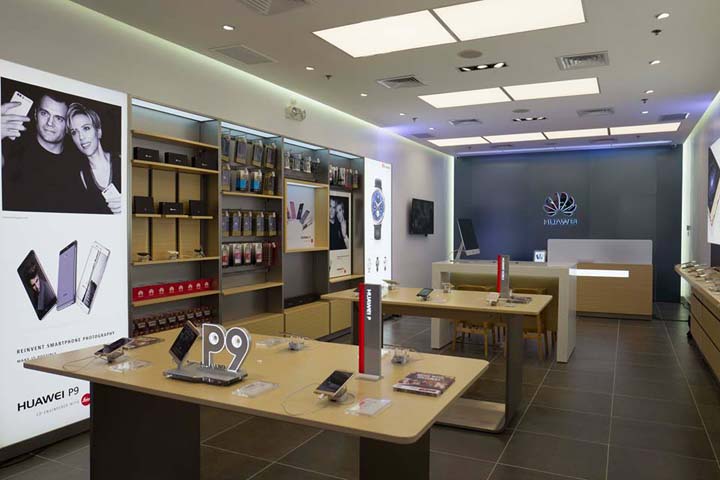
    Huawei introduced a new retail concept in its line-up of experience stores during a recent opening at SM City San Lazaro, Manila. The newly opened branch is the first in the city of Manila and the 44th in the country.

    SI 3.0, the design blueprint of the Huawei SM San Lazaro store is guided by four traits – simple, premium, warm, and comfortable. Relative to its predecessor, the SI 2.0, the new design is marked with wider spaces and lighter ventilation promising an enhanced and more welcoming customer experience.

    “Huawei continues to prove to be a game changer in the smartphone industry this year, and we have big plans to take advantage of this momentum. Our high-end premium phones such as the P9 and Mate 8 have been the drivers of this smashing success. As such, we would like to extend this premium, high-quality identity to consumer experience at our stores,” said Andy Fang, Country Head at Huawei Philippines.